
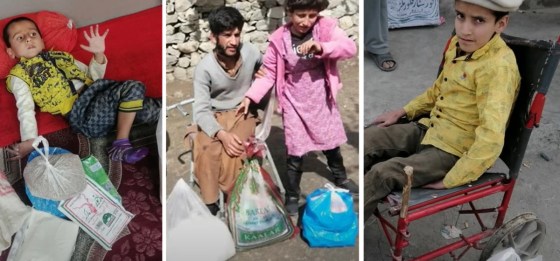
“I urge you to imagine the loneliness of being unseen, the despair of being unheard, and the pain of being forgotten. Now imagine that world being yours. If you can’t walk in our shoes, try to walk beside us. Offer a hand, a voice, or even just a moment of empathy….The “Straight Path” requires all strands of society to come together to care for society’s most vulnerable” — Ghulam Baig, CEO, Gilgit-Baltistan Goodwill Movement
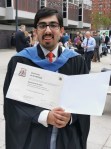
The concept of the “Straight Path” (Sirat-Al Mustaqeem) represents a journey guided by justice, compassion, and equity — principles that urge us to care for society’s most vulnerable. This path transcends spiritual growth, calling for a community where everyone is uplifted and included. The Ismaili Imamate’s focus on social work and community development through Jamati Institutions and the Agencies of the Aga Khan Development Network consistently reminds murids of these values.
Yet, in the rush of modern life, we often lose sight of those left behind: the elderly, the disabled, and the sick — the most vulnerable among us. While many indulge in comfort, countless others struggle in silence.
A Global and Local Perspective on Suffering
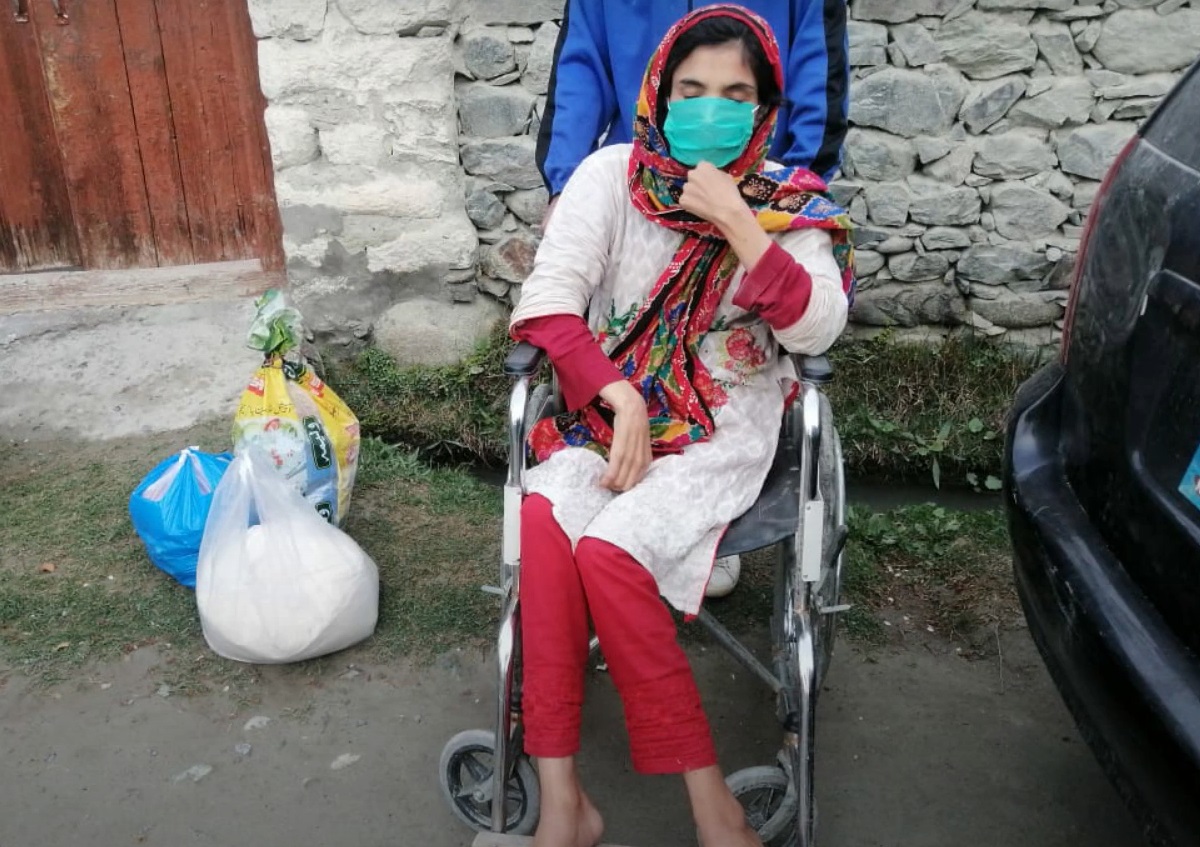
When we think of suffering, images of famine, poverty, or war often come to mind — realities associated with regions like Africa. Yet suffering also exists in less visible forms. One of these is the struggle for inclusion. In Gilgit-Baltistan, particularly in areas like Hunza and Yasin, disabled individuals live on the margins, yearning for equal rights and opportunities. Their pleas for dignity, inclusion, and opportunity are often drowned out by societal indifference.
During my time at a community college, the COVID-19 pandemic offered space to reflect on societal norms, especially regarding disability in Gilgit-Baltistan. While organizations like Aga Khan Focus for Habitat, KADO, and other local disability-focused groups have made progress, these efforts remain limited compared to the inclusivity and accessibility seen in more developed regions.
Through my organization, the Gilgit-Baltistan Goodwill Movement (GBGM), we are addressing these challenges. Guided by the values of justice, compassion, and equity, GBGM strives to improve the lives of disabled individuals through initiatives such as:
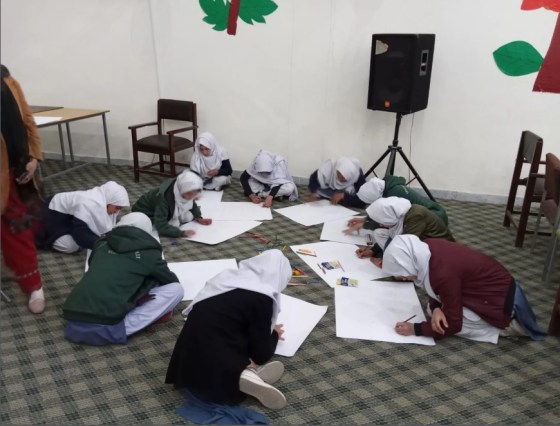
- Vocational and Life Skills Training: Free programs equip individuals with tools for independent living.
- Assistive Devices: Wheelchairs, hearing aids, and other essential devices improve mobility and quality of life.
- Healthcare Support: Free medicines and personalized healthcare services are provided to those in need.
- Financial Aid: Economic challenges are alleviated with support for essentials like food and shelter.
- Advocacy and Awareness: Campaigns and outreach efforts aim to eliminate stigmas and foster acceptance.
Our website, www.gbgoodwillmovement.com, showcases stories of resilience and transformation, demonstrating the profound impact of these initiatives.
Stories of Change
One of our beneficiaries shared:
“As a disabled woman, I had limited opportunities within my community. The Goodwill Movement not only supported me but also empowered other women, fostering gender inclusion in society. Today, I help others as a teacher in an additional support needs school in Gilgit.”
Another student remarked:
“I learned from Goodwill and now apply these skills at KIU Gilgit. Thank you, Goodwill Movement. I had no other options, but your one-on-one support five days a week changed my life.”
These testimonials highlight that disabled individuals are often excluded from active participation in Gilgit’s culture but can thrive with the right support.
Challenges Persist
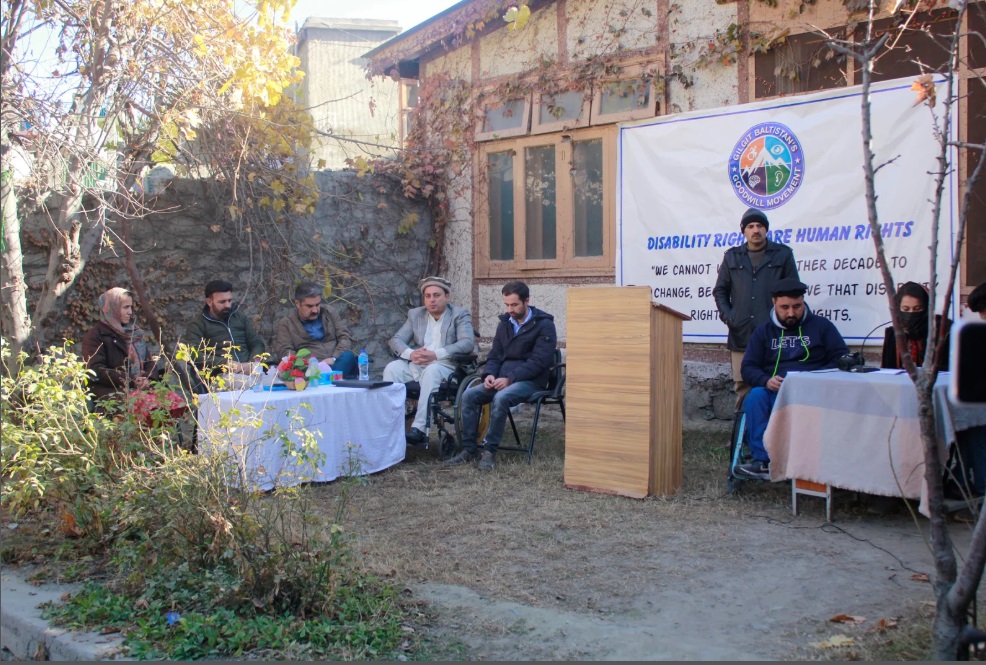
~~~~~~
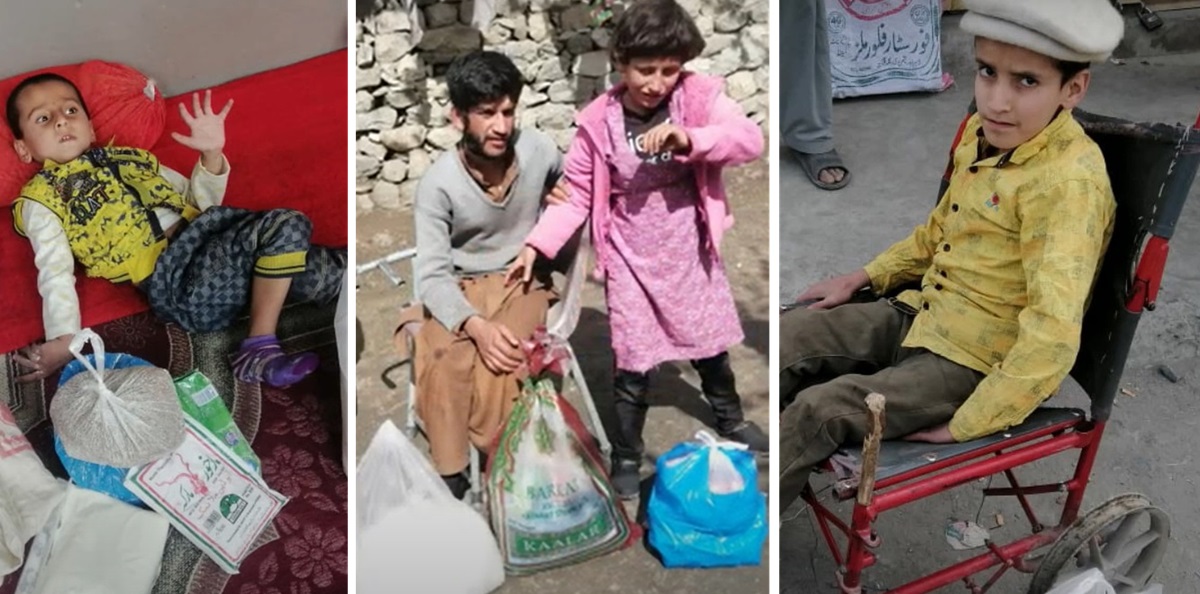
~~~~~~
~~~~~~
Despite significant strides, challenges remain:
- Infrastructure: Public spaces often lack accessibility.
- Barriers to Mobility: Ramps, elevators, and accessible transportation are scarce.
- Educational Gaps: Inclusive education resources are insufficient.
- Healthcare Access: Affordable, quality healthcare is often out of reach.
- Social Stigma: Deep-seated prejudices continue to marginalize disabled individuals.
These obstacles, while significant, are not insurmountable. Addressing them requires collective action and a commitment to compassion, justice, and equity.
Working for the Disabled Jamati Members
While the GB Goodwill Movement maintains impartiality regarding religion and gender, most of our students have been from the Ismaili Jamat in regions such as Hunza, Ghizer, Yasin, Chilas, and various villages across Gilgit.
Story continues below after messages
_______________________________________________
SUPPORT AND APPRECIATION FOR GHULAM BAIG AND HIS GILGIT-BALTISTAN GOODWILL MOVEMENT
The following is an excerpt from Lyn Patterson, Ghulam Baig’s Mathematics Teacher at Ashton — formerly Ashcraig — Secondary School, Glasgow, Scotland:
From early on in his secondary school career Muhammad impressed me with his determination to overcome the challenges presented by his disability (cerebral palsy) and to succeed as far as possible in his studies. His willingness to work hard was clear from a young age and increased even more as he matured. He developed a real understanding of the barriers to learning experienced by students with a range of disabilities. His fellow students in Ashcraig included young people with conditions such as Muscular Dystrophy, Spina Bifida, visual and hearing impairments, and autism spectrum disorders. Muhammad always displayed an interest in classmates and an empathy towards them. It therefore does not surprise me to see that he has now founded the GBGM devoted to improving the lives of disabled people. Muhammad demonstrated a clear commitment to equality and diversity issues, speaking passionately about such topics.
~~~~~~
The following is an excerpt from the Dhanani Family of the USA, with family members supporting the initiative living in Georgia, California, and Texas:
We have known GBGM’s leadership for over three years and have financially facilitated some of their activities in support of their mission. During this period, we have found the leadership to be very conscientious in executing their duties and accomplishing GBGM’s goals. We are really impressed with their desire to raise awareness about the challenges faced by the DA population, especially in the GB area. They have worked hard to lobby the federal, state and local governments in Pakistan in support of their DA activities. We were fortunate to have met some of their leadership and staff during our visit to GB in September 2022. The visit provided further evidence of their commitment to DA population and reaffirmed our own desire to continue to work with them for a foreseeable future.
~~~~~~
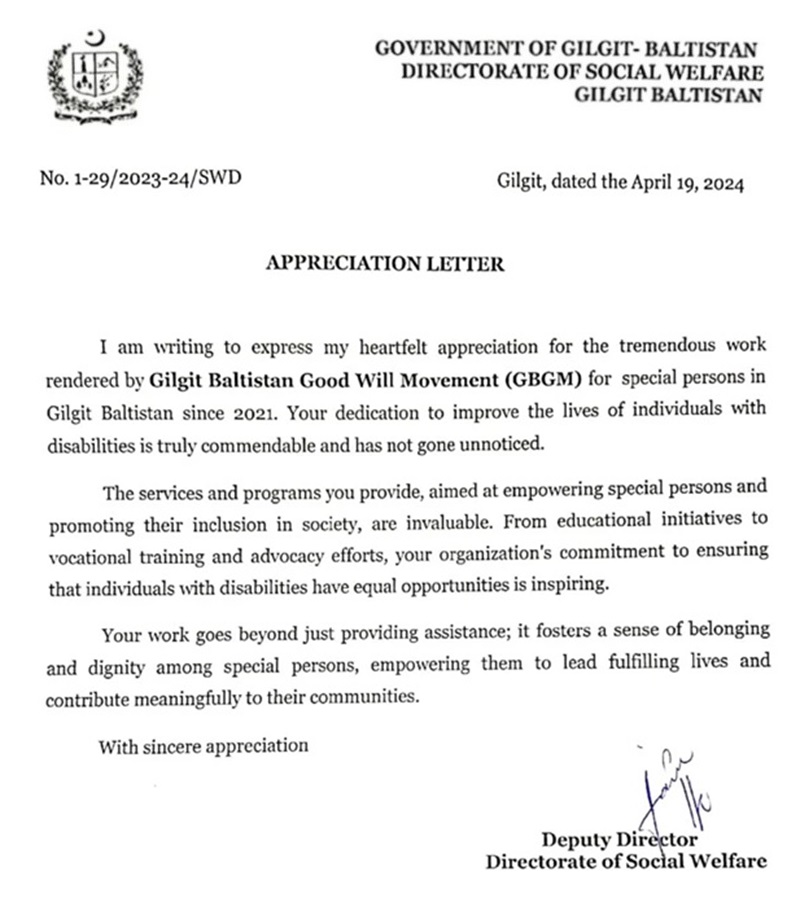
The following is a message from the Government of Gilgit-Baltistan:
_______________________________________________
A Call to Action
Returning to the West, I hoped my experiences in the social care sector would inspire support for the disabled community within the Jamat. While responses have been minimal, the Dhanani Family of the USA has been a notable exception, providing instrumental support for many of our initiatives. In April 2025, GBGM has an exciting project lined up. With the Dhanani family members, we will do a face-to-face project to contribute to the disability community in parts of Gojal, Upper Hunza, Yasin, and Ghizer.
To the readers, I urge you to imagine the loneliness of being unseen, the despair of being unheard, and the pain of being forgotten. Now imagine that world being yours. If you can’t walk in our shoes, at least try to walk beside us. Offer a hand, a voice, or even just a moment of empathy. Whether through financial contributions, volunteering, or spreading awareness, your support can make a tangible difference.
Building an Inclusive Society
The “Straight Path” requires all strands of society to come together, each contributing unique skills and perspectives. Just as a plumber and a surgeon serve different roles, we all have a part to play in building a more inclusive world. Let us follow this path to ensure that no voice goes unheard, no individual unseen, and no life unlived to its fullest potential.
Visit www.gbgoodwillmovement.com to learn more and join us in creating change.
Date posted: January 22, 2025.
________________
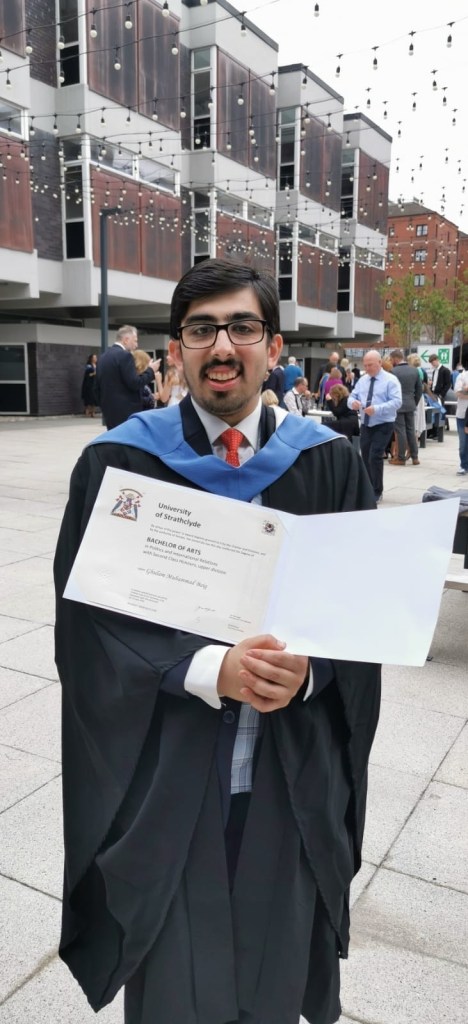
About the author: Ghulam Muhammad Baig, originally from the Hunza Valley in Northern Pakistan’s Gilgit-Baltistan region, received primary and secondary schooling in the UK with his parent’s support. He completed his university studies with an honours degree in Politics and International Relations from the University of Strathclyde in Glasgow, Scotland. Being disabled himself with Cerebral palsy, Ghulam was deeply moved by the plight of the disabled community in his home region, especially during COVID-19 pandemic. They were grappling with severe challenges, including a lack of basic facilities such as healthcare, education, and employment. This realization fueled his lifelong commitment to work for the Disabled or Differently Abled Community of Gilgit-Baltistan. He created the Gilgit-Baltistan Goodwill Movement (GBGM), of which he is the CEO.
Despite the closure of educational institutions during the first year of the pandemic, Ghulam remained proactive on social media. His efforts led to the formation of a large team of volunteers, including prominent disabled activists of Gilgit-Baltistan, such as Sehrish Kanwal Farhan Baig, Abrar Ahmed, Mumtaz Ali, Abdul Hakeem, Mustafa Kamal, Najeeba, Khushan Bano, and Ali Ahmed.
Recognizing the disparity in opportunities available to others in similar circumstances, Ghulam passionately advocates for the rights and well-being of persons with disabilities in Pakistan’s Gilgit-Baltistan region. With the support of his team, he is using his education and experience to improve the lives of disabled individuals in his home region.
 Simerg - Insights from Around the World