
Introduced by MALIK MERCHANT
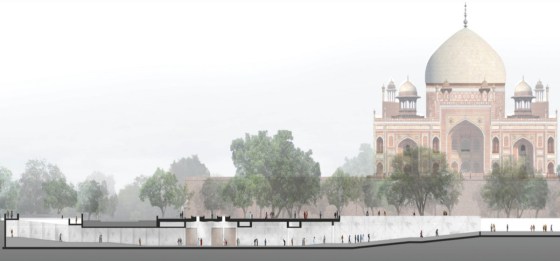
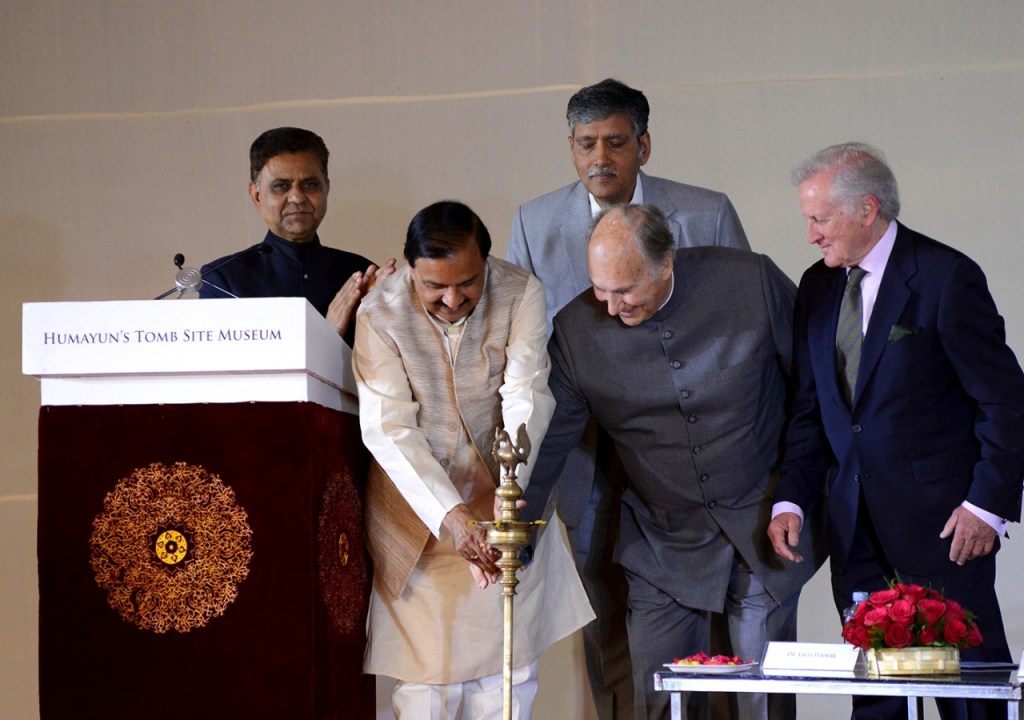
Simerg and its sister website, Barakah, are buzzing with excitement as we provide a brief background story of the Humayun World Heritage Site Museum, which is set to be inaugurated in New Delhi on Monday, July 29, 2024. The anticipation is palpable as we await the grand opening by Prince Rahim Aga Khan, eldest son of Mawlana Hazar Imam, His Highness the Aga Khan, the 49th Hereditary Imam of the Ismaili Muslims. Gajendra Singh, India’s Minister of Tourism and Culture, will join him on this momentous occasion.
The Humayun World Heritage Site Museum, as described by the Indian edition of Condé Nast, is a gateway to understanding the unique cultural significance of one of the city’s most notable Mughal-era monuments. Anuja Jaiswal, writing for the Times of India, includes a statement by the CEO of the Aga Khan Trust for Culture. He says that each of the museum’s exhibits, meticulously preserved, has a unique and fascinating story to tell.
With its rich historical significance, the museum is a treasure trove of enlightenment for any cultural researcher. The Indian Express, in a thought-provoking question, asks: “Did you know that Humayun travelled three times more than Marco Polo, the famed explorer, covering 34,000 kilometres in his life? Or that he was so obsessed with astronomy and astrology that he wore a specific colour each day of the week to align with the planet of the day? Or that he was so fond of books that he used to carry his libraries on camelbacks during his travels?”
Story continues below
~~~~~~~~
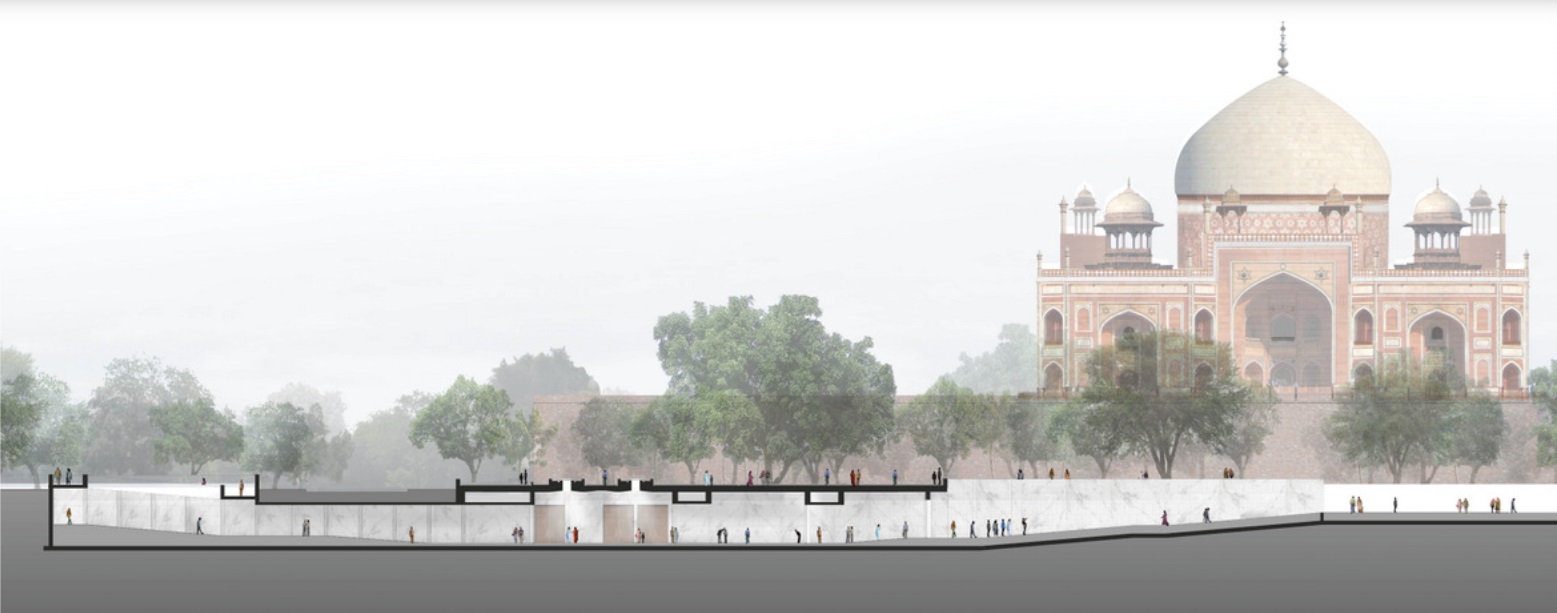
When His Highness laid the museum’s foundation stone in April 2015, he observed:
“This Museum, as you may know….is located at the juncture of three historically connected sites: Humayun’s Tomb and its Gardens, Hazrat Nizamuddin Basti, and the Sundar Nursery. In connecting these sites, the Museum will also serve as a bridge between the present and the past — linking the modern city of Delhi to its remarkable heritage — and thus providing a Gateway to a truly extraordinary period of human history. That remarkable chapter in the human story extended over 170 years — the era of the Mughal empire. It was a time of enormous accomplishment — and enormous significance. Geographically it covered much of what is now India, Pakistan, Bangladesh, Afghanistan, and Tajikistan. In terms of governance, it included hundreds of millions of people, covering an enormous spectrum of religious faiths, cultural practices, and ethnic identities. It was led by men whose talents in statehood and in military affairs were remarkable — and their impact was felt in virtually every dimension of human existence, both within the empire and outside. Many of the Mughal rulers, perhaps most of them, were also exceptional leaders in the acumen and insight which they brought to their leadership roles. They were statesmen who would have excelled in any time.” — For full speech on the Ismaili wesbite, click HERE.
For the latest news, articles and literary pieces about His Highness the Aga Khan, members of his family and the Ismaili Imamat, please visit Barakah.
Date posted: July 27, 2024.
_____________________
A different version of this story appears on Simerg’s sister website, Barakah.
 Simerg - Insights from Around the World