
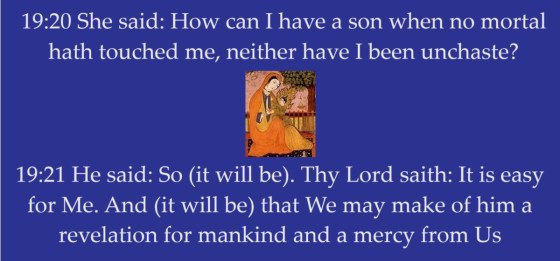
Introduced by MALIK MERCHANT
Part I of this post is adapted from Michael Wolfe’s excellent piece, Jesus Through a Muslim Lens. In Part II, we link to New Lines magazine for Mustafa Aykol’s well-researched and insightful piece. Aykol discusses the traditional Christian accounts of the place of Jesus’ birth in a manger or a cave, contrasting it with the Qur’anic description that Mary gave birth to Jesus under a tree. Both these pieces offer diverse and inspiring perspectives, and they underscore the importance of respecting different beliefs as Christians worldwide celebrate the birth of Jesus (peace be upon him) on December 25, 2024. We express our best wishes to our readers during this inclusive holiday season, valuing the diversity of our audience’s beliefs.
Part 1: Jesus in Islam

The miraculous birth of Jesus of Nazareth was a remarkable event. It gave rise to Christianity, the world’s largest religion, and changed the course of history. Yet something is captivating about this remarkable birth which many Christians may not be aware of: that Muslims believe in the Virgin Birth and Jesus’ miracles and that he is not just acknowledged but venerated throughout Islam, the world’s second-largest faith. This profound veneration of Jesus in Islam adds depth to the topic, particularly for those interested in religious studies.
Two events in the life of the prophet Muhammad may help explain why Muslims revere the Christian Jesus.
The first event involves an elder resident of Mecca named Waraqa bin Nawfal. This man was an early Arab Christian and an uncle of Muhammad’s wife, Khadija. We know he could read Hebrew, that he was mystical by nature, and that he attended Khadija and Muhammad’s wedding in about 595 C.E. Fifteen years later, a worried Khadija sought Waraqa out and brought her husband to him.
At the time, Muhammad was a 40-year-old respected family man. He attended this “family therapy” session in a rare state of agitation. He was frightened. He had been meditating one evening in a cave on the outskirts of town. There, while half asleep, he had experienced something so disturbing that he feared he was possessed. A voice had spoken to him.
Waraqa listened to his story, which Muslims will recognize as a description of Muhammad’s first encounter with the angel Gabriel. When it was finished, Waraqa assured him he was not possessed.
“What you have heard is the voice of the same spiritual messenger God sent to Moses. I wish I could be a young man when you become a prophet! I would like to be alive when your own people expel you.”
“Will they expel me?” Muhammad asked.
“Yes,” the old man said. “No one has ever brought his people the news you bring without meeting hostility. If I live to see the day, I will support you.”
Christians will recognize in Waraqa’s remarks an aphorism associated with Jesus: “A prophet is not without honor, save in his own country.” But that a Christian should first have verified Muhammad’s role as a prophet may come as a surprise.
The second important event concerning Islam and Christianity dates from 616, a few years after Muhammad began to preach publicly. This first attempt to reinstate the Abrahamic tradition in Mecca met (as Waraqa had warned) with violent opposition.
Perhaps the Meccans resented Muhammad’s special claim. Perhaps his message of a single, invisible, ever-present God threatened the economy of their city. A month’s ride south from the centers of power in Syria and Persia, poor remote Mecca depended on long-distance trade and on seasonal pilgrims who came there each year to honor hundreds of pagan idols, paying a tax to do so.
At any rate, Muhammad’s disruptive suggestion that “God was One” and could be found anywhere did not sit well with the businessmen of Mecca.
Many new Muslims were being tortured. Their livelihoods were threatened, their families persecuted. As matters grew worse, in 616 Muhammad sent a small band of followers across the Red Sea to seek shelter in the Christian kingdom of Axum. There, he told them, they would find a just ruler, the Negus, who could protect them. The Muslims found the Negus in his palace, somewhere in the borderland between modern Ethiopia and Eritrea.
And protect them he did, after one Muslim recited to him some lines on the Virgin Mary from the Qur’an. The Negus wept at what he heard. Between Christians and Muslims, he said, he could not make out more difference than the thickness of a twig.
These two stories underscore the support Christians gave Muhammad in times of trial. The Qur’an distils the meaning from the drama:
“Those who feel the most affection for us (who put our faith in the Qur’an), are those that say, “We are Christians,” for priests and monks live among them who are not arrogant. When they listen to what We have shown Muhammad, their eyes brim over with tears at the truth they find there….”
Even today, when a Muslim mentions Jesus’ name, you will hear it followed by the phrase “peace and blessings be upon him,” because Muslims still revere him as a prophet.
_______________
Part 2: Where was Jesus Born?
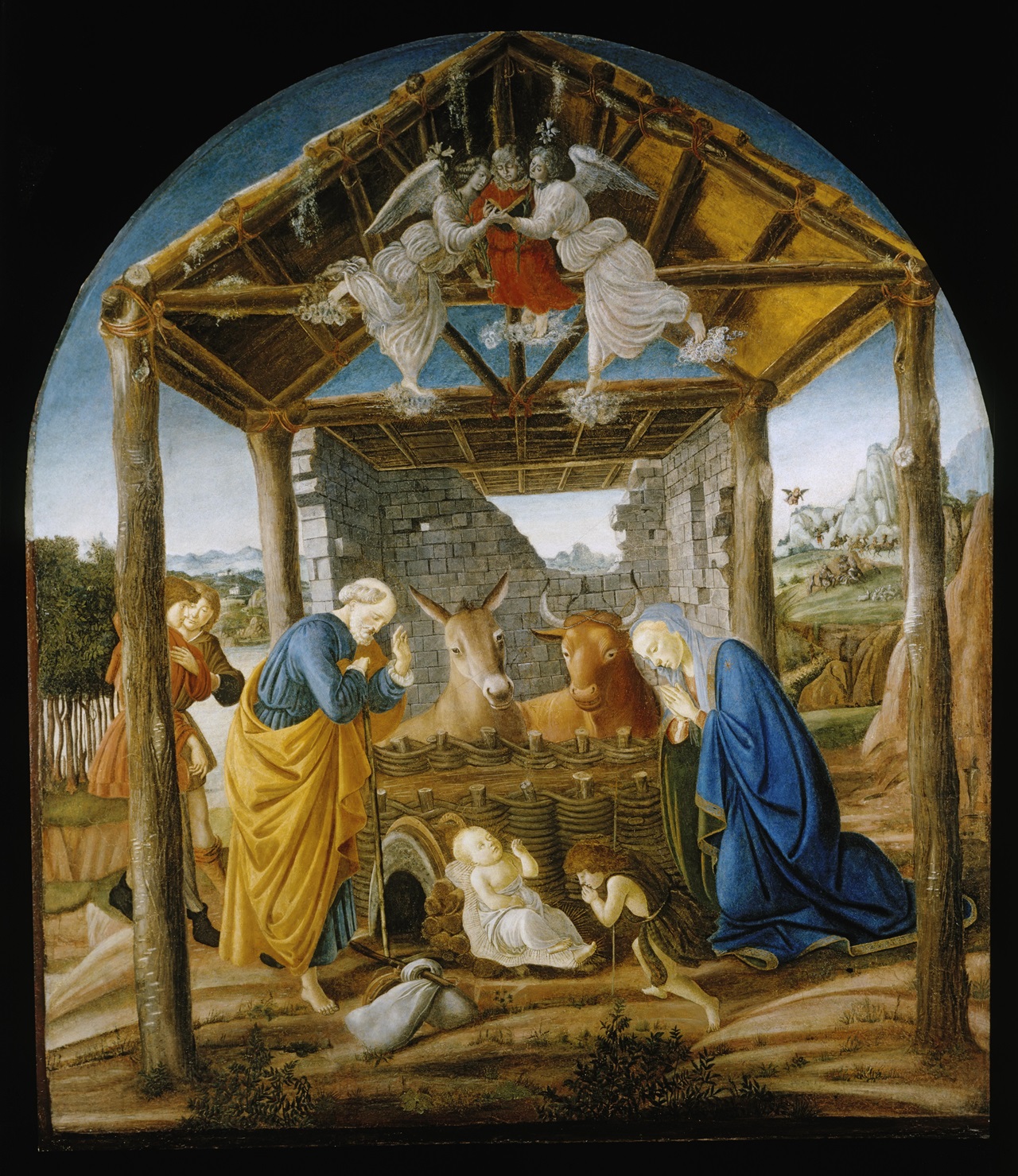
Was Jesus born in a manger or in a cave, as many Christian traditions inform us, or under a tree, as some Christian traditions, as well as the Qur’an, tell us? For example, the story in the New Testament, as narrated in the gospels of Matthew and Luke with some nuances, is well known: Jesus was born in Bethlehem. His virgin mother, Mary, according to Luke, wrapped her newborn baby in swaddling cloths and laid him in a manger. “This description,” writes Mustafa Akyol, “has defined Christian imagination for centuries, with countless works of art depicting the baby Jesus lying in a barn, surrounded by hay, sheep and cows.”
Other accounts suggest he was born in a cave within the confines of the Church of the Nativity in Bethlehem (see photograph, below), one of the oldest continuously operating churches in the world.

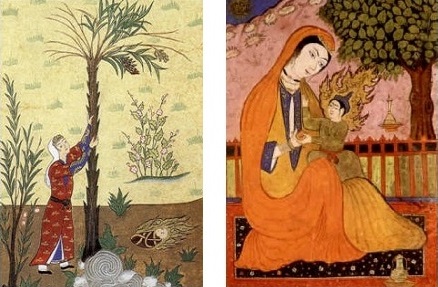
Islam, while accepting the miraculous birth of Jesus, provides a significantly different account of the Nativity. According to the Qur’an, Jesus is born not in Bethlehem but in an unspecified “distant place.” Mary is all alone while giving birth to him, and there is no one to help her. She is said to give birth under a palm tree next to a miraculous spring. Read Mustafa Aykol’s beautifully written and insightfully researched piece, Jesus’ Birth Between Islam and Christianity, published in New Lines Magazine.
Date posted: December 23, 2024.
_________________
 Simerg - Insights from Around the World