
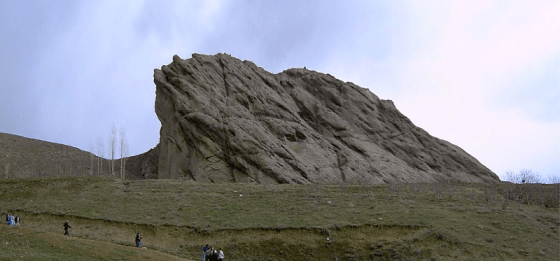
Introduced by MALIK MERCHANT
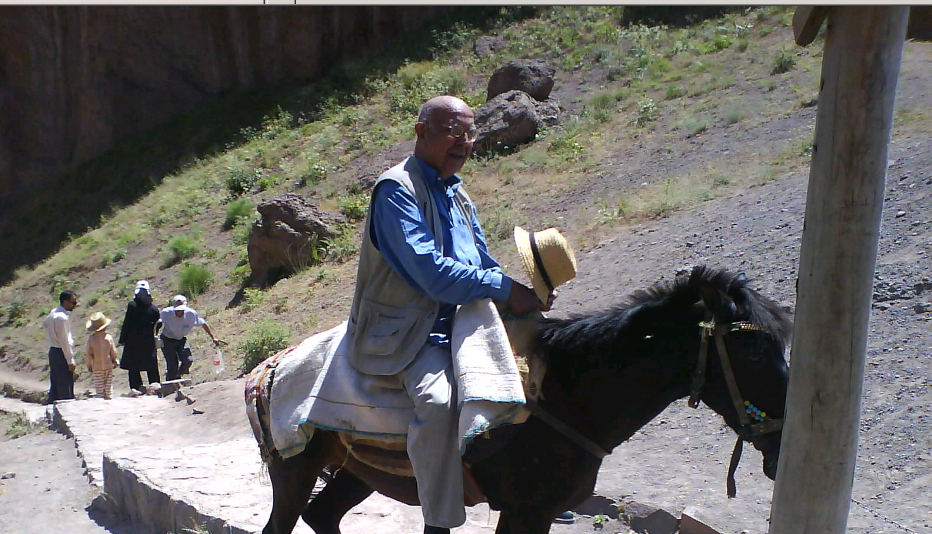
Shortly after the launch of this website in 2009, Professor Ali M. Rajput, who has since passed away, shared his story of climbing Alamut at the remarkable age of 84. His story generated many comments from our readers. Since Alamut, along with its associated fortresses, was recently designated a UNESCO World Heritage Site, we encourage our readers to explore Ali M. Rajput’s fascinating first encounter with Alamut in 2007 and his inspiring climb to the top of the mountain. Please click on Alamut, where every stone tells a story.
Articles continues below
The Islamic Republic of Iran (IRI) had been planning since 2014 to submit the Alamut Castle for consideration as a UNESCO World Heritage Site. However, the registration process encountered delays due to various factors. You can read more about the situation HERE.
Finally, in July 2026, the Fortress of Alamut and its associated strongholds in Iran were added to the UNESCO World Heritage list. With 30 sites on the UNESCO World Heritage list, including two natural sites, IRI is now among the top 10 countries in the world with the largest number of officially designated sites on the UNESCO list.
“The Islamic Republic of Iran submits one nomination file annually for inscription on the UNESCO World Heritage List, and we hope that during Sunday’s session [July 26, 2026], the Alamut file will be approved so that its World Heritage certificate can be issued in Iran’s name” — Seyed Reza Salehi-Amiri, Iran’s Minister of Cultural Heritage, Tourism, and Handicrafts.
The following is a brief description posted on the UNESCO World Heritage Convention website, which provides comprehensive details about the fortifications (for more details, please click on UNESCO: Alamūt Castle and Related Fortifications).
UNESCO: Alamūt Castle and Related Fortifications

“The serial property comprises of Alamūt Castle and six associated fortifications — Lambesar, Navizaršāh, Šams Kelāyeh, Qosṭinlār, Širkūh, and Ilān — strategically positioned within the rugged landscape of the Alborz Mountains in Qazvin Province, northern Iran. From the late 11th century CE, Alamūt served as the political, military, and intellectual centre of the Nezāri Ismaʿilis, an influential Islamic movement whose reach extended across Iran and the wider Islamic world. This fortified network functioned both as a refuge and as a scholarly and cultural hub, sustaining the Nezāri community until the fall of Alamūt in 1256 and continuing to shape regional religious and intellectual history long thereafter. Together, the fortifications illustrate the strategic organisation, resilience, and cultural significance of the Nezāri Ismaʿili state.” (reproduced here under license CC-BY-SA IGO 3.0).
We also have links to other stories in the world media about Alamut’s designation as a World Heritage Site. Please click:
- TV BRICS: Iran enters global top 10 for UNESCO World Heritage Sites with Alamut Fortress inscription
- ISNA: Iran Tourism Minister Visits South Korea for SCO World Heritage Committee Meeting
- Iran International: Iranian woman archaeologist hailed as a hero after Alamut’s UNESCO listing
- IRNA English: Pezeshkian hails global recognition of Iran’s Alamut Castle
- Pars Today: Alamut Castle becomes Iran’s 30th UNESCO World Heritage site
- Adventure Iran: Alamut Castle Inscribed on the UNESCO
- Iran Wire: UNESCO Adds Iran’s Alamut Strongholds to Heritage List
- CNBC TV18: Countries with the most UNESCO World Heritage Sites: Iran enters top 10 after Alamut inscription
Date posted: August 8, 2026.
_________________

