
By FAQIR ULLAH KHAN-GHULAM KADIR
Background and Introduction
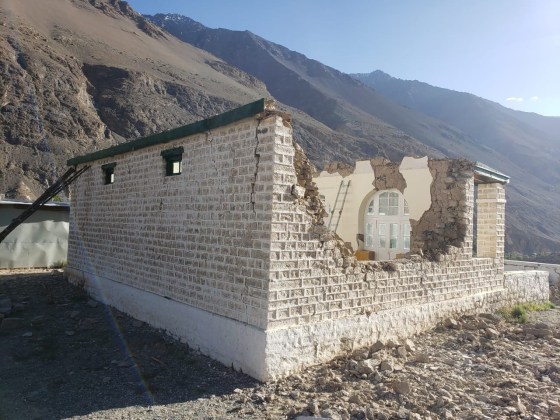
I recently wrote a heartfelt piece about the Shatmerg Jamatkhana in Chipurson Valley, Hunza, which was severely damaged by an earthquake and seismic events in 2026, ending its physical existence after more than 45 years. The development of a new Jamatkhana in Shatmerg will have to wait until tremors in the valley normalize. For now, the Ismaili Jamat in and around Shatmerg are attending Jamatkhanas in tent canopies across the Chipurson Valley.
The Chipurson householders have been graciously blessed with shelter houses from October 2026 through the upcoming summer in 2027. Initially, 159 shelter houses will be constructed to accommodate the Ispanj, Shatmerg and Zoodkhun villagers. By the end of November 2026, 100 shelter houses are expected to be in place in the villages of Ispanj, Shatmerg, and Zoodkhun in Chipurson. It will then gradually expand to cover the lower 8 villages, including Sherisabz, Rashit, Khil, Kirmin, and Yarzrich. FOCUS Pakistan and the Ismaili Council are supervising this project. The winter shelter houses will be 25×18 feet, with a bedroom, toilet, and a dining hall that doubles as a kitchen, plus a small veranda.
Khil, Chipurson
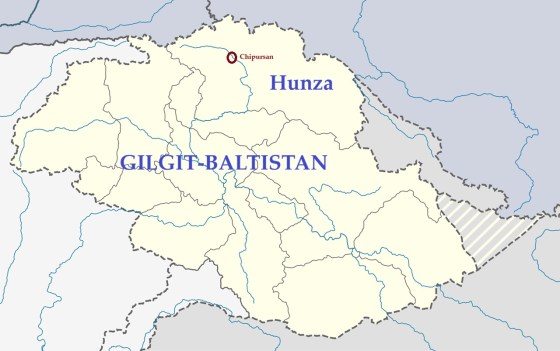
Khil is a remote high-altitude village in the Chipursan Valley of Upper Hunza (Gojal Tehsil), Gilgit-Baltistan, Pakistan. Situated at an elevation of roughly 3,000 to 3,200 meters, the village lies near the border with Afghanistan’s Wakhan Corridor
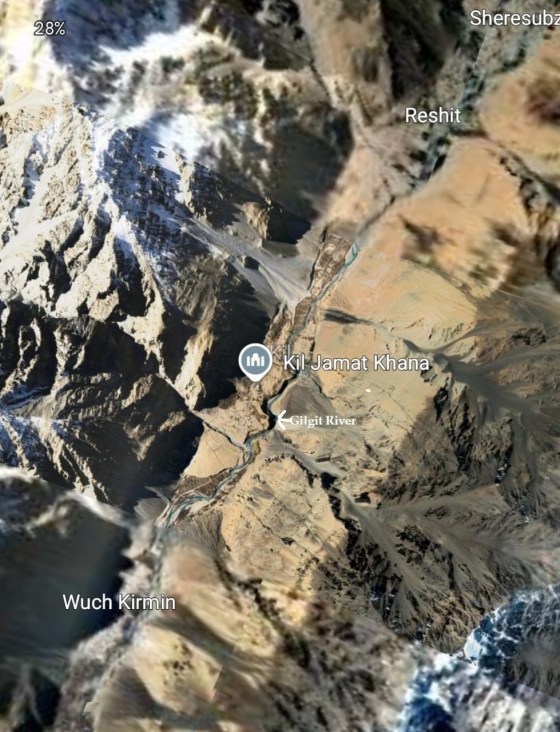
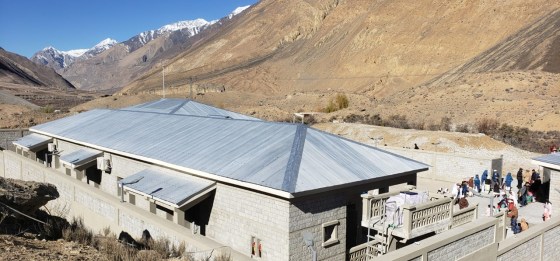
As painful as the loss of the Shatmerg Jamatkhana has been, I am pleased to report that a new Jamatkhana was formally inaugurated on November 8, 2026, in Khil, about 20 km from Shatmerg. The entire valley of Chipurson, which includes Khil, is almost 100% Ismaili, composed of the Wakhi people, though one town, Raminj, has Burushaski-speaking people. Khil has 35 houses with population of 500.
I might note that Shatmerg is more prone to earthquakes than Khil, but still the Khil Jamatkhana was completed under the guidance of the Aga Khan Agency for Habitat (AKAH), whose goal is to ensure that people live in safe, sustainable, and resilient habitats with the opportunity to thrive, whether in a remote mountain village, a town, or a densely populated urban centre. The AKAH helps communities prepare for the worst and provide immediate relief after disaster strikes. The goal is to help build back better – and greener – while planning for a better future.
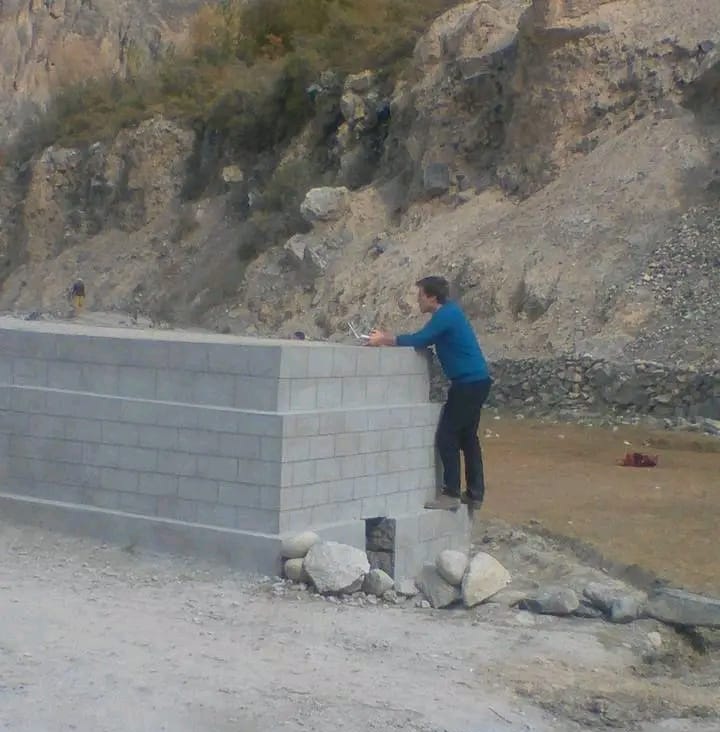
Villagers in Khil get their staple foods, potato and wheat, from their ancestral land; the economy depends mostly on agriculture and livestock, including sheep, goats, cows, and yaks. The mountain area is famous for conservation and trophy hunting of Himalayan Ibexes with highland pastures.
Khil was blessed with the visit of Prince Ali Muhammad Aga Khan during Mawlana Shah Karim’s Imamat on October 11, 2017, when he crossed the Bridge and flew drone camera to get snaps of the surroundings. Khil had a primary school from 1990 to 2020, but it was sadly closed due to declining number of students, and children then had to walk to the “nearby” schools 10 kilometres away every day.
Inauguration of the new Jamatkhana in Khil, Chipurson
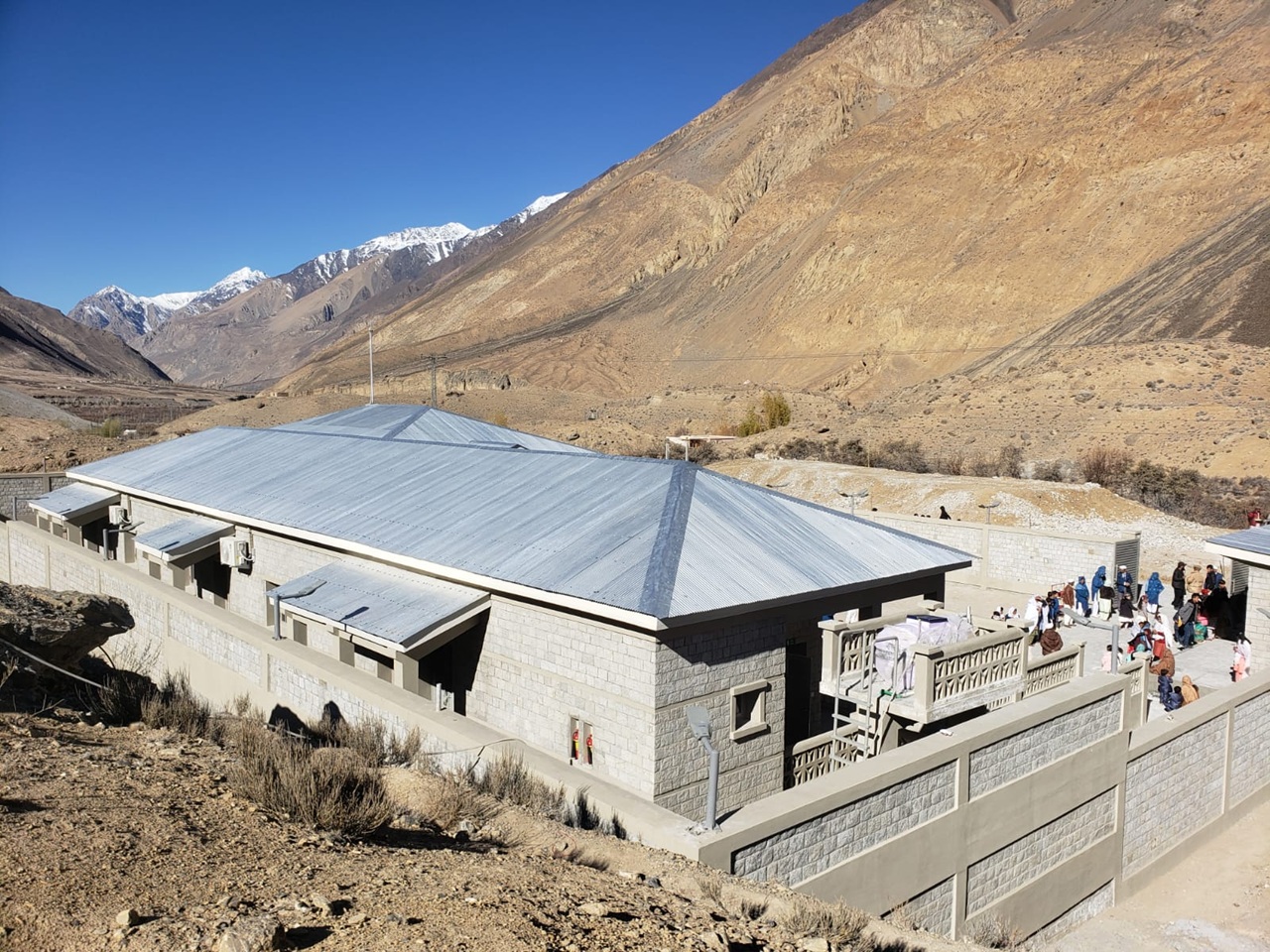
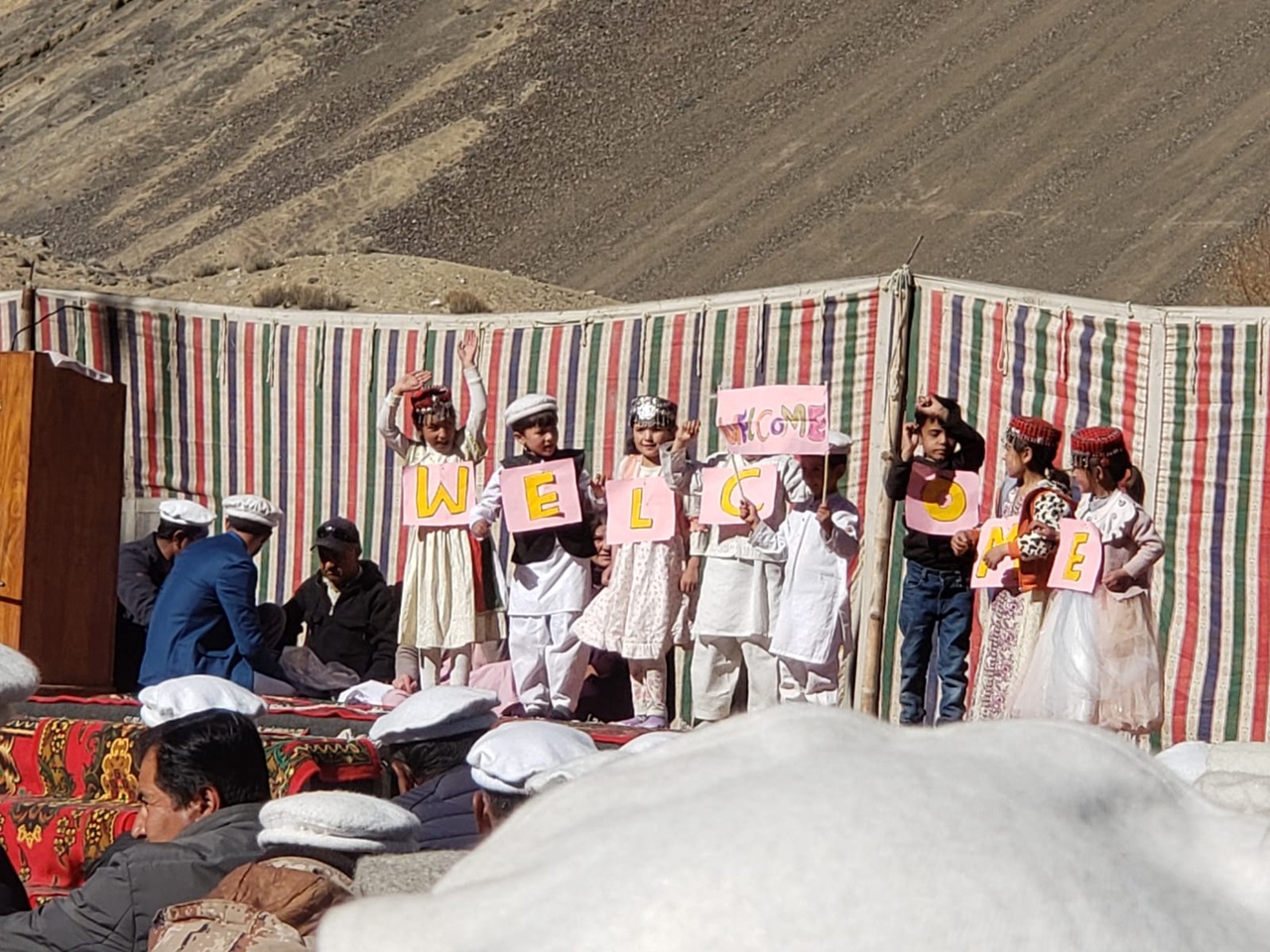
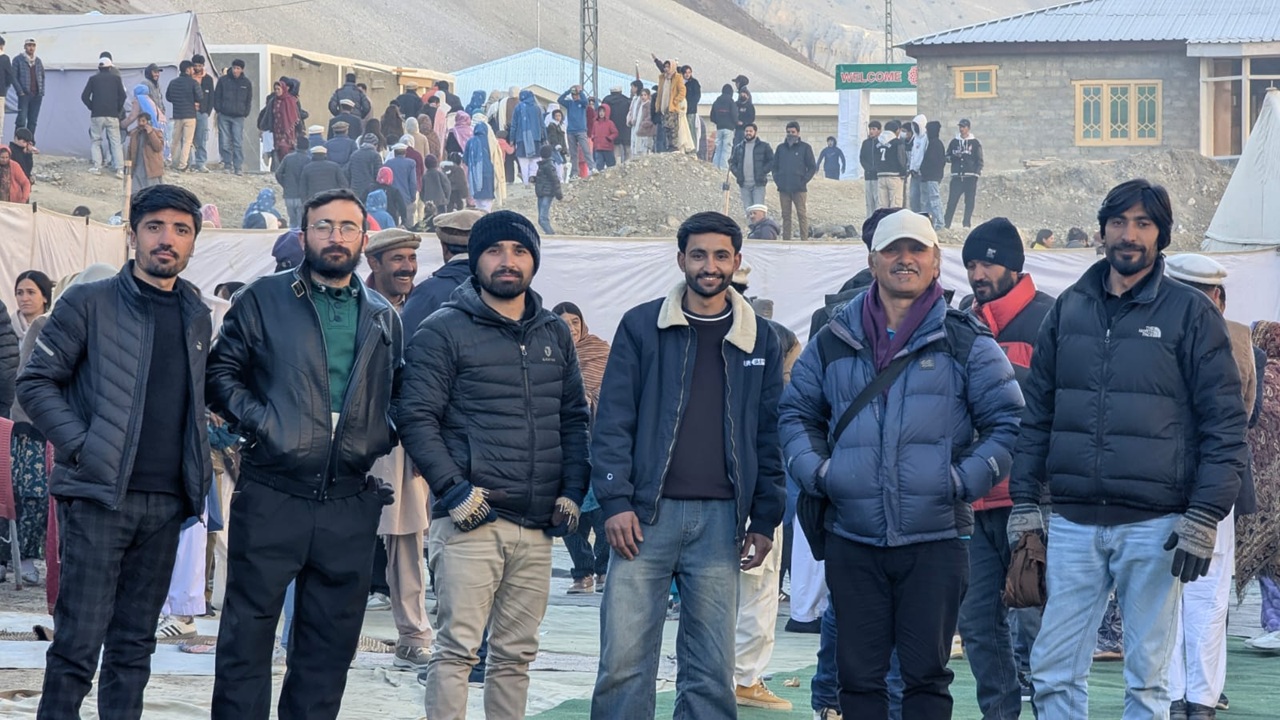
The inauguration of the Khil Jamatkhana on November 8, 2026 marked an important milestone in the religious and social life of the local Jamat. Construction of the Jamatkhana began in 2024, and the State Office and the local community completed it through joint efforts.
Historically, a small Jamatkhana served the Ismaili community from as early as 1922. Later, in the late 1970s and early 1980s, Ustad Fazal-ud-Din of Kirmin and the Khil community constructed two separate buildings at the eastern and western ends of the area. Over time, both buildings sustained damage from earthquakes and weathering and have since been abandoned.
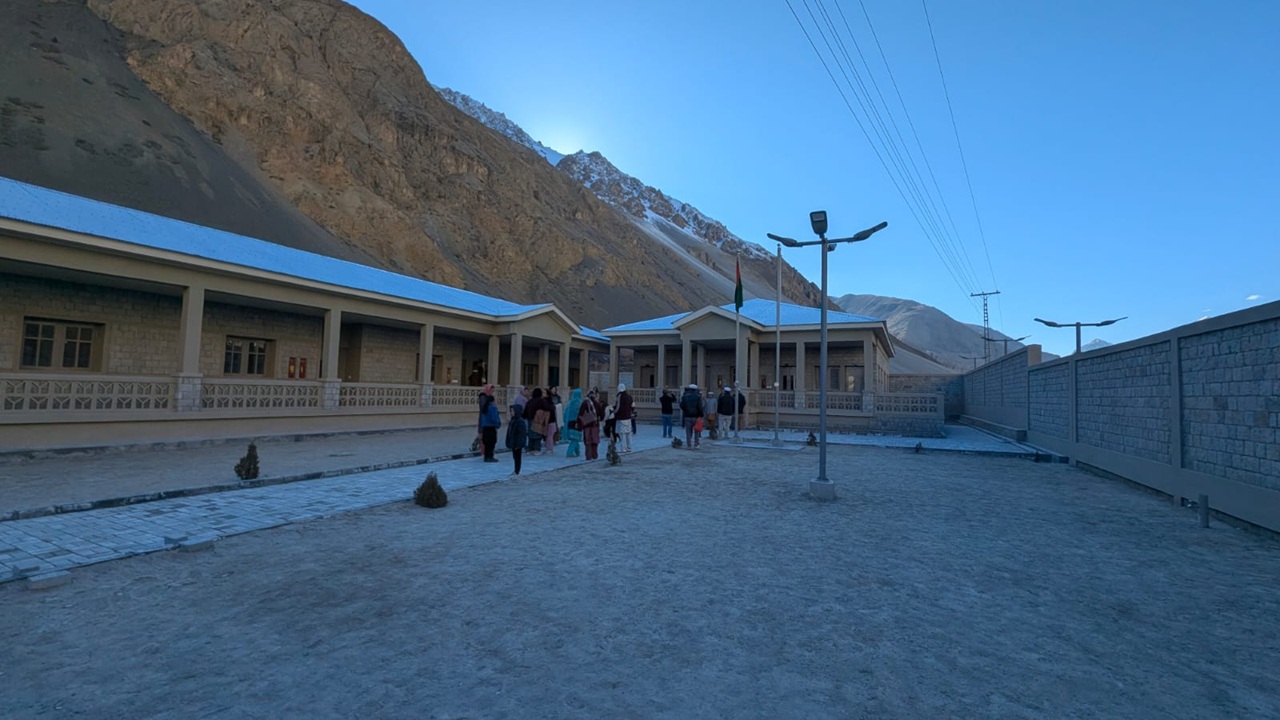
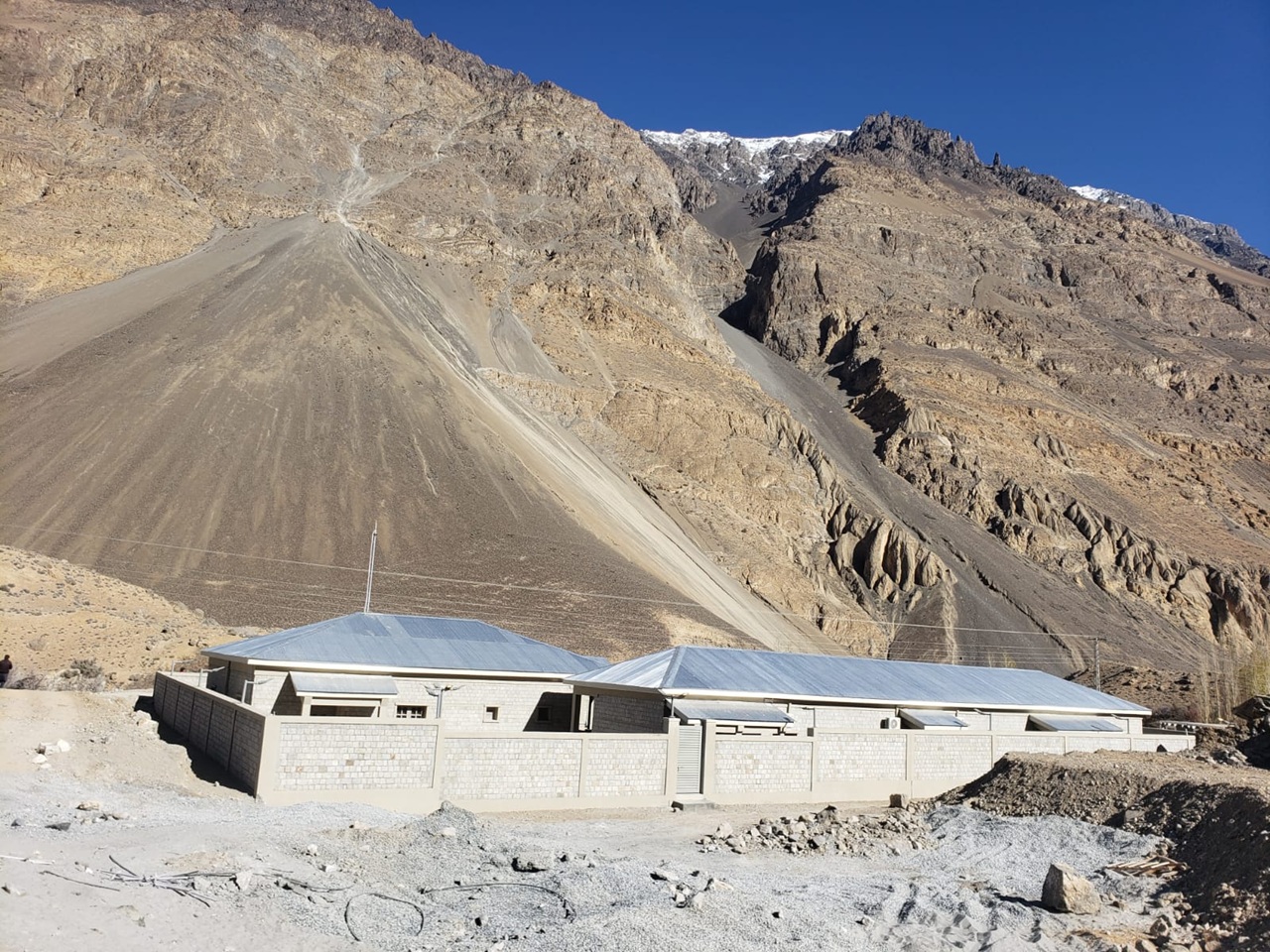
The construction of the new purpose-built Jamatkhana began in 2024. The facility includes a prayer hall, offices, Religious Education Centre (REC) rooms, a shoe centre, water company space, a guard room, storage areas and a langar facility. A spacious lawn and a beautifully crafted stone boundary wall complement it.
The construction also reflects a spirit of local contribution and collective effort. Stones for the boundary wall and building were transported from Yishkuk and Passu, gravel from Khyber, and sand from Zoodkhun. AKAH constructed the reinforced concrete structure, incorporating durability measures and disaster-resilience considerations.
~~~~~~~~
~~~~~~~~
~~~~~~~~
~~~~~~~
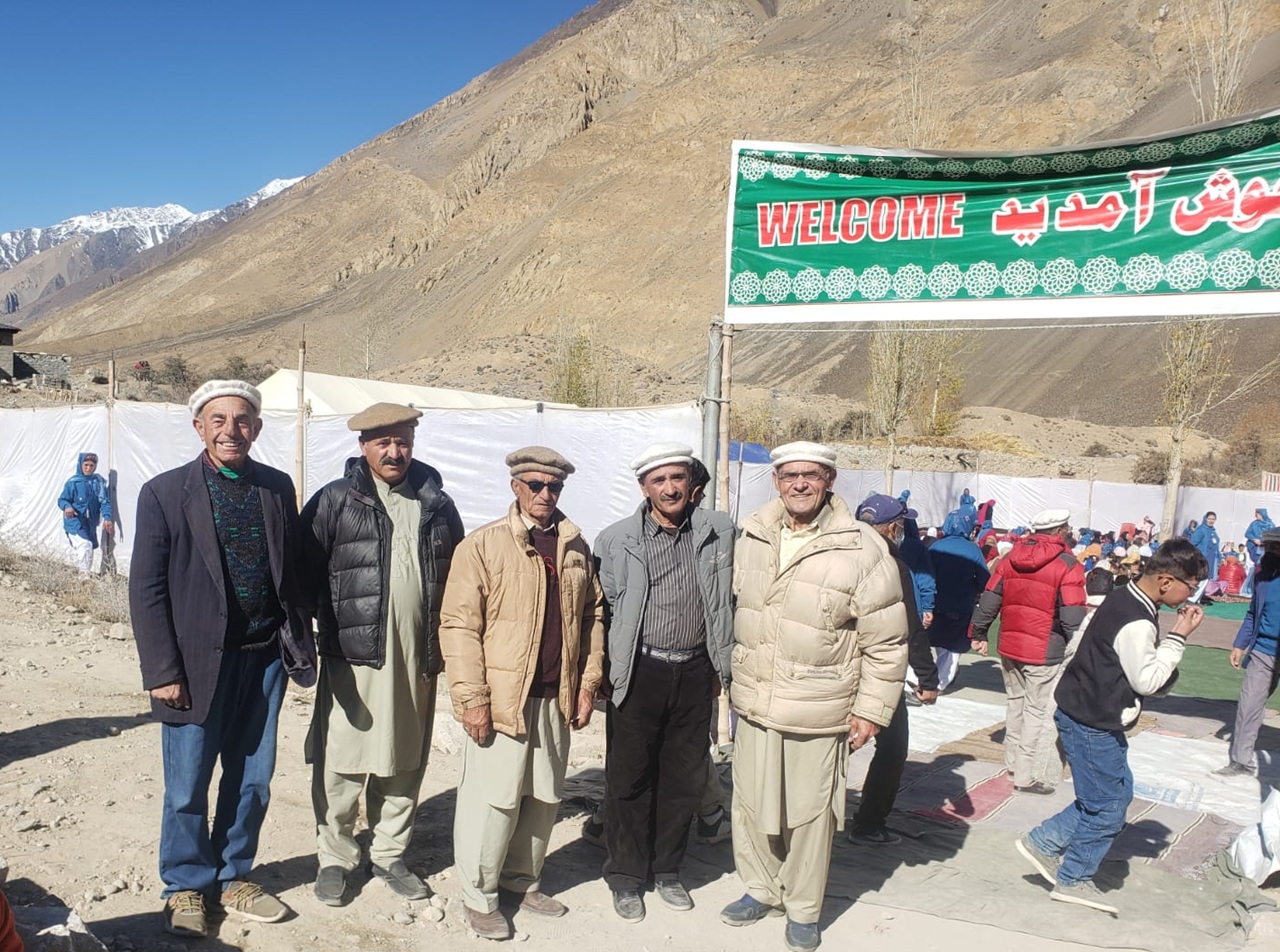
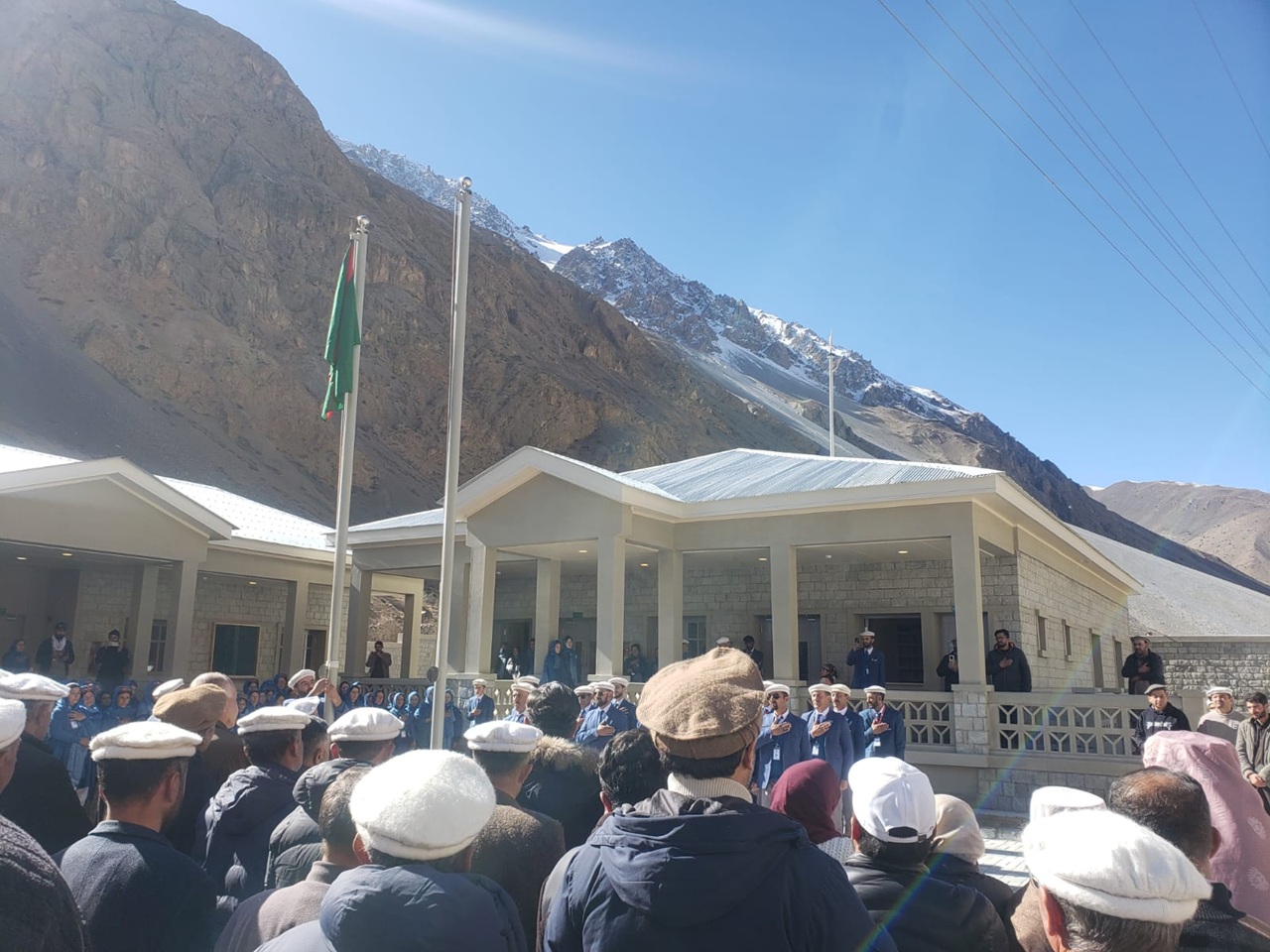
During the inauguration, traditional caps were presented to volunteers, skilled labourers, engineers, community leaders, donors and other stakeholders in recognition of their valuable contributions. The occasion also included light refreshments and lunch, giving community members and guests an opportunity to share the moment.
Regional Council President Ghulam Karim served as the Chief Guest, while Etamadi Ibrahim Shah represented the State Office. Local leaders from Hunza and other community representatives also participated in the ceremony. Ibrahim Shah of the State Office quoted Mawlana Shah Karim, who, when presented with letters collected from the Jamat by Wazir Akbar Ali, noted that Jamati institutions are established to resolve problems and that the Jamatkhana is the place for addressing the Jamat’s issues, adding that the Jamat should approach the Mukhi and Kamadia to have their problems resolved.
~~~~~~~~
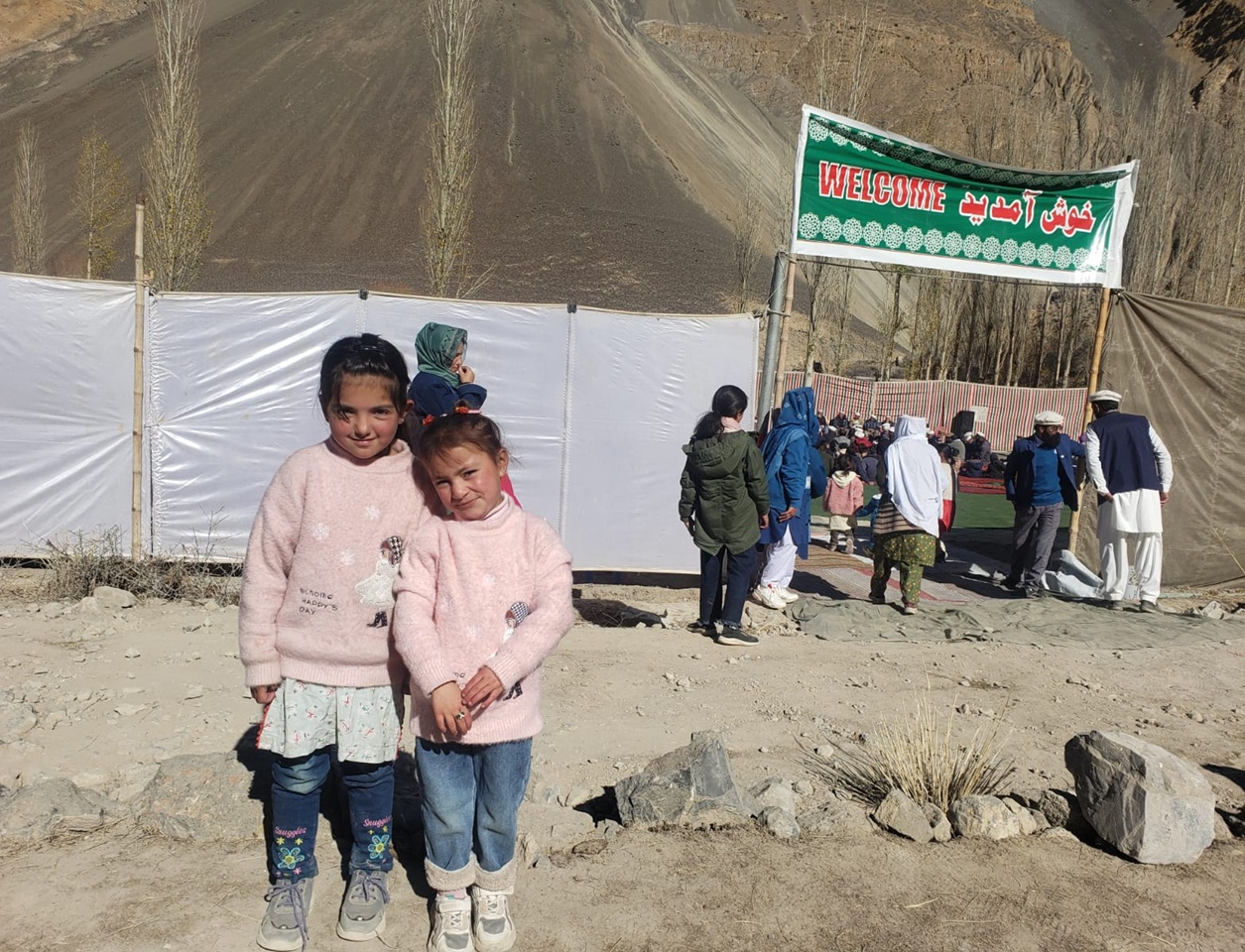
The inaugural event concluded with a shared commitment to maintain the facility responsibly and make the best possible use of it in the true spirit of community service, religious devotion, unity and social harmony.
It is sincerely hoped that the new Jamatkhana will be a source of spiritual enrichment, unity and collective wellbeing for generations to come.
Date posted: November 18, 2026.
_________________

About the Author: Faqir Ullah Khan-Ghulam Kadir is a dedicated educator and instructional leader with Aga Khan Education Services Pakistan (AKESP). He has taught from Early Childhood Education (ECD) through college, promoting learning and leadership among his students. As Chairman of the Aga Khan Youth and Sports Board (AKYSB) and an educator with the Ismaili Tariqah and Religious Education Board (ITREB), he has worked tirelessly to enhance youth and religious education. Faqir has nurtured students at Shah Karim Hostel in Gilgit and led innovative initiatives like the Mountain Folk Music Integration Program and community-based college development. His journey reflects a commitment to transformative education, global exposure, and empowering diverse, remote communities.

