Simerg is an independent initiative dedicated to Ismaili Muslims, the Aga Khan — their Hereditary Imam — and the Ismaili Imamat, and Islam in general through literary readings, photo essays and artistic expressions
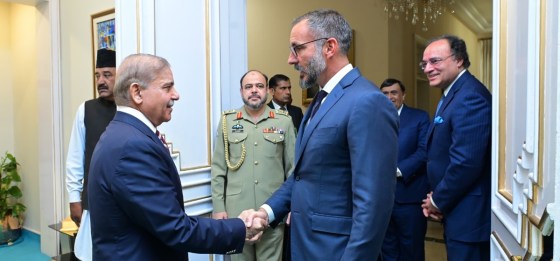
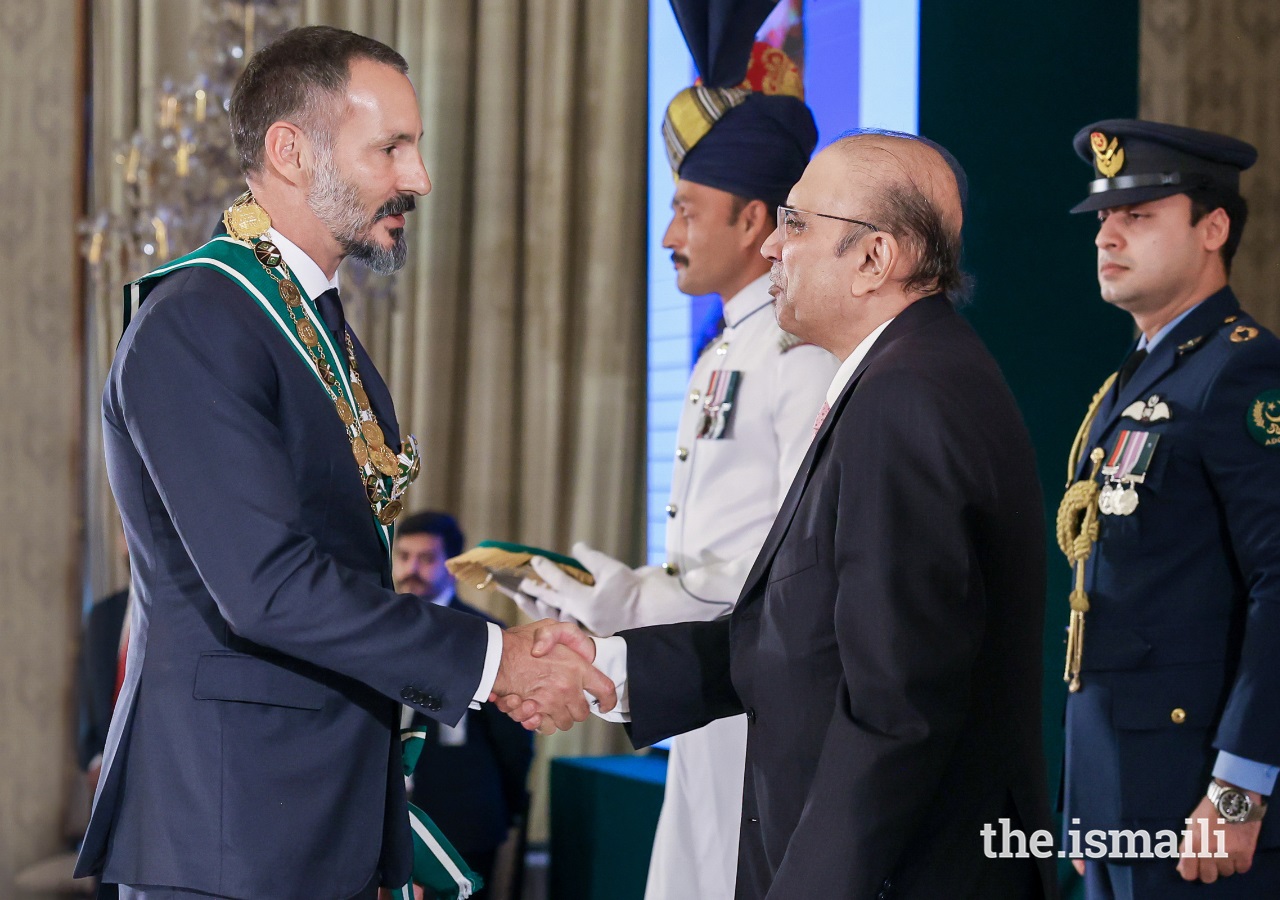
Barakah, our sister website, dedicated to His Highness the Aga Khan, the 49th Hereditary Imam of the Ismaili Muslims, has a special page covering news related to the Aga Khan and his family members. Prince Rahim, his oldest son, concluded his five-day visit to Pakistan on June 10, 2024, with a meeting with the Pakistan Prime Mnister Shehbaz Sharif (see featured photo, top of post). On June 7, the Prince was awarded Pakistan’s Highest Civilian Order by the President of Pakistan, Asif Ali Zardari.
The President of Pakistan, Asif Ali Zardari, congratulates Prince Rahim Aga Khan after conferring on him the Nishan-i-Pakistan on June 7, 2024, at a ceremony held at Aiwan-e-Sadr, the President’s official residence in Islamabad. Photograph: AKDN/Akbar Hakim. Please click on the photo for more coverage of the event and other events since the beginning of 2024.
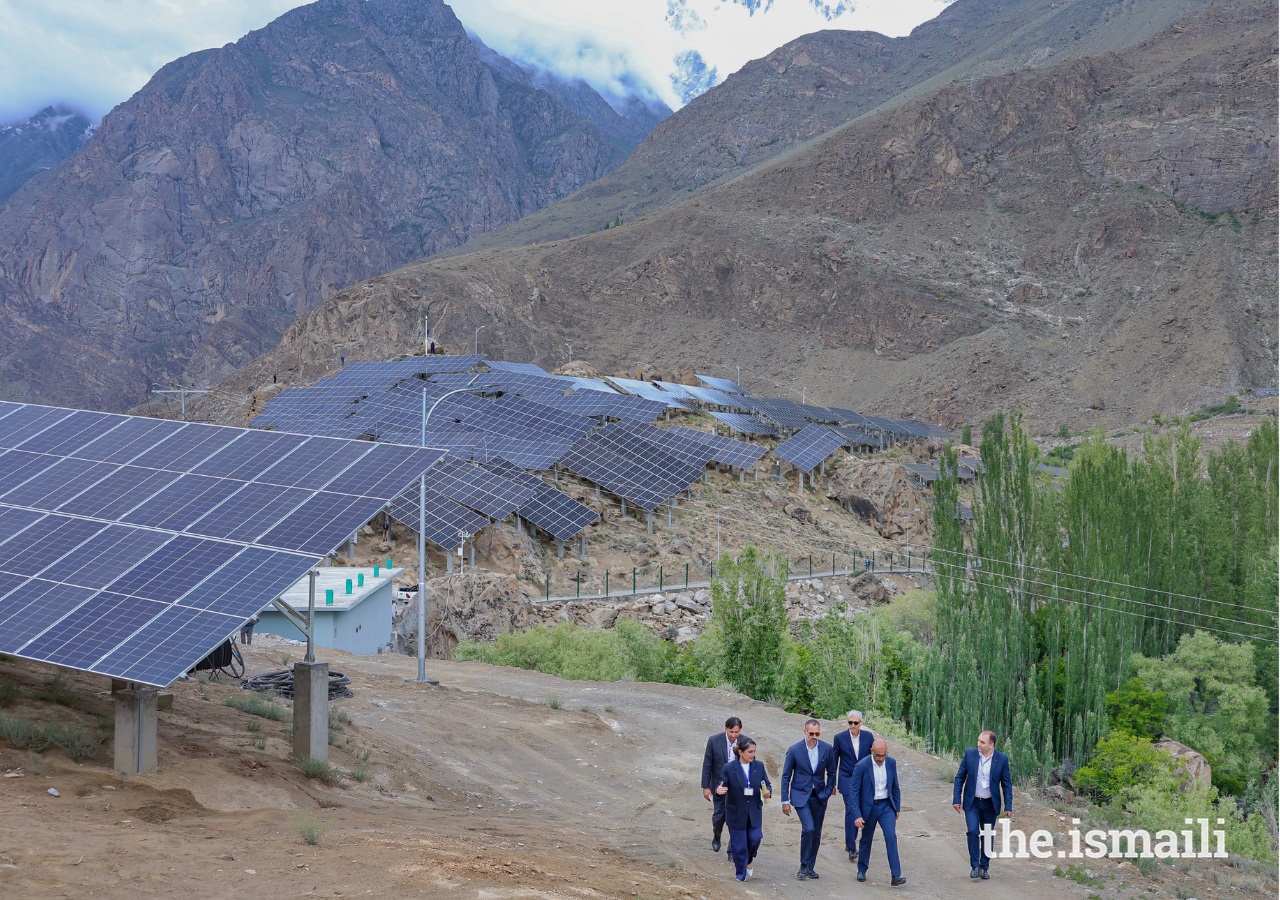
Prince Rahim then visited Hunza to launch projects related to the development of Solar Power Plants and a high-tech Software Park, visited the 800-year-old restored historic fort of Altit and saw the completion of the five-star Hotel Serena. On June 9, he inaugurated the new Headquarters of HBL Microfinance Bank in Gilgit.
Prince Rahim Aga Khan climbs up Duiker Hill to get a bird’s eye view of the areas that will benefit from the expansion of the power plant in Hunza. Please click on the image for this and other stories. Photograph: AKDN/Akbar Hakim.
Prince Rahim’s sister, Princess Zahra, visited the Aga Khan Development Network’s work in Hunza and Chitral between May 22 and 26.
On May 11, their aunt, Princess Yasmin Aga Khan hosted the highly successful Rita Hayworth Gala in Chicago. This remarkable event, which raised nearly US $900,000, is a shining example of how collective efforts can make a significant difference in supporting the Alzheimer’s Association’s care, support, and research programs.
Visit Barakah for news, insightful and inspirational articles about the Aga Khan and the Ismaili Imamat.
Date posted: June 7, 2024. Last updated: June 10, 2024.
The following story by Benazir Samad is reproduced from the Voice of America (VOA) website. The VOA article, dated March 23, 2024, originated from VOA’s Urdu Service. Please note that the photographs and the Brief Profile within the body of the story are not part of the original VOA article; Simerg has reproduced the photos from Suriya Bibi’s Official Facebook Page.
Historic Win Shatters Stereotypes, Empowers Women in Pakistani Politics
“Sometimes, I had to walk kilometers on foot when there were no roads for vehicles. Despite facing these difficulties and even being unwell at times, I remained dedicated to connecting with people and meeting voters. The support of women who walked with me provided comfort and bolstered my determination throughout this demanding campaign” — Suriya Bibi.
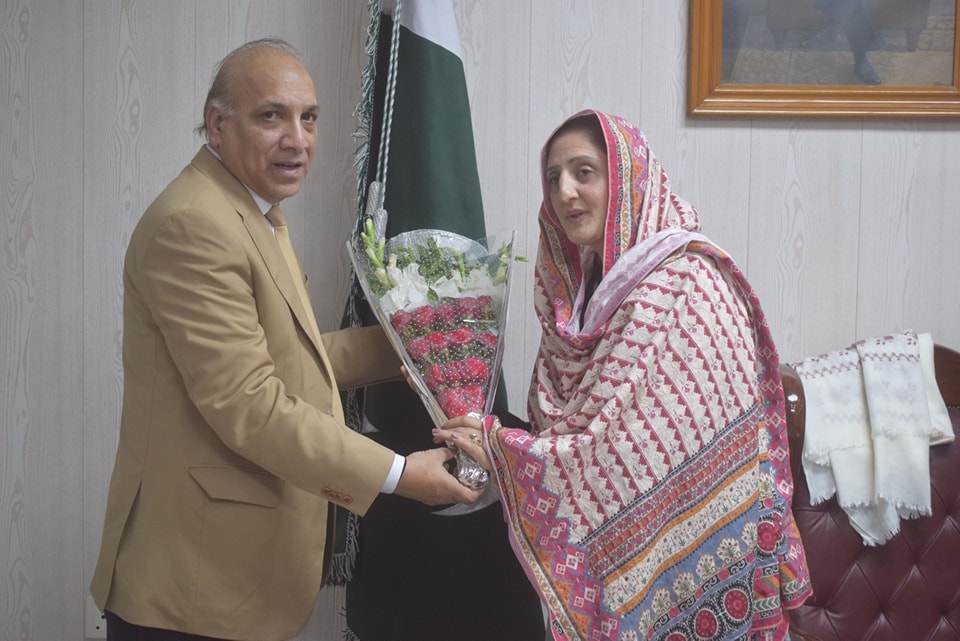
(Former) Aga Khan Ismaili Council President for Peshawar, Imtiaz Sahib, presents a bouquet of flowers to Suriya Bibi as he pays his respects at her office chamber following her election victory. Photograph:Official Facebook Page of Suriya Bibi.
By BENAZIR SAMAD, VOA
When Suriya Bibi was running for a seat earlier this year on the Khyber Pakhtunkwa provincial assembly, she faced numerous challenges beyond being a woman and hailing from a minority sect in Pakistan’s remote district of Chitral.
Another obstacle appeared when the Election Commission randomly assigned a hen symbol as her identifier on ballot papers — such symbols are tools to aid illiterate voters. In January, Pakistan’s Supreme Court barred her political party, Pakistan Tehreek-e-Insaf, or PTI, from using the cricket bat symbol associated with former Prime Minister Imran Khan.
The hen symbol inadvertently perpetuated the stereotype that women in Chitral were better suited for poultry farming than politics. Her opponents capitalized on their good luck, ridiculing her and mocking the symbol’s association with domesticity.
In a phone interview with VOA, Bibi said that there was no shame in poultry farming and rejected the attempt to diminish her worth based on her election symbol.
History Made
Bibi made history in early February by becoming the first woman from Chitral district to secure an assembly seat through a direct election rather than assuming a seat reserved for women, as is customary in the region. Not only did she clinch victory in the PK-1 constituency in Chitral with a decisive majority, but she also ascended to the position of deputy speaker in the Khyber Pakhtunkhwa assembly.
In Pakistan, where women’s involvement in governance is often restricted, Bibi encountered obstacles while navigating and challenging traditional norms to carve out her place in male-dominated politics.
According to social critic and feminist writer Sabahat Zakariya, Bibi belongs to the rare category of women parliamentarians who have secured their positions through open seats without relying on the political influence or lineage of male family members.
“Currently, all the big female names in Pakistani politics are scions of big feudal or industrial political families,” Zakariya said. “In that, Suriya Bibi’s achievement is not just unique for Chitral but also [for] all of Pakistan.”
VOA story continues below
_____________________
BRIEF PROFILE: SURIYA BIBI
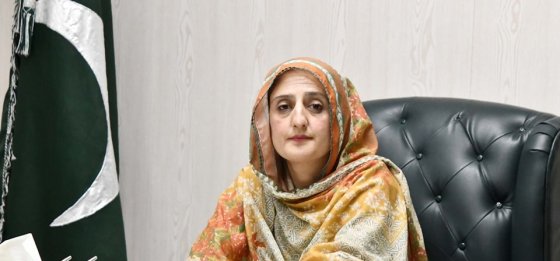
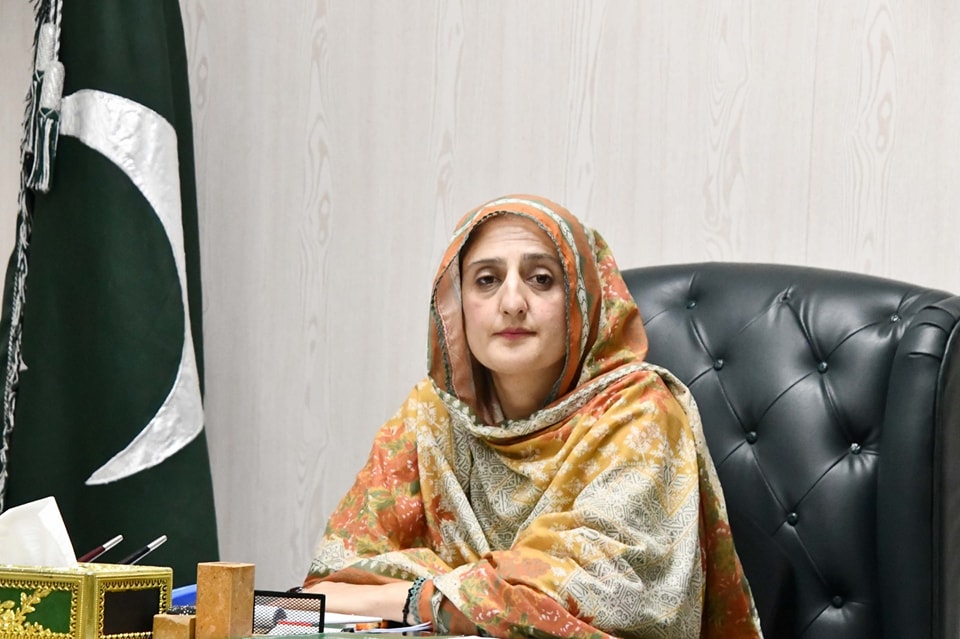
Suriya Bibi. Photograph: Official Facebook Page of Suriya Bibi.
Suriya Bibi hails from the Chitral District of Khyber Pakhtunkhwa, Pakistan’s 4th largest province in the country’s northwest, with Peshawar as its capital. Chitral District is situated in the north of Khyber Pakhtunkhwa province. She earned a master’s degree in Urdu (M.A Urdu) in 2002, after which she became involved in the socio-economic development of the population with a particular focus on the promotion of education among women and their social upliftment through organizations such as the Aga Khan Rural Support Program and Biyar Local Support Organization. Concurrently, she became engaged in politics with the Pakistan Tehreek-e-Insaf (PTI) party, where she has been the Vice President of PTI Malakand Division since 2007. Suriya Bibi is the first female member elected to a general seat in the history of Chitral. (Profile condensed from Provincial Assembly Khyber Pakhtunkhwa.)
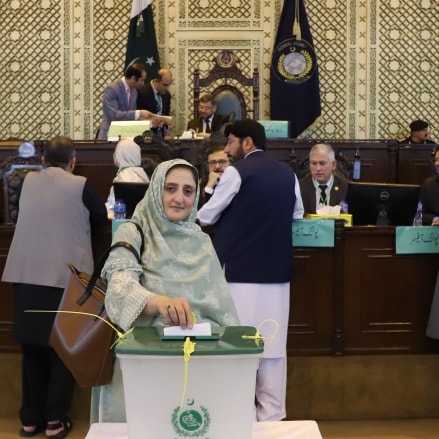
Suriya Bibi casts her vote in the Khyber Pakhtunkwa Assembly during the Pakistan presidential election held in March 2024. Photograph: Official Facebook Page of Suriya Bibi.
__________________________
Campaigning in Rough Terrain
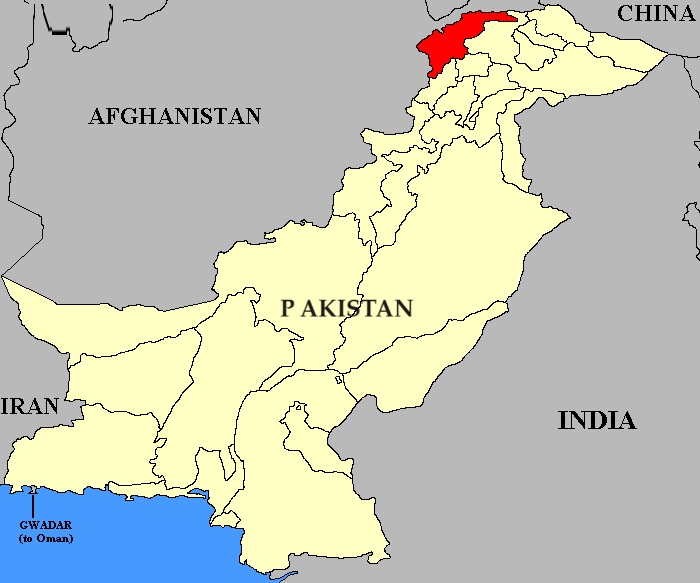
The remote District of Chitral (red) in Pakistan. Map adapted from Wikipedia.
Bibi also reflected on how the severe winters and the daunting terrain of the Hindukush mountains presented yet another challenge to her campaign.
Dilapidated roads and inadequate infrastructure made reaching the remote areas of her constituency difficult. Spanning approximately 210 kilometers (about 130 miles), the upper Chitral PK-1 district encompasses the farthest village, Broghil, which borders the Badakhshan province of Afghanistan.
“Sometimes, I had to walk kilometers on foot when there were no roads for vehicles,” she said. “Despite facing these difficulties and even being unwell at times, I remained dedicated to connecting with people and meeting voters. The support of women who walked with me provided comfort and bolstered my determination throughout this demanding campaign.”
VOA story continues below
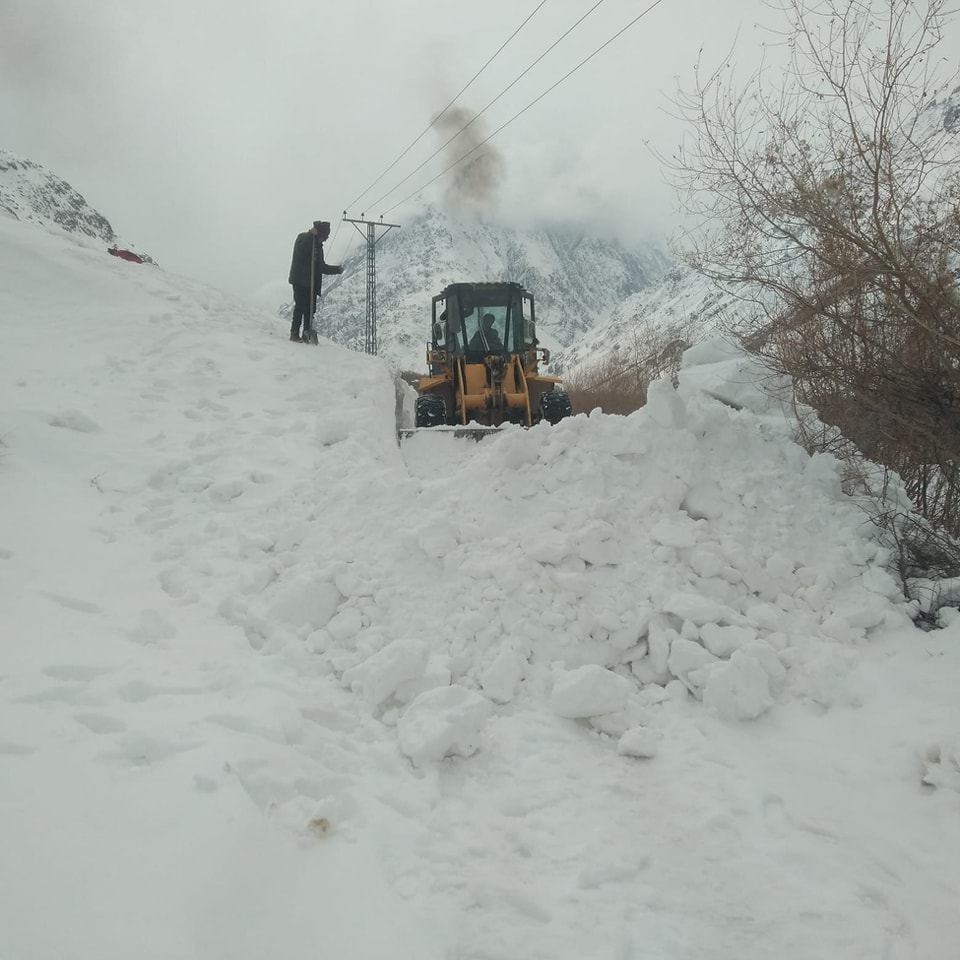
Rough terrain in Chitral as snow clearance is underway following heavy snowfall; Photograph: Official Facebook Page of Suriya Bibi.
Bibi grew up with both her father and a grandfather engaged in local politics and knew that she, too, wanted to be a politician.
“Despite my family’s support for another party, I made an independent choice and joined Pakistan Tehreek-e-Insaf, PTI party, [which means] ‘Pakistan movement for justice,’ in 2007,” she said.
“Joining politics, I initially faced resistance and received criticism for participating in protests and rallies, as it wasn’t common for women in the conservative region like Chitral to break through a male-dominated field like politics.”
Starting as a grassroots worker, Bibi began by mobilizing women at the village level, then represented Chitral as a female leader and then became the vice president of PTI Malakand Division. So, she ascended through the ranks within her party before getting a nomination to run for election from the party.
In the recent election, Bibi’s constituency was predominately female. Women voters surpassed men in supporting her, giving Bibi 35,377 votes, compared with the 30,345 votes from men.
In Chitral, where no local woman had previously secured an electoral victory and where her opponents wielded greater financial resources, Bibi initially doubted her chances.
“Men establish connections, friendships, and network with party officials, gaining exposure and influence,” she said. “However, as a woman, I couldn’t do the same. Despite these challenges and cultural norms, I only had dedication and the unwavering support of my family, particularly my husband. He consistently encouraged me when I was nominated to run for the seat, urging me to take it up as a challenge.”
VOA story continues below
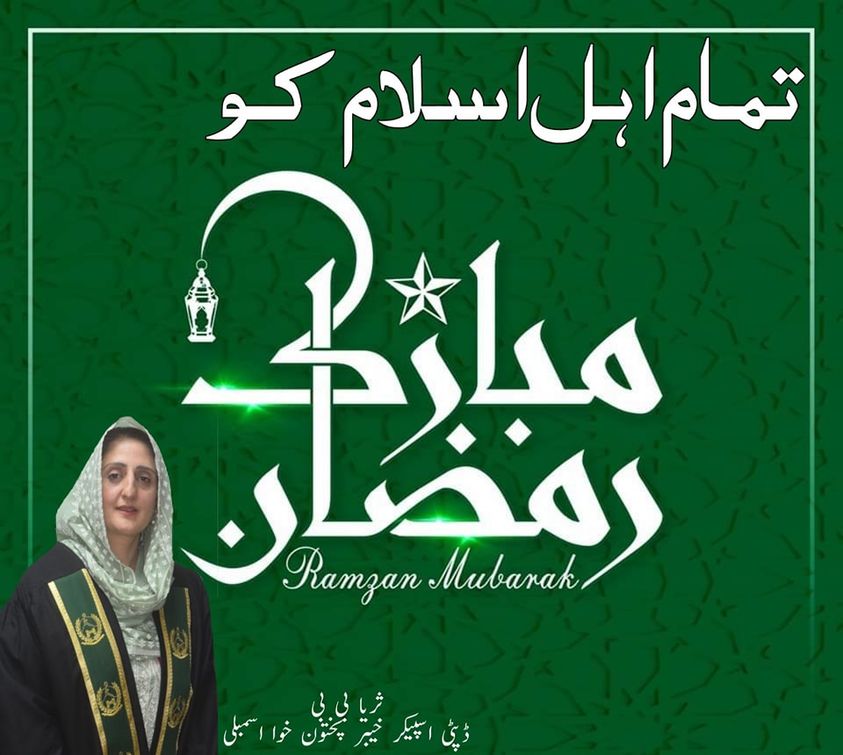
Ramzan Mubarak greeting from Suriya Bibi. Photograph: Official Facebook Page of Suriya Bibi.
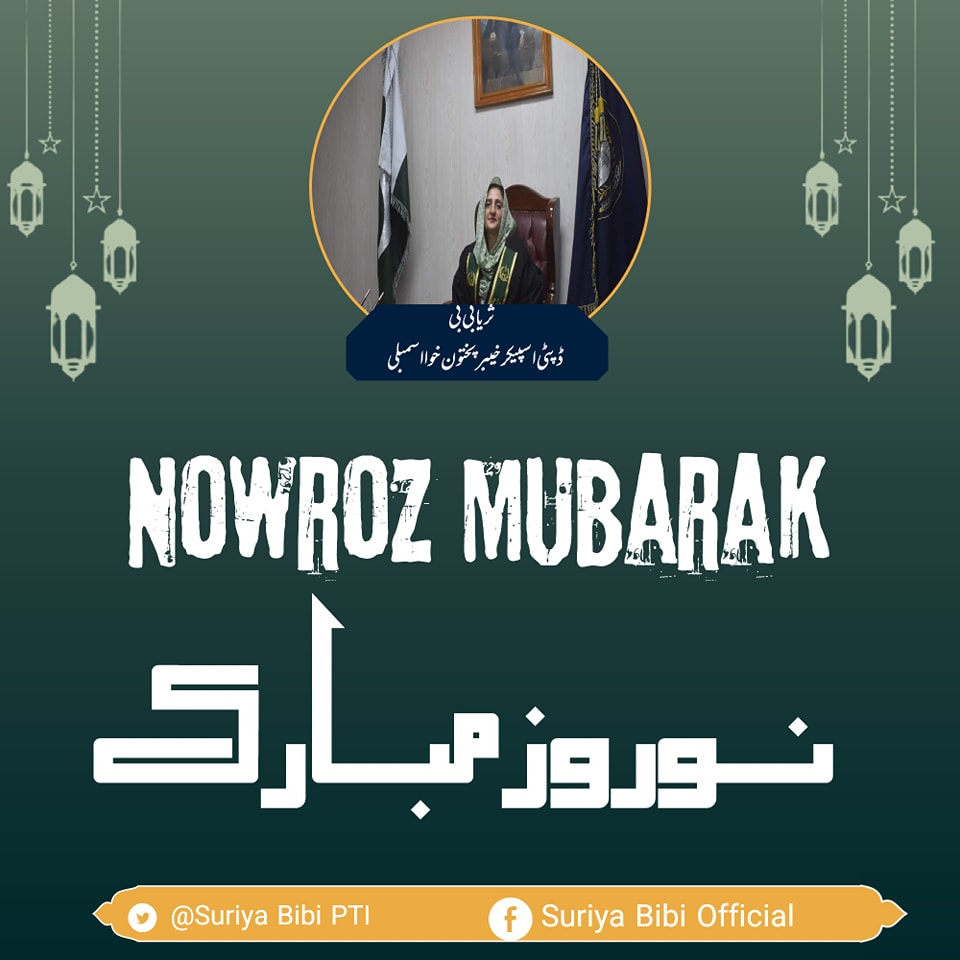
Navroz Mubarak greeting from Suriya Bibi. Photograph: Official Facebook Page of Suriya Bibi.
Speaking about her plans, Bibi said her focus would be on tackling property rights issues for women and prioritizing girls’ education. Given her background as an educator, she eagerly anticipates establishing a nursing school in the region, recognizing that young women who pursue nursing careers often must move far from their families.
Aspiring female students have begun approaching her about internship opportunities in her office, she said, reflecting a shift in the perception that politics are exclusively dominated by powerful men.
She said her political journey shows how even an ordinary middle-class woman like herself can ascend to great heights in the realm of politics.
“The people everywhere were humble, friendly and welcoming. If you greeted them “Ya Ali Madad” they broke out in a big smile and hugged you. At the Jamatkhana in Shogore (and Booni) people could tell I was not a local, and they came one by one and met me without hesitation…”
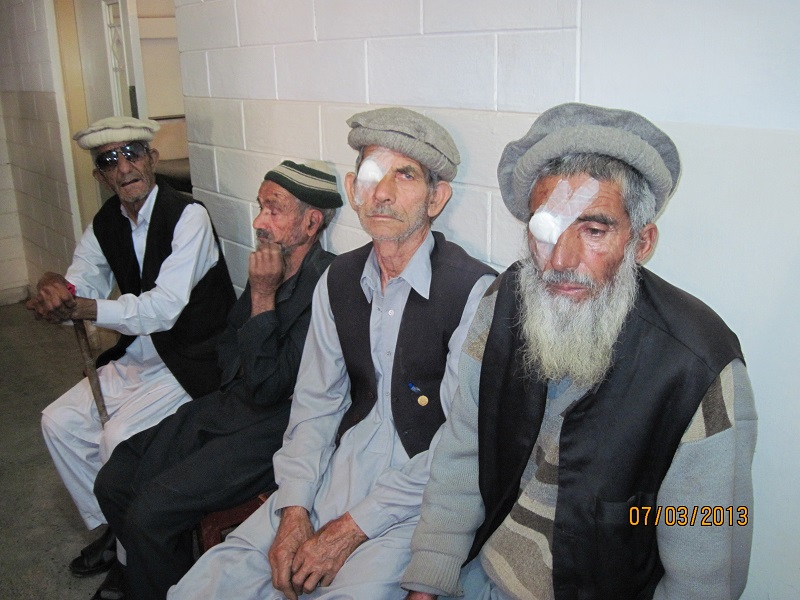
This is a fascinating story of faith and courage by an eye-surgeon who decided to travel to Chitral, Pakistan, and give the precious gift of an eyesight to individuals who thought they would never see again. Simerg invites individuals to come forward and share their stories as part of its 4th anniversary series dedicated to Ismaili volunteers, badged as well as non-badged.
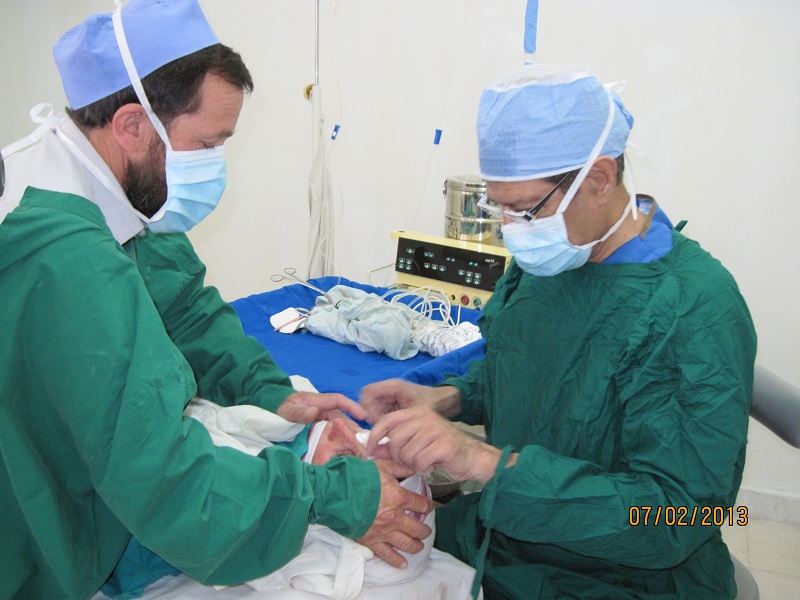
Badrudin Kurwa, right, performing a cataract surgery in Chitral, Pakistan. Please click on image to read article. Photo: Badrudin Kurwa Collection.
__________
Post op patients following cataract surgery by Dr. Badrudin Kurwa in Chitral, Pakistan. Please click on image for article. Photo: Badrudin Kurwa Collection.



 Simerg - Insights from Around the World