Simerg is an independent initiative dedicated to Ismaili Muslims, the Aga Khan — their Hereditary Imam — and the Ismaili Imamat, and Islam in general through literary readings, photo essays and artistic expressions
Premier John Horgan meets Mawlana Hazar Imam, His Highness the Aga Khan, on May 18, 2018, in Vancouver, on the occasion of his Diamond Jubilee. Forming the backdrop are the flags of the Ismaili Imamat, which bears the Imamat crest, Canada and British Columbia. Photograph: Province of British Columbia.
We have learnt with deep sadness that the former Premier of British Columbia, John Horgan, who served as the province’s leader from 2017 until 2022, has passed away of cancer at the age of 65. In a statement posted to X by Horgan’s longtime friend and press secretary, Sheena McConnell, the Horgan family said he passed away peacefully at the Royal Jubilee Hospital in Victoria on the morning of November 12, 2024.
Horgan’s dedication to public service is evident in his political career. He was first elected to the B.C. legislature in 2005 and became leader of the NDP in 2014. His leadership skills led to his election as B.C.’s premier in 2017. He continued to serve until 2022 when he decided to step down due to health reasons. His commitment to serving the public was further demonstrated when Prime Minister Justin Trudeau appointed him Canada’s ambassador to Germany in November 2023.
Trudeau expressed his condolences in a statement posted to social media:
“John Horgan believed in the power of public service. He saw it as a privilege, as a way to help others and to make our country better. He loved British Columbia. As premier, he had a tenacity, passion and dedication for his work that very few could match.
B.C. Ismailis will fondly remember the late Premier, who received their 49th Imam, His Highness the Aga Khan, Mawlana Hazar Imam, on May 4, 2018, upon the occasion of his Diamond Jubilee.
Story continues below
Premier John Horgan meets Mawlana Hazar Imam, His Highness the Aga Khan, on May 18, 2018, in Vancouver, on the occasion of his Diamond Jubilee. Photograph: Province of British Columbia.
~~~~~~~
Premier John Horgan meets Mawlana Hazar Imam, His Highness the Aga Khan, on May 18, 2018, in Vancouver, on the occasion of his Diamond Jubilee. Photograph: Province of British Columbia.
In a statement issued on meeting the 49th Hereditary Ismaili Imam, the Premier said:
“For the last 60 years, His Highness the Aga Khan has provided spiritual leadership to the world’s Shia Ismaili Muslims.
“In this role, he has dedicated his life to making life better for people. His work to eliminate poverty, give children early learning opportunities, and improve health care has helped people around the globe.
“It was a great honour to meet His Highness on the occasion of his Diamond Jubilee, and to welcome him to British Columbia.
“Canada’s Ismaili community has pledged to volunteer for one million hours in celebration of this special year. Our province and our country is a better place thanks to this ethic of volunteerism and compassion, shared by Ismaili people around the world.”
Story continues below
Prince Rahim Aga Khan (left), representing the Ismaili Imamat, and British Columbia’s Premier John Horgan display the Accord to the audience after the signing ceremony as Princess Zahra and BC’s Minister of Forest Katrine Conroy look on. The event was hosted on September 29, 2022, at the Pan Pacific Hotel at the iconic Canada Way in Vancouver’s beautiful waterfront. Photograph: Malik Merchant/Barakah.
On September 29, 2022, before stepping down as the premier, he signed an Accord of Cooperation with Prince Rahim Aga Khan, representing his father, at the Pan Pacific Hotel at the iconic Canada Place on Vancouver’s waterfront. The Accord, a significant milestone, was deeply rooted in the 50-year history of the Ismaili Community in Canada and Mawlana Hazar Imam’s lifetime of work to improve quality of life. The Agreement, a call to action, served to advance partnership and collaboration on one of the most pressing issues of our time: the urgent and critical issue of climate change.
During this challenging time, we express our heartfelt condolences to his wife, Ellie, and their two sons, Evan and Nate.
Inna lillahi wa inna ilayhi raji’un “Surely we belong to God, and to Him we return” — Holy Qur’an, 2:156
“Life is a great and noble calling, not a mean and grovelling thing to be shuffled through as best as we can but a lofty and exalted destiny.” — Mawlana Sultan Mahomed Shah, His Highness the Aga Khan III (1877-1957), 48th Ismaili Imam.
A TRIBUTE TO SALIM JIWA & HIS DEVOTED WIFE MINA & FAMILY
The late Salim Jiwa (d. September 2024) with his wife Mina. Photograph: Jiwa Family Collection.
By FAROUK B.K.S. VERJEE
Salim Sadrudin Jiwa passed away in Vancouver in September 2024 at the age of 73. He leaves behind his devoted wife, Mina, and 3 children.
Salim, born on the shores of Lake Victoria in Bukoba, Tanzania, began his journalism career in Dar es Salaam, the Capital. This was a significant time for Tanganyika, which was newly independent and faced a scarcity of local journalists. In this urgent context, ambitious Salim quickly made his mark. President Nyerere wanted local journalists to write their aspirations for a multi-racial, African Socialist society. His vision was reflected in his diverse cabinet, which included Amir Jamal, an Ismaili, as his Minister of Finance and a European Bryson, as his Minister of Agriculture, showcasing the inclusivity of his leadership.
Nyerere’s policy of African Socialism followed the Arusha Declaration of February 5, 1967, which, over the years, resulted in nationalizing businesses and individual properties. These measures unsettled many in the Indian and expatriate business communities.
For young Salim, Canada was a welcoming choice. He could apply for his status from within Canada, and with freedom of speech, as a journalist, he could write as he pleased.
He never went back.
Starting with the Province Newspaper, the second largest daily in British Columbia (BC), as a minority immigrant, he faced the usual challenge of no “Canadian experience.” His relentless ambition, determination, and sharp humour made him a daring crime reporter. His drive is a testament to what can be achieved with sheer determination. Crime reporters get hardened over time.
He reported on a murder in the posh British Properties in West Vancouver.
A daughter-in-law was killed by her father-in-law, leaving behind a daughter of 4 months.
Salim and his wife Mina stepped forward and adopted her to give the young baby a loving home and an escape from the terrible family trauma.
At his well-attended funeral in September, I met some of Salim’s retired colleagues from the Province Newspaper. I thanked them for coming and told them I had met Salim in 1975 when he was a cub reporter. His colleagues remarked that Salim was no cub; he was a Lion!
In 1985, the bombing of Air India Flight 182 over the Atlantic took over 329 lives, 90 of whom were children. The flight had originated from Toronto and had suspected links to the Khalistan Movement. To this day, it remains the largest terrorist event in Canadian history.
After a $100 Million prosecution, this crime remains unresolved. A memorial marks this horrendous tragedy in Vancouver’s Stanley Park, bearing the names of all the victims. Salim wrote a bestseller, Death of Air India Flight 182.
In his book’s dedication, he writes: “This book is dedicated to the 329 victims of the sabotage of Air India Flight 182 and the two victims of the Narita bomb, as well as their families. Also to the Royal Canadian Mounted Police for their extraordinary work, members of the Canadian Security Intelligence Service, who must remain in the shadows, and investigators in the United Kingdom, Ireland, Japan, the USA and India. Finally, to my wife and children for all their help.”
Fabian Dawson the former Deputy Editor of the Province expressed the following sincere and heartfelt tribute to Salim:
“Salim was larger than life character in the newsroom. He was well respected, funny and always armed with a pun.”
Fabian worked alongside Salim for almost three decades. He continued:
“Throughout his career, Salim’s ability to build rapport with sources, from law enforcement to the families affected by tragedy, was legendary….his ability to connect with people on a human level made him not only a remarkable journalist but also a cherished friend to many. Salim’s presence in the newsroom was influential as it will be unforgettable.”
Story continues below
Salim Jiwa at his desk at The Province, Vancouver’s daily newspaper, first published in 1898. Photograph: Via Jiwa Family Collection.
As the Honorary Secretary of the Aga Khan Council for Western Canada in 1975, we were wary and very shy of the media. Salim was very pushy about asserting our Ismaili identity, as most had arrived here stateless, impoverished, with a loss of identity, and in culture shock.
~~~~~~
“At his well-attended funeral in September, I met some of Salim’s retired colleagues from the Province Newspaper. I thanked them for coming and told them I had met Salim in 1975 when he was a cub reporter. His colleagues remarked that Salim was no cub; he was a Lion!” — Farouk Verjee
~~~~~~
Salim was a big man with a huge heart. He did not mind stepping on toes to get his job done. He was gentle with my toes and most cooperative, as was his other colleague, publisher Promod Puri, the founder of the weekly Link Newspaper, which covers the broadest spectrum of the South Asian Communities news and social and political activities in BC. The paper continues to thrive today.
Salim’s contribution to our Just Society has been enormous but rarely acknowledged in the larger community.
His peers awarded him the prestigious Jack Webster Award for excellence in legal journalism. He also received the MacMillan Bloedel’s Annual Journalism Award for outstanding writing, journalistic initiative, public service, and contribution to the understanding of important issues.
Salim in in his last days left the following message to his family:
“I have had a full and beautiful life, and I have done everything one could wish for far and beyond any anticipation in my life. I have no regrets about the way I have lived my life. I have supreme affection for Mina, Farouk, Hafeez, Alyia, and my children’s wives.
Story continues below
Salim Jiwa with his children Farouk, Hafeez, and Alyia. Photograph: Jiwa Family Collection.
“My grandchildren have been a source of love and joy. My sisters, my mother, and my father have loved me. No regrets people. Enjoy your lives, as I have mine. Do good to all. Be generous, be fair, help the less fortunate and act with justice towards all.”
Salim, you are greatly missed by your family, friends and colleagues. Rest in Peace. Brother, Ameen.
Indeed, I may conclude that by their inspiring examples, Salim and Mina are the unsung heroes and heroines of the Ismaili Jamat. They have also served the larger community as outstanding, exemplary citizens.
Date posted: October 24, 2024. Last update: October 31, 2024 (added text of Salim Jiwa’s dedication in his book and an image of the cover page).
Correction: In an earlier version of this post, we misstated Fabian Dawson as the former publisher of The Province. He was the deputy editor.
_______________
Condolence messages: We invite readers to submit their condolences, memories and tributes to Salim Jiwa by clicking LEAVE A COMMENT.
Farouk Verjee, left, with Baroness Margaret Thatcher (1925 – 2013) at the opening of the Ismaili Centre London, April 24, 1985.
About the writer: Farouk B.K.S. Verjee served as the Honorary Secretary of His Highness the Aga Khan Shia Imami Ismaili Council for Canada for 5 years from 1979-1984. He then became the Council’s President until 1987. His terms of office saw the foundation laying ceremony of the Ismaili Jamatkhana and Centre (a Silver Jubilee Project) by the Honourable Henry Bell-Irving, Lieutenant-Governor General of British Columbia, as well as its opening in 1985 by Canada’s Prime Minister, Brian Mulroney (d. February 2024). Both the ceremonies took place in the presence of Mawlana Hazar Imam, His Highness the Aga Khan, and his family members.
“The architectural planning [of the Delegation of the Ismaili Imamat Building] has been entrusted to the capable hands of Fumihiko Maki, an architect of world standing. Maki and Associates have my enthusiastic admiration for addressing, with tact and empathy, challenges of design which are difficult and subtle. They call for translating concepts that have a context in our faith and our history, yet stride boldly and confidently ahead, into modernity; for expressing both the exoteric and the esoteric, and our awe and humility towards the mysteries of Nature, Time and beyond.” — His Highness the Aga Khan, June 2005.
His Highness the Aga Khan with architect Fumihiko Maki at an Aga Khan Museum Exhibition held at the Louvre in 2007. The renowned Japanese architect served twice on the Master Jury of the Aga Khan Award for Architecture, and designed the Delegation of the Ismaili Imamat Building in Ottawa which was opened in December 2008 , the Aga Khan Museum in Toronto opened in September 2014., and the Aga Khan Centre in King’s Cross in London, opened in June 2018. Photo: AKDN/Gary Otte.
Reflecting back to 2005, I can’t help but feel a profound sense of loss as I note the passing of the renowned Japanese architect Fumihiko Maki on June 6, 2024, at the age of 95. His architectural firm, Maki and Associates, officially announced his demise. The news of Mr. Maki’s death reverberated across the globe, with obituaries appearing in esteemed publications such as the Washington Post, New York Times, and CNN, as well as prominent architectural websites like Architectural Record, World Architects, and Architect’s Newspaper.
The occasion in January 2005 was the award of the Vincent Scully Prize to Mawlana Hazar Imam, His Highness the Aga Khan, at the National Building Museum in Washington, D.C.
Stepping into the building, I found myself in the presence of Bruno Freschi, the architect behind the exquisite Ismaili Centre Vancouver, which had opened its doors in 1985. Just a few steps away stood Mawlana Hazar Imam, accompanied by Fumihiko Maki and Firoz Rasul, the President of the Aga Khan Council for Canada. It was a rare and profound moment, as Bruno had expressed his desire to meet both Mawlana Hazar Imam and Fumihiko Maki in person. I took the initiative and introduced Bruno to Rasul. In a later interview, Bruno shared his gratitude: “His Highness introduced me to Mr. Maki, and it was here that he again thanked me and said that the Jamatkhana (Ismaili Centre Vancouver) was indeed one of his favourite buildings. He encouraged Mr Maki to visit the building.”
Witnessing two remarkable architects with Mawlana Hazar Imam was a touching moment. The memory of that encounter is etched in my heart, a testament to the profound impact it had on me.
Buildings designed by Fumihiko Maki for His Highness the Aga Khan. Top: Delegation of the Ismaili Imamat, Ottawa (2008), and the Aga Khan Museum, Toronto (2014); bottom, Aga Khan Centre, London (2018).
We honour the renowned architect, Fumihiko Maki, by presenting links to photographs of three beautiful projects that he built for Mawlana Hazar Imam — the Delegation of the Ismaili Imamat building in Ottawa which was opened on December 9, 2008, as the Ismaili community marked the completion of Mawlana Hazar Imam’s Golden Jubilee, the Aga Khan Museum in Toronto which was opened on September 14, 2014, and the Aga Khan Centre in London which was inaugurated on June 26, 2018. We invite you to visit the links provided.
For each of these projects, Mawlana Hazar Imam made remarks on Fumihiko Maki. We publish a selection of the speech excerpts as part of Simerg’s tribute to Mr. Maki.
His Highness the Aga Khan on Fumihiko Maki’s Projects for the Ismaili Imamat
(1) The Delegation of the Ismaili Imamat Building, Sussex Drive, Ottawa
Remarks by the Aga Khan at the Foundation Ceremony of the Delegation Building, Ottawa, June 6, 2005
“The architectural planning [of the Delegation of the Ismaili Imamat Building] has been entrusted to the capable hands of Fumihiko Maki, an architect of world standing. Maki and Associates have my enthusiastic admiration for addressing, with tact and empathy, challenges of design which are difficult and subtle. They call for translating concepts that have a context in our faith and our history, yet stride boldly and confidently ahead, into modernity; for expressing both the exoteric and the esoteric, and our awe and humility towards the mysteries of Nature, Time and beyond. The outcome is an inter-play of multiple facets, like rock crystal. In it are platforms of pure but translucent horizontality. Light’s full spectrum comes alive and disappears as the eye moves. In Islam the divine is reflected in Nature’s creation. The building will rest on a solid linear granite podium. Above it will be a glass dome through which light will illuminate, from multiple directions, two symbolic spaces: an interior atrium and an exterior courtyard landscaped in four quarters, recalling the traditional Persian — Islamic garden, the Chahr-bagh. Nature, through the greenery of trees and flowers, will be on the site, but also in the building, just as we are sometimes able to see leaves and petals captured in rock crystal, but still visible through its unique translucency.
Remarks continue below
Exterior view, at night, of the entrance to the Delegation of the Ismaili Imamat on Sussex Drive in Ottawa, Canada. – Photo: AKDN/Gary Otte
“The building will be a metaphor for humanism and enlightenment and for the humility that comes from the constant search for answers that leads inevitably to more questions. The Delegation, with its openness and transparency, will be a symbolic seat for the Imamat’s permanent presence in Canada, and a platform for constructive exchanges that mutually broaden moral and intellectual horizons. It will be a window for the AKDN to reinforce existing, and cultivate new, partnerships with national and international agencies present in Ottawa, that share the ethic of contributing to an improved quality of life in the developing world.”
___________________________
(2) The Aga Khan Museum, Wynford Drive, Toronto
Fumihiko Maki and Gary Kamemoto of Maki & Associates review cladding stone for the Aga Khan Museum with His Highness the Aga Khan, October 2010. Photograph: The Ismaili.
(I) Remarks by the Aga Khan at the Inauguration of the Spirit and Life Exhibition, Ismaili Centre London, June 12, 2007
“What we see here today is the nucleus of the Islamic art collections of the future Aga Khan Museum in Toronto. This museum, which is being designed by the renowned Japanese architect Fumihiko Maki, is conceived as a primarily educational institution in the field of Islamic art and culture, a specific mandate that is not fulfilled so far by other North American museums. We hope and trust it will contribute to a deeper understanding among cultures — to the strengthening of true cultural pluralism — which is increasingly essential to peace, and to progress, in our world.”
~~~~~~~
(II) Remarks by the Aga Khan at the Foundation Ceremony of the Ismaili Centre, the Aga Khan Museum and their Park, Toronto, May 28, 2010,
“I should emphasise, as well, that the Museum building itself will be an important work of art — designed by the great Japanese architect Fumihiko Maki. Many of you know his superb building in Ottawa that has been the home for the Delegation of the Ismaili Imamat since 2008.
“That Delegation building was inspired by the evanescent mysteries of rock crystal. The new Toronto Museum will take as its theme the concept of light — suffusing the building from a central courtyard, through patterned glass screens. From the outside, it will glow by day and by night, lit by the sun and the moon.
Remarks continue below
Fumihiko Maki and Gary Kamemoto of Maki & Associates review materials for the exterior finish of the Aga Khan Museum with Prince Amyn Aga Khan in October 2010. Photograph: The Ismaili.
“From the outside, it will glow by day and by night, lit by the sun and the moon. This use of light speaks to us of the Divine Light of the Creator, reflected in the glow of individual human inspiration and vibrant, transparent community. As the poet Rumi has written: “The light that lights the eye is also the light of the heart… but the light that lights the heart is the Light of God.”
~~~~~~~
(III) Remarks by the Aga Khan on the Aga Khan Museum at the Opening of the Aga Khan Museum and the Ismaili Centre, Toronto, September 12, 2014
“The fusion of tradition and modernity which this building achieves, and the blend of spiritual, educational and social objectives that it embodies, have also characterised our other Ismaili Centres — in Vancouver, London, Lisbon, Dubai, and Dushanbe. All of them were designed by architects of great international standing, and, I would emphasise, of great multi-cultural sensitivity.
Remarks continue below
Fumihiko Maki and His Highness the Aga Khan discuss the glass finish options for the courtyard walls of the Aga Khan Museum in October 2010. Photograph: The Ismail
“Charles Correa, for example, comes from an Indian background and has also designed Hindu and Christian buildings. The architect for our Vancouver Centre 30 years ago was Bruno Freschi, whose family is of Italian background, and whose earlier work had included a Sikh place of worship. The new Aga Khan Park was designed by an architect of Lebanese heritage, Vladimir Djurovic. And the Aga Khan Museum is the work of a superb Japanese professional, Fumihiko Maki. How pleased we are that all of these fine artists are with us today.”
_____________________
The Aga Khan Centre, King’s Cross, London
“The Aga Khan Centre is the third project we have worked on with the distinguished architect Fumihiko Maki, a master of form and light” — His Highness the Aga Khan, quoted on Aga Khan Centre website
Gary Kamemoto and Professor Maki of Maki & Associates, the architects of the Aga Khan Centre, at the Aga Khan Centre Library.
Remarks by the Aga Khan at the inauguration of the Aga Khan Centre, June 5, 2018
“We celebrate today a beautiful new architectural accomplishment. This place has been shaped by many diverse influences — and among them we now welcome the rich traditions of Islamic architecture. One of those traditions – one that is appreciated by both the Islamic and the British cultures – is the special importance of the garden. We see the garden not merely as an adjunct to other constructions, but as a privileged space unto itself.
“And that is why I have emphasised, since our role began here in 2010, my own hope that the value of garden spaces should be embraced here. As we perambulate together through these spaces today, I trust that you will share my delight in seeing how that hope has been fulfilled. What we will see as we walk along are not only beautiful buildings — but also a unique series of gardens, courtyards and terraces – eight of them, in all, across our two buildings. Each one of them, moreover, has a distinctive identity: each one is inspired by a different region of the Islamic Ummah.
Remarks continue below
On Tuesday, June 26, 2018, HRH The Prince of Wales, now His Majesty King Charles, opened The Aga Khan Centre in King’s Cross in the presence of Mawlana Hazar Imam, His Highness the Aga Khan. Situated at the heart of London’s Knowledge Quarter, the Aga Khan Centre, designed by Maki and Associates, led by Fumihiko Maki, one of Japan’s most distinguished contemporary architects, provides a new home for a number of UK based organisations founded by His Highness the Aga Khan: The Institute of Ismaili Studies (IIS), the Aga Khan University Institute for the Study of Muslim Civilisations (AKU-ISMC) and the Aga Khan Foundation UK (AKF UK).
“Taken together, this winding ribbon of special spaces is an eloquent tribute to the rich diversity of the Muslim world. As we open this remarkable site, it is a privilege to salute those who have brought us to this moment. I would recognise, in particular, our fine relationship with the government of this borough, this city, and this country, as well as our rewarding partnership with the people at Argent. We are grateful, as well, for the talents of Maki and Associates, Allies and Morrison, Madison Cox and Nelson Byrd Woltz, as well as Rasheed Araeen and the late Karl Schlamminger. I would also like to thank our splendid team of staff and volunteers, including my brother Prince Amyn, who have stewarded this project to completion.”
Date posted: June 13, 2024.
_____________________
Please visit the Maki and Associates website for Professor Maki’s biography and curriculum vitae, which summarize his education, professional affiliations, and worldwide recognitions and awards.
Inna lillahi wa inna ilayhi raji’un “Surely we belong to God and to Him we return” — Holy Qur’an, 2:156.
“Life is a great and noble calling, not a mean and grovelling thing to be shuffled through as best as we can but a lofty and exalted destiny” — Mawlana Sultan Mahomed Shah, His Highness the Aga Khan III (1877-1957), 48th Imam of the Shia Imami Ismaili Muslims.
It is with deep sadness that I inform readers that Aitmadi Dr. Aziz Rajabali Kurwa of Mumbai, India, London, England, and Calgary, Canada, passed away peacefully in Calgary on Wednesday, March 13, 2024, at the age of 91. Dr. Kurwa’s wife, Aitmadibanoo Shirin Aziz Kurwa (d. December 2016), and his two brothers, Ramzan and Mohammedally, predeceased him.
Surviving Dr. Kurwa are his three children and their respective spouses, six grandchildren, and two great-grandchildren. They are daughter Khadeeja and her husband Steven Emmerson, and their two children, Adam and Daniel; daughter Laila and her husband Rahim Arstall and their two children, Nadia and Karim; and son Dr. Habib Kurwa and his wife Farzana and their two children, Khalil and Hassan. Laila’s daughter Nadia is Dr. Kurwa’s granddaughter, and with her husband Bob, they have two children, Rohan and Remi, making Dr. Kurwa a great-grandfather. Also surviving Dr. Kurwa is his younger brother, Dr. Badru Kurwa, an ophthalmologist in California.
Aitmadi Dr. Aziz Kurwa’s funeral will take place at Calgary’s South Jamatkhana on Saturday, March 16, 2024, at 11 AM. The funeral will be preceded by a dilsoji (condolences) to family members at the same Jamatkhana on Friday, March 15, after the evening ceremonies.
Article continues below
Aitmadi Dr. Aziz Rajabali Kurwa (d. March 13, 2024, aged 91)
Dr. Aziz Kurwa was an exceptional and dedicated Ismaili leader who left an indelible mark on the community by pursuing excellence and implementing transformative programs and ideas in the United Kingdom. As someone who, with my late parents Alwaez Jehangir and Alwaeza Malek Merchant, served under Dr. Kurwa’s leadership as the President of the Ismailia Association for the United Kingdom (now known as the Ismaili Tariqah and Religious Education Board or ITREB), I have fond and special memories as I think of him. Still, there is one that was extraordinarily special. It is of the day in London, England, when he presented a framed set of 3 Fatimid coins to Mawlana Hazar Imam, His Highness the Aga Khan, at a student gathering in Olympia Hall during his weeklong visit in September 1979 to the Ismaili Jamat (community). Mawlana Hazar Imam looked at the gift with deep interest and admiration and responded as follows:
“Dr. Kurwa earlier, presented to me some coins from the Fatimid Caliphate. This was a period of great glory and great pride, and I would like to express to all my students my very deep gratitude for the gift that you have offered. It is a link to the past, but it is also an ideal to be achieved, an ideal of strength, an ideal of performance, an ideal of happiness.” (Excerpt from Ilm, Volume 4, Number 3).
Following the presentation, Dr. Kurwa brought the gift to the Ismaili Association’s literature counter for display for the benefit of the Jamat. This first-ever presentation of Fatimid coins to Mawlana Hazar Imam during his 22 years of Imamat from 1957 to 1979 raised the Jamat’s interest in the glory of the Fatimid Empire.
Article continues below
London, September 1979: Mawlana Hazar Imam, His Highness the Aga Khan, is seen receiving the report of the Ismailia Association’s Activity and a framed set of 3 Fatimid Gold Dinars from the President of the Association, Dr. Aziz Kurwa. The students Mukhi and Mukhiani are standing on either side in a volunteer’s uniform. Photo: Ilm magazine.
Aziz Rajabali Kurwa was born in Mumbai on December 1, 1932, and studied there until his medical graduation. He became involved with services to the Ismaili community at a very young age. As a college student, he helped revive a student society under the new name of Ismaili Students Education Society (ISES). The committee then undertook several initiatives, including organizing an arts and crafts exhibition in the city. Prince Aly Khan, who was then visiting Mumbai, very graciously accepted the committee’s invitation to inaugurate the exhibition.
Article continues below
Aitmadi Aziz Kurwa and Aitmadibanoo Shirin Kurwa. Photograph: Habib Kurwa family collection.
Dr. Kurwa arrived in England in 1958. With his solid medical background from India, he went on to specialize as a dermatologist, obtaining FRCP(Edinburgh) and FRCP(London). Before Dr. Kurwa relocated to London, where he opened a dermatology clinic in the city’s famous medical district, Harley Street, he pursued his ambition of serving the Ismaili Jamat in Birmingham. He became the Mukhi (leader of the congregation) of the Jamat in 1970 and, together with his counterpart and other members of the Jamat, assisted in settling many Ismailis who arrived in the Midlands area as refugees from Uganda after their 1972 expulsion by Idi Amin.
Article continues below
Dr. Aziz Kurwa, President of the Ismaili Association for the U.K. between 1979 and 1985, is seated third from left and is pictured with the members, staff, and teachers who served under him. Photograph: Jehangir Merchant Family Collection.
When he opened his dermatology practice in London’s Harley Street, Dr. Kurwa continued to set his sights on serving the Ismaili community. He established a Jamatkhana in Purley, Surrey, and in 1979, he was appointed President of the Ismailia Association for the United Kingdom by Mawlana Hazar Imam.
As a visionary leader, he introduced the concept of Baitul Ilm, an Ismaili religious education program for children and youth, which continues to shape the U.K. and other worldwide Ismaili communities. He also championed the distribution of high-quality religious material in cassettes to remote Jamats in the U.K. He created a bilingual religious magazine, Al-Misbah, containing easy-to-follow religious material, stories for children, and readings for the Gujarati-speaking members of the Jamat.
~~~~
Article continues below
The bi-lingual Gujarati-English Al-Misbah magazine was launched in the UK during Dr. Aziz Kurwa’s term as the President of the Ismailia Association for the UK.
His support for adult education and the growth of the literature and library portfolios further underscored his commitment to the community. Waezin (sermon) activities grew multifold throughout the U.K. as did children’s activities and participation in the Jamatkhanas. Dr. Kurwa also ensured that missionaries in the U.K. would regularly travel to the widespread European Jamats to support their religious activities and interests. The highly acclaimed Ilm magazine, established in 1975, continued to prosper with increasing circulation in the U.K. and abroad. Such was the magazine’s reputation that in 1980, the magazine’s editor, my dad Jehangir, was invited by the Aga Khan Award for Architecture to attend the first Award Ceremony in Lahore. Sadly, he was unable to go.
After completing his two terms as the President of the Ismaili Association, Mawlana Hazar Imam, in 1986, chose him to be one of the resident governors of the Institute of Ismaili Studies in London, which Dr. Kurwa proudly served until 1995.
Article continues below
Dr. Aziz Kurwa, producer and director of “The Festival of Poetic Expressions” speaking at the event which was held by the Ismaili Council for the UK in London, Manchester and Germany to commemorate the Golden Jubilee of Mawlana Hazar Imam, His Highness the Aga Khan Aga Khan.
Dr. Aziz Kurwa celebrates at the conclusion of “The Festival of Poetic Expressions” which was held by the Ismaili Council for the UK in London, Manchester and Germany to commemorate the Golden Jubilee of Mawlana Hazar Imam, His Highness the Aga Khan Aga Khan.
Dr. Kurwa continued relentlessly to participate in other activities within the community. He contributed in creating the Health Care Professional’s Association and reviving the Ismaili Seniors Club. His passion for the Baitul Ilm religious education program led him to organize poetry sessions for Ismaili children and seniors, the success of which led to the Festival of Poetic Expressions as a Golden Jubilee programme. The event was staged in London, Manchester and Germany. He invited Simerg to publish the poems on the website, which we proudly did. Dr. Kurwa also served as a member of the Executive Committee of The Association For The Study Of Ginans, a private initiative.
In his article on Volunteering at the Dawn of Imamat, Dr. Kurwa wrote: “In whatever position in the Jamat, in my heart, I am devoted to voluntary service, and in this article, I am making an effort to recognise that volunteer services have existed since the inception of Islam and Inshallah will continue to flourish in the Jamat as long as Imam-e-Zaman wishes it to be.”
Article concludes below
All smiles as Aitmadi Dr. Aziz Kurwa is pictured with his son Dr. Habib Kurwa and his wife Farzana and their two children Khalil and Hassan. Photograph: Habib Kurwa family collection.
Dr. Kurwa moved to Calgary, Canada, in 2017 following the demise of his beloved and wonderful wife, Aitmadibanoo Shirin Aziz Kurwa, in December 2016. He cherished the beautiful moments with his loving son, Dr. Habib Kurwa, and his family. I was honoured to visit my former president and to meet him in Jamatkhanas. My wish to see him on Thursday, March 14, 2024, at 3:30 PM never materialized. A day earlier, on March 13, Habib texted me mid-morning, “Ya Ali Madad – Dad passed away this morning.”
Allah most graciously granted Aitmadi Aziz Kurwa a peaceful, happy and healthy life — a life that was filled with service to the Ismaili community, its institutions and the Imam-of-the-Time
He was an extremely rare Ismaili leader who returned to serve the Jamat at the grassroots level in any capacity as long as it enabled him to contribute to the community’s upliftment.
Aitmadi Aziz Rajabali Kurwa was a gallant, humble leader and a devoted murid of Mawlana Hazar Imam. We pray that his soul may rest in eternal peace. Ameen. We further pray that his family may face this immense loss with great courage and fortitude.
Date posted: March 14, 2024. Last updated: March 15, 2024 (reformatting and typos.)
__________________________
We invite you to submit your condolences, memories, and tributes to Aitmadi Dr. Aziz Kurwa by completing the feedback form below or clicking Leave a comment. Should you encounter technical issues or difficulties submitting your comment, please send it via email to mmerchant@simerg.com (subject Aziz Kurwa).
Inna lillahi wa inna ilayhi raji’un “Surely we belong to God and to Him we return” — Holy Qur’an, 2:156.
“Life is a great and noble calling, not a mean and grovelling thing to be shuffled through as best as we can but a lofty and exalted destiny” — Mawlana Sultan Mahomed Shah, His Highness the Aga Khan III (1877-1957), 48th Imam of the Shia Imami Ismaili Muslims.
We are deeply sad to record the passing of (Vazirbanoo) Amina Anil Ishani in Nairobi, Kenya, on February 9, 2024, at the age of 77. Her funeral was held on February 13, 2024, in Nairobi, Kenya. Amina is survived by her husband (Vazir) Anil Ishani, her daughters Shaheen Ishani and Karina Govindji, son-in-law Rizwan Govindji and grandchildren Iman, Zahra, Ziyana, Khalil and Zaki.
Amina led a very rich and purposeful life of honorary service to the Ismaili Muslim community in the UK and Kenya. Professionally, she was a Classical Homeopath for 3 decades after completing her studies at the London School of Classical Homeopathy in 1990.
On a personal level, I initially knew of Amina Ishani mainly through her husband Anil, who assumed important leadership roles in the Ismaili Community including as a member of the Board of Governors of the Institute of Ismaili Studies, Chairman of Aga Khan Foundation (UK), Convenor of the Constitution Review Committee, President of the Aga Khan National Council for the UK and Chairman of the Leaders International Forum. All these appointments were made by Mawlana Hazar Imam, His Highness the Aga Khan. For his decades of service to the Ismaili community, he was bestowed with the title of Vazir in 1973.
Mawlana Hazar Imam, His Highness the Aga Khan, and Begum Salimah Aga Khan, pictured in 1979 with Vazir Anil and Vazirbanoo Amina Ishani and their two daughters Shaheen and Karina at their residence “Nurabad”. Photograph: Ishani Family Collection.
Mawlana Hazar Imam, His Highness the Aga Khan, pictured in 1985 with Vazir Anil and Vazirbanoo Amina and her parents at the “Nurabad” residence. Photograph: Ishani Family Collection.
The magnificent work that Amina Ishani did for the Ismaili community began unfolding for me in 2011 when she connected with me by sending me the full script of a play on the Ismaili intellectual giant Nasir Khusraw, along with a full video of the play entitled “The Ruby Shines On” that had been shown to audiences in Kenya. For me, this was a singularly important contribution to Simerg; it was a moment of special pride to be able to host a finely produced play of an outstanding historical personality such as Nasir Khushaw. Amina generously provided the entire script of the play to be downloaded for others around the world to create their productions in their local areas, if they so chose.
Although her profile revealed the work she had done for Ismaili Institutions, the full extent of her contribution to the UK Ismaili community became known to me when I spent time with my parents in Vancouver. My late parents — Jehangir and Malek Merchant — described Vazirbanoo’s dedication and dynamism in all aspects of her services to the Jamat (community). They had worked hand in hand with Amina for the religious education development of Ismaili children in the UK. For example, before nursery provision in Bait-ul-Ilm’s existed, Amina led a pilot for Nursery Religious education in the UK and she participated in the ongoing teacher development program as well as mentored religious education teachers in the UK. She was also actively engaged in the UK in the formation of Misbah-al-Ilm. In addition to writing the script and producing Nasir Khushraw’s play, “The Ruby Shines On”, she wrote scripts — as well as produced and directed — many other plays including “And Then There Was Light — Light upon Light”, “The Conference of the Birds”, “Keeping a Promise”, “Kingdom of Animals” and “Bilal”. Through these plays, that linked her creativity with spirituality, she was able to touch the hearts of many hundreds of Jamati members who attended these productions. Her plays were performed in Kenya after she moved there in 1997. Also during her time in Nairobi, she provided invaluable support as Anil Ishani took up the role of Resident Representative of the Aga Khan Development Network for Kenya between 1998 – 2007.
Vazir Anil and Vazirbanoo Amina Ishani. Photograph: Ishani Family Collection.
Anil and Amina Ishani pictured with their family members in a photo taken in 2019. Photograph: Ishani Family Collection.
Amina, born on January 13, 1947, was daughter of late Ebrahim and Ashraf Patel. She grew up in Mumbai and moved to Nairobi after her marriage to Anil Ishani in 1970. Later during the same year, she moved to the UK. She completed a BA Hons degree in French and Philosophy and her interest in Homeopathy led her to study Classical Homeopathy at the London School of Classical Homeopathy. Amina began practicing as a Classical Homeopathy in 1990 and continued doing so for the next 30 years. She and her husband moved back to Kenya in 1997 where she led homeopathy children’s clinics and became a lecturer of Homeopathic medicine.
Amina’s interests were varied. She studied cooking, beauty therapy, counselling, Spanish, took singing and piano lessons and later learned Bridge (3 levels.) As an educator, she gave engaging talks on the philosophy of Du’a (the Ismaili prayer) in Kenya and Dubai, Indian Cooking and Women’s empowerment. She also created a recipe book during the Covid-19 lockdown that circulated globally. Amina loved to travel, had a deep thirst for learning and knowledge sharing and was an avid wildlife and nature lover.
Amina Ishani leaves behind a legacy of service to the Ismaili community as well as the communities where she resided. Her impact was enormous and we express our gratitude to her for the wonderful and inspirational work that she did during her lifetime.
We convey our deep condolences to Vazir Anil and his family on the passing of their beloved Vazirbanno Amina. We pray that her soul may rest in eternal peace, and that the family faces her loss with courage and fortitude.
Date posted: March 08, 2024.
_________________
We invite you to submit your condolences, memories and tributes to Vazirbanoo Amina Anil Ishani by completing the feedback form below or by clicking on LEAVE A COMMENT. Should you encounter technical issues or difficulties in submitting your comment, please send it via email to mmerchant@simerg.com (subject Amina Ishani).
Inna lillahi wa inna ilayhi raji’un “Surely we belong to God and to Him we return” — Holy Qur’an, 2:156
“Life is a great and noble calling, not a mean and grovelling thing to be shuffled through as best as we can but a lofty and exalted destiny” — Mawlana Sultan Mahomed Shah, His Highness the Aga Khan III (1877-1957), 48th Imam of the Shia Imami Ismaili Muslims.
Update, February 17, 2024: Funeral ceremony for Zawahir Moir will take place at North London Jamatkhana, Saturday February 17, 2024; Fateha will be recited at 10:45 AM. Samar and Zyarat ceremonies at North London Jamatkhana.
It is with heartfelt sadness to inform readers that Huzur Mukhiani Zawahir Moir, one of the most distinguished and pioneering scholars of Ismaili Ginans (Hymns), passed away in London, United Kingdom, on February 9, 2024, at the age of 90.
Born in Karachi in 1933, Zawahir Noorally (as she was known before marriage) grew up with a passion for Ginans from an early age. After completing her early education, Zawahir completed her first Master’s degree in Islamic history from Karachi University in 1958. Subsequently, she was awarded a scholarship by Mawlana Shah Karim al-Hussaini Hazar Imam, His Highness the Aga Khan, to continue her studies in London, and thus became the first Ismaili from Pakistan to undertake Islamic studies abroad. For four years (1960-64), Zawahir pursued a second M.A. at the School of Oriental and African Studies (SOAS), University of London, completing her research on the modern period of Ismaili history, focusing on the Imamat of Aga Khan I, Mawlana Shah Hasan Ali Shah.
She returned to Pakistan and joined the Ismailia Association (now the Ismaili Tariqah and Religious Education Board), where she was a Research Associate for nearly 15 years. Ismaili readers in the early 1970’s would especially remember Zawahir for contributing to the Ismailia Association for Pakistan’s 1973 publication Great Ismaili Heroes, a 160 page booklet, highlighting the lives of 33 Ismaili historical figures spanning 1000 years.
In 1979, Zawahir moved permanently to London, where a year later she married Martin Moir, then archivist and deputy director of the India Office Library and Records. In 1982, she joined the academic faculty of The Institute of Ismaili Studies, where she worked for three years.
Article continues below
Participants at the Devotional Expressions of South Asian Muslims conference organized by The Institute of Ismaili Studies and held at The Ismaili Centre, London, in November 2006. Zawahir Moir is in the front row, third from the left. Photograph: The Institute of Ismaili Studies
Within the field of Ismaili studies, Zawahir’s interests were much kindled by one of the foremost modern authorities on Ismailism, Wladimir Ivanow (1886-1970), with whom she had been in constant correspondence since 1958, and whom she met during a visit to Iran in 1966. During her sojourn at the Ismailia Association, in 1975, Zawahir participated in an international conference of Ismaili leaders and scholars — a conference that led to the establishment of The Institute of Ismaili Studies in London. Also, while at the Ismailia Association, Zawahir prepared a catalogue of the collection of Khojki manuscripts that had been collected from the Ismaili communities in Punjab and Sind, and which represented the largest known corpus of Satpanth Ismaili literature. She continued working on this collection when it was transferred to The Institute of Ismaili Studies, London, painstakingly cataloguing the manuscripts over a period of three years. Although this catalogue remains unpublished, it has been an invaluable source for scholars.
Article continues below
Ismaili Hymns from South Asia by Christopher Shackle and Zawahir Moir, Routledge, See Amazon for formats
For over thirty years, since the mid-1980s, Zawahir collaborated closely with scholars working in the field of South Asian literatures and cultures. In 1992, she co-authored with Christopher Shackle Ismaili hymns from South Asia: An introduction to the Ginans, and continued to present papers on various aspects of Satpanth Ismailism and Ginanic literature, as well as encouraging and inspiring students to this field of Ismaili studies.
In the foreword to the collection of essays presented in her honour, Christopher Shackle writes: “The passing of years has encouraged an ever greater regard for her unique combination of personal and professional qualities. Beneath a delightful self-deprecation, she possesses the extraordinary devotion to her subject characteristic of the best private scholars, which is both the envy and the shame of those of us who cannot avoid the compromises of professional academic employment. To the extraordinarily wide and deep knowledge of the Ginans she first gained through family inheritance, she has added a remarkably sustained programme of subsequent study, especially of the historical aspects of the Ginans and of their complex manuscript record….She has continued with this personal programme to develop with a wonderfully youthful willingness to explore new avenues and lines of inquiry….Even though at times she had had to face serious discouragement and adversity,……her enthusiasm for the study of the Ginans has never been dimmed.”
Article continues below
Ginans Texts and Contexts: Essays on Ismaili Hymns from South Asia in Honour of Zawahir Moir
Zawahir Moir’s passing has certainly dimmed the study of the Ginans. However, her encouragement, enthusiasm and commitment to the study of the Ginans, it is hoped, will be an inextinguishable candle guiding the way for researchers and students.
As Professor Ali Asani of Harvard University himself noted, “Many of the seeds of my scholarship on Ginan literature were planted by the pioneering work of Zawahir Moir and I shall always be grateful to her for her encouragement early in my career.”
Date posted: February 13, 2024. Last updated: February 17, 2024.
_____________________
We invite you to submit your condolences, memories and tributes to Zawahir Moir by completing the feedback form below or by clicking on LEAVE A COMMENT. Should you encounter technical issues or difficulties in submitting your comment, please submit it via email to mmerchant@simerg.com (subject Zawahir Moir).
IMPORTANT NOTE: Simerg invites Ismaili families to submit obituaries and tributes to deceased members of their families, whether they passed away recently or in the past. Please review PASSINGS on how to prepare and submit your tribute.
Sunday, January 21, 2024, marks the 3rd anniversary of the death of my beloved mum, Alwaeza Maleksultan Merchant, who passed away at the age of 89, shortly after contracting COVID-19. The brief tribute that was penned in her memory after her death, elicited hundreds of responses from around the world, honouring her life of service to the Jamat, its institutions and the Imam-of-the-Time. She was extremely popular among her students in Lourenço Marques (now Maputo), Mozambique, Dar es Salaam, Tanzania, and London, England.
Mrs. Merchant (June 9, 1931 – January 21, 2021), pictured a few month before she passed away at the age of 89. Photograph: Shellina Karmali.
My mother was also a wonderful speaker, and the waezs (sermons) that she delivered were very well received by Ismaili congregations around the world. Hundreds of students she taught — many of whom went on to become, and still are, leaders in the Ismaili community — have always expressed their immense respect and gratitude for her shining example of hard work and inspiring teaching.
Article continues below
Mrs. Merchant in the presence of Mawlana Hazar Imam, His Highness the Aga Khan, during her visit to Aiglemont, France, in the 1980s. In picture are Diwan Sir Eboo Pirbhai, an iconic leader of the Ismaili community in the 20th century, and missionaries Rahim Bana and Nizar Chunara. Photograph: Jehangir Merchant collection.
Late Gulzar Muller (centre) introduces Mrs. Merchant to Begum Salimah Aga Khan at a function held in London during Mawlana Hazar Imam His Highness the Aga Khan’s week long visit to the Ismaili Muslim community of the United Kingdom in September 1979. Photograph: Jehangir Merchant collection.
On January 20, when I went to convey my condolences to Shirin Harji on the sudden demise of her son, Rahim, who passed away a day earlier (January 19) at the age of 41, she and her sister-in-law, Shamim, told me about the impact of my mum as their teacher in Dar es Salaam in the 1960s.
Rahim Salim Harji (d. January 19, 2024, aged 41)
They said that whenever the Ginan (Hymn) Satgur Avea Kain Apane Duwar is recited in the Jamatkhana they always think of “Mrs. Merchant” — as she was fondly called — because she entrenched the Ginan firmly in their hearts. Shirin, I may note, recites beautiful Ginans. Of course, I am in deep shock over Rahim’s death, whose father Salim — my beloved friend of 60 years — passed away six months ago on July 13, 2023. Please read my tribute to Salim. Thus, I was deeply touched when Shirin and Shamim spoke about my late mum.
On this day as her entire family of children, grandchildren, daughters-in-law, two surving sisters, as well as her nieces and nephews and indeed friends remember her, Simerg is pleased to refer readers to a beautiful article Varas Ismail Gangji: The Turning Point that she penned for the special series I Wish I’d Been There.
Upon my mum’s retirement from professional duties, her students in London presented her with a rich 40 page tribute of photographs and textual material that reflected their appreciation and affection for her. I present a couple of images from the volume as well as a photograph of my parents with my daughter Nurin shortlty after her birth.
Mrs Merchant is presented with a bouquet of flowers on behalf ot Baitul Ilm students as she and her husband, Jehangir, retire from professional duties with the Ismaili Tariqah and Religious Education Board for the UK (ITREB); 1990s. Photograph: Jehangir Merchant collection.
Mr. and Mrs. Merchant on the first page of the tribute album prepared by the BUI students of London, England, on their retirement. Photo: Jehangir Merchant collection,
One of many tributes penned by Ismaili Baitul Ilm (BUI) students as Mrs. Merchant retired from professional teaching in the early 1990’s. Her professional service with Ismaili instituions began, with her husband Jehangir, in Lourenço Marques (now Maputo), Mozambique in 1954. Past her retirement, she continued to render honorary services until she passed away in 2021. Photograph: Jehangir Merchant collection/Tribute volume presented to Mrs. Merchant by her London BUI students,1990s.
Mr. and Mrs. Merchant with their newly born granddaughter Nurin, daughter of Malik and Rozina Merchant, July 1992. Nurin is now a veteriniarian. She has been practicing in the field for the past 5 years since her graduation from the Ontario Veterinary College, University of Guelph. Photograph: Malik Merchant collection.
On this day of remembrance of my mum, as well as a day on which I have been deeply affected by the untimely death of Rahim Harji, I pray for the souls of my parents, Rahim and Salim Harji, and all the deceased members of the Ismaili community. May their souls rest in eternal peace. Ameen.
During times of bereavement, Muslims seek and find inspiration and strength from the following Qur’anic verse:
Inna lillahi wa inna ilayhi raji’un “Surely we belong to God and to Him we return” — Holy Qur’an, 2:156.
Inna lillahi wa inna ilayhi raji’un “Surely we belong to God and to Him we return” — Holy Qur’an, 2:156
“Life is a great and noble calling, not a mean and grovelling thing to be shuffled through as best as we can but a lofty and exalted destiny.” — Mawlana Sultan Mahomed Shah, His Highness the Aga Khan III (1877-1957), 48th Imam of the Shia Imami Ismaili Muslims.
Amirali Alibhai Bhatia (b. March 18, 1932), a long-serving education administrator in the Imamat institutions of Mawlana Hazar Imam, His Highness the Aga Khan, in Tanzania and the UK, as well President of the Aga Khan Council for the UK from the late 1970s until the early 1980s, has died in London, England, at the age of 91.
Mr. Bhatia was bestowed with the title of Vazir by Mawlana Hazar Imam during his tenure as the President of the UK Aga Khan Council. Mr. Bhatia also served as member of the Board of Governors of the Institute of Ismaili Studies, which was created by Mawlana Hazar Imam on December 13, 1977.
Article continues below
Mawlana Hazar Imam, His Highness the Aga Khan, and Begum Salimah look on as Vazir Amir Bhatia, President of His Highness the Aga Khan Shia Imami Ismaili Council for the UK, addresses members of the community at the Aga Khan Council dinner in honour of Mawlana Hazar Imam’s Silver Jubilee visit to the UK in July 1983. Photograph: Ismaili Forum, December 1983.
Mawlana Hazar Imam, His Highness the Aga Khan, addresses the new graduates at the University of London Institute of Education during his Silver Jubilee visit to the UK in July 1983. Seated in front row is Diwan Sir Eboo Pirbhai. Looking on, in the inset picture, are Amir Bhatia, President of the UK Aga Khan Council, and Anil Ishani, both of whom were members of the Board of Governors of the Institute of Ismaili Studies. Photograph: Ismaili Forum, December 1983.
Mr. Bhatia was awarded the Order of the British Empire (OBE) in 1997 for his numerous contributions in the UK, and was amongst the 15 peers appointed from 3000 nominations to the House of Lords in 2001 during Tony Blair’s term as the Prime Minister of the UK. He then took his seat in the House of Lords (The House of Lords is the upper chamber of the United Kingdom’s parliament. The members of the House of Lords are not elected by the public, but are appointed by the monarch, appointed by the Prime Minister, or are hereditary peers. To become a lord in the House of Lords, one can be appointed as a life peer by the monarch on the advice of the Prime Minister.)
Mr. Bhatia was thereafter referred to as Lord Bhatia and actively contributed in the House (see excerpts from 3 of his more than 150 oral statements, below). He ceased to be a member of the House of Lords in 2023 due to non-attendance. Several years earlier, in 2010, Lord Bhatia was mired in a controversy when he was found to have broken the House’s expense rules. He was suspended from the House of Lords for eight months. Aside from this and another similar controversy a few years later, and his indifference to an important sister Ismaili Institution in the 1980s, Vazir Bhatia was an outstanding administrator, and a very organizerd, hard-working and conscientious leader. In one of his speeches made at an event in London attended by the editor during the mid 1970s, Vazir Bhatia spoke about his role as Tanzania’s education administrator. He said that when he assumed the position, he studied all the files from the mid 1930s onwards to learn about the developments that had taken place in the education sector within the Ismaili community. The late Vazir was meticulous in all his undertakings.
Mr. and Mrs. Merchant are pictured in front at left in this photograph submitted to Malik Merchant, editor of Simerg, by Lord Bhatia. Other recognizable faces in the photograph are Mr. Dina and Mr. and Mrs. Hasni Remtulla. Photograph: Lord Bhatia.
In recent years, Lord Bhatia was in touch with the editor of Simerg, commending him on his 3 websites, and also spoke to his mother, Mrs Merchant (d. 2021), to convey his condolences when her loving husband, Jehangir, died in 2018. To the editor’s surprise, Lord Bhatia shared a picture of Mr and Mrs Merchant when they were teachers at the Aga Khan Girls Secondary School in Dar es Salaam. Lord Bhatia wrote: “Dear Malic (sic): Here are some photos of your parents. I thought you would like them as you may not have them.” Indeed, I had never seen the photos before, and will treasure them for the rest of my life.
A very compact summary of Mr. Bhatia’s services is posted on the website of United Religions Initiative (URI). Readers are also invited to read an article published in 2004 in the UK Muslim magazine, Emel, entitled A Week in the Life of Lord Bhatia.
We convey our deepest condolences to the family of Vazir (Lord) Amirali Bhatia and pray that his soul may rest in eternal peace. Ameen.
We invite our readers to offer their condolences and tributes to Lord Bhatia by clicking on LEAVE A COMMENT
As part of this brief tribute, Simerg researched the UK Parliamentary Hansard and found transcripts of some 167 spoken statements made by Lord Bhatia between 2013 and 2121 on a wide range of subjects. We have excerpts from 3 statements that are important to our readers; they show Lord Bhatia’s insights into important issues of the day.
My Lords, I thank the noble Lord, Lord Elton, for initiating this timely debate on the persecution of people of faith in this century.
There are a number of national and international treaties on this subject; I will not repeat them because the noble Lord has already referred to them. Despite that, these treaties continue to be violated.
When I was introduced to the House of Lords, I took my oath with a Holy Koran and quietly started with the word “Bismillah”, meaning, “In the name of Allah, most beneficent and most merciful”. I have never differentiated between faiths. As a Muslim, my closest friends have been Hindus, Sikhs, Christians, Buddhists, Jews and those of no faith. The Holy Koran, in surah 2, says: “The Apostle believeth in what hath been revealed to him from the Lord, as do the men of faith. Each one of them believeth in God, His angels, His books and His apostles. ‘We make no distinction (they say) between one or another of His apostles’”.
As an ex-trustee of Oxfam, I met another trustee, Ansel Harris, and we became very good friends; our children and spouses became good friend as well. We travelled together to Israel, India and the Middle East. We learnt about the practice of each other’s faiths and shared each other’s jokes and stories. Ansel and his wife Lea were to attend my introduction to the House of Lords—but Ansel had another appointment, with his maker.
I attended the funeral and saw very little difference between Muslim and Jewish rituals. A few weeks later, there was a memorial service in Hampstead Town Hall. I was asked to speak and made my speech. Chief Rabbi Jonathan Sacks was present, and after a few days he wrote an article in the Times. I have deposited the full article in the Library, but will quote a few sentences:
“At the memorial service recently, one of the speakers was Lord Bhatia, whom he had come to know through his work for Oxfam. It was clear from the tone of his tribute that the two men shared a moral vision and had been close friends.
“What held them together, one a passionate Jew, the other a no less committed Muslim? The short answer is that they cared for something larger than their respective faith communities … When they saw disease, poverty and despair, they didn’t stop to ask who was suffering; they acted.
“They knew that tears are a universal language, and help a universal command. They saw faith not as a secluded castle but as a window onto a wider world. They saw God’s image in the face of a stranger, and heard His call in the cry of a starving child.
“Does faith make us great or does it make us small? On this question, much of the future of our world depends. Jews, Christians and Muslims can live together in friendship, so long as we never forget those things that transcend religious differences – of which human suffering is one.
“When we focus, not on ourselves, but on those who need help, our separate journeys converge and we become joint builders of a more gracious world”.
To conclude, whenever someone attacks Christians, I feel that they have attacked my faith. This is my contribution to this important debate. The world will be a better place if attacks on any faith are dealt with by the full force of the law. These attacks on faith are made by a small number of people who, in the name of their faiths or for political or personal gain, attack other faiths.
My Lords, the statement made by the Prime Minister on 3 June 2013 is correct and has been echoed by the leaders of the Labour Party and the Lib Dems. Terrorism and extremism has existed in people from all faiths and religions. The important thing to understand is that such terroristsform a very small part of the faith groups.
If one looks at the Muslim communities in Britain, there is a huge silent majority who abhor violence in the name of their religion. They are peace-loving British citizens who practise their faith and contribute to the welfare of their own communities, the wider communities and the United Kingdom. They oppose the attacks on innocent civilians. No religion advocates violence. Those who commit violence should be dealt with by the police and other law-enforcing agencies.
Turning to Islam as a faith community, I wish to say that Islam, although it is the fastest-growing faith in the world, is little understood or not understood at all in the West. There is a deficit of understanding of Islam. Islam is a peaceful faith and occasionally, like all other faiths, it is hijacked by a handful of radicalised people for their own perverted personal or political reasons and ambitions. Islam reveres all the prophets — Christ, Moses, Abraham and others. Muslims are shocked when the prophets are ridiculed or abused on the altar of freedom of speech and expression.
Freedom of expression is a democratic right, but it carries responsibility. Our democracy is based on the rule of law, and those who break the law should be dealt with in the courts. Our courts are independent and magistrates and judges ensure that justice is not only delivered but seen to be done.
Turning to the Muslim community in Britain, I ask the Minister whether more could be done to support newly arrived spouses and partners from different parts of the world who come to join their families. In order to integrate them into the wider communities, they need to learn English. There are thousands of Muslim women who need to learn English to be able to communicate with the wider community and participate in civic society. They also need to be able to communicate with their own children who go to school. I believe that English and the ability to use a computer with internet connectivity are the two tools that will bring such isolated groups of women from the margins to the mainstream.
English and computers will enable the mothers to understand what their children are doing with their computers when they return home from school. Are they doing their homework, or are they playing computer games or chatting with undesirable people? The Minister should consider talking to some of the charities who work with these isolated groups of women to explore how additional funding could be given to those charities to help these isolated groups of women.
My Lords, this year’s International Women’s Day is like no other. As countries and communities start to slowly recover from a devastating pandemic, we have the chance to finally end the exclusion and marginalisation of women and girls. Women must have the possibility to play a full part in shaping the pivotal decisions being made right now, as countries respond to and recover from the pandemic. These choices will affect the well-being of people and the planet for generations to come.
To do this, we must break down the deep-seated historic, cultural and socioeconomic barriers that prevent women taking their seat at the decision-making table, while ensuring that resources and power are more equitably distributed. However, having a seat at the table also leads to problems. The question is whether the women are heard or not. Unless the table has equal numbers of men and women, having a seat will not work.
Different countries have different attitudes to women. Disappointingly, there is a known attitude in some families that, if a girl is born, it is considered as a problem. Science now enables families to find out early in pregnancy whether it is a boy or a girl. The women are often encouraged, and in some cases forced, to abort. I came across an article written by a prominent lady researcher in India. She talked about a family who had a boy and a girl; as they grew up, the girl related to the researcher: “If you look at me or my mother, we are both weak and not in good health. My father and brothers are very healthy. If they are ill, the best doctors or hospitals are used. If I or my mother are ill, only the local untrained person is called in. At mealtimes, my brother and father are served first. My mother and I get the leftovers”.
Unless such attitudes are dealt with, women will always be second-class citizens in their families –and unless legislation is in force, things will not change. I hope that this International Women’s Day will highlight such problems and get Governments to give equal rights to women.
Date posted: January 16, 2024.
____________________
We invite our readers to offer their condolences and tributes to Vazir Amir Bhatia by clicking on LEAVE A COMMENT. If you encounter a technical issue submitting your comment, please email it to mmerchant@simerg.com, Subject Lord Bhatia.
Featured photo at top of post: Former Daily Nation chief photographer Azhar Chaudhry (d. November 2020, aged 75) looks on as His Highness the Aga Khan signs a copy of a special souvenir publication entitled “Smiling Safari” that Azhar published in 1976 to commemorate the 49th Ismaili Imam’s visit to Kenya in the same year. Photograph: Azhar Chaudhry Family Collection. See same image in black and white below, that includes the Aga Khan’s inscription in the souvenir.
By FAISAL (FAS) NADEEM
In the early hours of November 1, 2020, my beloved uncle Azhar Chaudhry lost his battle to live and I lost one of my heroes.
Azhar was only two years old in 1947 at the time of Indo-Pak partition and his family migrated from Indian Punjab to Pakistan’s rich farmlands of South Punjab. Soon after, his father took them to Kenya as he had found work on the railways.
In his early 20’s, Azhar had to go through a personal tragedy when due to some medical complications one of his legs was amputated. But he never had this get him down as he narrates his own story in Zarina Patel’s book “The In-between World of Kenya’s Media: South Asian Journalism, 1900-1992,” a limited edition of which was published in 2016.
Azhar was a self-made man through and through. He started his professional life as an apprentice with the Kenyan newspaper, The Standard, working as a Lino Operator and trained to become a professional photographer at the London School of Arts. From 1963 he worked for The Daily Nation and later on became their Chief Photographer and Picture Editor. His love and passion for photography remained in his DNA for the rest of his life and Azhar contributed to many important publications. In 1969, Azhar’s published his first book “Jomo Kenyatta: A man and his people”.
Being a keen traveler, shooter, safari enthusiast and photographer was a combination that opened several high-profile avenues for him. He travelled with former Kenyan President Moi and also with the Aga Khan, the founder of the Nation Group of newspapers, and documented the Aga Khan’s travels to Kenya through two special souvenir issues — Smiling Safari published in 1976 and Family Safari published in 1981.
Story continues below
Cover page of “Smiling Safari — H.H. The Aga Khan on Tour,” photos by Azhar Chaudhry and text by Kul Bhushan, published by Azhar Chaudhry, 1976, 80 pp.; out of print.
~~~~~~~
Cover page “Family Safari — H.H. The Aga Khan on Kenya Tour,” pictures by Azhar Chaudhry, published by Azhar Chaudhry, 1981, 108 pp., out of print.
~~~~~~~
This black and white image appears in Azhar Chaudhry’s Family Safari, his second pictorial souvenir which commemorated the Aga Khan visit to Kenya in 1981. The Aga Khan’s signed inscription in the book reads “With every warm wish and admiration for such wonderful work. Aga Khan.”
Azhar was a keen rifle shooter and represented Kenya’s shooting team at various world shooting events. He was part of the overseas teams that took part at the international shooting events of 1986 and 1990 at The National Rifle Association of the United Kingdom (Bisley, Surrey).
A man of many talents, Azhar had developed his love for cooking into passion and from early 1990’s Azhar had become a full-time restaurateur. He successfully ran the famous Nairobi restaurant renowned for its steaks ‘The Professional’. Located in the heart of Nairobi and just opposite the Kenyan Parliament Buildings, this famous joint was based in the Kenyatta International Conference Centre. He ran this restaurant for a decade or so.
Azhar was a colorful man in his personal life too, and for various reasons he got married about 4 times but was never able to settle in a long-term marriage. During the first decade of the 2000, when Azhar was in his 4th marriage, he left Kenya and settled with his wife and two boys Ayman and Areeb in Nelspruit, South Africa. His first venture here was to run a butcher’s shop furthering his culinary skills. By 2005 he was keeping the family in Nelspruit and had moved himself to Johannesburg.
This is the time when I had planned to do an extensive family holiday in South Africa with visits to places such as Cape Town Peninsula, Robyn Island, Nelsprut, Kruger Safari Park, Johannesburg and Sun City. During this trip, we had the pleasure of spending time with his family in Nelspruit and then visited him at his newly opened Pakistani restaurant Dawat. I must say it was one of the best restaurants that I experienced in South Africa; it not only specialised in Pakistani cuisine but also served Chinese, Thai and Continental dishes including his famous steaks. Over the years many celebrities visited the famed Dawat which was located in Fordsberg (Johannesburg). Subsequently, he opened a branch in Cape Town as well. He sold both these restaurants to settle into his retirement days.
I had the pleasure of meeting and spending time with Azhar in Pakistan during 2015 when he was accompanying his friend from South Africa, the world-renowned orthopaedic specialist Professor Charles Lautenbach who was in Lahore to deliver his research paper at a Conference. Professor Lautenbach had designed a procedure for treating bone infections, which he researched and continued to refine over the span of his medical career. He also trained a number of doctors from around the world in what became known as the ‘Lautenbach technique’. It was a pleasure to accompany Azhar and the Professor to a few private dinners. I was lucky enough to meet Azhar again for the last time in 2017 when he came to Lahore for dental treatment.
He then re-organised his personal life and settled in Port Alfred with his elder son Ayman who was completing his commercial pilot training there. I last spoke with Azhar on Aug 29, 2020, after he and Ayman had moved to their new place in Port Alfred by the river.
Sadly, during the last week of October 2020, when visiting his younger son Areeb in Cape Town, he felt poorly and had to be taken to the Netcare Christiaan Barnard Memorial Hospital. He was diagnosed with COVID-19 and never recovered from this episode and passed away during the early hours of November 1, 2020. Azhar’s last resting place is at Grassy Park Cemetery, Cape Town.
Rest in Peace Azhar. You will always be my hero. Your family — the Chaudhry clan — and your friends all over the globe will miss you dearly.
Date posted: August 31, 2023. Last updated: September 1, 2023 (link updates.)
____________________
As Chief Photographer of the Daily Nation for many years, Azhar Chaudhry was well-known by readers of the Daily Nation and widely respected by his colleagues in the East African media. Of course, many know him through his popular restaurants in Nairobi and South Africa. We invite our readers to submit their personal tributes and fond memories of Azhar Chaudhry by clicking on LEAVE A COMMENT.
ABOUT THE AUTHOR
Faisal Nadeem
Faisal (Fas) Nadeem is an electrical engineer and an IT specialist by profession and lives near Oxford, England. As a hobby, Fas spends his time researching on those who are near and dear to him, as well as his family who come from a humble Punjabi farming background. With facts not easy to come by, he relies on older members of his family for information gathering. Fas is widely travelled and has toured several countries across Europe, Asia, Africa and the Middle East. Thus his interests span across many cultures and faiths. Fas, who has two grown-up sons, is surrounded by members of his extended family and has many friends in the UK who are from East Africa and the Sub-Continent. Fas may be reached by email at fasnadeem@gmail.com.
Inna lillahi wa inna ilayhi raji’un “Surely we belong to God and to Him we return” — Holy Qur’an, 2:156
“Life is a great and noble calling, not a mean and grovelling thing to be shuffled through as best as we can but a lofty and exalted destiny” — Mawlana Sultan Mahomed Shah, His Highness the Aga Khan III (1877-1957), 48th Imam of the Shia Imami Ismaili Muslims.
It is with deep sadness that we announce the passing on August 5, 2023, of the well-known Ismaili musician and composer Enoo in Orlando, Florida, at the age of 67, just days before his 68th birthday on August 11 — he was born in 1955. His funeral and burial ceremonies were held in Orlando on Wednesday, August 8.
Enoo is survived by his son Shehzad Ali, brothers Mushtaq and Ishtiaq and sister Rezia.
Some 8 years ago in 2015, Enoo had penned a loving tribute to his father Mohammed Ibrahim Ali who had passed away in Dallas, Texas, on March 15, 2014, at the age of 88. Eight years later, in 2022, Enoo lost his mother, Roshan Ibrahim Ali.
Shortly after his mother’s death, Enoo sent me the following message:
“I was closest at bedside when she breathed her final and I recited in her ear the Kalima, Salwaat, Ya Allah, Ya Muhammad, Ya Ali and Ya Shah Karim. As per everyone who was around her, my dearest mom was waiting for me and yes with Mawla Hazar Imam’s blessings I made it to her bedside. It was a miraculous day.”
Enoo had often expressed the wish to pen a tribute to his mother, just as he had done for his father.
Alas, and very sadly, Enoo was diagnosed with a terminal illness and was informed that he had a few months left to live. He spent the last days of his life as a patient in hospice and hospital care. He absorbed the news with courage. In a number of profound telephone conversations with me, he shared the challenges that he faced as he was coping with his illness that appeared so suddenly in his life.
Enoo pictured singing a rendition of the timeless Ismaili Ginan Sahebji Tu More Man Bhave composed by Ismaili missionary Syed Imam Shah many centuries ago. In the Ginan, the Syed expresses his deep love, faith and trust in the Imam-of-the-Time; the popular Ginan is recited by Ismailis of all ages with deep devotion and happiness. Photograph: Clipped from Enoo’s video of the Ginan’s rendition.
In one of the last conversations with him, when he called me from his hospital bed, he told me he was unafraid of death. As an Ismaili Muslim, he expressed his immense love for his 49th Imam, Mawlana Hazar Imam, His Highness the Aga Khan, and said that the music that he had composed in his honour had sustained and inspired him at this extremely difficult period in his life. While he was talking to me, a nurse entered his room and interrupted our conversation. She signalled to him that the latest tests that the hospital had carried out did not look good at all.
Enoo communicated the nurse’s message to me and said that death was inevitable and not far away. In the midst of all this news, he told me his spirits remained high and that he followed the precepts of the Imam-of-the-Time, that each day was a day that must be lived and that during that day we should fulfill our responsibilities to the best of our ability (Mumbai, India,1973). He lived up to Mawlana Hazar Imam’s expectations until the last day of his life, meeting his struggles with joy and hope. He took a firm attitude toward coping with his suffering and did not become despondent.
For the last few weeks, I have been waiting to hear about Enoo’s latest status. He had told me that I would learn about his death “from someone”. On the evening of August 5, as I returned to my car after celebrating my 70th birthday, I received a text informing me that Enoo had passed away the same morning. Having already been informed in advance by Enoo about the inevitable, the news did not come as a shock to me. My thoughts immediately turned to Enoo’s special place in the life hereafter of happiness and peace, in the presence of Divine Light. The Qur’anic verse Inna lillahi wa inna ilayhi raji’un (Surely we belong to God and to Him we return), is the oft-remembered verse by Muslims on sad moments such as someone’s death.
Enoo was a musician all his life. Inspired by the voice of his mother, Roshan, Enoo’s passion for music manifested when he was still a young boy in Chennai, India. After moving to Pakistan at the age of 14, he began to cultivate a spiritual way of life, tightly interwoven with music. As a result of the steady musical influence, Enoo received awards for playing the harmonium and became a well-known artist at Radio Pakistan.
Ismaili musician and artist, Enoo (August 11, 1954 – August 5, 2023). Photograph: Enoo archives.
Over the years, Enoo built himself a great reputation as a composer and musician, and performed around the world at important events and worked with radio and TV stations as well as the film industry. After settling in the USA in the 1980’s, first in Chicago before he made Orlando his home, Enoo continued to thrive and perform with a unique blend of jazz. He commemorated the Golden Jubilee of Mawlana Hazar Imam with a special CD. Shorty after the Golden Jubilee, The Ismaili, the official website of the Ismaili community, wrote a special piece about Ismaili musicians that also featured Enoo.
In his last weeks of his life, he sent me a number of emails that he said I should share with readers when I penned a tribute to him. On July 1, 2023, shortly after being seen by an oncologist, he wrote: “Only GOD knows but medically I have 3 weeks to most 3 months or less!” Very graciously, and I was truly touched, he wrote in the same email that he enjoyed reading my photo pieces about my adventure trips in Alberta. He also urged me to look after my health, knowing that my own health had been compromised by a serious autoimmune condition.
A week later on July 7, he said briefly in his email: “Seems very soon, Allah ki marzi” (as is God’s wish.) He then passed away a month later on August 5, 2023.
We ask all all readers to join us in our heartful prayer for Enoo that his soul may rest in eternal peace. Ameen. We convey our condolences to Enoo’s beloved family members and friends around the world and share in their sadness at this difficult time of bereavement.
Date posted: August 11, 2023.
________________________
We invite you to submit your condolences and tributes to Enoo in the comments by clicking on LEAVE A COMMENT.

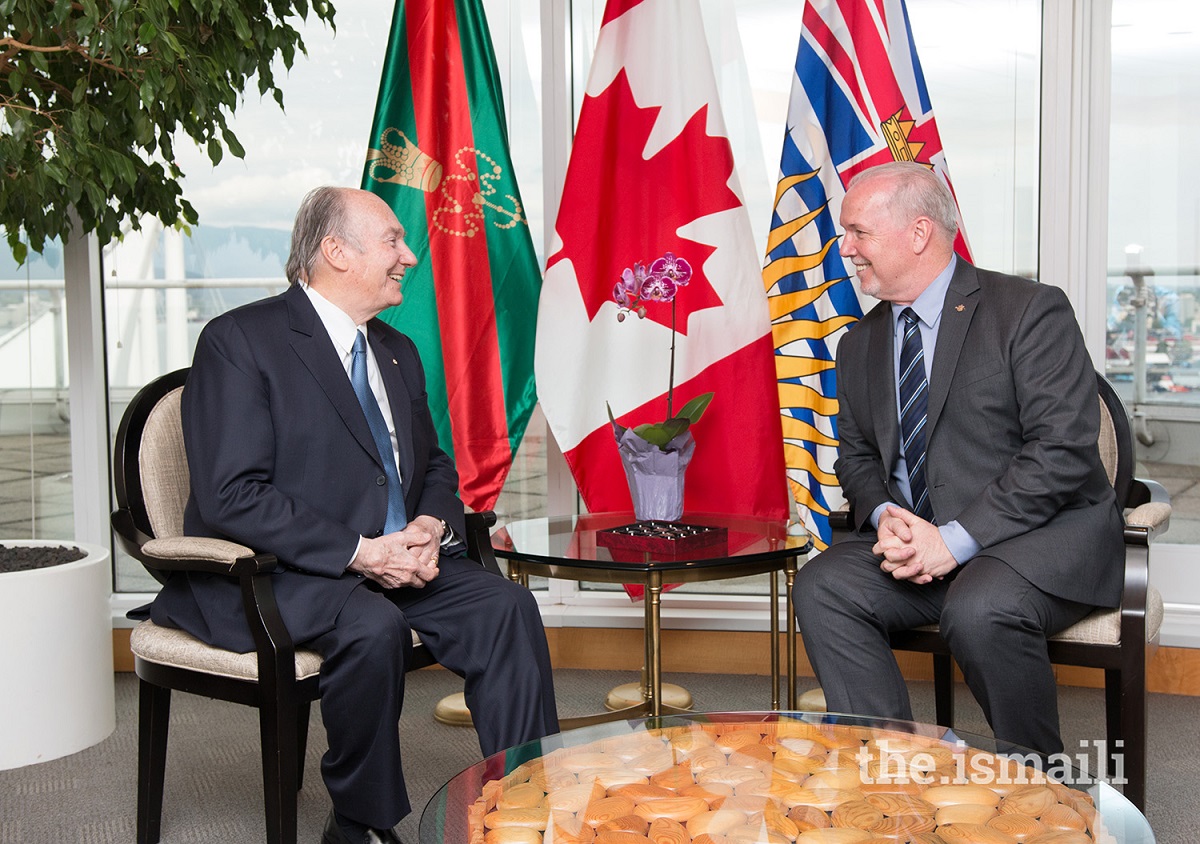

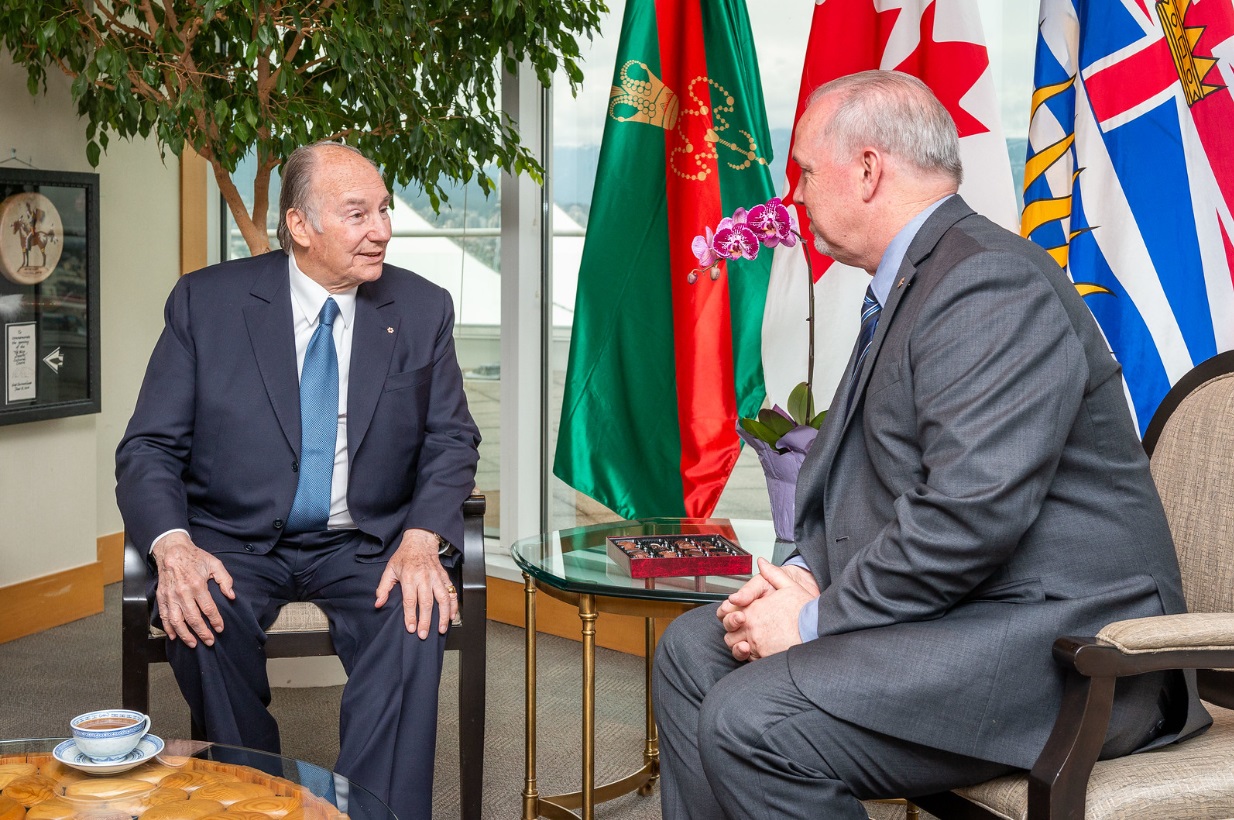
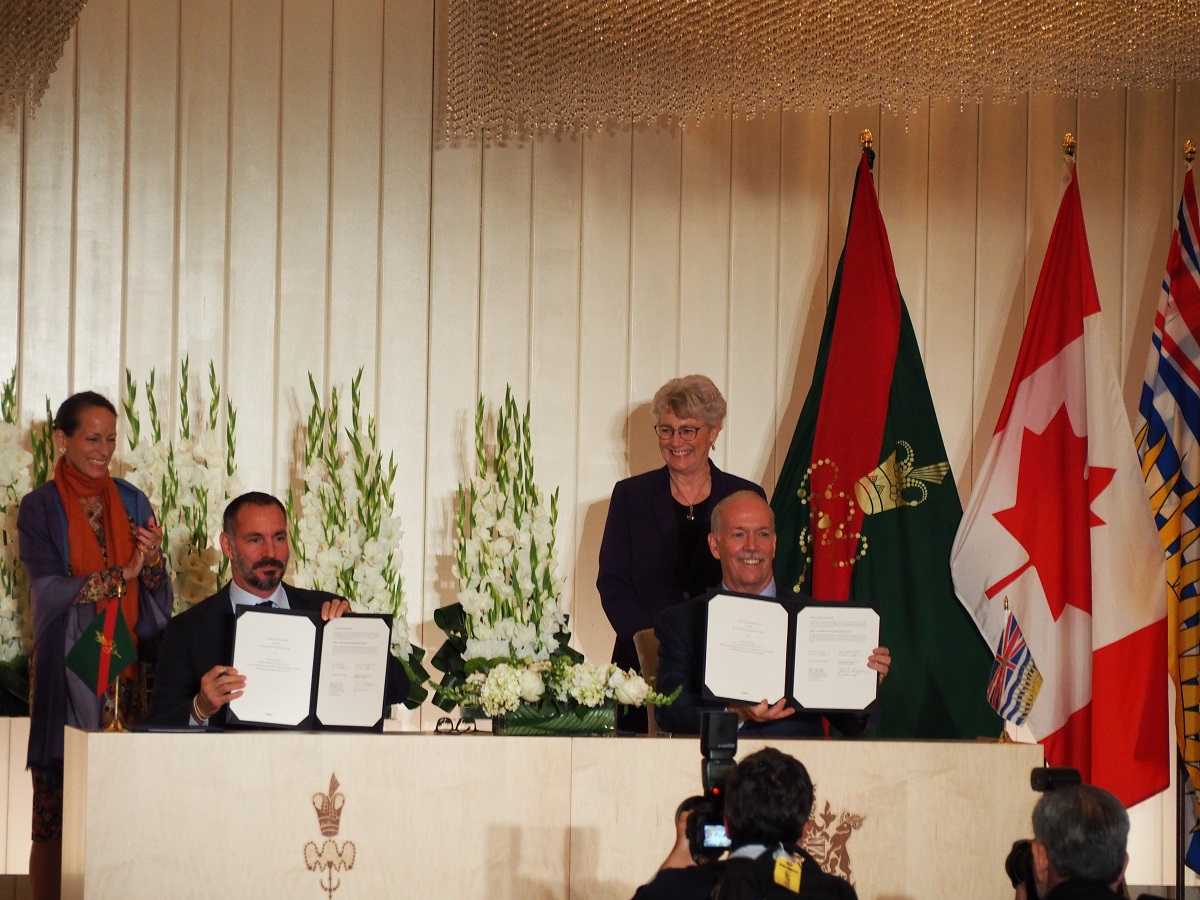
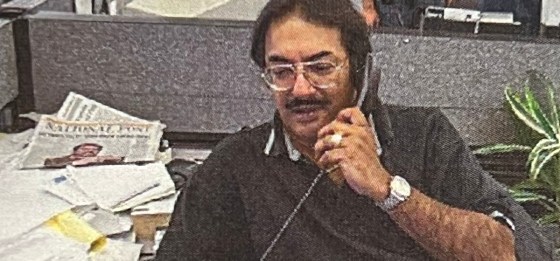
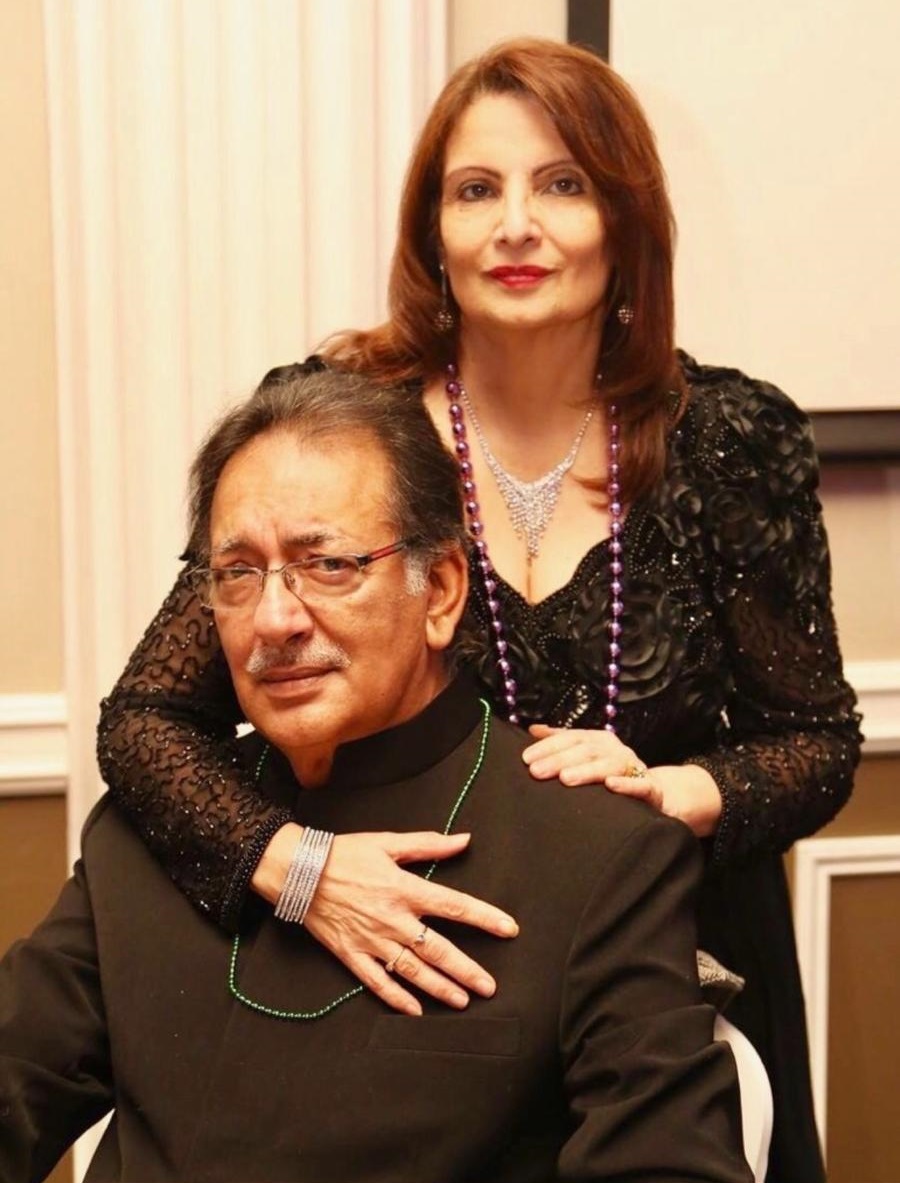


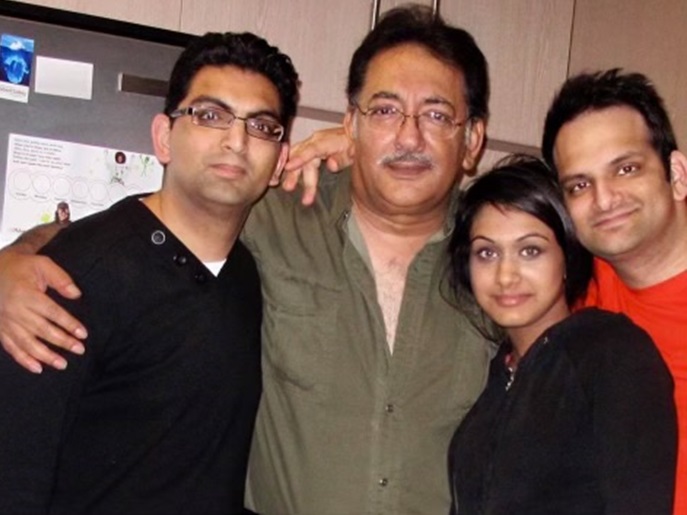
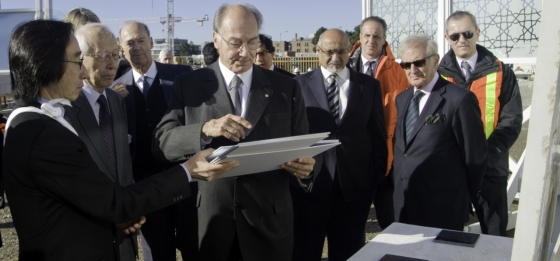
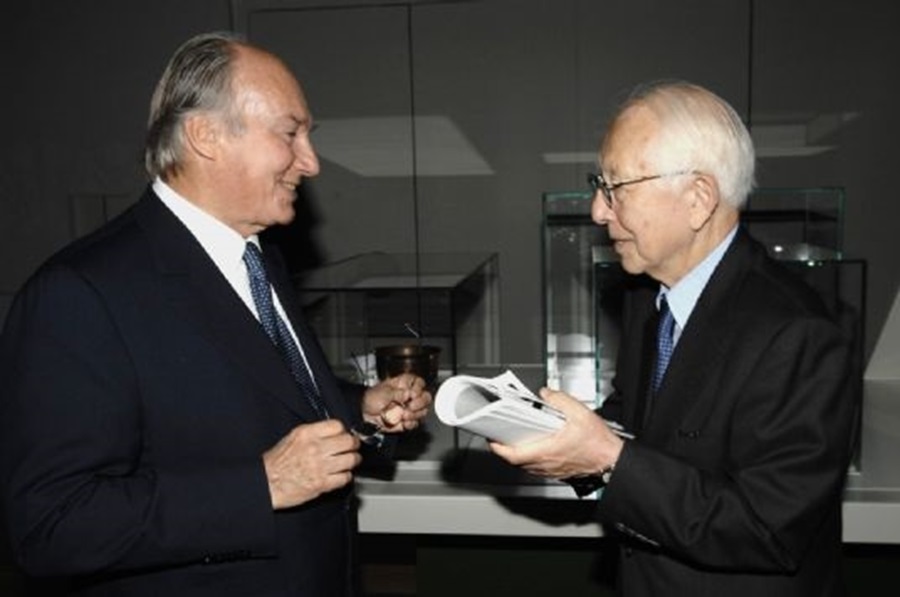


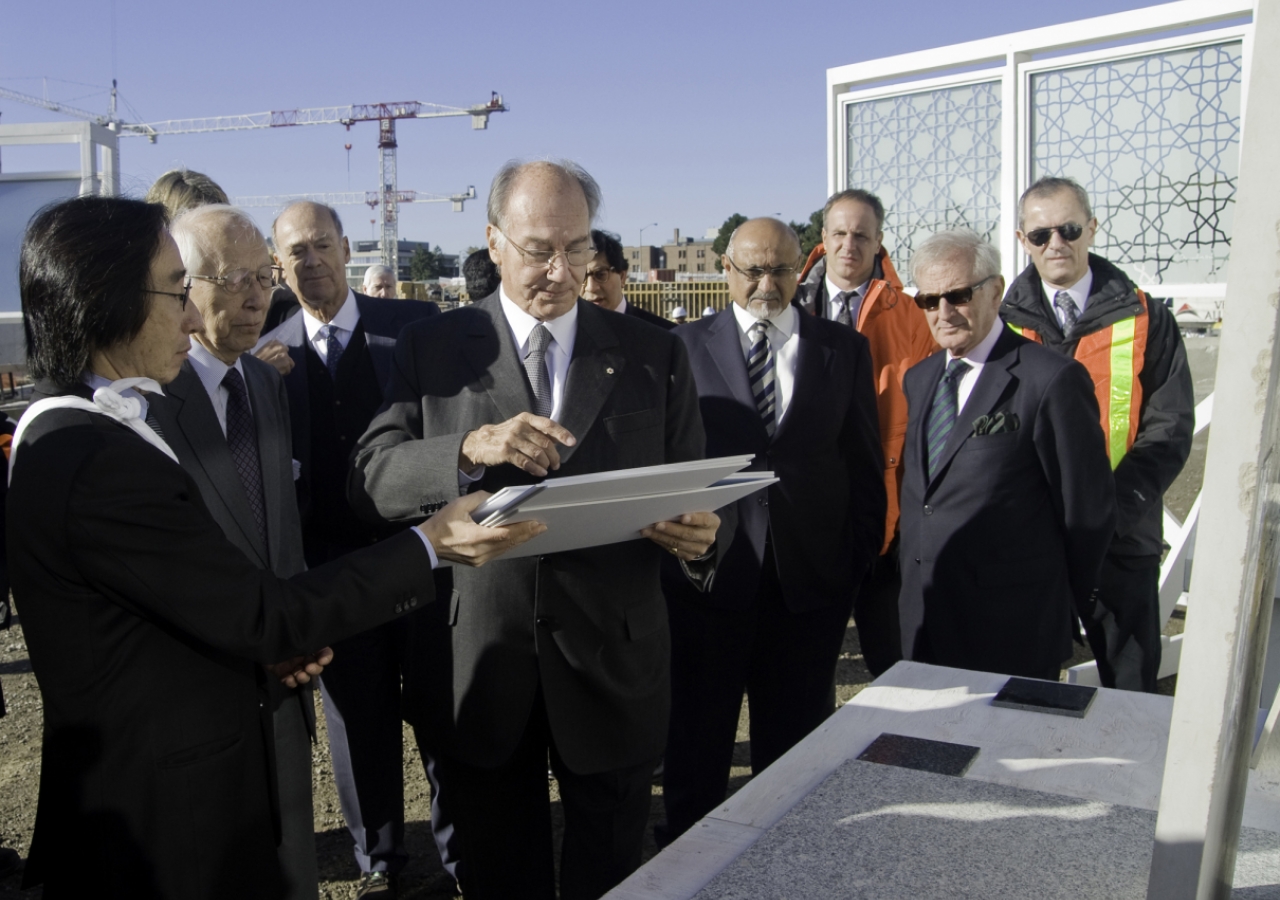

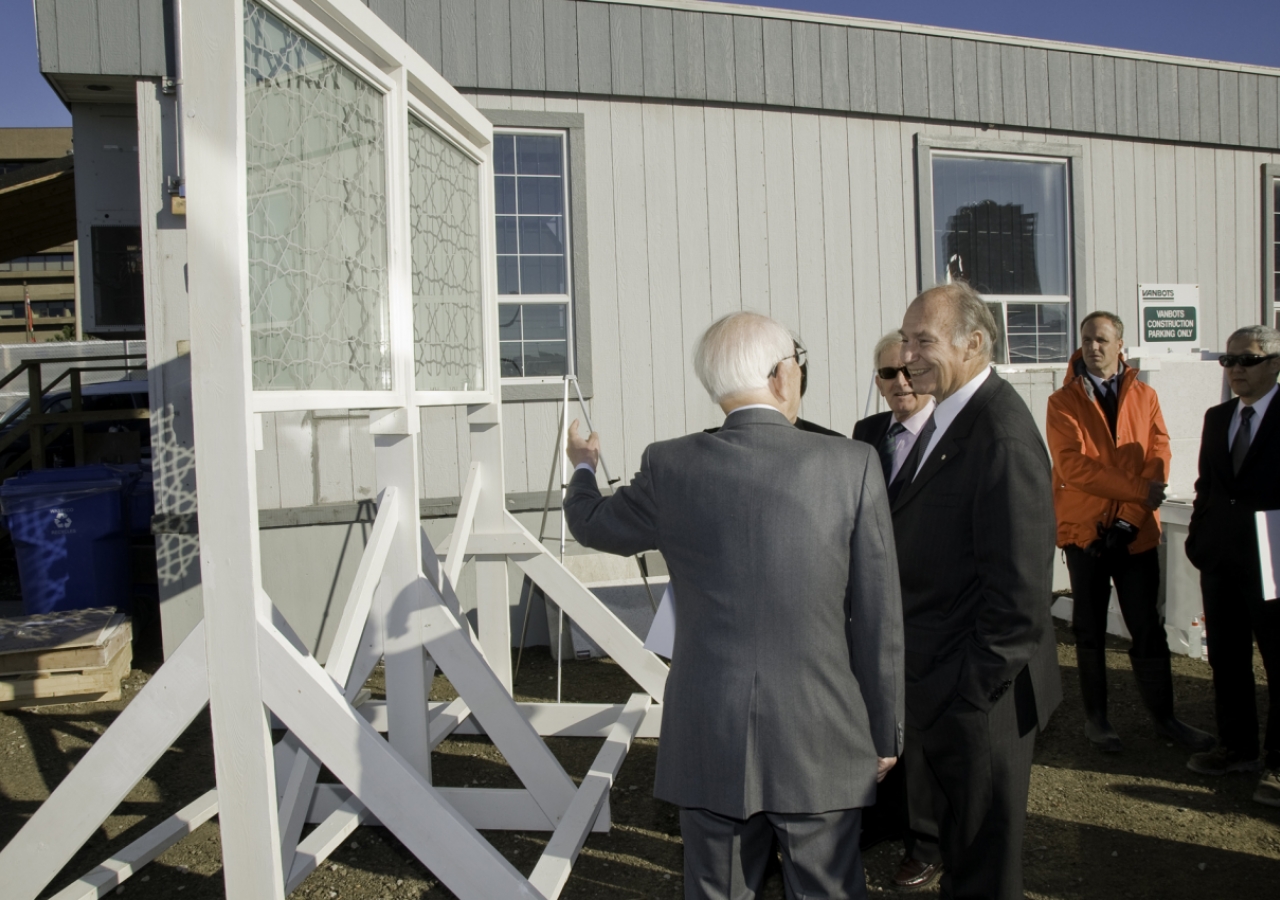


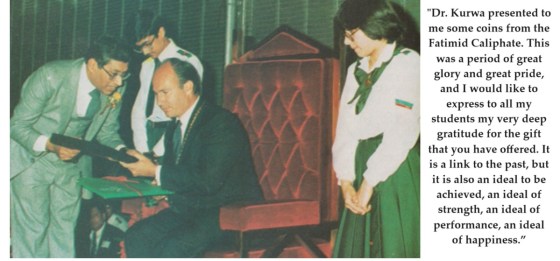
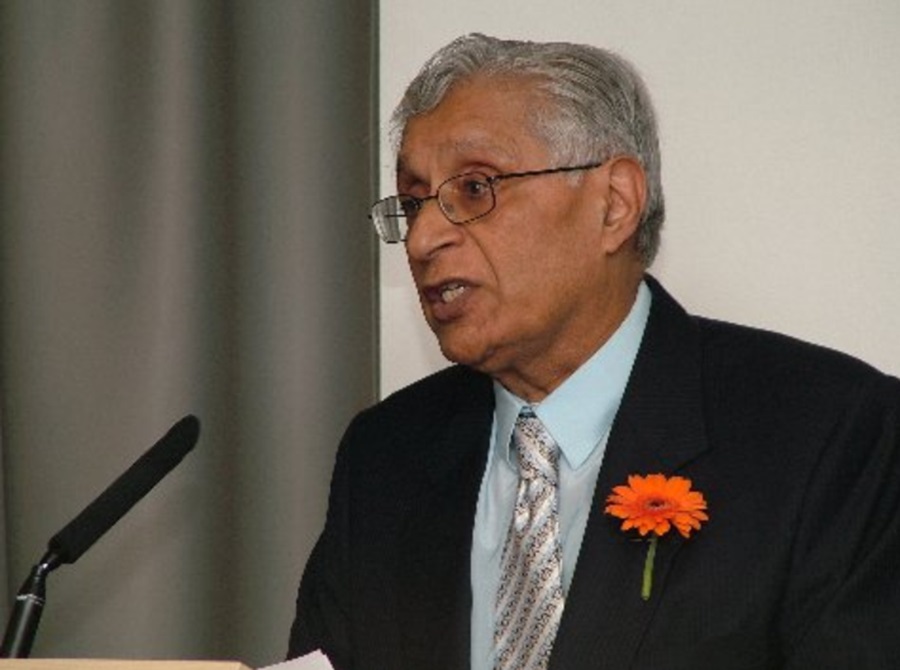
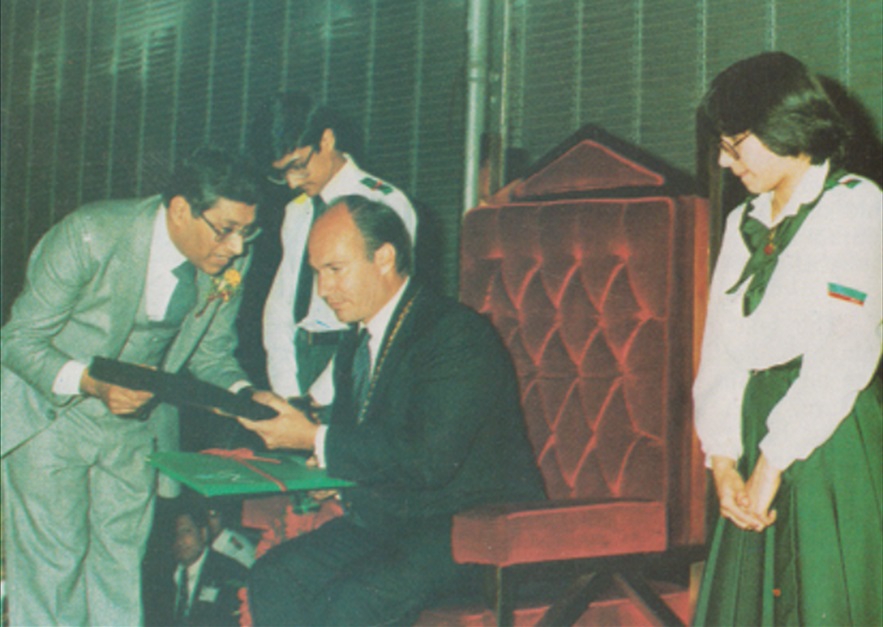
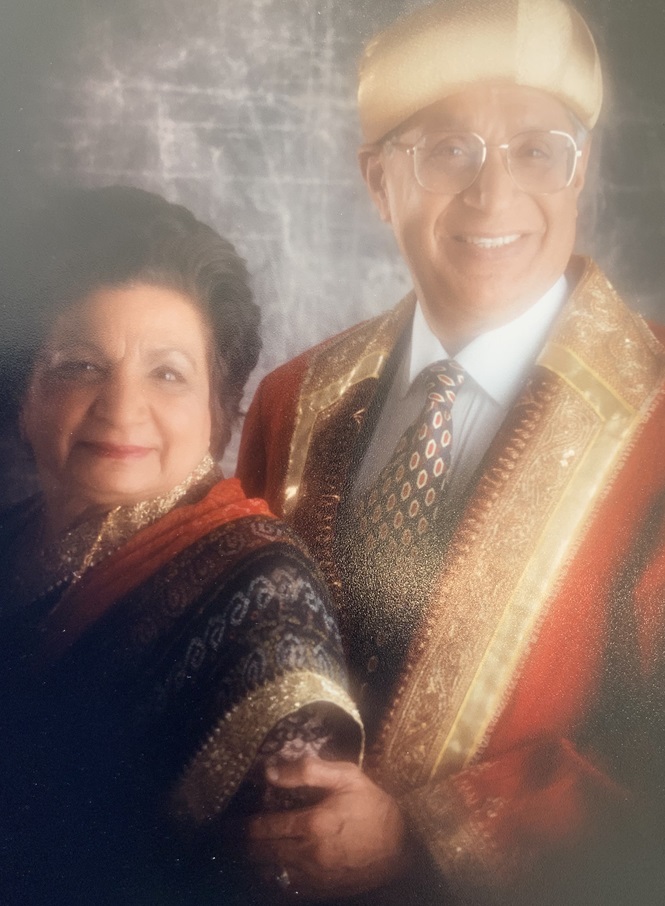
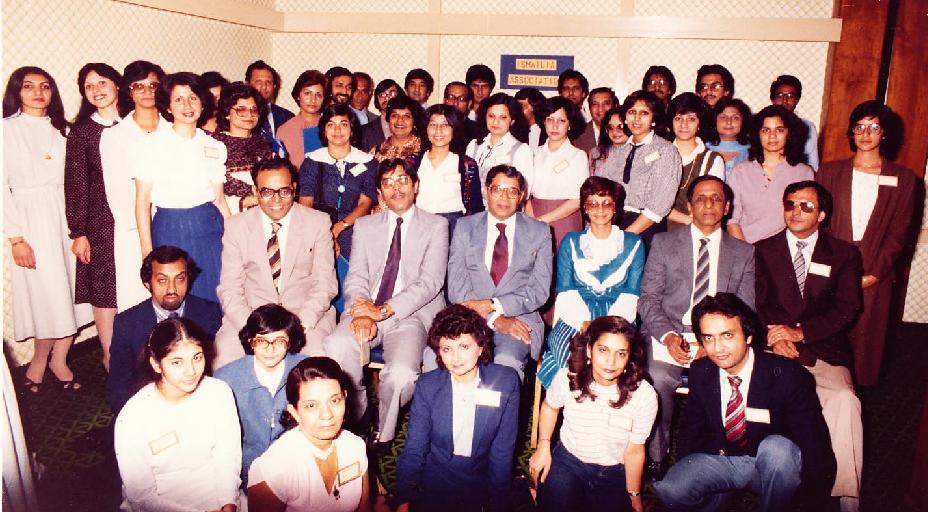
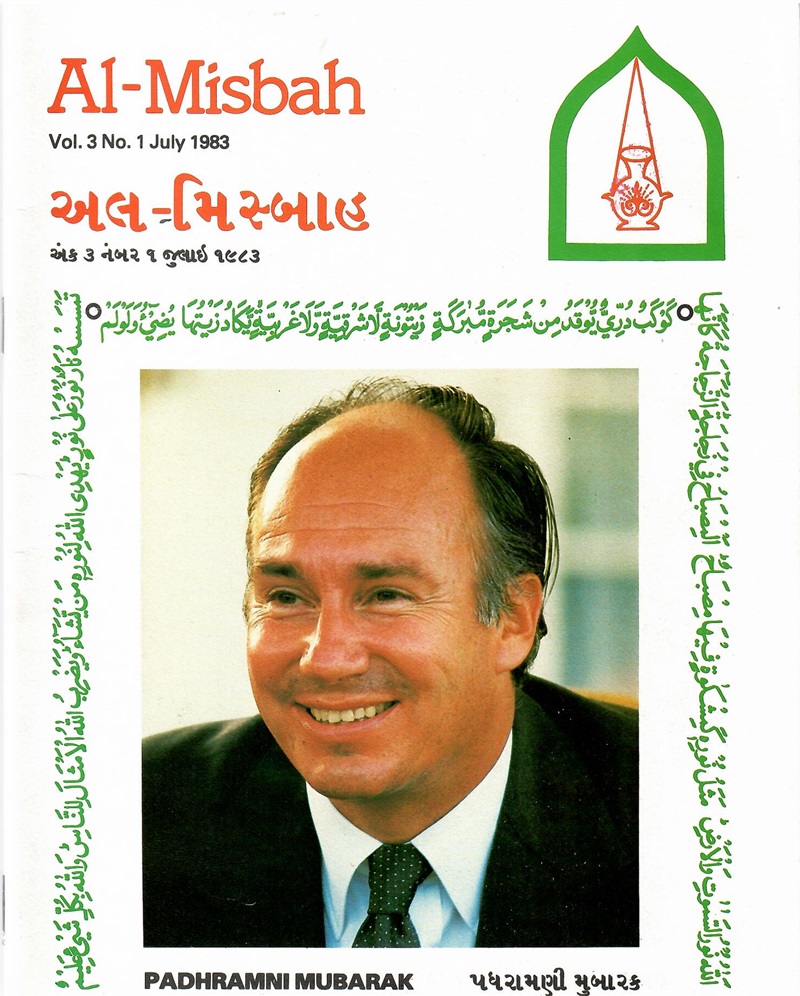
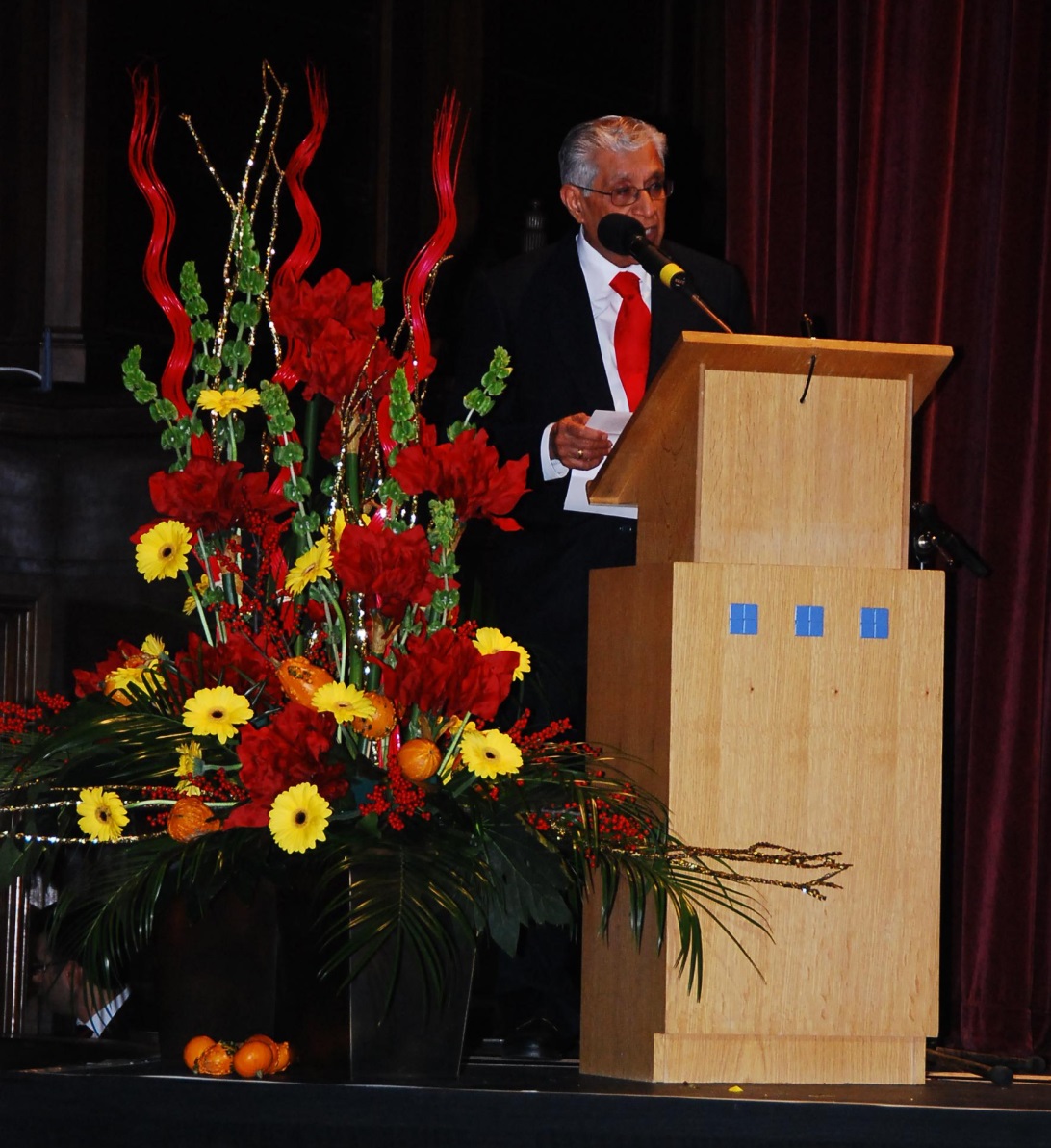
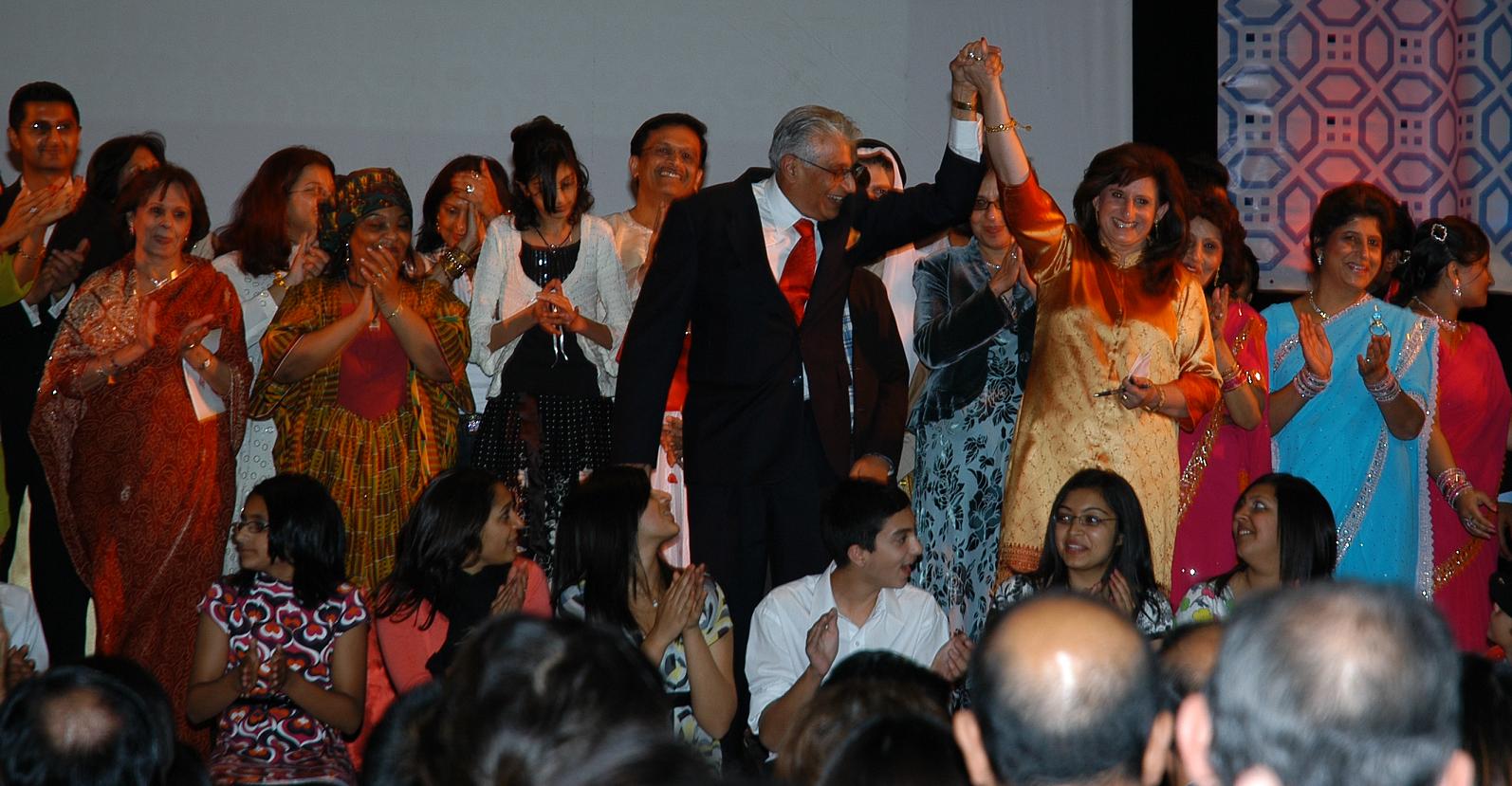
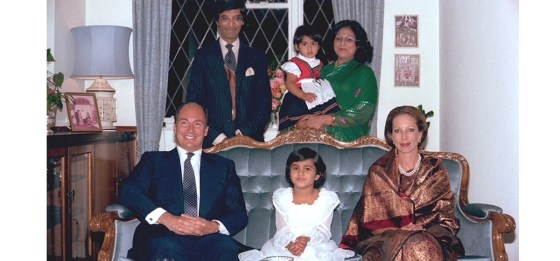
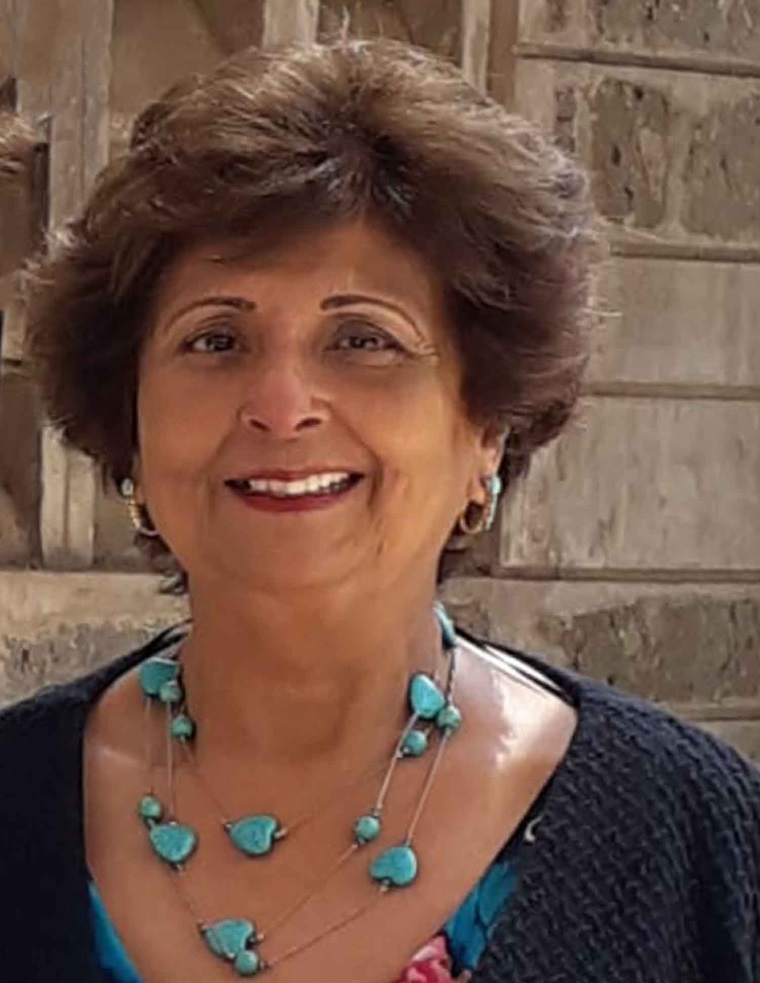

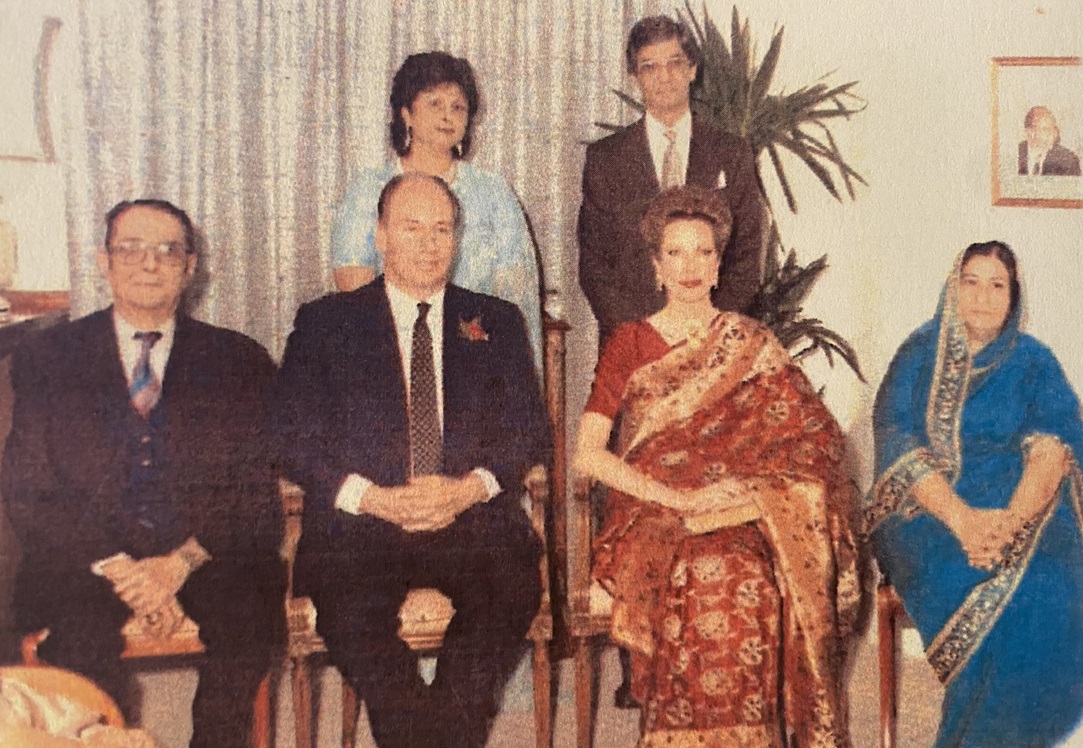

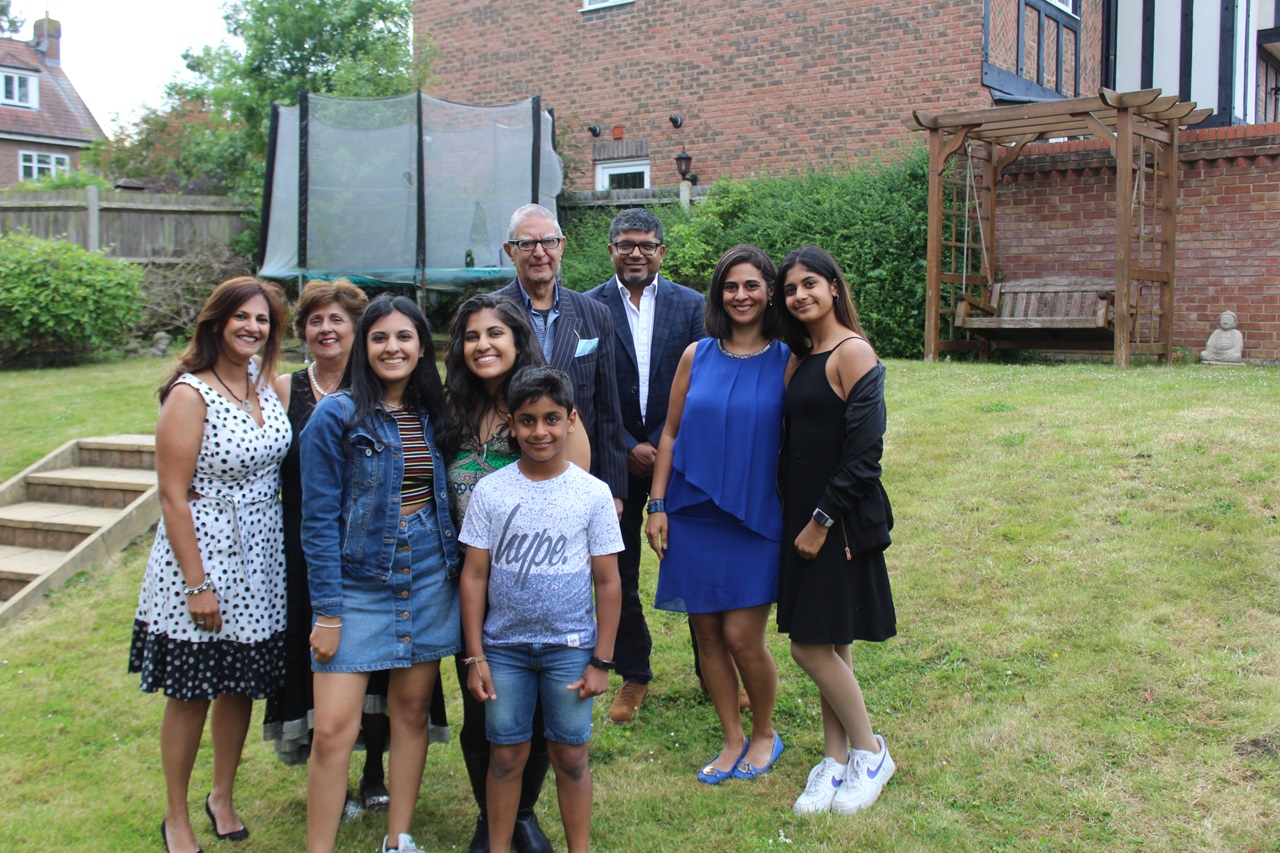
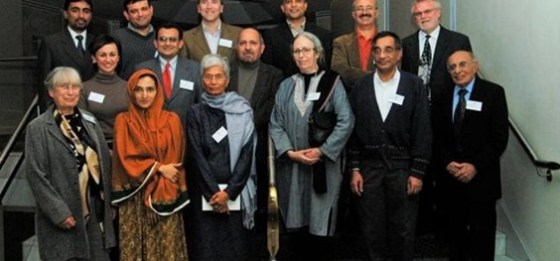
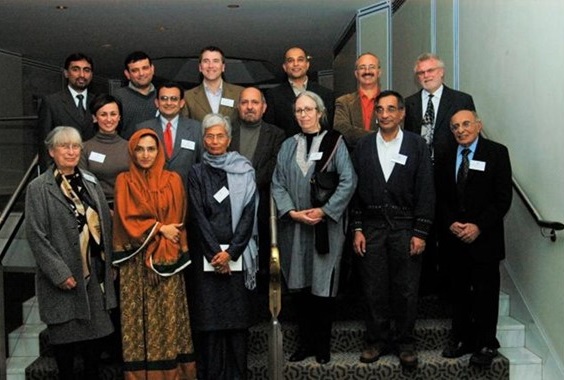
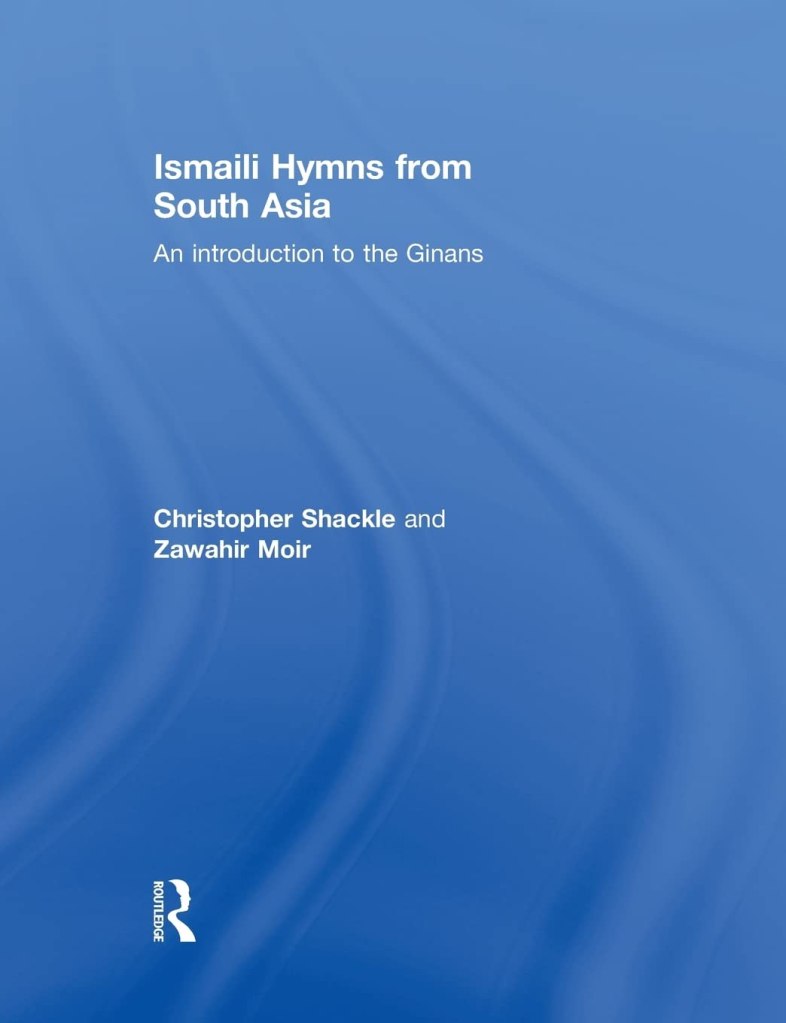
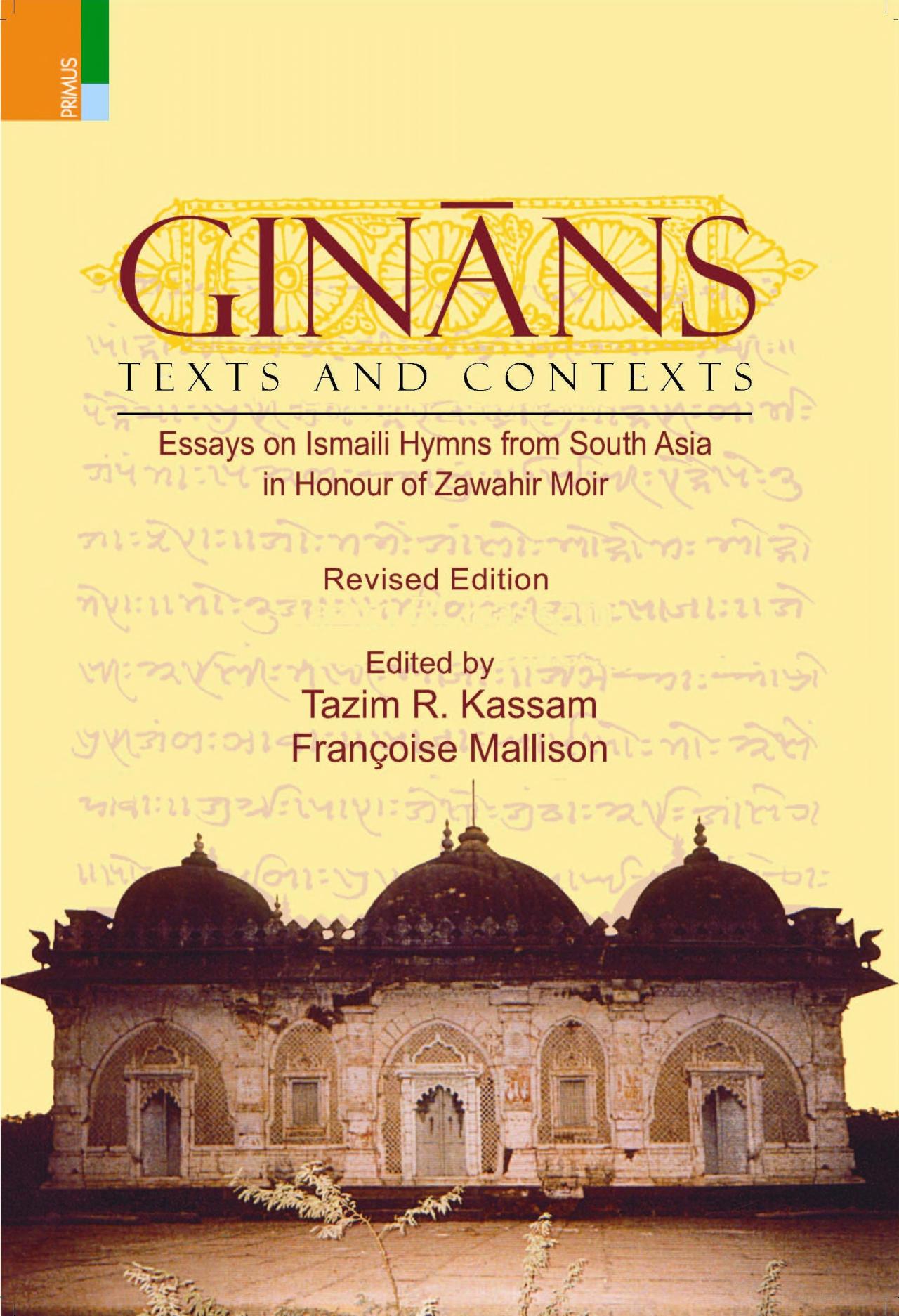
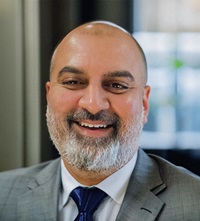
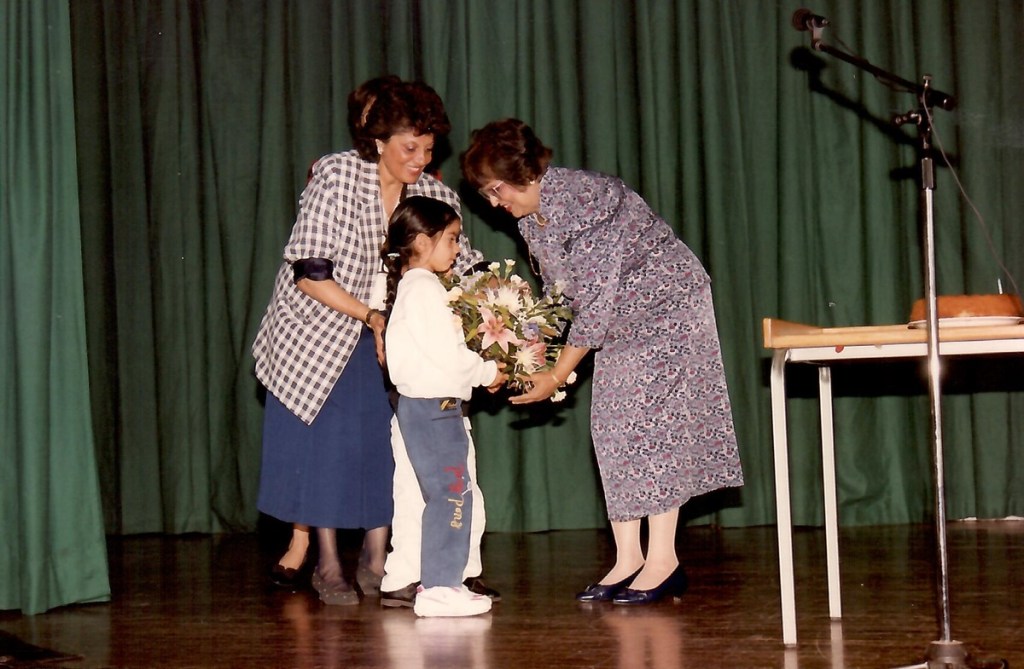
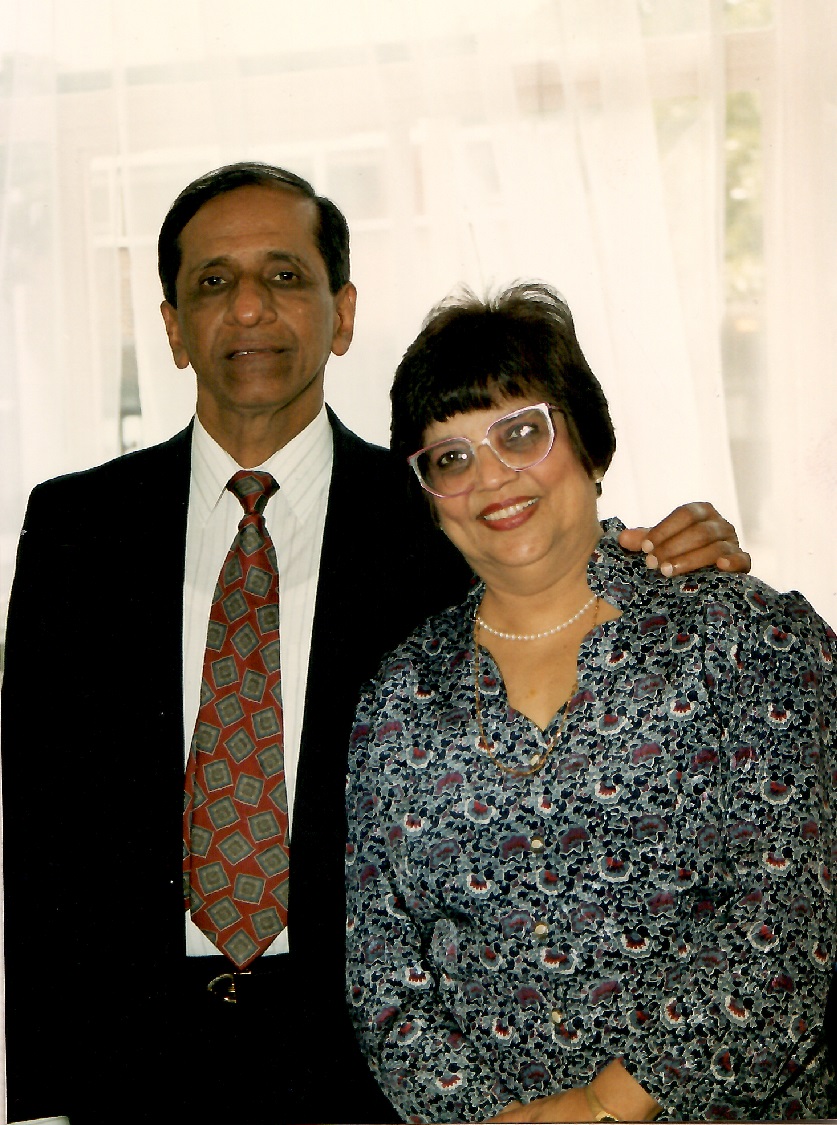
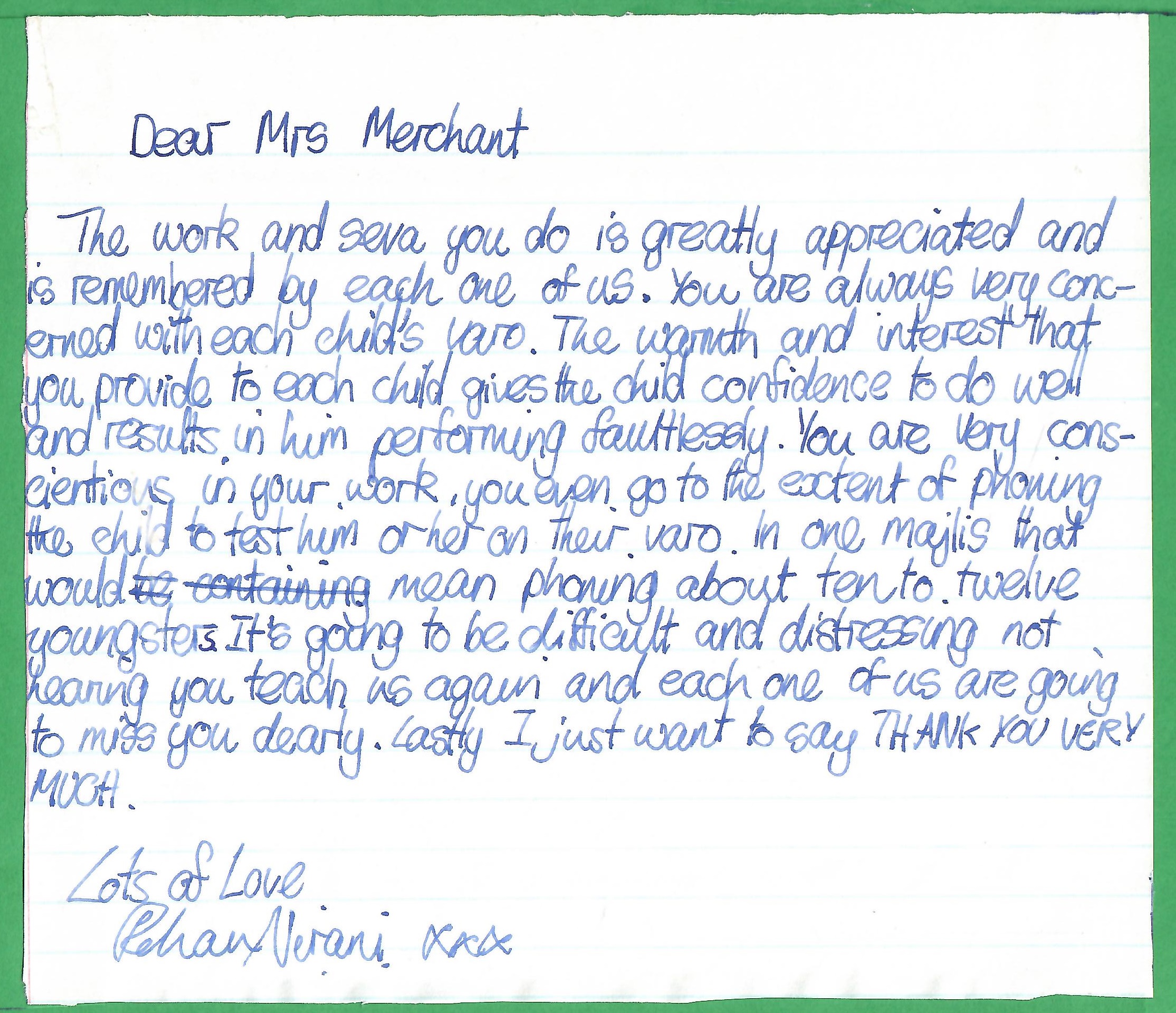

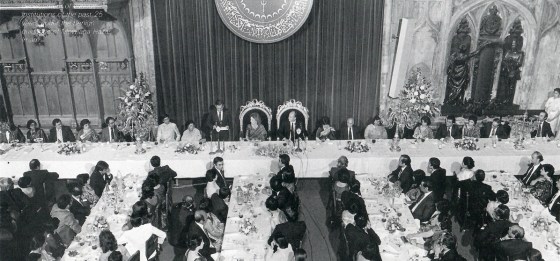

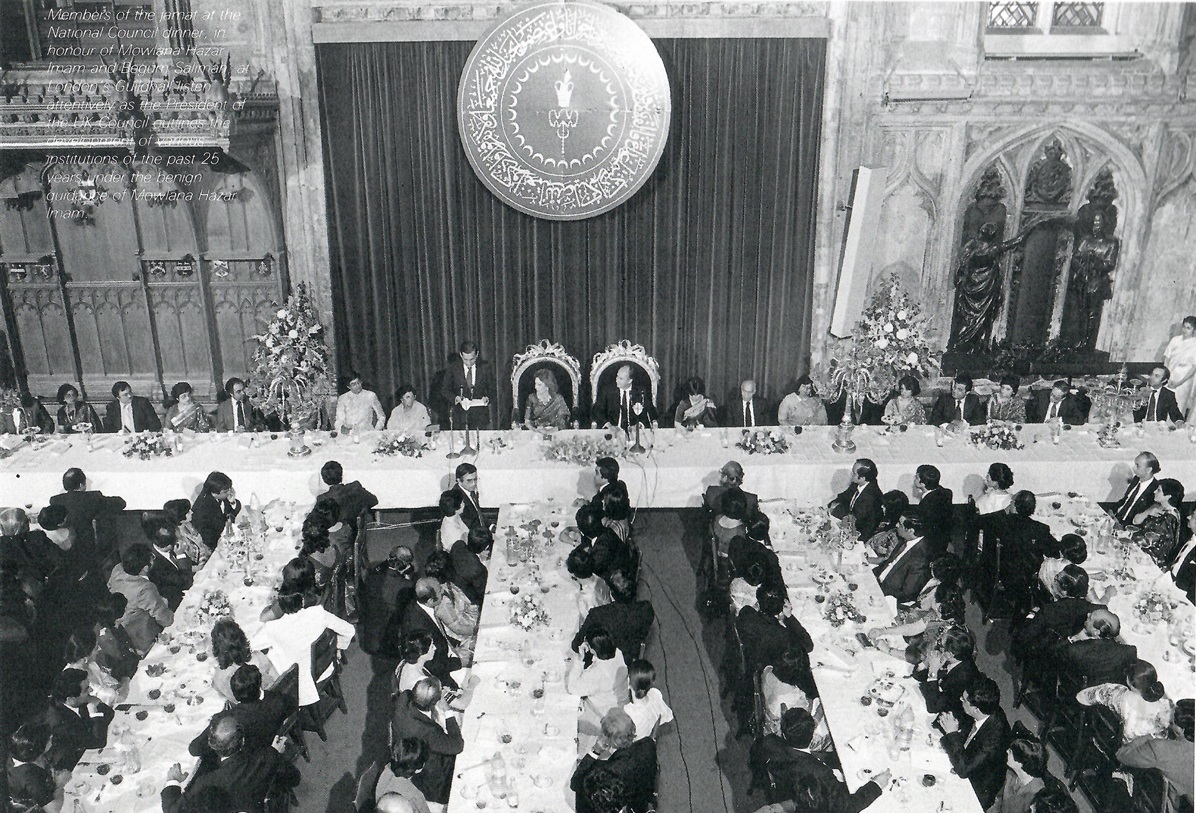
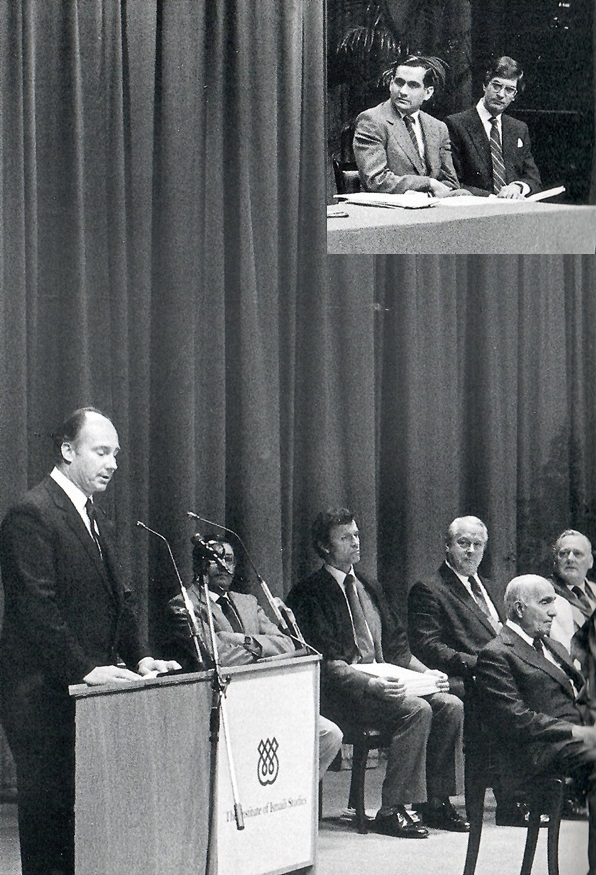
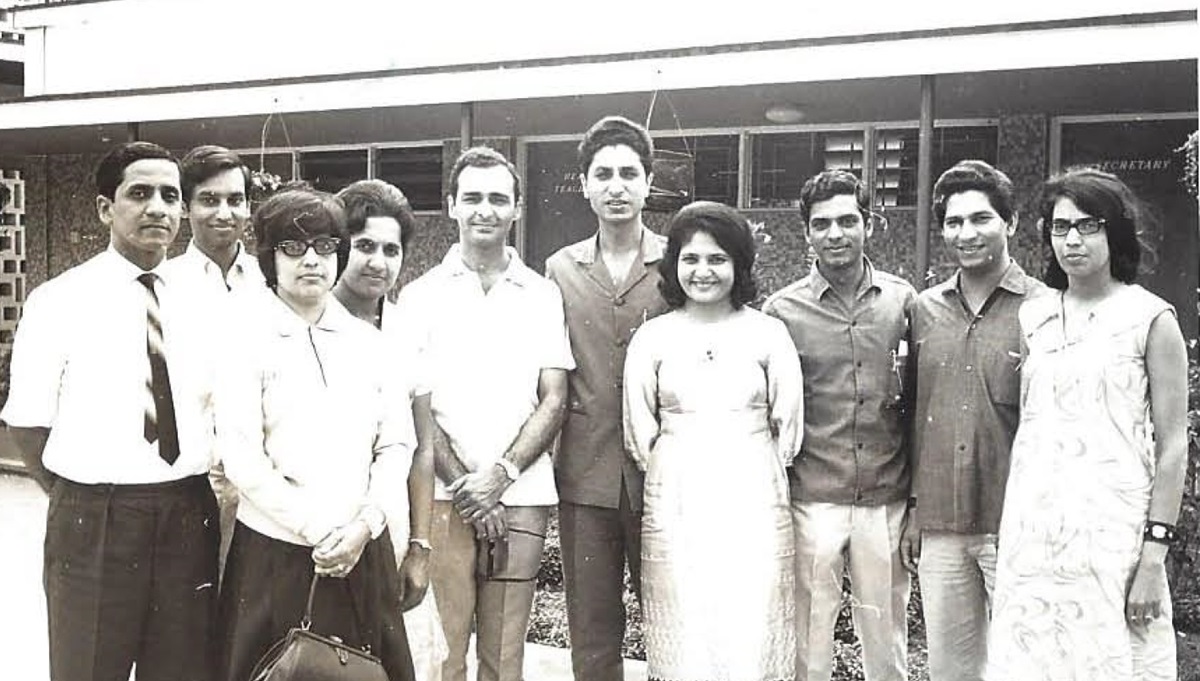
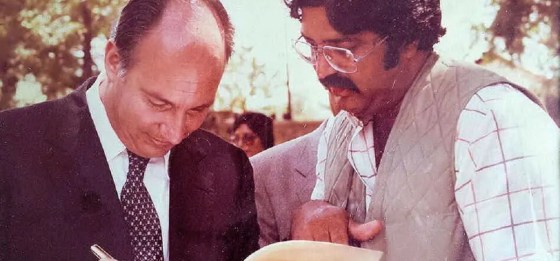


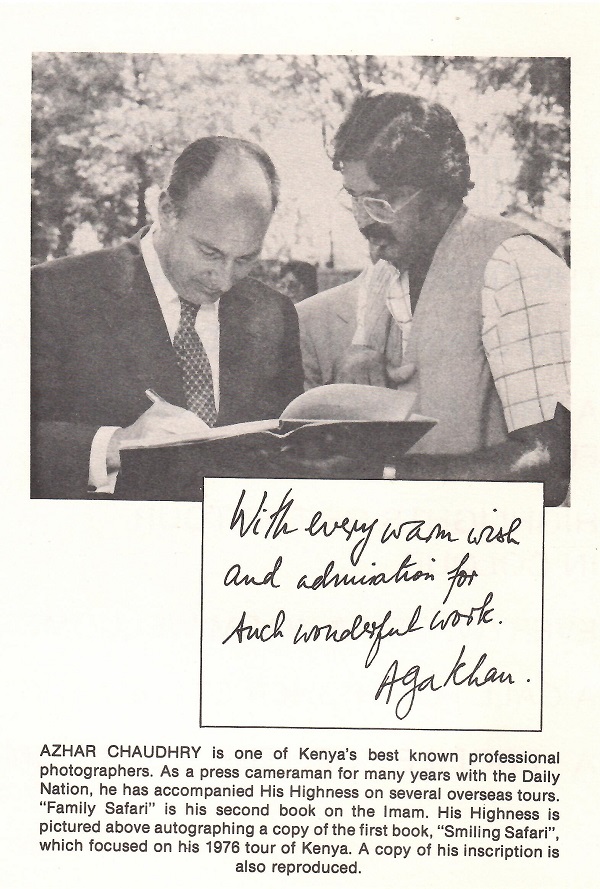



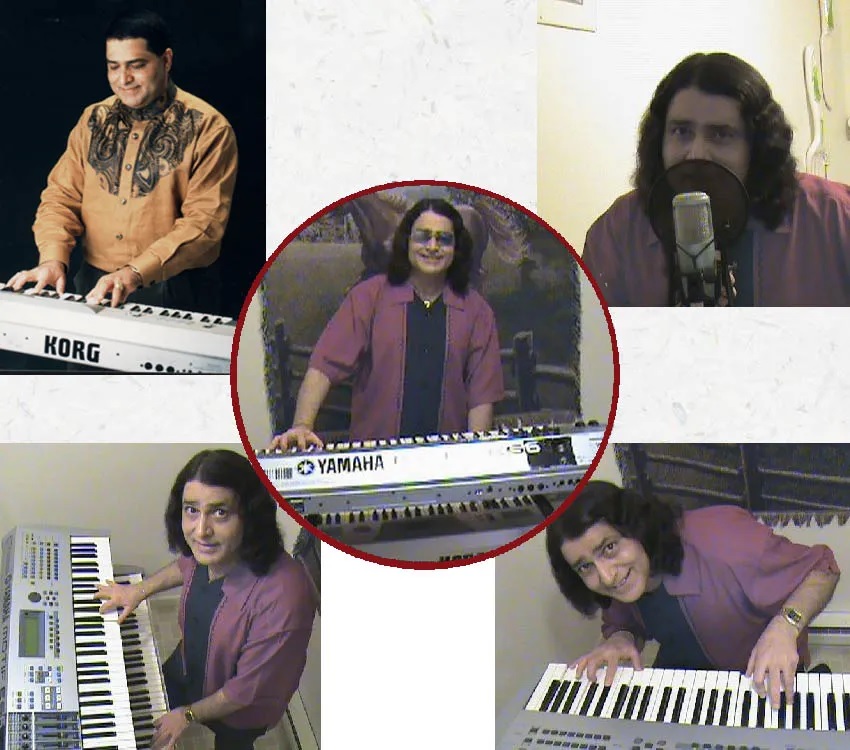
 Simerg - Insights from Around the World