Simerg is an independent initiative dedicated to Ismaili Muslims, the Aga Khan — their Hereditary Imam — and the Ismaili Imamat, and Islam in general through literary readings, photo essays and artistic expressions
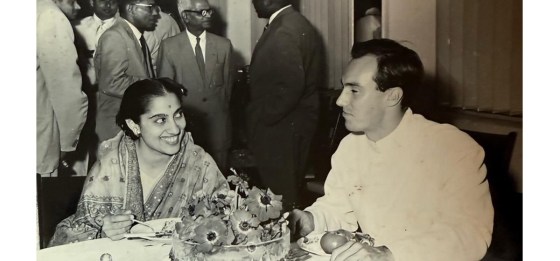
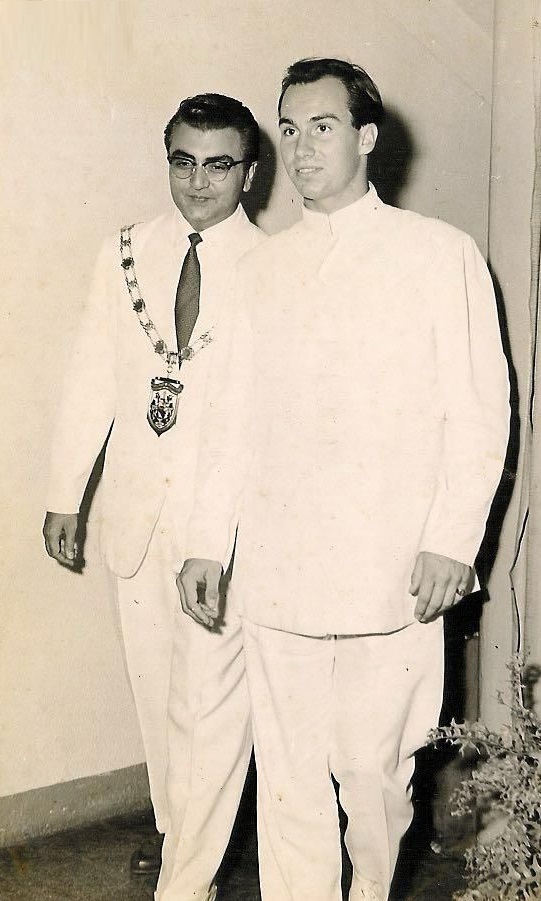
Mr. Manilal Devani was elected Mayor of Dar es Salaam, Tanganyika (now Tanzania) in 1959. In October of that year, Mawlana Shah Karim, His Late Highness Aga Khan IV, the 49th Hereditary Imam of the Ismaili Muslims, visited Dar es Salaam and other towns across Tanzania. The Mayor hosted him and leaders of the Ismaili community for lunch at The Aquarium Restaurant in Dar es Salaam and organized meetings with the British Governor General, Sir Richard Turnbull, and other dignitaries.
The 49th Hereditary Imam of the Ismaili Muslims, Mawlana Shah Karim, His Late Highness Aga Khan IV (d. February 4, 2025), is welcomed by the Mayor of Dar es Salaam, Tanzania (then Tanganyika), Manilal Devani, in 1959. Photograph: Rohit and Nisheet Devani collection.
Upon the Aga Khan’s recent death on February 4, 2025, aged 88, the late Mayor’s nephew, Sanjay Devani, my friend since the 1980s, sent me a condolence note along with the photo of the Mayor and the Aga Khan, shown above. The photograph Sanjay so thoughtfully sent me has turned into an album after Sanjay, sensing my keen interest in the one picture he sent me, contacted Mayor Manilal’s sons, Rohit and Nisheet, who responded with a set of additional rare photos from their father’s collection. These precious images, so unique and exclusive, will deeply resonate with many readers of this website. I sincerely thank Rohit and Nisheet for their kindness and my beloved friend Sanjay for seeking these precious, rare photographs from his cousins on my behalf — a testament to our firm and enduring friendship.
Mayor Manilal Devani, Mayoress Sushila Devani and Mwalimu Julius Nyerere, who assigned the Mayor to carry out important functions for the Government of Tanzania before and after independence. Photograph: Rohit and Nisheet Devani collection.
Mayor Manilal Devani, who died on June 10, 2010, was active in Tanzania’s commercial and public life for over 50 years. He served the Tanzanian Government and the local community in Dar es Salaam in many vital roles. We are pleased to share the Late Mayor’s historical and exclusive collection and invite readers to read the Rotarian’s tribute to him.
~~~~~~~~~~~~
Dar es Salaam Mayor Manilal Devani Hosts Mawlana Shah Karim Aga Khan, 1959
Mawlana Shah Karim, His Late Highness Aga Khan IV, with Mayor Manilal Devani, Mayoress Sushila Devani, Hon. Al Noor Kassam, a prominent Ismaili leader (behind His Highness), and Mr. P. J. Bharwani (right), Dar es Salaam, 1959. Photograph: Rohit and Nisheet Devani collection.
~~~~~~~~
Mawlana Shah Karim, His Late Highness Aga Khan IV, with Mayor Manilal Devani and Mr. Subotuik, owner of The Aquarium Restaurant, where the Mayor hosted Mawlana Shah Karim for lunch, Dar es Salaam, 1959. Photograph: Rohit and Nisheet Devani collection.
~~~~~~~~
Mayor Manilal Devani introduces Mawlana Shah Karim, His Late Highness Aga Khan IV, to a British dignitary, Dar es Salaam, 1959. Photograph: Rohit and Nisheet Devani collection.
~~~~~~~~
Mawlana Shah Karim, His Late Highness Aga Khan IV, is hosted for lunch by Mayor Manilal Devani as Mayoress Sushila Devani and Mr. Subotuik, the owner of The Aquarium Restaurant, watch over, Dar es Salaam, 1959. Photograph: Daily News via Rohit and Nisheet Devani collection.
~~~~~~~~
Mawlana Shah Karim, His Late Highness Aga Khan IV, and Mayor Manilal Devani, with several guests at a buffet table in The Aquarium Restaurant, Dar es Salaam, 1959. Photograph: Rohit and Nisheet Devani collection.
~~~~~~~~
Mawlana Shah Karim, His Late Highness Aga Khan IV, savours food as Mayoress Sushila Devani looks at him with a wide smile, Dar es Salaam, 1959. Photograph: Rohit and Nisheet Devani collection.
~~~~~~~~
Mawlana Shah Karim, His Late Highness Aga Khan IV, and Mayor Manilal Devani, depart The Aquarium Restaurant, Dar es Salaam, 1959. Photograph: Rohit and Nisheet Devani collection.
~~~~~~~~
Mawlana Shah Karim, His Late Highness Aga Khan IV, with British Governor of Tanganyika, Sir Richard Turnbull, Dar es Salaam, 1959. Photograph: Rohit and Nisheet Devani collection.
Date posted: April 4, 2025.
NOTE: A version of this post appears on our sister website, Barakah, dedicated to the Aga Khan, his family, and the Ismaili Imamat. His Late Highness Aga Khan IV’s son, Prince Rahim, succeeded him as the 50th Ismaili Imam on February 4, 2025, immediately after his father’s passing. This swift and seamless transition is a testament to the stability and continuity of the Ismaili Imamat. His Majesty King Charles III honoured him with the title of His Highness.
___________________
Simerg welcomes tributes to Mawlana Shah Karim and messages of congratulations to Mawlana Shah Rahim Al Hussaini, His Highness the Aga Khan. Please click COMMENT box. If you encounter problems, email the comments to mmerchant@simerg.com. We want to reassure you that we respect your privacy and that your published comment will never reveal your email address. For recent and older posts, please visit our HOME PAGE. Please also follow us @Facebook, @X and @LinkedIn.
“Ultimately, the art of teaching is a mission. Those who embark upon the journey of teaching seek to transform individuals and communities, inspired by a sense of purpose” — Mawlana Shah Karim Hazar Imam, His Highness the Aga Khan, 2008, Dhaka, Bangladesh.
The late South African statesman and leader Nelson Mandela said, “Education is the most powerful weapon you can use to change the world.” This profound statement underscores the transformative power of education, inspiring us to believe in its potential to shape a better future. Martin Luther King Jr. also emphasized the importance of education, stating that it teaches one to think intensively and critically.
Education is a powerful tool for building intelligence and character when done right. Teachers are the key figures in this process, guiding students to acquire knowledge, competence, and virtue. The Aga Khan’s quote on teachers further underscores their crucial role.
In the 1940s, 50s, and 60s, Mbeya, a small town situated in the Southern Highland region of Tanganyika (now known as Tanzania), was blessed with dedicated and enthusiastic teachers who changed the lives of many children of Indian origin who had moved to East African countries from India in the late 19th and early 20th Centuries to towns such as Mbeya.
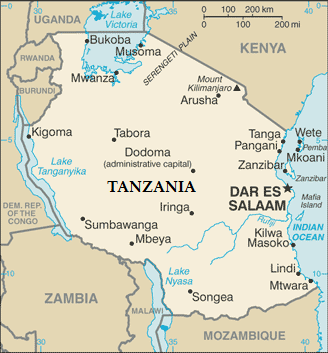
A UN map showing significant towns and cities in Tanzania, including Mbeya neighbouring Zambia in the south-west of Tanzania.
During the British colonial time, separate European, Indian and native African Schools were established. The Colonial Government funded the schools for the Europeans and Africans; the Asians (or Indians from South Asia), on the other hand, had to build their own education and schooling system. This was a community effort, funded with donations from the community and fees collected from the students. In the 1940s and early 1950s, Indian Public School, a primary school, was the first such teaching institution in Mbeya for the Indian community. The medium of instruction was Gujarati. After primary education, the students continued their education in Dar es Salaam.
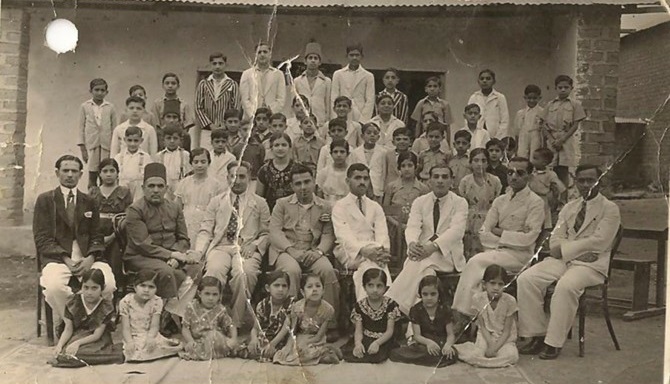
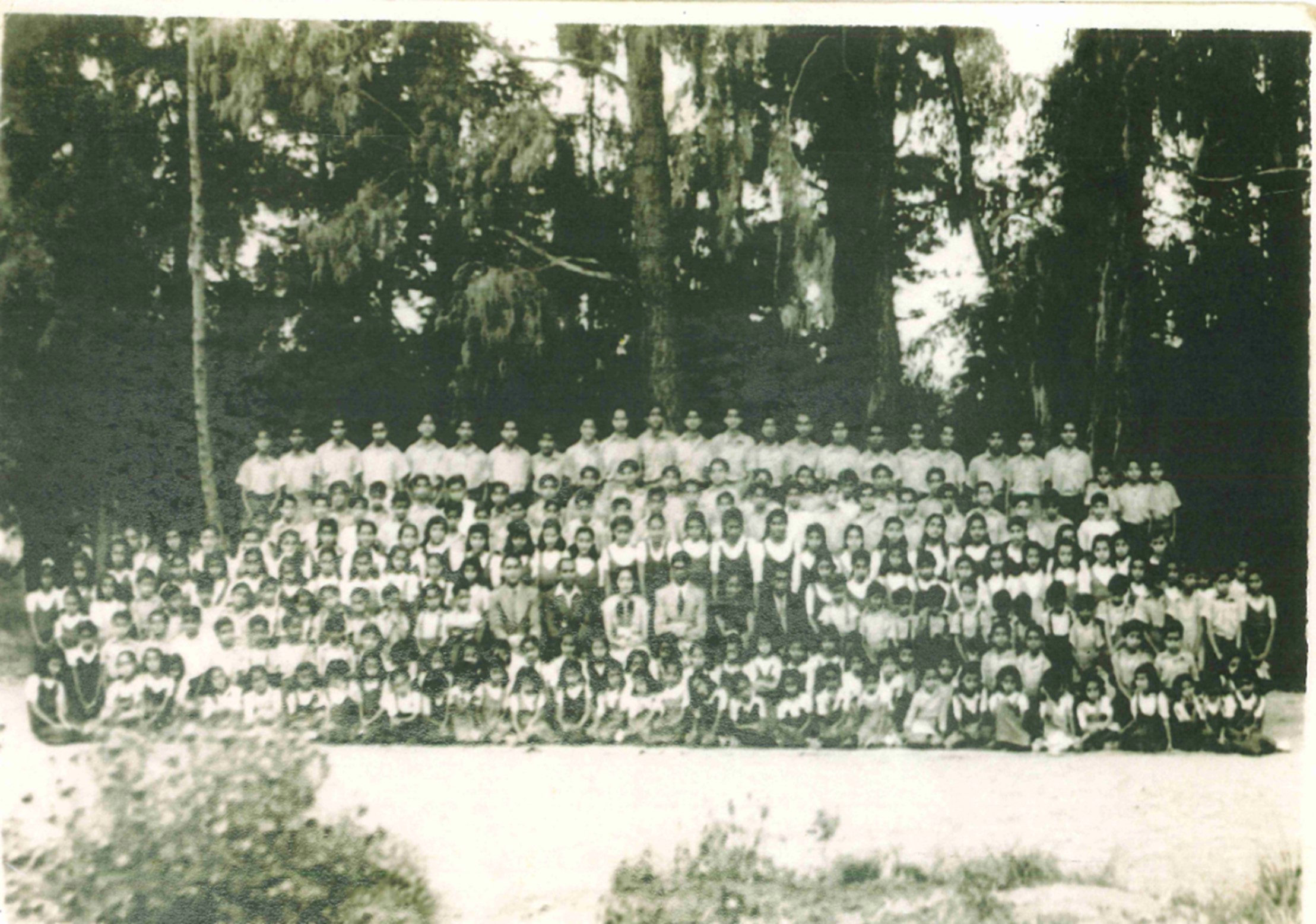
A photo of staff and students of the Indian Public School from around the late 1940s. Among those in the photograph are Haji Yusufmia (wearing hat), Mr. Hassam Somani, Mr. Sadru Bhanji Jiwa, Mr. Gulamhussein Mukadum, Mr. Hassanali Dhanani and other teachers.Photograph: Dr. Mohamed Manji collection.
~~~~~~~
Indian Public School teachers Mr Almeida, Mr Lohar, Mr Jagirdar, Mr. Hassanali Abdulla Walji and Vigiabenji Talavia. Photograph: Dr. Mohamed Manji collection.
~~~~~~
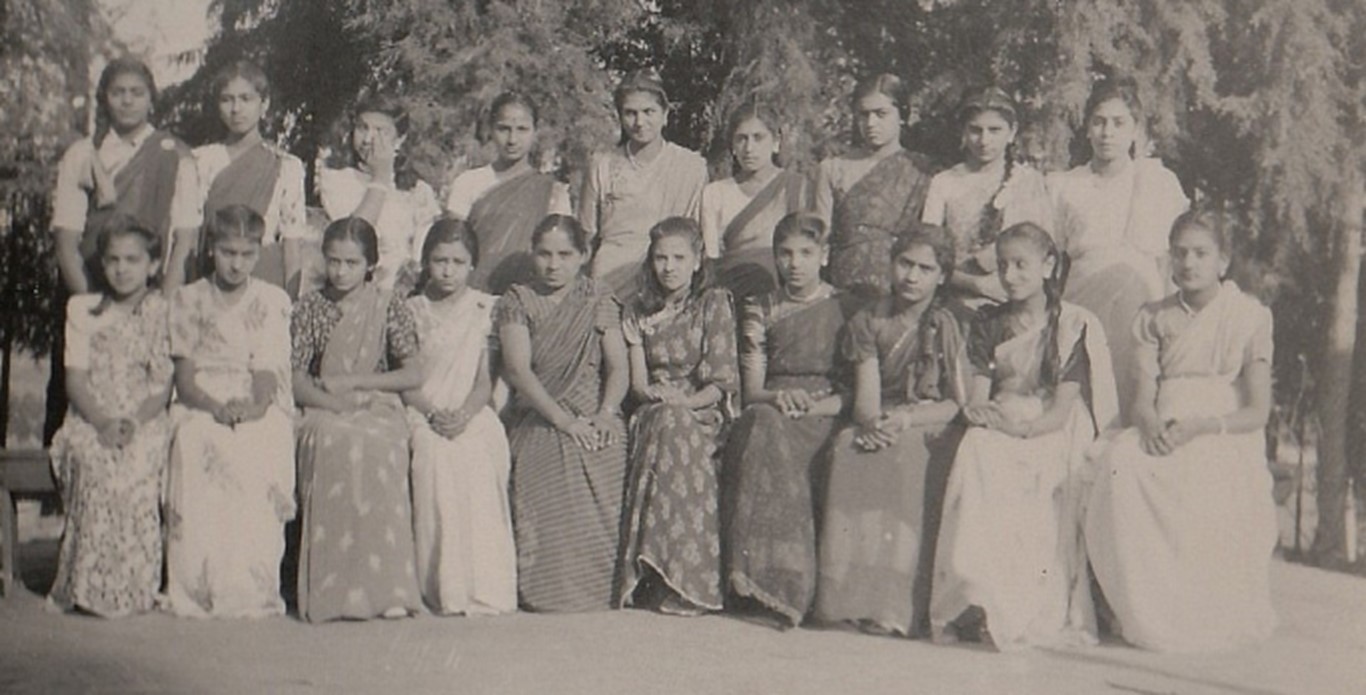
Indian Public School girl students with Vijiabenji Talawia. Photograph: Dr. Mohamed Manji collection.
~~~~~~
Indian Public School girl students with Vijiabenji Talawia. Photograph: Dr. Mohamed Manji collection.
~~~~~~
A photo from the early 1950s of the staff of the Indian Public School, Mbeya. Pictured are G. D. Talavia, Hassanali Abdallah Walji, Mrs. Vijiaben Talavia, K. R. Lohar and Abdulmalek Ali Valla. Photograph: Dr. Mohamed Manji collection.
In the late 1950s, the Ismaili Muslim community, a group of the Mbeya Indian diaspora, built the Aga Khan Primary School, which would teach up to the tenth standard. It was part of the Aga Khan Education System and was open to all races. The medium of instruction would be English; it also had facilities to teach science subjects. This educational system, built and sustained by the Indian community, not only provided quality education but also instilled a profound sense of pride and empowerment among the Indian diaspora in East Africa.
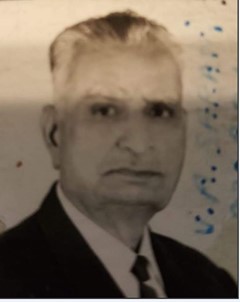
Mr. Vallimohamed Sarani (Sarani Master). Photograph: Dr. Mohamed Manji collection.
From the scanty information I obtained for the 1940s, one of the first teachers at the Indian Public School was Mr. Vallimohamed Sarani (known as Sarani Master), who initially taught in Zanzibar. Sarani Master came to East Africa in the late 1920s or early 1930s, joining his uncle in Kampala. He got married in Kampala and then shifted to Zanzibar as a teacher. His children were born in Zanzibar. He left Zanzibar during the early 1940s and started teaching in Mbeya at the Indian Public School for eight years. In 1948, he moved to Nayasaland (now Malawi) and stayed there till 1975. He retired and moved to Texas, USA, to be with his children until 1982. His final residence was in Leicester, UK, where he passed away in 1987 at the age of 84 years.
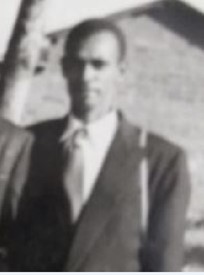
Mr. Ayub Kassammia, assistant to Sarani Master. Photograph: Dr. Mohamed Manji collection.
Another significant figure in the Indian Public School was Mr. Ayub Kassammia, the second son of the brother of Haji Yusufmia, a pioneer and successful businessman of Mbeya. After completing his studies in India in Kutch/Gujrat, Ayub returned to Mbeya. Initially, he taught at the Indian School organized by the local Indian community. The School was held in a rented house behind Haji Yusufmia’s house. After building the formal Indian Public school and hiring new teachers, Ayub left teaching. He joined the British Army in Nairobi during 2nd World War till the end of the War.
At the end of the 1940s and early 1950s, with the relocation of Sarani Master and his family to Nyasaland, Indian Public Schools hired new teachers from India. In 1949, a husband-and-wife team of Mr. G. D. Talavia and his wife, Vijiaben Talavia, joined the School. Mr Talavia was made the headmaster. The School continued with Gujarati as a medium of instruction, with lessons to teach English at the end of Standard 2 or the beginning of Standard 3.
Farewell to Zarinabenji Virji who left the Indian Public School for Dar es Salaam in 1952/53 after her marriage. Photograph: Dr. Mohamed Manji collection.
Among other teachers were Miss Zarina Virji (commonly known as Zarinabenji), who taught briefly and moved to Dar es Salaam after marrying Mr. Malek Ratancy, a well-known cricketer; Mr. Kassim Rahemtulla Lohar (Mr. K. R. Lohar); Mr. Hassanali Abdulla Walji of Mbeya (commonly addressed at that time as Hassanali Master and later as Dr. Walji); and Mr. Abdulmalek Ali Valla also of Mbeya.
In the 1940s and early 1950s, children’s schooling started in Standard One. When I joined Indian Public School in 1952, Vijiabenji (as we addressed her) was my first teacher in Standard One. Sudha, the younger daughter of the well-known medical doctor in Mbeya, Dr. Carpenter, joined me in Standard One. Other teachers were also involved in my education, especially Mr. Lohar and Hassanali Master (my father’s first cousin). My mother used to complain to him if I got mischievous or was not following her orders. Hassanali Master was an excellent teacher, especially in health science subjects, but he was also strict. We used to be frightened of him. Sudha and I were only four and a half years old when we joined Standard One, and competing with other older students in early primary School was difficult. Thus, my father always made me take extra tuition from Mr. Lohar, and his help and guidance in those early primary school days can never be forgotten.
Mr. K. R. Lohar was born in Bhuj Kutch, India. He moved to Nyasaland in April of 1950 at the suggestion of his uncle, Sarani Master, who, as I already mentioned, moved from Mbeya to Nyasaland in 1948. Mr. Lohar taught at Zumba school in Nyasaland. In 1952, he married his cousin Khulsum, Sarani Master’s daughter. She was born in Zanzibar, where her father had once taught early in his teaching career. At the advice of Sarani Master, Mr. Lohar and Khulsum moved to Mbeya to teach at the Indian Public School. They have three sons; the eldest, Rhemutulla (Rhemu), was born in 1953; Rafiq in 1955; and the youngest, Hanif, in 1962 — all in Mbeya.
Mr. Dennis H. Noronha was the head teacher at Indian Public School and then at Mbeya Aga Khan School when the school first opened in 1957. Photograph: Dr. Mohamed Manji collection.
~~~~~~
Mr. Dennis H. Noronha as Head Master with Mr. and Mrs. Talavia, Mr. K. R. Lohar, Mr. Hassanali A. Walji and teacher assistant Mr Abdulmalek Ali Valla. Photograph: Dr. Mohamed Manji collection.
In 1953, Indian Public School received a new teacher who would become the new headmaster. His name was Mr. Dennis H. Noronha, and he was from India. His leadership and vision would end up being the catalyst for change in the Indian community of Mbeya, transforming the lives of many students. One of his main tasks was introducing English as the instruction medium. He and Mr. Hassanali Walji also introduced a physical program and sports into the school curriculum.
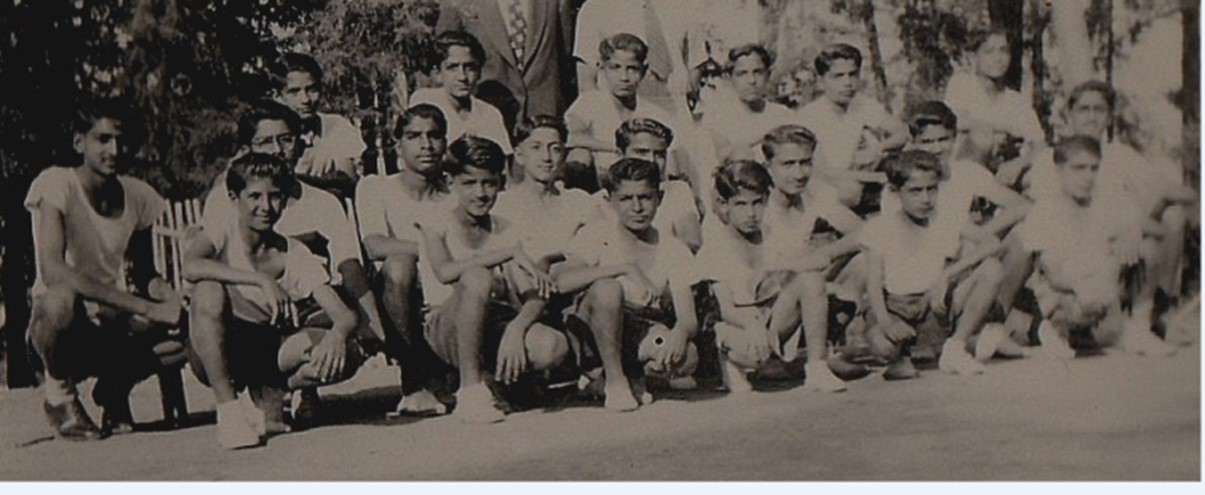
Physical education at Indian Public School, Mbeya with Mr. Hassanali Walji and Mr. D. H. Noronha. Photograph: Dr. Mohamed Manji collection.
~~~~~~
Physical education at the Indian Public School Mbeya. Photograph: Dr. Mohamed Manji collection.
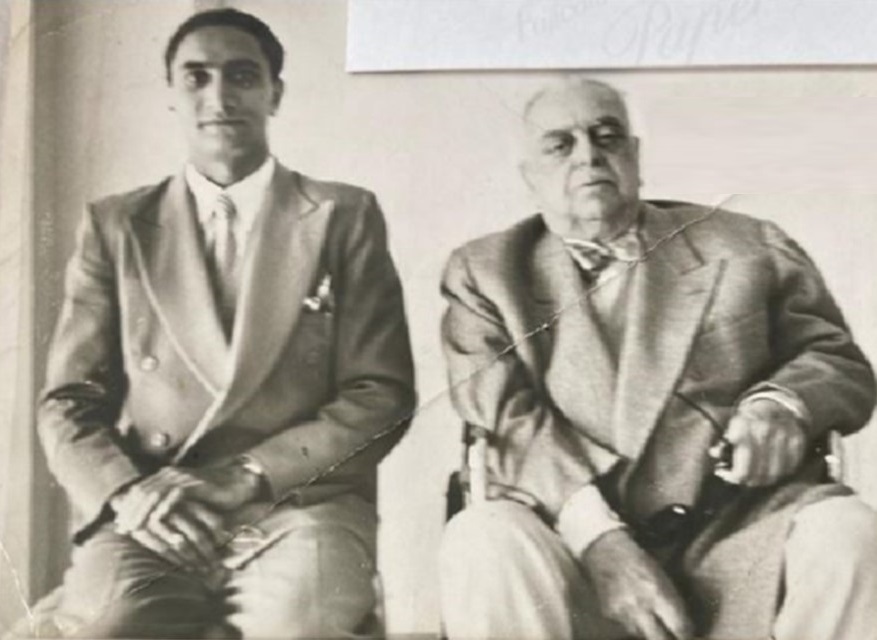
Mr. Hassanali Abdulla Walji (later known as Dr. Walji) was born in Manyoni, a small town in the Singida district of Tanganyika. He was one of the earliest teachers at the Indian Public School after completing his studies in Dar es Salaam. His main subjects were health science and physical education. Before the closure of the Indian Public Schools and the move to the new Aga Khan School, this local young man decided to go to London, England, to study physiotherapy and Chiropody (podiatry). Studying overseas at that time was a privilege, especially in Western countries. While in Europe, he also had an audience with Sir Sultan Mahomed Shah, His Highness the Aga Khan, the 48th Hereditary Ismaili Imam.
Mr. Hassanali A Walji (Dr. Walji) with Mawlana Sultan Mahomed Shah, His Highness the Aga Khan; mid-1950s. Photograph: Dr. Mohamed Manji collection.
After completing his studies in the UK, he returned to Mbeya. On his return, I still remember that Dr. Hassanali Walji, as he was now known, gave us (the whole student group and the community) a talk on his travel overseas by ship and about the process of studying overseas. At least for me, he sowed the seeds for further education overseas after my studies in Mbeya, and I always remember that talk and thank him for it.
Mbeya is a small town, and for his practice in physiotherapy and podiatry, Dr. Walji moved to Nairobi, Kenya, where he established a very successful practice. He, however, continued with his other main interest in Ismaili and Islamic studies through his extensive reading and self-studying. He was also gifted with a fantastic singing voice, and with his love for Ginans (Ismaili hymns composed by Ismaili Pirs and missionaries centuries earlier), he recited them regularly. Dr. Anil Walji, his son, an Anatomy Professor at the University of Alberta in Edmonton, inherited that from his father. Dr. Hassanali Walji also became an honorary Alwaez (missionary) in the Ismaili community and preached regularly. His sermons were very well received. It was a significant loss in 1978 when he passed away apparently from a heart attack in Nairobi, Kenya.
It may be noted that the Aga Khan Education Structure in East Africa had started as early as the end of the 19th Century; the earliest center to teach basic literacy and numeracy may have been initiated in 1895 in Bagamoyo, Tanganyika by Mawlana Sultan Mahomed Shah, Aga Khan III. In the 1940s and 1950s, under the chair of Princess Joan Aly Khan (the late mother of the present Aga Khan) and with the revised structure, more Aga Khan primary and secondary schools were established in Dar es Salaam in Tanganyika, Mombasa and Nairobi in Kenya, and Kampala in Uganda, first for girls and then for the boys. Later, co-ed schools for boys and girls were built for primary education in other East African towns and opened to all races and faiths.
One such School was constructed in Mbeya and opened in 1957 to replace the existing Indian Public School. This new School would cater to teaching from Standard One to Ten.
Mbeya Aga Khan School Education Committee 1957 with the teaching faculty. Photograph: Dr. Mohamed Manji collection.
Mr. Denis H. Noronha headed the Mbeya Aga Khan School. He gained quick recognition and respect among students, parents and the school committee, given his tenure as the headmaster of the Indian Public School and his kind concern for the students of this small town, his leadership abilities and his forward thinking for the student’s further education. His advice and criticism were genuine. Indian Public School was closed permanently, and all the teachers from that School moved to the new Aga Khan School. The teaching faculty consisted of Mr. K. R. Lohar, Mr. Almeida, Mr. Jagirdar, Mr. Sadrudin Merchant, Mrs. Aramita Geraldine Narohna and Mrs. Shrin Ratancy.
With the new Mbeya Aga Khan School in operation and open to all races and faiths, Mr. Noronha, as the Headmaster, managed to attract more teachers, and his teaching faculty increased; Mr. and Mrs. Philips and a second, Mr. Philips from India, joined. The two male Philips were distinguished from each other by their heights, and the students referred to them by calling them “Tall” and ‘Short” Mr. Philips. Afterward, Mr. Rawat, Mr. Demelo, and Mr. de Souza joined.
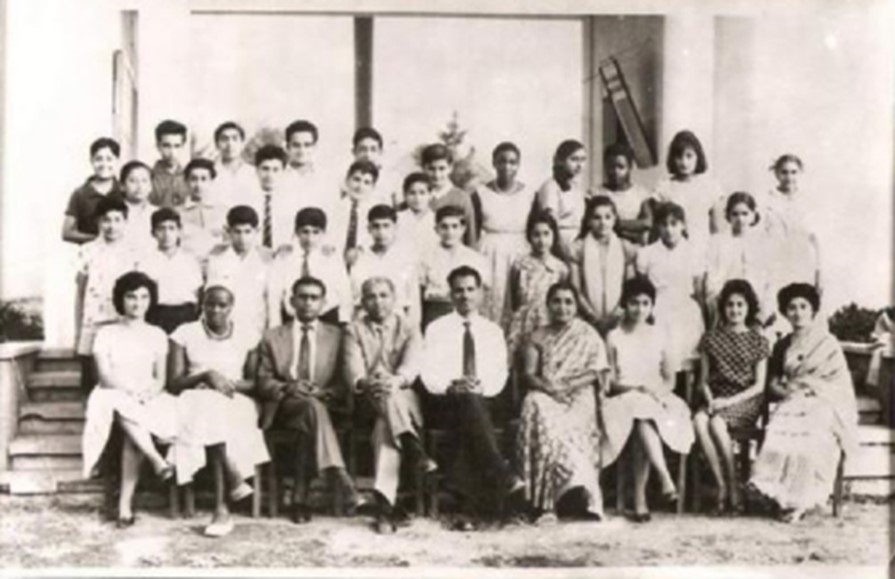
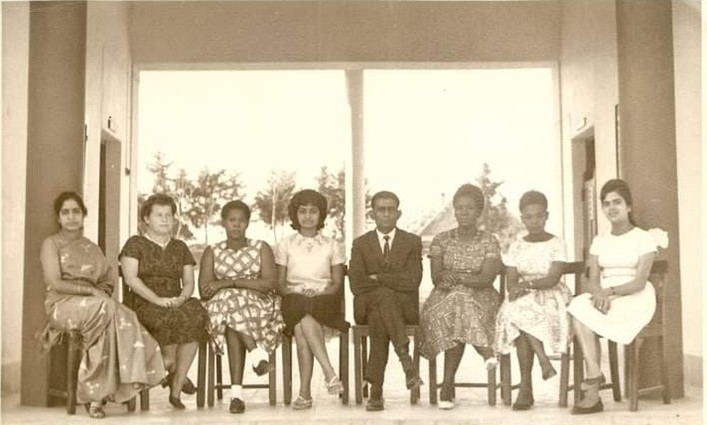
Staff, Mbeya Aga Khan School, 1958-1960. Photograph: Dr. Mohamed Manji collection.
With their hard work and dedication, this teaching faculty brought up the standard of teaching per the Aga Khan Education criteria, making it possible for the students to relocate quickly to other schools when they moved to other secondary and high schools in East Africa to continue their education beyond Grade 10.
In 1959/60, Mr. Denis Noronha retired as head teacher of the Aga Khan School. He and his teacher wife, Aramita, opened their own business, providing tuition for school subjects and accountancy courses. He became an insurance agent with an office in the Mbeya East African Airways building. In the 1960s, the Noronha family left Mbeya for good and relocated to Bangalore, India. They opened a private school there, which became quite successful and well-known. Aramita passed away in Bangalore on January 6, 1989. Mr. Noronha and his eldest daughter continued running the School there. Mr. Dennis Noronha passed away on December 7, 2008. Mr. and Mrs. Noronha’s passing was a significant loss to his immediate family and the Mbeya people, who had come to regard them as their own family.
Staff, Mbeya Aga Khan School, 1960-1962. Photograph: Dr. Mohamed Manji collection.
After Mr. Noronha left the Aga Khan School, Mr. Naidu took over the head teacher’s position. Subsequently, after his departure in 1962/63, Mr. de Souza became the head teacher. Unfortunately, just six months later, he died of an apparent heart attack. Mr. K. R. Lohar succeeded him.
Mr. de Souza, Head Teacher, Mbeya Aga Khan School, 1963. Photograph: Dr. Mohamed Manji collection.
In 1971/72, the socialist government of Tanzania nationalized all the Aga Khan Schools, and they came under the government administration. Mbeya Aga Khan School’s name was changed to Azimo School. Mr. Lohar taught there up to 1972 and left to teach at another school in Mbeya situated in the previous “European” area of Mbeya. He, with his wife Khulsum, moved to Leicester, UK, to join their sons in 1990 and for the treatment of Khulsum’s cancer. She passed away in Leicester in 1990. Mr. Lohar lived in Leicester with his son. In April of 1997, he had a stroke, and two months after his stroke, he was found to have cancer of the throat (he smoked heavily). He passed away on December 1, 1997, at the age of 67 years.
Mr. K .R. Lohar, Head Teacher, Mbeya Aga Khan School, 1964. Photograph: Dr. Mohamed Manji collection.
In the mid-and late 1960s, Tanzanian-trained teachers and teacher assistants joined the team. To name a few (who were from the Mbeya Indian community), they were Miss Gulshan Dharsee, Miss Nurjehan Karim Lalji, Miss Fatma Bandali, Miss Gulzar Razak Hirji, and Mr Sadrudin Ali Valla. Mr Salim Dawood, originally from Dar es Salaam, also took up a teaching position at the Mbeya Aga Khan School. He would later move to the Aga Khan Primary School in Dar es Salaam, where he taught maths. Mr. Dawood passed away in Toronto in 2019. The native African teachers also joined the team.
Local trained including African teachers at the Mbeya Aga Khan School in the mid 1960s. Photograph: Dr. Mohamed Manji collection.
~~~~~~
Local trained including African teachers at the Mbeya Aga Khan School in the mid 1960s. Photograph: Dr. Mohamed Manji collection.
The population of Mbeya Indians by the 6th decade of the 20th Century was about one thousand. Practically all the children who attended Mbeya Indian Public School and then Aga Khan School were born in the Southern Highland region of Tanganyika, of which Mbeya was the main administrative town. With this small population, Mbeya produced eight Medical doctors, one lawyer, eight registered nurses, five Chartered/Certified Accountants, four engineers, two legal secretaries, one with an Agriculture degree, and many more with college certification. This proud result of the Mbeya student’s achievement resulted from good schooling and ongoing guidance during the 1940s,1950s, and 1960s, which were done by those mentioned above, very dedicated and committed teachers of Mbeya. They were our Mbeya’s education heroes. They sparked the value and importance of education for students and society. I should state that Mr. Denis H. Noronha played a significant part in this. He brought the change in the early 50s by making English the medium of instruction, changing the curriculum to a UK one, recruiting good teaching staff, and advising the students and their parents regarding further education. He groomed the students to think far ahead. With this foundation, teachers like Mr. de Souza and Mr. K. R. Lohar, who followed him as a head teacher, continued to use the same approach and policy.
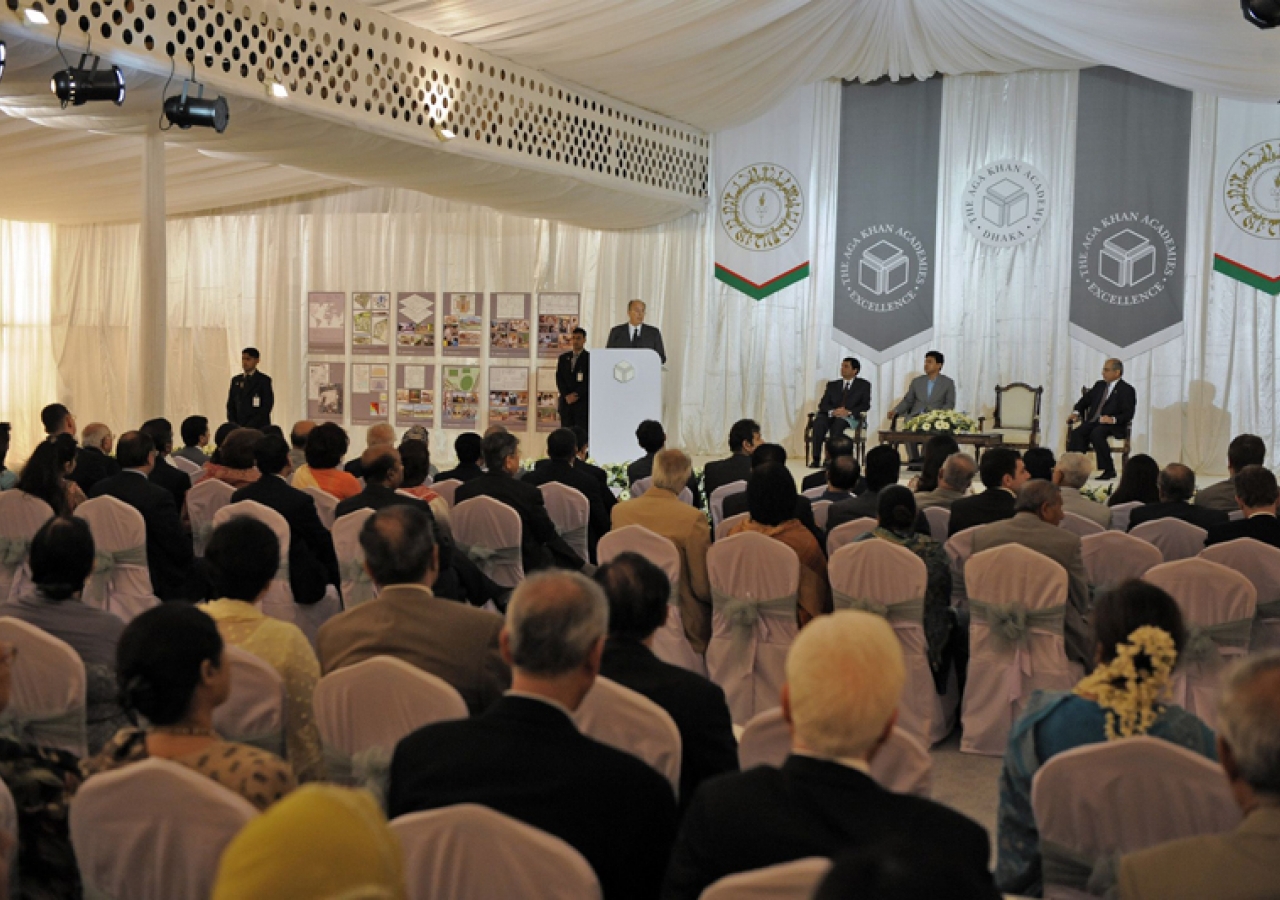
Mawlana Hazar Imam, His Highness the Aga Khan, speaking at the foundation stone laying ceremony of the Aga Khan Academy in Dhaka, Bangladesh, in May 2008. Photograph: Gary Otte/The Ismaili.
At the Foundation Laying Ceremony of the Aga Khan Academy in Dacca, Bangladesh, in 2008, His Highness the Aga Khan stated, “Ultimately, the art of teaching is a mission. Those who embark upon the journey of teaching seek to transform individuals and communities, inspired by a sense of purpose”. Secondly, in a speech at the Aga Khan University in Karachi in 2000, His Highness said, “Teaching is one of the most valued professions because it opens minds to greater self-awareness as well as to the knowledge that gives learners greater control over their destinies.”
This statement proved very true for the Mbeya students of the 1940s, 50s, & 60s when they had to emigrate to the West in the early 1970s because of the “mopping up” measures in the way of the “Acquisition of Building Act 1971” brought by the socialist government of Tanzania. Indian-owned buildings, farms, etc., were nationalized without compensation. The economic security of the Indians was jeopardized because of the Africanization of businesses and jobs. Things became difficult to live there, and thus, the Indian population left Tanzania in large numbers. The students were able to resettle in countries like Canada, the USA, the UK & Australia, and they have done well in their jobs, practices and businesses. Some of us have achieved good positions at various institutions and academic positions at multiple Universities.
On behalf of all Mbeya students and their parents, I want to thank the teachers who taught us and prepared us for the future. We students also pray for the peace of the souls of all our departed teachers.
Date posted: August 14, 2024.
____________________________
Acknowledgement: The author would like to thank Cynthia (Noronha) Mascarena, Mr. Vincent Noronha, Mr. Rhemtulla (Remu) K. R. Lohar, and Mr. Karim Nurdin Popat Kassam for their help and information for this article.
Feedback: We welcome feedback from our readers in response to Dr. Manji’s informative piece about Mbeya teachers. Please click Leave a comment or send your comment to mmerchant@simerg.com. We welcome similar pieces about your experiences studying or teaching in Ismaili educational institutions in any part of the world.
Dr. Mohamed (Mo) Fazal Manji
About the author: Dr. Mohamed Fazal Manji, MD, DMRT, DABRT, FRCPC, who is originally from Mbeya Tanzania, is a cancer specialist. He is a Consultant Radiation Oncologist at BC Cancer Agency of British Columbia, Canada, and Clinical Associate Professor, University of British Columbia. He graduated in medicine from Makerere University, Kampala, Uganda, and immigrated to Canada in 1972. He specialised in radiation cancer treatments at Princess Margaret Hospital (Cancer Center as it is called now) in Toronto. He obtained the Canadian Fellowship (FRCPC) and American Board Specialist Certification (DABRT) in Radiation Oncology. He also undertook special courses in Nuclear Medicine and Endocrinology at Harvard Medical School, Boston, USA. He became the first Canadian trained Ismaili Radiation Oncologist in Canada and probably in North America. He has been working at BC Cancer agency since 1977. He spent time abroad, working in Riyadh, Saudi Arabia to help modernize the Radiation Department at King Faisal Specialist Hospital & Research Center. He spent 12 years at this tertiary hospital for cancer and other diseases. He was also involved in the planning and development of Radiation Oncology Departments at the Aga Khan University Hospitals in Karachi and Nairobi and spent some time working at both places. He has contributed to many peer review publications, abstracts, book chapters and also lecture presentations nationally and internationally. Dr. Manji is also a recipient of 2022 Royal College of Physician & Surgeon of Canada’s M Andrew Padmos International Collaboration Award.
He is the son of Rai Fazal Manji of Mbeya Tanzania, who served as a member of Aga Khan Supreme Council of Tanganyika in 1950s and Raibanu Rehmat Fazal Manji, daughter of Alijah Mohamed Hamir who, in early 1930s, built an iconic Jamatkhana in Iringa, Tanzania, and donated to Imam Sultan Mahomed Shah unconditionally. Appointed by His Highness the Aga Khan, Dr. Manji served as the first Member for Health on the first Aga Khan Ismaili Regional Council of Ontario and Quebec in 1973 under President Riaz Jethwani.
Preamble to this series on life in the Ismaili community: This is the second in a series of articles dealing with life in the Ismaili community from the late 19th century onwards. The first in the series was on a Rare 100 year old photo. The piece that follows has been adapted by Safder Alladina from his book “Ties of Bandhana: The Story of Alladin Bapu” which was published under his pen name Safder Giga Patney. The paperback book, see image below, is available on Amazon.
Front and back covers of “Ties of Bandhana”, available from Amazon.
The lead in this special series is Toronto’s Zahir Dhalla, who wishes Jamati members to dig into their archives and submit electronic versions of family historical photos to Simerg@aol.com. Zahir would then be quite willing to work with families, and prepare stories for publication in Simerg or in its two sister websites, Barakah and Simergphotos.
Alladin and Prembai
Alladin Suleman Hasham Mohamad Giga Patney of Chhachhar, Kathiawar, Gujarat, India, c1910. He was born on Sept 9, 1851, in Pattan, India, and died on July 28, 1926 in Tanga, Tanganyika
By SAFDER ALLADINA
Alladin and Prembai owned fields and orchards in Chhachhar in Kathiavar in Gujarat. But at the end of the 19th century the area suffered a series of droughts and famines, and families were looking towards Zanzibar and the East African countries. In addition to this the British Raj, with the connivance of the Nawab of Junagadh and his officials, had imposed excessive taxes and levies. On Mawlana Sultan Mahomed Shah’s advice and support from Ismailiss who had made it good in East Africa, families were encouraged to move to East Africa.
Alladin and Prembai, with their children travelled to German East Africa in a dhow. After thirty odd days on the boat they landed at Tanga, Tanganyika. The family had relations in Moshi so they went there in bullock carts on a journey that took them fifteen days. In Moshi, Alladin and Prembai tried to farm but they were new to the climate, weather and growing conditions. After two years, they decided to return to Tanga. The railways and automobiles had arrived in the country and Alladin, with his eldest son Kassam started a shop selling tires, car parts and other hardware.
The shop was on Marketstrasse, Tanga, Deutsche Ost Afrika (German East Africa, now Tanzania), at the corner of the road that came up from the harbour. A railway line from the station cut through the southern part of the town and went down to the port taking sisal, timber and coffee to the ships anchored in the harbour. Steamboats from Europe brought cars, machinery, cloth and equipment while the dhows from India and the Gulf countries brought cloth, tiles, earthenware pottery, salt cod, carpets, spices and tea.
Kassam, Alladin’s eldest son who had a smattering of German now, was talking to the German officials to be allowed to put a petrol pump at the shop. They liked the young man dressed in long khaki pants and a solar topi in the German fashion, and who spoke German and suggested that he go to Berlin on a scholarship to become an engineer instead of pumping gasoline. Kassam’s young wife, who had a boy and a girl now, and his mother were distraught when they heard this: Hai, hai Allah! Hooñ kadi na jawa daooñ! Prembai asserted. (By God! I’ll never let him go abroad.) [1]
story continues after photo
Prembai Ibrahim Teja. She was born on June 29, 1854, in Chhachhar, India, and died on June 12, 1924 in Tanga, Tanganyika.
A couple of years later, their son Karim was identified by the German officials as suitable candidate to be sent to Berlin for further education. In 1914, a passage was booked for Hamburg on the Deutsch Ost Afrika line the Pandakoti for Karim to go to Berlin. But war broke out and the Pandakoti was bombed and sunk at Manza Bay near Tanga. Karim had to stay in Tanga and after his father died, ran the gas station on Market Street.
Eventually, Kassam got a license to sell petrol. Drums of petrol were brought to the shop front. A piston pump, operated by hand, was attached to a drum and the fuel pumped into cars and trucks and also sold in tin jerry cans. Motorcycles had now appeared in town. Alladin and Kassam found that they had to start keeping car parts and tyres for the growing automobile population in town.
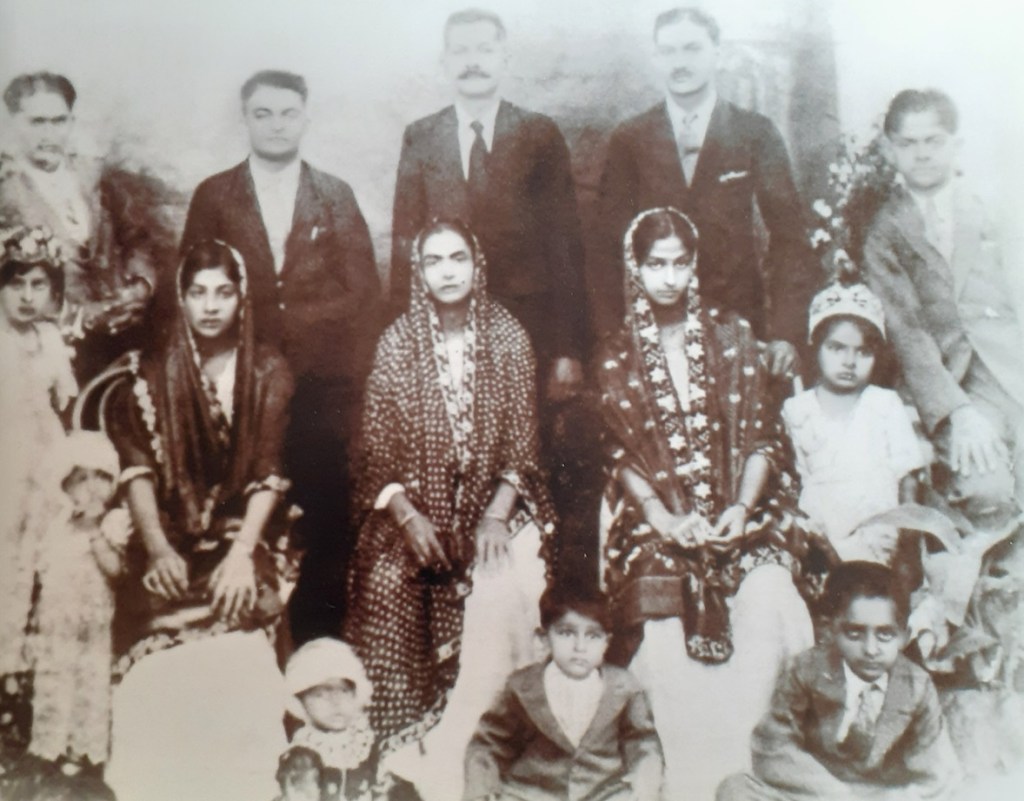
The family photo, below, shows Karim and Alimohamed newly married. Trinkets of gold and bandhanis of silk were brought out for the marriages of their sons Karim and Ali Mohamed. There was now an extended family of Alladin and Prembai: three married sons and their wives and at least five to six children. Shariff and Fatehali, Kassam and Maanbai’s eldest son, were unmarried.
Shariff had a fine singing voice and was a favourite of the ladies in town. He also used to sing Ginans in the Jamatkhana. (For Shariff Alladina’s 4 Ginans, see Soundcloud, Safder, Bapaji )
story continues after photo
Alladin and Prembai’s family, c1925, Tanga, Tanzania (then Tanganyika). Children seated on floor, l. to r : Sherbanu, Amir and Murad; Middle row, l to r: Nurbanu and Milli (2 children), Sikina, Maanbai and Kursum (ladies), Kursum (young girl); Gentlemen l. to r: Shariff, Alimohamed, Kassam, Karim and Fatehali, Kassam and Maanbai’s eldest son. See Note [2] below for more info.
In the August of 1914, there was word around that there was going to be a world war. The British were going to attack German East Africa.
That September, the Districtkommissar went in his open sided automobile to the bigger shops and businesses of the Indians and told them that they would have to leave town and find somewhere to stay until they were given permission to return to their homes. The businessmen were ordered to inform all the other Indian homes in town. Being colonial subjects of the British, the German government saw them as security risk. An Indian owned provision store and Alladin’s petrol pump were told to remain open but their families would have to leave.
story continues after photo
Business cum Residence Alladina Bros & Shariff Service Station, 26 Marketstrasse Tanga, German East Africa, antebellum WW I. Photo: Karim Alladin, via his youngest son Mirza, Vancouver. BC.
Alladin and Kassam stayed to keep the business open, while Prembai, and her sons with their wives and children, left by train for Muheza thirty miles inland, in the foothills of the East Usambara Mountain. They stayed with a family from Kodinar, a small town near Chhachhar, the Alladins home village.
On 14th November of 1918, Armistice was declared and the First World War had ended. On 25 November, what was German East Africa became Tanganyika and was given a Class B Mandate by the League of Nations and effectively became Tanganyika Territory of the United Kingdom. The Union Jack now flew over the Customs House, the boma of the District Commissioner, the police station and the Schule school.
Prembai died after the war and Alladin a few years later. They were buried in the Ismaili cemetery at the southern edge of the town. Maanbai became Moti Ma, the matriarch of the household, and Kassam became Mota Bapa – Big Father of the family.
Today, the Alladin family members are dispersed around the globe in Canada, the USA, the United Kingdom and Belgium, engaged in various professions and businesses – many are still connected to the automobile business.
Date posted: July 14, 2020.
_________________
Safder Alladina
Safder Alladina has taught English as a Foreign Language in England, Japan and Portugal and English as a Second Language in England and Canada. In his 35 years of teaching, he has taught Early Years, Primary, Secondary and Adult classes; and developed and taught Teacher Education programmes at graduate and post-graduate levels at the University of North London, UK, and the University of British Columbia, BC. His research work is in Sociolinguistics. He has retired to a hobby farm in the interior of British Columbia where he does his writing under the pen name of S. Giga Patney.
_________________
The following additional details have been compiled by Zahir Dhalla, author of Ismailis in Tanga.
Alladin and Prembai’s sons started their own businesses in Tanga as follows: Kassam started an auto parts business with his sons; Karim managed the petrol station on Market Street and then went on to start as auctioneer and accountant; Alimohamad started a provision store with his brother Shariff; and Shariff went on to start as copra merchant on his own. He then went into rice milling and producing coir fibre for export.
Collectively, the Alladins became the biggest of Tanga Ismailis Big Five Clans viz. The Alladins: 60; The Hajis: 50; The Nathoos: 40; The Babuls: 30; and The Bhanji Jiwas: 30.
____________________
Notes:
[1]. Kassam and Maanbai were parents to Fateali, Milli, Sherbanu, Amir and Murad; Roshan and Sikina were sisters; all gentlemen standing were sons of Alladin and Prembai and were born in India as was Maanbai. Everyone else in the photo was born in Tanga.
[2]. Offering scholarships to young men was seen elsewhere too: Ismail Jaffer Somji, born 1901, in Bagamoyo, was offered in 1914 full scholarship for himself and elder brother Kassamali. But, as happened above, his ma refused to let them go! Zahir K. Dhalla.
_________________
We welcome feedback/letters from our readers. Please use the feedback box which appears below. If you don’t see the box please click Leave a comment . Your comment may be edited for length and brevity, and is subject to moderation. We are unable to acknowledge unpublished letters
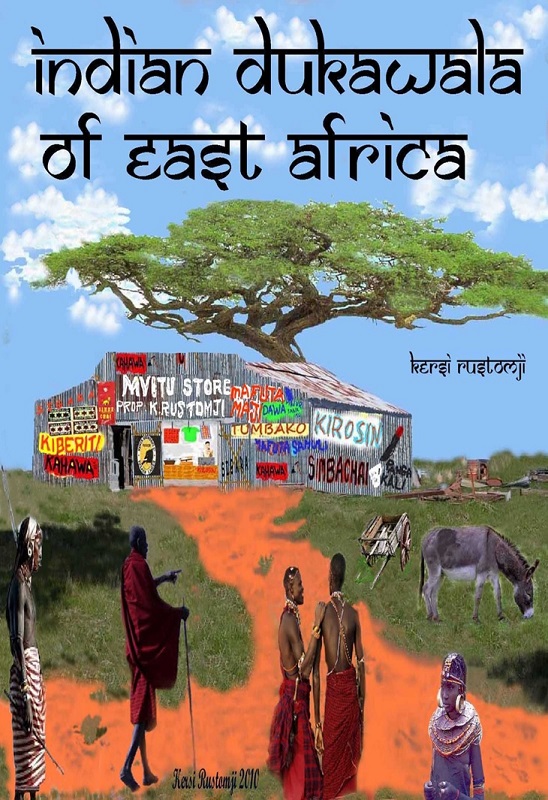
This work is a small tribute to the unsung intrepid pioneering Indian traders and very often their families, who braved the unknown hazards of the “Dark Continent”, carried on regardless of disease, lack of comforts, privations, ill-health, and even death, which they knew was their constant and real possibility.
“While the tribute is aimed at all the Indian, later termed Asians traders and shop keepers, we should bear in mind that these intrepid early trading pioneers also included Ismailis, who became prominent merchants and developers in all economic fields in East Africa. The Ismailis left behind an admirable record of their contribution, and this work touches them too.” — Kersi Rustomji
Hitherto the dukawala remain unrecognised nor given a deservedly appropriate place in the annals of these nations. Without record of these traders and other Indians who also played a very prominent and important part in the economic and the political growth of these nations, the histories of these three East African countries would be incomplete.
The image depicts on the rich red soil, a typical Indian duka, a small trading store, in small towns and remote country areas of East Africa. The signage is also typically hand painted work of the duka owners. These put up with any paint at hand, included some spelling errors. The man behind the counter is my paternal uncle Jehangirji Rustomji, who first opened a small watch repair duka in the old Indian Bazaar, now Biashara Street, in early 1906 in Nairobi, Kenya. He later moved to the then Government Road, now Moi Avenue, in the corner of a chemist shop, Chemitex, next to the old Alibhai Sherrif hardware shop, going towards the Ismaili jamatkhana, on the corner of Government Road and River Road. Later his youngest son Rati joined him, and after Jehangirji’s death, Rati carried on the little business until 2009, when he retired and closed the little duka after 103 years of its existence. Rati still lives in Nairobi. Copyright: Kersi Rustomji, Australia.
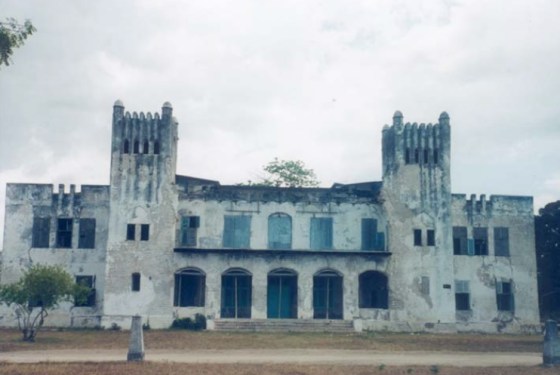
The Old Boma where His Highness the Aga Khan was received with great honours by the Chief of the District, Surgeon-Major Gaertner, and all the Europeans, among them the author of the article. Please click on image to read accounts of both the East Africa and USA visits.
“….The enthusiasm and veneration for His Highness at his arrival [in Bagamoyo] as well as during his whole stay was tremendous and will linger in the memories of all who, like me, had the honour to be present” — Otto Mahnke…Read More
~~~~~
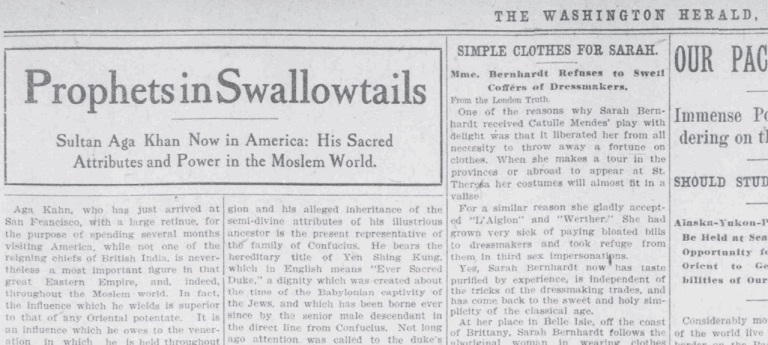
Clip of page from the Washington Herald dated January 27, 1907 containing article on His Highness the Aga Khan. Please click on image to read accounts of both USA and East Africa visits.
“The Pope and the Dalai Lama of Tibet are great spiritual chiefs, but in them the principle of inheritance is absent” — The Washington Herald, 1907…Read More















 Simerg - Insights from Around the World