Simerg is an independent initiative dedicated to Ismaili Muslims, the Aga Khan — their Hereditary Imam — and the Ismaili Imamat, and Islam in general through literary readings, photo essays and artistic expressions
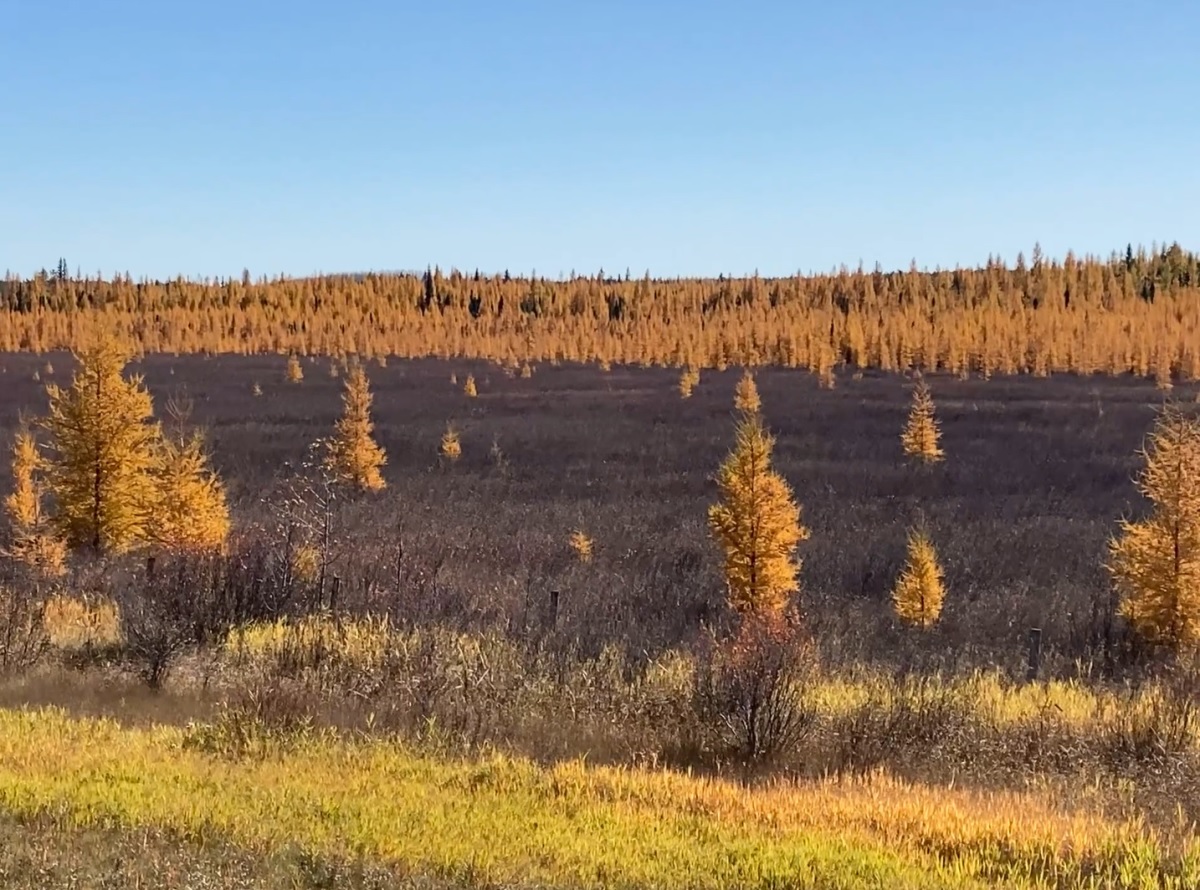
Larch trees along Alberta Hwy 12. Photograph: Malik Merchant/Simerg Photos.
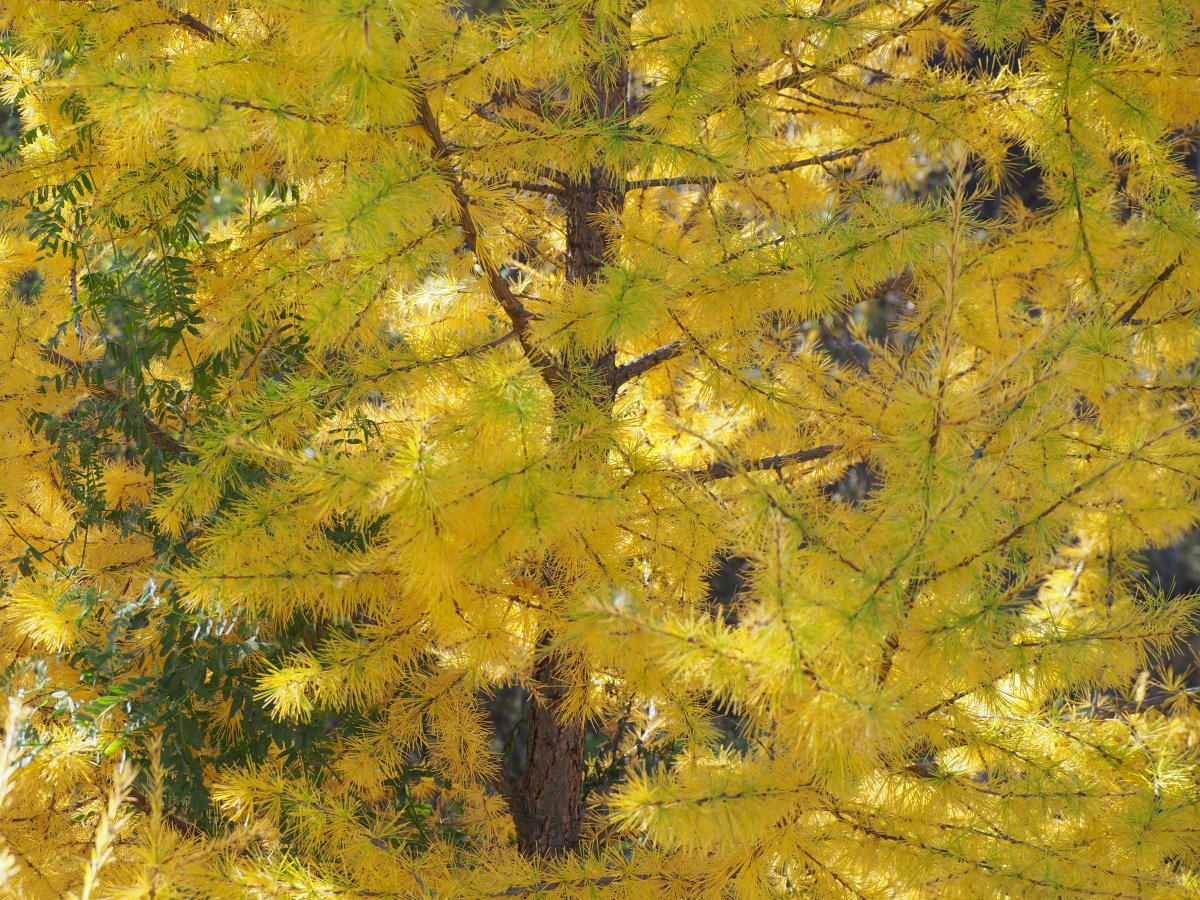
What a beautiful tree the larch tree is all year round. In autumn, larches in Alberta’s Rocky Mountains put on a spectacular show as their needles turn from green to golden yellow. The foliage attracts thousands of visitors from within Alberta and around the world. Found mostly at higher elevations, it often requires some hiking to see the spectacular LARCH autumn show from close range. However, I came across planted larch trees in Calgary’s Baker and Confederation Parks, and a week ago at the University of Alberta’s Botanic Garden in Edmonton — the focus of my visit was the Aga Khan Garden, a gift to Alberta by His Highness the Aga Khan, the 49th Hereditary Imam of the Ismaili Muslims. I might also note that I ran into large fields of larch trees as I took to Nordegg via Highways 12 and 11 (David Thompson Highway). Click Among the Larches to see my photos of foliage at the Aga Khan Garden. I also have other photo essays of my memorable trips to Alberta’s extraordinary parks and heritage sites and I invite you to see them on my beautiful photo blog.
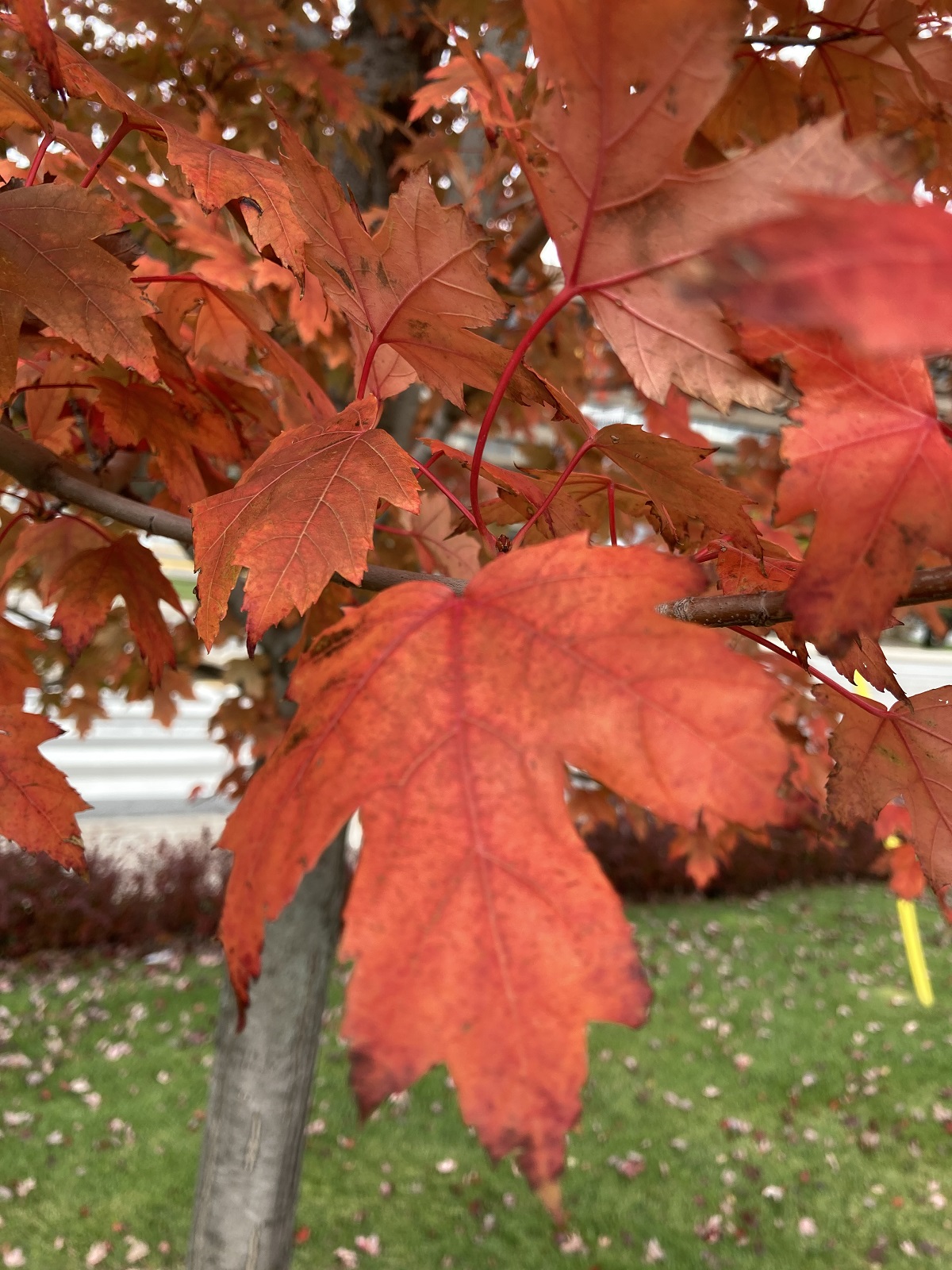
Close-up, larch tree at Aga Khan Garden, University of Alberta Botanic Garden. Please click on image for autumn foliage photographs.
Karim H. Karim’s beautiful poem is followed by a brief note from the editor as well as some pictures that he set off to take at Toronto’s Aga Khan Park, shortly after he had been inspired by the poem.
By KARIM H. KARIM
(Dedicated to all who are sad)
Sweetest are the songs That we sing in sorrows; Tears swell in our eyes Even when joy overflows.
Naïve folk fear the thorns Where flowers do flourish, Fresh with hues of hope.
Dawn’s light is nearest When sadness is darkest, Sings the black night In stars’ silent twinkle.
Embrace the aching pain, Learn to laugh a little And to comfort others.
Let storms beware That we are lighting The lamps of love.
Date posted: October 20, 2020. Last updated: October 22, 2020.
__________________
(Based on Shankardas Shailendra’s (1923-1966) “Hain Sabse Madhur Wo Geet,” which evokes Percy Shelley’s (1792-1822) line “Our sweetest songs are those that tell of the saddest thought.”)
Karim H. Karim
About the author: Karim H. Karim is the Director of the Carleton Centre for the Study of Islam and a Professor at Carleton University’s School of Journalism and Communication.
__________________________
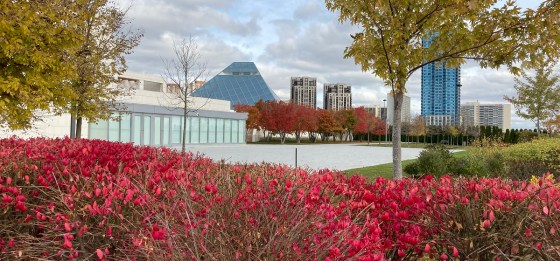
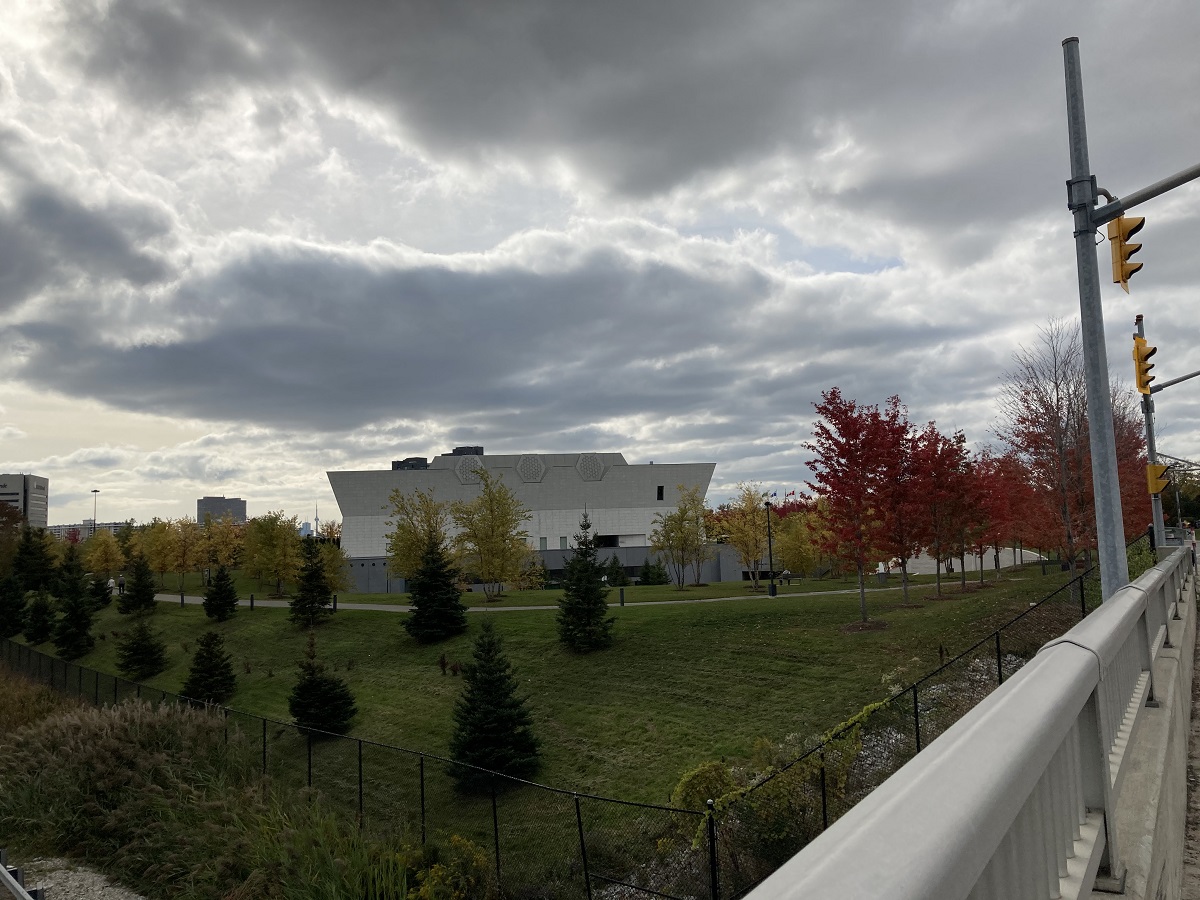
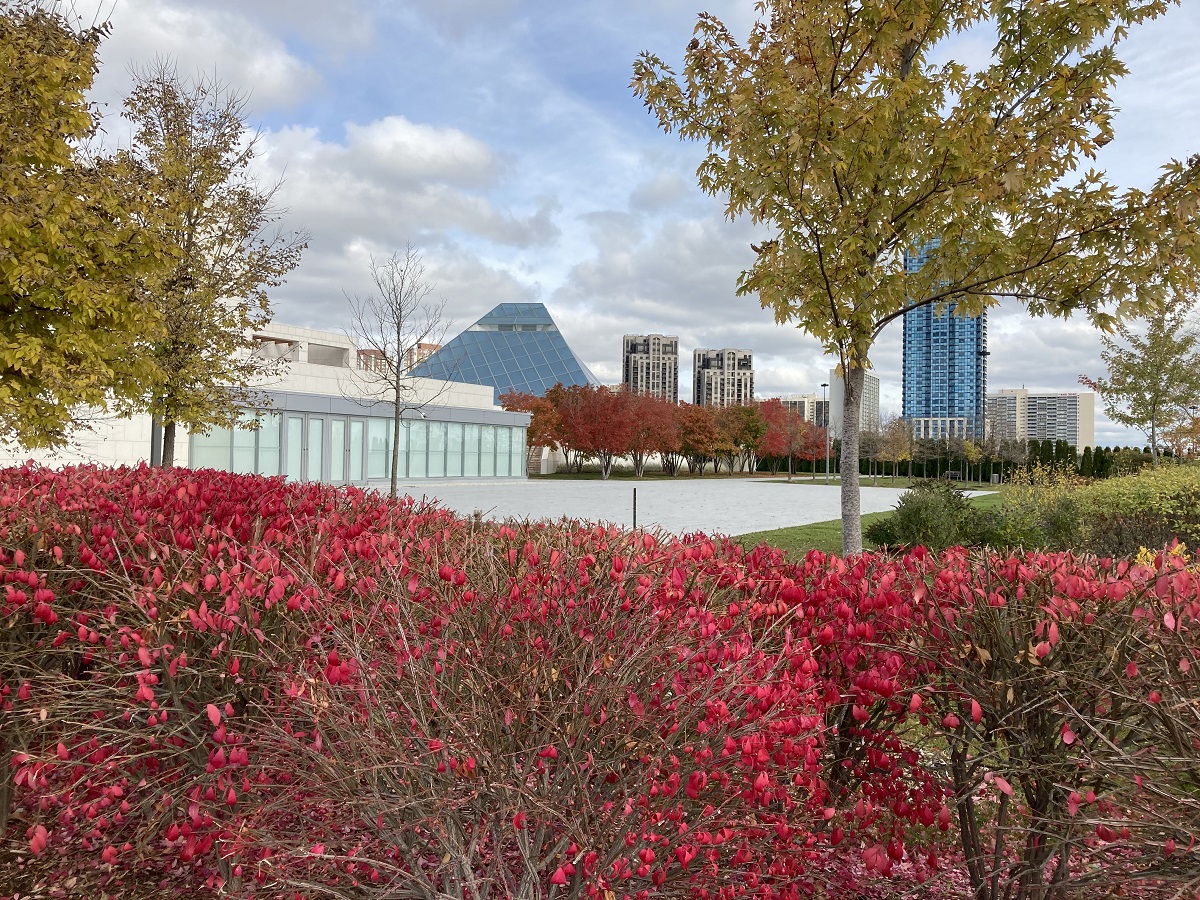
Editor’s note: I was truly feeling sad earlier today (October 20), thinking about my daughter and my mother whom I haven’t visited for several months due to Covid-19. I was lonely, and also worried about my health in these uncertain times! My friend Karim H. Karim who is nearly 450 kms from me must have sensed that. I was waiting for another article from him altogether, not a piece dedicated for those who are sad. In my reply to his humble submission, I told him I would review it in a few days time! However, I decided to read it straight away, and his piece truly cheered me up. And in that moment of becoming a lot less sad, I gained some energy and headed to my favourite place! Yes, the Aga Khan Park, with two incredible buildings, the Ismaili Centre and the Aga Khan Museum around it — gracious gifts from Mawlana Hazar Imam, His Highness the Aga Khan.
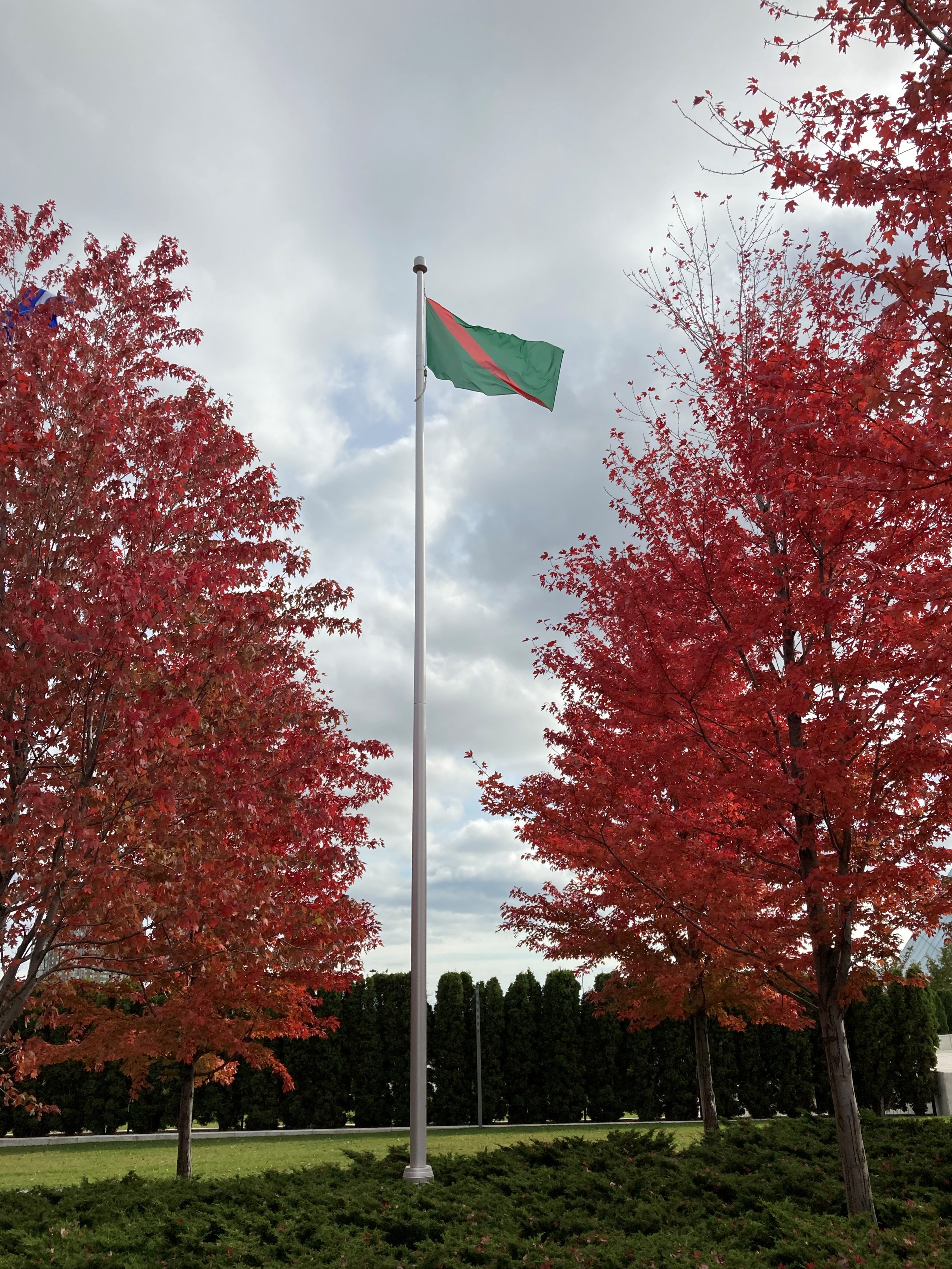
Admittedly, I haven’t been to the Park for a number of weeks, passing by it only in my car. The photographs that I took during my visit to the Park, represent my joyous moments, that I owe to Karim’s beautiful rendition. As I walked to the park, I was reminded of Mawlana Hazar Imam’s quote where he says that if one has faith, one may be worried, one may at times feel sad but one will never be unhappy. How true! Enjoy the photos, which were inspired by the poem.
Date posted: October 20, 2020. Last updated: October 21, 2020 (new link).
______________________
We welcome feedback from our readers. Please complete the LEAVE A REPLY form below or, if you don’t see the box, please click Leave a comment. Your letter may be edited for length and brevity, and is subject to moderation.
Before departing this website please take a moment to review Simerg’s Table of Contents for links to hundreds of thought provoking pieces on a vast array of subjects including faith and culture, history and philosophy, and arts and letters to name a few.
“Look at the mountains, the rivers, the trees, the flowers, as evidence of Allah’s love for the people He has created”
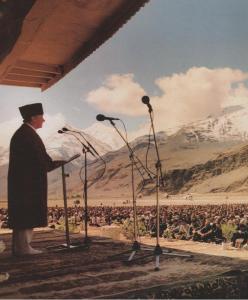
His Highness the Aga Khan, the 49th Ismaili Imam, is seen addressing his followers in Ishkashim, Badakhshan, during his first historic visit to the region in 1995.
“The Qur’an refers very often to nature as a reflection of Allah’s power of creation, and it says, look at the mountains, the rivers, the trees, the flowers, as evidence of Allah’s love for the people whom He has created. Today, I look at the environment and I say to you, I believe Allah is smiling upon you, and may His smile always be upon you.” — His Highness the Aga Khan speaking in a mountainous setting in Badakhshan in 1995.
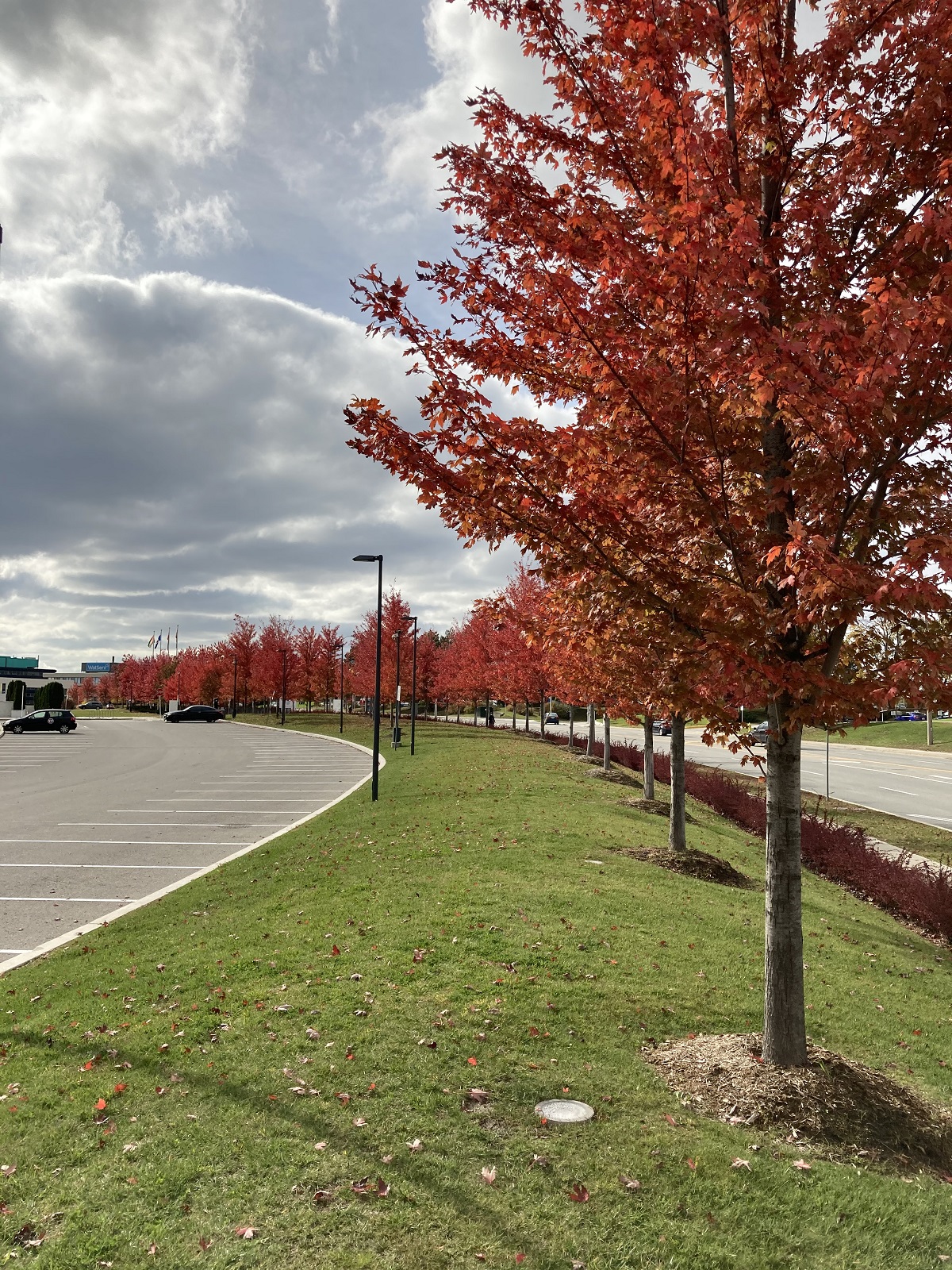
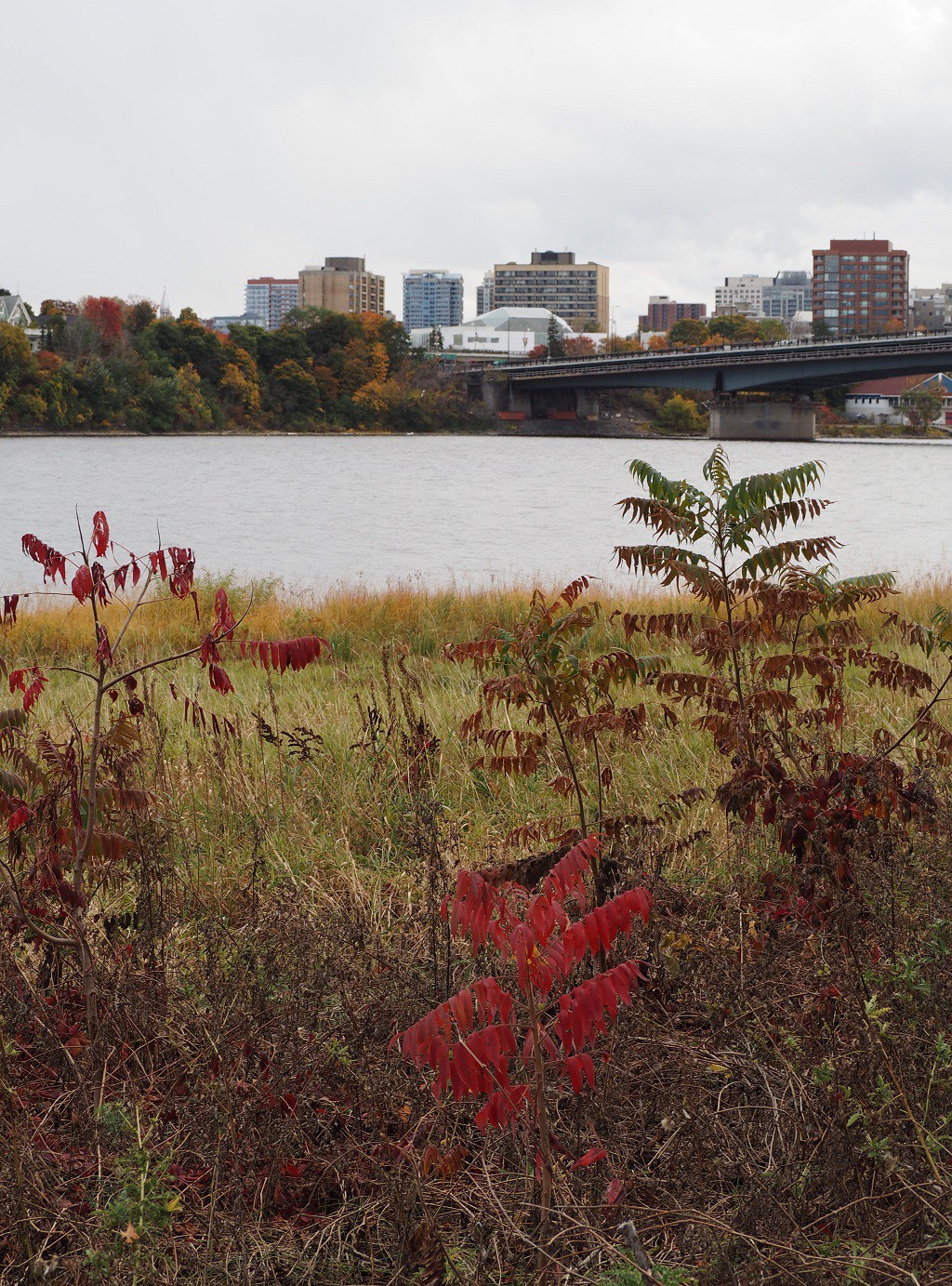
Visitors enjoying fall colours on the grounds of Rideau Hall. Please click on image for photos of autumn foliage in Ottawa-Gatineau, the National Capital Region. Photo: Malik Merchant/Simerg
“When I invited Professor Maki, a master of form and light, to design this [Delegation of the Ismaili Imamat] building, I made a suggestion to him – one that I hoped would help connect this place symbolically to the Faith of Islam. The suggestion I made focused on creating a certain mystique, centred around the beautiful mysteries of rock crystal.
The architecture of the dome of the Delegation of the Ismaili Imamat Building seen above from Jacques Cartier Park is centred around the beautiful mysteries of rock crystal. Please read the Ismaili Imam’s quote and click on image for photos of Ottawa-Gatineau foliage. Photo: Malik Merchant/Simerg
“Why rock crystal? Because of its translucency, its multiple planes, and the fascination of its colours – all of which present themselves differently as light moves around them. The hues of rock crystal are subtle, striking and widely varied – for they can be clear or milky, white, or rose coloured, or smoky, or golden, or black.
“It is because of these qualities that rock crystal seems to be such an appropriate symbol of the profound beauty and the ever-unfolding mystery of Creation itself – and the Creator. As the Holy Qur’an so powerfully affirms, “Allah is the Creator and the Master of the heavens and the earth.” And then it continues: ‘Everything in the heavens and on earth, and everything between them, and everything beneath the soil, belongs to Him’.” — His Highness the Aga Khan, on the occasion of the inauguration of the Delegation of the Ismaili Imamat Building in Ottawa on December 6, 2008.








 Simerg - Insights from Around the World