Simerg is an independent initiative dedicated to Ismaili Muslims, the Aga Khan — their Hereditary Imam — and the Ismaili Imamat, and Islam in general through literary readings, photo essays and artistic expressions
I was thrilled to attend a featured presentation, A Birding and Wildlife Safari to Tanzania, on September 10, 2026. Dianne and Bob Leonhardt from Calgary hosted the event, which marked the start of the fall season for Birds & Beers at the Royal Canadian Legion in Southwest Calgary.
During their illustrated conversation, the couple highlighted their captivating trip to Tanzania, which took place from April 13 to April 30, 2025. Bob described the visit as the best tour they’ve ever experienced. They stayed in comfortable lodges and tented camps, enjoyed delicious meals, and took in the stunning African scenery. During their adventure, they observed about 370 bird species and around 50 mammal species.
Upon arriving in Arusha, they explored several breathtaking locations, including Arusha National Park, Tarangire National Park, Lake Manyara National Park, the famous Serengeti National Park, and the Ngorongoro Reserve and Crater. In Ngorongoro area, they stayed at the Ngorongoro Serena Safari Lodge, part of the global Serena hotel chain, which operates under the Aga Khan Fund for Economic Development, an agency within the Aga Khan Development Network.
The Legion Hall was packed as Bob, with Dianne’s help, captivated the audience with his wildlife stories and pictures, focusing especially on birds. Although I’m not an avid birder, I always enjoy the excitement of early-morning bird sightings, especially during spring, early summer and fall in Alberta’s National Parks and in water bodies near Calgary, like Weed Lake in Langdon, Frank Lake in High River and the wetland across the Strathmore Golf Course. My limited knowledge often leads my daughter, Nurin, to correct me when I misidentify birds in my photo captions!
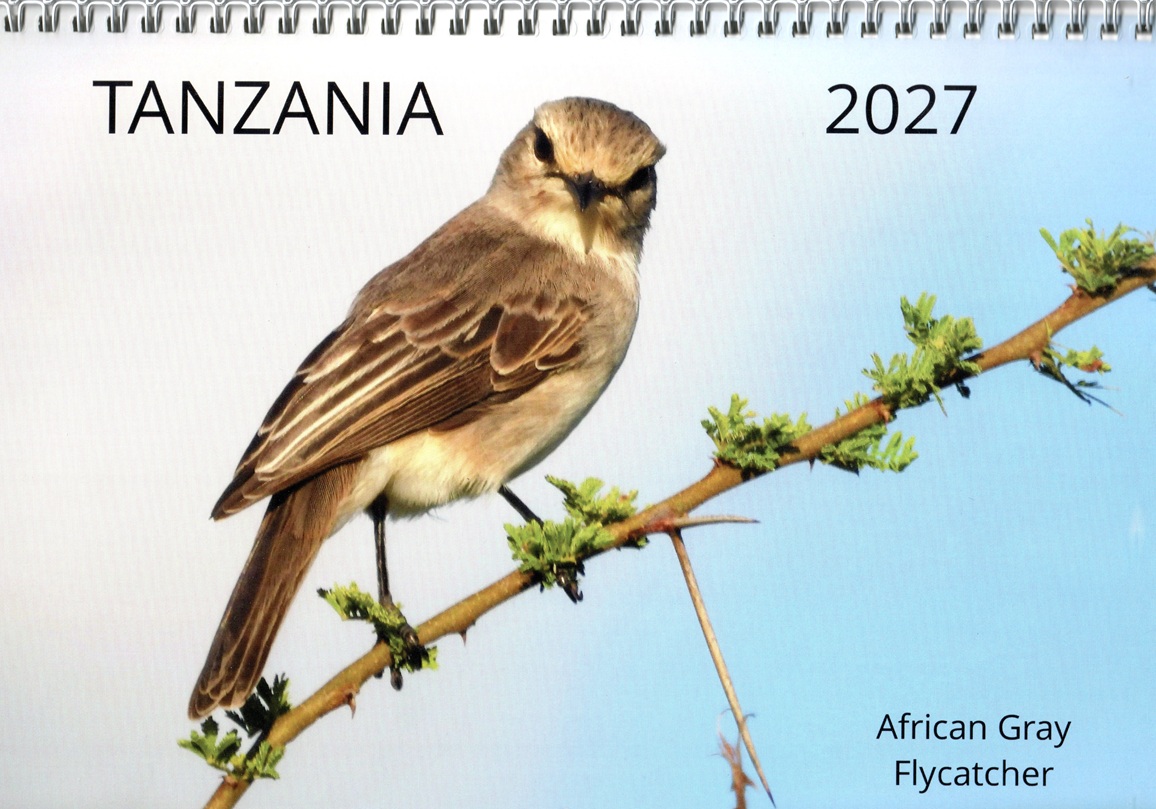
When I entered the presentation room, I was captivated by a beautiful 2027 Tanzania wildlife calendar, measuring approximately 12″ x 8.5″, offered as a door prize. Unfortunately, I didn’t win it. After the event, I spoke with Bob and asked him to make two copies of the calendar, each with 13 wildlife photos, for my daughter and me. I visited him a couple of days ago to pick them up and asked if he would be open to producing more prints if there was enough interest, particularly from those who grew up in Tanzania. He agreed but said he could only do so after December 5, as he is leaving for Bhutan soon to continue with his birding passion. They will be available later this year or at the beginning of 2027. Interested readers in Calgary can contact me at mmerchant@simerg.com. Each calendar will cost $25.00, and sales are limited to Calgary residents, who can pick them up at my place. There is absolutely no profit in this endeavour.
~~~~~~~~
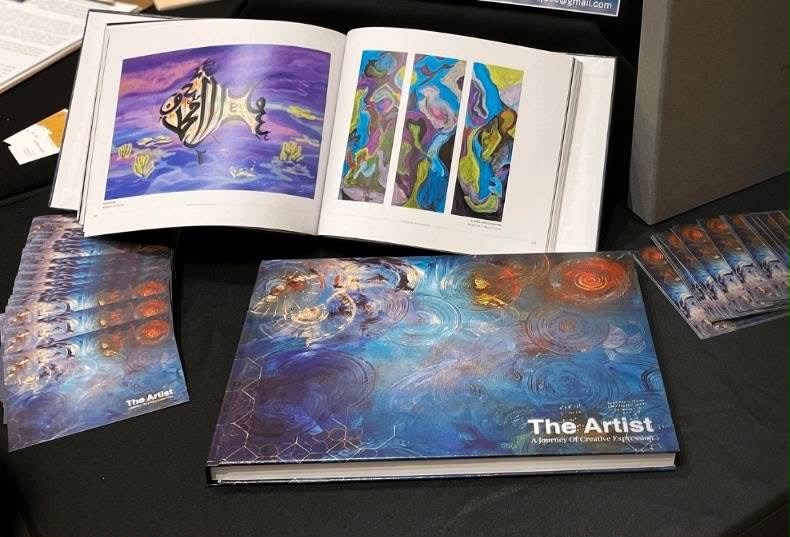
The Artist: A Journey of Creative Expression features 40 talented Ismaili artists in British Columbia, Canada
The Artist: A Journey of Creative Expression. Photograph: Via Asif Bhalesha.
Ismaili artists in British Columbia have been more active in the visual arts scene than in any other province in Canada I can think of. I was thrilled to learn about a beautiful new publication, the first of its kind in the province, showcasing the work of about 40 talented visual artists. This 185-page hardback, The Artist: A Journey of Creative Expression, arrived at my doorstep this week. It’s a must-have for every art lover’s home library. It’s not only a perfect coffee table book but also a source of inspiration, letting readers appreciate the passion of those who pursue art, whether professionally or as a hobby.
With over 450 copies now in circulation worldwide, The Artist continues to reach art enthusiasts and communities across the globe. This special publication is being offered at cost, making it accessible to those who wish to celebrate and support the artistic achievements of BC’s Ismaili community.
BOOK DETAILS AND ORDERING INFORMATION
Hardcover Coffee Table Book (8.5” × 11”) with Deluxe Presentation Case — $65.00 CAD.
Shipping charge: $20.00 CAD.
Order your copy by clicking Purchase The Artist: A Journey of Creative Expression.
For questions or additional information about the book, or to order single or multiple copies with or without the case, please contact Asif Bhalesha at the.artist.ajoce@gmail.com.
~~~~~~~~
November 23, 2026: Aga Khan Museum to present Qawwali Flamenco in Calgary
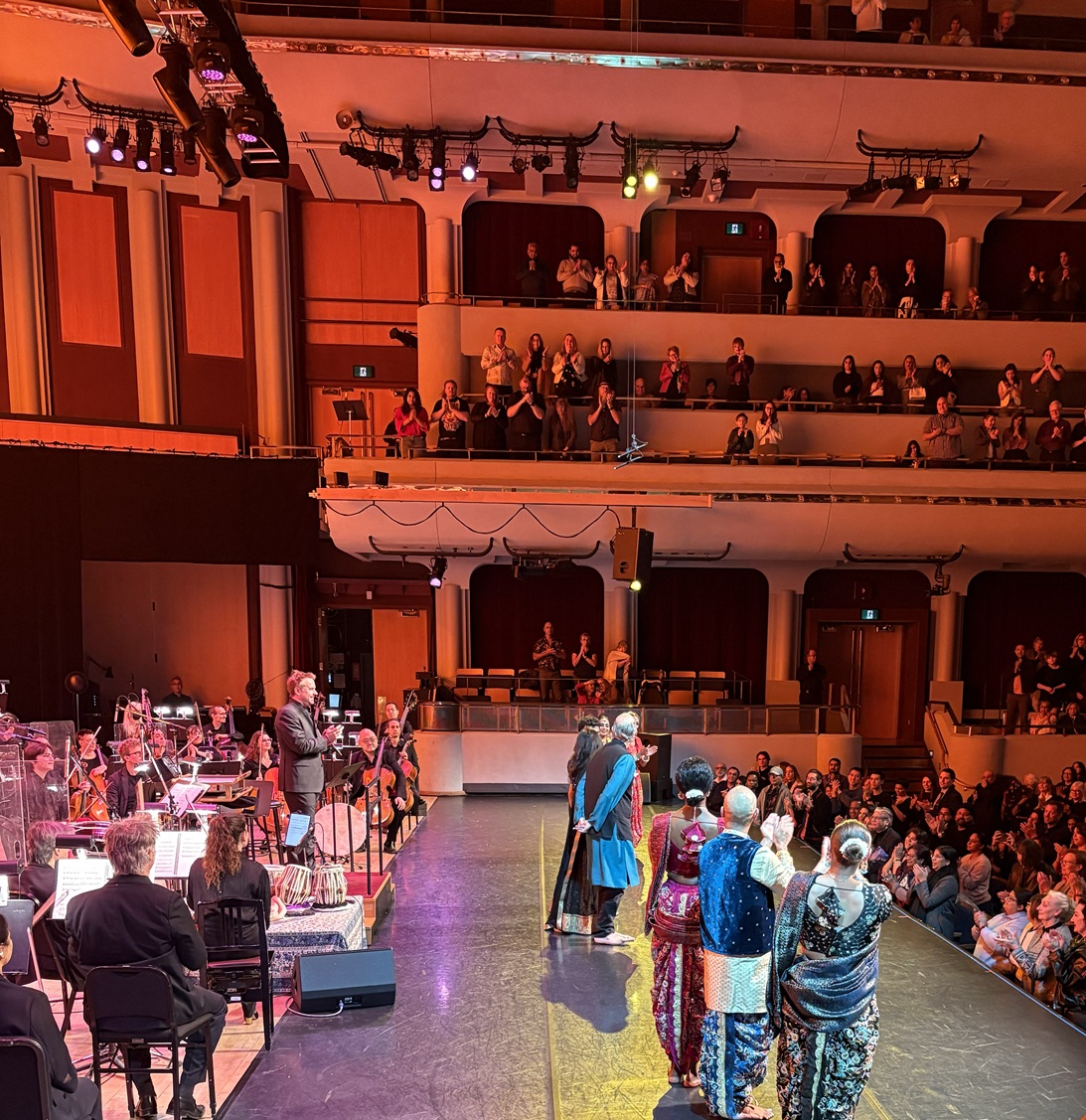
Bollywood meets the Calgary Philharmonic Orchestra at Calgary’s beautiful Jack Singer Concert Hall, October 17, 2026. Photograph: Malik Merchant / Simerg.
On October 17, 2026, the John Singer Concert Hall in downtown Calgary hosted the world premiere of a unique event that brought Bollywood together with the Calgary Philharmonic Orchestra. The fall issue of Prelude, the Calgary Philharmonic Orchestra’s official magazine and program publication, describes the event in great detail. I invite readers to read the article online HERE, starting on page 40.
This was my first time attending a program at the beautiful Jack Singer Concert Hall, and I hope to return for the Toronto Aga Khan Museum’s presentation of Qawwali Flamenco on November 23, 2026.
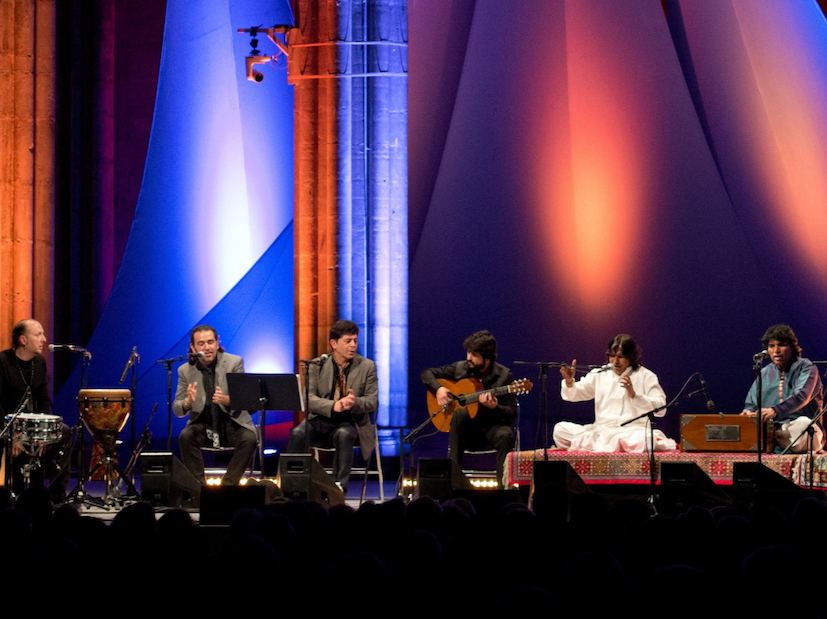
Qawwali-Flamenco ensemble will perform in Calgary on November 23, 2026. Photograph: Aga Khan Museum.
The programme marks the long-awaited return of the celebrated collaboration between Pakistani qawwali master Faiz Ali Faiz and flamenco guitar virtuoso Juan Gómez “Chicuelo.” By combining flamenco and Sufi devotional chants, the performance will create a space where spiritual traditions transcend centuries and continents. With a specially assembled ensemble of singers and musicians, the Singer Concert Hall, acclaimed for its beauty and fine acoustics, will bring together the unexpected affinities between two of the world’s most emotionally charged musical forms. Tickets are available for purchase on Singer Hall’s online booking website: Qawwali Flamenco | Jack Singer Concert Hall, Werklund Centre.
Date posted: October 30, 2026.
Correction: In our earlier version, we misspelled the location of the forthcoming Qawwali Flamenco Concert as Springer Hall instead of Singer Hall. We apologize for the error.
The first Jamatkhana of Shatmerg (also Shetmerg), Chipurson (also Chapursan, Choporson, Chuparsin), was far more than a physical structure. For almost half a century, it served as a holy place of worship, a centre of community life, and a repository of collective memories. Its story reflects the faith, craftsmanship, sacrifice, resilience and unity of the generations who built, maintained and cherished it. Today, following the seismic events of 2026, its physical existence is coming to an end. Yet its history, spiritual significance and memories deserve to be preserved for generations to come.
The community built the First Jamatkhana at Shatmerg, Chipurson, during 1978–79, with the skilled masonry of Ustad Sumbul Shah of Gulmit. The construction took about two years and reflected a remarkable collective effort at a time when the community had limited financial resources, construction facilities, and modern tools. The Shatmerg Jamatkhana’s architectural style belonged to an earlier regional tradition. According to local historical accounts, similar architectural models and designs were used in different parts of Gojal–Hunza, Gilgit-Baltistan, and Chitral from the early 1960s. The architect and craftsman associated with this tradition is remembered as Gohar Shah, popularly known as “Commanding” (Kamanoo), from Raminj/Khudabad, who was regarded locally as one of the highly skilled craftsmen of his time.
The Shatmerg Jamatkhana thus represented not an isolated architectural undertaking, but a continuation of a distinctive mountain-community building tradition, adapted to local materials, craftsmanship and environmental conditions.
A BUILDING OF STONE, MUD, WOOD AND COLOUR
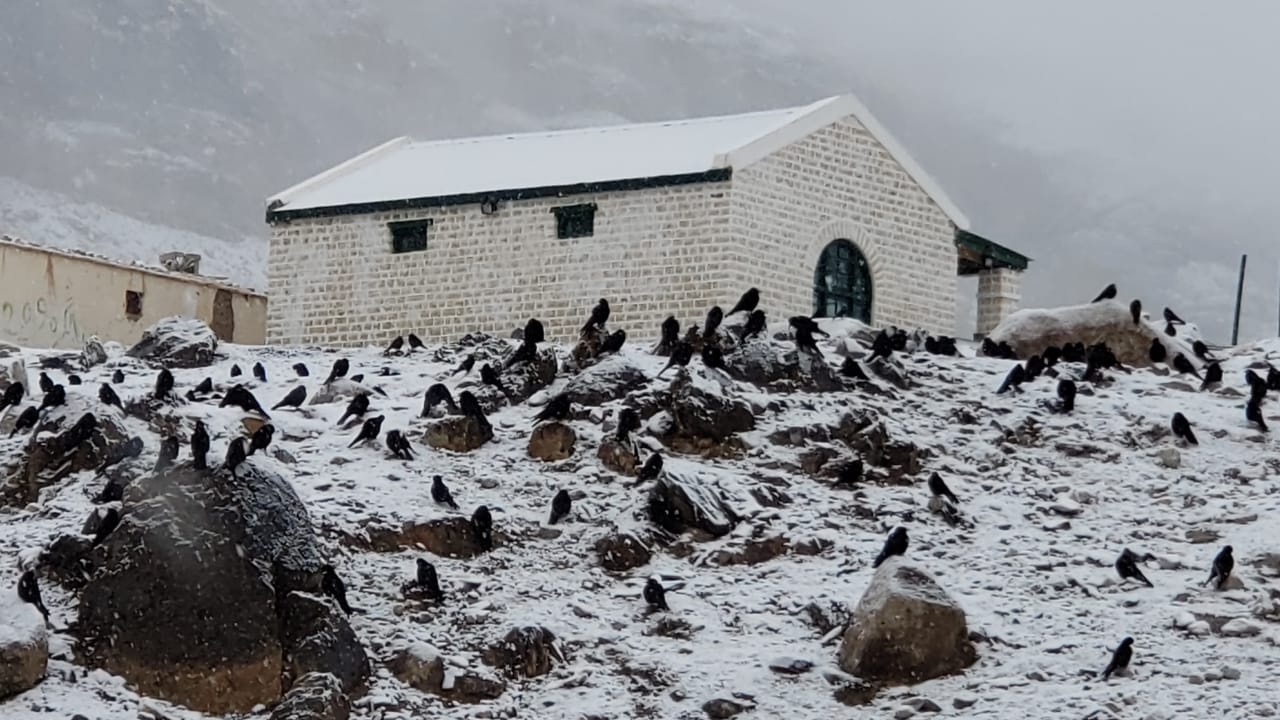
Shatmerg Jamatkhana, Chipurson, after a light snowfall. Photograph: Via Faqir Ullah Khan.
The Jamatkhana was built with carefully prepared, polished stone and mud, demonstrating the period’s traditional building knowledge. Its wooden structure included horizontally arranged roof elements, while the building featured four large carved windows on the northern, southern and eastern sides. Two smaller windows were positioned higher on the western wall.
The Jamatkhana had two main doors and a smaller entrance gate opening toward the outer lawn. The spaces between the bricks were carefully finished with cement, adding strength and refinement to the masonry.
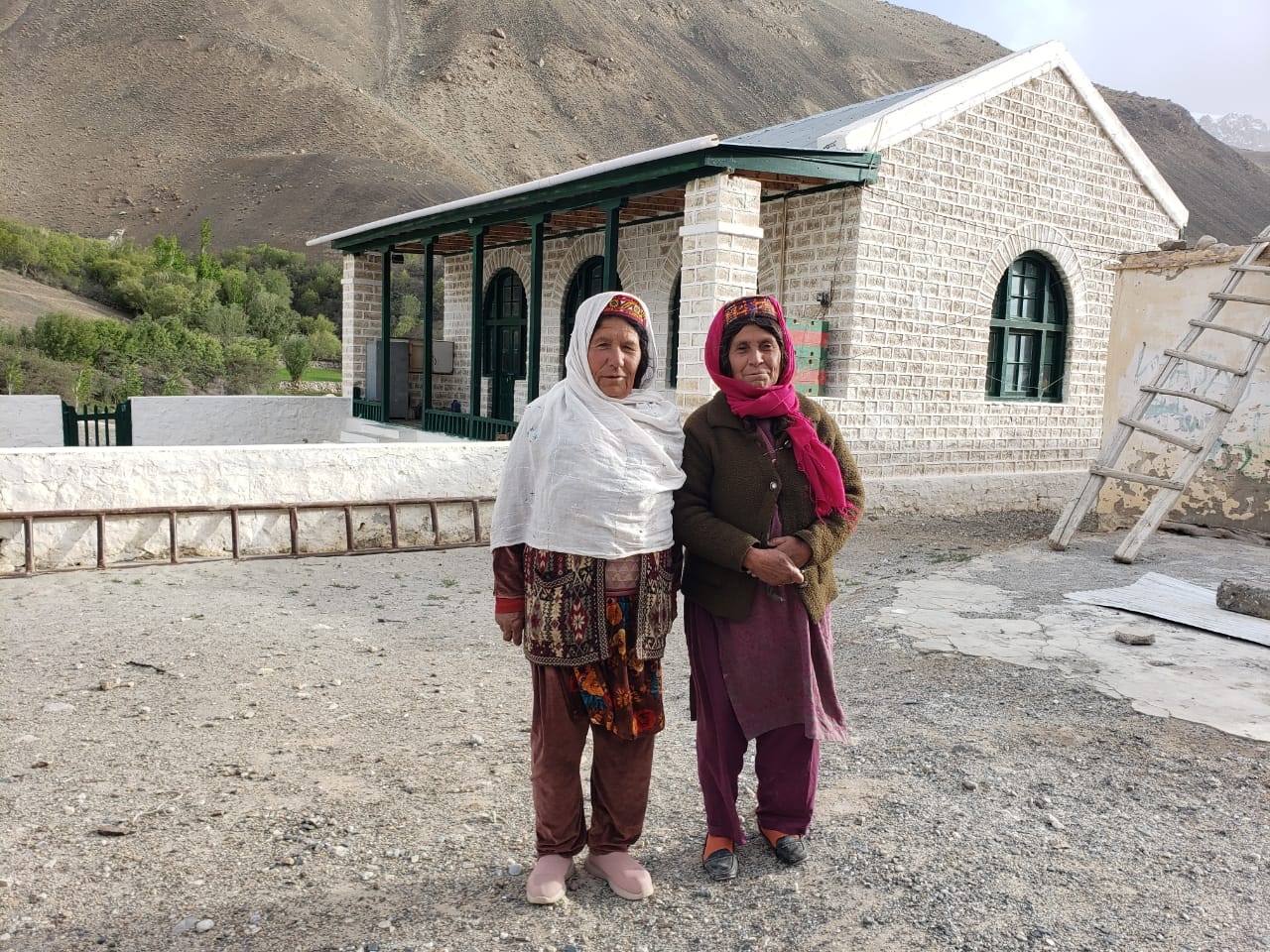
This close-up photo shows some distinct features of the Shatmerg Jamatkhana, Chipurson, which the author describes below. Photograph: Via Faqir Ullah Khan.
One of the most distinctive architectural features was a small corridor supported by two large pillars on the north and south sides. Its wooden side wall, locally known in Wakhi as Shantra, featured unique crossed patterns that reflected the period’s craftsmanship. The windows featured colourful glass in distinctive combinations of red, blue, white, green, and yellow, giving the interior and exterior an especially attractive appearance in natural light. These details made the Jamatkhana not only a place of worship but also a beautiful example of traditional community craftsmanship.
THE WATER WELL OF THE OLD ROUTE
Ustad Sumbul Shah’s contribution extended beyond the Jamatkhana. Along the link road, near the old route, he also constructed a water well for travellers. The well still exists today, though it is rarely used. It stands as another modest but meaningful reminder of an era when community infrastructure was created through the skills and service of local craftsmen for the benefit of travellers and residents alike.
A SACRED PLACE BETWEEN TWO HISTORIC SETTLEMENTS
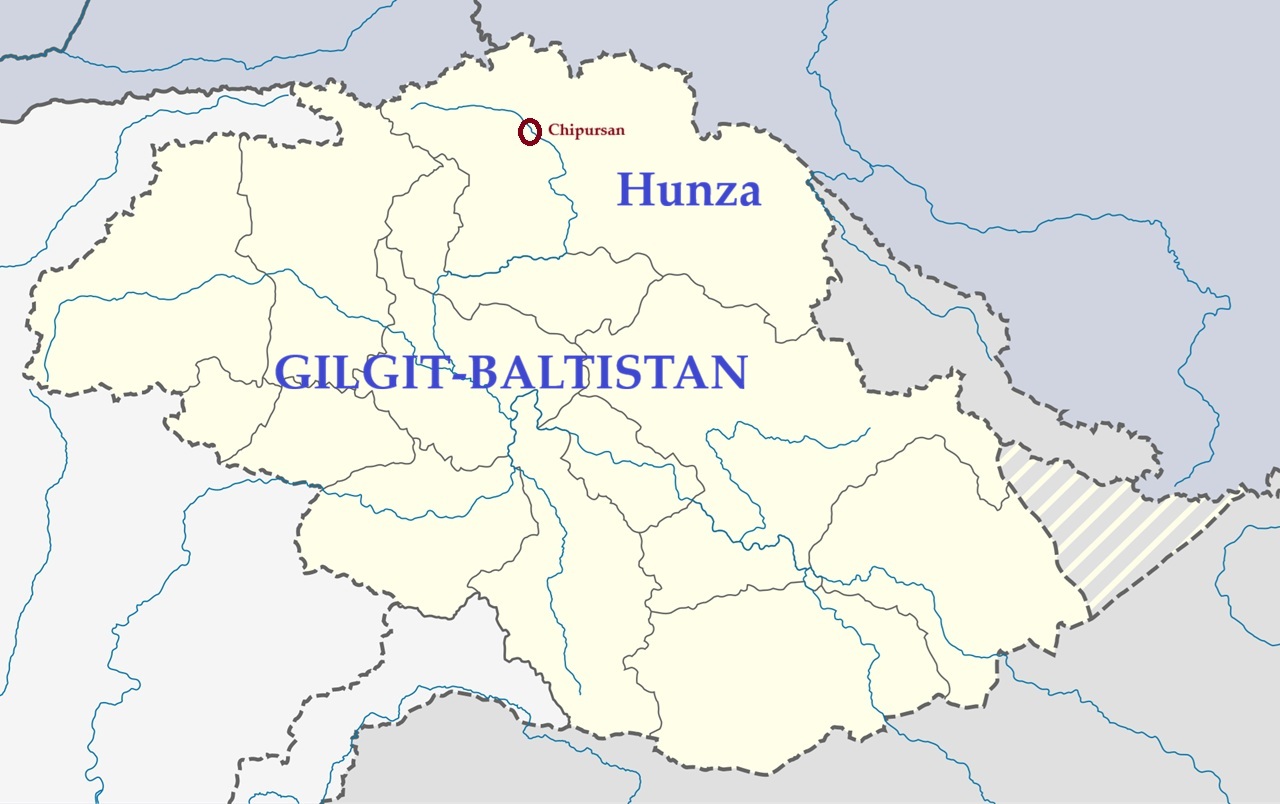
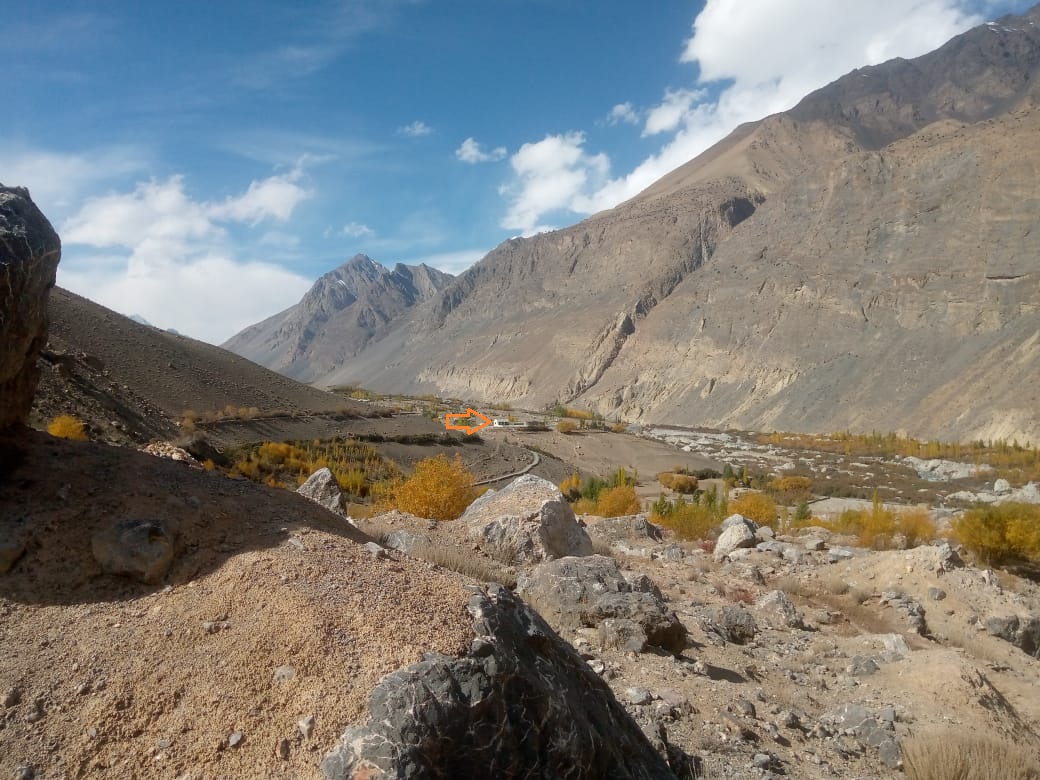
The Jamatkhana occupied a distinctive position on the hillside — known locally in Wakhi as Qeer — between the historic settlements of Kumpirdior (“Old Woman Village”) and Shatmerg (“Soil of the Himalayan Ibex”). Its location was remarkable both geographically and spiritually.
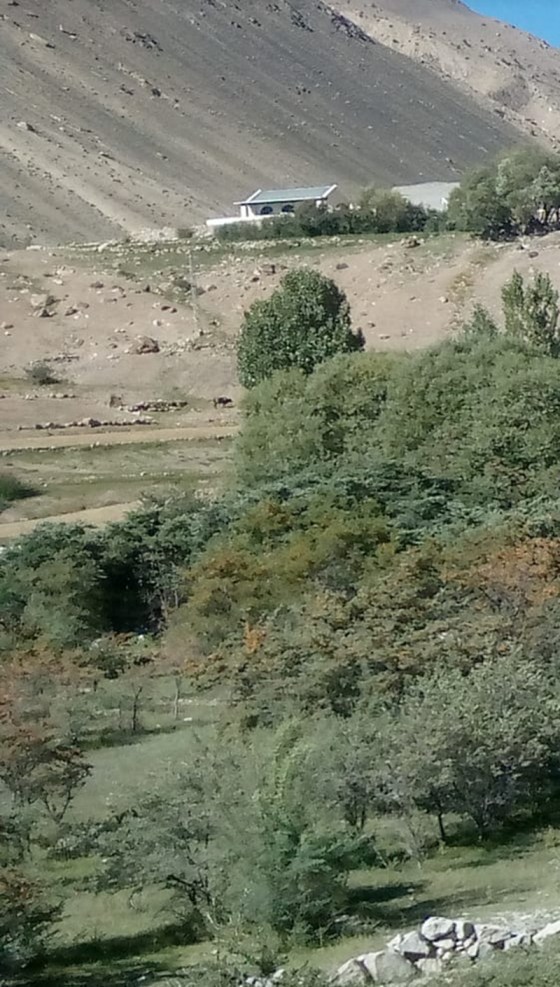
The Shatmerg Jamatkhana in Chipurson valley, Hunza, Gilgit-Baltistan, Pakistan, marked by an arrow (centre of picture). Photograph: Via Faqir Ullah Khan.
For the people of both communities, it served as a holy place of worship and gathering. Its elevated setting, surrounding mountains and natural landscape gave the site an exceptional sense of beauty and serenity.
For generations, people approached the Jamatkhana not simply as a building, but as a place connected with faith, worship, community, memory and belonging.
A TRUE COMMUNITY CENTRE
Over the decades, the area around the Jamatkhana became a genuine community centre. Alongside the Jamatkhana were facilities and spaces that served different aspects of community life, including: Langar (community kitchen); Library; Women’s Vocational Centre; Scouts Office; Girls Guides Office; Old Prayer Hall; Graveyard; LGS Religious Education Centre; and a large community lawn in front of the Jamatkhana.
Together, these facilities created a place where worship, education, social service, learning, community gatherings and cultural activities could coexist. In this sense, the site truly reflected community life. It was not merely a Jamatkhana; it was a living centre of the community.
THE 2026 EARTHQUAKE: A TURNING POINT
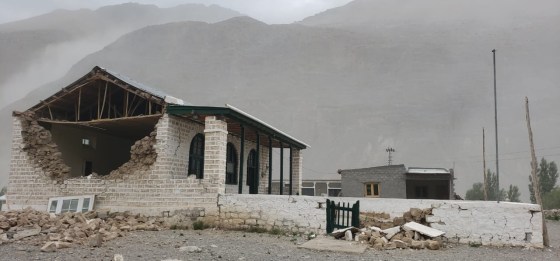
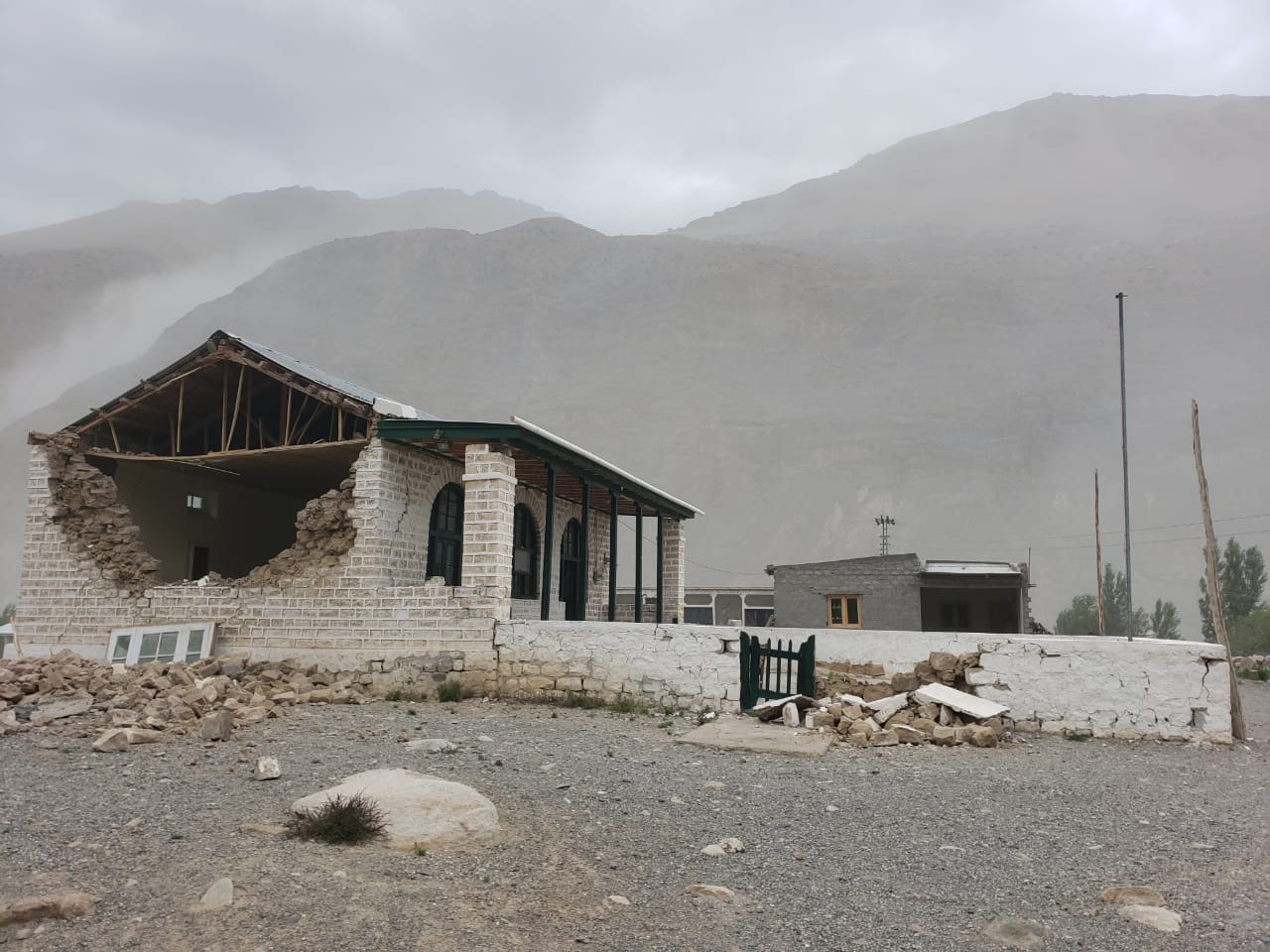
Southern wall of Shatmerg Jamatkhana, Chipurson, collapsed after seismic jolt on August 13, 2026. Photograph: Via Faqir Ullah Khan.
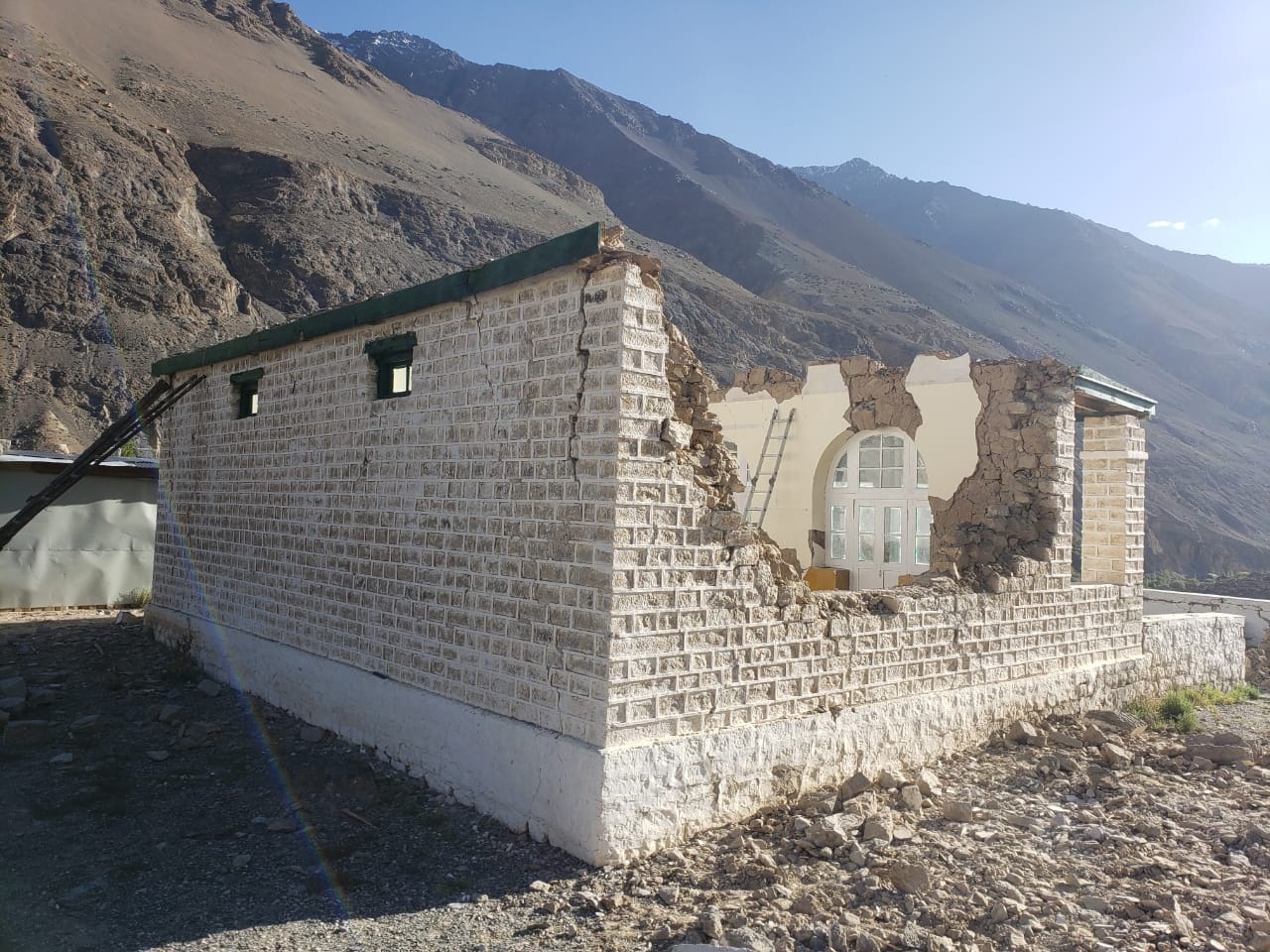
The January 19, 2026 earthquake marked a significant turning point in the building’s history. After the earthquake, the Jamatkhana stopped being used for worship and prayer because of safety concerns, and the Jamat moved to the newly established Religious Education Centre (REC). Although the building was no longer used for regular worship, its emotional and spiritual importance remained deeply rooted in the Jamat’s hearts. Then, on August 13, 2026, another major seismic jolt caused the southern wall of the Jamatkhana, together with a window, to collapse. The resulting structural damage was significant.
Shatmerg Jamatkhana, Chipurson, under demolition after the August 13, 2026 earthquake. Photograph: Via Faqir Ullah Khan.
Considering the safety concerns, the relevant State Office directed the community to demolish the old Jamatkhana building. Thus, a structure that had stood for nearly five decades was compelled to give way to the realities of an increasingly unstable seismic environment.
THE END OF A BUILDING BUT NOT ITS SPIRIT
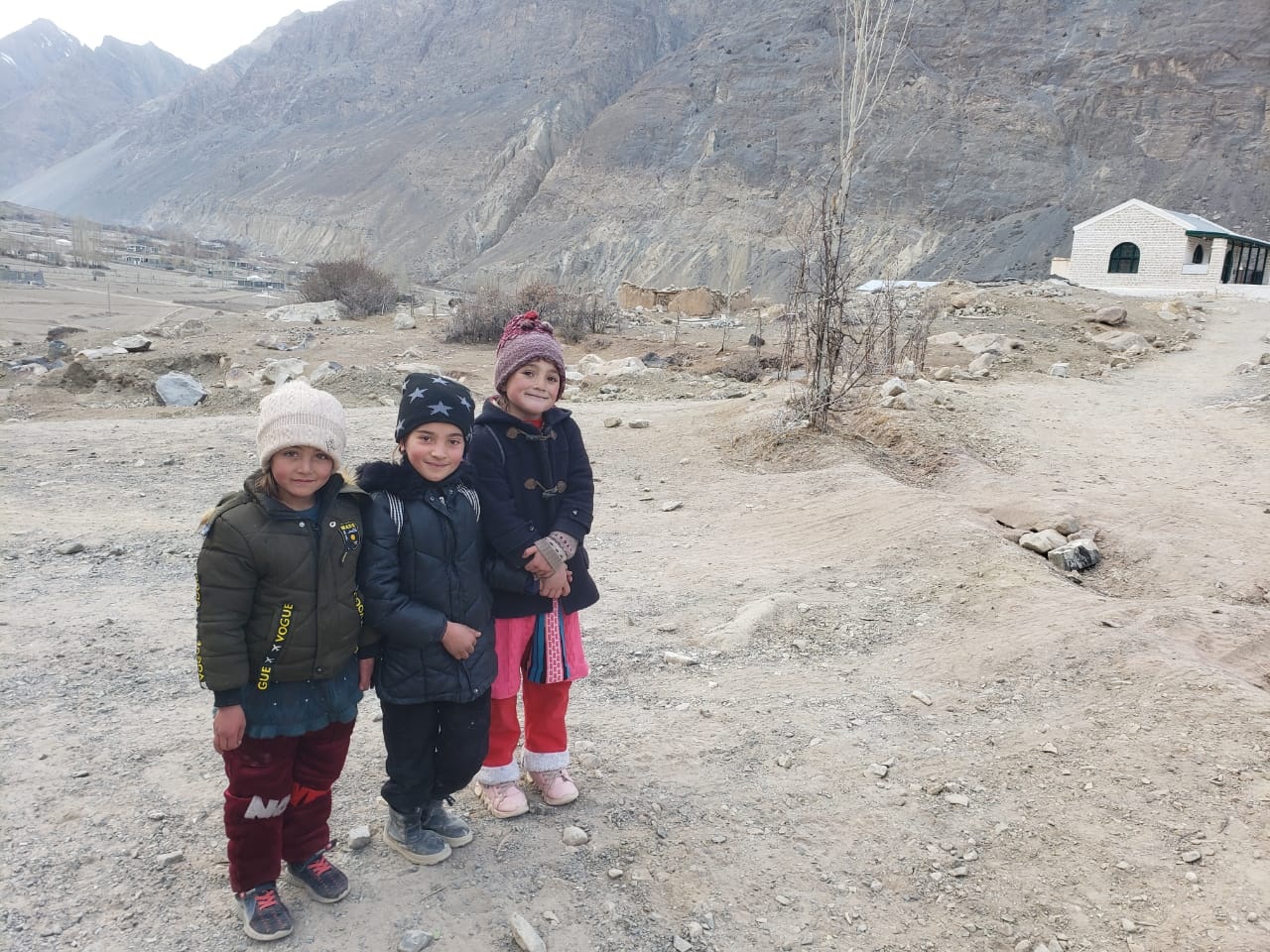
The decision to demolish the building has understandably brought mixed emotions to the Jamat. For many, the building holds memories of childhood, prayers and worship, religious education, community gatherings, family occasions, celebrations, service activities, friendships, and the lives of generations who have passed through its doors.
Children, youth and the elderly will carry fond memories of Shatmerg Jamatkhana, Chipurson. Photograph: Via Faqir Ullah Khan.
~~~~~~~~
Children, youth and the elderly will carry fond memories of Shatmerg Jamatkhana, Chipurson. Photograph: Via Faqir Ullah Khan.
~~~~~~~~
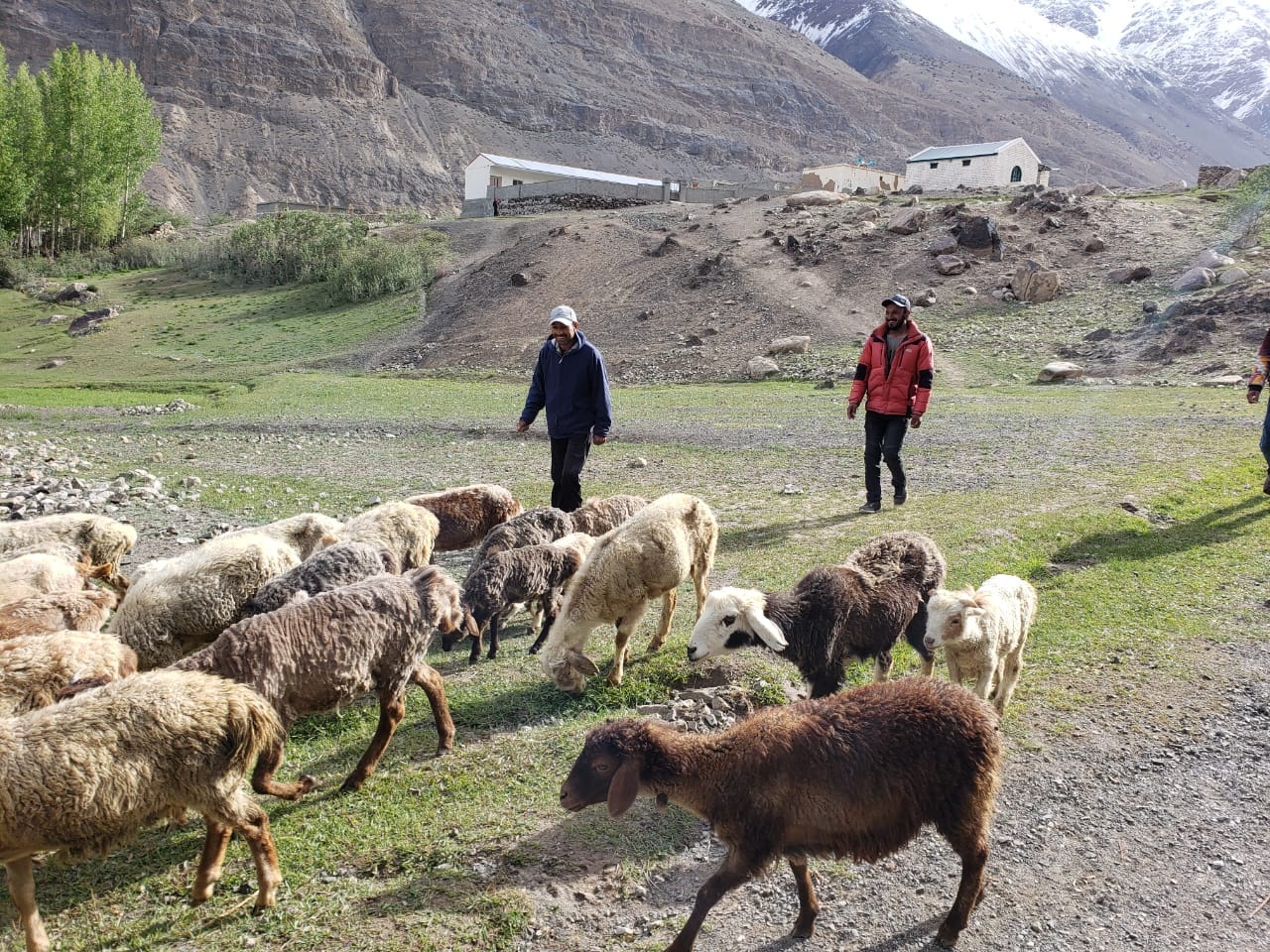
Goats grazing below the Shatmerg Jamatkhana, Chipurson. Photograph: Via Faqir Ullah Khan.
Its walls witnessed the changing history of Shatmerg and Kumpirdior. Its windows looked out on the same mountains generations before us had seen. Its courtyard brought people together. Its rooms became part of people’s personal and collective memories. Therefore, demolishing this building is not simply removing an old structure — it marks the physical end of an era.
FROM THE OLD JAMATKHANA TO A NEW BEGINNING
Because the Jamat’s spiritual and social needs must continue, the old building will be temporarily replaced by a canopy until a new Jamatkhana can be built in a safer, more suitable location once the valley’s seismic situation stabilizes. This transition is painful, but it also reflects collective wisdom.
SAFETY MUST COME BEFORE SENTIMENT
The community has therefore accepted the necessary change with understanding and of hope. The old Jamatkhana may no longer be physically safe, but its values, faith, unity, service, discipline, and community spirit will continue.
REMEMBERING THE BUILDERS
Perhaps the most emotional dimension of this moment is remembering the people who physically built the Jamatkhana. Many of those who participated in its construction are no longer among us. A few surviving builders and elders have witnessed the final days of the structure they helped create decades ago. For them, seeing it disappear naturally evokes deep emotions.
They built it in a time of limited facilities, minimal tools, economic hardship, and scarce resources. But they possessed something far more valuable: Faith in their hearts, discipline in their work, commitment to their community and their Imam, dedication to their responsibilities, and sincerity in their intentions. The building was therefore made not merely of stone, mud and wood. It was built with the hands, hopes, sacrifices and prayers of a generation.
A HERITAGE WORTH PRESERVING
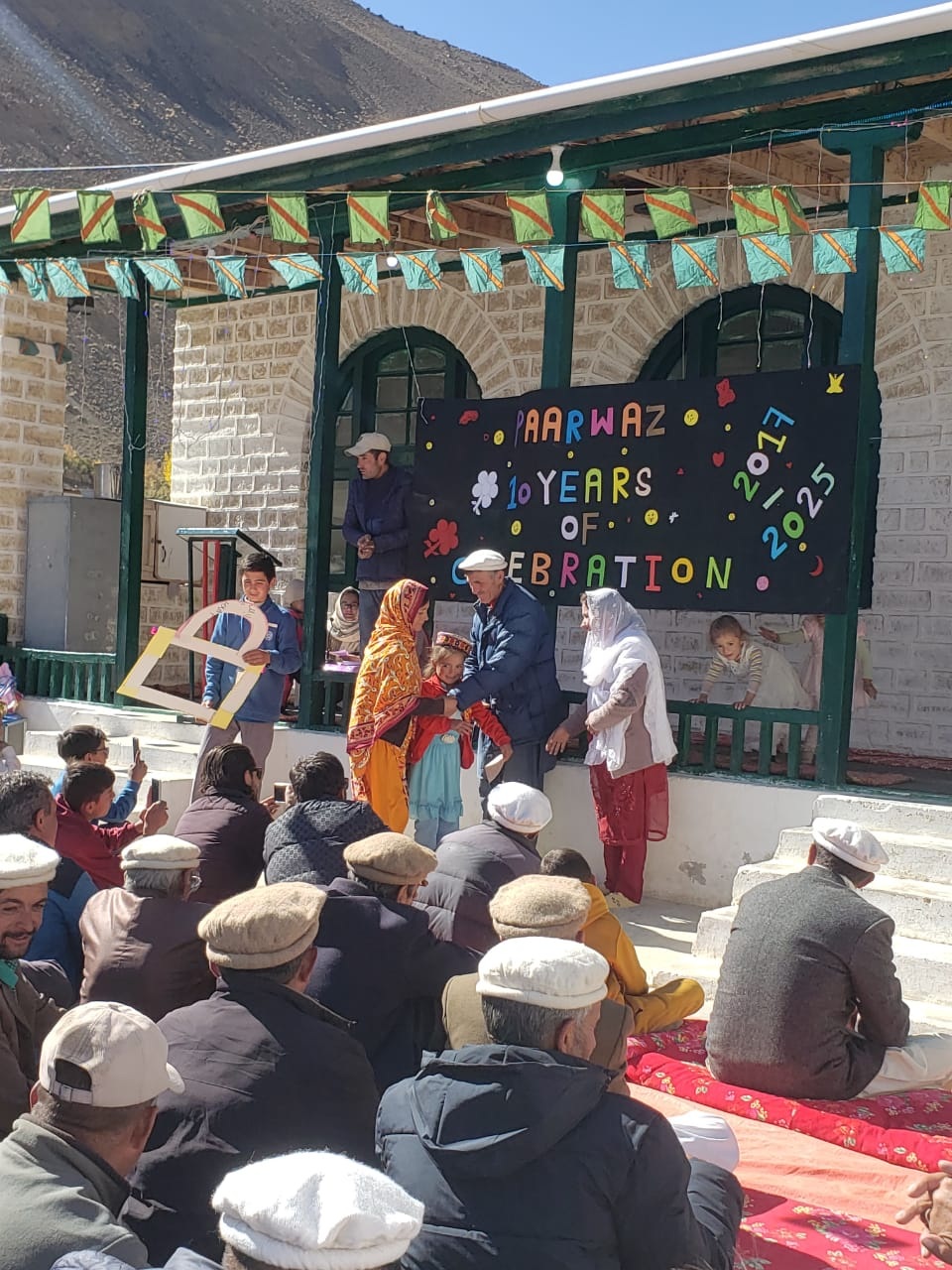
An event in the front courtyard of Shatmerg Jamatkhana, Chipurson. Photograph: Via Faqir Ullah Khan.
Although the building must now be removed for safety reasons, its historical and architectural record should not be lost. It is important that every aspect of the Jamatkhana be documented, including old photographs; architectural measurements; carved wooden elements; the colourful window glass; the Shantra designs; construction techniques; names of builders and craftsmen; oral histories of elders; stories associated with the Jamatkhana; the old water well; and the wider community-centre complex.
Where possible and appropriate, a small original architectural element, such as a carved wooden piece, stone, or coloured glass, could be preserved as historical artifact. A permanent photographic or documentary record could also be created for future generations.
NATURE, RESILIENCE AND ACCEPTANCE
The 2026 seismic events have once again reminded the people of Chipurson that mountain life demands respect for nature. Earthquakes, rockfalls, landslides and other natural processes are part of the dynamic environment in which mountain communities live. We cannot always control nature. But we can learn from it.
We can build more safely. We can preserve our heritage through documentation. We can protect our people. And we can carry our traditions forward into new structures and new generations. The community’s acceptance of this transition is not a surrender to loss; it is an act of responsibility towards the future.
AN ERA ENDS, A RICH LEGACY CONTINUES
The picturesque hillside location of the Shatmerg Jamatkhana in Chipurson has served as the spiritual and social center for the Ismaili community for five decades. However, an earthquake and subsequent seismic activity caused significant damage, making the building unsafe. Photograph: Via Faqir Ullah Khan.
The first Jamatkhana of Shatmerg will disappear from the physical landscape. But its story will remain. We will remember the craftsmen who shaped its stones. We will remember the community members who helped build it. We will remember the elders who worshipped there. The children who grew up around it will remember it. And the generations yet to come should know that their ancestors once built a sacred community space with limited means but extraordinary faith and determination. A building may fall, but its history does not. Walls may disappear, but memories remain. Stone may return to the mountain, but we will remember the hands that shaped it. An era may end, but the community continues.
A NEW CHAPTER FOR SHATMERG
The transition from the old Jamatkhana to a new and safer place of worship should therefore be viewed as: From heritage to resilience, from memory to legacy, from an ending to a new beginning.
The Jamat has wholeheartedly accepted the need for this change, transition, and transformation in response to natural phenomena, hoping the next Jamatkhana will be built in the same spirit of faith and collective service — while incorporating lessons in modern seismic safety and resilient mountain construction.
May the sacred memories of the old Jamatkhana remain alive, and may the new Jamatkhana become a safer home for the faith, education, unity, and community spirit of generations to come.
The building ends. The era passes. The memory remains. The Jamat moves forward.
Date posted: October 26, 2026.
_______________
About the Author: Faqir Ullah Khan-Ghulam Kadir is a dedicated educator and instructional leader with Aga Khan Education Services Pakistan (AKESP). He has taught from Early Childhood Education (ECD) through college, promoting learning and leadership among his students. As Chairman of the Aga Khan Youth and Sports Board (AKYSB) and an educator with the Ismaili Tariqah and Religious Education Board (ITREB), he has worked tirelessly to enhance youth and religious education. Faqir has nurtured students at Shah Karim Hostel in Gilgit and led innovative initiatives like the Mountain Folk Music Integration Program and community-based college development. His journey reflects a commitment to transformative education, global exposure, and empowering diverse, remote communities.
When I relocated to Alberta some 4 years ago, Nazarali Momin, originally of India and a pioneer of the USA Ismaili community who arrived as a student in 1969, shared photos with Barakah readers about the foundation ceremony of India’s Methan Sidhpur Jamatkhana by Mawlana Shah Karim, His Late Highness Aga Khan IV, in 1978, an event that marked a milestone in Sidhpur’s history and development, highlighting the deep roots and ongoing legacy of the Indian Ismaili community.
Nazarali Momin (right, popularly known as Nazar Indian) and Malik Merchant in Houston, Texas, November 11, 2025.
Since then, Nazarali and I have stayed in regular contact. He has been encouraging me to visit Houston, Texas, to experience the innovative spirit among Ismaili entrepreneurs that has fostered projects promoting economic prosperity and the Jamat’s social, physical, and mental well-being.
The projects have been implemented in the spirit of ‘One Jamat,’ a slogan that has resonated worldwide since the Golden Jubilee of Mawlana Shah Karim, and which he mentioned years before his Jubilee. During my conversations with Nazarali, he often highlighted Mawlana Shah Karim’s aspirations for the Jamat, especially a handwritten message from December 13, 2008, which underscores the ongoing relevance of his guiding principles and inspires us to align our efforts accordingly:
“I will be calling upon you from time to time in the future, to come to work with me, so that what we have decided to do together, from the end of the Golden Jubilee year onwards, actually and effectively, is carried forward. Because our institutions are growing very quickly, it is my hope and prayer that, 10 or 15 years from now, the Jamat’s capacity in most of the countries where it is living, will be very significant indeed, and that is what the Shia Ismaili Tariqah of Islam should achieve in the world. I am ambitious for you in the right way, just as a father and mother are ambitious for their children. Both a father and a mother want their children to work well, properly and ethically, and to carry these values throughout their lives. These are thoughts that I share with you, and although I will be leaving you physically today, I am always with you. I watch over you, I think of you, I pray for you, and I want you to know that I am always with my Jamath.” — Mawlana Shah Karim, His Late Highness Aga Khan IV.
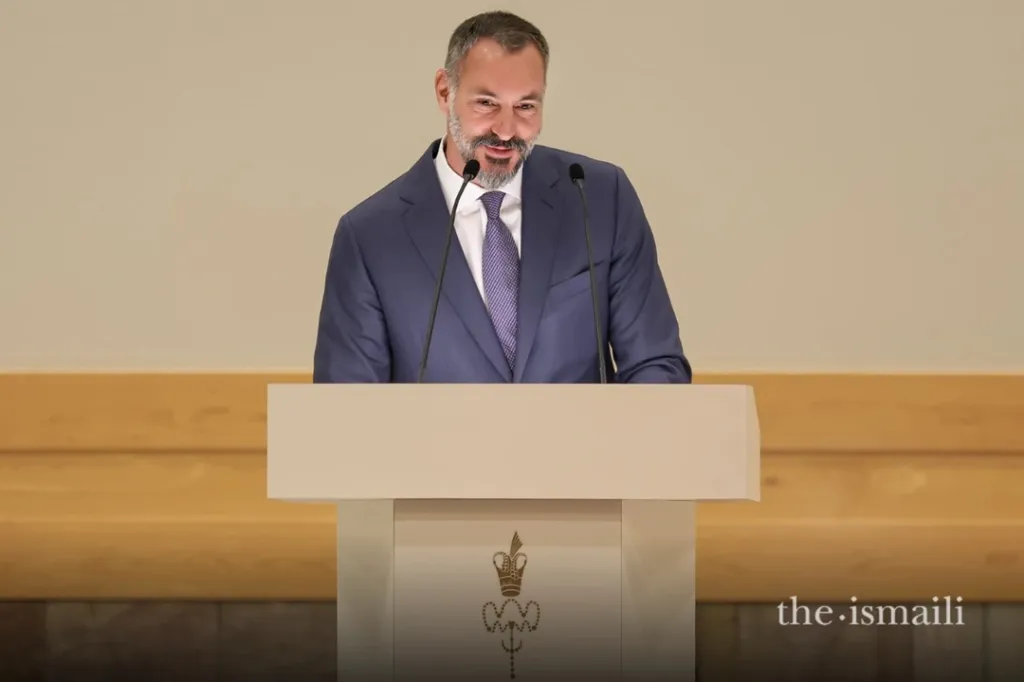
When I recently attended the inauguration ceremony of the Ismaili Center in Houston, I was deeply moved by the impact of the Ismaili initiatives, which are transforming lives and strengthening our community. Instead of the usual tourist attractions such as Houston’s museums and the NASA Space Center, I dedicated three days to understanding these inspiring projects and engaging with the founders and visionaries behind them. This experience, in the company of Nazarali Momin, not only equipped me with a wealth of knowledge but also inspired me to create this special series to describe the Flagship initiatives inspired by Mawlana Shah Karim’s repeated guidance to the Ismaili community worldwide. His teachings on addressing poverty within the Jamat, caring for our aging members, and the importance of the Jamat coming together to form viable partnerships in common industries and professions, first mentioned in the 1960s, have served as a guiding light for these projects.
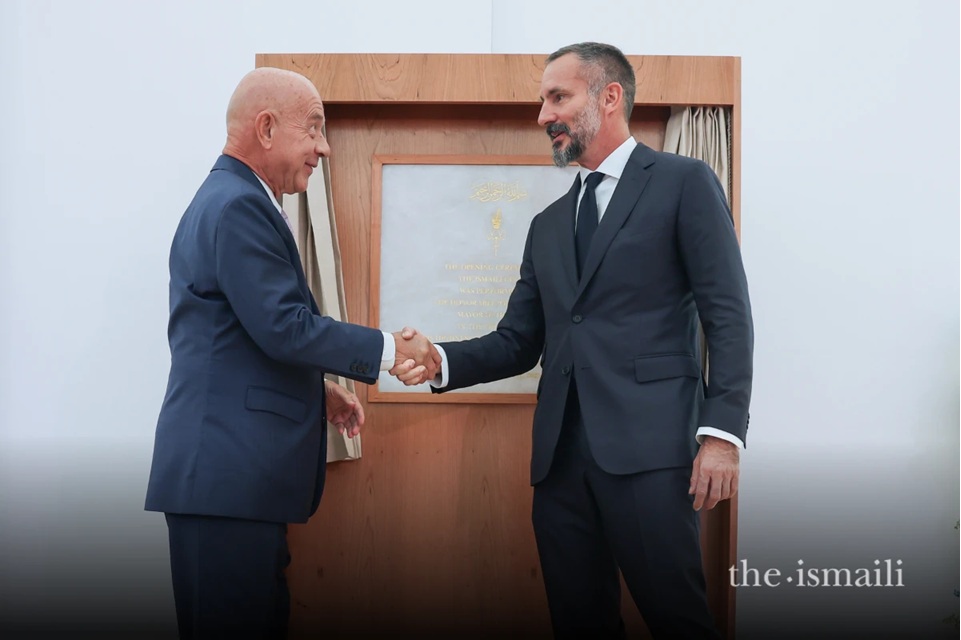
Mawlana Hazar Imam, His Highness the Aga Khan, and Houston Mayor John Whitmire unveil the inauguration plaque of the Ismaili Center, Houston, November 6, 2025.
It should be noted that Mawlana Shah Rahim has equally addressed these important sentiments in his Farmans since becoming the Imam. One of the most profound statements he made during his meeting with Ismaili youth in the USA was his definition of success as someone who gives and shares what they have. Success to Mawlana Hazar Imam is someone who uplifts others, emphasizing that the well-being and upliftment of the Jamat are central to our collective purpose.
Story continues below
Mawlana Hazar Imam, His Highness the Aga Khan, addresses young members of the Central USA Jamat at Dallas Headquarters Jamatkhana, November 10, 2025. Photograph: IPL / Akbar Hakim.
Nothing to Mawlana Hazar Imam, as all the Imams before him, is as important as the well-being, stability, and upliftment of the Jamat, and I was gratified and touched by what I saw in Texas. The dedication and hard work of the Jamati individuals and entrepreneurs, leaders in their own right, who seek to meet his expectations for his beloved spiritual children around the world, are truly inspiring. When I met the leaders of these institutions, they exhibited humility and sincerity. I experienced their joy and happiness at being able to help the Ismaili Jamat and contribute to their establishment in the country.
In short, the exciting projects I will describe serve as a role model for the Ismaili community worldwide. They all benefit from the economic power of the Houston Jamat’s private sector entrepreneurs and professionals. I will describe each of the projects I visited in detail as part of a four-part series, beginning with project 1 next week. However, before I do that, here is an overview of the projects — 1 through 3 — I visited during my recent trip, as well as project 4 that I hope to visit during my next trip to Houston.
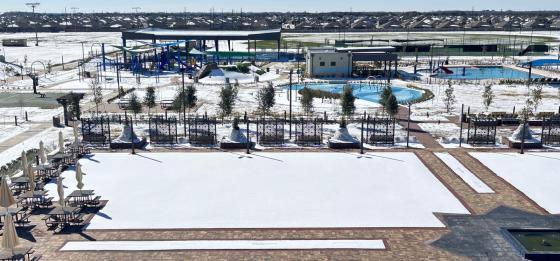
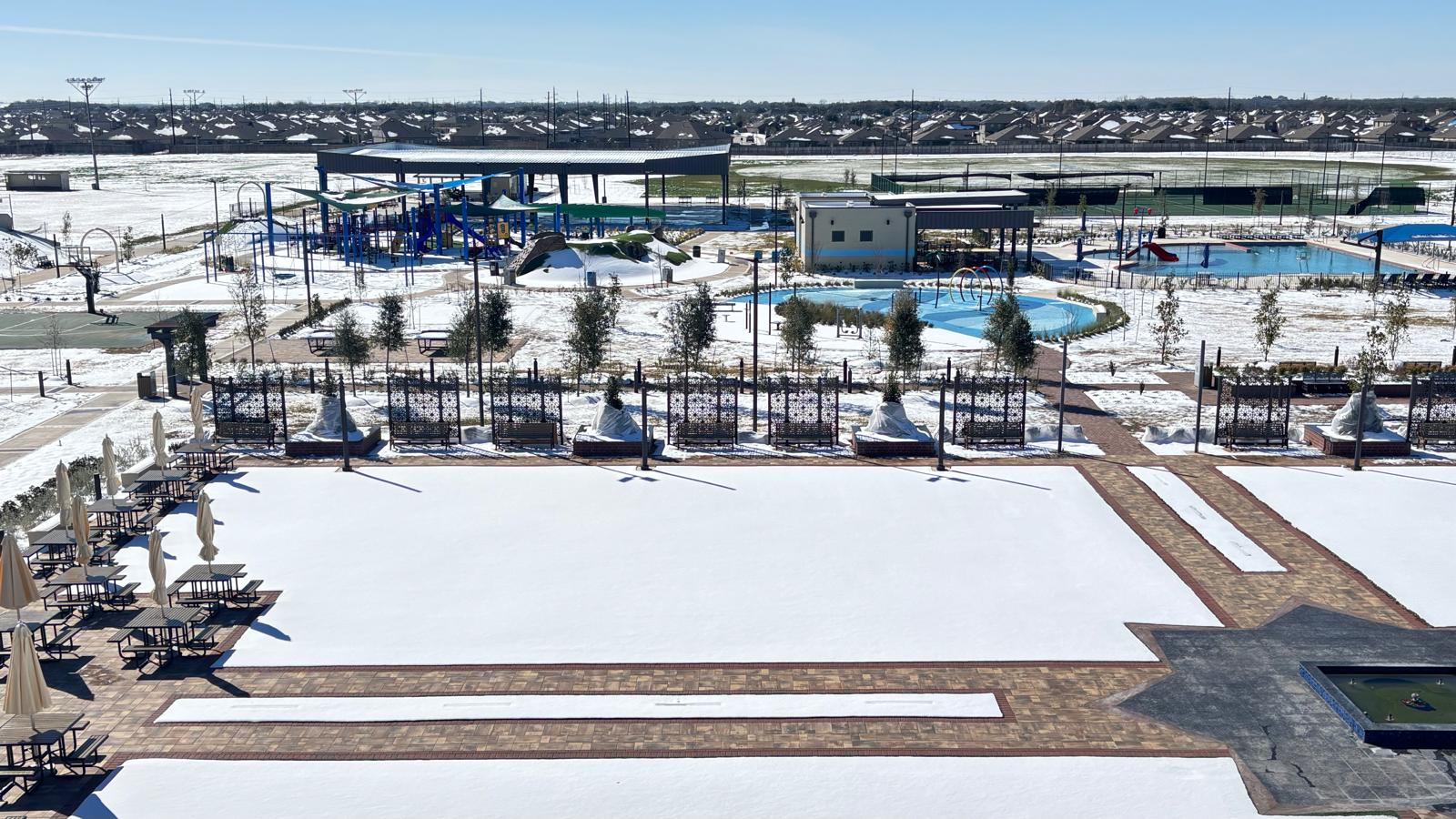
A beautiful view of the grounds of the 44-acre Pioneer Community Center after a rare snowfall in Houston during the 2024/5 winter season. Photograph: Salim Sunesara / Pioneer Community Center.
When I visited this unique facility, I could not help but think of Mawlana Shah Rahim’s Farmans, which emphasize the importance of being active through playing sports and moving!
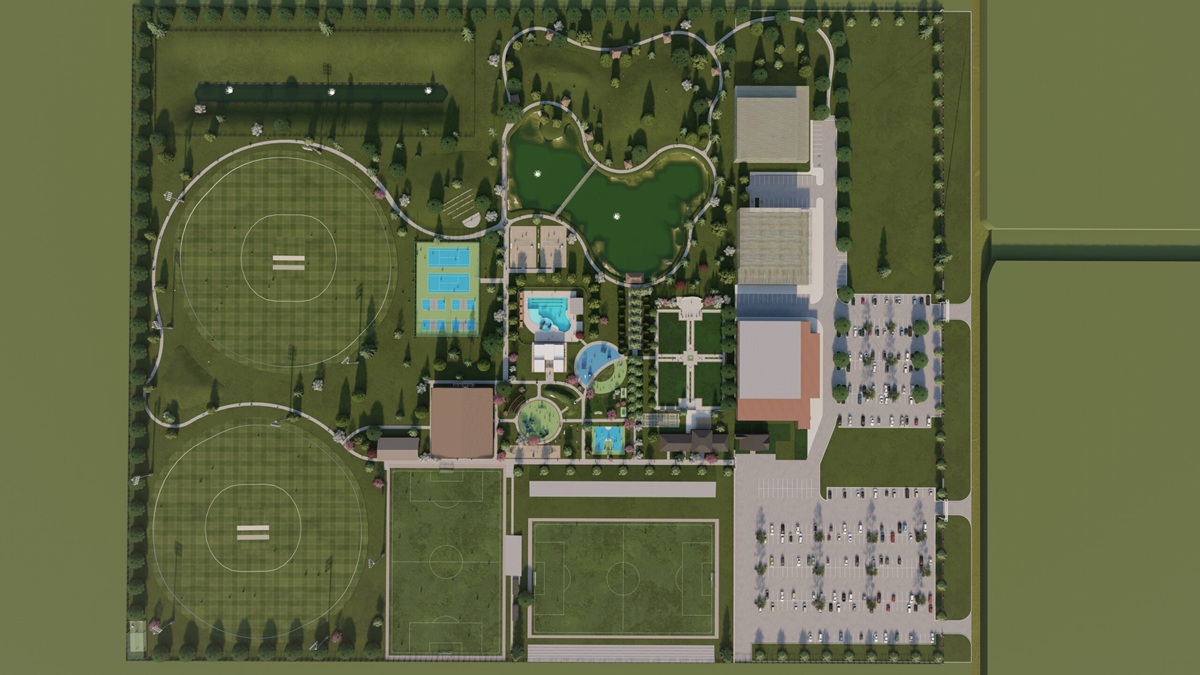
Located in Rosenberg, within the Greater Houston Area, this stunning facility is a treasure trove of diverse amenities exclusively for the Ismaili community. With an indoor fitness center, a huge gymnasium with two NBA-sized basketball courts, children’s playgrounds, a beautiful lake, pickleball and tennis courts, a lovely swimming pool, a kilometre-long walking path, cricket and football fields and much more, including a seniors building, there’s something for everyone to enjoy.
A scaled depiction of the 44-acre Pioneer Community Center, Houston, Texas. Photograph: Pioneer Community Center.
The 44 acres of land were acquired through a generous donation from Pioneer Mutual Credit Union. It accommodates 1,000 concrete parking spaces. For Mawlana Hazar Imam’s recent visit to Houston, the Center served as an overflow to support the seven Ismaili Jamatkhanas in the metro area. It also supports one of the largest Jamatkhana overflows during other significant events.
NPFCU, launched in 1989, has more than 18,000 Ismaili members and total assets of $422 million, according to its 2024 Annual Report.
Nizari plays a vital role in meeting the diverse financial needs of SW USA Jamat through its locations in Austin, Dallas, San Antonio, and Sugar Land (part of Houston’s Metro Area). It has been achieving outstanding performance rankings and government certifications, which help instill confidence and security among its members.
NPFCU is considered in the top 1% percentile among peers in the United States. PMFCU and NPFCU are two of the three credit unions in the USA Jamat, the other being Platinum Federal Credit Union in Atlanta. The unions are healthy competitors, yet in the spirit of unity within the Ismaili community, they act as partners. No other Jamat has such Ismaili-led credit unions, independent of Jamati institutions.
NPFCU will be described in more detail in a forthcoming article in the series.
This project, led by Nasruddin Rupani and governed by the Ibn Sina Foundation, reflects the foundation’s long-standing commitment to healthcare. Rupani founded Houston’s first clinic in 2001 to provide affordable medical services to the community. The seven Ibn Sina clinics in greater Houston serve a diverse population, with the majority of patients being non-Ismailis, illustrating the foundation’s broad reach and history of service. The ribbon-cutting of this clinic was done by then-Texas Governor Rick Perry.
Rupani showed me the health center’s facilities, including a busy walk-in clinic staffed by doctors and qualified medical practitioners, a separate children’s clinic, and a dental health center with state-of-the-art equipment. A new building for Ibn Sina’s mental health program is expected to be completed within the next few months. Rupani’s ambition is to achieve university status as the Ibn Sina Center continues its growth trajectory. As I left the health center, I met the on-duty pharmacist, who informed me that all prescriptions issued by the Center’s medical team are provided free of charge, demonstrating the center’s commitment to accessible healthcare services.
Recognition from government authorities, including the City of Houston, Harris County, and the State of Texas, affirms the quality and impact of the seven Ibn Sina clinics in the Houston Metro Area, underscoring their reputation and credibility.
Ibn Sina will be described in more detail in a forthcoming article in the series.
_____________
4. Greater Houston Retailers Association (GHRA) Distribution and Warehouse Center; Houston, Texas
I was all set to visit the Warehouse Center in Houston and travel to Austin, the Texas State Capital, to see an even larger warehouse facility. Unfortunately, the Houston warehouse was closed on Veterans’ Day, November 11, so I did not make the trip. I was also unable to travel to Austin. However, I was fortunate to receive an informative summary about GHRA from my Houston host, Nazarali, as follows:
GHRA was established in 1999 to supply thousands of grocery-related items to Ismaili owners of convenience stores and gas stations (C-stores) in the Houston metro. Shortly after its founding, GHRA became the largest trade association (TA) among the then 12 trade associations under the Jamat’s umbrella, the National Alliance of Trade Associations (NATA). NATA’s success and reputation enabled its former board chairman to be invited to serve on the Board of the National Association of Convenience Stores (NACS), headquartered in the Washington, DC, metro region.
NACS is also a lobby and serves the global convenience and fuel retailing industry, with 152,000+ C-stores operating in the USA. Today, lsmailis own more than 3,000 stores spanning all seven NC jurisdictions. This represents 2% of NACS’s national total, disproportionately higher than the Ismaili community’s share of the national population. Ismaili stores have combined gross annual sales of a whopping $12 billion. Around 2,000 stores are members of GHRA, which controls 33% of the C-stores in greater Houston. Recognizing the need to cut out the “middlemen” and streamline parts of the supply chain, GHRA built its warehouse in 2016 and began distributing merchandise directly to its C-store members at a discounted price. It has an annual sales turnover of $400 million and is growing.
We hope to commence our four-part Houston project series soon, starting with an exciting photo essay on the Pioneer Community Center in the next fortnight, and complete the series by the end of this year.
Date posted: November 24, 2025. Last updated: December 2, 2025 (removal of an editorial note, editor’s discretion.)
Corrections:
Pioneer Community Center was incorrectly referenced earlier as Pioneer Recreation Center.
Ensuring precise information is vital, the post has now been updated accordingly.
___________________
Simerg welcomes your comments. You may submit your feedback by clicking Leave a comment or by sending it to mmerchant@simerg.com with the subject line Ismaili Projects, Houston.
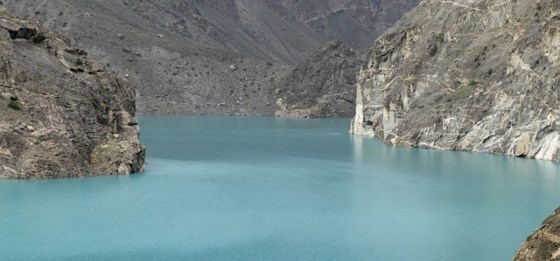
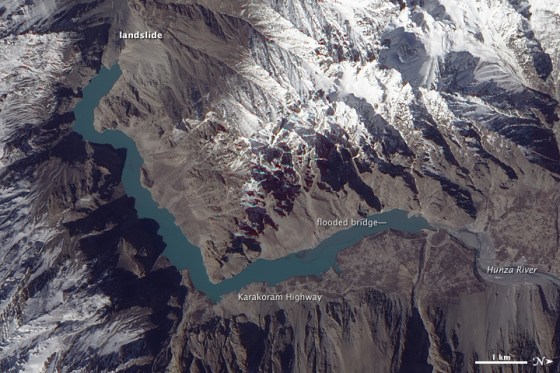
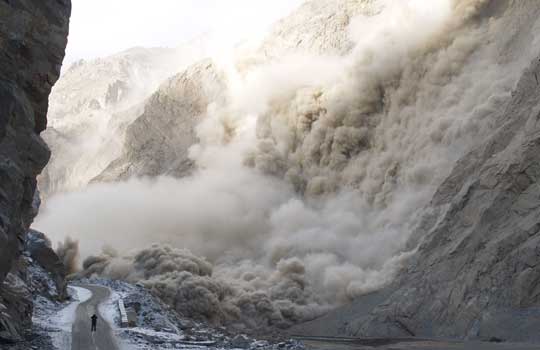
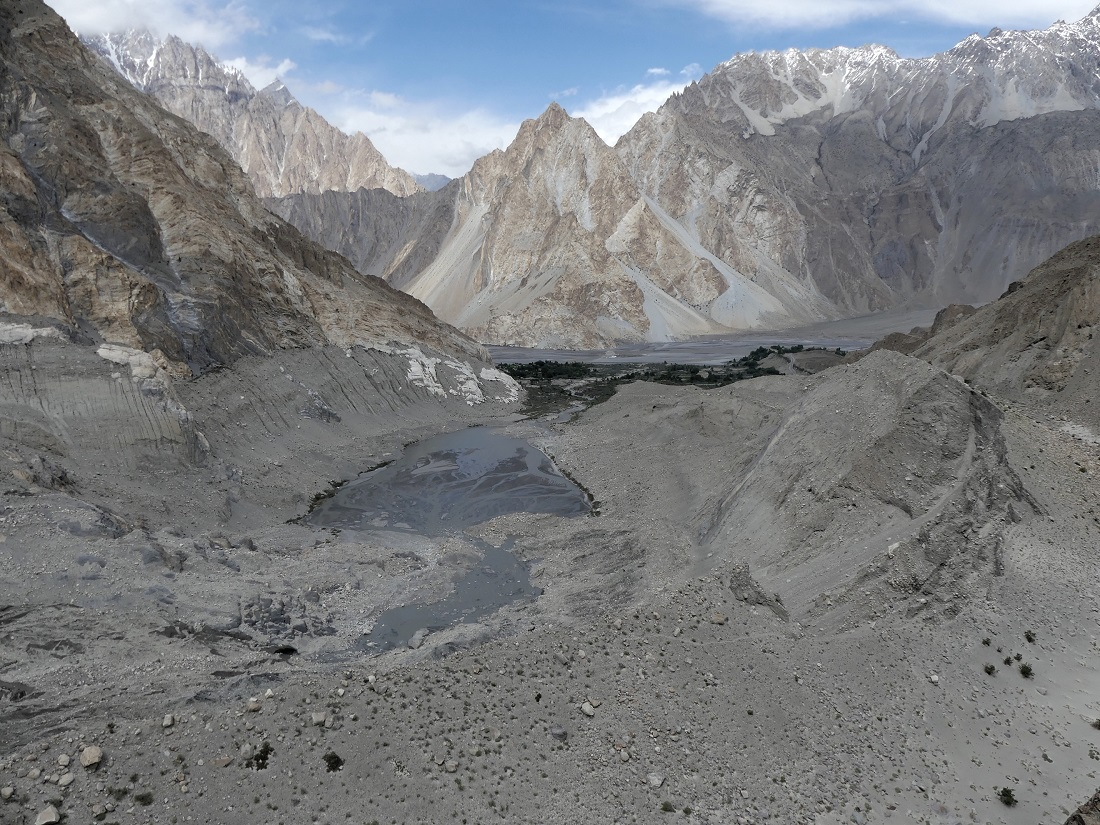
On the unsuspecting day of January 4, 2010, a rockslide, 1,200 meters long, 350 meters wide, and 125 meters high, struck the Hunza River in Attabad, a small community in the Hunza Valley of northern Pakistan, forming Attabad Lake, also known as Lake Gojal (please click on the the link to learn about the scale of the destruction as observed by NASA’s Earth Observing satellite and scientists Jeffrey Kargel and Gregory Leonard).
Story continues below
On January 4, 2010, a landslide occurred in the Hunza Valley of northern Pakistan. The initial disaster buried the village of Attabad, destroying 26 homes and killing 20 people. As the weeks passed, the problems compounded because the landslide did more than destroy a village. It also blocked the Hunza River, creating a long lake, now known as Attabad Lake, which inundated several villages and submerged a significant section of the Karakoram Highway.
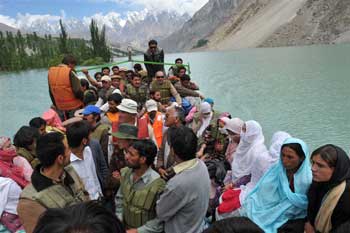
Travelers and locals cram into boats and ferries for the two-hour crossing of the new Attabad Lake formed by a rockslide in 2010. Photograph: M. Pearson / ShelterBox).
~~~~~~~~
A man stands in the middle of the Karakoram Highway while rocks tumble down into the Hunza River in Pakistan’s Gojal region. The rockslide dammed the river, creating Attabad Lake (also known as Lake Gojal), which submerged eleven miles of the Karakoram Highway and isolated several villages. Photograph: I. Ali Shimshal / Pamir Times).
The initial mass movement of rock, in a sudden and unexpected event, buried the village of Attabad, destroying 26 homes and killing 20 people. It also submerged several villages and 22 kilometres of the strategic Karakoram Highway, which links Pakistan and China. Tens of thousands of people were suddenly displaced or cut off from overland connections with the rest of the country, highlighting the immediate impact on the affected residents.
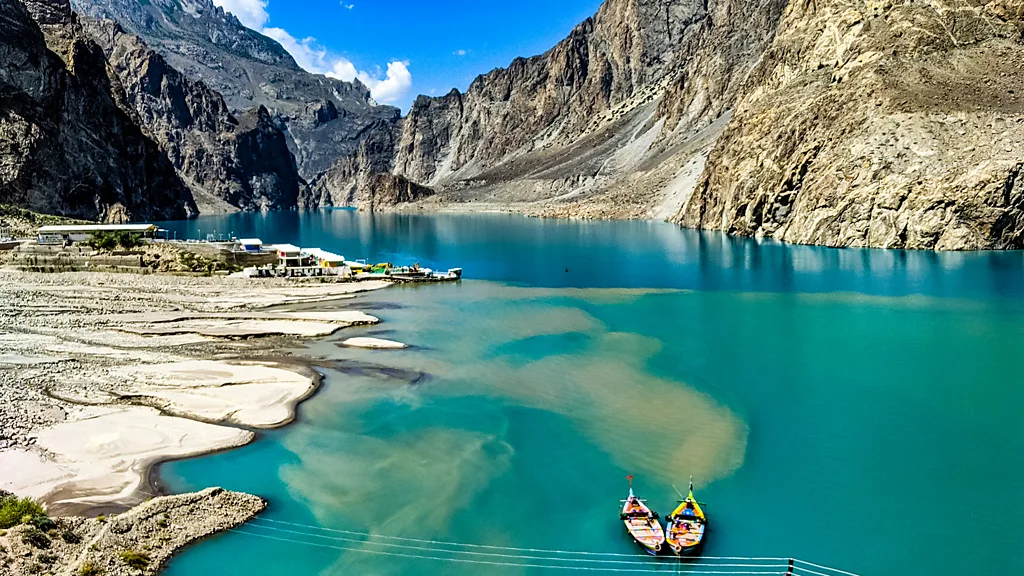
Aysha Imtiaz, in her recent BBC article, highlights the transformation of the Hunza River into a breathtaking lake, which she writes is a must-visit spot in Hunza. Despite its tragic origins, Attabad Lake has become a beacon of hope, providing a rare source of economic opportunity and a lifeline for the local population. A robust system of women entrepreneurs has emerged, leading the way in selling handicrafts and food items, and the community is rebuilding stronger than ever. Please read Aysha’s excellent piece on BBC.
Formed by a massive landslide, Attabad lake is now a popular spot for boating, fishing and adventure sports, and hikers marvel at the beauty of the lake as they see it from high-up. Photograph: Getty Images, via BBC. Please click HERE or on image for BBC article by Aysha Imtiaz.
April 10 and 11 mark the birthdays of Prince Hussain Aga Khan and his nephew, Prince Irfan Aga Khan, older of the two sons of Mawlana Hazar Imam, His Highness Prince Rahim Aga Khan, who became the 50th Imam of the Ismaili Muslims when his father, Mawlana Shah Karim, His Late Highness Aga Khan IV, passed away February 4, 2025. To celebrate these birthdays, Malik Merchant, a trusted publisher and editor of Barakah, a blog dedicated to the Aga Khan and his family, has meticulously compiled information and photographs about the two princes you must read. Please click:
Prince Irfan’s procession walk in Aswan, leading the group of mourners with his brother Prince Sinan in a disciplined, dignified and respectful manner, was extraordinary. He exhibited confidence….READ MORE
~~~~~~~~~~~
Swimming with whales is unbelievably rewarding. As corny as it sounds, the whales do “change your life”. They’re simply too majestic, too enormous, too touching and too intelligent not to…..READ MORE
Simerg’s introduction of “Books by Ismaili Authors” continues with Shenaz Shamji’s cookbook “Passage to East Africa,” which she launched on the 87th Salgirah (birthday) of the 49th Ismaili Imam, Mawlana Shah Karim, His Highness the Aga Khan, who passed away recently on February 4, 2025, at 88. We follow the same Q/A format as our earlier presentations of books, which are listed chronologically below. We encourage Ismaili authors from around the world to participate in this series, regardless of when their books were published. See details of the series HERE and submit your responses to Simerg’s editor, Malik, at mmerchant@simerg.com.
****************
Simerg: What is behind the name and title of the book?
Shenaz Shamji: This book delves into the rich history of East African Ismaili and Indian cuisine, exploring the unique fusion cooking that was born from the migration of Ismailis and Indians from India. The title “Passage to East Africa — A Cookbook of East African Ismaili and Indian Cuisine” is a testament to the profound impact of this migration on our culinary heritage, as our ancestors adapted to the local food ingredients to create a new and vibrant cuisine.
Simerg: Why would you want me or my family to read the book, and what will we learn from it?
Shenaz: This book is a legacy for future East African generations. The recipes are authentic and accurately written. It is a must for all households that want to keep this tradition going, as well as everyone else in the UK, Europe and North America who wants to discover the extraordinary tastes of Ismaili cooking. There are not many comprehensive East African Ismaili and Indian cookbooks available in ONE book — a total of over 250 recipes.
Simerg:What inspired you to write the book?
Shenaz: I have been writing recipes for my children since about 22 years ago. As a pharmacist, I was used to writing them methodically with ingredients and methods listed in an easy-to-follow way. Indian cooking is all about “aasre”, meaning a bit of this and a bit of that using “guestimates”. Children and many adults, too, cannot follow that or remember. My mother-in-law lived with us, and she was an expert cook. I used to watch her and write her recipes roughly, again “aasre”.
Story continues below
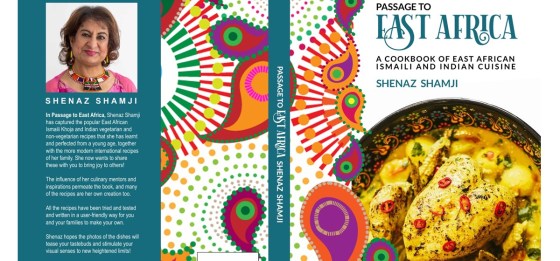
Beautiful and vibrant cover page of Shenaz Shamji’s Passage to East Africa, published independently on December 13, 2023, illustrated, 376 pages, hardback and paperback.
As time passed, I started cooking them myself and wrote the ingredients down in a structured, step-by-step manner with accurate quantities and methods. This was a laborious task requiring hours and hours of work and editing and storing recipes in electronic folders. I wrote them down in a very user-friendly way so my children, novices or new cooks could follow them. As time went on, after 15 years, my family and friends persuaded me to make a cookbook as these recipes were of treasured Ismaili and East African cuisine. What I thought could take 2 years to make ended up with 5 years of intensive, laborious work, facing many challenges. Not being an author and especially not being a cookbook author, the whole project was bewildering but achievable.
Simerg: How can I purchase the book, and what are its available formats?
Shenaz: The book can be purchased in hardback and paperback from Amazon in the UK, CANADA and the USA/WORLD. It is also available for purchase at the Aga Khan Museum Gift Shop and can be ordered online at the Aga Khan Museum Shop.
_________________
AMAZON REVIEW EXCERPTS
Shenaz Shamji offers a delightful exploration into the vibrant cuisine of East African Indian and Ismaili cuisine. The book elegantly captures the fusion of Indian and East African flavors, presenting an anthology of meticulously curated recipes. Shenaz’s dedication shines as she shares her family’s culinary heritage, meticulously testing and documenting recipes over the year — Sean Ramrattan on Amazon, which has a 4.8/5.0 rating on the book based on more than 60 global ratings
This book has such good recipes. I have attempted a few, and they have all been a hit in my household — Bessie Rego Sanchez
_________________
Simerg: How did you find a publisher for the book?
Shenaz: By using the internet searches for the maximum global sales. I opted for Amazon as they did the publishing, printing, marketing, and posting of the book.
Simerg: Did you hire an editor or an illustrator, or did you do all the work yourself?
Shenaz: I did all the work by myself and with my son Naadim Shamji, but I had to hire a graphic designer and a food photographer and employ a Social Media team.
Simerg: Which was your first book, and how many have you written?
Shenaz: This is my first and only book.
Simerg: How long did it take you to write the book — from start to finish and to begin marketing it?
Shenaz: It took me 15 years to write, collect and store these recipes for my children, 5 years of editing and creating the book and two years of social media. I have 14 cooking videos on YouTube, which have gained much popularity!
Simerg: Tell us something more about your book
Shenaz: I hope — and am confident — that the recipes and photos of the dishes in “Passage to East Africa” will tease your tastebuds and stimulate your visual senses to new heightened limits! May I also note the following incredible features of my book:
The indexing is done in English, Indian, and Swahili names, making referencing very easy;
There is a historical account of migration and settlement by my ancestors, which is very similar to many East African Ismailis family’s history too;
The book is very high and rich in photo content — almost 94% of food photos, which is unique as not all books have such a high volume of photos;
Over 60% of the recipes are vegetarian recipes, with many being vegan, too;
The ingredients are listed very accurately and are readily available;
A section in the book explains different measures and different names of ingredients used in various parts of the world. This makes it easy for everyone globally to decide how much to use or substitute or know the equivalent; and
I have included little snippets/stories in many recipes, some to remind me and others of the good and fond memories of having had this dish back home.
I invite your readers to visit my Facebook Page. As I mentioned earlier, the book is also featured on YouTube, where I demonstrate how to cook a diverse range of authentic and flavourful dishes such as Sev (sweet vermicelli), Spicy Masala Prawns, Kuku Paka (chicken in coconut curry), Makate Mayai (Mince and eggs) and more. I am pleased to say that our YouTube channel has become a thriving community, with thousands of viewers joining us since the book launch. And the book? It’s a treasure trove of 250 unique and delightful recipes, each waiting to be discovered.
Date posted: April 3, 2025.
__________________
Born and raised in Tanga, a coastal town in Tanzania, Shenaz Shamji, from a very young age, began to take an interest in East African Ismaili and Indian cooking. Over the years, in Tanga, and later in London, where she pursued Pharmacy, Shenaz relentlessly pursued her family’s mouth-watering dishes and inspirational recipes. Her beautiful, fully illustrated book “Passage to East Africa,” which was years in the making, was finally perfected and published on December 13, 2023. Through her book and YouTube demonstrations, Shenaz brings the joy of cooking to everyone at home. with delicious vegetarian and non-vegetarian recipes. While she owes her success to the influence of her culinary mentors many of the recipes are her own creation too.
_______________
We welcome feedback from our readers. Please click LEAVE A COMMENT. Your letter may be edited for length and brevity and is subject to moderation.
Calling all Ismaili Authors
We encourage Ismaili writers to introduce their books in a similar format as has been done in the post above. Please also see the series launch article and submit your responses to Malik at mmerchant@simerg.com. All submissions will be acknowledged. If a writer has published multiple books, each book will be highlighted in a separate article, and not combined with other books into one post. All writers should include a brief profile with a portrait photo.
_______________
Links to the Ismaili Authors’ Series (in chronological sequence, oldest article first)
Before departing this website please take a moment to review Simerg’s Table of Contents for links to hundreds of thought provoking pieces on a vast array of subjects including faith and culture, history and philosophy, and arts and letters to name a few. Also visit Simerg’s sister websites Barakah, dedicated to His Highness the Aga Khan, and Simergphotos. Simerg’s editor may be reached via email at mmerchant@simerg.com.
The boy tells the horse, “I can’t see a way through.” The horse asks: “Can you see your next step?” The boy replies, “Yes.” The horse responds, “Just take that.” — Read More
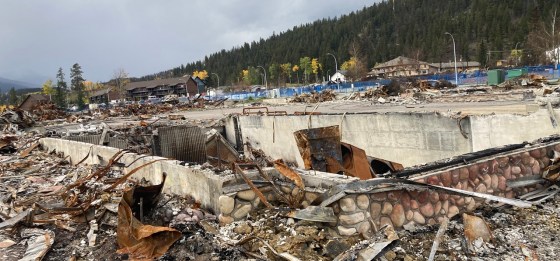
As a visitor to Jasper in the autumn of 2022, Malik Merchant was in an excellent position to compare scenes of the town then and his visit two years later, following the July 2024 Wildfire. His profoundly moving story and poignant photographs will captivate and inspire you. He relates tales of individuals he met in Jasper. The emotional impact of a young boy’s story, expressed through a drawing and a short dialogue with a horse, will surely touch your heart. Please click HERE or on the image below to learn Malik’s story and photographs.
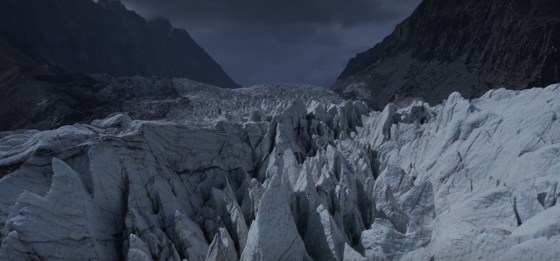
According to the Aga Khan Development Network (AKDN), more than 48,000 people across Gilgit Baltistan and Chitral are at high risk from a lake outburst or landslide. Some, like the village of Badswat in the neighbouring district of Ghizer, are in such peril they are being evacuated entirely to relative safety, their homes rendered impossible to live in.
Caroline Davies of BBC News has captured this crisis in an illustrated story from Gilgit-Baltistan. View her visually compelling story — click BBC: Melting glaciers leave homes teetering in valley of jagged mountains — and watch the YouTube video below, which highlights the effects of climate change on the part of the world referred to by some as the “Third Pole” because it has more ice than any other part of the world outside the polar regions.
I chanced upon this excellent article by Professor Karim through shear serendipity, while explaining to my daughter about obstacle courses. She had just gone through a 10K run at the International Raceway in Mechanicsville, Maryland, which included rock climbing, and scaling a tall wall. I conveyed to her that I had done all that stuff, and then some, in the 23 days I had spent at the Outward-bound Mountain School, Loitokitok in the early 1970’s. It was then, thanks to Google maps, that I was able to revisit the sprawling compound of well-manicured lawns, that sits close to the base of the indomitable Mt Kilimanjaro.
The exhilarating experience one gets during the preparation and climb to the “roof of Africa”, which is, euphemistically, what Mt Kilimanjaro is, remains ingrained in every participant who has undertaken this task.
Like Prof Karim, I arrived on the scene, as an18-year old, raw in every sense, post ordinary level high school, but with the hope and vibrant energy and curiosity of a kid let loose in a candy store. Thanks to our indefatigable Geography teacher at Kigezi College, Butobere, in Kabale, Uganda, Mr. Richard White, I had had the benefit of climbing a few medium tall mountains, such as the 12,000-foot Mt Sabinyo, an extinct volcano in south-western Uganda, but, this had neither given me the preparation, nor the resilience required to attack and conquer the deceptively gentle giant.
I had been lucky enough to be the only kid among ten applicants, who had successfully passed both the doctor’s physical and endurance tests. I would later join a group of other students from Uganda, that included a former classmate of mine, who later became Prime Minister of Uganda. Mr John Patrick Amama Mbabazi was Uganda’s Prime Minister from 2011 to 2014.
Arriving at Loitokitok near the foot of Mt Kilimanjaro in early December 1971, most of us were young and naive, experiencing life away from our home environment for the first time. We became part of the larger group of students drawn from the other two East African countries (Kenya & Tanzania) at the time, in all, constituting perhaps, 200 in number. I can recall a few students like Job, from Alliance High School in Nairobi, who was in my team. There were others from Sitarehe High School, whose names have since faded from my lousy memory. The instructors were mostly Kenyan and Tanzanian military officers, since this facility was used as training ground for those countries’ military personnel.
Although the training during the first two weeks was extremely rigorous, including such activities as a daily 2-kilometer run, rock-climbing, ziplines, and scaling high walls, we were all told to keep our eyes on the prize, the ascent to the top of the giant yonder, which we could see clearly from the campus. We also got baptism by fire, like the day I was pushed into the freezing swimming pool by one of the instructors, early in the morning, only to turn around and throw a tire tied to a rope at me, after gulping a few mouthfuls. That incident alone inspired me to learn how to swim long afterwards. We even participated in a marathon run, that meandered through parts of the Masai Mara, teaming with our four-legged neighbors. When that time for the climb finally arrived, we were given the mountain gear we needed, (so we thought), and we embarked on the challenge, beginning with the “solo night”. Each one of us was assigned a bushy area, which was your turf, on which to build shelter and prepare a meal for the night. With the minimum 3 match sticks given to you, it required a lot of dexterity and perseverance to get that fire going. I was luckier than Prof Karim, in that I managed to kindle the fire and make dinner. Not everyone was that successful in that act. Not having a hot meal on that severely cold night condemned one to begin the 5 am climb on empty, the first cardinal sin for a mountaineer. The night itself was interspersed with false alarms from kids who got scared out of their wits, after hearing, or simply imagining they heard noises of approaching animals.
Story continues below
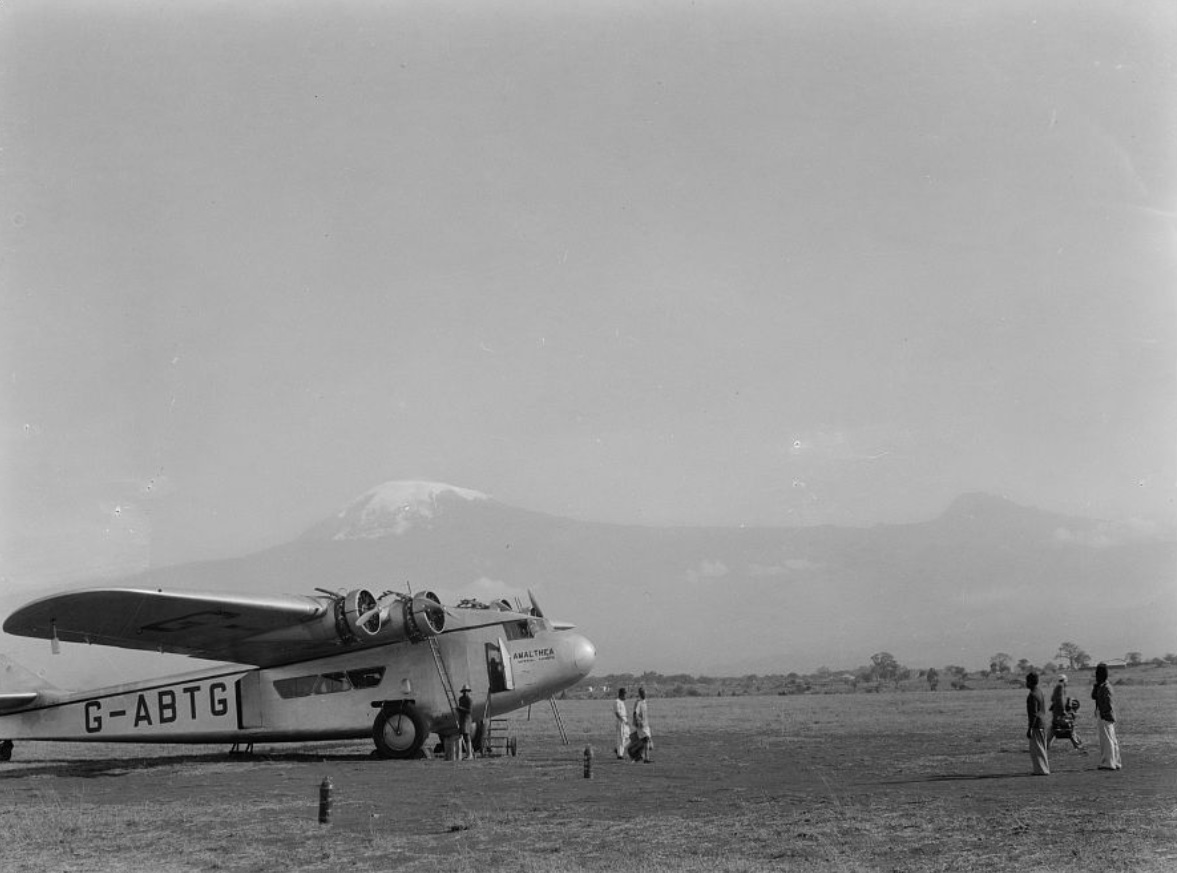
Snow-capped Kibo peak of Kilimanjaro at left with the Mawenzi peak at right, pictured in 1936 from a landing ground near Moshi, Tanzania (then Tanganyika). The plane was en route to Arusha. Photograph: Matson (G. Eric and Edith) Photograph Collection, US Library of Congress.
~~~~~~~
We started around 5 am in the morning, with the goal of reaching Mawenzi peak by late afternoon, to give us sufficient time to rest and reboot for the final destination to the roof. However, along the way, a number of kids suffered mountain sickness that pushed one almost into delirium, as the oxygen in the atmosphere got thinner. But that put extra loads on the backs of those who still had a semblance of normalcy, thereby slowing the pace altogether. But finally, we made it to Mawenzi peak, after experiencing a dusting of snow, which added a layer of misery to our already debilitated bodies. We crowded ourselves into round tin huts for the night, in groups of 10 per hut. The body heat generated by crowding helped in ameliorating the severe weather conditions experienced on top of the mountain, unless of course your sleeping bag was in direct contact with the metal, in which case you shivered all night. I still consider it one of the coldest nights I have ever experienced.
At around 2 O’clock, we were awakened to get ready to embark on the journey to the ultimate prize, getting to Kibo peak. We scrambled to boil water for tea, which we needed during those frigid temperatures. In the process, we learned that water boils at much lower temperatures at high altitudes, to a point where you could dip your finger into hot water without getting it scalded. Later, as I attended Makerere University in Kampala, Uganda, I found myself narrating this experience to a bunch of students at Kitante High School, where I moonlighted as a physics teacher. Walking north along the saddle between Mawenzi and Kibo, we formed a single file and followed our instructors. Once the sun came out, the bright rays blinded us as they reflected on the layer of ice and snow that blanketed the top of the mountain, which was a much thicker icecap then than exists today.
Still, we soldiered on seemingly getting closer towards Kibo, which looked deceptively close and yet perpetually elusive. By this time, our bodies were numb with the blistering cold air, and our feet swollen from stepping in the wet slit combination of ice and the snow dusting that had fallen overnight. The layers of clothing we had carried with us, including hand gloves, and balaclavas for the heads were no doubt proving inadequate for the climatic conditions most of us had ever faced. No wonder the Chaga had called the mountain “Kileme”, that which defeats. At about 10 am, we met the group which had approached the climb from the north and headed to Kibo directly. Our instructors and theirs went into some brief dialogue we were not privy to, and when they emerged, they announced, much to our chagrin, that we would all turn around and embark on our descent. There were many protests among us, but the instructors squashed all that, military-style, attempting to convince us that we had achieved our overall objective of fulfilling the school’s mantra of, “To Serve, to Strive, and never to Yield”, although our group never reached Kibo peak. I remain unpersuaded to this day.
Story continues below
Outward Bound badge with the motto “To Serve to Strive and Not to Yield”. Photograph: Karim H. Karim collection.
It took us the rest of the day to descend the gentle giant, because those of us who still had some stamina left, were burdened with helping the unfortunate ones whose lungs could not suck in enough oxygen to keep them moving on their own (including the former PM). That evening, exhausted as we were, there were ceremonies at the Outward-Bound Mountain School, to mark the closure of Course 127. The following morning, we said our goodbyes to the friends we had made, and headed back to our domiciles, armed with the irreplaceable satisfaction of one who has accomplished what once appeared to be Mission Impossible.
Climbing Mt Kilimanjaro will forever remain one of my greatest achievements, a story I am proud to tell anyone willing to listen.
Thank you, Prof Karim, for sharing your heart-warming experience with us, and rekindling a smoldering fire.
Date posted: September 25, 2024.
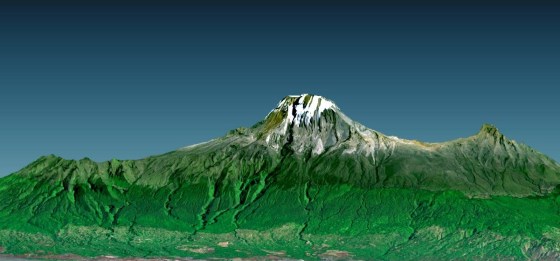
Featured image at the top of post: The 3-D perspective view of Mount Kilimanjaro was generated using topographic data from the Shuttle Radar Topography Mission (SRTM), a Landsat 7 satellite image, and a false sky. The topographic expression is vertically exaggerated two times. Landsat has been providing visible and infrared views of the Earth since 1972. Date Acquired: February 21, 2000 (Landsat 7).
__________________
About the author: Nick Ngazoire Nteireho was born in Rukungiri District, Western Uganda. He obtained a bachelor’s degree in economics from Makerere University’s Institute of Statistics and Applied Economics. Escaping Uganda during the turmoil of Idi Amin’s brutal regime, he settled in Washington DC, pursued graduate degrees at George Washington and American Universities in Washington DC, USA, followed by a long career at the World Bank in Washington DC, where he worked on economic research involving models and forecasting. He later joined Fairfax County’s Department of Tax Administration, where he worked as a Senior Commercial Real Estate Appraiser for a decade.
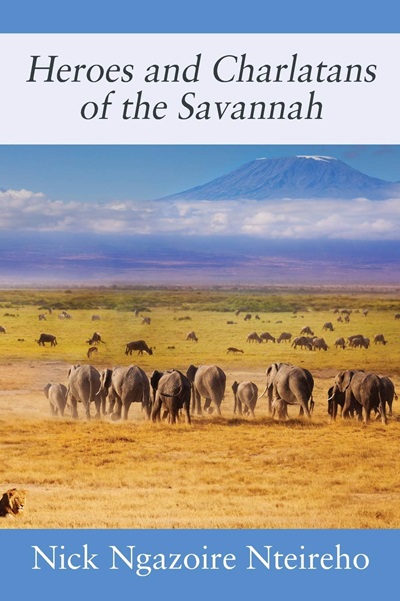
He has published three books. His latest, titled “Heroes and Charlatans of the Savannah”, traces the Genesis of Sub-Sahara African countries Independence, and is available on Amazon as a paperback and Kindle editions.
Nick Nteireho lives in Fairfax County, Virginia, with his wife with whom they have two adult children.
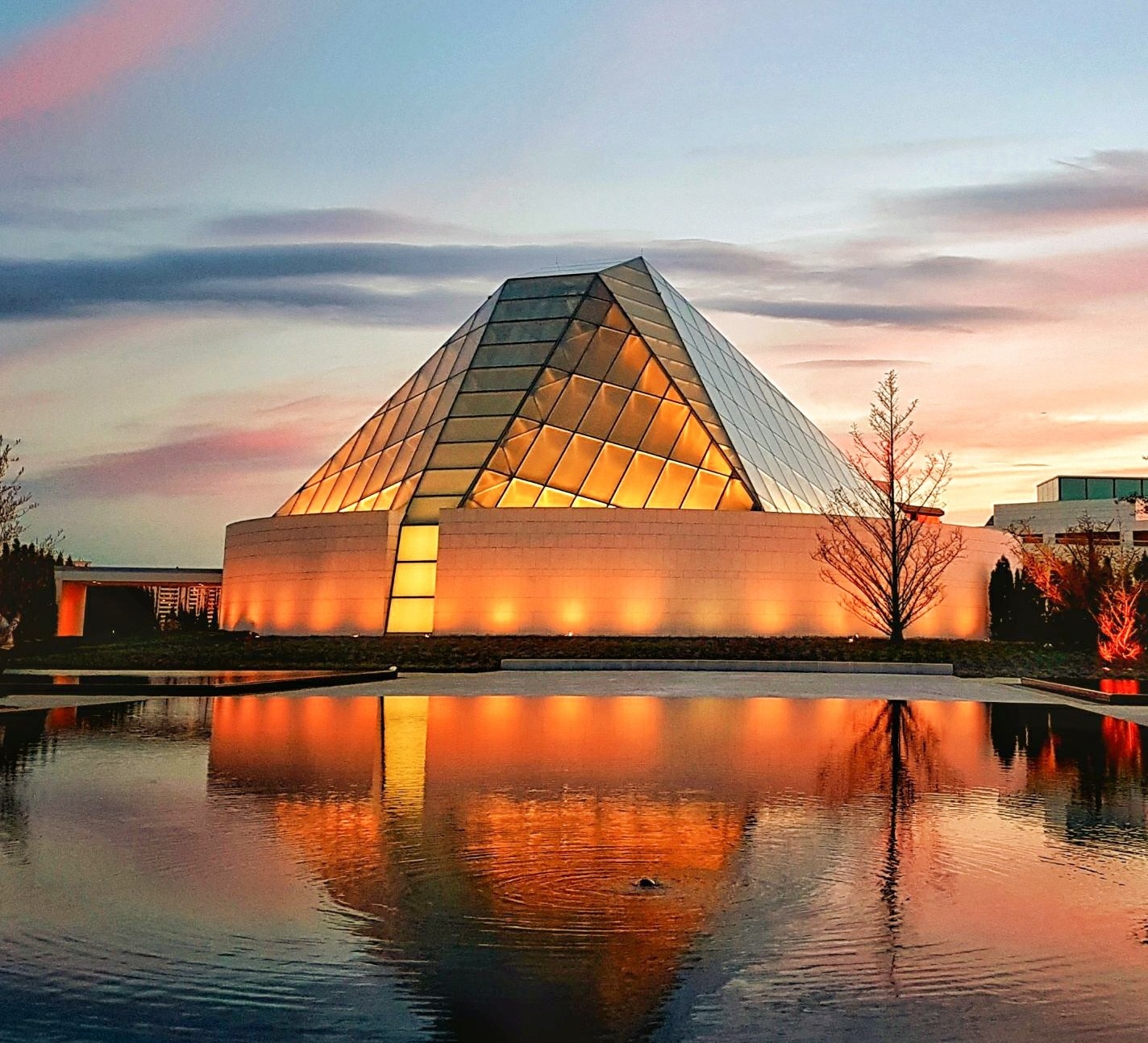
The Jamatkhana Dome, Ismaili Centre Toronto, 49 Wynford Drive. Photograph: The Ismaili.Please click on the image for the Centre’s 10th anniversary pictorial essay.
Since their inauguration by former Canadian Prime Minister Stephen Harper and His Highness the Aga Khan in mid-September 2014, the Ismaili Centre Toronto and the Aga Khan Museum have become among the most beloved buildings explored by the public during the Doors Open Toronto held every May. The buildings, with their mission to promote cultural understanding, have consistently attracted thousands of visitors for their incredible artistic and architectural features and the rich collection of artifacts housed in the Museum. The Ismaili Centre’s domed Jamatkhana, a unique architectural marvel, is a sight to behold. Its remarkable features, under which Ismaili Muslims congregate for prayers daily, make it one of the most distinctive buildings in the country. Watching the building from the Don Valley Parkway when the dome is lit at night is a truly breathtaking experience.
As the buildings celebrate their 10th anniversary, we present two posts that will give our readers a glimpse of these fascinating projects. Please click on THE ISMAILI CENTRE and THE AGA KHAN MUSEUM.
Did you know that you can book a one-hour free tour of the Ismaili Centre (77 Wynford Drive, Toronto) online? This is a fantastic opportunity to delve into the architectural and cultural wonders of this unique building. Please click HERE to get more details about an Ismaili Centre tour. If a window is not available, please send an email to tours.toronto@iicanada.net. For information on visiting the Aga Khan Museum (77 Wynford Drive, Toronto), please go to http://agakhanmuseum.org.
Plan your visit today and experience these iconic buildings’ cultural and architectural wonders.
The Aga Khan Museum, 77 Wynford Drive, Toronto. Photograph: Malik Merchant/Simerg. Please click on the image for the Museum’s 10th anniversary pictorial essay.