
BY ABDULMALIK MERCHANT
Publisher/Editor, Simerg
On an occasional basis, Simerg will be drawing its readers’ attention to popular pieces published on this website over the past almost eight years. Likewise, in the course of this series I shall be informing readers about many extraordinary pieces that have not received the readership they deserve. For now, here are links to 7 pieces with more than 9,000 views each. Other popular articles will be mentioned, 7 at a time, in the coming year.
(for articles, please click on links or photos)
11,000 Views
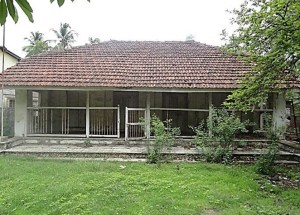
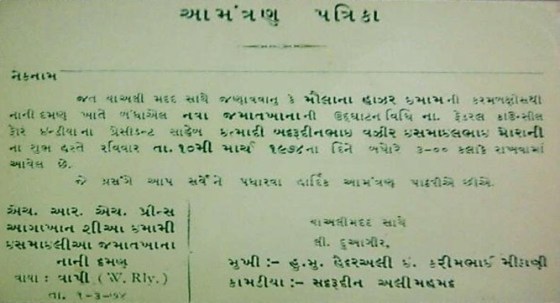
Old jamatkhana – Daman Khoja history.
~~~~~~~~~~~~
9,000 Views

Rumi’s Snake Catcher Story.
~~~~~~~~~~~~
12,000 Views

Aga Khan Interview: Power of Wisdom.
~~~~~~~~~~~~
15,800 Views

Aga Khan Timeline
~~~~~~~~~~~~
31,000 Views

Noah’s Ark.
~~~~~~~~~~~~
20,000 Views

Road to Happiness
~~~~~~~~~~~~
11,000 Views

Preamble Ismaili Constitution
We wish to record our deep appreciation to thousands of readers who visit Simerg and its sister websites regularly and send us feedback, and to all our contributors for the great articles and photo essays that they have submitted for publication for the reading pleasure and enjoyment of our readers around the world — we have gained richly from their knowledge and the fresh insights they have provided.
We wish everyone a very happy and prosperous new year.
At the same time we pray for peace in lands where there are brutal conflicts resulting in loss of life and unimaginable injuries, and where people, especially children, have to endure pain and sorrow everyday.
Date posted: Friday, December 30, 2016.
Last updated: December 31, 2016 (2:35 am EST, corrected stats).
_______________
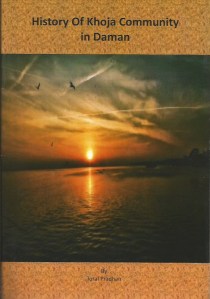 Pradhan passionately set out to explore the history of the origins of the Daman Khoja Ismaili Jamat in order to pay her respects and tribute to the jamat as well as to commemorate the 40th anniversary of the opening of the jamatkhana in Daman in March 2014. She obtained the information for her lively small booklet from primary sources which included visits to the local archives in and around Daman. The town was formerly ruled by the Portuguese, before India took it over in 1961. The fusion of the two cultures and its impact on the small Ismaili community in Daman is strongly emphasized in the book, which includes dozens of small historical illustrations including a center fold of colourful photos of gowns and headgear.

 Simerg - Insights from Around the World