Simerg is an independent initiative dedicated to Ismaili Muslims, the Aga Khan — their Hereditary Imam — and the Ismaili Imamat, and Islam in general through literary readings, photo essays and artistic expressions
The University of Alberta’s 80 acre Botanic Garden in Parkland County near Edmonton, consists of cultural gardens, nature spaces, and other special collections. Having visited the Botanic Garden during spring, summer, and autumn, Malik Merchant decided to embrace the Botanic Garden’s call to visit the garden in winter. He spent hours walking around the Aga Khan and Japanese Gardens as well as the beautiful greenhouse rooms on Sunday, December 28, 2024. Please click HERE or on the photo below for Malik’s report and photographs.
The Talar buiding, Aga Khan Garden, January 28, 2024. Please click on image to view Malik Merchant’s beautiful photographs.
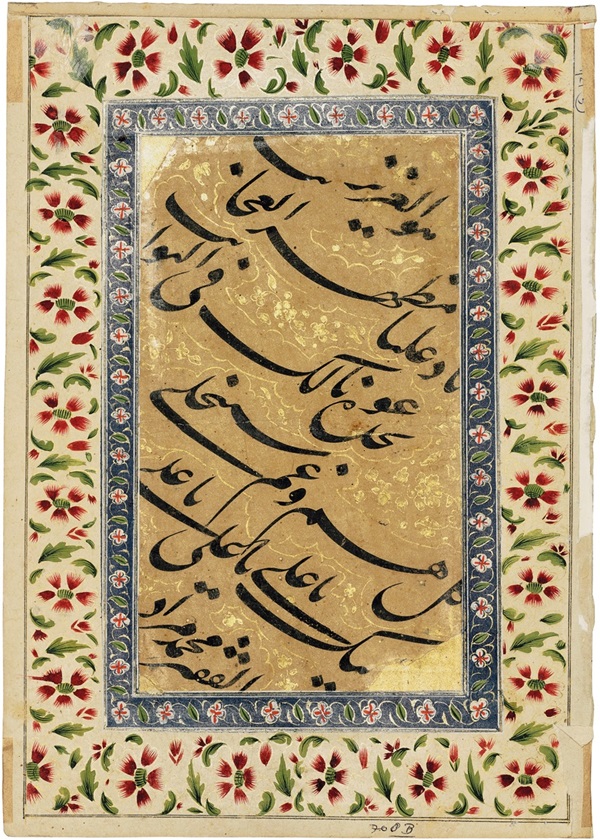
As Shia Ismaili Muslims in Canada and around the world commemorate the birth anniversary of their first Imam, Hazrat Ali, our sister website, Barakah, presents a a special post about a Mughal panel that was presented to His Highness the Aga Khan on the auspicious occasion of his 87th birthday, December 13, 2023. The panel bears an invocation to Imam Ali, from whom the Aga Khan is directly descended. Please click NAD-E ‘ALI to read more about the significance of this “wonderful” and “special” artistic work from the 16/17th century.
After an abnormally mild December across much of Canada, winter is finally coming with a bang across most regions of the country starting Wednesday, January 10, 2024. Temperatures in Edmonton, which has not seen any snow, and Calgary are expected to plunge to lows ranging between -16C to -32C!
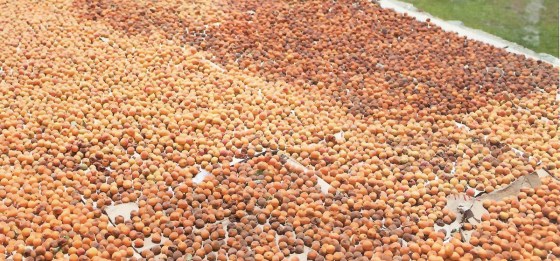
The centuries-old apricot soup (Bataring Daudo) from Hunza is what you want on your dining table to warm you up during the winter season, and for that we have turned to Aysha Imtiaz’s special feature article on the BBC website. Aysha writes: “The deceptively simple soup, has been nourishing Pakistan’s Hunza community for centuries and is perhaps the purest celebration of the fruit and the Hunza ideology.”
Shahzadi, who runs the Hunza Food Pavilion in Karimabad, Hunza’s capital, says: “The Hunza diet is instinctively reliant on fruit — fresh in the summer and dried in the winter. Simple, fuss-free food [means a] simple, fuss-free life.” She adds: “This soup has been used for centuries because it wards off colds and is nutrient dense.”
Note: Dried apricots, one of the 3 ingredients mentioned in the recipe, are easily available from small and large grocery stores across Canada, the Bulk Barn being one of them. You will also find large varieties of organic dried apricots in ethnic stores around the country.
~~~~~~~~~~
The Apricot
The cure for a weakened heart is apricot, The medicine for a bad mood is apricot, Fresh or dried, don’t eat too much, Drink its juice when you don’t feel well. (ode from With Our Own Hands, page 245).
~~~~~~~~~~
IN THE PAMIRS, THE APRICOT IS A SECOND FRUIT FROM PARADISE
The following piece by Tahmina Saodatkadamova is excerpted from the beautiful volume With Our Own Hands by Frederik van Oudenhaven and Jamila Haider. The unique award winning book was featured in Simerg a number of times, and reviewed by Nairobi’s Shariffa Keshavjee. The book was a sell-out on our website when we offered it to our readers on two occasions.
By TAHMINA SAODATKADAMOVA Dean of the Faculty of Biology, Khorog State Univeristy
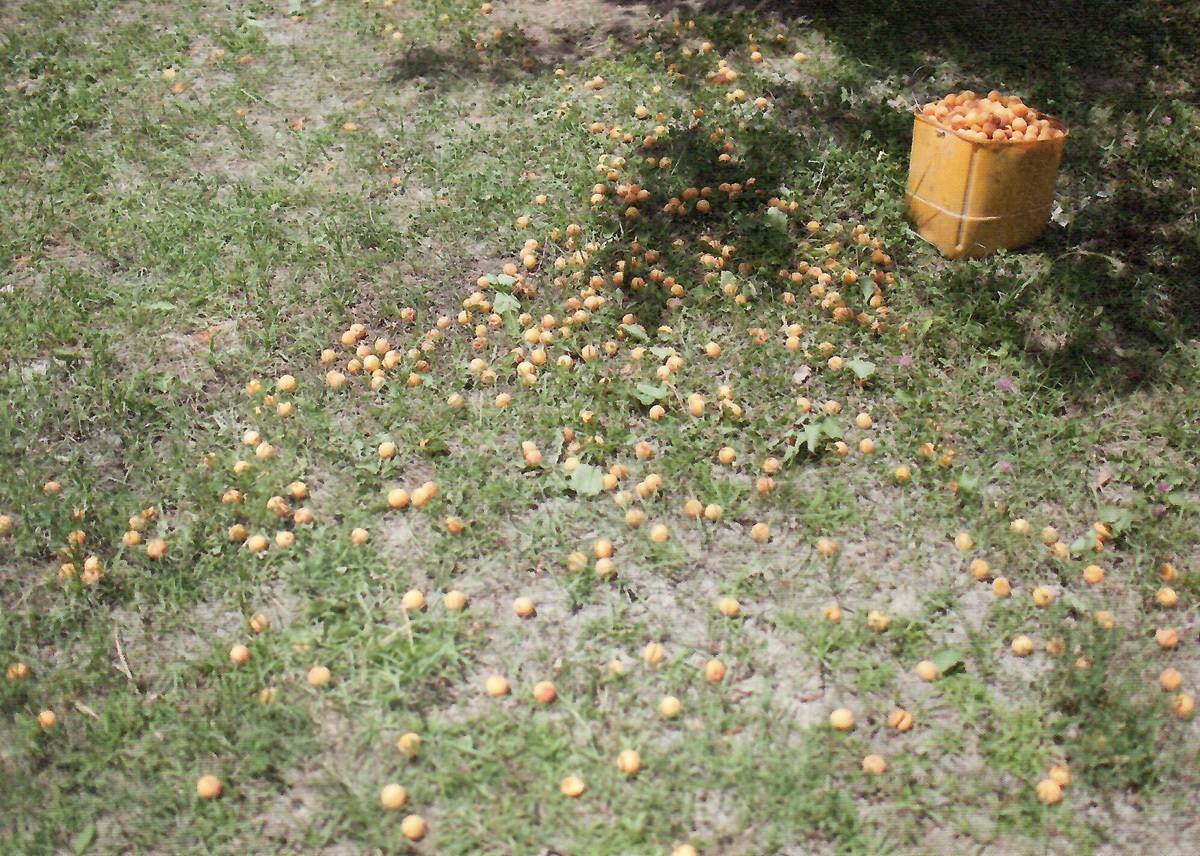
Also from paradise according to local lore, the apricot is the Pamirs’ second fruit [after mulberries]. Where mulberries speak of necessity and ‘bread’, the apricot is the luxurious topping, very much a sign of wealth. Not very different from its role in the diet of the people of Hunza who use the fruit, its seed and oil in many different dishes and who attribute the near-mythical age to which they live to its many qualities, apricots play a very significant role in the food of the Pamirs.
More than 300 varieties, many of the unique to the Pamirs, have been identified by scientists.
Judging from wood fragments found in Stone Age graves, it is possible that the first apricot trees that arrived, thousands of years ago, took root as wild trees and were eventually brought into cultivation by the farmers of the Western Pamirs. Even now, groves of wild apricot trees can be seen on dry mountain slopes among enormous boulders. Of all the fruit trees in the Pamirs, they are best able to withstand drought.
In the Pamirs, apricots grow at altitudes of 1,600 to 3,000 metres above sea level. Here, the strong rays of the sun, the stark cold, the dry air and soil, and the care of many generations of farmers have made the apricot unique. Like mulberries and other fruit and berries growing in these mountains, the apricots are filled with flavour and are rich in vitamins and antioxidants. This is why local fruit varieties play such an important part in Pamiri folk medicine.
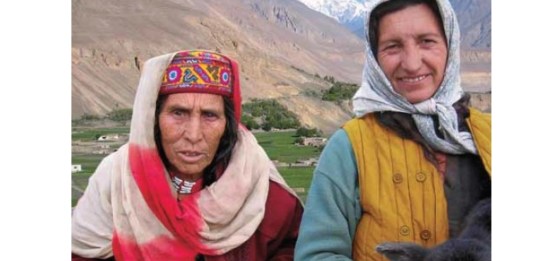
BBC’s special news article dated November 25, 2023, is about Pakistan’s Wakhi shepherdesses in Shimshal who have, over many generations, taken their flocks annually to high pastures, where they prepare dairy products to barter while their animals graze during the warmer season. The income they generated has been pivotal in transforming their community, helping to pay for healthcare, education, and the first road out of their valley.
However, the BBC’s article that includes stunning photos and a short film, does not provide any cultural information about the Wakhi people, and those who live in the Shimshal valley.
According to Wikipedia, “The Wakhi predominantly adhere to Nizari Ismaili Shia Islam, which is regarded as their ethnic religion and are followers of the Aga Khan.”
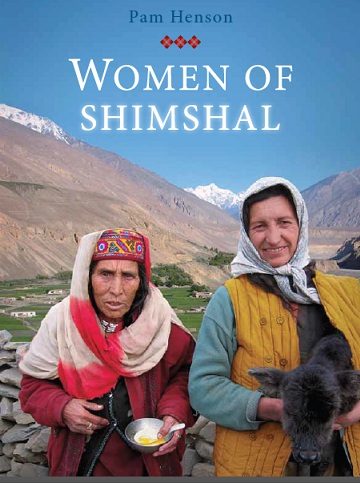
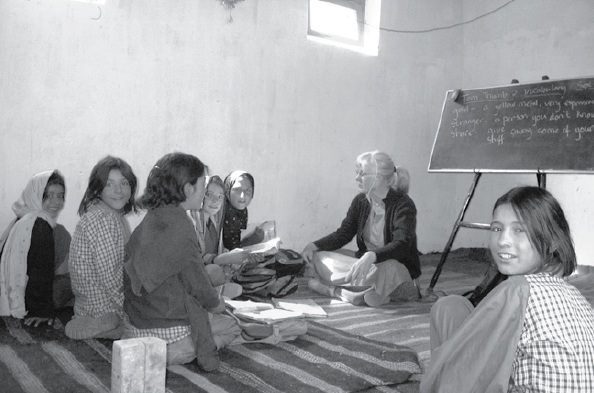
In 2012, Simerg published a special 3-part series entitled Remarkable Tales of Ismaili Women of Shimshal. The articles for the series were excerpted from “Women of Shimshal” with the permission of the book’s author, Pam Henson, a New Zealand educator and trekker, who visited the region 4 times. Pam dedicated her 2010 book “to the women of Shimshal village who have hosted me, treated me as one of the family, and shared the riches of their lives with me.”
The cover page of “Women of Shimshal” by Pam Henson. Simerg’s special series on Remarkable Tales of Ismaili Women was excerpted from Pam’s book.
We invite you to read Simerg’s fascinating series as a prelude to the BBC article. The special short film that is included in BBC news was produced by Farhat Javed. It features Afroze-Numa, one of Shimshal’s last shepherdesses; she has been profiled with other women from around the world in BBC’s 100 Women List.
_________________________
SHIMSHAL IN BRIEF
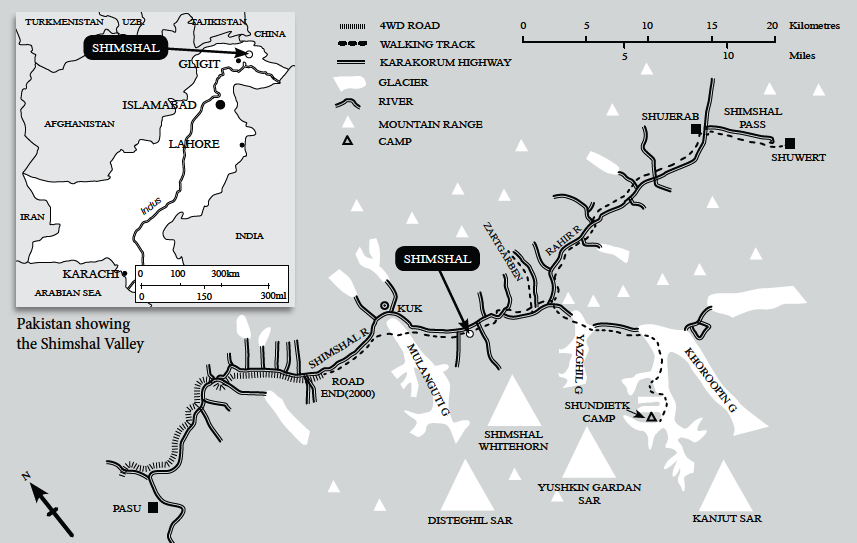
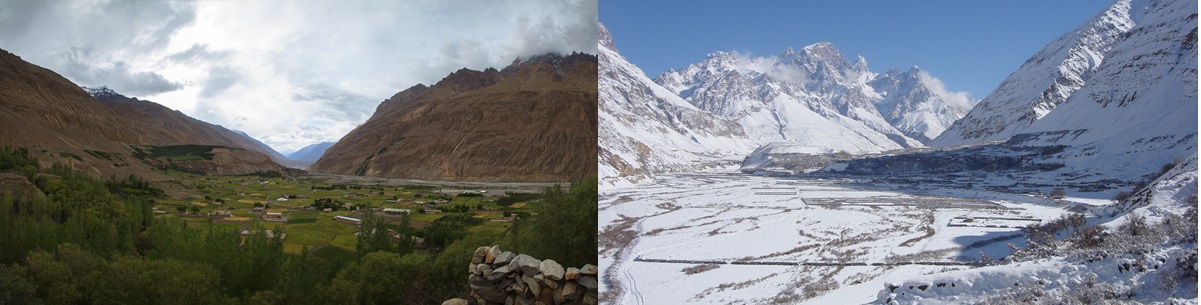
Shimshal is a remote Ismaili village which lies at an altitude of 3,100 metres above sea level, and is the highest settlement in the Hunza Valley of Pakistan. It is surrounded by innumerable, fascinating and awe-inspiring peaks, glaciers, alpine meadow and trekking routes. It is the bordering village that connects Gilgit-Baltistan province of Pakistan with China. The village of about 2000 devout Ismailis was inaccessible by road until October 2003, when a new road from the Karakoram Highway at Passu was constructed with the mutual cooperation of the Aga Khan Rural Support Programme, the Government of Pakistan and the local community. — Simerg’s special series on Remarkable Tales of Ismaili Women of Shimshal
February 14th, Valentine’s Day, and Mother’s Day are the most significant days for the flower industry. Still, there is almost an entire season — and not just a day — in Canada and the USA where the pumpkin remains the king in indoor and outdoor markets and at numerous events celebrating corn and pumpkin harvests. In fact, Calgary and other cities acround Canada including Edmonton, Milton, Burnaby and Ottawa are hosts to “Pumpkins After Dark“, Canada’s award-winning outdoor fall event that feature over 10,000+ hand-carved pumpkins.
The pumpkin is associated with Thanksgiving in Canada (2nd Monday in October) and the USA Thanksgiving (4th Thursday in November), and is one of the most popular desserts served during the holiday. In between, on Halloween Day, October 31, pumpkin heads are put to scary uses through creative works of art. Aside from the pumpkins’ use in decorations and artistics works, the fruit is used in restaurants in North America, such as Starbucks, Tim Horton, McDonalds and many others for special pumpkin chais, coffees and desserts.
Story continues below
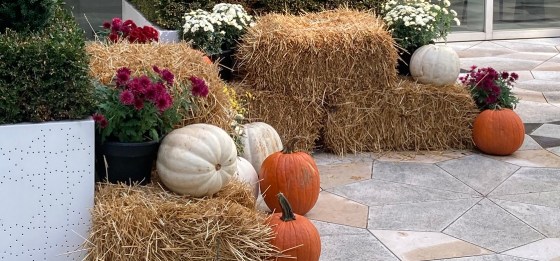
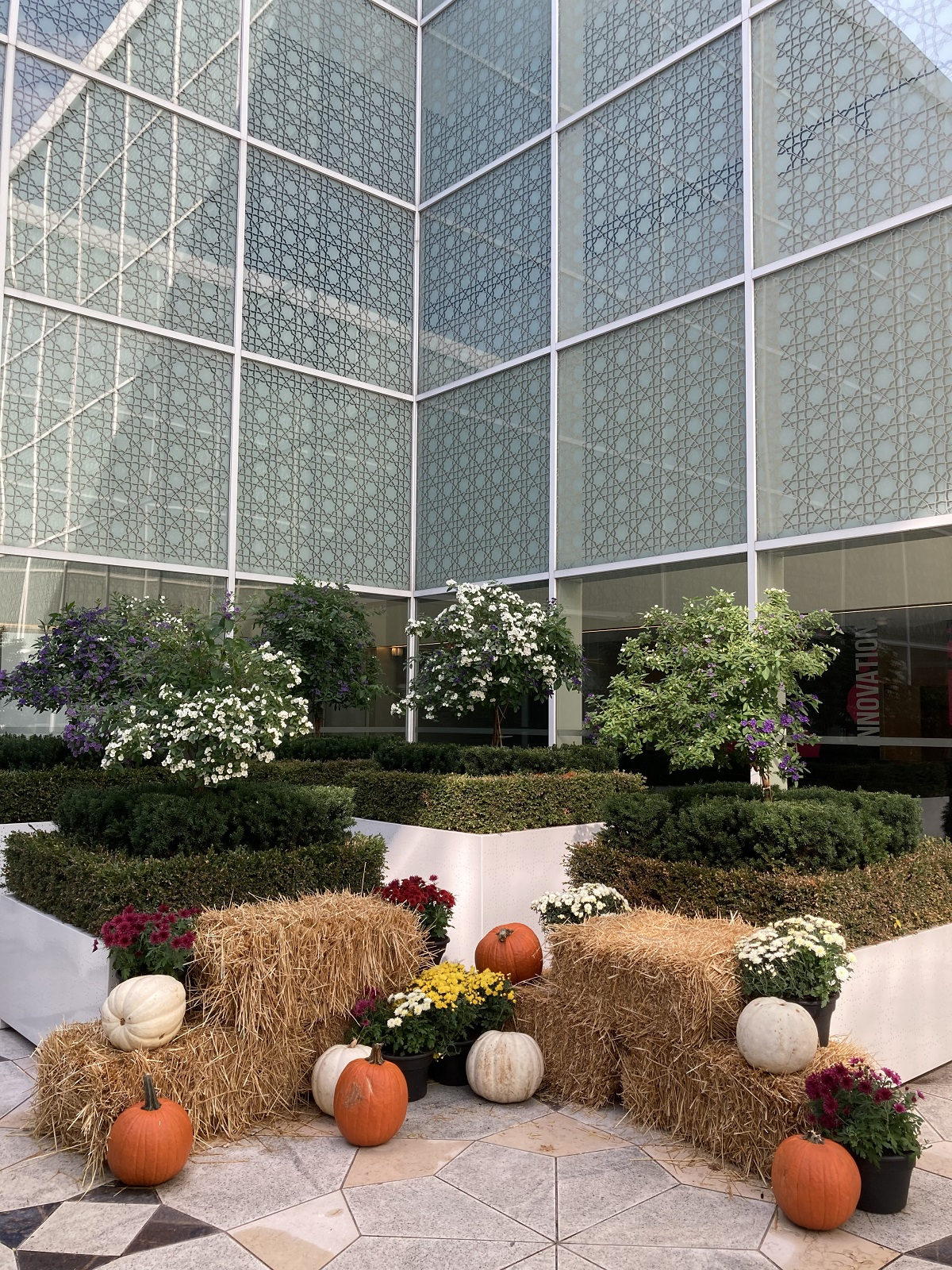
Aga Khan Museum Toronto Courtyard decorated with pumpkins, October 23, 2020. Photograph: Malik Merchant / Simerg.
My real interest on the health benefits of the pumpkin was drawn when I saw the large fruit decoratively laid out at the Aga Khan Museum’s coutyard during the pumpkin season some three years ago. I then wondered whether the fruit was mentioned anywhere in Islamic literature and, to my amazement, I read that the Prophet Muhammad (may peace be upon him and his progeny) was fond of pumpkins. I am pleased to include a small selection of adaptations from readings that I found.
“I saw the Prophet being served with soup and containing gourd (pumpkin or squash) and cured meat, and I saw him picking and eating the pieces of gourd.” — Bukhari Volume 7, Book 65, Number 348.
It is related that a sailor once invited Prophet Muhammad to eat some food that he had prepared. Anas bin Malik, a companion of the Prophet, noted that the Prophet was served barley bread and a soup with pumpkin in it. The Prophet keenly ate the pumpkin around the dish, and from that day Anas made it his favourite food. Traditions also note that whenever a a dish of bread, meat and broth was presented to the Prophet and it contained pumpkin, the Prophet would pick up the pumpkin because he really liked it, and made the heart strong. Other Muslim traditions note that the pumpkin increases brain function and brain strength.
Ibn Ridwan, in a medical treatise written during the Fatimid period, recommended the pumpkin as a diet for healthy living along with several other fruits and vegetables such as celery, carrots, lentils and cucumbers.
Interestingly, there is also a general consensus among researchers and scholars about the Arabic word yaqteen that is mentioned in the Holy Qur’an. They say that it refers to the pumpkin — a food that nourished and helped heal Prophet Yunus, after he was cast into the wilderness while he was sick (see Qur’an, 37:144-146, at Corpus Quran English Translation).
The website healthline mentions that pumpkin is rich in vitamins, minerals and antioxidants, and is incredibly healthy. Moreover its low calorie content makes it a weight-loss-friendly food. It goes on to add that “its nutrients and antioxidants may boost your immune system, protect your eyesight, lower your risk of certain cancers and promote heart and skin health.”
[Simerg is delighted to present a selection of beautiful paintings by Houston based Ismaili Muslim artist Parviz Dhanani. She becomes the third sister from the Jamani family to be portrayed on this website, following our earlier pieces on Mobina Marani of Crystal Beach, Ontario, and Nabat Pirani of Vancouver, British Columbia. We welcome Parviz, and invite Ismaili artists from around the world to introduce themselves by submitting clear images of some 6-8 paintings in JPG format along with their profiles to the editor Malik at mmerchant@simerg.com. This post reflects how artists are introduced in Simerg — Ed.]
****
Paintings by Parviz Dhanani
Beauty of the Divine, 11″ x 14″. This work was exhibited at the U.S. National Jubilee Arts Festival in Los Angeles during the Diamond Jubilee of Mawlana Hazar Imam, His Highness the Aga Khan. Painting by Perviz Dhanani, Houston, Texas.
~~~~~~~~~
Deeer in the Forest. Oil, 20″ x 16″. Painting by Parviz Dhanani, Houston, Texas.
~~~~~~~~~
Fir Tree and Mountain. Oil, 12″ x 16″. Painting by Parviz Dhanani, Houston, Texas.
~~~~~~~~~
Watching the Waves. Oil, 36″ x 26″ Painting by Parviz Dhanani, Houston, Texas.
~~~~~~~~~
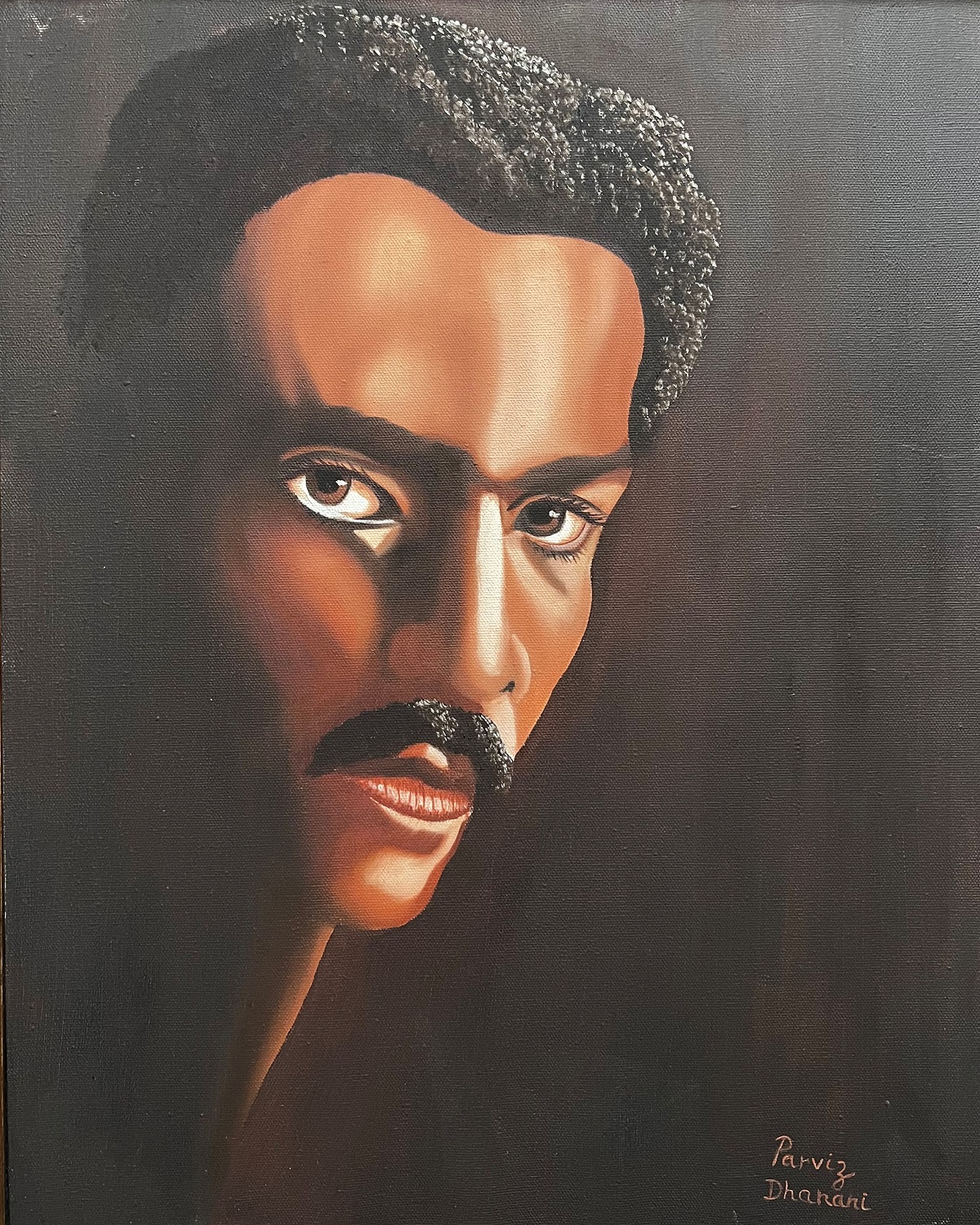
Unknown Man. Oil, 16″ x 20″. Painting by Parviz Dhanani, Houston, Texas.
~~~~~~~~~
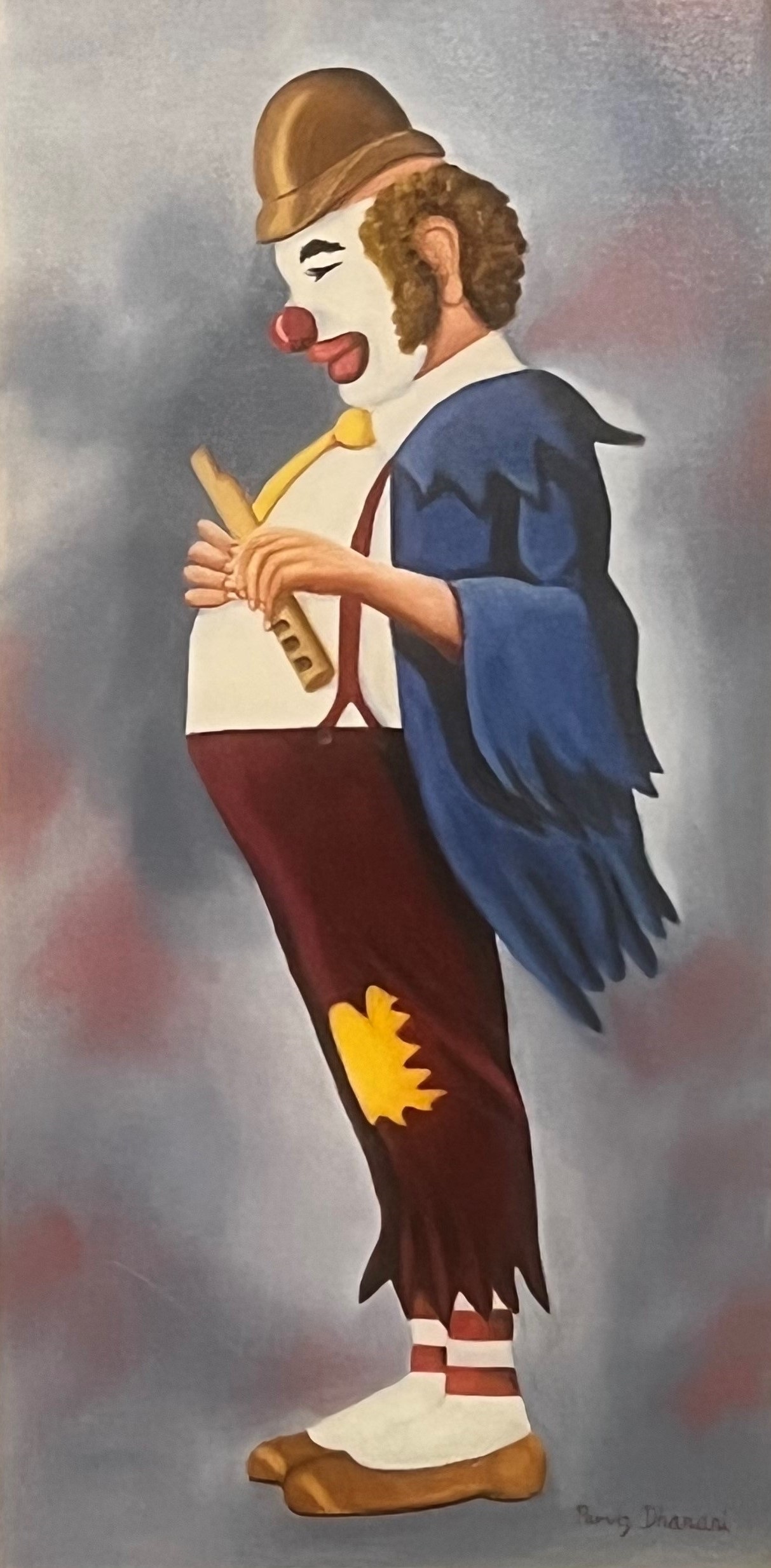
Clown. Oil, 12″ x 24″. Painting by Parviz Dhanani, Houston, Texas.
~~~~~~~~~
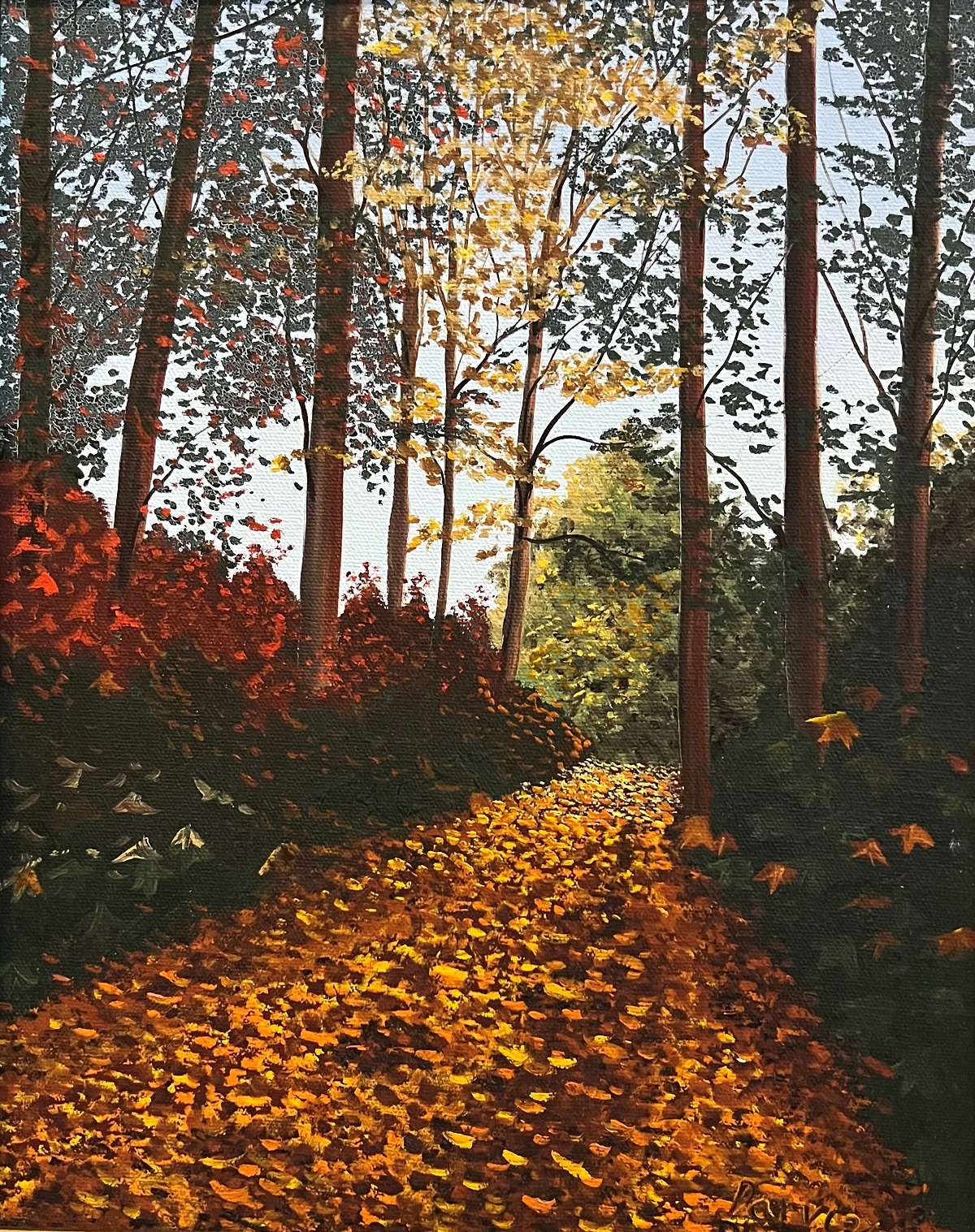
A Pleasant Walk. Oil, 8″ x 6″. Painting by Perviz Dhanani, Houston, Texas.
~~~~~~~~~
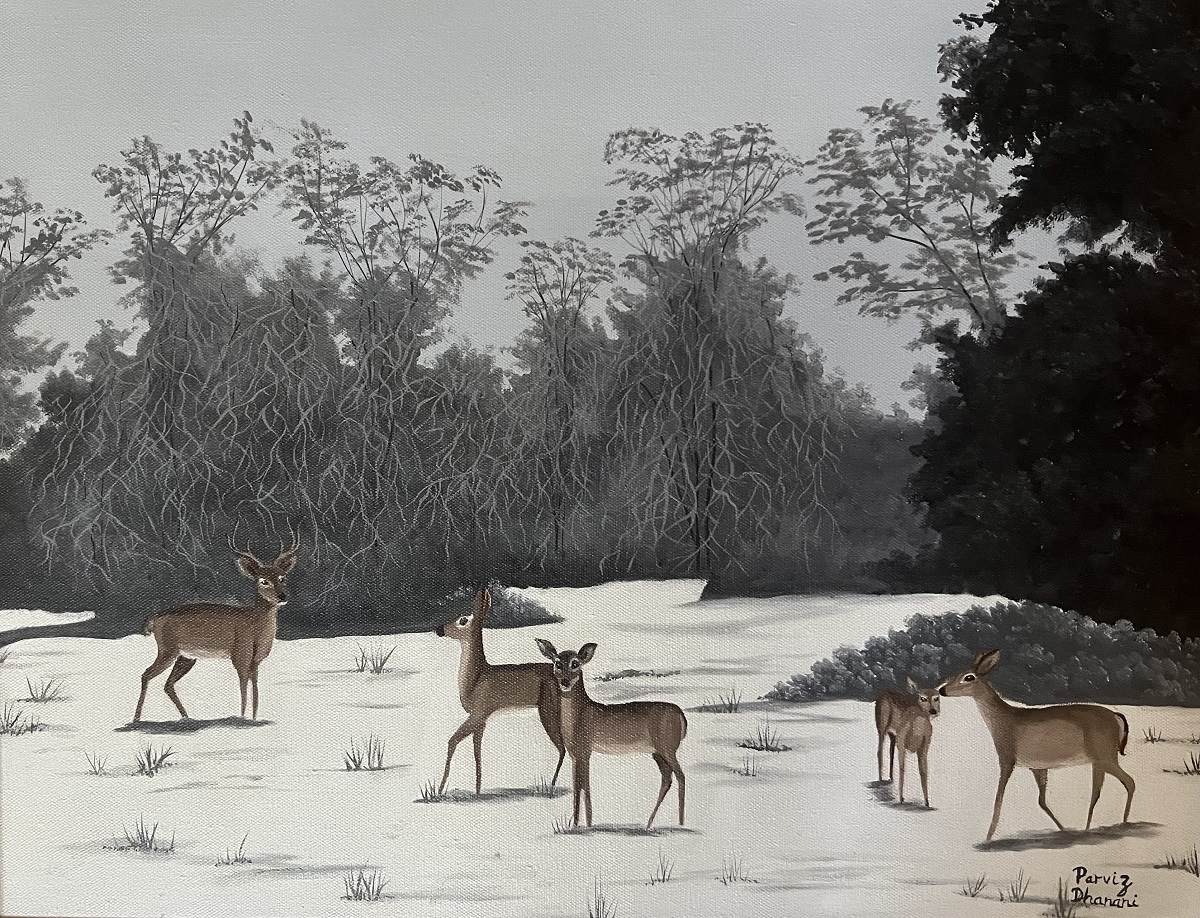
Flock on a Walk. Oil, 20″ x 16″. Painting by Parviz Dhanani, Houston, Texas.
Date posted: June 4, 2023.
_______________________
We welcome feedback/letters from our readers. Please use the LEAVE A REPLY box which appears at the bottom of this page or click LEAVE A COMMENT.
Parviz Dhanani of Houston Texas.
Originally from Kampala, Uganda, Parviz Dhanani completed her secondary schooling in Bath, England, earning a law degree (LL.B with honors) from London University. She later pursued graduate business studies in M.I.S. and Finance earning an M.B.A. from the University of Saint Thomas in Houston, Texas. With only a few private lessons from a kindly senior citizen, Parviz was always attracted to oil painting as a hobby. She also creates various three dimensional works ranging from ceramics to shadow boxes. Art was always a relaxing respite from hectic studying days or managing family and medical practice matters with her physician husband, Zul. They have two sons and two grandsons and settled in Houston. During the Aga Khan’s Diamond Jubilee festivities, Parviz’s painting “Beauty of the Divine” (shown above) was selected for exhibition at the U.S. National Jubilee Arts Festival in Los Angeles. Parviz is thankful for such opportunities and appreciates the worldwide platform provided by Simerg. She feels it is important to exhibit different artistic talents and perspectives from around the world.
Parviz Dhanani has two artistic sisters whose art works have been published on Simerg. Please view them by clicking on Mobina Marani and Nabat Pirani.
The editor invites Ismaili artists to submit a selection of their paintings and other works of art for publication in Simerg. Please submit clear images of no more than 8 objects in Jpeg (1200 x 900) along with your profile to the editor Malik, at mmerchant@simerg.com.
“The Wrong Bashir found the right audience on opening night if gales of laughter are any indication. From the curtain opener to the surprise at curtain fall, the sold-out crowd at the Firehall had a grand time. The Wrong Bashir is going to be a big hit; for some, it will be a laugh-yourself-silly evening” — Jo Ledingham, Vancouver Theatre Review
Following a fully sold-out run and critical acclaim for the Vancouver world premiere, Crow’s Theatre has announced the Toronto premiere of the new Ismaili comedy, The Wrong Bashir. The play will open in Toronto next year on May 21st 2024 and run until June 9th, 2024.
The play was met with enthusiastic full-houses and positive reviews in Vancouver — leading the prestigious Toronto theatre to pick up the new play as part of its bold, ambitious and imaginative 2023-2024 season.
Story continues below
The full cast of The Wrong Bashir take the stage in Vancouver. Photograph: Matt Reznek
Last week, Crow’s Theatre issued a special call for Ismaili actors to audition. They are seeking Ismaili actors for roles of many different ages and types. The full casting call link is available HERE.
For some of the roles (Nani, Nana, Gulzar) varying levels (and less experience in acting) is welcome. For the roles of Al-Nashir, Mansour, Bashir, and Nafisa, acting experience is required.
As exemplified by initiatives such as Jubilee Arts, there is hidden artistic talent in the community, and the theatre welcomes Ismailis interested to audition. Auditions began in April and the directors hope to wrap up in the next few weeks, so interested applicants are encouraged to submit as soon as possible. To submit, send a resume and headshot in one attachment to Director Paolo Santalucia (paolo@crowstheatre.com). Questions can be directed to thewrongbashirplay@gmail.com, and full information on how to submit is available at thisLINK.
Story continues below
Shera Haji, Leena Manro, and Aman Mann in the Vancouver production of The Wrong Bashir. Photograph: Matt Reznek.
Hussein Janmohamed, Parm Soor, and Aman Mann were among the stars in Vancouver’s rendition of The Wrong Bashir, which received a world premiere in BC in March 2023. Photograph: Matt Reznek.
The Play
The Wrong Bashir is Burnaby-born Ismaili playwright Zahida Rahemtulla’s debut play. It follows Bashir Ladha, a young philosophy major who has drifted from his Ismaili roots. Bashir’s parents receive a call that their wayward son has been selected as Student’s Mukhisaheb (congregational leader in Ismaili Jamatkhana), and they dutifully accept on his behalf. Before Bashir has a chance to argue, two official committee representatives arrive at the Ladha household.
As the two representatives slowly begin to realise a possible mistake in selection, the doorbell rings and Bashir’s excited grandparents and family friend make a surprise visit, having caught wind of the news in their Jamatkhana. The fun begins and much hilarity ensues as everyone struggles to keep up a farce. Reflections about tradition, the second-generation, and community are all brought to life in this heartfelt comedy, which also affectionately brings to life much of the humour that exists within Ismaili communities.
~~~~~~~~
Playwright Zahida Rahemtulla and Director Paolo Santalucia
Zahida Rahemtulla, playwright of The Wrong Bashir.
Zahida Rahemtulla is a playwright and short story writer. Her debut play, The Wrong Bashir, premiered with Touchstone Theatre in Vancouver and was recently picked up for Toronto premiere with Crow’s Theatre, which has been a leading force in new play creation in the Canadian theatre landscape. Zahida currently facilitates Parragon Theatre’s East of Tarragon Project in Scarborough and is passionate about education and working on new plays and with new playwrights.
Paolo Santalucia, director of The Wrong Bashir.
Paolo Santalucia is an award-winning actor, director and writer. He is a graduate of the Soulpepper Academy, and has been a member of Soulpepper’s ensemble for the past ten seasons. Paolo is a co-founder and Artistic Leader of the award-winning Howland Company. Paolo also teaches classical performance with the University of Toronto’s Theatre and Drama Studies Program, and is the recipient of two Dora Mavor Moore Awards in acting, one nomination for direction, and has been shortlisted for the John Hirsch Award for Directing.
UPDATE MAY 9, 2023:Due to the severity of wildfires in Alberta, this special event commemorating the coronation of King Charles III has been cancelled.
The Office of the Lieutenant Governor of Alberta is joining with the University of Alberta in a special celebration to mark the Coronation of His Majesty King Charles III on Saturday, May 13, 2023, at the University of Alberta Botanic Garden in Edmonton. The celebration will feature free public admission to the Botanic Garden throughout the day, and an afternoon program to include performances by the Treaty 6 Singers and Dancers (Aga Khan Garden, 1:30 PM), the RCMP Pipes and Drums (Pine Pavilion, 2:15 PM), the Royal Canadian Artillery Band (Aga Khan Garden Amphitheatre, 3:00 PM) and Kita no Taiko Japanese Drummers (Kurimoto Japanese Garden, 3:45 PM.)
The official program will commence at 1:00 pm at the Aga Khan Garden’s beautiful Talar building with greetings by Her Honour, the Honourable Salma Lakhani, Lieutenant Governor of Alberta.
A view of Aga Khan Garden’s magnificent Talar Building, where Her Honour, the Honourable Salma Lakhani, Lieutenant Governor of Alberta will offer greetings on Saturday, May 13, 2023, before the commencement of special musical events celebrating the coronation of King Charles III.Photograph: Nurin Merchant/Simerg.
Here is a brief description of the bands that will be performing at the Coronation celebration:
Treaty 6 Singers and Dancers (Aga Khan Garden)
For our readers’ information, Treaty 6 encompasses 17 First Nations in central Alberta including the Dene Suliné, Cree, Nakota Sioux and Saulteaux peoples. Treaties are the law of the land in the relationship between First Nations and the rest of Canada.
The peoples of the Treaty 6 area have diverse cultural traditions that are reflected in their musical and dance styles. All of these groups regard music and dance as vital parts of their lives. For them, music has a strong presence in their lives; in ceremonies, rituals, prayer, and various other spiritual practices. Along with dance, it is a means to unite people with each other and with the Creator. Dancers follow the beat of the drum, which is interpreted as a continuation of the Earth’s heartbeat – the same heartbeat that unites all people and is first heard inside the mother’s womb.
Today, music and dance continue to play a vital role in the spiritual and cultural lives of the Treaty 6 peoples.
_____________
The Royal Canadian Artillery Band (Aga Khan Garden, amphitheatre)
The Band provides music for military parades and ceremonial occasions, formal concerts, government functions, tattoos, and special events. The RCA Band performs as a 35 piece Brass / Reed Parade Band, a 35-piece Concert Band, as well as in various smaller configurations.
_____________
The RCMP Pipes and Drums (Pine Pavilion)
RCMP Pipes and Drums will perform at the University of Alberta Botanic Garden’s Pines Pavilion on Saturday, May 13, 2023 in honour of the coronation of King Charles III at Westminster Abbey, London, on May 6, 2023. Photograph: RCMP Pipes and Drums.
The RCMP Regimental Pipes and Drums of Alberta is comprised of Civilian, Military and RCMP members. The band is a not for profit group with members throughout Alberta that promote the RCMP within Alberta and nationally. The band uniform consists of the RCMP scarlet tunic and the RCMP tartan kilt. This uniform is recognized world wide and represents a national institution.
_____________
Kita no Taiko Japanese Drummers (Kurimoto Japanese Garden)
This drumming group is one of the oldest Japanese drumming groups in North America and will enthrall the audience through the powerful, beautiful sound of the taiko (drum). Watch how taiko combines dynamic music, primal rhythms, and the human spirit to create an unforgettable artistic experience.
_____________
Coronation Celebration of King Charles III
Please click on image to visit the Lt. Governor of Alberta website for further information about the coronation celebration event.
Date posted: May 8, 2023. Last updated: May 9, 2023 (event cancelled.)
___________________
Material for this post was compiled from the following websites:
Khatoon Noonan presents her dish “Pickling Mutton Curry” which won Cook for the King competition to celebrate the coronation of King Charles III. Photograph: University of the 3rd Age (u3a).
By SHIRAZ PRADHAN (special to Simerg)
During the Coronation of Queen Elizabeth II on June 2, 1953, Khatoon Noonan was in primary school at the small village of Kumi in Uganda. Being a British protectorate, Uganda had a public holiday and Kumi had a fair to attend and a village party to celebrate the Queen’s Coronation. During the party, Khatoon’s mother dearly called by all as ‘Maa’ had cooked her eclectic dishes for the invited dignitaries including the District Commissioner and local Saza Chiefs. Even in those days, Maa’s culinary fame was recognized far and wide, especially her pickling dishes.
Little had Khatoon dreamt that in the 21st century, in May 2023, she would have the singular accolade of being the winner of Nationwide “Cook for the King” competition to commemorate the coronation of King Charles III in her adopted home of London. Her mouth-watering winning entry is an epitome of Khoja Ismaili Fusion cooking.
Aptly named “Pickling Mutton Curry,” Khatoon cleverly blended fragrant and environmentally friendly spices and local ingredients with meat favoured by King Charles to encourage local farming community. These were some of the stringent requirement of the u3a competition. The judges, some of whom are from national TV and culinary talk-show, had rave reviews about her creation which has attracted national attention.
A career bio-chemist Khatoon was a natural cook, given her deep interest in chemistry. Her childhood interest in cooking were encouraged by observing her mother and two elder sisters in the kitchen, feeding a growing family of ten children, granny and a regular stream of travellers and guests who would drop-by (there being no eateries in the village or vicinity.) Besides the Khoja Ismaili cuisine from native Kathiawad, being the family staple, Swahili East-Africa costal and Gujarati vegetarian cuisines figured prominently in Khatoon’s family. This was rounded-off with adaptation of fragrant local, fresh Ugandan products which unlocked natural flavours a thousand-fold. Khatoon absorbed all this knowhow like a sponge.
Always a brand-ambassador of Khoja Ismaili cooking, Khatoon’s experimentation with fusion of Ismaili cuisine with other cuisine began when she attended the remote St. Mary’s Convent at Namagunga, Uganda, for her A-levels. The cheery-nuns were her companions and mentors and she started to blend Western and Middle-Eastern cuisines with her native Ismaili cooking. The results were stunning. The honing of these experimental efforts continued through her undergraduate at Makerere and later at Newcastle University where she was studying for her post-graduate in bio-chemistry. Uprooted from Uganda, Khatoon had to now adopt her cooking with English ingredients. But she was well-equipped with the skill-sets and this would set the stage for the later phase of her life.
Always eager to share her skill and cooking with other, Khatoon wrote several cook books, her magnum opus being, “My Life through Food”, packed with recipes handed-down from generation to generation but moderated with local ingredients to unlock the fragrance and aromas of meats and vegetables. She regularly runs a South Asian cooking demonstration classes in her kitchen under the umbrella of u3a (University of the Third Age).
The Crowning Jewel to Khatoon’s life came when she participated in u3a’s “Cook for the King.” All her skill, knowledge and years of experimentation came to fruition with her winning entry “Pickling Mutton Curry”, a simple enough dish fit for a King.
Date posted: May 7, 2023.
________________
Feedback
Simerg welcomes your feedback on Khatoon Noonan’s crowning achievement. Please click on Leave a comment. Your letter may be edited for length and brevity, and is subject to moderation.
About the contributor
Shiraz Pradhan
About the contributor: Shiraz Pradhan, in parallel with his work as an international engineering consultant, has contributed for several years to furthering religious education among the Shia Ismaili Muslim community in the UK, Canada, USA and Japan. He is the author of several articles published on this website and was a regular contributor to UK’s flagship Ismaili magazine, Ilm. Currently he is concluding the script of a full-length play of the 10th Century trial of the Sufi Saint Mansur al-Hallaj in Baghdad based on historical facts. He is also the Chairperson for the Association for the Study of Ginans (ASG), an organization that has in recent years established close collaborations with institutions around the world, hosted several Ginan conferences, online webinars and Ginan mehfils.
Further reading
u3a Cook for the King — a competition to celebrate the coronation of King Charles III — has crowned its winner. To celebrate the coronation, u3a members were challenged to create Coronation recipes Fit for a King, while considering sustainability and the UK’s partnership with the Commonwealth. The winner, Khatoon Noonan, drew on her Ugandan, Indian and British heritage to prepare the winning dish ….READ MORE
“Toronto’s Thorncliffe Park neighbourhood has long been a welcoming starting point for immigrants to Canada. Now, IMARA National, on behalf of the city’s Ismaili community, is proposing to replace their existing facilities on Overlea Boulevard with an architecturally adventurous redevelopment that better suits the growing community’s needs” — Anthony Teles writing for Urban Toronto, February 2, 2023.
In a post dated January 21, 2023, Simerg reported about a new Ismaili Cultural Centre housing and Jamatkhana that is being proposed in Port Moody, British Columbia. In the introductory piece we also provided a link to an excellent piece on the website of Anthem Properties containing renditions of the building and other pertinent details.
Now, two weeks after the Port Moody article and as Toronto along with the rest of Ontario is gripped with some of the coldest temperatures recorded, we are pleased to provide a link to a report by Anthony Teles in Urban Toronto under the heading Ismaili Community Centre and Jamatkhana Proposed for Redevelopment in Thorncliffe Park (please click on the link to read Anthony’s report that includes more renditions of the Jamatkhana building as well as other important details.)
Looking southeast from William Morgan Drive to the Don Mills, Ismaili Community Centre and Jamatkhana, as designed by architects-Alliance for IMARA National, an Ismaili institution that oversees the development of Ismaili Jamatkhanas in Canada. Click on photo for full report in Urban Toronto
In its coverage, Urban Toronto notes that the site is where the Don Mills Jamatkhana is currently located in a one-storey building, in a vibrant multi-cultural neighbourhood, Thorncliffe Park, north of the Don Valley Parkway and south of Eglinton Avenue. The author of this post, Malik, is familiar with the location. It is a 7-10 minute drive to the Ontario Science on Don Mills Road and then another 3-5 drive to the Ismaili Centre and the Aga Khan Museum on Wynford Drive, the block now ceremoniously called the Aga Khan Boulevard. These locations will be served by a new Light Rail Transit (LRT) railway line later this year. The LRT station near the Museum is aptly named Aga Khan Park & Museum (see photograph, below.)
The new Aga Khan Park & Museum station on Toronto’s Light Rail Transit (LRT) on Eglington Line, as pictured during its contruction phase; September 2020. Photograph: Malik Merchant/Simerg.
The Don Mills and the York Mills areas of Toronto have the highest concentration of Ismailis in Canada. Within a radius of 5-10 kms from the Ismaili Centre on 49 Wynford Drive or Aga Khan Boulevard, there are currently three Jamatkhanas — the Don Mills, which would be replaced with the new project, East York and Willowdale. Of course there are several other Jamatkhanas in the Greater Toronto region including Richmond Hill in the north, Scarborough in the east and Etobicoke, Brampton and Mississauga in the west. There is also a Jamatkhana catering to the Ismaili community in the downtown area.
Date posted: February 4, 2023. Last updated: February 6, 2023 (formatting and typos.)
REVIEW SIMERG’S TABLE OF CONTENTS AND VISIT ITS SISTER WEBSITES
Before departing this website, please take a moment to review Simerg’s Table of Contents for links to hundreds of thought-provoking pieces on a vast array of subjects including faith and culture, history and philosophy, and arts and letters to name a few. Also visit Simerg’s sister websites Barakah, dedicated to His Highness the Aga Khan, and Simergphotos. The editor may be reached via email at mmerchant@simerg.com.



















 Simerg - Insights from Around the World