Simerg is an independent initiative dedicated to Ismaili Muslims, the Aga Khan — their Hereditary Imam — and the Ismaili Imamat, and Islam in general through literary readings, photo essays and artistic expressions
In 1954, at the invitation of the Mir of Hunza, a revered figure in the region, Mishal Husain’s grandfather, Shahid Hamid, made a journey to the northern reaches of Pakistan. He wrote: “Hunza is situated among a congress of great mountains, a concentration of lofty peaks, many of them unnamed, where the greatest folding of the Earth’s surface is to be found.”
Guided and inspired by her grandfather’s travelogue “Karakoram Hunza: The Land of Just Enough,” Mishal Husain, a BBC journalist and presenter of the ‘Today’ programme, embarked on a personal journey with her family, following in her grandfather’s footsteps. Precisely 70 years after her grandfather’s, she shares her unique experience in the Financial Times of London travel section. Please click Mishal Husain: Recreating my grandparents’ epic journey into remotest Pakistan.
In her piece, Mishal notes: “I reached Hunza after dark and walked through a small bazaar to our hotel, the Serena Altit Fort Residence — the first of three heritage properties we’d visit. All have been restored through projects led by the Aga Khan Fund for Economic Development, and being able to stay in such places allows the visitor to appreciate the history of the region’s people and their craftsmanship alongside its natural beauty.” Please click FT Travel: Mishal Husain in Hunza.
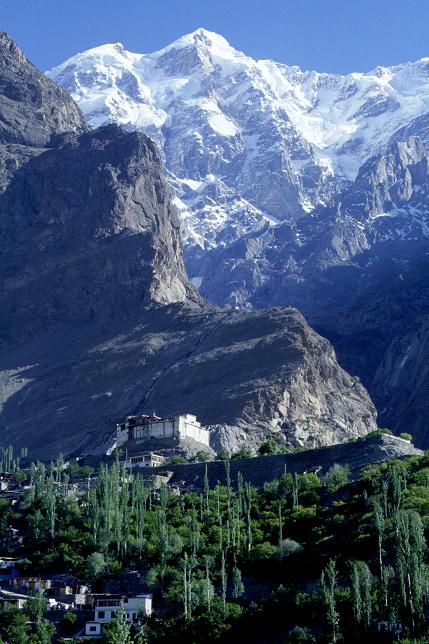
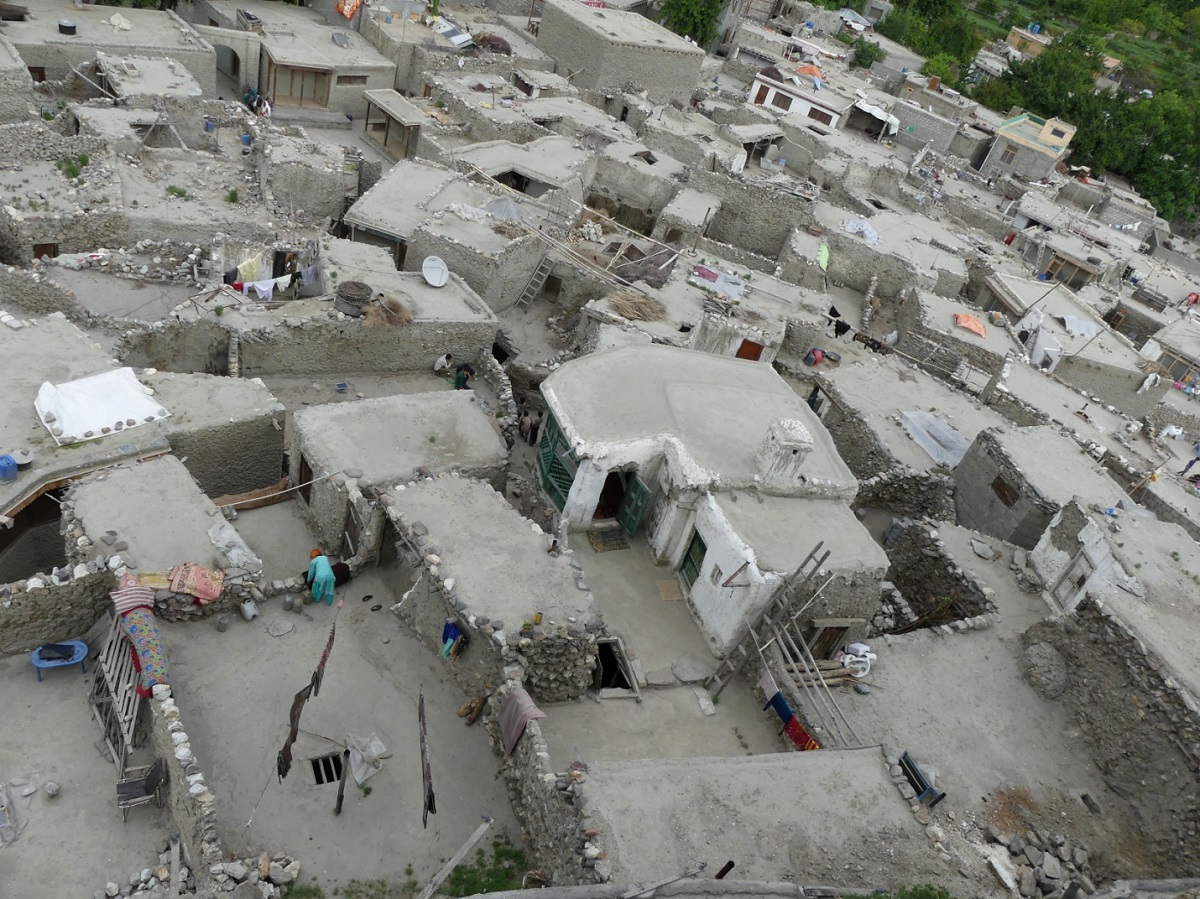
Credits: The featured image at the top of the post is from Mishal Husain’s piece in the Financial Times. The two photos in the body of this post were published on this website earlier; they relate to some of the places Mishal visited in Hunza.
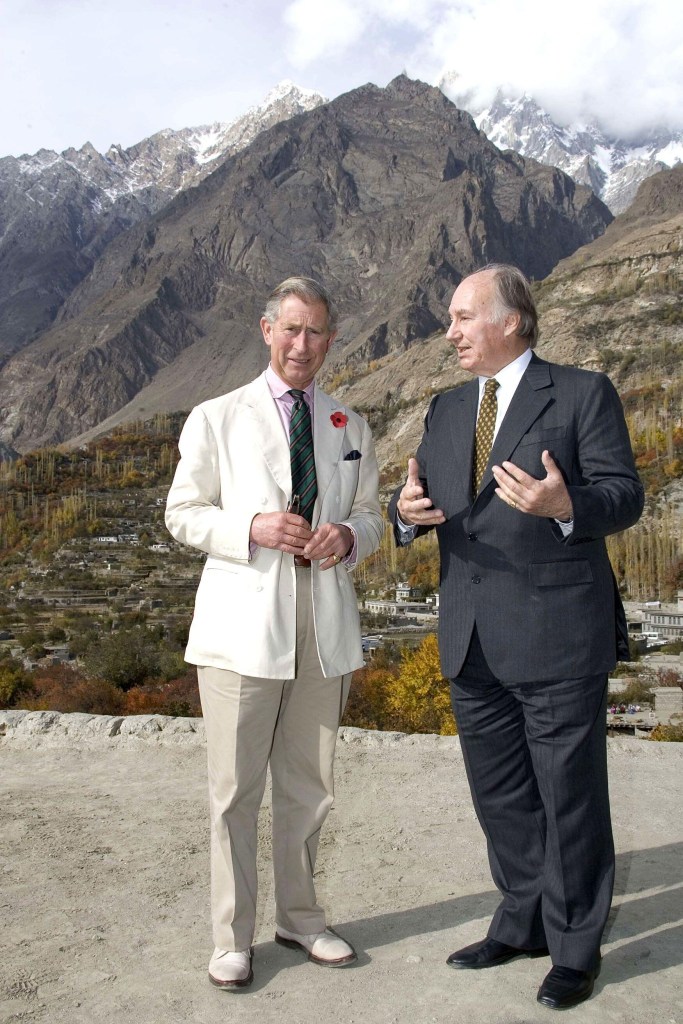
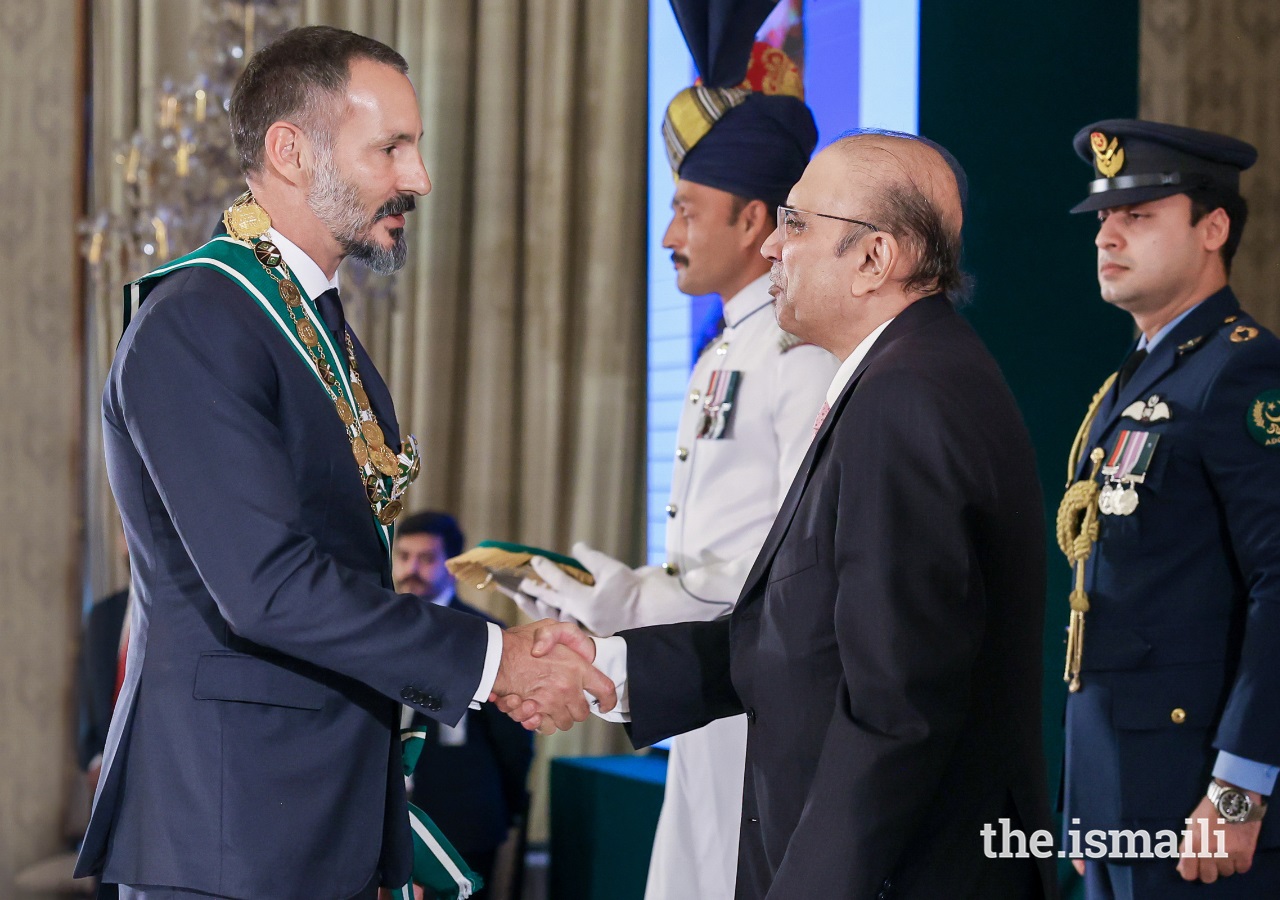
Barakah, our sister website, dedicated to His Highness the Aga Khan, the 49th Hereditary Imam of the Ismaili Muslims, has a special page covering news related to the Aga Khan and his family members. Prince Rahim, his oldest son, concluded his five-day visit to Pakistan on June 10, 2024, with a meeting with the Pakistan Prime Mnister Shehbaz Sharif (see featured photo, top of post). On June 7, the Prince was awarded Pakistan’s Highest Civilian Order by the President of Pakistan, Asif Ali Zardari.
The President of Pakistan, Asif Ali Zardari, congratulates Prince Rahim Aga Khan after conferring on him the Nishan-i-Pakistan on June 7, 2024, at a ceremony held at Aiwan-e-Sadr, the President’s official residence in Islamabad. Photograph: AKDN/Akbar Hakim. Please click on the photo for more coverage of the event and other events since the beginning of 2024.
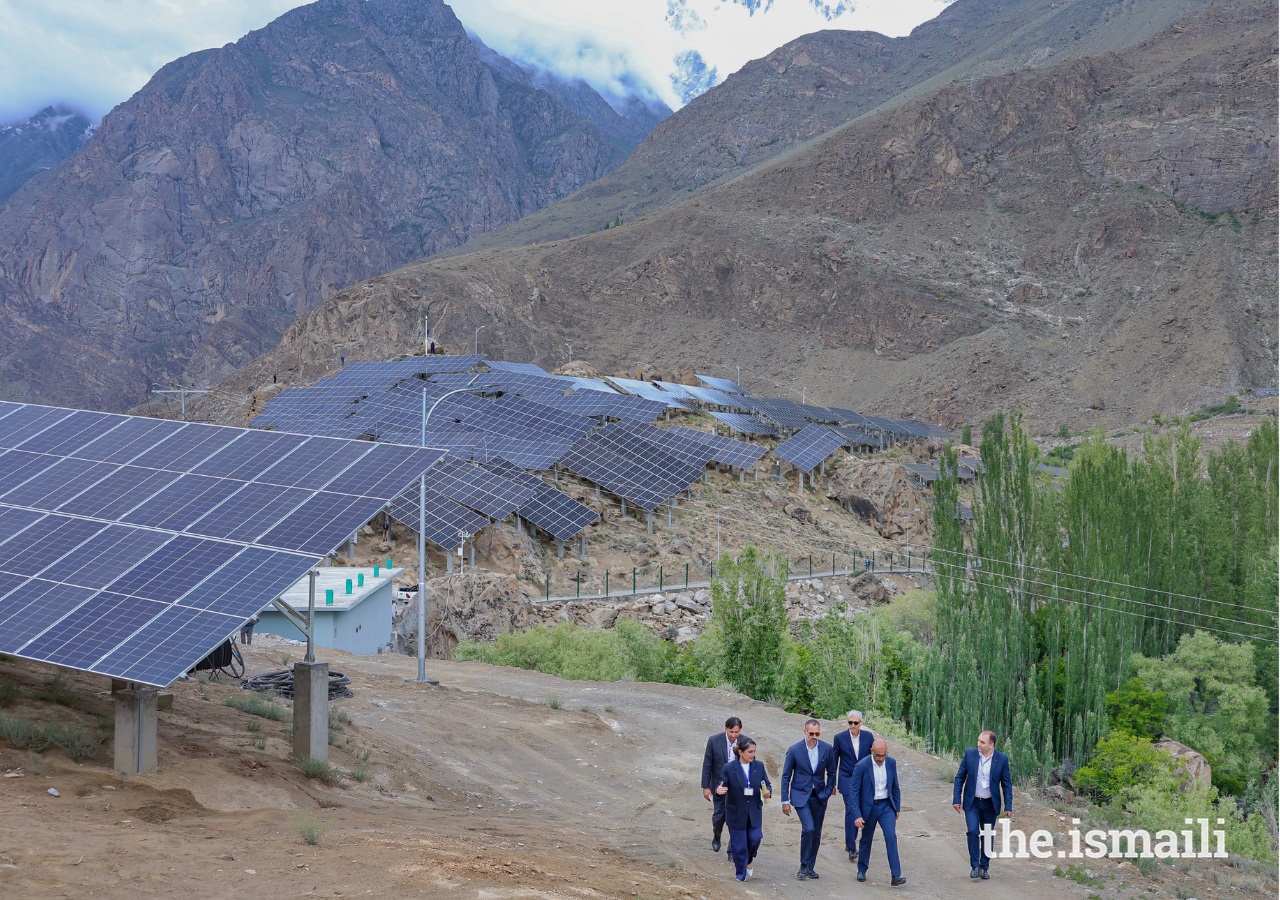
Prince Rahim then visited Hunza to launch projects related to the development of Solar Power Plants and a high-tech Software Park, visited the 800-year-old restored historic fort of Altit and saw the completion of the five-star Hotel Serena. On June 9, he inaugurated the new Headquarters of HBL Microfinance Bank in Gilgit.
Prince Rahim Aga Khan climbs up Duiker Hill to get a bird’s eye view of the areas that will benefit from the expansion of the power plant in Hunza. Please click on the image for this and other stories. Photograph: AKDN/Akbar Hakim.
Prince Rahim’s sister, Princess Zahra, visited the Aga Khan Development Network’s work in Hunza and Chitral between May 22 and 26.
On May 11, their aunt, Princess Yasmin Aga Khan hosted the highly successful Rita Hayworth Gala in Chicago. This remarkable event, which raised nearly US $900,000, is a shining example of how collective efforts can make a significant difference in supporting the Alzheimer’s Association’s care, support, and research programs.
Visit Barakah for news, insightful and inspirational articles about the Aga Khan and the Ismaili Imamat.
Date posted: June 7, 2024. Last updated: June 10, 2024.
Carpentry is traditionally considered a man’s job in Pakistan, but a few brave women are changing that mindset, from carving unique wooden utensils to building an entire house. In two short films, VOA and BBC Urdu Services spoke to several women who wanted to hammer home the point that not only are women integral to their community and the economy, they can also build things as well as men.
Video 1: Women Carpenters in Pakistan by VOA Urdu Service
“Carpentry is considered a man’s work in Pakistan and women are often discouraged from doing it. Wherever women go, they face issues that affect their honour, religion, culture, and social norms. However, when they step out and do something in order to take care of their family, then they realize that their honour, religion, culture and everything is still in place” — Excerpt from the video below, which has been reproduced from the VOA website. Bezhan Hamdard narrates the report in English.
After an abnormally mild December across much of Canada, winter is finally coming with a bang across most regions of the country starting Wednesday, January 10, 2024. Temperatures in Edmonton, which has not seen any snow, and Calgary are expected to plunge to lows ranging between -16C to -32C!
The centuries-old apricot soup (Bataring Daudo) from Hunza is what you want on your dining table to warm you up during the winter season, and for that we have turned to Aysha Imtiaz’s special feature article on the BBC website. Aysha writes: “The deceptively simple soup, has been nourishing Pakistan’s Hunza community for centuries and is perhaps the purest celebration of the fruit and the Hunza ideology.”
Shahzadi, who runs the Hunza Food Pavilion in Karimabad, Hunza’s capital, says: “The Hunza diet is instinctively reliant on fruit — fresh in the summer and dried in the winter. Simple, fuss-free food [means a] simple, fuss-free life.” She adds: “This soup has been used for centuries because it wards off colds and is nutrient dense.”
Note: Dried apricots, one of the 3 ingredients mentioned in the recipe, are easily available from small and large grocery stores across Canada, the Bulk Barn being one of them. You will also find large varieties of organic dried apricots in ethnic stores around the country.
~~~~~~~~~~
The Apricot
The cure for a weakened heart is apricot, The medicine for a bad mood is apricot, Fresh or dried, don’t eat too much, Drink its juice when you don’t feel well. (ode from With Our Own Hands, page 245).
~~~~~~~~~~
IN THE PAMIRS, THE APRICOT IS A SECOND FRUIT FROM PARADISE
The following piece by Tahmina Saodatkadamova is excerpted from the beautiful volume With Our Own Hands by Frederik van Oudenhaven and Jamila Haider. The unique award winning book was featured in Simerg a number of times, and reviewed by Nairobi’s Shariffa Keshavjee. The book was a sell-out on our website when we offered it to our readers on two occasions.
By TAHMINA SAODATKADAMOVA Dean of the Faculty of Biology, Khorog State Univeristy
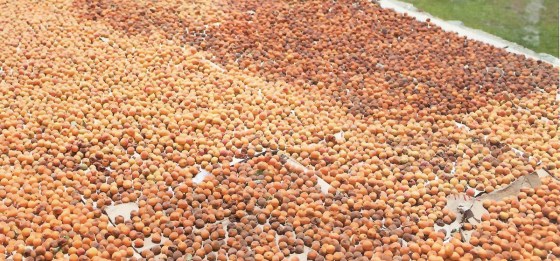
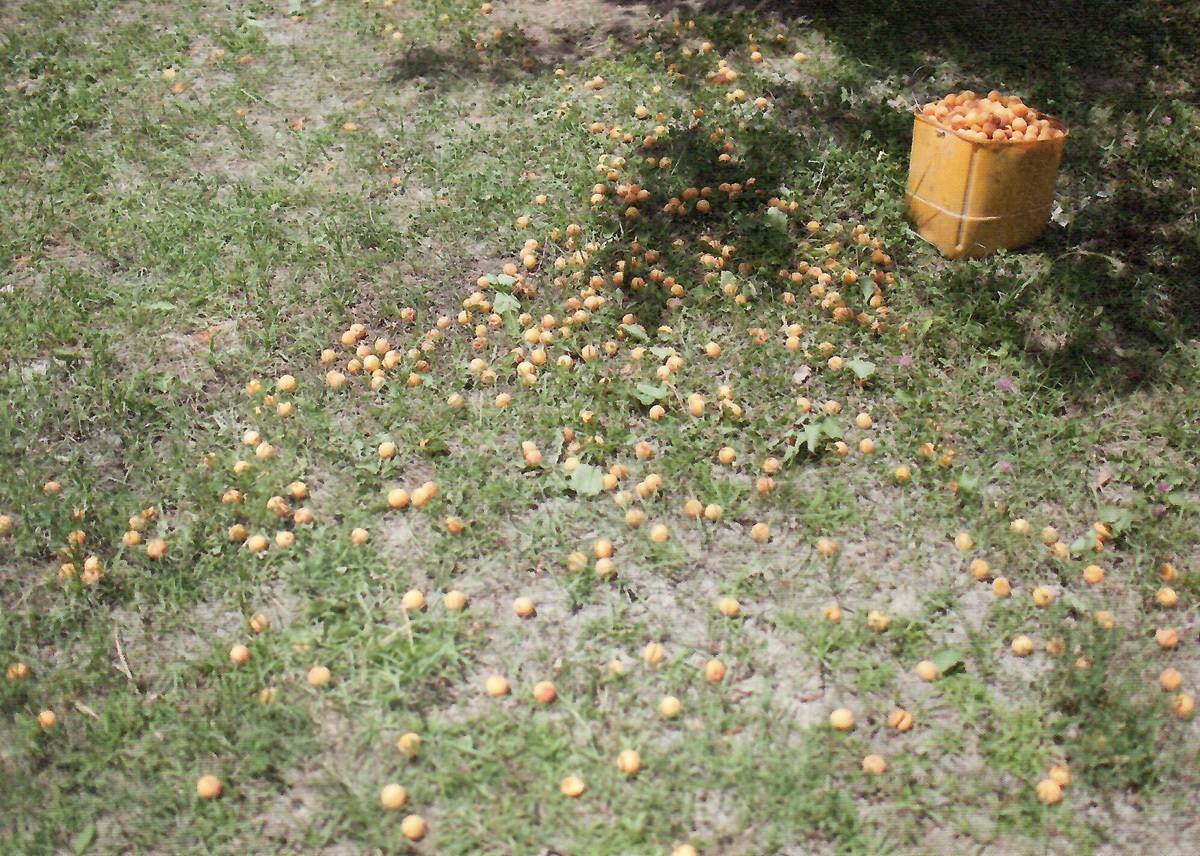
Also from paradise according to local lore, the apricot is the Pamirs’ second fruit [after mulberries]. Where mulberries speak of necessity and ‘bread’, the apricot is the luxurious topping, very much a sign of wealth. Not very different from its role in the diet of the people of Hunza who use the fruit, its seed and oil in many different dishes and who attribute the near-mythical age to which they live to its many qualities, apricots play a very significant role in the food of the Pamirs.
More than 300 varieties, many of the unique to the Pamirs, have been identified by scientists.
Judging from wood fragments found in Stone Age graves, it is possible that the first apricot trees that arrived, thousands of years ago, took root as wild trees and were eventually brought into cultivation by the farmers of the Western Pamirs. Even now, groves of wild apricot trees can be seen on dry mountain slopes among enormous boulders. Of all the fruit trees in the Pamirs, they are best able to withstand drought.
In the Pamirs, apricots grow at altitudes of 1,600 to 3,000 metres above sea level. Here, the strong rays of the sun, the stark cold, the dry air and soil, and the care of many generations of farmers have made the apricot unique. Like mulberries and other fruit and berries growing in these mountains, the apricots are filled with flavour and are rich in vitamins and antioxidants. This is why local fruit varieties play such an important part in Pamiri folk medicine.
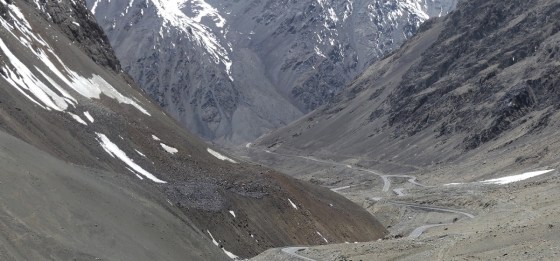
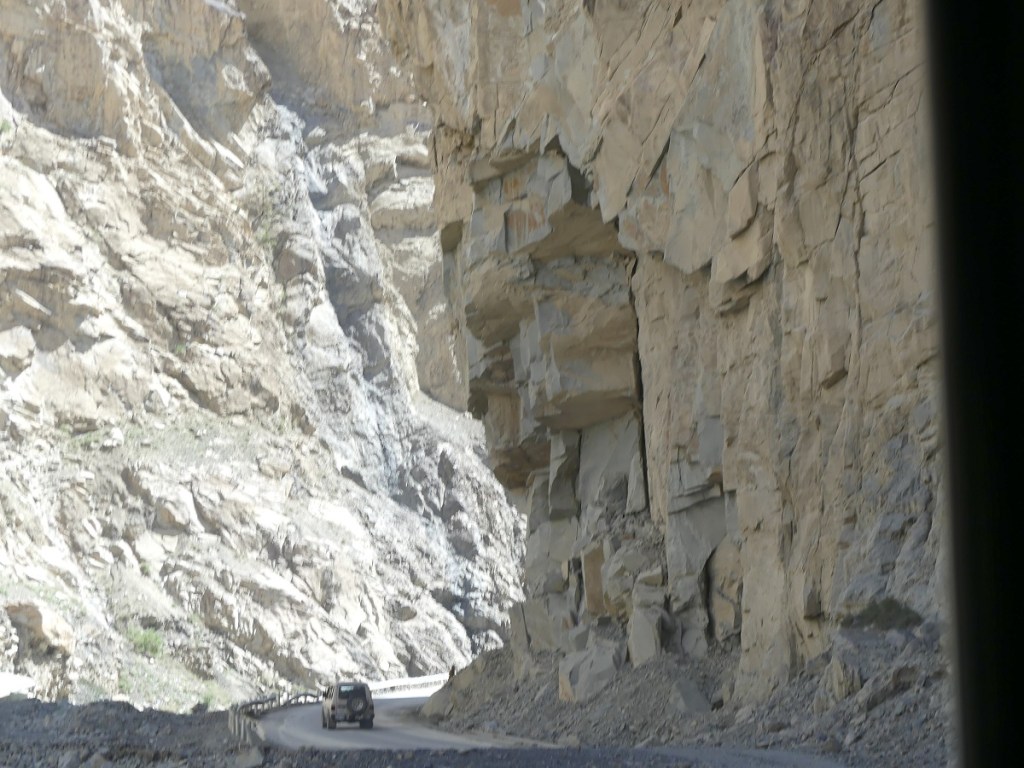
The Karakoram Highway (KKH) cuts through some of the most astounding rock faces on the planet. Often coined the “Eighth Wonder of the World”, it’s a road trip of dreams, yet few have ever heard of it, or how it came to be. The highway stretches for 1,300 km from Pakistan to China, but Samantha Shea was particularly drawn to the 194km stretch of the highway that runs through the Hunza Valley, a region surrounded by the Karakoram Mountains that give the highway its name.
“This impossibly beautiful section is where you can see pristine glaciers, alpine lakes and snow-capped peaks right from the comfort of your ride. However, as alluring as the journey is, it’s the incredible people and traditions of the Hunza Valley that make this part of the highway so special….Hunza is known for being the most liberal region, in part due to the predominance of Ismailism, a moderate sect of Islam known for promoting tolerance and women’s rights. Education and sports are encouraged for girls, and many go on to study at university and beyond.” READ MORE ON BBC TRAVEL
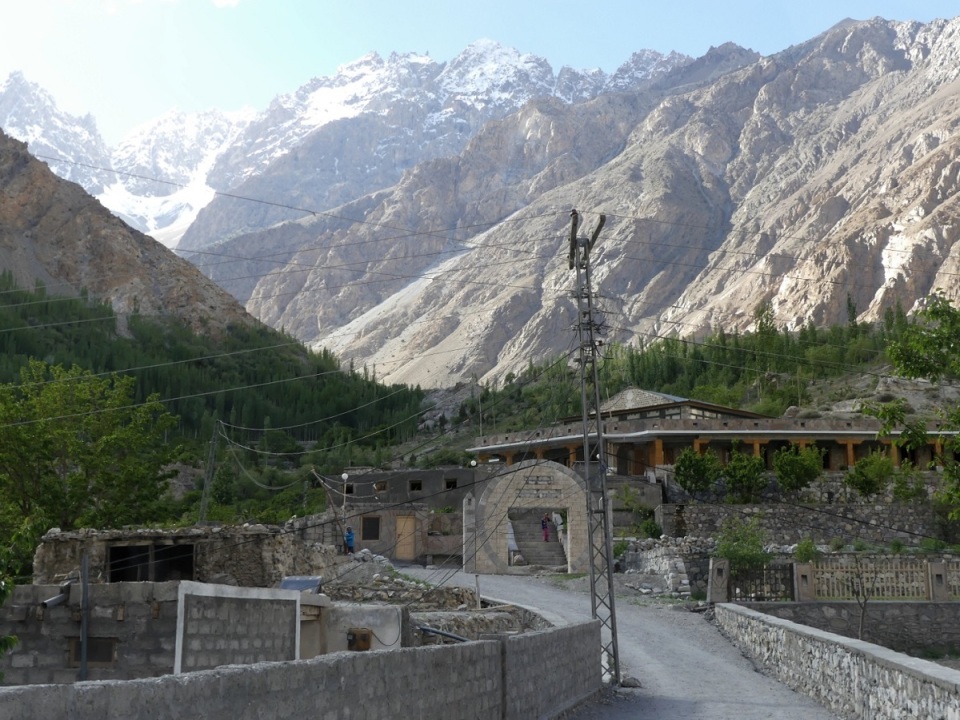
In a fascinating 5 part travelogue of his trip to China and Pakistan, Ali Karim dedicated an entire post to the Ismailis of Northern Hunza. His visits to the villages of Passu and Khyber left Ali and his wife Dilshad speechless. They noted, “The experience was overwhelming, as were the sights! The Ismailis of Khyber village and Passu showed us that you can symbolically scale and even climb above the highest of peaks through goodness, warmth and generosity.” Please read Ali’s piece Ismailis of Remote Northern Hunza Rise High Above the Tallest Peaks.
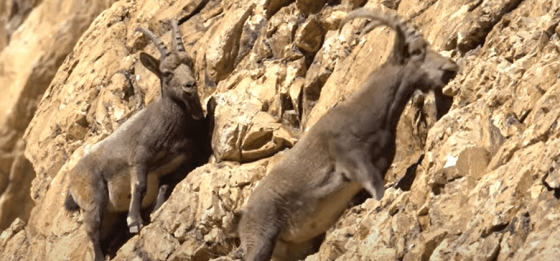
Interestingly, just this past week, the media in Pakistan reported a story about Nyal Mueenuddin, wildlife filmmaker for World Wildlife Fund (WWF) Pakistan and Imtiaz Ahmed, a local photographer, spotting a herd of about 50 Himalayan ibex including females along with their yearlings near Khyber village. We located the beautiful short film on Youtube, which every member of your family, young and old alike, will love watching. The short film follows photos of Khyber Village and Passu from Ali Karim’s must read article.
A version of this post also appears at Simergphotos.
We welcome feedback from our readers. Please complete the LEAVE A REPLY form below or click Leave a comment. Your letter may be edited for length and brevity, and is subject to moderation. Before departing this website please take a moment to review Simerg’s Table of Contents for links to hundreds of thought provoking pieces on a vast array of subjects including faith and culture, history and philosophy, and arts and letters to name a few.
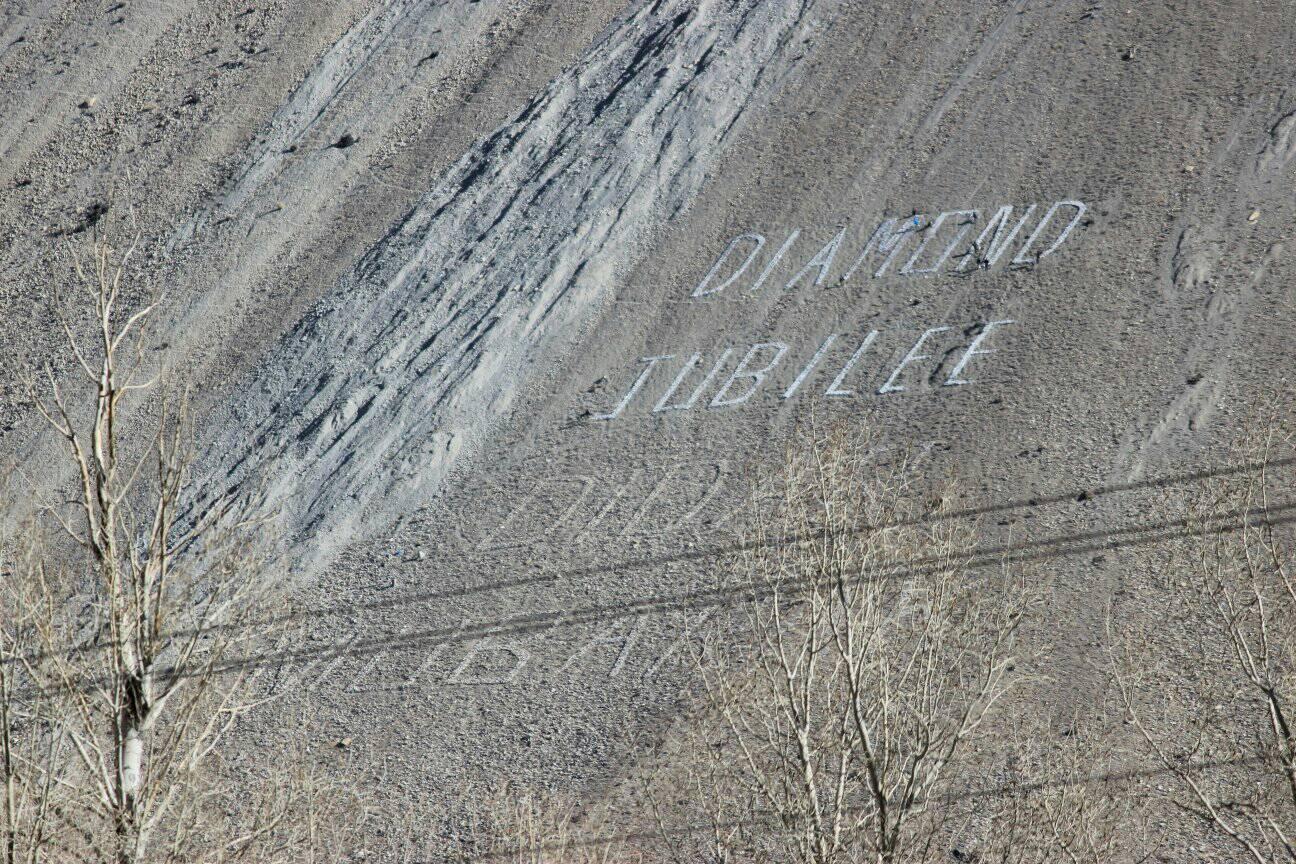
We convey Salgirah* Mubarak to all Ismailis and friends of the Ismailis on the occasion of the 81st birthday of Mawlana Hazar Imam, His Highness the Aga Khan, who is currently visiting Pakistan for his Diamond Jubilee. At the age of 81, His Highness is the oldest serving Imam in Ismaili history, since the time of the first Imam, Hazrat Ali (a.s.). We are pleased to publish on http://www.barakah.com an account of the Darbar of the Aga Khan that took place on Sunday, December 10, 2017, in Aliabad, Hunza. The piece was specially contributed for Barakah by Faqir Ullah Khan of Hunza.
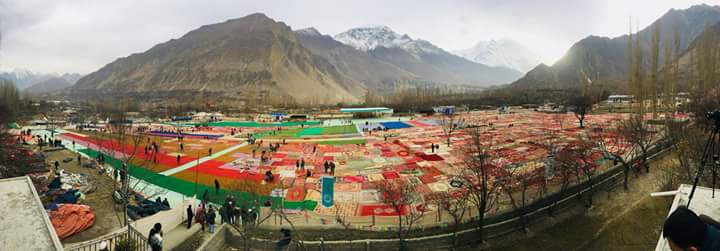
A panoramic view of the Didargah or the Darbar grounds in Aliabad Hunza where the Aga Khan graced his followers with his Didar (lit. glimpse) on December 10, 2017.
Date posted:December 13, 2017.
______________
* In Urdu, Salgirah is used for the occasion of someone’s birthday.
HUNZA’S FAQIR ULLAH KHAN in a special report for Barakah provides a lively update with great photos of the Darbar preparations that are underway in Aliabad, Hunza. Read his wonderful piece and share it with all your friends…..MORE
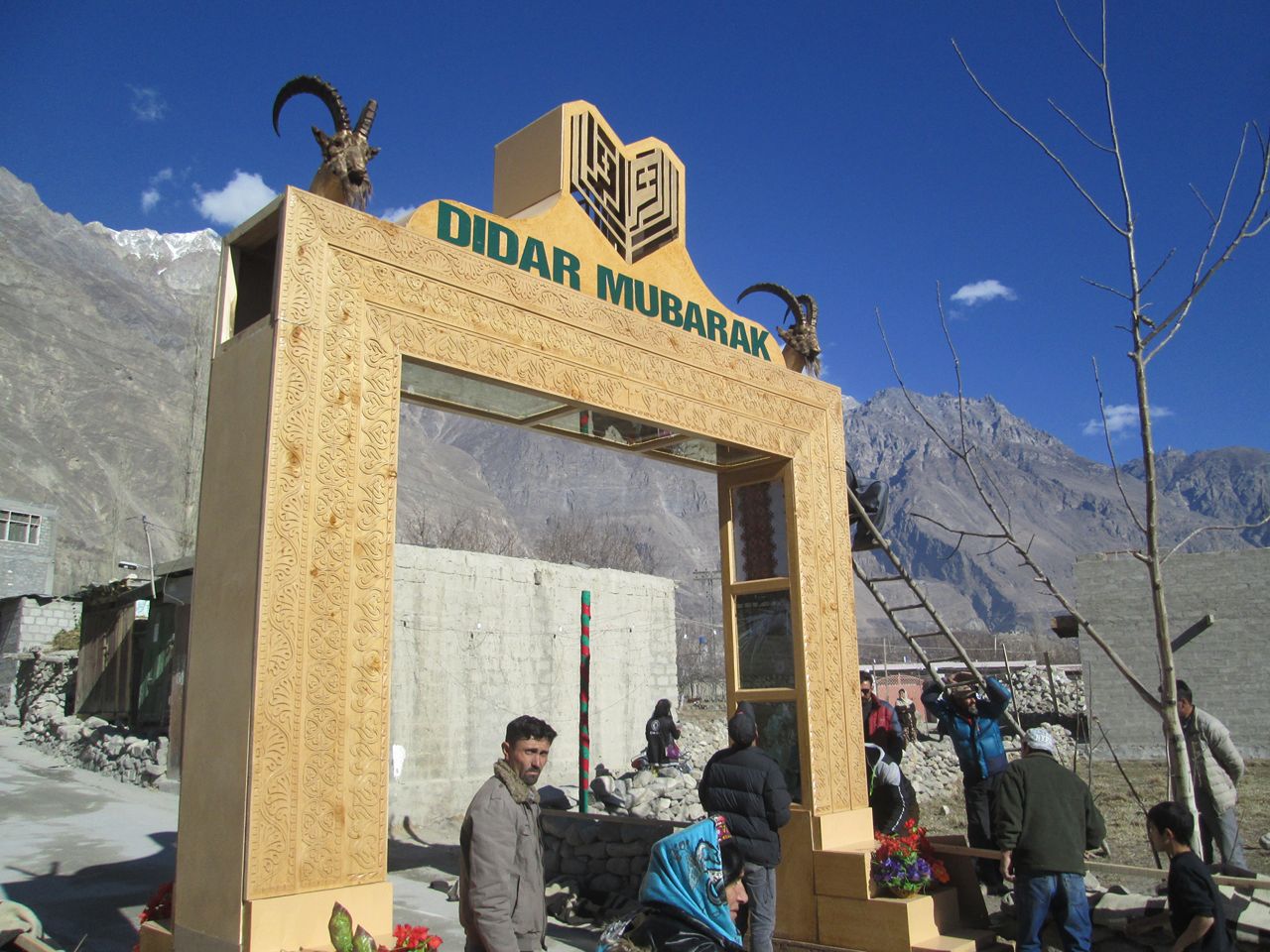
The excitement for the didar has spilled into every corner of Hunza. There will be more Jamati members participating in this Darbar than ever before. The entire registration process began some months ago and this has proceeded very well. The spirit of the Jamat and volunteers particularly in central Hunza is extremely high. The darbar task force members are active at each of the villages. Transportation, crowd control, accommodation and lodging have become major challenges. Jamats living in remoter areas will start moving to Aliabad at least 4 days before darbar…..MORE








 Simerg - Insights from Around the World