Simerg is an independent initiative dedicated to Ismaili Muslims, the Aga Khan — their Hereditary Imam — and the Ismaili Imamat, and Islam in general through literary readings, photo essays and artistic expressions
Author Archives: Malik Merchant, Editor
Founding publisher and editor of www.barakah.com, www.simerg.com and www.simergphotos.com.
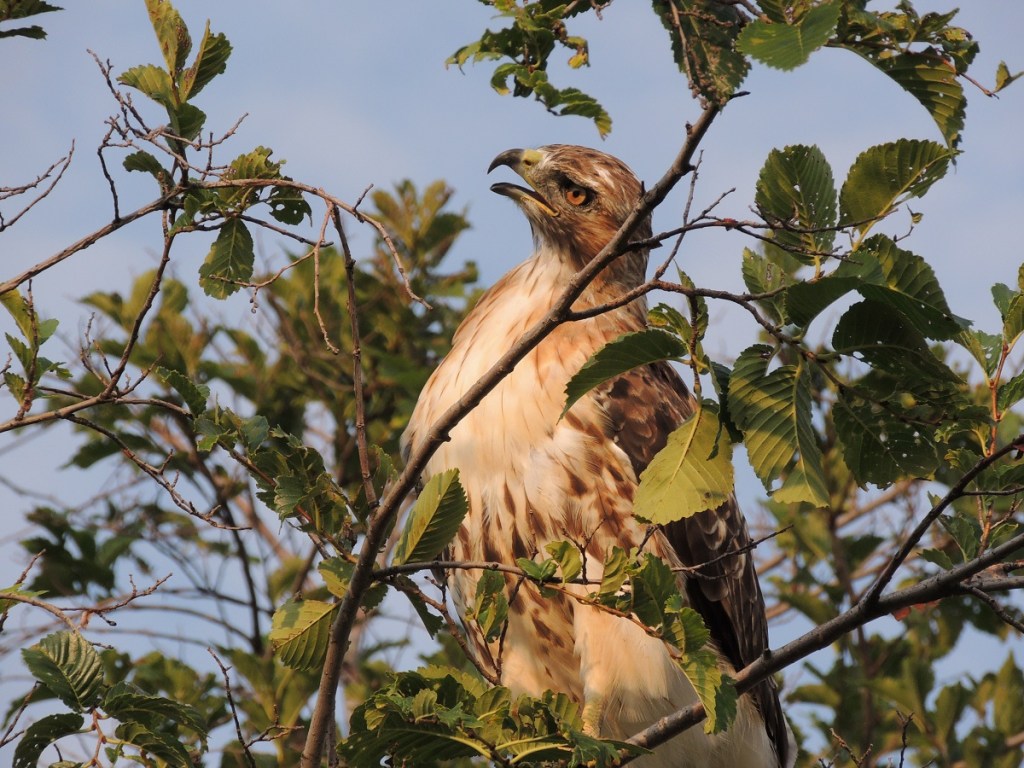
Hast thou not seen how that whatsoever is in the heavens and in the earth extols God, and the birds spreading their wings? Each — He knows its prayer and its extolling; and God knows the things they do — Holy Qur’an, 24:41, Sura An-Nur
Please click on image for more beautiful photos of the hawk’s visit to Aga Khan Park in August 2021.
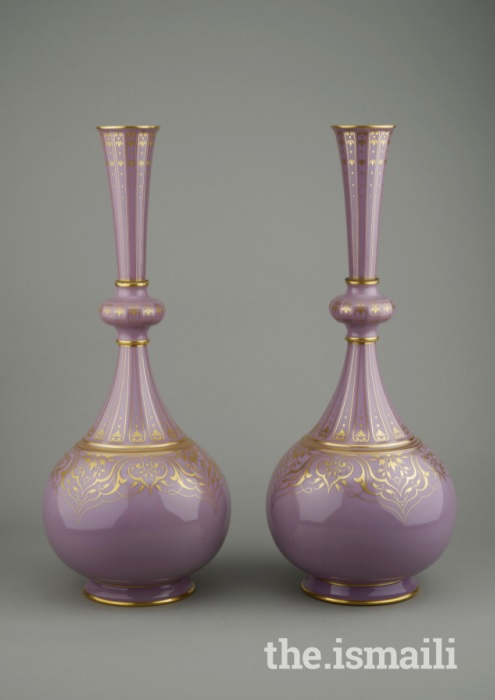
December holds many significant historical memories for me. The month is of particular importance for Ismailis around the world. On December 13, 1936 Mawlana Shah Karim al Hussaini Hazar Imam, His Highness the Aga Khan, 49th Hereditary Imam of the Shia Imami Muslims was born in Geneva, Switzerland. Ismailis celebrated their Imam’s 85th birthday (or Salgirah) last week and presented him with two beautiful porcelain vases. My dad Jehangir, who died in May 2018, was born on exactly the same day in 1928. Were he alive, he would have celebrated his 93rd birthday this year.
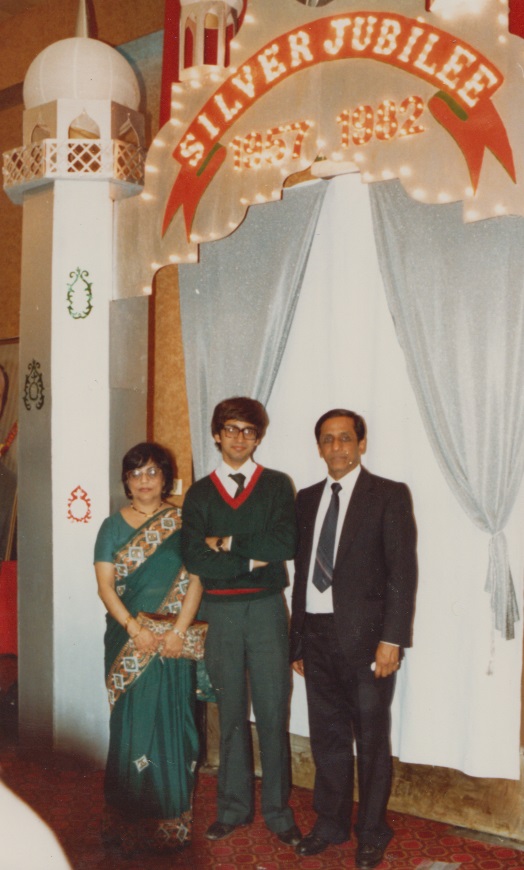
Also in December, in 1961 India annexed the Portuguese territories of Goa, Daman and Diu, in what the Portuguese called an invasion, while the Indians called it a liberation. A consequence of this action by India was that all its citizens in Mozambique, a Portuguese colony, were interned for more than 5 months in a camp located a few miles outside Lourenço Marques (now Maputo). My parents, Jehangir and Malek Merchant, were the only Ismailis in Mozambique carrying Indian passports, and were severely affected by this measure. My dad was taken to the camp with 5,000 other Indian citizens. Being a teacher, he was able to conduct special classes for young children and other students during his stay. During the same month, my mother gave birth to my brother Alnoor (pictured below with our parents). She was thus spared from the camp, and was looked after at a hospital for the entire period that my dad was in internment. Then, following their release from internment, Indian nationals were asked to leave the country within 90 days. My parents left for Tanzania (then Tanganyika), where they continued their service to the Imamat and Jamati institutions as religious education teachers and honorary missionaries.
Article continues below
Alnoor, centre, pictured with his parents Jehangir and Malek Merchant, during the Silver Jubilee visit of Mawlana Hazar Imam, His Highness the Aga Khan, to London, England in July 1983. Photo: Jehangir Merchant Family Collection.
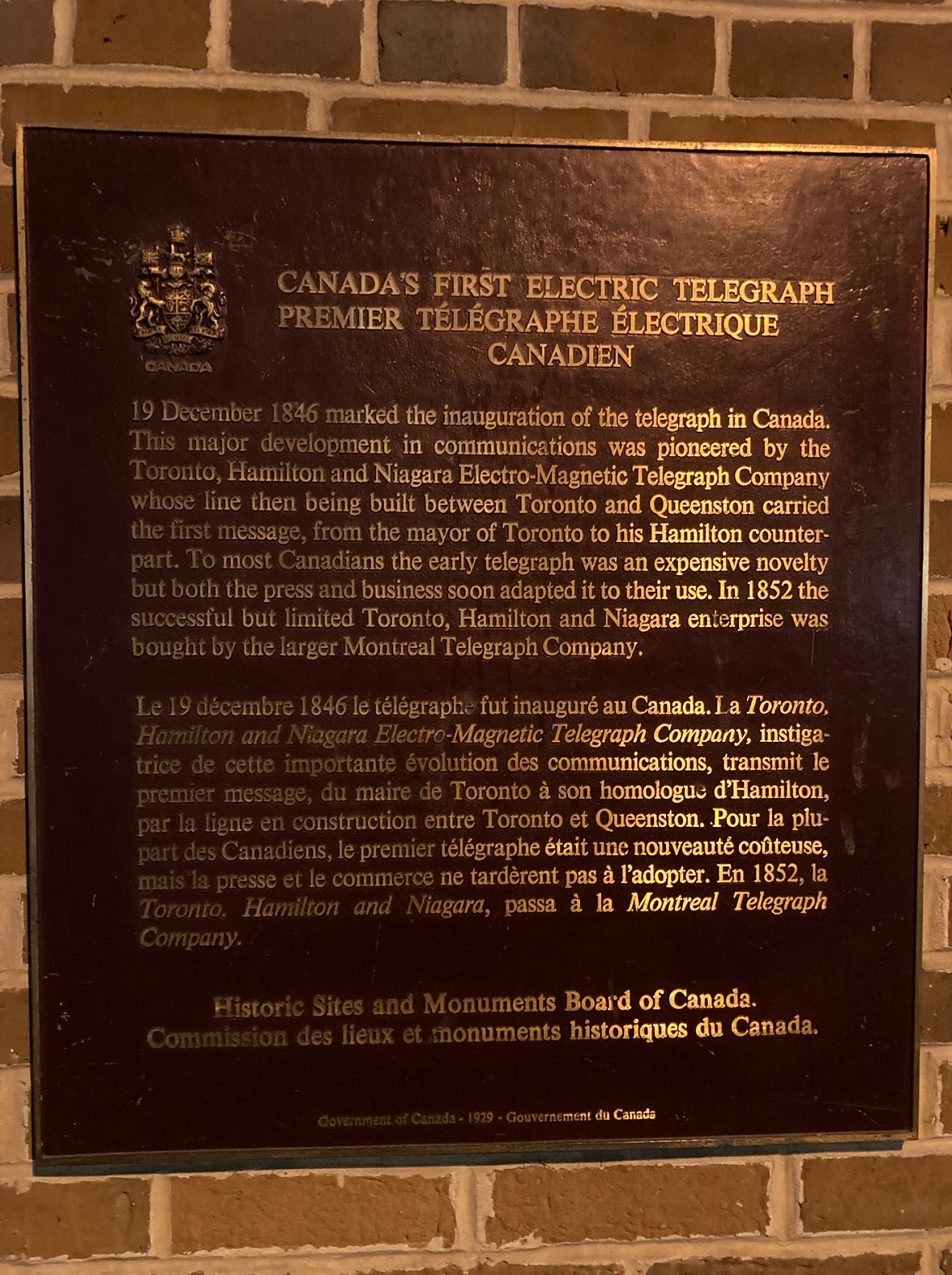
Going much further back in history, December 19, 1846 marked the inauguration of the telegraph in Canada, with a line from Toronto to Queenston carrying the first message. A plaque marking this historic day has been placed outside on the entrance wall of St Lawrence Market located in Toronto’s Front Street (see photo, below).
Article continues below
Plaque commemorating the inauguration of the telegraph in Canada on December 19, 1846, on the front entrance wall of Toronto’s St Lawrence Market; December 18, 2021. Photo: Malik Merchant/Simerg.
It may be noted however, that the first telegraphic message was sent by its inventor, Samuel Morse, two years earlier in May 24, 1844 which simply read: “What God Wrought?” He credited the message to his friend’s daughter, Annie Ellsworth, who found it in the Bible. It is an expression of awe for God [for inspiring the invention].
Article continues below
When decoded, this paper tape recording of the historic message transmitted on May 24, 1844 by Samuel F. B. Morse reads, “What hath God wrought?” Morse sent it from the Supreme Court room in the U.S. Capitol in Washington to his assistant, Alfred Vail, in Baltimore. Photo: US Library of Congress.
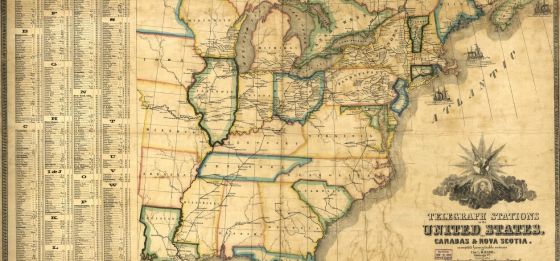
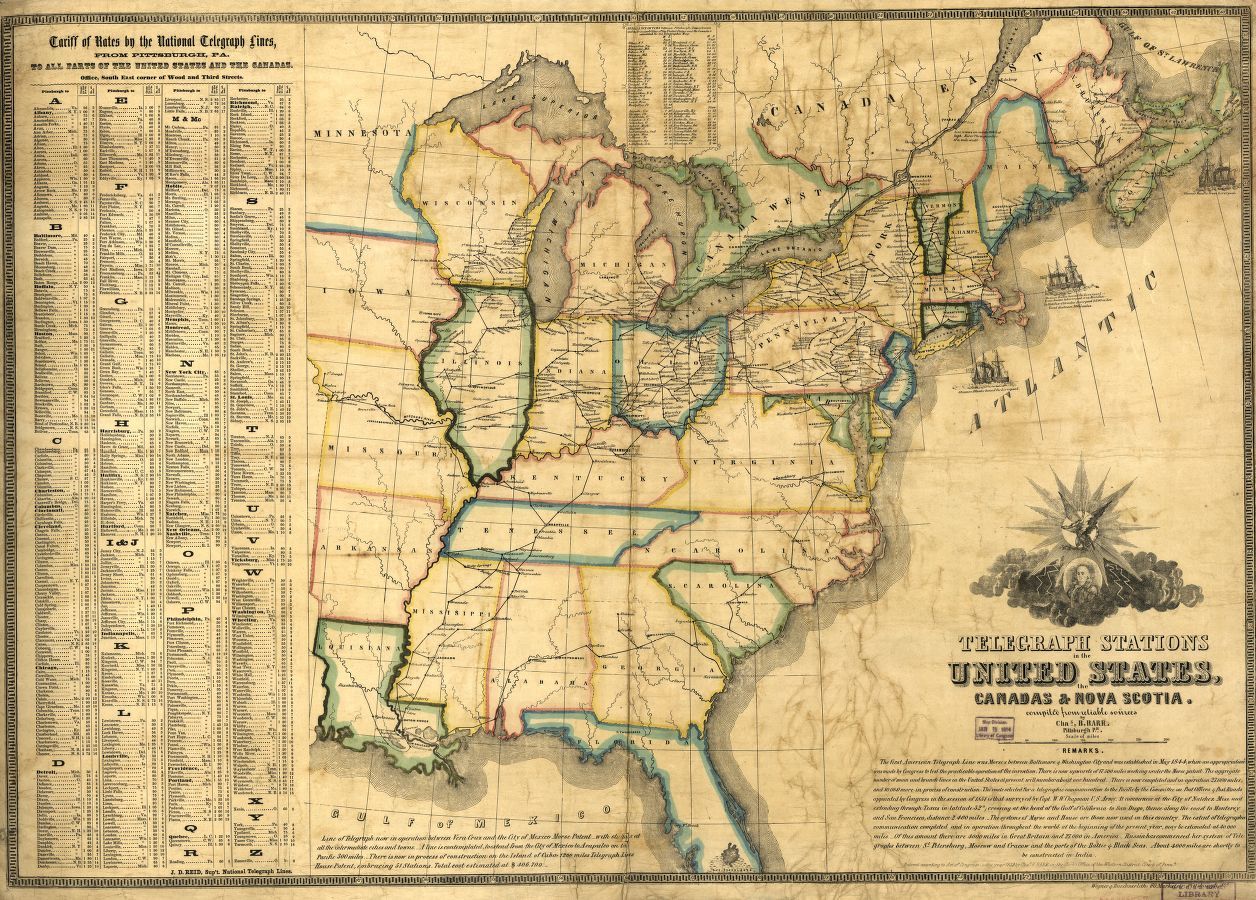
Telegraph stations in the United States, the Canadas & Nova Scotia, 1853. This map reveals the status of the telegraph network as it existed in the U.S. in 1853, only nine years after the first message, shown in the previous image. By this time, only one state east of the Mississippi, Florida, was not connected by telegraph. The legend on the left offers the list of message rates from Pittsburgh. By 1861, telegraph lines crossed the American continent; by 1866, the transatlantic cable connected America and Europe. Credit: Chas. B. Barr, Pittsburgh, Pa. Wegner & Buechner lith., 1853. Col. map 59 x 85 cm. Scale ca. 1:4,200,000 Geography and Map Division, via US Library of Congress.
Mawlana Sultan Mahomed Shah was a frequent user of the telegraphic services. On December 29, 1948, he sent a telegram conferring Count Jindani with the title of Diwan for his great services. There are numerous other examples of telegraphic messages that the late Imam sent to Ismaili individuals and institutions. A few from Ismaili magazines appear on this website.
Article continues below
A telegram from Mawlana Sultan Mahomed Shah, His Highness the Aga Khan conferring the title of Diwan on (Count) Gulamhussein Mohamed Naser Jindani. Photo: Mohamed Jindani Collection, London, UK.
In a brief historical overview on communications technology as they have evolved over the last few hundred years, a piece on the website of Elon University states:
“The printing press was the big innovation in communications until the telegraph was developed. Printing remained the key format for mass messages for years afterward, but the telegraph allowed instant communication over vast distances for the first time in human history. Telegraph usage faded as radio became easy to use and popularized; as radio was being developed, the telephone quickly became the fastest way to communicate person-to-person; after television was perfected and content for it was well developed, it became the dominant form of mass-communication technology; the internet came next, and newspapers, radio, telephones, and television are being rolled into this far-reaching information medium.”
In response to the invention of the telegraph, Charles F. Briggs and Augustus Maverick wrote in their 1858 book “The Story of the Telegraph”:
“Of all the marvelous achievements of modern science the electric telegraph is transcendentally the greatest and most serviceable to mankind … The whole earth will be belted with the electric current, palpitating with human thoughts and emotions … How potent a power, then, is the telegraphic destined to become in the civilization of the world! This binds together by a vital cord all the nations of the earth. It is impossible that old prejudices and hostilities should longer exist, while such an instrument has been created for an exchange of thought between all the nations of the earth.” (emphasis added)
Morse, however, had anticipated much earlier that a communications technology such as the one he had invented could be misused. In a letter to Francis O.J. Smith in 1838, Morse wrote:
“This mode of instantaneous communication must inevitably become an instrument of immense power, to be wielded for good or for evil, as it shall be properly or improperly directed.”
Article continues below
Mawlana Hazar Imam, His Highness the Aga Khan, delivering Brown University’s Ogden lecture on March 10, 2014.
Looking at the power the internet holds today, how accurate was Morse! And let’s elaborate on this by studying what Mawlana Hazar Imam has said with regard to the innovation of technologies and different disruptive forces that are at play. In his March 10, 2014 Stephen Ogden Lecture at Brown University, he said:
“We often think about technological innovation as a great source of hope for the world. We hear about how the internet can reach out across boundaries, helping us all to stay in touch, and giving us access to information from every imaginable source.
“But it is worth remembering that the same affirmations have greeted new communication technologies for centuries, from the printing press to the telegraph to television and radio. Yet in each case, while many hopes were fulfilled, many were also disappointed. In the final analysis, the key to human cooperation and concord has not depended on advances in the technologies of communication, but rather on how human beings go about using – or abusing – their technological tools.
“Among the risks of our new communications world is its potential contribution to what I would call the growing “centrifugal forces” in our time – the forces of “fragmentation.” These forces, I believe, can threaten the coherence of democratic societies and the effectiveness of democratic institutions.
“Yes, the Information Revolution, for individuals and for communities, can be a great liberating influence. But it also carries some important risks.
“More information at our fingertips can mean more knowledge and understanding. But it can also mean more fleeting attention-spans, more impulsive judgments, and more dependence on superficial snapshots of events. Communicating more often and more easily can bring people closer together, but it can also tempt us to live more of our lives inside smaller information bubbles, in more intense but often more isolated groupings.
“We see more people everywhere these days, standing or sitting or walking alone, absorbed in their hand-held screens. But, I wonder whether, in some larger sense, they are really more “in touch?” Greater “connectivity” does not necessarily mean greater “connection.”
“Information travels more quickly, in greater quantities these days. But the incalculable multiplication of information can also mean more error, more exaggeration, more misinformation, more disinformation, more propaganda. The world may be right there on our laptops, but the truth about the world may be further and further away.”
Mawlana Hazar Imam then discusses some of the conflicts that are taking place in the world today, and asks, “How can we respond to such tendencies?” He says:
“The response, I would emphasise today is a thoughtful, renewed commitment to the concept of pluralism and to the closely related potential of civil society. A pluralist commitment is rooted in the essential unity of the human race. Does the Holy Qur’an not say that mankind is descended from “a single soul?” In an increasingly cosmopolitan world, it is essential that we live by a “cosmopolitan ethic,” one that addresses the age-old need to balance the particular and the universal, to honour both human rights and social duties, to advance personal freedom and to accept human responsibility.”
Please read Mawlana Hazar Imam’s complete speech by clicking HERE, in which he recommends ways to overcome the challenges of miscommunication and misinformation we are dealing with.
Date posted: December 18, 2021.
_________________________
We welcome feedback from our readers. Please complete the LEAVE A REPLY form below or click Leave a comment. Your letter may be edited for length and brevity, and is subject to moderation.
Before departing this website please take a moment to review Simerg’s Table of Contents for links to hundreds of thought provoking pieces on a vast array of subjects including faith and culture, history and philosophy, and arts and letters to name a few. Also visit Simerg’s sister websites Barakah, dedicated to His Highness the Aga Khan, and Simergphotos.
Dr. Farouk Topan was very well known to my parents Jehangir and Malek Merchant, and as a teenager it was always a privilege to meet him when he visited my dad at the Ismailia Association offices located on the ground floor of Dar es Salaam’s Darkhana Jamatkhana. His discussions with my dad and “Din” who was also from Dr. Topan’s home town, Zanzibar, were illuminating and thoughtful. Some years later when I embarked on my computer career in the UK, and travelled to Southampton twice a week for an assignment, Dr. Topan and his family hosted me for dinner each Tuesday or Wednesday for several months. That was truly heartwarming.
Late Jehangir and Late Maleksultan Merchant with Farouk Topan (left) and Late Gowar Bhatia (right). Photo: Jehangir Merchant Family Collection.
Who would have thought that an Ismaili would become a specialist in the language and literature of the Swahili people? Indeed, Dr. Topan was that outstanding Ismaili individual. He is a renowned expert on Swahili literature, religion, spirit possession, and identity in East Africa and has extensively published on these subjects. He pioneered the study and teaching of Swahili literature in Kiswahili at the University of Dar es Salaam and the University of Nairobi. Dr. Topan also taught at the School of Oriental and African Studies in London, and was one of the founder editors of the departmental Journal of African Cultural Studies. Columnist Freddy Macha recently celebrated the life of Dr. Topan in an op ed piece for the Tanzanian daily, The Citizen. The piece was in response to an event organized by the Aga Khan University in London in October 2021 honouring Dr. Topan.
I have introduced a beloved friend of my family in this piece because I think no one would be more happier than Dr. Topan on the news that the United Nations has designated 7th July of each year as the World Kiswahili Day.
Tanzania’s Late President Julius K. Nyerere had once envisioned a Swahili-speaking utopia. While that didn’t work out, it is interesting to note that Swahili is becoming popular in many parts of the world, and becomes the first African language to be honoured by UNESCO. With regard to this announcement, Vivian Lisanza of Africa Renewal has written a fine report in the December issue of the monthly magazine. Please read Lisanza’s complete article here or listen to the audio version of the article below. The news will be welcomed by Kiswahili speakers around the world, and bring them immense pride and happiness.
Featured image at top of this post: Ohio University students write a welcoming message in Swahili. It is one of the universities in the United States that teaches Swahili. Photo: Ohio University.
Date posted: December 16, 2021.
_____________________
We welcome feedback from our readers. Please complete the LEAVE A REPLY form below or click Leave a comment. Your letter may be edited for length and brevity, and is subject to moderation.
Before departing this website please take a moment to review Simerg’s Table of Contents for links to hundreds of thought provoking pieces on a vast array of subjects including faith and culture, history and philosophy, and arts and letters to name a few. Also visit Simerg’s sister websites Barakah, dedicated to His Highness the Aga Khan, and Simergphotos.
One of the most well known and travelled missionaries of the Shia Ismaili Muslim community in the past century has to be Alwaez Rai Abualy Alibhai. He passed away in May 2008, before this website was inaugurated, and I have often thought of him several times over the past decade. A mentally and physically strong person all his life, he continued until his very last years to sit on the floor in Jamatkhana, without twitching. He was always fully focused in his prayers.
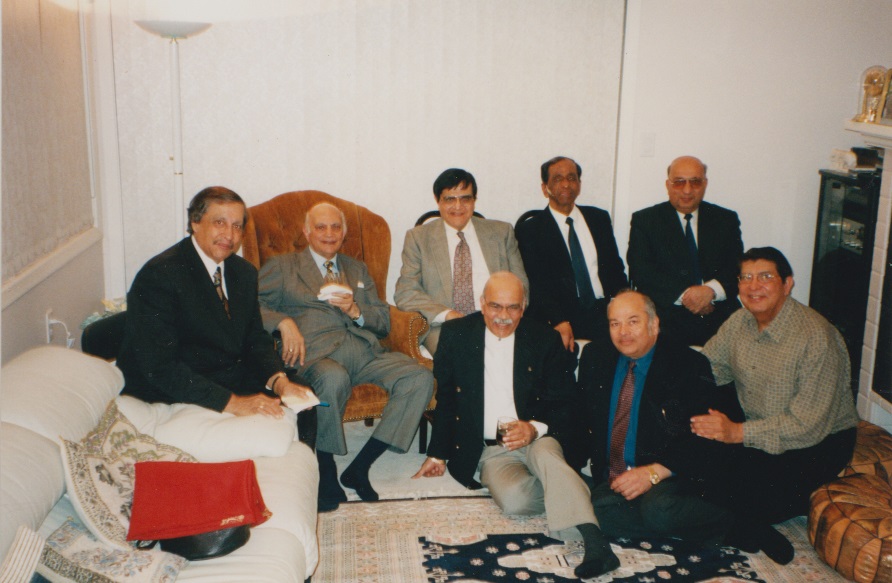
Clockwise from left: Ismaili missionaries Sadru Pradhan (deceased), Abualy Aziz (deceased), Amirali Amlani (deceased), Jehangir Merchant ( deceased), Sultanali Mohamed (deceased), Fateh Damji and Ali Rajabali. Photo: Jehangir Merchant Family Collection.
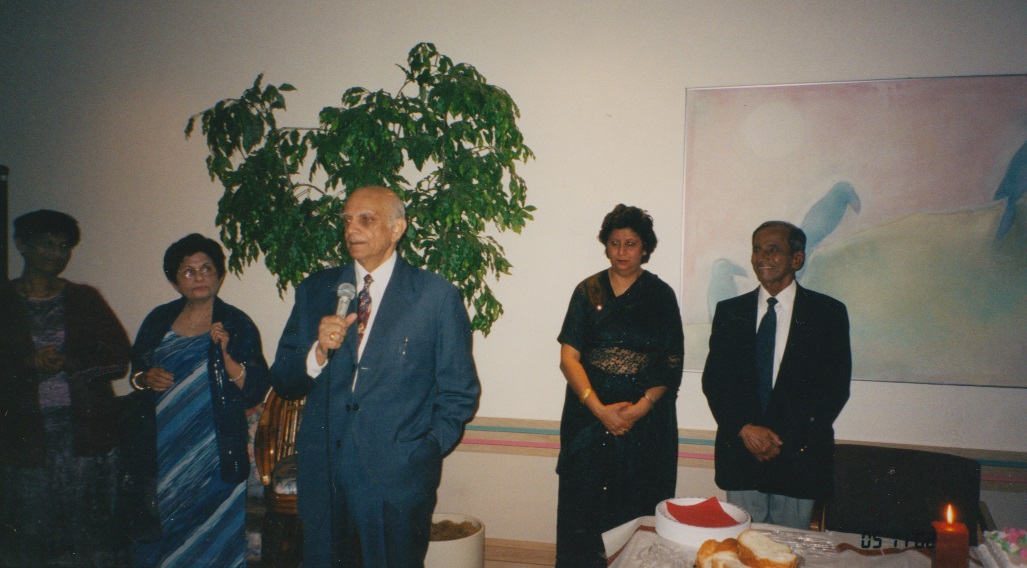
Alwaez Abualy delivers a short speech at the 50th wedding anniversary party for Alwaez Jehangir (right) and Alwaeza Maleksultan Merchant (not shown). Photo: Jehangir Merchant Family Collection.
I remember him fondly calling my late mum as “meri beti” (my daughter), especially after she had delivered a waez (sermon). My parents knew him from India, but I first met the beloved missionary in the late 1950’s when he made two visits to Lourenço Marques (now Maputo). Now, in Mozambique there was no guarantee about when a specific visitor would arrive in the country — as travel via South Africa was sometimes tricky, with possible delays — and I would remember my dad walking up to all the boys who were playing football in the Jamatkhana field and telling us that when we got back home we should tell our parents that a missionary had arrived in the city and that he would be delivering a waez that evening. This may not have been the case with missionary Abualy but it was definitely the case with missionary Salim Issa Moosa. I was in the group of footballers when my dad introduced Salim missionary to all of us, and asked us to attend Jamatkhana with our parents to listen to his waez. We not only spoke Portuguese but spoke and wrote in Gujarati quite well. My parents had taught us Dua meanings of all six parts in Gujarati by the time we were 8!
During his lifetime, Alwaez Abualy delivered thousands of waezes around the world, and one thing that he did which my parents never did was that he always carried a portable tape recorder to the stage to tape his own waez. Thus, the collection of waezes that have been gathered for the late missionary is phenomenal.
I propose to publish a longer piece about the missionary one day, but for today I am putting out this short piece because Toronto’s Kamru Rashid, an avid reader and also a contributor of articles on this website, sent me a forward of an excerpt from a talk that Alwaez Abualy had delivered a few years before he passed away. The video clip has been circulating on the social media recently.
In the video, the missionary gives a powerful message to all Ismailis. Speaking in Urdu, Alwaez mentions about the difficulties mankind will face in the 21st century, and then he makes a passionate plea to all Ismailis to keep the remembrance of Allah constantly in their hearts. He asks the Jamat to recite Ya Allah, Ya Muhammad, Ya Ali, or the names of the Imams including Mawlana Shah Karim for protection from difficulties and for strength in adversity.
Then, finally, as the clip nears the end, he asks each and everyone to attend Jamatkhana at least once a day to avail ourselves of Mawlana Hazar Imam’s bountiful grace and blessings.
I urge you to listen to missionary Abualy’s message in the video recording below, and explain it to non-Urdu listeners.
(Late) Alwaez Abualy A. Alibhai speaking at an Ismaili gathering.
Date posted: December 16, 2021.
____________________
We welcome feedback from our readers. Please complete the LEAVE A REPLY form below or click Leave a comment. Your letter may be edited for length and brevity, and is subject to moderation.
Before departing this website please take a moment to review Simerg’s Table of Contents for links to hundreds of thought provoking pieces on a vast array of subjects including faith and culture, history and philosophy, and arts and letters to name a few. Also visit Simerg’s sister websites Barakah, dedicated to His Highness the Aga Khan, and Simergphotos.
I went to bed late last night and my eyes did not open for me to be able to attend this morning’s (December 13, 2021) Baitul Khayal Salgirah Majlis for Mawlana Hazar Imam’s 85th birthday. When I woke up at 5:45 am and looked out, the skies in Toronto were covered with clouds, except in the horizon where it was clear. The weather forecast had called for a clear sunny day, and trusting it I set forth in my car for the Port Union Waterfront Park. When I reached there, the sky situation was reversed. The horizon was cloudy but the skies above me were clear. Really, nothing can beat the twilight when there are some clouds in the horizon.
Shortly after sunrise, Lake Ontario, Port Union Waterfront Park, Toronto, 7:51 AM, December 13, 2021. Photo: Malik Merchant/Simerg.
I reached the Park 45 minutes before sunrise. The clear waters of Lake Ontario and strong waves added to my excitement and anticipation of the sunrise. When the sun rose at exactly 7:42 AM, 147 million kilometres from earth, it created a beautiful streak on the clouds that were in the horizon. Birds flew around joyfully.
Porcelain vases presented to Mawlana Hazar Imam, His Highness the Aga Khan, on his 85th birthday on December 13, 2021. Photo: The Ismaili.
Before I had left home, I had read the Ismaili piece about the world wide Jamat presenting Mawlana Hazar Imam with the 85th birthday gift consisting of a pair of porcelain vases made in the nineteenth century in Paris. The article mentions that the vases “are decorated with elaborate Islamic Persian motifs of gilt scrollwork, arabesques, and stylised flowers in heightened relief against a pale lavender background.” It further says: “The lavender colour of the vases is extremely unusual — changing according to the light under which it is placed, from purple/grey in daylight to pale pink in artificial light.” I thought about this gift and wondered as I was taking photos of the twilight and the sunrise, how the vases might look if they were placed on a piece of rock near where I was standing, with the morning sunlight shining on them.
Ismaili Flag at Aga Khan Park. Play video and also listen to Nashid al Imamah. Video by Malik Merchant/Simerg, December 13, 2021. The Nashid played by the 116th Army Band during Mawlana Hazar Imam’s arrival in Atlanta, USA, 2018, for his Diamond Jubilee.
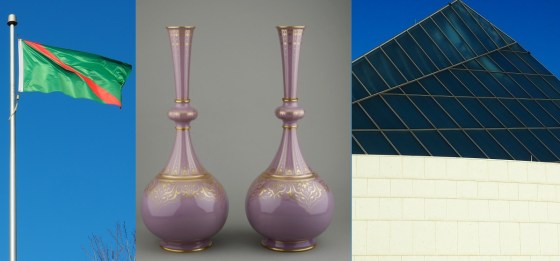
The crystalline dome of the Ismaili Headquarters Jamatkhana under blue skies, Toronto, December 13, 2021. Photo: Malik Merchant/Simerg.
Driving back home, the sun was now higher up, and the sky was blue everywhere without a cloud in sight. How could I not stop at the Aga Khan Park to see my favourite objects — the Ismaili Flag and the Ismaili Jamatkhana dome? The flag was shining under the sunlight, and the dome was particularly inspiring under blue skies. Seeing the flag, I felt particularly proud and recollected the recording of the Nashid al Imamah played by the USA 116th Army Band when Mawlana Hazar Imam arrived in Atlanta for his Diamond Jubilee visit in 2018. I took a video of the Ismaili flag and incorporated the recording of the Nashid into the video (watch video above).
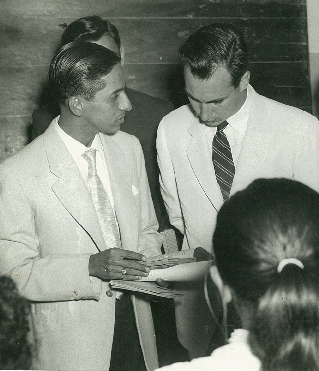
Lourenço Marques, 1958: Mawlana Hazar Imam, His Highness the Aga Khan, direct descendant of the Prophet Muhammad (s.a.s.) and current 49th hereditary Imam of the Shia Ismaili Muslims is seen taking a keen interest as Alwaez Jehangir explains the Gujarati history texts that were used to impart religious education to Ismaili youth in Mozambique. Photo: Jehangir Merchant Family Collection.
Today, as Mawlana Hazar Imam celebrates his 85th birthday, my beloved late papa Jehangir would have turned 93. He died in May 2018 at the age of 89. And of course I remembered my late mum Malek (Mrs. Merchant), who would write loving cards for him on his birthday. Together, they had served the Imam of the Time, the Jamat and its institutions for more than 60 years. I did one thing at Port Union Waterfront Park. I walked an extra 174 steps, the sum of the two birthdays my family is celebrating today. Fortunately, I have good recollections of my childhood. When I was very little, aged less than 5 years and in Lourenço Marques (now Maputo), I one day asked my dad very innocently, how come Mawlana Hazar Imam was much younger than him. And his reply was that the age of the Imam was immaterial because he is the bearer of the Noor of Imamat, and all the Imams are the same because they have the same Light. He also gave me a little history lesson that Imam Sultan Mahomed Shah was only 7 when he became the Imam in August 1885. That faith and belief have been with me ever since, and you can read more about the philosophical and historical perspective on the Noor of Imamat HERE.
Happy Salgirah Mubarak to Ismailis around the world.
Date posted: December 13, 2021.
_________________
We welcome feedback from our readers. Please complete the LEAVE A REPLY form below or click Leave a comment . Your letter may be edited for length and brevity, and is subject to moderation.
Before departing this website please take a moment to review Simerg’s Table of Contents for links to hundreds of thought provoking pieces on a vast array of subjects including faith and culture, history and philosophy, and arts and letters to name a few. Also visit Simerg’s sister websites Barakah, dedicated to His Highness the Aga Khan, and Simergphotos.
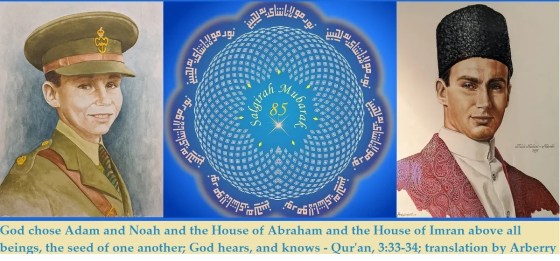
Simerg’s sister website Barakah which is dedicated to Mawlana Hazar Imam, His Highness the Aga Khan, members of his family and the Ismaili Imamat, is pleased to present a profound reading on the subject of Imamat along with a special piece of art by Karim Ismail on the auspicious occasion of Hazar Imam’s 85th Salgirah. The post includes the singing of the Ginan (Hymn) Dhan Dhan Aajno by the (Late) Alwaez Shamshu Bandali Haji, and also has links to its explanation as well as 25 other recitations of the same Ginan by Ismaili singers from around the world. Please click 85th Salgirah Mubarak or on the image below.
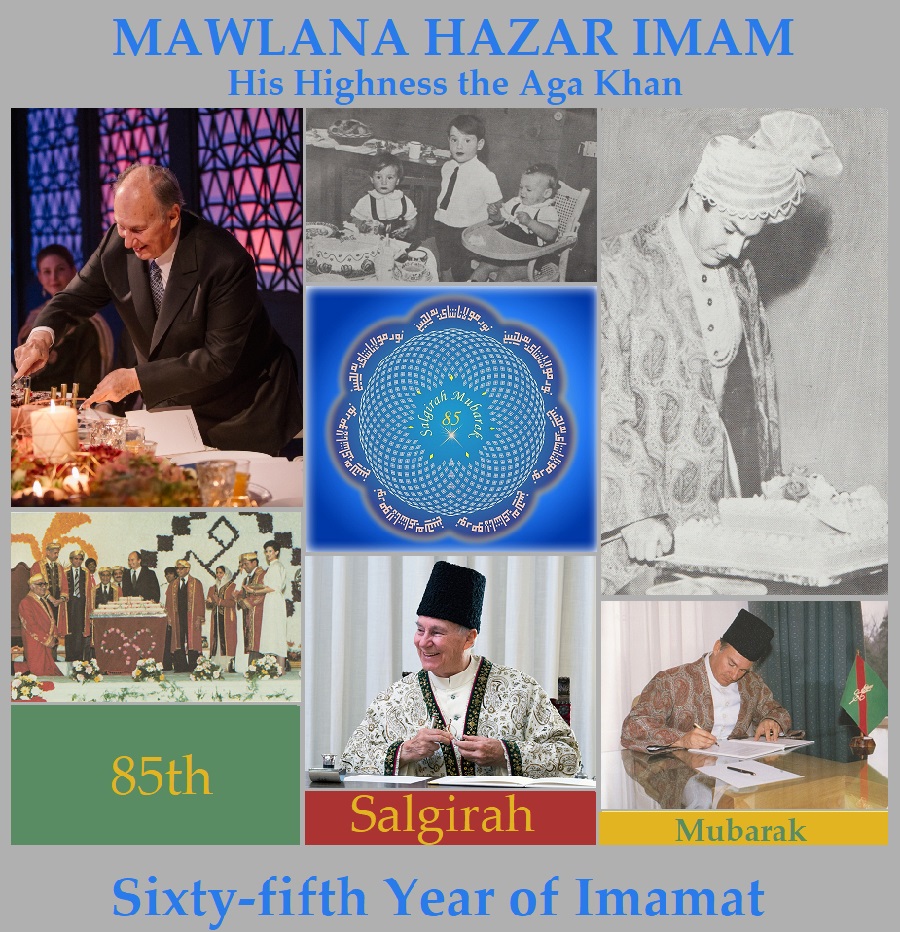
Mawlana Hazar Imam, His Highness the Aga Khan, is in his 65th year of Imamat and celebrates his 85th birthday on December 13, 2021. Please click on image for Imamat reading.
Date posted: December 11, 2021.
_________________
Featured image at top of post: In centre, a calligraphy by Toronto’s Karim Ismail and on either side of the art work two paintings of Mawlana Hazar Imam by Vancouver based artist Azeez Khanbhai, who was featured recently in Barakah.
We welcome feedback from our readers. Please complete the LEAVE A REPLY form below or click Leave a comment. Your letter may be edited for length and brevity, and is subject to moderation.
Simerg: What is behind the naming of the title of the book?
Shairoz Lakhani: “Shine Brighter” is the title of my book. We all originate from one source; we are born with a soul when we come into the physical world. It is important while we are in this physical world to learn the lessons life is giving us. As we learn these lessons — and with Allah’s blessings –we all “Shine Brighter.”
Simerg: Why would you want me or my family members to read the book, and what will we all learn from it?
Shairoz:Shine Brighter is a children’s book with 6 stories that teach children and adults the simple but important values we need in our life. For example some of the stories I have written relate to the importance of peace and joy in life, that sharing is fun, and that we should be positive in life.
Simerg: What inspired you to write the book?
Shairoz: I have been a volunteer teacher for over 10 years and I really enjoy teaching children. Thus, I have been inspired to write stories that will help the children grow with good values. I have noted in my life that many of my ideas come after I have meditated. So this spiritual aspect of my life has inspired me in my work. I would note that Mawlana Hazar Imam talks about good values and ethics, and I also draw my inspiration from him.
Article continues below
Front cover of Shairoz Lakhani’s story book for children “Shine Brighter.” 40 pp., Balboa Press, May 2018. Click on image for enlarged version.
Simerg: How can I purchase the book and what are its available formats?
Shairoz: I have my own website where Shine Brighter’s price is reduced from £14.99 to £9.99 plus £1 postage. The book is available in bookstores and may also be ordered through Amazon websites; for example Amazon.com, Amazon Canada, Amazon UK etc. It is also available as a Kindle edition. I will be happy to sign the book when the book is purchased from me, or if it is brought to me if it was purchased somewhere else.
Simerg: How did you find a publisher for the book?
Shairoz: I did a lot of research and found there were some who were taking manuscripts and some were not.
Simerg: Did you hire an editor, an illustrator or did you do all the work by yourself?
Shairoz: Yes, I have an excellent animator artist. He has done many animations for the cartoon Mr Bean.
Simerg: How long did it take you to write Shine Brighter — from start to finish and to begin marketing it?
Shairoz: It took me about 6-10 months.
Simerg: Tell us something more about your book.
Shairoz: As I have already noted, Shine Brighter is a compilation of 6 stories. There are animal characters in the stories. Children can easily relate to the amazing characters. Each story has valuable lessons that children (and adults) can learn and relate to experiences in their lives.
Date posted: December 8, 2021.
[Parents may wish to buy Shairoz’s beautiful book as a gift for their children or their friends for the auspicious occasion of Mawlana Hazar Imam’s 85th birthday or for the coming holiday season. Please visit her website, www.shairozlakhani.com, to place an order. She will send you a signed copy — Ed.]
_______________________
Shairoz Lakhani
Shairoz has served as a Baitul Ilm (BUI) teacher with the Ismaili Tariqah and Religious Education Board for the UK (ITREB) for close to 15 years, and has taught across London, Leicester and France. Her ambition in religious education teaching started at the young age of 17 in Leicester, and she along with other teachers specifically taught nursery students on Friday evenings in Leicester.
On a day-to-day basis, Shairoz describes herself as “an author and a mum.” In 2019, she launched her first children’s book called “Shine Brighter.” She notes that the book can equally be a good read for the older age group and even parents who are working towards embedding and nurturing good values in their children.
“Shine Brighter” is all about life lessons — it is about trust, being true to yourself, nurturing friendship and brotherhood as well as helping each other and making the world a happy place for everyone. Shairoz believes these core values are incredibly important in today’s world.
Shairoz uses stories as a tool to invite a dialogue between children, parents and the wider community. She believes stories provide the best medium to share knowledge and wisdom with children. Her book is not just for Ismaili Muslim children. She wants to reach out to the children globally to collectively make the world prosperous for everyone.
___________________
We welcome feedback from our readers. Please complete the LEAVE A REPLY form below or click Leave a comment. Your letter may be edited for length and brevity, and is subject to moderation.
Calling all Ismaili Authors
We encourage Ismaili writers to introduce their books in a similar format as has been done in the post above. Please also see the series launch article and submit your responses to Malik at Simerg@aol.com. All submissions will be acknowledged. If a writer has published multiple books, each book will be highlighted in a separate article, and not combined with other books into one post. All writers should include a brief profile with a portrait photo.
The Ismaili Authors’ Series so far (in chronological sequence, oldest article first):
Before departing this website please take a moment to review Simerg’s Table of Contents for links to hundreds of thought provoking pieces on a vast array of subjects including faith and culture, history and philosophy, and arts and letters to name a few. Also visit Simerg’s sister websites Barakah, dedicated to His Highness the Aga Khan, and Simergphotos.
Prince Hussain Aga Khan’s Diving Into Wildlife comprises a collection of extraordinary underwater sea animal photographs taken by the Prince over the past decade. A collection of seven of his sea animal photos were displayed in Lisbon in July 2018 during the Diamond Jubilee of Mawlana Hazar Imam, His Highness the Aga Khan.
~~~~~~~~~~~
SIGNED COPIES ARE MUCH DESIRED
Signed copies are much desired by book lovers and collectors, and, in this particular instance, the signature of Prince Hussain Aga Khan makes his work “Diving Into Wildlife” a truly unique and treasured item for any book collector, or for anyone receiving the book as a gift. Viewers of this website will recall that some 12 years ago, we offered both signed and unsigned copies of Prince Hussain’s book of animal photos entitled Animal Voyage. Prince Hussain had dedicated Animal Voyage to Prince Sadruddin Aga Khan (1933-2003), and the proceeds from the sale of the book went to the Prince Sadruddin Aga Khan Fund for the Environment.
Prince Hussain’s “Diving Into Wildlife” is published under the auspices of his organization called “Focused on Nature” (FON, www.focusedonnature.org), whose mission is to “assist in the conservation and protection of threatened and endangered species, as well as habitat conservation efforts when and where possible.”Simerg is thus delighted to support the work of FON by offering readers signed copies of “Diving Into Wildlife.”
As of the posting of this announcement on December 7, 2021, we have exactly 9 signed copies, and each is being offered at $US125.00 plus $US25.00 to cover expedited shipping and postage across Canada and the USA. The initiative to ask a premium for signed copies and to submit the premium to FON has not been requested by the author or the publisher, but is a Simerg’s. The signed copies are only available for shipping within North America. Each shipment will be trackable via the website of Canada Post.
HOW TO PURCHASE THE BOOK
Payment Methods:
Paypal: Simergbooks has been verified by Paypal. To purchase a copy, please send a request to Simergbooks@aol.com or simerg@aol.com, and an invoice will be generated from Paypal provided we have the book in stock. In view of the limited quantities payment should then be received within 24 hours after the invoice. Canadian orders will be invoiced in Canadian dollars based on an exchange rate of $US 1.00 = $C 1.30.
Email Transfer (for Canadian orders only): Once we have confirmed that a book is available, we will request you to submit a payment via email transfer. In view of the limited quantities payment should then be received within 24 hours after the invoice.
SIMERG’S EXCELLENT CUSTOMER SERVICE
My son was delighted with the excellent photography by Prince Hussain. We as a family will cherish this volume (Animal Voyage) for a long time. Once again, thank you http://www.simerg.com for making this book available in North America and your outstanding customer service and support. Shamim Rajan, Richmond Hill, Ontario
his is a beautiful piece of work!! The service was excellent. Very quick, safe and efficient turnaround and follow up. I recommend everyone to have a copy. Nazir Alibhai, Markham, Ontario.
“Outstanding customer service, superfast delivery, and the book is great addition to any library.” Yaar, Toronto.
Date posted: December 7, 2021.
_________________
Before departing this website please take a moment to review Simerg’s Table of Contents for links to hundreds of thought provoking pieces on a vast array of subjects including faith and culture, history and philosophy, and arts and letters to name a few. Please also visit Simerg’s sister websites Barakah and Simergphotos.
[This is our special correspondent’s fifth report from Kabul to provide the global Ismaili Jamat and our readers with reliable information regarding recent development in Afghanistan after the Taliban takeover. Read the first four letters HERE – August 26, HERE – August 29, HERE – September 5, 2021 and HERE – December 4, 2021 — Ed.]
LETTER FROM AFGHANISTAN
Monday, December 5, 2021
Click on images for enlargements
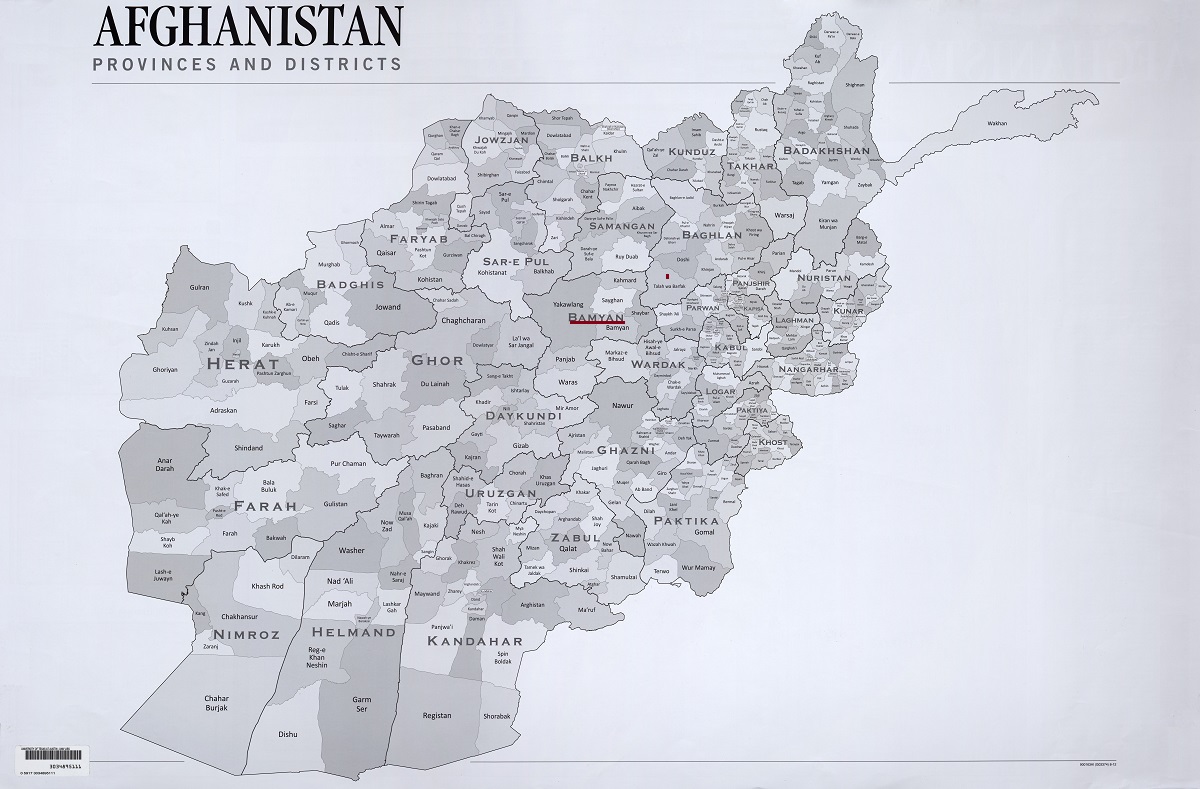
Provincial map of Afghanistan. The Bamyan province where the meeting between the province’s governor and AKDN representative took place is highlighted in red. Afghanistan is divided into 34 provinces The provinces of Afghanistan are the primary administrative divisions. Each province encompasses a number of districts or usually over 1,000 villages. Credit: Perry-Castañeda Library Map Collection, University of Texas.
Dear Jamats:
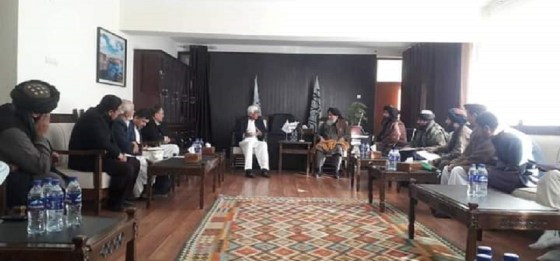
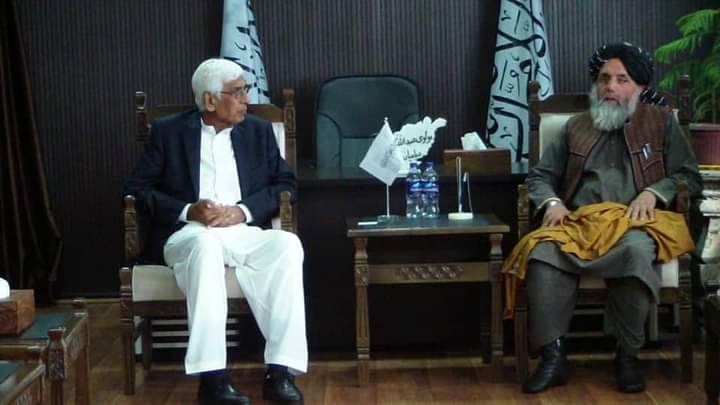
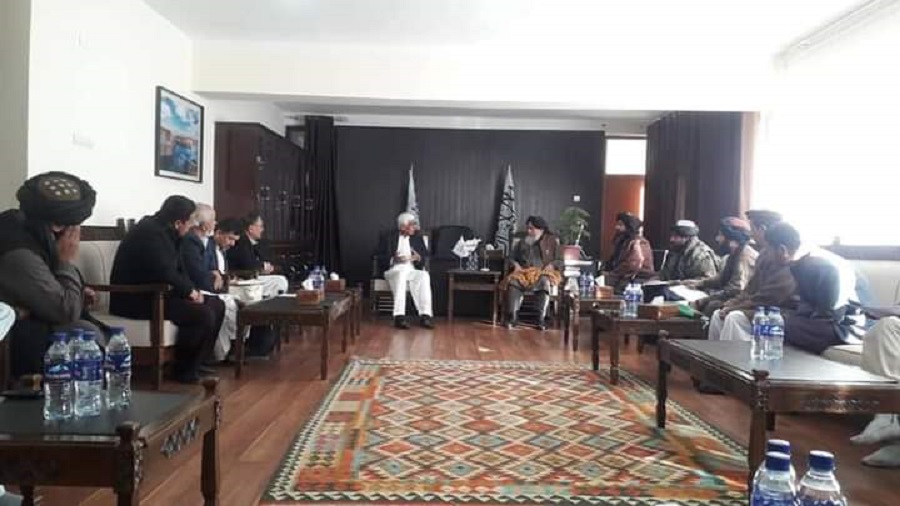
I am pleased to report that Mr. Akbar Ali Pesnani, the special envoy of Mawlana Hazar Imam, His Highness the Aga Khan, to Afghanistan, met with the governor for Afghanistan’s Bamyan Province, Mr. Abdullah Sarhady on December 5, 2021. Mr. Sarhady thanked the Aga Khan Development Network (AKDN) and its agencies for their contribution and service in the Bamyan province of Afghanistan, and asked AKDN to continue its services in education, health care, agriculture and microfinance in the province. Additionally, he pleaded to the envoy to extend its assistance on poverty alleviation, higher education and infrastructure. This meeting was reported by official media sources.
AKDN’s representative in Afghanistan, Mr. Akbar Ali Pesnani (left), meets with the governor of the province of Bamyan, Mr. Abdullah Sarhady. Bamyan Province is one of the thirty-four provinces of Afghanistan, located in the central highlands of the country (see map above). Photo: Facebook page of governor’s media office.
Meanwhile, Mr. Pesnani thanked the Islamic Emirate of Afghanistan for its collaborations with the AKDN agencies and reaffirmed his commitment on continuing and furthering the agency’s efforts on health care, education, habitation and infrastructure.
The aim of his visit was to visit the Bamyan provincial hospital, and meet with AKDN agency’s local representatives, Ismaili elders and leaders as well as members of the project teams responsible for the projects undertaken by the agency.
AKDN’s representative in Afghanistan, Mr. Akbar Ali Pesnani (left), meets with the governor of the province of Bamyan, Mr. Abdullah Sarhady. Bamyan Province is one of the thirty-four provinces of Afghanistan, located in the central highlands of the country (see map above).Photo: Facebook page of governor’s media office.
The governor asked the AKDN agencies to extend its contribution and efforts on increasing the capacity of provincial hospital, providing health care in local clinics, supporting the educational sector, implementing of development projects and investments on key infrastructure of the province.
As a member of the Ismaili Jamat in Afghanistan, this meeting highlights the importance the Islamic Emirate attaches to the work that has been carried out by the Ismaili Imamat over the past several decades in Afghanistan, and look forward to the progress of all peoples of Afghanistan and our Jamat under the new Taliban regime in the months and years to come. I offer my congratulations to the Jamat in Afghanistan and around the world on this happy occasion.
Thank you and Ya Ali Madad. (Name withheld)
Date posted: December 5, 2021.
________________
We welcome feedback from our readers. Please complete the LEAVE A REPLY form below or click Leave a comment. Your letter may be edited for length and brevity, and is subject to moderation. Please note that Simerg has created a special page on Afghanistan where you will find links to all our posts published on Afghanistan since the Taliban takeover. Please click AFGHANISTAN.
[This is our special correspondent’s fourth letter from Kabul to provide the global Ismaili Jamat with reliable information regarding recent development of the living conditions of the Jamat in Afghanistan after the Taliban takeover. Read the first three letters HERE – August 26, HERE – August 29 and HERE – September 5, 2021. We advise readers to note that in some cases the same information may be repeated in multiple reports — Ed. ]
LETTER FROM AFGHANISTAN
Saturday, December 4, 2021
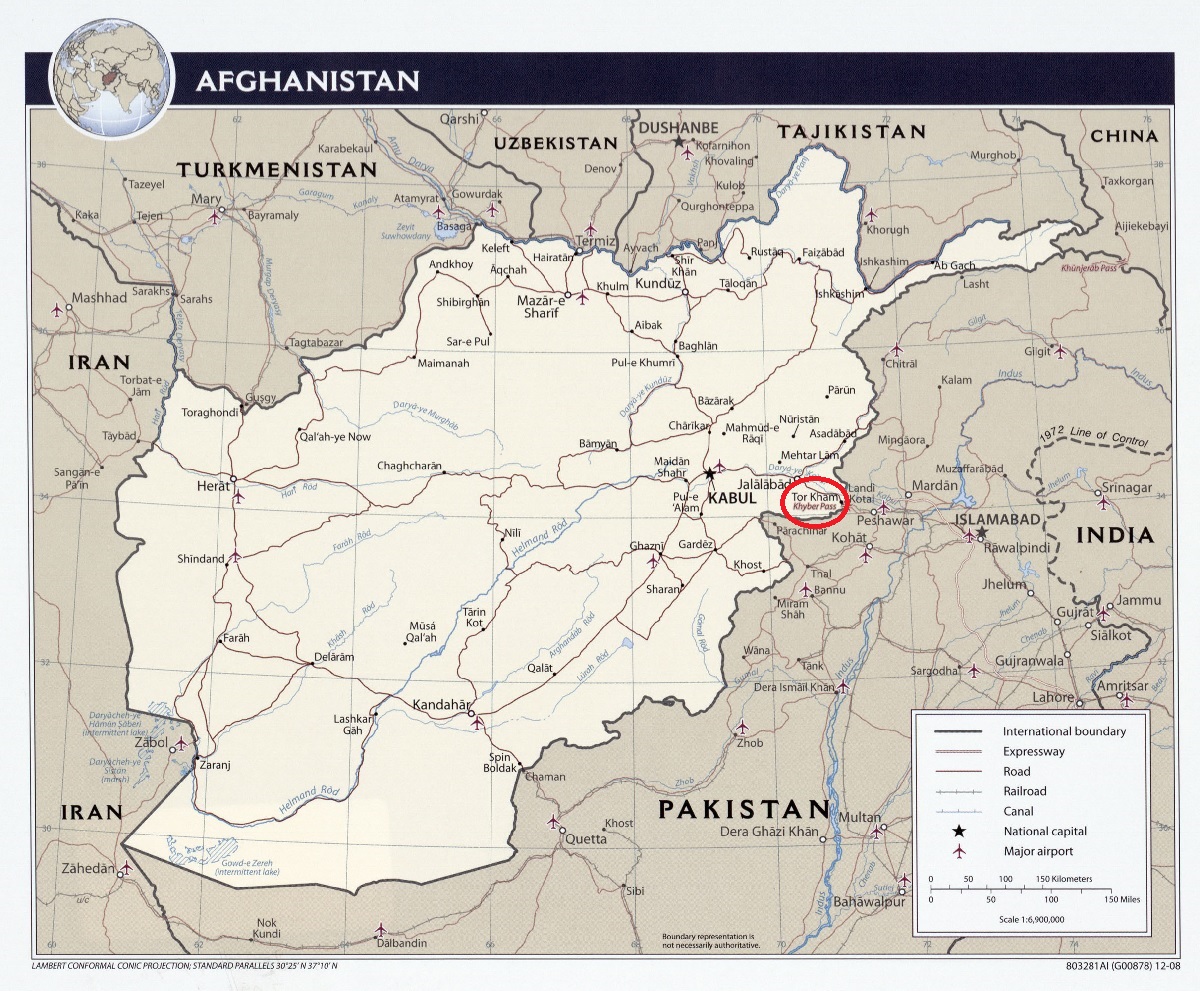
Map of Afghanistan and neighbouring countries. The major international border crossing between Afghanistan and Pakistan, the Turkham (Tor Kham) border, mentioned by our correspondent in his post, below, is circled in red. Known as the Grand Trunk Road, the road connects Nangarhar province of Afghanistan with Pakistan’s Khyber Pakhtunkhwa province. Please click on map for enlargement. Credit: Map adapted and annotated by Simerg from the Perry-Castañeda Library Map Collection, University of Texas.
Dear Jamats:
Recently, I met a well-known young Ismaili civil society activist based in Kabul, and conducted a short interview with her that focused on her life experiences, opportunities, achievements and her views on the political future and social life under the new regime. She concluded the interview by asking Jamati institutions for an action plan about the future direction of the Jamat. In my third report I had noted that, by their own admission, the Jamati institutions do not have surveys and locations of the Jamat in Afghanistan. Members of the Jamat were advised to take care of their own safety and security. This situation in Afghanistan is unfortunate and unacceptable in the present time. I am sad to note that this lack of Jamati statistics and demographic information, which prevents an effective action plan to help the Jamat, is apparently not unique to Afghanistan.
Please note that the editor of Simerg, Malik Merchant, has verified the authenticity of the person I interviewed and has decided to keep both my name as well the name of the interviewee anonymous for our well-being, safety and protection. I shall simply refer to her as Roshan which is not her real first name.
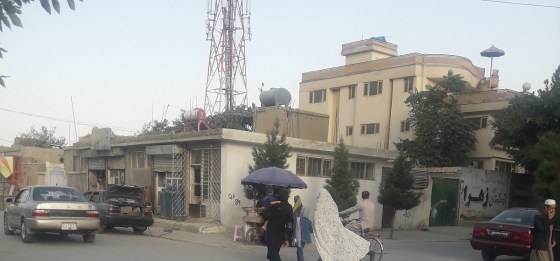
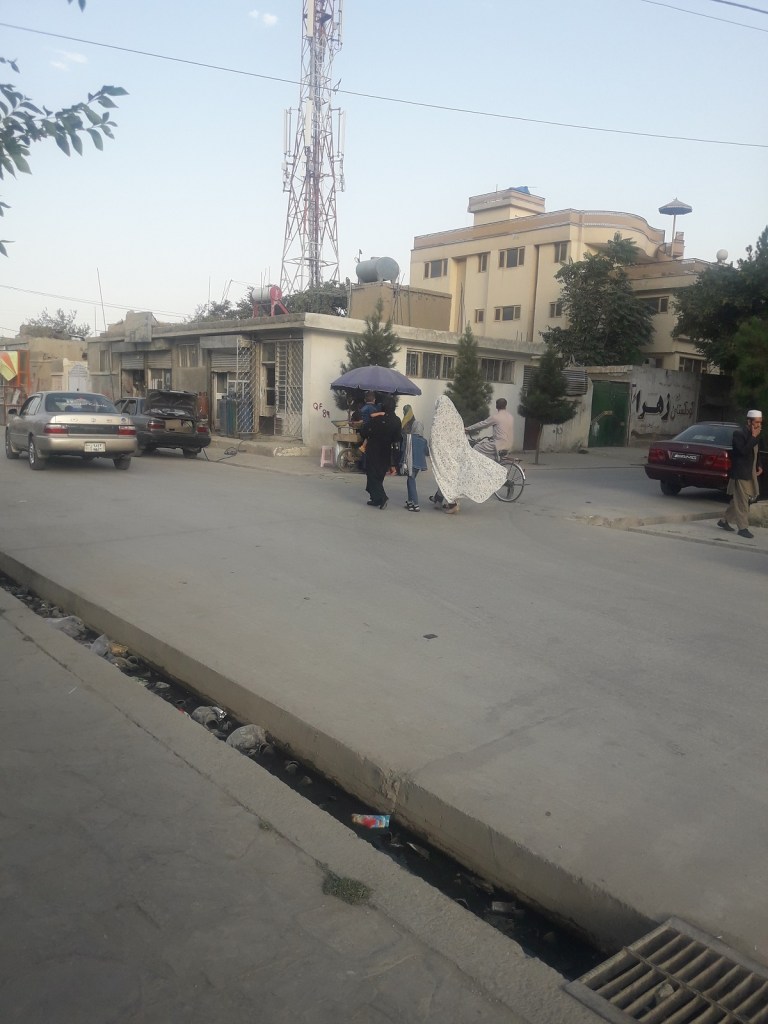
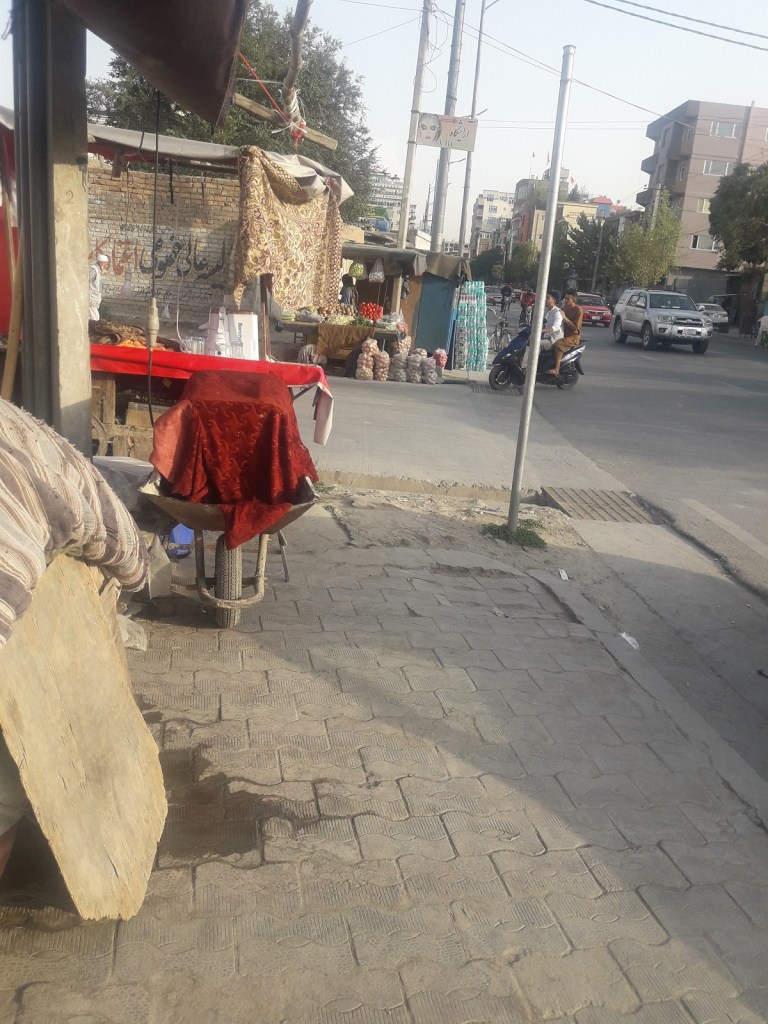
Kabul’s residents walk along a street in the city’s Qala-e-Fathullah neighbourhood. Photo: Simerg correspondent, Kabul.
After the Taliban takeover of the country on August 15, 2021, Roshan became terrified and locked herself at home, thinking that her normal life had come to an end, and that the Taliban would return to the mid 1990s, when they rigidly governed the country with harsh rules and restrictions particularly for women. People were initially terrified and fearful of the new regime, as women were prevented from serving in public institutions. Roshan and many girls like her felt that they would never be able to continue their studies and work. However schooling for girls is increasingly available, albeit separately for men and women, and this has affected the higher education in the country.
Given the international community’s oversight over the behavior of Taliban towards upholding of human and women rights, and their urgent need for international recognition and legitimacy, Roshan believes that, for now, the new Taliban regime might not reimpose the same rules that were in place in the 1990’s. However, she is not sure whether Taliban will keep their word after the world has granted it the recognition it is seeking. She feels that they might then reimpose the harsher rules of the past. For Roshan, it is most critical for the Taliban to win the hearts and trust of the youth and professionals of the country by keeping their promises as well as allowing some freedom of expression.
Roshan says the vast majority of the women and women like her benefited from the opportunities like going to school, studying in Universities and Colleges, and having an independent career that the international community and previously US-backed government facilitated. Now, she is wondering whether they will be able to explore the same opportunities that they previously enjoyed under the old regime. She holds out any hope that women like her, who received a quality education and were able to serve their country well for many years, will ever be able to engage and play an active role in either political or social affairs of the country as they previously did. She thinks that under the Taliban, women involvement in the political and social affairs will be restricted and vastly curtailed.
Roshan views the recent meeting between Mawlana Hazar Imam’s special envoy for Afghanistan and the Taliban leadership as positive step towards trust building, but she is neither convinced nor confident that the Taliban would deliver on any commitment that they may have made to the Jamat in Afghanistan as well as other minority groups. Roshan sincerely hopes her pessimism is misplaced, and that things will work out well for the Jamat in the critical period of stabilization ahead. She is pleased to note that AKDN activities continue uninterrupted in the country.
Finally, Roshan would wish the Aga Khan National Council for Afghanistan to design an effective plan and strategy for overcoming the crisis precipitated by the Taliban takeover. There is rampant unemployment and poverty in the Afghan Jamat, and she asks the Ismailis around the globe to support Afghan Jamats through whatever means they can at this time of their need.
A view of Kabul’s Qala-e-Fathullah neighbourhood. Photo: Simerg correspondent, Kabul.
On a personal note, I would like to say that all ethnicities and religious minorities are being treated well in Kabul. This is indeed good news. There may be some problems in the suburbs or rural areas but the overall attitude of the Taliban regime towards the minorities is good. I am also pleased to say that we can attend Jamatkhanas for our daily prayers and worship, and that in Kabul the Jamatkhanas are open to both men and women. Additionally, there are no restrictions on religious or social activities in other provinces where there is a larger presence of the Jamat or the Jamat is in a majority.
Before the Taliban takeover, a wide range of Ismaili girls would attend their university classes especially in private universities. But, unfortunately, after the Taliban takeover, girls in general are reluctant to attend the university out of concern for their own safety and well-being. The dire economic situation has further eroded the capacity of families to send their daughters to universities. The educational centers and universities have resumed their activities, but only a small number of female students attend their daily classes.
As far as I know, a number of Jamati members have left the country through the Turkham border crossing with Pakistan (see map above). Others may leave when the passport offices officially start distributing the documents necessary to travel abroad.
One great challenge we have is that a large number of Jamats are unemployed and are using up their savings to survive this uncertain period in their lives. Winters are harsh, and until recently no practical steps had been taken by Jamati institutions to come up with a plan and mitigate the crisis that poor and impoverished Ismaili families are having to deal with. Lately, Jamati institutions have begun distributing flour, oil and beans to a small number of impoverished Ismaili families in Kabul. However a large number of Jamati members have not yet received this much needed relief. Of course, the situation in the country generally is pretty alarming.
As already noted the Aga Khan National Council for Afghanistan must come up with an effective plan and strategy for overcoming the crisis precipitated by the Taliban takeover. I once again sincerely appeal to the Ismaili Leaders International Forum (LIF), the AKDN agencies and Ismaili Council leadership to be forward thinking, closely monitor the situation and adopt an effective strategy for addressing all the issues that will continue to emerge in the foreseeable future.
Thank you and Ya Ali Madad. (Name withheld)
Date posted: December 4, 2021.
____________________
Simerg urges the international Jamat to lend their support to Focus Humanitarian in their on-going efforts to assist the Jamat in Afghanistan and other parts of the world. We sincerely hope the youth and professionals in the Jamat will join in this extremely worthy and noble cause. On-line contributions can be made at the Focus Humanitarian websites for Canada, Europe, and the USA by clicking on FOCUS CANADA; FOCUS EUROPE; and FOCUS USA.
We pray for the safety and well-being of all the people of Afghanistan as well as the members of the Ismaili Jamat. We further hope that the new Taliban leadership in Afghanistan will work toward a common goal — that of stabilizing, uniting and bringing peace to the country that will enable every citizen to contribute to the progress and development of the country.
________________
We welcome feedback from our readers. Please complete the LEAVE A REPLY form below or click Leave a comment. Your letter may be edited for length and brevity, and is subject to moderation. Please note that Simerg has created a special page on Afghanistan where you will find links to all our posts published on Afghanistan since the Taliban takeover. Please click AFGHANISTAN.












 Simerg - Insights from Around the World