Simerg is an independent initiative dedicated to Ismaili Muslims, the Aga Khan — their Hereditary Imam — and the Ismaili Imamat, and Islam in general through literary readings, photo essays and artistic expressions
On June 9, 2025, the Aga Khan Award for Architecture (AKAA) announced 19 shortlisted projects for the 2025 Award cycle, a selection made with utmost care and expertise by an independent Master Jury, which meticulously reviewed 369 projects nominated for the 16th Award Cycle (2023-2025). Established by Mawlana Shah Karim, His Late Highness Prince Karim Aga Khan IV, the 49th Hereditary Imam of the Ismaili Muslims, in 1977, the Award identifies and encourages building concepts that successfully address the needs and aspirations of communities in which Muslims have a significant presence.
Flashback: Mawlana Shah Karim, His Late Highness Aga Khan IV, arrives for the inaugural ceremony of the Aga Khan Award for Architecture held on October 23. 1980, in Lahore, Pakistan. Photograph: AKDN / Christopher Little.
~~~~~~
Mawlana Shah Karim, His Late Highness Aga Khan IV, delivering his speech at the Aga Khan Award for Architecture ceremony, Kazan, Tatarstan, September 13, 2019. This was the last Award ceremony he attended in person. In 2022, at the Award Ceremony and seminars held in Muscat, Oman, he was represented by his brother, Prince Amyn and his children, Princess Zahra and Prince Hussain. Photograph: AKDN. Please read speech HERE.
Since its launch 48 years ago, with the first award ceremony taking place in Lahore, Pakistan, on October 23, 1980, 128 projects have received the award, and nearly 10,000 building projects have been documented. The AKAA’s selection process emphasizes architecture that not only provides for people’s physical, social and economic needs, but that also stimulates and responds to their cultural aspirations.
Majara Complex and Community Redevelopment, Hormuz Island, Iran. Please click on the image for the Cairo Scene article.
Salma Ashrat Thabit, writing for Cairo Scene, says that “the 2025 Aga Khan Award for Architecture shortlist is here, and the Middle East is in the spotlight. From Egypt’s revived markets to Iran’s vibrant domes, these standout projects offer fresh visions of culture and community.” Please read Salma’s piece Cairo Scene: Middle Eastern Marvels.
A collage of 19 projects shortlisted for the 2025 Aga Khan Award for Architecture. Please click on the image for overviews and descriptions of the projects on the AKDN website.
The AKDN website provides a comprehensive overview with links to detailed descriptions of the 19 shortlisted projects from Bangladesh to China to Kenya to Türkiye to the United Arab Emirates. Please click Aga Khan Award for Architecture 2025 shortlist.
Over twenty years ago I, a Christian, began a journey to learn about my Muslim neighbours.
Throughout this process of learning, there was one individual — arguably the most impactful world leader without a country of his own — who, as a Muslim, taught me more about being a good Christian than I ever would have expected. In his humble, earnest way, he used his influence to be a powerful force for good, not just for those whom he lived his entire life to guide and protect but for all the rest of us as well.
The Aga Khan and Ismaili Muslims
This quietly powerful, beautiful soul is, of course, the 49th Hereditary Imam of Nizari Ismaili Muslims, Mawlana Shah Karim Al Hussaini, His Highness the Aga Khan. He passed away in Lisbon, Portugal, on February 4, 2025, at the age of 88, thus becoming the longest-lived Imam in the 1400-year history of the Shia Imami Ismaili Muslims, whose first Imam was Ali, the cousin and son-in-law of Muhammad.
Mawlana Hazar Imam (our Lord, the Imam of the Time), as Ismailis address their reigning Imam, was their protector and guide for 67 years, filled with parental love for all his followers around the world, a profoundly inspiring world leader — but for me, a Christian, he was my hero.
A life-size depiction of Mawlana Shah Karim, His Highness the Aga Khan, (d. February 4, 2025, aged 88) exhibited at the Canadian Museum for Human Rights in Winnipeg, Manitoba. The exhibit appears with depictions of other Honorary Canadian Citizens on a floor dedicated to “Turning Points of Humanity.” Photograph (of the exhibit taken July 2017): Malik Merchant / Barakah.
In his guidance to the world Nizari community living in more than 35 countries, with over 200,000 having made their homes in North America over the past fifty years, he not only spoke to immediate worldly concerns but encouraged his followers to show compassion and understanding; to volunteer, educate, and be educated; to support and empower women, and those who historically have little voice; to be good citizens of whatever country around the world they might find themselves in; and to be powerful examples of pure charity to everyone encountered. Prince Karim’s support of Nizari Ismailis was without bounds, and his charity and caring towards the world at large were without measure.
Shortly after his grandfather’s passing and his installation as the 49th Imam on July 11, 1957, Prince Karim delivered Takht-nishini (ceremonial installation) addresses internationally in Africa and South Asia — messages immediately impactful for their time and still profoundly relevant today.
He spoke to the promise of electronic education and cheaply distributed power, admonishing them to make wholesome use of these advancements while maintaining their faith.
“The most significant thing about the atomic age is the new and unbounded sources of energy which are released for the use of mankind. In Europe and America today, power stations are springing up which need no coal, nor oil, nor water power to run them. They feed themselves. This is close to the secret of perpetual motion. In my life time, it is almost certain that such atomic power stations will be exported, very likely to countries like Tanganyika. From them will flow the energy which will create new towns, railways, factories and all the foundations of modern industrial progress — Dar-es-Salaam, October 19, 1957 [1].
“The years of development and change which lie ahead are certain to throw up many new problems. We should not be afraid of these. You will surely surmount them if you stand by your faith and meet your difficulties in the spirit of humility and tolerance that your religion demands of us. This is especially important for the younger generations who will have to carry the future on their shoulders” — Nairobi, October 22, 1957 [1].
“The faith by which we live is the only sure guarantee that our problems will be surmounted. The younger people among you must be especially aware of this. Only the faith of your fathers will enable you to live in peace.” — Dar-es-Salaam, October 19, 1957 [1].
He talked about the need to find our spiritual center and work together as we navigate rapidly evolving technological landscapes.
“Never before in the history of man has there been such an age of technological progress… It is most important for the future of this country that the various races face these changes together” — Nairobi, October 22, 1957 [1].
Mawlana Shah Karim, His Highness the Aga Khan, at his Takht-nishini, in Nairobi, Kenya, 1957. Photograph: 25 Years in Pictures, Volume 1, Islamic Publications, 1983, London.
He spoke on contests of skill where every participant does their best and succeeds; that competition and respect are not mutually exclusive.
“You must work together with mutual forbearance and with respect for each other. Only thus shall we achieve the harmony and happiness which is necessary for the true advancement of our faith.” — Kampala, October 25, 1957 [1].
He declared that technological success and community development are tools to benefit everyone.
“As a community, our Faith will always preserve our special identity, but there should be nothing exclusive in what you do…There is no reason why our traditions and our faith should stop us from moving with our times, nor in fact why we should not lead our fellowmen to new spheres of knowledge and learning.” — Karach, January 23, 1958 [1].
He spoke to the power that compassion, understanding, and service have within a spiritually powerful minority community.
“With humility, tolerance, and respect for each other, by honest work and straight dealings, you will earn the true friendship of you fellows… By the way you conduct your daily lives, by the compassion you show your fellow men and women, and above all by your faith in God — you will ultimately be judged” — Bombay, March 11, 1958 [1].
Through living his own life, he transformed mine!
O mankind, indeed We have created you from male and female and made you peoples and tribes that you may know one another. Indeed, the most noble of you in the sight of Allah is the most righteous of you — Surah Al-Hujurat (49:13).
For me, Prince Karim Al-Hussani, Aga Khan IV, will always stand as a unique global figure, an exemplary world leader who effortlessly combined his spiritual role as the 49th hereditary Imam of the Nizari Ismaili Muslims with his transformative contributions to education, culture, and development.
A sign etched on a mountain to welcome Mawlana Shah Karim, His Highness the Aga Khan to Pasu in the Hunza region of Gilgit-Baltistan, Pakistan; November 1987. Photo: Faqir Ullah Khan.
~~~~~~~~
In a setting of spectacular natural beauty, Mawlana Shah Karim, His Highness the Aga Khan addresses Ismailis and non-Ismaili Muslims in Ishkashim during his first historic visit to Badakhshan in Tajikistan; May 27, 1995. Photograph: The Ismaili.
Remarkable Aspects of Leadership
For a period longer than my lifetime he led a community of millions across the world, guided by the principles of Islam while expanding his work to improve the quality of life for countless individuals, regardless of their faith or background. This perspective — anchored in faith but outward-facing and inclusive — defined his leadership and shaped his vision for a more compassionate and interconnected world.
Central to this vision was a unique worldview he termed “empathic pluralism,” the idea that humanity’s differences should be viewed not as sources of division but as opportunities for mutual enrichment. In one of his most profound observations, Prince Karim stated, “The world needs an architecture of generosity, one that speaks to a global ethic of respect and compassion.” [2] More than the design of physical structures, this “architecture” extended to encompass the systems, institutions, and relationships forming the very foundations of human society.
Cultures across the globe are grappling with complex challenges: rising inequality, deepening cultural divides, and the rapid erosion of both natural and cultural heritage. Though diverse in nature, these crises share a common thread — they require responses prioritizing empathy, resilience, and cooperation. Prince Karim’s work provided a blueprint for addressing these issues, tempering spiritual guidance with practical, sustainable solutions which strengthen communities and foster understanding.
Indeed, Allah orders justice and good conduct and giving to relatives and forbids immorality and bad conduct and oppression. He admonishes you that perhaps you will be reminded –Surah An-Nahl (16:90).
In my eyes, the most remarkable aspect of his leadership was his ability to bridge faith and reason. As a spiritual leader, he inspired millions of Ismailis through teachings emphasizing ethical conduct, introspection, and commitment to social welfare. Yet his initiatives extend far beyond his community, addressing universal concerns and building institutions that continue to serve as models of inclusivity and excellence. Whether funding hospitals and schools in remote areas or revitalizing cultural landmarks that hold meaning for widely diverse communities, his efforts reflected a holistic understanding of humanity’s shared destiny.
He continuously emphasized that understanding one’s heritage and connecting with cultural expressions — through art, music, and architecture — strengthens both individuals and communities alike. The Aga Khan Museum in Toronto perfectly documents this commitment and understanding.
A view of the Aga Khan Museum during the annual Toronto Open Doors event, May 27, 2023. Photograph: Malik Merchant/Barakah.
~~~~~~~~~
Treasures at the Aga Khan Museum Toronto. From the upper floor, one can see permanent and loaned exhibits, such as the Wagner Garden Carpet, Burrell Collection, Glasgow, Scotland. Photograph: Malik Merchant / Simerg.
The exhibits housed within its walls celebrate the artistic and intellectual contributions of Muslim civilizations spanning the globe, providing a space where visitors from all walks of life can explore and appreciate our shared human history. Reflecting on this purpose, he noted that such sites are “places where people from every background can experience the wisdom and beauty of Muslim cultures.” [2] A world standard of contemporary museology and conservatorship, the entire project underscores his broader vision of cultural dialogue as catalyst for empathy and mutual respect.
This showcase of international art was not conceived for just one group or community, but for the world. The Prince’s philosophy of unceasing kindness, consideration, and thoughtfulness is evident across his wide range of initiatives in architecture, spirituality, education, and philanthropy internationally. Together, they form a cohesive vision seeking tirelessly to heal divisions and inspire a deeper sense of global solidarity.
Pluralistic Vision for Architecture
Allah is the Light of the heavens and the earth. The example of His light is like a niche within which is a lamp…Surah An-Nur (24:35)
This vision for the world becomes particularly vivid when considering his contributions to physical architecture. For Prince Karim, architecture was far more than the design of buildings; it is a profound expression of values and aspirations. His belief that “architecture is a bridge to cultural dialogue” [1] emphasizes the transformative potential of thoughtfully designed spaces. In his view, architecture nurtures empathy, fosters inclusion, and celebrates diversity — all of which are essential to a world where only pluralistic solutions can truly resolve complex problems.
As he once said, “The spaces we build must reflect the diversity of those who occupy them and encourage coexistence. Architecture is a bridge to cultural dialogue.” [2] This perspective guided his work in architecture and urban development for decades, shaping physical environments of social harmony and cultural diversity.
The Humayun Tomb, the resting place of the second Mughal emperor and a precursor to the Taj Mahal, forms a backdrop in this picture taken during the inauguration ceremony on September 18, 2013 which was attended by the Chief Guest, the Prime Minister of India, Dr Manmohan Singh, Mawlana Shah Karim, His Highness the Aga Khan, the Minister of Culture, Chandresh Kumari Katoch, Chairman Ratan Tata of the Sir Dorabji Tata Trust and Prince Hussain Aga Khan. Photograph: Prime Minister’s Office (GODL-India), GODL-India , via Wikimedia Commons.
Through the Aga Khan Trust for Culture (AKTC), he spearheaded projects that restored significant landmarks while revitalizing the surrounding communities. In places like Islamic Cairo and the historic cities of Northern Pakistan, these initiatives preserve cultural heritage and serve as catalysts for social and economic development. These efforts are grounded in his conviction that “cultural preservation is as essential to a people’s spirit as food is to their bodies.” [2] By linking preservation with community engagement, Prince Karim demonstrated how architecture can simultaneously honour the past and empower the future.
Recognizing the urgent need for environmentally sensitive design, the projects he supported often integrated green technologies and sustainable practices. In urban spaces, this might mean prioritizing water conservation, using locally sourced materials, or creating public parks that enhance both environmental and social well-being. These initiatives addressed the practical demands of a changing climate and reflected his broader belief in stewardship and responsibility toward future generations.
There shall be no compulsion in [acceptance of] the religion. The right course has become clear from the wrong — Surah Al-Baqarah (2:256)
Underlying all these efforts was his commitment to pluralism. The Aga Khan IV consistently emphasized architecture should celebrate diversity, stating, “Architecture that embraces diversity creates not only beautiful spaces but also peaceful communities.” [2] For him, the physical environment is a reflection of society’s values — or should be — and inclusive design serves as a powerful tool for promoting understanding and coexistence. His architectural projects, whether cultural museums, educational institutions, or restored historic sites, embody this principle, offering spaces where people from all walks of life are given space to come together in mutual respect.
Architecture, in Prince Karim’s view, is not merely about creating physical spaces but about shaping environments which inspire understanding and cooperation. This principle of building for the future extends naturally into his approach to education, where cultivating minds and hearts becomes the foundation for fostering ethical leadership and global citizenship.
Education and Knowledge
Say, ‘Are those who know equal to those who do not know?’ — Surah Az-Zumar (39:9)
For Prince Karim, education was not merely about imparting knowledge but about cultivating minds and hearts to create effective and nurturing leaders in our rapidly evolving world. Education should be holistic, fostering intellectual curiosity, ethical reasoning, and cultural awareness. He observed, “An education that emphasizes both the mind and the heart…will empower young people to create positive change.” [3] Education should be a transformative force capable of addressing global challenges while enriching individual lives and inspiring future leaders.
President Chissano of Mozambique and Princess Zahra Aga Khan look on as Mawlana Shah Karim, His Highness the Aga Khan, addresses dignitaries at the foundation laying ceremony of the Aga Khan Academy Maputo on June 25, 2004. Photograph: The Ismaili USA, December 13, 2004.
~~~~~~~~
Mozambique’s President Filipe Nyusi and Portugal’s President Marcelo Rebelo de Sousa unveil the inaugural plaque of the Aga Khan Academy Maputo, as Prince Rahim, who succeeded as the 50th Imam on February 4, 2025, looks on. Photograph: Akbar Hakim/IPL
The Aga Khan Academies are a network of schools located in diverse cultural settings, each committed to nurturing future leaders who value pluralism and social responsibility. These schools emphasize a rigorous academic curriculum alongside lessons in ethical leadership, preparing students not only to excel in their chosen fields but also to contribute meaningfully to society at large. Reflecting on this mission, he remarked, “Education should be an opening of the mind to the rich diversity of human experience” [3], underscoring his belief in the power of education to build bridges across cultural and intellectual divides.
The University of Central Asia Naryn campus in the Kyrgyz Republic lies on the banks of the Naryn River, surrounded by the Tien Shan mountain range. Photograph: AKDN.
Another cornerstone of Prince Karim’s educational vision was his focus on post-colonial societies, where the legacies of imperialism include painfully fractured identities and profoundly limited opportunities. Through initiatives like the University of Central Asia and the Aga Khan University, he sought to address these challenges by creating institutions which blend global standards with local relevance. These universities prioritize research and teaching directly tied to the needs of the communities they serve, fostering a sense of agency and self-determination.
Education should not only elevate individuals but also empower entire communities, particularly in a world where globalization often threatens to homogenize identities. By integrating cultural literacy into educational frameworks, Prince Karim fostered a sense of pride and belonging while encouraging cross-cultural empathy.
Read in the name of your Lord who created. Created man from a clinging substance. Read, and your Lord is the most Generous — Who taught by the pen — Taught man that which he knew not — Surah Al-Alaq (96:1-5).
His vision for education also extended to global ethics. In a time of increasing polarization and ethical dilemmas posed by technological and social change, he called for education systems worldwide to prioritize moral reasoning and empathy. His institutions place a strong emphasis on teaching integrity, respect for diversity, and responsibility toward others, reflecting his understanding that intellectual achievements are hollow without a foundation of ethical principles.
The Prince’s educational institutions and initiatives actively work to increase access to education for women and marginalized groups, and recognize that equitable education is a prerequisite for truly sustainable development. These efforts echo his broader belief in the transformative potential of empowering all individuals, regardless of gender or socioeconomic background.
The transformative power of education lies not only in the knowledge it imparts but also in its ability to nurture creativity and cultural pride. These values resonated deeply with Prince Karim’s work devoted to supporting the arts, where he championed the preservation of heritage alongside present innovation, bridging the past and present.
Empathic Pluralism in the Arts
God is beautiful and loves beauty — Hadith Qudsi, Prophet Muhammad, Saheeh Muslim
The arts are a universal language — a means of expressing the human spirit and fostering understanding across cultures. Throughout his leadership, the Aga Khan championed the preservation and celebration of artistic traditions while encouraging contemporary forms of expression resonating with modern audiences. The arts are an integral part of human development, a tool for cultural dialogue and empathy — as he stated: “Art is a universal language that has the power to build bridges where words cannot.”
Mawlana Shah Karim, His Highness the Aga Khan, meeting musicians from the Kyrgyz Republic. The troupe was brought to the Smithsonian Folklife Festival held in Washington, DC, in 2002 by the Aga Khan Trust for Culture. Photograph: AKDN/Zahur Ramji
The Aga Khan Music Initiative is one of the most compelling examples of his vision. Through this initiative traditional music from Central and South Asia, the Middle East, and North Africa is preserved and revitalized, ensuring that these rich cultural legacies are passed down to future generations. The initiative goes far beyond preservation; it supports innovation as the initiative encourages collaborations between traditional and contemporary artists. This dynamic approach ensures that these traditions remain relevant in a changing world, inspiring new audiences and fostering a deeper appreciation of cultural diversity.
Stamps issued by the Sultanate of Oman to commemorate the Aga Khan Award for Architecture and the Aga Khan Music Awards, October 2022.
More than just a repository of objects, the Aga Khan Museum mentioned earlier is a space where visitors actively explore the shared history and interconnectedness of humanity. Through its exhibits, performances, and educational programs, the museum brings the relevance of art forward into the contemporary space — while encouraging dialogue and a dynamic exchange of ideas with other cultures. The Aga Khan described the museum as “a place where art and history come together to foster mutual understanding.” [2] This ethos of inclusivity underscores every one of the Prince’s artistic initiatives, all designed to invite reflection and inspire respect for diversity.
He who created seven heavens in layers. You do not see in the creation of the Most Merciful any inconsistency…Surah Al-Mulk (67:3-4).
Secretary of State Madeleine Albright and President Bill Clinton with Mawlana Shah Karim, His Highness the Aga Khan, at the first White House conference on culture and diplomacy convened by President and Mrs. Clinton on November 28th, 2000. The Aga Khan was among the distinguished panelists invited to advise the president and secretary of state on the role of culture in foreign policy. Photograph: Official White House Photo.
Arts are essential to resilience. Prince Karim often spoke about the role of cultural expressions in providing communities with a sense of identity and continuity, particularly in times of upheaval. When traditions are preserved and celebrated they serve as anchors, helping individuals and communities alike to navigate change. This perspective is particularly relevant in a globalized world where many traditional practices face the risk of extinction. In the Prince’s eyes, the arts are not merely luxuries or entertainment but vital elements of human survival and flourishing.
While his efforts often focused on Muslim cultures, they were never exclusive. In encouraging artistic dialogue across traditions, he demonstrated that the arts have a unique ability to transcend boundaries and bring people together. Whether it is musical collaboration between Central Asian and Western artists or museum exhibits juxtaposing Islamic and European art, his initiatives remind us of the shared threads connecting all of humanity.
Philanthropy, Social Impact, and Community Resilience
Whoever saves one [life] – it is as if he had saved mankind entirely — Surah Al-Ma’idah (5:32)
Prince Karim’s commitment to fostering pluralism and preserving cultural heritage is inseparable from his broader vision of social impact. His work in philanthropy demonstrated the same principles of empathy and inclusivity that shaped his approach to education, architecture, and the arts. While the arts nurture the soul and build bridges of understanding, philanthropy addresses the practical realities of building stronger, more resilient communities. For Prince Karim these endeavors are complementary, working together as a holistic strategy to uplift humanity.
One of the defining characteristics of the Aga Khan’s philanthropy was its emphasis on long-term sustainability. Standing apart from traditional charity models, the focus is instead on enabling communities to achieve self-reliance.
He said, “True philanthropy is about empowering people to help themselves.” [4] This guiding principle underpins the work of the Aga Khan Development Network (AKDN), a sprawling network of institutions and programs addressing everything from health and education to economic development and environmental sustainability.
(Late) Kofi Annan, former UN Secretary-General, presents the Champion for Global Change Award to Mawlana Shah Karim, His Highness the Aga Khan, at a special gala dinner held in New York on October 18, 2017. Photo: The Ismaili/Akbar Hakim/Mairaj Manji.
The AKDN’s work is vast in scope but deeply localized in its execution, tailoring each initiative to the specific needs of the communities it serves. In regions recovering from conflict or grappling with systemic poverty, the AKDN projects create opportunities for employment, education, and healthcare, while also investing in infrastructure supporting long-term growth. This strategy is evident in the AKDN’s investments in East Africa, Central Asia, and South Asia, where initiatives not only dramatically improved living conditions but also strengthened social cohesion.
Healthcare is a cornerstone of his philanthropic mission. Hospitals and clinics established under the AKDN are recognized worldwide for their excellence and accessibility, often serving marginalized populations who might otherwise lack any access to quality care. These institutions reflected his belief that health is a fundamental human right and a prerequisite for broader societal progress. By combining world-class medical care with community outreach and preventative programs, these initiatives continue to improve both individual and collective well-being.
Mawlana Shah Karim, His Highness the Aga Khan, during one of his visits to the site of the Al-Azhar Park, in Cairo.
~~~~~~~
In the 1980’s the Aga Khan turned his attention to a site in Cairo, where garbage had been dumped for more than 500 years and was nearly 25 feet deep. After more than 15 years of work masterminded by his Trust for Culture, his vision has transformed the derelict site into a sequence of formal gardens filled with groves of fruit and flowering trees, fountains and an artificial lake studded with a modern lakeside café and a central allee of royal palms lines a path that has views of Islamic Cairo’s minarets and domes. Atop the dump site sit three new sunken reservoirs that provide invisible succor and a children’s playground and other special features. Shown in the image are: the 1992 park site, Al Darassa municipal dump (top left); on going work in shaping the Al-Azhar Park site in 1999 (top right); and the completed Al-Azhar Park which was inaugurated in 2005. Photos: Aga Khan Trust for Culture via Archnet.
~~~~~~~~~~
Mawlana Shah Karim, His Highness the Aga Khan, welcomes Prince Charles, The Prince of Wales, and The Duchess of Cornwall to Al-Azhar Park in 2006 at the beginning of their official 2-week to Egypt, Saudi Arabia and India. Photo: AKDN/Gary Otte.
The AKDN’s philanthropy also emphasized the importance of resilience in the face of environmental and economic challenges. Projects restoring cultural landmarks, such as the restoration of Humayun’s Tomb in India or the Al-Azhar Park in Cairo, served multiple purposes: preserving heritage while creating jobs and revitalizing urban spaces. These initiatives exemplify the Prince’s view that cultural and economic development are deeply interconnected, and both are essential for sustainable progress.
Underlying all of these efforts is the principle of pluralism. The Aga Khan consistently argued diversity is a strength, not a weakness, and his philanthropic projects reflected this belief. Whether promoting cross-cultural dialogue through the arts or fostering inclusive growth through development initiatives, his work embodied a profound respect for the unique contributions of every community. He noted, “Pluralism is not simply a concept but a necessity for peace.” [5] A perspective particularly relevant in a world where divisions often seem to outweigh connections.
Universal Values: Connecting Vision with Broader Global Concerns
And of His signs is the creation of the heavens and the earth and the diversity of your languages and your colors. Indeed, in that are signs for those of knowledge — Surah Ar-Rum (30:22)
While deeply rooted in the traditions of the Ismaili Muslim community, Prince Karim’s vision spoke to universal values that resonate across cultural, religious, and national boundaries. His emphasis on pluralism, empathy, and resilience reflected a profound understanding of the interconnected challenges facing humanity. From addressing social inequalities to fostering environmental stewardship, his work transcended the particulars of any one community, offering lessons and solutions relevant to the world at large.
Mawlana Shah Karim, His Highness the Aga Khan, and Norway’s Minister for International Development, Ms. Hilde F. Johnson, sign a Memorandum of Understanding between the AKDN and the Government of Norway, to enhance collaboration on development issues and programmes in Africa, Central and South Asia; April 6, 2005, Oslo, Norway. Photograph: AKDN / Gary Otte.
Righteousness is not that you turn your faces toward the east or the west, but [true] righteousness is [in] one who believes in Allah, the Last Day, the angels, the Book, and the prophets…Surah Al-Baqarah (2:177)
Dr. Friedemann Greiner, Director and Chairman of the Jury (left), presents the Tolerance Award 2006 to Mawlana Shah Karim, His Highness the Aga Khan, as the then-German Minister of Foreign Affairs Dr Frank-Walter Steinmeier (right) looks on; May 2006. Photograph: AKDN/Zahur Ramji.
One of the most compelling aspects of Prince Karim’s vision was his ability to bridge the material and the spiritual. While his work often addressed practical needs — such as healthcare, education, and infrastructure — it was deeply informed by both ethical and spiritual considerations. He argued that “faith should be a source of hope, not division,” a sentiment highlighting the potential of religious values to inspire positive change in a fractured world. His leadership exemplified this philosophy, demonstrating how faith can be a unifying force transcending differences and fostering shared purpose.
His belief that “education should be an opening of the mind to the rich diversity of human experience” [3] underscored his commitment to fostering global citizens who are both informed and compassionate.
Ultimately, the Aga Khan’s vision was about creating a world where differences are seen as opportunities for enrichment rather than barriers to progress. His initiatives offered a model for addressing some of the most pressing issues of our time, from inequality and cultural polarization to environmental degradation. By combining empathy, practicality, and a deep respect for humanity’s shared heritage, he demonstrated that it is possible to build a future both inclusive and sustainable.
His universal values continue to offer a beacon of hope for a world in search of unity and resilience.
Inspiring Ethical Leadership and Global Solidarity
So by mercy from Allah, [O Muhammad], you were lenient with them. And if you had been rude [in speech] and harsh in heart, they would have disbanded from about you — Surah Al-Imran (3:159)
Synergos Founder and Chairperson Peggy Dulany presenting the David Rockefeller Bridging Leadership Award to Mawlana Shah Karim, His Highness the Aga Khan in London on October 22, 2012. Photo: AKDN/JMB Photographic Ltd
Prince Karim’s life and work reflect a rare combination of visionary leadership and grounded pragmatism. As a spiritual leader, he inspired his followers with values rooted in compassion, justice, and the pursuit of knowledge. As a global leader, he applied these principles to initiatives which address head-on the most immediate and pressing challenges of our time, offering solutions resonating far beyond his immediate community. This dual role positioned him as a bridge between spiritual ideals and worldly realities, demonstrating that leadership rooted in ethical principles can foster solidarity and resilience on a global scale.
He repeatedly emphasized that leaders must strive to understand and address the needs of those they serve, saying, “Leadership is not about power but about responsibility.” [3] In prioritizing service over authority, the Prince modelled leadership that seeks to empower rather than dominate, fostering collaboration and mutual respect.
Mawlana Shah Karim, His Highness the Aga Khan, receives the inaugural Adrienne Clarkson Prize for Global Citizenship in Toronto, Canada, on September 21, 2016. The prize recognises an individual who has, through thought and dialogue, encouraged approaches and strategies that strive to remove barriers, change attitudes, and reinforce the principles of tolerance and respect. Photo: AKDN/Lisa Sakulensky.
His emphasis on solidarity is evidenced in his approach to global challenges. Prince Karim recognized that issues such as inequality, environmental degradation, and cultural polarization cannot be addressed in isolation. Instead, they require collective action and a willingness to transcend narrow interests for the greater good. He argued that “our survival depends on collaboration, not competition” [2], a sentiment underscoring his commitment to fostering partnerships and alliances across sectors and borders.
Prince Karim Al-Hussaini’s leadership inspired individuals to take personal responsibility for creating positive change. Through his speeches, writings, and projects, he tirelessly encouraged people to reflect on their own roles as stewards of their communities and the planet. By emphasizing that small, collective actions can lead to significant impact, he inspired a path forward that is both practical and hopeful.
Mawlana Shah Karim, His Highness the Aga Khan, is presented the World Monument Fund’s Hadrian Award on October 25, 1996 by David Rockefeller. In the keynote speech at the presentation ceremony, Cyrus Vance, former US Secretary of State, noted Aga Khan’s lifelong labour in improving the lives of Islamic peoples worldwide and his commitment to preserving and renewing societies. Photograph: The Ismaili Canada, July 1997, print edition.
The contributions of this singular individual, an Olympic skier who chose to study and help his friends rather than live frivolously, offer profound lessons for individuals and institutions alike. As we reflect on his enduring legacy, it becomes clear that his vision was not just a roadmap for his community but a source of inspiration for all the world.
Then shall the King say unto them on his right hand, Come, ye blessed of my Father, inherit the kingdom prepared for you from the foundation of the world: for I was an hungred, and ye gave me meat: I was thirsty, and ye gave me drink: I was a stranger, and ye took me in: naked, and ye clothed me: I was sick, and ye visited me: I was in prison, and ye came unto me.
Then shall the righteous answer him, saying, Lord, when saw we thee an hungred, and fed thee? or thirsty, and gave thee drink? When saw we thee a stranger, and took thee in? or naked, and clothed thee? Or when saw we thee sick, or in prison, and came unto thee?
And the King shall answer and say unto them, Verily I say unto you, Inasmuch as ye have done it unto one of the least of these my brethren, ye have done it unto me — Matthew 25:34-40, KJV
So race to [all that is] good.Surah Al-Baqarah (2:148)
Through his initiatives in architecture, the arts, education, and development, he demonstrated that honoring the past need not come at the expense of embracing the future. Instead, he showed that these forces can complement and support one another, creating solutions both innovative and deeply rooted in cultural and ethical values. His projects, from the Aga Khan Museum to the revitalization of historic urban centers around the world, serve as living testaments to this philosophy, embodying a balance urgently needed in today’s world.
His legacy continues to remind us of the strength which comes from embracing differences and seeking common ground. Whether through volunteering, fostering cross-cultural understanding, or advocating for sustainability, his vision continues to offer pathways for meaningful contribution.
I am a Christian, and the late Prince Karim Al-Hussaini, Aga Khan IV, was Muslim. We come from different backgrounds and world views, but we are both Children of the Book. I have quoted from one of my most favorite books in the world, the Illustrious Qur’an, and my perspective is shaped in large part by another which I was introduced to first, the Holy Bible. As a Christian, I have looked to the Aga Khan and his works as encouragement — inspiring me in my own demonstrations of compassion, empathy, and caring.
This Muslim has managed to make me a better Christian.
Prince Karim once remarked, “To be an architect of a better world requires both compassion and courage.” [2] These words are the essence of his leadership. His life’s work will continue to serve as a powerful reminder that unity is not only possible but is absolutely essential — and that by working together with empathy and integrity, we will create a brighter future for all.
A version of this post appears on our sister website Barakah, which is dedicated to His Highness the Aga Khan
______________________
About the author: Andrew Kosorok is an artist, educator, and bridge-builder. An art glass designer, sculptor, and university instructor, he is also a pluralist chaplain and a writer. Andrew examines the Christian/Muslim interface looking for opportunities to use art and the creative process to deepen friendships, encourage exploration, and build community. He writes: “Art is the language which communicates outside of words — it allows us to embrace our similarities and celebrate those wonderful elements which make each of us unique. At the heart of every faith tradition is the knowledge we are all intentionally made different by a wisely governing Creator; understanding these differences is a fundamental part of building a wonderful future for humanity.” Andrew is the author of the books 99 Names: A Christian’s Exploration of the Names of God from the Qur’an and United Design Principles in Islamic Architecture During Safavid Era in Kerman City: A perspective to Gestalt laws (with Drs. Mina Safizadeh and Fatemeh Khozael), as well as a growing series of books exploring world views and regional folklore.
______________________
Simerg welcomes your tributes to Mawlana Shah Karim Shah, His Highness the Aga Khan. Please click Leave a comment If you encounter problems, email the comments to mmerchant@simerg.com. We want to reassure you that we respect your privacy and that your published comment will never reveal your email address. For recent and older posts, please visit our HOME PAGE.
Farah Nasser, a seasoned award-winning Canadian journalist who has worked for Global News and Global National as an anchor for a decade, before leaving the network last summer, conducted a significant and enlightening interview with Princess Zahra Aga Khan, the eldest child of Mawlana Hazar Imam, His Highness the Aga Khan. The interview, held at the prestigious Aga Khan Centre in London, provided unique insight into Princess Zahra’s thoughts and perspectives.
The must-watch interview was aired on Ismaili.TV and on The Ismaili, the official website of the Ismaili Muslim community, on Friday, December 13, 2024, on the auspicious occasion of Mawlana Hazar Imam’s 88th Salgirah (birthday).
Farah Nasser hands Princess Zahra Aga Khan a Tablet, requesting that she watch a 1994 clip from a Farman delivered by Mawlana Hazar Imam to the UK Jamat gathered in London. Photograph: Still photo from interview.
~~~~~~
Princess Zahra Aga Khan watches a video clip of her father, Mawlana Hazar Imam, His Highness the Aga Khan, telling his Ismaili community in the UK in August 1992 that the Princess graduated from university with an honours degree and would be joining him to work by his side. Photograph: Still photo from interview.
At the start of the interview, Farah presented Princess Zahra with a tablet and requested that she view a clip from a rare thirty-year video dating back to 1994. The next image captures Princess Zahra engrossed in the clip, where Mawlana Hazar Imam, her father, joyfully mentions her university graduation and future work alongside him. It was a poignant moment as Princess Zahra focused on the Tablet screen, witnessing her father’s heartfelt words:
“In the past,” Mawlana Hazar Imam said, “I have not talked about my family except when my children were born or when I got married, and I thought I should tell you today that my eldest child has graduated from university…. She has received an honours degree in Development Studies. She selected that subject as she aspired to work and serve the Jamat [Ismaili community] in the developing world. And in September, she will join me to work by my side.”
The announcement was met with joy and waves of applause.
With deep happiness, Mawlana Hazar Imam, His Highness the Aga Khan, shared the news with his spiritual children gathered in London, England, in August 1994, that his daughter Princess Zahra had graduated with honours and would be joining him to work by his side. The news was met with joy and a wave of applause. Photograph: Still photo from video watched by Princess Zahra.
In the interview, Princess Zahra shares her academic journey, including her unique concentration in Development Studies. The engaging twenty-five-minute conversation concludes with Farah Nasser asking the Princess to convey the murids’ (Ismaili followers) affection and birthday wishes to Mawlana Hazar Imam. Princess Zahra assures that she will pass on the greetings, noting that he always appreciates receiving messages. She also shares that Hazar Imam requested a chocolate cake for his birthday. We now present the full YouTube interview to our readers worldwide.
According to the Aga Khan Development Network (AKDN), more than 48,000 people across Gilgit Baltistan and Chitral are at high risk from a lake outburst or landslide. Some, like the village of Badswat in the neighbouring district of Ghizer, are in such peril they are being evacuated entirely to relative safety, their homes rendered impossible to live in.
Caroline Davies of BBC News has captured this crisis in an illustrated story from Gilgit-Baltistan. View her visually compelling story — click BBC: Melting glaciers leave homes teetering in valley of jagged mountains — and watch the YouTube video below, which highlights the effects of climate change on the part of the world referred to by some as the “Third Pole” because it has more ice than any other part of the world outside the polar regions.
We were so humbled to honour Princess Zahra, and it was an inspiration to hear about the many projects in healthcare and education that she and the Aga Khan Development Network have spearheaded globally. Through her work, Princess Zahra is building hope and trust in a world where both are greatly needed — Bonna Kol, President of Asia Society Texas Center. READ MORE
As Princess Zahra Aga Khan, eldest child of His Highness the Aga Khan, 49th Hereditary Imam of the Ismaili Muslims, celebrates her 54th birthday on September 18, we present pictorial highlights of her life from 1970 to 2024. Please read MORE.
Princess Zahra Aga Khan (centre) gets a tour of Ireland’s Maynooth University while signing a Memorandum of Understanding between the University and Aga Khan University. This first-of-its-kind partnership between AKU and an Irish university will promote collaboration in research, student and staff mobility, and knowledge exchange in mutual expertise and development areas. Photograph: Maynooth University via AKDN.
Prince Rahim Aga Khan and India’s Minister of Culture and Tourism, Shri Gajendra Singh Shekhawat, perform a lamp-lighting ceremony to formally inaugurate the Humayun Tomb World Heritage Site Museum in New Delhi on July 29, 2024. Photograph: PIB/Government of India.
India’s Minister of Culture and Tourism, Shri Gajendra Singh Shekhawat, inaugurated the sprawling 100,000 square feet state-of-the-art Humayun’s Tomb World Heritage Site Museum at the Humayun’s Tomb, a UNESCO World Heritage site in New Delhi, on July 29, 2024. The museum, equipped with the latest technology and innovative design, promises an immersive and enlightening experience for all visitors.
The inauguration event was graced by the presence of Prince Rahim Aga Khan, the oldest son of Mawlana Hazar Imam, His Highness the Aga Khan, the Ismaili Muslims’ 49th Hereditary Imam in direct lineal descent of the Prophet Muhammad (may peace be upon him and his family). Ismailis number 12 million worldwide, and Canada’s highly organized and respected Ismaili community has more than 100,000 members. The Ismaili Imamat’s projects in Canada include the iconic Aga Khan Museum in Toronto, the beautiful Aga Khan Garden in Edmonton and the Global Centre for Pluralism in Ottawa.
The Humayun Tomb Museum, a facility of the Archaeological Survey of India designed and built in collaboration with the Aga Khan Trust for Culture (AKTC), is a significant step in preserving India’s rich cultural heritage. It opened to visitors on July 30, 2024. Please click HERE to read a report on the opening ceremony on our sister website, Barakah.
Tweet
Hon'ble Minister for Culture & Tourism, Shri @gssjodhpur , along with Prince Rahim Aga Khan, and other key dignitaries from Ministry of Culture, ASI inaugurated the state-of-the-art Humayun’s Tomb #WorldHeritageSite Museum in New Delhi. pic.twitter.com/NkJruGDeRQ
— Archaeological Survey of India (@ASIGoI) July 29, 2024
[This post has two components: In the first piece, Professor Karim H. Karim examines the Aga Hall Project currently under construction in Mumbai, India. His inspiration for the piece comes from His Highness the Aga Khan’s advice to his Ismaili followers to ask hard questions about issues affecting the community. Dr. Karim inquires about the $365 million Aga Hall project’s luxury 54-storey Mumbai skyscraper. His soul-searching article examines the site redevelopment in the context of the Aga Khan Development Network (AKDN) ethics, Ismaili Muslim values and the current program to address ultra-poverty that designates India as a high-priority country.
The next piece, submitted by an Ismaili Canadian visitor to India, is a disturbing eyewitness report of some terrible social habits and health issues within the Indian Jamat as well as the physical state of the Karimabad apartment complex and two historical Mumbai Jamatkhanas.
The post underscores the crucial role of the Ismaili community and its institutions in addressing pressing social and ethical issues, empowering them to take action — Ed.]
~~~~~~~~~~
(I). Asking Hard Questions about the Aga Hall Project: The “Iconic” Mumbai Redevelopment Raises Troubling Social Justice Concerns
The author, Karim H. Karim, has shaped this piece based on in-person and online Aga Hall Estate redevelopment team presentations, related documents, social media discussions, and communications with several individuals. The views expressed here are his.
The superlatives used in selling luxury apartments at the Aga Hall Estate in India will make even the most unrestrained publicity agents blush. Marketing presentations speak of the building as “exceptional,” “breathtaking,” “at the heart of everything,” “most exclusive,” “state-of-the-art,” “world-class,” “pre-eminent,” “ageless,” “ultimate,” “infinite,” “better than best,” “perfect,” “iconic.” Consider these boasts in the light of the following two translated passages, the first a verse from the Holy Qur’an and the second from the Ismaili Ginan (hymn) “Maal Khajina Bahotaj Bhariya” attributed to Sayyid Gulmali Shah:
The servants of the All-Merciful are those who walk in the earth modestly — Qur’an (25:63)
Wealth and treasure abound But you will not keep them This lovely palace will be forgotten And your place will be the jungle In what slumber do you sleep? Recall the Lord, recall Mawla — Ismaili Ginan
Many decades ago, a religious education teacher cautioned me against carelessly using absolutes because perfection does not exist in the material world. But that does not seem to apply to the South Mumbai Aga Hall redevelopment project, which has endowed itself with a heavenly aura.
Its promoters say that it is inspired by descriptions of paradise, claiming that “there will be delight, luxury, and comfort at every square foot” of this heaven on earth. Furthermore, it will have fabulous views of the Arabian Sea, which they declare “represents infinity” (an attribute of God).
This over-inflated balloon of self-congratulatory hype dropped to earth when an audience member at a presentation asked whether the building’s sightlines would always remain unobstructed. A project spokesperson was compelled to admit that such a guarantee could not be given because “in Mumbai, anybody builds anything anywhere, anytime.”
The glorious visions of all-pervading luxury and Eden-like delight also make for a jarring contrast with the reality of the grinding poverty of 2.5 million of Mumbai’s residents. Muslims are disproportionately the most deprived in the megapolis. Many Ismailis in Mumbai and around India are also among the country’s ultra-poor, whose upliftment remains the responsibility of the community’s leadership in India. The Aga Hall developers constantly speak of the accolades that the project has received for being environmentally friendly and “iconic” in design. However, the criteria for such awards and certifications do not account for the social justice values relating to poverty alleviation, which is a major concern of the Ismaili Imamat.
Aga Hall Estate’s current redevelopment is led by the Prince Aly Khan Hospital Charitable Trust, with the logo of Aga Khan Agency for Habitat (AKAH), a body within the Aga Khan Development Network (AKDN), also appearing on the project’s brochure. The AKDN is an organization that has become well-known since the 1980s for its institutions’ innovative and successful initiatives to raise the quality of life of Ismaili Muslims and the communities among whom they live.
However, the Rs. 2,000 crore ($365 million Canadian) Aga Hall redevelopment does not appear to fit into AKDN’s dominant models of funding and operation. Notwithstanding the rationale that the “profit” from this project will go to the hospital, the promotional discourse of the project has drastically shifted course in making the wealthy its primary focus.
This article is concerned with the ethical and social justice implications of the Aga Hall Estate’s prioritization of the interests of the rich.
What is the Aga Hall Estate Project?
The 46th Nizari Ismaili Imam (Hasanali Shah, Aga Khan I) established his residence at Aga Hall (also known as Wadi) in South Mumbai’s Mazgaon locality in 1848. (His beautiful marble and sandstone mausoleum is north of this site at Hasanabad). Aga Khan II (Imam Shah Ali Shah) and Aga Khan III (Imam Sultan Mahomed Shah) also resided at Aga Hall. The Wadi Jamatkhana was built in 1900 on the estate’s lands that occupy several acres.
Additional community buildings were constructed over time. Ismaili Housing Society residences, the Diamond Jubilee School, and the Aly Khan Hospital have graced it since the mid-20th century. (There was another Imamat residence nearby in Malabar Hill, west of Hasanabad, which the present Imam, Aga Khan IV, Mawlana Hazar Imam, donated to accommodate housing for the poor in the early 1980s.)
Under the current redevelopment, the hospital is being remade into a “state of the art” medical facility, and the school will become an International Baccalaureate institution. Wadi Jamatkhana will be reconstructed. The housing society’s structures are being demolished to be replaced by a 45-storey “tenant” tower that will stand next to the project’s 54-floor commercial skyscraper, whose 373 freehold apartments are for sale on Mumbai’s real estate market. Mughal-themed gardens will intersperse the buildings designed in Islamic and Rajasthani architectural styles. The 140-year-old gates and fountain are being preserved for reinstallation. India’s “highest green building certification” has been obtained for the redevelopment.
The rationale provided for the project’s luxurious commercial tower is that its “surplus” will be used to upgrade the Aly Khan Hospital. Sometimes, the word “profit” is used at presentations, even though surplus and profit technically mean different things. The preferred audiences for the Aga Hall redevelopment’s promoters are well-off Ismaili and non-Ismaili Non-Resident Indians (NRIs).
Asking Hard Questions
“In dealing with the issues that lie ahead of us, we will look at them straight in the face, we will ask the hard questions. If we cannot find immediate answers, we will go on asking the same questions until inshallah, we are inspired to find the answers, but we will not give up. We will not go back to an obscurantism, to a form of intellectual retreat into something which is neither beneficial for the present and certainly not constructive for the future.” — His Highness the Aga Khan, November 11, 1986
Many questions remain unanswered despite the project team’s international publicity blitzes.
Why is a development network building luxury apartments?
Why is an institution that describes itself as endeavouring “to realize the social conscience of Islam” foregrounding the interests of the rich?
Why is a habitat agency whose mandate is to “work with communities to help them prepare for and respond to natural disasters and the effects of climate change” involved with the construction of investment property?
Has there been an unannounced change in the long-standing policy that has focused solely on providing homes for the lower and middle classes?
Why is one Ismaili housing society being upgraded to “world-class” standards while many others in India and elsewhere have languished for decades in varying states of disrepair and neglect?
Does this apparent change in direction signal an overall shift in the priorities and modus operandi for the entire AKDN organization?
There are larger questions about the effect of this development on the Ismaili community:
What impact will the seeming turnaround have on the way Ismailis conceptualize some of their fundamental values?
How will those who are feeling disaffected with the community’s institutions respond?
Wealth and the Quality of Life
Like other branches of Islam, the Ismaili faith does not prohibit the accumulation and enjoyment of private wealth, including real estate. However, sacred teachings emphasize moral responsibilities and ethical behaviour in acquiring income. Believers are expected to avoid excess and ostentation and to be humble and modest. Thoughtfulness and kindness towards the less fortunate are integral to the faith’s practice. Philanthropy is strongly encouraged, and there has long been a tradition of generous giving. These values have been beneficial for setting up Ismaili infrastructures under the guidance of the Imamat.
The establishment of health, educational, financial, and social facilities that began in the last century led to substantial material advancement of the community. Proper housing in many places of Ismaili presence became a major priority for the Imamat at the Golden Jubilee of Imam Sultan Mahomed Shah (1936), with the objective of improving and safeguarding the quality of murids’ lives. Flats were built in “colonies” (a term used in India and Pakistan) for members of the Jamat in the middle and lower socio-economic classes.
Ismailis are encouraged to contribute monetarily (and with service) to the network’s institutions. Whereas a significant proportion of the community donates to numerous causes, the most consistent financial donors are certain wealthy community members whose generosity is vital to the institutions. Fundraising has been highly systematized.
The social development programs of the Ismaili Councils and the AKDN have sought to improve the quality of life of the less privileged. Jamati members of various socio-economic classes benefit from mixed-use sites with adjacent housing, schools, and/or medical facilities.
It does not appear that any previous residential buildings were designed only for the benefit or use of the wealthy, who already have material access to high living standards.
However, the current construction of apartments in the Aga Hall complex’s commercial tower requires substantial financial resources beyond the reach of the less well-off. Whereas the “tenant” tower is being purpose-built to accommodate residents of the former buildings of the housing society, this is probably the first time the community is raising a separate structure exclusively for the rich.
Shifts in Perspective in Last Decade
The Aga Hall Estate has been under consideration for redevelopment since the mid-1990s. A 2014 design report for the AKDN stated that the estate, “including its buildings and adjacent areas (footpaths, access roads, gardens), are in a state of disrepair and require significant upgrades in terms of infrastructure.” The document’s proposals highlighted the site’s religious ethos and the Mumbai population’s socio-economic and cultural diversity. It described the Jamatkhana as “the jewel of the redevelopment complex.” There was an emphasis in that plan on blending “the spiritual and the material aspects of life that promotes a balanced way of life within the Islamic context.” The designer’s website refers to the movement from “Shariah to Hakikah.”
However, significant shifts in perspective appear to have occurred over the past decade. Whereas the 2014 report spoke about the balance between the material and the spiritual, the current brochure only speaks of “work-life balance.” Dunya (the material world) has become dominant,and din (faith) seems to have receded. The brochure boasts of the location’s “ultimate spectrum in urban living” that includes the “most desirable shopping destinations,”; “selection of international brands,”; “the trendy ‘Socials’”; “the exclusivity” of a racecourse and sports clubs; and “state of the art business district.” It declares that “With a Gross Domestic Product of US$2.7 Trillion in 2019, India is now the world’s seventh-largest economy” and invites prospective Ismaili and non-Ismaili buyers to “live at the heart of everything!”
However, these enthusiastic statements omit grim truths about the country’s deep and growing inequalities. Oxfam International’s 2023 report, “Survival of the Richest: The India Story”, notes as follows:
“Following the pandemic in 2019, the bottom 50 percent of the population have continued to see their wealth chipped away. By 2020, their income share was estimated to have fallen to only 13 percent of the national income and have less than 3 percent of the wealth. Its impact has been exceptionally poor diet, increase in debt and deaths. This is in stark contrast to the top 30 percent, who owns more than 90 percent of the wealth, with the top 10 percent owning more than 80 percent of the wealth concentrated in the top three deciles.”
It is not certain what proportions of the Jamat in Mumbai fall into the categories of rich and poor, but Mawlana Hazar Imam has instructed institutions to address the needs of murids who live in “ultra-poverty” during his Golden and Diamond Jubilees. He has indicated inadequate housing as a major problem and has identified India as a priority country for this international program. In late 2023, a Talika (a written message) reiterated his concern for the ultra-poor again. The Ismaili Leaders’ International Forum reviewed progress on the program to deal with the elimination of poverty at it meeting in June 2024. This issue is clearly not the focus of those selling Aga Hall Estate apartments.
It seems noteworthy that the book The Psychology of Money: Timeless Lessons on Wealth, Greed, and Happiness was prominently displayed alongside a spokesperson during a video presentation on the project. Also interesting is that the commercial tower caught the attention of the online Indian newspaper Money Control, which wrote about it glowingly for a readership attracted to luxury and conspicuous consumption.
Ethics in Action?
The AKDN has described itself as endeavouring to “realize the social conscience of Islam” and its projects are called “ethics in action.” Unfortunately, not everyone in the vast network seems to understand what such an institutional position entails. There are multiple layers of problems in the manner that the promoters of the Aga Hall redevelopment have situated their project with respect to ethics.
In misinterpreting the Institute of Ismaili Studies’ document on the network’s ethical framework, they refer to “AKDN’s eight ethics”. Neither IIS’s nor AKDN’s materials state that the ethical principles are only eight in number. Various publications of the IIS identify additional ethics that are also important to the network’s ethos. Nevertheless, the Aga Hall project has designed its logo to represent the supposedly eight-fold ethical structure of AKDN. We are told that the symbol is based on the eight-petalled flower called Dryas Octopetalia. As it turns out, the flower is not native to tropical Mumbai, where the redevelopment is located, but to the arctic-alpine regions of the world. Such incongruities appear to underline the conceptual shallowness of the project.
The Aga Hall promotors state that the first of AKDN’s ethics is “inclusiveness.” Yet, the project’s own promotion materials, including its brochure, contradictorily emphasize the words “exclusive” and “exclusivity” to describe the nature of the site. The nullification of inclusiveness is embedded in the character of the commercial building, which is financially exclusionary. Indeed, the brochure, videos, and presentations about the project are pitched only to upper-class audiences.
Article continues below
Cover page, Aga Hall brochure.
~~~~~~~~~
Page 26, Aga Hall brochure.
In many of the community’s decrepit housing societies in India, governance (one of the other “eight ethics”) has been a sore issue. However, the Wadi housing society’s political economy seems to be intriguing in its distinctness. Among the current occupants of the colony are elite Ismaili individuals, including a high-ranking member of the Aga Khan Council of India and a Maharashtra state politician. It is unclear how decisions will be made on applications from less privileged Jamati families in Mumbai who want to reside in this highly desirable “tenant tower.”
Prince Aly Khan Hospital is to be converted to a state-of-the-art facility. Unfortunately, upgrades to some other AKDN health institutions, including Aga Khan University Hospitals, have made them more expensive and inaccessible for middle — and lower-class families. The Diamond Jubilee School will be transformed into an international baccalaureate educational institution. However, it is not clear what arrangements will be made for the neighbourhood’s children who do not meet its elevated entrance standards.
The Aga Hall project’s promotional materials strongly imply that Ismaili presence in Mumbai began with the arrival of Aga Khan I and his entourage of Persian followers in 1846. This would be patently incorrect. Documents from the celebrated Aga Khan Case (1866) reveal that the Khoja Jamat was well-established in Bombay before the end of the 1700s. The community’s wealthy members assisted many who migrated from Gujarat to the city, especially during periodic famines. Whereas the word “heritage” is used to promote the Aga Hall redevelopment, it is applied in a very exclusionary sense that erases the long-standing Khoja presence from the city’s pluralist history.
“Community” is a term used in the redevelopment’s materials to refer to all the future residents and users (Ismaili and non-Ismaili) of Aga Hall. It is presumed here that everyone will have shared access to the site’s open areas. However, the sales team does not explain how potential disagreements between the commercial tower’s occupants and others will be navigated. Experience has shown that those who have purchased property at premium prices tend to demand exclusive entitlements and privileges.
What is the Road Ahead?
“… an exclusionary narrative can deepen tensions and divisions between groups. These dynamics shape societal interactions for generations and can be challenging to change.” — Princess Zahra Aga Khan, Global Centre for Pluralism, May 19, 2021
Wealth generation has been important to the Ismaili community in ensuring services for the Jamat. It has helped to build Jamatkhanas and secular institutions that have embodied the faith’s values. Central to these values has been the improvement of the quality of life of those who are less fortunate. The generosity of the Jamat’s wealthy members has been a source of strength for the community. Whereas donors have been given certain recognitions and advantages, the community has generally sought to be inclusive of all socio-economic backgrounds and has hitherto not structurally supported class divisions in the Jamat.
A long-existing for-profit sector in communal institutions now mainly operates under the Aga Fund for Economic Development. It is mandated to remain distinct from the social development activities of institutions such as the Aga Khan Foundation. The major funding sources for AKDN’s social development programs are the Imamat, international development aid agencies, private foundations, and Jamati members. For-profit activities have not been given as overt a place in the network’s social development sector as is currently happening in the Aga Hall project. This tendency appears to be creeping into non-profit sections of the Network.
The change at Aga Hall is not merely the injection of commercialization in redeveloping the mixed-use site but the remarkable shift of prioritizing the people who purchase apartments in the 54-storey tower. Regardless of the rationale that the “profit/surplus” from this structure will flow to the hospital, the promotional discourse of the project has made an overt qualitative change in making the rich its main concern. Its language emphasizes exclusive elite access and conspicuous consumption. It subscribes to the materialist values of an opulent lifestyle that appears contrary to the AKDN’s and the Ismaili faith’s normative stance.
Whereas one could argue that there is a place in society for the high life and that there is nothing inherently wrong with such a sales pitch whose ultimate aim is social development, the unintended and insidious danger is that the Aga Hall project’s commercial discourse normalizes and reinforces the divisions between rich and poor. It is troubling that the context in which this is taking place is the severe shortage of affordable housing in India and the sharply deepening gap between the haves and the have-nots.
Adherents of the faith have been nurtured on beliefs of gaining entry to heaven through spiritual endeavour. But the Aga Hall’s materialist promotions promise paradisical happiness through a monetary transaction. This appears contradictory to Jamati members, who wonder if the value orientation has changed. Concerns in this regard are often raised by the community’s intelligentsia, and among youth in social media discussions.
I end this article by asking some additional questions that need to be addressed.
How is the apparently new focus on the interests of the rich to be explained to the community for whom a central Shia Ismaili value is social justice?
How are those who are struggling to find adequate housing for themselves and their children to rationalize the institutional construction of luxury residences?
How will the Aga Khan Council of India explain to the underprivileged in their Jamat the special advantages that are being proffered to wealthy resident and non-resident Indians?
How will fund-raisers for AKDN and Jamati projects justify the Aga Hall Estate’s “most exclusive” development?
Aga Hall’s commercialization appears to be sending mixed messages. The luxury apartment tower will be the highest building constructed in the community’s history. What will this Ismaili “icon” signal to the world about the community?
What will the project say to future generations of the Jamat about Ismaili values?
It is worth recalling that “The servants of the All-Merciful are those who walk in the earth modestly” (Qur’an, 25:63).
Date posted: July 22, 2024.
____________________
About the Author
Professor Karim H. Karim delivering his remarks on March 23, 2024, at the Ismaili Centre in London upon being presented the Institute of Ismaili Studies inaugural Alumni Recognition Award. Photograph: Institute of Ismaili Studies/via Karim H. Karim.
Karim H. Karim is Chancellor’s Professor at Carleton University. He has served as Co-Director of the Institute of Ismaili Studies (IIS) and Director of Carleton’s School of Journalism & Communication and Centre for the Study of Islam. Dr. Karim has held visiting scholarly appointments at Harvard University, the Aga Khan University (AKU), and Simon Fraser University. He has also been a senior advisor for the AKU and the Central Asian University and has served as a member of the AKDN’s Higher Education Forum. Professor Karim is an award-winning author who has published numerous critically-acclaimed and globally-cited writings. He and his wife have established The Karim and Rosemin Karim Prize that recognizes research excellence in understudied areas of Ismaili Studies. Karim received the inaugural IIS Alumni Recognition Award in March 2024.
______________________
(II). Quality of Life of Ismaili Jamati Members: Is it a Reality or Myth?
The following is an eyewitness account by a Canadian Ismaili who spent several weeks in India. The writer is known to the editor and wishes to remain anonymous. We honour his request.
There has been a lot of emphasis on improving the quality of life (QoL) of the global Jamati members. The QoL was even a Diamond Jubilee Project. May I also note that the elimination of poverty, an integral part of QoL, was raised by Mawlana Hazar Imam during his Golden Jubilee Year, which began on July 11, 2007. He repeatedly stressed about its elimination by the end of the Jubilee year, which concluded on December 13, 2008. Subsequently, he has raised the same matter over and over again.
Every country where our Jamati members reside has a specific goal-oriented methodological approach to improve the lives of its members. Quality of life or well-being refers to the wealth and comfort of individuals, communities, and society based on material and non-material factors important to people’s lives, such as health and social connections. Four domains common to QOL in health have been defined as physical health, mental health, social health and functional health. Other relevant domains include::
Material living conditions (income, consumption and material conditions)
Leisure and social interactions.
Economic security and physical safety.
Governance and fundamental rights.
Natural and living environment.
On my recent visit to India, I made a few specific observations about some aspects of QoL that I would like to share. I had the opportunity to visit Jamatkhana in four cities: Bhuj, Mumbai, Pune, and Hyderabad. I observed specific conditions and behaviours affecting our Jamati members’ QoL in each city.
It’s urgent that we address these issues to ensure the well-being of our Jamat. I observed that most youths and some senior members were chewing packed tobacco in all these cities. Tobacco chewing has a characteristic aroma; the smell disturbs the peaceful and serene atmosphere inside the Jamatkhanas. These packets are readily available and at an affordable cost. Health research findings have proved that this addiction is the leading cause of oral cancers and many other problems related to oral hygiene, like darkening of the teeth and premature loss of teeth. Thus, the QoL of our Jamat in India is at a potential risk. I sincerely wish the leadership in India is aware of this and has a preventive program in place. If not, it is time to study this health issue and address it appropriately.
Another issue that caught my attention during my visit was the prevalence of obesity among our Jamati members. This chronic lifestyle metabolic syndrome is a growing concern that we cannot ignore. We need to understand the extent of this issue: what is the prevalence of this health problem compared to national data, and what are the specific interventional strategies for the Jamat? Data and strategies are crucial in addressing this issue, and a systematic approach is needed to tackle this epidemic.
My visit to Mumbai also brought to light the state of our housing complexes. The Karimabad complex is in a run-down state. We must provide safe, modern, and acceptable housing for our Jamat. Even the Jamatkhana in that complex is dire, with falling window frames, depilation, etc. Similarly, the Darkhana (Dongree Jamatkhana) is in dire need of repairs. The urgency of improving our living spaces and places of prayer cannot be overstated.
I was told that the new Ismail complex in Hyderabad was built to accommodate members of the Jamat from Bhuj (the Jamat is at risk due to earthquakes). When I was there, this relocation had not taken place, and perhaps there is a need to investigate this, as it could significantly improve the safety and quality of life for the Jamat members.
“Historically and in accordance with Ismaili tradition, the Imam of the time is concerned with spiritual advancement as well as improvement of the quality of life of his murids. The Imam’s ta’lim lights the murid’s path to spiritual enlightenment and vision. In temporal matters, the Imam guides the murids and motivates them to develop their potential.“
The Jamat and its institutions must catch up based on the Imam’s concern, continuous advice and motivation to develop our potential and rid the Jamat of poverty. This will require a comprehensive approach that addresses not only the immediate health and housing issues but also the underlying social and economic factors that contribute to the overall quality of life of our Jamat.
Karim H. Karim. (2022, Nov. 23). Contemporary Nizari Thought’s Pragmatic Turn and the Centrality of Ethics. Ismaili Studies Conference: State of the Field. Institute of Ismaili Studies. London, UK.
Karim H. Karim. (2014). The Aga Khan Development Network: Shia Ismaili Islam. In Stephen M. Cherry and Helen Rose Ebaugh (Eds.), Global Religious Movements Across Borders. London: Ashgate Publishers.
Barakah, our sister website, dedicated to His Highness the Aga Khan, the 49th Hereditary Imam of the Ismaili Muslims, has a special page covering news related to the Aga Khan and his family members. Prince Rahim, his oldest son, concluded his five-day visit to Pakistan on June 10, 2024, with a meeting with the Pakistan Prime Mnister Shehbaz Sharif (see featured photo, top of post). On June 7, the Prince was awarded Pakistan’s Highest Civilian Order by the President of Pakistan, Asif Ali Zardari.
The President of Pakistan, Asif Ali Zardari, congratulates Prince Rahim Aga Khan after conferring on him the Nishan-i-Pakistan on June 7, 2024, at a ceremony held at Aiwan-e-Sadr, the President’s official residence in Islamabad. Photograph: AKDN/Akbar Hakim. Please click on the photo for more coverage of the event and other events since the beginning of 2024.
Prince Rahim then visited Hunza to launch projects related to the development of Solar Power Plants and a high-tech Software Park, visited the 800-year-old restored historic fort of Altit and saw the completion of the five-star Hotel Serena. On June 9, he inaugurated the new Headquarters of HBL Microfinance Bank in Gilgit.
Prince Rahim Aga Khan climbs up Duiker Hill to get a bird’s eye view of the areas that will benefit from the expansion of the power plant in Hunza. Please click on the image for this and other stories. Photograph: AKDN/Akbar Hakim.
Prince Rahim’s sister, Princess Zahra, visited the Aga Khan Development Network’s work in Hunza and Chitral between May 22 and 26.
On May 11, their aunt, Princess Yasmin Aga Khan hosted the highly successful Rita Hayworth Gala in Chicago. This remarkable event, which raised nearly US $900,000, is a shining example of how collective efforts can make a significant difference in supporting the Alzheimer’s Association’s care, support, and research programs.
Visit Barakah for news, insightful and inspirational articles about the Aga Khan and the Ismaili Imamat.
Date posted: June 7, 2024. Last updated: June 10, 2024.
Carpentry is traditionally considered a man’s job in Pakistan, but a few brave women are changing that mindset, from carving unique wooden utensils to building an entire house. In two short films, VOA and BBC Urdu Services spoke to several women who wanted to hammer home the point that not only are women integral to their community and the economy, they can also build things as well as men.
Video 1: Women Carpenters in Pakistan by VOA Urdu Service
“Carpentry is considered a man’s work in Pakistan and women are often discouraged from doing it. Wherever women go, they face issues that affect their honour, religion, culture, and social norms. However, when they step out and do something in order to take care of their family, then they realize that their honour, religion, culture and everything is still in place” — Excerpt from the video below, which has been reproduced from the VOA website. Bezhan Hamdard narrates the report in English.
On January 7, 2024, Prince Abdulaziz bin Ayyaf, Vice Chairman of the Board of Trustees at Riyadh Philanthropic Society for Sciences and Chairman of the Board of Trustees at Prince Sultan University, welcomed Farrokh Derakhshani, the Director the Aga Khan Award for Architecture in Jeddah, Saudi Arabia. Seen on the wall are portraits of Mohammed bin Salman Al Saud, Crown Prince and Prime Minister of Saudi Arabia (left), and King Abdul Aziz Al-Saud, First Monarch Of Saudi Arabia Photograph: KSA.Com
The website News from the Kingdom of Saudi Arabia (KSA.Com) reports that “in a significant encounter today [January 7, 2024], Prince Abdulaziz bin Ayyaf, Vice Chairman of the Board of Trustees at Riyadh Philanthropic Society for Sciences and Chairman of the Board of Trustees at Prince Sultan University, welcomed Farrokh Derakhshani, the Director of the esteemed Aga Khan Award for Architecture. This award holds a distinguished reputation in the realm of architectural design.
“The meeting between the two influential figures delved into the architectural brilliance prevalent in the Kingdom of Saudi Arabia. Moreover, discussions centered around potential collaborations between Prince Sultan University and the Aga Khan Award for Architecture.
Story continues below
Corniche Mosque, Jeddah, Saudi Arabia, one of the recipients of the Aga Khan Award for Architecture in the 1987-1989 award cycle. Photograph: AKDN.
“Beyond exploring partnership opportunities, the participants engaged in dialogue about fostering cooperation and sharing insights between the Aga Khan Award and the Prince Abdulaziz bin Ayyaf City Humanization Award. This convergence of minds signifies a promising step toward advancing architectural excellence and mutual learning in the field.”
The following are the buildings from Saudi Arabia that were shortlisted or received the Aga Khan Award for Architecture in previous years (please clik on links for photographs and details):

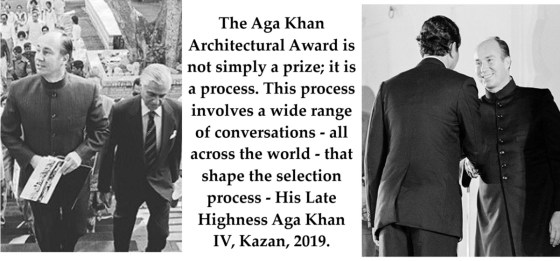
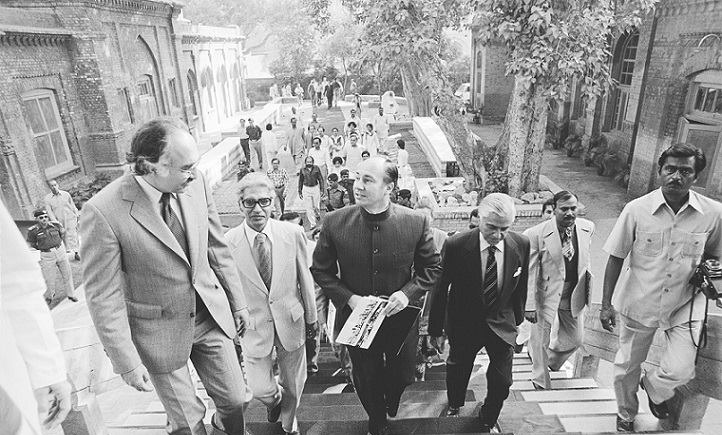

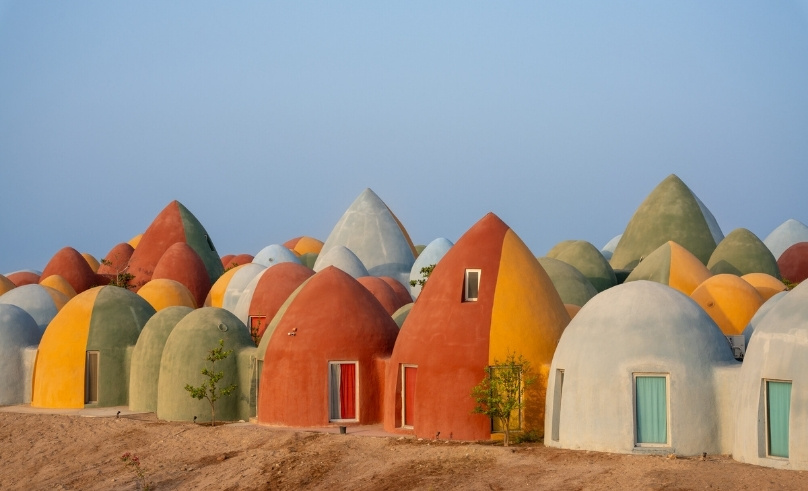
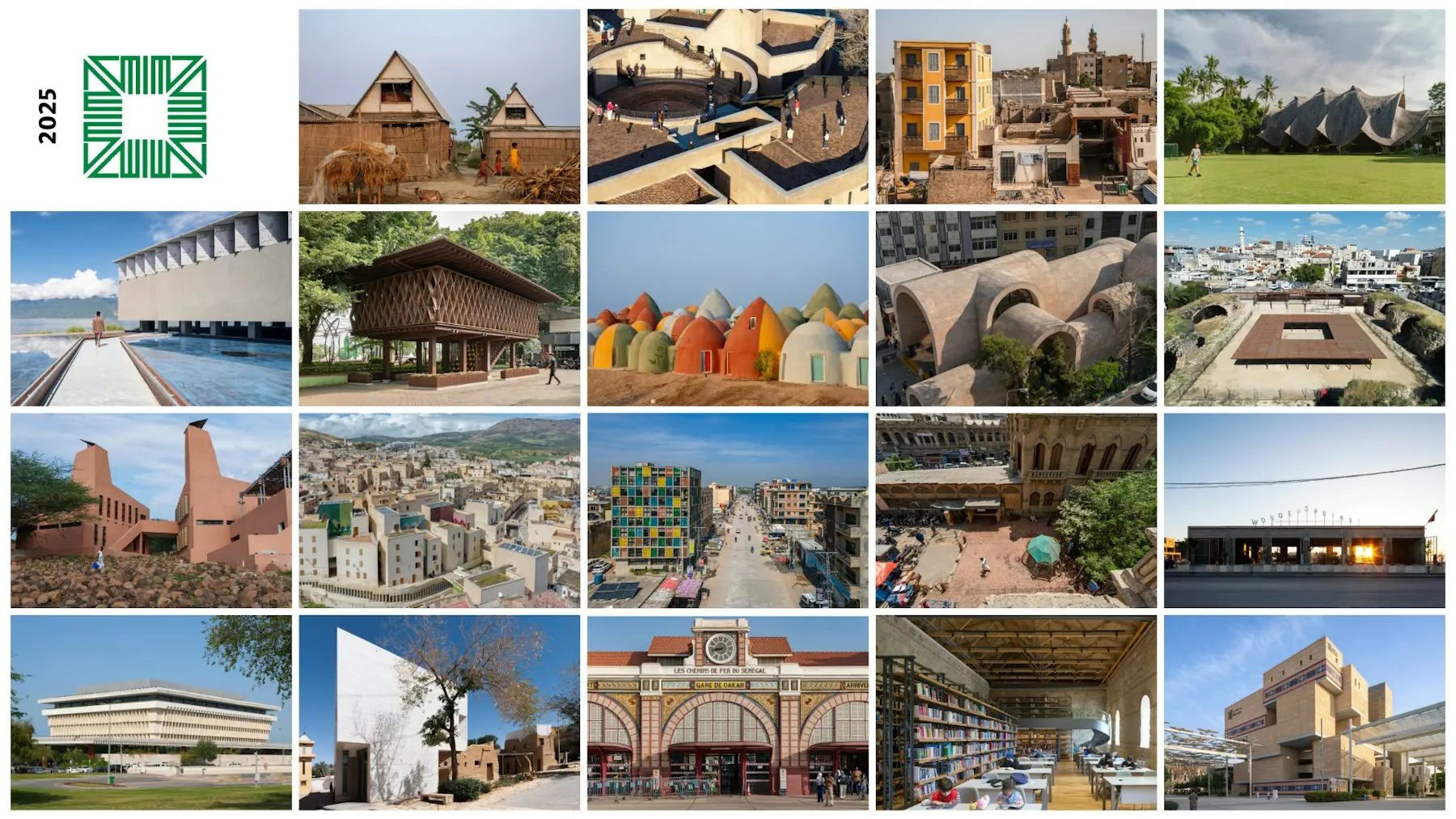



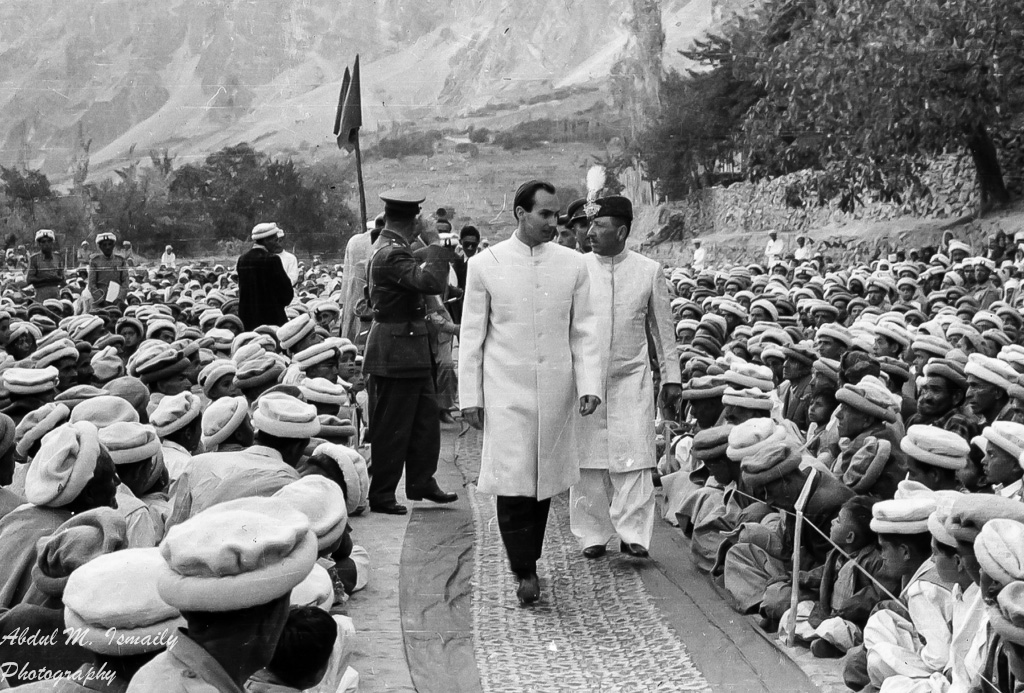


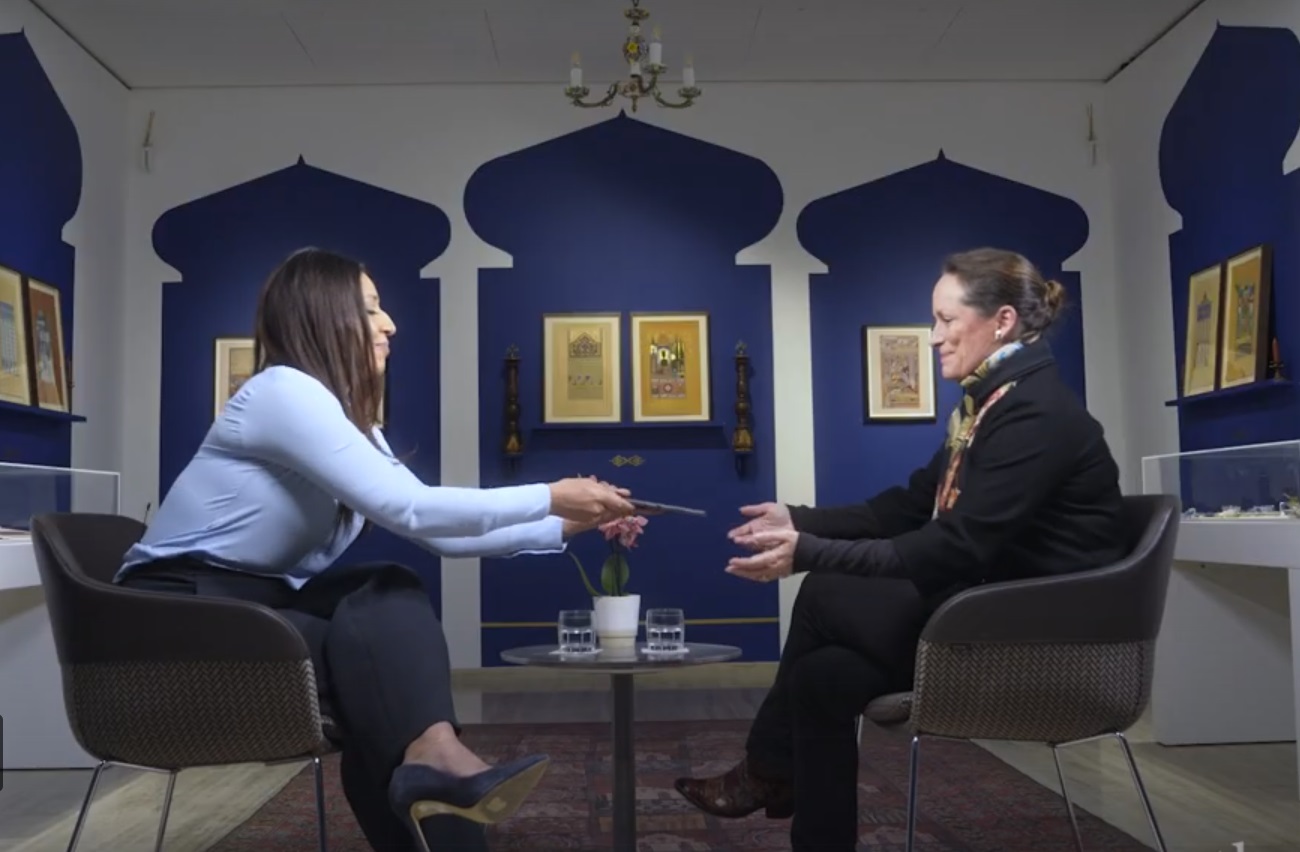
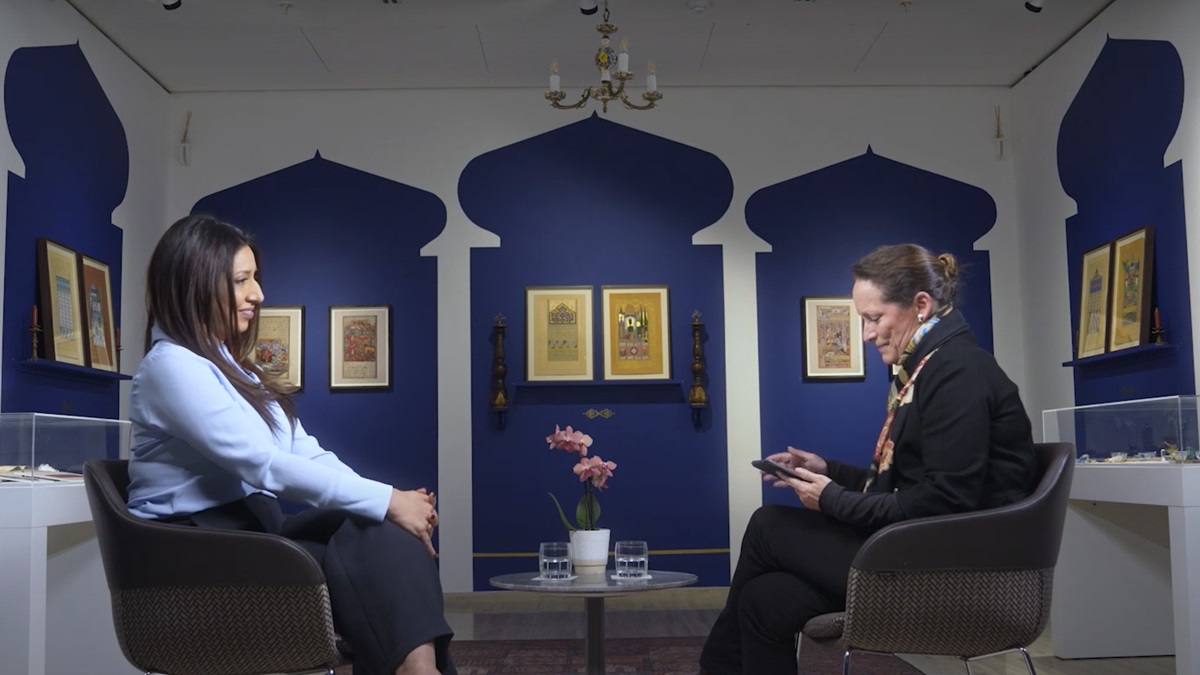
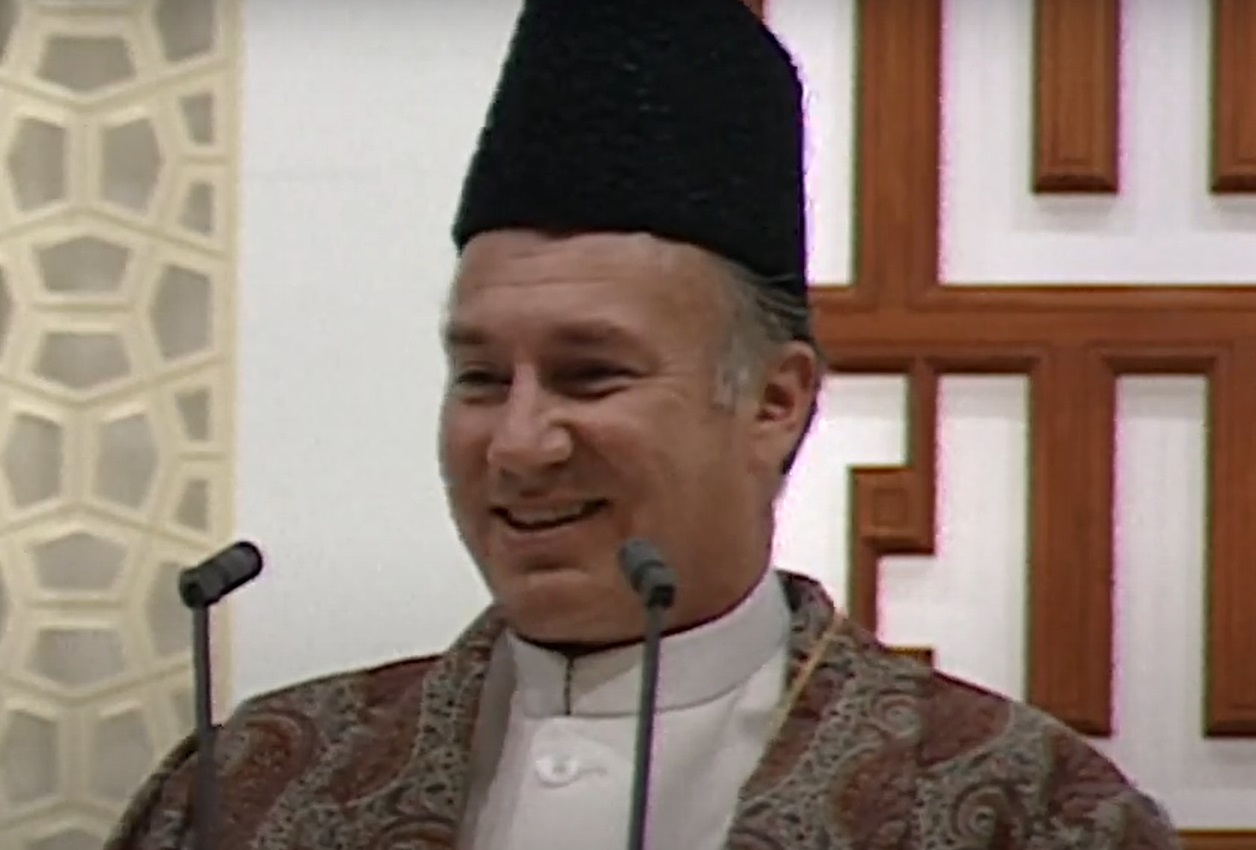


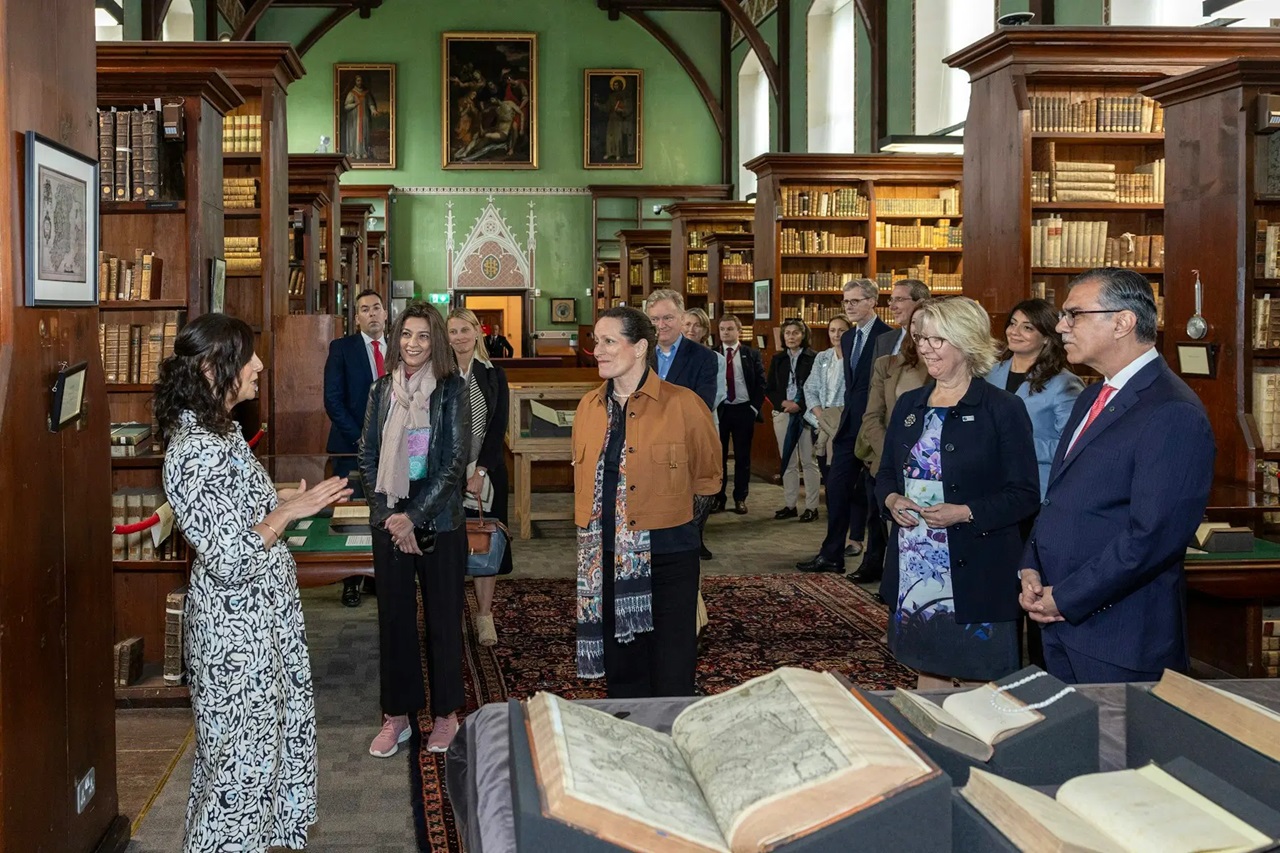
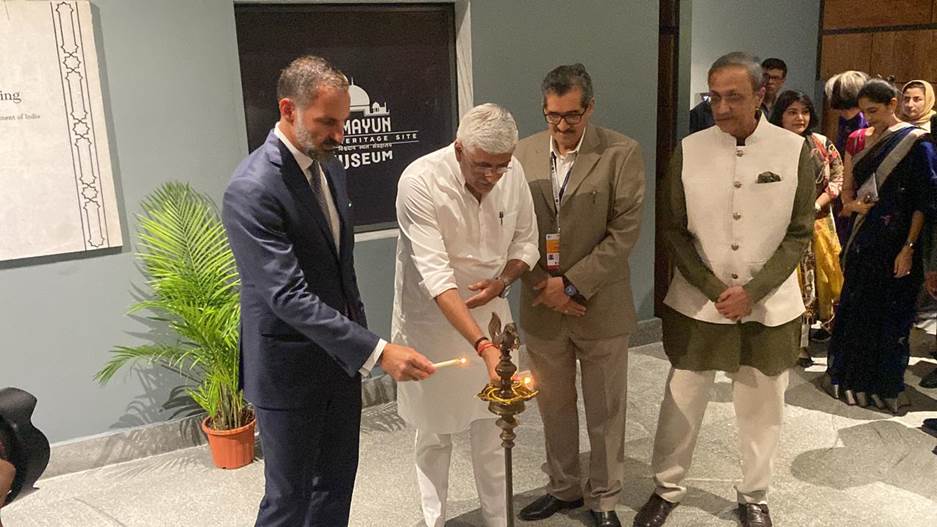


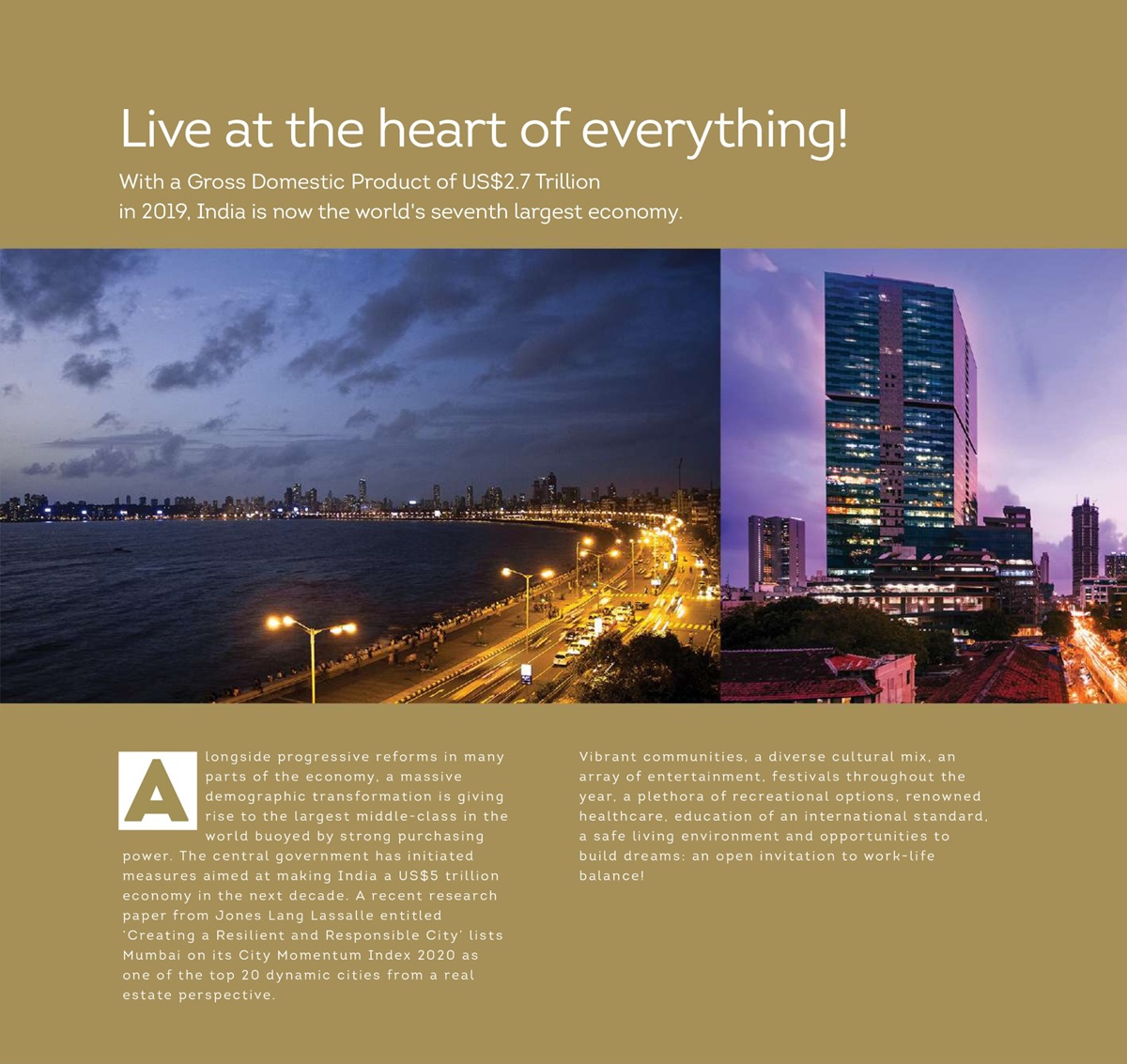

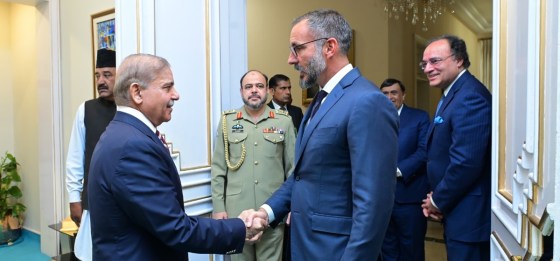
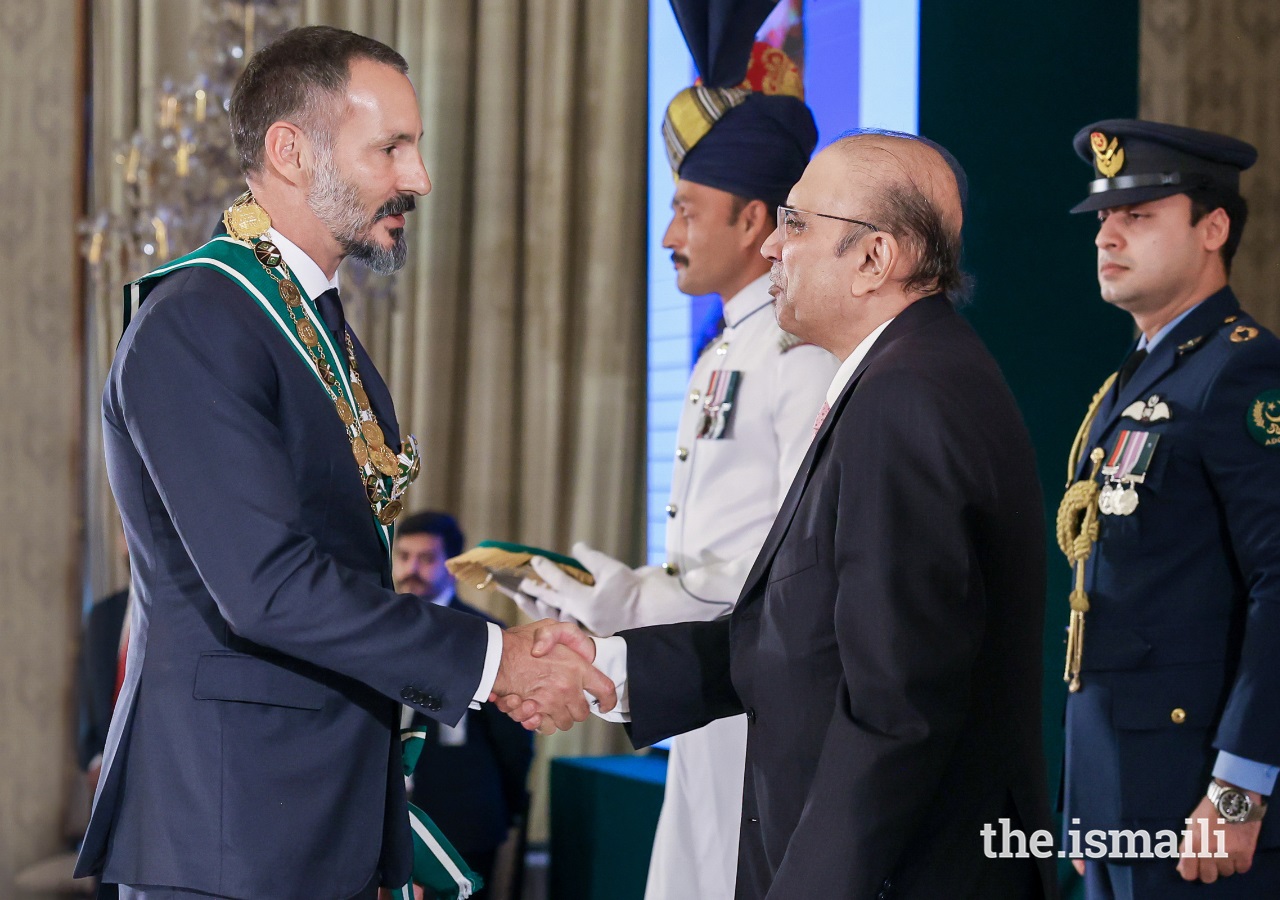
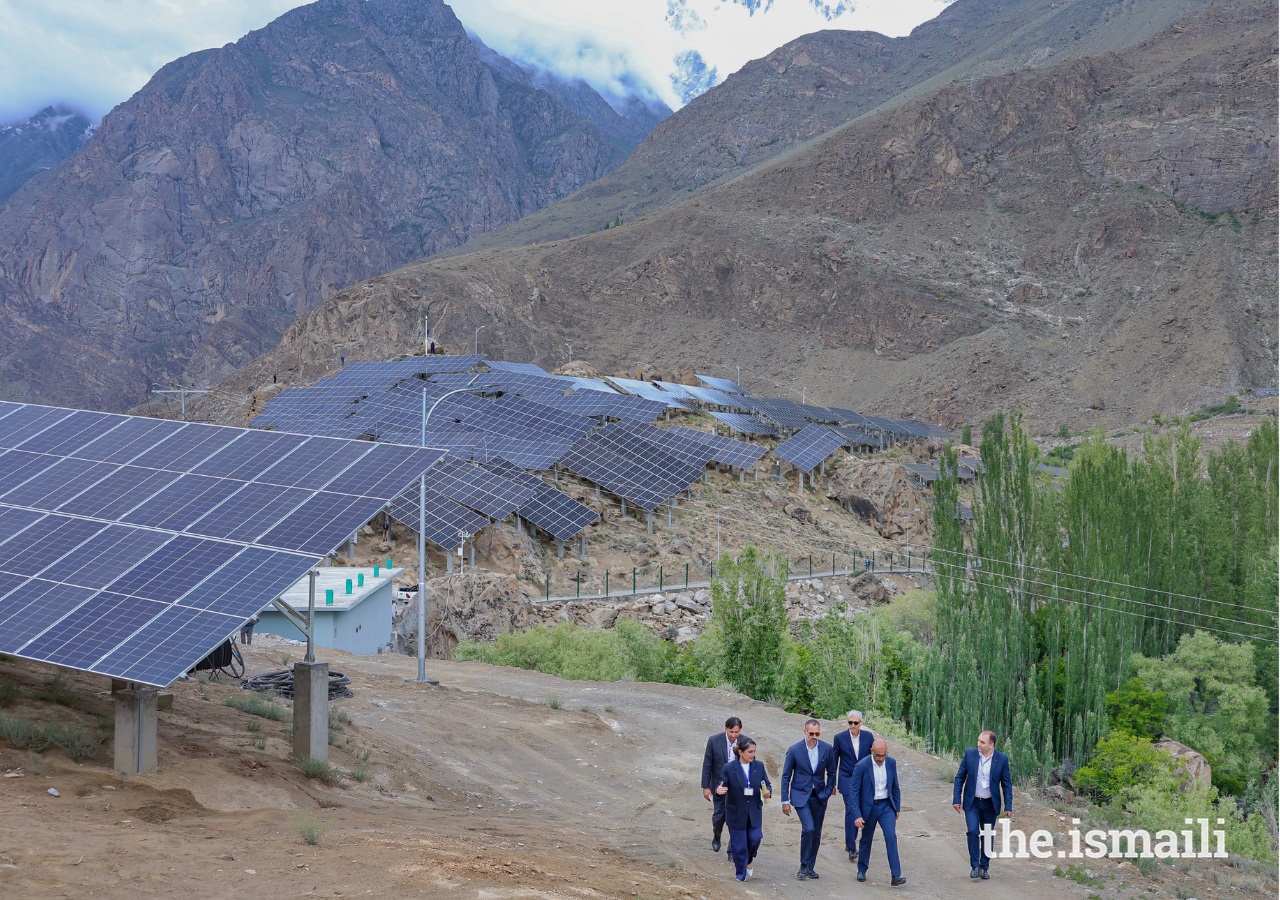

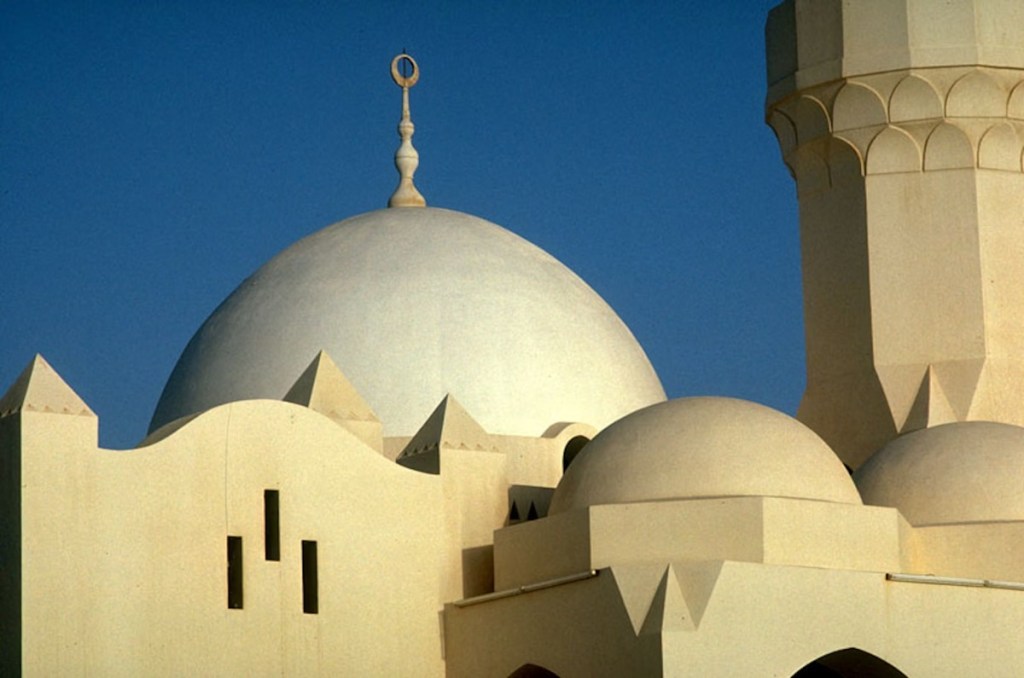
 Simerg - Insights from Around the World