Simerg is an independent initiative dedicated to Ismaili Muslims, the Aga Khan — their Hereditary Imam — and the Ismaili Imamat, and Islam in general through literary readings, photo essays and artistic expressions
I chanced upon this excellent article by Professor Karim through shear serendipity, while explaining to my daughter about obstacle courses. She had just gone through a 10K run at the International Raceway in Mechanicsville, Maryland, which included rock climbing, and scaling a tall wall. I conveyed to her that I had done all that stuff, and then some, in the 23 days I had spent at the Outward-bound Mountain School, Loitokitok in the early 1970’s. It was then, thanks to Google maps, that I was able to revisit the sprawling compound of well-manicured lawns, that sits close to the base of the indomitable Mt Kilimanjaro.
The exhilarating experience one gets during the preparation and climb to the “roof of Africa”, which is, euphemistically, what Mt Kilimanjaro is, remains ingrained in every participant who has undertaken this task.
Like Prof Karim, I arrived on the scene, as an18-year old, raw in every sense, post ordinary level high school, but with the hope and vibrant energy and curiosity of a kid let loose in a candy store. Thanks to our indefatigable Geography teacher at Kigezi College, Butobere, in Kabale, Uganda, Mr. Richard White, I had had the benefit of climbing a few medium tall mountains, such as the 12,000-foot Mt Sabinyo, an extinct volcano in south-western Uganda, but, this had neither given me the preparation, nor the resilience required to attack and conquer the deceptively gentle giant.
I had been lucky enough to be the only kid among ten applicants, who had successfully passed both the doctor’s physical and endurance tests. I would later join a group of other students from Uganda, that included a former classmate of mine, who later became Prime Minister of Uganda. Mr John Patrick Amama Mbabazi was Uganda’s Prime Minister from 2011 to 2014.
Arriving at Loitokitok near the foot of Mt Kilimanjaro in early December 1971, most of us were young and naive, experiencing life away from our home environment for the first time. We became part of the larger group of students drawn from the other two East African countries (Kenya & Tanzania) at the time, in all, constituting perhaps, 200 in number. I can recall a few students like Job, from Alliance High School in Nairobi, who was in my team. There were others from Sitarehe High School, whose names have since faded from my lousy memory. The instructors were mostly Kenyan and Tanzanian military officers, since this facility was used as training ground for those countries’ military personnel.
Although the training during the first two weeks was extremely rigorous, including such activities as a daily 2-kilometer run, rock-climbing, ziplines, and scaling high walls, we were all told to keep our eyes on the prize, the ascent to the top of the giant yonder, which we could see clearly from the campus. We also got baptism by fire, like the day I was pushed into the freezing swimming pool by one of the instructors, early in the morning, only to turn around and throw a tire tied to a rope at me, after gulping a few mouthfuls. That incident alone inspired me to learn how to swim long afterwards. We even participated in a marathon run, that meandered through parts of the Masai Mara, teaming with our four-legged neighbors. When that time for the climb finally arrived, we were given the mountain gear we needed, (so we thought), and we embarked on the challenge, beginning with the “solo night”. Each one of us was assigned a bushy area, which was your turf, on which to build shelter and prepare a meal for the night. With the minimum 3 match sticks given to you, it required a lot of dexterity and perseverance to get that fire going. I was luckier than Prof Karim, in that I managed to kindle the fire and make dinner. Not everyone was that successful in that act. Not having a hot meal on that severely cold night condemned one to begin the 5 am climb on empty, the first cardinal sin for a mountaineer. The night itself was interspersed with false alarms from kids who got scared out of their wits, after hearing, or simply imagining they heard noises of approaching animals.
Story continues below
Snow-capped Kibo peak of Kilimanjaro at left with the Mawenzi peak at right, pictured in 1936 from a landing ground near Moshi, Tanzania (then Tanganyika). The plane was en route to Arusha. Photograph: Matson (G. Eric and Edith) Photograph Collection, US Library of Congress.
~~~~~~~
We started around 5 am in the morning, with the goal of reaching Mawenzi peak by late afternoon, to give us sufficient time to rest and reboot for the final destination to the roof. However, along the way, a number of kids suffered mountain sickness that pushed one almost into delirium, as the oxygen in the atmosphere got thinner. But that put extra loads on the backs of those who still had a semblance of normalcy, thereby slowing the pace altogether. But finally, we made it to Mawenzi peak, after experiencing a dusting of snow, which added a layer of misery to our already debilitated bodies. We crowded ourselves into round tin huts for the night, in groups of 10 per hut. The body heat generated by crowding helped in ameliorating the severe weather conditions experienced on top of the mountain, unless of course your sleeping bag was in direct contact with the metal, in which case you shivered all night. I still consider it one of the coldest nights I have ever experienced.
At around 2 O’clock, we were awakened to get ready to embark on the journey to the ultimate prize, getting to Kibo peak. We scrambled to boil water for tea, which we needed during those frigid temperatures. In the process, we learned that water boils at much lower temperatures at high altitudes, to a point where you could dip your finger into hot water without getting it scalded. Later, as I attended Makerere University in Kampala, Uganda, I found myself narrating this experience to a bunch of students at Kitante High School, where I moonlighted as a physics teacher. Walking north along the saddle between Mawenzi and Kibo, we formed a single file and followed our instructors. Once the sun came out, the bright rays blinded us as they reflected on the layer of ice and snow that blanketed the top of the mountain, which was a much thicker icecap then than exists today.
Still, we soldiered on seemingly getting closer towards Kibo, which looked deceptively close and yet perpetually elusive. By this time, our bodies were numb with the blistering cold air, and our feet swollen from stepping in the wet slit combination of ice and the snow dusting that had fallen overnight. The layers of clothing we had carried with us, including hand gloves, and balaclavas for the heads were no doubt proving inadequate for the climatic conditions most of us had ever faced. No wonder the Chaga had called the mountain “Kileme”, that which defeats. At about 10 am, we met the group which had approached the climb from the north and headed to Kibo directly. Our instructors and theirs went into some brief dialogue we were not privy to, and when they emerged, they announced, much to our chagrin, that we would all turn around and embark on our descent. There were many protests among us, but the instructors squashed all that, military-style, attempting to convince us that we had achieved our overall objective of fulfilling the school’s mantra of, “To Serve, to Strive, and never to Yield”, although our group never reached Kibo peak. I remain unpersuaded to this day.
Story continues below
Outward Bound badge with the motto “To Serve to Strive and Not to Yield”. Photograph: Karim H. Karim collection.
It took us the rest of the day to descend the gentle giant, because those of us who still had some stamina left, were burdened with helping the unfortunate ones whose lungs could not suck in enough oxygen to keep them moving on their own (including the former PM). That evening, exhausted as we were, there were ceremonies at the Outward-Bound Mountain School, to mark the closure of Course 127. The following morning, we said our goodbyes to the friends we had made, and headed back to our domiciles, armed with the irreplaceable satisfaction of one who has accomplished what once appeared to be Mission Impossible.
Climbing Mt Kilimanjaro will forever remain one of my greatest achievements, a story I am proud to tell anyone willing to listen.
Thank you, Prof Karim, for sharing your heart-warming experience with us, and rekindling a smoldering fire.
Date posted: September 25, 2024.
Featured image at the top of post: The 3-D perspective view of Mount Kilimanjaro was generated using topographic data from the Shuttle Radar Topography Mission (SRTM), a Landsat 7 satellite image, and a false sky. The topographic expression is vertically exaggerated two times. Landsat has been providing visible and infrared views of the Earth since 1972. Date Acquired: February 21, 2000 (Landsat 7).
__________________
About the author: Nick Ngazoire Nteireho was born in Rukungiri District, Western Uganda. He obtained a bachelor’s degree in economics from Makerere University’s Institute of Statistics and Applied Economics. Escaping Uganda during the turmoil of Idi Amin’s brutal regime, he settled in Washington DC, pursued graduate degrees at George Washington and American Universities in Washington DC, USA, followed by a long career at the World Bank in Washington DC, where he worked on economic research involving models and forecasting. He later joined Fairfax County’s Department of Tax Administration, where he worked as a Senior Commercial Real Estate Appraiser for a decade.
He has published three books. His latest, titled “Heroes and Charlatans of the Savannah”, traces the Genesis of Sub-Sahara African countries Independence, and is available on Amazon as a paperback and Kindle editions.
Nick Nteireho lives in Fairfax County, Virginia, with his wife with whom they have two adult children.
“Ultimately, the art of teaching is a mission. Those who embark upon the journey of teaching seek to transform individuals and communities, inspired by a sense of purpose” — Mawlana Shah Karim Hazar Imam, His Highness the Aga Khan, 2008, Dhaka, Bangladesh.
The late South African statesman and leader Nelson Mandela said, “Education is the most powerful weapon you can use to change the world.” This profound statement underscores the transformative power of education, inspiring us to believe in its potential to shape a better future. Martin Luther King Jr. also emphasized the importance of education, stating that it teaches one to think intensively and critically.
Education is a powerful tool for building intelligence and character when done right. Teachers are the key figures in this process, guiding students to acquire knowledge, competence, and virtue. The Aga Khan’s quote on teachers further underscores their crucial role.
In the 1940s, 50s, and 60s, Mbeya, a small town situated in the Southern Highland region of Tanganyika (now known as Tanzania), was blessed with dedicated and enthusiastic teachers who changed the lives of many children of Indian origin who had moved to East African countries from India in the late 19th and early 20th Centuries to towns such as Mbeya.
A UN map showing significant towns and cities in Tanzania, including Mbeya neighbouring Zambia in the south-west of Tanzania.
During the British colonial time, separate European, Indian and native African Schools were established. The Colonial Government funded the schools for the Europeans and Africans; the Asians (or Indians from South Asia), on the other hand, had to build their own education and schooling system. This was a community effort, funded with donations from the community and fees collected from the students. In the 1940s and early 1950s, Indian Public School, a primary school, was the first such teaching institution in Mbeya for the Indian community. The medium of instruction was Gujarati. After primary education, the students continued their education in Dar es Salaam.
A photo of staff and students of the Indian Public School from around the late 1940s. Among those in the photograph are Haji Yusufmia (wearing hat), Mr. Hassam Somani, Mr. Sadru Bhanji Jiwa, Mr. Gulamhussein Mukadum, Mr. Hassanali Dhanani and other teachers.Photograph: Dr. Mohamed Manji collection.
~~~~~~~
Indian Public School teachers Mr Almeida, Mr Lohar, Mr Jagirdar, Mr. Hassanali Abdulla Walji and Vigiabenji Talavia. Photograph: Dr. Mohamed Manji collection.
~~~~~~
Indian Public School girl students with Vijiabenji Talawia. Photograph: Dr. Mohamed Manji collection.
~~~~~~
Indian Public School girl students with Vijiabenji Talawia. Photograph: Dr. Mohamed Manji collection.
~~~~~~
A photo from the early 1950s of the staff of the Indian Public School, Mbeya. Pictured are G. D. Talavia, Hassanali Abdallah Walji, Mrs. Vijiaben Talavia, K. R. Lohar and Abdulmalek Ali Valla. Photograph: Dr. Mohamed Manji collection.
In the late 1950s, the Ismaili Muslim community, a group of the Mbeya Indian diaspora, built the Aga Khan Primary School, which would teach up to the tenth standard. It was part of the Aga Khan Education System and was open to all races. The medium of instruction would be English; it also had facilities to teach science subjects. This educational system, built and sustained by the Indian community, not only provided quality education but also instilled a profound sense of pride and empowerment among the Indian diaspora in East Africa.
Mr. Vallimohamed Sarani (Sarani Master). Photograph: Dr. Mohamed Manji collection.
From the scanty information I obtained for the 1940s, one of the first teachers at the Indian Public School was Mr. Vallimohamed Sarani (known as Sarani Master), who initially taught in Zanzibar. Sarani Master came to East Africa in the late 1920s or early 1930s, joining his uncle in Kampala. He got married in Kampala and then shifted to Zanzibar as a teacher. His children were born in Zanzibar. He left Zanzibar during the early 1940s and started teaching in Mbeya at the Indian Public School for eight years. In 1948, he moved to Nayasaland (now Malawi) and stayed there till 1975. He retired and moved to Texas, USA, to be with his children until 1982. His final residence was in Leicester, UK, where he passed away in 1987 at the age of 84 years.
Mr. Ayub Kassammia, assistant to Sarani Master. Photograph: Dr. Mohamed Manji collection.
Another significant figure in the Indian Public School was Mr. Ayub Kassammia, the second son of the brother of Haji Yusufmia, a pioneer and successful businessman of Mbeya. After completing his studies in India in Kutch/Gujrat, Ayub returned to Mbeya. Initially, he taught at the Indian School organized by the local Indian community. The School was held in a rented house behind Haji Yusufmia’s house. After building the formal Indian Public school and hiring new teachers, Ayub left teaching. He joined the British Army in Nairobi during 2nd World War till the end of the War.
At the end of the 1940s and early 1950s, with the relocation of Sarani Master and his family to Nyasaland, Indian Public Schools hired new teachers from India. In 1949, a husband-and-wife team of Mr. G. D. Talavia and his wife, Vijiaben Talavia, joined the School. Mr Talavia was made the headmaster. The School continued with Gujarati as a medium of instruction, with lessons to teach English at the end of Standard 2 or the beginning of Standard 3.
Farewell to Zarinabenji Virji who left the Indian Public School for Dar es Salaam in 1952/53 after her marriage. Photograph: Dr. Mohamed Manji collection.
Among other teachers were Miss Zarina Virji (commonly known as Zarinabenji), who taught briefly and moved to Dar es Salaam after marrying Mr. Malek Ratancy, a well-known cricketer; Mr. Kassim Rahemtulla Lohar (Mr. K. R. Lohar); Mr. Hassanali Abdulla Walji of Mbeya (commonly addressed at that time as Hassanali Master and later as Dr. Walji); and Mr. Abdulmalek Ali Valla also of Mbeya.
In the 1940s and early 1950s, children’s schooling started in Standard One. When I joined Indian Public School in 1952, Vijiabenji (as we addressed her) was my first teacher in Standard One. Sudha, the younger daughter of the well-known medical doctor in Mbeya, Dr. Carpenter, joined me in Standard One. Other teachers were also involved in my education, especially Mr. Lohar and Hassanali Master (my father’s first cousin). My mother used to complain to him if I got mischievous or was not following her orders. Hassanali Master was an excellent teacher, especially in health science subjects, but he was also strict. We used to be frightened of him. Sudha and I were only four and a half years old when we joined Standard One, and competing with other older students in early primary School was difficult. Thus, my father always made me take extra tuition from Mr. Lohar, and his help and guidance in those early primary school days can never be forgotten.
Mr. K. R. Lohar was born in Bhuj Kutch, India. He moved to Nyasaland in April of 1950 at the suggestion of his uncle, Sarani Master, who, as I already mentioned, moved from Mbeya to Nyasaland in 1948. Mr. Lohar taught at Zumba school in Nyasaland. In 1952, he married his cousin Khulsum, Sarani Master’s daughter. She was born in Zanzibar, where her father had once taught early in his teaching career. At the advice of Sarani Master, Mr. Lohar and Khulsum moved to Mbeya to teach at the Indian Public School. They have three sons; the eldest, Rhemutulla (Rhemu), was born in 1953; Rafiq in 1955; and the youngest, Hanif, in 1962 — all in Mbeya.
Mr. Dennis H. Noronha was the head teacher at Indian Public School and then at Mbeya Aga Khan School when the school first opened in 1957. Photograph: Dr. Mohamed Manji collection.
~~~~~~
Mr. Dennis H. Noronha as Head Master with Mr. and Mrs. Talavia, Mr. K. R. Lohar, Mr. Hassanali A. Walji and teacher assistant Mr Abdulmalek Ali Valla. Photograph: Dr. Mohamed Manji collection.
In 1953, Indian Public School received a new teacher who would become the new headmaster. His name was Mr. Dennis H. Noronha, and he was from India. His leadership and vision would end up being the catalyst for change in the Indian community of Mbeya, transforming the lives of many students. One of his main tasks was introducing English as the instruction medium. He and Mr. Hassanali Walji also introduced a physical program and sports into the school curriculum.
Physical education at Indian Public School, Mbeya with Mr. Hassanali Walji and Mr. D. H. Noronha. Photograph: Dr. Mohamed Manji collection.
~~~~~~
Physical education at the Indian Public School Mbeya. Photograph: Dr. Mohamed Manji collection.
Mr. Hassanali Abdulla Walji (later known as Dr. Walji) was born in Manyoni, a small town in the Singida district of Tanganyika. He was one of the earliest teachers at the Indian Public School after completing his studies in Dar es Salaam. His main subjects were health science and physical education. Before the closure of the Indian Public Schools and the move to the new Aga Khan School, this local young man decided to go to London, England, to study physiotherapy and Chiropody (podiatry). Studying overseas at that time was a privilege, especially in Western countries. While in Europe, he also had an audience with Sir Sultan Mahomed Shah, His Highness the Aga Khan, the 48th Hereditary Ismaili Imam.
Mr. Hassanali A Walji (Dr. Walji) with Mawlana Sultan Mahomed Shah, His Highness the Aga Khan; mid-1950s. Photograph: Dr. Mohamed Manji collection.
After completing his studies in the UK, he returned to Mbeya. On his return, I still remember that Dr. Hassanali Walji, as he was now known, gave us (the whole student group and the community) a talk on his travel overseas by ship and about the process of studying overseas. At least for me, he sowed the seeds for further education overseas after my studies in Mbeya, and I always remember that talk and thank him for it.
Mbeya is a small town, and for his practice in physiotherapy and podiatry, Dr. Walji moved to Nairobi, Kenya, where he established a very successful practice. He, however, continued with his other main interest in Ismaili and Islamic studies through his extensive reading and self-studying. He was also gifted with a fantastic singing voice, and with his love for Ginans (Ismaili hymns composed by Ismaili Pirs and missionaries centuries earlier), he recited them regularly. Dr. Anil Walji, his son, an Anatomy Professor at the University of Alberta in Edmonton, inherited that from his father. Dr. Hassanali Walji also became an honorary Alwaez (missionary) in the Ismaili community and preached regularly. His sermons were very well received. It was a significant loss in 1978 when he passed away apparently from a heart attack in Nairobi, Kenya.
It may be noted that the Aga Khan Education Structure in East Africa had started as early as the end of the 19th Century; the earliest center to teach basic literacy and numeracy may have been initiated in 1895 in Bagamoyo, Tanganyika by Mawlana Sultan Mahomed Shah, Aga Khan III. In the 1940s and 1950s, under the chair of Princess Joan Aly Khan (the late mother of the present Aga Khan) and with the revised structure, more Aga Khan primary and secondary schools were established in Dar es Salaam in Tanganyika, Mombasa and Nairobi in Kenya, and Kampala in Uganda, first for girls and then for the boys. Later, co-ed schools for boys and girls were built for primary education in other East African towns and opened to all races and faiths.
One such School was constructed in Mbeya and opened in 1957 to replace the existing Indian Public School. This new School would cater to teaching from Standard One to Ten.
Mbeya Aga Khan School Education Committee 1957 with the teaching faculty. Photograph: Dr. Mohamed Manji collection.
Mr. Denis H. Noronha headed the Mbeya Aga Khan School. He gained quick recognition and respect among students, parents and the school committee, given his tenure as the headmaster of the Indian Public School and his kind concern for the students of this small town, his leadership abilities and his forward thinking for the student’s further education. His advice and criticism were genuine. Indian Public School was closed permanently, and all the teachers from that School moved to the new Aga Khan School. The teaching faculty consisted of Mr. K. R. Lohar, Mr. Almeida, Mr. Jagirdar, Mr. Sadrudin Merchant, Mrs. Aramita Geraldine Narohna and Mrs. Shrin Ratancy.
With the new Mbeya Aga Khan School in operation and open to all races and faiths, Mr. Noronha, as the Headmaster, managed to attract more teachers, and his teaching faculty increased; Mr. and Mrs. Philips and a second, Mr. Philips from India, joined. The two male Philips were distinguished from each other by their heights, and the students referred to them by calling them “Tall” and ‘Short” Mr. Philips. Afterward, Mr. Rawat, Mr. Demelo, and Mr. de Souza joined.
Staff, Mbeya Aga Khan School, 1958-1960. Photograph: Dr. Mohamed Manji collection.
With their hard work and dedication, this teaching faculty brought up the standard of teaching per the Aga Khan Education criteria, making it possible for the students to relocate quickly to other schools when they moved to other secondary and high schools in East Africa to continue their education beyond Grade 10.
In 1959/60, Mr. Denis Noronha retired as head teacher of the Aga Khan School. He and his teacher wife, Aramita, opened their own business, providing tuition for school subjects and accountancy courses. He became an insurance agent with an office in the Mbeya East African Airways building. In the 1960s, the Noronha family left Mbeya for good and relocated to Bangalore, India. They opened a private school there, which became quite successful and well-known. Aramita passed away in Bangalore on January 6, 1989. Mr. Noronha and his eldest daughter continued running the School there. Mr. Dennis Noronha passed away on December 7, 2008. Mr. and Mrs. Noronha’s passing was a significant loss to his immediate family and the Mbeya people, who had come to regard them as their own family.
Staff, Mbeya Aga Khan School, 1960-1962. Photograph: Dr. Mohamed Manji collection.
After Mr. Noronha left the Aga Khan School, Mr. Naidu took over the head teacher’s position. Subsequently, after his departure in 1962/63, Mr. de Souza became the head teacher. Unfortunately, just six months later, he died of an apparent heart attack. Mr. K. R. Lohar succeeded him.
Mr. de Souza, Head Teacher, Mbeya Aga Khan School, 1963. Photograph: Dr. Mohamed Manji collection.
In 1971/72, the socialist government of Tanzania nationalized all the Aga Khan Schools, and they came under the government administration. Mbeya Aga Khan School’s name was changed to Azimo School. Mr. Lohar taught there up to 1972 and left to teach at another school in Mbeya situated in the previous “European” area of Mbeya. He, with his wife Khulsum, moved to Leicester, UK, to join their sons in 1990 and for the treatment of Khulsum’s cancer. She passed away in Leicester in 1990. Mr. Lohar lived in Leicester with his son. In April of 1997, he had a stroke, and two months after his stroke, he was found to have cancer of the throat (he smoked heavily). He passed away on December 1, 1997, at the age of 67 years.
Mr. K .R. Lohar, Head Teacher, Mbeya Aga Khan School, 1964. Photograph: Dr. Mohamed Manji collection.
In the mid-and late 1960s, Tanzanian-trained teachers and teacher assistants joined the team. To name a few (who were from the Mbeya Indian community), they were Miss Gulshan Dharsee, Miss Nurjehan Karim Lalji, Miss Fatma Bandali, Miss Gulzar Razak Hirji, and Mr Sadrudin Ali Valla. Mr Salim Dawood, originally from Dar es Salaam, also took up a teaching position at the Mbeya Aga Khan School. He would later move to the Aga Khan Primary School in Dar es Salaam, where he taught maths. Mr. Dawood passed away in Toronto in 2019. The native African teachers also joined the team.
Local trained including African teachers at the Mbeya Aga Khan School in the mid 1960s. Photograph: Dr. Mohamed Manji collection.
~~~~~~
Local trained including African teachers at the Mbeya Aga Khan School in the mid 1960s. Photograph: Dr. Mohamed Manji collection.
The population of Mbeya Indians by the 6th decade of the 20th Century was about one thousand. Practically all the children who attended Mbeya Indian Public School and then Aga Khan School were born in the Southern Highland region of Tanganyika, of which Mbeya was the main administrative town. With this small population, Mbeya produced eight Medical doctors, one lawyer, eight registered nurses, five Chartered/Certified Accountants, four engineers, two legal secretaries, one with an Agriculture degree, and many more with college certification. This proud result of the Mbeya student’s achievement resulted from good schooling and ongoing guidance during the 1940s,1950s, and 1960s, which were done by those mentioned above, very dedicated and committed teachers of Mbeya. They were our Mbeya’s education heroes. They sparked the value and importance of education for students and society. I should state that Mr. Denis H. Noronha played a significant part in this. He brought the change in the early 50s by making English the medium of instruction, changing the curriculum to a UK one, recruiting good teaching staff, and advising the students and their parents regarding further education. He groomed the students to think far ahead. With this foundation, teachers like Mr. de Souza and Mr. K. R. Lohar, who followed him as a head teacher, continued to use the same approach and policy.
Mawlana Hazar Imam, His Highness the Aga Khan, speaking at the foundation stone laying ceremony of the Aga Khan Academy in Dhaka, Bangladesh, in May 2008. Photograph: Gary Otte/The Ismaili.
At the Foundation Laying Ceremony of the Aga Khan Academy in Dacca, Bangladesh, in 2008, His Highness the Aga Khan stated, “Ultimately, the art of teaching is a mission. Those who embark upon the journey of teaching seek to transform individuals and communities, inspired by a sense of purpose”. Secondly, in a speech at the Aga Khan University in Karachi in 2000, His Highness said, “Teaching is one of the most valued professions because it opens minds to greater self-awareness as well as to the knowledge that gives learners greater control over their destinies.”
This statement proved very true for the Mbeya students of the 1940s, 50s, & 60s when they had to emigrate to the West in the early 1970s because of the “mopping up” measures in the way of the “Acquisition of Building Act 1971” brought by the socialist government of Tanzania. Indian-owned buildings, farms, etc., were nationalized without compensation. The economic security of the Indians was jeopardized because of the Africanization of businesses and jobs. Things became difficult to live there, and thus, the Indian population left Tanzania in large numbers. The students were able to resettle in countries like Canada, the USA, the UK & Australia, and they have done well in their jobs, practices and businesses. Some of us have achieved good positions at various institutions and academic positions at multiple Universities.
On behalf of all Mbeya students and their parents, I want to thank the teachers who taught us and prepared us for the future. We students also pray for the peace of the souls of all our departed teachers.
Date posted: August 14, 2024.
____________________________
Acknowledgement: The author would like to thank Cynthia (Noronha) Mascarena, Mr. Vincent Noronha, Mr. Rhemtulla (Remu) K. R. Lohar, and Mr. Karim Nurdin Popat Kassam for their help and information for this article.
Feedback: We welcome feedback from our readers in response to Dr. Manji’s informative piece about Mbeya teachers. Please click Leave a comment or send your comment to mmerchant@simerg.com. We welcome similar pieces about your experiences studying or teaching in Ismaili educational institutions in any part of the world.
Dr. Mohamed (Mo) Fazal Manji
About the author: Dr. Mohamed Fazal Manji, MD, DMRT, DABRT, FRCPC, who is originally from Mbeya Tanzania, is a cancer specialist. He is a Consultant Radiation Oncologist at BC Cancer Agency of British Columbia, Canada, and Clinical Associate Professor, University of British Columbia. He graduated in medicine from Makerere University, Kampala, Uganda, and immigrated to Canada in 1972. He specialised in radiation cancer treatments at Princess Margaret Hospital (Cancer Center as it is called now) in Toronto. He obtained the Canadian Fellowship (FRCPC) and American Board Specialist Certification (DABRT) in Radiation Oncology. He also undertook special courses in Nuclear Medicine and Endocrinology at Harvard Medical School, Boston, USA. He became the first Canadian trained Ismaili Radiation Oncologist in Canada and probably in North America. He has been working at BC Cancer agency since 1977. He spent time abroad, working in Riyadh, Saudi Arabia to help modernize the Radiation Department at King Faisal Specialist Hospital & Research Center. He spent 12 years at this tertiary hospital for cancer and other diseases. He was also involved in the planning and development of Radiation Oncology Departments at the Aga Khan University Hospitals in Karachi and Nairobi and spent some time working at both places. He has contributed to many peer review publications, abstracts, book chapters and also lecture presentations nationally and internationally. Dr. Manji is also a recipient of 2022 Royal College of Physician & Surgeon of Canada’s M Andrew Padmos International Collaboration Award.
He is the son of Rai Fazal Manji of Mbeya Tanzania, who served as a member of Aga Khan Supreme Council of Tanganyika in 1950s and Raibanu Rehmat Fazal Manji, daughter of Alijah Mohamed Hamir who, in early 1930s, built an iconic Jamatkhana in Iringa, Tanzania, and donated to Imam Sultan Mahomed Shah unconditionally. Appointed by His Highness the Aga Khan, Dr. Manji served as the first Member for Health on the first Aga Khan Ismaili Regional Council of Ontario and Quebec in 1973 under President Riaz Jethwani.
[This post has two components: In the first piece, Professor Karim H. Karim examines the Aga Hall Project currently under construction in Mumbai, India. His inspiration for the piece comes from His Highness the Aga Khan’s advice to his Ismaili followers to ask hard questions about issues affecting the community. Dr. Karim inquires about the $365 million Aga Hall project’s luxury 54-storey Mumbai skyscraper. His soul-searching article examines the site redevelopment in the context of the Aga Khan Development Network (AKDN) ethics, Ismaili Muslim values and the current program to address ultra-poverty that designates India as a high-priority country.
The next piece, submitted by an Ismaili Canadian visitor to India, is a disturbing eyewitness report of some terrible social habits and health issues within the Indian Jamat as well as the physical state of the Karimabad apartment complex and two historical Mumbai Jamatkhanas.
The post underscores the crucial role of the Ismaili community and its institutions in addressing pressing social and ethical issues, empowering them to take action — Ed.]
~~~~~~~~~~
(I). Asking Hard Questions about the Aga Hall Project: The “Iconic” Mumbai Redevelopment Raises Troubling Social Justice Concerns
The author, Karim H. Karim, has shaped this piece based on in-person and online Aga Hall Estate redevelopment team presentations, related documents, social media discussions, and communications with several individuals. The views expressed here are his.
The superlatives used in selling luxury apartments at the Aga Hall Estate in India will make even the most unrestrained publicity agents blush. Marketing presentations speak of the building as “exceptional,” “breathtaking,” “at the heart of everything,” “most exclusive,” “state-of-the-art,” “world-class,” “pre-eminent,” “ageless,” “ultimate,” “infinite,” “better than best,” “perfect,” “iconic.” Consider these boasts in the light of the following two translated passages, the first a verse from the Holy Qur’an and the second from the Ismaili Ginan (hymn) “Maal Khajina Bahotaj Bhariya” attributed to Sayyid Gulmali Shah:
The servants of the All-Merciful are those who walk in the earth modestly — Qur’an (25:63)
Wealth and treasure abound But you will not keep them This lovely palace will be forgotten And your place will be the jungle In what slumber do you sleep? Recall the Lord, recall Mawla — Ismaili Ginan
Many decades ago, a religious education teacher cautioned me against carelessly using absolutes because perfection does not exist in the material world. But that does not seem to apply to the South Mumbai Aga Hall redevelopment project, which has endowed itself with a heavenly aura.
Its promoters say that it is inspired by descriptions of paradise, claiming that “there will be delight, luxury, and comfort at every square foot” of this heaven on earth. Furthermore, it will have fabulous views of the Arabian Sea, which they declare “represents infinity” (an attribute of God).
This over-inflated balloon of self-congratulatory hype dropped to earth when an audience member at a presentation asked whether the building’s sightlines would always remain unobstructed. A project spokesperson was compelled to admit that such a guarantee could not be given because “in Mumbai, anybody builds anything anywhere, anytime.”
The glorious visions of all-pervading luxury and Eden-like delight also make for a jarring contrast with the reality of the grinding poverty of 2.5 million of Mumbai’s residents. Muslims are disproportionately the most deprived in the megapolis. Many Ismailis in Mumbai and around India are also among the country’s ultra-poor, whose upliftment remains the responsibility of the community’s leadership in India. The Aga Hall developers constantly speak of the accolades that the project has received for being environmentally friendly and “iconic” in design. However, the criteria for such awards and certifications do not account for the social justice values relating to poverty alleviation, which is a major concern of the Ismaili Imamat.
Aga Hall Estate’s current redevelopment is led by the Prince Aly Khan Hospital Charitable Trust, with the logo of Aga Khan Agency for Habitat (AKAH), a body within the Aga Khan Development Network (AKDN), also appearing on the project’s brochure. The AKDN is an organization that has become well-known since the 1980s for its institutions’ innovative and successful initiatives to raise the quality of life of Ismaili Muslims and the communities among whom they live.
However, the Rs. 2,000 crore ($365 million Canadian) Aga Hall redevelopment does not appear to fit into AKDN’s dominant models of funding and operation. Notwithstanding the rationale that the “profit” from this project will go to the hospital, the promotional discourse of the project has drastically shifted course in making the wealthy its primary focus.
This article is concerned with the ethical and social justice implications of the Aga Hall Estate’s prioritization of the interests of the rich.
What is the Aga Hall Estate Project?
The 46th Nizari Ismaili Imam (Hasanali Shah, Aga Khan I) established his residence at Aga Hall (also known as Wadi) in South Mumbai’s Mazgaon locality in 1848. (His beautiful marble and sandstone mausoleum is north of this site at Hasanabad). Aga Khan II (Imam Shah Ali Shah) and Aga Khan III (Imam Sultan Mahomed Shah) also resided at Aga Hall. The Wadi Jamatkhana was built in 1900 on the estate’s lands that occupy several acres.
Additional community buildings were constructed over time. Ismaili Housing Society residences, the Diamond Jubilee School, and the Aly Khan Hospital have graced it since the mid-20th century. (There was another Imamat residence nearby in Malabar Hill, west of Hasanabad, which the present Imam, Aga Khan IV, Mawlana Hazar Imam, donated to accommodate housing for the poor in the early 1980s.)
Under the current redevelopment, the hospital is being remade into a “state of the art” medical facility, and the school will become an International Baccalaureate institution. Wadi Jamatkhana will be reconstructed. The housing society’s structures are being demolished to be replaced by a 45-storey “tenant” tower that will stand next to the project’s 54-floor commercial skyscraper, whose 373 freehold apartments are for sale on Mumbai’s real estate market. Mughal-themed gardens will intersperse the buildings designed in Islamic and Rajasthani architectural styles. The 140-year-old gates and fountain are being preserved for reinstallation. India’s “highest green building certification” has been obtained for the redevelopment.
The rationale provided for the project’s luxurious commercial tower is that its “surplus” will be used to upgrade the Aly Khan Hospital. Sometimes, the word “profit” is used at presentations, even though surplus and profit technically mean different things. The preferred audiences for the Aga Hall redevelopment’s promoters are well-off Ismaili and non-Ismaili Non-Resident Indians (NRIs).
Asking Hard Questions
“In dealing with the issues that lie ahead of us, we will look at them straight in the face, we will ask the hard questions. If we cannot find immediate answers, we will go on asking the same questions until inshallah, we are inspired to find the answers, but we will not give up. We will not go back to an obscurantism, to a form of intellectual retreat into something which is neither beneficial for the present and certainly not constructive for the future.” — His Highness the Aga Khan, November 11, 1986
Many questions remain unanswered despite the project team’s international publicity blitzes.
Why is a development network building luxury apartments?
Why is an institution that describes itself as endeavouring “to realize the social conscience of Islam” foregrounding the interests of the rich?
Why is a habitat agency whose mandate is to “work with communities to help them prepare for and respond to natural disasters and the effects of climate change” involved with the construction of investment property?
Has there been an unannounced change in the long-standing policy that has focused solely on providing homes for the lower and middle classes?
Why is one Ismaili housing society being upgraded to “world-class” standards while many others in India and elsewhere have languished for decades in varying states of disrepair and neglect?
Does this apparent change in direction signal an overall shift in the priorities and modus operandi for the entire AKDN organization?
There are larger questions about the effect of this development on the Ismaili community:
What impact will the seeming turnaround have on the way Ismailis conceptualize some of their fundamental values?
How will those who are feeling disaffected with the community’s institutions respond?
Wealth and the Quality of Life
Like other branches of Islam, the Ismaili faith does not prohibit the accumulation and enjoyment of private wealth, including real estate. However, sacred teachings emphasize moral responsibilities and ethical behaviour in acquiring income. Believers are expected to avoid excess and ostentation and to be humble and modest. Thoughtfulness and kindness towards the less fortunate are integral to the faith’s practice. Philanthropy is strongly encouraged, and there has long been a tradition of generous giving. These values have been beneficial for setting up Ismaili infrastructures under the guidance of the Imamat.
The establishment of health, educational, financial, and social facilities that began in the last century led to substantial material advancement of the community. Proper housing in many places of Ismaili presence became a major priority for the Imamat at the Golden Jubilee of Imam Sultan Mahomed Shah (1936), with the objective of improving and safeguarding the quality of murids’ lives. Flats were built in “colonies” (a term used in India and Pakistan) for members of the Jamat in the middle and lower socio-economic classes.
Ismailis are encouraged to contribute monetarily (and with service) to the network’s institutions. Whereas a significant proportion of the community donates to numerous causes, the most consistent financial donors are certain wealthy community members whose generosity is vital to the institutions. Fundraising has been highly systematized.
The social development programs of the Ismaili Councils and the AKDN have sought to improve the quality of life of the less privileged. Jamati members of various socio-economic classes benefit from mixed-use sites with adjacent housing, schools, and/or medical facilities.
It does not appear that any previous residential buildings were designed only for the benefit or use of the wealthy, who already have material access to high living standards.
However, the current construction of apartments in the Aga Hall complex’s commercial tower requires substantial financial resources beyond the reach of the less well-off. Whereas the “tenant” tower is being purpose-built to accommodate residents of the former buildings of the housing society, this is probably the first time the community is raising a separate structure exclusively for the rich.
Shifts in Perspective in Last Decade
The Aga Hall Estate has been under consideration for redevelopment since the mid-1990s. A 2014 design report for the AKDN stated that the estate, “including its buildings and adjacent areas (footpaths, access roads, gardens), are in a state of disrepair and require significant upgrades in terms of infrastructure.” The document’s proposals highlighted the site’s religious ethos and the Mumbai population’s socio-economic and cultural diversity. It described the Jamatkhana as “the jewel of the redevelopment complex.” There was an emphasis in that plan on blending “the spiritual and the material aspects of life that promotes a balanced way of life within the Islamic context.” The designer’s website refers to the movement from “Shariah to Hakikah.”
However, significant shifts in perspective appear to have occurred over the past decade. Whereas the 2014 report spoke about the balance between the material and the spiritual, the current brochure only speaks of “work-life balance.” Dunya (the material world) has become dominant,and din (faith) seems to have receded. The brochure boasts of the location’s “ultimate spectrum in urban living” that includes the “most desirable shopping destinations,”; “selection of international brands,”; “the trendy ‘Socials’”; “the exclusivity” of a racecourse and sports clubs; and “state of the art business district.” It declares that “With a Gross Domestic Product of US$2.7 Trillion in 2019, India is now the world’s seventh-largest economy” and invites prospective Ismaili and non-Ismaili buyers to “live at the heart of everything!”
However, these enthusiastic statements omit grim truths about the country’s deep and growing inequalities. Oxfam International’s 2023 report, “Survival of the Richest: The India Story”, notes as follows:
“Following the pandemic in 2019, the bottom 50 percent of the population have continued to see their wealth chipped away. By 2020, their income share was estimated to have fallen to only 13 percent of the national income and have less than 3 percent of the wealth. Its impact has been exceptionally poor diet, increase in debt and deaths. This is in stark contrast to the top 30 percent, who owns more than 90 percent of the wealth, with the top 10 percent owning more than 80 percent of the wealth concentrated in the top three deciles.”
It is not certain what proportions of the Jamat in Mumbai fall into the categories of rich and poor, but Mawlana Hazar Imam has instructed institutions to address the needs of murids who live in “ultra-poverty” during his Golden and Diamond Jubilees. He has indicated inadequate housing as a major problem and has identified India as a priority country for this international program. In late 2023, a Talika (a written message) reiterated his concern for the ultra-poor again. The Ismaili Leaders’ International Forum reviewed progress on the program to deal with the elimination of poverty at it meeting in June 2024. This issue is clearly not the focus of those selling Aga Hall Estate apartments.
It seems noteworthy that the book The Psychology of Money: Timeless Lessons on Wealth, Greed, and Happiness was prominently displayed alongside a spokesperson during a video presentation on the project. Also interesting is that the commercial tower caught the attention of the online Indian newspaper Money Control, which wrote about it glowingly for a readership attracted to luxury and conspicuous consumption.
Ethics in Action?
The AKDN has described itself as endeavouring to “realize the social conscience of Islam” and its projects are called “ethics in action.” Unfortunately, not everyone in the vast network seems to understand what such an institutional position entails. There are multiple layers of problems in the manner that the promoters of the Aga Hall redevelopment have situated their project with respect to ethics.
In misinterpreting the Institute of Ismaili Studies’ document on the network’s ethical framework, they refer to “AKDN’s eight ethics”. Neither IIS’s nor AKDN’s materials state that the ethical principles are only eight in number. Various publications of the IIS identify additional ethics that are also important to the network’s ethos. Nevertheless, the Aga Hall project has designed its logo to represent the supposedly eight-fold ethical structure of AKDN. We are told that the symbol is based on the eight-petalled flower called Dryas Octopetalia. As it turns out, the flower is not native to tropical Mumbai, where the redevelopment is located, but to the arctic-alpine regions of the world. Such incongruities appear to underline the conceptual shallowness of the project.
The Aga Hall promotors state that the first of AKDN’s ethics is “inclusiveness.” Yet, the project’s own promotion materials, including its brochure, contradictorily emphasize the words “exclusive” and “exclusivity” to describe the nature of the site. The nullification of inclusiveness is embedded in the character of the commercial building, which is financially exclusionary. Indeed, the brochure, videos, and presentations about the project are pitched only to upper-class audiences.
Article continues below
Cover page, Aga Hall brochure.
~~~~~~~~~
Page 26, Aga Hall brochure.
In many of the community’s decrepit housing societies in India, governance (one of the other “eight ethics”) has been a sore issue. However, the Wadi housing society’s political economy seems to be intriguing in its distinctness. Among the current occupants of the colony are elite Ismaili individuals, including a high-ranking member of the Aga Khan Council of India and a Maharashtra state politician. It is unclear how decisions will be made on applications from less privileged Jamati families in Mumbai who want to reside in this highly desirable “tenant tower.”
Prince Aly Khan Hospital is to be converted to a state-of-the-art facility. Unfortunately, upgrades to some other AKDN health institutions, including Aga Khan University Hospitals, have made them more expensive and inaccessible for middle — and lower-class families. The Diamond Jubilee School will be transformed into an international baccalaureate educational institution. However, it is not clear what arrangements will be made for the neighbourhood’s children who do not meet its elevated entrance standards.
The Aga Hall project’s promotional materials strongly imply that Ismaili presence in Mumbai began with the arrival of Aga Khan I and his entourage of Persian followers in 1846. This would be patently incorrect. Documents from the celebrated Aga Khan Case (1866) reveal that the Khoja Jamat was well-established in Bombay before the end of the 1700s. The community’s wealthy members assisted many who migrated from Gujarat to the city, especially during periodic famines. Whereas the word “heritage” is used to promote the Aga Hall redevelopment, it is applied in a very exclusionary sense that erases the long-standing Khoja presence from the city’s pluralist history.
“Community” is a term used in the redevelopment’s materials to refer to all the future residents and users (Ismaili and non-Ismaili) of Aga Hall. It is presumed here that everyone will have shared access to the site’s open areas. However, the sales team does not explain how potential disagreements between the commercial tower’s occupants and others will be navigated. Experience has shown that those who have purchased property at premium prices tend to demand exclusive entitlements and privileges.
What is the Road Ahead?
“… an exclusionary narrative can deepen tensions and divisions between groups. These dynamics shape societal interactions for generations and can be challenging to change.” — Princess Zahra Aga Khan, Global Centre for Pluralism, May 19, 2021
Wealth generation has been important to the Ismaili community in ensuring services for the Jamat. It has helped to build Jamatkhanas and secular institutions that have embodied the faith’s values. Central to these values has been the improvement of the quality of life of those who are less fortunate. The generosity of the Jamat’s wealthy members has been a source of strength for the community. Whereas donors have been given certain recognitions and advantages, the community has generally sought to be inclusive of all socio-economic backgrounds and has hitherto not structurally supported class divisions in the Jamat.
A long-existing for-profit sector in communal institutions now mainly operates under the Aga Fund for Economic Development. It is mandated to remain distinct from the social development activities of institutions such as the Aga Khan Foundation. The major funding sources for AKDN’s social development programs are the Imamat, international development aid agencies, private foundations, and Jamati members. For-profit activities have not been given as overt a place in the network’s social development sector as is currently happening in the Aga Hall project. This tendency appears to be creeping into non-profit sections of the Network.
The change at Aga Hall is not merely the injection of commercialization in redeveloping the mixed-use site but the remarkable shift of prioritizing the people who purchase apartments in the 54-storey tower. Regardless of the rationale that the “profit/surplus” from this structure will flow to the hospital, the promotional discourse of the project has made an overt qualitative change in making the rich its main concern. Its language emphasizes exclusive elite access and conspicuous consumption. It subscribes to the materialist values of an opulent lifestyle that appears contrary to the AKDN’s and the Ismaili faith’s normative stance.
Whereas one could argue that there is a place in society for the high life and that there is nothing inherently wrong with such a sales pitch whose ultimate aim is social development, the unintended and insidious danger is that the Aga Hall project’s commercial discourse normalizes and reinforces the divisions between rich and poor. It is troubling that the context in which this is taking place is the severe shortage of affordable housing in India and the sharply deepening gap between the haves and the have-nots.
Adherents of the faith have been nurtured on beliefs of gaining entry to heaven through spiritual endeavour. But the Aga Hall’s materialist promotions promise paradisical happiness through a monetary transaction. This appears contradictory to Jamati members, who wonder if the value orientation has changed. Concerns in this regard are often raised by the community’s intelligentsia, and among youth in social media discussions.
I end this article by asking some additional questions that need to be addressed.
How is the apparently new focus on the interests of the rich to be explained to the community for whom a central Shia Ismaili value is social justice?
How are those who are struggling to find adequate housing for themselves and their children to rationalize the institutional construction of luxury residences?
How will the Aga Khan Council of India explain to the underprivileged in their Jamat the special advantages that are being proffered to wealthy resident and non-resident Indians?
How will fund-raisers for AKDN and Jamati projects justify the Aga Hall Estate’s “most exclusive” development?
Aga Hall’s commercialization appears to be sending mixed messages. The luxury apartment tower will be the highest building constructed in the community’s history. What will this Ismaili “icon” signal to the world about the community?
What will the project say to future generations of the Jamat about Ismaili values?
It is worth recalling that “The servants of the All-Merciful are those who walk in the earth modestly” (Qur’an, 25:63).
Date posted: July 22, 2024.
____________________
About the Author
Professor Karim H. Karim delivering his remarks on March 23, 2024, at the Ismaili Centre in London upon being presented the Institute of Ismaili Studies inaugural Alumni Recognition Award. Photograph: Institute of Ismaili Studies/via Karim H. Karim.
Karim H. Karim is Chancellor’s Professor at Carleton University. He has served as Co-Director of the Institute of Ismaili Studies (IIS) and Director of Carleton’s School of Journalism & Communication and Centre for the Study of Islam. Dr. Karim has held visiting scholarly appointments at Harvard University, the Aga Khan University (AKU), and Simon Fraser University. He has also been a senior advisor for the AKU and the Central Asian University and has served as a member of the AKDN’s Higher Education Forum. Professor Karim is an award-winning author who has published numerous critically-acclaimed and globally-cited writings. He and his wife have established The Karim and Rosemin Karim Prize that recognizes research excellence in understudied areas of Ismaili Studies. Karim received the inaugural IIS Alumni Recognition Award in March 2024.
______________________
(II). Quality of Life of Ismaili Jamati Members: Is it a Reality or Myth?
The following is an eyewitness account by a Canadian Ismaili who spent several weeks in India. The writer is known to the editor and wishes to remain anonymous. We honour his request.
There has been a lot of emphasis on improving the quality of life (QoL) of the global Jamati members. The QoL was even a Diamond Jubilee Project. May I also note that the elimination of poverty, an integral part of QoL, was raised by Mawlana Hazar Imam during his Golden Jubilee Year, which began on July 11, 2007. He repeatedly stressed about its elimination by the end of the Jubilee year, which concluded on December 13, 2008. Subsequently, he has raised the same matter over and over again.
Every country where our Jamati members reside has a specific goal-oriented methodological approach to improve the lives of its members. Quality of life or well-being refers to the wealth and comfort of individuals, communities, and society based on material and non-material factors important to people’s lives, such as health and social connections. Four domains common to QOL in health have been defined as physical health, mental health, social health and functional health. Other relevant domains include::
Material living conditions (income, consumption and material conditions)
Leisure and social interactions.
Economic security and physical safety.
Governance and fundamental rights.
Natural and living environment.
On my recent visit to India, I made a few specific observations about some aspects of QoL that I would like to share. I had the opportunity to visit Jamatkhana in four cities: Bhuj, Mumbai, Pune, and Hyderabad. I observed specific conditions and behaviours affecting our Jamati members’ QoL in each city.
It’s urgent that we address these issues to ensure the well-being of our Jamat. I observed that most youths and some senior members were chewing packed tobacco in all these cities. Tobacco chewing has a characteristic aroma; the smell disturbs the peaceful and serene atmosphere inside the Jamatkhanas. These packets are readily available and at an affordable cost. Health research findings have proved that this addiction is the leading cause of oral cancers and many other problems related to oral hygiene, like darkening of the teeth and premature loss of teeth. Thus, the QoL of our Jamat in India is at a potential risk. I sincerely wish the leadership in India is aware of this and has a preventive program in place. If not, it is time to study this health issue and address it appropriately.
Another issue that caught my attention during my visit was the prevalence of obesity among our Jamati members. This chronic lifestyle metabolic syndrome is a growing concern that we cannot ignore. We need to understand the extent of this issue: what is the prevalence of this health problem compared to national data, and what are the specific interventional strategies for the Jamat? Data and strategies are crucial in addressing this issue, and a systematic approach is needed to tackle this epidemic.
My visit to Mumbai also brought to light the state of our housing complexes. The Karimabad complex is in a run-down state. We must provide safe, modern, and acceptable housing for our Jamat. Even the Jamatkhana in that complex is dire, with falling window frames, depilation, etc. Similarly, the Darkhana (Dongree Jamatkhana) is in dire need of repairs. The urgency of improving our living spaces and places of prayer cannot be overstated.
I was told that the new Ismail complex in Hyderabad was built to accommodate members of the Jamat from Bhuj (the Jamat is at risk due to earthquakes). When I was there, this relocation had not taken place, and perhaps there is a need to investigate this, as it could significantly improve the safety and quality of life for the Jamat members.
“Historically and in accordance with Ismaili tradition, the Imam of the time is concerned with spiritual advancement as well as improvement of the quality of life of his murids. The Imam’s ta’lim lights the murid’s path to spiritual enlightenment and vision. In temporal matters, the Imam guides the murids and motivates them to develop their potential.“
The Jamat and its institutions must catch up based on the Imam’s concern, continuous advice and motivation to develop our potential and rid the Jamat of poverty. This will require a comprehensive approach that addresses not only the immediate health and housing issues but also the underlying social and economic factors that contribute to the overall quality of life of our Jamat.
Karim H. Karim. (2022, Nov. 23). Contemporary Nizari Thought’s Pragmatic Turn and the Centrality of Ethics. Ismaili Studies Conference: State of the Field. Institute of Ismaili Studies. London, UK.
Karim H. Karim. (2014). The Aga Khan Development Network: Shia Ismaili Islam. In Stephen M. Cherry and Helen Rose Ebaugh (Eds.), Global Religious Movements Across Borders. London: Ashgate Publishers.
“As mayor, Nenshi embraced innovative solutions to urban issues like public transit, affordable housing, and sustainable development. He proved his leadership abilities during the devastating 2013 Calgary floods, rallying the city through the crisis with compassion and resolve. Now, Nenshi wants to bring that same progressive, consensus-building approach to the provincial level as leader of the NDP. His vision is an Alberta that works for everyone — not just a few.”
For over a decade, Naheed Nenshi has been a trailblazer in Canadian politics. Now, he’s setting his sights beyond Calgary on an even more significant challenge — leading Alberta’s New Democratic Party (NDP) and charting a new course for the province.
To do that, Nenshi’s team is reminding residents across Alberta to purchase an NDP membership on nenshi.ca by April 22nd — for just $10. This will allow them to vote for Naheed Nenshi as the party’s next leader in June and have their voices heard.
Story continues below
Naheed Nenshi offers guidance and reflections to members of the Ismaili community gathered at the Ismaili Centre Toronto, 2017. Photograph: Shameela Karmali-Rawji collection.
Nenshi’s rise has been an inspiring underdog story. After initially trailing far behind in the polls during Calgary’s 2010 mayoral race, his campaign of bold ideas and grassroots engagement struck a chord. He defied the odds to become the first Muslim mayor of a major North American city. Nenshi’s journey has been one of resilience, hard work, and a steadfast commitment to public service rooted in the importance of family and community values.
The son of immigrants from Mwanza, Tanzania, he grew up witnessing his parents’ struggles to build a better life. This instilled in him that opportunity shouldn’t be taken for granted.
Story continues below
Naheed Nenshi with parents Kurban and Noorjah Nenshi after Mayoral swearing-in ceremony, 2010. Photograph: Shameela Karmali-Rawji collection.
~~~~~~
The Ismaili community of Mwanza, Tanzania, celebrates Naheed Nenshi, 2015. Photograph: Shameela Karmali-Rawji collection.
As mayor, Nenshi embraced innovative solutions to urban issues like public transit, affordable housing, and sustainable development. He proved his leadership abilities during the devastating 2013 Calgary floods, rallying the city through the crisis with compassion and resolve.
Now, Nenshi wants to bring that same progressive, consensus-building approach to the provincial level as leader of the NDP. His vision is an Alberta that works for everyone — not just a few.
Story continues below
Calgary Mayor Naheed Nenshi, Alberta Premier Alison Redford and Canadian Prime Minister Stephen Harper review plans with emergency management personnel during Calgary 2013 floods. Photograph: Shameela Karmali-Rawji collection.
Nenshi believes the NDP can rally widespread support by promoting pro-business and pro-worker policies focused on diversifying the provincial economy beyond oil and gas. His entrepreneurial approach aims to drive collaboration between industry, government, and communities to secure Alberta’s future.
At his core, Nenshi is driven by a passionate belief in service, equality, and doing what’s right — regardless of political convenience. He champions initiatives that bring the public directly into governance through participatory budgeting. He advocates bold climate action rooted in environmental science. He understands that prosperity must be sustainable and inclusive to all cultures and communities. He also embraces Alberta’s place as part of a pluralistic Canada united in its diversity.
Story continues below
Alberta NDP Leader Rachel Notley presents Naheed Nenshi with the Queen Elizabeth II’s Platinum Jubilee Medal, 2023. Photograph: Shameela Karmali-Rawji collection.
With his unique perspective forged from lived experiences, Nenshi could be the dynamic leader to reinvigorate the NDP’s vision for a fairer, greener, and more innovative Alberta. But he needs the grassroots support of Albertans who share that vision.
Alberta stands at a crossroads. By choosing Nenshi, the province can embrace a leader who sees its boundless potential and will fight to uplift all of its people. The path ahead won’t be easy — but few leaders are better prepared to forge it than Naheed Nenshi.
Date posted: April 20, 2024.
________________________
Shameela Karmali-Rawji
Dr. Shameela Karmali-Rawji, MS MD CCFP FCFP, is a global health consultant, entrepreneur and family physician. She has established multiple medical clinics and telemedicine platforms and oversaw several retirement and assisted living facilities in Ontario and Alberta. She launched the first Urgent Care Clinic in a public-private partnership in primary care with Calgary Health Services in 2006. She has worked as a policy advisor and consultant with WHO, UNICEF, and AKDN, and she led the development of a groundbreaking, collaborative health agenda in the First Nations community of T’suu Tina, which resulted in the establishment and expansion of health services, including a medical centre. She has also planned several medical centres and hospitals in East Africa and community-based primary and secondary healthcare systems in Northern Pakistan serving over 1 million people.
Dr. Karmali-Rawji had served as a member of the His Highness the Aga Khan Shia Imami Ismaili Council for Canada, where she established its first Women’s Portfolio, and as Chairman of the Aga Khan Health Board for Canada. She co-convened the International Ismaili Women’s Forum in Toronto with Princess Zahra Aga Khan. She was Vice Chairman of the commissioning Board of Generations Calgary, an assisted living and long term care facility. Dr. Karmali-Rawji obtained her MD at McMaster University and her MS in International Health at Harvard University.
“That Which Defeats” (Kileme) is what the Wachagga people traditionally called Mount Kilimanjaro. Whereas the deceptively gentle slope of Africa’s highest elevation looks easier to climb than steeper peaks, it regularly defeats physically fit individuals equipped with 21st-century gear and supported by teams of guides, porters and cooks. 30,000 eager souls from around the world attempt to scale “Kili” annually but altitude sickness, dehydration, and exhaustion prevent many from reaching the summit. The dormant volcano’s most powerful weapon is psychological — it tricks the human mind into surrendering. Compared to the 90% success of those leaving from the Mount Everest Base Camp, only 45% from Kilimanjaro’s Base Camp make it to the top. Around ten people die on Kili every year.
In pushing themselves to their extremes climbers become sharply aware of their relationship with nature and life itself. The attempt’s enormous exertion involves an intense engagement of the entire human being — body, mind and spirit — regardless of whether one reaches the summit. The words of Aga Khan III, Imam Sultan Mohamed Shah, resonate with this experience:
“Struggle is the meaning of life; defeat or victory is in the hands of God. But struggle itself is man’s duty and should be his joy.”
Dedicated and persistent striving enables perceptions of deep, concealed truths about oneself.
Today, as I gaze at Vancouver’s North Shore Mountains, my thoughts turn back to December 1973 when Kilimanjaro itself taught me how to ascend it. Fifty years later, I still strive to understand the enigmatic experience during which the mountain forced a humbling introspection. Kili crushed my 17-year-old self’s delusions and repositioned my attitude towards nature to make the ascent possible. The event became a landmark on life’s uneven terrain and a point of re-orientation during times of difficulty.
Stumbling Upon Arrival
Eruptive activity 2.5 million years ago in the Great Rift Valley began forming the world’s highest free-standing mountain above sea level. Three volcanic cones, Kibo, Mawenzi and Shira, crown the colossus that geographically covers 1,000 square kilometres and from base to summit holds five eco-climatic zones (cultivation, forest, heather-moorland, alpine desert, and arctic).
Article continues below
Students from Aga Khan High School, Nairobi, who attended the Outward Bound Mountain School of East Africa in 1973 and 1974. From left, Karim H. Karim, (author of this piece), Mahmud Mitha, Nashir Abdulla, and Amin Ahmed. Photograph: Karim H. Karim collection.
Mountains hold a universal mystique and to some, they beckon as a personal challenge. Aga Khan High School, which I attended in Nairobi, had held annual mountain-climbing trips for senior students, but these ventures had been discontinued by the time I reached the upper levels.
Some students looked to the Outward Bound Mountain School of East Africa, whose brochure said that its strenuous 23-day courses, including Kilimanjaro climbs, were “based on a spiritual foundation” and as an opportunity for self-discovery through self-discipline, teamwork and “man-management.” The school’s motto, “To Serve, To Strive and Not To Yield” is adapted from the line in Tennyson’s poem Ulysses, whose original wording reads: “To serve, to strive, to find and not to yield.” Ironically, it was “to find” that was vital to my Outward Bound experience.
Article continues below
Outward Bound badge (left) with the motto “To Serve to Strive and Not to Yield” and Outward Bound pin. Photographs: Karim H. Karim collection.
Alexander Pope, another poet, famously remarked that “fools rush in where angels fear to tread.” How foolish I was, never having climbed so much as a hill or gone camping, to think that I would tackle Africa’s highest mountain. Whereas my athletic performance in my early secondary years had been above average, the high school’s physical education program was non-existent at upper levels. I had become used to the comfortable and spoiled life of a middle-class South Asian teenager in a household where African servants did most of the physical labour. Even the doctor who provided my fitness certificate to attend Outward Bound was somewhat skeptical, but that did not spoil my dream of reaching Africa’s summit.
The Outward Bound campus occupied 27 acres on the Kenyan side of the Kilimanjaro rain forest near the small town of Loitokitok in Maasai country — a bumpy four-hour bus ride from Nairobi. Excited would-be mountaineers were dropped off for Course L154 held from November 29 to December 22, 1973. The contingent was met by instructors who told us to embark immediately on a cross-country run. I jogged along with the group but, after a while, could not keep up with the bigger, fitter colleagues. My lungs strained, and though I strove to push myself it wasn’t long before I found myself gasping on the ground. The goal to be at the mountain’s top had stumbled at its base. I looked up at Kilimanjaro and the large Kibo peak seemed to be mocking me.
Article continues below; click on map for enlargement
Tanzania map (Shaded Relief), 2003, Perry-Castañeda Library Map Collection. Simerg has added an annotation — the location of Mt Kilimanjaro in Tanzania is shown with an orange diamond. The mountain is very close to the Kenya border. The approximate distance from the small town of Loitokitok (not shown) in Kenya, where the Outward Bound Mountain School of East Africa was located, to Kilimanjaro is 140 km. Please click on map for enlargement.
Students were assigned dormitories according to designated “patrols.” Kenya, Uganda and Tanzania had been allocated 20 participants each, but something was lost in translation and the Tanzanian coordinator sent 60. Rather than send 40 back, the British warden decided to let all stay and the course was hurriedly reconfigured into two sections, whose activity schedules were staggered. Consequently, students in my section were given little preparatory training before they were sent up the mountain for the Solo Expedition. This did not bode well.
The Pangs of Failure
The course’s students were all Africans except for three South Asians and most of the instructors came from the US with a few from Tanzania and Uganda. Additional patrols were formed due to the unexpectedly large contingent and assistant instructors were put in charge of some patrols including mine. Participants were assigned responsibilities; I was appointed quartermaster, responsible for distributing supplies.
Article continues below
Group photo of the Nelion Patrol, with Karim H. Karim sitting at the bottom left. Photograph: Karim H. Karim collection.
The Solo Expedition involved a trek up to the altitude of 12,000 feet where each student spent a night alone on the mountainside. This major activity was normally scheduled for the course’s fifth day, but our section had to embark two days early. Nonetheless, we excitedly started our trek up Kilimanjaro, crossing the border into Tanzania, going past farms and into the rain forest. As the heat and humidity pressed on us in the early morning, a blur of black and white fur suddenly appeared on tall trees — it was a Colobus monkey swinging over us. We wondered how many other animals watched our contingent passing through their territory.
Vegetation became sparser and the air got thinner and cooler as we climbed higher into the heather-moorland zone. Rucksacks felt heavier at the sharper incline and feet began to slip on the rocky terrain. Most carried around 40 pounds of weight but I had unthinkingly over-packed mine and was taking frequent breaks, which slowed the patrol down. Then, without saying a word, one person took my bag and distributed several of its contents among the patrol as I, the quartermaster, sat on a rock feeling very embarrassed. (I learned later that such an experience was not uncommon in Outward Bound courses.)
The patrol reached its destination in the late afternoon. We were to spend the night alone on the rocky slope half a kilometre from one another. Each student had only a few food supplies, three matchsticks and a well-worn sleeping bag. The instructor designated our respective spots on the mountainside, and I resolved to put the day’s humiliation aside to make the best of the situation.
Article continues below
Snow-capped Kibo peak of Kilimanjaroat left with the Mawenzi peak at right, picturedin 1936 from a landing ground near Moshi, Tanzania (then Tanganyika). The plane was en route to Arusha. Photograph: Matson (G. Eric and Edith) Photograph Collection, US Library of Congress.
Looking upwards, Kibo’s snowy peak gleamed closer than ever before and on the other side was the vast mountainside sloping downwards. It was getting dark, and I set to gathering firewood. Never having made a campfire in my life, I diligently assembled a pile of sticks that would warm me in the night. With the wood and kindling arranged in a neat pile, the fire was all set to be lit. The evening sky was clear except for the small clouds that were swiftly riding up the mountain and through my small campsite. I struck the first match and put it to paper to start the fire. The flame fizzled out as soon as it touched the kindling. No matter, I told myself — there are two more left. The second match also went out at the paper. Only one remained. My hands trembled and I began to pray. But no success again. What went wrong? I realized that I had been foiled by the innocent-looking clouds that had moistened the kindling. My spirits dampened as I set to spend the night on the cold and desolate mountainside with no fire to warm me or my food. The hazy half-moon also gave no comfort. I looked up at Kibo and it seemed to be laughing at me again.
When the patrol reassembled the following morning for the descent, it became apparent that almost everyone had had a difficult time. We trudged downhill, arriving at the school late in the evening. My confidence was severely depleted, and I was overcome with a sense of failure. Many Outward Bound participants experienced mental distress at this stage of the course, but the possibility of escape from the isolated school was slim. The bus came to Loitokitok once a week and communication with the rest of the world was only by a ham radio in the warden’s office. “Warden” indeed! We had found ourselves to be in a prison.
Daybreak at the school began with a cross-country run followed immediately by a plunge into the freezing swimming pool. This rapid hot-cold transition increased the body’s haemoglobin to enhance oxygen intake at high altitude. Participants engaged for some two weeks in various forms of training and activities (which are amply described in the book Kilimanjaro Outward Bound by Salim Manji). The anticipation of the impending climb to Kili’s summit was constantly in our minds and from time to time, we stared at the peak in the distance, wondering about the challenges that it would hurl at us as we attempted to scale it.
The Final Expedition
Sixty students and instructors set out in the week before Christmas for the Final Expedition, taking the Rongai Route on Kilimanjaro’s northern face as we had for the Solo Expedition. Private sector package trips along this way took six to seven days. On Outward Bound’s schedule, the climbers carrying their own loads endeavoured to reach the summit on the third morning and return to the school after spending another day descending.
The course’s activities were designed to toughen students physically and mentally, but a sense of failure from the previous ascent weighed heavily on me. Nonetheless, the aspiration to make it to the top was still very much alive. I had figured out how to climb better and gained more confidence as we rose above the level of the Solo Expedition, but the going got harder as the oxygen thinned. Ultraviolet exposure at high altitude peeled the skin off my face. Objects looked and felt strange. The alpine desert zone, strewn with sharp-edged reddish rocks, appeared like terrain on Mars. An airliner flying near the peak to give passengers a closer view seemed like a surreal sight. I asked a senior instructor during a break whether it was physical or mental preparation that was more important for the climb. He replied that “mental fitness helps you draw on untapped physical resources.” I gazed at Kibo and it seemed to smile.
Article continues below
This image taken by EO-1’s Advanced Land Imager (ALI) on Jan. 20, 2017, shows snowcap of the volcanic Mount Kilimanjaro. Photograph: NASA’s Earth Observatory.
We reached the base camp on the second afternoon. The large, rugged Outward Bound Hut sat on the desolate rocky saddle between Kibo and Mawenzi peaks at 15,469 ft (4,715 m), where the barren environment’s only visible life was our group. It became dark and cold quickly as the sun passed behind the mountainside, which was now an enormous presence. We slipped into our sleeping bags early as the remaining 4,000 ft ascent was to begin at 2 am. It seemed that we had hardly slept when the instructors roused us. I noticed in the dim light that some water that had spilled from a container near my head and had frozen on the floorboards.
Scaling at nighttime is a vital tactic to improve the chances of reaching Kibo’s summit. Many climbers fail because the slope’s convex shape makes the summit seem closer than it really is. The mountain’s cap remains hidden by the terrain’s curve and as hikers approach what they think is the top they realize that there is more to go. The disappointment hits people repeatedly, and they feel increasingly disheartened. It is in this way that Kili mentally defeats many able mountaineers who make it this far. Attempting the final ascent in pitch dark helps prevent climbers from succumbing to Kibo’s deception.
It was impossible to walk straight up the slope as feet sank into screes — the masses of loose, little stones that cover the peak — so we snaked on the slope in long zig-zag lines. After some time, several colleagues began to fall prey to severe altitude sickness, dehydration, or exhaustion and were forced to turn back. Others pushed on. We had been hiking for four hours under the starry sky when it started becoming brighter and the sun inevitably rose. Looking up, we saw the visible edge of the mountain meet the sky and imagined that we were close to the summit. But this was a mirage: despite walking on and on we would just not arrive. The curve ball that Kibo was throwing at us played havoc with our minds and deeply frustrated climbers surrendered one after another.
Article continues below
This 3-D perspective view of Mount Kilimanjaro was generated using topographic data from the Shuttle Radar Topography Mission (SRTM), a Landsat 7 satellite image, and a false sky. The topographic expression is vertically exaggerated two times. Landsat has been providing visible and infrared views of the Earth since 1972. Date Acquired: February 21, 2000 (Landsat 7).
One-third of the group remained. It was harder to lift our legs because our boots were partially buried in the screes, and we advanced only one step for every three steps that we took. I looked up to find Kibo’s snowcap, but it was not visible from our location on the slope. How close was it? How much more to go? I prayed to find a way for me to reach the goal. To serve, to strive, to find and not to yield.
My mind appeared to slide into a kind of trance and the pain, the exhaustion and the endless climb’s futility slipped out of consciousness. Nothing seemed to matter. I even disconnected with the aim of reaching the top. Nevertheless, the body continued to move forward — but with little awareness of motion. One foot went in front of the other, on and on and on. It seemed that the intense struggle had dimmed the perception of physical agony and mental anguish, and my being had found a way to ignore completely the urge to stop.
When body and mind recede, spirit comes to the fore. Kilimanjaro had battered me for almost three weeks, putting the body through punishing challenges and the mind through deep feelings of frustration and failure. It seemed that I had asked the instructor the wrong question about physical or mental preparation on the previous day because the mountain regularly defeated people with superior physical and mental training. It turns both body and mind into one’s enemies. How was it then that I had survived to this point? It seemed that Kilimanjaro itself was the instructor that had shown me gradually, through a series of defeats, how to tackle the biggest challenge. The failures of body and mind had induced me to look for a way beyond them. Instead of trying to conquer the mountain, I had to have the humility to learn from it. Rather than obey my own body and mind’s command to surrender, my being instead had to turn to nature and bow to it. With that submission, Kili itself lifted me.
It felt like an anti-climax to arrive at Gilman’s Point after what seemed to be an interminable journey. Standing at 18,885 ft (5,756 m) it is one of Kilimanjaro’s three summits, the other two being Uhuru and Stella. With my name written in the book kept in a wooden box, I continued with the remaining climbers towards Uhuru Point, the mountain’s highest spot (19,341 ft / 5,895 m), which was 139 meters higher than Gilman and a 5.5 km trek around Kibo’s volcanic rim. My mind continued in a trance-like state. Although I had never previously been near snow, I did not even notice it around me on the Arctic-zone summit. My body seemed to have reached extreme limits, but it kept walking. At one point, when an instructor helped me up after I had collapsed with utter fatigue onto a boulder, my frame immediately resumed walking as if it were a programmed machine.
Thick clouds had gathered ahead on the volcano’s ridge. Instructors assessed it too dangerous to continue and decided that the group had to turn back. There must have been some human emotion left in me because I felt the disappointment of not reaching Uhuru, even though climbers making it to Gilman are formally considered to have scaled Kilimanjaro. The descent took one day and there were blisters on the soles of my feet by the time we made it to the school. Many were surprised to hear that I had made it to the summit.
Article concludes below
On the course’s last day, students went on a final daybreak run and plunge, the warden presented certificates and we said our goodbyes. My mind tried to process the Outward Bound experience on the bus trip back to Nairobi, but it was overwhelmed. Kilimanjaro had put me through a profoundly humbling process of self-realization. I seemed to be in a state of shock, from which it took months to recover. Half a century later, I have finally been able to write about the 23 days in 1973 that made a life-long impact.
Date posted: December 27, 2023.
_______________________
We welcome feedback from our readers. Please click LEAVE A COMMENT. Your letter may be edited for length and brevity and is subject to moderation.
Karim H. Karim
About the author: Karim H. Karim is Chancellor’s Professor at Carleton University. He is an award-winning author and the Government of Canada has honoured him for his public service. Dr. Karim has served as director of Carleton’s School of Journalism & Communication and its Centre for the Study of Islam as well as of the Institute of Ismaili Studies. His publications can be accessed at Academia.edu.
“Forwarded many times” is a ubiquitous term on the WhatsApp platform. I am of course delighted when my referrals to articles posted on my three blogs get “forwarded many times”. However, I feel helpless when I receive messages and dateless photographs and quotes that I have to authenticate by doing searches on Google and other search engines as well as visiting my own websites! These messages come from all segments of the Ismaili Jamat (community) including highly educated youth and professionals. Everybody wants to be recognized for their speedy forwards. For example, a photograph of His Highness the Aga Khan — Ismailis respectfully address him as Mawlana Hazar Imam — taken with a Federal German minister some 15 years ago got forwarded a few months ago without a date and made all recipients think it was “yesterday’s” photograph. I can cite many other similar examples.
Yesterday, Friday July 14, 2023, thousands of Ismailis around the world including me received the worst ever forward from multiple sources. It is difficult to trace where the original message came from, and the person who first sent out the message should feel ashamed for causing anxiety to thousands of Ismailis around the world for hours. Just over 3 years ago, following some thoughtless forwards of unauthenticated messages, Aniza Meghani of London, England, had contributed this must read piece Ismailis on Social Media: You Need to Take Care and STOP Indiscriminate Likes, Follows and Forwards!
The FAKE message sent on July 14 stated that prayers were in order because Malik Talib, the Chairman of the Leaders Ismaili Forum (LIF), received a call from Mawlana Hazar Imam to “immediately come back to Lisbon”. The FAKE message further goes on to state that before returning to Lisbon, Talib left a message with a Mukhi (congregational leader) in Vancouver “to ask the Jamat to pray for Mawla’s health” (the Aga Khan is also addressed as Mawla by his devout followers.) Some individuals who personally forwarded me the message dutifully told me that the message was not verified. Others, however, did not and I politely responded to them to stop forwarding the message.
Through my contact with the most credible sources, I learnt that the news was FAKE. I immediately sent a message to my WhatsApp contacts, and they were thankful that their anxious moments had ended.
In the next line, the FAKE communication that I received stated, “Jamat [members of the community] is advised that there is a SPECIAL message from the LIF which will be read tonight” [Friday, July 14]. Of course, many went to their respective Jamatkhanas with a concern in their minds about the FAKE message that had accompanied this line.
The Ismaili Jamat has remained steadfastly united for decades by respectfully following the Imam-of-the-Time and his appointed institutions. The Imam has repeatedly asked the Ismailis to follow instructions from institutions.
Article continues below
The Ismailis have had to confront physical harm through the ages. We have been challenged and our missionaries and scholars have responded and continue to respond intellectually to such challenges.
Today, there are certain elements in society that do not welcome the Ismailis, and will do everything in their power to harm the Jamat or cause disunity. It could happen through a bad Tweet or a WhatsApp or social media message, combined with emails to hundreds of recipients to give the FAKE message some authenticity. Indeed, the FAKE message was also distributed in an email originating from Ismaili sources to more than 200 recipients. I was among the recipients.
We have to be intelligent and vigilant about both external and internal threats. We have to learn about our faith and bear in mind that important decisions relating to the Jamat and the Imamat will come from the Office of the Imam. We have to learn to be patient.
Now that I have dealt with this FAKE matter let me mention a few things that DID take place on Friday, the 14th:
(1) Malik Talib was sighted in Vancouver. He had already arrived back in his home town several hours earlier, and was never asked to return to Lisbon; and
(2) An announcement from the LIF was read in Jamatkhanas around Canada. It mentioned that a group of leaders from the LIF met with the Mawlana Hazar Imam in Lisbon on the occasion of his 66th Imamat Day. During the meeting, a gift was presented to him on behalf of the worldwide community. The Imam deeply appreciated the gift and conveyed his blessings to the worldwide Ismaili community. A description of the beautiful gift will appear in our sister website Barakah, as soon as we have more details about it. This message from the LIF was truly welcome on a day that had begun with a FAKE message!
In conclusion, we need to be aware of this virus of FAKE news and the serious and harmful consequences of thoughtlessly and irresponsibly forwarding unauthenticated messages.
On a personal note, nothing is more satisfying and can bring greater happiness and one closer to the Imam-of-the-Time and the Noor (Light) of Imamat than reciting the Salawat — one, two, ten or more — everyday, whether the Imam is well or unwell. It seeks Allah’s blessings on Muhammad and the progeny of Muhammad.
Date posted: July 15, 2023.
__________________
FEEDBACK
Simerg welcomes your feedback. Please complete the LEAVE A REPLY form below or click on Leave a comment. Your letter may be edited for length and brevity, and is subject to moderation.
Memories of a Ugandan Refugee: Encounters of Hope from Kampala to Vancouver By Jalal Jaffer, Q.C. 336 pp. FriesenPress, 2022 US$ 29.99 (Hardcover), US$ 19.99 (Paperback) and US$ 6.99 (eBook) as listed on the publisher’s website FriesenPress; also available at Amazon.ca (Hardcover, C$ 33.70; Paperback, C$ 26.57; Kindle C$ 8.91); and at Indigo.ca (as a Kobo Ebook for C$ 8.99). Note: Various formats of the book may sell for less. Please also see Jalal Jaffer’s website for more options to purchase. ________________________________________________
[Nizar Motani’s review of Jalal Jaffer’s Memoirs comes to us for publication close to the 50th anniversary of the announcement on August 4, 1972 by Idi Amin to expel Asians from Uganda; the decree took effect on August 9th. The early major settlement of the first group of Ugandan Asians in Canada has been listed by Carleton University’s special Uganda Asian’s project as follows: Vancouver (1,034); Montreal (480); Toronto (440); Winnipeg (205); and Ottawa (124) — Ed.]
BOOK REVIEW BY NIZAR MOTANI, PhD
Being a diarist since his schooldays; a gifted writer and a poet; a voracious reader; a disciplined life of service, gratitude and contentment with its rewards; and a firm belief that the Divine hand has always been on his shoulder, Jalal Jaffer would be expected to chronicle an exceptional memoir. And he has done it splendidly!
His life story is centered on three overlapping, intertwining, love stories, which beautify and fortify each other. The first love story is about the wonderful family he was born into and his abiding deeply reciprocal love for his parents and eight siblings.
Besides his biological family, he developed a special bond with his spiritual father, the present 49th hereditary Shia Imami Ismaili Muslim Imam, His Highness the Aga Khan IV. However, its foundation was serendipitously laid in his predecessor’s spiritual rein, when the 48th Imam, His Highness the Aga Khan III, named him Jalaluddin, at age sixteen days, during his visit to Kisumu, Kenya, in 1945!
The final love story is about his own biological family, in Vancouver, Canada, after his marriage with Shamshad P.K. Pirani, which remarkably was performed by the 49th Imam, in February 1972, at Kampala, Uganda, Jamatkhana — just six months before Idi Amin’s mass Asian Expulsion order of August 4.
Jalaluddin’s name got shortened to Jalal, who has “tried to traverse through life with prayers and conviction that the Divine hand is, and has always been, on my shoulders to help me, guide me and protect me” (p. 1X). The Divine hand can be seen throughout his autobiography. It came to his rescue when he seriously injured his left hand in an accident, at age six, helping to turn this tragedy into a lifelong triumph, which enabled him to excel at everything; it was at the hotel in Bangkok where two young students he kindly invited into his hotel room to learn about their lives and dreams for the future, instead they drugged and robbed him but could not kidnap or kill him; it was evident at the beach in Karachi where he and his young son, Jamil, could have drowned; and throughout his and his family’s lives.
The Foreword by Dr. Farouk Mitha and The Prologue by the author whet the readers’ appetite for the thirty-three chapters that follow. In the interest of brevity this review will highlight only the most salient aspects of the three love stories, mentioned earlier.
His abiding love for his families (parents’ and his own) is poetically portrayed in Chapter 29: Loving Family and Friends, and Chapter 32: Encounters. ”My encounter with my parents must rank as the most impactful experience and the highest form of learning in my life” (p 299). His biological father passed away at the age of 96. At the lunch after the funeral, Alwaez Sultanali Nazerali delivered a poignant eulogy describing Ali Jaffer Esmail as a saintly person: “an angel in human form”. Jalal has beautifully translated and summarized it in English (p. 297).
“Memories of a Ugandan Refugee” by Jalal Jaffer, 336 pp., FriesenPress, First Edition 2022. Amazon.ca (Hardcover, C$33.70; Paperback, C$ 26.57, Kindle C$ 8.91); and at Indigo.ca (as a Kobo Ebook for C$ 8.99); book may sell for less. Also, visit the website of Jalal Jaffer.
Since their auspicious February 20, 1972 marriage, Shamshad, his beloved “Sham”, and the author, Jalal, have been on many adventurous honeymoons. In a poem titled The Lioness’ Journey, he shares his special love and appreciation for Sham, his bride, wife and partner (p.178-180). Such poetic expressions of his love, for all, appear frequently enhancing the value of this alluring autobiography.
An equivalent of a professional knighthood, Queen’s Counsel (Q.C.), was conferred on him in 2016. It was a great honor and he can and does proudly exhibit it. However, his heart was given to seva (service), in any capacity, at any level, to his murshid (his spiritual leader, the Aga Khan) and to his fellow murids (devotees).
To his amazement, he was blessed with eighteen years of seva at local, national, and international levels (1987-2005). “I was far from exhausted, but my cup was full. I had been blessed to have had these enormously important leadership positions for such a long period…shukar” (p. 210).
For his seva in “these enormously important leadership positions,” which were Imamat-appointed, he reaped enormous “once in a lifetime” meva (reward/blessing, recognition): an invitation to the majestic Diamond Jubilee Homage Ceremony at Aiglemont, France, on July 11, 2017, followed by special seating at the Darbar in Lisbon, Portugal, on July 11, 2018. Both these historic events inevitably moved Jalal to capture his feelings and thoughts in two trademark poems.
Chapter 24: Politics, describes his “insatiable appetite for world affairs and politics” from his childhood days. Of all the conflicts and turmoil engulfing the world, he was sufficiently outraged by the Israeli brutality and inhumanity towards the defenseless Palestinians in the Israeli-blockaded Gaza Strip. This led him to chide the “chosen people’ in a “short poem” called I Wonder (p. 220-221). It is a subtle poem but readers will judge its “length” as Jalal’s concept of “short” and “a few words” is uniquely his own!
Two paragraphs to indicate his and his bride’s love, friendship, and respect for their friends will end this not-so-short a review. Chapter 31 captures the astonishing natural beauty of Khorog, Tajikistan, and the surrounding Pamir Mountains and some of its inhabitants. They were guests of Shamim and Iqbal Talib who for almost a decade were engaged in boosting the local economy and had established a spacious second home with ideal accommodation for the rare guests who venture out to Khorog. The Talibs’ unforgettable hospitality competed with the high mountains, and the Jaffers left with fabulous memories and new knowledge of this exotic Ismaili enclave.
However, on another occasion of honoring friendships, he was distinctly derailed when some friends asked him to emcee the wedding of their children. He remembers saying “a few words” that he has recounted over seven meandering pages (271-278)! His captive audience may have endured or even enjoyed his “few words” but his readers could skim through this aberration and enjoy the rest of this memorable memoir.
Date posted: July 30, 2022. Last updated: July 31, 2022.
Correction: In our earlier version of this post, the title of the book was incorrectly referred to as “Memoirs of a Ugandan Refugee….”; the correct title is “Memories of a Ugandan Refugee….” which is now reflected in this latest update of the post.
________________________
Contributor
Nizar A. Motani has a doctorate from the University of London (SOAS) in African history, specializing in British colonial rule in East Africa. He has been a college professor at Bowdoin College (Brunswick, ME) and Western Michigan University (Kalamazoo, MI). He was the first Publication Officer at the Institute of Ismaili Studies (London, UK). He now lives in Atlanta, Georgia.
Dr. Motani’s previous pieces on Simerg and its sister website Barakah are:
Simerg welcomes your feedback. Please complete the LEAVE A REPLY form below or click Leave a comment. Your letter may be edited for length and brevity, and is subject to moderation.
_____________________
Please visit Simerg’s Table of Contents and its Sister Websites
Before departing this website please take a moment to review Simerg’s Table of Contents for links to hundreds of thought provoking pieces on a vast array of subjects including faith and culture, history and philosophy, and arts and letters to name a few. Also visit Simerg’s sister websites Barakah, dedicated to His Highness the Aga Khan, and Simergphotos.
Humanizing Medicine: Making Health Tangible – Memoirs of Engagement With A Global Development Network by Azim H. Jiwani, MD 300 pp. FriesenPress, US$ 30.99 (Hardback), US$ 24.99 (Paperback) and US$ 7.99 (eBook) as listed at FriesenPress; also available in all formats at Amazon.ca and Indigo.ca. ________________________________________________________
BOOK REVIEW BY NIZAR MOTANI, PhD
Dr. Azim Jiwani’s book was a surprise gift from a dear friend. This unexpected gesture obligated me to read it, which I did with much gratitude, and it even inspired me to write this review. The author’s work is a “pandemic baby” born during the extended lockdown. This Kenya-born Makerere University Medical School (Kampala, Uganda) graduate acquired a broad further medical education in the U.K., U.S.A. and Canada. He subsequently established a thriving private medical practice in Calgary, Canada, enjoying affiliations with local universities and hospitals.
Dr. Jiwani’s breadth and depth of interests give his memoir a multidisciplinary flavour. The book draws upon insights from anthropology, architecture, civilizational history, natural sciences, moral philosophy, and restless global trotting. I might add that he carries some genes of a novelist and a travel guide.
The synopsis of his book reveals his most earnest and pressing concerns for the future of humanity and the planet, which he champions even after his partial retirement: “Rarely in recent times has the world found itself gripped in conditions that pose a substantial existential threat to lifeforms on earth, destabilize societies, impact health, quality of life, economic and cultural survival, and engender greater inequality and division between and within countries and regions.” Moreover, he continues: “The recent onset of the Covid-19 global pandemic and the accelerating but belatedly acknowledged climate crisis, and its devastating effects on human health, have laid bare the historical, political and policy and institutional deficiencies in health systems worldwide.”
Dr. Jiwani’s concerns about conflict and the global arms race and its devastating health, social and economic impacts, especially in the developing countries, serendipitously led to a life-changing meeting with Prince Sadruddin Aga Khan at the prince’s chateau in Geneva in 1983. This meeting deeply inspired him to further Prince Sadruddin’s tireless efforts to foster a more just, humane and equitable world. Coincidentally, and again serendipitously, in 1985, he found an excellent umbrella organization to join — the Aga Khan University (AKU), an apex agency of the Aga Khan Development Network (AKDN), which he describes at an enlightening length. “The Aga Khan University, the Aga Khan Health Services and empowerment of civil society are an integral part of AKDN’s mission to anticipate and respond to foreseeable effects of unaddressed inequities, poverty, programs and leadership deficits in some of the most challenging regions of the developing world. AKDN also endeavours to enhance institutional capacities, establish collaborative networks and promote best practices and international standards of excellence.”
Chapters 8, 9, 10 and 11 largely focus on his multiple roles as physician, academic, strategic planner, administrator and occasionally as AKDN representative at various conferences. Dr. Jiwani took part in or led AKU teams involved in negotiating and finding common ground with private and public hospitals and universities and local, national and transnational organizations in Asia and Africa. He aimed to promote some of AKDN’s seemingly revolutionary vision and mission. These endeavours included strengthening institutional capacities to provide good quality, ethical, cost-effective and contextual care — especially for marginalized populations. He established and promoted continuing education of physicians widely and convinced urban specialists in lucrative private practices to incorporate practical primary care approaches for better patient and population outcomes. Also, he led the development of advanced formal education in family and community medicine and fostered comprehensive local, regional, and international partnerships in medical education.
Despite his demanding duties and schedules, he and his wife, Nilufa, squeezed in travels to many exotic places, leading to sundry and memorable encounters. For example, in Cambodia and Morocco, their tour guides requested Dr. Jiwani to examine and advise on their very sick family members, which he readily did. They got paid in the local “currency” – hospitality, home-cooked food, and prayers and blessings for the couple’s well-being!
Article continues below
“Humanizing Medicine: Making Health Tangible” by Dr Azim H. Jiwani, 300 pp., Friesen Press, August 2021.
After more than three decades of enriching global engagement with AKDN and other institutions, he settled in Vancouver, Canada. His reputation derived primarily from his affiliation with AKDN as a worldwide healthcare expert and an advocate for compassionate and affordable care. His passion for linking critical primary and secondary care medicine and making medical education relevant to societies had preceded him. Soon he was fielding requests to help manage understaffed health clinics in the Vancouver area, especially for the marginalized people facing complex medical, mental health and drug addiction problems. Some of the most severe cases were noted in the First-Nations people, where his compassion, broad experience and cultural sensitivity were valued in an underdeveloped native health care system. He led crucial community and hospital programs as a physician leader while re-establishing his clinical and academic career in Canada.
Similarly, his past engagement with AKDN and clinical reputation brought him seductive and lucrative offers. A former patient, a confidant of the ruling family of a fabulously wealthy country, had identified him as the ideal candidate to head the newly built hospital and serve as the Royal family’s personal physician. The chasm between the lives of the privileged elite and the neighbouring populations that seemed plagued with poverty and privations so disturbed him that he quickly left without meeting the prince. But the intrepid doctor accepted a much less lucrative, occasional position as the onboard physician for a luxury cruise line group! His wide travels whetted and rewarded his insatiable curiosity and interests in marine medicine, environment and culture. Besides attending to all types of routine and emergency cases, the couple was able to “sail on every river, sea, and ocean.” And his readers can vividly and vicariously enjoy these and other adventures.
Dr. Jiwani’s fascinating and instructive memoir raises critical questions about the historical, ethical and moral foundations of health and development. He concludes with an insightful epilogue in which he reflects on the necessary conditions for equity, justice, access and quality in health care and development and appeals for global cooperation for a sustainable future for shared humanity.
The book is available in hardcover, softcover and digital formats. Of note, the author has pledged all royalties from the book sales to the Aga Khan Foundation to support the patients’ welfare funds in Asia and Africa.
This captivating memoir would likely appeal to healthcare and other professionals or avid general readers interested in international organizations, career advancement, or simply expanding their knowledge about the interdependent planet we inhabit.
In conclusion, I am delighted to learn that this book is on the 2021 Finalist list of the prestigious Chanticleer International Book Awards (CIBA) in the non-fiction long-form journalism and memoirs category, where outstanding books from many countries compete. The first prize will be announced at a ceremony and banquet in Washington in June. The beautiful finalist badge is shown along with the front cover of the book at top of this page.
Date posted: March 25, 2022.
[Dr. Azim Jiwani was featured recently in Simerg’s ongoing series on books by Ismaili authors. Please read our interview with Dr. Jiwani – Ed.]
________________________
Nizar A. Motani has a doctorate from the University of London (SOAS) in African history, specializing in British colonial rule in East Africa. He has been a college professor at Bowdoin College (Brunswick, ME) and Western Michigan University (Kalamazoo, MI). He was the first Publication Officer at the Institute of Ismaili Studies (London, UK). He now lives in Atlanta, Georgia.
Dr. Motani’s previous pieces on Simerg and its sister website Barakah are:
Before departing this website please take a moment to review Simerg’s Table of Contents for links to hundreds of thought provoking pieces on a vast array of subjects including faith and culture, history and philosophy, and arts and letters to name a few. Also visit Simerg’s sister websites Barakah, dedicated to His Highness the Aga Khan, and Simergphotos.
[This is our Kabul based special correspondent’s sixth report to provide the global Ismaili Jamat and our readers with reliable information regarding recent development in Afghanistan after the Taliban takeover. His previous letters can be read by clicking on the following links 1. August 26 2021,2. August 29 2021, 3. September 5 2021, 4. December 4 2021 and 5. December 5 2021 — Ed.]
LETTER FROM AFGHANISTAN
FEBRUARY 13, 2022
Ismailis in Remote Villages Face Hardships Due to Meagre Food Reserves and Difficult Health Conditions: Local Jamati Institutions Have Failed to Meet Their Needs Over the Years
Please click on photos for enlargement
These houses in Sia sang — Bai Qobi — were once inhabited by Ismailis. They left the country upon the first reign of the Taliban. The houses are now occupied by Twelver Hazaras who are involved in farming activities in this village. Photo: Simerg Special Correspondent.
BY SIMERG’S SPECIAL CORRESPONDENT IN KABUL
Dear Jamats:
In my effort to continue to provide the world wide Ismaili Jamat with updates and insights about the latest developments in Afghanistan, I took the initiative to visit small villages in the remotest corners of the country. This report is based on interviews I conducted with five Ismailis in Sia Sang village, a remote village located in mountainous areas of Hesa-e-Awal Behsood, a district in the central province of Wardak (see map, below). I visited this gregarious small village which is mainly inhabited by Hazara ethnic minority. According to my information, once over 80 Ismaili families lived in Sia Sang. Now, only a small fraction of Ismailis, six households, live altogether. The vast majority that remain in the village are Twelver Shiites (Ithnasharies). The people of Afghanistan face an uncertain future, unemployment, poverty, hunger and drought since the Taliban takeover of the country on August 15, 2021.
The Ismaili villagers I met are surrounded by high mountains and hills and have been adversely affected by the recent upheavals as well. They are struggling with the current financial and economic crisis looming across the country. Afghanistan’s economy was facing severe challenges, and the international support was starting to wane even before the collapse of former western-backed government. The US congressional research noted that this past year 90 percent of Afghanistan’s population lived on less than US$ 2.00 a day, and warned that the loss of American support would weaken one of the world’s smallest economy.
Concerns about food insecurity are mounting and a looming drought is expected to make matters worse. The prices of food and other basic goods have soared and even doubled after the regime change in the country.
Story continues below
Enlarged map of the Afghan provinces of Bamyan, Kabul and Wardak. The author of this piece visited the district of Hisah-ye Awal-e Bishud (circled) where the remote village of Sia Sang is located at an elevation of 3,117 meters (10226 ft) above sea level. The current daily minimum and maximum temperatures for the week of February 14, 2022 in Sia Sang will be in the range minus 17°C to minus 6°C. The map has been adapted from the provincial map of Afghanistan at the Perry-Castañeda Library Map Collection, University of Texas. For full provincial map of the country, click HERE – it will open in new tab.
MEALS HALVED, AND FARMERS LACK ACCESS TO MARKETS
According to the local Ismailis I met, they have to consume half of the food that they used to previously. For decades, these Ismaili farmers survived on stored wheat from their summer harvest and income from selling of farm animals and potato in the market. This year’s farming yielded good crops. However, with little access to the national market, they were unable to sell their agricultural products at a fair selling price. Unlike urban population, the farmers residing in rural areas of the country do not have a certain source of income other than agricultural production. There is no orderly and regular transportation system. Thus they are unable to take their family members in critical condition to a hospital. They have difficulty in purchasing food and other basic goods from the market.
Due to lack of access to a permanent and established market to procure food, and necessary goods and items, the local villagers in this part of the country have to take a trip to the neighboring province of Bamyan or the capital Kabul. Transportation fee, 3000 AFN (US$ 30.00), is high and the impoverished community settled here cannot afford paying such a high amount.
Story continues below
A boy standing in front of mud houses in Sia Sang Dasht- e- Rashak. Photo: Simerg Special Correspondent.
INADEQUATE HEALTH CARE AND TRANSPORTATION
Lack of access to basic health care services has made the living condition challenging. The closest local health care centers are three to four hours away by foot from this village, making it impossible to take their patients on time. The services provided by the health care centers do not enjoy high quality. So, they have to take the critically ill patients to Kabul or neighbouring Bamyan (see map above).
One Jamati member, Ahamad, told me, “I am alone and live only with my wife, I have no other family member to take care of me and my house. God forbid that if one of us gets sick, we must travel to Bamyan for treatment. So, who will take care of my house and belongings?”
The main highway passing through this village connects the central provinces with the capital Kabul. This highway is blocked to the traffic every year in winter due to heavy snowfall and storms that makes travel very difficult or virtually non-existent for several days.
Access to basic education is limited for children in this community. The nearest high school is one hour away from this locality. The former western backed government were in favor of girls’ education and encouraged the local population to send their girls to school. Thus, even with the Taliban ruling the country, education is not barred for girls in this community. The social perception towards education in this community specifically for girls is viewed in a positive light.
Story continues below
The entrance of the local Jamatkhana in Sia Sang. A signboard hung above the main gate of the Jamatkhana reads as, Jamatkhana Shia Ismaili, Sia Sang village at the center, surrounded by Allah, Muhammad, Ali, Fatima, Hassan and Hussain. Photo: Simerg Special Correspondent.
PASSIONATE YOUTHS SEEK RELIGIOUS EDUCATION
This local Ismaili community deems religious education to be of the highest importance and absolutely necessary for their children. They have asked the Ismaili Tariqah and Religious Education Board (ITREB) and other responsible authorities in the Aga Khan National Council for Afghanistan to open a Baitul Ilm center (BUI). There are more than 13 Ismaili teens who need to acquire religious education and the villagers had many times requested the local ITREB board based in Bamyan to open a BUI center for this community. The local Jamat was very keen and showed passion for starting such a center, but no one addressed this issue and showed interest in this regard, said Ali, one of the local Ismailis I interviewed.
NO DEVELOPMENT PROJECTS OVER THE YEARS
It is extremely sad to report that no development project has been undertaken by either the government or by other NGOs including the Aga Khan Development Network (AKDN) agencies within the course of the past twenty years in this village. “Only a power station project had been initiated by Ismaili local council based in Bamyan province,” said Muhammad, another Jamati member I interviewed.
Story continues below
Snow in Sia Sang – Dawlat murad – following a snowstorm. Photo: Simerg Special Correspondent.
CONFLICTS WITH NEIGHBOURING NOMADS
Forty years of war and devastation have inflicted a major toll on infrastructure, economy and livelihood of its population. Civilians are the main victims and pay heavy price for instability and violence. Like other parts of the nation, this small Ismaili community is also concerned about insecurity and conflict in the future. Pashtun nomads used to come and graze their herds and camels on pastures in Hazarajat — the central parts of Afghanistan — during the summer. Many bloody conflicts had taken place between Hazara villagers and Pashtun nomads prior to collapse of US backed republic. “We are very worried about the future conflict and return of Pashtun nomads during the summer,” said Juma one of the local Ismaili interviewees. “They used to come and graze their flocks peacefully. But this year it is not clear what they will do to our farms,” he added.
A PLEA TO INSTITUTIONS AND JAMAT
The majority of interviewees agree that the economic catastrophe and collapse caused by the recent changes has negatively impacted their life and financial positions. They expect the AKDN and other aid organizations to help them and distribute food and other relief aid packages. They have enormous challenges and are very worried.
I again repeat my previous calls to Jamati institutions and the AKDN as well as Jamats around the world to go beyond their normal call of duty and involve themselves in action that will improve the situation of the Jamat and the citizens of Afghanistan. I am afraid the plight of Ismailis in some remote villages is not being addressed adequately, and I urge you not to be passive and indifferent to our well-being.
I look forward to submitting more letters to Simerg for everyone’s attention and consideration.
Thank you and Ya Ali Madad. (Name withheld)
Date posted: February 13, 2022.
________________
We welcome feedback from our readers. Please complete the LEAVE A REPLY form below OR click Leave a Comment. Your letter may be edited for length and brevity, and is subject to moderation.
Please note that Simerg has created a special page on Afghanistan where you will find links to all our posts published on Afghanistan since the Taliban takeover. Please click AFGHANISTAN.
Before leaving this website please take a moment to visit Simerg’s Table of Contents for links to hundreds of thought provoking pieces on a vast array of subjects including faith and culture, history and philosophy, and arts and letters to name a few. Also, visit Simerg’s sister websites Barakah, dedicated to His Highness the Aga Khan, and Simergphotos. The editor of the 3 websites, Malik, may be contacted at the email address mmerchant@barakah.com.
[This is our special correspondent’s fifth report from Kabul to provide the global Ismaili Jamat and our readers with reliable information regarding recent development in Afghanistan after the Taliban takeover. Read the first four letters HERE – August 26, HERE – August 29, HERE – September 5, 2021 and HERE – December 4, 2021 — Ed.]
LETTER FROM AFGHANISTAN
Monday, December 5, 2021
Click on images for enlargements
Provincial map of Afghanistan. The Bamyan province where the meeting between the province’s governor and AKDN representative took place is highlighted in red. Afghanistan is divided into 34 provinces The provinces of Afghanistan are the primary administrative divisions. Each province encompasses a number of districts or usually over 1,000 villages. Credit: Perry-Castañeda Library Map Collection, University of Texas.
Dear Jamats:
I am pleased to report that Mr. Akbar Ali Pesnani, the special envoy of Mawlana Hazar Imam, His Highness the Aga Khan, to Afghanistan, met with the governor for Afghanistan’s Bamyan Province, Mr. Abdullah Sarhady on December 5, 2021. Mr. Sarhady thanked the Aga Khan Development Network (AKDN) and its agencies for their contribution and service in the Bamyan province of Afghanistan, and asked AKDN to continue its services in education, health care, agriculture and microfinance in the province. Additionally, he pleaded to the envoy to extend its assistance on poverty alleviation, higher education and infrastructure. This meeting was reported by official media sources.
AKDN’s representative in Afghanistan, Mr. Akbar Ali Pesnani (left), meets with the governor of the province of Bamyan, Mr. Abdullah Sarhady. Bamyan Province is one of the thirty-four provinces of Afghanistan, located in the central highlands of the country (see map above). Photo: Facebook page of governor’s media office.
Meanwhile, Mr. Pesnani thanked the Islamic Emirate of Afghanistan for its collaborations with the AKDN agencies and reaffirmed his commitment on continuing and furthering the agency’s efforts on health care, education, habitation and infrastructure.
The aim of his visit was to visit the Bamyan provincial hospital, and meet with AKDN agency’s local representatives, Ismaili elders and leaders as well as members of the project teams responsible for the projects undertaken by the agency.
AKDN’s representative in Afghanistan, Mr. Akbar Ali Pesnani (left), meets with the governor of the province of Bamyan, Mr. Abdullah Sarhady. Bamyan Province is one of the thirty-four provinces of Afghanistan, located in the central highlands of the country (see map above).Photo: Facebook page of governor’s media office.
The governor asked the AKDN agencies to extend its contribution and efforts on increasing the capacity of provincial hospital, providing health care in local clinics, supporting the educational sector, implementing of development projects and investments on key infrastructure of the province.
As a member of the Ismaili Jamat in Afghanistan, this meeting highlights the importance the Islamic Emirate attaches to the work that has been carried out by the Ismaili Imamat over the past several decades in Afghanistan, and look forward to the progress of all peoples of Afghanistan and our Jamat under the new Taliban regime in the months and years to come. I offer my congratulations to the Jamat in Afghanistan and around the world on this happy occasion.
Thank you and Ya Ali Madad. (Name withheld)
Date posted: December 5, 2021.
________________
We welcome feedback from our readers. Please complete the LEAVE A REPLY form below or click Leave a comment. Your letter may be edited for length and brevity, and is subject to moderation. Please note that Simerg has created a special page on Afghanistan where you will find links to all our posts published on Afghanistan since the Taliban takeover. Please click AFGHANISTAN.

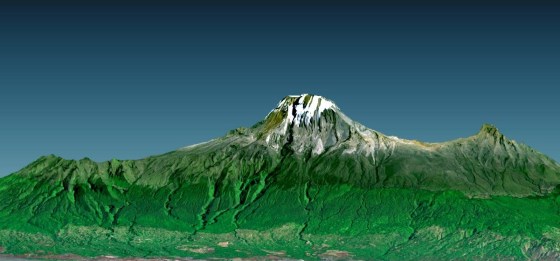
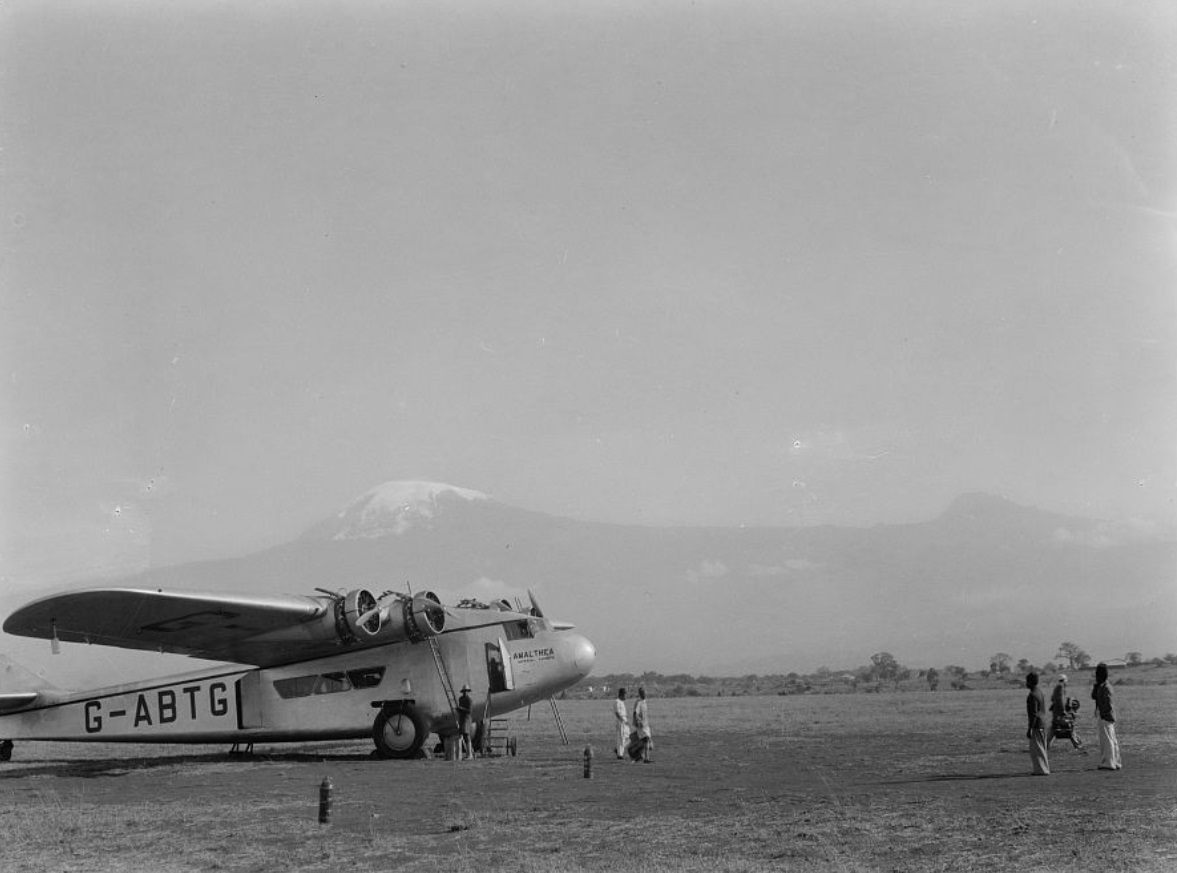



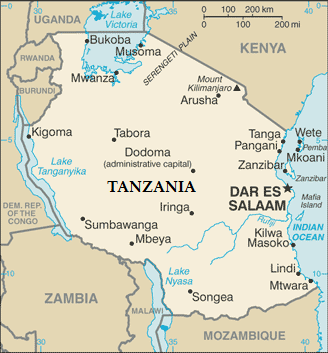
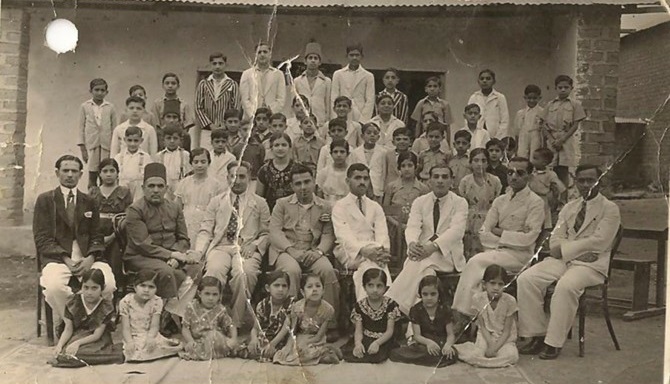

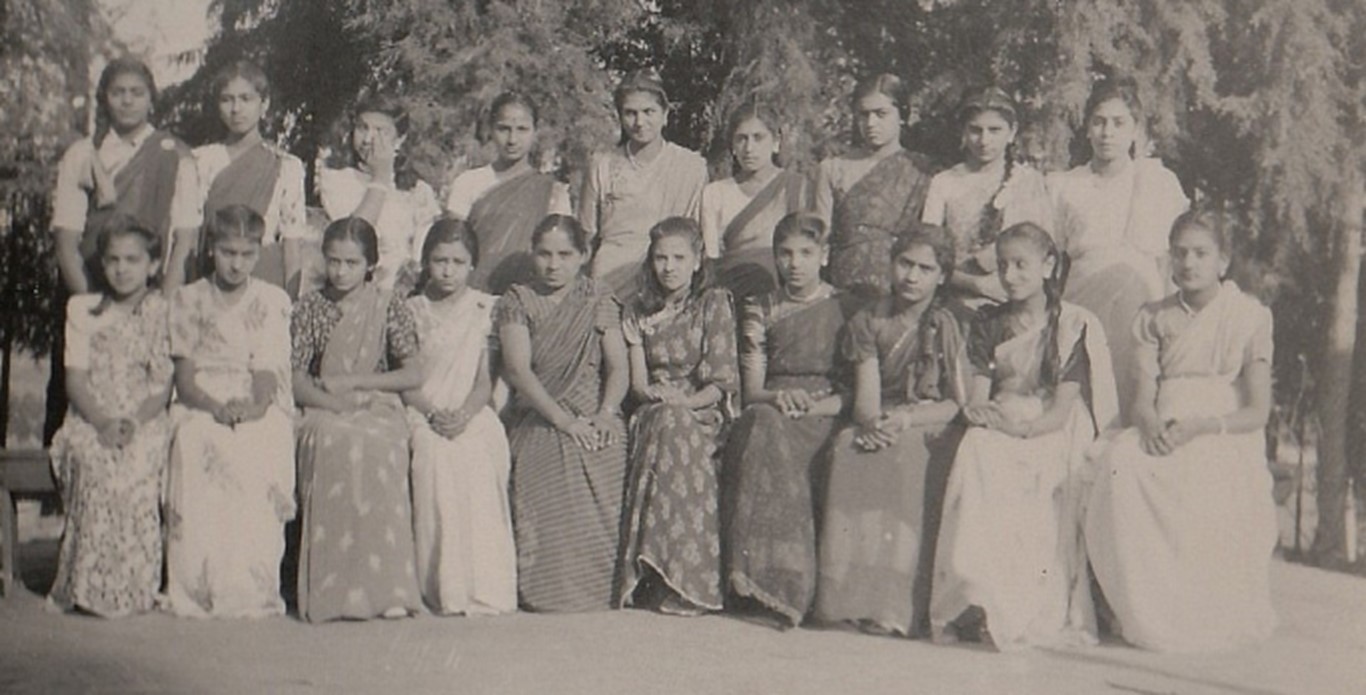


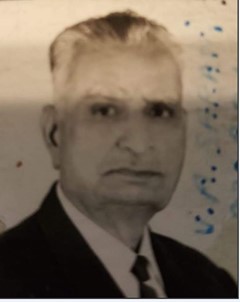

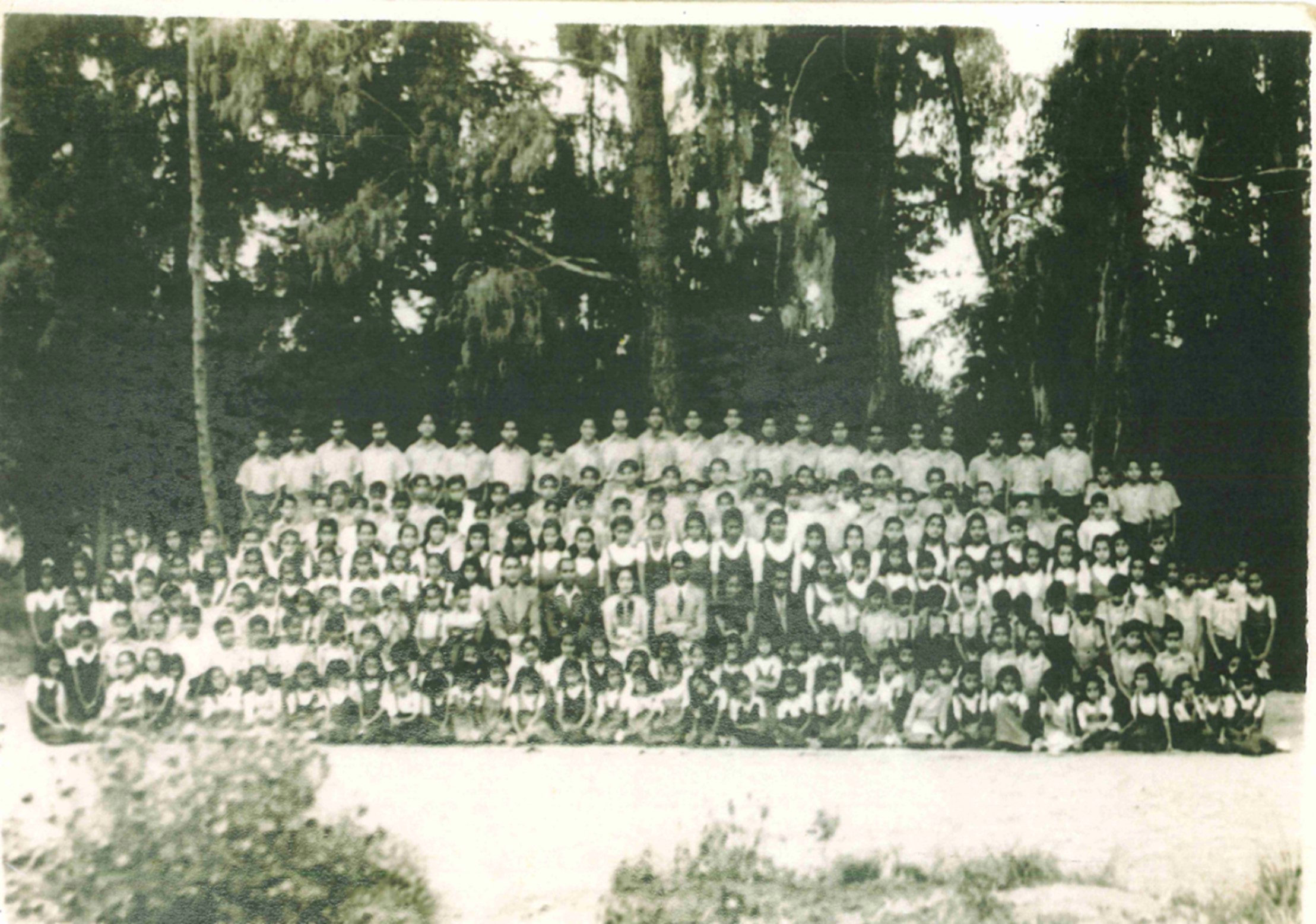

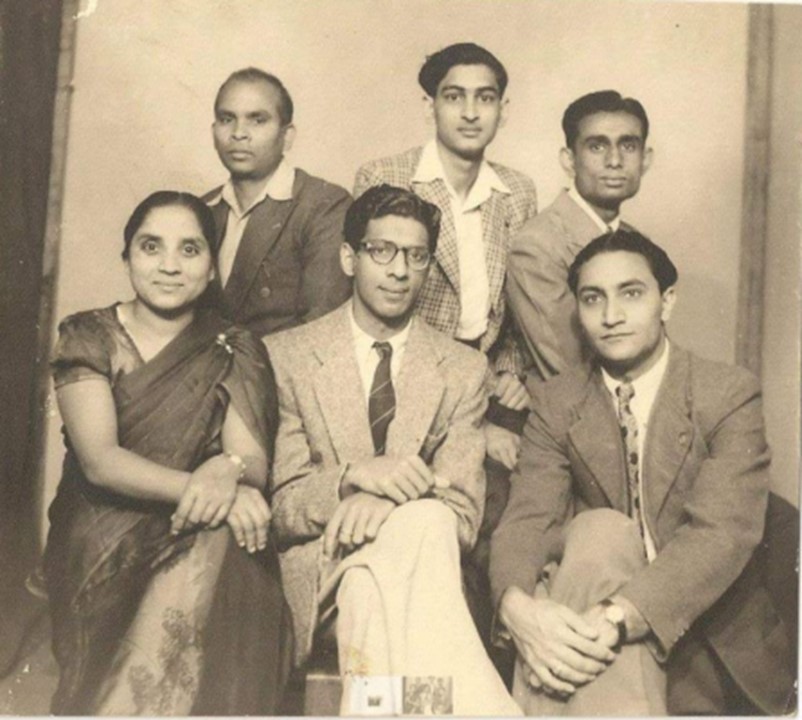

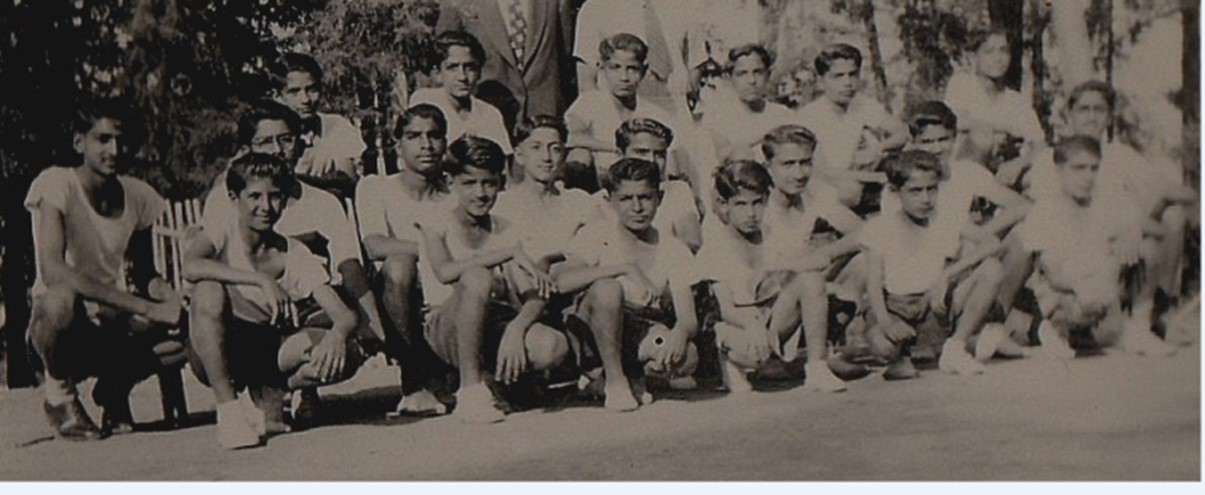
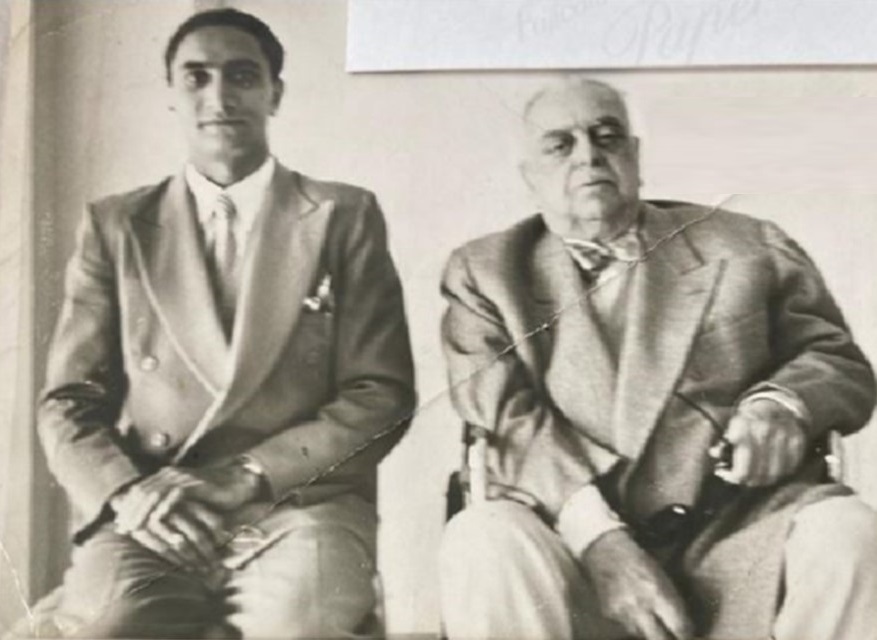


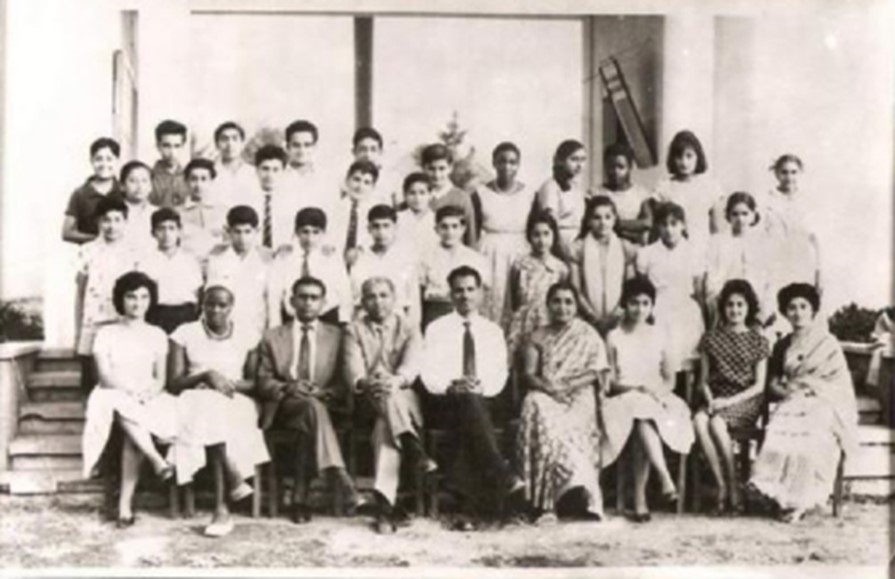


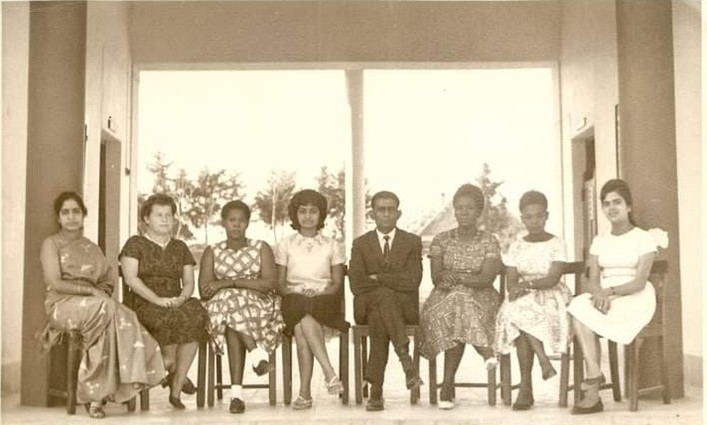
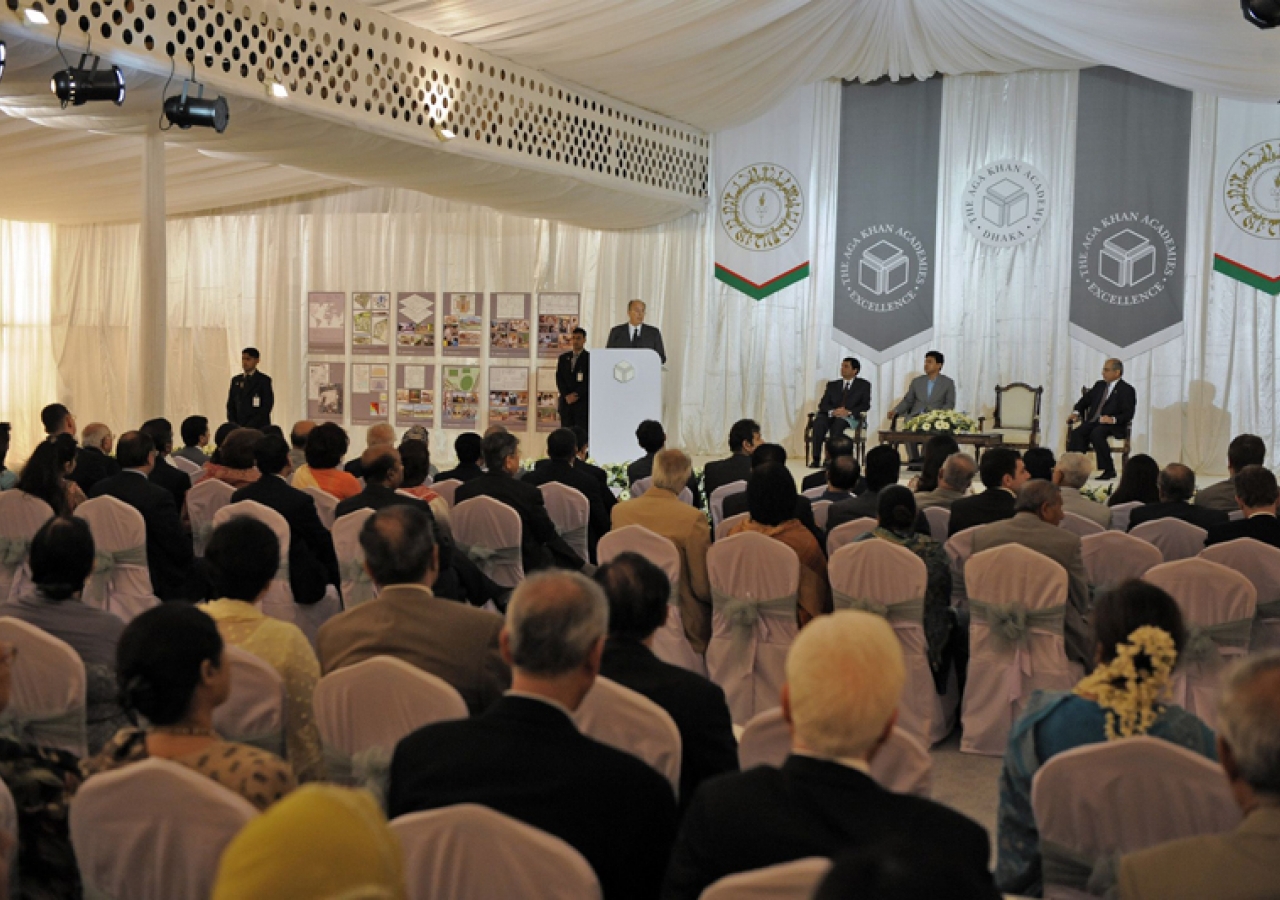


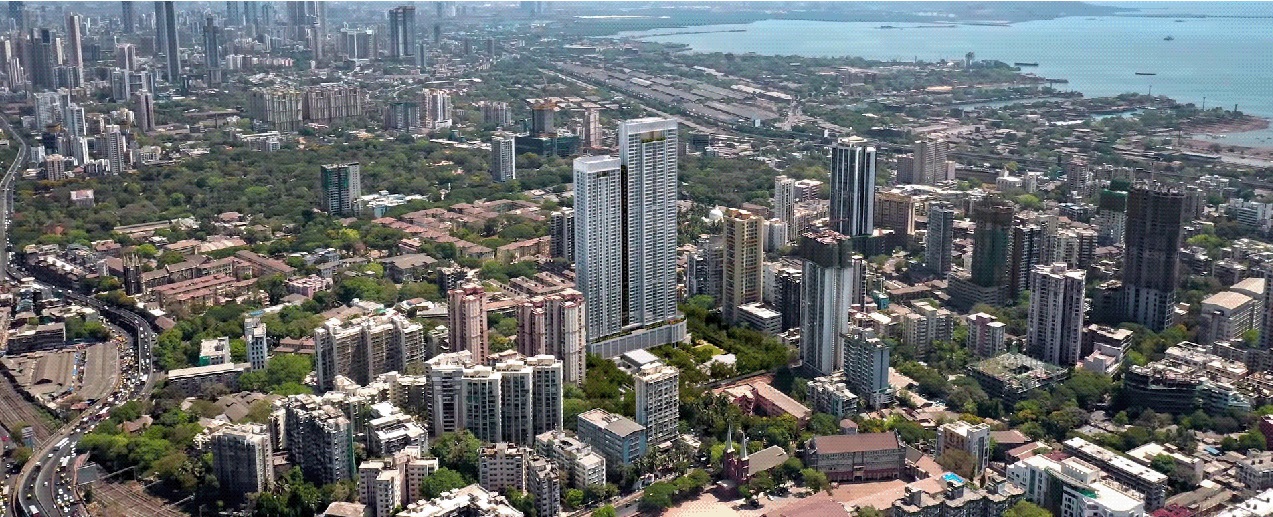




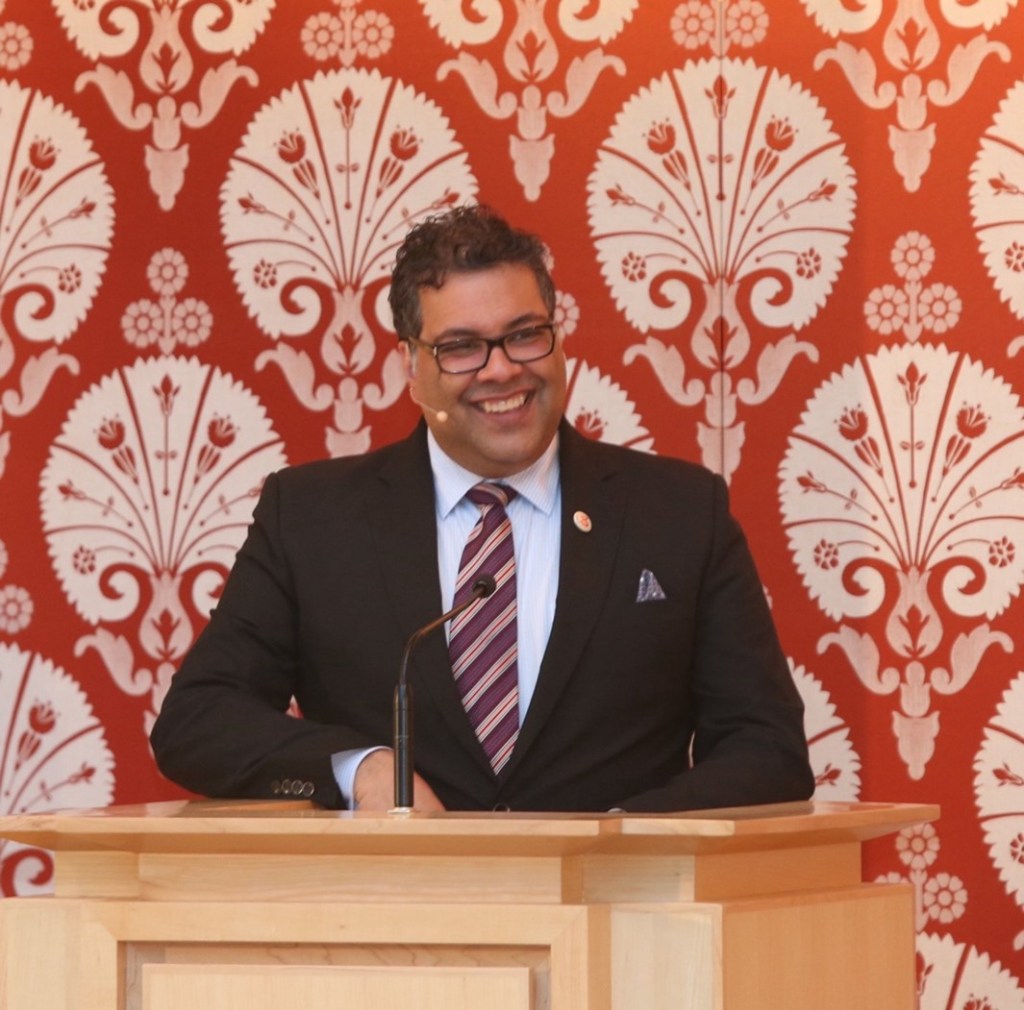
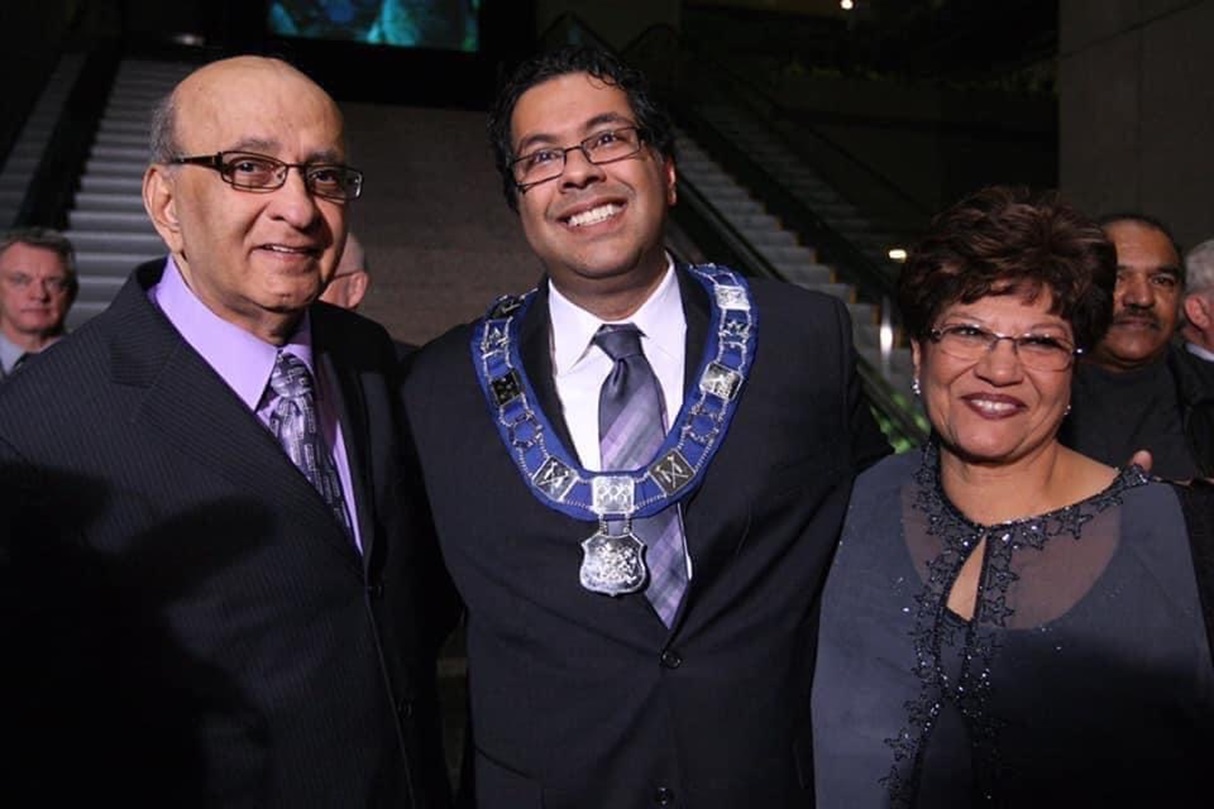
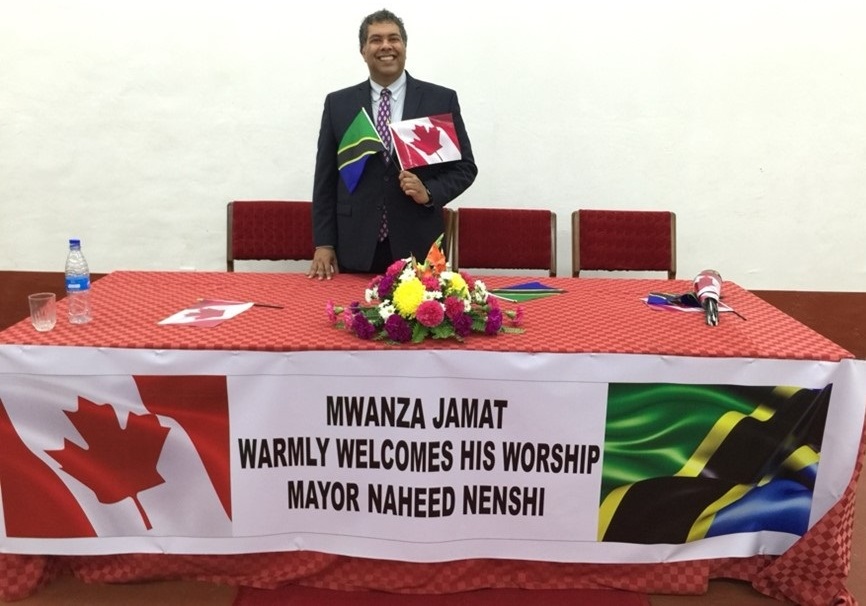
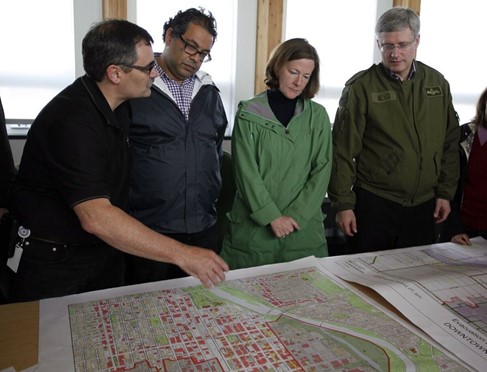


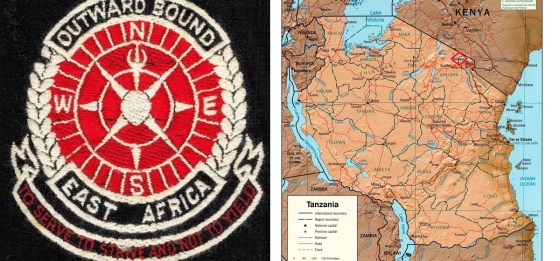
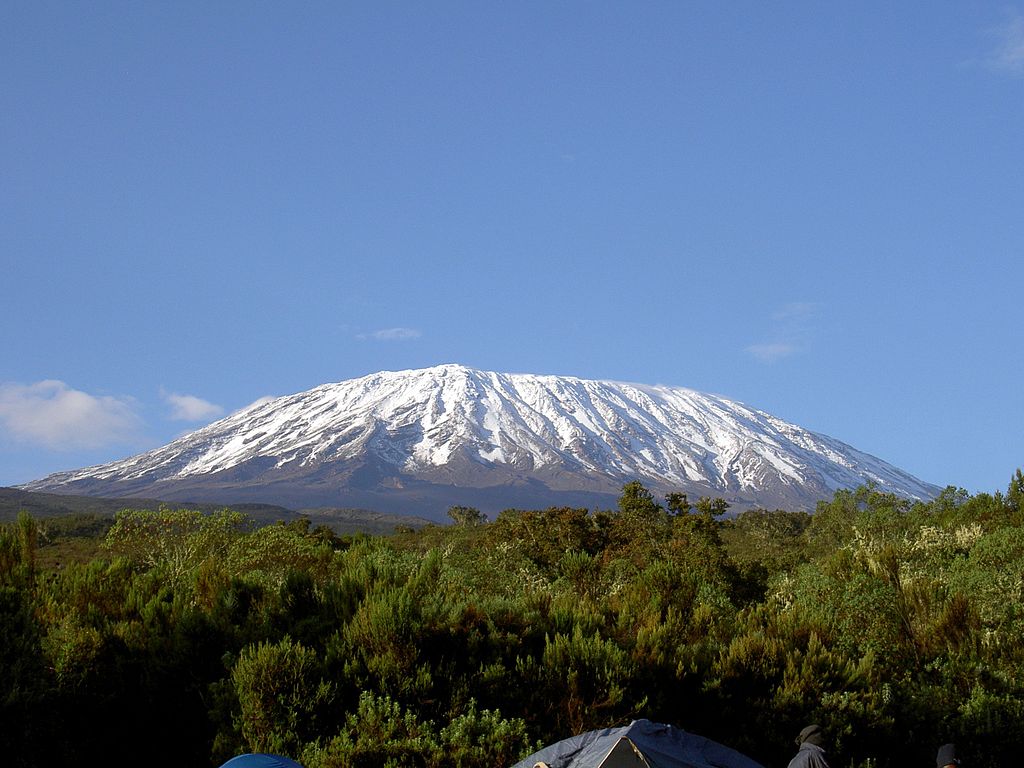
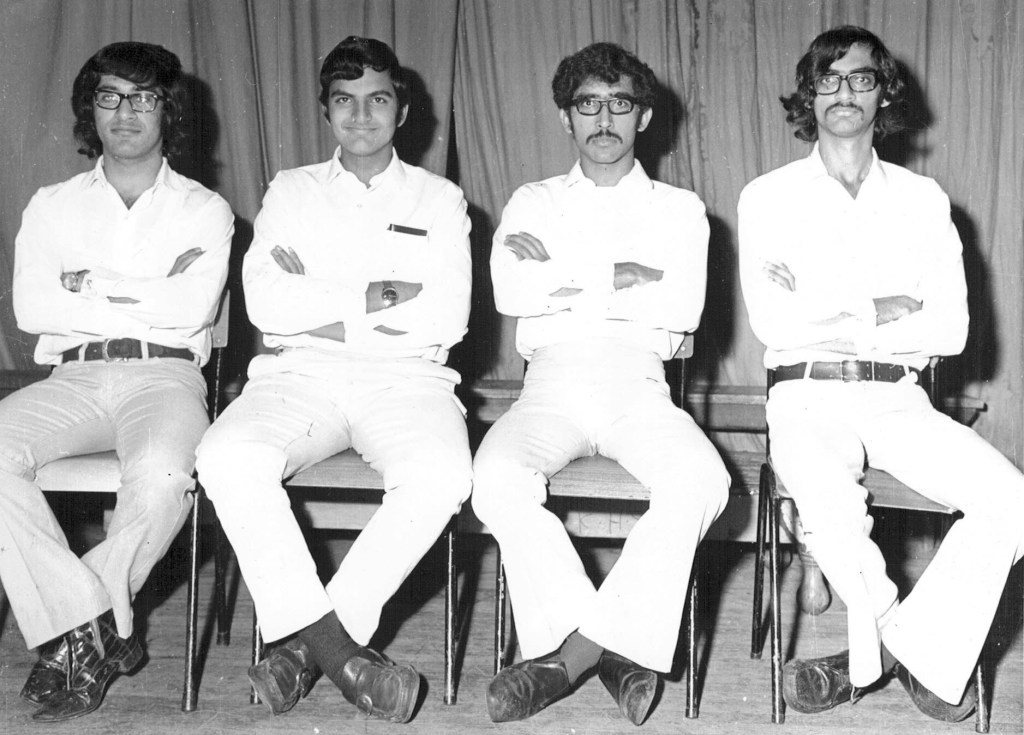

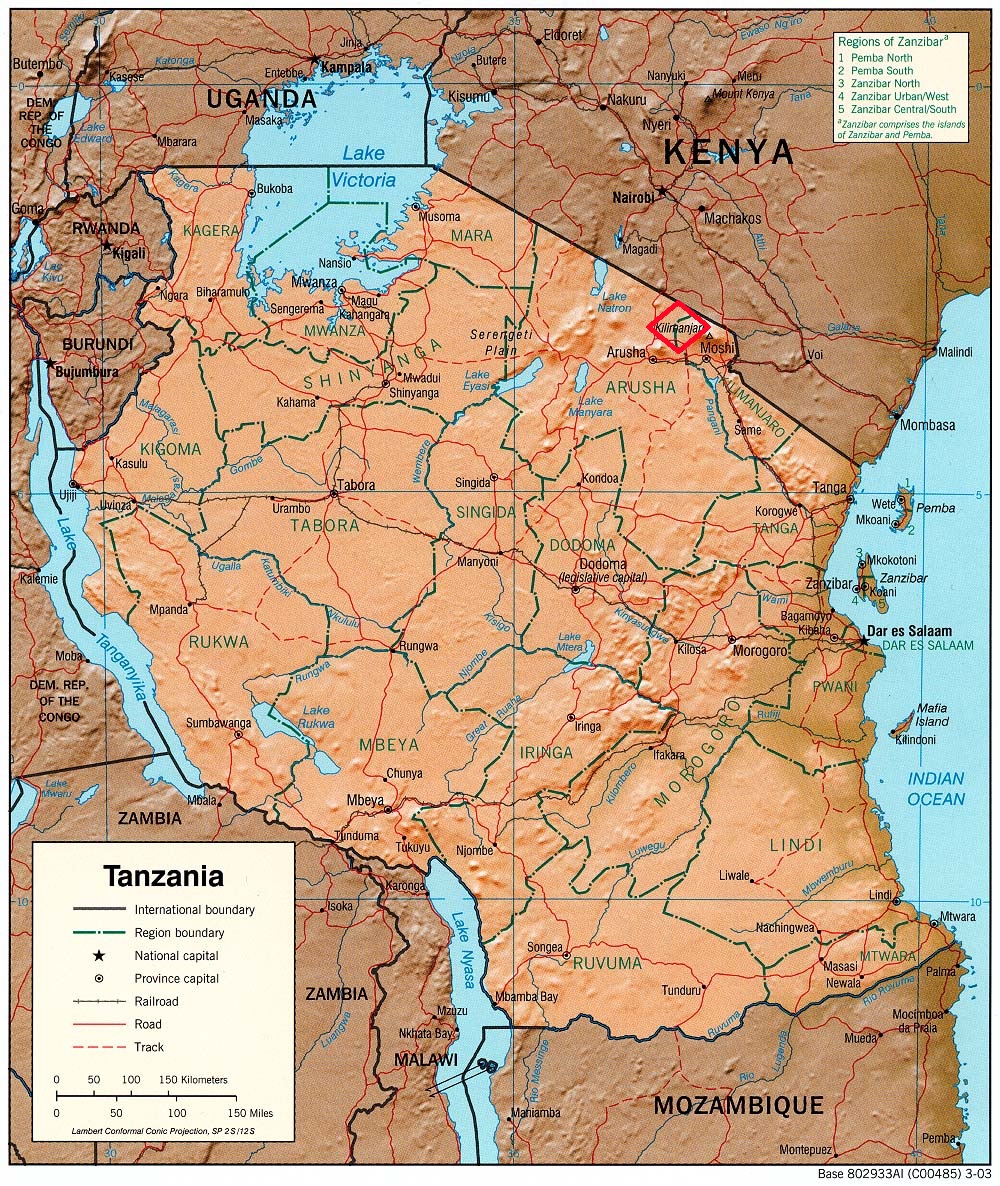
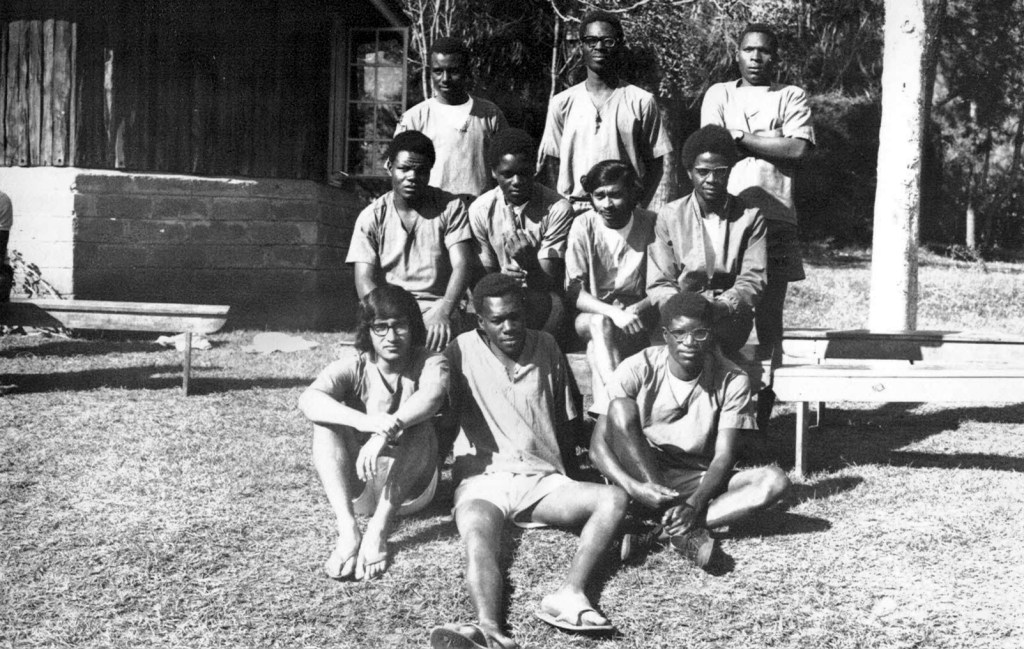
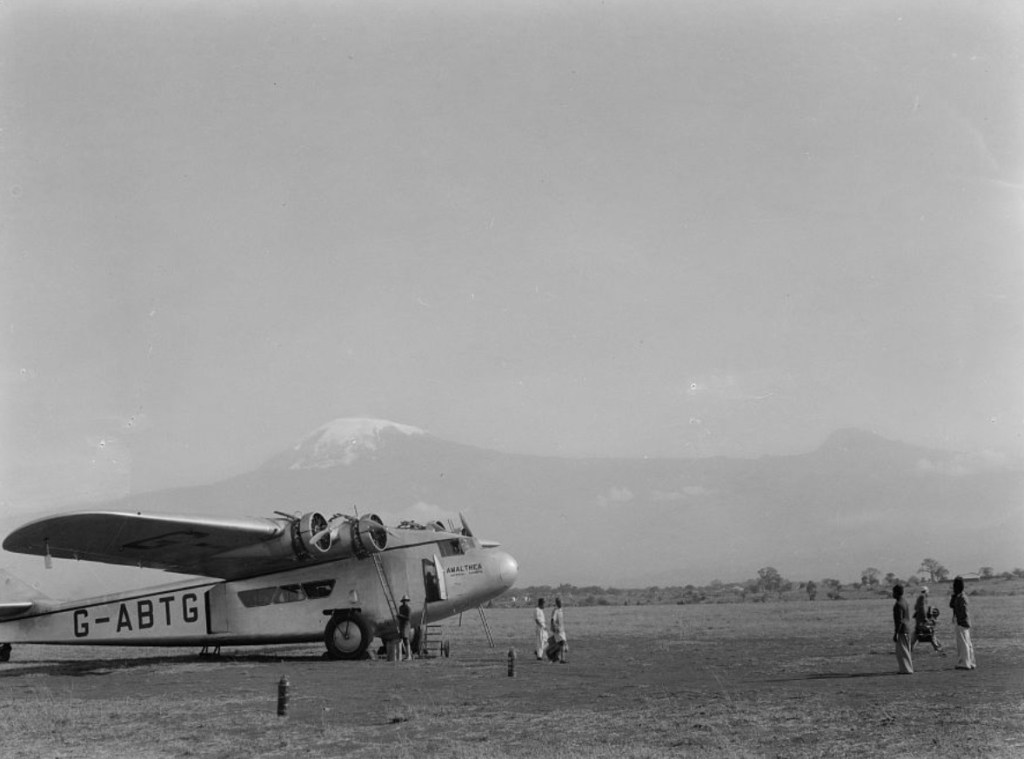
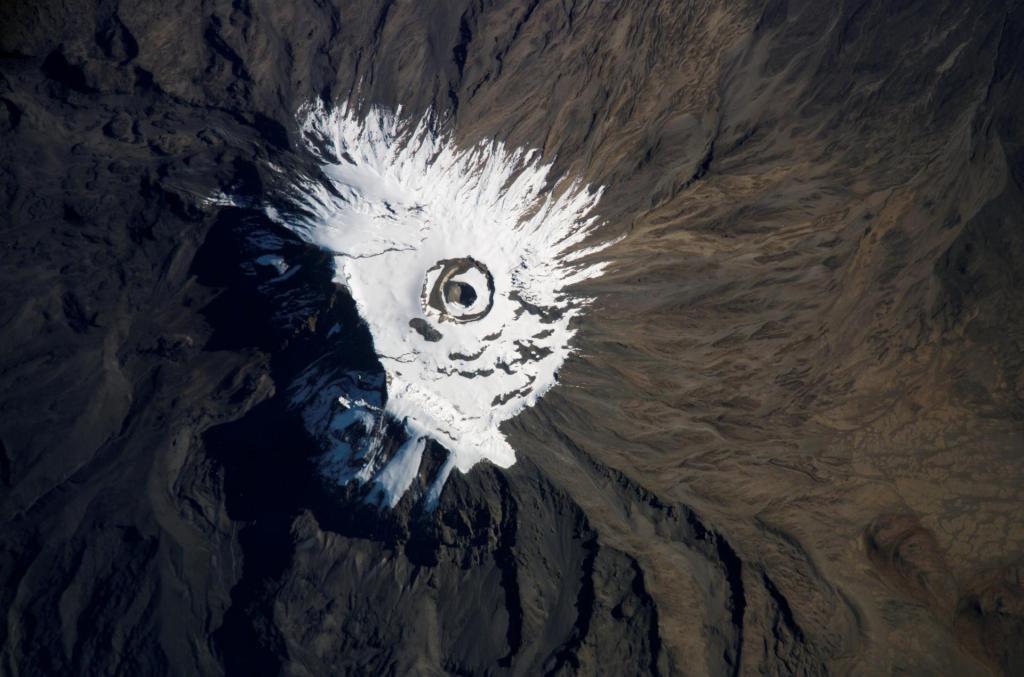
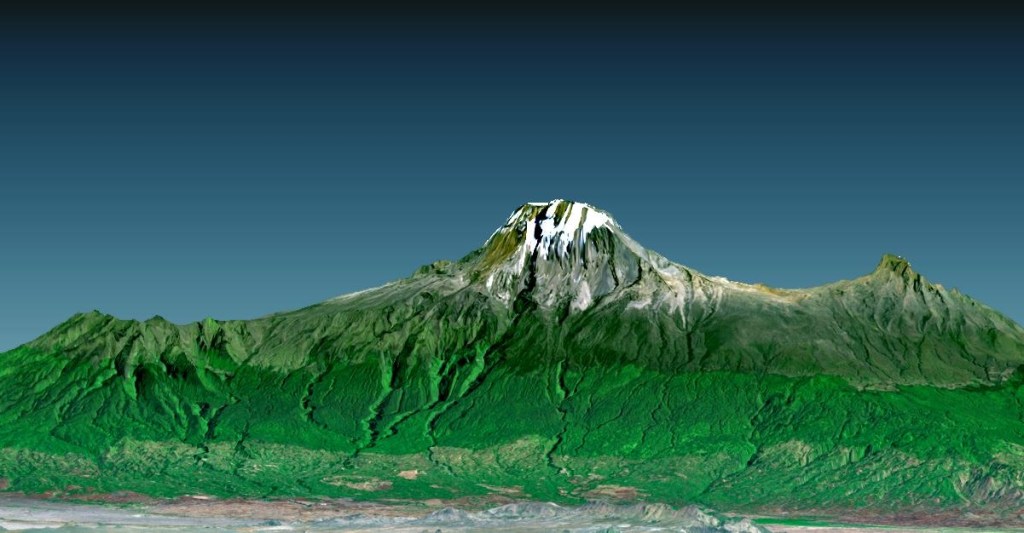
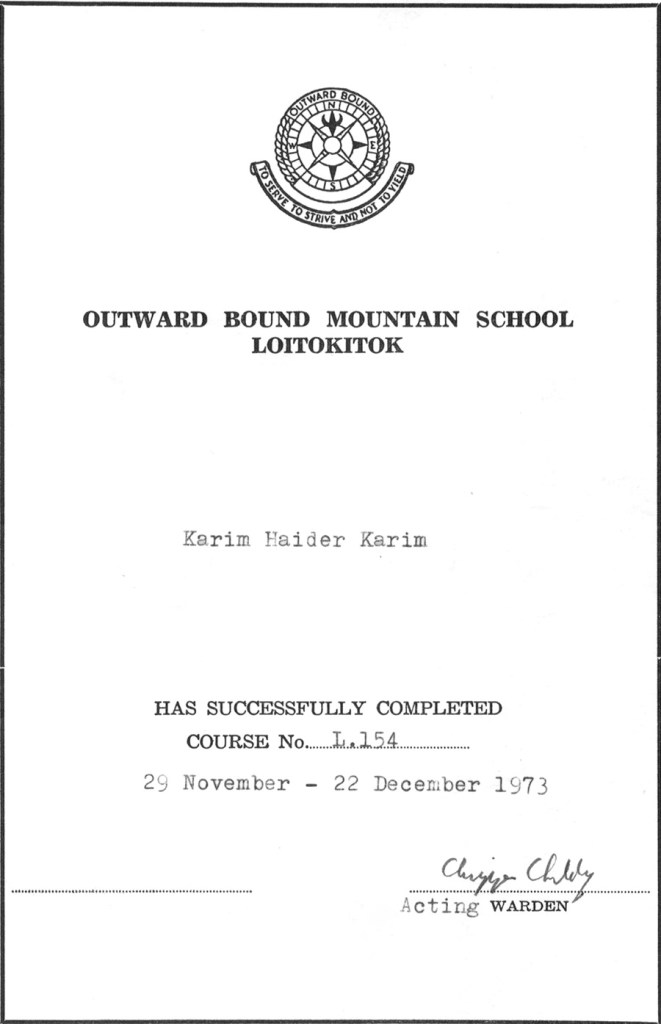
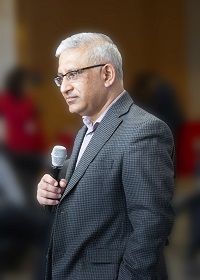

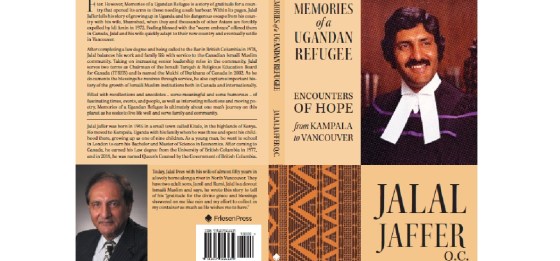
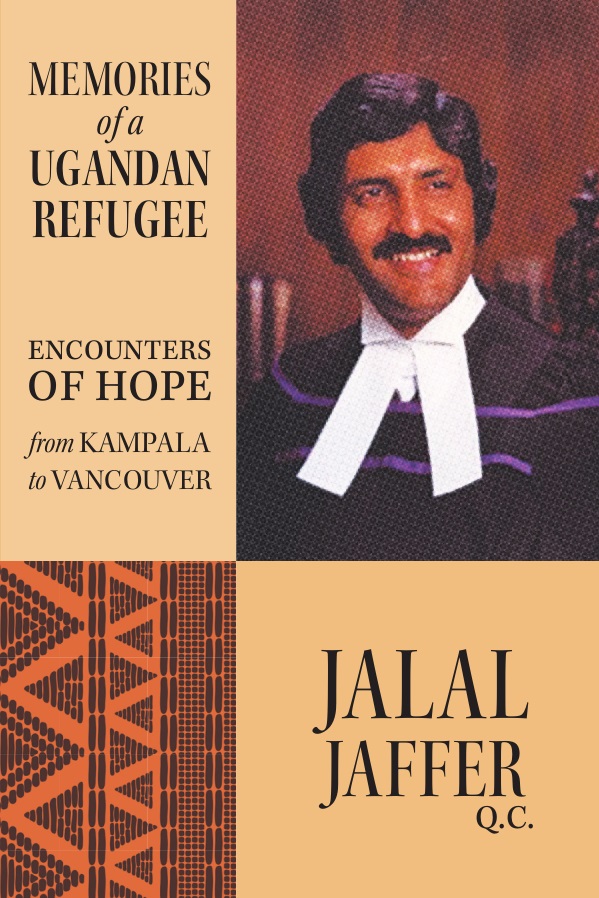

 Simerg - Insights from Around the World