Simerg is an independent initiative dedicated to Ismaili Muslims, the Aga Khan — their Hereditary Imam — and the Ismaili Imamat, and Islam in general through literary readings, photo essays and artistic expressions
Simerg’s series on “Books by Ismaili Authors” continues with Mohamed Bhanji’s highly educational and informative “Luminaries of the Islamic Golden Age,” published as an e-book in 2025. We value the insights of Ismaili authors worldwide and invite you to share your work in this ongoing series by submitting responses to our questions — please see the details HERE. For any queries, please email Malik at mmerchant@simerg.com.
____________
Simerg: What is behind the naming of the title Luminaries of the Islamic Golden Age?
Mohamed Bhanji: The title emphasizes the brilliance of Muslim scholars as luminaries who sharpened the cutting edge of knowledge during the Islamic Golden Age — a period when science, philosophy, and culture flourished, laying the foundations for our modern world.
Simerg: Why would you want me or my family members to read the book and what will we learn?
Bhanji: The e-book reconnects readers with nearly thirty luminaries of the Islamic Golden Age, offering insights into a remarkable intellectual tradition.
Families will discover how these polymaths advanced knowledge — and why their lessons in curiosity, resilience, and ethics remain timeless and profoundly relevant in the age of AI.
~~~~~~~~
“This e-book is a curated synthesis of a series of posts I originally shared on LinkedIn, thoughtfully expanded with appropriate content from additional sources. My hope is that it offers a window into a rich and too-often-forgotten intellectual tradition — and that it helps lift the veil on what Aga Khan IV called “this amnesia [that] has left a six hundred-year gap in the history of human thought.” — Mohamed Bhanji, author of Luminaries of the Islamic Golden Age.
Luminaries of the Islamic Golden Age by Mohamed Bhanji, 82 pages, self-published as an ebook, 2025. Click on the image to download it for free as a PDF file.
How did Al-Biruni (773-1050) calculate the Earth’s diameter?
He climbed a tall mountain (most likely in present-day Pakistan).
He measured the angle of the dip of the horizon from the peak using an astrolabe.
Knowing the height of the mountain and the angle, he applied trigonometric formulas to estimate the Earth’s radius.
Story continues below
Al-Biruni’s results:
He estimated Earth’s radius to be about 6,339.6 km, which is very close to the modern value of about 6,371 km.
That gives a diameter of approximately 12,679 km, again impressively close to the modern value of 12,742 km.
Significance:
Al-Biruni’s method did not require knowledge of the Earth’s full circumference or travel between distant locations.
His use of pure geometry and careful observation was incredibly innovative for the time.
~~~~~~~~
Simerg: What inspired you to write the book?
Bhanji: Mawlana Shah Karim, His Late Highness Aga Khan IV, insightfully observed:
“The Islamic field of thought and knowledge included and added to much of the information on which all civilizations are founded. And yet this fact is seldom acknowledged today, be it in the West or in the Muslim world, and this amnesia has left a six-hundred-year gap in the history of human thought.”
These words inspired me to embark on a journey into the rich yet often forgotten history of the Muslim intellectual tradition.
Simerg: How can one purchase the book or access it?
Bhanji: Readers can read it for free online as a flipbook at bit.ly/liga-ebook or download it for free as a PDF file HERE.
Date posted: January 6, 2026.
______________
Mohamed Bhanji is a volunteer educator/tour guide at the Aga Khan Museum in Toronto, with a passion for sharing stories about the artistic, intellectual, and scientific contributions of Muslim civilizations to our shared world heritage. Bhanji leads visitors through the Museum’s architectural design and permanent collection of Islamic Art, emphasizing the significance of Islamic architecture. Previously, Bhanji served as Special Advisor to the Chief Commercial Officer at VIA Rail Canada from February 1984 to September 2021, leading strategic initiatives, including the Traveller Touch-Points Transformation program, and establishing partnerships in the travel sector. Academic credentials include a Master’s degree and a Bachelor’s degree in Chemical Engineering from Loughborough University, England.
~~~~~~~~~
Links to the Ismaili Authors’ Series (in chronological sequence, oldest article first)
Before departing this website please take a moment to review Simerg’s Table of Contents for links to hundreds of thought provoking pieces on a vast array of subjects including faith and culture, history and philosophy, and arts and letters to name a few. Also visit Simerg’s sister websites Barakah, dedicated to His Highness the Aga Khan, and Simergphotos. Simerg’s editor Malik Merchant may be reached via email at mmerchant@simerg.com. You can also stay updated by following Malik on Facebook, X, and LinkedIn.
Abstract: In this expanded version of his original article, which was published in the February 2025 issue of the Institute of Ismaili Studies Alumni Newsletter, Professor Karim writes about the subtle dynamics between the Imam-of-the-Time and those in his service, an insight he gained from his personal interactions with Mawlana Shah Karim Shah, who appointed him to the leadership of the Institute of Ismaili Studies. The article not only describes the contemporary dynamics but also emphasizes the enduring historical significance of truth, faith, piety, and proper management in Ismaili administration, instilling a sense of tradition and continuity.
To be asked by Mawlana Shah Karim (1936-2025) to lead the Institute of Ismaili Studies (IIS) was an exceptional honour. The London-based IIS is unique among the large number of institutions that His Late Highness Aga Khan IV and 49th Nizari Ismaili Imam established in his Imamat of 67 years (July 11, 1957, to February 4, 2025). Its management demands a nuanced understanding of the academic and communal spheres which intersect within it. The Imam’s invitation to me in 2009 felt like the culmination of a long relationship with the Institute, where I had been a student, a research collaborator and a senior visiting scholar over the previous two and a half decades. I stepped down from my position as Director of Carleton University’s renowned School of Journalism and Communication and headed for London.
Story continues below
The Institute of Ismaili Studies (IIS) owes its establishment to the leadership and vision of Mawlana Shah Karim, His Late Highness Aga Khan IV. Along with leaders of the Ismailia Association and Ismaili scholars, a momentous decision was made to establish the IIS at a conference held in April 1975 in Paris. This decision, which carries the weight of history, was a pivotal moment for the Ismaili community. The IIS was formally established on December 13, 1977, through a Talika (written holy message) that His Late Highness sent to his worldwide community. Photograph: Ilm magazine, October 1975.
Before joining the IIS as Co-Director, it had been my privilege to give seva (service) to jamati (community) institutions in Kenya, USA, UK and Canada. I had also conducted research for Aga Khan Foundation Canada and been a correspondent for Compass News Features, a media agency which Mawlana Shah Karim founded in Luxembourg. The Aga Khan University (AKU) had asked me in 2007 to serve on an international “Thinking Group,” comprising prominent professors and senior journalists who were tasked with exploring the possibility of establishing a Graduate School of Media and Communications. Several months into the deliberations, Aga Khan IV, the university’s founding chancellor, informed us that he would meet with us in Washington, DC. We were assembled in a room when His Highness walked in, wearing a sling on his right arm because of a skiing accident a few weeks prior. He went around the table, smiling and graciously greeting each person. Having led the highly successful Nation media organization in East Africa since the late 1950s, he spoke about the media business and journalism education. With Kenya’s post-election violence fresh in his mind, the Imam shared insights about how the corruption of journalists and media owners contributed to social instability. The distinguished group was impressed with the breadth and depth of his knowledge and left with a deepened scope of considerations. Some seven graduate AKU schools had been planned but only the Graduate School of Media and Communications in Nairobi proceeded to establishment. I was thankful that Mawlana Shah Karim gave me the opportunity to contribute to my country of birth in this manner.
It was September 2009 when I arrived in London from Ottawa, Canada, to assume the IIS’s co-directorship. A few weeks later, Mawlana Shah Karim invited the Aga Khan Development Network’s Higher Education Forum, of which I was a member, to a dinner meeting at his secretariat in Aiglemont, France. The Forum also included the senior leadership of Aga Khan Foundation, Aga Khan University, the University of Central Asia, Aga Khan Academies, and Aga Khan Education Services. According to the arrangements that the Imam had determined, Azim Nanji, the preceding IIS director, was to be seated on Mawlana Shah Karim’s left-hand side and I on his right. This was a remarkable honour for Azim Nanji, me and the IIS. The Imam entered the room, greeting us warmly. Attendees took their seats but, feeling daunted, I hesitated. Mawlana Shah Karim kindly gestured for me to sit next to him. The participants presented project updates about which the Imam asked probing questions. He was gracious about shortcomings and made suggestions on dealing with challenges. After the meeting came to a close, Mawlana Shah Karim looked at me and told me not to hesitate to contact him should the need arise. I felt humbled and immensely grateful.
“I was convinced that it was vital for individuals tasked with responsibilities to be entirely transparent with Mawlana Shah Karim even if it produced discomfort for oneself and others in the room. Therefore, I became resolute in speaking up — at the risk of being marginalized — when I saw things to be amiss. Mawlana Shah Karim’s positive responses to my carefully considered interventions were very encouraging.” — Karim H Karim
It was my good fortune to have a number of interactions with the 49th Imam. He upheld very high standards and asked the same of others. Mawlana Shah Karim expected accurate information and frankness, especially when goals had not been met. Having thoroughly read the papers submitted in advance of meetings he inquired into specifics and gave discerning guidance. From time to time, as the discussion was flowing in a particular direction, I would ask myself whether it was appropriate for me to offer contrary observations and critical thoughts on vital points. It turned out that Mawlana Shah Karim appreciated such interventions, which I sought to conduct in a thoughtful and respectful manner. He was also kind in tolerating my errors, gently directing me towards correcting them. This helped me understand more clearly the subtle dynamics of interaction between the Imam and those in his service.
Around a thousand years ago, da‘i Ahmed al-Naysaburi’s writings reminded Fatimid administrators that the Imam-of-the-Time depends on them for the ethical governance of his community, failing which “chaos will reign.” He was extremely concerned that influential officials had become preoccupied with their own power and privilege rather prioritizing knowledge of the faith(ilm), piety (taqwa) and proper administration (siyasa), the fundamental principles by which the Imamat’s institutions should abide. The more meetings I attended with Mawlana Shah Karim the more it became apparent that he was not always receiving the complete picture, especially when conflicts of interests were involved or when things had not turned out according to expectations. Qadi al-Nu‘man, who was a close confidant of several Fatimid Imams, advised those who interacted with the Imam: “Let us speak the truth and hide nothing from the Imams.” I was convinced that it was vital for individuals tasked with responsibilities to be entirely transparent with Mawlana Shah Karim even if it produced discomfort for oneself and others in the room. Therefore, I became resolute in speaking up — at the risk of being marginalized — when I saw things to be amiss. Mawlana Shah Karim’s positive responses to my carefully considered interventions were very encouraging.
However, adverse organizational currents began to generate a disabling environment for me. I strived to deal with the changing situation, but it became increasingly problematic to carry out my duties. Being under intense stress, I was compelled to review my position and consider the possibility of moving back to Canada. This presented an extremely difficult situation: it was my Imam who had personally selected me for the leadership role in his vital institution, and I felt deeply distressed that I would be letting him down. After several long weeks of agonizing, I wrote to him seeking guidance. Mawlana Shah Karim’s personal assistant contacted me to arrange a telephone call. I waited anxiously in my office as the time arrived. The phone rang, and the assistant informed me that the Imam was on the line.
Mawlana Shah Karim greeted me affectionately and he mentioned a current international issue which we discussed briefly. Turning to the matter at hand, he said that he understood the organizationally problematic nature of the situation and appreciated the difficulty of the circumstances for me. The Imam told me that it was my decision to stay or to leave and that he would be fine with whatever I decided. Mawlana Shah Karim assured me that “there are many ways to serve.” These words, expressed with paternal care, lifted an enormous weight from my shoulders. Following considerable further reflection, I wrote to the Imam of my decision to return to Canada. Upon settling back in Ottawa, I continued to provide service to Imamat institutions like the Central Asian and Aga Khan universities and was immensely pleased with Mawlana Shah Karim’s continued positive responses to my recommendations.
Story continues below
Professor Karim H. Karim, the author of this piece and a respected member of our academic and Ismaili community, was awarded the first Alumni Recognition Award by the Institute of Ismaili Studies. This prestigious honour, presented to him on March 23, 2024, at the Ismaili Centre London, is a testament to his exceptional service, leadership, positive impact, and professional excellence. Photograph: The Institute of Ismaili Studies via Karim H. Karim.
Mawlana Shah Karim’s words from the phone call shaped the direction of my subsequent service to the Imamat and the community. While at the IIS, I had published a chapter on Ismailis in Canada in a book that my fellow Co-Director Farhad Daftary edited. This was the beginning of a series of writings on the contemporary community, which I am analyzing from the basis of my research and institutional service. The insights gained from these sources have strengthened my conviction about the vital importance of upholding intellectual rigour and professional ethics in studying the community, its organizations and its leadership. I draw from my academic training as well as my religious commitment to truth in this endeavour. It is of great significance to me that the original and authentic name of the Imamat’s movement is “Da‘wat al-Haqq” — Invitation to Truth — which has involved critical self-reflection on the part of the community’s intellectuals in their endeavour to uphold its integrity.
At the grand Diamond Jubilee Darbar in Lisbon in July 2018, Mawlana Shah Karim asked his murids (committed aspirants) to be da‘is (summoners to truth). As mentioned above, Ismaili da‘is like al-Nu‘man and al-Naysaburi provided corrective guidance to officers of the Fatimid state who lapsed ethically from time to time. Administrators are under pressure to deliver on commitments and tend on occasion to adopt means that diverge, often unknowingly, from the tradition’s ethical precepts. It is vital that there be an intellectual counterpoint in the contemporary community that discusses ethical adherence with the institutional structure just as al-Nu‘man, al-Naysaburi and other da‘is did in their time. Upon discussing this matter with a former president of the Aga Khan Ismaili Council for Canada, I learned that Mawlana Shah Karim advised community leaders to engage in productive discourse with the independent voices of sincere murids.
My writings and oral discourses, which seek to offer respectful and carefully considered communal self-critique, elicit considerable discussion and feedback. A conference paper that I delivered in 2022 at the IIS on the challenges of ethical propriety in Ismaili institutions generated intense debate, with scholars and students variously agreeing and disagreeing with me. I am heartened that many scholars cite my writings on contemporary Ismaili topics in their academic publications. However, I consider the platforms of independent and autonomous Ismaili communal media like Simerg to be the most viable venues for sharing analysis and engaging in discussion with the community and its leadership.
Mawlana Shah Karim’s advice that “there are many ways to serve” has constantly inspired and motivated me to pursue a path that may be occasionally contentious but constantly and sincerely strives to respond to the da‘wa’s call to truth. It was extremely humbling and encouraging that in 2024 the IIS endowed me with an award for “exceptional service, leadership, positive impact and professional excellence.”
Date posted: September 29, 2025.
________________
About the author:Karim H. Karim is a Chancellor’s Professor at Carleton University in Canada. He has served as Co-Director of the Institute of Ismaili Studies and as Director of Carleton University’s Centre for the Study of Islam and its School of Journalism and Communication. Professor Karim is a prize-winning, interdisciplinary scholar whose publications have received worldwide acclaim. The Ismaili Imamat, the Government of Canada, the Institute of Ismaili Studies and civil society organizations have granted him honours.
Featured photo at the top of the post: Professor Karim H Karim delivering his remarks on March 23, 2024, at the Ismaili Centre in London upon being presented with the Inaugural Alumni Recognition from the Institute of Ismaili Studies. Photograph: Institute of Ismaili Studies via Karim H. Karim.
If you have feedback on this piece, please click LEAVE A COMMENT. Also, don’t miss the opportunity to explore the diverse and extensive range of articles by clicking on TABLE OF CONTENTS. We also invite you to visit our sister websites, Barakah and Simergphotos. You can stay updated by following the editor, Malik Merchant, @Facebook, @X and @LinkedIn.
~~~~~~~~
Articles contributed by Karim H Karim on Simerg and its sister websites:
After having featured twenty-nine English books authored by Ismailis since the inception of our special series Books by Ismaili Authors in 2021, we present for the first time a Gujarati book that provides insight into an Ismaili Institution of the early 20th century, the Recreation Club. The author, Chhotubhai Khanderia, lovingly known as CNK, a native Gujarati speaker, has also made it available as a downloadable PDF file, ensuring easy access for our readers. We are pleased to feature his work in the series.
We call Ismaili authors worldwide to highlight their books in our continuing series by submitting their responses to our standard set of questions — please see details HERE. For any queries, please email Malik at mmerchant@simerg.com.
Interview with Chhotubhai Khanderia
Simerg: What constitutes your book Recreation Club Institute: History and Illustrated Glimpses of Service Holders? Why would you want me to read it, and what will we learn from it?
Chhotubhai Khanderia: My book “Recreation Club Institute: History and Illustrated Glimpses of Service Holders” is a significant contribution to the history of the Ismaili community. It chronicles its early days, from the Recreation Club to the Ismailia Association in the 1950s, which is now known as the Ismaili Tariqah and Religious Education Board (ITREB).
The Recreation Club had a glorious history that our beloved 48th Imam, Mawlana Sultan Mahomed Shah, nurtured through instruction and guidance. The book also includes glimpses of members of the Jamat who served in the institution in the early years from 1901 to 1925, and made unparalleled contributions. As many as 45 missionaries who were recorded in the pages of history during the period of the Imam have presented their illustrious service. After that, during the 68 years of the Imamat of Mawlana Shah Karim, the institution, which had been renamed as the Ismailia Association before his Imamat, made unparalleled progress that we can all be proud of. And after the promulgation of the 1986 Constitution, the institution was renamed as the Ismaili Tarqiah and Religious Education Board. Many new institutions were created, strengthening the Ismaili institutional structure and making it uniform around the world.
One of the aims of this book is to provide insights into the vast work done by missionaries. The larger aim is for the Ismaili community to become familiar with the history of the institution and to gain a deeper understanding of the services of many who served the Society.
Simerg: What is behind the name and title of the book?
CNK: The book’s title acts as a window into the illustrious history of the Institute and a bridge, connecting the Jamat to the lives of the organization’s early foundation service members. These members, such as Waris Ismail Mohammad Jafar, Huzur Wazir Ali Muhammad Rehamtullah Macklay, Mukhi Lalji Devraj, Virji Premji Parapiya, Master Hashim Bogha, Manji GulamHussain Padamshi, and Alijah Wali Muhammad Nanji Hudda, are brought to life through the book’s pages. Moreover, the book is a treasure trove for those interested in the organization’s history, as it acquaints readers with the brief biographies of 210 Ismaili missionaries, who are known today as Alwaez.
Cover page of “Recreation Club Institute: History and Illustrated Glimpses of Service Holders” by Chhotubhai Khanderia, self-published, July 2025, 222 pages. Please click on the image to download the PDF version of the book.
Simerg: How can I purchase this book?
CNK: The hard copy of the book is available upon request by writing to me at cnkhanderia@gmail.com. However, I have made an electronic copy available as a PDF file, which can be downloaded HERE (or by clicking on the image above). The book is entirely self-funded and self-published by me.
Simerg: Did you hire an editor or designer, or did you do all the work yourself?
CNK: I hired a graphic designer to work on the layout and the formatting of the book.
Simerg: What inspired you to do this important work?
CNK: The practice of daw’a in the Ismaili community was pioneered centuries ago by the Ismaili Dais, Pirs and Sayyids. In later centuries, the Ismaili missionaries took on the responsibility of imparting religious and moral education to the Jamat in a unique way, under the careful guidance of the Imam-of-the-Time. Their service, which has left an indelible mark on the Ismaili community, is a significant part of our history, recorded in various books and on websites. The material that I came across encouraged me to collect, consolidate and include information about our unsung missionaries.
Story continues below
March 1936: This photo was taken in India on the occasion of the presentation of a casket by a group of Ismaili missionaries to His Late Highness Aga Khan III to mark the occasion of his Golden Jubilee. The casket, a symbol of respect and honour, was created and donated by ‘Senior’ Missionary Alijah Moloobhai Allarakhia Jangbarwalla. Unless otherwise noted, we may assume that all the persons in the photograph are missionaries. STANDING BACK ROW Left to right: Noorali Bandali, Gulamhusein Juma, Sayyed Mohamed Shah, Jaffer Jivan, Alidina Mamu, Ebrahim J. Varteji, Tajjar Mukhi Mohamed, Damji Velji, Abdulla Esmail and Badrudin Nurmohamed. SEATED ON CHAIRS Left to right: Meghji Maherali, Husseini Pirmohamed, Alijah Moloo Allarakhia (Donor of Casket), Chief Secretary Gulamhusein Virjee, President Alimohamed R Maklai, HIS LATE HIGHNESS THE AGA KHAN III, President Alijah Esmail Mohamed Jaffer, Finance Secretary Tarmohamed Ravji, Alijah Sabza Ali Ramzanali, Jamal Virji and Hamir Lakha. SEATED ON CARPET Left to right: Kassamali L Wadiwalla, Amirali Khudabaksh, Hajimohamed Fazalbhai, Mahmed Muradali, Madatali Rahemtullah Rajan and Juma Jiwa. Photo: Late Ameer Janmohamed Collection, London, UK.
Simerg: How long did it take you to complete your monograph?
CNK: The idea to write the book came in 2021. While reading an article on Simerg, I came across a picture of Imam Sultan Mahomed Shah with the missionaries taken in 1936. In that picture, the Imam was presented with a casket in 1936 to mark his Golden Jubilee. When I curiously started searching for the history of those missionaries, I found the history of about 40 missionaries online, and I consolidated it. Then it expanded to include more missionaries who were in different regions worldwide, creating a global narrative that spans India, Pakistan, Kenya, Tanzania, Uganda, the USA, Canada, the UK, and the UAE. As the famous saying goes: ‘मैं अकेला ही चला था जानिब-ए-मंज़िल मगर, लोग साथ आते गए और कारवाँ बनता गया’ (which roughly translates as ‘I started alone towards my destination, but people kept joining me and a caravan started forming’). This journey of discovery and collaboration, which is described in the book in more detail, transformed a mere idea into a comprehensive account of missionary history. After I had gathered all the information, I passionately began to develop the book in April 2025 and completed it in three months.
Simerg: Tell us something more about your book
CNK: The cover page was specially chosen, with our beloved 48th Imam as the primary focus. He laid the foundation of the Recreation Club. The cover page also includes portraits of some prominent leaders of the Club.
This is the first edition of the book, and your feedback could shape its future. If you find errors in the factual information, please let me know, and I will incorporate the corrections in the next edition. This will ensure the accuracy of the book. Some missionary biographies are brief — one-liners in some instances. I am particularly interested in including more details about their contributions to the Jamat. I would be deeply grateful if the surviving missionaries or members of their families could send me brief profiles for inclusion in the revised edition. Finally, I wish to say that while readers may use Google to translate the PDF Gujarati book into English, I intend to make the book available in English.
Date posted: August 20, 2025.
______________
About the author: Mr. Chhotubhai Khanderia, fondly known as CNK, was born in Porbandar, Gujarat. He pursued a Diploma in Civil Engineering and began his government service in 1981, supervising the repair and maintenance of government buildings, roads, bridges, and new constructions. In the Ismaili community, he has held numerous voluntary positions since 1977, which have left a lasting impact: he has served as a secondary level religious instructor, a local board member in ITREB, a regional member in the Youth and Sports Board, a secretary in the Ismaili Council, a regional chair in the Southern Saurashtra Social Welfare Board and ITREB, and as Mukhi of Majlises (special gatherings). His services were recognized with the title of Alijah by Mawlana Shah Karim, His Late Highness Aga Khan IV. Chhotubhai currently resides in Secunderabad, India, as a retired serviceman. He can be reached at cnkhanderia@gmail.com.
~~~~~~~~~
Links to the Ismaili Authors’ Series (in chronological sequence, oldest article first)
Before departing this website please take a moment to review Simerg’s Table of Contents for links to hundreds of thought provoking pieces on a vast array of subjects including faith and culture, history and philosophy, and arts and letters to name a few. Also visit Simerg’s sister websites Barakah, dedicated to His Highness the Aga Khan, and Simergphotos. Simerg’s editor Malik Merchant may be reached via email at mmerchant@simerg.com. You can also stay updated by following Malik on Facebook, X, and LinkedIn.
Editor’s note: As children, we have created some stunning works of art and written beautiful essays that we might have long forgotten. However, for our parents, these creations are not just objects, but the threads that weave our family memories, preserving our childhood in their hearts. A model of Hasanabad, a 3-month labour of love and creativity by Sarah and Sophia Ladha some 14 years ago, remains a cherished part of the Ladha family home in Toronto. It stands as a testament to the role of childhood creations in preserving our family memories, even as the two girls embark on their journeys in distant cities. We present their story, celebrating the enduring connection that childhood creations bring to our families.
If there is an iconic piece of art or object related to Ismaili Muslim culture that your children made years ago and remains part of your family’s proudest moment, we would like to hear about it. The Ladha sisters have set an excellent example with their inspiring project, and we encourage you to follow in their footsteps. Write to mmerchant@simerg.com and be part of this inspiring initiative. Simerg and its sister websites Barakah and Simergphotos are independent platforms, committed to encouraging the pursuit of knowledge in all areas of Ismaili history, art and culture, the Divine Institution of Imamat and His Highness the Aga Khan.
The Hasanabad Model
Hasanabad Model, 29″ x 19″, by Sarah and Sophia Ladha. Photograph: Murad Ladha family collection.
We were inspired to create the Hasanabad model after a profoundly personal visit to Hasanabad and its grounds, which include a Jamatkhana and a housing complex in Mumbai in 2011. This trip was particularly meaningful to us because Hasanabad is where my dad, Dr. Murad Ladha, spent his formative years as one of five children of Amina Ladha and Moledina Ladha. Experiencing its breathtaking architecture up close and learning about its historical significance left a lasting impression on us.
Hasanabad, more than just an architectural marvel, is a place of profound historical significance. It is the final resting place of the 46th Ismaili Imam, Mawlana Hasan Ali Shah, who in 1846, journeyed from Iran to Mumbai, establishing the Seat of Imamat in India after centuries in Persia.
Inspired by the grandeur of the Taj Mahal, Hasanabad’s design features intricate detailing, majestic domes, and perfect symmetry, making it a remarkable landmark and the only Ismaili historical site in India. Inside the Hasanabad Dargah — where Imam Hasan Ali Shah (Aga Khan I) is buried — there is intricate Islamic art decorating the interior of the kuba (the dome). However, due to architectural limitations and lighting, visitors do not readily see or appreciate this artwork. To address this, the fountain in the model was intentionally designed to help reflect and highlight the variety of Islamic artistic elements within the Dargah. This allows members of the Jamat, especially those unable to visit in person, to engage with and appreciate the spiritual and artistic heritage embodied in the structure.
Moved by its historical and cultural significance, we dedicated three months to meticulously crafting our 29″ x 19″ model, striving to capture every detail. Using materials like clay, styrofoam spheres, beads, and pastels, we sought to bring the essence of Hasanabad to life.
Members of the Jamat view the model of Hasanabad created by sisters Sophia and Sarah Ladha. Photo: Murad Ladha family collection.
~~~~~~~~
The fountain featured in front of historic Hasanabad is not part of the building but was created by Sarah and Sophia Ladha to depict some of the artistic work in the dome inside the building. Photograph: Murad Ladha family collection.
~~~~~~
Hasanabad Gallery, accompanying the model exhibit. Photograph: Murad Ladha family collection.
The Ismaili Art and Cultural Committee recognized our model for its craftsmanship, attention to detail, and the story behind it. They appreciated how it highlighted Hasanabad’s architectural beauty and helped share its rich history with others. We displayed the model in Etobicoke Jamatkhana, along with a PowerPoint presentation explaining the the significance of historic Hasanabad to the Jamat. Subsequently, the model was displayed at the Toronto’s International Centre, during a large Navroz gathering of the Greater Toronto Area Jamats. This allowed even more members to experience and connect with this unique representation of Ismaili heritage. Today, the model is a treasured object in our parents’ home in Toronto, and we hope that other children, who have created interesting art work related to Ismaili culture and history will come forward and share their projects through this website.
Featured photo at the top of the post: Sophia and Sarah with their parents, Mr. and Mrs. Murad Ladha, during the Hasanabad model exhibit at Etobicoke Jamatkhana.
Date posted: June 8, 2025. Last updated: September 24, 2025.
___________________
ABOUT THE ARTISTS
Sisters Dr. Sophia (left) and Sarah Ladha.
Dr. Sophia Ladha is a dedicated optometrist who recently completed her Doctor of Optometry degree at Western University of Health Sciences. She also holds a Bachelor of Science in Optometry from City University in the United Kingdom. Dr. Ladha is passionate about providing patient-centered eye care, combining clinical expertise with a compassionate approach. Outside of the clinic, she enjoys exploring Islamic art and calligraphy, finding harmony between scientific precision and creative expression.
Sarah Ladha is a medical student currently studying in Pennsylvania. Outside of medicine, she has a deep passion for architecture and design. She is fascinated by how structure, form, and function converge to create spaces that are not only visually striking but also purposeful. Sarah draws inspiration from the stories behind buildings — the history, culture, and intention that shape their design. Exploring these elements allows her to see architecture not just as construction, but as a form of living art.
We welcome your feedback. Please click LEAVE A COMMENT. If you are unable to post your comment, please email it to mmerchant@simerg.com. Simerg, an independent platform, has published over 2,000 pieces on all aspects of Ismaili and Islamic history, culture and thought since its launch in 2009. Please see our Table of Contents in 2 parts — 2009-2019 and 2020-Current. Please visit Simerg’s sister websites, Barakah, which is dedicated to His Highness the Aga Khan, and Simergphotos that features photo essays on history, culture and travel. Follow the publisher/editor Malik Merchant on @Facebook, @X and @LinkedIn
Simerg’s introduction of “Books by Ismaili Authors” continues with Shenaz Shamji’s cookbook “Passage to East Africa,” which she launched on the 87th Salgirah (birthday) of the 49th Ismaili Imam, Mawlana Shah Karim, His Highness the Aga Khan, who passed away recently on February 4, 2025, at 88. We follow the same Q/A format as our earlier presentations of books, which are listed chronologically below. We encourage Ismaili authors from around the world to participate in this series, regardless of when their books were published. See details of the series HERE and submit your responses to Simerg’s editor, Malik, at mmerchant@simerg.com.
****************
Simerg: What is behind the name and title of the book?
Shenaz Shamji: This book delves into the rich history of East African Ismaili and Indian cuisine, exploring the unique fusion cooking that was born from the migration of Ismailis and Indians from India. The title “Passage to East Africa — A Cookbook of East African Ismaili and Indian Cuisine” is a testament to the profound impact of this migration on our culinary heritage, as our ancestors adapted to the local food ingredients to create a new and vibrant cuisine.
Simerg: Why would you want me or my family to read the book, and what will we learn from it?
Shenaz: This book is a legacy for future East African generations. The recipes are authentic and accurately written. It is a must for all households that want to keep this tradition going, as well as everyone else in the UK, Europe and North America who wants to discover the extraordinary tastes of Ismaili cooking. There are not many comprehensive East African Ismaili and Indian cookbooks available in ONE book — a total of over 250 recipes.
Simerg:What inspired you to write the book?
Shenaz: I have been writing recipes for my children since about 22 years ago. As a pharmacist, I was used to writing them methodically with ingredients and methods listed in an easy-to-follow way. Indian cooking is all about “aasre”, meaning a bit of this and a bit of that using “guestimates”. Children and many adults, too, cannot follow that or remember. My mother-in-law lived with us, and she was an expert cook. I used to watch her and write her recipes roughly, again “aasre”.
Story continues below
Beautiful and vibrant cover page of Shenaz Shamji’s Passage to East Africa, published independently on December 13, 2023, illustrated, 376 pages, hardback and paperback.
As time passed, I started cooking them myself and wrote the ingredients down in a structured, step-by-step manner with accurate quantities and methods. This was a laborious task requiring hours and hours of work and editing and storing recipes in electronic folders. I wrote them down in a very user-friendly way so my children, novices or new cooks could follow them. As time went on, after 15 years, my family and friends persuaded me to make a cookbook as these recipes were of treasured Ismaili and East African cuisine. What I thought could take 2 years to make ended up with 5 years of intensive, laborious work, facing many challenges. Not being an author and especially not being a cookbook author, the whole project was bewildering but achievable.
Simerg: How can I purchase the book, and what are its available formats?
Shenaz: The book can be purchased in hardback and paperback from Amazon in the UK, CANADA and the USA/WORLD. It is also available for purchase at the Aga Khan Museum Gift Shop and can be ordered online at the Aga Khan Museum Shop.
_________________
AMAZON REVIEW EXCERPTS
Shenaz Shamji offers a delightful exploration into the vibrant cuisine of East African Indian and Ismaili cuisine. The book elegantly captures the fusion of Indian and East African flavors, presenting an anthology of meticulously curated recipes. Shenaz’s dedication shines as she shares her family’s culinary heritage, meticulously testing and documenting recipes over the year — Sean Ramrattan on Amazon, which has a 4.8/5.0 rating on the book based on more than 60 global ratings
This book has such good recipes. I have attempted a few, and they have all been a hit in my household — Bessie Rego Sanchez
_________________
Simerg: How did you find a publisher for the book?
Shenaz: By using the internet searches for the maximum global sales. I opted for Amazon as they did the publishing, printing, marketing, and posting of the book.
Simerg: Did you hire an editor or an illustrator, or did you do all the work yourself?
Shenaz: I did all the work by myself and with my son Naadim Shamji, but I had to hire a graphic designer and a food photographer and employ a Social Media team.
Simerg: Which was your first book, and how many have you written?
Shenaz: This is my first and only book.
Simerg: How long did it take you to write the book — from start to finish and to begin marketing it?
Shenaz: It took me 15 years to write, collect and store these recipes for my children, 5 years of editing and creating the book and two years of social media. I have 14 cooking videos on YouTube, which have gained much popularity!
Simerg: Tell us something more about your book
Shenaz: I hope — and am confident — that the recipes and photos of the dishes in “Passage to East Africa” will tease your tastebuds and stimulate your visual senses to new heightened limits! May I also note the following incredible features of my book:
The indexing is done in English, Indian, and Swahili names, making referencing very easy;
There is a historical account of migration and settlement by my ancestors, which is very similar to many East African Ismailis family’s history too;
The book is very high and rich in photo content — almost 94% of food photos, which is unique as not all books have such a high volume of photos;
Over 60% of the recipes are vegetarian recipes, with many being vegan, too;
The ingredients are listed very accurately and are readily available;
A section in the book explains different measures and different names of ingredients used in various parts of the world. This makes it easy for everyone globally to decide how much to use or substitute or know the equivalent; and
I have included little snippets/stories in many recipes, some to remind me and others of the good and fond memories of having had this dish back home.
I invite your readers to visit my Facebook Page. As I mentioned earlier, the book is also featured on YouTube, where I demonstrate how to cook a diverse range of authentic and flavourful dishes such as Sev (sweet vermicelli), Spicy Masala Prawns, Kuku Paka (chicken in coconut curry), Makate Mayai (Mince and eggs) and more. I am pleased to say that our YouTube channel has become a thriving community, with thousands of viewers joining us since the book launch. And the book? It’s a treasure trove of 250 unique and delightful recipes, each waiting to be discovered.
Date posted: April 3, 2025.
__________________
Born and raised in Tanga, a coastal town in Tanzania, Shenaz Shamji, from a very young age, began to take an interest in East African Ismaili and Indian cooking. Over the years, in Tanga, and later in London, where she pursued Pharmacy, Shenaz relentlessly pursued her family’s mouth-watering dishes and inspirational recipes. Her beautiful, fully illustrated book “Passage to East Africa,” which was years in the making, was finally perfected and published on December 13, 2023. Through her book and YouTube demonstrations, Shenaz brings the joy of cooking to everyone at home. with delicious vegetarian and non-vegetarian recipes. While she owes her success to the influence of her culinary mentors many of the recipes are her own creation too.
_______________
We welcome feedback from our readers. Please click LEAVE A COMMENT. Your letter may be edited for length and brevity and is subject to moderation.
Calling all Ismaili Authors
We encourage Ismaili writers to introduce their books in a similar format as has been done in the post above. Please also see the series launch article and submit your responses to Malik at mmerchant@simerg.com. All submissions will be acknowledged. If a writer has published multiple books, each book will be highlighted in a separate article, and not combined with other books into one post. All writers should include a brief profile with a portrait photo.
_______________
Links to the Ismaili Authors’ Series (in chronological sequence, oldest article first)
Before departing this website please take a moment to review Simerg’s Table of Contents for links to hundreds of thought provoking pieces on a vast array of subjects including faith and culture, history and philosophy, and arts and letters to name a few. Also visit Simerg’s sister websites Barakah, dedicated to His Highness the Aga Khan, and Simergphotos. Simerg’s editor may be reached via email at mmerchant@simerg.com.
Award-winning filmmaker Kiana Rawji has returned to her hometown to screen her two highly acclaimed films at Calgary’s Cardel Theatre at 180 Quarry Park Blvd on December 7 from 3:00 to 5:00 PM. A few tickets are left, and they can be secured at https://rawjifilms.eventbrite.com.
The movies “Inside Job” and “Mama of Manyatta,” both shot in Kenya, mark an essential milestone in Kiana’s career as a passionate filmmaker. This is a unique opportunity to witness Kiana’s exceptional career in filmmaking (read our earlier post HERE). The screening will be followed by an engaging Q&A session with the filmmaker herself, making this event a significant highlight in Calgary’s 2024 calendar.
Kiana Rawji engages with the audience in the Nanji Family Foundation Auditorium at the Aga Khan Museum, Toronto, in October 2023.
MAMA OF MANYATTA is a touching portrait of a woman fighting HIV and gender-based violence in a Kenyan slum. The film has been widely acclaimed, screening at the 2023 Pan African Film Festival, Essence Film Festival & Zanzibar International Film Festival, and receiving a Special Jury Mention.
INSIDE JOB is a fictional reconstruction of the lives of South Asians in Kenya in the 1970s. The film received the Harvard Film Department’s Arnheim Prize for most outstanding interdisciplinary project & premiered at the 2023 Chicago South Asian Film Festival.
The two films made their Canadian debut in October 2023 in the Nanji Family Foundation Auditorium at the Aga Khan Museum in Toronto to a packed and appreciative audience.
Event Summary and Tickets
What: Kiana Rawji Film Screening — Inside Job and Mama of Manyatta
“During Nelson Mandela’s visit to the King Faisal Hospital in Riyadh, Saudi Arabia, one thing became very obvious: He chose first to shake hands with the cleaners (who were preparing for his visit) and the waiters (at the dinner reception in his honour) instead of the Royalty or high-ranking administrative personalities” — Mohamed Manji.
December 5, 2024, will mark the 11th anniversary of Nelson Rolihlahla Mandela’s death, and I would like to take this occasion to record my meeting with him in November 1994.
First, I would like to underline the pivotal role Canada played in securing the release of Nelson Mandela, who had spent 27 years in prison, including 18 years at Robben Island. His release marked the definitive end of the long, dark era of apartheid in South Africa. The former Prime Minister of Canada, Brian Mulroney (d. February 2024), vividly remembered his first phone call with Nelson Mandela on February 12, 1990, a day after his release from prison. Mandela told him:
“I am honoured by your call, as the attitude of Canada is well-known. We regard you as one of our great friends because of the solid support we have received from you and Canada over the years. When I was in jail, having friends like you in Canada gave me more joy and support than I can say. There could have been no greater tangible evidence of friendship than your concern for me and my family and the strong action you and the Government of Canada took while I was in jail to help us defend the interests of the new South Africa we want to build.”
Just four months after his release from prison, Mandela made his first trip to Canada in 1990, a journey that was not just a visit but a testament to the respect and admiration he commanded. He became the last foreign dignitary who wasn’t a head of state to address Parliament, a unique honour that underscored his global influence.
Mandela’s return to Canada in 1998 as President of the Republic of South Africa, again speaking to Parliament, further solidified his status as a revered leader.
Story continues below
Nelson Mandela was invested as an Honorary Companion of the Order of Canada by the Late Right Honourable Roméo LeBlanc, 25th Governor General of Canada, on September 24, 1998. Photograph: Canadian Heritage/Government of Canada website.
During the visit he was invested as an Honorary Companion of the Order of Canada by the Late Right Honourable Roméo LeBlanc, 25th Governor General of Canada, on September 24, 1998. Mr. Mandela’s citation read:
“He is a universal symbol of triumph over oppression who has inspired people everywhere to work peacefully to end intolerance and injustice. A towering figure in the transition from apartheid to democracy in South Africa, he has emerged as one of this century’s greatest statesmen and humanitarians, recognized the world over for his dignity, moral strength, and integrity. His lifelong struggle for freedom, justice, and equality guarantee his presence in the history books of generations to come.”
Mandela stepped down as President of the African National Congress (ANC) in 1997 and gave his final speech to the South African Parliament on March 29, 1999, when it adjourned before the 1999 general election. He retired as President in June 1999.
Story continues below
Mawlana Hazar Imam, His Highness the Aga Khan, met with South African President Nelson Mandela on August 11, 1998, in Maputo, Mozambique. Photograph: AKDN/Gary Otte.
On November 17, 2001, Nelson Mandela began a three-day visit to Canada by attending a ceremony to rename a Toronto public school after him. He and his wife, Graça Machel, later received honorary degrees from Toronto’s Ryerson University. On November 19, Canada made Nelson Mandela an honorary citizen. In the following years, he was joined as Canada’s Honorary citizen by Tenzin Gyatso, the 14th Dalai Lama, and His Highness the Aga Khan, 49th Imam of the Shia Ismaili Muslims.
Nelson Mandela died on December 5, 2013, at 95.
With tributes pouring in from around the world, then-Prime Minister Stephen Harper of Canada issued the following statement:
“With the death of Nelson Mandela, the world has lost one of its great moral leaders and statesmen. Mr. Mandela was imprisoned for 27 years by the former Government of South Africa, for his part in the struggle that would ultimately end the system of apartheid. Despite his long years of captivity, Mr. Mandela left prison with a heart closed to calls for a settling of scores. Instead, he was filled by a longing for truth and reconciliation and for an understanding between all peoples. He demonstrated that the only path forward for the nation was to reject the appeal of bitterness. His forbearance was legendary: his magnanimity spared all South Africans incalculable suffering.”
“Even after his death, Nelson Mandela has done what no one else seemingly could — bring Canada’s past and present political leadership together, in one space, for a single cause — if only for a few hours.
“Prime Minister Stephen Harper and three of his predecessors — Jean Chrétien, Brian Mulroney and Kim Campbell — sat in close quarters as they winged their way to South Africa in the elaborate front cabin of a government Airbus” [to attend Mandela’s memorial.]
On Thursday, July 17, 2014, Ottawa’s then Mayor, Jim Watson, hosted over two hundred specially invited guests at City Hall at the launch of the Nelson Mandela Square. Appropriately located across from the Human Rights monument on Elgin Street, Nelson Mandela Square stands as a testimony to the resilience of the human spirit in the face of adversity, a legacy of immense magnitude by the former President of South Africa.
My Handshake with Nelson Mandela
Mandela’s 8-foot square cell at Robben Island still retains the thin blanket which served as his bed. A small window overlooks the courtyard, while a makeshift bed with three grey blankets atop a sisal mat provide scant protection from the cold, bare cement floor. “I could walk the length of my cell in three paces. When I lay down, I could feel the wall with my feet, and my head grazed the concrete on the other side,” wrote Mandela. On the left is a tiny table with a metal cup and plate, and a dented ablution tin (not shown) that remains as it was decades ago. Photograph: Muslim Harji. Please see Harji’s photo piece about his visit to Robben Island HERE.
The late President was just seven months into his Presidency when I was privileged and humbled to shake unique HANDS, hands which crushed rocks in a prison quarry on an island called Robben Island in South Africa, where he was held as a prisoner for 18 years. The Hands were big, like the person himself. The handshake was firm but very comforting like a father shaking his child’s hands. These hands were of NELSON MANDELA, a prisoner who became the President of his Country, South Africa. It did not stop there, as he became a person who ended up belonging to the World.
I was working as a Consultant Radiation Oncologist at King Faisal Specialist Hospital & Research Center in Riyadh, Saudi Arabia, at that time. I was with the receiving group from King Faisal Specialist Hospital & Research Center. Upon his release from the prison. Mr Mandela visited Saudi Arabia as part of a tour of the countries in Africa and abroad.
Story continues below
President Nelson Mandela visited Saudi Arabia’s King Faisal Specialist Hospital in Riyadh in 1994. Dr Mohamed Manji is pictured 2nd from right. Photograph: Mohamed Manji collection.
During this visit to the King Faisal Hospital in Riyadh, Saudi Arabia, one thing became very obvious: He chose first to shake hands with the cleaners (who were preparing for his visit) and the waiters (at the dinner reception in his honor) instead of the Royalty or high-ranking administrative personalities. Secondly, wherever he went, his presence brought “purity” and a sense of civility. It sure was a precious visit for me.
His death eleven years ago sure was a big loss for the world. May God Bless his memory and keep him in peace.
Date posted: December 1, 2024. Last updated: December 2, 2024 (added photographs/citations)
________________
Featured image: The photograph at the top of the post is that of Nelson Mandela delivering a speech at a ceremony in 2001 at the Canadian Museum of Civilization (renamed the Canadian Museum of History in 2012), where he became an honorary citizen of Canada. Photograph: Canadian Heritage/Government of Canada website.
Dr. Mohamed Manji.
About the author: Dr. Mohamed Fazal Manji, MD, DMRT, DABRT, FRCPC, originally from Mbeya, Tanzania, is a cancer specialist. He is a Consultant Radiation Oncologist at BC Cancer Agency of British Columbia, Canada, and a Clinical Associate Professor at the University of British Columbia. Among his previous contributions to Simerg and Barakah are:
I am thrilled to inform Calgarians and readers across Alberta about an event we have all eagerly anticipated. Calgary’s own, the young award-winning filmmaker Kiana Rawji, has organized a showing of her highly acclaimed films, Mama of Manyatta and Inside Job, which made their Canadian debut to a packed audience at the Aga Khan Museum in Toronto on October 15, 2023.
Kiana Rawji
The excitement is palpable as these films, created by our very own Kiana, are set to grace our city on Saturday, December 7 at Calgary’s Cardel Theatre at 180 Quarry Park Blvd. The films mark an essential milestone in Kiana’s career as a passionate filmmaker and an exciting and unique moment in the city’s 2024 calendar.
Cardel Theatre is small and will fill up quickly, so get your tickets now at EVENTBRITE. Following the screening, Kiana will conduct an in-person Q&A.
~~~~~~
The Films
Kiana describes the making of the films in her insightful interview below.
~~~~~~
Profile: Kiana Rawji
Kiana Rawji (www.kianarawji.com) is an award-winning Calgarian filmmaker who graduated from Harvard College with a concentration in Film and History & Literature. As an Ismaili Muslim woman and daughter of East African Asian immigrants, she is drawn to stories around diasporas, pluralism, and social justice. Her TEDx talks on Islam and the Cosmopolitan Ethic have reached 150,000+ people worldwide.
Kiana’s 2021 documentary, LONG DISTANCE, about migrant workers at an Albertan meat plant, won the Grand Jury Prize for Best Alberta Short Film at the 2021 Calgary International Film Festival.
Her 2023 documentary, MAMA OF MANYATTA, has been widely acclaimed, screening at the 2023 Pan African Film Festival, Essence Film Festival & Zanzibar International Film Festival, and receiving a Special Jury Mention. This film follows an extraordinary woman fighting HIV & gender-based violence in a Kenyan slum.
Kiana’s 2023 fiction film, INSIDE JOB, has also garnered attention. It is about an Indian woman who suspects her African domestic workers of stealing jewelry in 1970s Nairobi. The film received the Harvard Film Department’s Arnheim Prize for most outstanding interdisciplinary project & premiered at the 2023 Chicago South Asian Film Festival.
In 2023, INSIDE JOB & MAMA OF MANYATTA screened at the Unseen Nairobi theater in Kenya and the Nanji Family Foundation Auditorium at the Aga Khan Museum in Toronto. The sold-out Aga Khan Museum screening opened with remarks by Dr. Zainub Verjee, an accomplished writer, critic, curator, artist, and appointee of the honourable Order of Canada. “When I previewed these works,” Dr. Verjee explained in her introductory remarks, “I was really moved by its poetry. But more importantly, what struck me was its feminist ethos.”
The screening was followed by a moderated Q&A in which Kiana discussed her films’ historical, political, and social-justice underpinnings and her aim to grapple with the consequences of power and inequality in our lives.
“The screening of Inside Job and Mama of Manyatta [at the Aga Khan Museum] on October 15, 2023, was an inspiring event which gave those in attendance an early peek into the work of a gifted filmmaker with tremendous promise who will undoubtedly continue to make a real and meaningful difference through her films” — excerpt from review by Ali N. Alibhai
In Calgary, on December 7th, in addition to sharing her impactful work — and creating awareness around the social issues with which she artistically and intellectually engages — Kiana will share insights into the rigorous research and cosmopolitan ethos that drive her work.
~~~~~~
Tickets
INSIDE JOB and MAMA OF MANYATTA will be screened at Calgary’s Cardel Theatre from 3-5pm on Saturday, December 7th, 2024.
The theatre is small and will fill up quickly, so get your tickets now at this Eventbrite link.
The screening will be followed by an in-person Q&A with Kiana.
~~~~~~~~~
Sponsor and Support Kiana Rawji
Kiana Rawji welcomes sponsors who wish to support the event in Calgary and her continued work in film. Please contact her or submit your sponsorship via an e-transfer to kianarawjifilms@gmail.com. This budding young artist will appreciate any contribution.
~~~~~~~~~
Interview
“I strive to tell stories that recognize diversity, complexity, and nuance, while connecting people through universal, human experiences. I’m especially interested in topics surrounding migration, diasporas, and identity” — Kiana Rawji
Kiana Rawji engages with the audience at the Aga Khan Museum, Toronto, in October 2023.
To acquaint our Calgary and Alberta readers with Kiana’s work and what inspires her, we present an abridged version of our interview before her films premiered in Toronto (click HERE for the full interview.)
Simerg: Can you tell us about how you got into filmmaking?
Kiana Rawji: Throughout high school, I had been interested in the intersection between storytelling and social justice, and I had pursued that through writing and public speaking. Filmmaking was always a hobby of mine growing up, but I never even considered it as an academic or career path. When I got to Harvard, I took a class called Social Justice and the Documentary Film in my first year and I was drawn to film as a provocative medium to raise awareness, evoke empathy, and elevate marginalized voices. After I made my first short film in that class, I never looked back.
At Harvard, I pursued a joint concentration because through History & Literature, I could learn about the very histories, in all their nuance and complexity, that would inform the stories I want to tell through film. Inside Job was a perfect example of that.
Simerg: Where did the idea for Inside Job come from?
Kiana: The film was largely based on my own family history — my parents and grandparents grew up in Nairobi, but before that my family traces back to Gujarat, India. I knew I wanted to make a film set in the 1970s Kenya, during a period of exacerbated racial tensions, due to the rise of ethnocentric nationalism in the region. I was particularly interested in the ways “Africans” and “Indians”/“Asians” perceived and interacted with each other. Since society was so racially segregated though, I realized the most common realm of interracial interaction and intimacy was in the household; virtually all brown households employed black domestic “servants”. What was all the more interesting was that, despite the deeply entrenched taboo that restricted social contact between brown women and black men in particular, these two types of people consistently interacted on a daily basis through the domestic labor relationship. I started to wonder how larger cultural norms and boundaries as well as political tensions were both reinforced and transcended in such close quarters.
Interview continues below
Kiana Rawji’s fs Mama of Manyatta and Inside Job will be screened at the Cardel Theatre in Calgary on Saturday, December 7, 2024. For tickets, click EVENTBRITE.
So I decided to explore that dynamic through oral history research. I interviewed many East African Asian women who lived through the 70s, as well as black African domestic workers. These interviews informed my whole script, from the subtleties of the dialogue to the core elements of the plot. I decided to focus on the theme of theft because of how much it came up in my interviews, and how symbolic it was; it was clear that both sides felt the other had stolen something from them. South Asians in East Africa felt that their own homes, along with properties, businesses, etc., were stolen from them when they were largely expelled from the region in the 70s. At the same time, native East Africans felt that “Asians” had stolen all the wealth and land in the first place. Both were stuck in a colonial system of inequality and a highly racialized socioeconomic hierarchy that lasted well beyond the colonial period.
____________
“It doesn’t take much to start. You don’t need fancy equipment or huge amounts of funding — all you need is a camera (which could be your phone) and a good story” — Kiana Rawji
____________
Simerg: What was most difficult about filming Inside Job?
Kiana: Well, the effort to make a period film in a foreign country in under a week with a budget under $10,000 was a huge challenge in itself. But I was able to find an incredible, talented cast and crew to achieve this and make it all easier.
The biggest challenge I faced was trying to get it right. I was recreating a history that I hadn’t lived through. I studied Swahili at Harvard and that helped but I don’t even speak or understand Gujarati. But the way I addressed that challenge was to consult a lot of experts.
____________
“When it comes to filmmaking around social issues, I’ve learned that stories of injustice and adversity are incomplete without the stories of resilience and endurance that invariably exist alongside them” — Kiana Rawji
____________
Simerg: As for your other film, Mama of Manyatta, how did that come about? How did you come to meet the subject, Phelgone Jacks?
Kiana: A few years before I made the film, my older sister Zahra had met Mama Phelgone through a Harvard College summer global health program that connected students with local NGOs and CBOs. Mama Phelgone worked on removing stigma around those affected by HIV/AIDS in Kisumu. After spending some time with Mama Phelgone, Zahra told me there was a story there that I had to tell. The next summer (summer 2019), when I went to Kisumu and met Phelgone myself, I instantly agreed that hers was a story that needed to be told. Her community-centered approach to creating impact was remarkable, and she, herself, was one of the most generous, compassionate, and dedicated people I have ever met.
Twenty years ago, Phelgone founded a community-based organization fighting HIV/AIDS and gender-based violence in the slum of Manyatta in Kisumu. She was a mother figure to Manyatta’s young and old; she built an Early Childhood Development Center outside her home, hosted safe-sex workshops for teenage girls, counseling sessions for women survivors, and more. Though she helped people work through immense trauma, what was most remarkable about Mama Phelgone (as she was affectionately known in Manyatta) was that she cultivated strength and joy wherever she went, through prayer, song, and dance. She was, in her own words, an “ambassador of hope.”
Rather than the all-too-common narrative of the suffering African poor, I wanted Mama of Manyatta to present a portrait of African empowerment and leadership.
Soon after I shot Mama of Manyatta in 2022, Mama Phelgone was diagnosed with metastatic cancer. She passed away in the middle of my post-production. Though I was deeply saddened, my drive to preserve a remarkable life and legacy only intensified. Through my film, I hope Phelgone’s story continues to inspire change.
____________
“I decided I didn’t want to be a filmmaker who hides behind her lens, observing, recording, then leaving. I want to be the kind who knows when to stop being a fly on the wall and start engaging — when to be a friend, not just a filmmaker. When artists get proximate to their subjects — which sometimes requires those precious interactions unmediated by a camera lens — opening their souls and immersing themselves in the lives of others, the product is more meaningful and fulfilling for everyone involved” — Kiana Rawji
____________
Simerg: What were some of the most memorable moments from the production/filming of Mama of Manyatta?
Kiana: There were so many — it was such a joy and a privilege to be included in the circle of warmth and love that Mama Phelgone radiated.
But there is one moment in particular that stuck with me. It was in the middle of a workshop on gender-based-violence; Phelgone was helping a group of women — survivors of sexual assault –prepare for upcoming post-election violence and the risk it posed to women in the community, including themselves. I remember that, when Phelgone sensed the air in the room growing heavy, she suggested a dance break.
And so they got up, they played music, they danced, they smiled, and they laughed.
Phelgone and the women beckoned for me to join them. But the filmmaker in me was so keen to capture every detail of this moment — the rhythmic body movements, the courageous smiles, the unbridled laughter. Something unexpected and beautiful could happen any second, and if my camera wasn’t rolling. But that day, I realized that sometimes you also miss things when the camera is rolling. After filming the women dancing for a few minutes, I decided to set down my camera and join them. They showed me some moves, I was awful, they laughed at me, Ilaughed at me, and it was wonderful. I went into that shoot believing in the power of the camera, but I came out of it having also learned the power of putting it down.
Simerg: What inspires you? What drives your creative process?
Kiana: My intersecting identities as a South Asian Muslim woman and child of immigrants from East Africa inform the stories I want — and need — to tell.I strive to tell stories that recognize diversity, complexity, and nuance, while connecting people through universal, human experiences. I’m especially interested in topics surrounding migration, diasporas, and identity.
My creative process is driven by compassion, curiosity and collaboration. It begins with passion and personal investment in a story, followed by detailed research and engagement with real people and real stories.
Simerg: What is your advice to aspiring filmmakers?
Kiana: It doesn’t take much to start. You don’t need fancy equipment or huge amounts of funding — all you need is a camera (which could be your phone) and a good story. There are so many resources online. I taught myself how to use film editing software and write film scripts on the Internet. It just takes initiative and passion, and if you have those two things, you’re off to the races. I always remember what my idol, Ava DuVernay, said once when giving advice to filmmakers starting out. She said something along the lines of ‘don’t wait for something precious.’ Just begin. It doesn’t need to be the perfect, most eye-grabbing, world-changing idea. Everything you make will help you learn, and you’ll only get better. Just begin by telling stories you care about.
~~~~~~~~~
Event Summary
What: Kiana Rawji Film Screening — Inside Job and Mama of Manyatta
Support and Sponsor Filmmaker: Kiana Rawji welcomes sponsors who wish to support the event in Calgary and her continued work in film. The young artist will appreciate any contribution. Please contact her or submit your sponsorship via an e-transfer to kianarawjifilms@gmail.com.
Date posted: November 26, 2024.
Correction: The featured image in the original version mistakenly highlighted November 7, 2024, as the event date. The image has been corrected to reflect the correct event date, December 7, 2024. The editor apologizes for the error.
Simerg’s introduction of “Books by Ismaili Authors” continues with Calgary-based Mansoor Ladha’s latest book “Aga Khan: Bridge between East & West.” Mansoor is being featured in the series for the fourth time, following introductions of his three previous books “A Portrait in Pluralism: Aga Khan’s Shia Ismaili Muslims,” “Memoirs of a Muhindi” and “Off the Cuff.” We follow the same Q/A format as our earlier presentations of books, which are listed chronologically below. We encourage Ismaili authors worldwide to participate in this series, regardless of when their books were published. See details of the series HERE and submit your responses to Simerg’s editor, Malik, at mmerchant@simerg.com.
****************
Renowned worldwide as a transnational humanitarian, the Aga Khan has established schools, universities and hospitals in some of the remotest parts of the world. Portraying a moderate face of Islam, he has built bridges between East and West and has been a champion of pluralism, diversity and promoting Islamic values aimed at reducing extremism and radicalism — Mansoor Ladha
Simerg’s Interview with Mansoor Ladha
Ismaili journalist and author Mansoor Ladha will launch his new book in Calgary on Sunday, November 17, 2024. CBC’s Zain Velji will moderate the launch. Please refer to the image for details.
Simerg: What is behind the naming of the title of the book?
Mansoor Ladha: The book is “Aga Khan: Bridge between East & West.” It chronicles Hazar Imam’s global contributions and achievements as a transnational humanitarian. His role as a bridge builder between East & West, his efforts to promote the Muslim Ummah, and his progressive interpretation of Islam have had a profound impact. The book also highlights his mission to eliminate extremism and radicalism through education, a beacon of hope for the future, which led to establishing schools and universities in some of the most remote parts of the world.
Simerg: Why would you want me or my family members to read the book, and what will we all learn from it?
Ladha: The book, a comprehensive 616-page volume, presents a detailed account of Hazar Imam’s achievements. It explores his profound connections with Canada, his philosophy on pluralism, interviews with Time and Knowledge Nazrana (TKN) volunteers, the establishment of Diwan of the Ismaili Imamat in Lisbon, Portugal, interviews with Uganda refugees, and standard Ismaili practices. Its purpose is to inform Ismaili readers and enlighten and educate non-Ismailis about our Imam’s global achievements and the crucial role of the Imamate institutions in the world. This book is a bridge, a must-have for every Ismaili’s bookshelf, and a perfect gift for non-Ismaili friends, colleagues, and neighbours, fostering a deeper understanding of who we are and the transformative work Hazar Imam and the community are doing to bridge the gap between races, societies, and nations.
Simerg: What inspired you to write the book?
Ladha: In the minds of many Canadians, the main question is: Who is the Aga Khan? This book attempts to answer this question, describing his pivotal role as a religious leader of over 15 million Ismailis worldwide and his contributions to humanity, portraying a moderate face of Islam. In a world desperately needing change, I believe writers are responsible for inspiring personal, organizational, and global transformation. This book is a testament to that belief, as it aims to shed light on the work of Hazar Imam, which, among other things, is focused on eradicating radicalism and extremism.
Story continues below
Cover page of “Aga Khan: Bridge Between East & West” by Mansoor Ladha, with foreword by Professor Karim H. Karim of Carleton University, published July 12, 2024, 616 pp; formats: paperback and eBook.
Simerg: How can I purchase the book and what are its available formats?
Ladha: The book is available in softback and eBook format from Amazon and Barnes & Noble. You can also acquire signed copies directly from me by writing to me at mladha695@gmail.com. I am based in Calgary, Canada.
Simerg: How did you find a publisher for the book?
Ladha: This is my fourth book published. I decided to self-publish this book after facing rejections from traditional publishers, a process that can be disheartening. However, reputable self-publishing companies offer editing, formatting, and designing services, providing much-needed support and guidance. While two of my other books have been published by traditional publishers, the self-publishing route has merits. The recognition and respect for self-published books is on a steady rise, validating the choice of many authors and providing reassurance in the self-publishing journey. The future of self-publishing is bright, with more and more authors finding success in this industry.
Simerg: Did you hire an editor, an illustrator or did you do all the work by yourself?
Ladha: Most publishers provide editing and other services once you sign up. As someone who has been a copy editor and publisher of newspapers, my job throughout my career involved editing stories submitted by reporters. It’s worth noting that the publisher also plays a significant role in the editing process. In fact, one publisher complimented me, saying that it was a pleasure to receive my manuscript as he didn’t have much work to do!
Simerg: Which was your first book and how many have you written?
Ladha: My first book was Portrait in Pluralism: Aga Khan’s Shia Ismaili Muslims, published by Detselig. Memoirs of a Muhindi: Fleeing East Africa for the West, my second book published by the University of Regina Press, is not just a publication but a profoundly personal journey. I was also among a select group of journalists and scholars invited to contribute a chapter in a book called “The Story that Brought Me Here,” published by Brindle & Glass. My last book was Off the Cuff!
Simerg: How long did it take you to write Aga Khan: Bridge between East & West — from start to finish and to begin marketing it?
Ladha: It took me almost a year to complete the book. Writing is a solitary work involving lots of time and patience. Sometimes, writers get an author’s block, meaning an author can either not produce new work or experiences a creative slowdown. On top of that, there are family obligations that need to be fulfilled. So, writers must surmount all these to complete their work.
Date posted: November 14, 2024. Last updated: November 17, 2024 (correction, see note below.)
Correction: Our earlier version mentioned that the book is available in hardback, softback, and eBook forms. The author has advised us that it is unavailable in a hardback edition, although the online sellers mention its availability as a hardback.
_______________
We welcome feedback from our readers. Please click LEAVE A COMMENT. Your letter may be edited for length and brevity and is subject to moderation.
Mansoor Ladha
Mansoor Ladha’s career is a testament to his unwavering dedication to journalism. He has held senior editorial positions as a copy editor in Canada (Edmonton Journal & Calgary Herald), features editor (The Standard in Dar es Salaam, Tanzania), copy editor (Daily Nation, Nairobi, Kenya) and was the only owner/publisher of colour of a mainstream English newspaper in Canada for 25 years. His contributions to journalism have been recognized with numerous awards, including being a Citizen of the Year in the Town of Morinville, Alberta; the Silver Quill Award by the Alberta Weekly Newspapers for distinguished service to newspapers as well as Canada’s Caring Canadian Award for “outstanding and selfless contribution to your community and Canada” by the Governor General of Canada. Since retiring, he has travelled worldwide and published travel features in leading Canadian newspapers and magazines. Author of four books, Ladha has also contributed to Simerg’s highly acclaimed series I Wish I’d Been There with a remarkable piece, His Name is Jawhar. He has also contributed an exclusive piece for this website’s sister blog, Barakah, under the title Ismaili Journalist Mansoor Ladha’s Precious Moments with His Highness the Aga Khan.
_______________
Calling All Ismaili Authors
We encourage Ismaili writers to introduce their books in a similar format as has been done in the post above. Please also see the series Ismaili Authors Series and submit your responses to Malik at mmerchant@simerg.com. All submissions will be acknowledged. If a writer has published multiple books, each book will be highlighted in a separate article, and not combined with other books into one post. All writers should include a brief profile with a portrait photo.
We welcome feedback from our readers. Please click Leave a comment. Your letter may be edited for length and brevity, and is subject to moderation.
_______________
Links to the Ismaili Authors’ Series (in chronological sequence, oldest article first):
Before departing this website please take a moment to review Simerg’s Table of Contents for links to hundreds of thought provoking pieces on a vast array of subjects including faith and culture, history and philosophy, and arts and letters to name a few. Also visit Simerg’s sister websites Barakah, dedicated to His Highness the Aga Khan, and Simergphotos.
Simerg’s introduction of “Books by Ismaili Authors” continues with a story by 16-year-old Maya Shariff. We follow the same Q/A format as our earlier presentations of books, which are listed chronologically below. We encourage Ismaili authors worldwide to participate in this series, regardless of when their books were published. See details of the series HERE and submit your responses to Simerg’s editor, Malik, at mmerchant@simerg.com.
Simerg’s Message to Young Ismaili Muslim Writers: If a story you have presented in your school — whether in the classroom, a special event, or a newsletter — has received high marks from your teacher, please consider the opportunity to share it with a broader audience by submitting it for publication on this website, with the consent of your parents and school teacher. Maya Shariff’s submission and story below are good examples for your consideration. Note that Maya has published her book as a paperback and has a YouTube read-along presentation. Please submit your responses to the standard questions — see below — with the story to Simerg’s editor, Malik, at mmerchant@simerg.com.
****************
I want to bring awareness to peer pressure and the importance of being able to express yourself from a very young age. My goal is to try to bring awareness to kids about what peer pressure is in hopes that when they are being pressured to do anything they are uncomfortable doing, that they able to voice their feelings and are not afraid to do so — Maya Shariff, Dallas, Texas.
Simerg: What is behind the name and title of the book?
Maya Shariff: The title of my book is “Swim or Climb? Max’s Swimming Dilemma.” The Character in the book has a choice of either doing what he loves to do, which is climbing, or choosing what his friends want him to do so he can fit in like the rest of the kids.
Simerg: Why would you want me or my family to read the book, and what will we learn from it?
Maya: From my research before I started this project I found by talking with many parents, children, and teachers, that peer pressure begins at a very young age. There is a stigma that peer pressure only happens in middle and high school. However, it happens at a very young age when kids are not aware that they are pressuring someone to do something of their liking and the other person may not know how to properly respond and stand up for themselves. Reading this book will give an example of peer pressure at a young age and show children how to stand up to it and be confident in themselves.
Simerg: What inspired you to write the book?
Maya: I want to bring awareness to this topic of peer pressure and the importance of being able to express yourself from a very young age. From my experience as someone who was peer pressured and from conversing with younger kids under the age of 10, peer pressure starts at an age as young as kindergarten. My goal is to try to bring awareness to kids about what peer pressure is in hopes that when they are being pressured to do anything they are uncomfortable doing, that they are able to voice their feelings and are not afraid to do so.
Interview continues below
Paperback Edition of Maya’s Book
“Swim or Climb? Max’s Swimming Dilemma” by Maya Shariff, with notes Mrugakshi Kulkarni; self-published through Lulu, July 12, 2024; paperback, 20pp. See below for a read-along version on YouTube.
__________________
YouTube Read-Along Presentation By Maya Shariff
_____________________________
Simerg: How can I purchase the book, and what are its available formats?
Maya: You can purchase the book’s paperback edition through the Lulu website; all proceeds from the sale go to the Girl Scouts Organization. I also have a read-along audiobook version on YouTube for kids that you can watch above.
Simerg: Did you hire an editor or an illustrator, or did you do all the work by yourself?
Maya: This is a self-published book through Lulu. My IB English teacher approved all the content, and I wrote and hand-drew my illustrations.
Simerg:Which was your first book, and how many have you written?
Maya: This is my first self-published book.
Simerg: How long did it take you to write the book — from start to finish?
Maya: Writing the book and content approval took about a month. Illustrations took 6 months. This book is not to be marketed as it’s a Gold Award Project. Having the book on this website will create a greater awareness of this issue to young children, and the activities at the end of the book will assist the kids in comprehension and understanding of the topic “peer pressure.”
Simerg: Tell us something more about your book (and its primary character).
Maya: Max and Jack come across an ad in the local newspaper for a swimming competition. They meet a girl named Crystal who loves to swim. Max feels pressured to learn how to swim to fit in. Will Max be influenced by Crystal’s behavior? Or will he resist being peer pressured? I, therefore, invite you to join in the reading of “Swim or Climb? Max’s Swimming Dilemma,” as we discover an example of peer pressure.
Date posted: October 4, 2024.
_______________
About the Author
Maya Sharif, a sixteen-year-old high school student at Plano East Senior High School in Plano, near Dallas, Texas, is a Girl Scout Cadette with Troop #167. Her passion project, Peer Pressure, reflects her commitment to making a difference. Her book, “Swim or Climb? Max’s Swimming Dilemma”, is a powerful tool in raising awareness about peer pressure at young ages, helping children understand its implications and learn to resist it. Maya’s future is bright, with aspirations to pursue a career in the healthcare sector. In her free time, she enjoys running track, binge-watching Netflix, and spending time with her family. She lives in Dallas.
Calling all Ismaili Authors
We encourage Ismaili writers to introduce their books in a similar format as has been done in the post above. Please also see the series launch article and submit your responses to Malik at mmerchant@simerg.com. All submissions will be acknowledged. If a writer has published multiple books, each book will be highlighted in a separate article, and not combined with other books into one post. All writers should include a brief profile with a portrait photo.
_______________
Links to the Ismaili Authors’ Series (in chronological sequence, oldest article first)
Before departing this website please take a moment to review Simerg’s Table of Contents for links to hundreds of thought provoking pieces on a vast array of subjects including faith and culture, history and philosophy, and arts and letters to name a few. Also visit Simerg’s sister websites Barakah, dedicated to His Highness the Aga Khan, and Simergphotos. Simerg’s editor may be reached via email at mmerchant@simerg.com.

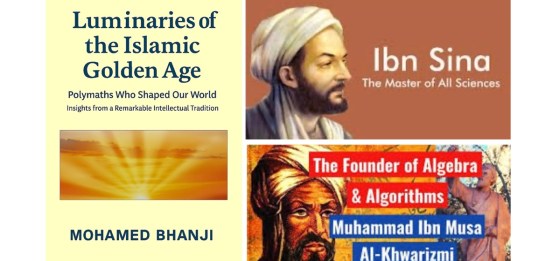
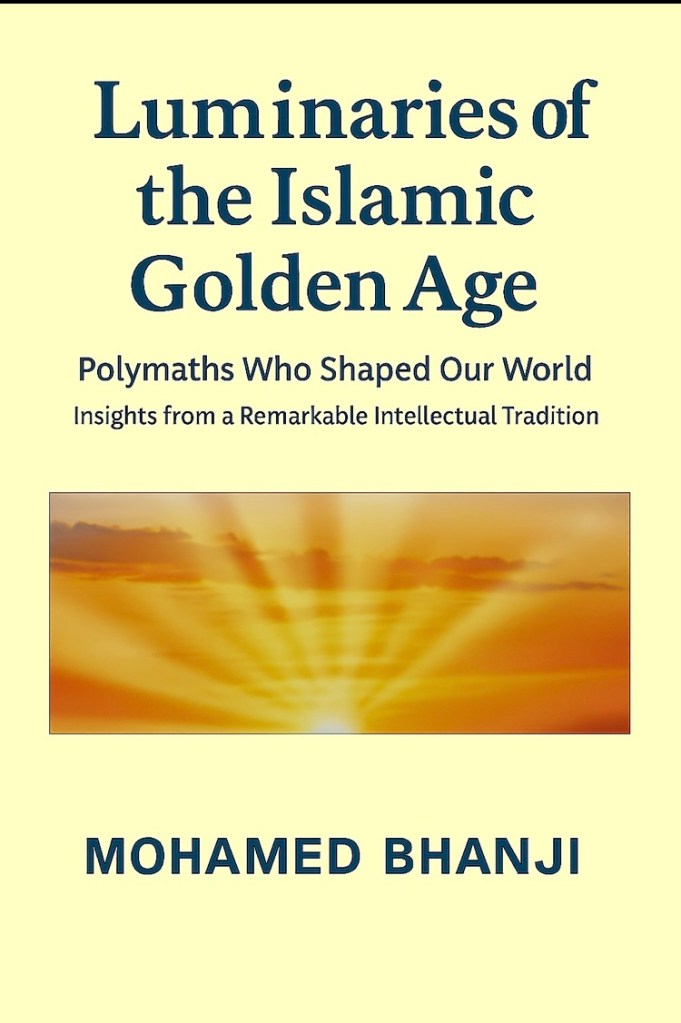
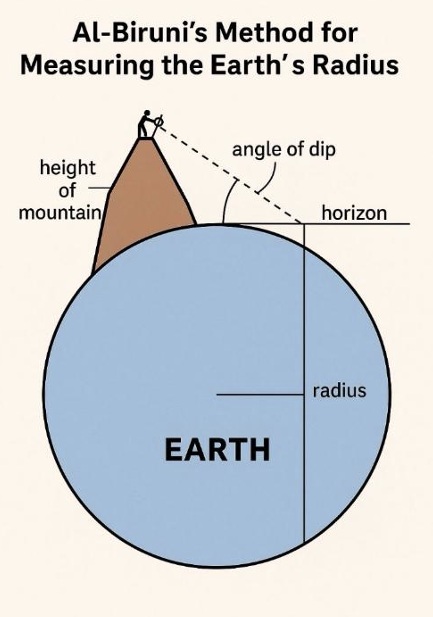
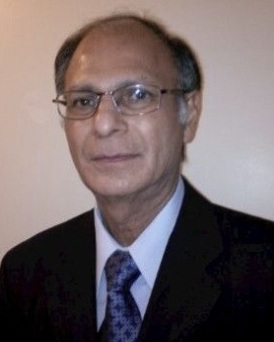
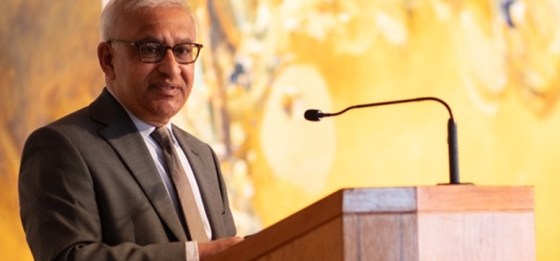
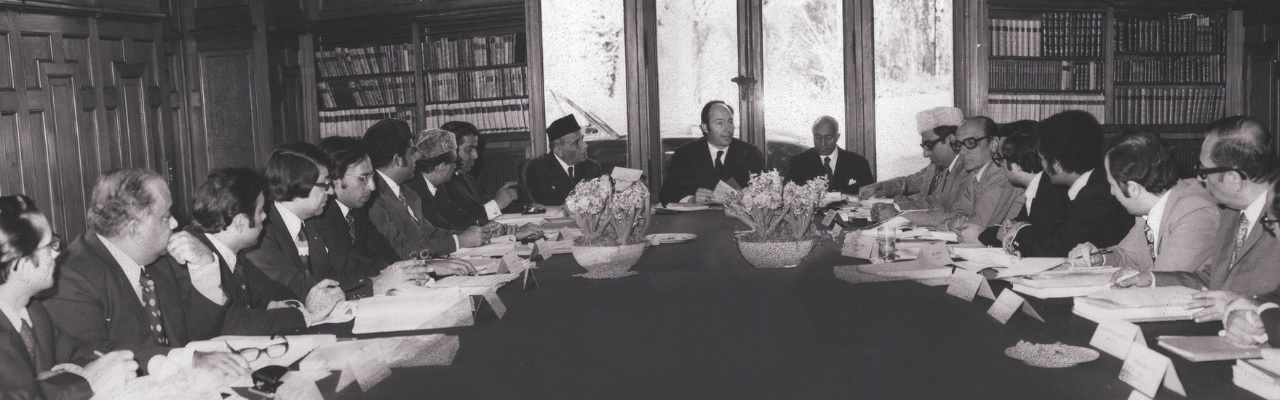
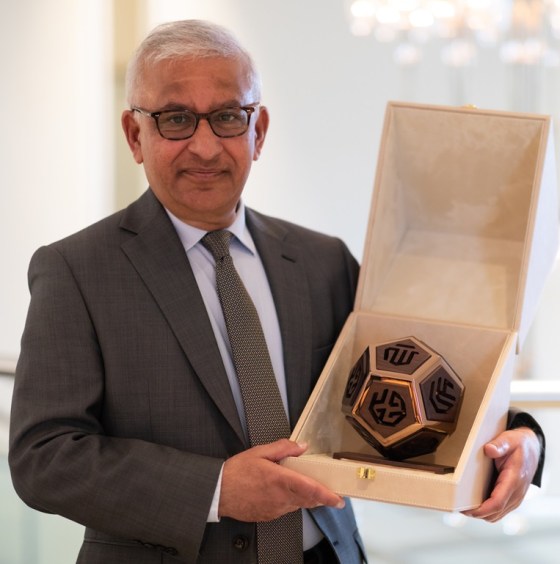

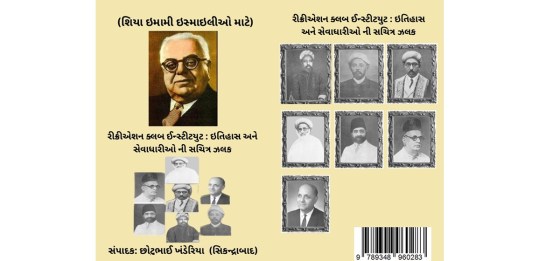
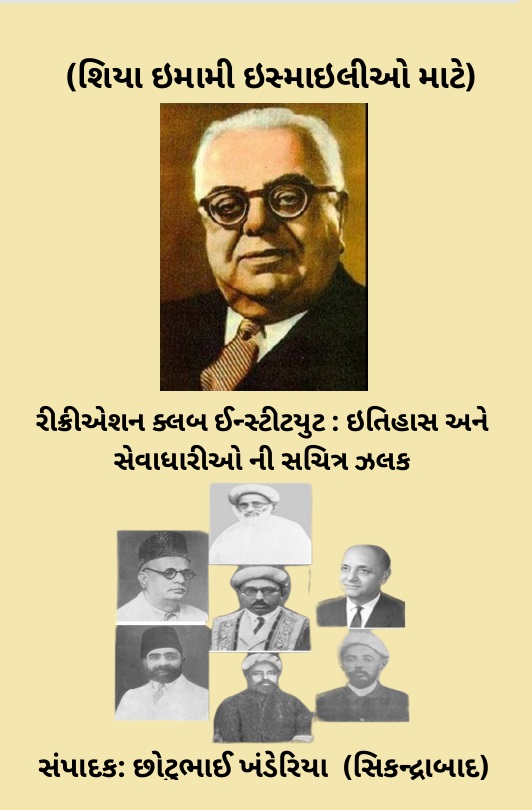
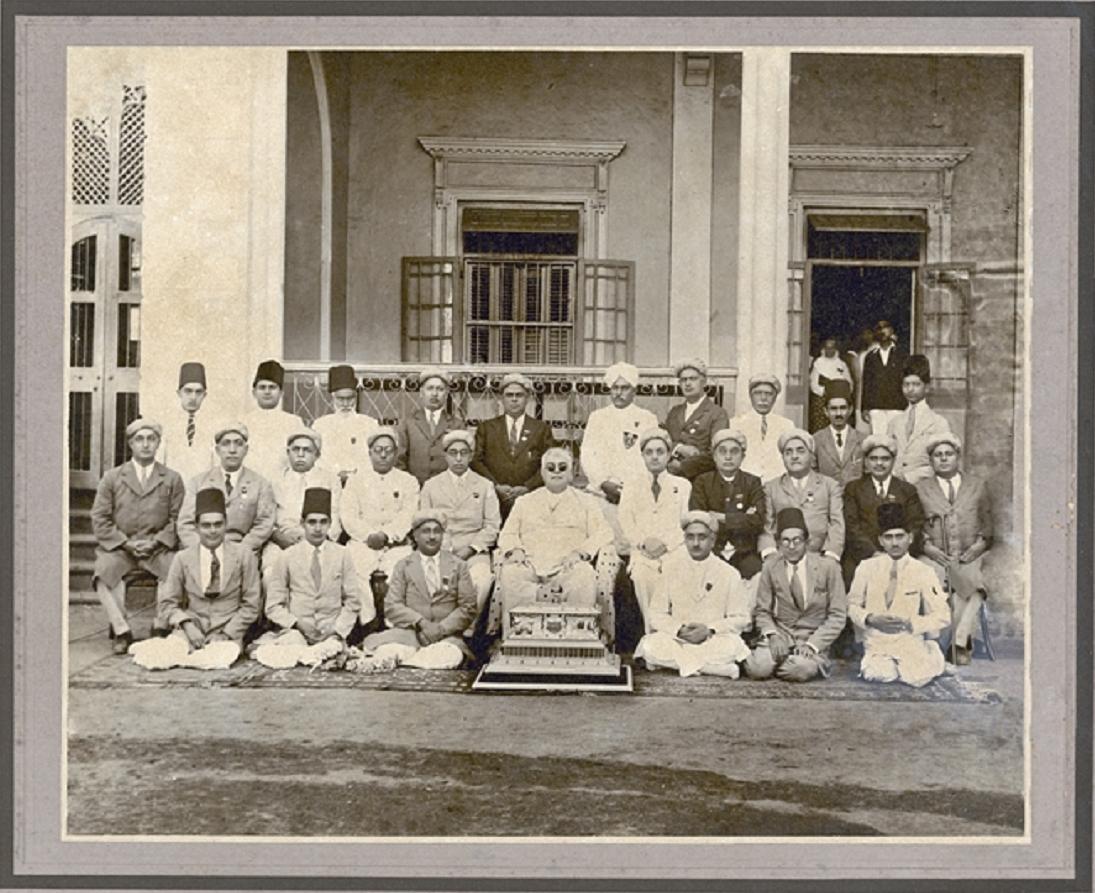
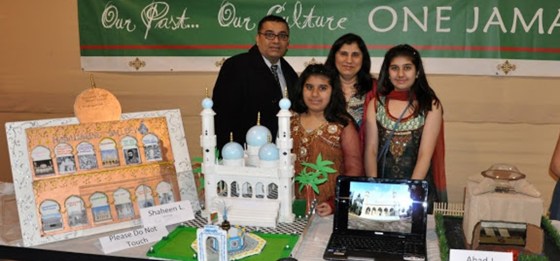
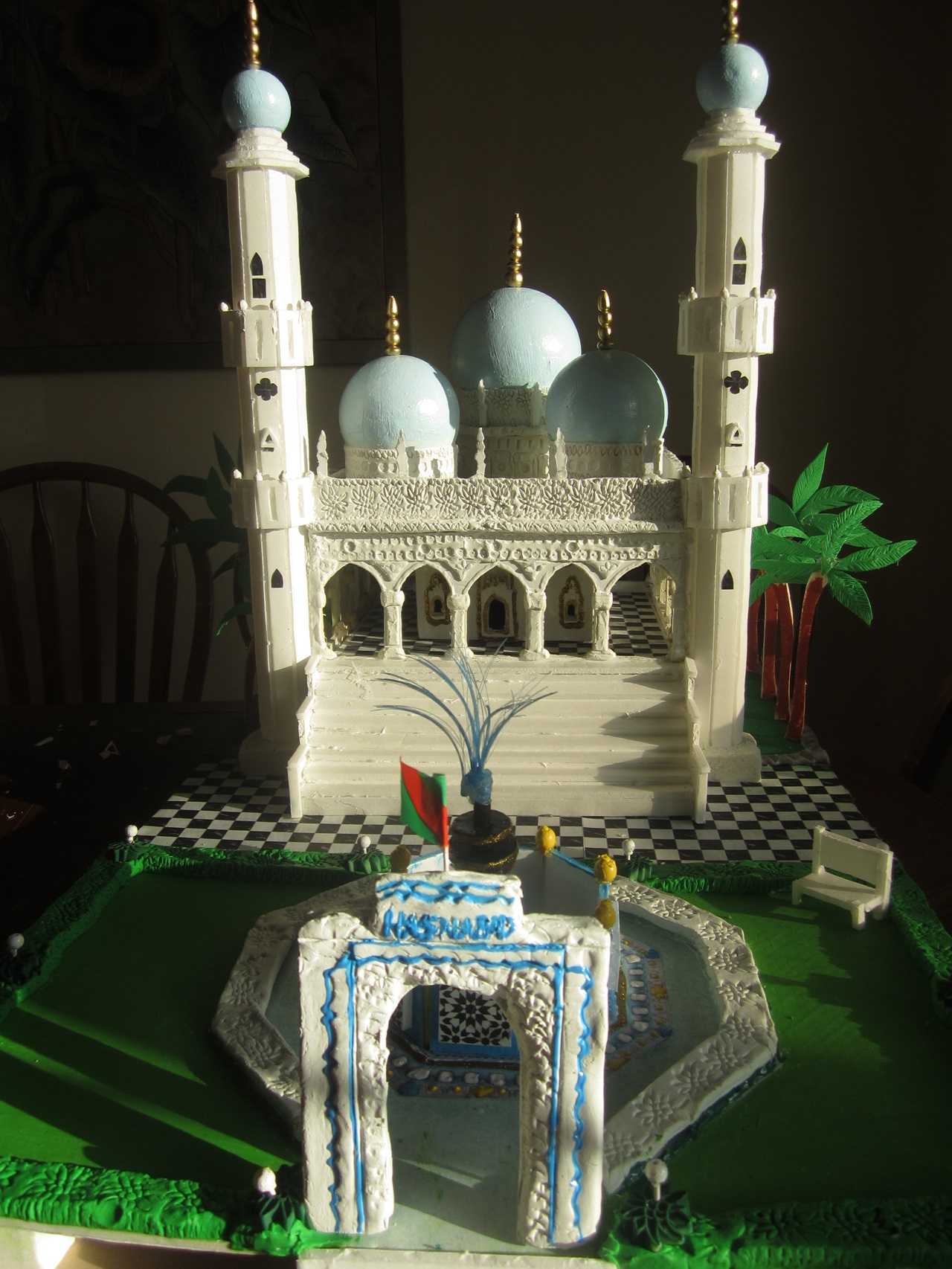
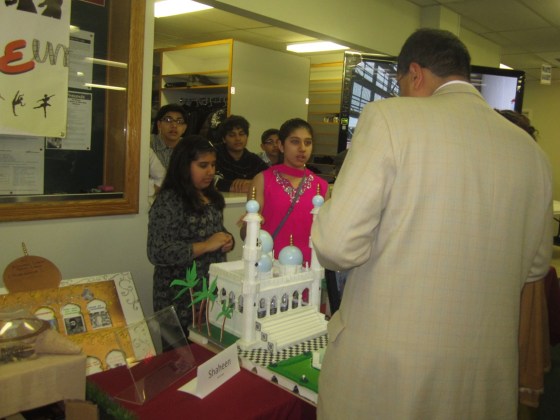
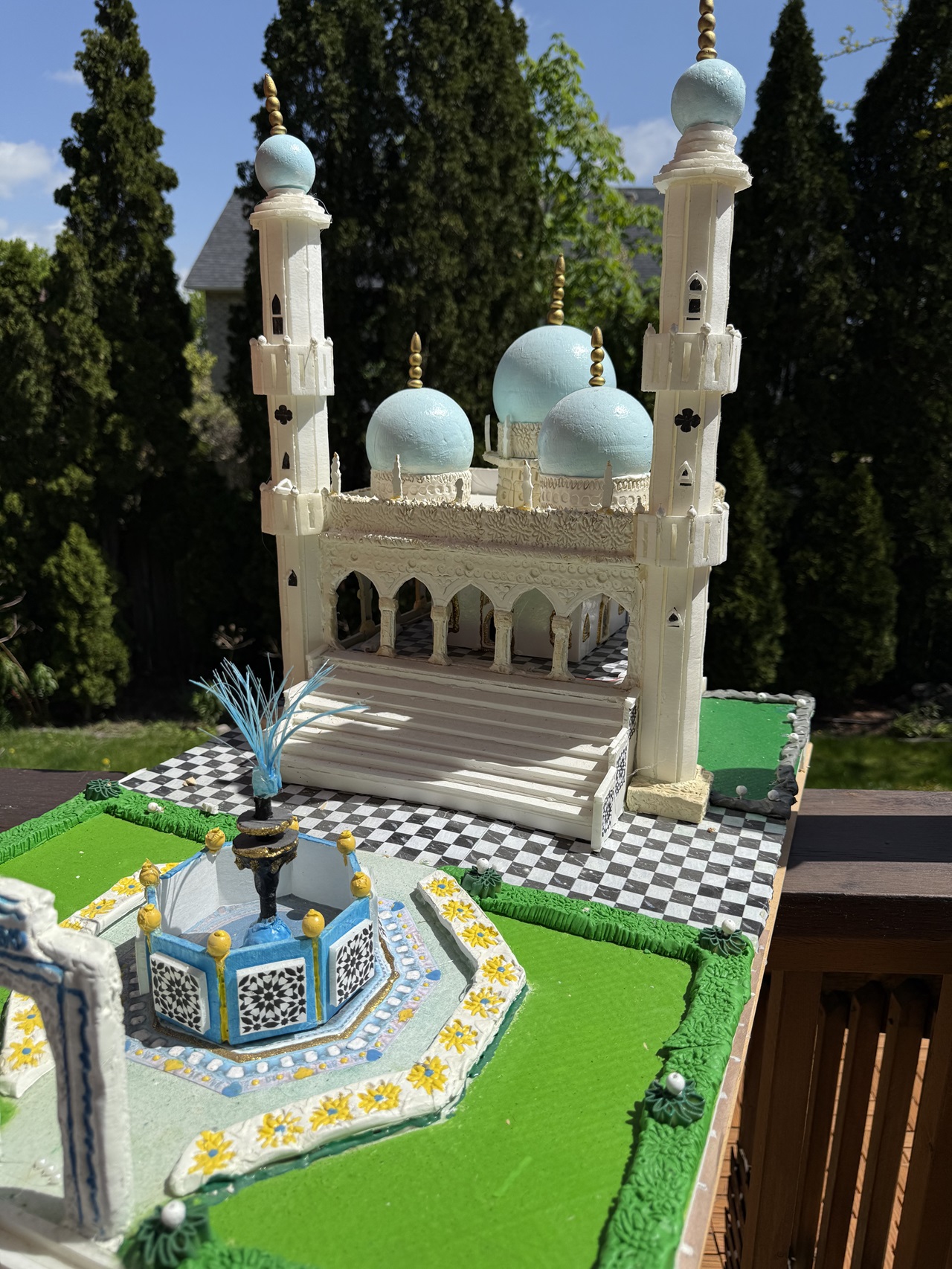
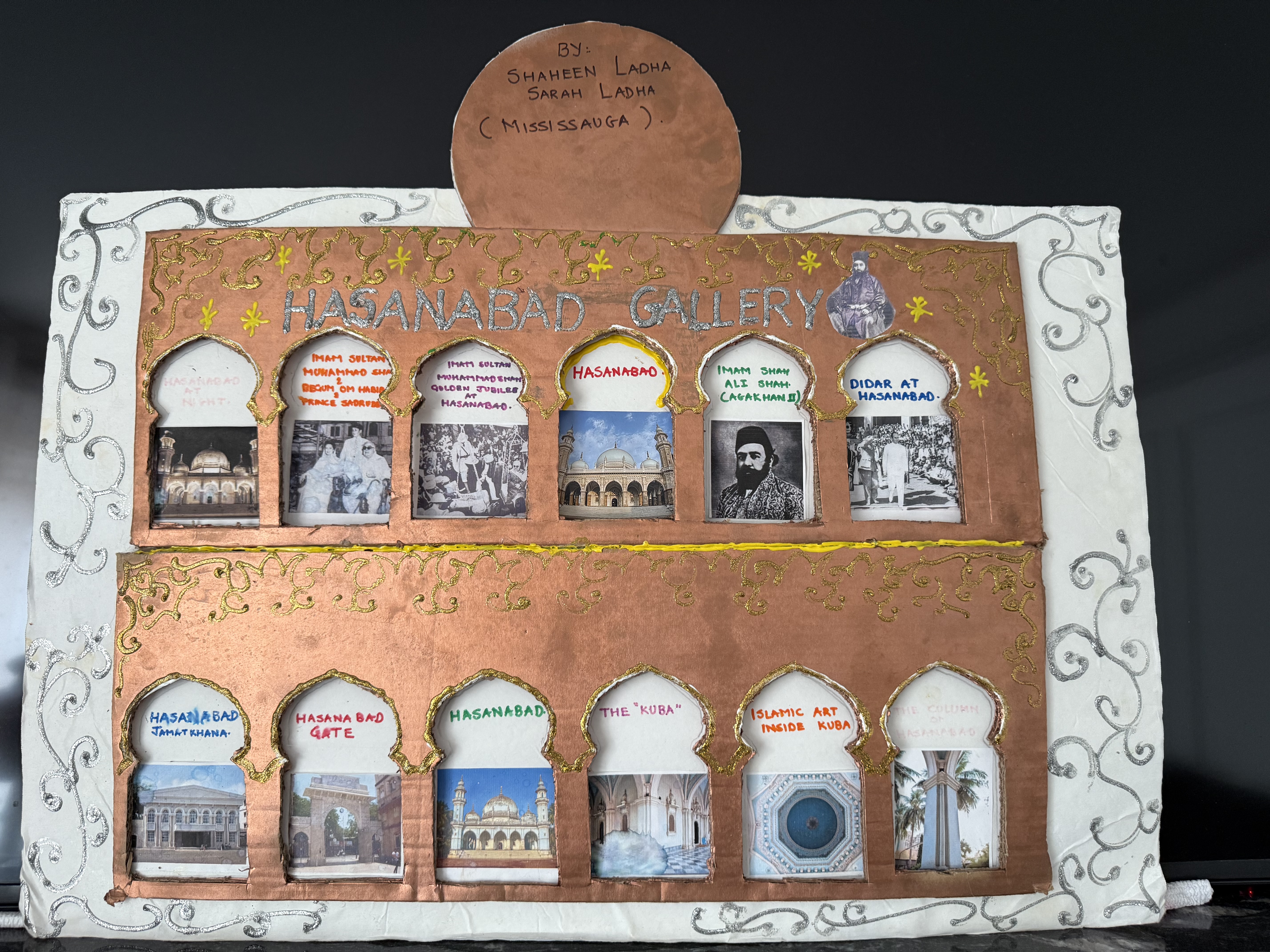
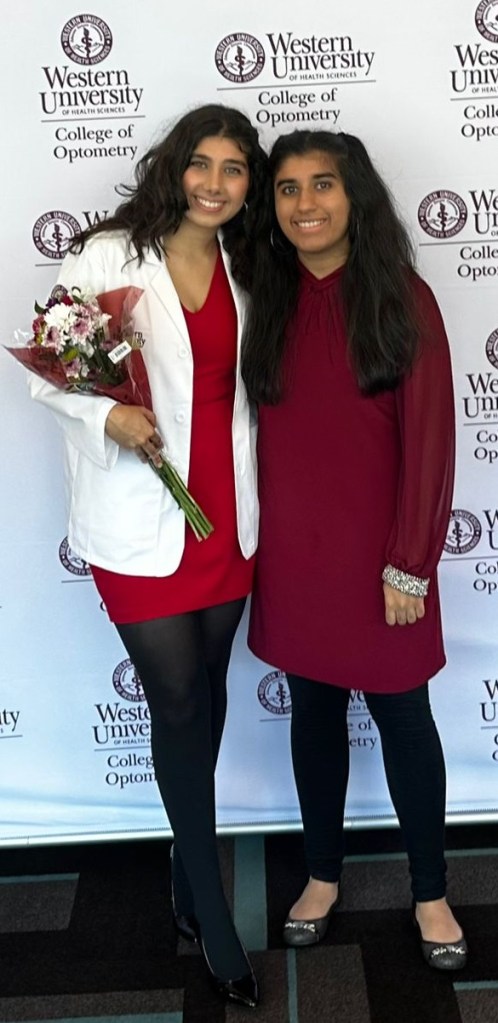
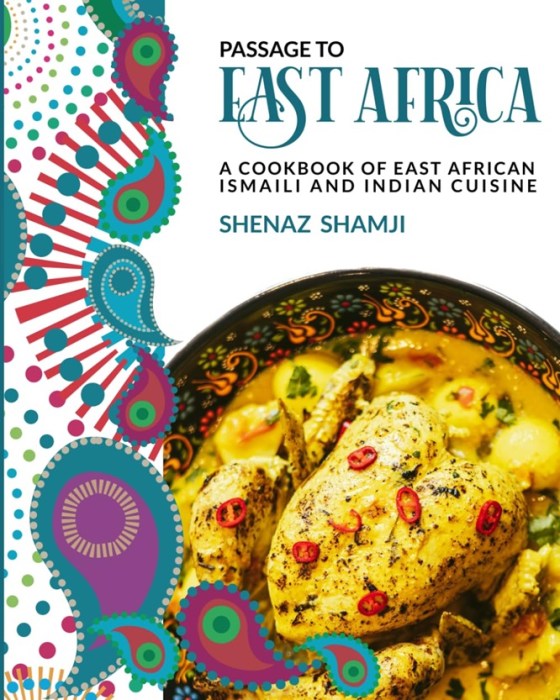
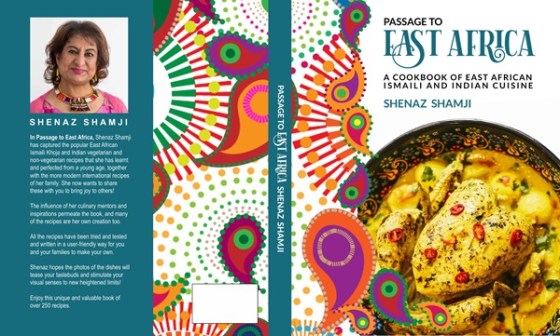
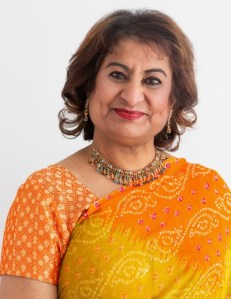


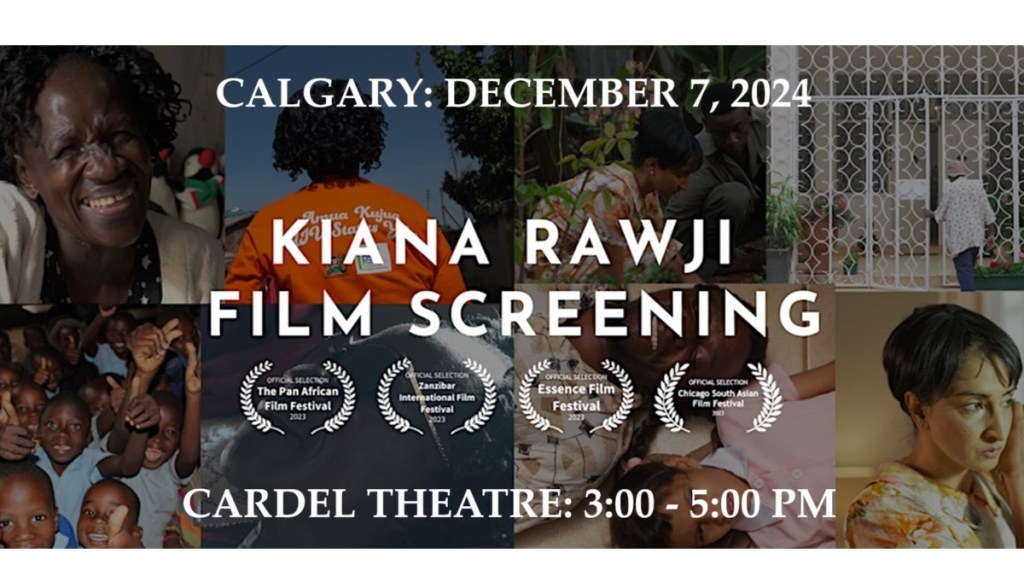
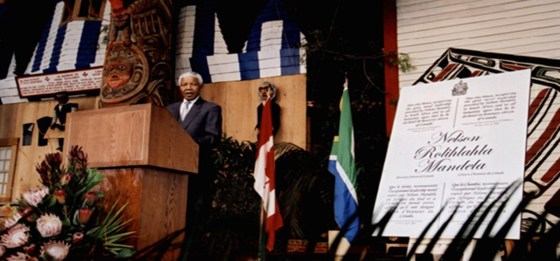
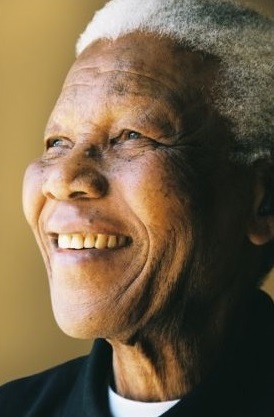
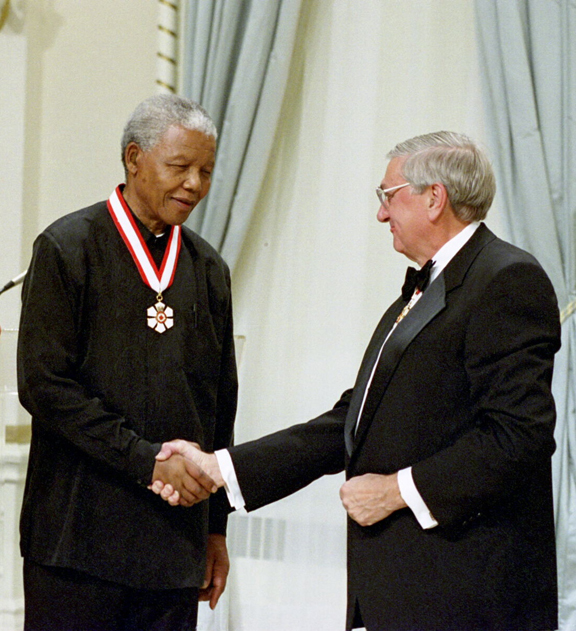
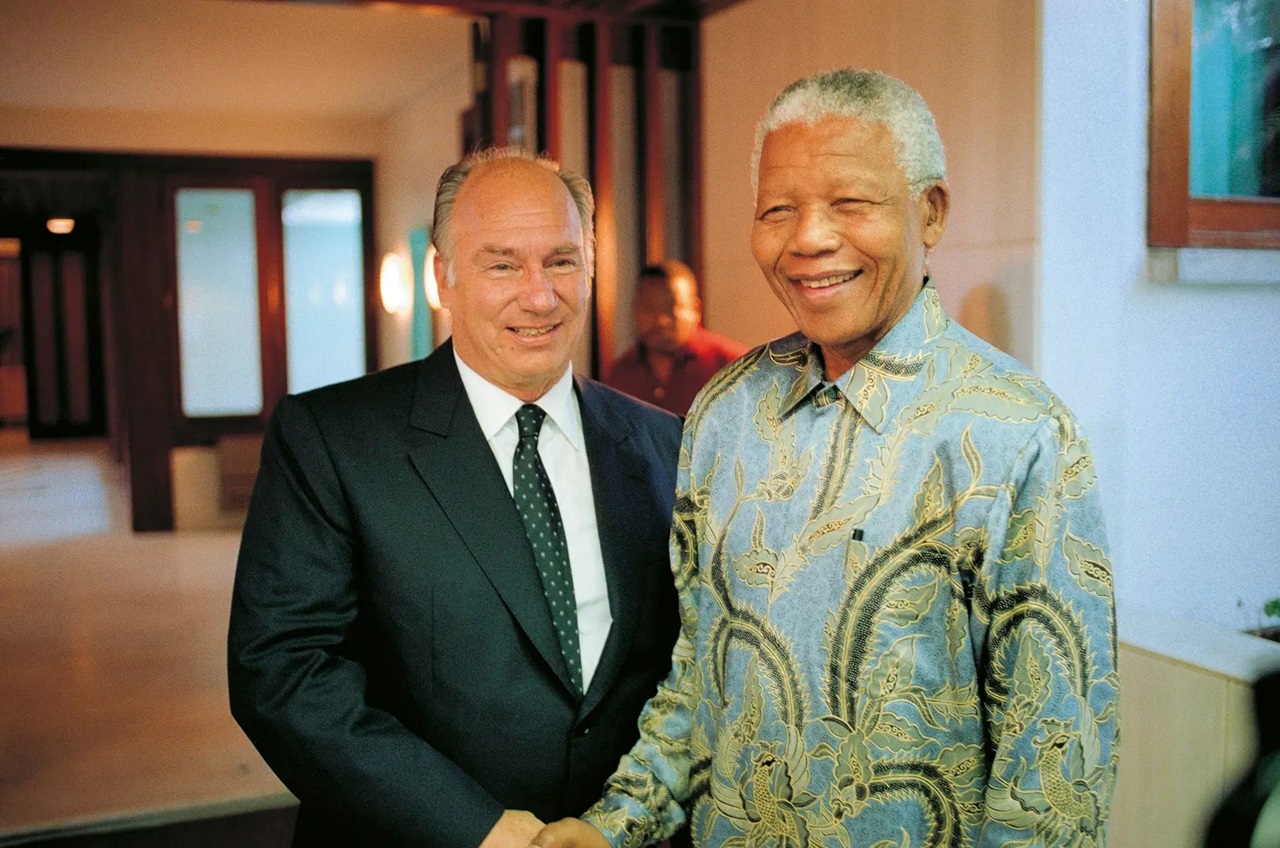
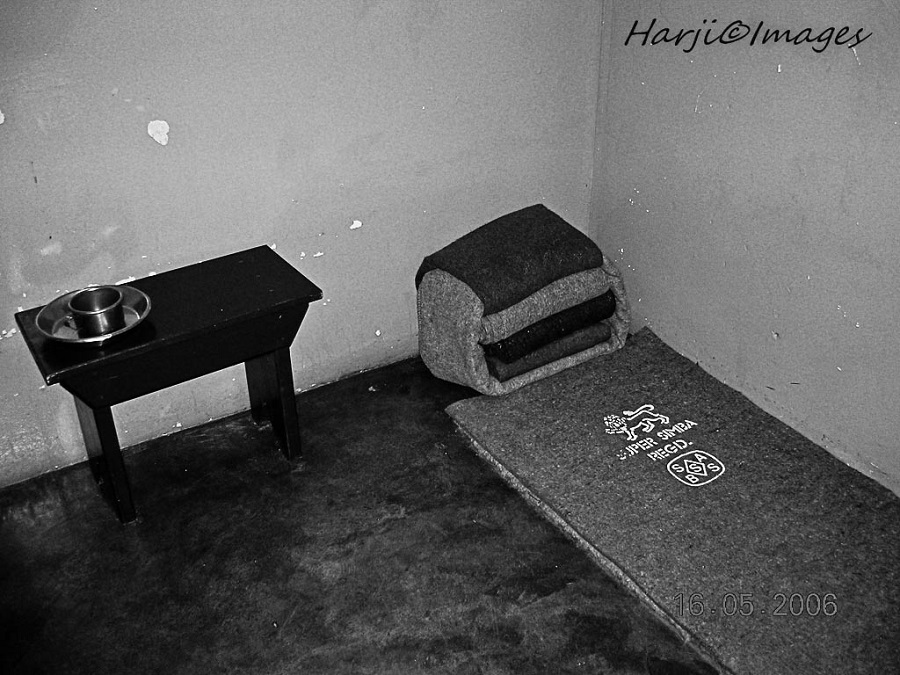
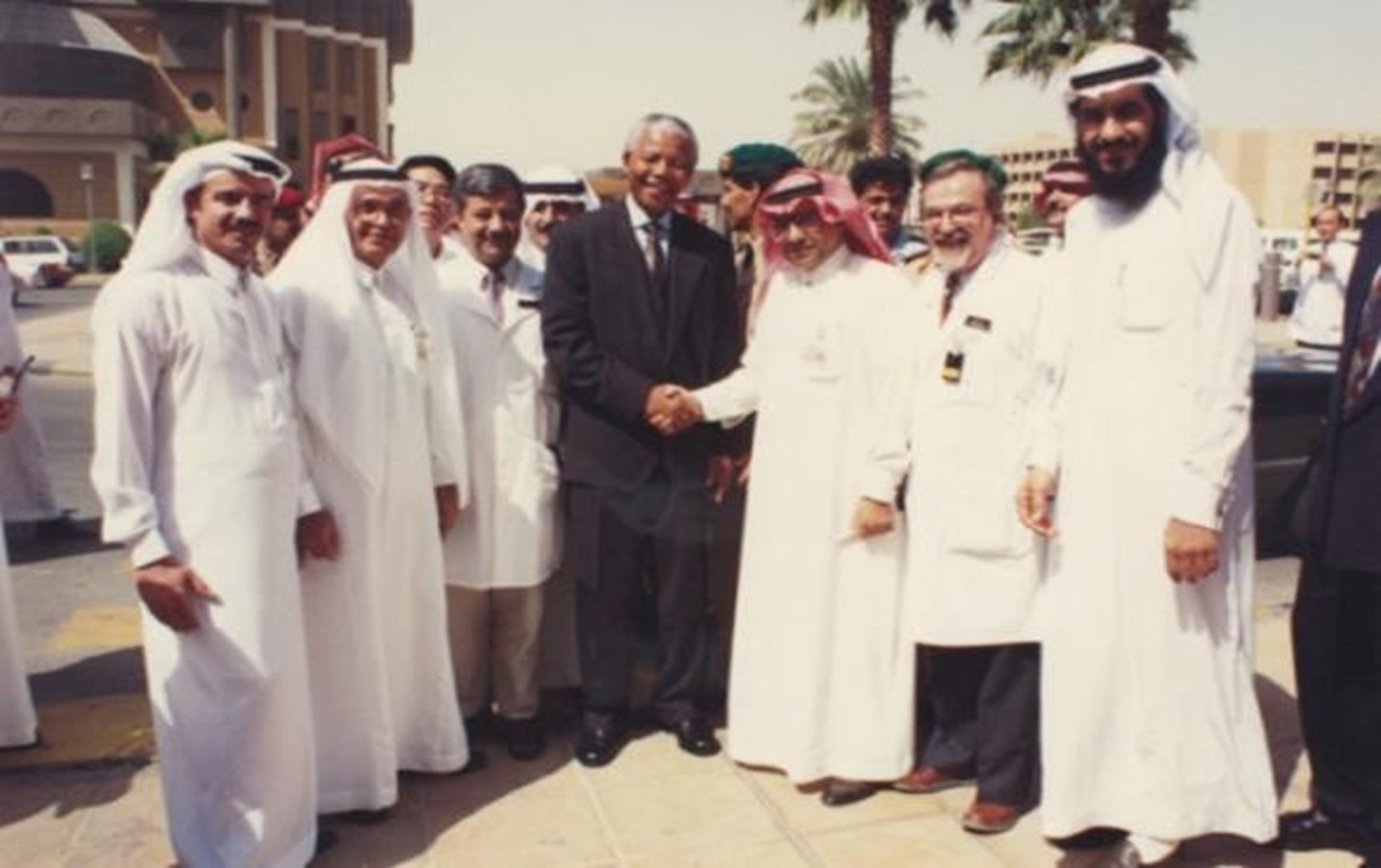


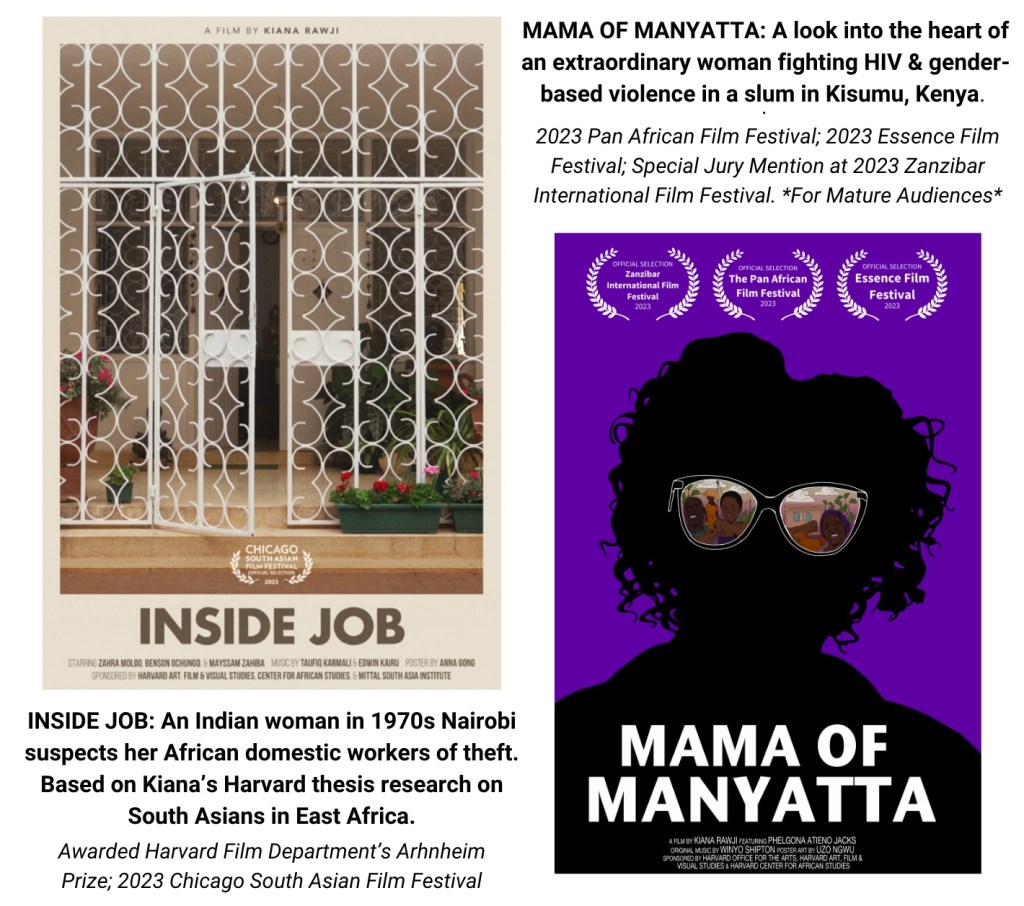
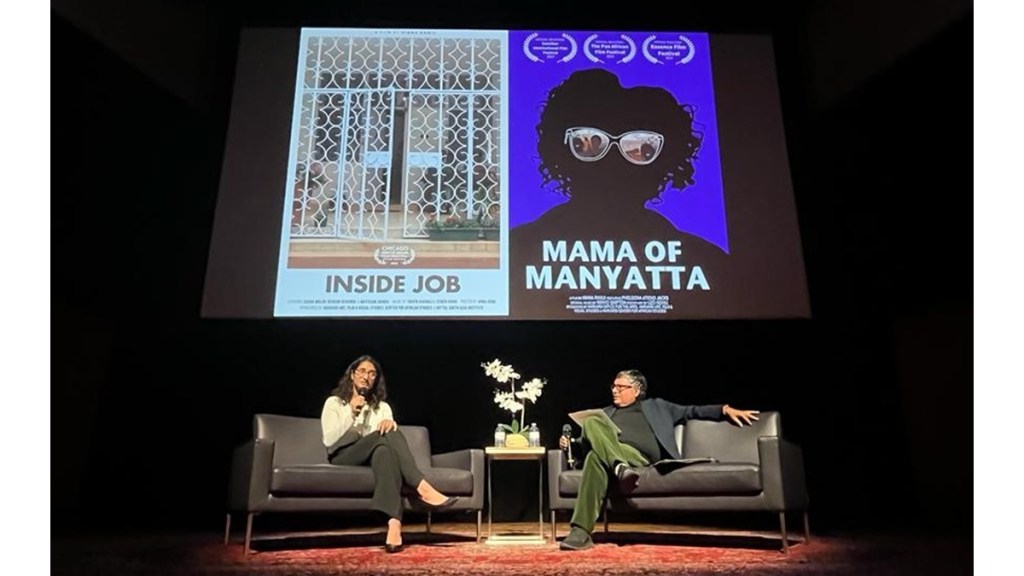

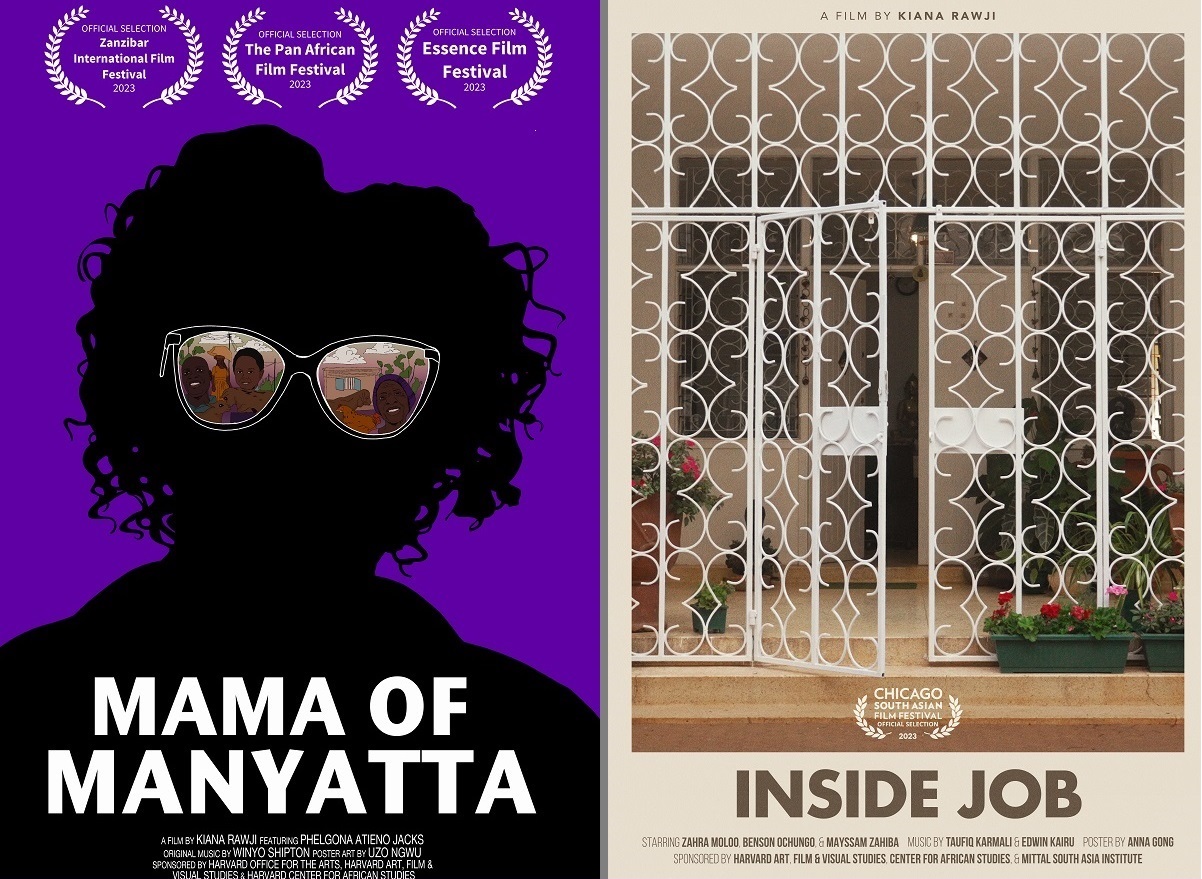

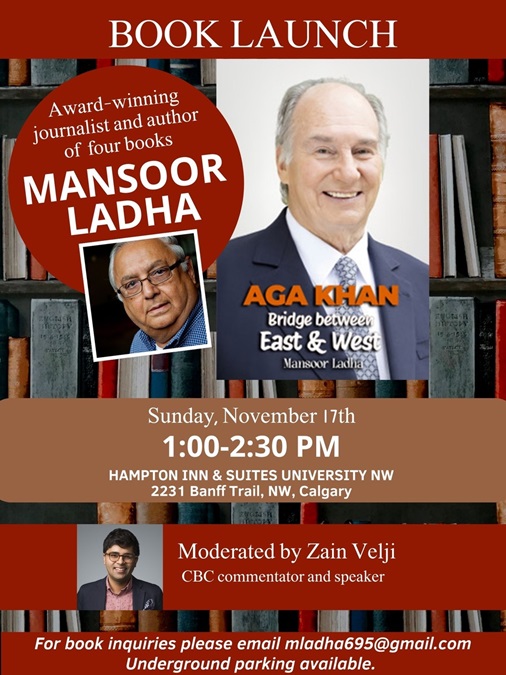
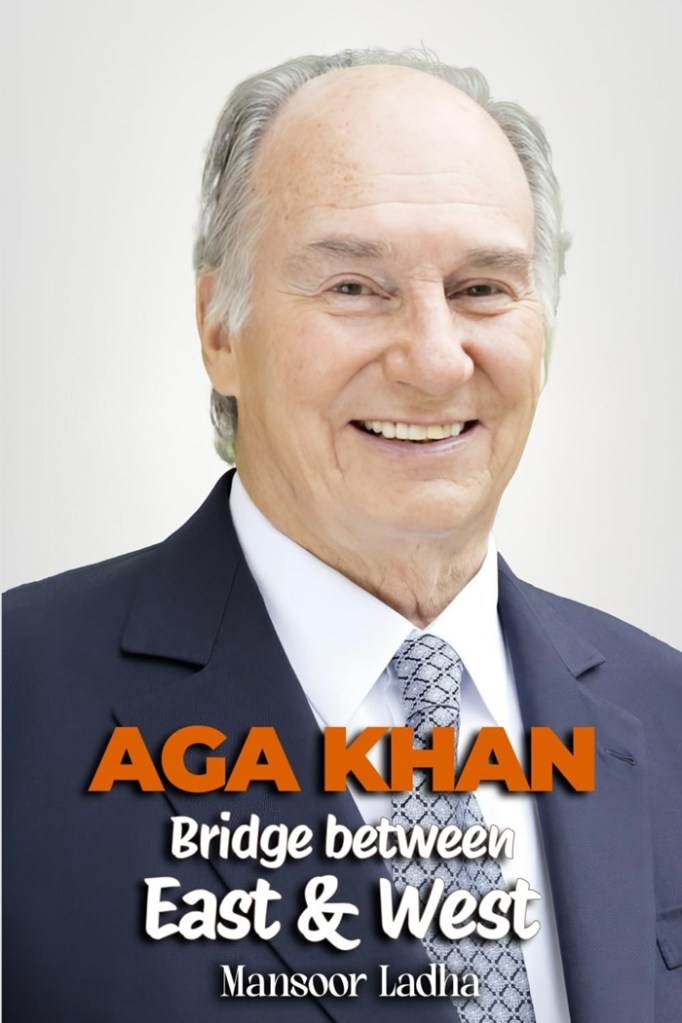




 Simerg - Insights from Around the World