Simerg is an independent initiative dedicated to Ismaili Muslims, the Aga Khan — their Hereditary Imam — and the Ismaili Imamat, and Islam in general through literary readings, photo essays and artistic expressions
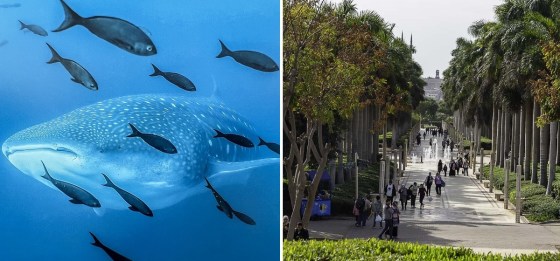
Toronto’s Shafin Valla was at the Ismaili Centre Toronto at dawn to capture photographs of Prince Hussain Aga Khan’s exhibition The Living Sea — Fragile Beauty, while Montreal’s Muslim Harji presents his exclusive photographs from a recent trip to Cairo. Here are the links to their insights and photographs:
The Aga Khan’s gift to Alberta is the Aga Khan Garden at the University of Alberta Botanic Garden in the outskirts of Edmonton. If you are in Edmonton, spend a day visiting the vast Botanic Garden that also includes the Indigenous Garden, Kurimoto Japanese Garden and the Patrick Seymour Alpine Garden. In the past year, I have made two trips to see the Aga Khan Garden. Please see my first post HERE and the second one with my daughter HERE (combined with visits to Waterton Lakes National Park and the Kananaskis).
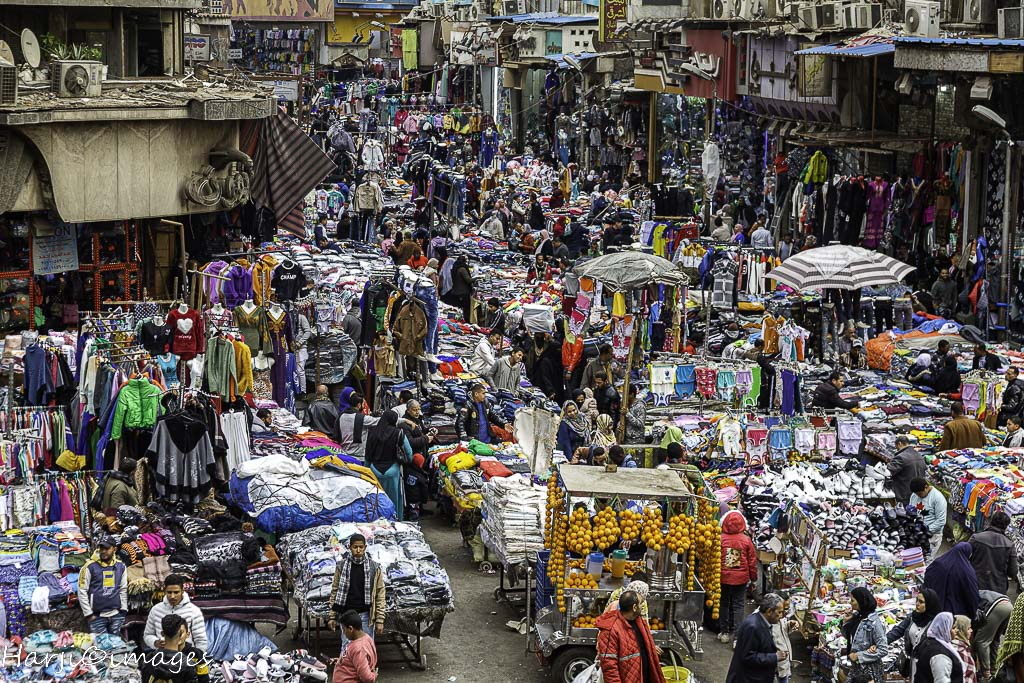
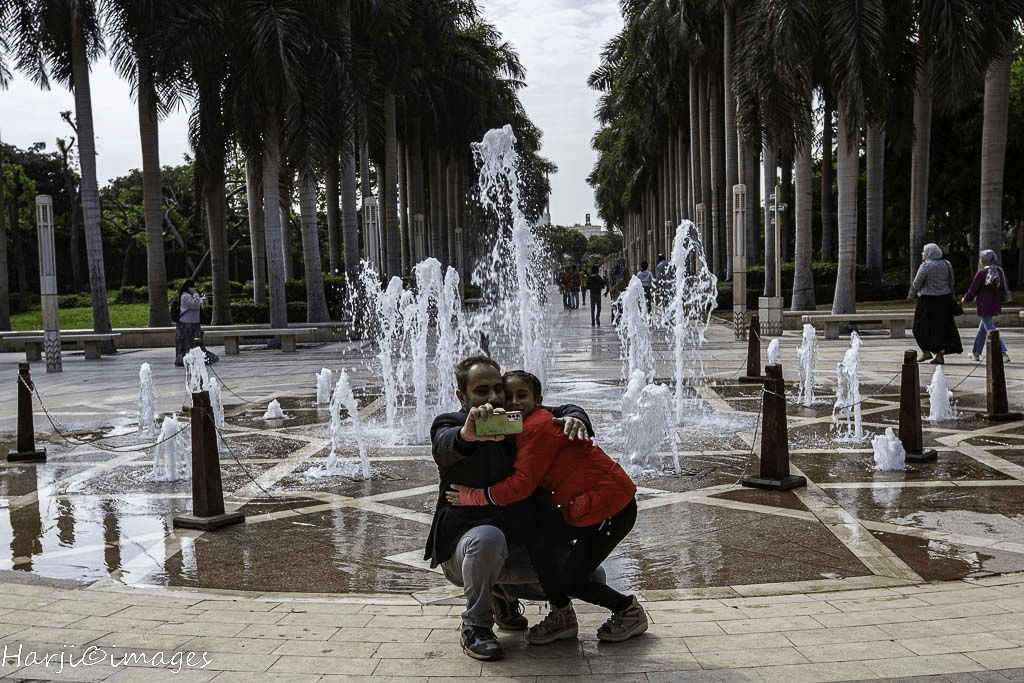
Thousands of miles away in bustling Cairo, where the Aga Khan’s ancestors, the Fatimids, built one of the oldest universities in the world, the Al-Azhar, the Aga Khan one day, in the 1980’s, walked through a centuries old dumpsite. He decided to build a park on top of the site and after years and years of effort the dump site became one of the most beautiful parks in the world. Montreal based photographer Muslim Harji recently visited Egypt and began a special series of 4 exclusive photo essays with Street Foods of Cairo. We now present his 2nd photo essay and it is dedicated to the Al-Azhar Park.
On Monday. April 17, 2023, Simerg’s sister website Simergphotos will launch a special 4-week series on Cairo — a city founded more than a 1000 years ago by the Fatimids, ancestors of the present 49th Hereditary Imam of the Shia Ismaili Muslims, His Highness the Aga Khan.
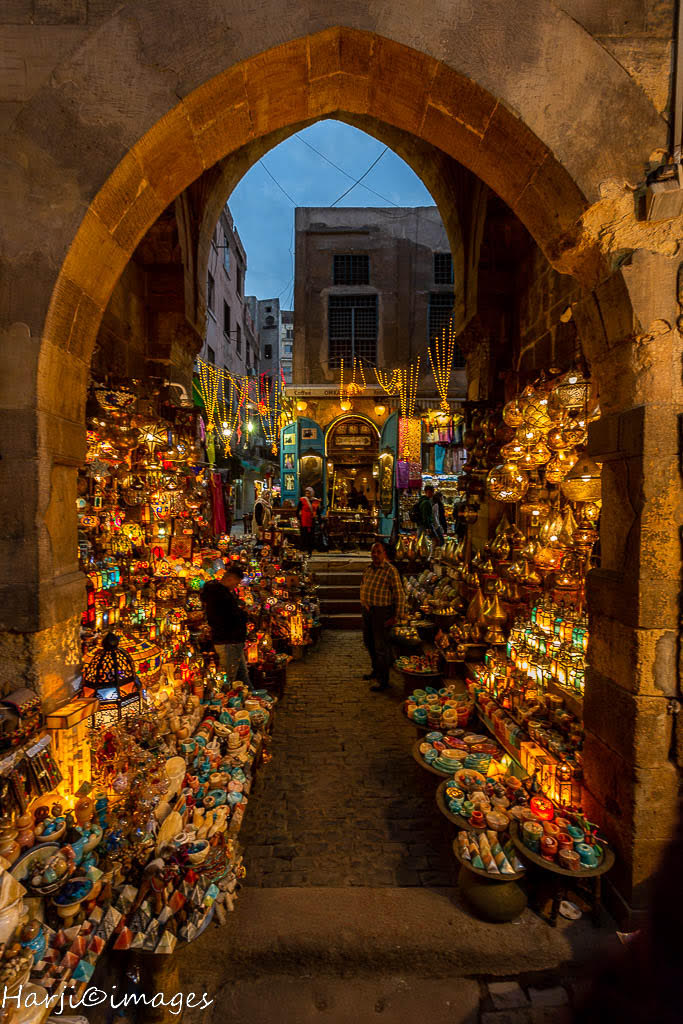
Lanterns in Islamic Cairo. Photograph: Muslim Harji.
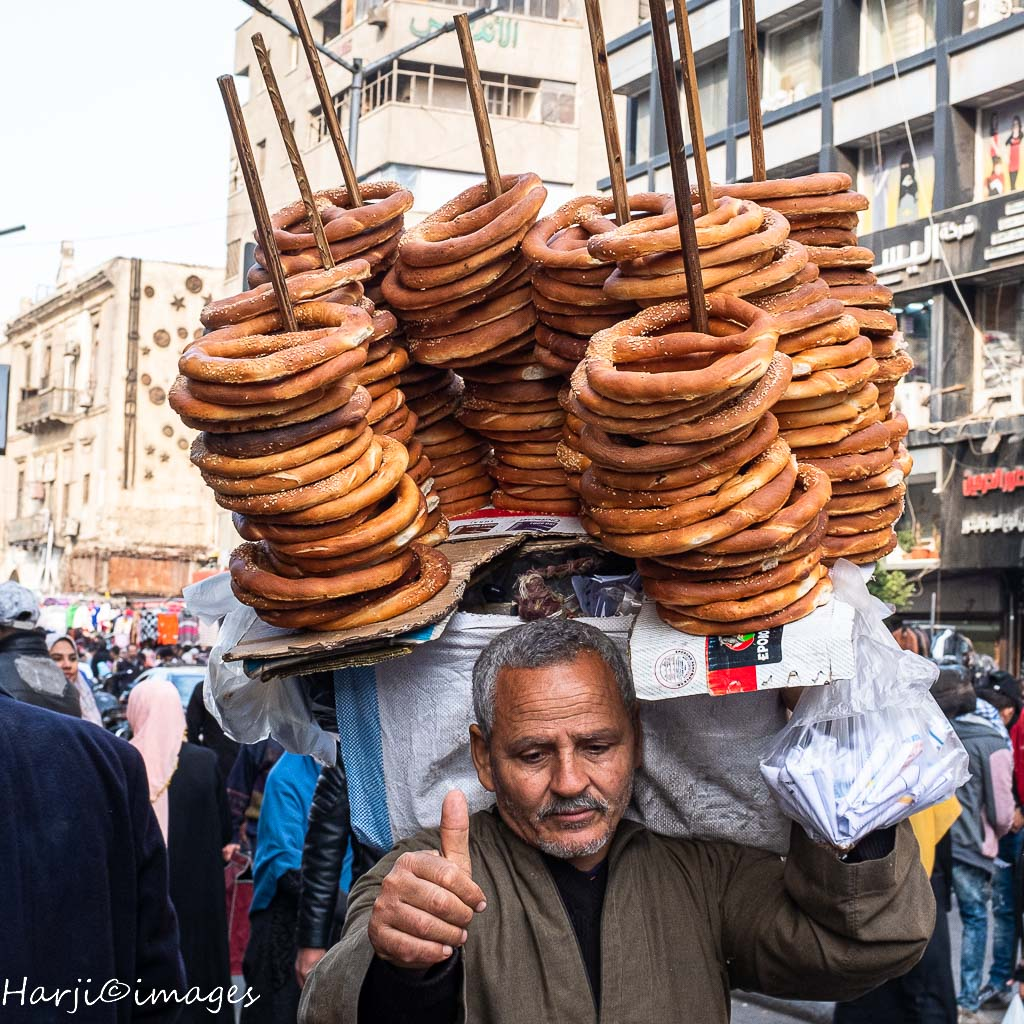
Muslim Harji’s photographs will cover Islamic Cairo, the city’s popular foods including its street foods as well as the beautiful Al-Azhar Park that has captured the hearts of Cairo’s residents. He will conclude the series with photographs of his memorable visit to Aswan, the burial place of the 48th Ismaili Imam, Mawlana Sultan Mahomed Shah, His Highness the Aga Khan III (d. July 11, 1957.)
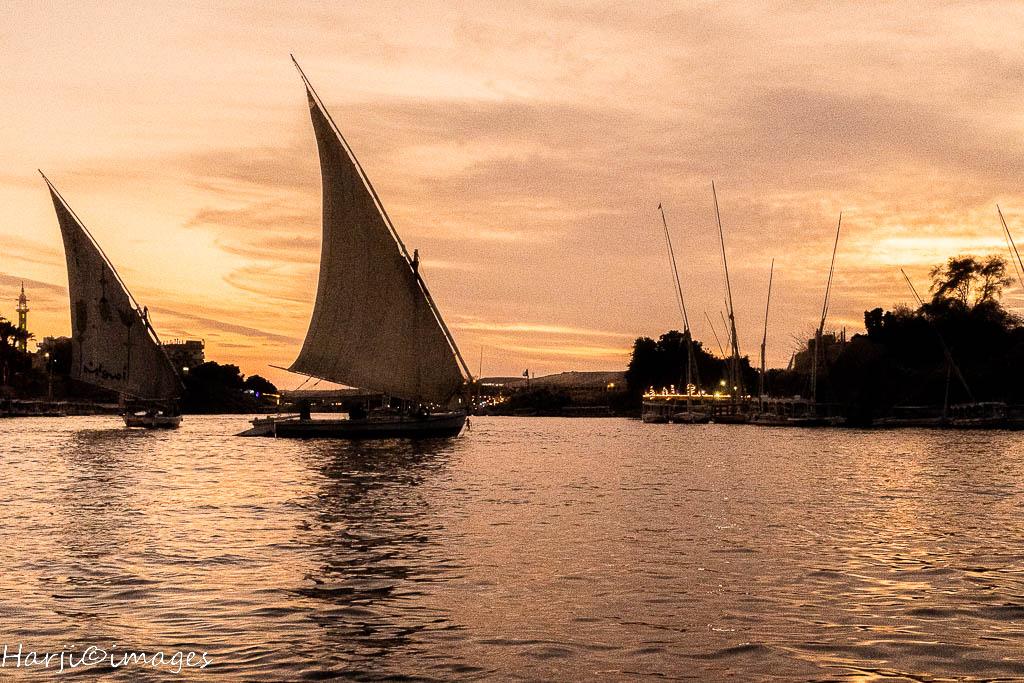
Fellucas on the Nile in Aswan. Photograph: Muslim Harji
As a forerunner to the Cairo series, we invite our readers to view a selection of Muslim’s highly acclaimed photo essays that have appeared in Simerg and its sister blogs over the last decade. Muslim’s dazzling pictures will capture your imagination and leave a permanent mark on your minds.
_________________
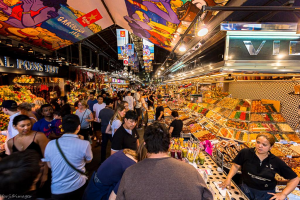
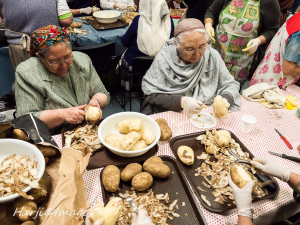
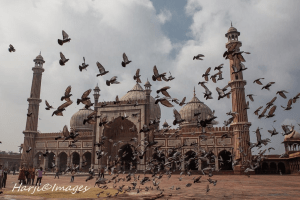
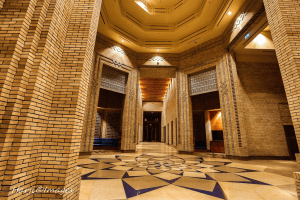
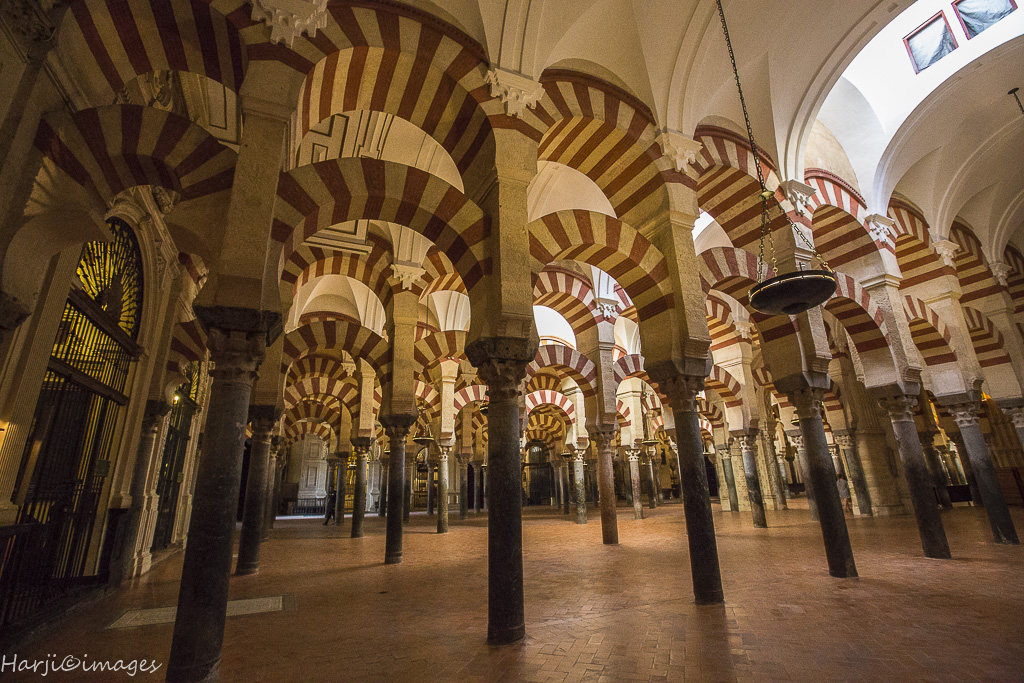
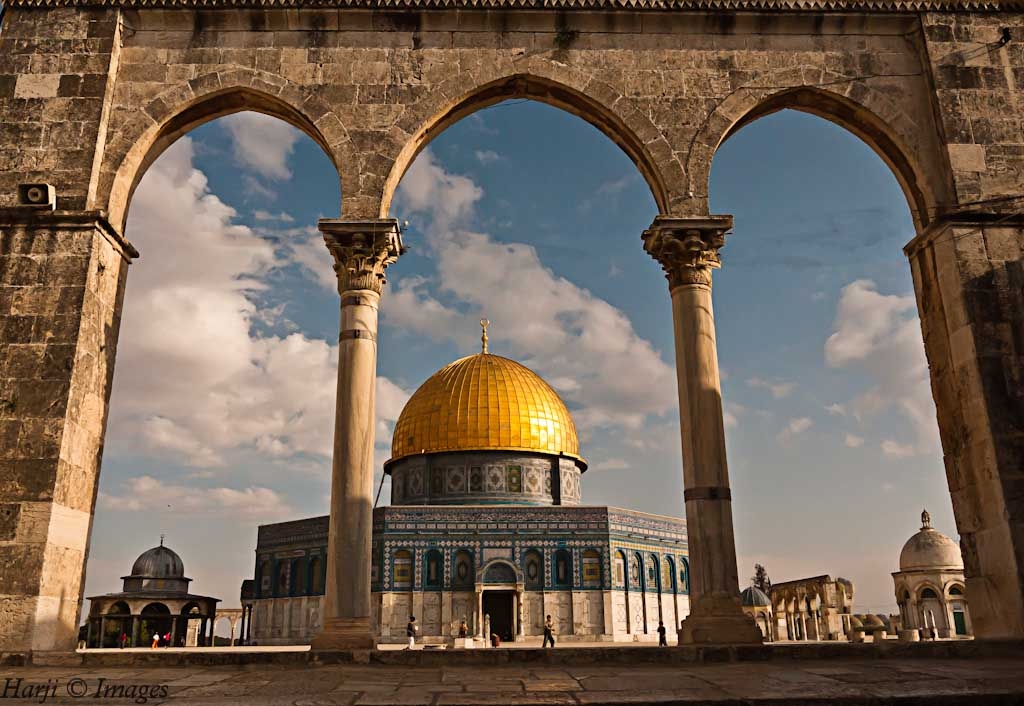
TRAVEL THE WORLD WITH MUSLIM HARJI TO CANADA, SPAIN, THE MIDDLE EAST, CENTRAL ASIA, IRAN, INDIA AND MORE
Please click on the hyperlink or corresponding image for full story
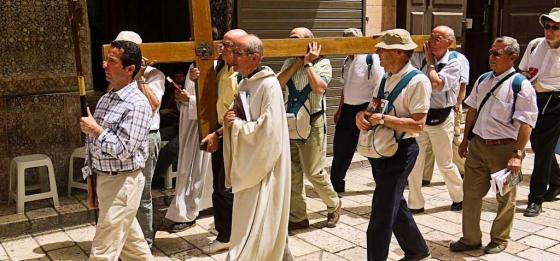
On April 9, 2023, Christians around the world will observe Easter Sunday as mark of their faith that Jesus Christ — Prophet Issa (may peace be on him) as he is known in Islam — was resurrected three days after his death by crucifixion. Simerg presents a selection of photos related to Easter traditions and the Christian faith captured by Montreal’s Muslim Harji during his travels around the world. The photographs shown on this page are part of a broader presentation of Harji’s highly acclaimed and must-read photo essay SACRED SPACES in world faiths that appears on Simergphotos.
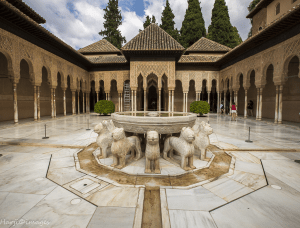
With 8,500 thousand people visiting the Alhambra everyday, it is Spain’s most visited monument. Muslim and Nevin Harji made it a point to see Islam’s crown jewel in Spain when they visited Lisbon to celebrate the Diamond Jubilee of His Highness the Aga Khan.
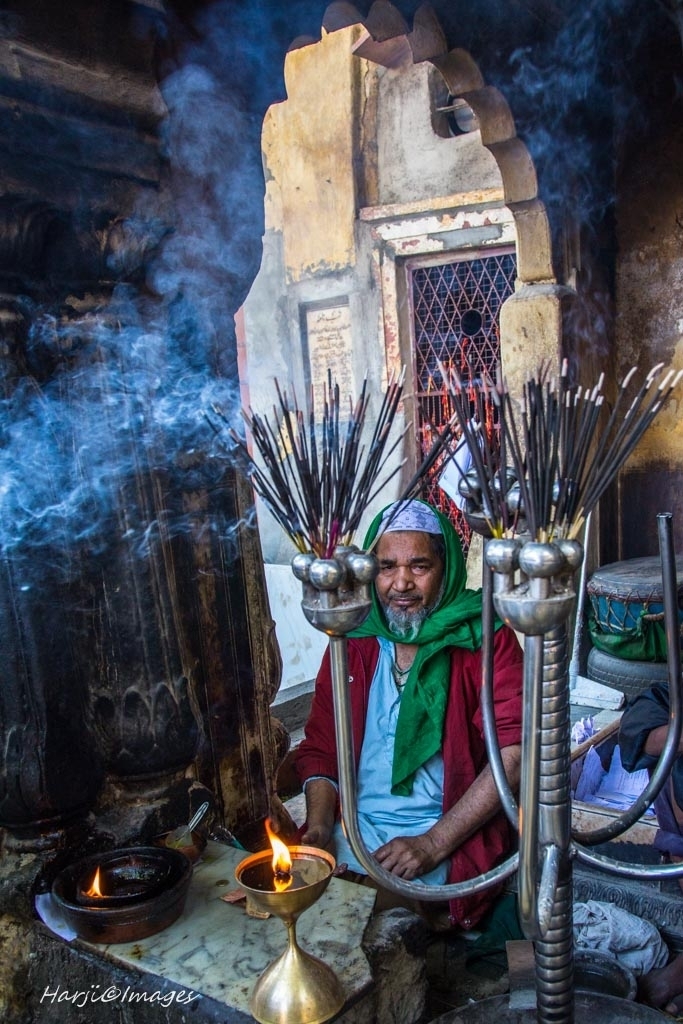
“The dargah of Hazrat Nizamuddin Aulia is the unquestionable historic, religious, and geographic origin of the neighborhood, the reason it came into existence, and the reason it continues to draw visitors from the world over.” — Michael Snyder, Columbia Undergraduate Journal of South Asian Studies
While walking deeper inside the Nizamuddin basti, the bursting aroma of sandalwood agarbattis (incense) mingle with the smell of the city and the open courtyard of the dargah is gradually filled with men and women. The agarbattis and diyas brightens up the dark closure, with each person lighting up to 20 agarbattis at a particular time in order to get purified of the evil and to clean the air of the surrounding negativity. It is said that the saint’s powers can cure people from all the djinns and negativity surrounding their bodies and hence leave them purified. Photo: Muslim Harji. Copyright. Please click on image for story and photos.
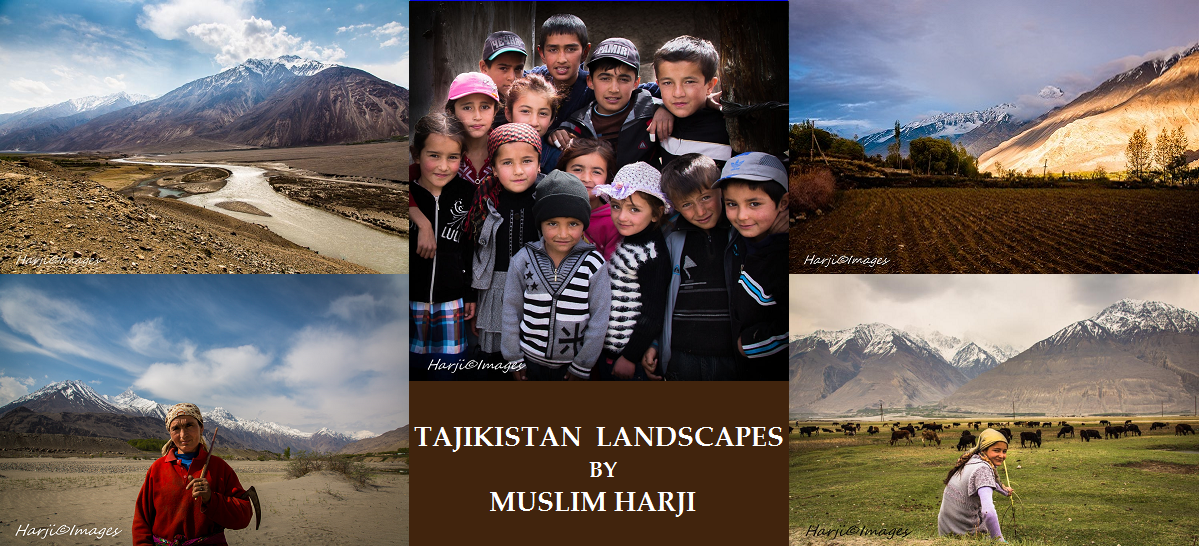
“The Qur’an refers very often to nature as a reflection of Allah’s power of creation, and it says, look at the mountains, the rivers, the trees, the flowers, as evidence of Allah’s love for the people whom He has created. Today, I look at the environment and I say to you, I believe Allah is smiling upon you, and may His smile always be upon you.” — Mawlana Hazar Imam, His Highness the Aga Khan, Badakhshan, 1995.







 Simerg - Insights from Around the World