Simerg is an independent initiative dedicated to Ismaili Muslims, the Aga Khan — their Hereditary Imam — and the Ismaili Imamat, and Islam in general through literary readings, photo essays and artistic expressions
Simerg’s introduction of “Books by Ismaili Authors” continues with Salim Rahemtulla’s “Namirembe Road.” We follow the same Q/A format as our earlier presentations of books, which are listed chronologically below. We encourage Ismaili authors worldwide to participate in this series, regardless of when their books were published. See details of the series HERE and submit your responses to Simerg’s editor, Malik, at mmerchant@simerg.com.
****************
“With empathy, honesty, and insight, Rahemtulla invites readers to accompany him as he dives into the past, unraveling significant world events, including the Expulsion, Independence, Western cultural influence in East Africa and 1970s immigration to the UK. Through all of these delightful stories and characters, Salim highlights the profound significance of family and community ties that binds us together across time and distance”
Simerg: What is behind the name and title of the book?
Salim Rahemtulla: Namirembe Road is the name of the street that my family and I lived on, in a small apartment facing the majestic Kampala Jamatkhana. My father ran a second-hand shop on the road, and we lived upstairs. Right up until we had to leave Uganda, my life revolved around this road and the many friends and community members in the neighbourhood.
Simerg: Why would you want me or my family to read the book, and what will we learn from it?
Rahemtulla: This book will appeal to people that have been displaced from their homeland and forced to establish themselves in far away countries. For Ismaili readers in particular, the life of the community, how so much of life revolved around the Jamatkhana and community, may also be resonant. For those from East Africa and Kampala, a lot of the memories and places recalled in the memoir will be familiar. It’s a Life Journey that many people in similar situations can identify with.
Simerg: What inspired you to write the book?
Rahemtulla: After I retired about five years ago, my children encouraged me to enter the Arts World. Reluctantly I agreed and wrote a play about the 90 Days that Asians were given to leave Uganda. It was successful, and I continued with another project in the literary world by writing my memoir. I wanted to recall memories of Kampala, a place that is so fond to me, memories of my big family, and of my parents.
Interview continues below
Front cover of Salim Rahemtulla’s “Namirembe Road” published by Friesen Press, June 13, 2024, hardback, paperback and eBook, 204 pp.
_____________________________
Simerg: How can I purchase the book, and what are its available formats?
Rahemtulla: The book is available in ebook, paperback, and hardback format on my publisher’s website, FriesenPress and can also in these formats from Chapter-Indigo, Amazon, and Barnes and Nobles.
Simerg: Did you hire an editor, an illustrator or did you do all the work by yourself?
Rahemtulla: When I first started, I spent a few weeks with an editor but once I settled on which publisher to go with, they provided editorial feedback and cover designers.
Simerg: How did you find a publisher for the book?
Rahemtulla: Through online research, focusing on the types of books that had already been handled by the publisher.
Simerg:Which was your first book, and how many have you written?
Rahemtulla: My first script was 90 Days, a theatre production produced by Western Gold Theatre in Vancouver in September 2022. Namirembe Road is my first book.
Simerg: How long did it take you to write the book — from start to finish?
Rahemtulla: It took me approximately two years to complete.
Simerg: Tell us something more about your book (and its primary character).
Rahemtulla: The book is my memoir/autobiography from early childhood to present day. When my children were growing up, I used to tell them stories about my life in Kampala and how I went to University and then the expulsion which brought us to Canada. They remember some of the stories and often talk about it, and also tease me for all the details I remember. So, I decided to entrench it by writing my memoir for the family, for the grandchildren to come and for friends that were with me in some of my life experiences.
Date posted: August 3, 2024.
_______________
About the Author
Salim Rahemtulla
Salim Rahemtulla was raised in Kampala as one of nine children in a deeply united family of modest means. In 1971, he received a partial bursary to study Computer Science at the University of Manchester, UK, which was meant to be a step toward a brighter future. Little did he foresee the tumultuous political landscape that would soon unravel and dramatically alter the course of his life. The dictator Idi Amin had come to power in Uganda earlier that year, and one of his first acts as president was to order the expulsion of some 80,000 Asians — most of whom, like Rahemtulla’s family, were of Indian descent. Salim completed his education in the UK and then reunited with his parents and siblings in Canada, a country that had opened its arms to thousands of fleeing Asian Ugandans as refugees. Salim — a husband, father, computer scientist, and hotel owner — has travelled to India and Uganda to rediscover his roots. His theatre production “90 Days,” telling the story of an Ismaili Muslim family’s forced departure from Uganda in 1972, premiered at the Pal Studio Theatre in Vancouver in September 2022. He also made an acting debut in his daughter Zahida’s widely acclaimed play The Wrong Bashir in Vancouver and Toronto in 2024.
Salim Rahemtulla lives with his wife, Nasreen, in Burnaby, B.C., enjoying the company of his large family and many friends. He spends much of his time writing and playing tennis, squash, pickleball, and soccer — the sport that he grew up playing on Namirembe Road.
Calling all Ismaili Authors
We encourage Ismaili writers to introduce their books in a similar format as has been done in the post above. Please also see the series launch article and submit your responses to Malik at mmerchant@simerg.com. All submissions will be acknowledged. If a writer has published multiple books, each book will be highlighted in a separate article, and not combined with other books into one post. All writers should include a brief profile with a portrait photo.
_______________
Links to the Ismaili Authors’ Series (in chronological sequence, oldest article first)
Before departing this website please take a moment to review Simerg’s Table of Contents for links to hundreds of thought provoking pieces on a vast array of subjects including faith and culture, history and philosophy, and arts and letters to name a few. Also visit Simerg’s sister websites Barakah, dedicated to His Highness the Aga Khan, and Simergphotos.
[This post has two components: In the first piece, Professor Karim H. Karim examines the Aga Hall Project currently under construction in Mumbai, India. His inspiration for the piece comes from His Highness the Aga Khan’s advice to his Ismaili followers to ask hard questions about issues affecting the community. Dr. Karim inquires about the $365 million Aga Hall project’s luxury 54-storey Mumbai skyscraper. His soul-searching article examines the site redevelopment in the context of the Aga Khan Development Network (AKDN) ethics, Ismaili Muslim values and the current program to address ultra-poverty that designates India as a high-priority country.
The next piece, submitted by an Ismaili Canadian visitor to India, is a disturbing eyewitness report of some terrible social habits and health issues within the Indian Jamat as well as the physical state of the Karimabad apartment complex and two historical Mumbai Jamatkhanas.
The post underscores the crucial role of the Ismaili community and its institutions in addressing pressing social and ethical issues, empowering them to take action — Ed.]
~~~~~~~~~~
(I). Asking Hard Questions about the Aga Hall Project: The “Iconic” Mumbai Redevelopment Raises Troubling Social Justice Concerns
The author, Karim H. Karim, has shaped this piece based on in-person and online Aga Hall Estate redevelopment team presentations, related documents, social media discussions, and communications with several individuals. The views expressed here are his.
The superlatives used in selling luxury apartments at the Aga Hall Estate in India will make even the most unrestrained publicity agents blush. Marketing presentations speak of the building as “exceptional,” “breathtaking,” “at the heart of everything,” “most exclusive,” “state-of-the-art,” “world-class,” “pre-eminent,” “ageless,” “ultimate,” “infinite,” “better than best,” “perfect,” “iconic.” Consider these boasts in the light of the following two translated passages, the first a verse from the Holy Qur’an and the second from the Ismaili Ginan (hymn) “Maal Khajina Bahotaj Bhariya” attributed to Sayyid Gulmali Shah:
The servants of the All-Merciful are those who walk in the earth modestly — Qur’an (25:63)
Wealth and treasure abound But you will not keep them This lovely palace will be forgotten And your place will be the jungle In what slumber do you sleep? Recall the Lord, recall Mawla — Ismaili Ginan
Many decades ago, a religious education teacher cautioned me against carelessly using absolutes because perfection does not exist in the material world. But that does not seem to apply to the South Mumbai Aga Hall redevelopment project, which has endowed itself with a heavenly aura.
Its promoters say that it is inspired by descriptions of paradise, claiming that “there will be delight, luxury, and comfort at every square foot” of this heaven on earth. Furthermore, it will have fabulous views of the Arabian Sea, which they declare “represents infinity” (an attribute of God).
This over-inflated balloon of self-congratulatory hype dropped to earth when an audience member at a presentation asked whether the building’s sightlines would always remain unobstructed. A project spokesperson was compelled to admit that such a guarantee could not be given because “in Mumbai, anybody builds anything anywhere, anytime.”
The glorious visions of all-pervading luxury and Eden-like delight also make for a jarring contrast with the reality of the grinding poverty of 2.5 million of Mumbai’s residents. Muslims are disproportionately the most deprived in the megapolis. Many Ismailis in Mumbai and around India are also among the country’s ultra-poor, whose upliftment remains the responsibility of the community’s leadership in India. The Aga Hall developers constantly speak of the accolades that the project has received for being environmentally friendly and “iconic” in design. However, the criteria for such awards and certifications do not account for the social justice values relating to poverty alleviation, which is a major concern of the Ismaili Imamat.
Aga Hall Estate’s current redevelopment is led by the Prince Aly Khan Hospital Charitable Trust, with the logo of Aga Khan Agency for Habitat (AKAH), a body within the Aga Khan Development Network (AKDN), also appearing on the project’s brochure. The AKDN is an organization that has become well-known since the 1980s for its institutions’ innovative and successful initiatives to raise the quality of life of Ismaili Muslims and the communities among whom they live.
However, the Rs. 2,000 crore ($365 million Canadian) Aga Hall redevelopment does not appear to fit into AKDN’s dominant models of funding and operation. Notwithstanding the rationale that the “profit” from this project will go to the hospital, the promotional discourse of the project has drastically shifted course in making the wealthy its primary focus.
This article is concerned with the ethical and social justice implications of the Aga Hall Estate’s prioritization of the interests of the rich.
What is the Aga Hall Estate Project?
The 46th Nizari Ismaili Imam (Hasanali Shah, Aga Khan I) established his residence at Aga Hall (also known as Wadi) in South Mumbai’s Mazgaon locality in 1848. (His beautiful marble and sandstone mausoleum is north of this site at Hasanabad). Aga Khan II (Imam Shah Ali Shah) and Aga Khan III (Imam Sultan Mahomed Shah) also resided at Aga Hall. The Wadi Jamatkhana was built in 1900 on the estate’s lands that occupy several acres.
Additional community buildings were constructed over time. Ismaili Housing Society residences, the Diamond Jubilee School, and the Aly Khan Hospital have graced it since the mid-20th century. (There was another Imamat residence nearby in Malabar Hill, west of Hasanabad, which the present Imam, Aga Khan IV, Mawlana Hazar Imam, donated to accommodate housing for the poor in the early 1980s.)
Under the current redevelopment, the hospital is being remade into a “state of the art” medical facility, and the school will become an International Baccalaureate institution. Wadi Jamatkhana will be reconstructed. The housing society’s structures are being demolished to be replaced by a 45-storey “tenant” tower that will stand next to the project’s 54-floor commercial skyscraper, whose 373 freehold apartments are for sale on Mumbai’s real estate market. Mughal-themed gardens will intersperse the buildings designed in Islamic and Rajasthani architectural styles. The 140-year-old gates and fountain are being preserved for reinstallation. India’s “highest green building certification” has been obtained for the redevelopment.
The rationale provided for the project’s luxurious commercial tower is that its “surplus” will be used to upgrade the Aly Khan Hospital. Sometimes, the word “profit” is used at presentations, even though surplus and profit technically mean different things. The preferred audiences for the Aga Hall redevelopment’s promoters are well-off Ismaili and non-Ismaili Non-Resident Indians (NRIs).
Asking Hard Questions
“In dealing with the issues that lie ahead of us, we will look at them straight in the face, we will ask the hard questions. If we cannot find immediate answers, we will go on asking the same questions until inshallah, we are inspired to find the answers, but we will not give up. We will not go back to an obscurantism, to a form of intellectual retreat into something which is neither beneficial for the present and certainly not constructive for the future.” — His Highness the Aga Khan, November 11, 1986
Many questions remain unanswered despite the project team’s international publicity blitzes.
Why is a development network building luxury apartments?
Why is an institution that describes itself as endeavouring “to realize the social conscience of Islam” foregrounding the interests of the rich?
Why is a habitat agency whose mandate is to “work with communities to help them prepare for and respond to natural disasters and the effects of climate change” involved with the construction of investment property?
Has there been an unannounced change in the long-standing policy that has focused solely on providing homes for the lower and middle classes?
Why is one Ismaili housing society being upgraded to “world-class” standards while many others in India and elsewhere have languished for decades in varying states of disrepair and neglect?
Does this apparent change in direction signal an overall shift in the priorities and modus operandi for the entire AKDN organization?
There are larger questions about the effect of this development on the Ismaili community:
What impact will the seeming turnaround have on the way Ismailis conceptualize some of their fundamental values?
How will those who are feeling disaffected with the community’s institutions respond?
Wealth and the Quality of Life
Like other branches of Islam, the Ismaili faith does not prohibit the accumulation and enjoyment of private wealth, including real estate. However, sacred teachings emphasize moral responsibilities and ethical behaviour in acquiring income. Believers are expected to avoid excess and ostentation and to be humble and modest. Thoughtfulness and kindness towards the less fortunate are integral to the faith’s practice. Philanthropy is strongly encouraged, and there has long been a tradition of generous giving. These values have been beneficial for setting up Ismaili infrastructures under the guidance of the Imamat.
The establishment of health, educational, financial, and social facilities that began in the last century led to substantial material advancement of the community. Proper housing in many places of Ismaili presence became a major priority for the Imamat at the Golden Jubilee of Imam Sultan Mahomed Shah (1936), with the objective of improving and safeguarding the quality of murids’ lives. Flats were built in “colonies” (a term used in India and Pakistan) for members of the Jamat in the middle and lower socio-economic classes.
Ismailis are encouraged to contribute monetarily (and with service) to the network’s institutions. Whereas a significant proportion of the community donates to numerous causes, the most consistent financial donors are certain wealthy community members whose generosity is vital to the institutions. Fundraising has been highly systematized.
The social development programs of the Ismaili Councils and the AKDN have sought to improve the quality of life of the less privileged. Jamati members of various socio-economic classes benefit from mixed-use sites with adjacent housing, schools, and/or medical facilities.
It does not appear that any previous residential buildings were designed only for the benefit or use of the wealthy, who already have material access to high living standards.
However, the current construction of apartments in the Aga Hall complex’s commercial tower requires substantial financial resources beyond the reach of the less well-off. Whereas the “tenant” tower is being purpose-built to accommodate residents of the former buildings of the housing society, this is probably the first time the community is raising a separate structure exclusively for the rich.
Shifts in Perspective in Last Decade
The Aga Hall Estate has been under consideration for redevelopment since the mid-1990s. A 2014 design report for the AKDN stated that the estate, “including its buildings and adjacent areas (footpaths, access roads, gardens), are in a state of disrepair and require significant upgrades in terms of infrastructure.” The document’s proposals highlighted the site’s religious ethos and the Mumbai population’s socio-economic and cultural diversity. It described the Jamatkhana as “the jewel of the redevelopment complex.” There was an emphasis in that plan on blending “the spiritual and the material aspects of life that promotes a balanced way of life within the Islamic context.” The designer’s website refers to the movement from “Shariah to Hakikah.”
However, significant shifts in perspective appear to have occurred over the past decade. Whereas the 2014 report spoke about the balance between the material and the spiritual, the current brochure only speaks of “work-life balance.” Dunya (the material world) has become dominant,and din (faith) seems to have receded. The brochure boasts of the location’s “ultimate spectrum in urban living” that includes the “most desirable shopping destinations,”; “selection of international brands,”; “the trendy ‘Socials’”; “the exclusivity” of a racecourse and sports clubs; and “state of the art business district.” It declares that “With a Gross Domestic Product of US$2.7 Trillion in 2019, India is now the world’s seventh-largest economy” and invites prospective Ismaili and non-Ismaili buyers to “live at the heart of everything!”
However, these enthusiastic statements omit grim truths about the country’s deep and growing inequalities. Oxfam International’s 2023 report, “Survival of the Richest: The India Story”, notes as follows:
“Following the pandemic in 2019, the bottom 50 percent of the population have continued to see their wealth chipped away. By 2020, their income share was estimated to have fallen to only 13 percent of the national income and have less than 3 percent of the wealth. Its impact has been exceptionally poor diet, increase in debt and deaths. This is in stark contrast to the top 30 percent, who owns more than 90 percent of the wealth, with the top 10 percent owning more than 80 percent of the wealth concentrated in the top three deciles.”
It is not certain what proportions of the Jamat in Mumbai fall into the categories of rich and poor, but Mawlana Hazar Imam has instructed institutions to address the needs of murids who live in “ultra-poverty” during his Golden and Diamond Jubilees. He has indicated inadequate housing as a major problem and has identified India as a priority country for this international program. In late 2023, a Talika (a written message) reiterated his concern for the ultra-poor again. The Ismaili Leaders’ International Forum reviewed progress on the program to deal with the elimination of poverty at it meeting in June 2024. This issue is clearly not the focus of those selling Aga Hall Estate apartments.
It seems noteworthy that the book The Psychology of Money: Timeless Lessons on Wealth, Greed, and Happiness was prominently displayed alongside a spokesperson during a video presentation on the project. Also interesting is that the commercial tower caught the attention of the online Indian newspaper Money Control, which wrote about it glowingly for a readership attracted to luxury and conspicuous consumption.
Ethics in Action?
The AKDN has described itself as endeavouring to “realize the social conscience of Islam” and its projects are called “ethics in action.” Unfortunately, not everyone in the vast network seems to understand what such an institutional position entails. There are multiple layers of problems in the manner that the promoters of the Aga Hall redevelopment have situated their project with respect to ethics.
In misinterpreting the Institute of Ismaili Studies’ document on the network’s ethical framework, they refer to “AKDN’s eight ethics”. Neither IIS’s nor AKDN’s materials state that the ethical principles are only eight in number. Various publications of the IIS identify additional ethics that are also important to the network’s ethos. Nevertheless, the Aga Hall project has designed its logo to represent the supposedly eight-fold ethical structure of AKDN. We are told that the symbol is based on the eight-petalled flower called Dryas Octopetalia. As it turns out, the flower is not native to tropical Mumbai, where the redevelopment is located, but to the arctic-alpine regions of the world. Such incongruities appear to underline the conceptual shallowness of the project.
The Aga Hall promotors state that the first of AKDN’s ethics is “inclusiveness.” Yet, the project’s own promotion materials, including its brochure, contradictorily emphasize the words “exclusive” and “exclusivity” to describe the nature of the site. The nullification of inclusiveness is embedded in the character of the commercial building, which is financially exclusionary. Indeed, the brochure, videos, and presentations about the project are pitched only to upper-class audiences.
Article continues below
Cover page, Aga Hall brochure.
~~~~~~~~~
Page 26, Aga Hall brochure.
In many of the community’s decrepit housing societies in India, governance (one of the other “eight ethics”) has been a sore issue. However, the Wadi housing society’s political economy seems to be intriguing in its distinctness. Among the current occupants of the colony are elite Ismaili individuals, including a high-ranking member of the Aga Khan Council of India and a Maharashtra state politician. It is unclear how decisions will be made on applications from less privileged Jamati families in Mumbai who want to reside in this highly desirable “tenant tower.”
Prince Aly Khan Hospital is to be converted to a state-of-the-art facility. Unfortunately, upgrades to some other AKDN health institutions, including Aga Khan University Hospitals, have made them more expensive and inaccessible for middle — and lower-class families. The Diamond Jubilee School will be transformed into an international baccalaureate educational institution. However, it is not clear what arrangements will be made for the neighbourhood’s children who do not meet its elevated entrance standards.
The Aga Hall project’s promotional materials strongly imply that Ismaili presence in Mumbai began with the arrival of Aga Khan I and his entourage of Persian followers in 1846. This would be patently incorrect. Documents from the celebrated Aga Khan Case (1866) reveal that the Khoja Jamat was well-established in Bombay before the end of the 1700s. The community’s wealthy members assisted many who migrated from Gujarat to the city, especially during periodic famines. Whereas the word “heritage” is used to promote the Aga Hall redevelopment, it is applied in a very exclusionary sense that erases the long-standing Khoja presence from the city’s pluralist history.
“Community” is a term used in the redevelopment’s materials to refer to all the future residents and users (Ismaili and non-Ismaili) of Aga Hall. It is presumed here that everyone will have shared access to the site’s open areas. However, the sales team does not explain how potential disagreements between the commercial tower’s occupants and others will be navigated. Experience has shown that those who have purchased property at premium prices tend to demand exclusive entitlements and privileges.
What is the Road Ahead?
“… an exclusionary narrative can deepen tensions and divisions between groups. These dynamics shape societal interactions for generations and can be challenging to change.” — Princess Zahra Aga Khan, Global Centre for Pluralism, May 19, 2021
Wealth generation has been important to the Ismaili community in ensuring services for the Jamat. It has helped to build Jamatkhanas and secular institutions that have embodied the faith’s values. Central to these values has been the improvement of the quality of life of those who are less fortunate. The generosity of the Jamat’s wealthy members has been a source of strength for the community. Whereas donors have been given certain recognitions and advantages, the community has generally sought to be inclusive of all socio-economic backgrounds and has hitherto not structurally supported class divisions in the Jamat.
A long-existing for-profit sector in communal institutions now mainly operates under the Aga Fund for Economic Development. It is mandated to remain distinct from the social development activities of institutions such as the Aga Khan Foundation. The major funding sources for AKDN’s social development programs are the Imamat, international development aid agencies, private foundations, and Jamati members. For-profit activities have not been given as overt a place in the network’s social development sector as is currently happening in the Aga Hall project. This tendency appears to be creeping into non-profit sections of the Network.
The change at Aga Hall is not merely the injection of commercialization in redeveloping the mixed-use site but the remarkable shift of prioritizing the people who purchase apartments in the 54-storey tower. Regardless of the rationale that the “profit/surplus” from this structure will flow to the hospital, the promotional discourse of the project has made an overt qualitative change in making the rich its main concern. Its language emphasizes exclusive elite access and conspicuous consumption. It subscribes to the materialist values of an opulent lifestyle that appears contrary to the AKDN’s and the Ismaili faith’s normative stance.
Whereas one could argue that there is a place in society for the high life and that there is nothing inherently wrong with such a sales pitch whose ultimate aim is social development, the unintended and insidious danger is that the Aga Hall project’s commercial discourse normalizes and reinforces the divisions between rich and poor. It is troubling that the context in which this is taking place is the severe shortage of affordable housing in India and the sharply deepening gap between the haves and the have-nots.
Adherents of the faith have been nurtured on beliefs of gaining entry to heaven through spiritual endeavour. But the Aga Hall’s materialist promotions promise paradisical happiness through a monetary transaction. This appears contradictory to Jamati members, who wonder if the value orientation has changed. Concerns in this regard are often raised by the community’s intelligentsia, and among youth in social media discussions.
I end this article by asking some additional questions that need to be addressed.
How is the apparently new focus on the interests of the rich to be explained to the community for whom a central Shia Ismaili value is social justice?
How are those who are struggling to find adequate housing for themselves and their children to rationalize the institutional construction of luxury residences?
How will the Aga Khan Council of India explain to the underprivileged in their Jamat the special advantages that are being proffered to wealthy resident and non-resident Indians?
How will fund-raisers for AKDN and Jamati projects justify the Aga Hall Estate’s “most exclusive” development?
Aga Hall’s commercialization appears to be sending mixed messages. The luxury apartment tower will be the highest building constructed in the community’s history. What will this Ismaili “icon” signal to the world about the community?
What will the project say to future generations of the Jamat about Ismaili values?
It is worth recalling that “The servants of the All-Merciful are those who walk in the earth modestly” (Qur’an, 25:63).
Date posted: July 22, 2024.
____________________
About the Author
Professor Karim H. Karim delivering his remarks on March 23, 2024, at the Ismaili Centre in London upon being presented the Institute of Ismaili Studies inaugural Alumni Recognition Award. Photograph: Institute of Ismaili Studies/via Karim H. Karim.
Karim H. Karim is Chancellor’s Professor at Carleton University. He has served as Co-Director of the Institute of Ismaili Studies (IIS) and Director of Carleton’s School of Journalism & Communication and Centre for the Study of Islam. Dr. Karim has held visiting scholarly appointments at Harvard University, the Aga Khan University (AKU), and Simon Fraser University. He has also been a senior advisor for the AKU and the Central Asian University and has served as a member of the AKDN’s Higher Education Forum. Professor Karim is an award-winning author who has published numerous critically-acclaimed and globally-cited writings. He and his wife have established The Karim and Rosemin Karim Prize that recognizes research excellence in understudied areas of Ismaili Studies. Karim received the inaugural IIS Alumni Recognition Award in March 2024.
______________________
(II). Quality of Life of Ismaili Jamati Members: Is it a Reality or Myth?
The following is an eyewitness account by a Canadian Ismaili who spent several weeks in India. The writer is known to the editor and wishes to remain anonymous. We honour his request.
There has been a lot of emphasis on improving the quality of life (QoL) of the global Jamati members. The QoL was even a Diamond Jubilee Project. May I also note that the elimination of poverty, an integral part of QoL, was raised by Mawlana Hazar Imam during his Golden Jubilee Year, which began on July 11, 2007. He repeatedly stressed about its elimination by the end of the Jubilee year, which concluded on December 13, 2008. Subsequently, he has raised the same matter over and over again.
Every country where our Jamati members reside has a specific goal-oriented methodological approach to improve the lives of its members. Quality of life or well-being refers to the wealth and comfort of individuals, communities, and society based on material and non-material factors important to people’s lives, such as health and social connections. Four domains common to QOL in health have been defined as physical health, mental health, social health and functional health. Other relevant domains include::
Material living conditions (income, consumption and material conditions)
Leisure and social interactions.
Economic security and physical safety.
Governance and fundamental rights.
Natural and living environment.
On my recent visit to India, I made a few specific observations about some aspects of QoL that I would like to share. I had the opportunity to visit Jamatkhana in four cities: Bhuj, Mumbai, Pune, and Hyderabad. I observed specific conditions and behaviours affecting our Jamati members’ QoL in each city.
It’s urgent that we address these issues to ensure the well-being of our Jamat. I observed that most youths and some senior members were chewing packed tobacco in all these cities. Tobacco chewing has a characteristic aroma; the smell disturbs the peaceful and serene atmosphere inside the Jamatkhanas. These packets are readily available and at an affordable cost. Health research findings have proved that this addiction is the leading cause of oral cancers and many other problems related to oral hygiene, like darkening of the teeth and premature loss of teeth. Thus, the QoL of our Jamat in India is at a potential risk. I sincerely wish the leadership in India is aware of this and has a preventive program in place. If not, it is time to study this health issue and address it appropriately.
Another issue that caught my attention during my visit was the prevalence of obesity among our Jamati members. This chronic lifestyle metabolic syndrome is a growing concern that we cannot ignore. We need to understand the extent of this issue: what is the prevalence of this health problem compared to national data, and what are the specific interventional strategies for the Jamat? Data and strategies are crucial in addressing this issue, and a systematic approach is needed to tackle this epidemic.
My visit to Mumbai also brought to light the state of our housing complexes. The Karimabad complex is in a run-down state. We must provide safe, modern, and acceptable housing for our Jamat. Even the Jamatkhana in that complex is dire, with falling window frames, depilation, etc. Similarly, the Darkhana (Dongree Jamatkhana) is in dire need of repairs. The urgency of improving our living spaces and places of prayer cannot be overstated.
I was told that the new Ismail complex in Hyderabad was built to accommodate members of the Jamat from Bhuj (the Jamat is at risk due to earthquakes). When I was there, this relocation had not taken place, and perhaps there is a need to investigate this, as it could significantly improve the safety and quality of life for the Jamat members.
“Historically and in accordance with Ismaili tradition, the Imam of the time is concerned with spiritual advancement as well as improvement of the quality of life of his murids. The Imam’s ta’lim lights the murid’s path to spiritual enlightenment and vision. In temporal matters, the Imam guides the murids and motivates them to develop their potential.“
The Jamat and its institutions must catch up based on the Imam’s concern, continuous advice and motivation to develop our potential and rid the Jamat of poverty. This will require a comprehensive approach that addresses not only the immediate health and housing issues but also the underlying social and economic factors that contribute to the overall quality of life of our Jamat.
Karim H. Karim. (2022, Nov. 23). Contemporary Nizari Thought’s Pragmatic Turn and the Centrality of Ethics. Ismaili Studies Conference: State of the Field. Institute of Ismaili Studies. London, UK.
Karim H. Karim. (2014). The Aga Khan Development Network: Shia Ismaili Islam. In Stephen M. Cherry and Helen Rose Ebaugh (Eds.), Global Religious Movements Across Borders. London: Ashgate Publishers.
I have always admired Ali Velshi, an award-winning journalist, host of “Velshi,” Chief Correspondent for MSNBC, and a weekly economics contributor to NPR’s “Here And Now.”
His impressive list of multiple coverage includes U.S. midterm and presidential elections, significant news stories around the globe, which included extensive reporting from Ukraine and across Central and Eastern Europe during the Russian invasion, the Syrian refugee crisis from Turkey and Jordan, the Iran Nuclear Deal in Tehran, the Greek debt crisis in Athens, and the funeral of Nelson Mandela in South Africa. In Minnesota, he was struck by a rubber bullet during the BLM protests.
I was intrigued to read his latest book, Small Acts of Courage: A Legacy of Endurance and the Fight for Democracy. The book chronicles the Velshi family’s association with Mahatma Gandhi, their fight against the beginnings of apartheid in South Africa, and their subsequent move to Kenya where they encountered new forms of discrimination. The narrative then shifts to their immigration to Canada, a country that welcomed them with warmth and acceptance. The book is a powerful exploration of the immigrant experience, resilience, and the fight for democracy. His father came to Toronto in the middle of winter and, as Ali says, “flying from the lush, temperate beauty of Kenya to the snowy, frozen tundra of the Great North.”
When asked why he didn’t turn back, his father replied: “Because the snow was freedom to me. The snow was liberty. It was a new life.”
Despite its bitterly cold weather, Canada welcomed immigrants like him with warmth and acceptance by opening its doors. Canada also provided ample opportunities to Ali’s father, Murad Velshi, who became the first South Asian elected to the Ontario Legislature.
Mansoor Ladha, left, greets Ali Velshi at the launch and signing of his new book “Small Acts of Courage” in Calgary, Canada, at the Grand on June 3, 2024.
Velshi says that although he was in a predominantly white, largely Protestant society,” he also had problems growing up, adding, “I had to deal with the nagging, persistent feeling of being different, of being an outsider.”
Velshi, an Ismaili Muslim, has a few pages dedicated to the community and their 49th Hereditary Imam, His Highness the Aga Khan, who is directly descended from Prophet Mohamed. He points out in his book that out of 1.6 billion Muslims worldwide, Ismailis number only about 12 million. Velshi argues that the community’s two most important characteristics are (1) its institutional hierarchy and (2) its attitude toward the modern, secular world. “Like the Roman Catholics, Ismailis are a top-down organization, with one important person calling the shots for millions of adherents around the globe.”
Velshi explains the Aga Khan’s advice to his followers on important matters such as promoting civil society, loyalty to countries of adoption, and maintaining their spiritual identity and religious faith. Because of such advice, the Ismaili diasporic communities have become talent-rich, high achievers, and professionals in the West.
Story continues below
______________________
“Through the captivating, compelling story of his immigrant family’s courageous hundred-year plus journey to freedom across five countries and three continents, Ali Velshi distills to its essence the genius that is American democracy and sounds an alarm warning us of the existential threats facing it today. Velshi urges us to subscribe to the democratic process and exercise our muscle of citizenship, lest it atrophy; the growing cynicism over our national politics is a luxury Americans cannot afford at this moment when our democracy is teetering on a knife’s edge.” — J. Michael Luttig, former judge of the US Court of Appeals for the Fourth Circuit
______________________
As a journalist and author of four published books, I was excited to attend his book launch of Small Acts of Courage in Calgary, which had a packed audience. It was a gratifying event because some of his experiences resembled mine in Tanzania and later in Canada. Both of us had beginnings as student leaders in university and faced discrimination. My experiences are narrated in my book, Memoirs of a Muhindi: Fleeing East Africa for the West, published by the University of Regina Press. Along with my two other publications, the book has been featured on this website as part of its series on books by Ismaili authors.
InSmall Acts of Courage,Velshi provides insight and experiences of a family of brown persons living in a black society in South Africa and Kenya and later in a white society in Canada. The book provides a valuable lesson to the first-generation Asians in the West who will see themselves in Velshi’s story, while the diasporic generations born outside East Africa will learn about their parents’ unsustainable situation in South and East Africa and their dispossession, displacement and resettlement in North America and Western Europe.
The book is a must-read for everyone. It is readily available at Chapters-Indigo stores across Canada and can be ordered online at the Indigo and Amazon websites. Other book formats are Kindle and Audio, thus making Ali Velshi’s book easily accessible to readers worldwide.
Daye posted: July 16, 2024.
________________
Mansoor Ladha
Mansoor Ladha is a Calgary-based journalist and author of Memoirs of a Muhindi: Fleeing East Africa for the West, Off the Cuff, and A Portrait in Pluralism: Aga Khan’s Shia Ismaili Muslims. He is currently writing a new book on the Aga Khan, which will be published this summer.
“As mayor, Nenshi embraced innovative solutions to urban issues like public transit, affordable housing, and sustainable development. He proved his leadership abilities during the devastating 2013 Calgary floods, rallying the city through the crisis with compassion and resolve. Now, Nenshi wants to bring that same progressive, consensus-building approach to the provincial level as leader of the NDP. His vision is an Alberta that works for everyone — not just a few.”
For over a decade, Naheed Nenshi has been a trailblazer in Canadian politics. Now, he’s setting his sights beyond Calgary on an even more significant challenge — leading Alberta’s New Democratic Party (NDP) and charting a new course for the province.
To do that, Nenshi’s team is reminding residents across Alberta to purchase an NDP membership on nenshi.ca by April 22nd — for just $10. This will allow them to vote for Naheed Nenshi as the party’s next leader in June and have their voices heard.
Story continues below
Naheed Nenshi offers guidance and reflections to members of the Ismaili community gathered at the Ismaili Centre Toronto, 2017. Photograph: Shameela Karmali-Rawji collection.
Nenshi’s rise has been an inspiring underdog story. After initially trailing far behind in the polls during Calgary’s 2010 mayoral race, his campaign of bold ideas and grassroots engagement struck a chord. He defied the odds to become the first Muslim mayor of a major North American city. Nenshi’s journey has been one of resilience, hard work, and a steadfast commitment to public service rooted in the importance of family and community values.
The son of immigrants from Mwanza, Tanzania, he grew up witnessing his parents’ struggles to build a better life. This instilled in him that opportunity shouldn’t be taken for granted.
Story continues below
Naheed Nenshi with parents Kurban and Noorjah Nenshi after Mayoral swearing-in ceremony, 2010. Photograph: Shameela Karmali-Rawji collection.
~~~~~~
The Ismaili community of Mwanza, Tanzania, celebrates Naheed Nenshi, 2015. Photograph: Shameela Karmali-Rawji collection.
As mayor, Nenshi embraced innovative solutions to urban issues like public transit, affordable housing, and sustainable development. He proved his leadership abilities during the devastating 2013 Calgary floods, rallying the city through the crisis with compassion and resolve.
Now, Nenshi wants to bring that same progressive, consensus-building approach to the provincial level as leader of the NDP. His vision is an Alberta that works for everyone — not just a few.
Story continues below
Calgary Mayor Naheed Nenshi, Alberta Premier Alison Redford and Canadian Prime Minister Stephen Harper review plans with emergency management personnel during Calgary 2013 floods. Photograph: Shameela Karmali-Rawji collection.
Nenshi believes the NDP can rally widespread support by promoting pro-business and pro-worker policies focused on diversifying the provincial economy beyond oil and gas. His entrepreneurial approach aims to drive collaboration between industry, government, and communities to secure Alberta’s future.
At his core, Nenshi is driven by a passionate belief in service, equality, and doing what’s right — regardless of political convenience. He champions initiatives that bring the public directly into governance through participatory budgeting. He advocates bold climate action rooted in environmental science. He understands that prosperity must be sustainable and inclusive to all cultures and communities. He also embraces Alberta’s place as part of a pluralistic Canada united in its diversity.
Story continues below
Alberta NDP Leader Rachel Notley presents Naheed Nenshi with the Queen Elizabeth II’s Platinum Jubilee Medal, 2023. Photograph: Shameela Karmali-Rawji collection.
With his unique perspective forged from lived experiences, Nenshi could be the dynamic leader to reinvigorate the NDP’s vision for a fairer, greener, and more innovative Alberta. But he needs the grassroots support of Albertans who share that vision.
Alberta stands at a crossroads. By choosing Nenshi, the province can embrace a leader who sees its boundless potential and will fight to uplift all of its people. The path ahead won’t be easy — but few leaders are better prepared to forge it than Naheed Nenshi.
Date posted: April 20, 2024.
________________________
Shameela Karmali-Rawji
Dr. Shameela Karmali-Rawji, MS MD CCFP FCFP, is a global health consultant, entrepreneur and family physician. She has established multiple medical clinics and telemedicine platforms and oversaw several retirement and assisted living facilities in Ontario and Alberta. She launched the first Urgent Care Clinic in a public-private partnership in primary care with Calgary Health Services in 2006. She has worked as a policy advisor and consultant with WHO, UNICEF, and AKDN, and she led the development of a groundbreaking, collaborative health agenda in the First Nations community of T’suu Tina, which resulted in the establishment and expansion of health services, including a medical centre. She has also planned several medical centres and hospitals in East Africa and community-based primary and secondary healthcare systems in Northern Pakistan serving over 1 million people.
Dr. Karmali-Rawji had served as a member of the His Highness the Aga Khan Shia Imami Ismaili Council for Canada, where she established its first Women’s Portfolio, and as Chairman of the Aga Khan Health Board for Canada. She co-convened the International Ismaili Women’s Forum in Toronto with Princess Zahra Aga Khan. She was Vice Chairman of the commissioning Board of Generations Calgary, an assisted living and long term care facility. Dr. Karmali-Rawji obtained her MD at McMaster University and her MS in International Health at Harvard University.
The Institute of Ismaili Studies (IIS) in London, England, was established by Mawlana Hazar Imam, His Highness the Aga Khan, the 49th Hereditary Imam of the Ismaili Muslims, on December 13, 1977. For more than 45 years, the IIS has sought to promote scholarship and learning on Islam in historical and contemporary contexts and contributed to a better understanding of Islam’s relationship with other societies and faiths.
The Institute has also dedicated a significant amount of time and resources to studying the history of the Ismaili branch of Islam in all its aspects, including its intellectual, scientific, artistic and commercial activities. The Ismaili Imams ruled over vast territories such as the Fatimid Empire in North Africa and Egypt and the Nizari Ismaili state of Iran and Syria during the Alamut period. Under the Fatimid rule, the Ismailis created one of the world’s oldest learning seats, the Al-Azhar University in Cairo; today, the university is a major Sunni institution.
The IIS’s research and publications, led by both Ismaili and non-Ismaili scholars, have had a profound impact over the past 30 years. They have fundamentally reshaped the perception of Ismailis, who, for centuries, were primarily understood through the lens of works by medieval heresiographers and polemicists, who were generally hostile towards Shias and particularly the Ismailis.
Story continues below
Mawlana Hazar Imam, His Highness the Aga Khan, met with leaders of the Ismailia Association and Ismaili scholars in April 1975 in Paris. A decision was taken at the world conference to establish the Institute of Ismaili Studies. Photo: Ilm magazine, October 1975.
Aside from research papers, scholarly publications and participation in essential conferences worldwide, the IIS has conducted significant programmes such as the Waezeen and Teacher Education Programme (WTEP), the advanced curriculum-planning programme with the University of London’s Institute of Education, the joint IIS-McGill University programme, the Graduate Programme in Islamic Studies and Islamic Humanities (GPISH), and the Secondary Teacher Education Programme (STEP). Some eight hundred individuals have graduated from IIS’s educational programmes since the Institute began receiving postgraduate students in 1980.
Story continues below
Professor Zayn Kassam, the current director of the Institute of Ismaili Studies, presents the inaugural IIS Alumni Recognition Award to Professor Karim H. Karim during the IIS’s 2024 graduation ceremony, March 23, 2024, at the Ismaili Centre in London. Photograph: Farid Daya.
Several IIS alumni have made remarkable achievements in different parts of the world. On March 23, 2024, the IIS had its first ever Alumni Recognition Award at the Ismaili Centre in London, UK, during its 2024 graduation ceremony.
The Award celebrates those who have demonstrated a career of exceptional service and leadership. A panel of senior management and academics from the AKDN and IIS reviewed the nominations for the Award and selected Professsor Karim H. Karim as the recipient of the First Award based on the following primary criteria:
Professional or Academic Accomplishment: Achieved a high degree of prominence and leadership in their respective field, which may or may not be directly relevant to the work of the IIS.
Contributions to Community Service: Distinguished service to their professional or faith community.
Professor Zayn Kassam, the Institute’s current director, presented the inaugural Award to Professor Karim.
~~~~~~~~
Citation Honouring Karim H. Karim on Being the First Recipient of the IIS’s Alumni Recognition Award
Professor Karim H. Karim holding the first Alumni Recognition Award that was presented to him by the Institute of Ismaili Studies on March 23, 2024, at the Ismaili Centre London. The sculpture was designed by Mohammed Adra (AKDN Geneva) and is inspired by (Late) Karl Schlamminger’s Hepta Globe sculpture, which is placed at the entrance of the Aga Khan Centre in London. Photograph: The Institute of Ismaili Studies via Karim H. Karim.
The citation for the award read as follows:
“Professor Karim has an extensive record of over three decades of scholarship, service, and leadership. His designation as Chancellor’s Professor is the highest honour given by Carleton University for scholarship of outstanding merit with substantial international impact, research leadership and continued active participation in the development of research excellence. Professor Karim has a worldwide reputation as a leading scholar of media representations of Muslims and diasporic communications. He has had visiting appointments at Harvard, Aga Khan, and Simon Fraser universities. Professor Karim has delivered keynote addresses in several countries and his critically acclaimed publications are cited widely. He was the inaugural winner of the Robinson Book Prize and has received media coverage in six continents.
“Dr. Karim has served as Director of Carleton’s renowned School of Journalism and Communication and its Centre for the Study of Islam, respectively. He was also the Institute of Ismaili Studies’ first alumnus to lead it in a directorial capacity. He spearheaded founding initiatives on Accessibility to Digitized Collections and the Canadian Race Relations Foundation as a Senior Policy Officer in the Canadian Government, which endowed him with awards for exceptional public service and for fostering collaboration between ethno-religious communities.
“Karim has an extensive record of international service to academic, community, government, and civil society institutions, including Aga Khan University (Kenya) and Central Asian University; AKDN Higher Education Forum; Canadian Parliamentary Committees and government boards; and Ismaili community organizations (Kenya, USA, and Canada). He has also held an International Ismaili Studies Conference at Carleton University; founded a prize for research in Ismaili Studies’ understudied aspects; and has been a mentor and external Ph.D. examiner for IIS alumni.”
We take this opportunity to congratulate Professor Karim on his accomplishments over the past several decades and on receiving the First Alumni Recognition Award from the Institute of Ismaili Studies. We are proud to have published several of his pieces on our websites (follow the links below).
Below are excerpts from his acceptance speech upon receiving the IIS’s inaugural Alumni Recognition Award.
“Let the Truth Infuse Your Words”
Professor Karim H Karim delivering his remarks on March 23, 2024, at the Ismaili Centre in London upon being presented Inaugural Alumni Recognition from the Institute of Ismaili Studies. Photograph: Institute of Ismaili Studies via Karim H. Karim.
By KARIM H. HARIM March 23, 2024, Ismaili Centre, London
Bismillahir-Rahmanir-Rahim.
I would like to thank the Institute of Ismaili Studies for selecting me as the recipient of its inaugural Alumni Recognition Award. This is a profound honour, which takes me back 40 years when I was a student at the IIS. This beautiful building, the Ismaili Centre London, was under construction at that time.
Congratulations to all the GPISH and STEP students who have graduated today. You carry enormous potential and promise. Allow me to speak about an event in my life that underlined the long-term impact that an individual can have. I attended the funeral of Professor Amin Amershi, a mathematician, two weeks ago in Vancouver. He taught me one class as a guest lecturer in a religious class in Nairobi, when I was 12 years old. It was a singular experience that opened my mind and sparked my imagination because his explanations had the ring of truth. I have found it remarkable that I continue to think about his ideas some 55 years later. You, too, have the potential of a long-lasting impact that will span decades and range as far into the future as the 22nd century. Let the truth infuse your words.
As you may know, our tradition adopted the name “Ismaili” in the early 20th century. Prior to that it was called Da’wat al-Haqq — which means Invitation to Truth, Summons to Truth, or Mission of Truth. In India, the Pirs named it Satpanth — Path of Truth or the True Path. Our aspiration is to have truth manifest our worldview and actions. It underpins our ethical outlook.
We are thrown many challenges throughout our lives. We face success, failure, joy, and frustration. The organizations that we work for pressure us to get the job done and we are often tempted to take shortcuts in order to fulfill expectations. But this is where critical thinking, which you have discussed extensively in your studies, becomes pertinent. How does one balance the imperative to get the job done, on the one hand, and remain ethical, on the other? His Highness the Aga Khan, Mowlana Hazar Imam, instructed the community’s leaders at a gathering in the United States in 1986, that “we will ask the hard questions.” Fulfilling your tasks ethically is one of the hard issues that you will face constantly in your careers.
Let the truth infuse your words, your music, your art, and your actions as you go ahead to fulfill your potential and promise.
Date posted: April 17, 2024.
______________
Featured image at top of post: Professor Zayn Kassam, the current director of the Institute of Ismaili Studies, presents the inauguralIISAlumni Recognition Award to Professor Karim H. Karim during the IIS’s 2024 graduation ceremony, March 23, 2024, at the Ismaili Centre in London. Photograph: Farid Daya.
The following are links to articles by Karim H. Karim published in Simerg and its sister websites:
Simerg’s introduction of “Books by Ismaili Authors” continues with Boustan Hirji’s translation of Sijistani’s “Al-Risalah al Bahirah.” We follow the same Q/A format as our earlier presentations of books, which are listed chronologically below. We encourage Ismaili authors worldwide to participate in this series, regardless of when their books were published. See details of the series HERE and submit your responses to Simerg’s editor, Malik, at mmerchant@simerg.com.
****************
Simerg’s Interview with Ismaili Scholar Dr. Boustan Hirji
Dr. Boustan Hirji
“Al-Risalah al Bahirah is such a profound, fathomless space of intellectual ideas and crucial for understanding the depth of the Ismaili tradition, that I would hope that it makes for interesting reading for both Ismailis and anyone curious about syncretic traditions that have an impact on our current lives and societies” — Boustan Hirji
Simerg: What is behind the name and title of the book?
Boustan Hirji: The book’s title is a translation of the title given to the treatise by al-Sijistani himself.
Simerg: Why would you want me or my family to read the book, and what will we learn from it?
Boustan: This treatise in particular makes for a very interesting reading because Sijistani writes on the subject of Resurrection from a wider perspective on the history of ideas yet stays focused on the Isma’ili point of view. He is an original thinker who draws from the Buddhist, Hindu, and Hellenistic traditions and yet is uniquely representative of the Badakshani Ismaili tradition.
Simerg: What inspired you to write the book?
Boustan: My Professor and thesis supervisor at McGill University, Dr Hermann Landolt, shared this manuscript with me when I spent some days with him and his family in Pany, Switzerland. It is a manuscript that is very dear to his heart, and I am indebted to him for introducing me to the world of Sijistani. Ever since then, Sijistani has been my constant companion, a treasure waiting to be revealed.
Interview continues below
_____________________________
Print Edition
Front cover of the print edition of Boustan Hirji’s translation of Fatimid philosopher al-Sijistani’s epistle al-Risalah al-Bahirah, published by Olduvai Publications, Burnaby, British Columbia, Canada, 2024, pp. 167. Foreword by Mohamed Abualy Alibhai.
Thanks to the pioneering and lifelong studies by Paul Walker, we are becoming increasingly knowledgeable about the Fatimid daՙi and philosopher Abu Yaՙqub al-Sijistani. Based on two manuscripts, Dr. Boustan Hirji has prepared an English translation and critical edition of the Arabic text of Yaqub al-Sijistani’s al-Risalah al-Bahirah (‘The Epistle on the Radiance‘). The book is free of charge in print and PDF through an email request to olduvai.publications@gmail.com. The free distribution has been made possible by a generous donor. Kindly note that only limited copies of the print edition are available.
Electronic Edition (PDF)
Front and back covers of the PDF edition of Boustan Hirji’s translation of Fatimid philosopher al-Sijistani’s epistle al-Risalah al-Bahirah, published by Olduvai Publications, Burnaby, British Columbia, Canada, 2024. Foreword by Mohamed Abualy Alibhai.
_____________________________
Simerg: How can I purchase the book, and what are its available formats?
Boustan: The book is available in paperback and ebook (pdf) formats.
(We are pleased to inform our readers that both versions of Dr. Boustan Hirji’s book are free due to a generous donation. Please write to Dr. Mohamed Alibhai at olduvai.publications@gmail.com for more details about obtaining the book. Note that the availability of the print edition is limited — Ed.)
Simerg: How did you find a publisher for the book?
Boustan: My friend and fellow Sijistani scholar, Dr. Mohamed Alibhai, is a publisher, and he was keen to publish it. He was my editor, my Socrates, my friend and my taskmaster!
Simerg:Which was your first book, and how many have you written?
Boustan: This is my first book in the academic field of Ismaili philosophy. The first edition of the manuscript al-Risalah al Bahirah, its translation and Introduction to it was originally published by the Tehran branch of McGill University. Earlier, I had published a book on Gender stories in Syria, Egypt and Bangladesh. It is available from Amazon under the title Sands Under a Relentless Sun.
Simerg: How long did it take you to write the book — from start to finish?
Boustan: The current work has accompanied me on a long journey as I lived my tumultuous life! I kept re-reading, rethinking passages and ideas, until I agreed to have it published. Al-Risalah al Bahirah is such a profound, fathomless space of intellectual ideas and crucial for understanding the depth of the Ismaili tradition that I would hope that it makes for interesting reading for both Ismailis and anyone curious about syncretic traditions that have an impact on our current lives and societies.
Date posted: April 3, 2024.
_______________
About the Author
Dr. Boustan Hirji
Boustan Hirji was born and grew up in Bangladesh and attended the convent-run Holy Cross School and Holy Cross College until she was 18. She completed a Bachelor of Arts at St. Mary’s at Notre Dame, cum laude, majoring in Political Sociology.
Boustan obtained a Master of Theological Studies at The School of Theology (a Methodist Seminary) Boston University. Her thesis compared the Exodus and the Hijrah.
She then proceeded to join an MA-PhD programme at the Institute of Islamic Studies, McGill University. The MA was in Islamic Theology (Kalam). The PhD was in Ismaili philosophy, focusing on al-Sijistani. Her doctoral dissertation (upon which her book is based) was recommended by the external examiner, Dr. Abbas Hamdani, for the university’s Dean’s List.
Boustan Hirji was appointed to teach in the joint programme of McGill University and The Institute of Ismaili Studies in London, England in the 1980s. After this, Dr. Hirji taught in the Religious Studies department of McGill University.
She was given The Alumni Award of the Year in 2016, for Excellence in Teaching and Leadership Skills by the School of Theology, Boston University, USA.
Until she retired in 2020, she taught in the Liberal Arts Honours Programme at Dawson College, Montreal, Canada.
Calling all Ismaili Authors
We encourage Ismaili writers to introduce their books in a similar format as has been done in the post above. Please also see the series launch article and submit your responses to Malik at mmerchant@simerg.com. All submissions will be acknowledged. If a writer has published multiple books, each book will be highlighted in a separate article, and not combined with other books into one post. All writers should include a brief profile with a portrait photo.
_______________
Links to the Ismaili Authors’ Series (in chronological sequence, oldest article first)
Before departing this website please take a moment to review Simerg’s Table of Contents for links to hundreds of thought provoking pieces on a vast array of subjects including faith and culture, history and philosophy, and arts and letters to name a few. Also visit Simerg’s sister websites Barakah, dedicated to His Highness the Aga Khan, and Simergphotos.
Conceived and created by Dr. Nurin Merchant, this Navroz greeting incorporates the rose and jasmine flowers which are extremely popular in Iran during the celebration of Navroz. The base of the picture shows shoots of wheat grass signifying robust evergreen health throughout the year.
Abstract: The auspicious occasion of Navroz generates immense happiness and makes our hearts jump with joy as we receive blessings from Mawlana Hazar Imam together with roji and Ab-e-Shifa and recite the traditionally Ginan Navroz na din Sohamna. This post includes two beautiful recitations of the Ginan by Shamshudin Bandali Haji (full Ginan) and Mumtaz Bhulji (selected verses) followed by an explanation by Sadruddin Hassam. In the Ginan, Sayyid Fatehali Shah relates the combined experience of the zahiri deedar (exoteric or physical glimpse or meeting) that he was granted by the 45th Ismaili Imam, Shah Khalilullah (peace be on him), and the inner joy of contentment and ecstasy that he experienced with the bestowal of Noorani (spiritual or esoteric) grace.
Navroz Ginan recitation by Shamshu Bandali Haji
Recitation of Navroz Ginan by Late Shamshudin Bandali Haji. In his opening remark, the reciter mistakenly attributes the Ginan to Pir Shamsh. The clarification about the composer is provided in the article below.
_______________________
Navroz Ginan recitation of selected verses by Mumtaz Bhulji
Recitation of selected verses of Navroz Ginan by Mumtaz Bhulji
An attempt is made in this article to give an interpretation of the devotional Ginan Navroz na din Sohamna, which is recited by Ismaili Jamats in many parts of the world on the occasion of the celebration of the Persian New Year which falls on March 21st. In this ginan the composer, Sayyid Fatehali Shah, relates the combined experience of the zahiri deedar (exoteric or physical glimpse or meeting) that he was granted by the 45th Ismaili Imam, Shah Khalilullah (peace be on him), and the inner joy of contentment and ecstasy that he experienced with the bestowal of Noorani (spiritual or esoteric) grace. At the same time, he gently persuades the mu’min (a believer) to always strive for esoteric understanding as well as to develop a lasting spiritual relationship with the Imam of the Time. It may be noted that in Shia Imami Ismaili theology each Imam is the bearer of the same Divine Light (Noor). The Divine Institution of Imamat has its origins in the first Shia Imam, Hazrat Ali (peace be on him), who was declared as the successor to Prophet Muhammad (may peace be upon him) at the famous historical event at Ghadir-e-Khumm.
As the composer has to narrate the exoteric experience as well as the ineffable esoteric relationship, the ginanic diction that he uses has to resort to the traditional and familiar imagery and symbolic expressions in order to convey his message. The words, the imagery and the symbolic expressions, however, blend beautifully in this ginan. This beauty, unfortunately, cannot be recreated in this prosaic interpretation. Nor can we go into the prosody of the ginan.
In this reading we shall first address a common held misunderstanding about the identity of the composer. We shall then make an attempt to describe the exoteric experience of the composer’s meeting with the Imam, as so wonderfully narrated in the ginan, and finally we shall examine and interpret some of the key words and expressions to convey the ineffable spiritual experience as well as the composer’s gentle persuasion to the mu’mins. One hopes that this brief reading will heighten the reader’s appreciation and understanding of this ginan.
~~~~~~~
A clarification about the composer and the period of composition
The composition of this ginan is sometimes wrongly attributed to Pir Shams al-Din who lived more than four centuries before the actual composer of this ginan, Sayyid Fatehali Shah. This mistake may have arisen because of the pen-name he has used in the second line of the last verse which reads:
Bhane Shamsi tamme sambhro rookhi.
It was a normal practice for the composer to mention his own name in the concluding verses of the ginan. But Shamsi here does not refer to Pir Shams al-Din – rather it was the pen-name of Sayyid Fatehali Shah.
He, like a number of other Sayyids, who did the work of da’wa (propagation and teaching) in India, may have been a descendant of Pir Hassan Kabirdin. Sayyid Fatehali Shah himself preached among the communities in Sind. He eventually died there and was buried near Jerruk which is south of Hyderabad in Pakistan.
The first two lines in verse seven give us the clues as to the period when this ginan was composed as well as validate the real name of the composer. These lines read:
Eji gaddh Chakwa ne kille Shah Khalilullah ramme Tiyaan Fatehali ne mayya karine bolaawiyya
Shah Khalilullah here refers to the forty-fifth Ismaili Imam, whose Imamat was from 1780 to 1817 A.C. He lived in Iran in the town of Mahallat, which is located approximately 362 kilometers from Tehran. The town is situated on the slope of a mountain. Mahallat is also amongst the most ancient residential areas in Iran and was an important base of the Ismailis; hence the many references to the 46th and 47th Imams (Aga Khan I and II) as Aga Khan Mahallati. Sayyids and murids of the Imam from various parts used to come to Mahallat to pay their respects. This ginan is therefore fairly recent, having been composed either towards the end of eighteenth century or early in the nineteenth century.
It appears that like many other murids, Sayyid Fatehali Shah travelled from Sind to Iran to meet Hazrat Imam Shah Khalilullah.
On arriving in Mahallat on the day of Navroz, he learns that the Imam has gone to the woods on a hunting expedition. The Sayyid naturally feels disappointed that having come all the way, he did not have the opportunity for the deedar. This feeling of sadness is lamented in the first stanza of the ginan. Despite this, there is an undercurrent of inner hope at the prospect of having the deedar by the mercy of the Imam.
The pangs of separation from the beloved and the yearning for reunion are a recurrent theme in Ismaili ginans and also in Sufi mystical poetry. In this ginan, there is the lament of this separation, but in keeping with the traditional ginanic function, there is also gentle persuasion and hope of spiritual union.
We shall now examine how Sayyid Fatehali Shah relates his zaheri deedar of the Imam and how this blends with his esoteric experience.
~~~~~~~
The meeting with the Imam of the Time in the woods and at the fort
In the following four verses (1, 2, 3 and 7), Sayyid Shamsi relates his quest for the Master which leads to his meeting with Imam Shah Khalilullah. The meetings (deedar) fulfilled his intense yearning.
Transliteration:
Eji Navroz na din sohamna, Shah Ali Qayam shikaar ramwa vann gaya, Sevak na mann thaya oodassi, Praan Ali charne rahiya…..1
Interpretive Translation and Explanation
On a beautiful day of Navroz, Imam-e-Zaman had gone to the woods to hunt. (I) His murid (disciple) became sad at heart (for missing my Master), as my soul was yearning to be at the feet of the Imam. (An expression of respect and – obedience to the Imam)….1
Navruz (Navroz – Gujrati variation) is a Persian word meaning ‘New Year’s Day’ (twenty-first March). This is the first day of spring, hence the day is beautiful (sohamna). Shah Ali Qayam refers to Imam-e-Zaman (Imam of the Time) because Noor-e-Imama is everpresent (qayam). Shikaar ramwa gaya means ‘went hunting’ and vann means ‘woods.’ Sevak is ‘one who is ready to serve or obey,’ in this case a ‘disciple’ or a ‘murid.’ Praan means ‘inner life’ or ‘soul.’
VERSE 2
Transliteration
Eji Shah Qayam preete jo chint baandhi Nar ne preete amme vann gaya Eva vann sohamna Nar Qayam ditha, Dela dai devanta rahiya …..2
Interpretive Translation and Explanation
Impatient because of my ardent and deep loving desire to meet the Imam, I also went into the woods, which in the presence of the Imam unfolded like heavenly gates looking angelically beautiful….2
The expression preete jo chint baandhi literally means ‘with love when (one) focuses on the remembrance (dhikr).’ Dela dai devanta rahiya is an idiomatic expression implying ‘the unveiling of angelic (devanta) beauty with the opening of gates (dela).’ When the murid (devotee) searches inwards for the murshid (master), spiritual insight keeps on unveiling the gates with ever-increasing beauty.
VERSE 3
Transliteration
Eji bhalu thayu Saahebe soomat aali, Shah Ali Qayam saathe ramwa amme vann gaya. Anant aasha poori amaari Shah dil bhaave gamya….3
Interpretive Translation and Explanation
It was a blessing that the Master inspired in me the wisdom so that I went into the woods. My intense yearning was fulfilled because true bliss had blossomed in my heart…..3
Saahebe soomat aali means ‘the Master inspired in me the wisdom.’ Anant asha poori amaari means ‘my intense yearning (for deedar, both zahiri and batini) was fulfilled.’
VERSE 7
Transliteration
Eji gaddh Chakwa ne kille Shah Khalilullah ramme, Tiyaan Fatehaline mayya kari ne bolaawiya, Anant aasha poori amaari Neet Ali Noore oothiya….7
Interpretive Translation and Explanation
Shah Khalilullah, pleasantly relaxing at the fortress in Chakwa, graciously summoned me (Fatehali) in his presence; then with the constant overflowing of His Noor, fulfilled my many ardent wishes (for spiritual growth)….7
The expression Neet Ali Noore oothiya implies ‘the mystical experience of the overflowing of the Noorani Deedar of Ali (The Imam Eternal) which was granted (to him).’
~~~~~~~
The inner search and experience
In the remaining four verses (4, 5, 6 and 8 ) of the ginan, Sayyid Shamsi, touches upon his own inner yearnings and gently persuades the listener to seek out the spiritual vision through the love and grace of the spiritual lord.
VERSE 4
Transliteration
Eji hette Alisu hirakh baandho, Avichal ranga Sahebse girahiya, Evi chint baandhi Nar Qayam saathe, Sat bhandaar motiye bhariya….4
Interpretive Translation and Explanation
Be joyfully bound in the love of Ali And attain the unfading spiritual color (the state of bliss) from the Master; When my mind was bound to the Ever-Living Lord in contemplation Reality adorned (the Soul) with priceless treasure of (Noorani) pearls….4
Avichal ranga Sahebse girahiya means ‘the permanent state of bliss from the Lord’ and refers to the nafs-i-mutmainna or ‘the contented self’ (Holy Qur’an, 89:27). It is a state of mind which is serene because the self has understood the Reality. The verse of the Holy Qur’an reads: But ah! thou soul at peace! (translated M. Pickthall).
VERSE 5
Transliteration
Eji amme Saheb saathe sahel kidha, Riddh siddhaj paamiya, Ek mann ginan je saambhre Aa jeev tena odhariya….5
Interpretive Translation and Explanation
I (Fatehali) relished the spiritual journey with the Master (the Imam), and (as a result) I was blessed with spiritual elevation and gnosis (spiritual insight). He who listens to the Ginans attentively (and strives for the contemplative knowledge), his soul finds the path to salvation….5
Here the Sayyid implies that a mu’min should strive for the batini deedar (spiritual reality of the Imam). One may achieve this with the blessing of the Imam.
VERSE 6
Transliteration
Eji jeev jiyaare joogat paame, Praan popey ramm rahiya, Agar chandan prem rasiya, Hette hans sarowar zeeliya…..6
Interpretive Translation and Explanation
When the self understands reality, the soul blends beautifully like a flower and experiences musk and sandalwood-like fragrance. The self floats in ecstasy of love as a swan swims in a lake….6
This verse contains symbolic expressions and imagery to convey the ineffable serenity and the inner joy of the fortunate one who has been graced with the the batini (esoteric) experience. The life of such a person becomes beautiful like a flower.
The fragrance of musk (agar) and sandalwood (chandan) symbolizes good behavior of the gifted one through speech and good deeds.
The swan (hans) represents the soul that is pure. Through esoteric and ecstatic experiences it remains liberated and is in abiding love for the beloved.
VERSE 8
Transliteration
Eji bhai re moman tamey bhaave araadho, Bhane Shamsi tamey saambhro rookhi, Saaheb na goon nahi wisaare, Tena praan nahi thashe dookhi….8
Interpretive Translation and Explanation
O momin brothers! With deep affection remember the Lord. Take heed and listen to what Shamsi says: “They who do not forget the batin of the Imam (realizable through Imam’s grace), their souls will never ever be miserable or unhappy”…..8
Sayyid Shamsi gently reminds his momin brothers (rookhi) always to remember the Lord with affection. Here, rookhi is probably the intimate form of the word rikhisar which is used in the ginans to refer to mu’min brothers. The word has been used thus to rhyme with the last word of the stanza dookhi (miserable).
The last two lines are to remind us not to forget the batin of the Imam but to strive towards it through regular prayers. Those who carry out these responsibilities with dedication and devotion can never be unhappy whatever the worldly life might impose upon them. Thus the souls of the true mu’mins will always be at peace within themselves, knowing that they are under the protection and guidance of a living manifest Imam.
“Remember the Day when we will summon all human beings with their Imam. …” – The Holy Qur’an 17:71
From the above discourse, we can see why the ginan is appropriate for the occasion of Navroz, which marks the commencement of a new year. The glorious transformation of nature in spring reminds us of the creative power of Allah, who continually showers His bounties for us. Thus, the festival of Navroz should effect a spiritual renewal in each one of us. It should inspire greater love for Imam-e-Zaman as is enjoined upon us by Allah and our beloved Prophet Muhammad (may peace be upon him).
This Navroz ginan by Sayyid Fatehali Shah reminds us of our spiritual obligations for continuous search for enlightenment through the Ta’alim (teachings and guidance) of the Imam of the time.
Date posted: March 19, 2020. Last updated: March 20, 2024 (reformatting.)
_____________________
Before departing this website please take a moment to review Simerg’s Table of Contents for links to hundreds of thought provoking pieces on a vast array of subjects including faith and culture, history and philosophy, and arts and letters to name a few.
The piece on Navroz included this post has been adapted by Simerg from the original article, “Eji Navroz Na Din Sohamna – An Interpretation,” by Sadrudin K. Hassam, which appeared in Ilm, Volume 9, Number 2, (March 1985).
Simerg’s introduction of “Books by Ismaili Authors” continues with Reeshma Haji’s “All the Russ Without the Fuss”. We follow the same Q/A format as our earlier presentations of books that are listed chronologically below. We encourage Ismaili authors from around the world to participate in this series, regardless of when their books were published. See details of the series HERE and submit your responses accordingly to Simerg’s editor, Malik, at mmerchant@simerg.com.
****************
Simerg’s Interview with Ismaili Author Reeshma Haji
Reeshma Haji
“This is a great book of Indian fusion recipes! You can make dishes with lovely Indian flavors in much less time than the traditional preparation would take. I love that Oatmeal, Shepherd’s Pie and Pizza can take on an Indian flair. There’s something for everyone because breakfast, lunch and dinner are covered. I really enjoy the recipes in this book” — Audrey, Toronto
Simerg: What is behind the naming of the title of the book?
Reeshma Haji: For me, the “russ” or sauce is where the vibrant flavours are. The book aims to help people save time cooking without compromising on flavour. Instead of traditional recipes, my fusion recipes are Khoja (East Indian from Gujarat) dishes with a Western twist or European dishes with a Khoja twist.
Simerg: Why would you want me or my family members to read the book, and what will we all learn from it?
I would like people to learn easy, flavourful recipes, ones that they can make on a weekday or special occasion. Home cooking should be fun and uncomplicated. Some of the recipes also include tips on how other family members or friends can help with cooking. Let’s enjoy our food!
Simerg: What inspired you to write the book?
Reeshma: Everyone is busy and people are reluctant to cook at home because of the time and labour involved. Our traditional recipes are delicious but can be time-consuming. For example, fried masala fish and potatoes takes time to prepare. My easier alternative is masala fish pie.
Interview continues below
~~~~~~~~~~~~~~~~~~~
Readers’ Feedback
I really enjoy the recipes in this book. I like the easy instructions, the variety of recipes from breakfast ideas to appetizers, entrees, desserts and drinks. I really enjoy the variations and creative takes on some classic recipes. I like how the author uses fresh herbs and nuts to give a dish an extra layer of flavor and texture. I liked every recipe that I tried so far. Love the book! — Alain, Toronto
A page from Reeshma Haji’s well-designed and laid out recipe book “All the Russ Without the Fuss.” Please click on image for enlargement.
This is a great book of Indian fusion recipes! You can make dishes with lovely Indian flavors in much less time than the traditional preparation would take. I love that Oatmeal, Shepherd’s Pie and Pizza can take on an Indian flair. There’s something for everyone because breakfast, lunch and dinner are covered. I can’t forget dessert, my favourite part of any meal. The Cake and Sherbet Ice Cream, Kiwi Upside-Down Khushiali Cake and the Mango Ice Cream are a must try. The recipes are simple enough that my 13 year-old daughter has made the Mango Ice Cream and the Kiwi Upside-Down Khushiali Cake on her own several times now — Audrey, Pickering.
Front cover of Reeshma Haji’s recipe book “All the Russ Without the Fuss — Khoja Fusion Recipes for Busy Lives”, published independently, December 2023, paperback and eBook, 40 pp.
Simerg: How can I purchase the book and what are its available formats?
Reeshma: The book is available on Amazon in Canada and also Amazon Worldwide and can be purchased as a paperback or eBook. The eBook version, which is available instantly, is a print replica and can be read in a free app (so a Kindle is not necessary).
Simerg: Which was your first book and how many have you written?
Reeshma: This is my first non-academic published work, but I have a co-edited book, scholarly articles, and book chapters in my field, social psychology. The book is entitled, Understanding Peace and Conflict through Social Identity Theory, and it was co-edited with Shelley McKeown Jones and Neil Ferguson.
Simerg: How long did it take you to write the book — from start to finish and to begin marketing it?
Reeshma: The idea had been simmering in my mind for years. Writing took me about nine months, and recipe development was the most time-consuming. Each recipe was repeatedly tested and modified until I was happy with it. Then it was tested by friends and family members, and further refined.
Simerg: Would you like to offer further information about your book?
Reeshma: This fusion cookbook acknowledges the culture of Khojas who are living in the West. The anecdotes are meant to make the content relatable and fun. The recipes in this compact cookbook can generally be prepared in 30 minutes or less. They involve easy-to-find ingredients available at your local supermarket because not everyone lives near an Indian grocery store. Some of the recipes are Khoja fusion recipes and some involve an Indian twist on a European classic. With 22 easy recipes and many helpful tips and variations, All the Russ cuts out the fuss so that you can savour your food and time.
Date posted: March 1, 2024.
_______________
About the Author
Reeshma Haji
Reeshma Haji, PhD, is a social psychologist who has a passion for food. She has taken cooking classes all over the world, and studied at culinary school in her spare time, earning her Culinary Arts Certificate at George Brown College in Toronto. Reeshma’s research specialty within psychology is intergroup relations of different cultural and religious groups. Having worked for many years as a university professor, she has extensive teaching experience and also runs a time-management and academic coaching business, Thesis Doctor Inc. Her cookbook brings together her varied interests, as she hopes to guide readers through cooking flavourful fusion meals in time-efficient ways. Reeshma has recently started a Facebook group, Ismaili Authors’ Alliance, for published and aspiring authors to support and mentor each other.
We welcome feedback from our readers. Please click LEAVE A COMMENT. Your letter may be edited for length and brevity and is subject to moderation.
Calling all Ismaili Authors
We encourage Ismaili writers to introduce their books in a similar format as has been done in the post above. Please also see the series launch article and submit your responses to Malik at mmerchant@simerg.com. All submissions will be acknowledged. If a writer has published multiple books, each book will be highlighted in a separate article, and not combined with other books into one post. All writers should include a brief profile with a portrait photo.
_______________
Links to the Ismaili Authors’ Series (in chronological sequence, oldest article first)
Before departing this website please take a moment to review Simerg’s Table of Contents for links to hundreds of thought provoking pieces on a vast array of subjects including faith and culture, history and philosophy, and arts and letters to name a few. Also visit Simerg’s sister websites Barakah, dedicated to His Highness the Aga Khan, and Simergphotos.
Simerg’s introduction of “Books by Ismaili Authors” continues with Zain Bandali’s recently published book “Mehndi Boy”. We follow the same Q/A format as our earlier presentations of books that are listed chronologically below. We encourage Ismaili authors from around the world to participate in this series, regardless of when their books were published. See details of the series HERE and submit your responses accordingly to Simerg’s editor, Malik, at mmerchant@simerg.com.
****************
“My debut book was nominated for the Silver Birch Express Award, which is a part of The Forest of Reading®, which is Canada’s largest recreational reading program and offers ten reading programs to encourage a love of reading in people of all ages. This means that grade 3 and 4 students across Canada will get to read MEHNDI BOY” — Author Zain Bandali
Simerg’s Interview with Ismaili Author Zain Bandali
Zain Bandali and emcee Maya Homevoh speak to attendees at the Mehndi Boy launch at A Different Booklist in Toronto; Zain Bandali proudly poses with his newly published early reader chapter book Mehndi Boy; and book launch attendees enjoy Mehndi Boy inspired cake and mehndi cone party favors. Photograph: Zain Bandali.
Simerg: What is behind the naming of the title of the book?
Zain Bandali: I wanted to juxtapose “mehndi” [also known as henna], with something that we often don’t associate with the artform: boys. Mehndi Boy refers not only to the main character Tehzeeb, who becomes fascinated with applying henna on his friends and family, but also serves as an invitation for boys to dare to dream and express themselves on their own terms.
Simerg: Why would you want me or my family members to read the book, and what will we all learn from it?
Bandali: Mehndi Boy is an illustrated chapter book meant for early readers aged 6-11. However, adults would certainly enjoy reading it as it is filled with Ismaili, East African, and South Asian “easter eggs” — hidden features, from illustrations to phrases in the text that are in Kutchi, Gujarati, and Swahili.
Mehndi Boy boasts a full glossary of these various terms and concepts, and would make an excellent opportunity for children to sit with their elders and go through these references — some they may be familiar with and some might be brand new!
Simerg: What inspired you to write the book?
Bandali: Growing up, I was often discouraged to put mehndi on during Khushialis [major Ismaili festivals], weddings, and other festivities. The only reason? I was a boy. This rationale never quite sat right with me, so I chose not to pay much heed to it or let it stop me.
Despite the raised eyebrows of uncles at Jamatkhana, I’d grab mehndi cones when they were distributed and practice on myself. Was I any good? That’s debatable. But, I was able to reclaim a part of my history, heritage, and femininity that was buried deep inside of me.
Over the past few years, I’ve been asked to apply mehndi during Navroz, Imamat Day, and Salgirah celebrations at my local Jamatkhana. Doing mehndi for children, aunties, and elders in the Jamat became an act that deepened the connection to my community and has been an honour for me to do.
Interview continues below
“Mehndi Boy” written by Zain Bandali, illustrations by Jani Balakumar, published by Annick Press, October 2023; 100 pages, available in hardback, softback, and Kindle.
…..Continued
Bandali: It was this binding energy of mehndi, of expression, resilience, and community that inspired me to write Mehndi Boy and invite the next generation to dream — dreams where boys are encouraged to express themselves as they see fit — and like painting or drawing, mehndi is perceived just like any other artform.
Simerg: How can I purchase the book and what are its available formats?
Bandali: Mehndi Boy was published on October 24th, 2023. Please visit the Annick Press website where you can either buy it online or place an order for Mehndi Boy from your preferred local bookstore. The book can also be purchased at Amazon, Indigo, and Barnes and Noble. It is currently available in the following formats: hardcover, softcover, and Kindle.
Interview continues below
__________________________
Mehndi Boy Selected Reviews
Zain Bandali’s “Mehndi Boy” published October 2023, to high acclaim.
“[A] fast-paced chapter book, replete with vibrant illustrations . . . This would be a lovely read-aloud, taking readers on an emotional journey along with Tehzeeb.” — Booklist
“Bandali gently and compassionately offers readers a chance to see how to be true to yourself as they follow Tez on his journey.” — The Globe and Mail
“Delightful . . . the world needs more ‘mehndi boys!’” — Vivek Shraya, author of The Boy and the Bindi and God Loves Hair
“I was totally charmed by it.” — Ali Sethi, musician and author
__________________________
Simerg: How did you find a publisher for the book?
Bandali: As a debut author, this is my first time being published beyond the occasional poem. In March of 2021, I submitted a brief outline of Mehndi Boy to the Annick Press Mentorship Program, a mentorship program designed to support writers from groups historically excluded from children’s book publishing in North America. Here, I developed the outline into a manuscript and was later offered a contract with Annick Press. All in all, the process took about 2 years.
Simerg: Did you hire an editor, an illustrator or did you do all the work by yourself?
Bandali: Annick Press was able to secure Jani Balakumar, an incredibly talented artist who brought my vision expertly to life. Jani is a Tamil-Canadian illustrator and 2D animator residing in Toronto, Canada. She has a bachelor’s in animation from Sheridan College where she honed her craft.
Simerg: Would you like to offer further information about your book?
Bandali: I am pleased to share that my debut book was also nominated for the Silver Birch Express Award, which is a part of the The Forest of Reading®, which is Canada’s largest recreational reading program and offers ten reading programs to encourage a love of reading in people of all ages. This means that grade 3 and 4 students across Canada will get to read Mehndi Boy, a major milestone in my life. I might also note that Booklist, a publication of the American Library Association, called Mehndi Boy a “fast-paced chapter book, replete with vibrant illustrations” and said, “This would be a lovely read-aloud, taking readers on an emotional journey along with Tehzeeb.”
In Mehndi Boy, I wanted to tell a story that questions stubborn gender norms in a kid-friendly way by drawing from my Indo-Tanzanian and Ismaili Muslim identity. It touches on themes of self esteem, anxiety and perfectionism, and the trials of navigating a relationship with an uncle who doesn’t understand his nephew’s artform. It is a story for my inner child — a story that I wish existed when I was younger.
Date posted: November 18, 2023.
_______________
A Request to all Our Readers: Please Support Zain Bandali
Be sure to support new author Zain Bandali on the debut of his book Mehndi Boy. Please visit the Annick Press website where you can either buy Mehndi Boy online or place an order for the book from your preferred local bookstore. The book can also be purchased at Amazon, Indigo, and Barnes and Noble. It is currently available in the following formats: hardcover, softcover, and Kindle.
About the Author
Zain Bandali
Zain Bandali is an unapologetic author, poet, and diversity advocate. His poetry can be found in multiple publications, and his spoken word has graced stages across his home province of Ontario, Canada. In 2020, he was awarded the Upkar Arora Social Impact Leadership Scholarship for his work creating a grassroots community initiative while an undergrad at the University of Waterloo. Even in his day job as an HR professional at a leading financial corporation, Zain strives to bring the values of diversity, equity, and inclusion to everything he does. He is an avid vegetable gardener but cannot always stomach the chili peppers he grows.
We welcome feedback from our readers. Please click Leave a comment. Your letter may be edited for length and brevity and is subject to moderation.
Calling all Ismaili Authors
We encourage Ismaili writers to introduce their books in a similar format as has been done in the post above. Please also see the series launch article and submit your responses to Malik at mmerchant@simerg.com. All submissions will be acknowledged. If a writer has published multiple books, each book will be highlighted in a separate article, and not combined with other books into one post. All writers should include a brief profile with a portrait photo.
_______________
Links to the Ismaili Authors’ Series (in chronological sequence, oldest article first)
Before departing this website please take a moment to review Simerg’s Table of Contents for links to hundreds of thought provoking pieces on a vast array of subjects including faith and culture, history and philosophy, and arts and letters to name a few. Also visit Simerg’s sister websites Barakah, dedicated to His Highness the Aga Khan, and Simergphotos.
Simerg: What is behind the naming of the title of the book?
Mansoor Ladha: Off the Cuff basically means spontaneous, informal, or not prepared in advance. The book contains a collection of my selected editorial columns published in leading Canadian newspapers over several years, including Calgary Herald, Edmonton Journal, Toronto Star, Vancouver Sun, Red Deer Advocate, Medicine Hat News etc.
Some essays, for example, discuss such issues as Not all Muslims Are Terrorists, An Open Letter to President Trump, Aga Khan: King without a Kingdom, as well as other interesting and some provocative subjects. Two of my favourite columns, which had a lot of feedback from readers, are an open letter to President Trump chastising him for calling immigrants “shitholes” and ignoring their contribution in the U.S. and another urging everyone not to brand every Muslim a terrorist. Readers will be enlightened to read about many interesting problems facing the modern world.
Simerg: Why would you want me or my family members to read the book, and what will we all learn from it?
Ladha: Off the Cuff contains articles on interesting, newsworthy, contemporary, and somewhat controversial topics of the day, aimed at provoking thoughts for readers. Some of the articles propose solutions to be taken by individuals and people in authority.
I believe that writers have the responsibility and power through their words to educate and illuminate the mind. As someone mentioned, a writer educates, tames, and mends the society. It’s a wonderful but an enormous responsibility to fulfil.
Simerg: What inspired you to write the book?
Ladha: I was prompted by a friend who is an avid newspaper reader to publish my editorial columns published during my career in journalism which began in 1966 when I joined The Standard in Dar es Salaam, Tanzania. I was motivated by the suggestion because as a writer, books are our most valuable legacy that can be left behind.
Simerg: How can I purchase the book and what are its available formats?
Ladha: The book is available from Amazon.ca, in softcover and eBook. Readers in the USA and other countries around the world may purchase the book at Amazon.com. I offer signed copies at a special reduced price. Please write to me at mladha695@gmail.com.
Mansoor Ladha’s “Off the Cuff” published independently, December 2022, 451 pp. Available in Softcover and Kindle.
Simerg: How did you find a publisher for the book?
Ladha: Books are usually published by traditional publishers, majority of whom ony accept submissions through a literary agent or by self-publishing companies.
It is very difficult to get a literary agent interested in your submission and many take three to four months to assess your proposal. After a literary agent accepts your manuscript, he/she will then look for a publisher interested in publishing your book. The whole process takes several months before the book is finally published. It’s a frustrating process.
There are authors whose submissions have been rejected by 20 literary agents; and this is not considered to be unusual. I have been fortunate in getting published by traditional publishers for two of my previous books, Memoirs of a Muhindi: Fleeing East Africa for the West and A Portrait in Pluralism: Aga Khan’s Shia Ismaili Muslims.
For Off the Cuff, I chose to bypass the long wait and self-publish through Amazon with the help of a friend who is an expert IT technician since I found Amazon’s self-publishing portal very complicated to follow.
Simerg: Did you hire an editor, an illustrator or did you do all the work by yourself?
Ladha: Amazon KDP (Kindle Direct Publishing) provides printing and publishing templates requiring writers to submit edited manuscripts. However, Amazon provides cover design alternatives to choose from and formatting templates.
Simerg: Which was your first book and how many have you written?
Ladha: My first book was Portrait in Pluralism: Aga Khan’s Shia Ismaili Muslims published by Detselig. Memoirs of a Muhindi: Fleeing East Africa for the West was my second book published by University of Regina Press. I was also among a group of journalists and scholars invited to contribute a chapter in a book called “The Story that Brought Me Here” published by Brindle & Glass.
As I jokingly said, though I don’t play cricket anymore, I have scored a publishing hat-trick by publishing Off the Cuff!
Simerg: How long did it take you to write Off the Cuff — from start to finish and to begin marketing it?
Ladha: Getting the manuscript for Off the Cuff was easy as I had to collect copies of my published articles from my computer which didn’t involve any actual writing time.
Date posted: August 3, 2023.
_______________
We welcome feedback from our readers. Please clickLeave a comment. Your letter may be edited for length and brevity and is subject to moderation.
Mansoor Ladha
Mansoor Ladha has held senior editorial positions as a copy editor in Canada (Edmonton Journal & Calgary Herald), features editor (The Standard in Dar es Salaam, Tanzania), copy editor (Daily Nation, Nairobi, Kenya) and was the only owner/publisher of colour of a mainstream English newspaper in Canada for 25 years. Since retiring, he has been travelling around the world as a travel writer on assignments and has published travel features in leading Canadian newspapers and magazines. He has numerous awards to his credit including being a Citizen of the Year in the Town of Morinville, Alberta; Silver Quill Award by the Alberta Weekly Newspapers for distinguished service to newspapers as well as Canada’s Caring Canadian Award for “outstanding and selfless contribution to your community and Canada” by the Governor General of Canada. He has most recently completed another non-fiction book and a novel, both of which are scheduled to be published in 2023. Ladha was also contributor to Simerg’s highly acclaimed series I Wish I’d Been There with a remarkable piece His Name is Jawhar. He has also contributed an exclusive piece for this website’s sister blog Barakah under the title Ismaili Journalist Mansoor Ladha’s Precious Moments with His Highness the Aga Khan.
_______________
Calling all Ismaili Authors
We encourage Ismaili writers to introduce their books in a similar format as has been done in the post above. Please also see the series launch article and submit your responses to Malik at mmerchant@simerg.com. All submissions will be acknowledged. If a writer has published multiple books, each book will be highlighted in a separate article, and not combined with other books into one post. All writers should include a brief profile with a portrait photo.
We welcome feedback from our readers. Please click . Your letter may be edited for length and brevity, and is subject to moderation.
_______________
Links to the Ismaili Authors’ Series (in chronological sequence, oldest article first):
Before departing this website please take a moment to review Simerg’s Table of Contents for links to hundreds of thought provoking pieces on a vast array of subjects including faith and culture, history and philosophy, and arts and letters to name a few. Also visit Simerg’s sister websites Barakah, dedicated to His Highness the Aga Khan, and Simergphotos.

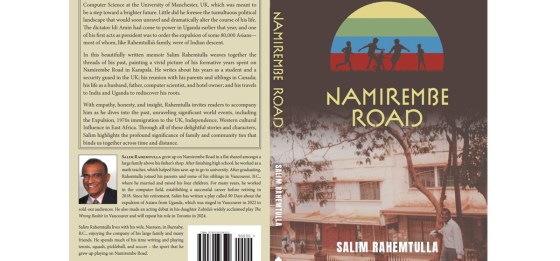

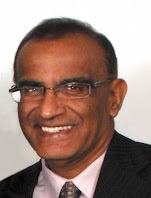

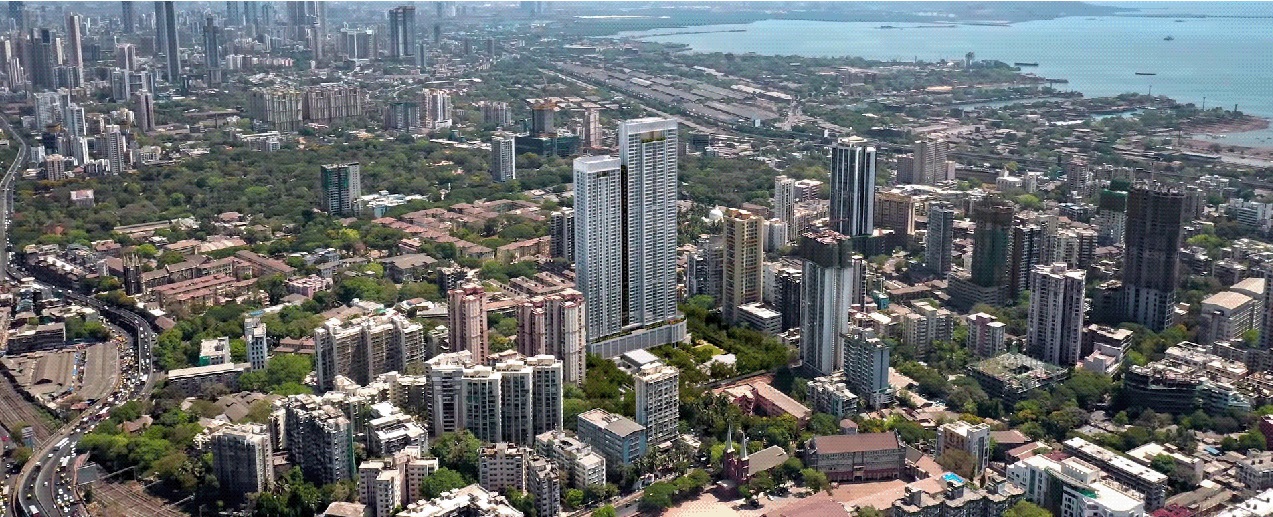
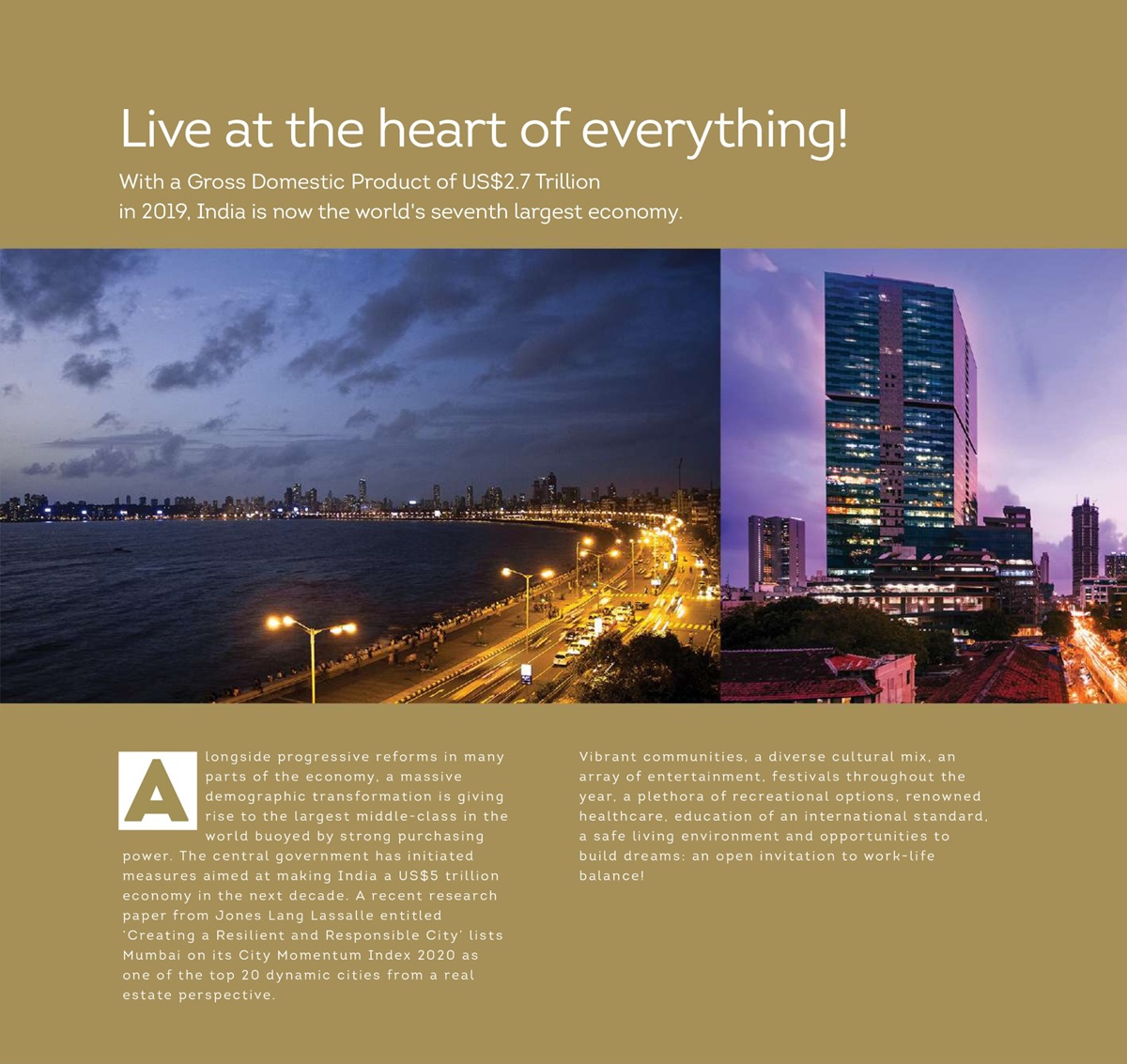


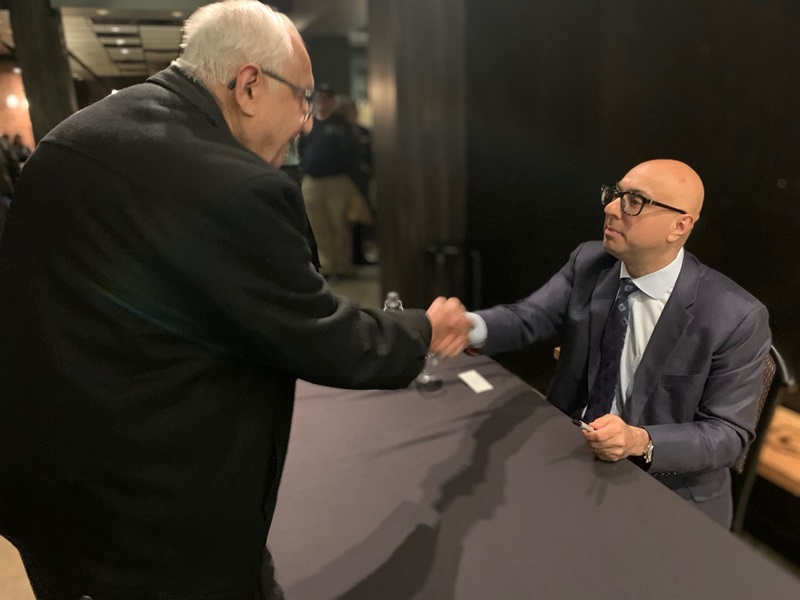



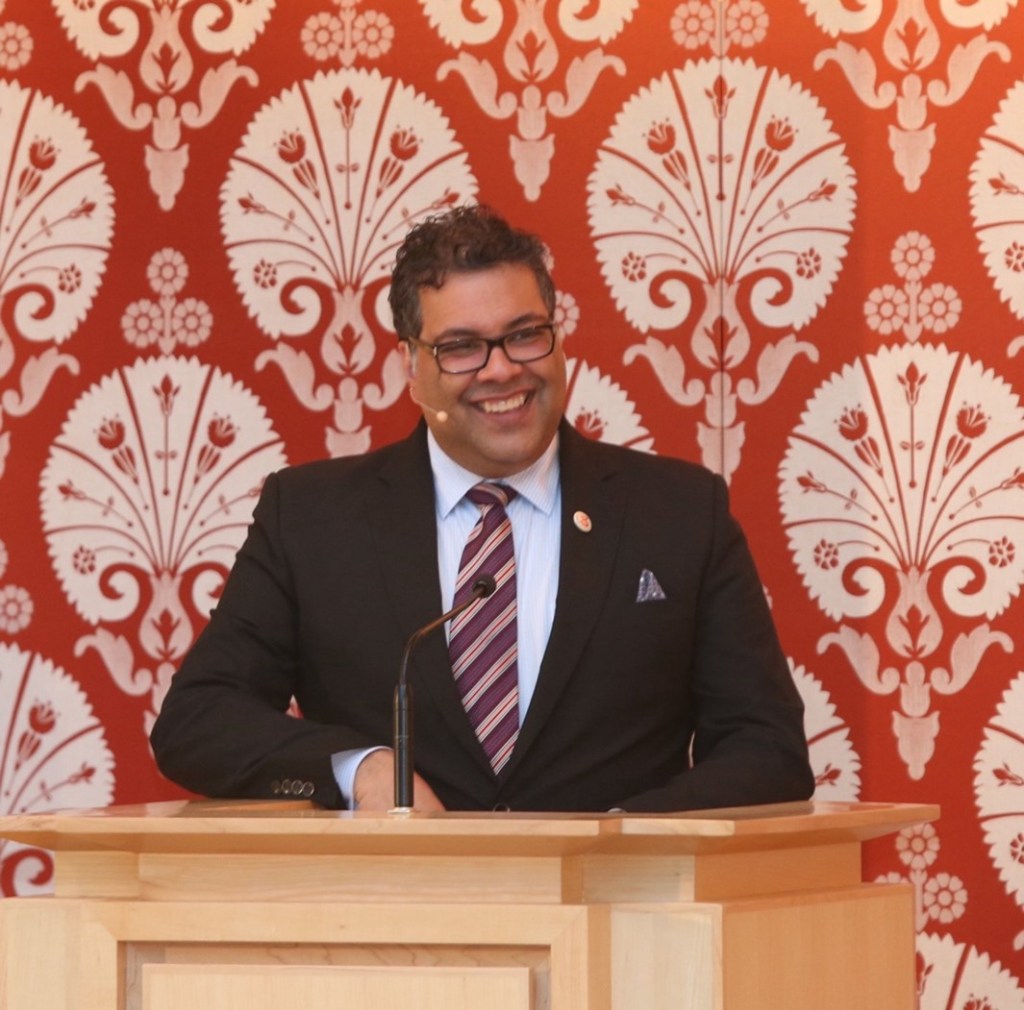
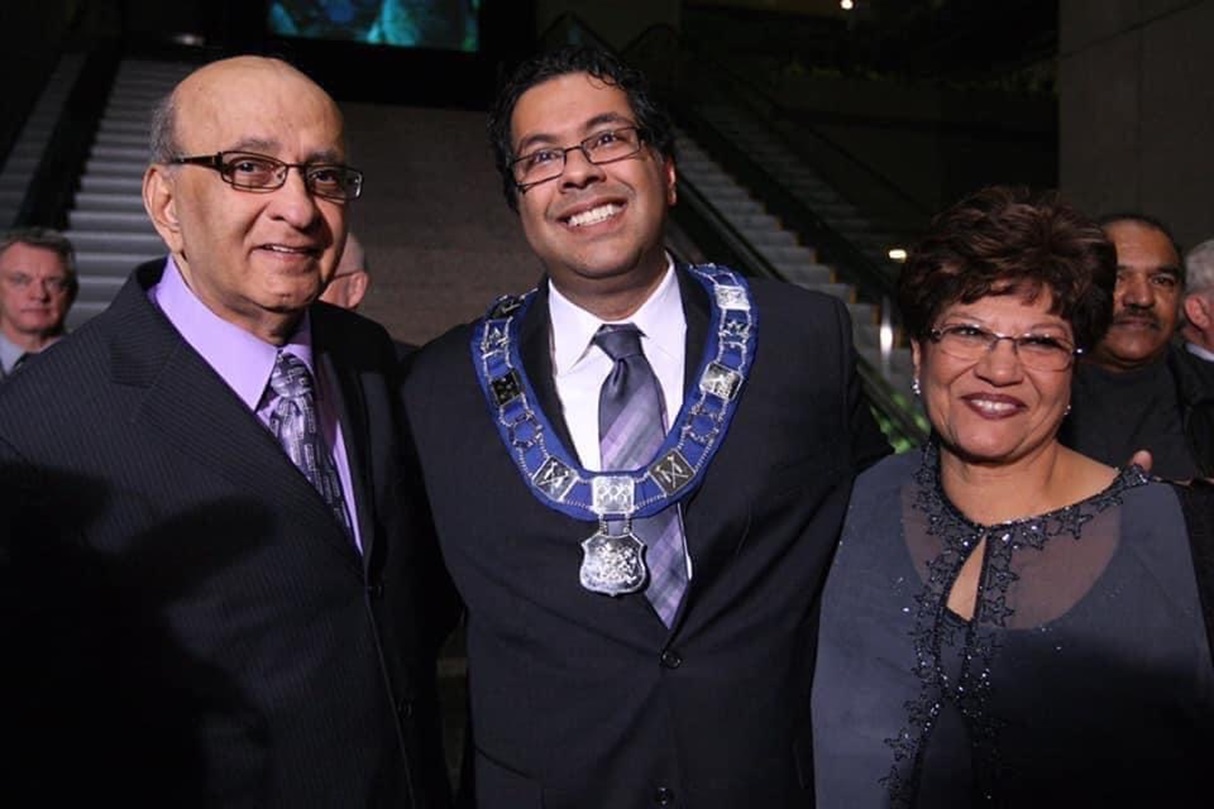
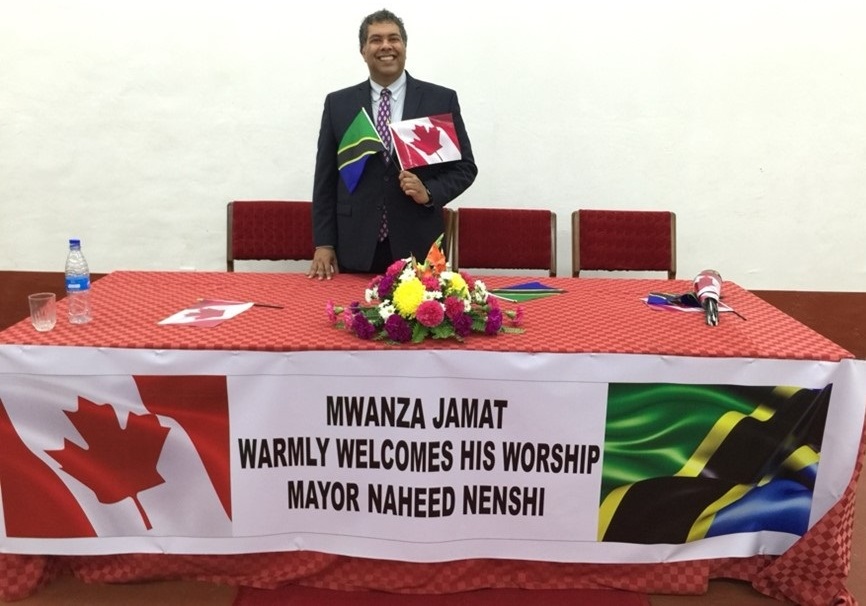
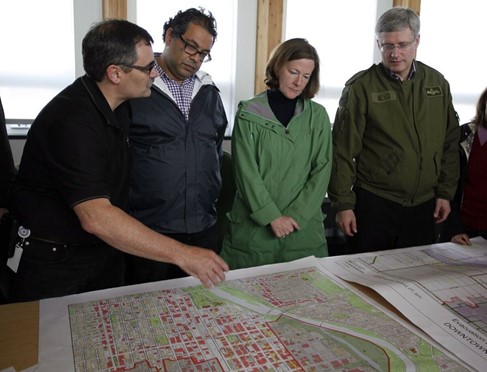



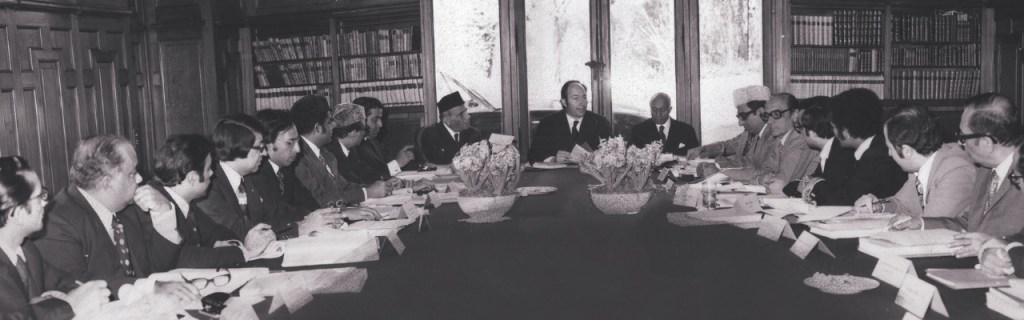

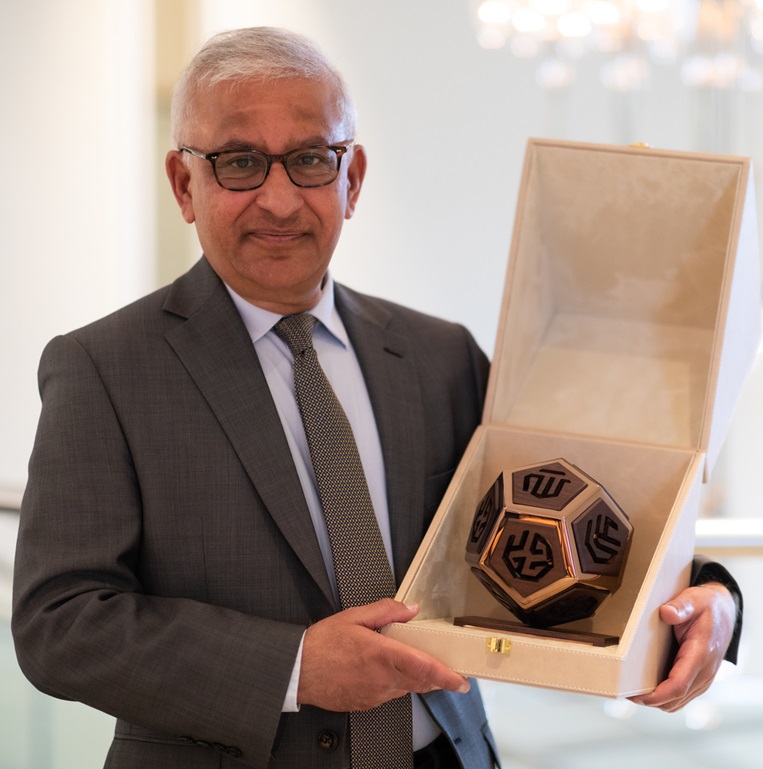


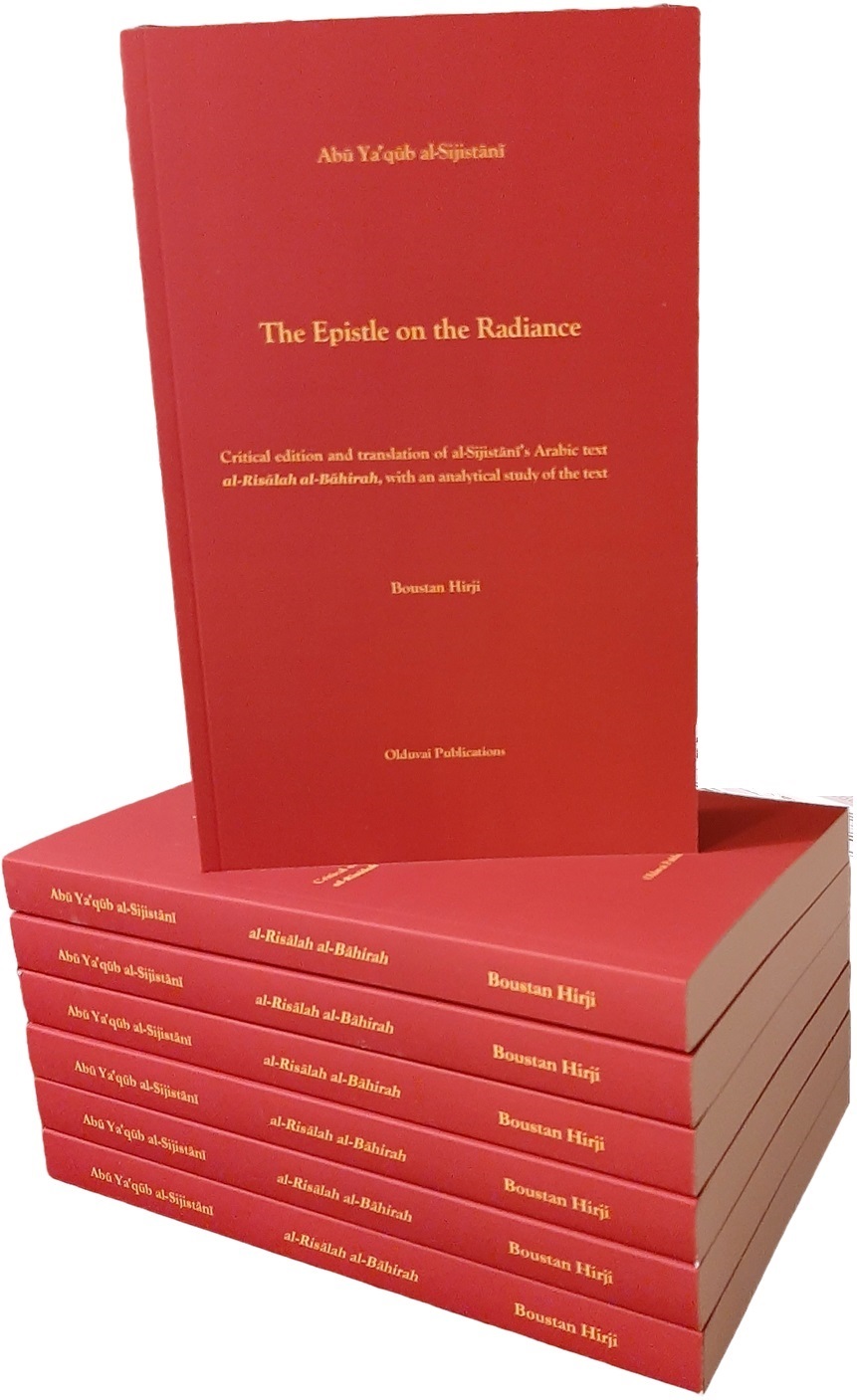



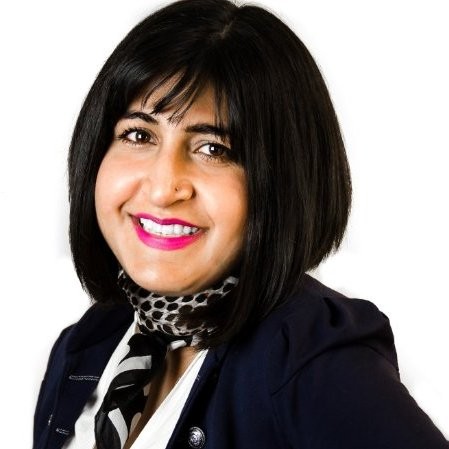
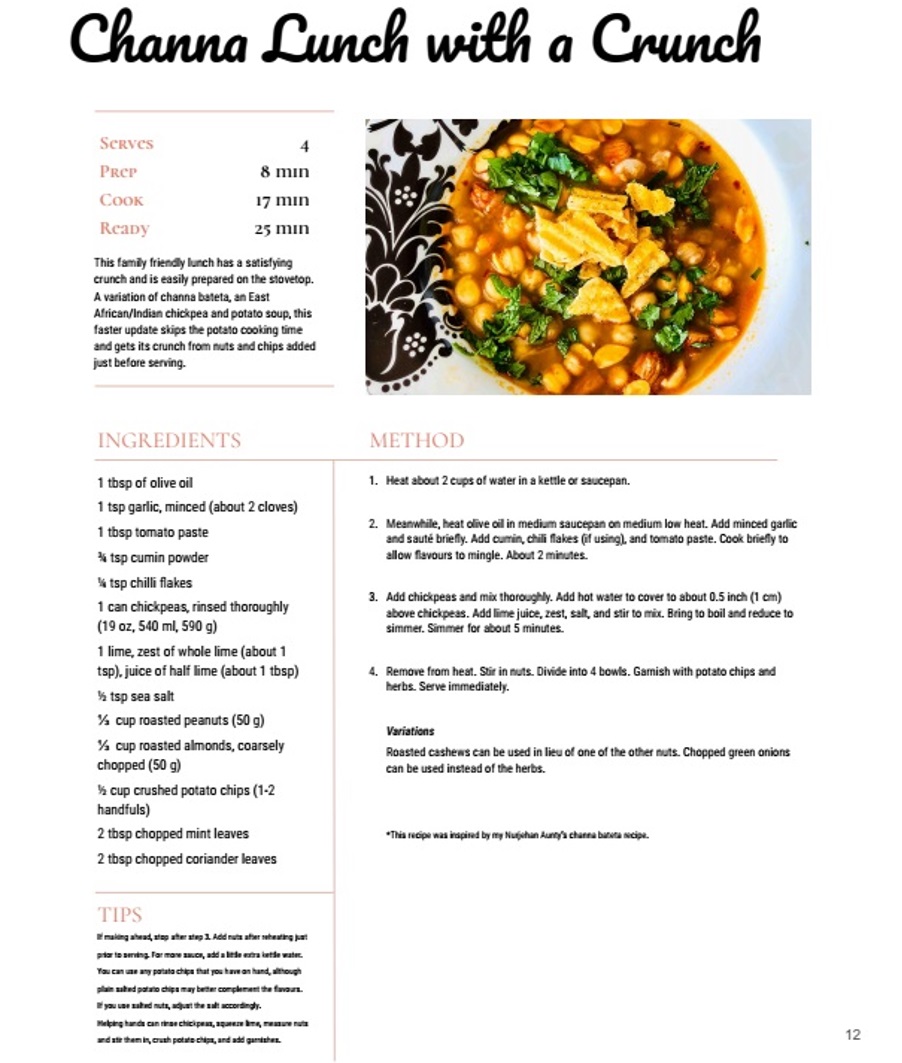



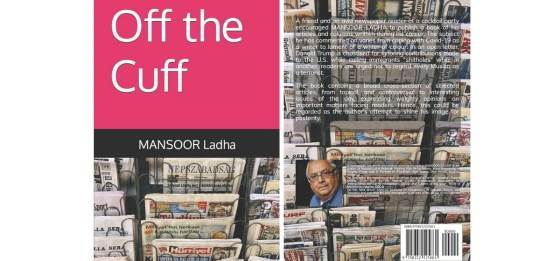
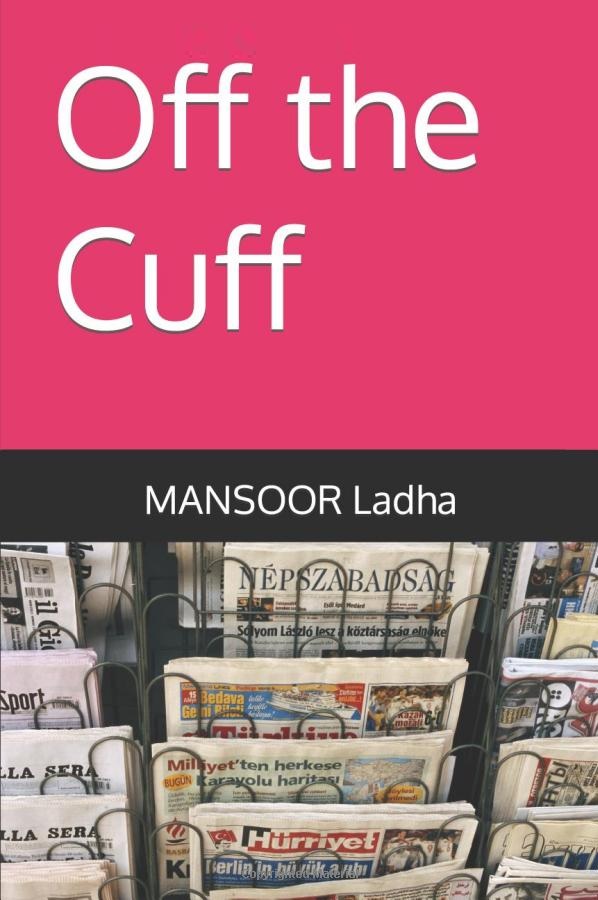

 Simerg - Insights from Around the World