Simerg is an independent initiative dedicated to Ismaili Muslims, the Aga Khan — their Hereditary Imam — and the Ismaili Imamat, and Islam in general through literary readings, photo essays and artistic expressions
Category Archives: Literary Readings from Ismaili History
A solemn and reverent gathering of great significance will occur in Ismaili Jamatkhanas all over the world on Sunday, March 16, 2025, as the Chehlum — or Chalismo in Gujarati — of Mawlana Shah Karim Al Hussaini, His Highness the Aga Khan IV, is observed. It will mark the 40th day of mourning for the late Imam, who passed away on February 4, 2025, at the age of 88.
The Imamat, a divinely ordained Institution of immense spiritual significance, has stood for 1392 years since the designation of the first Imam, Hazrat Ali (may peace be upon him), by the Prophet Muhammad (may peace be upon him and his progeny) as his successor at the famous event at Ghadir-Khumm. This historical event, whose authenticity is unquestionable, is supported by the Quranic verse, “O Apostle, deliver (to the people) what has been revealed to you from your Lord. And if you would not do so, then you have not delivered His Message…” (Qur’an 5:67), and the Prophetic tradition “He whose Mawla (Lord) I am, Ali is his Mawla.”
His Highness the Aga Khan V, Mawlana Shah Rahim, succeeded his father, Aga Khan IV, to the Imamat as the 50th Imam.
Story continues below
Mawlana Shah Karim, His Highness the Aga Khan IV.
Observing Chehlum, derived from the Farsi word “Chehelom” (40th), or Chalismo, is a deeply rooted custom spanning many religions and cultures, including Islam. In Islam, the 40-day mourning period following a death is a tradition that can be adapted to individual and family circumstances. For instance, the period can be shorter if some close family members and other loved ones attending the funeral have to return to their places of residence. This flexibility in the mourning period allows for understanding and empathy toward those who need to resume their everyday lives. However, the 40-day period of bereavement continues to be observed by members of the family living in the same town as the deceased, highlighting the deep respect and cultural significance of this tradition.
[Mawlana Shah Karim, who became the 49th Imam on July 11, 1957, upon the death of his grandfather, Mawlana Sultan Mahomed Shah Aga Khan III, made a significant request during his visit to Kenya the following month. He asked for the observance of Mawlana Sultan Mahomed Shah’s chehlum with solemnity and special prayers as was being done in London, England, in a few days, around August 21. This information is recorded in the archival notes of the editor’s late father, Jehangir Merchant.]
During the bereavement period, loved ones offer prayers and engage in deep reflection on the life of the departed. They attend Jamatkhana daily or as regularly as possible, finding comfort in the familiar rituals. Individually, they spend time reciting Qur’anic verses, Salwats, and other prayers for the deceased’s soul and their own courage and fortitude. Many find solace in reciting appropriate Qasidas and Ginans — poems and hymns — that prompt introspection on the spiritual journey and the meaning of life. Some take on special commitments in memory of the departed, a practice that encourages personal growth and reflection.
The Chalismo of Mawlana Shah Karim on March 16 is a solemn occasion. It allows us to invoke the name of Allah and remember His clemency, mercy, and grace. These divine attributes enable us to live according to the ethics of our esoteric faith. We do so under the benevolence of Mawlana Shah Karim and, now, under the unwavering spiritual guidance of our present Imam, Mawlana Shah Rahim Hazar Imam.
On the 40th day of mourning, communion and deep emotion, the Ismailis will express their shukranas, their profound gratitude to Mawlana Shah Karim Al Hussaini for his Benevolence, his Protection, and his Farmans, and for having guided the community spiritually and materially for 67 years of his Imamate.
Story continues below
The 49th Ismaili Imam, Mawlana Shah Karim, His Highness the Aga Khan IV, with his younger brother Prince Amyn, and children Princess Zahra, Prince Rahim, Prince Hussain, and Prince Aly Muhammad on Imamat Day, July 11, 2022. Photograph: The Ismaili.
Let us also extend our gratitude to the Imam’s family members for their unwavering commitment to expanding the influence of the works and institutions established worldwide during the previous Imam. Their efforts, particularly over the past three years, have kept us united as a community and strengthened our shared commitment to humanity’s well-being.
As was the wish of our 49th Imam, we will remain confident and united as “One Jamat” in its diversity, expressing solidarity, justice, tolerance, mutual respect, compassion and the sharing of Time and Knowledge. This is how we will not only escape fear in these troubled times but also face the hazards and trials of everyday life with resilience. Let us say Ameen to the Divine Will and invoke Ya Allah, the most Clement, full of Mercy.
By Allah’s Grace, let us express our Shukranas to our 50th Imam, Mawlana Shah Rahim Hazar Imam, our Protector and Lighthouse. Let us choose a spiritual life based on a quest to recognize the balanced life of din (faith) and dunya (world), and invoke Allah’s Permanence, thereby enriching our spiritual link with the Imam-of-the-Time.
Our first Imam, Mawlana Hazrat Ali, urged us to apply the following precept relentlessly:
“Respect the human being, for if he is not your brother in religion, he is your brother in humanity.”
Rest in peace, Mawlana Shah Karim Al Hussaini. We are deeply grateful for your support. We will honour your memory by working actively with courage and hope under the aegis of your son, Mawlana Shah Rahim Al Hussaini Hazar Imam, to support our sisters and brothers who live in countries in conflict. Our commitment to caring for the dignity of the elderly and fighting against extreme poverty will be a testament to our shared values under your guidance.
Story continues below
Mawlana Hazar Imam, His Highness Prince Rahim Aga Khan, addresses his spiritual children around the world in the presence of his leaders on the occasion of his Takht-nishini at the Diwan of the Ismaili Imamat. The ceremony was relayed live to Ismailis gathered in Jamatkhanas around the world; February 11, 2025. Photograph: Akbar Hakim / The Ismaili.
And, as Mawlana Shah Karim lovingly told us throughout his Imamat that he was by us all the time, whether he was physically present or not, we are reassured of this inspiring message when Mawlana Shah Rahim declared in his Takht-nishini Farman in Lisbon on February 11, 2025:
“If you have worries and concerns, turn to your Imam. Your Imam is with you. Wherever you are, your Imam is with you, and you are with the Imam.”
Date posted: March 13, 2025. Last updated: March 15, 2025.
Correction: In the original version of this post, Chehlum was misspelled as Chelhum. We apologize for the typo.
About the author: Born and raised in Madagascar, Mohez Nato left for France in the late 1960’s. After completing his PhD, he worked as a teacher-researcher in Plant Biotechnology at the University of Paris Sud XI from 1971 to 2011. Now retired, Mohez does voluntary work giving courses in French-speaking universities in countries like Burkina Faso, Lebanon, Benin, Algeria and Tunisia. He has served in the Ismaili community in numerous voluntary positions, for which he was bestowed with the title of Alijah by Mawlana Shah Karim. We invite you to read his earlier pieces, Ode to the Imam of the Present Time and Laylat al-Qadr, published in Barakah and Simerg.
__________________________
Simerg welcomes your tributes to Mawlana Shah Karim Shah, His Highness the Aga Khan IV. Please click Leave a comment. If you encounter problems, email the comments to mmerchant@simerg.com. We want to reassure you that we respect your privacy and that your published comment will never reveal your email address. For recent and older posts, please visit our Table of Contents. Please also follow us @Facebook, @X and @LinkedIn.
Over twenty years ago I, a Christian, began a journey to learn about my Muslim neighbours.
Throughout this process of learning, there was one individual — arguably the most impactful world leader without a country of his own — who, as a Muslim, taught me more about being a good Christian than I ever would have expected. In his humble, earnest way, he used his influence to be a powerful force for good, not just for those whom he lived his entire life to guide and protect but for all the rest of us as well.
The Aga Khan and Ismaili Muslims
This quietly powerful, beautiful soul is, of course, the 49th Hereditary Imam of Nizari Ismaili Muslims, Mawlana Shah Karim Al Hussaini, His Highness the Aga Khan. He passed away in Lisbon, Portugal, on February 4, 2025, at the age of 88, thus becoming the longest-lived Imam in the 1400-year history of the Shia Imami Ismaili Muslims, whose first Imam was Ali, the cousin and son-in-law of Muhammad.
Mawlana Hazar Imam (our Lord, the Imam of the Time), as Ismailis address their reigning Imam, was their protector and guide for 67 years, filled with parental love for all his followers around the world, a profoundly inspiring world leader — but for me, a Christian, he was my hero.
A life-size depiction of Mawlana Shah Karim, His Highness the Aga Khan, (d. February 4, 2025, aged 88) exhibited at the Canadian Museum for Human Rights in Winnipeg, Manitoba. The exhibit appears with depictions of other Honorary Canadian Citizens on a floor dedicated to “Turning Points of Humanity.” Photograph (of the exhibit taken July 2017): Malik Merchant / Barakah.
In his guidance to the world Nizari community living in more than 35 countries, with over 200,000 having made their homes in North America over the past fifty years, he not only spoke to immediate worldly concerns but encouraged his followers to show compassion and understanding; to volunteer, educate, and be educated; to support and empower women, and those who historically have little voice; to be good citizens of whatever country around the world they might find themselves in; and to be powerful examples of pure charity to everyone encountered. Prince Karim’s support of Nizari Ismailis was without bounds, and his charity and caring towards the world at large were without measure.
Shortly after his grandfather’s passing and his installation as the 49th Imam on July 11, 1957, Prince Karim delivered Takht-nishini (ceremonial installation) addresses internationally in Africa and South Asia — messages immediately impactful for their time and still profoundly relevant today.
He spoke to the promise of electronic education and cheaply distributed power, admonishing them to make wholesome use of these advancements while maintaining their faith.
“The most significant thing about the atomic age is the new and unbounded sources of energy which are released for the use of mankind. In Europe and America today, power stations are springing up which need no coal, nor oil, nor water power to run them. They feed themselves. This is close to the secret of perpetual motion. In my life time, it is almost certain that such atomic power stations will be exported, very likely to countries like Tanganyika. From them will flow the energy which will create new towns, railways, factories and all the foundations of modern industrial progress — Dar-es-Salaam, October 19, 1957 [1].
“The years of development and change which lie ahead are certain to throw up many new problems. We should not be afraid of these. You will surely surmount them if you stand by your faith and meet your difficulties in the spirit of humility and tolerance that your religion demands of us. This is especially important for the younger generations who will have to carry the future on their shoulders” — Nairobi, October 22, 1957 [1].
“The faith by which we live is the only sure guarantee that our problems will be surmounted. The younger people among you must be especially aware of this. Only the faith of your fathers will enable you to live in peace.” — Dar-es-Salaam, October 19, 1957 [1].
He talked about the need to find our spiritual center and work together as we navigate rapidly evolving technological landscapes.
“Never before in the history of man has there been such an age of technological progress… It is most important for the future of this country that the various races face these changes together” — Nairobi, October 22, 1957 [1].
Mawlana Shah Karim, His Highness the Aga Khan, at his Takht-nishini, in Nairobi, Kenya, 1957. Photograph: 25 Years in Pictures, Volume 1, Islamic Publications, 1983, London.
He spoke on contests of skill where every participant does their best and succeeds; that competition and respect are not mutually exclusive.
“You must work together with mutual forbearance and with respect for each other. Only thus shall we achieve the harmony and happiness which is necessary for the true advancement of our faith.” — Kampala, October 25, 1957 [1].
He declared that technological success and community development are tools to benefit everyone.
“As a community, our Faith will always preserve our special identity, but there should be nothing exclusive in what you do…There is no reason why our traditions and our faith should stop us from moving with our times, nor in fact why we should not lead our fellowmen to new spheres of knowledge and learning.” — Karach, January 23, 1958 [1].
He spoke to the power that compassion, understanding, and service have within a spiritually powerful minority community.
“With humility, tolerance, and respect for each other, by honest work and straight dealings, you will earn the true friendship of you fellows… By the way you conduct your daily lives, by the compassion you show your fellow men and women, and above all by your faith in God — you will ultimately be judged” — Bombay, March 11, 1958 [1].
Through living his own life, he transformed mine!
O mankind, indeed We have created you from male and female and made you peoples and tribes that you may know one another. Indeed, the most noble of you in the sight of Allah is the most righteous of you — Surah Al-Hujurat (49:13).
For me, Prince Karim Al-Hussani, Aga Khan IV, will always stand as a unique global figure, an exemplary world leader who effortlessly combined his spiritual role as the 49th hereditary Imam of the Nizari Ismaili Muslims with his transformative contributions to education, culture, and development.
A sign etched on a mountain to welcome Mawlana Shah Karim, His Highness the Aga Khan to Pasu in the Hunza region of Gilgit-Baltistan, Pakistan; November 1987. Photo: Faqir Ullah Khan.
~~~~~~~~
In a setting of spectacular natural beauty, Mawlana Shah Karim, His Highness the Aga Khan addresses Ismailis and non-Ismaili Muslims in Ishkashim during his first historic visit to Badakhshan in Tajikistan; May 27, 1995. Photograph: The Ismaili.
Remarkable Aspects of Leadership
For a period longer than my lifetime he led a community of millions across the world, guided by the principles of Islam while expanding his work to improve the quality of life for countless individuals, regardless of their faith or background. This perspective — anchored in faith but outward-facing and inclusive — defined his leadership and shaped his vision for a more compassionate and interconnected world.
Central to this vision was a unique worldview he termed “empathic pluralism,” the idea that humanity’s differences should be viewed not as sources of division but as opportunities for mutual enrichment. In one of his most profound observations, Prince Karim stated, “The world needs an architecture of generosity, one that speaks to a global ethic of respect and compassion.” [2] More than the design of physical structures, this “architecture” extended to encompass the systems, institutions, and relationships forming the very foundations of human society.
Cultures across the globe are grappling with complex challenges: rising inequality, deepening cultural divides, and the rapid erosion of both natural and cultural heritage. Though diverse in nature, these crises share a common thread — they require responses prioritizing empathy, resilience, and cooperation. Prince Karim’s work provided a blueprint for addressing these issues, tempering spiritual guidance with practical, sustainable solutions which strengthen communities and foster understanding.
Indeed, Allah orders justice and good conduct and giving to relatives and forbids immorality and bad conduct and oppression. He admonishes you that perhaps you will be reminded –Surah An-Nahl (16:90).
In my eyes, the most remarkable aspect of his leadership was his ability to bridge faith and reason. As a spiritual leader, he inspired millions of Ismailis through teachings emphasizing ethical conduct, introspection, and commitment to social welfare. Yet his initiatives extend far beyond his community, addressing universal concerns and building institutions that continue to serve as models of inclusivity and excellence. Whether funding hospitals and schools in remote areas or revitalizing cultural landmarks that hold meaning for widely diverse communities, his efforts reflected a holistic understanding of humanity’s shared destiny.
He continuously emphasized that understanding one’s heritage and connecting with cultural expressions — through art, music, and architecture — strengthens both individuals and communities alike. The Aga Khan Museum in Toronto perfectly documents this commitment and understanding.
A view of the Aga Khan Museum during the annual Toronto Open Doors event, May 27, 2023. Photograph: Malik Merchant/Barakah.
~~~~~~~~~
Treasures at the Aga Khan Museum Toronto. From the upper floor, one can see permanent and loaned exhibits, such as the Wagner Garden Carpet, Burrell Collection, Glasgow, Scotland. Photograph: Malik Merchant / Simerg.
The exhibits housed within its walls celebrate the artistic and intellectual contributions of Muslim civilizations spanning the globe, providing a space where visitors from all walks of life can explore and appreciate our shared human history. Reflecting on this purpose, he noted that such sites are “places where people from every background can experience the wisdom and beauty of Muslim cultures.” [2] A world standard of contemporary museology and conservatorship, the entire project underscores his broader vision of cultural dialogue as catalyst for empathy and mutual respect.
This showcase of international art was not conceived for just one group or community, but for the world. The Prince’s philosophy of unceasing kindness, consideration, and thoughtfulness is evident across his wide range of initiatives in architecture, spirituality, education, and philanthropy internationally. Together, they form a cohesive vision seeking tirelessly to heal divisions and inspire a deeper sense of global solidarity.
Pluralistic Vision for Architecture
Allah is the Light of the heavens and the earth. The example of His light is like a niche within which is a lamp…Surah An-Nur (24:35)
This vision for the world becomes particularly vivid when considering his contributions to physical architecture. For Prince Karim, architecture was far more than the design of buildings; it is a profound expression of values and aspirations. His belief that “architecture is a bridge to cultural dialogue” [1] emphasizes the transformative potential of thoughtfully designed spaces. In his view, architecture nurtures empathy, fosters inclusion, and celebrates diversity — all of which are essential to a world where only pluralistic solutions can truly resolve complex problems.
As he once said, “The spaces we build must reflect the diversity of those who occupy them and encourage coexistence. Architecture is a bridge to cultural dialogue.” [2] This perspective guided his work in architecture and urban development for decades, shaping physical environments of social harmony and cultural diversity.
The Humayun Tomb, the resting place of the second Mughal emperor and a precursor to the Taj Mahal, forms a backdrop in this picture taken during the inauguration ceremony on September 18, 2013 which was attended by the Chief Guest, the Prime Minister of India, Dr Manmohan Singh, Mawlana Shah Karim, His Highness the Aga Khan, the Minister of Culture, Chandresh Kumari Katoch, Chairman Ratan Tata of the Sir Dorabji Tata Trust and Prince Hussain Aga Khan. Photograph: Prime Minister’s Office (GODL-India), GODL-India , via Wikimedia Commons.
Through the Aga Khan Trust for Culture (AKTC), he spearheaded projects that restored significant landmarks while revitalizing the surrounding communities. In places like Islamic Cairo and the historic cities of Northern Pakistan, these initiatives preserve cultural heritage and serve as catalysts for social and economic development. These efforts are grounded in his conviction that “cultural preservation is as essential to a people’s spirit as food is to their bodies.” [2] By linking preservation with community engagement, Prince Karim demonstrated how architecture can simultaneously honour the past and empower the future.
Recognizing the urgent need for environmentally sensitive design, the projects he supported often integrated green technologies and sustainable practices. In urban spaces, this might mean prioritizing water conservation, using locally sourced materials, or creating public parks that enhance both environmental and social well-being. These initiatives addressed the practical demands of a changing climate and reflected his broader belief in stewardship and responsibility toward future generations.
There shall be no compulsion in [acceptance of] the religion. The right course has become clear from the wrong — Surah Al-Baqarah (2:256)
Underlying all these efforts was his commitment to pluralism. The Aga Khan IV consistently emphasized architecture should celebrate diversity, stating, “Architecture that embraces diversity creates not only beautiful spaces but also peaceful communities.” [2] For him, the physical environment is a reflection of society’s values — or should be — and inclusive design serves as a powerful tool for promoting understanding and coexistence. His architectural projects, whether cultural museums, educational institutions, or restored historic sites, embody this principle, offering spaces where people from all walks of life are given space to come together in mutual respect.
Architecture, in Prince Karim’s view, is not merely about creating physical spaces but about shaping environments which inspire understanding and cooperation. This principle of building for the future extends naturally into his approach to education, where cultivating minds and hearts becomes the foundation for fostering ethical leadership and global citizenship.
Education and Knowledge
Say, ‘Are those who know equal to those who do not know?’ — Surah Az-Zumar (39:9)
For Prince Karim, education was not merely about imparting knowledge but about cultivating minds and hearts to create effective and nurturing leaders in our rapidly evolving world. Education should be holistic, fostering intellectual curiosity, ethical reasoning, and cultural awareness. He observed, “An education that emphasizes both the mind and the heart…will empower young people to create positive change.” [3] Education should be a transformative force capable of addressing global challenges while enriching individual lives and inspiring future leaders.
President Chissano of Mozambique and Princess Zahra Aga Khan look on as Mawlana Shah Karim, His Highness the Aga Khan, addresses dignitaries at the foundation laying ceremony of the Aga Khan Academy Maputo on June 25, 2004. Photograph: The Ismaili USA, December 13, 2004.
~~~~~~~~
Mozambique’s President Filipe Nyusi and Portugal’s President Marcelo Rebelo de Sousa unveil the inaugural plaque of the Aga Khan Academy Maputo, as Prince Rahim, who succeeded as the 50th Imam on February 4, 2025, looks on. Photograph: Akbar Hakim/IPL
The Aga Khan Academies are a network of schools located in diverse cultural settings, each committed to nurturing future leaders who value pluralism and social responsibility. These schools emphasize a rigorous academic curriculum alongside lessons in ethical leadership, preparing students not only to excel in their chosen fields but also to contribute meaningfully to society at large. Reflecting on this mission, he remarked, “Education should be an opening of the mind to the rich diversity of human experience” [3], underscoring his belief in the power of education to build bridges across cultural and intellectual divides.
The University of Central Asia Naryn campus in the Kyrgyz Republic lies on the banks of the Naryn River, surrounded by the Tien Shan mountain range. Photograph: AKDN.
Another cornerstone of Prince Karim’s educational vision was his focus on post-colonial societies, where the legacies of imperialism include painfully fractured identities and profoundly limited opportunities. Through initiatives like the University of Central Asia and the Aga Khan University, he sought to address these challenges by creating institutions which blend global standards with local relevance. These universities prioritize research and teaching directly tied to the needs of the communities they serve, fostering a sense of agency and self-determination.
Education should not only elevate individuals but also empower entire communities, particularly in a world where globalization often threatens to homogenize identities. By integrating cultural literacy into educational frameworks, Prince Karim fostered a sense of pride and belonging while encouraging cross-cultural empathy.
Read in the name of your Lord who created. Created man from a clinging substance. Read, and your Lord is the most Generous — Who taught by the pen — Taught man that which he knew not — Surah Al-Alaq (96:1-5).
His vision for education also extended to global ethics. In a time of increasing polarization and ethical dilemmas posed by technological and social change, he called for education systems worldwide to prioritize moral reasoning and empathy. His institutions place a strong emphasis on teaching integrity, respect for diversity, and responsibility toward others, reflecting his understanding that intellectual achievements are hollow without a foundation of ethical principles.
The Prince’s educational institutions and initiatives actively work to increase access to education for women and marginalized groups, and recognize that equitable education is a prerequisite for truly sustainable development. These efforts echo his broader belief in the transformative potential of empowering all individuals, regardless of gender or socioeconomic background.
The transformative power of education lies not only in the knowledge it imparts but also in its ability to nurture creativity and cultural pride. These values resonated deeply with Prince Karim’s work devoted to supporting the arts, where he championed the preservation of heritage alongside present innovation, bridging the past and present.
Empathic Pluralism in the Arts
God is beautiful and loves beauty — Hadith Qudsi, Prophet Muhammad, Saheeh Muslim
The arts are a universal language — a means of expressing the human spirit and fostering understanding across cultures. Throughout his leadership, the Aga Khan championed the preservation and celebration of artistic traditions while encouraging contemporary forms of expression resonating with modern audiences. The arts are an integral part of human development, a tool for cultural dialogue and empathy — as he stated: “Art is a universal language that has the power to build bridges where words cannot.”
Mawlana Shah Karim, His Highness the Aga Khan, meeting musicians from the Kyrgyz Republic. The troupe was brought to the Smithsonian Folklife Festival held in Washington, DC, in 2002 by the Aga Khan Trust for Culture. Photograph: AKDN/Zahur Ramji
The Aga Khan Music Initiative is one of the most compelling examples of his vision. Through this initiative traditional music from Central and South Asia, the Middle East, and North Africa is preserved and revitalized, ensuring that these rich cultural legacies are passed down to future generations. The initiative goes far beyond preservation; it supports innovation as the initiative encourages collaborations between traditional and contemporary artists. This dynamic approach ensures that these traditions remain relevant in a changing world, inspiring new audiences and fostering a deeper appreciation of cultural diversity.
Stamps issued by the Sultanate of Oman to commemorate the Aga Khan Award for Architecture and the Aga Khan Music Awards, October 2022.
More than just a repository of objects, the Aga Khan Museum mentioned earlier is a space where visitors actively explore the shared history and interconnectedness of humanity. Through its exhibits, performances, and educational programs, the museum brings the relevance of art forward into the contemporary space — while encouraging dialogue and a dynamic exchange of ideas with other cultures. The Aga Khan described the museum as “a place where art and history come together to foster mutual understanding.” [2] This ethos of inclusivity underscores every one of the Prince’s artistic initiatives, all designed to invite reflection and inspire respect for diversity.
He who created seven heavens in layers. You do not see in the creation of the Most Merciful any inconsistency…Surah Al-Mulk (67:3-4).
Secretary of State Madeleine Albright and President Bill Clinton with Mawlana Shah Karim, His Highness the Aga Khan, at the first White House conference on culture and diplomacy convened by President and Mrs. Clinton on November 28th, 2000. The Aga Khan was among the distinguished panelists invited to advise the president and secretary of state on the role of culture in foreign policy. Photograph: Official White House Photo.
Arts are essential to resilience. Prince Karim often spoke about the role of cultural expressions in providing communities with a sense of identity and continuity, particularly in times of upheaval. When traditions are preserved and celebrated they serve as anchors, helping individuals and communities alike to navigate change. This perspective is particularly relevant in a globalized world where many traditional practices face the risk of extinction. In the Prince’s eyes, the arts are not merely luxuries or entertainment but vital elements of human survival and flourishing.
While his efforts often focused on Muslim cultures, they were never exclusive. In encouraging artistic dialogue across traditions, he demonstrated that the arts have a unique ability to transcend boundaries and bring people together. Whether it is musical collaboration between Central Asian and Western artists or museum exhibits juxtaposing Islamic and European art, his initiatives remind us of the shared threads connecting all of humanity.
Philanthropy, Social Impact, and Community Resilience
Whoever saves one [life] – it is as if he had saved mankind entirely — Surah Al-Ma’idah (5:32)
Prince Karim’s commitment to fostering pluralism and preserving cultural heritage is inseparable from his broader vision of social impact. His work in philanthropy demonstrated the same principles of empathy and inclusivity that shaped his approach to education, architecture, and the arts. While the arts nurture the soul and build bridges of understanding, philanthropy addresses the practical realities of building stronger, more resilient communities. For Prince Karim these endeavors are complementary, working together as a holistic strategy to uplift humanity.
One of the defining characteristics of the Aga Khan’s philanthropy was its emphasis on long-term sustainability. Standing apart from traditional charity models, the focus is instead on enabling communities to achieve self-reliance.
He said, “True philanthropy is about empowering people to help themselves.” [4] This guiding principle underpins the work of the Aga Khan Development Network (AKDN), a sprawling network of institutions and programs addressing everything from health and education to economic development and environmental sustainability.
(Late) Kofi Annan, former UN Secretary-General, presents the Champion for Global Change Award to Mawlana Shah Karim, His Highness the Aga Khan, at a special gala dinner held in New York on October 18, 2017. Photo: The Ismaili/Akbar Hakim/Mairaj Manji.
The AKDN’s work is vast in scope but deeply localized in its execution, tailoring each initiative to the specific needs of the communities it serves. In regions recovering from conflict or grappling with systemic poverty, the AKDN projects create opportunities for employment, education, and healthcare, while also investing in infrastructure supporting long-term growth. This strategy is evident in the AKDN’s investments in East Africa, Central Asia, and South Asia, where initiatives not only dramatically improved living conditions but also strengthened social cohesion.
Healthcare is a cornerstone of his philanthropic mission. Hospitals and clinics established under the AKDN are recognized worldwide for their excellence and accessibility, often serving marginalized populations who might otherwise lack any access to quality care. These institutions reflected his belief that health is a fundamental human right and a prerequisite for broader societal progress. By combining world-class medical care with community outreach and preventative programs, these initiatives continue to improve both individual and collective well-being.
Mawlana Shah Karim, His Highness the Aga Khan, during one of his visits to the site of the Al-Azhar Park, in Cairo.
~~~~~~~
In the 1980’s the Aga Khan turned his attention to a site in Cairo, where garbage had been dumped for more than 500 years and was nearly 25 feet deep. After more than 15 years of work masterminded by his Trust for Culture, his vision has transformed the derelict site into a sequence of formal gardens filled with groves of fruit and flowering trees, fountains and an artificial lake studded with a modern lakeside café and a central allee of royal palms lines a path that has views of Islamic Cairo’s minarets and domes. Atop the dump site sit three new sunken reservoirs that provide invisible succor and a children’s playground and other special features. Shown in the image are: the 1992 park site, Al Darassa municipal dump (top left); on going work in shaping the Al-Azhar Park site in 1999 (top right); and the completed Al-Azhar Park which was inaugurated in 2005. Photos: Aga Khan Trust for Culture via Archnet.
~~~~~~~~~~
Mawlana Shah Karim, His Highness the Aga Khan, welcomes Prince Charles, The Prince of Wales, and The Duchess of Cornwall to Al-Azhar Park in 2006 at the beginning of their official 2-week to Egypt, Saudi Arabia and India. Photo: AKDN/Gary Otte.
The AKDN’s philanthropy also emphasized the importance of resilience in the face of environmental and economic challenges. Projects restoring cultural landmarks, such as the restoration of Humayun’s Tomb in India or the Al-Azhar Park in Cairo, served multiple purposes: preserving heritage while creating jobs and revitalizing urban spaces. These initiatives exemplify the Prince’s view that cultural and economic development are deeply interconnected, and both are essential for sustainable progress.
Underlying all of these efforts is the principle of pluralism. The Aga Khan consistently argued diversity is a strength, not a weakness, and his philanthropic projects reflected this belief. Whether promoting cross-cultural dialogue through the arts or fostering inclusive growth through development initiatives, his work embodied a profound respect for the unique contributions of every community. He noted, “Pluralism is not simply a concept but a necessity for peace.” [5] A perspective particularly relevant in a world where divisions often seem to outweigh connections.
Universal Values: Connecting Vision with Broader Global Concerns
And of His signs is the creation of the heavens and the earth and the diversity of your languages and your colors. Indeed, in that are signs for those of knowledge — Surah Ar-Rum (30:22)
While deeply rooted in the traditions of the Ismaili Muslim community, Prince Karim’s vision spoke to universal values that resonate across cultural, religious, and national boundaries. His emphasis on pluralism, empathy, and resilience reflected a profound understanding of the interconnected challenges facing humanity. From addressing social inequalities to fostering environmental stewardship, his work transcended the particulars of any one community, offering lessons and solutions relevant to the world at large.
Mawlana Shah Karim, His Highness the Aga Khan, and Norway’s Minister for International Development, Ms. Hilde F. Johnson, sign a Memorandum of Understanding between the AKDN and the Government of Norway, to enhance collaboration on development issues and programmes in Africa, Central and South Asia; April 6, 2005, Oslo, Norway. Photograph: AKDN / Gary Otte.
Righteousness is not that you turn your faces toward the east or the west, but [true] righteousness is [in] one who believes in Allah, the Last Day, the angels, the Book, and the prophets…Surah Al-Baqarah (2:177)
Dr. Friedemann Greiner, Director and Chairman of the Jury (left), presents the Tolerance Award 2006 to Mawlana Shah Karim, His Highness the Aga Khan, as the then-German Minister of Foreign Affairs Dr Frank-Walter Steinmeier (right) looks on; May 2006. Photograph: AKDN/Zahur Ramji.
One of the most compelling aspects of Prince Karim’s vision was his ability to bridge the material and the spiritual. While his work often addressed practical needs — such as healthcare, education, and infrastructure — it was deeply informed by both ethical and spiritual considerations. He argued that “faith should be a source of hope, not division,” a sentiment highlighting the potential of religious values to inspire positive change in a fractured world. His leadership exemplified this philosophy, demonstrating how faith can be a unifying force transcending differences and fostering shared purpose.
His belief that “education should be an opening of the mind to the rich diversity of human experience” [3] underscored his commitment to fostering global citizens who are both informed and compassionate.
Ultimately, the Aga Khan’s vision was about creating a world where differences are seen as opportunities for enrichment rather than barriers to progress. His initiatives offered a model for addressing some of the most pressing issues of our time, from inequality and cultural polarization to environmental degradation. By combining empathy, practicality, and a deep respect for humanity’s shared heritage, he demonstrated that it is possible to build a future both inclusive and sustainable.
His universal values continue to offer a beacon of hope for a world in search of unity and resilience.
Inspiring Ethical Leadership and Global Solidarity
So by mercy from Allah, [O Muhammad], you were lenient with them. And if you had been rude [in speech] and harsh in heart, they would have disbanded from about you — Surah Al-Imran (3:159)
Synergos Founder and Chairperson Peggy Dulany presenting the David Rockefeller Bridging Leadership Award to Mawlana Shah Karim, His Highness the Aga Khan in London on October 22, 2012. Photo: AKDN/JMB Photographic Ltd
Prince Karim’s life and work reflect a rare combination of visionary leadership and grounded pragmatism. As a spiritual leader, he inspired his followers with values rooted in compassion, justice, and the pursuit of knowledge. As a global leader, he applied these principles to initiatives which address head-on the most immediate and pressing challenges of our time, offering solutions resonating far beyond his immediate community. This dual role positioned him as a bridge between spiritual ideals and worldly realities, demonstrating that leadership rooted in ethical principles can foster solidarity and resilience on a global scale.
He repeatedly emphasized that leaders must strive to understand and address the needs of those they serve, saying, “Leadership is not about power but about responsibility.” [3] In prioritizing service over authority, the Prince modelled leadership that seeks to empower rather than dominate, fostering collaboration and mutual respect.
Mawlana Shah Karim, His Highness the Aga Khan, receives the inaugural Adrienne Clarkson Prize for Global Citizenship in Toronto, Canada, on September 21, 2016. The prize recognises an individual who has, through thought and dialogue, encouraged approaches and strategies that strive to remove barriers, change attitudes, and reinforce the principles of tolerance and respect. Photo: AKDN/Lisa Sakulensky.
His emphasis on solidarity is evidenced in his approach to global challenges. Prince Karim recognized that issues such as inequality, environmental degradation, and cultural polarization cannot be addressed in isolation. Instead, they require collective action and a willingness to transcend narrow interests for the greater good. He argued that “our survival depends on collaboration, not competition” [2], a sentiment underscoring his commitment to fostering partnerships and alliances across sectors and borders.
Prince Karim Al-Hussaini’s leadership inspired individuals to take personal responsibility for creating positive change. Through his speeches, writings, and projects, he tirelessly encouraged people to reflect on their own roles as stewards of their communities and the planet. By emphasizing that small, collective actions can lead to significant impact, he inspired a path forward that is both practical and hopeful.
Mawlana Shah Karim, His Highness the Aga Khan, is presented the World Monument Fund’s Hadrian Award on October 25, 1996 by David Rockefeller. In the keynote speech at the presentation ceremony, Cyrus Vance, former US Secretary of State, noted Aga Khan’s lifelong labour in improving the lives of Islamic peoples worldwide and his commitment to preserving and renewing societies. Photograph: The Ismaili Canada, July 1997, print edition.
The contributions of this singular individual, an Olympic skier who chose to study and help his friends rather than live frivolously, offer profound lessons for individuals and institutions alike. As we reflect on his enduring legacy, it becomes clear that his vision was not just a roadmap for his community but a source of inspiration for all the world.
Then shall the King say unto them on his right hand, Come, ye blessed of my Father, inherit the kingdom prepared for you from the foundation of the world: for I was an hungred, and ye gave me meat: I was thirsty, and ye gave me drink: I was a stranger, and ye took me in: naked, and ye clothed me: I was sick, and ye visited me: I was in prison, and ye came unto me.
Then shall the righteous answer him, saying, Lord, when saw we thee an hungred, and fed thee? or thirsty, and gave thee drink? When saw we thee a stranger, and took thee in? or naked, and clothed thee? Or when saw we thee sick, or in prison, and came unto thee?
And the King shall answer and say unto them, Verily I say unto you, Inasmuch as ye have done it unto one of the least of these my brethren, ye have done it unto me — Matthew 25:34-40, KJV
So race to [all that is] good.Surah Al-Baqarah (2:148)
Through his initiatives in architecture, the arts, education, and development, he demonstrated that honoring the past need not come at the expense of embracing the future. Instead, he showed that these forces can complement and support one another, creating solutions both innovative and deeply rooted in cultural and ethical values. His projects, from the Aga Khan Museum to the revitalization of historic urban centers around the world, serve as living testaments to this philosophy, embodying a balance urgently needed in today’s world.
His legacy continues to remind us of the strength which comes from embracing differences and seeking common ground. Whether through volunteering, fostering cross-cultural understanding, or advocating for sustainability, his vision continues to offer pathways for meaningful contribution.
I am a Christian, and the late Prince Karim Al-Hussaini, Aga Khan IV, was Muslim. We come from different backgrounds and world views, but we are both Children of the Book. I have quoted from one of my most favorite books in the world, the Illustrious Qur’an, and my perspective is shaped in large part by another which I was introduced to first, the Holy Bible. As a Christian, I have looked to the Aga Khan and his works as encouragement — inspiring me in my own demonstrations of compassion, empathy, and caring.
This Muslim has managed to make me a better Christian.
Prince Karim once remarked, “To be an architect of a better world requires both compassion and courage.” [2] These words are the essence of his leadership. His life’s work will continue to serve as a powerful reminder that unity is not only possible but is absolutely essential — and that by working together with empathy and integrity, we will create a brighter future for all.
A version of this post appears on our sister website Barakah, which is dedicated to His Highness the Aga Khan
______________________
About the author: Andrew Kosorok is an artist, educator, and bridge-builder. An art glass designer, sculptor, and university instructor, he is also a pluralist chaplain and a writer. Andrew examines the Christian/Muslim interface looking for opportunities to use art and the creative process to deepen friendships, encourage exploration, and build community. He writes: “Art is the language which communicates outside of words — it allows us to embrace our similarities and celebrate those wonderful elements which make each of us unique. At the heart of every faith tradition is the knowledge we are all intentionally made different by a wisely governing Creator; understanding these differences is a fundamental part of building a wonderful future for humanity.” Andrew is the author of the books 99 Names: A Christian’s Exploration of the Names of God from the Qur’an and United Design Principles in Islamic Architecture During Safavid Era in Kerman City: A perspective to Gestalt laws (with Drs. Mina Safizadeh and Fatemeh Khozael), as well as a growing series of books exploring world views and regional folklore.
______________________
Simerg welcomes your tributes to Mawlana Shah Karim Shah, His Highness the Aga Khan. Please click Leave a comment If you encounter problems, email the comments to mmerchant@simerg.com. We want to reassure you that we respect your privacy and that your published comment will never reveal your email address. For recent and older posts, please visit our HOME PAGE.
On the 4th of February 2025, news spread quickly about the passing of Karim al-Hussaini, the fourth Aga Khan and 49th Imam of the Shi’a Ismaili Muslims. For over 67 years, His Highness Prince Karim Aga Khan had occupied the singular office of guide, spiritual leader and interpreter of the Qur’an for millions of Ismailis from around the world living in more than 35 countries. In practical terms, this meant not only looking after the spiritual well-being of his community but also investing in improving their quality and standard of life regardless of where they lived.
Karim Aga Khan was designated as Imam by his grandfather, Sir Sultan Mahomed Shah, upon his passing in 1957 while still an undergraduate at Harvard University. His grandfather, in turn, inherited the more-than-one-thousand-year office of Imamat in successive generations from his lineal ancestor, Ali b. Abi Talib, the first Shi‘a Imam and the cousin and son-in-law of the Prophet Muhammad through his beloved daughter Fatima.
From a world of unravelling empires to a fragile global order of nation-states nearly seven decades later, Karim Aga Khan, the direct lineal descendant of Islam’s final prophet, stewarded his community through times of economic insecurity, political uncertainty and technological change. He saw how the ravages of war, instability and climate change impacted the lives of his community as well as their livelihoods. He witnessed large movements of Ismailis from rural to urban centres over this period, and their migration and displacement from Asia and Africa to Europe and the Americas. He took a keen interest in the settlement of Ismailis in their newfound homes and shepherded them where he could, from states of uncertainty and crisis to stations of hope and opportunity.
Mawlana Shah Karim Shah, His Highness the Aga Khan, walks through his followers during his Diamond Jubilee visit to Garamchashma, Lower Chitral, Pakistan, 2017. Photograph: The Ismaili / Amirali Rimjee
These winds of change and demographic shifts often left Ismailis facing novel challenges, difficult choices and new horizons. Many looked to their Imam for guidance in finding ways to apply the spirit and ethics of Islam to the unfamiliar realities of their lives. And it was often with his keen sense of understanding, concern and dedication that Aga Khan IV was able to anticipate change. And with his prescient wisdom, he prepared his communities throughout the world for what was likely to come. He anchored them in the values and practices of their faith. He reminded them of their role as engaged citizens and their responsibility to each other as members of a human family. He urged them to seek the best education, to utilize it in the service of others and to use the intellect endowed to them by their creator ethically and responsibly.
The Ismaili Imam also took it upon himself to emphasize the mandate of his office to help others in need beyond the Ismaili community. Through the creation of strong institutions and through acts of quiet diplomacy and humanitarian action, Aga Khan IV made a lasting impact on his followers, global leaders of all persuasions, changemakers and the world at large — possibly more than any other spiritual leader of his generation. Through strong civil and governmental partnerships and by creating spaces for dialogue and discourse, the Aga Khan modelled those behaviours in his own work and through his own words so that those he came in contact with left from their exchanges inspired, touched and changed, often making attempts to enact his vision in their own lives. The most far-reaching of these institutions is the Aga Khan Development Network, which continues to operate in more than 30 countries around the world with agencies dedicated to eradicating poverty, uplifting economic activity, providing educational opportunities and increasing tourism, to name just a few.
The unbroken link of the Ismaili Imamat goes back to the time of the Prophet Muhammad and Hazrat Ali. The collage represents the 46th through 49th Ismaili Imams, known by the honorific title of Aga Khan, which was first bestowed on the 46th Ismaili Imam Hassan Ali Shah, top left, in the 19th century. All in all, Aga Khan I, II, III and IV collectively were Imams of the Ismaili community for an impressive 207 years, more than 1/7th of the total period of forty-nine Imams in Ismaili history. Imam Hassan Ali Shah’s successors in the collage are (top right) 47th Imam, Shah Aly Shah, Aga Khan II; (bottom left) 48th Imam Sultan Mahomed Shah, and Imam Shah Karim Shah.
At 88 years old, Aga Khan IV had been the longest-living Ismaili Imam on record. In fact, the tenure of the Aga Khan’s immediate ancestors has been unmatched in history. Shah Karim’s predecessor, Sultan Mahomed Shah, Aga Khan III, had led the Ismailis through an Imamat period lasting nearly 72 years, the longest of any Imam. The first Aga Khan was Imam for 64 years. All in all, Aga Khan I, II, III and IV collectively were Imams of the Ismaili community for 207 years, more than 1/7th of the total period of forty-nine Imams in Ismaili history.
While many Imams have lived through periods of change and transition, none more than Imams Sultan Mahomed Shah and Karim al-Hussaini, Aga Khan III and IV. Their realities have been characterized by a world in constant flux and change. Aga Khan III was born into the world of empires in 1877 and left the same world at a time of their dismantling.
Aga Khan IV, born in 1936, saw the rise of independence struggles and the eventual emergence of nation-states and then observed many of them through periods of fragility, stability and crisis yet again. These crises were the result of both the strengthening and weakening of democratic institutions, changes in power politics such as the start and end of the Cold War, as well as the disproportional actions and rhetoric of individual leaders, many who long overstayed their mandates as heads-of-state.
Through all this, the Imam made the safety, development and success of his murids (adherents) in tens of countries around the world his priority. Despite their various geographies, cultures and political contexts, the Imam navigated the complexities of their worlds to improve their lives, to better their futures and to infuse them with a generational hope. With and through this experience, emerged a capacity, knowledge and ability to also help others — often the most destitute and dejected in society. And not just in countries and regions where Ismailis lived, but in varying contexts and localities around the world where it was most needed.
Like his predecessors, Aga Khan IV’s impact may only be more fully known decades and generations from now with the hindsight and perspective that time and history provides. However, the following is a very humble, and impoverished attempt, to try and document some of the lasting legacy that his Imamat has bequeathed upon the Ismaili community, the Muslim ummah and the world-at-large.
Laying the Foundation
In his first year as 49th Imam of the Ismaili Muslims, which began in the middle of 1957, many of his broader interests which would become part of his life’s work and passions became apparent. Through the events that filled that year from his Takht-nishini ceremonies, to laying the foundation stones of Jamatkhanas, opening mosques, meeting his jamats around the world, and enabling institutions that were concerned with the welfare of his community and the communities in which they lived.
The Ismaili Flag among several other decorative pieces fly across the grounds of the Takht-nishini (ceremonial installation) ceremony of Mawlana Shah Karim Shah, His Highness the Aga Khan, in Dar es Salaam in October 1957. Photograph: The Ismaili.
The late Imam was able to devote the attention and care to these areas without abandoning his final year of education at Harvard. For the next nearly seven decades, his early interests unfolded further and were deepened. To these were added his appreciation for the arts of the Muslim world, with a particular emphasis on architecture and the built environment. Together, many became hallmarks of Karim Aga Khan’s Imamat. The care and concern for his jamat’s material and spiritual well-being centred him. But it did not prevent him from also laying a path forward for others. These included the most marginalized and vulnerable populations in society, whether from amongst the Muslim ummah or elsewhere. For Aga Khan IV was acutely aware that the injection of hope and promise of a better life, through tangible action, would catapult them and their families away from previous generations of poverty. For the Imam, no one should be devoid of dignity, and for those whose dignity had been stripped, he saw it as his mission to restore it, for each person on the earth, each member of the human family, was ennobled as God’s creation.
Princess Salimah and Ismaili leaders look on as Mawlana Shah Karim Shah, His Highness the Aga Khan, lays the foundation for a new Jamatkhana in Methan Village, Sidhpur, India, January 22, 1978. Photograph: Nazarali K. Momin/Akbarali K. Momin collection, Sugar Land, Texas, USA.
In fact, the Imam’s far-sightedness and ability to reach into the future allowed him a vision of a better world: one in which humanity valued its responsibility and understood the importance of interdependence; one where intelligentsia and the common person were more conversant with the contributions and cultures of the ummah, one where an ummah was more aware and confident of its potential; and a stronger, more united and capable jamat (community of Ismaili believers) more readily aware of its history, traditions and diversity.
The following section highlights a number of areas in which Aga Khan IV made significant contributions in his role as Imam of the Ismailis. These include stewardship of the global Ismaili community, the strengthening of social governance instruments and establishment and expanse of Jamatkhanas as important hubs of community amongst the global community. It also includes instituting the Seat of the Ismaili Imamat. A second part will situate the wider work of the Ismaili Imamat through the Aga Khan Development Network, his efforts to dispel stereotypes of Islam and create opportunities to educate wider audiences about Muslim civilization’s contribution and heritage. It will also cover the Imam’s poignant discourses on the value of pluralism and cosmopolitanism.
Jamatkhanas
Under the Imamat of his grandfather, Sutan Mahomed Shah, the role and importance of the Jamatkhana in the lives of Ismaili murids had increased significantly. From modest buildings to architectural heralds of the community’s presence, the Jamatkhana served the religious, educational and administrative needs of the community in varying parts of the world. While the Jamatkhana had a presence in the lives of Ismailis of South Asian ancestry where it originated, other worship spaces and sites for gathering fulfilled those needs for Ismailis of other backgrounds in many parts of the world. While Jamatkhanas were introduced to Ismailis in different parts of the world as contact increased between Sultan Mahomed Shah and his dispersed community, it was during the Imamat of Aga Khan IV that we see a significant increase in the number of Jamatkhanas and in their locations.
Upanga Jamatkhana, Dar es Salaam, Tanzania, was built on the site of the Takht-nishini of Mawlana Shah Karim Shah, His Highness the Aga Khan.
During his Imamat, Aga Khan IV continued to heavily invest in the building of permanent structures that served the needs of his community right across the globe. While some were modest in stature, others were ambitious in their scope and architecture. Regardless of their size, their function remained the same. They were hubs for the community, and as such the Jamatkhana brought Ismailis together, from Iran to America, to pray, to learn and to socialize. There was no doubt that it was the Jamatkhana that integrated and reintegrated the community and continued to define and redefine it.
With increasing migration and displacement, Ismailis, more than ever, established themselves in unfamiliar urban centres and in new countries where communities had not existed in significant numbers before. When it was clear that Ismailis would become integral to the fabric of a neighbourhood, a city or a country, a Jamatkhana took on the twin burdens of being ambassador for Islam as well as its Ismaili community through its architecture and its role in broader civic life.
Hundreds of Jamatkhanas were built during the Imamat of Shah Karim. A number of these took shape in countries like Afghanistan and Tajikistan whose Jamatkhana tradition had been severed or interrupted or where the political situation or lack of contact of community with the Imam had prevented it.
Methan Jamatkhana, India. The foundation — see photograph above — was laid by Mawlana Shah Karim Shah, His Highness the Aga Khan, on January 22, 1978, and the Jamatkhana was opened on April 26th, 1987. Photograph: Nazarali K. Momin collection, Sugar Land, Texas, USA.
As Karim Aga Khan forged stronger and more regular ties with disparate communities during his Imamat, it was the Jamatkhana that kept the community together, anchored their faith and provided a vehicle for communal institutions to share announcements and programmes and to reiterate the community’s longstanding values. The Jamatkhana, in many cases, provided comfort, solace and even shelter during times of war, political change and uncertainty. It could be a community centre, a meeting ground, a place to socialize and be educated in addition to being a place to pray and express one’s faith through the religion’s practices and ceremonies.
Ismaili Centres
Other Jamatkhanas were built in the newly adopted countries of the jamat’s settlement. Such was the story of the first Ismaili Centres opened in London and Burnaby, Canada respectively. The Ismaili Centres envisioned the Jamatkhana as an integral part of a larger architectural jewel, which, in addition to serving the needs of the jamat in its religious, educational and administrative capacities also provided a conduit and site to engage with wider publics — whether government, civil society, the Muslim ummah or people of other faiths.
A sketch of the Ismaili Centre London, located in South Kensington. It was inaugurated by British Prime Minister Margaret Thatcher in the presence of Mawlana Shah Karim Shah, His Highness the Aga Khan, on April 24, 1985.
The architecture of these buildings were envisioned to be distinctive, to invite conversation about Islam and to provide a platform for the Ismaili community to engage with wider society by hosting events, programs and conversations with wider societies. This was in stark contrast to the ways in which many viewed the Jamatkhana as a space of privacy for the jamat to conduct its own rituals and observances. It was in this apparent contradiction — that of the invitation the building provided and a tradition of reticence of the community — in which the re-envisioning of the Jamatkhana, and the Ismaili Centre in particular took shape.
At the time of Aga Khan IV’s death, six Ismaili Centres had been completed in five different countries where the jamat lived and one was near completion in another. The United Kingdom (UK), Portugal and Tajikistan each had one in their nation’s capitals. The United Arab Emirates’ Ismaili Centre was located in its economic heart, Dubai. And the Canadian cities of Vancouver and Toronto had Ismaili Centres, one in the far west of the country and the other in the nation’s most populated city. Houston, the city with the largest Ismaili population in the United States had an Ismaili Centre nearly completed and once opened, would be the largest in terms of area.
Artistic rendering of the Ismaili Center Houston. It will serve as a Jamatkhana for the Ismaili community to come together for prayers, spiritual search, contemplation, and an ambassadorial cultural center. It is near completion and is expected to be opened later in 2025. IMAGE: IMARA HOUSTON INC. / IPL
While the UK had seen a settled Ismaili population for decades before the opening of its Ismaili Centre in 1985, the building gave the community a prominence and impact that they had never had before. Located amongst the hallowed stones of London’s museum district in the heart of the city, was now a Muslim institution of prominence. Less than a decade earlier, a purpose-built mosque of significant size opened in the city’s Regent’s Park, serving the needs of Muslims who lived and worked in the city. While both were built by international architectural firms of note, the Jamatkhana was the first purpose-built institution in London serving the expressed needs of a Shi‘a Muslim community. Its location on a prominent plot meant that it was viewed by passers-by on a daily basis.
Mawlana Shah Karim Shah, His Highness the Aga Khan, welcomed the Prince of Wales — now His Majesty King Charles III, to the Ismaili Centre London on July 12, 2007 to view the Spirit and Life Exhibition showcasing the beauty, diversity and rich legacy of Islamic Art. Many of these artifacts are now on display at the Aga Khan Museum in Toronto.
The timing was conspicuous. Barely six years after the events of the Iranian Revolution and the transfer of power from the country’s then-Shah to Ayatollah Khomeini, the conception of a prominent Shi‘a Muslim space likely alarmed some given the stereotypes and fervour associated with Iran’s religio-political regime. Aga Khan IV saw it as an opportunity to educate the broader public about Islam and its Muslim civilizations, the ummah’s diversity and the Shi‘a faith of his own community not only by way of theological means, but also through Islam’s cultural heritage, its built environment and the values he aspired and championed for his community. The Ismaili Centre London embedded this vision in a very public way and not only in its architecture and mandate. It even included a public gallery in its early years hosting exhibitions focused on the cultures and arts of the Muslim world.
It was the vision of Aga Khan IV, with a generational outlook, that facilitated a double-move. To provide an architectural face of Islam for the West and a permanent structure of beauty that showcased the artistic traditions of Islam was only part of it. The building also announced to his own community its civic and religious value. It effectively instructed them to consider to plant their roots much deeper and wider than they already had. It also gave them a sense of pride and a place of physical beauty by which to express and internalize their faith and values.
The Ismaili Centre TorontoJamatkhana dome at twilight. Photograph: The Ismaili.
~~~~~~~
The Ismaili Jamatkhana prayer hall within the Ismaili Centre Toronto which was inaugurated on September 12, 2014, by Mawlana Shah Karim Shah, His Highness the Aga Khan, and Canadian Prime Minister Stephen Harper. Photograph: The Ismaili.
Likewise Canada also saw the opening of its first Ismaili Centre and purpose-built Jamatkhana in 1985, later that same year. Located in a suburb of Vancouver, the Burnaby Ismaili Centre was not as prominently located as its London sibling. In fact, to allay any fears that the space’s Muslim “identity” and purpose might cause alarm in the neighbourhood, a concession was made to sink the building and surround it with shrubbery so it couldn’t be as easily noticed from the major thoroughfare that passed by it.
Despite the steadfast stereotypes of Islam and Muslims that were still in circulation at the time, the building did go ahead and was ultimately opened by then-Canadian Prime Minister Brian Mulroney, in the same way that Margaret Thatcher opened the London Ismaili Centre in Aga IV’s presence. The profile that these two buildings received validated the Aga Khan’s commitment to the countries in which his communities were living, to his vision of sharing Islam through its heritage and culture — in this case architecture — and to create a space for his own community that they could be proud of for decades and generations.
Jamatkhanas — large and small — continued to be built during the tenure of Aga Khan IV and connected members of each local community. Jamatkhanas also provided a space for the community to gather when they were travelling outside their home communities. It helped to facilitate a comradery, a sense of community and pride as Ismailis from around the world came in closer contact with each other. The importance of the Jamatkhana in the life of the community cannot and should not be underestimated. In addition to their role as the site for the spiritual and religious aspects of the jamat’s expression, their integration into the fabric of every part of the community — from its social and educational dimensions to its interface with members of other communities — has been remarkable.
Social Governance
Continuing the legacy of his grandfather, Aga Khan IV continued to embolden the administrative institutions who were tasked with the responsibility of looking after each jamat. These institutions, known as councils and peopled by appointed volunteers were given the mandate and responsibility to provide the necessary guidance, programs and supports to the Ismaili community. Each council effectively represented a jamat, a localized community, with its own needs and priorities. The council included a range of committees, boards and portfolios that would look after the social, religious, health, and educational needs of the community and oftentimes many others.
In addition to supporting the various Ismaili communities and becoming vehicles to enact, interpret and apply the Imam’s guidance, councils also developed human resource capacity, professionalized volunteers and gave the community an important responsibility — a mandate to look after its own. The giving of one’s time and expertise as a volunteer on the council was ultimately seen as a way to both serve the Imam and to serve the community. Being appointed a member of the council was understood as a privilege rather than a burden; although it came with a significant obligation, and often blessing.
Over time the councils became more complex in their scope and remits. In addition to social governance, they also took on the role of being conduits to communicate and enact the Imam’s wishes for his jamats. And through their reach, they were able to ensure the Imam’s concerns could be addressed and acted upon so that all members of his community regardless of their family background, economic lot or social status could reap the benefits and opportunities made available by the council’s work.
Aga Khan IV in his tenure expanded the councils to include jamats outside South Asia and its diasporic communities. As it became increasingly clear that it was the independent nation-state that would become the primary configuration of the new world order, council structures began to align with the countries that the communities were citizens of, often with councils preserved at regional and local levels, for ease of administration, communication and understanding the diverse needs and realities of Ismailis in different localities. It was from this vision that councils provided the necessary knowledge of the daily ground realities to the Imam while he provided the insight and wisdom to address the jamat’s concerns.
Ismaili council leaders from around the world representing their countries at the inauguration of Mawlana Shah Karim Shah His Highness the Aga Khan’s Diamond Jubilee in Aiglemont, France, July 11, 2017. Photograph: The Ismaili.
As new realities emerged and countries such as Bangladesh and Tajikistan gained independence, they too would eventually adopt administrative institutions like the councils. And as Ismailis migrated to different countries in Europe and to North America and Australia along with different regions in Africa and Asia, councils in their own rights emerged in these regions as well. By the time of Shah Karim’s death, every Ismaili community of size was represented by a Council with the exception of China.
During his Imamat, council leadership of Central Asia, Iran, Syria, the America, the Middle East, South Asia and Africa mingled with each other. This provided umpteen and regular opportunities to learn from each other, and as importantly, to work together and support each other. This was further trampolined through the use of contemporary technologies to meet and interact.
However, it wasn’t enough to simply establish councils, they had to be equipped with skilled volunteers who had the capacity and know-how in a range of knowledge-areas and fields. Collectively, they also had to have a sympathetic understand of the diverse economic, educational, health-related and aspirational needs of their communities. And so the next step was to professionalize the institutions, their structures and mandates so they could survive change as well as encourage excellence in every field of human endeavour and reiterate that the purpose of education was not just self-serving but could benefit others.
This emphasis on education had far-reaching effects on the the Ismaili community leading to the emergence of exceptional leaders, thinkers and influencers in almost every field and industry where the jamat lived. This emphasis facilitated men and women gaining access to knowledge as well as helping Ismailis to extend their education even further — whether formally or informally — past a single degree or diploma. Whether through war or in times of strive, this worldview facilitated a view of education as something whose benefit was for the common good — and whose reach could change families, communities and nations — a vision put in place by Aga Khan IV himself.
Mawlana Shah Karim Shah, His Highness the Aga Khan smiles broadly as he greets students during a visit to the Aga Khan Primary School in Nairobi, Kenya, in 1966. Photograph: Juby Sprake Collection, Vancouver, Canada.
~~~~~~~~~
Always a mentor to his younger spiritual children, Mawlana Shah Karim Shah, His Highness the Aga Khan, keenly watches as a student tackles an art assignment during his visit to the Aga Khan Primary School in the early 1960s. Photograph: Late Mrs. Jean Kirk Family Collection. Credit: Daughter, Allison Wallace, Australia.
While each council worked at its own pace, it was often emboldened with assistance from members of the Ismaili community from different parts of the world. In time, Ismailis served communities outside their own and helped to strengthen the collective jamat across borders. They also volunteered and worked in the portfolios of the Aga Khan Development Network or other institutions of the Ismaili Imamat.
By professionalizing their remits and widening their mandates, in time the councils became important tools to serve the Ismaili communities’ various needs in its diverse contexts. By delivering programmes and providing knowledge and guidance to the jamats in fields as diverse as health, economics, social welfare, religious education, youth issues, seniors’ concerns and technology, values formation, jamats guided by their councils were able to turn their knowledge outwards and provide counsel and programming geared at external audiences. Much of this was due in part with the parallel process of education and professionalization happening within the Ismaili community in the countries in which they lived. As the Council’s constituent membership could draw upon strong volunteer resources, its recipients were the ultimate beneficiaries of those programs.
Mawlana Shah Karim Shah, His Highness the Aga Khan, drew volunteers from all professions and walks of life to implement programs for the Ismaili community. Photograph: The Ismaili.
And as councils began to draw upon best practices and aid each other across borders, the community’s own capacity and ability to serve also improved. The councils drew upon the good will, time and expertise of tens of thousands of volunteers spanning 22 countries or jurisdictions where the jamats were of significant numbers.
In time, where there was need for oversight and consistency, international bodies were formed. These included organizations such as the International Conciliation and Arbitration Board which offered mediation and dispute resolution services and value-based alternatives to costly court battles. It also included the Leaders International Forum, a consultative body made partly of Council Presidents from the various jurisdictions. Global Encounters, the most recent international body is dedicated to youth experiences and includes international events ranging from camps, heritage tours, sports tournaments and art showcases.
A Global Constitution and Framework for Ismaili Muslims
By 1986, the time had come to develop an international framework by which to articulate the purpose and value of the institutions as well as the relationship of the Ismaili Imam and Imamat to the jamat. This framework took the shape of a global constitution which governed Ismailis around the world, spelled out the various institutions at various levels, outlined their commitment to their countries-of-citizenship and residence while at the same time carving a space for their allegiance to the Ismaili Imam-of-the-Time and his successors. Before this period, disparate rules and regulations dealing with everything from personal law to religious matters operated independently in various jamats.
Mawlana Shah Karim Shah, His Highness the Aga Khan, is seen ordaining a new constitution for the worldwide Ismaili Muslim community on the auspicious occasion of his 50th birthday on December 13, 1986.
The scope and reach of the global constitutional instrument should not be underestimated. For the first time, there was a framework — theological, legal, administrative — global in scope, but local in practice that articulated the subjecthood and status of Ismaili Muslims wherever they lived.
The preamble of this constitution, a single page, attempted to give shape to their sentiments, attachments and belief to the Ismaili Imam-of-the-Time as well as the hereditary office of Imamat — the most distinctive feature of the Ismaili community. Over time, the tone and tenor of the preamble became the de facto language by which an Ismaili was and would be defined. In many ways it provided an outward articulation — in legal terms — of an inward commitment and relationship of the Ismaili adherent to his faith as a Shi‘a Muslim and adherence to the Ismaili path within it centred on Allah, the Prophet and the hereditary living Imam.
In doing so, the constitution also provided a legal and administrative framework to the national and regional bodies in which the jamat lived. It situated every Ismaili’s unambiguous status as a citizen of the countries in which they live while revealing their Shi’a Muslim faith outlining their religious and spiritual relationship to their Imam and their religious tenets.
In 1998, an updated version with a number of revisions was promulgated. These revisions primarily reflected the changing nature of the administrative complexity of the institutions of the Ismaili community including the introduction of new council jurisdictions, new programs and institutions.
Mawlana Hazar Imam, His Highness Prince Rahim Aga Khan, signs the Ismaili Constitution in his name at the Diwan of the Ismaili Imamat, the Headquarters of the Imamat in Lisbon on the historic occasion of his Takht-nishini (ceremonial installation), February 11, 2025. Photograph: Akbar Hakim / The Ismaili.
On February 11, 2025, Aga Khan IV’s successor and present Imam of the Ismailis, Shah Rahim al-Hussaini updated the constitutional framework with a further revision reflecting the changing landscape of the world, his community and more recent developments and institutional changes — including situating the most far-reaching of The Diwan or Seat of the Ismaili Imamat.
The Diwan of the Ismaili Imamat
While Geneva was the base of the Aga Khan Development Network, Aga Khan IV spent most of his life headquartered in France where his Secretariat was also located. Following in the footsteps of his grandfather and previous Imam, France seemed to offer the right conditions and was also conducive to a major stable for training and breeding horses, a familial and personal passion of Karim Aga Khan. From 1977 to 2018, Aiglemont or Eagle Mountain, a reference to the post-Fatimid stronghold of Alamut, located just outside Paris in Gouvieux served as the seat. In 2015, a landmark agreement was signed by the Government of Portugal and the Ismaili Imam, for the establishment of a new headquarters for the Imamat and its work.
The agreement formally recognized and gave status to the Ismaili Imamat as a hereditary and long-standing Muslim institution of leadership at whose helm was the Imam-of-the-Time. Previous to the Seat, the Government of Portugal had recognized a Delegation, or representative office of the Imamat and the Aga Khan Development Network (AKDN). A Delegation was also recognized and established in Canada in the same year — 2008.
With its formal recognition as a legal personality, the Ismaili Imamat was now able to engage with countries and other organizations through treaties, agreements and memoranda. It was able to send and receive diplomats and delegates in a similar way to that of the Holy See of the Catholic Church. And as a legal entity, it could now have representatives in the same way the British Monarchy has various royals deputed by its Head, representing the interests of the institution. Previously, many of these agreements were made through the Aga Khan Development Network. On July 11, 2018, this became a further reality with the formal establishment of the Seat of the Ismaili Imamat in Lisbon. Since that time, the Seat has hosted special guests, envoys, and national delegations and has also been able to send representatives elsewhere.
Mawlana Shah Karim Shah, His Highness the Aga Khan, ordains the instrument to designate the Henrique de Mendonça Palace as the Seat of the Ismaili Imamat on July 11, 2018. Mawlana Shah Karim then declared that the Seat be known as the “Diwan of the Ismaili Imamat.” Photograph: The Ismaili/Zahur Ramji.
Through the recognition of this Muslim institution of moral leadership and spiritual authority by a sovereign state and affording it the diplomatic privileges that other sovereign states and international organizations, the Ismaili Imamat can now formalize and entrench its work globally in ways that it hasn’t been able to. While the Seat of the Ismaili Imamat has been previously acknowledged by the Ismaili community over its more than 1425-year history, this is the first time where it is recognized legally in its own right by others — not as a caliphate or through the work of subsidiary organizations such as the AKDN or even via the personal work and efforts of an individual Ismaili Imam.
Academic Studies of Ismailism and Religious Education within the Ismaili Community
During the Aga Khan Case of 1866, the history and lineage of the Ismaili community was presented to the courts using the work, research and writing of European scholars. These works were crucial to the courts’ understanding of the Khojas, as belonging to a larger community-of-believers tracing their allegiance to a lineage of Shi‘a Ismaili Imams. While the research was monumental for its time, it was not without inaccuracies nor devoid of orientalist readings of the Muslim other. The research and its presentation, in keeping with its time, also privileged Arabic and Persian texts, separating it from the lived experiences of communities such as the Khojas. In doing so, it unwittingly both generated and drew upon biases and understandings of Islam and Ismailism — which did not always coincide with the articulation of Shi‘ism and Satpanth — Ismailism’s South Asian expression — in British India.
Mawlana Shah Karim Shah, His Highness the Aga Khan, addresses the new Institute of Ismaili Studies graduates in a joint program with the University of London Institute of Education during his Silver Jubilee visit to the UK in July 1983. Photograph: Ismaili Forum, December 1983.
To address this, a number of research institutions, libraries and committees were set up under the patronage of Sultan Mahomed Shah, the 48th Ismaili Imam. Scholars, both Muslim and non-Muslim, were employed by a number of these institutions including the likes of Wladimir Ivanow, Jawad al-Muscati and others. Their research went on to inform Ismaili understandings of its own heritage and history and set the stage for The Institute of Ismaili Studies (IIS), established in 1977 by Aga Khan IV. Almost half a century later, the IIS has produced two generations of Ismaili Muslim scholars, academics, teachers and other resources through its various diploma and degree programmes. These individuals, have in turn, contributed to the programmes, religious education and efforts of the council and self-understanding and knowledge that Ismailis have of their own intellectual and spiritual traditions in more than two dozen countries around the world. In addition, the largest collection of materials related to Ismaili Studies and related fields, covering all periods of its history, is housed at the IIS’ library in London including a significant collection of manuscripts, objects, photographs, oral histories and other primary materials.
Professor Azim Nanji and Dr Farhad Daftary of the IIS present Mawlana Shah Karim Shah, His Highness the Aga Khan, with a copy of The Ismailis: An Illustrated History on July 4, 2008, during his Golden Jubilee visit to the United Kingdom. Photograph: Gary Otte.
~~~~~~~
Mawlana Shah Karim Shah, His Highness the Aga Khan, viewing the five IIS publications specially commissioned in commemoration of the Golden Jubilee of his accession to the Imamat with Professor Azim Nanji, the former director of the Institute of Ismaili Studies, looking on. Photograph: The Institute of Ismaili Studies.
The IIS has also commissioned and supported hundreds of academic studies of Ismailism, Shi‘a Studies, Qur’anic studies and related fields. Many of these studies have been published as monographs, edited volumes and short studies. In addition, the IIS has sponsored and contributed to hundreds of conferences. Its broader research agenda has given both a voice and weight to Ismaili Studies, and arguably, even established it as a discipline of study. While the first decades of the IIS focused on unearthing the history, literature and doctrines of Ismailism — more recent studies have started to bring to light additional historical periods, the lives of communities from various regions, contemporary issues and Islam’s built environment. The IIS has also supported and continues to expend energy on enlivening the diversity and vibrancy of the rich interpretive communities that make up the Muslim ummah.
Mawlana Shah Karim, His Highness the Aga Khan, views the Talim series curriculum while visiting the Institute of Ismaili Studies as Dr. Aziz Esmail, right, the then-dean of the IIS, looks on. Photograph: The Institute of Ismaili Studies.
Beyond its academic agenda, the IIS has prepared a global curriculum of educational materials for Ismaili children and youth, available in 10 languages, as well as supporting educational materials for adults. This curriculum, intimately guided by Aga Khan IV, standardizes the content for the global Ismaili community and helps to provide a consistent language and articulation of key concepts and ideas. It is founded on a civilizational approach to understanding Islam and provides frameworks beyond the theological to help understand the history, experiences and doctrinal development and its Ismaili expression throughout time and across history
Central to the delivery of the curriculum, at least in its secondary component, was the professional training of a cadre of teachers from around the world who would return to their home countries to teach the curriculum. Drawing upon educational best practices, creative pedagogies and contemporary approaches to learning, these teachers are part of a vision in which content is not only instilled amongst students, but is done so through a philosophy of education that also privileges critical inquiry and thinking skills, core values of the community and an appreciation of its history and diversity.
Mawlana Shah Karim Shah, His Highness the Aga Khan, in conversation with (L. to R.) Lord Ahmad, Mayor Sadiq Khan, HRH The Prince of Wales, and Head Librarian of the Aga Khan Library, Dr. Walid Ghali, during the opening of the Aga Khan Centre; June 26, 2018. Photograph: The Ismaili/Shyrose Bhanji.
The result will likely be generations of Ismaili students — across the world — given access to a sophisticated approach to Islam and Ismailism whose secondary education is of a quality and substance comparable to other religious communities — and even to the secular school system. The fruits of these efforts remain to be seen. What we have seen so far suggests a much more engaged approach to religious life, a posture of critical enquiry and curiosity and a facility to better understand the values and faith of a revealed and practiced Islam and Ismailism throughout the globe.
Date posted: March 3, 2025.
NEXT: In Part 2, Rizwan Mawani will explore some of Aga Khan IV’s contributions beyond his own community through the work of the Aga Khan Development Network, the importance he placed on knowing the foundations and diversity of Islam, engagements with others in the Muslim ummah, and his wider contributions to deepening understandings of pluralism and cosmopolitanism.
____________
About the author: Rizwan Mawani has a background in Anthropology and Religious Studies and is the author of Beyond the Mosque: Diverse Places of Muslim Worship (I. B. Tauris in association with The Institute of Ismaili Studies, 2019). Rizwan has written for a wide variety of audiences, and his work has appeared in academic publications and encyclopedias, as well as in the Wall Street Journal and The Huffington Post. He has also previously contributed a piece to this website titled The Aga Khans, the Ismaili Imamat and the British Crown. Rizwan was previously the Website Content Editor and Research Coordinator in the Department of Constituency Studies at the Institute of Ismaili Studies. His current research focuses on the past two centuries of global Ismaili history, focusing on the Jamatkhana and its development during that period.
_______________________
Simerg welcomes your tributes to Mawlana Shah Karim Shah, His Highness the Aga Khan. Please click LEAVE A COMMENT. If you encounter problems, email the comments to mmerchant@simerg.com. We want to reassure you that we respect your privacy and that your published comment will never reveal your email address.
By MALIK MERCHANT Publisher/Editor: Barakah, Simerg and Simergphotos
Important notes: (1) All textual references and captions to stories before February 5, 2025, with Mawlana Hazar Imam or His Highness the Aga Khan refer to Mawlana Shah Karim, the 49th Imam and stories after February 4 refer to Mawlana Shah Rahim, the 50th Imam; and (2) stories in this special dedication to Prince Rahim relate to his travels worldwide by himself on behalf of the Ismaili Imamat or of him accompanying his father, Mawlana Shah Karim, and/or another family member (s) on Imamat missions.
Anchor links to stories of His Highness Prince Rahim Aga Khan
Millions of Ismaili Muslims worldwide have witnessed the momentous and seamless leadership transition in their community, which carries significant historical weight. Two significant historic milestones occurred within days of each other — the passing of their beloved 49th Imam, Mawlana Shah Karim Aga Khan IV, on February 4, 2025, and the designation and succession of Mawlana Shah Rahim Al Hussaini Aga Khan V, as the 50th Imam. While the will was read out on February 6, the 50th Imam, Mawlana Shah Rahim, became the bearer of the Nur (Light) of Imamat the moment his father, Mawlana Shah Karim, died.
In a tradition that began with the 46th Imam Shah Hassanali Shah under the reign of Queen Victoria, both Mawlana Shah Karim and Mawlana Shah Rahim were honoured with the title of His Highness by Elizabeth II and King Charles III, respectively. This recognition is a testament to their spiritual and temporal leadership and their traditional, enduringly strong bonds with the United Kingdom and the British Royal Family.
The initial wave of sorrow at the loss of Mawlana Shah Karim, who had led for 67 years, gradually gives way to a sense of wonder, joy, and contentment. This shift is marked by the formal ascension — the Takht-nishini — of the new Imam on February 11, who took his place and extended his blessings to his ‘Spiritual Children,’ a term used by the Imam to refer to his millions of followers. This term underscored the personal connection and deep spiritual bond between the new Imam and his followers, instilling confidence about their security and well-being in the future.
In his Talika (written message) dated December 10, 2021, Mawlana Shah Karim explained the additional responsibilities that his family members would assume to assist him in several areas of the work of the Imamat. Thus, Prince Rahim’s engagement and travels to represent him at various vital events increased manifold. In the past few years, Barakah has paid him — and his family members — tributes on the anniversary of their birthdays, updating each year with new activities and endeavours that they became involved with.
Mawlana Hazar Imam, His Highness the Aga Khan, with his son Prince Rahim Aga Khan in Abidjan, Ivory Coast, 2008. Photograph: Gary Otte/The Ismaili United States of America, December 13, 2008, print version.
With Mawlana Shah Rahim’s accession to the Throne of Imamat, we are consolidating our special two-part birthday series — Prince Rahim 50 Years in Pictures (see PART Iand PART II), with updated events and news as they have occurred since October 12, 2024 when he turned 53. We also plan to issue a PDF file of this post in the coming days. Thus, you now have a comprehensive and detailed overview of Mawlana Shah Rahim’s life, contributions, and journey to becoming the 50th Imam, ensuring you are well informed and knowledgeable about his life and work.
This new post will continue to be updated regularly, ensuring that you, our valued readers, are always informed and engaged with the life of Hazar Imam. Anchor links are provided at the top of the page to enable our readers to zero in on a specific event over more than 50 years of Mawlana Hazar Imam’s life. You have a vital role in sharing the story of Hazar Imam with your family, friends, and contacts worldwide, and your participation and support in this endeavour are greatly appreciated.
Many fond memories come to mind as we think of Mawlana Hazar Imam, Shah Rahim, eldest son of Mawlana Shah Karim and Begum Salimah, brother of Princess Zahra (b. September 18, 1970, see 54 years in pictures), Prince Hussain (b. April 10, 1974, see devotion to sea exploration) and Prince Aly Muhammad (b. March 7, 2000, see 23 years in pictures). The first memory is of his birth on October 12, 1971, joyously celebrated by the Ismaili community worldwide. He was named Rahim.
Rahim is part of the Islamic phrase Bismillah Hir Rahman Nir Rahim (in the name of God, the Most Gracious, the Most Merciful), one of Islam’s most important and significant phrases. It contains three definite nouns — Allah, ar-Rahman and ar-Rahim — corresponding to the first three of the traditional 99 names of God in Islam. The phrase is recited before each of the 114 chapters of the Qur’an except for the 9th. Both ar-Rahman and ar-Rahim are from the same triliteral root, R-Ḥ-M, which signifies sympathy, pity, mercy and caring, providing a deeper understanding of the phrase.
Rahim has been a profoundly significant and enduring name throughout history. Parents proudly name their children Rahim as a testament to the values of compassion and kindness they wish to instill in their offspring, virtues that should be cherished and celebrated.
Prince Rahim, centre, with Princess Zahra and Prince Hussain at an Ismaili community gathering in 1981 in Kenya. Photograph: Canadian Ismaili, Vol. 1/No. 6, Imamat Day Issue, July 11, 1981, print version.
Many of us have recollected Prince Rahim’s presence at the mulaqat (meeting) in Kenya in 1981 and have seen photos of him and his family departing for a safari trip. Two years later, in July 1983, thousands in London saw him at the Olympia Hall during the Silver Jubilee of Mawlana Shah Karim. Then, of course, we all remember his engagement and marriage to Princess Salwa. The birth of their children, Prince Irfan and Prince Sinan, who were born on April 11, 2015, and January 2, 2017, respectively, was a moment of great anticipation and joy for our community, marking a significant milestone in Mawlana Shah Rahim’s life.
Article continues below
Prince Rahim, Princess Salwa, and thier children, Princes Irfan and Sinan, tour the Rays of Light exhibition in Lisbon during the Diamond Jubilee of Mawlana Shah Karim, His Highness the Aga Khan, in July 2018. Photograph: The Ismaili/Vazir Karsan.
We vividly remember the family’s gracious presence in Lisbon during the Diamond Jubilee celebrations in July 2018. We also have a loving memory of Prince Rahim at the 80th birthday celebration of Mawlana Shah Karim.
Prince Rahim has been based in Geneva, Switzerland, and has been the Chair of the Executive Committee of the Aga Khan Agency for Microfinance (AKAM), a member of the Board of Trustees of the University of Central Asia (UCA), and also sits on France’s Board of the Fondation de Chantilly. His academic journey began at Phillips Academy in Andover, Massachusetts, where he received his secondary education. He later pursued his higher education at Brown University (Rhode Island, USA), graduating with a bachelor’s degree in Comparative Literature. His graduate studies were followed by experience in the construction sector. Now with him, becoming the 50th Imam, he assumes all the responsibilities of our beloved 49th Imam, Mawlana Shah Karim who tirelessly worked for the uplifment of his Jamat throughout his 67 years of Imamat.
Article continues below
Prince Rahim Aga Khan (b. October 12, 1971). Photograph: IIS, 2007.
In 2006, Prince Rahim completed an executive development program in management and administration at the University of Navarra IESE Business School in Barcelona, Spain, before joining the Aga Khan Development Network (AKDN). He has travelled regularly to Asia and Africa to oversee the AKDN’s economic development program and other projects. The Jamat in these countries recall Prince Rahim’s visits with great happiness.
On a personal note, I was present at Brown University’s “Green” when Mawlana Shah Karim delivered the Baccalaureate Address to the University’s class of 1996 on Sunday, May 26, in the Meeting House of the First Baptist Church. Prince Rahim and Princess Zahra attended the event, and I saw them at the Green the following day when Mawlana Shah Karim was honoured with an Honorary degree by the University. In introducing Shah Karim in the Meeting House, Brown’s president, Vartan Gregorian (d. April 26, 2021), thanked him for “entrusting the education of Prince Rahim to Brown University.” He added, “We are grateful for your trust; we salute Prince Rahim, your beloved daughter Princess Zahra and your son Prince Hussain.”
Article continues below
May 26, 1996: Mawlana Hazar Imam, His Highness the Aga Khan, receives a standing ovation at the conclusion of the Baccalaureate Address to Brown University’s Class of 1996 in the Meeting House of the First Baptist Church in Providence, Rhode Island. Next to him is the Late Vartan Gregorian who was then President of the University. In his introductory remarks, President Gregorian thanked Mawlana Shah Karim for entrusting the education of Prince Rahim to Brown University. He said, “One more private, personal thank you — for entrusting the education of Prince Rahim to Brown University. We are grateful for your trust, we salute Prince Rahim, your beloved daughter Princess Zahra and your son Prince Hussain.”
Mawlana Hazar Imam, His Highness the Aga Khan IV, and his eldest son, Prince Rahim, share a brief moment before he and his siblings — Princess Zahra, and his younger brother Prince Hussain (both not fully visible) — depart for the Masai Mara with their mother, Princess Salimah (left), and their aunt Princess Yasmin (centre). Photograph: Canadian Ismaili, Vol. 1/No. 6, Imamat Day Issue, July 11, 1981, print version.
~~~
Mawlana Hazar Imam, His Highness the Aga Khan, holds Prince Rahim’s hand as they walk through the Jamat in Nairobi/Mombasa during his visit to Kenya in March 1981. Photograph: Canadian Ismaili, Imamat Day Issue, July 11, 1981, Vol. 1/No. 6, print version.
~~~
Princess Zahra Aga Khan (L), Prince Rahim (R) and Prince Hussain with their mother, Princess Salimah. Photograph: 25 Years in Pictures, The Silver Jubilee of the Imamat of His Highness the Aga Khan, Volume 1, 1983, Islamic Publications Ltd. London, England, print version.
~~~
Mawlana Hazar Imam, His Highness the Aga Khan IV, holds Prince Rahim’s hands as he walks through the Jamat in Nairobi/Mombasa Jamat during his visit to Kenya in March 1981. Walking behind are Princess Salimah with Prince Hussain, and Princess Yasmin with Princess Zahra. Photograph: Ismaili Forum, Imamat Day edition. July 1981, Vol. 6/No. 2, published by His Highness the Aga Khan Ismaili Council for the UK, print version.
1995: Prince Rahim Aga Khan, CLASS OF 1995, in Brown UNIVERSITY’S LEADERSHIP Positions and Volunteer Leaders List
One more private, personal thank you — for entrusting the education of Prince Rahim to Brown University. We are grateful for your trust, we salute Prince Rahim, your beloved daughter Princess Zahra and your son Prince Hussain — Excerpt from (Late) Vartan Gregorian’s introduction of Mawlana Hazar Imam, Brown University, May 26, 1996
A partial listing of Class Leadership Positions and Volunteer Leaders List of Brown University’s Class of 1995. Image via 1995 Class Leader List for Nominations (brown.edu). Please see page 2 of document from which this image was taken.
1999: Prince Rahim Aga Khan at inauguration of thermal power plant in IVORY COAST
Prince Rahim Aga Khan, Director of the Aga Khan Fund for Economic Development (AKFED), at the inauguration by Côte d’Ivoire’s President Henry Konan Bédié of the first phase of the Azimo thermal power plant outside the capital Abidjan in January 1999. At left is the World Bank President James D. Wolfensohn. Photograph: The Ismaili Canada, July 1999, print version.
~~~
Prince Rahim Aga Khan and World Bank President James D. Wolfensohn at the inauguration in January 1999 of the 420MW Azito thermal power outside Abidjan. Photograph: The Ismaili Canada, July 1999, print version.
2002 (1): Prince Rahim Rahim Aga Khan in Kenya for ips projects
Prince Rahim Aga Khan lays the foundation stone for AllTex Ltd, a textile manufacturing joint venture between Industrial Promotion Services (IPS) and Readymade Garments Industry LLC of Qatar, in Athi River in the outskirts of Nairobi in March 2002 as part of his visit to Kenya to inaugurate new economic development projects as well as visit sites of existing projects. Photograph: The Ismaili USA, July 11, 2002, print version.
~~~
Prince Rahim Aga Khan reviews progress at Friboken Ltd, a bean-processing and fresh vegetables canning plant, an IPS (Industrial Promotion Services) project in Thika, during his visit to Kenya in March 2002. Photograph: The Ismaili USA, July 11, 2002, print version.
~~~
Prince Rahim Aga Khan visits Allpack manufacturing, an IPS (Industrial Promotion Services) project during his visit to Kenya in March 2002. Photograph: The Ismaili USA, July 11, 2002, print version.
2002 (2): Prince Rahim Aga Khan accompanies mawlana hazar imam to State Dinner in Texas
“Nine eleven has scarred America, but not just America. It has scarred the Islamic world, and hundreds of millions of devout and practicing Muslims for whom the Qur’an is the world of God. We have clarity and direction enough when the Qur’an affirms that to save a life is, as if, to save humankind altogether. The Center will be a place of peace, humility, reflection and prayer. It will be a place of search and enlightenment, not of anger and obscurantism. — His Highness the Aga Khan, inauguration of the Ismaili Jamatkhana and Center, Houston, June 23, 2002
The State of Texas Governor Rick Perry makes a point as he hosts Mawlana Hazar Imam, His Highness the Aga Khan, and Prince Rahim at a State Dinner in Austin Texas, during Mawlana Hazar Imam’s visit to inaugurate the Ismaili Jamatkhana in Houston in June 2002. Photograph: The Ismaili USA, December 13, 2002, print version.
For more than a millennium the Ismaili tradition has been rooted in understanding, enlightenment and tolerance. You have welcomed peace while shunning discord. You have practiced love while speaking out against hatred. Your faith has been a reservoir of hope for those seeking light. — Governor Rick Perry, inauguration of the Ismaili Jamatkhana and Center, Houston, June 23, 2002.
_______________________
2007: Prince Rahim Aga Khan Speaks to Graduating students of the Institute of Ismaili Studies
Prince Rahim Aga Khan delivering his commencement address at the Graduation Ceremony of the Institute of Ismaili Studies held in September 2007 at the Ismaili Centre in London. Photograph: The Institute of Ismaili Studies (Newsletter) Update, May 2008, print version.
EXCERPTS FROM PRINCE RAHIM’S SPEECH MADE ON SEPTEMBER 10, 2007
(1)
“Education, international studies and diplomacy, non-profit leadership, media, development, law, and regional studies will all be among the most relevant fields of expertise in the decades ahead. This will be particularly true in the developing world. In deciding to attend the IIS, you therefore also chose to analyse and understand the problems of the developing world, and to address some of the most intractable issues of our time.”
(2)
“Absolutist, exclusivist, and rejectionist claims to the truth, especially to religious truth, are increasingly heard from all quarters. Rather than seeing religion as a humble process of growth in faith, some people presume to claim that they have arrived at the end of that journey and can therefore speak with near-divine authority.”
Article continues below
Prince Rahim Aga Khan awarding a certificate to Hussein Hirji, a graduate of the Institute’s programme in Islamic Studies and Humanities; and Prince Rahim meeting with the graduating students and their families during the IIS graduation ceremony held on September 10, 2007. Photographs: The Institute of Ismaili Studies (Newsletter) Update, May 2008, print version.
(3)
“Our Ismaili tradition, however, has always accepted the spirit of pluralism among schools of interpretation of the faith, and seen this not as a negative value, but as a true reflection of divine plenitude. Indeed, pluralism is seen as essential to the very survival of humanity. Through your studies you have known the many Qur’anic verses and hadiths of our beloved Prophet Muhammad (peace be upon him) that acknowledge and extol the value of diversity within human societies. You all know, I am sure, the hadith to the effect that differences of interpretation between Muslim traditions should be seen as a sign of the mercy of Allah.”
(4)
“The untrue and unfair, but increasingly widespread equating of the words “Islam” and “Muslim” with “intolerance”, sometimes even with the word “terrorism”, could lead some Muslims to feel despair, indignation, or even shame. To me, however, the current global focus on the Muslim world, and on Islam itself, presents a golden opportunity for us to educate and enlighten, while actively exemplifying the counterpoint I mentioned before. To my eyes, it creates an opportunity, and an even-greater obligation for us to make a positive and visible impact on the world — on culture and art, science and philosophy, politics and ecology, among others.”
2008: Prince Rahim Aga Khan — Golden JUBILEE MOMENTS WITH MAWLANA HAZAR IMAM in UGANDA, the UNITED ARAB EMIRATES, WEST AFRICA, portugal, Canada and france
(1) AUGUST 2007: UGANDA
The Bujagali project was not merely a desirable option as we began to examine it a few years ago. It was a fundamental necessity. I believe that the Bujagali project will propel a great chain of positive developments…. step by step each of AKFED’s projects will make a special contribution, we trust, to an upward spiral of progress — His Highness the Aga Khan, Foundation Laying Ceremony, Bujagali Hydropower Project, Kampala, August 21, 2007.
Mawlana Hazar Imam, His Highness the Aga Khan, accompanied by his brother Prince Amyn and his son Prince Rahim with Uganda’s President Yoweri Museveni at the foundation laying ceremony of the Bujagali Hydroelectric Power Project during his Golden Jubilee visit to Uganda from August 19 to 23, 2007. Photograph: Mawlana Shah Karim Al Hussaini Aga Khan Golden Jubilee 1957-2007, Page 21, Islamic Publications Ltd. 2012, print version.
~~~
Prince Rahim Aga Khan at the Imamat banquet hosted during Mawlana Hazar Imam His Highness the Aga Khan’s Golden Jubilee visit to Uganda from August 19 to 23, 2007. Photograph: Mawlana Shah Karim Al Hussaini Aga Khan Golden Jubilee 1957-2007, Page 23, Islamic Publications Ltd. 2012, print version.
_______________________
(2) MARCH 2008: UNITED ARAB EMIRATES
Prince Rahim Aga Khan and Princess Zahra being introduced to leaders of the Jamat upon their arrival at Abu Dhabi airport in March 2008 for the Golden Jubilee of Mawlana Hazar Imam, His Highness the Aga Khan. Photograph: Gary Otte/The Ismaili.
~~~
Mawlana Hazar Imam, His Highness the Aga Khan, Princess Zahra and Prince Rahim are warmly received by His Highness Sheikh Hamdan bin Zayed Al Nahyan, Deputy Prime Minister of the United Arab Emirates during Mawlana Hazar Imam’s Golden Jubilee visit to the Emirates in March 2008. Photograph: Gary Otte.
~~~
This new Centre is itself a profoundly spiritual place. Its defining symbolism is inspired by the Fatimid tradition — stretching back over 1000 years and widely shared with sister traditions throughout the Islamic world — from Baghdad to Bokhara. As its architects have so effectively realized, this building exists fundamentally as a place for peaceful contemplation, but one that is set in a social context. It is not a place to hide from the world, but rather a place which inspires us to engage our worldly work as a direct extension of our faith. — His Highness the Aga Khan, Inauguration of Ismaili Centre, Dubai, March 26, 2008.
Mawlana Hazar Imam, His Highness the Aga Khan, together with his son Prince Rahim and daughter Princess Zahra overlooking the entrance hall of the Ismaili Centre Dubai from the balcony above at the opening ceremony on March 26, 2008 held during Mawlana Hazar Imam’s Golden Jubilee Year. Photograph: Gary Otte/The Ismaili.
_______________________
(3) APRIL-MAY 2008 — WEST AFRICA
The formal ties between the Imamat and West Africa date back to the 1960’s, when, as a young Imam, I had the opportunity to visit several countries in the region. But our informal ties go back much further than that. Historians speak of exchanges between scholars in Sankoré University and scholars from al-Azhar, the university in Cairo founded at the start of the 10th century by my ancestor, the Fatimid Caliph al-Muizz — State Banquet, Bamako, Mali, April 23, 2008
Mawlana Hazar Imam, His Highness the Aga Khan, who was accompanied by Prince Rahim (seated at table, 3rd from left) addresses a State Banquet in his honour following the award of the Grand Cross of the National Order (which he is seen wearing around his neck) by Mali’s President Amadou Touimani Toure during his Golden Jubilee visit to West Africa from April 23 to May 1, 2008. Photograph: Mawlana Shah Karim Al Hussaini Aga Khan Golden Jubilee 1957-2007, Page 55, Islamic Publications Ltd. 2012, print version.
In Islam it is said that Allah makes us responsible during our lifetime for His creation and the good management of His creation. We are effectively the ‘trustee’ and not the owners of His creation. It is for this reason that I have chosen the word ‘Trust’ because that is a word that seems to correspond best to the ethics of Islam and the individual in the face of Allah’s creation. That is why the Trust [the Aga Khan Trust for Culture] while being a foundation, is called ‘Trust’ — His Highness the Aga Khan, Ceremony to announce the creation of Bamako Park, Bamako, April 25, 2008.
Prince Rahim Aga Khan at ceremony to announce the creation of the Bamako Park held in Bamako on April 25, 2008. Photograph: Mawlana Shah Karim Al Hussaini Aga Khan Golden Jubilee 1957-2007, Page 55, Islamic Publications Ltd. 2012, print version.
~~~
Mawlana Hazar Imam, His Highness the Aga Khan, and Prince Rahim tour Filtisac, an enterprise in Abidjan, Ivory Coast, which manufactures jute and polypropylene bags, as part of the Golden Jubilee visit to West Africa between April 23 to May 1, 2008. The enterprise is operated by the Aga Khan Fund for Economic Development. Photograph: Gary Otte/The Ismaili United States of America, December 13, 2008, print version.
~~~
Mawlana Hazar Imam, His Highness the Aga Khan, and Prince Rahim (left) tour Filtisac, an enterprise in Abidjan, Ivory Coast, which manufactures jute and polypropylene bags, as part of the Golden Jubilee visit to West Africa between April 23 to May 1, 2008. The enterprise is operated by the Aga Khan Fund for Economic Development. Photograph: Gary Otte/The Ismaili United States of America, December 13, 2008, print version.
~~~
Mawlana Hazar Imam, His Highness the Aga Khan, accompanied by Prince Rahim tour the Sosuco sugar factory in Banfora, Burkina Faso, during his Golden Jubilee visit to West Africa from April 23 to May 1, 2008. Photograph: AKDN/Gary Otte.
~~~
Mawlana Hazar Imam, His Highness the Aga Khan, accompanied by Prince Rahim at right addresses a gathering at a dinner in Ouagadougou hosted in his honour by President Blaise Compaore of Burkina Faso (C.) during his Golden Jubilee visit to West Africa from April 23 to May 1, 2008. Photograph: Arnhel De Serra/The Ismaili USA December 13, 2008, print version.
~~~
Prince Rahim Aga Khan with the Prime Minister of Burkina Faso, Tertius Zongo, at the dinner hosted by Mawlana Hazar Imam, His Highness the Aga Khan, in Ouagadougou during his Golden Jubilee to West Africa from April 23 to May 1, 2008. Photograph: Arnhel De Serra/The Ismaili, December 13, 2008, print version.
_______________________
(4) JULY 2008: PORTUGAL
Mawlana Hazar Imam, His Highness the Aga Khan, and members of his family (from left), Prince Hussain, Prince Rahim and Prince Amyn, pictured with the Prime Minister of Portugal and Foreign Minister Luis Amado (R), at the signing of agreement of International Cooperation between the Ismaili Imamat and the Ministry of Foreign Affairs of the Portuguese Republic held on July 11, 2008, at the Prime Minister’s Palace in Lisbon. Photograph: Mawlana Shah Karim Al Hussaini Aga Khan Golden Jubilee 1957-2007, Page 95, Islamic Publications Ltd. 2012, print version.
~~~
Prince Rahim Aga Khan (L) at the Ismaili Centre Lisbon, where Mawlana Hazar Imam, His Highness the Aga Khan, hosted a reception for diplomats, government leaders and civil society institutions during the Golden Jubilee held in Lisbon from July 10 to 14, 2008. Photograph: Mawlana Shah Karim Al Hussaini Aga Khan Golden Jubilee 1957-2007, Page 97, Islamic Publications Ltd. 2012, print version.
_______________________
(5) DECEMBER 2008: CANADA
To be able to site this building [the Delegation of the Ismaili Imamat] on Confederation Boulevard, in close proximity to your major national institutions as well as representations from abroad, is itself a symbol of the outgoing interactive spirit which must guide our response to global challenges… The challenge of pluralism is particularly important for those who are called upon to lead diversified communities and to act in diversified environments. It is a challenge to which Canadians have responded nobly through the years — His Highness the Aga Khan, inauguration of the Delegation of the Ismaili Imamat, Ottawa, December 6, 2008.
Prince Rahim Aga Khan greets Prime Minister Stephen Harper during the inauguration of the Delegation of the Ismaili Imamat Building on Sussex Drive in Ottawa on December 6, 2008. Photograph: Mawlana Shah Karim Al Hussaini Aga Khan Golden Jubilee 1957-2007, Page 97, Islamic Publications Ltd. 2012, print version.
~~~
Prince Rahim Aga Khan in a conversation with John Nuraney, Member of the Legislative Assembly (MLA) representing the British Columbia riding of Burnaby-Willindon, at the inauguration of the Delegation of the Ismaili Imamat Building on Sussex Drive in Ottawa on Saturday December 6, 2008. John Nuraney was the first Muslim elected as MLA of the Province. An Ismaili, he died on November 21, 2016, at the age of 79. Photograph: Mawlana Shah Karim Al Hussaini Aga Khan Golden Jubilee 1957-2007, Page 97, Islamic Publications Ltd. 2012, print version.
_______________________
(6) DECEMBER 2008: FRANCE
Mawlana Hazar Imam, His Highness the Aga Khan, accompanied by Prince Rahim meets with French Prime Minister François Fillon at his official residence, Hôtel Matignon, prior to signing a partnership agreement for development between the French Republic and the Aga Khan Development Network. The meeting took place during Mawlana Hazar Imam’s Golden Jubilee visit to France from December 8 to 11, 2008. Photograph: Mawlana Shah Karim Al Hussaini Aga Khan Golden Jubilee 1957-2007, Page 140, Islamic Publications Ltd. 2012, print version.
2011 (1): Prince Rahim Aga Khan attends inauguration of new head office of the Kyrgyz Investment and Credit Bank
Today is truly a special day…. it comes at a special time of the year. The festival of Navroz is a time when we think about renewal and rejuvenation — when we welcome a new spring season in a spirit of hope and optimism. And that spirit is very prevalent as we gather here today to mark the opening of a new head office for KICB — and as we celebrate the spirit of forward-looking progress in the Kyrgyz Republic — Prince Rahim Aga Khan, March 23, 2011
Article continues below
President Roza Otunbaeva and Prince Rahim Aga Khan unveil a commemorative plaque at the official opening of the new Head Office of the Kyrgyz Investment and Credit Bank, 23 March 2011. Photograph: AKDN/Sultan Dosaliev.
Her Excellency President Otunbaeva, on March 23, 2011, officially inaugurated the new Head Office of the Kyrgyz Investment and Credit Bank (KICB) in Bishkek, Kyrgyzstan, in the presence of Prince Rahim Aga Khan. KICB was set up in 2001 to issue short, medium and long-term loans to stimulate the development of small and medium-sized businesses throughout the Kyrgyz Republic and serves tens of thousands of clients through several branches in five oblasts in the Kyrgyz Republic. The Aga Khan Development Network (AKDN) was one of the organisations that helped establish the bank.
Article continues below
Prince Rahim Aga Khan speaking at the opening ceremony of the Kyrgyz Investment and Credit Bank new Head Office on March 23, 2011. Photograph: AKDN /Sultan Dosaliev.
EXCERPT FROM PRINCE RAHIM’S SPEECH MADE ON MARCH 23, 2011
“Today, in both its internal operations and its external actions, KICB represents the spirit of pluralism, and the conviction that diversity is a source of strength and vitality. We salute today KICB’s resolve to serve the entire spectrum of the country’s population by offering a variety of financial products and solutions. The aim is to ensure economic empowerment ranging from the small and medium enterprises to large scale corporate organizations. The Bank’s policies recognize that the strength of any society — as a whole — will ultimately depend on the progress of each of that society’s parts. The Bank’s approach also reflects another principle of our Network, the need for multiple development inputs. What this means is that forward steps in one area — such as education or health — will work best when they are combined — and coordinated — with other initiatives — for example in transportation, or energy supply, or agricultural production. Business investments must go hand in hand with social investments. The Aga Khan Development Network is deeply committed to these principles.”
_______________________
2011 (2): Prince Rahim Aga Khan at Opening of the Dushanbe Serena Hotel
His Excellency Emomali Rahmon, President of the Republic of Tajikistan, and Mawlana Hazar Imam inaugurated the Dushanbe Serena Hotel on November 1, 2011. The ceremony, which was held in the hotel’s Millat banquet room, was attended by Prince Amyn Aga Khan, Executive Director of AKFED, Prince Rahim Aga Khan,and dignitaries from the government, development and tourism sectors.
Mawlana Hazar Imam, His Highness the Aga Khan, and President Emomali Rahmon cut the ribbon to officially open the Dushanbe Serena Hotel on November 1, 2011, as Prince Rahim Aga Khan, AKDN Resident Representative Munir Merali and Prince Amyn Aga Khan watch. Photograph: AKDN /Mikhail Romanyuk.
_______________________
2012: Prince Rahim AGA KHAN AND PRINCESS ZAHRA join Mawlana Hazar Imam at the 25th anniversary celebration of Synergos
Synergos Founder and Chairperson Peggy Dulany presenting the David Rockefeller Bridging Leadership Award to Mawlana Hazar Imam, His Highness the Aga Khan, in London on October 22, 2012. Photograph: AKDN/JMB Photographic Ltd.
As part of the Synergos Institute’s University for a Night series, Mawlana Hazar Imam was awarded the David Rockefeller Bridging Leadership Award on October 22, 2012, in London, England. He was joined by Prince Rahim and Princess Zahra at the event, and Robert Dunn, President of the Synergos Institute, conducted an interview with Mawlana Hazar Imam. David Rockefeller, in a letter addressed to Mawlana Hazar Imam, which was read to the audience, described the reasons for awarding this honour: “Through the Aga Khan Development Network, you have leveraged the social conscience of Islam in ways that benefit people of all faiths, promoting tolerance, pluralism and broad-based development.”
Princess Zahra Aga Khan and her brother Prince Rahim seen in separate conversations at Synergos’ University for a Night series, when Mawlana Hazar Imam, His Highness the Aga Khan, was awarded the David Rockefeller Bridging Leadership Award at a ceremony in London on October 22, 2012. Princess Zahra is with Kim Samuel-Johnson, President of The Samuel Family Foundation of Canada. Photograph: AKDN/JMB Photographic Ltd.
2013: Prince Rahim Aga Khan’s Engagement and marriage
Mawlana Hazar Imam announced the engagement of his eldest son, Prince Rahim Aga Khan, to Ms Kendra Spears of Seattle, Washington, the United States, on April 26, 2013. Ms Spears holds a BA in sociology from the University of Washington in her native Seattle. She has a strong interest in the arts and architecture. Ms Spears has had a highly successful career as a model, working with many of the most prestigious fashion houses.
Article continues below
An outdoor photo of Prince Rahim Aga Khan and Princess Salwa (Ms. Kendra Spears) taken during their engagement on April 26, 2013. Photograph: Gary Otte/via The Ismaili.
The couple then were married in Geneva, Switzerland, on August 31, 2013. The event was held on the shores of Lake Geneva, on the grounds of the Château de Bellerive — the residence of Mawlana Hazar Imam’s uncle, the late Prince Sadruddin Aga Khan (d. May 12, 2003) and his wife, Princess Aliya. The proceedings commenced with reciting a traditional qasida in the Farsi language to praise Hazrat Ali. This was followed by the nikah recited by His Eminence Sayyed Muhammad Musawi, a prominent Shia faith leader.
Prince Rahim Aga Khan and Princess Salwa were married on August 31, 2013 on the shores of Lake Geneva in Switzerland. Photograph: The Ismaili/Gary Otte.
~~~
Mawlana Hazar Imam, Prince Rahim, Princess Salwa and members of the Imam’s family pose for a photograph with the members of the Ismaili Leaders’ International Forum after the nikah ceremony on August 31, 2013. Photograph: The Ismaili/Gary Otte.
2014 (1): Prince Rahim Aga Khan opens new Diamond Trust Bank headquarters in kenya, visits AGA KHAN ACADEMY
Prince Rahim Aga Khan and Professor Njuguna Ndung’u, Governor of Central Bank of Kenya shake hands following the unveiling of the plaque to inaugurate the DTB Centre in Nairobi on January 16, 2014. Photograph: AKDN/Zahur Ramji, The Ismaili Canada, Summer 2014, print version.
Prince Rahim attended the opening of the new corporate head office of Diamond Trust Bank (DTB), one of the oldest financial entities of the Aga Khan Fund for Economic Development. The premises were inaugurated by the governor of Kenya’s central bank, Professor Njuguna S. Ndung’u, on Thursday, January 16, 2014. The following day, Prince Rahim inaugurated the newly restored Jubilee Arcade in Kenya’s coastal city of Mombasa. The building, which first housed the Jubilee Insurance company over 60 years ago, now includes a vibrant, modern arcade shopping and office complex in the heart of the city’s busy Moi Avenue. While in Mombasa, Prince Rahim and Princess Salwa also visited the Aga Khan Academy — the first in a global network of 18 schools that will eventually span 14 countries on three continents.
Prince Rahim Aga Khan speaks with staff of the Diamond Trust Bank in Nairobi, at the opening on January 16, 2014, of DTB Centre along Mombasa Road. Photograph: AKDN/Zahur Ramji.
~~~
Prince Rahim Aga Khan and Princess Salwa pose with students from Tajikistan during their visit to The Aga Khan Academy in Mombasa in January 2014. The Academy features a multicultural student body who receive education of an internationally recognised standard of excellence that prepares them to become intellectually curious, global-minded citizens of the world. Photograph: Ejazali Karmali/The Ismaili.
~~~
The Aga Khan Academy in Mombasa was honoured by a visit from Prince Rahim Aga Khan and Princess Salwa on Friday January 17, 2014. In this photo, Prince Rahim is seen greeting a student at the Academy, as Princess Salwa and the acting Principal of the Senior School, Mr. Naheed Bardai, look on. The Prince and Princess also met with other students and spoke with them about their experience at the Aga Khan Academy. Photograph: Ejazali Karmali /The Ismaili.
_______________________
2014 (2): Prince Rahim aga khan At Brown University for Mawlana Hazar Imam’s 88th Stephen A. Ogden Jr ’60 Memorial Lecture
Prince Rahim and Princess Salwa Aga Khan enjoy a light moment as Mawlana Hazar Imam, His Highness the Aga Khan, and Brown President Christina Paxson engage in an on-stage chat following his delivery of the 88th Stephen A. Ogden Jr ’60 Memorial Lecture on International Affairs on March 10, 2014 as part of the celebration of Brown’s 250th anniversary. Photograph: The Ismaili/Farhez Rayani.
2015 (1): Prince Rahim Aga Khan and Princess Salwa HAVE FIRST CHILD, A SON NAMED Prince Irfan
Prince Rahim holds his baby son, Prince Irfan born on April 11, 2015, together with Princess Salwa. Photograph: Gary Otte/via The Ismaili.
Prince Rahim and Princess Salwa announced the arrival of their first child, a son named Prince Irfan, who was born in Geneva, Switzerland, on April 11, 2015. Mawlana Hazar Imam’s special message to the global Jamat on this occasion expressed the great happiness of the Aga Khan and Spears families. Jamats worldwide received the news of Prince Irfan’s birth with immense joy and traditional celebrations.
_______________________
2015 (2): Prince Rahim AGA KHAN at inauguration OF Côte d’Ivoire’s first operational combined cycle gas turbine (CCGT) power plant
Azito Energie SA (“Azito”) on June 30, 2015, celebrated the commercial start-up of Phase 3 of its 430 MW combined-cycle gas turbine (“CCGT”) power plant in Abidjan with an onsite inauguration ceremony held in the presence of His Excellency Alassane Ouattara, President of the Republic of Côte d’Ivoire, Prince Rahim Aga Khan, and Globeleq executives led by Mikael Karlsson, CEO of Globeleq. The inauguration made Azito one of the most modern, efficient power plants in West Africa, providing 25 percent of Côte d’Ivoire’s electricity capacity.
______________
2016: Prince Rahim Aga Khan attends Opening of World Nomad Games in Kyrgyzstan and inauguration of naryn campus
(1) At Nomad Games
“I am delighted to be back in Kyrgyzstan to enjoy its stunning landscapes, traditions of hospitality and to meet old and new friends. It was a pleasure to witness the spectacular opening of the Second World Nomad Games and in particular to experience the enthusiasm of the Kyrgyz peoples for their nomadic traditions” — Prince Rahim Aga Khan, September 2016
Representing Mawlana Hazar Imam, Prince Rahim Aga Khan attended the official opening of the Second World Nomad Games, held in September 2016, in Kyrgyzstan at the invitation of H.E. President Almazbek Atambayev. With more than 1,000 performers and an exhilarating sound and light show, the opening ceremony presented themes common to nomadic traditions in diverse geographical and cultural contexts while highlighting those specific to Kyrgyzstan. Some 2,000 athletes from 40 countries participated in over 20 sports competitions. These include wrestling, horse racing, archery, horseback wrestling, kok-boru, Central Asia’s most renowned horseback competition and toguz korgool (a nomadic intellectual game).
Article continues below
Prince Rahim Aga Khan visits the Naryn Pavilion during a tour of Nomad’s Universe Folklore Festival in Village “Kirchin” in Kyrgyzstan. Photograph: AKDN.
Welcoming Prince Rahim to the Naryn Oblast section of the ethno-village specially built for the second day of the ceremonies, the Naryn Governor, Amanbai Kayipov, remarked, “We are honoured by your presence and look forward to welcoming you to our oblast to see first-hand the positive contribution of AKDN programmes to the lives of the people.”
_______________________
(2) At Naryn Campus
Mawlana Hazar Imam, His Highness the Aga Khan, greets the students of the University of Central Asia’s founding undergraduate class in Naryn, Kyrgyzstan, on October 19, 2016. Photograph: AKDN/Iskender Ermekov, The Ismaili Canada, Winter 2016, print version.
On October 19, 2016, Mawlana Hazar Imam inaugurated the first of three residential campuses of the University of Central Asia in Naryn, Kyrgyz Republic.
This event today brings back some wonderful memories for me. It was just sixteen years ago that I joined the Presidents of the Founding States in signing an extraordinary International Treaty. It was an unprecedented event. The Treaty was then a unique example to the entire world of how these three countries could actually dream together about their common future. And it was also a wonderful example of how they could join hands together, across national boundaries, to make their dreams come true. — His Highness the Aga Khan, Naryn, Kyrgyz Republic, October 19, 2016
~~~
Article continues below
Prince Rahim Aga Khan (C.), Princess Zahra and Prince Aly Muhammad meet with Naryn Mayor at the inauguration of University of Central Asia’s Naryn Campus, print version.
“Students of world history remind us how Central Asia, a thousand years ago, “led the world” in trade and investment, in urban development, in cultural and intellectual achievement. This was the place that leading thinkers from around the known world would look to for leadership. What were the latest breakthroughs in astronomy or mathematics, in chemistry or medicine, in philosophy or music? This was the place to find out. This region is where algebra got its name, where the earth’s diameter was precisely calculated, where some of the world’s greatest poetry was penned.
“Why did this happen then? Why did it happen here? Above all, I would suggest, it was because of the quality of “openness.” By that I mean openness to new ideas, openness to change, and openness to people from many backgrounds and with a variety of gifts. The people of the cities here, even all those centuries ago, joined hands with the people of the steppes, and together they reached out to people who were far, far away.
“That kind of openness can again be the key that unlocks the doors to the future. This will be true not just for people who live down the road or others who may live over the immediate horizon but also for people who are even farther away.” — His Highness the Aga Khan, Naryn, Kyrgyz Republic, October 19, 2016
_______________________
2016 (1): PRINCE RAHIM AGA KHAN AND PRINCESS ZAHRA INAUGURATE HEALTH CENTRE IN GILGIT
Princess Zahra Aga Khan and Prince Rahim Aga Khan, on May 24, 2016, inaugurated the Aga Khan Medical Centre, Gilgit (AKMC, G). The Centre is now a 50-bed Comprehensive Health Care Center that acts as a “hub” and provides high-quality diagnostics, secondary health care, and some tertiary health care. “Spokes” that radiate out from the Centre will connect the Gilgit hub through a digital health network to clinics in Singal, Chatorkhand, Aliabad, Soust, Booni and Garamchasma. This hub and spoke model will provide quality, affordable health care. AKMC, G is also connected to state-of-the-art medical resources in other parts of Pakistan and other countries, including the Aga Khan University Hospital in Karachi.
Article continues below
Princess Zahra Aga Khan and Prince Rahim Aga Khan inaugurate the Aga Khan Medical Centre in Gilgit, Pakistan, on May 24, 2016. Photograph: Pamir Times via AKDN.
Princess Zahra and Prince Rahim also visited the Rahimabad Model High School, one of 106 Aga Khan Schools in Gilgit-Baltistan that serve more than 23,000 children in the region. Princess Zahra and Prince Rahim also visited the Aga Khan University’s Professional Development Centre, North (PDCN). PDCN works with over 146 private and public schools serving over 76,000 students in the region to improve the quality of instruction, management and administration. Over 15,000 teachers, head teachers, education managers and district supervisory staff have benefitted, of which more than half are women.
As their working visit to Pakistan drew to a close, Princess Zahra and Prince Rahim expressed optimism and a sense of opportunity about the tasks ahead of AKDN in improving quality of life for the country’s people.
“For me and Princess Zahra, the main takeaway is that we’ve heard the word ‘optimism’ several times today, and I think that’s what I’m feeling now,” said Prince Rahim, speaking at a dinner hosted by the Ismaili Council for Pakistan. Noting that while there are challenges ahead, he said that these “are not insurmountable — we have to look at them as opportunities and a chance to help people who are in need.”
Article continues below
Accomplished Ismaili mountaineer-siblings Samina Baig and Mirza Ali Baig present Princess Zahra and Prince Rahim Aga Khan a photographic memento of the summits that they scaled together — the highest peaks on seven continents — at an institutional dinner hosted by the Ismaili Council for Pakistan in Islamabad on May 27, 2016. Photograph: The Ismaili/Rahil Imtiaz.
Prince Rahim concluded his dinner remarks by expressing appreciation for the work that went into organising their visit: “President, Vice-President, the volunteers, the entire Jamaat — it’s been a huge amount of work, I know that… so thank you. I feel optimistic; I know my sister feels optimistic, sad to leave and very, very grateful for the amount of work and effort that went into this trip.”
_______________________
2016 (2): Prince Rahim Aga Khan at Ismaili Games in Dubai
I would like to congratulate everyone who is participating in and helping out in these games, as well as those who participated in and helped to organise the events leading up to them for their collective effort to promote fitness and camaraderie through sports. In the current times, I can think of no better way than this and of no better place than Dubai to promote the notion of bringing young minds from diverse backgrounds and different environments together in the spirit of friendship and peace. I know the efforts that all you young and able athletes made to come here. I salute your resolve and I pray that you may carry that spirit of friendship and peace with you when you return to your homes. — Excerpt from speech made by Prince Rahim Aga Khan at the Opening Ceremony of the 2016 Jubilee Games in Dubai, United Arab Emirates on July 23, 2016.
Prince Rahim Aga Khan greets Tajik athletes during the 2016 Jubilee Games. Photograph: JG/Aly Ramji/via The Ismaili.
2017 (1): Prince Rahim Aga Khan and Princess Salwa Have Second Son, prince Sinan
Prince Rahim Aga Khan and Princess Salwa with Prince Irfan and Prince Sinan, who was born on January 2, 2017. Photograph: The Ismaili.
Born in London, United Kingdom, on January 2, 2017, Prince Sinan is the second child of Prince Rahim and Princess Salwa and a little brother to Prince Irfan, who was born on April 11, 2015. “Prince Sinan’s birth has brought immense joy to our family,” wrote Mawlana Hazar Imam in a message to the global Jamat. “We are most touched by your kind thoughts and prayers over the period leading to Sinan’s birth.” Ismailis around the world gathered at Jamatkhanas to celebrate Prince Sinan’s birth.
_______________________
2017 (2): Inauguration of the Diamond Jubilee of Mawlana Hazar Imam
Mawlana Hazar Imam, His Highness the Aga Khan, and next to him at right his brother Prince Amyn, and at left Prince Rahim holding Prince Sinan, with members of the Imam’s family at the inauguration ceremony of the Diamond Jubilee in Aiglemont, France, on July 11, 2017. Photograph: AKDN/Zahur Ramji.
_______________________
2017 (3): Prince Rahim Aga Khan at the Inaugural Meeting of University of Central Asia Trustees Presided by His Highness the Aga Khan
The inaugural session of University of Central Asia’s Board of Trustees meeting was held on November 6, 2017. Front Row (L to R): Mrs. Elvira Sarieva, Prince Rahim Aga Khan, His Highness the Aga Khan, Princess Zahra Aga Khan, Dr. Shamsh Kassim-Lakha, Senator Byrganym Aitimova. Back Row (L to R): Mr. Naguib Kheraj, Dr. Hans Hurni, Dr. Shenggen Fan, Dr. Sharofat Mamadambarova. Photograph: University of Central Asia
_______________________
2017 (4): Prince Rahim Aga Khan at 40th anniversary of the Institute of Ismaili Studies
“We have seen in these last decades the globalisation of the Jamat and its patterns of migration, which have made it even more important to be able to provide the Jamat with authentic and well prepared materials which enable an understanding of its history and of its heritage and of matters of the faith and its practice” — Prince Rahim Aga Khan, November 24, 2017, IIS 40th anniversary, London
Article continues below
Prince Rahim Aga Khan addresses staff and students at the 40th anniversary celebration of the Institute of Ismaili Studies in London on November 24, 2017. Photograph: The Ismaili/Anya Campbell.
On November 25, 1977, Mawlana Hazar Imam officially inaugurated The Institute of Ismaili Studies (IIS). To mark the 40th anniversary, the Board of Governors hosted a celebration for staff, visiting faculty and students on Friday, November 24, 2017, with Prince Rahim Aga Khan in attendance. The event celebrated the role of the people who have contributed to developing an academic centre for Ismaili studies that has significantly impacted the field of Shi‘i and Ismaili studies in the last 40 years.
Article continues below
Prince Rahim Aga Khan meets with graduate students of the Institute of Ismaili Studies during its 40th anniversary celebration in London on November 24, 2017. Photograph: The Ismaili/Anya Campbell.
2018 (1): Prince Rahim Aga Khan at dinner hosted by Her Majesty the Queen to mark His Highness the Aga Khan’s Diamond Jubilee
On March 8, 2018, Her Majesty the Queen hosted a dinner at Windsor Castle to mark the Diamond Jubilee of Mawlana Hazar Imam at which The Prince of Wales and The Duchess of Cornwall, The Duke of York, Princess Royal and Vice Admiral Sir Tim Laurence were present. Mawlana Hazar Imam was accompanied by members of his family, his brother Prince Amyn Aga Khan, his daughter Princess Zahra Aga Khan, his eldest son Prince Rahim Aga Khan, Prince Rahim’s wife Princess Salwa, and Mawlana Hazar Imam’s younger sons, Prince Hussain and Prince Aly Muhammad. The event acknowledged historic linkages between the Ismaili Imamat and the British Monarchy and longstanding connections between the Ismaili Community, the Aga Khan Development Network institutions, and the United Kingdom.
Article continues below
Mawlana Hazar Imam, His Highness the Aga Khan, introduces Her Majesty the Queen to his eldest son Prince Rahim Aga Khan at a dinner hosted by the Queen at Windsor Castle on March 8, 2018, to mark Mawlana Hazar Imam’s Diamond Jubilee. Photograph: AKDN/Gary Otte.
______________
2018 (2): Prince Rahim Aga Khan at the lisbon Diamond Jubilee
Prince Rahim Aga Khan shows Prince Irfan a photograph taken by Prince Hussain at the Nature Photographic Exhibition in Lisbon during the Diamond Jubilee celebrations in Lisbon in July 2018. Photograph: Shireen Nazim/The Ismaili.
~~~
Prince Rahim Aga Khan and Princess Salwa acknowledge the crowd as they depart from the Altice Arena after attending the Sufi Voyage concert during the Diamond Jubilee celebration in Lisbon in July 2018. Photo: The Ismaili/Akbar Hakim.
~~~
Mawlana Hazar Imam, His Highness the Aga Khan, walks through the Jamat at the Diamond Jubilee Darbar in Lisbon, followed by the Mukhi and Kamadia Sahebs of the Lisbon Darkhana Jamatkhana, Prince Amyn, Princess Zahra, Prince Rahim and Princess Salwa, Prince Hussain, Prince Aly Muhammad, Miss Sara Boyden, and Master Iliyan Boyden. Photograph: The Ismaili/Asif Bhalesha.
_______________________
2018 (3): Prince Rahim AGA KHAN at Ceremony for award to Mawlana Hazar Imam of the Grand Cross of the Legion of Honour
French President Emmanuel Macronin recognition of his contribution to humanity and achievements in improving the quality of life of the most vulnerable populations around the world. The country’s highest national medal of honour was bestowed upon Mawlana Hazar Imam at a ceremony at le Quai d’Orsay by France’s Minister for Europe and Foreign Affairs, Jean-Yves Le Drian, in commemoration of the Mawlana Hazar Imam’s Diamond Jubilee, commemorating his 60 years of Imamat.
Article continues below
From L to R: Prince Rahim Aga Khan, son of His Highness the Aga Khan, Prince Amyn Aga Khan, brother of His Highness the Aga Khan, Xavier Darcos, Chancelier of the Institut de France and Former Government Minister, Hubert Védrine, Former Minister of Foreign Affairs, His Highness the Aga Khan, Jean-Yves Le Drian, Minister for Europe and Foreign Affairs, Princess Zahra Aga Khan, daughter of His Highness the Aga Khan, Laure Darcos, Senator from Essonne and Maria Vadillo, Spouse of the Minister for Europe and Foreign Affairs.
_______________________
2018 (4): Prince Rahim Aga khan and Princess Salwa visit Pakistan
Prince Rahim and Princess Salwa Aga Khan travelled to Pakistan for a six-day working visit in late October 2018, which included stops in several districts of Gilgit-Baltistan as well as in the Chitral district of Khyber-Pakhtunkhwa, along with the capital city of Islamabad and the southern city of Karachi. During their visit, Prince Rahim and Princess Salwa examined approaches to poverty alleviation and development and visited some AKDN institutions and projects to improve quality of life. Prince Rahim and Princess Salwa also surveyed disaster mitigation work in areas vulnerable to natural hazards.
Prince Rahim and Princess Salwa Aga Khan with students and teachers at the Diamond Jubilee School in the village of Darkut, Silgan Valley, Ghizer District, in Gilgit-Baltistan, during their visit to Pakistan in October 2018. The school is operated by the Aga Khan Education Services (AKES).
~~~
Prince Rahim Aga Khan and Princess Salwa receive a briefing from community leaders and management of the Aga Khan Agency for Habitat (AKAH) on community-based mitigation work undertaken at a disaster-affected site in the village of Darkut, Silgan Valley, Ghizer District, in Gilgit-Baltistan, during their visit to Pakistan in October 2018. The village of Darkut is vulnerable to natural hazards including flash floods and rock falls which can destroy houses, farmland and other infrastructure. Photograph: AKDN/Adam Tait.
2019 (1): pRINCE rahim Aga Khan at signing agreement between two renowned institutions and Aga Khan University
From left to right: Prince Rahim Aga Khan and Princess Salwa Aga Khan, UW President Ana Mari Cauce, the then Aga Khan University President Firoz Rasul, UW Provost Mark Richards and AKU Provost Carl Amrhein at the signing of a Memorandum of Understanding in March 2019 between the University of Washington and the Aga Khan University. Photograph: Mark Stone/University of Washington.
On March 4, 2019, the University of Washington signed a memorandum of understanding with the Aga Khan University to codify existing partnership activities and leverage complementary strengths to expand research, service, and education further in low- and middle-income countries. The agreement was signed by UW President Ana Mari Cauce and Aga Khan University President Firoz Rasul. Prince Rahim Aga Khan and Princess Salwa Aga Khan, nee Kendra Spears, UW Class of ‘12, and AKU Provost Carl Amrhein represented the Aga Khan Development Network. Princess Salwa played a crucial role in encouraging the nascent partnership.
Article continues below
Princess Rahim and Princess Salwa Aga Khan discuss research at the laboratory of Dr. Stanley Riddell during their tour of Fred Hutchinson Cancer Research Center, March 4, 2019, in Seattle, Washington. Photograph: Robert Hood/Fred Hutch News Service.
The vision we share [with Aga Khan University] is to see how we can improve outcomes for cancer globally. We must work together to enable this vision, as the global impact of cancer continues to increase. That is the extraordinary value of our collaboration with Aga Khan University. Together we can make an enormous difference in the burgeoning global cancer problem — Dr. Gary Gilliland, president and director of Fred Hutch
On March 5, 2019, the Fred Hutchinson Cancer Research Center formally announced a goal to collaborate on global health programs with Aga Khan University. The signed Memorandum of Understanding outlined the two institutions’ intentions to develop a five-year relationship to advance cancer research and training and help build an improved medical infrastructure for the Aga Khan University, which operates medical schools and hospitals throughout the developing world.
Dr. Gary Gilliland, president and director of Fred Hutch, said in welcoming Prince Rahim and Princess Salwa, “The vision we share is to see how we can improve outcomes for cancer globally. We must work together to enable this vision as the global impact of cancer continues to increase. That is the extraordinary value of our collaboration with Aga Khan University. Together, we can make an enormous difference in the burgeoning global cancer problem.”
Article continues below
Dr. Gary Gilliland exchanges gifts with Prince Rahim Aga Khan during a campus visit and MOU signing ceremony at the Fred Hutchinson Cancer Research Center, March 4, 2019, in Seattle, Washington, as Princess Salwa and the then Aga Khan University President Firoz Rasul look on. Photograph: Robert Hood/Fred Hutch News Service via AKDN.
“Hope,” said Gilliland, “ is something that motivates us every day at the Hutch. We must assure that patients have hope and that they have access.” He praised Aga Khan University for its “deep, extensive experience” in ensuring access to care in the countries where it provides health services.
Before the signing ceremony, Prince Rahim and Princess Salwa took a tour of the Hutch laboratory of Dr. Stanley Riddell, scientific director of the Hutch’s Immunotherapy Integrated Research Center. No stranger to the Pacific Northwest, Princess Salwa is a Seattle native and a graduate of the University of Washington.
Article continues below
Prince Rahim and Princess Salwa in lab with Dr. Hootie Warren. Photograph: Robert Hood/Fred Hutch News Service.
The couple also visited the lab of Dr. Hootie Warren, head of the Hutch’s Global Oncology Program. Dr. Manoj Menon described several research initiatives underway in Uganda, including a clinical study for breast cancer. “From our footprint in Kampala, and hopefully along with Aga Khan University, we will generate advances that can change lives and cure cancers for millions of people,” Warren said.
Dr. Warren’s research in Uganda also aims to develop new methods for the diagnosis, treatment and prevention of cancers such as HIV-associated non-Hodgkin lymphoma and the childhood cancer Burkitt lymphoma.
_______________________
2019 (2): Prince Rahim at buckingham palace as Mawlana Hazar Imam is Honoured as Global Founding Patron of The Prince’s Trust
At a dinner at Buckingham Palace on March 12, 2019, His Royal Highness The Prince of Wales (now His Majesty King Charles III) honoured Mawlana Hazar Imam as the Global Founding Patron of The Prince’s Trust. This charity supports vulnerable young people in realising their ambitions. Hazar Imam was accompanied by Princess Zahra, Prince Rahim, and Princess Salwa.
His Royal Highness The Prince of Wales honoured Mawlana Hazar Imam, His Highness the Aga Khan, as Global Founding Patron of The Prince’s Trust at a dinner at Buckingham Palace on March 12, 2019. Mawlana Hazar Imam was accompanied by Prince Rahim, Princess Salwa, and Princess Zahra to the dinner. Photograph: Ian Jones/The Ismaili.
The Prince’s Trust has been helping vulnerable young people across the UK since 1976. It is now helping to tackle the global issue of youth unemployment and supporting young people and their communities to have more positive futures.
The announcement came when The Prince’s Trust was expanding its work and network of expertise globally. Dame Martina Milburn DCVO CBE, Chief Executive of The Prince’s Trust said, “We are immeasurably grateful to His Highness the Aga Khan for his contribution to our work and are delighted to welcome him as Global Founding Patron.
“It has been humbling and inspiring to take time tonight, with our dedicated supporters, to celebrate the success of our international work to date and look to a very exciting future.
“Through His Highness’s incredible generosity, and the continued support of our global network, we can expand our work to transform young lives and build stronger communities across the world.”
_______________
2019 (3): Prince Rahim aga khan inaugurates Dreams and Dystopias exhibition at the Ismaili Centre, London
On October 10, 2019, Prince Rahim visited the Ismaili Centre London to inaugurate the exhibition Dreams and Dystopias, East Africa at the Crossroads, featuring photographic work by Guillaume Bonn. The visual exhibit navigated the East African coastline through the lens of international artist Guillaume Bonn to reveal a region perennially poised at a crossroads between two worlds. The photographs captured old Africa in its unrelentingly vibrant native culture, juxtaposed against the backdrop of modern skyscrapers, new highways, and purported technical improvements, offering a reflective insight into its diverse geography and colonial legacy.
Prince Rahim Aga Khan arrives at the Ismail Centre, London for the inauguration of the Dreams and Dystopias exhibition, accompanied by President Naushad Jivraj of the Ismaili Council for the UK, and Vice-President Mansoor Esmail. Photograph: The Ismaili.
2020 (1): Prince Rahim aga khan visits East Africa to evaluate AKDN’s response to environmental sustainability and climate change
Prince Rahim and Princess Salwa, accompanied by the Group Environmental Coordinator of Allpack Industries, Mr. Adnan Khalid, and CEO of Industrial Promotion Services, Mr. Galeb Gulam, on a tour of Allpack Industries in Kenya; the 560KW solar power unit is one of the initiatives of IPS to enhance energy efficiency at Allpack. Photograph: AKDN/Rahim Kara.
In March 202, Prince Rahim, accompanied by his wife, Princess Salwa, visited Kenya and Tanzania to better understand the plans and responses of the various institutions and agencies of the Aga Khan Development Network (AKDN) towards environmental sustainability and climate action. Prince Rahim’s visit to Kenya took place as Chair of the AKDN Environment and Climate Committee, which was recently established todevelop a policy framework on priorities related to the environment and climate change for implementation by AKDN globally.
Article continues below
Prince Rahim accompanied by Princess Salwa is seen on March 9, 2020, chairing a roundtable with AKDN agencies and key external stakeholders and partners in the environmental field to discuss progress and the potential for enhanced partnerships and joint action. The roundtable, which was held at the historic Town Jamatkhana (Khoja Mosque), was attended by members of the AKDN Environment and Climate Committee: Princess Salwa, Dr Paul Dhalla and Mr Lutaf Kassam. Also in attendance were the Diplomatic Representative of the Aga Khan Development Network in Kenya, Dr. Azim Lakhani and other senior leadership from AKDN agencies in Kenya. Representatives from various other organisations also participated, including the United Nations Environment Programme, The Nature Conservancy, the Trillion Trees initiative and Global Wildlife Conservation. Photograph: AKDN/Rahim Kara.
During their six-day visit to Kenya, Prince Rahim and Princess Salwa visited several AKDN institutions and projects to learn more about how each is mitigating environmental degradation through specific interventions such as adopting renewable energy, harvesting rainwater, recycling waste, and planting trees.
Prince Rahim Aga Khan and Princess Salwa listen as Dr Azim Lakhani, Diplomatic Representative of the AKDN in Kenya presents an exhibition ‘AKDN in Africa’, depicting 100 years of AKDN’s contribution to Africa’s development. The exhibition was launched at the Nation Media Group’s 60th Anniversary initiative, the Kusi Ideas Festival in December 2019 in Kigali, Rwanda. It is currently installed at the historic Town Jamatkhana in Nairobi, Kenya for viewing by local audiences. Photograph: AKDN/Rahim Kara.
~~~
Prince Rahim Aga Khan and Princess Salwa Aga Khan, accompanied by the Head of the Aga Khan Academy Mombasa, Ms. Alison Hampshire, wave goodbye to students and parents after their visit to the Academy on March 4, 2020, where they heard about the school’s initiatives to integrate knowledge on the environment and climate into the curriculum as well as about student projects focusing on finding solutions to the challenge of environmental degradation and climate change. Photograph: AKDN/Rahim Kara.
_______________________
2020 (2): Prince Rahim Aga Khan on AKDN as a Founding Partner for The Earthshot Prize
“It is our collective responsibility to be good stewards of the planet. At this critical moment, we must all nurture and invest in solutions that can repair our planet before it is too late.” – Prince Rahim Aga Khan
The Aga Khan Development Network partnered with Prince William, Duke of Cambridge, to launch the Earthshot Prize, which aims to incentivize environmental change while helping repair the planet over the next 10 years. The five Earthshots unveiled on October 9, 2020, were to protect and restore nature, clean our air, revive our oceans, build a waste-free world, and fix our climate.
Prince Rahim, chair of AKDN’s Environment and Climate Committee, said: “The Aga Khan Development Network is proud to be a Founding Partner of the Earthshot Prize. It is our collective responsibility to be good stewards of the planet. At this critical moment, we must all nurture and invest in solutions that can repair our planet before it is too late.
“The AKDN has been working for over a century in Asia and Africa to improve quality of life — through education and healthcare, livelihoods and infrastructure, and long-term institutions of civil society. The decades of progress now hang in the balance: environmental degradation and climate change will wipe out these gains entirely unless we act now with urgency and conviction.
“To do its part, AKDN has a net-zero carbon target for its own operations and will mobilise its agencies to mitigate the effects of climate change and help vulnerable communities to adapt. We are excited to partner with the Earthshot Prize which, over the next decade, will identify fifty solutions with the potential to keep our planet habitable. Working together, we can and must help ensure a future for life on Earth.”
______________
2020 (3) Prince Rahim Aga Khan on Green House Emissions
After His Highness the Aga Khan and Prince Rahim Aga Khan provided guidance to all AKDN agencies to reduce their carbon footprint, we redoubled our efforts in trying to reduce it. It is surprising how much carbon is produced by the healthcare delivery systems and how much can be reduced. — Gijs Walraven, AKDN Director for Health, in interview with AKDN
Article continues below
AKAH’s technical experts conduct hazard vulnerability and risk assessments using satellite data and geographic information system technologies together with participatory on-site assessments to help communities understand, map and plan for the risks they face. Photograph: AKAH.
In Gilgit, a mountain town situated in a valley of the Karakorum Range in Northern Pakistan, the Aga Khan Agency for Habitat (AKAH) is working with the First Microfinance Bank Pakistan (FMFB-P) to build a green building to house the bank’s new Regional Headquarters. The building will benefit from a range of passive design measures, which take advantage of local climate conditions to reduce the energy required to maintain a comfortable indoor environment.
Reflecting on AKDN’s aspiration to become a leader in GHG management and reduction in the development sector, Prince Rahim Aga Khan stressed that “Environment and climate is a core strategic priority for AKDN. While each of the AKDN agencies and institutions have their own mandates, they all have a crucial role to play in helping to protect the environment and mitigate climate change. It is critical that every AKDN agency and institution measure and report its GHG emissions, as this is the necessary first step in lowering those emissions.”
______________
2020 (4): PRINCE RAHIM AGA KHAN RESPONDS TO Award GIVEN TO Aga Khan Agency for Habitat’s work in Pakistan
AKAH’s technical experts conduct hazard vulnerability and risk assessments using satellite data and geographic information system technologies together with participatory on-site assessments to help communities understand, map and plan for the risks they face. Photograph: AKAH.
The Aga Khan Agency for Habitat (AKAH) won the World Habitat Awards 2020 Gold Award on December 3, 2020, for its “Integrating Indigenous Knowledge and Technology for Safer Habitat” project.
In the winning project, AKAH pioneered the use of Hazard Vulnerability and Risk Assessments (HVRAs), which integrate science, technology, and local knowledge to manage disaster risks and plan and develop sustainable habitats.
Reflecting the importance of this work, Prince Rahim Aga Khan, Chair of AKDN’s Environment and Climate Committee, said: “For decades the AKDN has been working with vulnerable communities to improve quality of life and reduce disaster risk. Today in the face of the climate crisis, understanding and mitigating these risks is even more urgent. Only by helping these communities adapt and thrive in harmony with their often-precarious habitat can we hope to mitigate the effects of climate change.”
May 22, 2021: Global Convocation of Aga Khan University
Mawlana Hazar Imam, His Highness the Aga Khan, and members of his family pose for a group photograph on the occasion of the Aga Khan University’s first ever global convocation, hosted on May 22, 2021. Standing from left to right: Princess Zahra, Prince Ali Muhammad, Prince Hussain, Prince Rahim and Prince Amyn Mohamed. Photograph: IPL/Cécile Genest.
~~~~~~~
June 19, 2021: First Convocation of the University of Central Asia
Mawlana Hazar Imam, His Highness the Aga Khan, with members of his family — Princess Zahra, Prince Hussain, Prince Amyn Mohamed and Prince Rahim — in a group photograph on the occasion of the University of Central Asia’s inaugural convocation, hosted on June 19, 2021. Photograph: AKDN/Thomas Wibaux
_______________________
July 2021 (2): Prince Rahim Aga Khan accompanies Mawlana Hazar Imam to Meet French Prime Minister Jean Castex
Translation (via Twitter): I am happy to welcome His Highness the Aga Khan to Matignon for an exchange on major international issues, the situation of Islam in France, and to bring our common projects to fruition.
Note(s): Jean Castex has been the Prime Minister of France since July 2020. He welcomed Mawlana Hazar Imam and Prince Rahim at his official residence, the Hôtel de Matignon, which is located in the 7th district of Paris.
****
Mawlana Hazar Imam, His Highness the Aga khan, and his son Prince Rahim, arrive at the Hotel de Matignon, the official residence of the Prime Minister of France on July 13, 2021. Photograph: AKDN/Cécile Genest.
~~~
Mawlana Hazar Imam, His Highness the Aga Khan, meets with French Prime Minister Jean Castex on July 13, 2021. Photograph: AKDN/Cécile Genest.
~~~
Prime Minister Jean Castex bids farewell to Prince Rahim Aga Khan after their meeting in Paris on July 13, 2021. Photograph: AKDN/Cécile Genest.
_______________________
2021 (3): Prince Rahim Aga Khan attends Tajikistan Cultural Event at UNESCO in Paris
As part of his official three-day visit to France, the President of Tajikistan, Emomali Rahmon, and his French counterpart Emmanuel Macron attended the official opening ceremony of an exhibition called Tajikistan – the Land of Golden Rivers at the Guimet Museum in Paris on October 13, 2021. The museum, known for its extensive Asian art collections, is now home to a display of 300 objects that offer a fascinating journey through the history and cultural evolution of the Tajik people, from antiquity to the present day.
On Thursday October 14, the President attended an event dedicated to the Cultural Day of Tajikistan at the UNESCO Headquarters to mark Tajikistan’s 30th anniversary of independence. Prince Rahim Aga Khan was present at the cultural celebration along with UNESCO’s Director-General Ms Audrey Azoulay.
Article continues below
Prince Rahim Aga Khan and President Emomali Rahmon at the celebration to mark the 30th anniversary of Tajikistan’s independence at UNESCO’s headquarters in Paris on October 14, 2021. Photograph: AKDN/Cecile Genest.
Prince Rahim conveyed Mawlana Hazar Imam’s warmest greetings and congratulations and affirmed the Aga Khan Development Network’s commitment to Tajikistan’s peace and prosperity. AKDN’s extensive investments in Tajikistan cover the economic, humanitarian, social, and cultural sectors, demonstrating a holistic approach to improving the quality of life of all Tajik people.
Prince Rahim Aga Khan at a cultural celebration to mark the 30th anniversary of Tajikistan’s independence at UNESCO’s headquarters in Paris on October 14, 2021. Photograph: AKDN/Cecile Genest
_______________________
2021 (4): Prince Rahim Aga Khan Meets With President Marcelo Rebelo de Sousa of Portugal
Prince Rahim Aga Khan in conversation with President Marcelo Rebelo de Sousa at the Presidential Palace in Lisbon on December 25, 2021. Photograph: AKDN/Rui Ochoa.
Prince Rahim Aga Khan met with His Excellency Marcelo Rebelo de Sousa, President of Portugal, at the Presidential Palace on December 25, 2021. At the meeting, Prince Rahim conveyed Season’s Greetings and best wishes to the President and the people of Portugal for the new year.
The President and Prince Rahim acknowledged the strong relationship between the Ismaili Imamat and Portugal and discussed the AKDN’s presence and activities in Portugal, Portuguese-speaking countries, and globally.
Article continues below
Prince Rahim Aga Khan, President Marcelo Rebelo de Sousa, and Nazim Ahmad, Diplomatic Representative of the Ismaili Imamat to Portugal pictured at the Presidential Palace in Lisbon on December 25, 2021. Photograph: AKDN/Rui Ochoa.
They also took the opportunity to discuss other matters of mutual interest, such as those related to international affairs and regions where the Ismaili Imamat and AKDN have a strong presence, including Central and South Asia, East Africa, and the Middle East.
After the meeting, President Marcelo Rebelo de Sousa thanked Prince Rahim for the courtesy visit and requested that he convey his warmest greetings and best wishes to Mawlana Hazar Imam.
2022 (1): Prince Rahim Aga Khan Meets with UN Secretary General Mr António Guterres
Mr António Guterres, the UN Secretary-General, received Prince Rahim Aga Khan on February 9, 2022. The Secretary-General expressed his appreciation for the work of the Aga Khan Development Network (AKDN), which he said was a symbol of tolerance and solidarity. The two discussed a number of situations around the world and how to increase the cooperation between the UN and AKDN.
_______________________
2022 (2): Prince Rahim Aga Khan in Dubai
Prince Rahim Aga Khan visited the newly opened Museum of the Future in Dubai, United Arab Emirates, on March 16, 2022. Photograph: The Ismaili/IPL.
From March 14-16, 2022, Prince Rahim visited the United Arab Emirates (UAE) at the invitation of His Excellency Sheikh Nahayan Mabarak Al Nahayan, a Member of the Cabinet and the Minister of Tolerance for the United Arab Emirates. During his visit, Prince Rahim toured the newly opened Museum of the Future and met with His Excellency Sheikh Nahayan Mabarak Al Nahayan at Expo 2020, Dubai. Prince Rahim’s meeting with Sheikh Nahayan enabled a discussion on the importance of advancing the appreciation of pluralism. His Excellency hosted a lunch in the Prince’s honour, following which Prince Rahim toured several pavilions at Expo 2020 Dubai. The AKDN, working with Ministries of the United Arab Emirates and local and international civil society organisations, coordinated numerous engagements at Expo 2020 Dubai, particularly in climate change and biodiversity, tolerance and inclusivity, culture, education, knowledge and learning.
Prince Rahim conveyed Mawlana Hazar Imam’s warmest greetings and congratulated the UAE on the success of Expo 2020. Prince Rahim also met with Her Excellency Reem al Hashimy, UAE Minister of State for International Cooperation and Director General, Expo 2020 Dubai, and Her Excellency Noura bint Mohammed Al Kaabi, Minister of Culture and Youth, at the UAE Pavilion Majlis. They spoke about the successful collaboration between Expo 2020 and Aga Khan Development Network agencies during their meeting. They discussed potential opportunities for partnership beyond Expo 2020, primarily in the fields of education and culture.
Article continues below
Prince Rahim Aga Khan in conversation with His Highness Sheikh Maktoum bin Mohammed bin Rashid Al Maktoum, Deputy Ruler of Dubai, Deputy Prime Minister and Minister of Finance, at the Leadership Pavilion. Photograph: AKDN/Rafiq Hakim.
~~~~~~
(From left to right) Sultan Ali Allana, Director of Economic Development, Prince Rahim Aga Khan, Her Excellency Noura bint Mohammed Al Kaabi, UAE Minister of Culture and Her Excellency Reem Al Hashimy, Minister of State for International Cooperation and Director-General of the Expo 2020 Dubai Bureau, in discussions at the UAE Pavilion. Photograph: AKDN/Rafiq Hakim.
During the visit, Prince Rahim also had discussions with His Highness Sheikh Maktoum bin Mohammed bin Rashid Al Maktoum, Deputy Ruler of Dubai, Deputy Prime Minister and Minister of Finance, about areas AKDN and the UAE can work together to improve the quality of life of the world’s most vulnerable populations. Prince Rahim conveyed to His Highness the greetings and appreciation of Mawlana Hazar Imam for their personal friendship and the strong support extended to the AKDN and the Ismaili Muslim community, which has a long-established settlement in the UAE.
These sentiments were warmly reciprocated by His Highness Sheikh Maktoum bin Mohammed bin Rashid Al Maktoum, who expressed his gratitude for the work of the AKDN and the Ismaili Muslim community. He acknowledged contributions to Dubai’s cultural life and intellectual pursuits enabled by the Ismaili Centre in Dubai. He also conveyed his regard for the AKDN’s initiatives in numerous fields of international development, including the heritage of Muslim societies, regeneration projects in historic settings in the Islamic world, education, community development and the environment.
Prince Rahim commended the UAE’s humanitarian efforts and the Government’s successes in addressing the COVID-19 pandemic. He also congratulated Dubai’s leadership for its dedication and commitment to welcoming an exchange of ideas and knowledge from around the world.
Prince Rahim also toured the recently opened Museum of the Future. He praised the Museum’s work to bring together innovators, scientists and prominent figures from leading fields to share their vision of crafting a sustainable, inclusive future.
Article continues below
Prince Rahim Aga Khan meets with leaders and volunteers of the Jamat during his visit to the Ismaili Centre in Dubai. Photograph: The Ismaili/IPL.
Before his departure, Prince Rahim met with volunteers from the Ismaili Muslim community at the Ismaili Centre Dubai.
_______________________
2022 (3): Prince Rahim Aga Khan in Mozambique
Prince Rahim Aga Khan is welcomed to the Mozambique Ministry of Gender, Children, and Social Welfare by Minister Nyeleti Brooke Mondlane. Photograph: Akbar Hakim/IPL.
Prince Rahim Aga Khan arrived in Maputo on March 17, 2022, for a three-day visit to Mozambique. Prince Rahim’s visit began at the Ministry of Gender, Children, and Social Welfare for a meeting with Minister Nyeleti Brooke Mondlane, who congratulated Prince Rahim on the inauguration of the Aga Khan Academy Maputo. Minister Mondlane, in a touching moment, fondly recalled her childhood when she and her siblings attended Aga Khan schools in neighbouring Tanzania, a personal connection that resonates with many who have been part of the Aga Khan’s educational initiatives.
Article continues below
Prince Rahim Aga Khan is welcomed to the Presidential Palace in Maputo, by Filipe Nyusi, President of Mozambique. Photograph: Akbar Hakim/IPL.
Prince Rahim also visited the Presidential Palace in Maputo, where he met with President Filipe Nyusi. He conveyed Mawlana Hazar Imam’s greetings and warm wishes to President Nyusi and acknowledged the long-standing relationship between the Ismaili Imamat and Mozambique.
AKDN’s projects in Mozambique over the past two decades have not only made a significant impact but also laid the foundation for sustainable development. These include the rehabilitation of the historic Polana Serena Hotel, a Coastal Rural Support Programme that supports entrepreneurship and skills development in the country’s poorest northern districts, and the Moztex garment factory. With over half a million beneficiaries reached since 2001, AKDN’s commitment to the region’s long-term development is evident.
Article continues below
Prince Rahim Aga Khan in conversation with Esperança Laurinda, President of the Assembly of the Republic of Mozambique on March 17, 2022. He was accompanied by Sultan Ali Allana (left), Director of Economic Development and Nazim Ahmad (2nd from left), Senior Official and Diplomatic Representative. Photograph: Akbar Hakim/IPL.
~~~
Prince Rahim Aga Khan signs a guest book at the Parliament building in Maputo, Mozambique. Photograph: Akbar Hakim/IPL.
Prince Rahim then travelled to the Parliament building to meet with Esperança Laurinda Bias, President of the Assembly of the Republic. The President thanked Prince Rahim for his visit to Mozambique and praised AKDN’s work in the country, especially in the Cabo Delgado province.
Article continues below
Mozambique’s President Filipe Nyusi and his wife rise for the Mozambique national anthem, flanked by Prince Rahim Aga Khan and President Marcelo Rebelo de Sousa of Portugal at a state banquet honouring the visit by the Portuguese president. Photograph: Akbar Hakim/IPL .
Prince Rahim graced a significant state banquet hosted by President Filipe Nyusi at the Presidential Palace Ponta Vermelha. The banquet paid tribute to Marcelo Rebelo de Sousa, the President of Portugal, who was also on a diplomatic visit to Mozambique.
In their remarks, both President Nyusi and President de Sousa highlighted the global influence of Mawlana Hazar Imam and the Aga Khan Development Network, whose efforts have significantly improved the quality of life in Mozambique and across the world.
~~~~~~~~~
On March 18, 2022, Prince Rahim was welcomed by Amin Rawjee, President of the Ismaili Council for Mozambique, as the Imamat flag stood raised atop the Jamatkhana. Prince Rahim met with leaders of the Ismaili community and toured the historic Jamatkhana’s spaces, gardens, and religious education classrooms.
Prince Rahim Aga Khan is greeted by Bait-ul Ilm students upon arrival to Maputo Jamatkhana on March 18, 2022. Photograph: Akbar Hakim/IPL.
~~~
Prince Rahim Aga Khan surveys an art piece prepared by Bait-ul Ilm students during a tour of the religious education centre at Maputo Jamatkhana. Photograph: Akbar Hakim/IPL.
Situated in the heart of Mozambique’s capital, along the Indian Ocean coast, Maputo Jamatkhana stands as a monument to the long history of the Ismaili community in southern Africa. The Jamatkhana built in 1941 underwent significant extensions in the mid 1960’s. The extension was inaugurated in 1968 by the then Governor General, Dr Baltazar Rebelo de Sousa, father of the current President of Portugal, Professor Marcelo Rebelo de Sousa whose visit to Mozambique coincided with that of Prince Rahim.
The extension to the original Maputo Jamatkhana was inaugurated in 1968. The Jamatkhana has served as a central hub for the Jamat in Mozambique’s capital since opening in 1941. Photograph: Akbar Hakim/IPL.
Prince Rahim later visited the Aga Khan Academy Maputo ahead of its official inauguration on Saturday, March 19. He spent time with teachers and staff of the school and toured the Academy campus and facilities, including the state-of-the-art science building, sports hall, and newly completed commons building.
Prince Rahim Aga Khan spent time with students and staff at the Aga Khan Academy Maputo campus on March 18, 2022, ahead of the Academy’s inauguration on Saturday, March 19. Photograph: Akbar Hakim/IPL.
~~~
Students at the Aga Khan Academy Maputo present an environmental project to Prince Rahim Aga Khan during his visit to the campus on March 18, 2022, ahead of its inauguration on Saturday, March 19. Photograph: Akbar Hakim/ IPL.
~~~~~~~~~~~
To the students here today, I would like to share with you one perspective. Throughout your studies and your youth, adults will tell you that the future is ahead of you. I want to tell you that the future is what you leave behind you, shaped by every one of your actions and your statements and your decisions. The future follows behind you in the path that you choose. Look at this academy — it’s an institution born of past decisions and past actions, which now will shape the future: your future, the future of your families, and the future of this beautiful country, Mozambique. — Prince Rahim Aga Khan, Maputo, March 19, 2022.
Mozambique’s President Filipe Nyusi and Portugal’s President Marcelo Rebelo de Sousa unveil the inaugural plaque of the Aga Khan Academy Maputo, as Prince Rahim looks on. Photograph: Akbar Hakim/IPL.
At a special event held in Maputo on Saturday March 19, 2022, the Aga Khan Academy Maputo was inaugurated by Filipe Nyusi, President of Mozambique, and Marcelo Rebelo de Sousa, President of Portugal, in the presence of Prince Rahim Aga Khan. Hosted at the school’s newly opened Commons building, the inauguration was attended by students and staff of the school; government and state officials; representatives of faith communities, businesses, and civil society; and leaders of the Jamat and the Aga Khan Development Network (AKDN).
Article continues after photo and video
Mozambique’s President Filipe Nyusi signs the guestbook at the Aga Khan Academy, as Prince Rahim and Portugal’s President Marcelo Rebelo de Sousa look on. Photograph: Akbar Hakim/IPL.
As a centre of excellence, this Academy will equip its students with the tools needed to be competitive and to thrive, as they go on to their universities and then enter the arena of adult life. And it will teach them to push themselves to be the best they can possibly be. Prince Rahim Aga Khan, Maputo, March 19, 2022.
_______________________
The Portuguese newspaper Obsevador in its report noted that the Presidents of both Mozambique and Portugal applauded the partnership that the two countries maintain with the Ismaili Muslim community. According to the paper, the Portuguese President, Marcelo Rebelo de Sousa, praised “the vision of His Highness Aga Khan”, and his message of humanism and fraternity. The President said that “there are millions of children and young people around the world who cannot attend an academy like this. [And that] they have to be the best to respond to this opportunity that others don’t have. And then, the best to build Mozambique, a Mozambique open to all religions, to those who have no religion, to all opinions, to all dreams, to all projects for the future. That is your duty”, he told the students of the Academy.
Article continues below
~~~
The Academy’s 22-hectare site was kindly donated by the Mozambican government and was designed by leading architects. The Academy offers students an inspirational learning environment, and residential and sports facilities for students aged 3 to 18. All students are encouraged to become intellectually curious, globally minded citizens of the world with strong ethical values to complement their academic ability. The school’s buildings and grounds are purpose-built to provide world-class facilities for students and staff. These include classrooms with state-of-the-art technology, well-equipped libraries, extensive sports facilities, and spaces for arts, music, and performance. Photograph: AKDN/Tammy Goldswain.
President Filipe Nyusi commended the presence of an Aga Khan Academy in Maputo, along with other ongoing AKDN initiatives in the country. “We have been following the positive impact of various socio-economic projects undertaken by the Aga Khan Development Network, which greatly contribute to the progress of Mozambique, in line with our country’s own development programme,” he said.
According to Obsevador, President Nyusi suggested that AKDN should invest in a hospital, in order to fill the gaps in health in the country. “Even if it’s only a third of this school”, said the head of state in his remarks.
Article continues below
Former President of Mozambique Joaquim Chissano is welcomed to the inauguration ceremony of the Aga Khan Academy by Prince Rahim Aga Khan. Photograph: Akbar Hakim/IPL.
~~~
Prince Rahim Aga Khan addresses guests gathered for the inauguration of the Aga Khan Academy Maputo on March 19, 2022. Photograph: Akbar Hakim/IPL.
In his remarks, Prince Rahim spoke of the vision of the Academy and the Aga Khan Curricular Strands which make the school unique.
“As a centre of excellence,” he said, “this Academy will equip its students with the tools needed to be competitive and to thrive, as they go on to their universities and then enter the arena of adult life. And it will teach them to push themselves to be the best they can possibly be.”
The Aga Khan Academies aim to develop future leaders with the skills and knowledge to support positive development in their societies. To achieve this, they recruit exceptional young people from all backgrounds regardless of socio-economic means, and provide them with the highest international standard of education.
Article continues below
Prince Rahim Aga Khan addresses guests gathered for the inauguration of the Aga Khan Academy Maputo on March 19, 2022, with the flags of Portugal, Mozambique (centre) and the Ismaili Imamat behind him. Photograph: Akbar Hakim/IPL.
~~~
Prince Rahim, Portugal’s President Marcelo Rebelo de Sousa, and Mozambique’s President Filipe Nyusi join students, staff and other guests for photographs at the inauguration of the Aga Khan Academy Maputo. Photograph: Akbar Hakim/IPL.
“The wide geographic spread of the Academies is by design,” said Prince Rahim, “to allow students and staff to seamlessly travel to Academies in other countries, see different cultures, and build an appreciation and a love for them.”
Prince Rahim joined President Nyusi and President Rebelo de Sousa as they unveiled the inaugural plaque before taking a tour of the Academy campus.
2022 (4): Prince Rahim Aga Khan’s Statement at Afghanistan Conference
On March 31, 2022 at a virtual conference convened by UN Secretary General António Guterres to address Afghanistan’s humanitarian crisis, Prince Rahim Aga Khan, speaking on behalf of Mawlana Hazar Imam, affirmed the “unfailing commitment of the Ismaili Imamat and the AKDN to the people of Afghanistan.”
He said: “Since August [2021], despite huge challenges, in cooperation with UN agencies, the Aga Khan Development Network has maintained its life-saving work across Afghanistan: keeping its hospitals and clinics open; assisting communities with food, shelter and livelihoods; and continuing to help thousands of children of both genders to access learning. Our experience over the past three decades, along with generous support from many international partners, has taught us to believe deeply in the capacity of Afghans, in their pluralism, and in the strength of their vibrant, diverse communities. They have shown time and again that they are resilient and resourceful, but today, they need help.”
_______________________
2022 (5): Prince Rahim Aga Khan Welcomes Monsignor Peña Parra of the Vatican to the Ismaili Centre Lisbon
Prince Rahim Aga Khan in conversation with Monsignor Edgar Peña Parra, the Substitute for the Secretariat of State at the Vatican. Photograph: Raquel Wise / AKDN.
On May 12, 2022, signor Peña Parra, the Substitute for the Secretariat of State at the Vatican, was welcomed to the Ismaili Centre Lisbon by Prince Rahim.
The meeting offered an opportunity to discuss matters of mutual interest, including the international context in regions of the world where the Ismaili Imamat and the Holy See have a strong presence, the activities of AKDN around the world, and the relationship between the Ismaili Imamat and Portugal. In particular, they discussed cooperation pathways for improving the quality of life of populations in Lusophone countries and other regions of the world.
Prince Rahim Aga Khan and Monsignor Peña Parra walk through the courtyard garden at the Ismaili Centre, Lisbon. Photograph: Raquel Wise/AKDN.
_______________________
2022 (6): Prince Rahim Aga Khan Leads Imamat Delegation to UN Ocean Conference
A group photo of world leaders and dignitaries of the United Nations 2022 Ocean Conference in Lisbon, Portugal. At sixth from left is Secretary-General António Guterres. Standing on 4th row, 7th from left, is Prince Rahim Aga Khan. Photograph: UN Photo/Eskinder Debebe. Click on photo to enlarge.
An Ismaili Imamat delegation led by Prince Rahim attended the Ocean Conference in Lisbon at the invitation of the United Nations (UN).
The weeklong UN Ocean Conference that concluded on July 1, 2022 was co-hosted by the Governments of Kenya and Portugal and came at a critical time as the world is seeking to address many of the deep-rooted problems of our societies laid bare by the COVID-19 pandemic.
Clockwise from top left: Portuguese President Marcelo Rebelo de Sousa greets Prince Rahim and Prince Hussain at a dinner he hosted on the occasion of the United Nations Ocean Conference in Lisbon; Prince Rahim in conversation with UN Secretary-General António Guterres at the United Nations Ocean Conference in Lisbon; Prince Hussain explains the story behind one of his photographs in the Fragile Beauty exhibition at the United Nations Ocean Conference in Lisbon; and Prince Aly Muhammad in conversation with Carlos Moedas, Mayor of Lisbon, at the United Nations Ocean Conference; all photos dated June 27, 2022. Photographs: Humberto Caldas/AKDN. Collage prepared by Barakah.
Representing the Ismaili Imamat, Prince Rahim was accompanied by Prince Hussain.
_______________________
2022 (7): MAWLANA HAZAR IMAM CELEBRATES IMAMAT DAY WITH HIS FAMILY
Mawlana Hazar Imam, His Highness the Aga Khan, with his younger brother Prince Amyn, and children Princess Zahra, Prince Rahim, Prince Hussain, and Prince Aly Muhammad on his 65th Imamat Day, 11 July 2022. Photograph: Fernando Costa/IPL via The Ismaili.
_______________________
2022 (8): Prince Rahim aga khan announces Ismaili Imamat Donation of $10 Million to Pakistan Flood Relief Efforts
Prince Rahim pictured during his visit to Pakistan in 2018.
The Ismaili Imamat on Sunday, September 4, 2022 announced that it would US$10 million to support relief efforts following the severe flooding in Pakistan. $5m would be donated directly to the Government of Pakistan while a further $5m would be provided AKDN agencies in the country engaged in the relief efforts. The donation came following a discussion between the Prime Minister of Pakistan, Mr. Shahbaz Sharif, and Prince Rahim Aga Khan.
Prince Rahim said “I am deeply concerned about the impact of the current floods in Pakistan, which have been intensified by the effects of climate change. These floods, and the many other weather events we are experiencing around the world, require us all –governments, businesses, communities, and individuals — to redouble our efforts to combat the climate crisis which threatens to engulf us. The institutions of the Ismaili Imamat have been mobilised to support the government in its relief and rehabilitation efforts.”
During the discussion, the Prime Minister expressed appreciation on behalf of the people and Government of Pakistan for the unwavering support of the Ismaili Imamat and the AKDN institutions. He also expressed his deepest respects for the work that the AKDN institutions have been delivering in Pakistan since its independence.
Taking to Twitter, PM Shahbaz wrote that he is “deeply indebted to His Highness the Aga Khan for the contribution of $10 million for the flood victims in Pakistan”.
2022 (9): Prince Rahim Aga Khan Attends Funeral Service of Her Majesty Queen Elizabeth II
Prince Rahim Aga Khan
At the invitation from Buckingham Palace, Mawlana Hazar Imam requested his oldest son, Prince Rahim, to represent him at the committal service of Her Majesty Queen Elizabeth II, which took place at 4 PM on Monday, September 19, 2022, at the St. George’s Chapel in Windsor Castle.
The Committal Ceremony in Windsor Castle was attended by members of the royal family, individuals from other royal families, close friends, past and present members of the Queen’s household, Governors General, and Realm Prime Ministers. The act of Committal was the lowering of the coffin.
_______________________
2022 (10): Prince Rahim Aga Khan Represents Mawlana Hazar Imam at Historic Signing of Accord Between the Ismaili Imamat and British Columbia
Prince Rahim Aga Khan (left), representing the Ismaili Imamat, and British Columbia’s Premier John Horgan display the accord to the audience after the signing ceremony as Princess Zahra and BC’s Minister of Forest Katrine Conroy look on. The event was hosted on September 29, 2022, at the Pan Pacific Hotel located at the iconic Canada Way in Vancouver’s beautiful waterfront. Photograph: Malik Merchant/Barakah.
On behalf of his father, Mawlana Hazar Imam, on Thursday, September 29, 2022, Prince Rahim Aga Khan signed an accord with British Columbia’s Premier John Joseph Horgan at the Pan Pacific Hotel at the iconic Canada Place on Vancouver’s waterfront. The Accord of Cooperation is a significant milestone that reflects the 50-year history of the Ismaili Community in Canada, and Mawlana Hazar Imam’s lifetime of work to improve quality of life. The Agreement served to advance partnership and collaboration on one of the most pressing issues of our time: climate change. Accompanying Prince Rahim was his sister, Princess Zahra. She signed the climate adaptation agreement with British Columbia Minister of Forests Katrine Conroy to address growing global environmental and climate challenges.
Article continues below
Beautiful smiles on stage as Prince Rahim Aga Khan and Premier John Horgan sign the agreement between the Ismaili Imamat and the Province of British Columbia on September 29, 2022, in Vancouver. Looking on are Princess Zahra Aga Khan and British Columbia Minister of Forests Katrine Conroy. Photograph: Malik Merchant/Barakah.
~~~
Princess Zahra Aga Khan and British Columbia Minister of Forests Katrine Conroy display the signed climate adaptation agreement to address growing global challenges around the environment and climate, as Prince Rahim and Premier John Horgan look on. Photograph: Malik Merchant.
The agreement reinforces the Imamat’s permanent commitment to this province, and, alongside similar partnerships already in place with Alberta and Ontario, to this great country. “First among the challenges and risks that face humanity today is the climate emergency in all its dimensions. The recent devastating floods in Pakistan, for example, illustrate the urgency of the situation. — Prince Rahim Aga Khan, September 29, 2022, Vancouver
Prince Rahim Aga Khan delivering his remarks at the signing of an accord between the Ismaili Imamat and the Province of British Columbia on September 29, 2022, in Vancouver. Photograph: Malik Merchant/Barakah.
“British Columbia has become a leader in the fight against planetary breakdown. Its institutions, companies, and organisations, public and private, are creating new knowledge and identifying innovative solutions in the areas of environmental stewardship, climate adaptation, sustainability, and many others.” — Prince Rahim Aga Khan, September 29, 2022, Vancouver
A view of the gathering that witnessed the signing of the Accord between the Ismaili Imamat and the Province of British Columbia on September 29, 2022, in Vancouver. Prince Rahim Aga Khan is seen giving his remarks to the audience that numbered around 325-350. Photograph: Malik Merchant/Barakah.
_______________________
2022 (11): Prince Rahim Aga Khan at the Vatican
His Excellency Reverend Dom Edgar Peña Parra, the Substitute of the Secretariat of State at the Vatican, and Prince Rahim Aga Khan with members of his delegation (L to R): Fayyaz Nurmohamed, Director of Communications; Luis Monreal, General Manager, AKTC; Nazim Ahmad, Diplomatic Representative of the Ismaili Imamat to Portugal; Malik Talib, Chairman, Ismaili Leaders’ International Forum; Michael Kocher, General Manager, AKF; and Rahim Kassam, Executive Director, Imamat Delegation in Portugal. Photograph: Divisione Produzione Fotografica/Vatican Media via The Ismaili.
Prince Rahim Aga Khan made a courtesy visit to the Vatican. He met with His Excellency Reverend Dom Edgar Peña Parra, the Substitute of the Secretariat of State, and briefly met with His Holiness Pope Francis and conveyed respectful good wishes. Prince Rahim was accompanied by a small delegation of officials to dialogue on potential areas of future cooperation, such as improving the quality of life of disadvantaged communities and combatting climate change. The institutions of the Ismaili Imamat and those of the Catholic Church closely cooperate in Portugal to deliver early childhood development and care for the elderly, amongst other areas.
2022 (12): Prince Rahim Aga Khan and Prince Amyn at the Paris Peace Forum
Prince Amyn Aga Khan, younger brother of Mawlana Hazar Imam, His Highness the Aga Khan, with volunteers from the community at the 5th annual session of the Paris Peace Forum held on November 11-12, 2022. Photograph: The Ismaili/Guillaume Bonn.
The person behind the Paris Peace Forum is the French President Emmanuel Macron. Among its main partners are the Aga Khan Development Network (AKDN), Amazon, the Rockefeller Foundation, and Tik Tok. Prince Amyn Mohamed, younger brother of Mawlana Hazar Imam, is a member of the Executive Committee that decides on the Forum’s overall organization and activities.
The Paris Peace Forum describes itself in its FAQ as “A global platform for governance projects.” Its slogan is “Better governance brings peace” and it seeks to do this through an annual forum that is held in Paris.
For the past year, Mawlana Hazar Imam’s family members have represented him at numerous events. The 2022 Forum returned to its normal setting, and Prince Amyn Mohamed and Prince Rahim, who attended it for the first time, were present.
Prince Rahim Aga Khan with the Climate Pathways Project team at the 5th annual session of the Paris Peace Forum held on November 11-12, 2022. Photograph: The Ismaili/Guillaume Bonn.
~~~
Prince Rahim with Ms Audrey Azoulay, UNESCO’s Director-General, at the 5th annual session of the Paris Peace Forum, held on November 11-12, 2022. Photograph: The Ismaili/Guillaume Bonn.
_______________________
2022 (13): Prince Rahim Aga Khan attends Bytes4Future
Prince Rahim Aga Khan addresses the audience at the Bytes4Future conference in November 2022. Photograph: AKDN/Rui Gouveia
On November 15, 2022, the Aga Khan Foundation (AKF) and Sintra City Council presented the results of Bytes4Future, a digital upskilling programme for vulnerable youth. Prince Rahim Aga Khan joined the Mayor of Sintra, Basílio Horta, the Foundation for Science and Technology President, Madalena Alves and other experts at the Centro Cultural Olga Cadaval, Sintra, Portugal. Bytes4Future is a 17-week programme that enables socioeconomically marginalised participants aged 18 to 29 to develop their programming, multimedia and English skills, involving relevant companies to provide access to employment. It aims to break the social exclusion and poverty cycle and meet the demand for digital skills in Portugal’s labour market.
AKF created Bytes4Future in 2020 in partnership with the Run Code School, the Municipality of Sintra and the Portugal Social Innovation Partnership for Impact. It is co-funded by AKF Portugal, the Portugal Social Innovation Programme (through EU funding) and the Sintra Municipal Council.
_______________________
2022 (14): Prince Rahim Aga Khan Meets Tajikistan’s Foreign Minister
Prince Rahim Aga Khan on December 8, 2022, met with His Excellency Mr. Siodjidin Muhriddin Aslov, the Foreign Minister of Tajikistan, in Paris. Mr Aslov is in France for meetings with the French government. Photograph: AKDN.
On December 8, 2022, Prince Rahim Aga Khan met with His Excellency Mr. Siodjidin Muhriddin Aslov, the Foreign Minister of Tajikistan, in Paris. Mr Aslov was in France to hold meetings with the French government. Prince Rahim and Minister Aslov discussed the current situation in Central Asia and the work of the AKDN in Tajikistan. The AKDN has been active in Tajikistan since the country’s independence in 1991, following the collapse of the Soviet Union. In cooperation with its development partners, the AKDN has enabled social, economic, and cultural development initiatives over the last 30 years to improve the quality of life of the people of Tajikistan.
_______________________
2022 (15): Prince Rahim Aga Khan Speaks at the Kusi Ideas Festival
On December 8-9, 2022, Nairobi, Kenya, was host to the 4th annual edition of the Kusi Ideas Festival which brought together bold voices to discuss the climate crisis and its impact on Africa. The opening session included remarks by Prince Rahim Aga Khan on behalf of the Aga Khan Development Network.
The Festival is named after Kusi, the southerly trade wind that blows over the Indian Ocean between April and mid-September. It was launched by Nation Media Group (NMG) in 2019 in Kigali, Rwanda, as part of its 60th-anniversary celebrations and to begin building a “pan-African ideas transaction market” to capitalize on the opportunities and innovations available to Africa to help her win in the 21st Century. The next two editions of the Festival in 2020 and 2021 were held in Kisumu, Kenya, and Accra, Ghana, respectively.
NMG was established by Mawlana Hazar Imam in 1959 during the struggle for independence in East African countries. Today, it is the largest independent media house in East and Central Africa with operations in print, broadcast, and digital media. Its mission is to be the “Media of Africa for Africa,” aiming to help position the continent as a leading player on the global stage.
Prince Rahim centred his address on the theme of the climate crisis and its significance for Africa and the world at large. “Temperatures in Africa are rising, and are set to rise faster than the global average during the 21st century,” he said. “While Africa has contributed negligibly to the changing climate, being responsible for only two to three percent of global emissions, it stands out disproportionately as the most vulnerable continent in the world to climate change.”
Prince Rahim also highlighted the transformational work that AKDN agencies are undertaking to meet their target of net zero carbon emissions by 2030. This includes the development of tools to measure greenhouse gas emissions; Gold Eco-rating Certification of the Network’s Serena hotels; changing of agricultural practices for tens of thousands of farmers; working with rural communities to strengthen climate resilience; and introducing a new concept in schools known as “Play, Pluralism and Planet” to ensure the next generation of leaders are climate-aware, climate-empathetic, and climate-resilient.
_______________________
2023 (1): Prince Rahim Aga Khan and Princess Zahra lead Ismaili Imamat and AKDN delegation to “climate resilient pakistan” conference IN gENEVA
The International Conference on Climate Resilient Pakistan, co-hosted by the Government of Pakistan and the United Nations, was held in Geneva, Switzerland. The Conference brought together Governments, leaders from the public and private sectors and civil society to support the people and the Government of Pakistan after the devastating floods of 2022. Photograph: UN Photo/Violaine Martin.
In a marathon day-long conference held in Geneva on Monday, January 9, 2023, dozens of countries and international institutions pledged more than $9 billion for Pakistan in response to record-breaking monsoon rainfall in 2022 that caused catastrophic flooding, affecting more than 33 million people. Upwards of 1,700 people died, over 2 million were rendered homeless, crops were wiped out, and vital infrastructure was destroyed and damaged.
A child rests on a wooden charpoy that her family was able to save when the flood waters gushed in. She spent several days inactive with a high grade fever. She and her her 4 siblings were all unwell as a result of drinking, cooking and cleaning themselves with with contaminated water. Photograph: AKDN/Insiya Syed.
The international conference entitled “Climate Resilient Pakistan” was co-chaired by Pakistan’s Prime Minister Shehbaz Sharif and UN Secretary General Antonio Guterres.
At the invitation of the Prime Minister of Pakistan, and the UN Secretary General, a delegation led by Prince Rahim Aga Khan and his sister Princess Zahra Aga Khan, representing the Ismaili Imamat and the AKDN), attended the conference that was held in Geneva at the Palais des Nations.
An Aga Khan University medical camp, near a village where 200 homes were flooded. The nearest government hospital was approximately 4 kilometres away. Photograph: AKDN/Insiya Syed.
Prince Rahim and Princess Zahra reiterated their commitment to deepening AKDN’s numerous activities on the ground and continuing collaboration with the government, communities, and international partners.
_______________________
2023 (2): Prince Rahim Aga Khan attends reception in honour of Dr. Farhad Daftary for his contribution to the IIS and Ismaili ScholarshIp
I know I speak on behalf of His Highness and for all of us here, and the generations who will benefit from his scholarship, that we are very grateful that Dr Daftary chose this to be his lifetime’s work and that he has made such a major contribution to the field of Ismaili studies — Prince Rahim Aga Khan, January 18, 2023
Dr Farhad Daftary greets Prince Rahim Aga Khan in London on January 18, 2023. Photograph: Rehana Virani/IPL.
On January 18, 2023, Prince Rahim Aga Khan attended a reception at the St Pancras Renaissance Hotel to honour the contributions of Dr Farhad Daftary to the IIS, and more broadly to the fields of Ismaili and Islamic studies, as he stepped down from his management roles at the Institute. The event was attended by staff, students, governors and leaders of the Ismaili community. Dr Daftary was succeeded as the Director of IIS by Professor Zayn Kassam, a highly accomplished scholar of Islamic and Ismaili philosophy and Islamic mysticism.
Prince Rahim announced that Mawlana Hazar Imam has decided to acknowledge Dr. Daftary’s contributions to the Institute by attaching his name to forthcoming PhD Scholarships awarded by IIS—they will be known as The Farhad Daftary PhD Scholarships. Prince Rahim also recognised Dr. Daftary’s central role not only as a leader but also as the IIS’s most respected and productive scholar and author.
Prince Rahim Aga Khan delivers remarks at a special event in London on January 18, 2023, to honour the contributions of Dr Farhad Daftary to The Institute of Ismaili Studies. Photograph: Riaz Kassam/IPL.
“I know I speak on behalf of His Highness and for all of us here, and the generations who will benefit from his scholarship, that we are very grateful that Dr Daftary chose this to be his lifetime’s work and that he has made such a major contribution to the field of Ismaili studies,” he said.
“His seminal works on Ismaili History are universally recognised as the authoritative sources on this subject matter. His books, journal articles and encyclopaedia entries are referred to and cited by people around the world,” added Prince Rahim.
“This body of work will have a long-lasting legacy, and it has profoundly changed the landscape of Ismaili Studies.”
Prince Rahim Aga Khan with Dr Farhad Daftary and new IIS director Professor Zayn Kassam in London on January 18, 2023. The panel in the background depicts some of the scholarly works of Dr. Daftary. He authored or edited 23 books and has overseen the publication of 150 books during his time at the IIS. Photograph: Riaz Kassam/IPL.
_______________________
2023 (3): Prince Rahim Aga Khan addresses World Government Summit in Dubai
The Qur’an teaches us that as God’s noblest creation, humankind is entrusted with the stewardship of all that is on Earth, and that each generation must leave for its successors a wholesome and healthy social and physical environment. Stewardship of the environment, care for the natural world, sharing of resources, recognition of beauty as a divine blessing, and an environmental ethic are the principles that helped guide the planning of early Muslim cities — Prince Rahim Aga Khan, World Government Summit, Dubai, February 13, 2023.
Prince Rahim Aga Khan delivers a speech to delegates gathered at the World Government Summit in Dubai on February 13, 2023. Photograph: Dubai Media Office/IPL.
During a unique plenary keynote session at the World Government Summit held in Dubai from February 13-15, 2023, Prince Rahim Aga Khan, Chairman of Environment and Climate Committee at the Aga Khan Development Network, spoke on the opening day of the urgent action we must take as a global community to advance progress and tackle climate change. Omar Sultan Al Olama Minister of State for Artificial Intelligence, Digital Economy and Remote Work Applications and Managing Director of the World Government Summit Organisation warmly welcomed Prince Rahim’s participation at the Summit. Barakah has presented the full speech thematically.
2023 (4): Prince Rahim Aga Khan and son Prince Sinan at Lisbon’s Royal Treasure Museum
An exceptional 16th century salver, or traditional serving tray, newly added to the permanent collection of the Royal Treasure Museum in Lisbon with the Ismaili Imamat’s patronage support; February 24, 2023. Photograph: AKDN.
On Friday, February 24, 2023, at the invitation of Pedro Adão e Silva, Portugal’s Minister of Culture, the President of the Portuguese Republic, Marcelo Rebelo de Sousa, visited Museu do Tesouro Real (the Royal Treasury Museum), in Lisbon, accompanied by Prince Rahim Aga Khan. The occasion was to mark the patronage support of the Ismaili Imamat in the acquisition of an exceptional 16th-century silver salver — a traditional serving tray — for the permanent collection of the museum.
Prince Rahim Aga Khan and his younger son Prince Sinan with President Marcelo Rebelo de Sousa at the Royal Treasure Museum at the Ajuda National Palace in Lisbon, February 24, 2023. Photograph: AKDN.
~~~~~~~~
Prince Rahim Aga Khan lifts his younger son, Prince Sinan, to get a better view of the artefacts at the Royal Treasure Museum in Lisbon as well as take a selfie; February 24, 2023. Photograph: AKDN.
Prince Rahim was joined by his younger son Prince Sinan. Present at the event were the Secretary of State for Culture, Isabel Cordeiro; the Museum Director, José Alberto Ribeiro; the Diplomatic Representative of the Ismaili Imamat to Portugal, Nazim Ahmad; and the President of the Aga Khan Ismaili Council for Portugal, Rahim Firozali. The group viewed the silver salver and other noteworthy pieces, highlighting the importance of their joint endeavour to safeguard Portugal’s historic cultural landscape.
_______________________
2023 (5a): Prince Rahim Aga Khan Leads the Commonwealth Day’s Procession of Loyal Societies
Prince Rahim Aga Khan on March 13, 2023, attended the Commonwealth Day Service of Celebration, in the presence of His Majesty The King, Head of the Commonwealth, at Westminster Abbey in London, England. The annual event is organized by the Royal Commonwealth Society of which the late Queen Elizabeth is the patron. Mawlana Hazar Imam, His Highness the Aga Khan, is the Vice President of the Governing Body along with The Rt. Hon. Patricia Scotland QC, the Commonwealth Secretary-General.
Prince Rahim, representing Mawlana Hazar Imam, led the procession of Loyal Societies in his capacity as Vice President-designate of the Royal Commonwealth Society. The procession of honoured guests and participants including Prince Rahim appears on page 5 of the PDF document The Commonwealth Day Service of Celebration.
Following the event, Prince Rahim met with His Majesty The King, as well as senior members of the royal family and delegates including representatives from other faith communities.
Prince Rahim Aga Khan and His Majesty King Charles at the Commonwealth Day Service at Westminster Abbey on March 13, 2023. Photograph: The Ismaili.
_______________________
2023 (5b): Prince Rahim Aga Khan’s Children with Mawlana Hazar Imam
Mawlana Hazar Imam, His Highness the Aga Khan, pictured at his home in Lisbon, Portugal, with his grandsons Prince Irfan, aged 7, left, and Prince Sinan, aged 6, both children of Prince Rahim and Princess Salwa, March 21, 2023. Photograph: IPL via The Ismaili.
An official photo of Mawlana Hazar Imam with his grandchildren Prince Irfan and Prince Sinan was released on the.ismaili website on the auspicious occasion of Navroz.
_______________________
2023 (6): Prince Rahim Aga Khan at Westminster Abbey for Crowning of King Charles III
Prince Rahim Aga Khan, representing Mawlana Hazar Imam, was among ninety heads of state, including kings and queens from around the world, to witness the coronation of Britain’s King Charles III in a ceremony at Westminster Abbey on Saturday, May 6, 2023. According to Buckingham Palace, some 203 countries were represented in the congregation of 2,200 people, which also included members of the public invited by the king for their charity work.
For Ismailis in the UK, the Coronation weekend offered an opportunity to join the festivities and extend their active involvement in charitable and social initiatives in the country. Community members have worked closely with Royal organisations for many decades to promote peace, pluralism, and social progress in the UK and the Commonwealth.
_______________________
2023 (7): Prince Rahim Aga Khan hosts UAE Minister of Culture and Youth
Prince Rahim Aga Khan hosted a luncheon on May 21, 2023, for His Excellency Sheikh Salem bin Khalid Al Qassimi, Minister of Culture and Youth for the United Arab Emirates (UAE), at the Diwan of the Ismaili Imamat in Lisbon, Portugal. The meeting offered an opportunity to further discuss matters of mutual interest and cooperation between the Ismaili Imamat and the UAE notably in the areas of culture and sustainability.
Story continues below
In centre of picture, Prince Rahim Aga Khan and His Excellency Salem Al Qassimi, UAE’s Minister of Youth and Culture; May 21, 2023. Photograph: AKDN.
Prince Rahim and His Excellency discussed the ways to enhance cooperation to fight climate change and its impact on historical sites ahead of COP28. The Minister applauded Aga Khan Development Network’s substantial role in preserving cultural and urban heritage regionally and globally.
Shortly afterwards, His Excellency the Minister and his delegation were received at the Ismaili Centre, Lisbon, where they took part in a guided tour of the building and its gardens.
~~~~~~~
Tweet: UAE Minister of Culture and Youth meets prince Rahim Aga Khan
2023 (8): Prince Rahim Aga Khan meets Bangladesh Prime Minister to discuss education and climate priorities
Prince Rahim Aga Khan and Her Excellency Ms Sheikh Hasina, Prime Minister of the People’s Republic of Bangladesh, met in Geneva on Wednesday, June 14, 2023 to discuss education and climate priorities. Photograph: Bangladesh PMO via AKDN.
Prince Rahim Aga Khan and Her Excellency Ms Sheikh Hasina, Prime Minister of the People’s Republic of Bangladesh, met on Wednesday June 14, 2023, in Geneva, Switzerland, to discuss education and climate priorities in Bangladesh. Prime Minister Hasina was partly visiting Geneva to participate in the World of Work Summit: Social Justice for All, organised by the International Labour Organisation (ILO).
Prince Rahim conveyed the continued commitment of His Highness the Aga Khan, and the AKDN to the economic and social development of Bangladesh. Building on nearly seven decades of cooperation, bilateral relations were enhanced through a Protocol of Co-Operation signed in 2013.
Discussing the impact of climate change in Bangladesh and globally, Prince Rahim shared AKDN’s experiences and programmes to reduce its carbon footprint and outlined the climate adaptation and mitigation measures undertaken by the AKDN to enable green and sustainable development.
The Prime Minister conveyed her appreciation to Mawlana Hazar Imam and the AKDN for their contributions to the country over many decades. The Prime Minister especially recognised the establishment of the Aga Khan Academy Dhaka, which seeks to create future Bangladeshi leaders who will contribute to the country’s development.
_______________________
2023 (9): Prince Rahim Aga Khan meets France’s Minister of the Interior and overseas territories, as Ismaili Council President, Shamir Samdjee, is decorated with Legion d’honneur
His Highness Prince Karim Aga Khan has said that pluralism means not just accepting differences between people but embracing them completely. These deeply profound words speak first and foremost of the human and spiritual qualities of a personality who has given so much to our country, to France, and whose work continues to shine through his children and all the faithful Ismailis, whom he guides — Gérald Darmanin, June 21, 2023, at ceremony honouring President of the Ismaili Council for France
Shamir Samdjee, President of the Aga Khan Ismaili Council for France (centre), pictured wearing the insignia of Knight of the National Order of the Legion of Honour (Les insignes de Chevalier de l’ordre national de la Légion d’honneur) that was awarded to him June 21, 2023, by Gérald Darmanin, France’s Minister of the Interior and overseas territories (left), at a ceremony that was attended by Prince Rahim Aga Khan (right), oldest son of Mawlana Hazar Imam, His Highness the Aga Khan. Photograph: AKDN/Thomas Wibaux.
France’s Minister of the Interior and overseas territories, Gérald Darmanin, presided over a ceremony on Wednesday, June 21, 2023 at the Hôtel de Beauvau, official home of France’s Interior Ministry, to bestow the Legion d’honneur, upon Shamir Samdjee, President of His Highness Prince Aga Khan Shia Imami Ismaili Council for France. Prince Rahim Aga Khan attended the ceremony. He was received by Gérald Darmanin, with whom he held discussions on the collaboration between France and the Ismaili Imamat, before the commencement of the ceremony.
Shamir Samdjee, President of the Aga Khan Ismaili Council for France, delivers a speech of acceptance after being decorated with one of France’s most prestigious honours on June 21, 2023 by Gérald Darmanin, France’s Minister of the Interior and overseas territories. The ceremony which was held at Hotel de Beauvau, official home of France’s Interior Ministry, was attended by Prince Rahim Aga Khan, government officials, diplomats and leaders of the Ismaili community of France. Photograph: AKDN/Thomas Wibaux.
In his address to guests, Mr Darmanin paid tribute to Mawlana Hazar Imam, and commended the contributions by the Ismaili community to civil society in France and around the world.
“His Highness Prince Karim Aga Khan has said that pluralism means not just accepting differences between people but embracing them completely.” said Mr Darmanin. “These deeply profound words speak first and foremost of the human and spiritual qualities of a personality who has given so much to our country, to France, and whose work continues to shine through his children and all the faithful Ismailis, whom he guides.”
“The Ismaili faith advocates dialogue with all,” Mr Darmanin continued, “promoting diversity as a virtue, encouraging everyone to participate fully in the life of the country in which they live. It is a commitment to which the Aga Khan continually invites you, because there can be no dichotomy between the spiritual and the material, between faith and social life.”
_______________________
2023 (10): Report and Video — Prince Rahim Aga Khan and Members of His Highness the Aga Khan’s Family Welcome the Portuguese Leadership to celebrate 66th Imamat Day at the Seat of the Ismaili Imamat
(From left) Prince Aly Muhammad Aga Khan, Prince Amyn Aga Khan, President Marcelo Rebelo de Sousa, Prince Rahim Aga Khan, and Nazim Ahmad attend an Imamat Day reception hosted at the Diwan of the Ismaili Imamat in Lisbon on July 11, 2023. Photograph: The Ismaili/Akbar Hakim.
Background: On June 3, 2015, a landmark agreement was reached between Mawlana Hazar Imam and the Portuguese Government to establish the Seat of the Ismaili Imamat in the country. Palacete Mendonça in Lisbon, Portugal’s capital, was acquired and chosen as the site for the Seat. On July 11, 2018, on his 61st Imamat Day, bringing his historic Diamond Jubilee to a close in Lisbon, Mawlana Hazar officially designated the building as the “Diwan of the Ismaili Imamat”.
Five years later, on July 11, 2023, the 66th anniversary of Mawlana Hazar Imam’s Imamat, The Diwan of the Ismaili Imamat hosted a reception that was attended on his behalf by his younger brother Prince Amyn and two children Prince Rahim and Prince Aly Muhammad. They welcomed President Marcelo Rebelo de Sousa and the country’s most senior leaders, including current and former Portuguese presidents, prime ministers, foreign ministers, and mayors who were offered a first look at the restored site of the Palacete Mendonça in Portugal’s capital.
In his remarks, Prince Amyn said that Mawlana Hazar Imam and the Jamat [Ismaili community] will forever be grateful to the Portuguese leadership and the country for their kind acceptance and welcome, dating back to the 1970s. This generosity, he said, has enabled the community to successfully integrate into Portuguese society.
“In keeping with the ethics of Islam,” Prince Amyn explained, “wherever we reside we ensure we are active in civil society, working in many fields of endeavour to offer our time, knowledge, expertise, and material resources to help better the cohesiveness of the communities and societies in which we live.”
“And in so doing,” he added, “our purpose is to uphold human dignity, to help improve the lives of the vulnerable, and to support the pluralism that exists here in Portugal, and which is crucial to the maintenance of a peaceful, compassionate and harmonious society.”
~~~~~~~~~
Video: Imamat Day Reception Hosted at Diwan of Imamat
_______________________
2023 (11): prince Rahim Aga Khan is Received by King Charles III
On Wednesday, July 12, 2023, King Charles III received Prince Rahim Aga Khan at Buckingham Palace. The meeting has been noted in Buckingham Palace’s official record of past royal engagements.
_______________________
2023 (12): Prince Rahim Aga Khan and Aga Khan family members grace event celebrating 25th anniversary of the Ismaili Centre Lisbon
The Portuguese Order of Merit awarded to the Ismaili Centre Lisbon by President Marcelo Rebelo de Sousa at a special event held on July 13, 2023 at the Centre to celebrate its 25th anniversary. Photograph: IPL/Luis Catarino.
Members of His Highness the Aga Khan’s family — his brother Prince Amyn and two sons Prince Rahim and Prince Aly Muhammad — and Portugal’s President Marcelo Rebelo de Sousa were in attendance at The Ismaili Centre Lisbon as it marked its 25th anniversary celebrations on July 13, 2023. At the event, the Portuguese President surprised the audience by awarding the iconic building the Portuguese Order of Merit. Established in 1927, the Merit Award recognizes citizens or institutions for services that benefit Portuguese society.
The Lisbon Ismaili Centre is the the third in a network of six high-profile Centres in various parts of the world. It was inaugurated on July 11, 1998 by the then Portuguese President Jorge Sampaio in the presence of Mawlana Hazar Imam. The other five Ismaili Centres are in London (1985), Vancouver (1985), Dubai (2008), Dushanbe (2009), and Toronto (2014). The seventh Ismaili Centre is under construction in Houston, Texas.
Newly appointed President of His Highness the Aga Khan Shia Imami Ismaili Council for Portugal, Yasmin Bhudarally, welcomes President Marcelo Rebelo de Sousa to the Ismaili Centre Lisbon on July 13, 2023 to celebrate its 25th anniversary. Looking on (from left to right) are His Highness the Aga Khan’s younger brother Prince Amyn, and his two sons Prince Rahim and Prince Aly Muhammad. Photograph: IPL/Akbar Hakim.
The Lisbon Ismaili Centre’s elegant blend of traditional Islamic architectural motifs and Iberian elements, designed by the renowned architect Raj Rewal, has made it a distinguished feature within Lisbon’s urban landscape. The Ismaili Centre and its gardens have served as a symbol of cultural heritage, and a catalyst for bridge building and cross-cultural understanding.
A beautiful view of the Ismaili Centre Lisbon’s courtyard from the inside of the building as it marks the 25th anniversary with a special inscription. Photograph: Barakah.
~~~~~~~~
Left to right: Newly appointed President of His Highness the Aga Khan Shia Imami Ismaili Council for Portugal, Yasmin Bhudarally; youngest son of the Aga Khan, Prince Aly Muhamad Aga Khan; Vice President of the Portuguese Parliament, Edite Estrela; younger brother of the Aga Khan, Prince Amyn Aga Khan; Portugal’s President Marcelo Rebelo de Sousa; oldest son of the Aga Khan, Prince Rahim Aga Khan; and Nazim Ahmad, Diplomatic Representative of the Ismaili Imamat to Portugal. Photograph: IPL/Akbar Hakim.
In his address, President Marcelo spoke in glowing terms about the presence and commitment of the Ismaili community in the country, and noted the vital role of the Ismaili Centre as a meeting point of cultures, faiths, and beliefs.
“Here in this Centre,” he said, “the Ismaili community has worked for Portuguese society in education, science, technology, taking care of children, and of the older generations — helping almost everywhere. You made a difference, with a very hard working and open minded community. A community that accepted and helped to build inclusion.”
Portuguese President Marcelo Rebelo de Sousa awards the Portuguese Order of Merit to the Ismaili Centre Lisbon, accepted by Prince Amyn, at the special event at the Centre on July 13, 2023 to mark its 25th anniversary. Photograph: IPL/ Akbar Hakim.
2023 (13): Pope Francis Has Private Audience with Prince Rahim Aga Khan
Pope Francis shakes hands with Prince Rahim Aga Khan during their private audience in Lisbon, Portugal, on August 4, 2023. The Pope is visiting Lisbon for the World Youth Day. Photograph: Vatican News.
Pope Francis held a private audience with Prince Rahim Aga Khan in Lisbon. The Pope was on a visit to Lisbon for the World Youth Day (WYD) which is primarily aimed at young people. WYD was initiated by Pope John Paul II in 1985.
Prince Rahim conveyed warm greetings to Pope Francis on behalf of Mawlana Hazar Imam and the worldwide Ismaili community. The Pope thanked Prince Rahim for the warm gesture and asked that his good wishes be transmitted to Hazar Imam and members of his family and to the global Ismaili community. The Pope and Prince Rahim discussed areas of mutual interest and the potential for future collaboration.
_________________________
2023 (14): His Royal Highness Prince William receives Prince Rahim Aga Khan at Windsor Castle
This October 2019 photo of Prince William taken at the Chiatibo glacier in the Hindu Kush mountain range was released to mark the launch of the Earthshot prize. Photograph: Kate Middleton, Princess of Wales / PA.
On Thursday, October 12, 2023, His Royal Highness Prince William, the Prince of Wales, in his capacity as President of Earthshot Prize, received Prince Rahim Aga Khan at Windsor Castle.
Four years ago, on October 12, 2020, Prince Rahim,had announced an exciting partnership with Prince William to launch the Earthshot Prize to change the global discourse about climate and the environment, from one of pessimism and gloom to one of optimism and hope.
___________________
2023 (15): Prince Rahim Aga Khan Attends the 2023 Edition of the Paris Peace Forum
Prince Rahim Aga Khan, Justin Vaisse (Founder and Director General of the Paris Peace Forum), Ismaili Council for France President Aiaze Mitha, and the Ismaili Imamat’s Representative to France Shamir Samdjee, with Ismaili CIVIC Volunteers at the 2023 edition of the Paris Peace Forum. Photograph: AKDN/Thomas Wibaux.
Prince Rahim Aga Khan attended the 2023 edition of the Paris Peace Forum at Palais Brongniart and participated alongside world leaders and change makers to help build a more peaceful world. The Aga Khan Development Network (AKDN) has served as a Founding Partner of the Paris Peace Forum since its inception in 2018, and in 2023 became a strategic partner alongside the European Commission, Microsoft, and the Open Society Foundations.
This reflects the Ismaili Imamat’s longstanding and close relationship with the French Republic, founded on the shared values of peace, human development, and pluralism. The Forum’s emphasis on partnership between governments, civil society and the private sector resonate strongly with AKDN’s decades-long approach to development.
Story continues below
Ángel Gurría, President of the Paris Peace Forum, welcomes Prince Rahim Aga Khan to the 6th edition of the Forum at the Palais Brongniart. Photograph: Paris Peace Forum via The Ismaili and Catherine Colonna, Minister of Europe and Foreign Affairs for France, greets Prince Rahim Aga Khan at the Paris Peace Forum, as Shamir Samdjee, the Ismaili Imamat’s Representative to France, looks on. Photograph: AKDN/Thomas Wibaux.
The Forum’s theme for 2023 focused on protecting the planet, ensuring digital safety, addressing inequality, and crafting sustainable peace, all of which align with the work of the AKDN and Jamati institutions to help improve the quality of life worldwide.
Prince Rahim Aga Khan greets Ismaili CIVIC volunteers at the Paris Peace Forum. Photograph: AKDN/Thomas Wibaux.
_____________________
2023 (16): Prince Rahim Aga Khan and AKDN leaders attend COP28
Prince Rahim Aga Khan in conversation with Her Excellency Reem Ebrahim Al Hashimy, the UAE Minister for International Cooperation. Photograph: AKDN/Kashif Qadri.
At a High-Level Ministerial Dialogue for Culture-Based Climate Action, Prince Rahim Aga Khan, Chairman of AKDN’s Climate and Environment Committee, collaborated with global leaders to explore strategies for integrating culture into the heart of climate action. The dialogue was hosted by His Excellency Sheikh Salem bin Khalid Al Qassimi, the UAE Minister of Culture and Youth, and His Excellency Dr Sultan Ahmed al Jaber, President of COP 28 and the UAE Special Envoy for Climate Change.
Prince Rahim also met with His Highness Sheikh Abdullah bin Zayed Al Nahyan, the UAE Minister of Foreign Affairs; Her Excellency Reem Ebrahim Al Hashimy, the UAE Minister for International Cooperation; Her Excellency Noura bint Mohammed Al Kaabi, Minister of State at the UAE Ministry of Foreign Affairs; and Sheikh Khalifa Bin Ahmed Al-Khalifa, President of Bahrain’s Authority for Culture and Antiquities.
Prince Rahim is greeted at COP28 in Dubai by Her Excellency Noura bint Mohammed Al Kaabi, Minister of State at the UAE Ministry of Foreign Affairs. Photograph: AKDN/Kashif Qadri.
The Aga Khan Health Services and the Aga Khan University hosted an event at the WHO Health Pavilion to explore how to reduce the health sector’s carbon emissions, while HBL joined an innovative alliance to support developing countries’ transition to green economies. The Aga Khan Agency for Habitat is convening discussions to help improve the understanding and management of long-term climate risks in the mountains of Central and South Asia.
The presence of Prince Rahim along with leaders of the AKDN underscores the Ismaili Imamat’s commitment to protecting the environment and fostering sustainable solutions to the climate crisis.
2024 (1): Prince Rahim Aga Khan MeetS President Charles Michel of the European Council
Prince Rahim Aga Khan meets the President of the European Council, Charles Michel, to discuss cooperation between the European Union and AKDN. Photograph: European Union.
Prince Rahim met with Charles Michel in Brussels on January 9, 2024, to discuss cooperation between the European Union and the Aga Khan Development Network in countries and regions of shared interest.
Charles Michel, who served as Belgium’s Prime Minister between 2014 and 2019, is the President of the European Council since 2019. The EU has been a longstanding partner of the AKDN across a wide range of fields, including the fight against climate change, development cooperation in multiple sectors, and humanitarian response.
_____________________
2024 (2): Prince Rahim Aga Khan Meets President Steinmeier of Germany
Prince Rahim Aga Khan and His Excellency Dr Frank-Walter Steinmeier, President of the Federal Republic of Germany, pictured in Berlin on Monday, January 18, 2024. Photograph: AKDN/Jesco Denzel.
On Monday, January 18, 2024, Prince Rahim Aga Khan, met the President of the Federal Republic of Germany, His Excellency Dr Frank-Walter Steinmeier, at the Bellevue Palace, Berlin. Prince Rahim and President Steinmeier discussed the decades-long development partnership between public and private institutions in Germany and AKDN in Africa, South and Central Asia and the Middle East, and potential areas of future cooperation.
_____________________
2024 (3): Prince Rahim Aga Khan Meets Ajay Banga, President of the World Bank
Prince Rahim Aga Khan and Ajay Banga, President of the World Bank, meet in Washington DC on February 6, 2024. Photograph: The World Bank via The Ismaili.
On Tuesday, February 6, 2024, Prince Rahim Aga Khan, met the President of the World Bank, Ajay Banga, at the World Bank’s headquarters in Washington, DC.
Prince Rahim and Ajay Banga discussed the decades-long development partnership between the World Bank and the various institutions of the AKDN in Africa, South and Central Asia and the Middle East, as well as potential areas of future cooperation, including around climate action, a priority shared by the World Bank and AKDN. The World Bank and AKDN have collaborated in the fields of industry, infrastructure, microfinance, clean energy, water supply, health and nutrition, among others. The partnership has extended across most of AKDN’s principal geographies, with particular recent emphasis on collaboration in Afghanistan.
____________________
2024 (4): Prince Rahim Aga Khan Meets President William Ruto of Kenya in Dubai
The President of Kenya, William Ruto, met with Prince Rahim Aga Khan on Sunday, February 11, 2024, in Dubai. President Ruto thanked Prince Rahim for the significant contributions of the AKDN to Kenya’s development and offered his administration’s support to further strengthen the collaboration. The talks also covered the ongoing engagement of the Ismaili Imamat in Kenya in areas of social inclusion, culture, education and early childhood development and care.
We highly appreciate the work of the AKDN, and the assistance provided in addressing socio-economic issues and improving the living conditions of vulnerable populations in the mountain areas of the country — President Sadyr Japarov
Prince Rahim Aga Khan, seated at left with members of his delegation, meets with Asein Isaevin, First Deputy Minister of Foreign Affairs of the Kyrgyz Republic, seated directly across. Photograph: AKIPress.
Prince Rahim Aga Khan on March 1, 2024 met with His Excellency Sadyr Japarov, President of the Kyrgyz Republic, at the Ala Archa State Residence in Bishkek. Prince Rahim’s official visit to the country comes at the invitation of the President. The two leaders discussed the AKDN’s long-standing presence in the Kyrgyz Republic and their shared desire to deepen cooperation in climate change mitigation and adaptation, the enhancement of education and economic opportunity, and the safeguarding of mountain areas, including their ecosystems, cultural heritage, habitat, and overall quality of life.
Prince Rahim Aga Khan meets with His Excellency Sadyr Japarov, President of the Kyrgyz Republic, at the Ala Archa State Residence in the capital Bishkek on March 1, 2024: Photograph: Ministry of Foreign Affairs, Kyrgyzstan.
President Japarov conveyed his gratitude for the projects that the AKDN has implemented in Kyrgyzstan: “We highly appreciate the work of the AKDN, and the assistance provided in addressing socio-economic issues and improving the living conditions of vulnerable populations in the mountain areas of the country. Taking into account the international reputation of your institution, and its activities in developing mountain areas, I invite the AKDN to join our efforts in combating the negative effects of climate change, biodiversity conservation, and disaster prevention in mountain areas, and to implement the activities of the Global Plan of Action.”
Prince Rahim said: “I am delighted to be back in the Kyrgyz Republic following my last visit in 2016. This is an important moment to reinforce our long-standing friendship. We look forward to deeper cooperation towards our shared goal of a peaceful and prosperous future for this beautiful country.”
_____________________
2024 (6): Prince Rahim Aga Khan Receives Credentials from New Canadian Representative to the Ismaili Imamat
His Excellency Ralph Goodale, Canada’s High Commissioner to the United Kingdom, presents his credentials to Prince Rahim Aga Khan as Canada’s new representative to the Ismaili Imamat at a ceremony held on April 22, 2024, at the Diwan of the Ismaili Imamat in Lisbon, Portugal. Photograph: AKDN/Fernando Costa.
Prince Rahim Aga Khan, on behalf of Mawlana Hazar Imam, received credentials from His Excellency, the Honourable Ralph Goodale, High Commissioner for Canada in the United Kingdom, as Canada’s Representative to the Ismaili Imamat.
Mr Goodale is the third appointee by Canada since the signing in 2014 of a Protocol of Understanding between the Government of Canada and the Ismaili Imamat. The Protocol enables reciprocal appointments of diplomatic representatives. Mr. Goodale succeeds Marc-André Blanchard, Canada’s then Ambassador to the United Nations in New York, and Gordon Campbell, Canada’s then High Commissioner in the United Kingdom. The ceremony took take place on April 22, 2024, at the Diwan of the Ismaili Imamat in Lisbon.
In his remarks at the ceremony, Prince Rahim commented on the long relationship between the Ismaili Imamat and Canada. “The relationship, as you know, goes back more than 50 years…The work we have done with the Canadian Government has attempted to address some of the major issues of our time, and continues to do so. Canada has been a preferred partner for the Imamat in the work we do internationally, but domestically as well.”
Story continues below
Prince Rahim Aga Khan (seated at right) and Ismaili leaders look on as credentials of Canada’s new representative to the Ismaili Imamat, His Excellency Ralph Goodale, Canada’s High Commissioner to the United Kingdom (standing, first at left) are presented at a ceremony held at the Diwan of the Ismaili Imamat in Lisbon, Portugal, on April 22, 2024. Photograph: AKDN/Fernando Costa.
In announcing Representative Goodale’s appointment in December 2023, the Government of Canada said that it “reflects the importance that Canada places on its partnership with the Ismaili Imamat. As Representative of Canada to the Ismaili Imamat, High Commissioner Goodale will work to further enhance relations through strategic-level dialogue and collaboration on areas of shared interest, such as international development, foreign policy, peace, and security, and on shared trade and economic objectives, as well as on the promotion of human rights, pluralism, and respect for diversity. Canada and the Ismaili Imamat enjoy a long-standing, mutually beneficial relationship, including through the work of the Aga Khan Development Network and Aga Khan Foundation Canada, both of which are strategic partners of Canada in the promotion of democracy and reduction of poverty around the world.”
______________________
2024 (7): Prince Rahim and Prince Aly Muhammad Aga Khan Host Community of Portuguese Language Countries at the Diwan of Ismaili Imamat
L to R: Their Excellencies Presidents José Maria Neves of Cabo Verde, Umaro Sissoco Embaló of Guinea-Bissau, Marcelo Rebelo de Sousa of Portugal, Prince Rahim Aga Khan, Prince Aly Muhammad Aga Khan, Carlos Manuel Vila Nova of Sao Tome and Principe, José Ramos-Horta of Timor-Leste, and Nazim Ahmad, Diplomatic Representative of the Ismaili Imamat to Portugal at the reception hosted on April 24, 2024, at the Diwan of the Ismaili Imamat in Lisbon, Portugal. Photograph: AKDN/Fernando Costa.
Prince Rahim and Prince Aly Muhammad Aga Khan hosted Heads of State from the Community of Portuguese Language Countries (CPLP) and their delegations at a reception held at the Diwan of the Ismaili Imamat on April 24, 2024. Present with their delegations were Their Excellencies Presidents Marcelo Rebelo de Sousa of Portugal, José Maria Neves of Cabo Verde (Cape Verde), Umaro Sissoco Embaló of Guinea-Bissau, José Ramos-Horta of Timor-Leste (East Timor) and Carlos Manuel Vila Nova of São Tomé and Príncipe. Other guests at the event included the President of Portugal’s Parliament, José Pedro Aguiar-Branco, Portuguese Foreign Minister Paulo Rangel and other senior state officials and diplomats. The President of the Ismaili Council for Portugal, Yasmin Bhudarally, and the leaders of the Aga Khan Foundation (AKF) in Portugal also attended.
The reception comes during this week’s 50th anniversary commemoration of the Carnation Revolution of April 25, 1974, a turning point in Portugal’s history. Since the 1930s, Portugal and its colonies had been ruled by an authoritarian government. But on 25 April 1974, a spontaneous, peaceful revolution broke out, which led to an overthrow of the dictatorship and a rapid decolonisation process.
Story continues below
President Marcelo Rebelo de Sousa addresses guests at a reception for leaders from Lusophone countries at the Diwan of the Ismaili Imamat in Lisbon, Portugal, on April 24, 2024. Photograph: AKDN/Fernando Costa.
“On the eve of April 25 — the day dedicated to the struggle for peace and multilateralism, the Ismaili Imamat is an example of peace-building and multilateralism in the world,” said Porrtugal’s President Marcelo Rebelo de Sousa in his remarks.
_____________________
2024 (8): Prince Rahim Aga Khan’s Visit to Pakistan
Introduction: Prince Rahim Aga Khan was in Pakistan from June 6-10, 2024, to review and launch crucial Aga Khan Development Network (AKDN) projects in renewable energy, microfinance, and information technology, among others. These projects, which are a testament to the Ismaili Imamat’s commitment to progress and development in Pakistan, were being closely examined by Prince Rahim. During his five-day visit, he also met government leaders and officials, including the President and Prime Minister of Pakistan, leaders of AKDN and the Ismaili community.
ISLAMABAD: Prince Rahim Aga Khan Meets Prime Minister Shehbaz Shariff
Prince Rahim Aga Khan meets with the Prime Minister of Pakistan, Shehbaz Sharif, at his official residence in Islamabad on June 10, 2024. Photograph: Prime Minister’s Office.
Prince Rahim Aga Khan met with the Prime Minister of Pakistan, Shehbaz Sharif, at his official residence in Islamabad on June 10, 2024. This meeting, which took place on the final day of Prince Rahim’s six-day visit to Pakistan, was a testament to the positive impact of the Aga Khan Development Network (AKDN) in the country. The Prime Minister, who had returned from an official five-day visit to China, his first since assuming office in March, expressed his deep gratitude for the work of the AKDN and the significant role played by Aga Khan III, the 48th Ismaili Imam, in the creation of Pakistan.
GILGIT: Prince Rahim Aga Khan Inaugurates HBL Microfinance Bank
HBL MfB’s new Regional Headquarters for Gilgit-Baltistan in Gilgit which was inaugurated on June 9, 2024, by Prince Rahim Aga Khan. A blend of modern architecture and local cultural elements, the building meets some of the highest international standards of green construction. It has earned the LEED Gold certification and EDGE Advanced certification, one of the first buildings in the country to achieve this. The LEED Gold certification from the U.S. Green Building Council highlights the building’s superior performance in energy and water efficiency, sustainable site development and indoor environmental quality. The EDGE Advanced certification, granted by the International Finance Corporation (IFC), underscores the building’s commitment to resource efficiency, achieving significant energy and water savings. The building is well equipped to produce 40 percent of the electricity required for its day-to-day functions. Photograph: HBL/Taseer Beg
Prince Rahim Aga Khan on June 9, 2024, inaugurated the new Regional Headquarters of HBL Microfinance Bank (HBL MfB) for Gilgit-Baltistan in Gilgit. The building underlines the Bank’s commitment to sustainability, innovation and local community development. A blend of modern architecture and local cultural elements, the building meets some of the highest international standards of green construction.
Prince Rahim Aga Khan inaugurates the new HBL MfB Regional Headquarters for Gilgit-Baltistan in Gilgit on June 9, 2024. Among those in the picture are Sultan Ali Allana, Chairman, HBL, Rayomond Kotwal, Chairman, HBL MfB, Amir Khan, and President & CEO, HBL MfB, as well as Ismaili institutional leaders Shafik Sachedina and Nizar Mewawalla, President of the Aga Khan Council for Pakistan. Photograph: HBL/Taseer Beg
The inauguration of the Headquarters is a remarkable milestone for both the Aga Khan Development Network and the Bank,” said Prince Rahim Aga Khan. “It is a major step towards AKDN’s goal of achieving net zero by 2030. As we continue our journey to a better and more sustainable future, this building serves as a symbol of continued progress, sustainability and prosperity for the people of Gilgit-Baltistan.”
HUNZA: Prince Rahim Aga Khan at the New Serena Hotel
Prince Rahim Aga Khan plants a tree on June 8, 2024, to commemorate the completion of the construction of the Hunza Serena Hotel, the first five-star hotel in Hunza. Photograph: AKDN/Akbar Hakim
Prince Rahim attended a reception at the newly constructed five-star Hunza Serena Hotel. The hotel’s construction provided employment for over 600 workers, including women from CIQAM — a social enterprise that trains women in carpentry. Members of the group were responsible for much of the woodwork at the hotel.
Prince Rahim Aga Khan poses for photographs with artists from the Leif Larsen Music Centre (left) and staff of the newly constructed five-star Hunza Serena Hotel on June 8, 2024. The Leif Larsen Music Centre was a product of the Aga Khan Music Initiative and the Royal Norwegian Embassy’s joint efforts and was dedicated to training young people in the various traditions of mountain music. This training equipped them with the skills and knowledge to preserve and promote these rich cultural traditions. Photographs: AKDN/Akbar Hakim.
Like the other Serena hotels, sustainability and eco-friendly tourism are priorities. The Hunza Serena is the second Serena hotel in the country to have its own sewage recycling plant, which will significantly reduce wastage.
~~~~~~~~~
HUNZA: Ismailis Line-up Streets as Prince Rahim Aga Khan Visits Historic Altit Fort
Members of the Ismaili community welcome Prince Rahim Aga Khan as he walks through the streets around the Altit Fort and poses for a photograph with members of the Jamat, many in Ismaili Volunteers uniform; June 8, 2024. Photographs: AKDN/Akbar Hakim.
Prince Rahim made a stop at the historic Altit Fort, walking through the surrounding streets, which were were lined with members of the Ismaili community and Ismaili Volunteers. The 800-year-old restored fort, recipient of the UNESCO Asia-Pacific Award of Distinction in 2011, was built by the ruling family of Hunza. It is now a major attraction for tourists, a local history museum and a cultural centre.
~~~~~~~~~
HUNZA: Prince Rahim Aga Khan Launches Development of Solar Power Plants
Prince Rahim Aga Khan unveils a plaque on June 8, 2024, commemorating the start of the development of the Duiker solar energy plant in Hunza. When commissioned in November 2024, it will increase the daily power availability from the current 11,000 people to nearly 20,000 people. Photograph: AKDN/Akbar Hakim.
Prince Rahim Aga Khan on June 8, 2024, visited Hunza district in Gilgit-Baltistan to launch the development of Duiker Phase II and Nasirabad Solar Power Plants. Phase I of Duiker Solar Power Plant, which commenced operations in November 2023, increased the daily power availability for more than 11,000 people, from 10 to 17 hours in summer and from four to nine hours in winter. When commissioned in November 2024, Duiker Phase II will expand generation capacity from 1MWp to 1.6MWp, and battery storage from 0.6MWh to 1MWh, providing increased electricity to an additional 8,760 people. Crucially, Duiker replaces diesel power generation, leading to an annual reduction of 1,100 metric tons of CO2 equivalent.
Prince Rahim Aga Khan with IPS and NPAK leaders at the Duiker power plant. Photograph: AKDN/Akbar Hakim.
~~~~~~~~~
HUNZA: Prince Rahim Aga Khan Inaugurates Software Park
Prince Rahim Aga Khan unveils a plaque on June 8, 2024, to inaugurate the Nasirabad Software Technology Park. Present on the occasion were the Director General of the Special Communications Organization, Major General Umar Ahmad Shah; the Director of the Aga Khan Fund for Economic Development and Chairman of Habib Bank Limited, Mr Sultan Ali Allana; the President of the Ismaili Council for Pakistan, Mr Nizar Mewawalla; and the Chief Executive Officer of AKF (Pakistan), Mr Akhtar Iqbal. Photograph: AKDN/Sonail Naeem.
On June 8, 2024, Prince Rahim Aga Khan inaugurated a Software Technology Park in Nasirabad, Hunza.
The project, which is a joint effort of Special Communication Organization (SCO) and the AKDN, is a significant step in the region’s technical and economic development. Equipped with high-speed internet and state-of-the-art facilities, the Nasirabad Software Technology Park will act as the central resource for a hub and spokes model linking other IT facilities in more remote areas of the region and offer many benefits. With an uninterrupted power supply, high-speed internet, and a co-working space, the park will catalyze the growth of small and growing start-ups, freelancers, and chambers of commerce, paving the way for a thriving entrepreneurial ecosystem in the region. It will also enhance access to distance learning, career counselling, and digital skills development.
~~~~~~~~
ISLAMABAD: Prince Rahim Aga Khan Calls on President Zardari
Prince Rahim Aga Khan called on President Asif Ali Zardari, and the two leaders discussed the role of the AKDN in Pakistan’s socio-economic development. During the meeting, President Zardari underscored the need to focus on educational development. He also expressed his admiration for Prince Rahim’s commitment to the multi-generational legacy of His Highness the Aga Khan’s family, a legacy that has significantly contributed to Pakistan’s socio-economic development. The meeting was attended by Sultan Ali Allana, Chairman of the Board of Directors of Habib Bank Limited Pakistan, and senior government officials, all key stakeholders in Pakistan’s socio-economic development.
Video: Prince Rahim Aga Khan Calls on Pakistan President
The President thanked Prince Rahim for visiting Pakistan and expressed the hope that he would visit the country frequently. The Prince thanked the President for conferring upon him the award of Nishan-i-Imtiaz.
ISLAMABAD: Prince Rahim Aga Khan is Awarded Pakistan’s Highest Civilian Order
The President of Pakistan, Asif Ali Zardari, congratulates Prince Rahim Aga Khan after conferring on him the Nishan-i-Pakistan on June 7, 2024, at a ceremony held at Aiwan-e-Sadr, the President’s official residence in Islamabad. Photograph:: AKDN/ Akbar Hakim.
Pakistan’s President Asif Ali Zardari has conferred the Award of “Nishan-i-Pakistan,” the nation’s highest civilian award, upon Prince Rahim Aga Khan. The special investiture ceremony occurred on Friday, June 7, 2024, at Aiwan-e-Sadr, the President’s official residence in Islamabad.
Video: Investiture Ceremony of Nishan-i-Pakistan on Prince Rahim Aga Khan
The Nishan-i-Pakistan award was conferred on Prince Rahim Aga Khan in recognition of his leadership role in advancing path-breaking initiatives in Pakistan in commercial banking, microfinance, insurance, sustainable tourism, and the renewable energy sector through the Aga Khan Development Network (AKDN). He has spearheaded the establishment of environmental stewardship policies and best practices to address climate change. The network has also enabled nearly 50 million people in Pakistan to access financial services.
Noting Prince Rahim’s role as Chair of the Executive Committee of the Aga Khan Fund for Economic Development and Chair of the Aga Khan Development Network’s Environment and Climate Committee, the award citation stated:
“Prince Rahim Aga Khan, through his many leadership roles within the Aga Khan Development Network, has, for more than a quarter century, dedicated his untiring efforts to improving the quality of life of peoples in resource-constrained regions of Asia and Africa…His personal engagement in assuring that initiatives impacting the economic, health, educational and cultural well-being of poor and marginalised communities respond to evolving and contemporary needs, upholds a multigenerational legacy that traces its origins, in Pakistan, to the founding of the nation.”
Ismaili institutional and AKDN leaders look on as President Asif Ali Zardari bids farewell to Prince Rahim Aga Khan after conferring on him the Nishan-i-Pakistan, the nation’s highest civilian award, on June 7, 2024, at the President’s official residence in Islamabad. Photograph: AKDN/Akbar Hakim.
Upon receiving the Nishan-i-Pakistan, Prince Rahim said:
“I am honoured to accept such a distinguished award on behalf of the Aga Khan Development Network, my colleagues, our staff, and the many volunteers who work tirelessly to improve the lives of the people of Pakistan. I express my warmest gratitude to the President and Government of Pakistan for this immense recognition.”
ISLAMABAD:Prince Rahim Aga Khan Arrives in Pakistan and Meets Ismaili Institutional Leaders
Prince Rahim Aga Khan arrived in Pakistan to meet with government, Ismaili community and institutional leaders, and to visit new projects of the Aga Khan Development Network in Gilgit-Baltistan.
Following his first day of discussions with Ismaili community and AKDN institutions, Prince Rahim Aga Khan attended a dinner hosted by the Ismaili Council for Pakistan in Islamabad on June 6, 2024. Photograph: AKDN/Akbar Hakim.
Following his first day of discussions with Jamati and AKDN institutions, the Prince attended a dinner hosted by the Ismaili Council for Pakistan. The Council President, Nizar Mewawalla, thanked Prince Rahim for his presence in Pakistan and for his continuous efforts, support, and keen interest in the institutions’ work.
Prince Rahim, with heartfelt gratitude, thanked the government of Pakistan for its warm welcome and expressed his deep appreciation to the collective effort of the leaders, staff, donors, and countless volunteers over decades who have tirelessly worked to enhance the quality of life of the Jamat: “I know that Hazar Imam will be very happy to hear about the progress being made here.” In his remarks, Prince Rahim also paid tribute to the volunteers in the Jamat. “My thanks to our volunteers and to their families for their generous contribution of time and knowledge and resources. I’m honoured to be here and I’m grateful. Thank you very much.”
2024 (10): Prince Rahim Aga Khan and his family with Mawlana Hazar Imam on Imamat Day
Mawlana Hazar Imam, His Highness the Aga Khan, is pictured on the occasion of his 67th Imamat Day, July 11, 2024, with his sons Prince Rahim and Prince Aly Muhammad and grandchildren Prince Irfan and Prince Sinan, as well as Ismaili leaders Shafik Sachedina, Malik Talib, Nazim Ahmad and Sultan Ali Allana, who presented him a Monumental Basin, on behalf of the world wide Jamat. Photograph: The Ismaili.
Prince Rahim was joined by his children, Prince Irfan and Prince Sinan, and his brother Prince Aly Muhammad as Ismaili leaders presented the gift of a Monumental Basin to Mawlana on the auspicious occasion of his 67th Imamat Day Anniversary, July 11, 2024. The two photographs shown here are perhaps the last published photos of Mawlana Hazar Imam before he passed away almost seven months later on February 4, 2025.
Mawlana Hazar Imam, His Highness the Aga Khan, is pictured on the occasion of his 67th Imamat Day, July 11, 2024, with his sons Prince Rahim and Prince Aly Muhammad and grandchildren Prince Irfan and Prince Sinan, as well as Ismaili leaders Shafik Sachedina, Malik Talib, Nazim Ahmad and Sultan Ali Allana, who presented him a with the Monumental Basin — see previous photo — on behalf of the world wide Jamat. Photograph: The Ismaili.
The Monumental Basin features calligraphic odes from a qasida (poem) by Nasir Khusraw, the 11th-century Ismaili dai (missionary), philosopher, traveller, and among the greatest of the Persian poets. Mawlana Hazar Imam, expressed his immense happiness and his desire to display the gift at his home as a constant reminder of this special occasion.
_____________________
2024 (10): Princes Rahim and Aly Muhammad Aga Khan in INDIA
NEW DELHI: Union Minister Shri Gajendra Singh Shekhawat Inaugurates Humayun’s Tomb World Heritage Site Museum
Union Minister of Culture and Tourism, Shri Gajendra Singh Shekhawat, inaugurated the sprawling 100,000 square feet state-of-the-art Humayun’s Tomb World Heritage Site Museum at the Humayun’s Tomb, a UNESCO World Heritage site in New Delhi, on July 29, 2024. The inauguration event was graced by Prince Rahim Aga Khan, dignitaries and esteemed guests from the Ministry of Culture, the Archaeological Survey of India and others. The Museum is a facility of the Archaeological Survey of India designed and built in collaboration with the Aga Khan Trust for Culture (AKTC).
Prince Rahim Aga Khan addresses guests gathered at the inauguration ceremony of the Humayun World Heritage Site Museum in Delhi on July 29, 2024. Seen in the picture at right is Luis Monreal, General Manager of Aga Khan Trust for Culture (AKTC). Photograph: AKDN.
“Museums and historic landmarks preserve and reveal the story of humanity. Inherently, they are places that foster connections among people as we delve into our collective, intricate past, and consider how we can collaboratively shape a unified and better future. The Museum thus serves as a link, not only joining Humayun’s Tomb with the Sunder Nursery, but also bridging the gap between history and the present.” — Prince Rahim Aga Khan, New Delhi, July 29, 2024.
Prince Rahim Aga Khan and India’s Minister of Culture and Tourism, Shri Gajendra Singh Shekhawat, perform a lamp-lighting ceremony to formally inaugurate the Humayun Tomb World Heritage Site Museum in New Delhi on July 29, 2024. Photograph: PIB/Government of India.
~~~
India’s Minister of Culture and Tourism, Shri Gajendra Singh Shekhawat, and Prince Rahim Aga Khan unveil the plaque to inaugurate the Humayun Tomb World Heritage Site Museum in New Delhi on July 29, 2024. Photograph: PIB/Government of India.
MUMBAI: Prince Rahim Aga Khan and Prince Aly Muhammad Attend a Dinner Hosted by the Jamat Institutions in Mumbai and Visit Aga Hall Project
“It’s nice for my brother Aly and I to be here with you — it’s our first trip together to see projects and…we’re really happy to be here. Hazar Imam is going to be very happy to know that the institutions are doing great work here. We look forward to sharing what we’ve seen with him.” — Prince Rahim Aga Khan, Mumbai, July 28, 2024.
Prince Rahim Aga Khan addresses at the Ismaili Institutional dinner held to honour him and his brother, Prince Aly Muhammad, during their visit to Mumbai on July 28, 2024. In his remarks, Prince Rahim expressed his deep appreciation to leaders, staff, donors and volunteers for their work over decades to enhance the quality of life of the Ismaili community. Photograph: AKDN.
On July 28, 2024, the second day of their working visit to India, Prince Rahim and Prince Aly Muhammad attended a dinner hosted by the Ismaili institutions in Mumbai. Guests at the dinner were treated to a unique musical rendition that combined classical and modern Indian styles, a graceful dance performance, and a poetic folk song from Afghanistan accompanied by traditional Persian instruments. The performing artists represented different age groups and showcased the depth of artistic talent in the Jamat.
Story continues below
Prince Rahim Aga Khan (left) and his brother Prince Aly Muhammad (right) join performing artists from the Ismaili Jamat (community) for a group photograph at the Ismaili Institutional dinner held on July 28, 2024 in Mumbai. Photograph: AKDN.
The President of His Highness the Aga Khan Shia Imami Ismaili Council for India, Asif Porbanderwala, thanked the princes for their visit to India, and for their continuous efforts, support and keen interest in the AKDN projects in several parts of the country.
Story continues below
Asif Porbanderwala, the President of His Highness the Aga Khan Shia Imami Ismaili Council for India, addresses at a dinner held in honour of Prince Rahim Aga Khan and Prince Aly Muhammad during their visit to Mumbai on July 28, 2024. Photograph: AKDN.
On the following day, July 29, before Prince Rahim and Prince Aly Muhammad departed for New Delhi for the inauguration ceremony of the Humayun Tomb World Heritage Site Museum, they visited the Aga Hall Estate to review progress on construction. Aga Hall is a revitalization project rooted in legacy. The site was initially established by Mawlana Hasan Ali Shah in the 1860s. It was also home to Mawlana Ali Shah and Mawlana Sultan Mahomed Shah. Over the years, it has witnessed Mumbai’s evolution into a thriving international hub while symbolizing the city’s historical roots.
_________________________
HYDERABAD: Prince Rahim Aga Khan and Prince Aly Muhammad Attend Completion Ceremony of Qutb Shahi Heritage Park
“We not only recognise the art, architecture and engineering prowess inscribed in the history of this city, but also address future environmental and climate challenges which are not just cultural or scientific, but concerns of primary urgency” — Prince Rahim Aga Khan, July 28, 2024
Prince Rahim Aga Khan addressed guests at a ceremony on July 28, 2024, to mark the completion of the restoration work at Qutb Shahi Heritage Park in Hyderabad. Photograph: AKDN.
Sri Revanth Reddy, the Honourable Chief Minister of the State of Telangana, and Sri Jupally Krishna Rao, the State’s Minister of Tourism and Culture, performed the completion ceremony of the restoration of the Qutb Shahi Heritage Park in Hyderabad on Sunday, July 28, 2024, in the presence of Prince Rahim Aga Khan. Prince Rahim’s brother, Prince Aly Muhammad, was also in attendance.
Prince Rahim Aga Khan and Sri Anumula Revanth Reddy, Chief Minister of Telangana, unveil a plaque on July 28, 2024. to mark the completion of the restoration work at Qutb Shahi Heritage Park in Hyderabad. Photograph: AKDN.
The completion ceremony came after more than a decade of dedicated conservation and landscape restoration efforts. Quli Qutb Shah Archaeological Park, comprising the much-neglected Qutb Shahi Tombs Complex and Deccan Park, is one of the most significant historic medieval necropolises. It boasts 70 structures, including 40 mausoleums, 23 mosques, five step-wells and water structures, a hammam (mortuary bath), pavilions, garden structures and enclosure walls, making it one of the most significant ensembles in India. The site was constructed during the reign of the Qutb Shahi Dynasty, a Persianate Shia Islamic dynasty that ruled parts of southern India for 169 years during the 16th and 17th centuries.
At left, Luis Monreal, General Manager of AKTC, presents a token to Sri Anumula Revanth Reddy, Chief Minister of Telangana; at right, Prince Rahim Aga Khan looks on as a tree is planted at the completion ceremony of the Qutb Shahi Heritage Park held on July 28, 2024, in Hyderabad, Telangana, India. Photographs: CMO Facebook page.
~~~~~~~~
Prince Rahim Aga Khan helps to plant a tree during the completion ceremony of the Qutb Shahi Heritage Park in Hyderabad on July 28, 2024. Photograph: AKDN.
_____________
HYDERABAD: Prince Rahim Aga Khan and Prince Aly Muhammad at Aga Khan Academy
Prince Rahim Aga Khan and his younger brother Prince Aly Muhammad, commenced their visit to India in Hyderabad, where they met the staff and students at the Aga Khan Hostel and Aga Khan Academy in Hyderabad on Saturday, July 27, 2024. More than 90 students currently reside at the Aga Khan Hostel in Hyderabad, which serves as a home away from home and enables students to access quality schooling. Established in 1955, the all-boys hostel provides students with a safe residential environment alongside academic, co-curricular, and socio-emotional support.
Prince Rahim Aga Khan (left) and his younger brother, Prince Aly Muhammad, are presented with works of art by student as they visit the Aga Khan Academy in Hyderabad, India, on Saturday, July 27, 2024. Photograph: AKDN.
~~~
Prince Rahim Aga Khan met students and staff members during a tour of the Aga Khan Hostel in Hyderabad, India, July 27, 04. Photograph: AKDN.
~~~~~~~~
Prince Rahim Aga Khan in a conversation with students during his visit to the Aga Khan Academy, Hyderabad, India, on July 27, 2024. Photograph: AKDN.
~~~~~~~~
Prince Rahim Aga Khan and Prince Aly Muhammad are accompanied by students on a tour of the Aga Khan Academy, Hyderabad, where they surveyed the facilities that enable a balance between curricular and co-curricular activities; July 27, 204. Photograph: AKDN.
_____________________
2024 (11): Prince Rahim Aga Khan Meets Ignazio Cassis, Swiss Foreign Minister
Prince Rahim Aga Khan and Federal Councillor Ignazio Cassis, Head of the Federal Department of Foreign Affairs of the Swiss Federation, meet on September 10, 2024. Photograph: Swiss Federal Department of Foreign Affairs.
Prince Rahim Aga Khan met with Federal Councillor Ignazio Cassis, Head of the Federal Department of Foreign Affairs of the Swiss Federation, on September 10, 2024, to discuss cooperation between Switzerland and the Aga Khan Development Network (AKDN) in countries and regions of shared interest. The Swiss Federation has been a longstanding partner of the AKDN across various fields, including the fight against climate change, development cooperation in multiple sectors, and humanitarian response.
The Aga Khan Development Network agencies are headquartered in Switzerland.
________________________________
2024 (11): Prince Rahim Aga Khan Accepts the Mostar Peace Connection Award on Behalf of His Father, His Highness the Aga Khan
His Highness’s entire life has been dedicated to a humanitarian mission to preserve the highest values of humanity, This Award is a symbolic gesture of our gratitude for your support of our city and people in the most challenging times — Safet Orusevic
Prince Rahim Aga Khan (right) accepts the Mostar Peace Connection Award on behalf of his father, Mawlana Hazar Imam, His Highness the Aga Khan, from Safet Orusevic, Director of Mostar’s Center for Peace and Multiethnic Cooperation, at a ceremony held at the Diwan of the Ismaili Imamat in Lisbon, Portugal, on October 28, 2024. Photograph: AKDN/Luis Felipe Catarino.
Mostar’s Center for Peace and Multiethnic Cooperation honoured His Highness the Aga Khan with the Mostar Peace Connection Award on October 28, 2024. The event took place at the Diwan of the Ismaili Imamat in Lisbon, Portugal, with Prince Rahim Aga Khan accepting the Award on behalf of his father. Safet Orusevic, Director of Mostar’s Center for Peace and Multiethnic Cooperation, presented the award. Regarded as a visionary, Orusevic was Mostar’s mayor and deputy mayor in 1994–2002.
The Mostar Peace Connection Award was established in 2004 to recognize individuals and organizations demonstrating a solid commitment to peace, cooperation, and worldwide understanding. Previous recipients include Nelson Mandela, Mohamed ElBaradei, and António Guterres.
“His Highness’s entire life has been dedicated to a humanitarian mission to preserve the highest values of humanity,” said Safet Orusevic. He added: “This Award is a symbolic gesture of our gratitude for your support of our city and people in the most challenging times.”
Story continues below
Flanked by the flags of the Ismaili Imamat and Bosnia and Herzegovina, Prince Rahim Aga Khan (right) and Safet Orusevic are pictured at a ceremony held at the Diwan of the Ismaili Imamat in Lisbon, Portugal, on October 28, 2024, during which Prince Rahim accepted the Mostar Peace Connection Award on behalf of his father, Mawlana Hazar Imam, His Highness the Aga Khan. Photograph: AKDN/Luis Felipe Catarino.
The Center for Peace and Multiethnic Cooperation also conferred the Mostar Charter of Peace on the Aga Khan Trust for Culture (AKTC) for its efforts in restoring Mostar between 1998 and 2004.
The awards are presented yearly to mark the anniversary of the reconstruction of Stari Most, the 16th-century Ottoman bridge connecting the two parts of Mostar in Bosnia and Herzegovina. The bridge is a prime example of Balkan Islamic architecture. It was commissioned by Suleiman the Magnificent in 1557 and designed by Mimar Hayruddin, a student and apprentice of the renowned architect Mimar Sinan.
Following its destruction in the 1992-1995 Croat-Bosniak war, a global coalition was formed to rebuild the Stari Most bridge. This coalition, consisting of UNESCO, the World Bank, the World Monuments Fund, and AKTC, worked together to oversee the restoration of Mostar’s historic city centre.
Story continues below
Prince Rahim Aga Khan addresses guests at the Diwan of the Ismaili Imamat in Lisbon, Portugal, on October 28, 2024, as he accepts the Mostar Peace Connection Award on behalf of his father, Mawlana Hazar Imam, His Highness the Aga Khan. Photograph: AKDN/Luis Felipe Catarino.
“AKTC worked on a detailed conservation and development plan for the old city,” explained Prince Rahim. “It undertook conservation of four historic buildings in the neighbourhoods flanking the Old Bridge complex on both sides of the Neretva River, in an effort to re-establish their physical and operational integrity. Together with the Old Bridge, these structures form an integral and essential part of Mostar’s historic townscape, fostering peace, stability and opportunity.”
The project culminated in Mostar’s inclusion on the UNESCO World Heritage list. Today, Stari Most and the city of Mostar are powerful symbols of peace and tolerance, representing the resilience of the communities and their commitment to rebuilding connections across cultural and religious groups.
“Today, more than ever, the world needs that spirit of pluralism and inclusiveness embodied in the reconstruction of the Mostar Bridge, which we are proud to have been a part of,” said Prince Rahim. “The Awards presented to us today are a most welcome encouragement to continue working in favour of peace among communities in different parts of the world that share the unwavering value of pluralism.”
Citation of the Mostar Peace Connection Award
The Mostar Peace Connection Award, shown above, was presented to Mawlana Hazar Imam, His Highness the Aga Khan, at a ceremony held at the Diwan of the Ismaili Imamat in Lisbon, Portugal, on October 28, 2024. Notably, his son, Prince Rahim, played a pivotal role in this momentous occasion by accepting the honour on behalf of this father, the Hereditary 49th Ismaili Imam. The Centre of the Award is presented to individuals who have contributed to peace and multiethnic cooperation in various fields and ways. At the centre, the Award includes renditions of the Mostar Bridge, also known as the Stari Most (lit. ‘Old Bridge’) and the emblem of Diwan of the Ismaili Imamat. Photograph: AKDN/Luis Felipe Catarino.
Citation
His Highness Prince Karim Aga Khan
“The Center for Peace and Multiethnic Cooperation Mostar established an award in 2004 to honor those who contribute to bringing civilizations and cultures closer together. The founders of the award acknowledge the existence of the “clash of civilizations” theory and the reality that such conflicts occasionally occur around the world. However, they believe these conflicts are not inevitable. The Center for Peace and Multiethnic Cooperation seeks to inspire the efforts of those who confront such conflicts through their work and attitude.
“The award is rooted in the painful experiences and challenges that the city of Mostar faced at the end of the twentieth century. It will be presented annually for “civilization achievements” to individuals from diverse backgrounds, including social and cultural workers politicians, writers, publicists, and other who have contributed to peace and multiethnic cooperation in various fields and in different ways.
“We are united in the global struggle for peace which, despite everything, has no alternative. Our common goals must be reconciliation and coexistence of different cultures, religions, and races. We believe that through dialogue, mutual respect, and shared understanding, we can build a future where diversity is celebrated, and peace is sustained across all boundaries.”
Note: Within the Award Citation, in the centre, note renditions of the Mostar Bridge and the Emblem of the Diwan of the Ismaili Imamat, where the Award was presented.
_________________________
2024 (13): Prince Rahim Aga Khan in Cape Town for the Earthshot Awards
Prince Rahim Aga Khan and a delegation form the Aga Khan Development Network were in Cape Town, South Africa, to attend the Earthshot Week between November 4th and 7th, 2024, which culminated on November 6 with the 2024 Earthshot Prize Awards.
Inspired by President John F. Kennedy’s “Moonshot” challenge in 1962 to land a man on the moon within a decade, the Earthshot Prize was launched by His Royal Highness Prince William in 2020 to search for and scale the most innovative solutions to the world’s greatest environmental challenges. Beginning 2021, five, one million-pound prizes are awarded each year until 2030, providing at least 50 solutions to the world’s greatest environmental problems. The first awards took place in London, England in 2021. The award will be rotated in cities worldwide during its decade long duration. AKDN has been a proud global alliance founding partner of the Prize.
While in Cape Town, Prince Rahim also met with HRH Prince William to discuss the ongoing partnership between The Earthshot Prize and AKDN; the engagement between AKDN and Earthshot Prize finalists and winners; AKDN’s own net zero commitment and how this is being enacted; and the progress of the Earthshot’s “Launchpad” initiative, which marries promising solutions with investors. AKDN is proud to be a global alliance founding partner of the Prize.
“The Aga Khan Development Network is proud to be a Founding Partner of The Earthshot Prize. It is our collective responsibility to be good stewards of the planet. At this critical moment, we must all nurture and invest in solutions that can repair our planet before it is too late.
“The AKDN has been working for over a century in Asia and Africa to improve quality of life – through education and healthcare, livelihoods and infrastructure, and long-term institutions of civil society. The decades of progress now hang in the balance: environmental degradation and climate change will wipe out these gains entirely unless we act now with urgency and conviction.
“To do its part, AKDN has a net-zero carbon target for its own operations and will mobilise its agencies to mitigate the effects of climate change and help vulnerable communities to adapt. We are excited to partner with The Earthshot Prize which, over the next decade, will identify fifty solutions with the potential to keep our planet habitable. Working together, we can and must help ensure a future for life on Earth.”
AKDN agencies have worked with finalists and winners of the Prize including: SOLShare (2021 finalist) who will be solarising part of the new Aga Khan Academy in Dhaka; and Kheyti (2022 winner) who have worked with the Aga Khan Foundation to establish 40 “greenhouse-in-a-box units” for commercial vegetable farming in Uttar Pradesh. Additionally, discussions with several other finalists and winners are underway.
____________________
2024 (14): Prince Amyn Aga Khan and Prince Rahim at the Paris Peace Forum
Prince Amyn Aga Khan and Prince Rahim with Jean-Noël Barrot, Minister for Europe and Foreign Affairs of the French Republic at the Paris Peace Forum, November 11, 2024. Photograph: AKDN.
A delegation of the Aga Khan Development Network (AKDN) led by Prince Amyn and Prince Rahim Aga Khan participated in the 7th edition of the Paris Peace Forum on November 11, 2024. AKDN is founding strategic partner of the Paris Peace Forum, reinforcing its enduring collaboration with the French Republic and commitment to historic shared values of peace, human development and pluralism. The Forum’s inclusive approach resonates with AKDN’s decades-long commitment to development through partnerships with governments, civil society and the private sector.
Ángel Gurría, President of the Paris Peace Forum, welcomes Prince Amyn Aga Khan and Prince Rahim Aga Khan to the event’s 7th edition at the Palais de Chaillot, November 11-12, 2024. Photograph: AKDN.
~~~~
Prince Rahim in conversation with Ángel Gurría, President of the Paris Peace Forum, November 11-12, 2024. Photograph: AKDN.
Matt Reed, the Chief Executive Officer and Global Director of Institutional Partnerships, Aga Khan Foundation United Kingdom, moderated the Forum’s discussion “Reshaping finance and investing in children for sustainable development” under the Forum’s Thematic Event “Inequalities and SDG’s.” Inequalities and SDG’s is among two other issues at 2024 Forum which align with AKDN’s global priorities, namely, crafting peace to build a safer world and protecting people and the planet.
Prince Amyn Aga Khan with Ismaili institutional leaders and volunteers at the Paris Peace Forum on November 11, 2024. Photograph: AKDN Photo: AKDN
Ismaili volunteers from the France jurisdiction Jamat took part in this year’s event, welcoming guests, coordinating roundtable discussions, accompanying international delegations, and organising ancillary activities.
_________________
2024 (15): Prince Rahim Aga Khan in Baku, Azerbaijan, for COP29 High-Level Ministerial Dialogue
Prince Rahim Aga Khan (10th from left) with delegates attending the High-Level Ministerial Dialogue on Culture-Based Climate Action, co-organised by the Group of Friends of Culture-Based Climate Action at COP29 in Baku, Azerbaijan, November 16, 2024. Photograph via AKDN.
The AKDN and the Ismaili websites report that Prince Rahim Aga Khan, Chairman of AKDN’s Climate and Environment Committee, addressed the second High-Level Ministerial Dialogue on Culture-Based Climate Action, co-organised by the Group of Friends of Culture-Based Climate Action at COP29 in Baku, Azerbaijan.
This event was jointly organised by the United Arab Emirates and Brazil, who co-chair the initiative. During his intervention, Prince Rahim highlighted the work of the Aga Khan Trust for Culture’s Historic Cities Programme (AKHCP), which has been active for over thirty years.
Prince Rahim Aga Khan and His Excellency Salem Khalid Al Qassimi, Minister of Culture, United Arab Emirates, at the the second High-Level Ministerial Dialogue on Culture-Based Climate Action in Baku, Azerbaijan, November 16, 2024. Photograph via AKDN.
“Our central objective is to improve the lives of the inhabitants around cultural assets, while promoting models that will sustain these improvements,” he said.
“[AKHCP] has shown that investments in culture can help create sustainable and green development. Culture can have a lasting, positive impact in shaping people’s lives, identities, and their aspirations.”
Story continues below
Prince Rahim Aga Khan addresses the second High-Level Ministerial Dialogue on Culture-Based Climate Action in Baku, Azerbaijan, November 16, 2024. Photograph via AKDN.
He presented the AKDN model, showcasing its measurable positive impacts beyond cultural conservation. This model promotes good governance, strengthens civil society, increases incomes and economic opportunities, fosters respect for human rights, and enhances environmental stewardship, even in the world’s poorest and most remote regions.
Prince Rahim emphasised that these outcomes should be integral to the role of culture in the context of climate change.
On behalf of AKDN, he endorsed the consensus on the Terms of Reference for the Group of Friends of Culture-Based Climate Action, which was presented at the meeting. The work of AKDN was publicly acknowledged by participating Ministers in their respective speeches.
_________________
2024 (16): Prince Rahim Aga Khan Attends 10th Forum of the UN Alliance of Civilizations
Prince Rahim Aga Khan greets Portugal’s Minister of State and Foreign Affairs, Paulo Rangel, as he attends the 10th Forum of the UN Alliance of Civilizations in Estoril. Also in the picture are (left) the UN High Representative for the Alliance of Civilizations, Miguel Angel Moratinos, and the Diplomatic Representative of the Ismaili Imamat in Portugal, Nazim Ahmad. Photograph: SOL.
In a story under the title “Aga Khan junta à mesa antigos chefes de Estado e de Governo de todo o mundo” — translation: “Aga Khan brings together former heads of state and government from around the world” — the online edition of the Portuguese newspaper SOL reports that the Diwan of the Ismaili Imamat was the scene of a meeting of former world political leaders who participated in a dinner debate.
According to SOL, the discussion focused on the pivotal roles of dialogue and the preservation of culture in contributing to peacebuilding, Among several guests were a diverse group of leaders. This included the United Nations High Representative for the Alliance of Civilizations, Miguel Angel Moratinos; former Spanish Prime Minister José Luis Zapatero; former Belgian Prime Minister Yves Leterme; the former Austrian minister Benita Ferrero-Waldne; the secretary general of the Muslim Council of Elders, Mohamed Abdelsalam; and former President of Bulgaria Rosen Plevneliev.
The event at the Diwan was organized on the sidelines of the 10th Forum of the UN Alliance of Civilizations (UNAOC), which took place in picturesque Estoril from November 25-27, 2024. The Alliance was created in 2005 by then-UN Secretary-General Kofi Annan (d. August 18, 2018) to embrace and promote cultural diversity, religious pluralism, and mutual respect. Its long-held motto is “Many cultures, one humanity.”
The Ismaili reports that Prince Rahim attended the 10th Global Forum of UNAOC alongside heads of state, government officials, religious leaders and civil society representatives. The event, which marks UNAOC’s 20th anniversary, comes at a time of rising tension, fear and injustice. The Forum provides a platform to nurture equity and cooperation in communities and societies worldwide.
Story continues below
Prince Rahim Aga Khan with Nazim Ahmad, Diplomatic Representative of the Ismaili Imamat to Portugal (left); Miguel Ángel Moratinos, High Representative for UNAOC (centre); and Paulo Rangel, Minister of Foreign Affairs for Portugal (right). Photograph: AKDN.
A special session at UNAOC was dedicated to the memory of Mr. Jorge Sampaio, former President of the Portuguese Republic from 1996 to 2006 and the First High Representative for UNAOC from 2007 to 2013. During his leadership, he prioritised the involvement of young people in the organisation’s activities, recognising their role in promoting tolerance and inclusivity.
“We remember a creative friend, but above all a great fighter for peace, fraternity, freedom and human dignity,” reflected Marcelo Rebelo de Sousa, President of the Portuguese Republic. “His name was Jorge Sampaio and we will remember him forever.”
As President of Portugal, Mr Sampaio was a warm friend of the Ismaili community. He laid the foundation stone of the Ismaili Centre Lisbon in 1996 and opened the building in 1998 in the presence of Mawlana Hazar Imam, His Highness the Aga Khan. To close the day’s proceedings, the Aga Khan Master Musicians performed for delegates as part of the Global Forum’s ‘cultural moment,’ showcasing new creations that celebrate Eastern and Western musical traditions.
2024 (17): PRINCE RAHIM AGA KHAN IN UAE FOR 18TH EDITION OF AL BURDA AWARD CEREMONY
His Excellency Sheikh Salem Al Qassimi, UAE Minister of Culture, and Prince Rahim Aga Khan at the entrance to the Louvre Abu Dhabi where they attended the Al Burda Award Ceremony on December 17, 2024. Photograph: AKDN.
Prince Rahim Aga Khan, representing the Aga Khan Development Network (AKDN), attended the 18th edition of the Al Burda Award ceremony, hosted by the Ministry of Culture of the United Arab Emirates on December 17, 2024, at the Louvre in Abu Dhabi. The 18th Edition of the Burda Award celebrated the aesthetics of Islamic culture by honouring the life of the Prophet Muhammad (peace be upon him) through the concept of ‘Al-Noor (Light).
The name Al Burda is derived from the famous “Poem of the Mantle” (Qasida Al Burda), composed by the 13th-century Egyptian mystic Al-Busiri in praise of Prophet Muhammad (peace be upon him and his progeny). The prize is usually open to poets, calligraphers and artists whose works are inspired by the Prophet Muhammed, the Qur’an and Hadiths across three main categories: poetry, Arabic calligraphy and ornamentation.
According to the UAE Ministry of Culture’s website, the 18th edition was inspired by the Qur’anic verse in Surah Al-Ma’idah: “There has come to you from Allah a light and a clear Book.” — 5:15
The Ministry explains that the verse “represents the arrival of Prophet Mohammed — Peace be upon him — and that he brought the light to people, and that he received the book of Allah, The Holy Qur’an, through Gabriel (peace be upon him). With the guiding power of the light, the Prophet (peace be upon him) teaches us how to walk the path of truth and contribute to spreading goodness in the world.”
[The Shia Ismailis refer to their Hereditary Imams, who are directly descended from the Prophet Muhammad (may peace be on him and his progeny), as bearers of the Divine Light. Mawlana Hazar Imam, His Highness the Aga Khan, the current 49th Hereditary Imam, in an interview with the London Sunday Times published in its Weekly Review section on December 12, 1965, said, “Since my grandfather, the last Aga Khan, died, I have been the bearer of the Nur – a word which means ‘The Light.’ The Nur has been handed down in direct descent from the Prophet. But my work and responsibilities overflow into the practical side of life.” — Ed.]
Prince Rahim’s presence highlighted the AKDN’s shared commitment with the UAE to fostering cultural dialogue and advancing pluralism through the arts. The award ceremony included musical performances from Sufi and other traditions showcasing Muslim cultures’ pluralism. Workshops and discussions also allowed participants to explore the intersections of tradition and modernity in Islamic art.
Story continues below
Fatma Al Mahmoud, a curator of the Al Burda Exhibition, showcases artwork to guests, including Prince Rahim Aga Khan and Dr Ulrike Al-Khamis, Director and CEO of the Aga Khan Museum, in Abu Dhabi on December 17, 2024. Photograph: AKDN.
Alongside the ceremony, a special exhibition marks 20 years of the Al Burda Award. It has been curated by three young Emirati museum professionals who spent four weeks earlier this year in a capacity-building residency programme at the Aga Khan Museum in Toronto.
“It is an immense pleasure to be back in the UAE and to have the privilege of witnessing the beautiful and inspiring creativity of artists brought together by the Al Burda Award” said Prince Rahim. “Today’s ceremony highlights the importance of pluralism and the great potential of art and culture to bring peoples together for peace and understanding. We deeply value our partnership with the UAE and the Emirati people.”
Speaking at the event, His Excellency Sheikh Salem Al Qassimi, UAE Minister of Culture, said: “This new initiative of the Al Burda grant programme aims to advance Islamic arts through promising and constructive global partnerships. We applaud the fruitful collaboration between the UAE Ministry of Culture and the Aga Khan Museum.”
Story continues below
His Excellency Sheikh Salem Al Qassimi, , UAE Minister of Culture, and Prince Rahim Aga Khan in conversation at the Al Burda Award Ceremony in Abu Dhabi on December 17, 2024. At the left of His Excellency Qassimi is Morocco’s Ambassador to the UAE, Ahmed Al Tazi. Photograph: AKDN.
This year, the award also hosted Morocco as the guest of honour and presented the Moroccan National School for Arts with an appreciation award.
During his visit, Prince Rahim also met with Her Excellency Noura Al Kaabi, UAE Minister of State in the Ministry of Foreign Affairs, and Her Excellency Reem al Hashimy, UAE Minister of State for International Cooperation, to discuss topics of mutual interest.
_____________________________
Mawlana Shah Karim Hazar Imam passes away and Prince Rahim becomes the 50th Imam
2025 (1): Mawlana Shah Karim Al-Hussaini passes away at 88
Summary: With profound sadness, the Jamat was informed that our beloved 49th hereditary Imam, Mawlana Shah Karim al-Hussaini, passed peacefully to Almighty Allah’s grace on February 4, 2025 in Lisbon, Portugal, surrounded by his family. Read the FULL STORY.
___________________
2025 (3): His Highness Prince Karim Aga Khan appoints his eldest son Prince Rahim, as the 50th Ismaili Imam
Mawlana Shah Rahim Al Hussaini, the 50th Hereditary Imam of the Ismaili Muslims. Photograph: The Diwan of the Ismaili Imamai, Lisbon.
Summary: Prince Rahim al-Hussaini Aga Khan V became the 50th hereditary Imam of the Shia Ismaili Muslims, as designated by Mawlana Shah Karim in accordance with the historical Shia Imami Ismaili Muslim tradition and practice of nass. The announcement was made in the presence of the Imam’s family and senior Jamati leaders in Lisbon on February 5, 2025, following the reading of Mawlana Shah Karim’s Will. Read the FULL STORY.
___________________
2025 (4): Mawlana Shah Karim Al-Hussaini’s funeral ceremony is held in Lisbon
Summary: Countless Ismailis gathered in Jamatkhanas across the world on February 8, 2025 to witness the funeral of Mawlana Shah Karim al-Hussaini, our beloved 49th Imam. Read FULL STORY.
___________________
2025 (5): His Highness Prince Karim Aga Khan, the 49th Ismaili Imam, is buried in Aswan
Summary: Mawlana Shah Karim was laid to rest on February 9, 2025, at a private burial ceremony in Aswan, Egypt. Mawlana Hazar Imam and his family were present, together with senior leaders of the Jamat. Read the FULL STORY.
___________________
2025 (6): Prince Rahim Aga Khan is granted the title His Highness by His Majesty King Charles III
Summary: King Charles III has granted Prince Rahim Aga Khan the title of “His Highness.” He continues the legacy as the 50th Hereditary Imam of the Ismaili Muslims, succeeding his father, His Highness Prince Karim Aga Khan, who passed away in Lisbon on February 4, 2025. Read the FULL STORY.
___________________
2025 (7): His Highness Prince Rahim Aga Khan receives the President of Pakistan and leaders of the Dawoodi Bohra community
President of Pakistan
Mawlana Hazar Imam, His Highness the Aga Khan, receives Pakistan’s President Asif Ali Zardari at the Diwan of the Ismaili Imamat, February 10, 2025. Photograph: The Ismaili.
Mawlana Hazar Imam received His Excellency Asif Ali Zardari, President of the Islamic Republic of Pakistan, at the Diwan of the Ismaili Imamat in Lisbon. The President was on a visit to Lisbon to offer condolences and pay tribute to the life of the Late Prince Karim Aga Khan, who was dedicated to philanthropy and the welfare of the people.
In a statement on his website in English and Urdu, the President expressed his heartfelt sympathies on behalf of the people and government of Pakistan, saying that the nation mourned the loss of a “true friend” and “great philanthropist.”
The President said that he had deeply been touched by the passing of the late Aga Khan, with whom he had personal relations. He lauded the late Aga Khan’s contributions to Pakistan’s social and economic development, particularly in health care, education, community development, and poverty alleviation. “His visionary leadership improved the lives of people in Pakistan and other regions of the world,” he added.
Story continues below
Mawlana Hazar Imam, His Highness the Aga Khan, receives Pakistan’s President Asif Ali Zardari at the Diwan of the Ismaili Imamat, February 10, 2025. Photograph: President of Pakistan website.
The President informed that he was on an official visit to China when he learned of the Aga Khan’s passing. He said that he was visiting Lisbon to pay tribute to the late Prince Karim Agha Khan lifelong dedication to philanthropy and humanitarian work, adding that his services to humanity would always be remembered. The President expressed the hope that Prince Rahim Al-Hussaini would continue his father’s mission to serve the cause of humanity.
His visit also underscores the deep and enduring friendship between Pakistan and the Aga Khan family and the lasting impact of Prince Karim Agha Khan’s legacy.
~~~~~~
Dawoodi Bohra Delegation
Mawlana Hazar Imam, His Highness the Aga Khan, receives leaders of the Dawoodi Bohra community representing His Holiness Syedna Mufaddal Saifuddin at the Diwan of the Ismaili Imamat in Lisbon, February 10, 2025. Photograph: The Ismaili.
Mawlana Hazar Imam also received leaders of the Dawoodi Bohra community, representing His Holiness Syedna Mufaddal Saifuddin. These leaders included Shahzada Ammar Jamaluddin, His Holiness’s brother, and Shahzada Mehlam Yunus Hakimuddin, His Holiness’s nephew.
___________________
2025 (8): Ismailis celebrate the enthronement of His Highness Prince Rahim Aga Khan as their 50th Imam
Summary: The Diwan of the Ismaili Imamat in Lisbon was the setting for a momentous and significant event in the Ismaili community’s history on February 11, 2025, the Takht-nishini of Mawlana Shah Rahim al-Hussaini Hazar Imam, on his ascension to the office of Imamat as 50th Imam of the Shia Ismaili Muslims. Read the FULL STORY.
___________________
2025 (9): His Highness the Aga Khan meets Portugal President at Palácio de Belém
Mawlana Shah Rahim Al-Hussaini Hazar Imam, His Highness the Aga Khan, whose enthronement as the 50th Imam of the Shia Ismaili Muslims took place in Lisbon on February 11, 2025, is welcomed by President Marcelo Rebelo de Sousa, President of Portugal, at the Palácio de Belém, the President’s official residence, February 13, 2025. Photograph: The Ismaili.
Mawlana Hazar Imam, His Highness the Aga Khan, met with His Excellency Marcelo Rebelo de Sousa, President of Portugal, on February 13, 2025, at the Palácio de Belém, the President’s official residence. This was his first official meeting with the President, a day after his accession as the 50th Hereditary Imam of the Ismaili Muslims.
During their discussion, the President expressed his condolences on the passing of his father, Mawlana Shah Karim, and congratulated Hazar Imam on his accession. Hazar Imam expressed gratitude for the President’s longstanding support for the Ismaili Imamat and his presence at Mawlana Shah Karim’s funeral. He also appreciated the Portuguese authorities’ support in facilitating the ceremonies.
Mawlana Shah Rahim Al-Hussaini Hazar Imam, His Highness the Aga Khan, whose enthronement as the 50th Imam of the Shia Ismaili Muslims took place in Lisbon on February 11, 2025, and President Marcelo Rebelo de Sousa, reaffirmed the deep and enduring relationship between the Ismaili Imamat, the Aga Khan Development Network and the Portuguese Republic when they met at the Presidential residence, February 13, 2025. Photograph. AKDN / Akbar Hakim.
Hazar Imam and the President reaffirmed the deep and enduring relationship between the Ismaili Imamat, the Aga Khan Development Network and the Portuguese Republic. They discussed the ongoing collaboration grounded in shared values and reflected in innovative agreements. They also expressed their commitment to further strengthening this partnership.
Hazar Imam was accompanied by Nazim Ahmad, Diplomatic Representative of the Ismaili Imamat to Portugal.
___________________
2025 (10): His Highness the Aga Khan receives UAE’s Tolerance Minister and delegation from Baluchistan
Mawlana Hazar Imam, His Highness the Aga Khan, receives His Excellency Sheikh Nahyan Bin Mubarak Al Nahyan, Minister of Tolerance and Coexistence of the UAE at the Diwan of the Ismaili Imamat, February 14, 2025. Photograph: The Ismaili.
Mawlana Hazar Imam, His Highness the Aga Khan, on February 14, 2025, received at the Diwan of the Ismaili Imamat His Excellency Sheikh Nahyan Bin Mubarak Al Nahyan, Minister of Tolerance and Coexistence of the UAE; and His Excellency Sadiq Sanjrani, member of the Baluchistan Assembly in Pakistan.
Mawlana Hazar Imam, His Highness the Aga Khan, and Baluchistan’s His Excellency Sadiq Sanjrani and their respective delegations at the Diwan of the Ismaili Imamat in Lisbon, February 14, 2025. Photograph: The Ismaili.
Both delegations conveyed condolences on the passing of Mawlana Shah Karim, and felicitations to Mawlana Shah Rahim on his accession as the 50th Imam of the Shia Ismaili Muslims.
___________________
2025 (11): In a gracious and thankful message, the 50th Ismaili Imam, His Highness Prince Rahim Aga Khan, describes the two weeks since the passing of his father as “fitting, simple and beautiful”
His Highness Prince Rahim Aga Khan, who was enthroned as the 50th Hereditary Imam of the Ismaili Muslims on February 11, 2025, following the death of his father, His Highness Prince Karim Aga Khan, on February 4, 2025, has shared a beautiful message on the official website of the Ismaili community, which is reproduced below.:
The past two weeks have been deeply emotional for the Ismaili community, and for all those around the world who had known my father or been touched by his work. I am awed by the outpourings of affection and respect for my father and the impact he made during his lifetime. His is indeed an immense legacy for us all to carry on.
On behalf of my family and me, I would like to express our deepest gratitude and admiration for the outstanding way in which our community immediately and seamlessly arranged the events that took place in Lisbon and Aswan. Beyond the flawless execution of the events themselves, millions of people in over 70 countries were able to participate through video streaming, images, and narration on The Ismaili digital channels.
Organising this involved a small number of our staff, and a huge number of volunteers working around the clock, with a clear unifying goal of holding a graceful series of events made widely accessible to the community wherever physically possible. This was done with sensitivity and care for all those participating.
My uncle, siblings, our children, and I see and appreciate all those who were involved – not just the leaders who were dealing directly with my family and me, but every single person who contributed, wherever they are.
Our tradition of volunteer service and its effectiveness is a source of enormous strength for our community, and I feel fortunate to be able to call on this for the benefit of my Jamat.
Well done to all involved, and especially to the handful of senior leaders who worked day and night to orchestrate all of this, and who provided tremendous support to my family and stable leadership to the community at this critical and difficult time. Knowing that we can rely on each other at a time like this is a source of the greatest comfort and reassurance.
My sincerest thanks again to all those involved in making the events of the last two weeks fitting, simple, and beautiful.
Aga Khan
Date posted: February 26, 2025. Last updated: February 28, 2025 (03:03 AM EST, added photo and, earlier, added event).
___________________
FEEDBACK
Simerg welcomes your congratulatory messages to Mawlana Hazar Imam, Shah Rahim Al-Hussaini, His Highness the Aga Khan, on the historic occasion of him ascending the Throne of Imamat as the 50th Hereditary Imam of the Ismaili Muslims. Please click LEAVE A COMMENT. Your letter may be edited for length and brevity and is subject to moderation. We respect your privacy and assure you that your email address is never revealed in your published comment.
Cover page of Depth of Field: The Aga Khan Beyond the Lens; Hardcover Linen with jacket, 260 pages, 25 x 30 cms, 225 colour illustrations. Available online and at Ismaili Jamatkhana literature counters. Order online at htpps://shop.ismaili
As our beloved 50th Imam, Mawlana Shah Rahim, His Highness the Aga Khan, nears the completion of the 3rd week of his Imamat, we wish to remind our readers of a beautiful pictorial biography of his father, our beloved 49th Imam, Mawlana Shah Karim, titled Depth of Field: The Aga Khan Beyond the Lens, edited by Gary Otte.
In his review of the book, Atlanta’s Dr. Nizar Motani urged our readers to make it a MUST-HAVE book in their family. This book, a collection of photographs and a treasure trove of knowledge about Mawlana Shah Karim’s life, is not just a valuable collection, but a responsibility to pass down to future generations. It ensures that the legacy of Mawlana Shah Karim’s inspiring life is preserved and celebrated. Exactly three years after its publication in February 2022, Mawlana Shah Karim passed on February 4, 2025.
This beautifully printed hardcover volume, a unique treasure, boasts 220 meticulously selected colour illustrations. These illustrations offer a comprehensive visual journey through all aspects of Mawlana Shah Karim’s inspiring life. It is a keepsake for generations of Ismailis and a stunning pictorial life story of the longest-lived Imam in Ismaili history, whose Imamat spanned 67 years. You can find this unique book at Jamatkhana literature counters and at the Ismaili’s community shop, htpps://shop.ismaili. It is also available from external booksellers such as Chapters-Indigo, Amazon and Barnes and Nobles.
A selection of photographs from Depth of Field: The Aga Khan Beyond the Lens
Photograph: Depth of Field: The Aga Khan Beyond the Lens, Edited by Gary Otte.
~~~~~~~~
Photograph: Depth of Field: The Aga Khan Beyond the Lens, Edited by Gary Otte.
~~~~~~~~
Photograph: Depth of Field: The Aga Khan Beyond the Lens, Edited by Gary Otte.
~~~~~~~~
Photograph: Depth of Field: The Aga Khan Beyond the Lens, Edited by Gary Otte.
~~~~~~~~
Photograph: Depth of Field: The Aga Khan Beyond the Lens, Edited by Gary Otte.
A reminder once again to acquire the book from Jamatkhana literature counters or order it online at htpps://shop.ismaili.
“The Ismaili Imamat is a supra-national entity, representing the succession of Imams since the time of the Prophet Muhammad.” Mawlana Shah Karim, His Highness the Aga Khan (IV), spoke these words in the Canadian Parliament in 2014. He passed away in Lisbon on February 4, 2025, at the age of 88.
The world has just witnessed his eldest son, Mawlana Shah Rahim, His Highness the Aga Khan (V), succeed to the throne of Imamat after him. This succession in the Prophet’s progeny is one of two Weighty Matters mentioned in a famous tradition of the Prophet Muhammad (may peace be upon him and his progeny), the other being the Holy Qur’an.
In the following message, the new Imam, 50th in direct lineage from Imam Ali, the first Imam, reflects on events that followed his father’s passing, which he described as “fitting, simple and beautiful.” The new Imam also expresses his profound gratitude to the community, its leaders, and volunteers for the flawless manner in which the events took place in Lisbon and Aswan.
Message from Mawlana Hazar Imam, Shah Rahim Al Hussaini
“Our tradition of volunteer service and its effectiveness is a source of enormous strength for our community, and I feel fortunate to be able to call on this for the benefit of my Jamat” — Prince Rahim Aga Khan, February 18, 2025.
The past two weeks have been deeply emotional for the Ismaili community, and for all those around the world who had known my father or been touched by his work. I am awed by the outpourings of affection and respect for my father and the impact he made during his lifetime. His is indeed an immense legacy for us all to carry on.
On behalf of my family and me, I would like to express our deepest gratitude and admiration for the outstanding way in which our community immediately and seamlessly arranged the events that took place in Lisbon and Aswan. Beyond the flawless execution of the events themselves, millions of people in over 70 countries were able to participate through video streaming, images, and narration on The Ismaili digital channels.
Well done to all invoved…Our tradition of volunteer service and its effectiveness is a source of enormous strength for our community, and I feel fortunate to be able to call on this for the benefit of my Jamat — Prince Rahim Aga Khan, February 18, 2025.
Organising this involved a small number of our staff, and a huge number of volunteers working around the clock, with a clear unifying goal of holding a graceful series of events made widely accessible to the community wherever physically possible. This was done with sensitivity and care for all those participating.
Story continues below
The late Prince Karim Aga Khan IV’s casket is carried to the mausoleum of his grandfather, Imam Sultan Mahomed Shah Aga Khan III, where he was interred, Aswan, Egypt, February 9, 2025. Photograph: Akbar Hakim / IPL.
My uncle, siblings, our children, and I see and appreciate all those who were involved – not just the leaders who were dealing directly with my family and me, but every single person who contributed, wherever they are.
Our tradition of volunteer service and its effectiveness is a source of enormous strength for our community, and I feel fortunate to be able to call on this for the benefit of my Jamat.
Beyond the flawless execution of the events themselves, millions of people in over 70 countries were able to participate through video streaming, images, and narration on The Ismaili digital channels — Prince Rahim Aga Khan, February 18, 2025.
Story continues below
Mawlana Hazar Imam, His Highness Prince Rahim Aga Khan, signs the Ismaili Constitution in his name at the Diwan of the Ismaili Imamat, the Headquarters of the Imamat in Lisbon on the historic occasion of his Takht-nishini (ceremonial installation), February 11, 2025. Photograph: Akbar Hakim / The Ismaili.
Well done to all involved, and especially to the handful of senior leaders who worked day and night to orchestrate all of this, and who provided tremendous support to my family and stable leadership to the community at this critical and difficult time. Knowing that we can rely on each other at a time like this is a source of the greatest comfort and reassurance.
My sincerest thanks again to all those involved in making the events of the last two weeks fitting, simple, and beautiful.
Aga Khan
Date posted: February 20, 2025. Last updated: April 05, 2025.
_______________
Simerg welcomes your feedback on Prince Rahim Aga Khan’s message and to express your condolences and tributes to Prince Karim Aga Khan. Please click LEAVE A COMMENT. If you encounter problems, email the comments to mmerchant@simerg.com. Kindly note that we never publish your email address.
Mawlana Hazar Imam, His Highness Prince Rahim Aga Khan, addresses his spiritual children worldwide in the presence of his leaders on the occasion of his Takht-nishini at the Diwan of the Ismaili Imamat. The ceremony was relayed live to Ismailis gathered in Jamatkhanas around the world on February 11, 2025. Photograph: Akbar Hakim / The Ismaili.
On the occasion of the Takht-nishini ceremony, a gift was presented to our beloved Mawlana Hazar Imam Shah Rahim al Hussaini Aga Khan by the global Ismaili jamat. This gift was a manuscript titled Munajat Hazrat ‘Ali amir al-mu’minin. The Arabic text, accompanied by the Persian translation, comprises a selection of silent or whispered prayers of our first Imam, Hazrat Mawlana ‘Ali (peace be upon him), in supplication to Allah.
The six leaves of the manuscript are calligraphed in elegant nasta‘liq with 12 lines of text per page. The text is surrounded by margins beautifully decorated in gold with floral, plant and animal motifs.
PHOTOS AND DETAILS OF THE MANUSCRIPT PRESENTED TO PRINCE RAHIM AGA KHAN
The opening folio of the manuscript of the Munajat of Hazrat Ali Amir al-mu’minin (Commander of the faithful) gifted to Mawlana Shah Rahim, His Highness the Aga Khan, on the occasion of his enthronement as the 50th Ismaili Imam in Lisbon on February 11, 2025. The illuminated rectangular headpiece provides the title of the manuscript. Below the Arabic text, the Persian translation is written in pink script.
The final folio provides the name of the calligrapher and date of copying: it was copied by the outstanding Safavid calligrapher, Rustam ‘Ali Shahi, and is dated AH 966 (equivalent to 1558-59 of the Common Era). Rustam ‘Ali Shahi worked under the patronage of the Safavid princes, Bahram Mirza and his son Ibrahim Mirza, both of whom are remembered for their involvement with cultural and artistic activities, and the commissioning of deluxe manuscripts.
Story continues below
The final folio of the manuscript of the Munajat of Hazrat Ali Amir al-mu’minin (commander of the faithful) gifted to Mawlana Shah Rahim, His Highness the Aga Khan, on the occasion of his enthronement as the 50th Imam of the Ismailis in Lisbon on February 11, 2025. This page includes the name of the calligrapher, Rustam Ali Shahi, and the date of the manuscript (AH 966).
~~~~~~~~
A detail of the the final folio of the manuscript of the Munajat of Hazrat Ali Amir al-mu’minin (Commander of the faithful) gifted to Mawlana Shah Rahim, His Highness the Aga Khan, on the occasion of his enthronement as the 50th Imam of the Ismailis in Lisbon on February 11, 2025. As noted in the previous image, the folio provides the name of the calligrapher and the date of copy; note the cockerel in the border below the text.
The Munajat reflects the profound significance of prayer and supplication at the heart of the ‘Alid tradition. The supplications, finely calligraphed on the folios, present the direct link that exists between the Imam and the Divine Lord, with the Imams as the bearers of the Divine Light (Nur), and those who receive Divine help and inspiration.
Story continues below
A folio of the manuscript of the Munajat of Hazrat Ali Amir al-mu’minin (Commander of the faithful) gifted to Mawlana Shah Rahim, His Highness the Aga Khan, on the occasion of his enthronement as the 50th Imam of the Ismailis in Lisbon on February 11, 2025. The text contained within an illuminated rectangular border is surrounded by margins decorated in gold with floral, plant, animal and bird motifs.
This manuscript highlights the unbroken link that connects our beloved fiftieth Imam Shah Rahim al Hussaini to our first Imam, Hazrat ‘Ali: a unique historical and spiritual continuum, the Nur-i Imamat, that goes back over 1,400 years, generation upon generation, ‘Light upon Light’. Our tradition is the tradition of Hazrat ‘Ali; in the words of our 49th Imam Shah Karim Shah: “…the tradition of our tariqah…is the tradition of Hazrat ‘Ali: a thinking Islam and a spiritual Islam.” (May 14, 1992).
Story continues below
Folios of the manuscript of the Munajat of Hazrat Ali Amir al-mu’minin (Commander of the faithful) gifted to Mawlana Shah Rahim, His Highness the Aga Khan, on the occasion of his enthronement as the 50th Imam of the Ismailis in Lisbon on February 11, 2025. On the bottom right of the left page (green borders), the outline of a lion about to pounce on a deer can be seen. The borders on these two pages depict a rabbit and deer amongst the flowers and vegetation.
This manuscript also illustrates a further significant concept: that of stewardship of the earth. Surrounding the textual supplications are exquisite borders and margins filled with floral and animal motifs: there are trees, flowers, storks, deer, gazelles, lions and rabbits. All these motifs illustrate the direct link between humankind and the natural world around us. As custodians of Allah’s creation, this manuscript, sublimely reflects the notion of humankind’s need to live in harmony with, and responsibility for, the environment and the natural world.
Story continues below
A folio of the manuscript of the Munajat of Hazrat Ali Amir al-mu’minin (Commander of the faithful) gifted to Mawlana Shah Rahim, His Highness the Aga Khan, on the occasion of his enthronement as the 50th Imam of the Ismailis in Lisbon on February 11, 2025. The borders on this page of the manuscript show a rabbit and deer among the vegetation.
Mawlana Hazar Imam Shah Rahim al Hussaini is our spiritual mother and father and the global Jamat are the Imam’s spiritual children. And it is this spiritual bond that allows us to have the strength, confidence, and courage to face the problems of everyday life, and which ties each one of us to the Imam-of-the-time, and to each other. This gift expresses our love, devotion, humility and shukrana to our beloved Mawlana Hazar Imam, as he assumes the mantle of Imamat, continuing the guidance, love, care, and effort to protect and uplift the Jamat that has been the responsibility of the Imams since the time of Hazrat ‘Ali.
Date posted: February 18, 2025.
Note: A version of this post appears on our sister website, Barakah, which is dedicated to His Highness the Aga Khan.
_______________________
WATCH A VIDEO OF THE GIFT
____________________
Simerg welcomes your messages of congratulations to the 50th Ismaili Imam, Mawlana Shah Rahim Al Hussaini, His Highness the Aga Khan. Please click Leave a comment. If you encounter problems, email the comments to mmerchant@simerg.com. Kindly note that we never publish your email address.
A few days ago, I found myself deeply immersed in the solemnity of the funeral ceremony of the 49th Ismaili Imam, His Highness Prince Karim Aga Khan, at the Ismaili Centre in Lisbon, Portugal, on February 8, 2025. The ceremony, a profound and significant event in the Ismaili Jamat (community), was relayed live worldwide through Ismaili.TV and was simultaneously shown to Ismailis around the world in their respective Jamatkhanas. I watched it in Calgary as a live event on Ismaili.TV and then joined other community members in a nearby Jamatkhana to watch it again, each moment filled with reverence, respect, and intense emotions.
We were informed that after the burial in Aswan, Egypt, on the following day, February 9, a special Homage Ceremony was scheduled at the Diwan of the Ismaili Imamat in Lisbon on February 11. This event was about introducing the 50th Imam, Mawlana Shah Rahim, to the Ismaili world and receiving his message (Farman).
However, the Ismaili leadership requested that Mawlana Shah Rahim stage the Homage Ceremony as a Takht-nishini ceremony, similar to his father’s formal installation in East African and South Asian countries in 1957-58. The new Imam graciously agreed, and what a beautiful and memorable day February 11, 2025, turned out to be — a day that will be etched in our memories forever, with its awe-inspiring grandeur and profound religious significance. A day earlier, Prince Rahim was conferred the title of His Highness by His Majesty King Charles III.
Once again, like on the funeral day, Ismailis gathered in Jamatkhanas to watch the private Takht-nishini ceremony, relayed live from Lisbon at 11:00 AM GMT. Some parts of Canada had a delayed viewing time because the live transmission conflicted with the early morning meditational prayers.
The Diwan of the Ismaili Imamat in Lisbon was the setting for a crucial and historic day for the Ismaili Muslims.
The pre-ceremony video presentation was outstanding and educational. There was rapt attention from everyone in the Jamatkhana. It’s worth noting that even children as young as 8 years old were able to follow and learn immensely about the significance of Takht-nishini, the historical and spiritual concept of Imamat, and the description of a beautiful manuscript of prayers by Hazrat Ali, which was going to be presented to Mawlana Shah Rahim.
From a symbolic standpoint, there were similarities between the 1957 and February 11, 2025 ceremonies. After Mawlana Shah Rahim had taken his seat, the leaders of the Jamat presented to Hazar Imam the khilat (robe) of the preceding 49th Imam, which had been introduced during his Golden Jubilee on July 11, 2007 — a historic event that was transmitted live from Aiglemont, France.
Story continues below
The khilat (robe) worn by the three Imams in recent Ismaili history. L to R: Red robe worn by the 48th Imam, Mawlana Sultan Mahomed Shah Aga Khan III; the khilat then passed to his successor 49th Imam Mawlana Shah Karim Aga Khan IV, who wore it for 50 years before his Golden Jubilee in 2007 when it was replaced with a white robe with golden embroidery; the 50th Imam, Mawlana Shah Rahim, wore his late father’s Khilat for the first time on his Takht-nishini on February 11, 2025. Photo collage: Malik Merchant / Barakah.
For 50 years until the Golden Jubilee, the 49th Imam wore a red-grey robe of his grandfather during Darbars and other prominent community mulaqats. The robe had been presented to him during his Takht-nishini in 1957 in East Africa. Two other items from the 1957 Takht-nishini were a chain bearing the names of 50 Imams instead of 49 Imams and a signet ring symbolizing the transfer of the office of Imamat. Mawlana Shah Rahim took the ring from the tray and placed it on his finger.
A rendition of the Nashid al-Imamah (the Ismaili anthem) was played, and the ceremonial symbols of authority — the Holy Qur’an, the Ismaili Constitution, a ceremonial sword, an intricate parasol, and an inkwell — were presented to Mawlana Shah Rahim.
Story continues below
Mawlana Hazar Imam, His Highness Prince Rahim Aga Khan, signs the Ismaili Constitution in his name at the Diwan of the Ismaili Imamat, the Headquarters of the Imamat in Lisbon on the historic occasion of his Takht-nishini (ceremonial installation), February 11, 2025. Photograph: Akbar Hakim / The Ismaili.
The items signify the inheritance of authority and Nur (light), which, unbroken for more than 1400 years, will continue to illuminate the Ismailis’ path in the decades to come. Selected verses of the Holy Qur’an were recited, including ayat al-Nur (24:35), which, translated, says:
God is the light of the heavens and the earth. His light is like a niche in which is a lantern, The lantern in a glass, The glass like a shimmering star, Kindled from a blessed tree, An olive, neither of the East nor of the West, Its oil almost aglow, though untouched by fire. Light upon light! God guides to His light whomever He wills, And strikes parables for mankind. God has knowledge of all things.
The recitation was followed by renditions of qasidas in Arabic, Persian, Dari, and a South Asian munajat, reflecting the community’s diverse cultural and religious traditions. The munajat was first composed in 1885 on the occasion of Mawlana Sultan Mahomed Shah His Highness the Aga Khan III’s enthronement ceremony in Mumbai. With its profound historical significance, the verses recited reflected the Imamat’s transition from Mawlana Shah Karim to Mawlana Shah Rahim.
All in attendance then rose, and upon the Imam’s permission, Malik Talib, the Chairman of the Ismaili Leaders International Forum (LIF), offered an insightful loyalty address on behalf of the global Jamat. His address was not just outstanding but also a significant moment and a historical milestone, as he captured the essence of Ismaili history and mentioned the key theological doctrine of the concept of Imamat. He made pledges in which he submitted the Jamat’s love, devotion, and dedication to the Imam-of-the-Time and pledged the Jamat’s commitment to and support for all the Imam’s endeavours.
Each Ismaili Council President, 22 in all, representing their countries in turn submitted bayʿa (oath of allegiance) to Mawlana Hazar Imam on behalf of their jurisdiction Jamats.
Hazar Imam then signed a constitutional instrument ordained on December 13, 1986, on Mawlana Shah Karim’s 50th birthday.
A hush fell upon the room as the Imam stepped forward to address his Jamat for the first time. Mawlana Hazar Imam graciously delivered a Farman Mubarak (edict or guidance) to assembled leaders and the Jamat worldwide. In this significant address, he accepted the Jamat’s pledges, paid tribute to his late father, thanked his family for their presence and support, and spoke of his priorities for the Jamat. He earnestly offered prayers for mushkil-asan (protection from difficulties), a comforting reminder of his unwavering care, and reassured his spiritual children that they were always with him.
Story continues below
Mawlana Hazar Imam, His Highness Prince Rahim Aga Khan, addresses his worldwide followers in a live address on the momentous occasion of his Takht-nishini or ceremonial installation at the Diwan of the Ismaili Imamat. Ismailis gathered in their respective Jamatkhanas and watched the ceremony as their National Council leaders represented them in the presence of the Imam to give their Imam the oath of allegiance; February 11, 2025. Photograph: Akbar Hakim / The Ismaili.
He pledged to dedicate his life to caring for the Ismaili Jamat’s spiritual and material well-being. He spoke of the principles of the Ismaili Muslim faith, the importance of balancing worldly and spiritual matters, and the regular practice of the faith. His Farman focused on universal concepts of peace, tolerance, inclusion and support for those in need. He said he wants his Jamat to be loyal and active citizens of the countries in which they live and urged us to lead by example in matters related to climate change, reminding us of the global impact of our actions. Leaders of the Jamat then humbly submitted a gift on behalf of the global Jamat to commemorate the historic moment of Mawlana Shah Rahim al-Hussaini Hazar Imam’s Takht-nishini.
The gift is a manuscript titled Munajat Hazrat Ali Amir al-Mu’minin, comprising a selection of silent or whispered prayers of our first Imam, Hazrat Ali (peace be upon him). The text is in Arabic, accompanied by the Persian translation, and the six folios of the manuscript are exquisitely adorned in gold with intricate plant and animal motifs, a testament to the artistic prowess of the time. It is dated to 1558-59 CE.
The manuscript reflects the profound significance of prayer and supplication at the heart of the Alid tradition. Its floral and animal motifs also suggest the importance of stewardship of our earthly environment and living in harmony with the natural world. It also highlights the connection between Mawlana Hazar Imam and his ancestor, Hazrat Ali, from whom he inherited the Nur (Light) of Imamat.
As the ceremony came to a close, each Ismaili Muslim watching felt a sense of connection. They knew that their new Imam, like his father, would guide them with grace, wisdom, and a resolute dedication to the spiritual and material progress of the worldwide Jamat. They felt reassured that their Imam was always with his spiritual children.
My Jamatkhana in Calgary watched the entire ceremony with respect and rapt attention. Children as young as 8-9 were captivated by it, appreciating the excellent educational information provided before the ceremony began. The youth, too, were impressed with the ceremony, discussing many aspects among themselves after the ceremony and later in the evening after the Jamatkhana. The evening was further celebrated as an Imamat Day Majlis, filling the air with a sense of festivity and joy.
Sad as it was a few days earlier when the Ismaili world learned about the death of their beloved 49th Imam, Mawlana Shah Karim Al-Hussaini, the Takht-nishini of his successor, Mawlana Shah Rahim, was one of the most inspirational and significant days in the life of the Ismaili community in 67 years, the length of the Imamat of Mawlana Shah Karim.
~~~~~~~~
External links: Please click on the following link(s) for more coverage of the enthronement ceremony of His Highness Prince Rahim Aga Khan:
Date posted: February 12, 2025. Last updated: February 13, 2025 (typos; the wrong year was specified as Mawlana Shah Karim’s Golden Jubilee. It is 2007, not 2017.)
____________________
Simerg welcomes your messages of congratulations to His Highness Prince Rahim Aga Khan. Please click Leave a comment. If you encounter problems submitting your message, please email the comments to mmerchant@simerg.com. Kindly note that we never publish your email address.
In an announcement published today, Monday, February 10, 2025, King Charles III has granted the title of “His Highness” to Prince Rahim Aga Khan. He continues the legacy as the 50th Hereditary Imam of the Ismaili Muslims, succeeding his father, His Highness Prince Karim Aga Khan, who passed away in Lisbon on February 4, 2025. The following is the King’s full announcement (please click HERE to read it at source), followed by a Tweet on ‘X.’
The King is pleased to grant the new Aga Khan the title “His Highness”
Published 10 February 2025
The tradition of the title being accorded by the Monarch to the Ismaili Imams dates back to the first Aga Khan.
To mark the accession of Prince Rahim Al-Hussaini Aga Khan as the fiftieth hereditary Imam of the Shi’a Ismaili Muslim community, and in accordance with long-standing tradition, it has pleased The King to grant the new Aga Khan the title ‘His Highness’.
Background:
This title was initially granted to Aga Khan I in recognition of his role as spiritual head of the Ismaili community and as a religious leader of global importance. Many of the Ismaili community also reside in Commonwealth countries.
This tradition continues and now also recognises the work of Ismaili Imams in the fields of interfaith dialogue, education, healthcare, and other forms of socio-economic development which make a hugely positive contribution to communities worldwide.
The title ‘His Highness’ has been accorded by the British Monarch to the Ismaili Imams dating back to the first Aga Khan, who was resident in India and has continued to this day, being reconfirmed after each succession.
Records show that the title ‘His Highness’ was accorded to Aga Khan III by Queen Victoria in 1886 when he was just 9 years old, the year after his accession to the role of Imam. The title of ‘His Highness’ was accorded to Aga Khan IV by Queen Elizabeth II in July 1957 approximately a fortnight after he succeeded his grandfather.
It is understood that the designation of the title ‘His Highness’ to the Imam of the Ismailis by the British Monarchs is a reflection of the strong relationship which has existed over time between the families, the service to the Crown which the Imams have undertaken over the years (initially in Afghanistan and India in particular) and importantly the recognition of the leadership position of the Imam in respect of the Ismaili population which has been and continues to be present in many Commonwealth countries.
The Late Aga Khan IV had a warm relationship at a personal level with Her Late Majesty and His Majesty King Charles, as well as institutionally with the British Government in diplomacy and international statesmanship. This has been recognised for example through the events hosted by Her Late Majesty and the UK Government to mark His Late Highness’ Golden and Diamond Jubilees and the award of a Knighthood.
His Late Highness Aga Khan IV was the Founding Patron of the King’s Trust.
His Late Highness Aga Khan IV and all his children, including Prince Rahim Aga Khan V, and his children, are British citizens and have close affiliations to the UK. Prince Rahim’s mother is British as was his late paternal grandmother.
External coverage: The granting of the title of His Highness to Prince Rahim by King Charles has been published in media worldwide. Here is a selection:
Note: A version of this post appears on our sister website, Barakah, which is exclusively — and passionately — dedicated to His Highness the Aga Khan.
_______________
Simerg welcomes your messages of congratulations to His Highness Prince Rahim Aga Khan. Please click LEAVE A COMMENT. If you encounter problems, email the comments to mmerchant@simerg.com. Kindly note that we never publish your email address.
The Ismaili Muslims have a beautiful Islamic devotional prayer that gives thanks and praise to God in moments of joy, happiness, and success. It also serves as a source of comfort in times of distress and sadness, such as the death of a child, parent, or sibling. The prayer is “Shukran Lillah wal Hamdulillah,” meaning “Thank you, Allah, and all praise is due to Allah.”
But why offer thanks at the time of death? Islam responds to that question through a profound Qur’anic verse, uttered when one passes away: “Inna lillahi wa inna ilayhi raji’un,” meaning “Surely we belong to God and to Him we return” — Holy Qur’an, 2:156.
This verse provides a profound insight into the concept of life and death in Islam. The birth of a child, a moment filled with boundless joy and hope, is a beautiful reminder to all Muslims and peoples of other faiths. It signifies the unique creation of every human being, with a soul that embarks on a journey on earth, culminating in the return of the soul to the hereafter. There, the soul seeks and implores to be ushered into the Abode of Peace. Nothing can be as glorious and deserving of thanks as being close to our Creator.
A Solitary Experience
On the night of February 7, 2025, after a good afternoon rest, I prepared to stay awake from 10:00 PM (MST) until mid-morning. The reason for this was the funeral ceremony of our beloved 49th Imam, Mawlana Shah Karim Al Hussaini, His Highness the Aga Khan. His passing in Lisbon, Portugal, on February 4th, 2025, after a reign of 67 years, was a profound loss that I felt deeply. The live streaming of the event from Lisbon, Portugal, was done on a delayed basis in Ismaili Jamatkhanas in Calgary and other western Canadian cities until after the completion of the morning meditative prayers. However, I needed to witness it live, so I watched it on the Ismaili TV website at 3:00 AM.
Story continues below
Mawlana Shah Karim, His Highness the Aga Khan
Mawlana Shah Karim’s portrait shone through my screen when I launched the website. The pre-recorded devotional singing of the prayer, Shukran Lillah wal Hamdulillah, in a mellow and beautiful tone, was being played. A short video included a clip where the Imam waves to young volunteers and scouts from years ago. Another beautiful clip showed the respectful recitation of the holy Salwaat (“Allahumm-a Sall-i ‘Ala Muhammad-in Wa Al-i Muhammad,” meaning “O, Allah shower thy choicest blessings upon Muhammad and the progeny of Muhammad.”) as the Imam walked through a crowd of Ismailis during an audience in Northern Pakistan during his Diamond Jubilee in 2017-18. The iconic moment during the mulaqat was when he climbed the stage, and before taking his seat as the Commander of the Faithful, the Imam spread his hands widely. A beautiful smile full of love told his tens of thousands of followers that he was present before them. My eyes became tearful because the scene captured his 1964 message in Karachi: “The Imam loves you much more than you can ever love him…and you must be strong in this knowledge.”
After the video, the Emcee for the funeral ceremony read out the translations of the verses from the Qur’an that would be recited during the funeral. She also spoke about the profound notion of the Divine Institution of Imamat, tracing its Divine roots to the Prophet Muhammad (may peace be upon him and his family). She emphasized that all the forty-nine Ismaili Imams over the past 1400 years have been bearers of the same Light (Nur), a tradition that unites all Shia Ismaili Muslims.
Then, our new Imam, Mawlana Shah Rahim Al Hussaini, and his family came into view, walking through the hallway corridors of the Ismaili Centre. Walking with the Imam was the long-time devout and dedicated Ismaili leader, Vazir Shafik Sachedina. I could see that the Vazir was emotional. The Imam gently stroked the back of Vazir’s coat. Vazir needed no reminding now that he was with his new spiritual father, bearing the same Divine Light of Mawlana Shah Karim he had served under for decades.
Story continues below
Ismaili Volunteers carry the janaza (casket) of Mawlana Shah Karim, His Highness the Aga Khan, into the funeral hall of the Ismaili Centre Lisbon, February 8, 2025. Photograph: Akbar Hakim / IPL.
The Salwaat was continuously recited, a unified voice of the community, until the Imam and his family took their seats in the funeral hall. Then, there was a moment of beholding and strong feeling as the casket carrying the body of the deceased 49th Imam came into view. Volunteers of the Jamat, a symbol of our collective strength, carried it into the funeral hall. It was placed in front of the first row where the 50th Imam, Mawlana Shah Rahim, and his family were seated. Draped in white cloth, the historic emblem of Mawlana Shah Karim embroidered in gold was visible on top.
Qur’anic verses, earlier translated into Portuguese and English, were beautifully recited. The invited guests were then requested to pay their last respects to the late Imam by walking past the casket. Hundreds of guests passed by. As a proud Canadian, I was moved to see Prime Minister Justin Trudeau stand respectfully in front of the casket for a few moments. His humble gesture of the sign of the cross, a symbol of his respect for the late Imam, was a poignant moment. During these moments, as the guests paid their respects, Prince Amyn, the late Imam’s younger brother, was steeped in contemplation. Occasionally, family members would be seen wiping tears from their eyes. The whole ceremony was gracious. There was no wailing and no crying.
Story continues below
Mawlana Hazar Imam, Shah Rahim Al Hussaini, and members of Mawlana Shah Karim’s family, seated in the funeral hall at the Ismaili Centre Lisbon, February 8, 2025. Photograph: Gary Otte / IPL
After the Imam’s family members had offered their respects, everyone in the hall stood for the Fateha prayer for the deceased. The male family members were then called to carry the janaza; they were joined by other designated community members. The casket was lifted and lowered a few times as per Muslim tradition. The recitation of the Salwaat before the casket was carried to the hearse, with its powerful and moving tone, stirred deep emotions within me. The casket was carried in the front by the new Imam and his uncle, Prince Amyn, who dedicated his life to the service of his brother. Accompanying thejanaza was the continuous recitation of the Muslim declaration of faith, “Lā ʾIlāha ʾIllā Allah, Muḥammadun Rasūl Allah,” meaning, “There is no deity but God, and Muhammad is His Messenger,” a unifying declaration for all Muslims, regardless of their religious persuasion, whether they be Shias or Sunnis.
Story continues below
Mawlana Hazar Imam (left), Prince Amyn, and Ismaili Volunteers carry the janaza (casket) of Mawlana Shah Karim out of the Ismaili Centre Lisbon, February 8, 2025. Photograph: Gary Otte / IPL.
For those who do not attend the final burial ceremony in any death, the last few minutes as the casket is carried and then placed into the hearse are perhaps the most emotional moments. Tears heavily streamed down my face. Once the casket was in the car, Prince Rahim spent a few moments with Vazir Shafik and his two sons, Prince Irfan and Prince Sinan, who sadly watched their beloved grandfather’s casket in the car. At one point, the older Prince Irfan rose to his father to give him a kiss. As the vehicle moved away to another spot, the video offered a close-up view of the casket, which brought more tears to my eyes. This would be the last scene in the live broadcast.
Lovingly, I complained to Mawlana Shah Karim in Hindi, “Ya Ali Papa tum chale gaye” — O Ali, my father, you have left. Sixty-seven years of a strong physical bond with the Imam had been broken by his passing, leaving a void.
With the Imam’s passing, the Holy Qur’an, the traditions of the Prophet Muhammad, the historical events at the end of the Prophet’s lifetime, and the profound messages of the Imams in subsequent centuries assured the Ismailis of the Eternal Rope of Imamat. While bulbs will change, their power source is steady and constant.
As a community, we want to assure Mawlana Rahim of our unwavering support. He has seamlessly taken on the responsibilities that his father entrusted him during the past few years, and like his father, he is the successor to forty-nine Imams before him — from Hazrat Ali and Imam Hussein to the illustrious Fatimid and Alamut Imams and, of course, the Imams of the last two centuries. We take comfort in the continuity of the Divine Institution of Imamat leadership and are committed to standing firmly behind him during his Imamat.
A Jamati Experience (Care Cente MGH Jamatkhana, Calgary)
After my solitary experience of the funeral ceremony I watched at home, I joined my fellow compatriots who had gathered to watch this singularly historic day at the MGH Care Centre Jamatkhana. It is only 100 meters from the seniors building I live in. The -20C temperature in Calgary made my face cold within seconds. When I reached the main entrance of MGH, the door was locked, and a sign indicated there was no more space in the Jamatkhana hall and that I should go to another Jamatkhana location. As I was about to leave the building, a volunteer came to the door and invited me in as seniors who live across get the highest priority. His warmth and hospitality made me feel appreciated. I joined a couple of hundred Ismailis, including people with wheelchairs and other physical challenges, to watch the entire ceremony on a big screen.
It felt uniquely different to experience the ceremony with brothers and sisters who have the same spiritual bond with the Imam as any of his Murids. We are all blessed equally, with his hand always on our shoulders.
Portuguese President Marcelo Rebelo de Sousa offers Condolences to Mawlana Hazar Imam, at the funeral of his father, Mawlana Shah Karim, as Prince Sinan and Prince Amyn look on; February 8, 2025. Photograph: Akbar Hakim / IPL.
More tears were shed than when I watched the ceremony from home. The love we all held for the departed Imam was palpable, a love that had grown in our hearts during his lifetime. The sound of disciplined crying, a respectful expression of our shared grief, filled the air. As the ceremony concluded, the pre-recording of the Shukran prayer continued, and the image of Mawlana Shah Karim filled the screen. It was a truly iconic moment, a powerful symbol of our collective mourning, especially considering we had seen the closed casket just moments before.
To the 50th Imam Mawlana Shah Rahim, we express our readiness to stand by you in this time of transition. The passing of your beloved father, Mawlana Shah Karim, saddened us deeply. But we are now proudly under your reign. Let all your spiritual children fulfill the promises of Bayat (allegiance) we offered to your beloved father as we move forward under your loving care, protection, and guidance. Ameen.
Date posted: February 8, 2025.
______________
We invite our readers to write their reflections on the funeral ceremony of Mawlana Shah Karim, His Highness the Aga Khan, which was broadcast live around the world. Please complete the feedback form by clicking Leave a comment. If you have problems submitting the comments, email them to mmerchant@simerg.com,

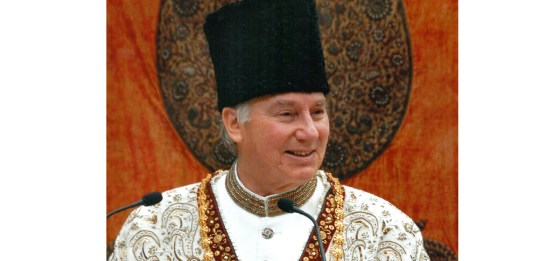


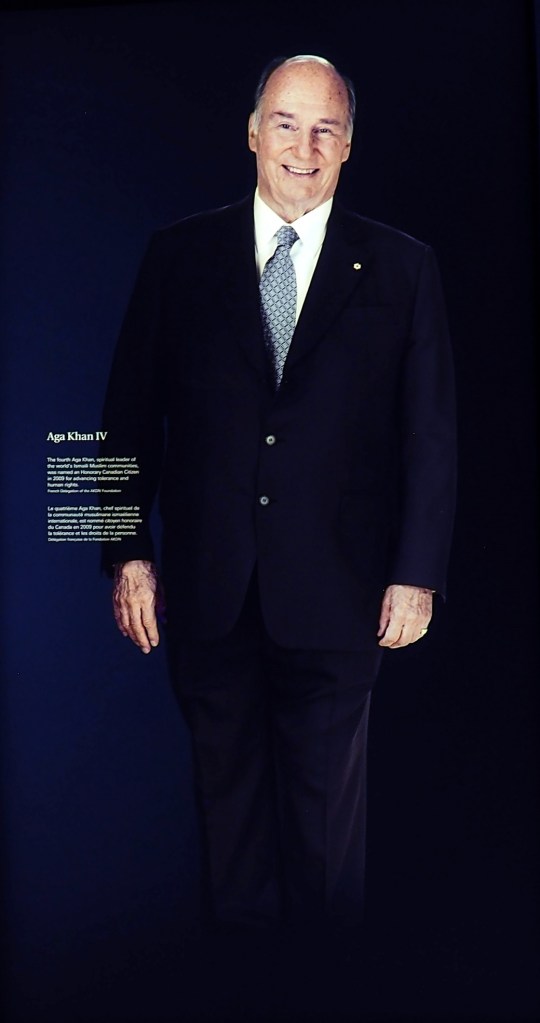

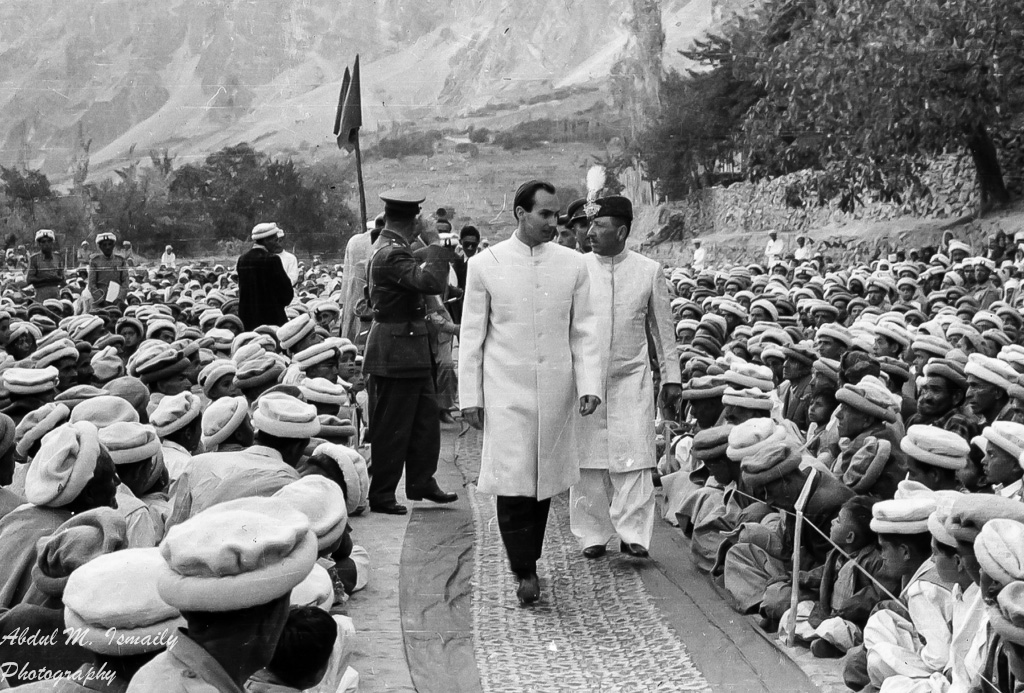


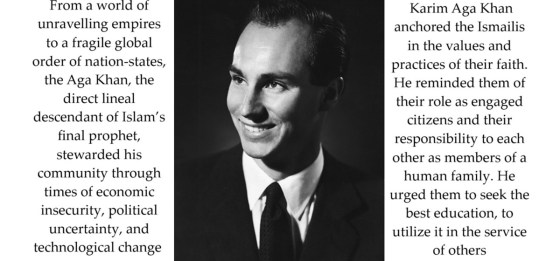

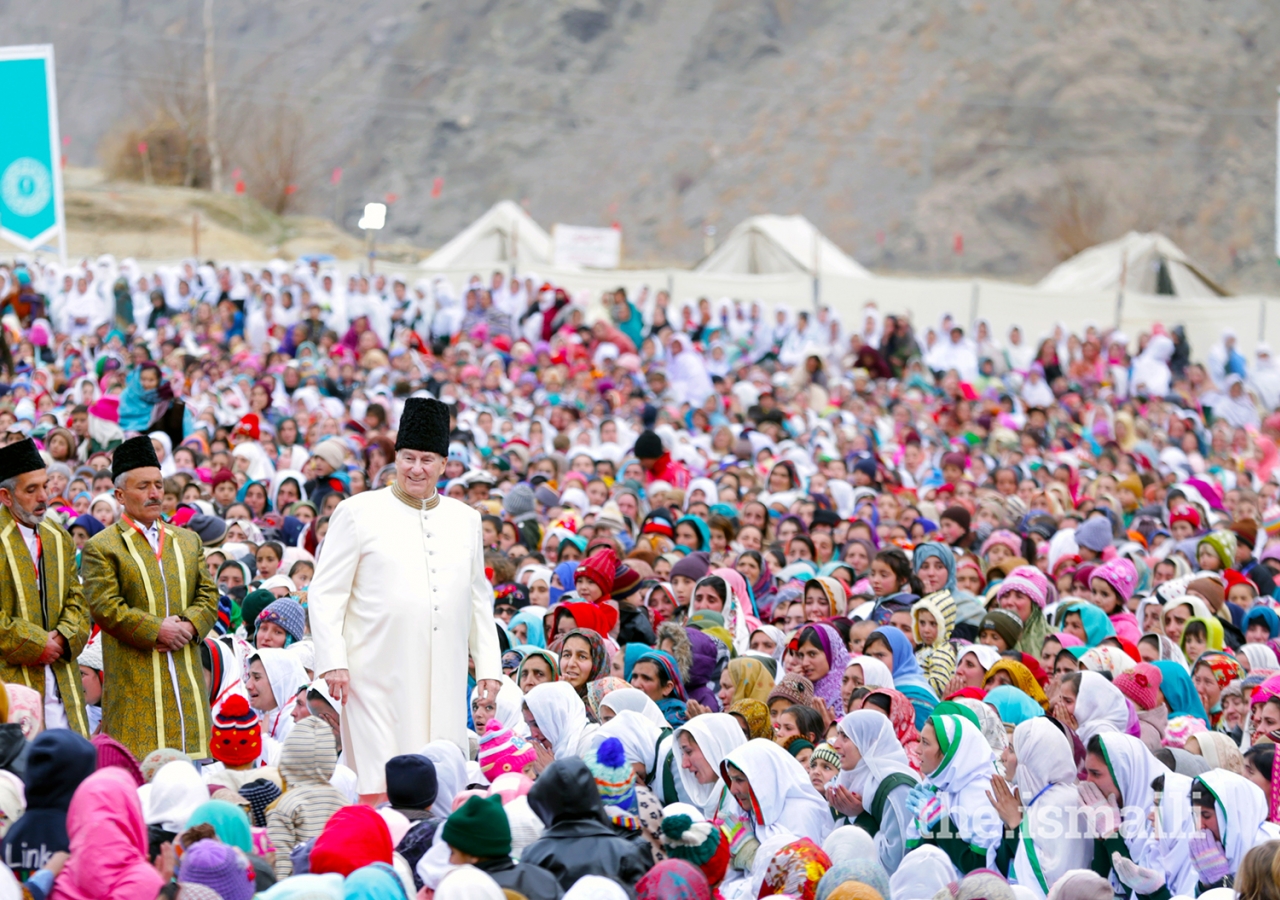


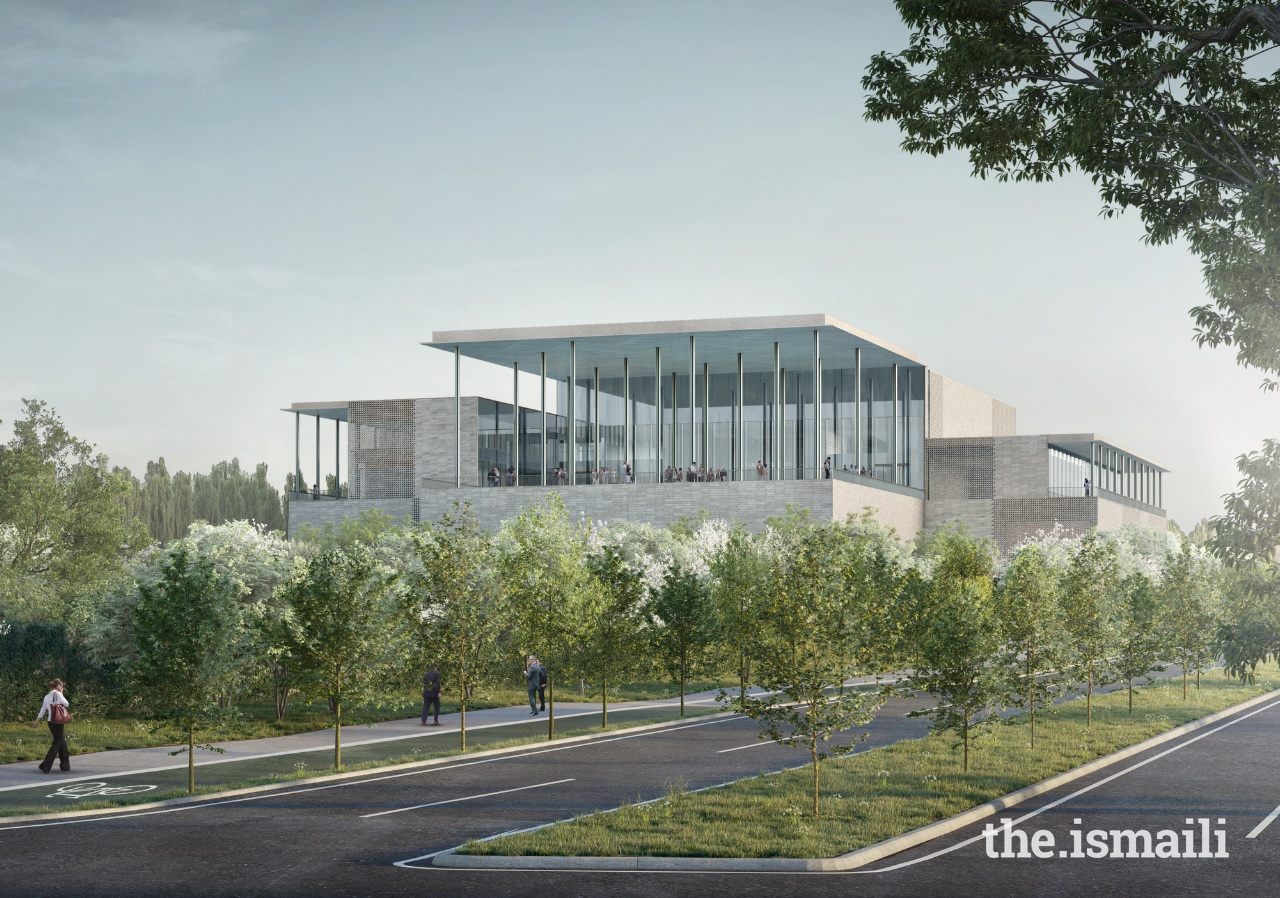

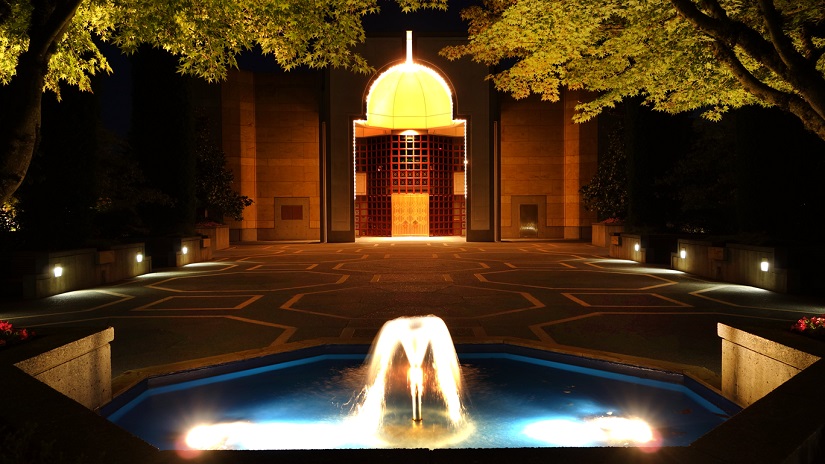






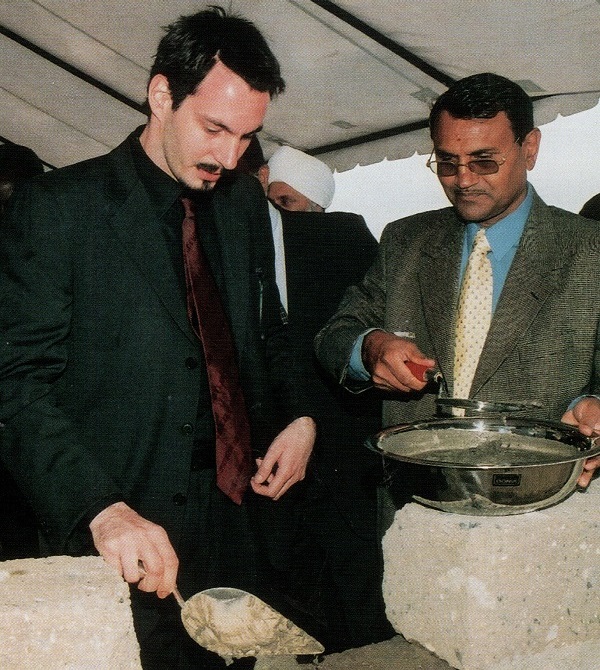


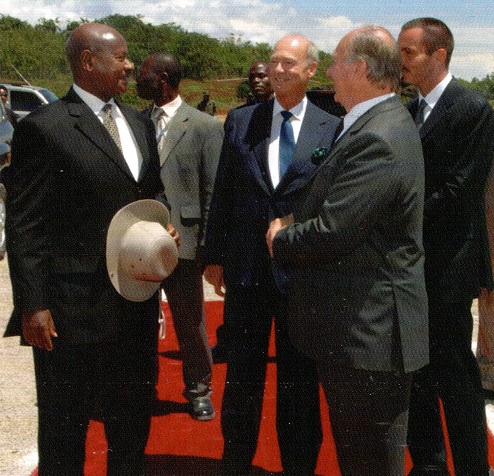


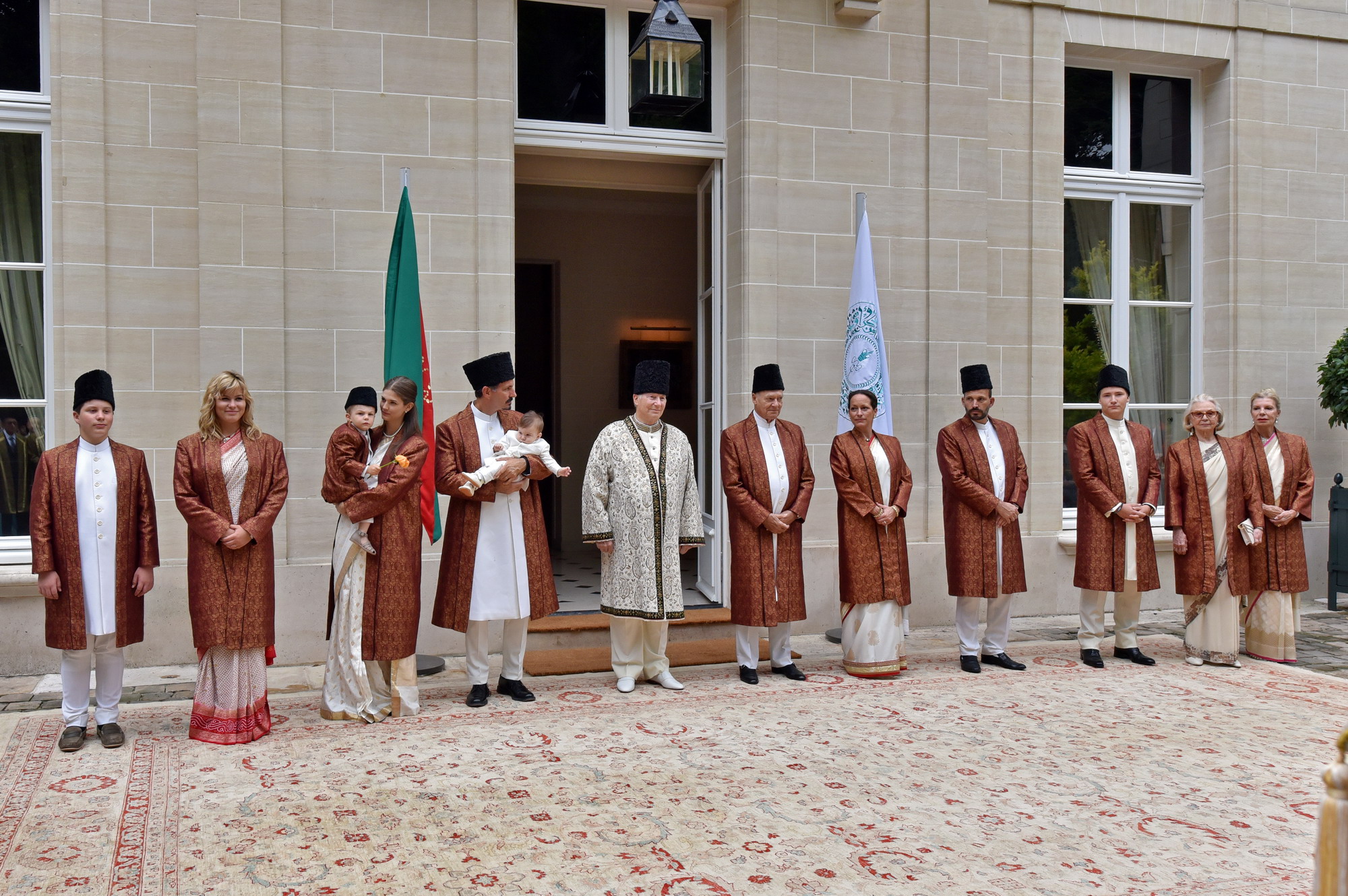
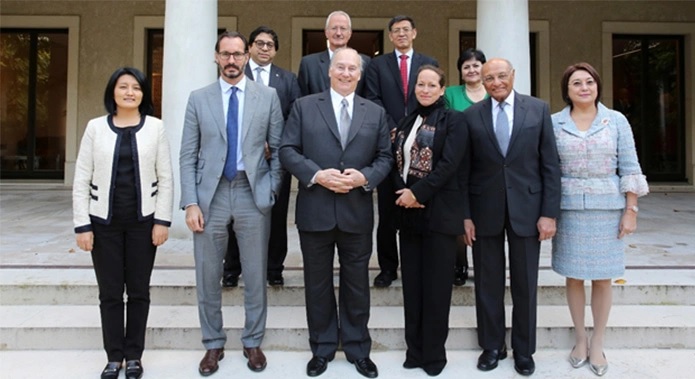


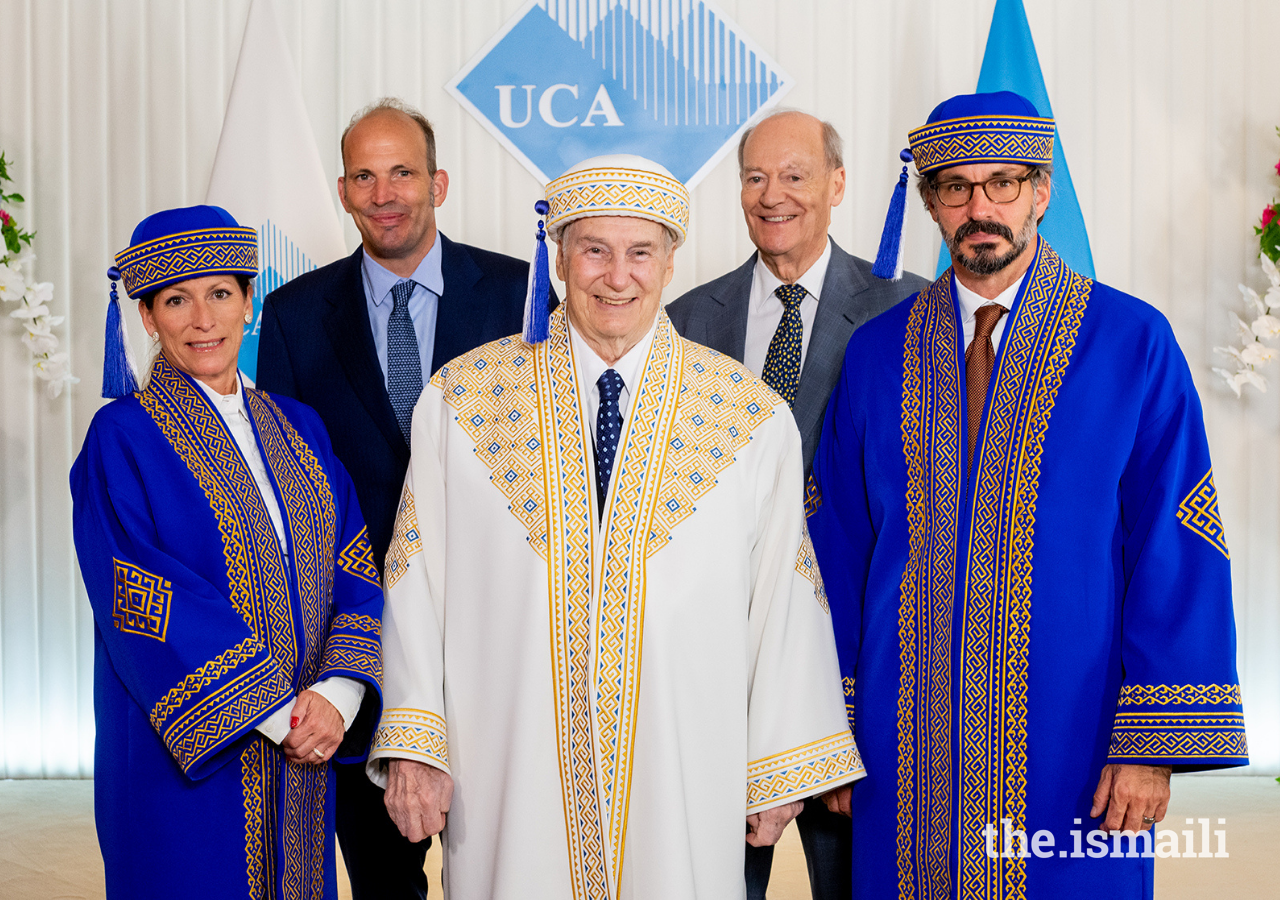

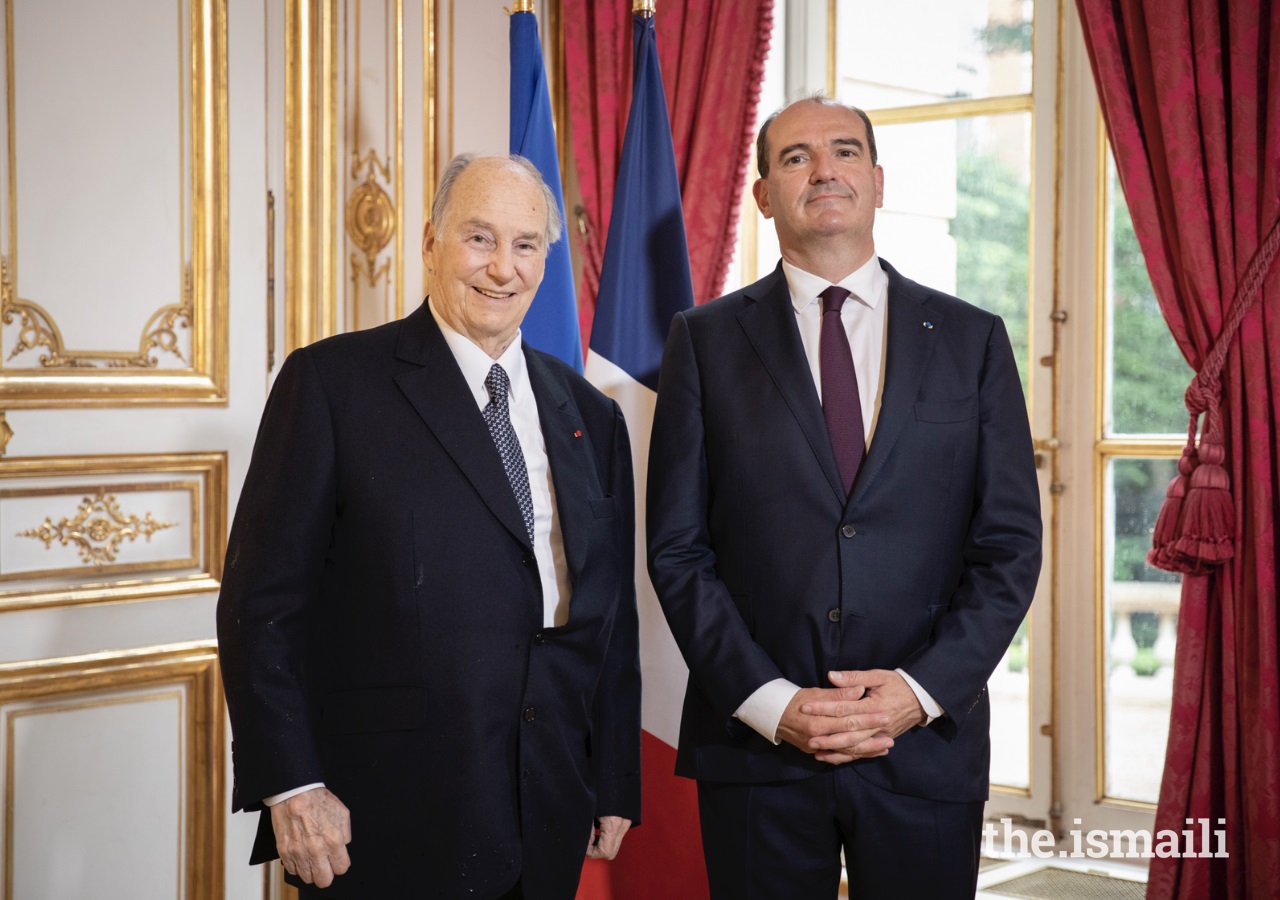


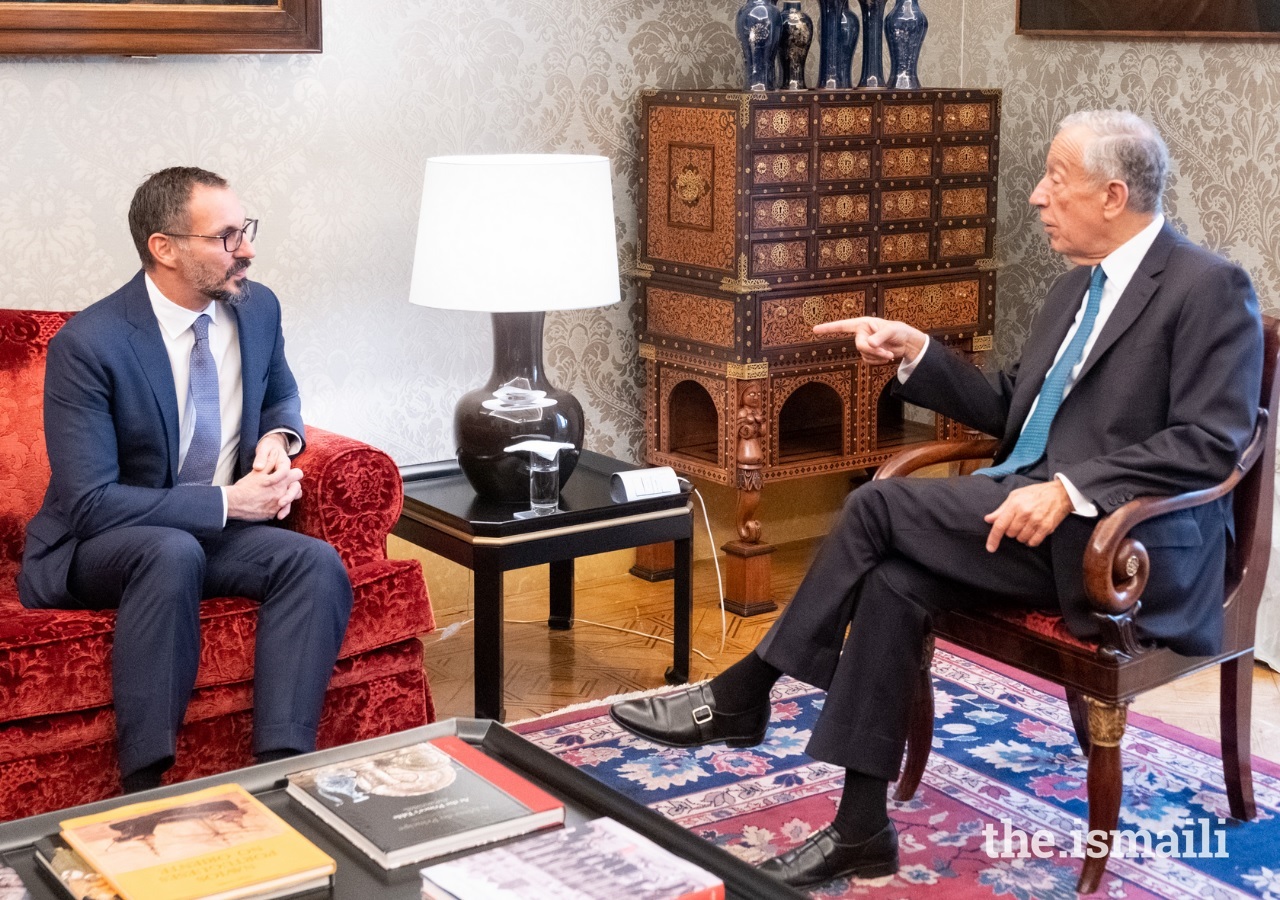
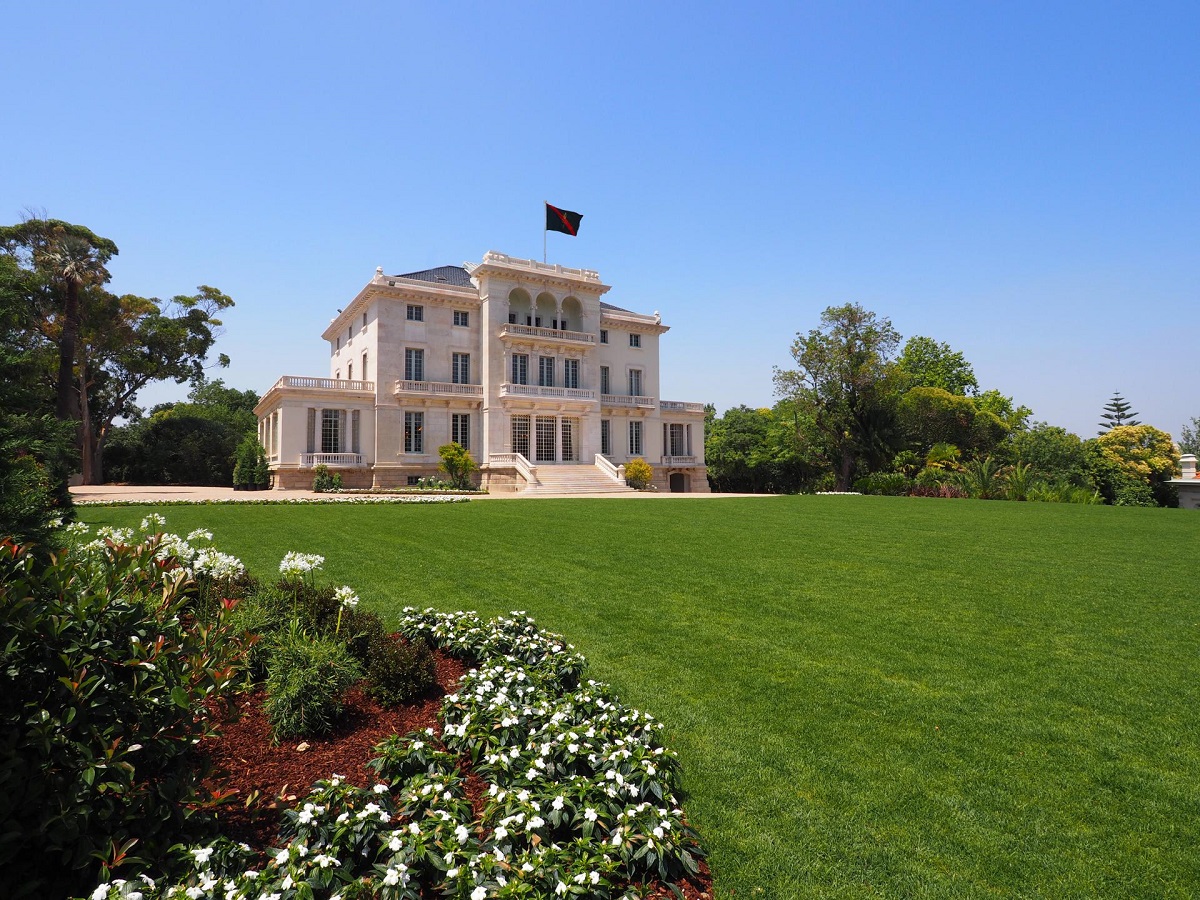


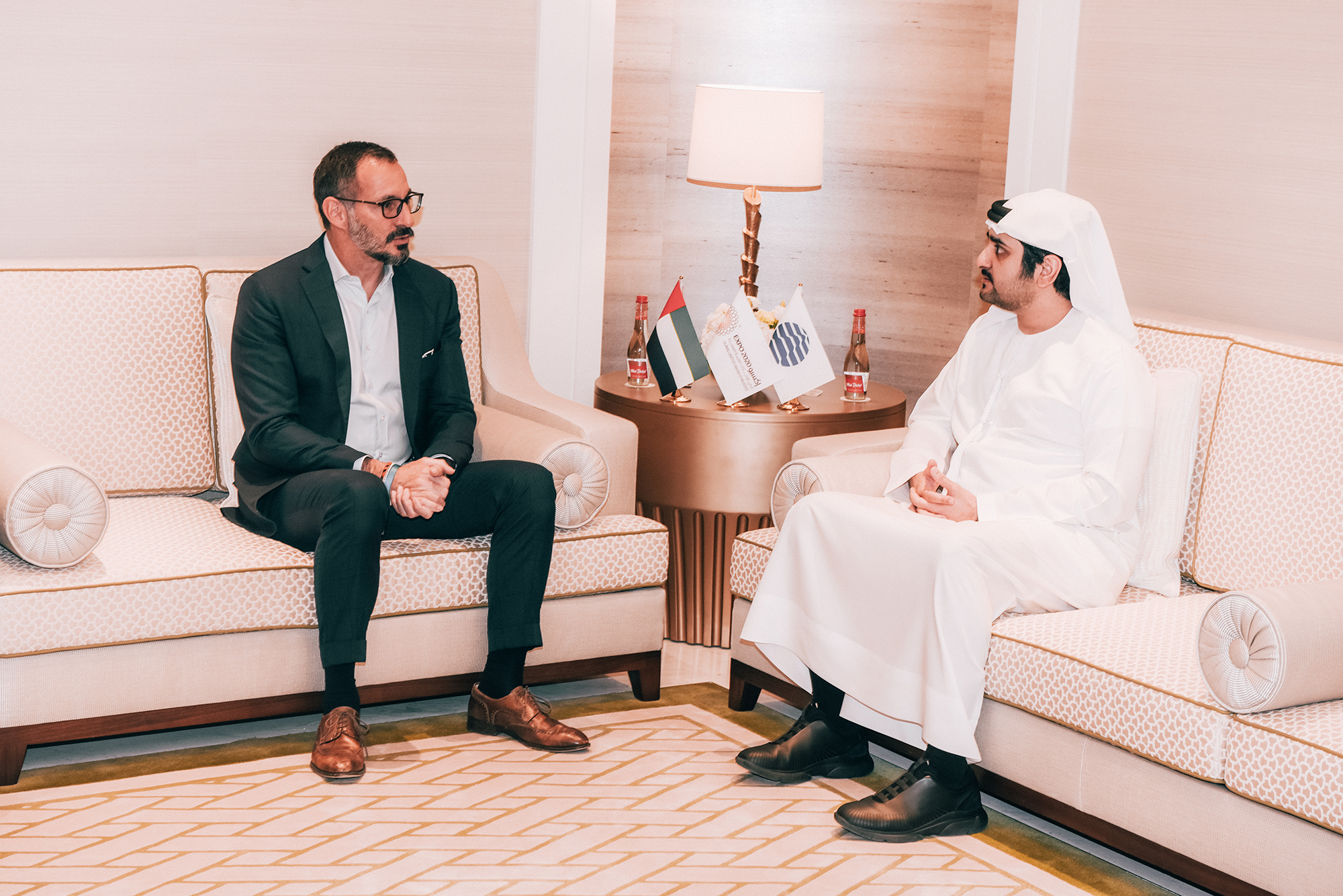
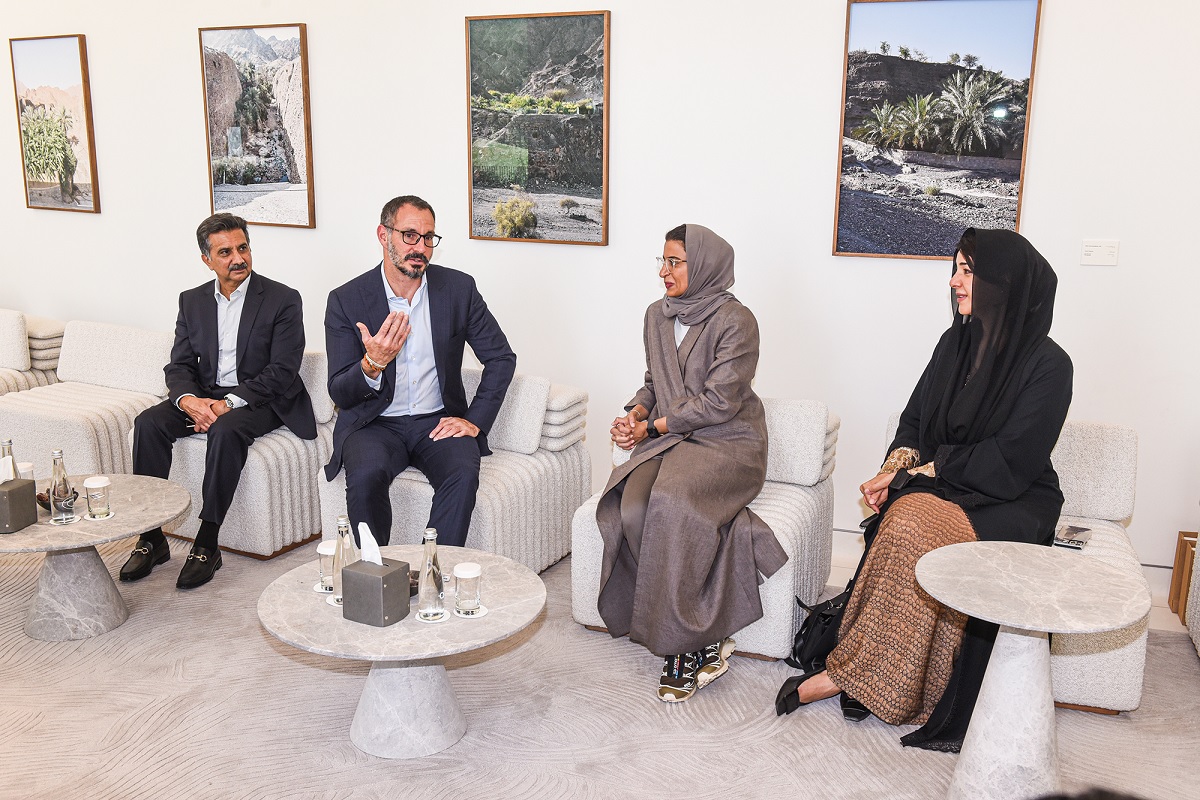

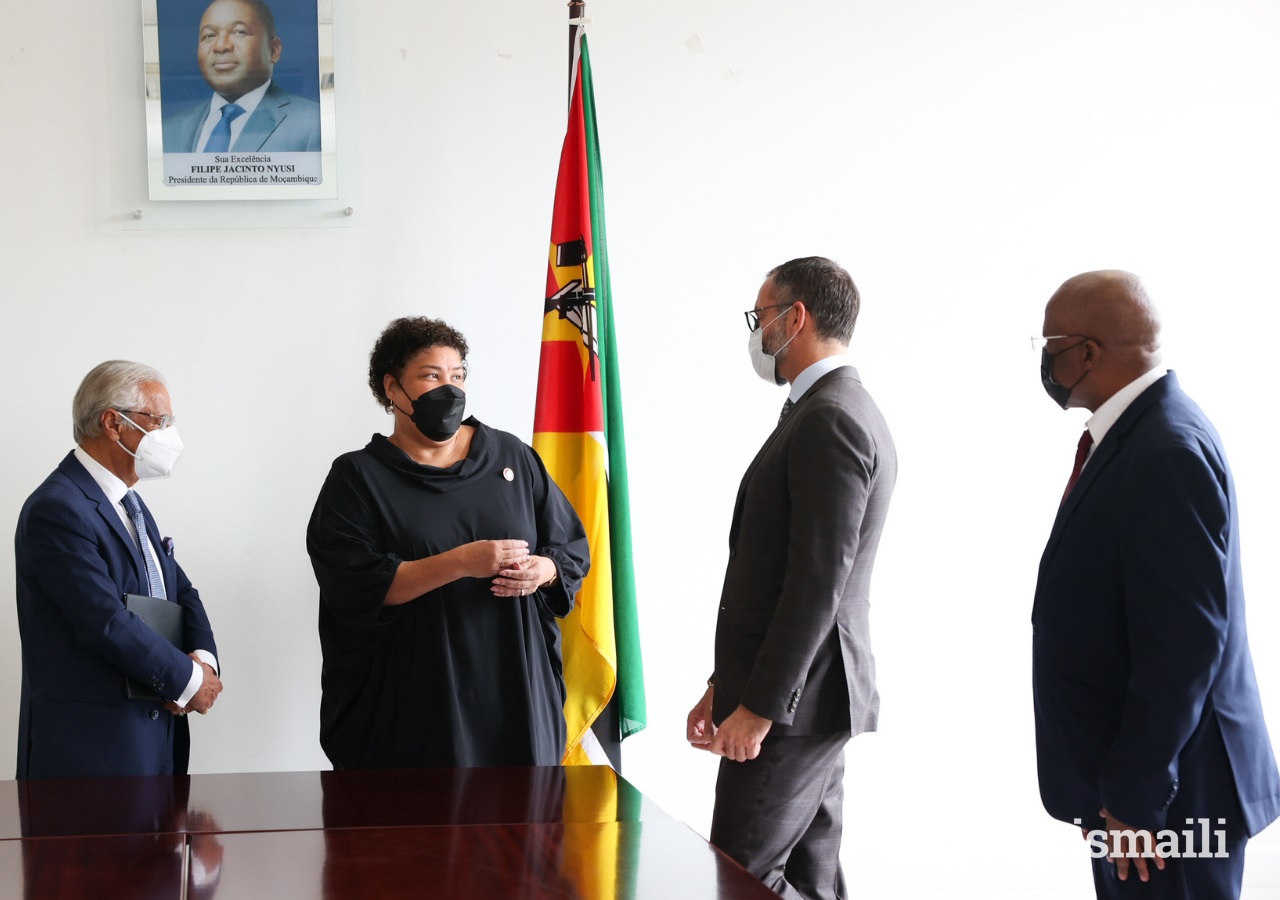


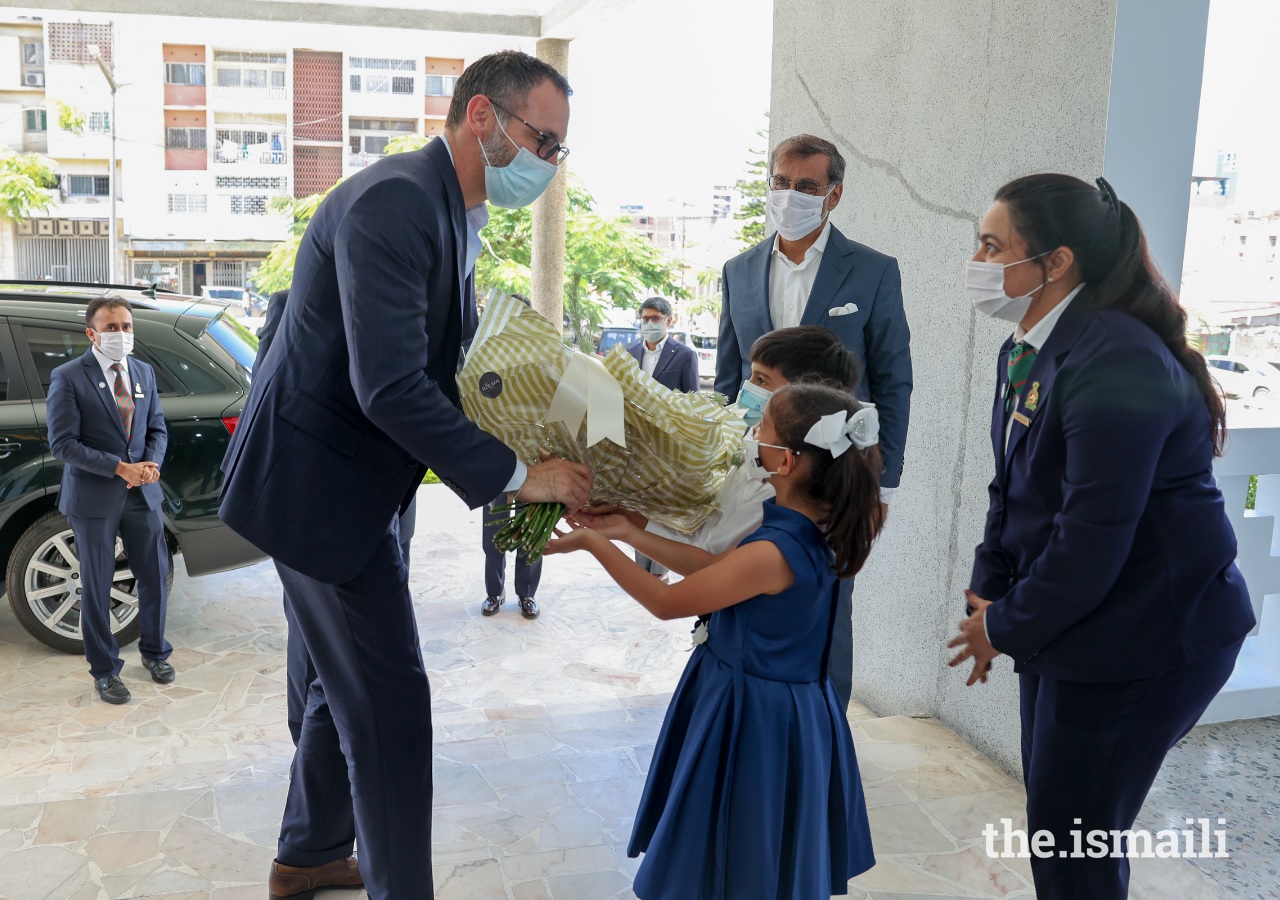
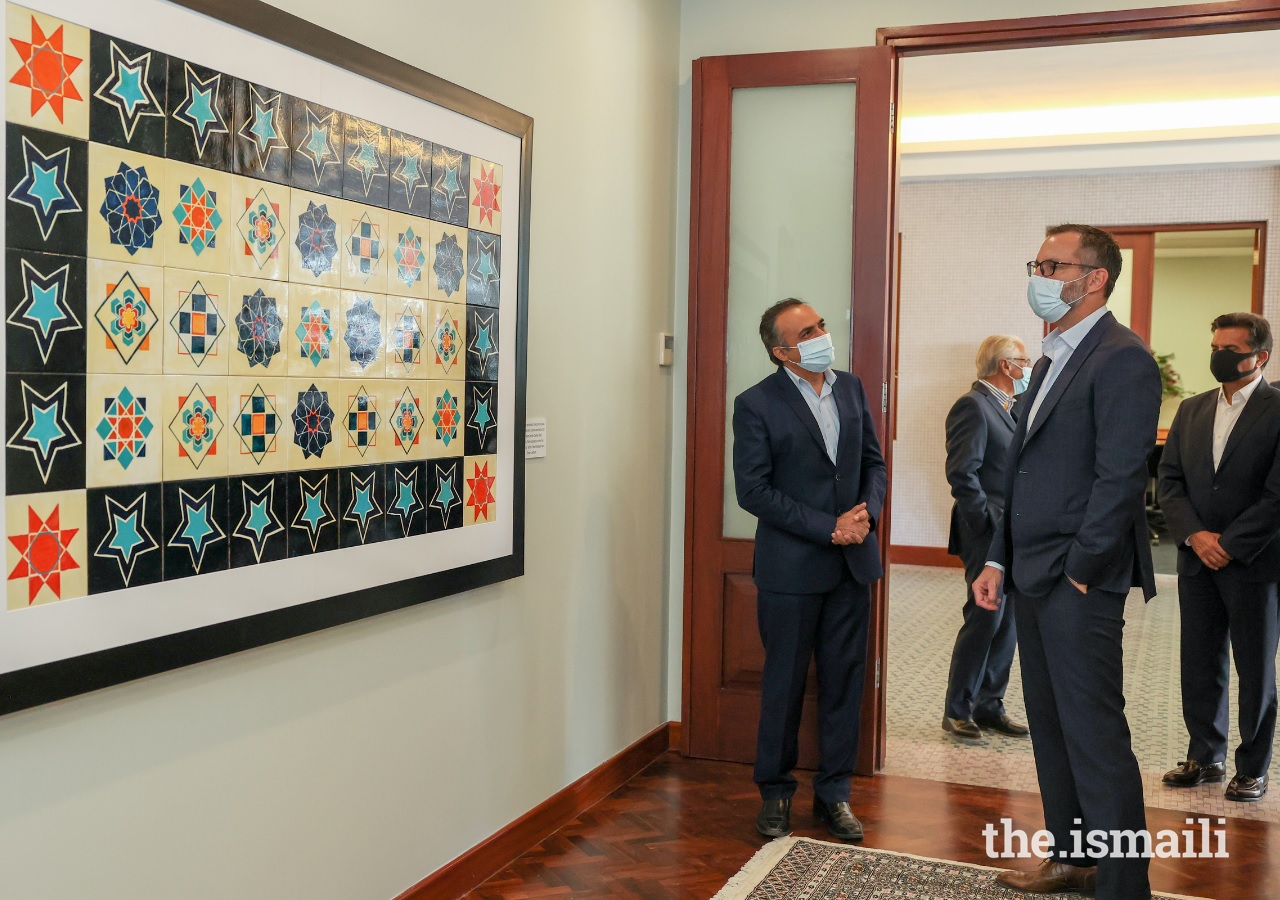

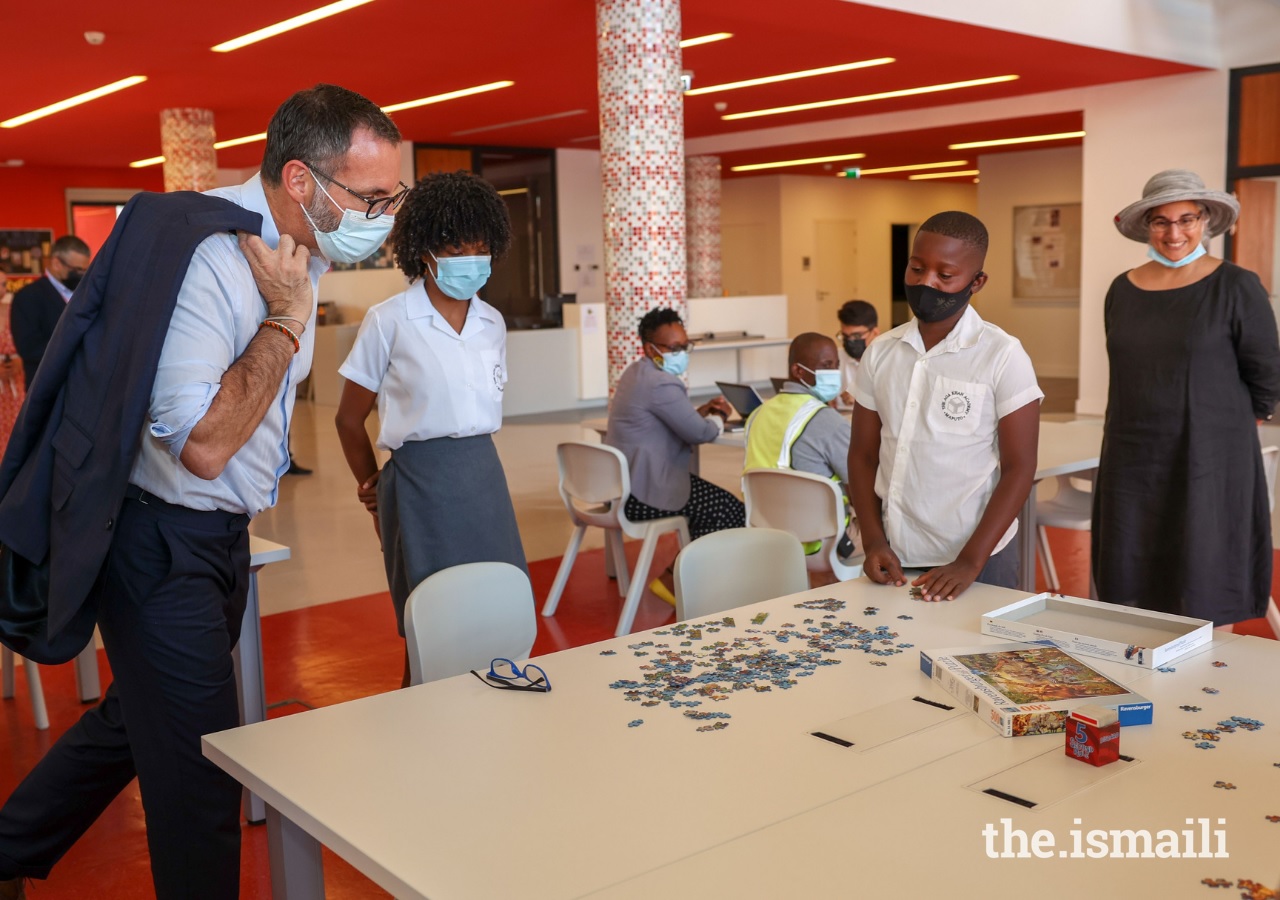


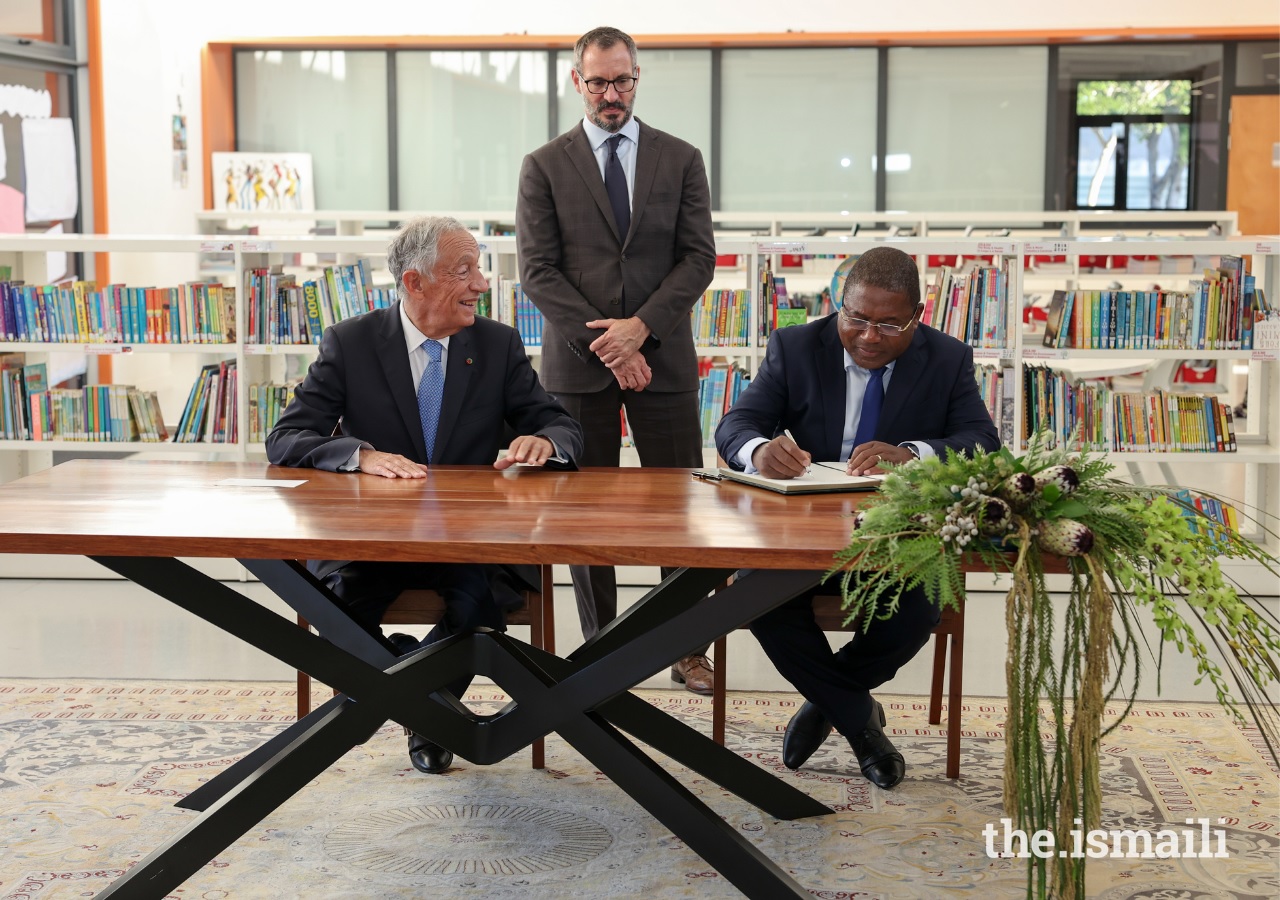
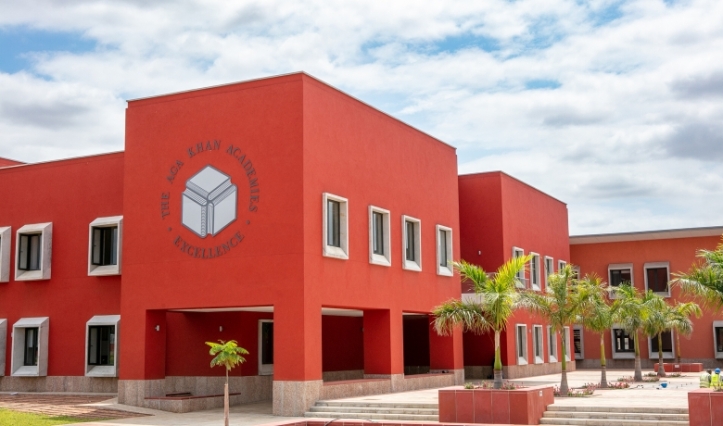












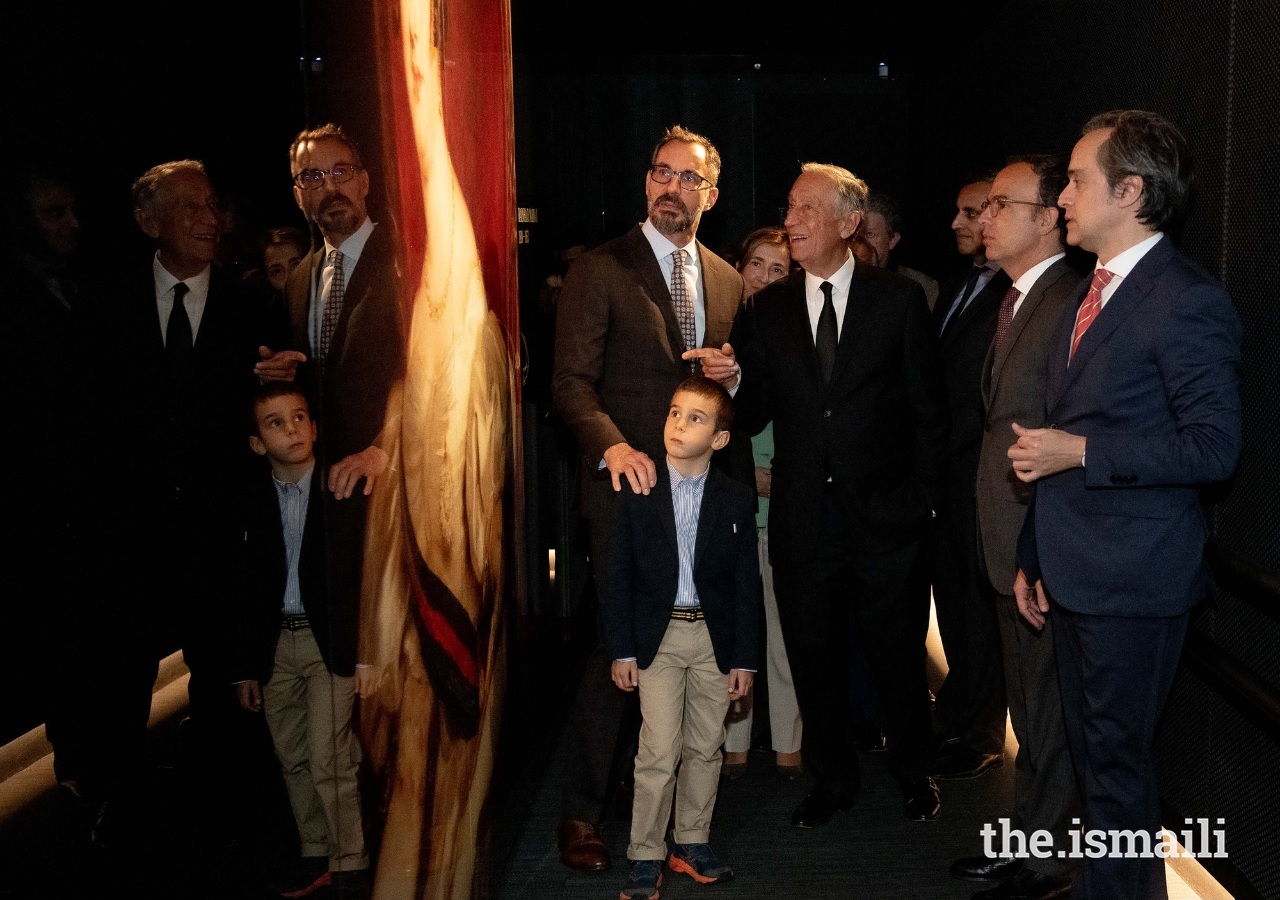
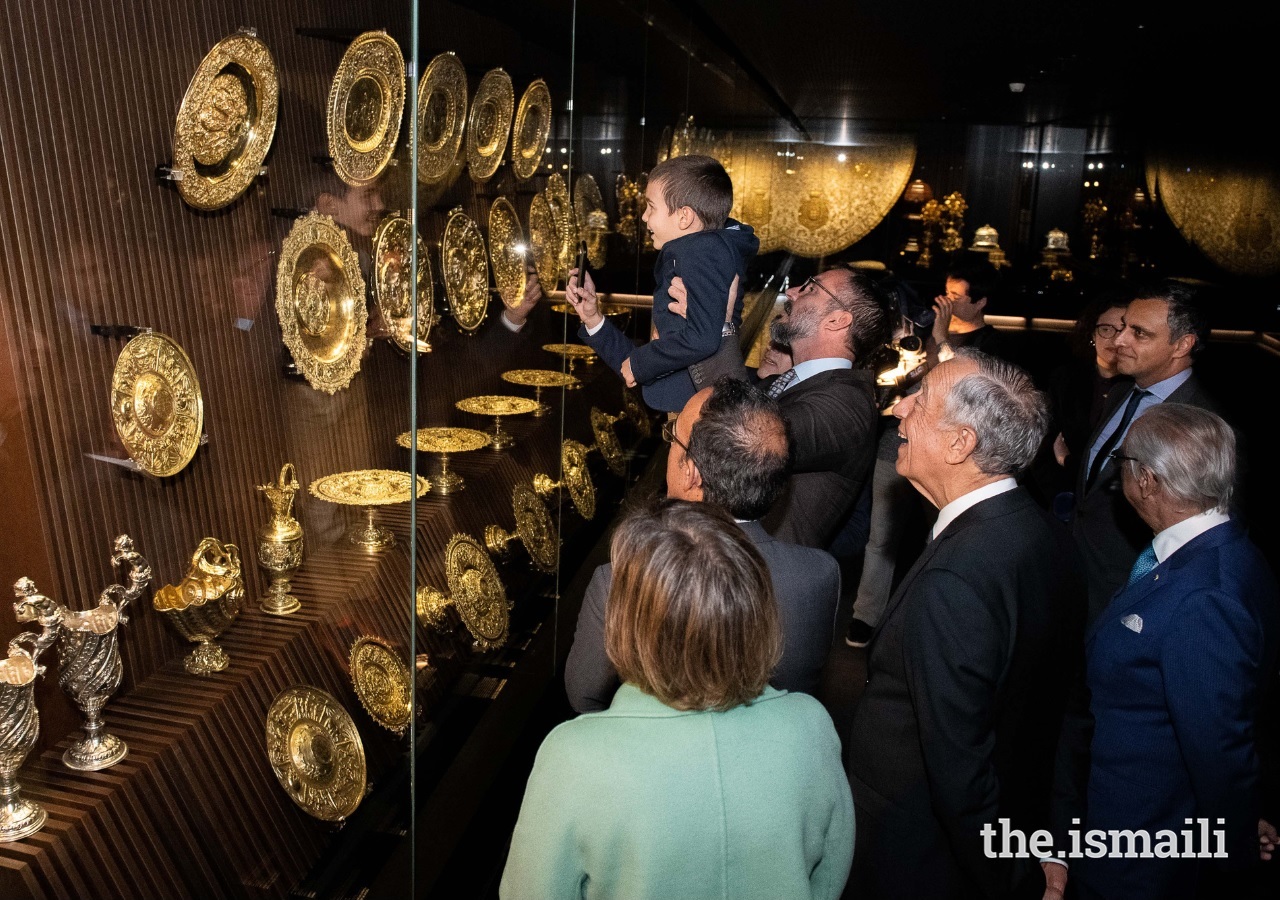
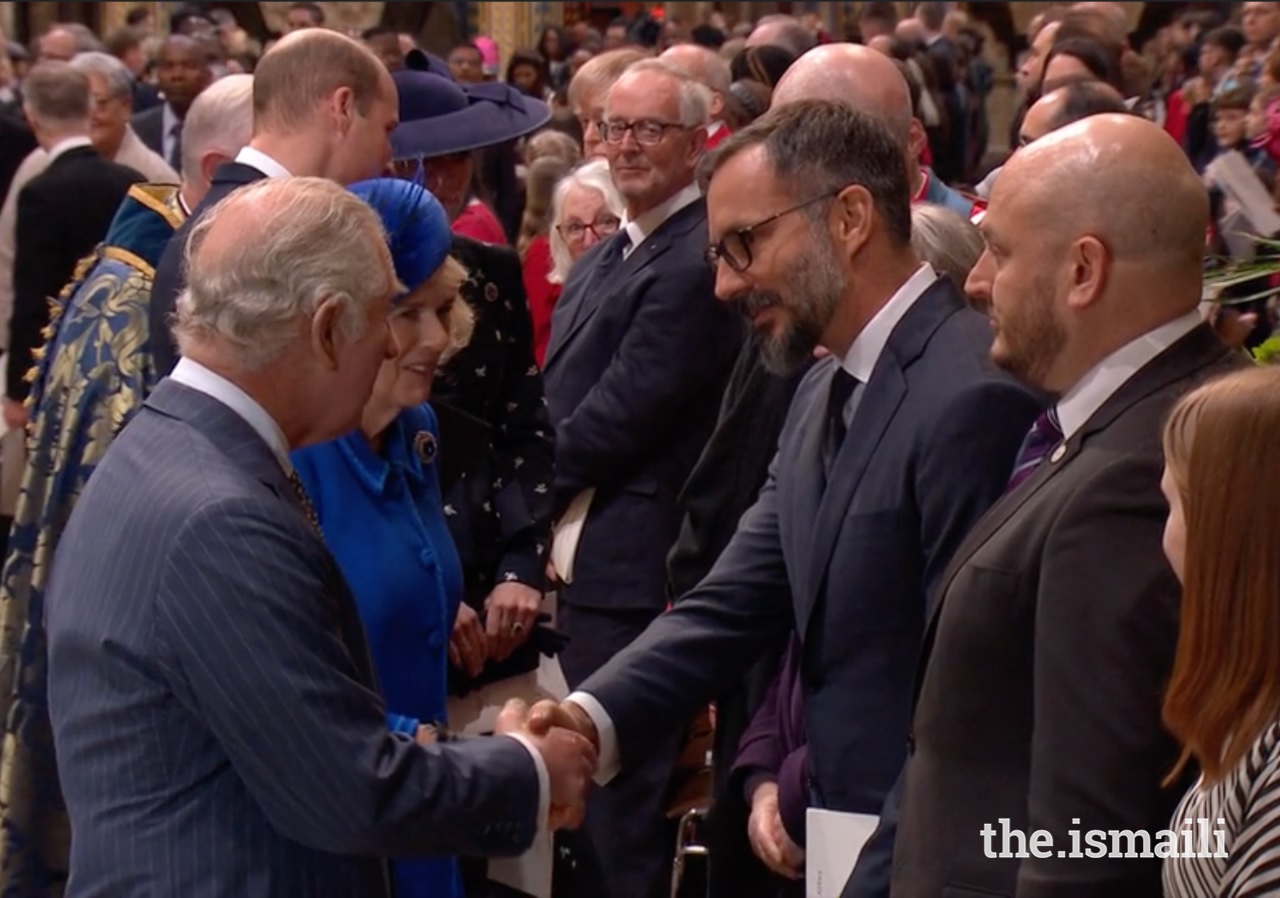

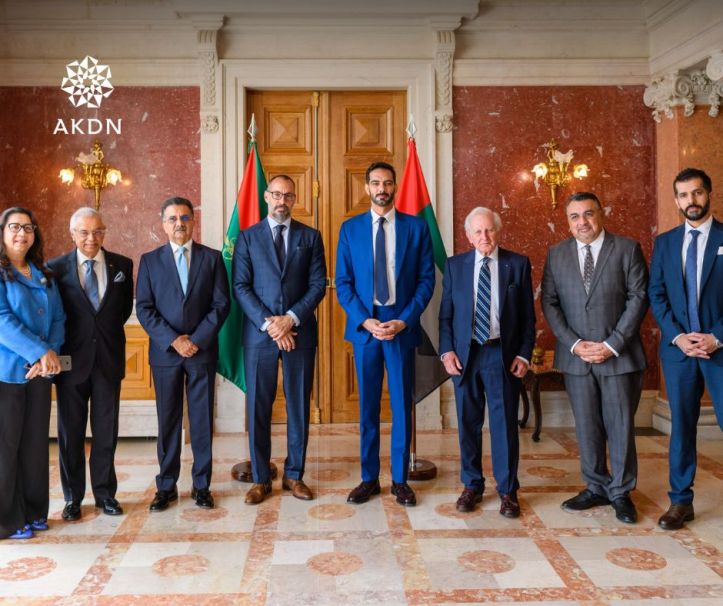
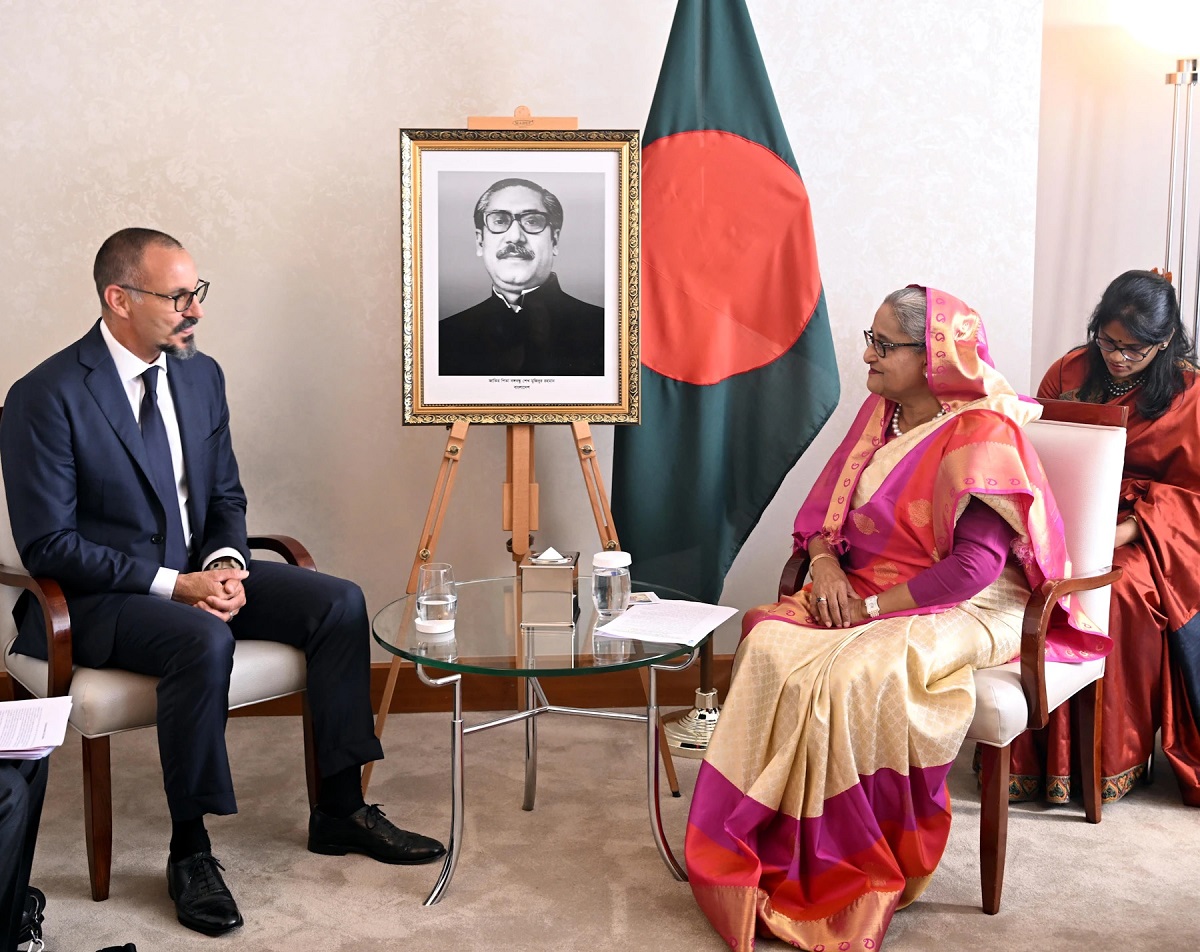
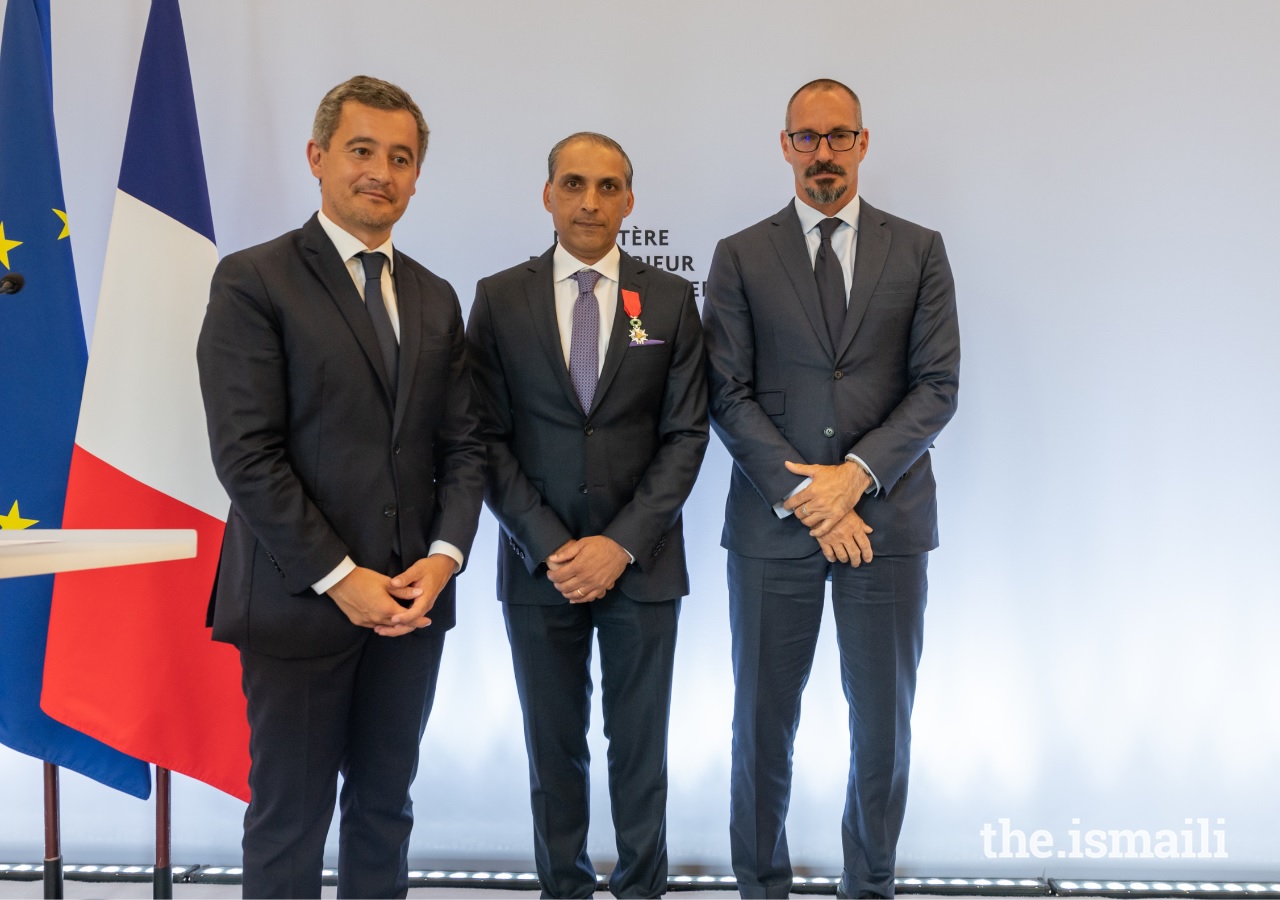
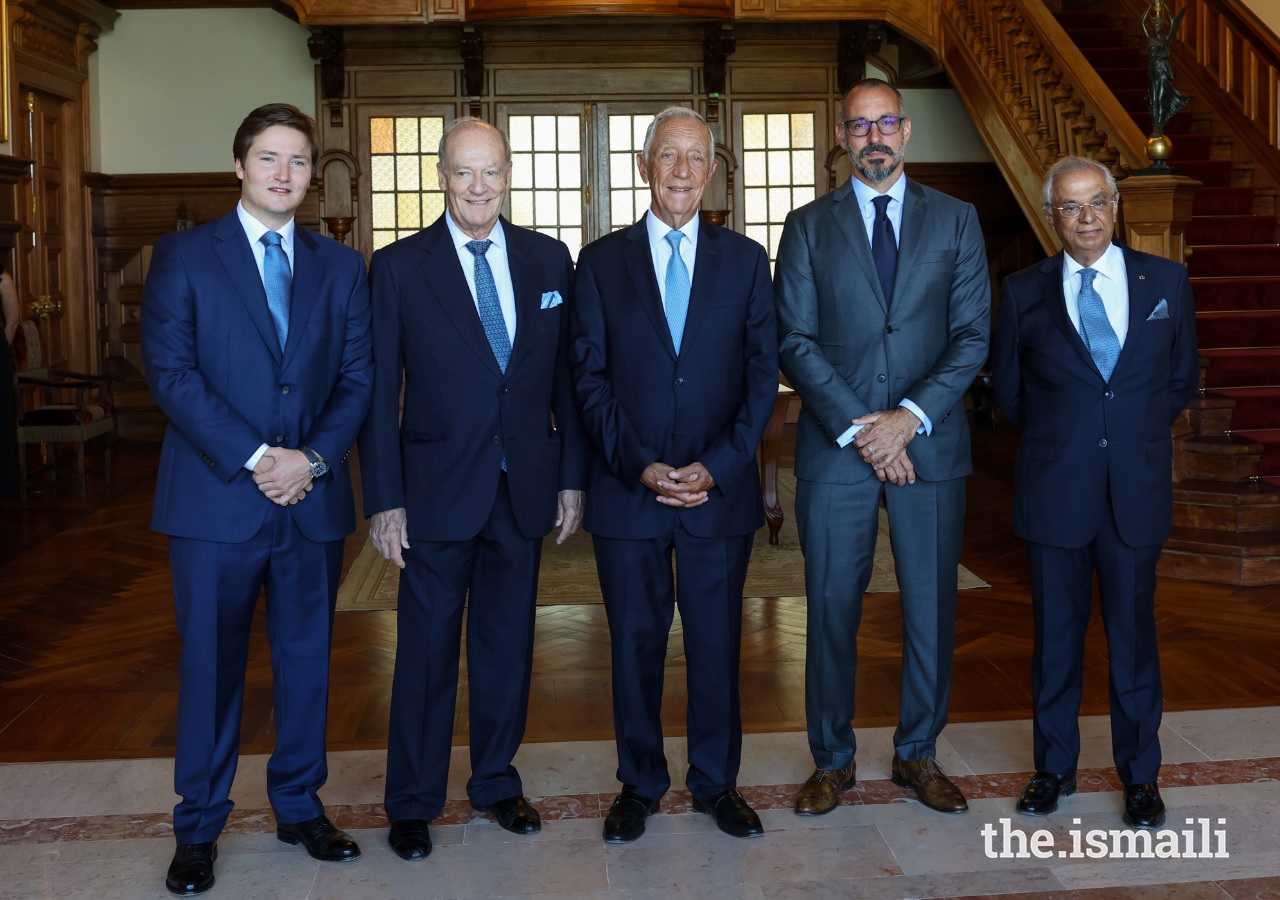
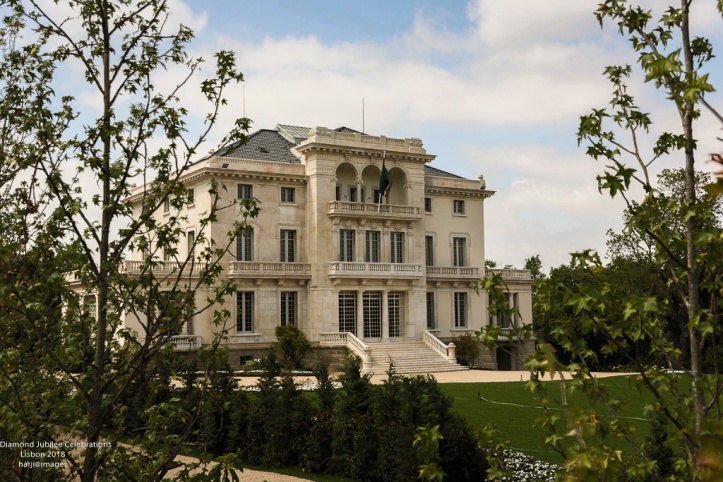

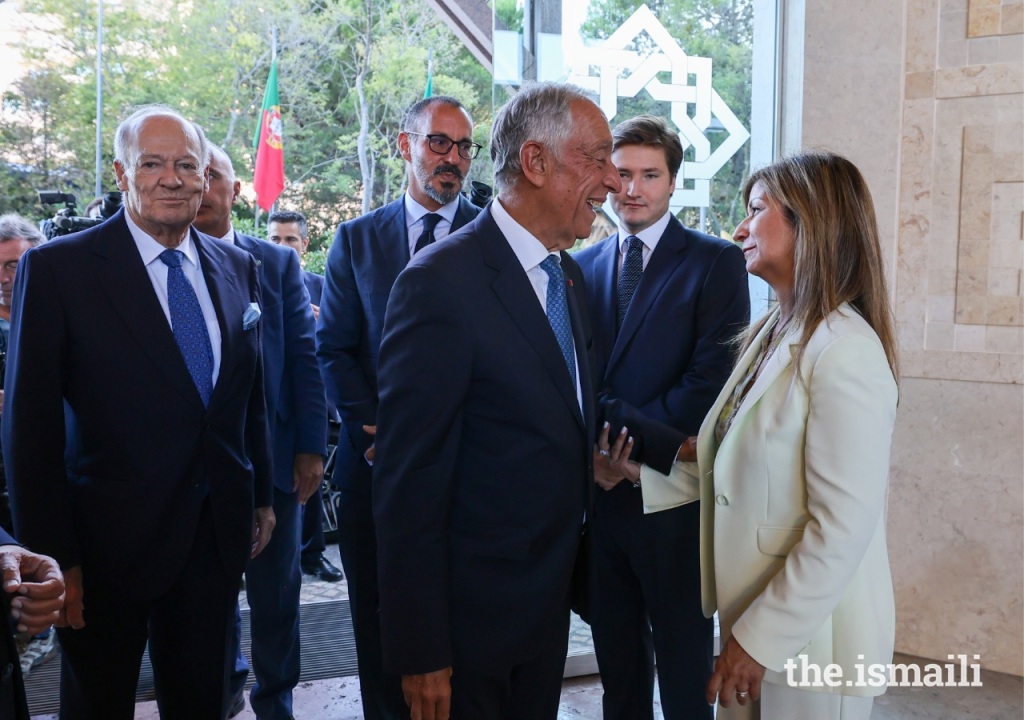
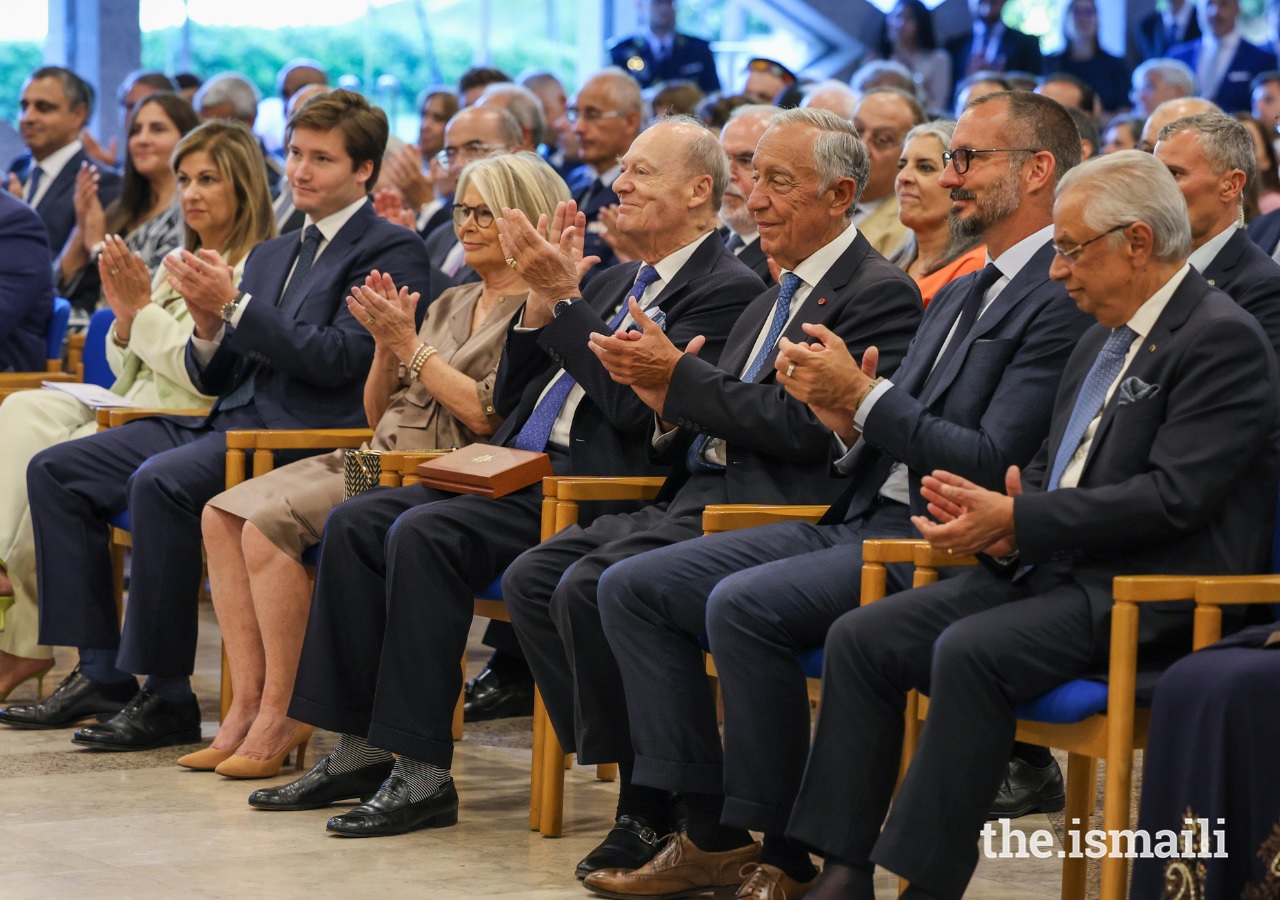
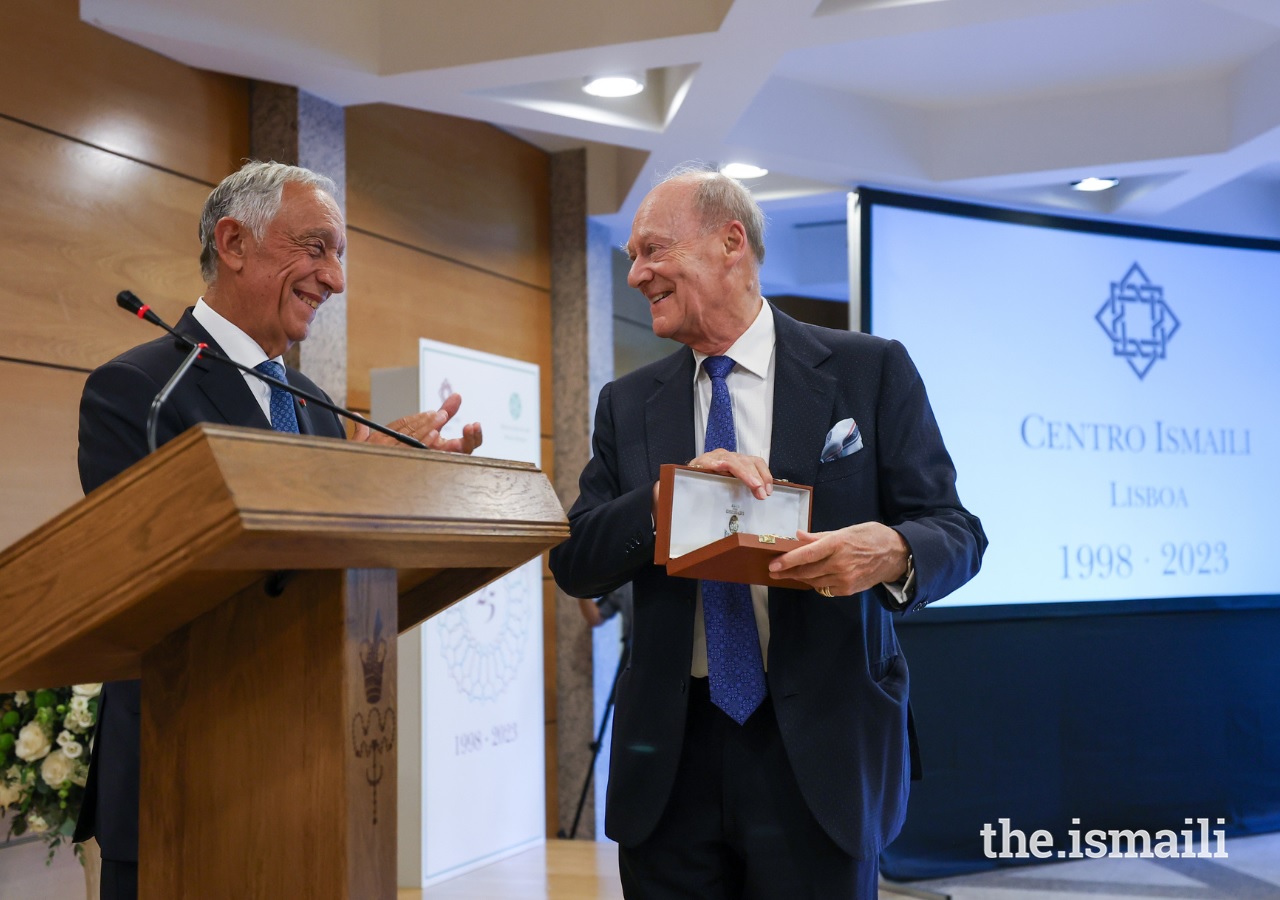
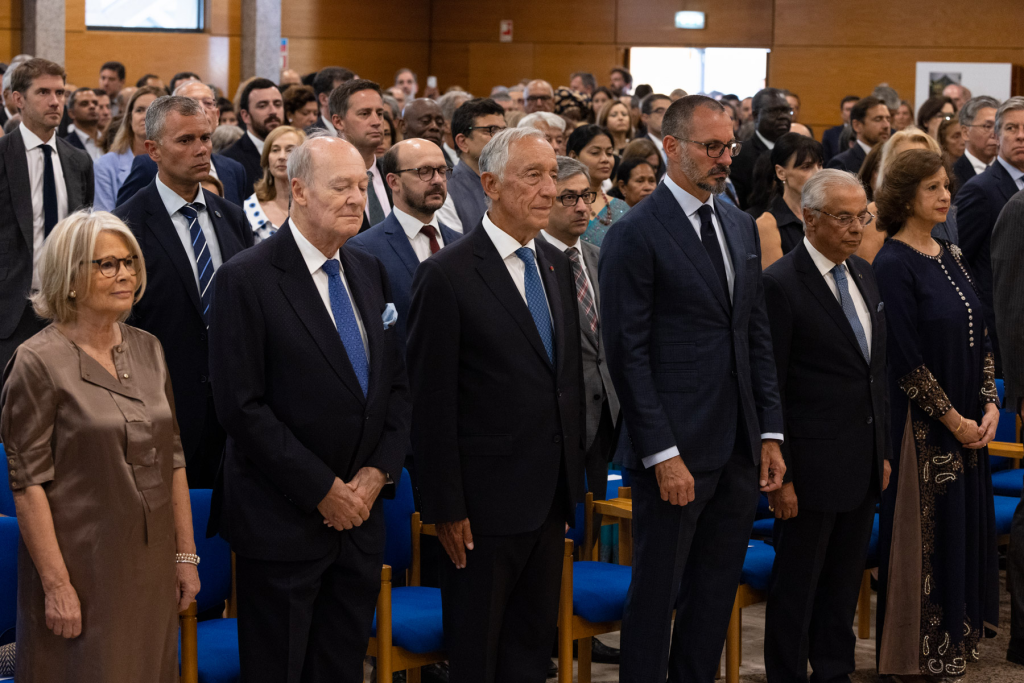
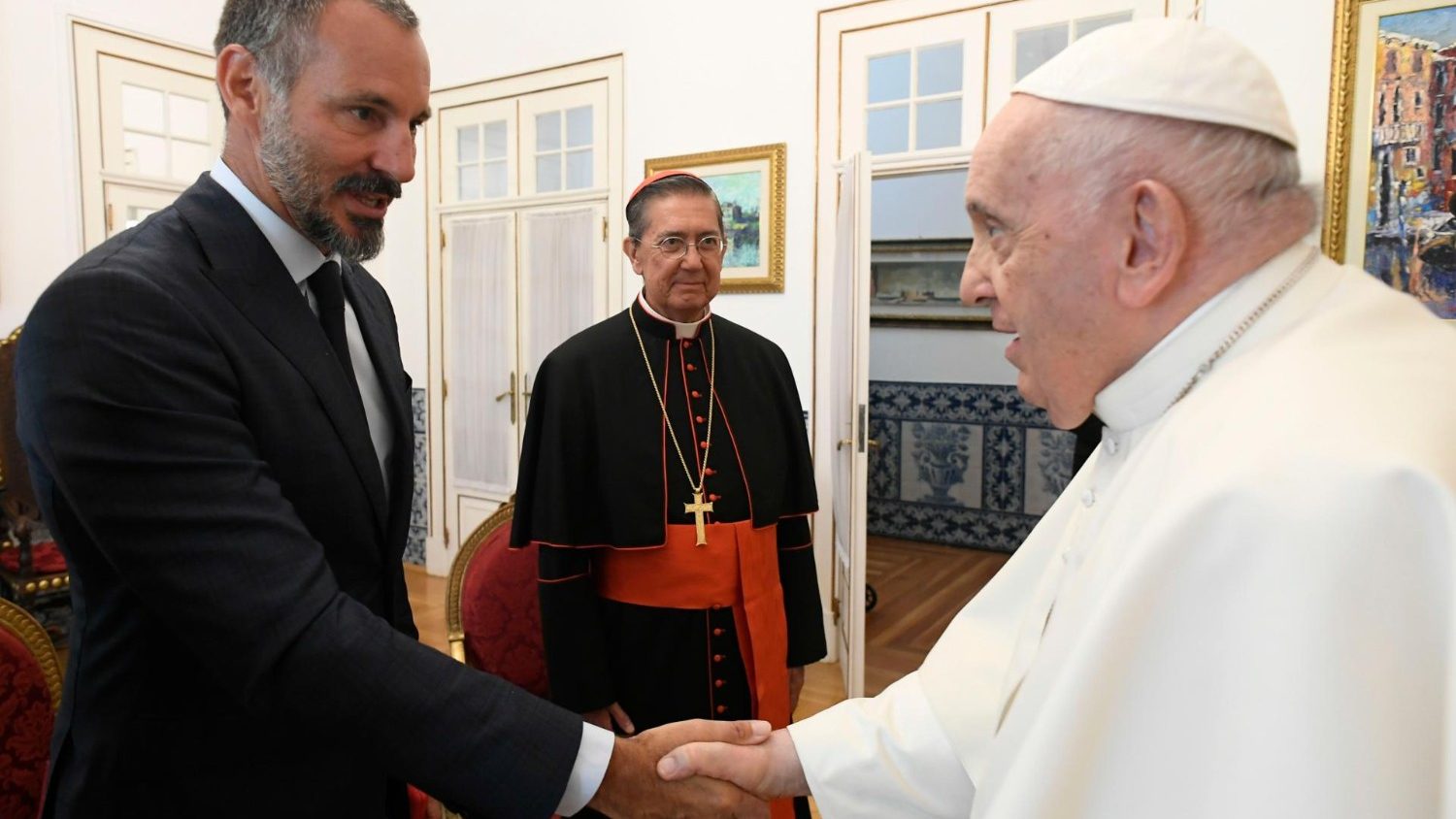
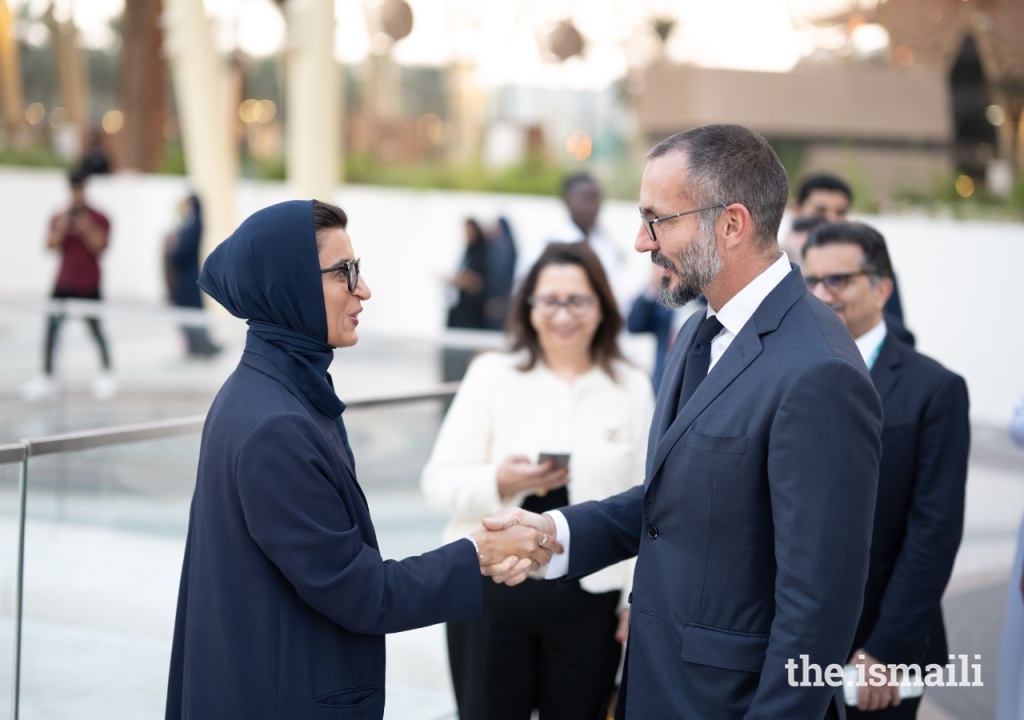

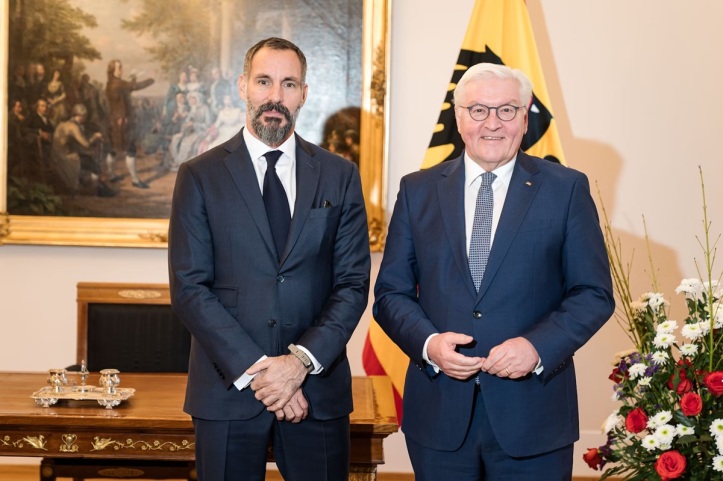
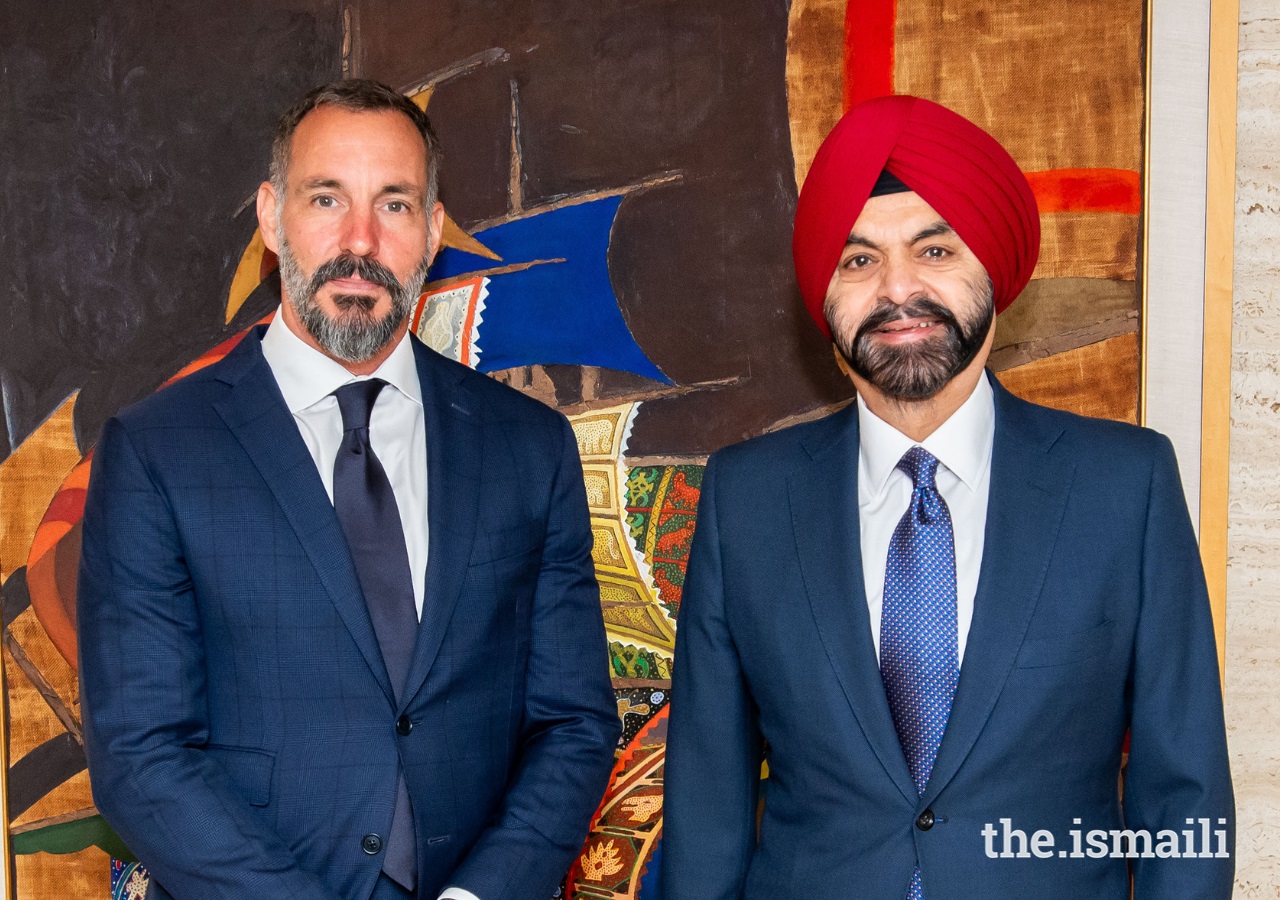
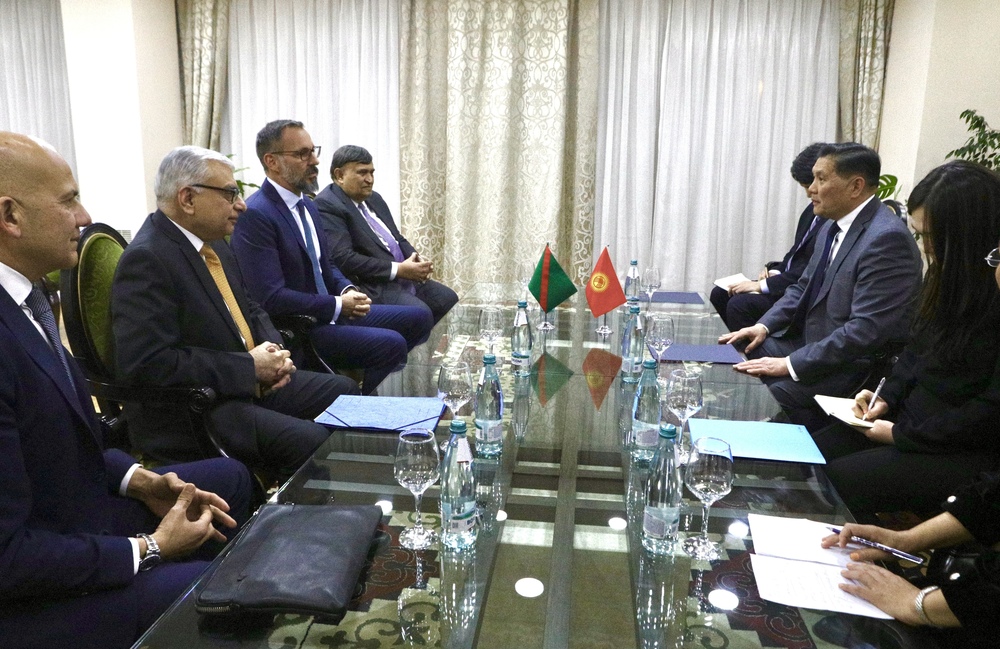

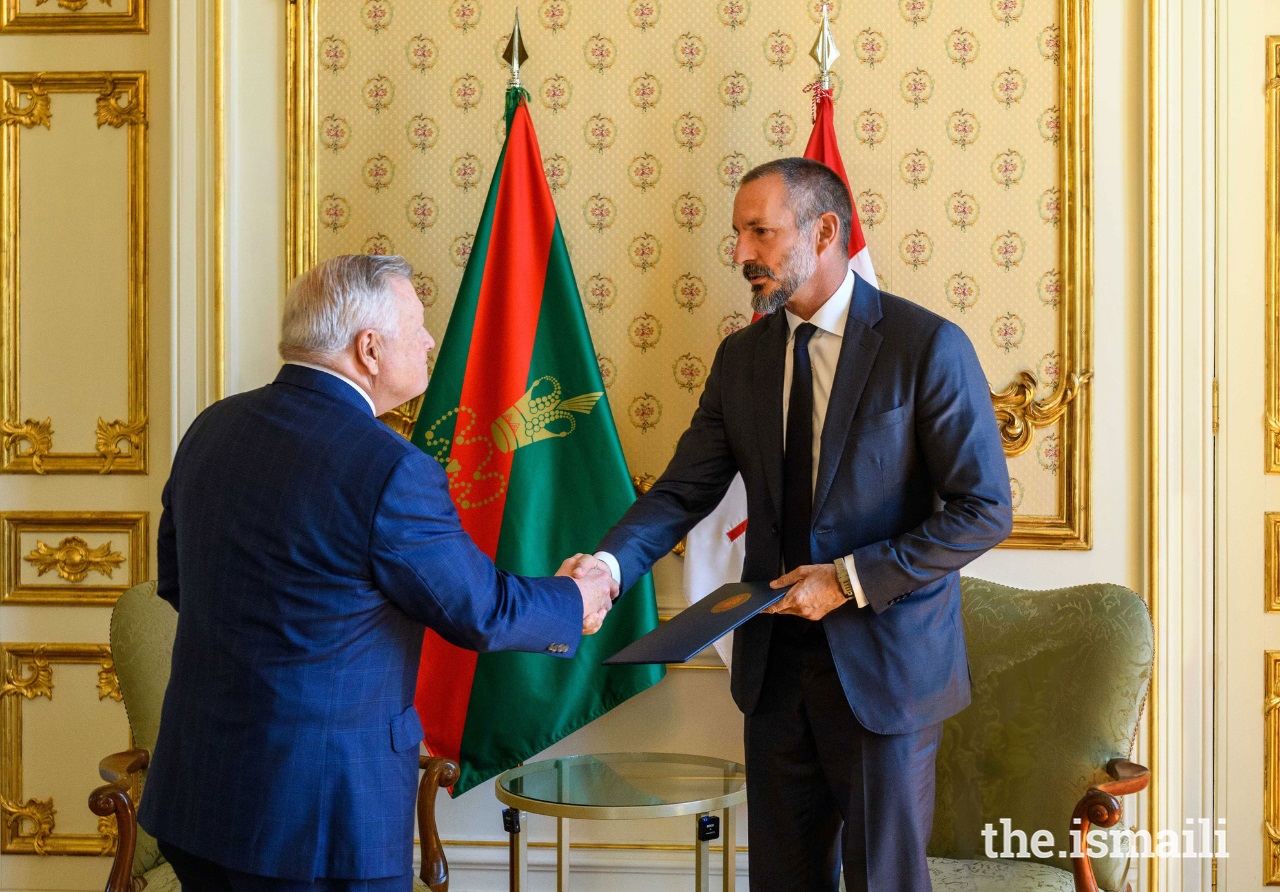
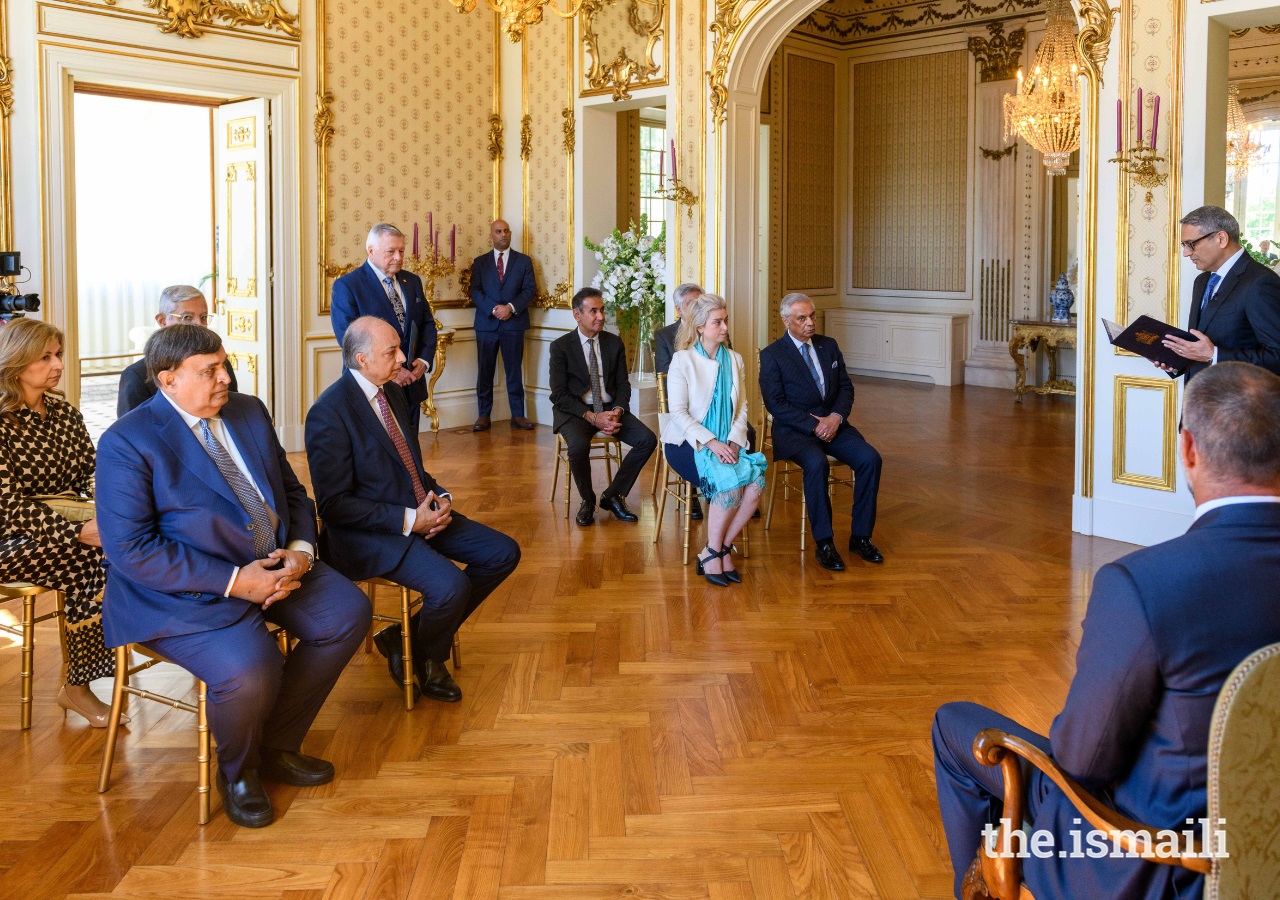
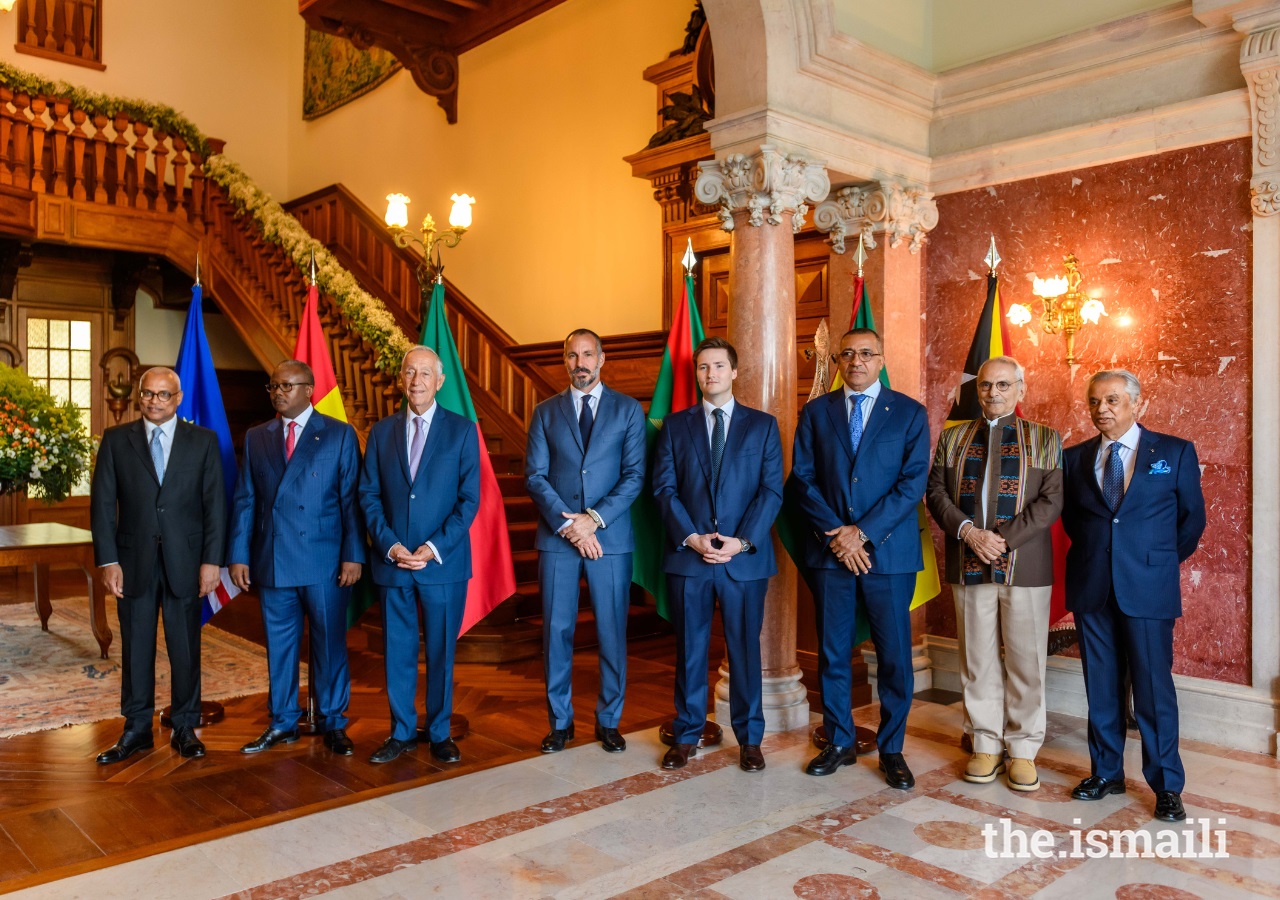
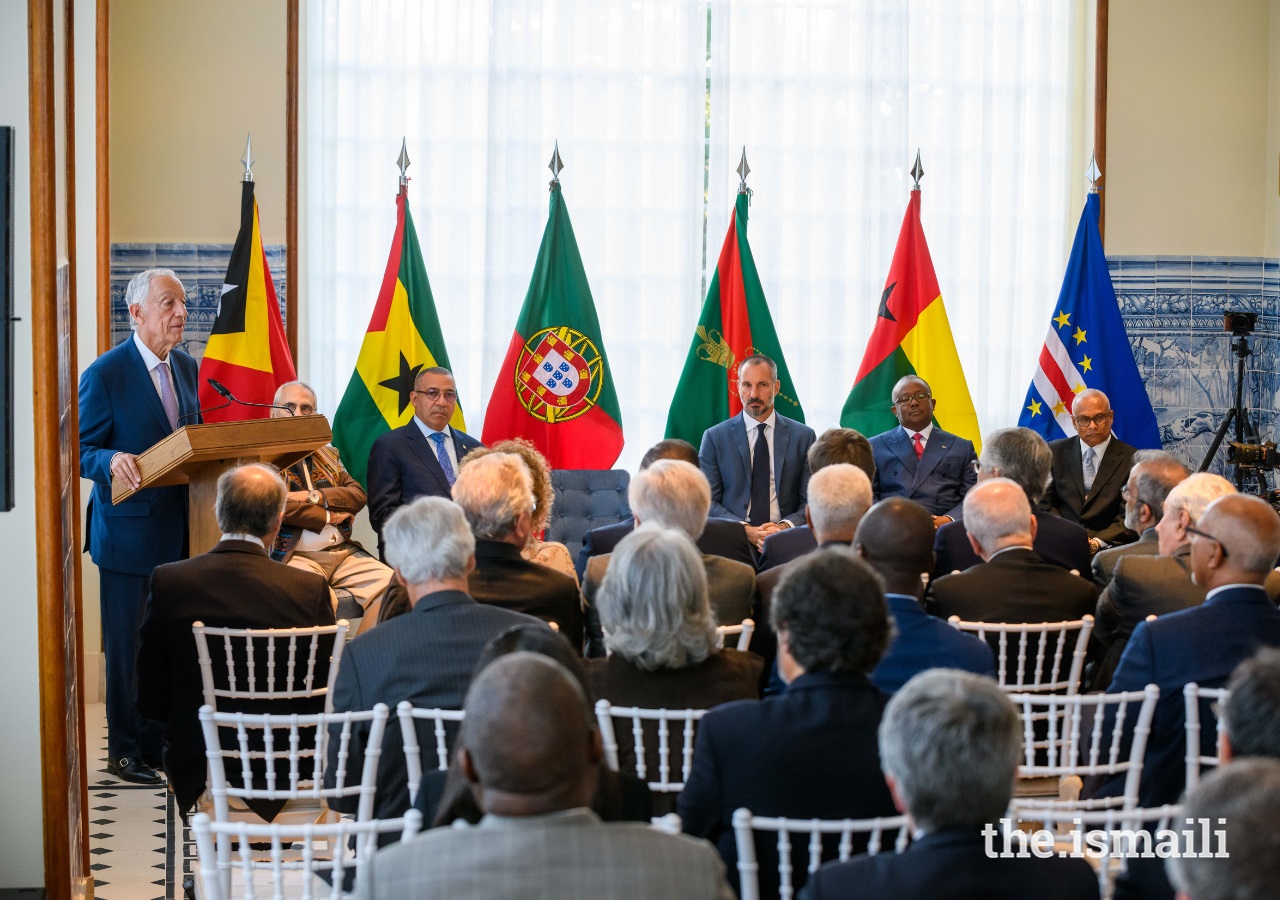

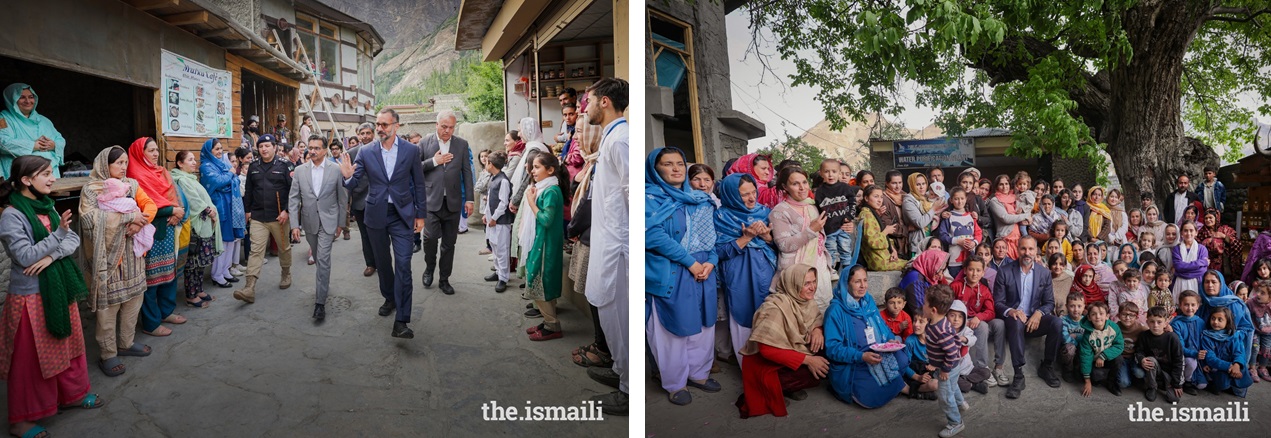


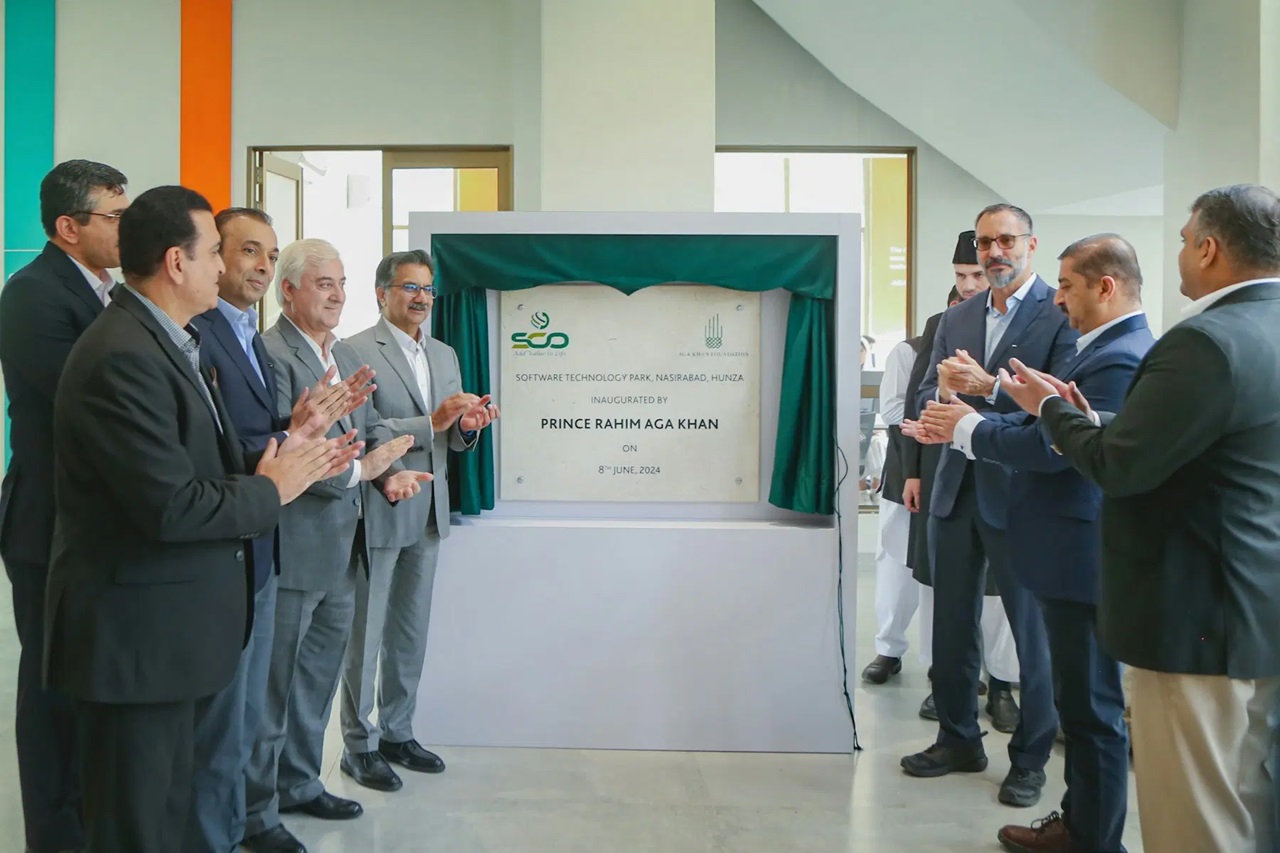
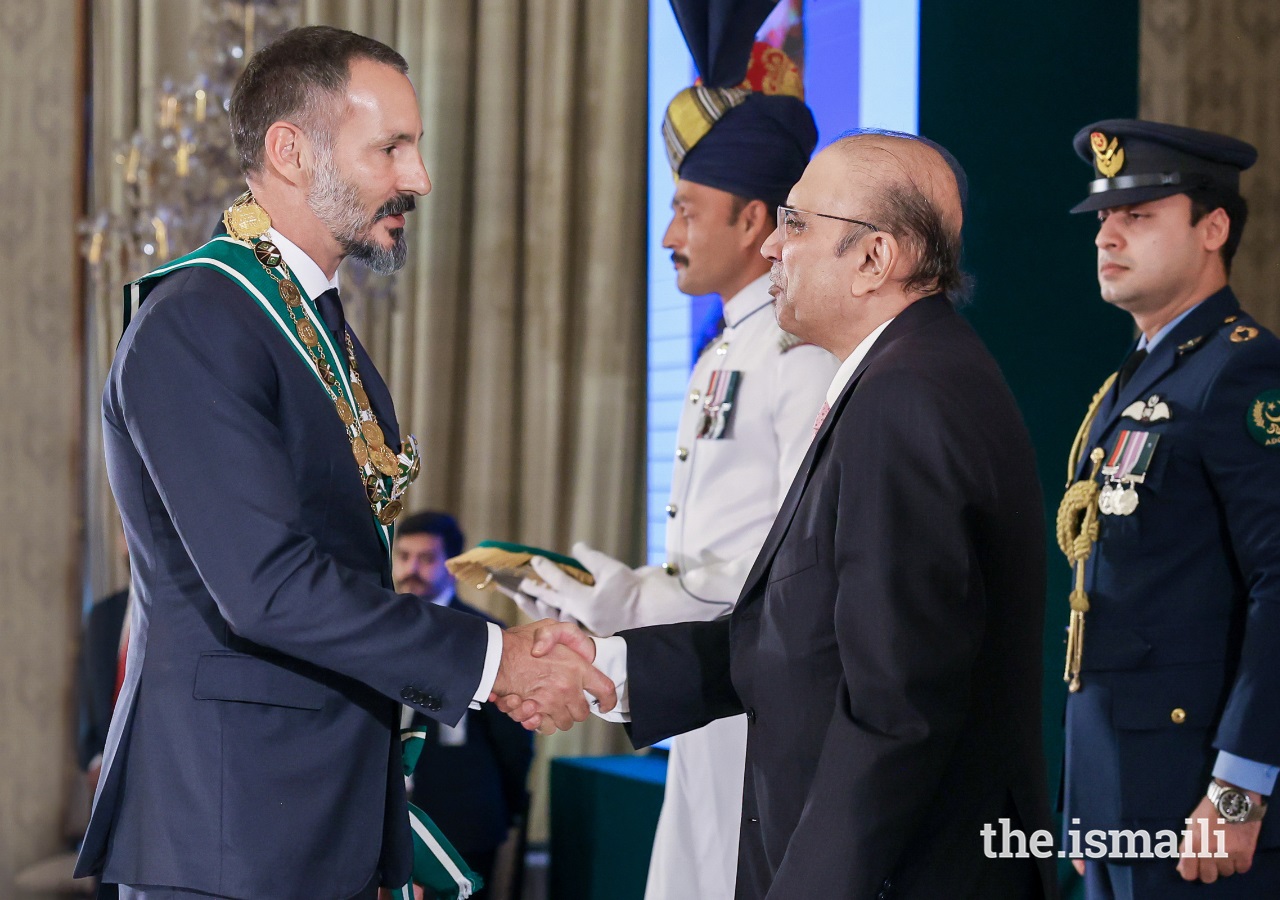



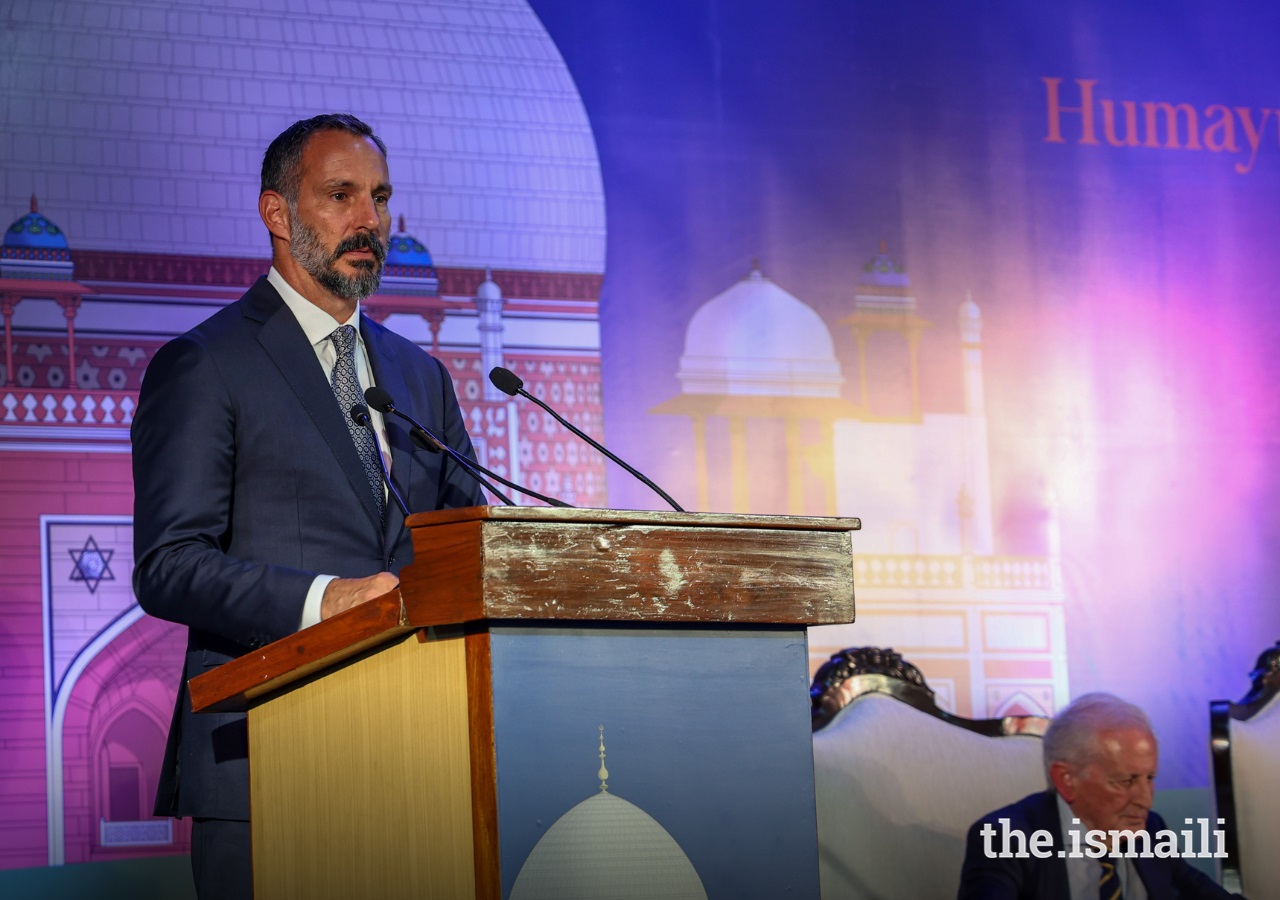
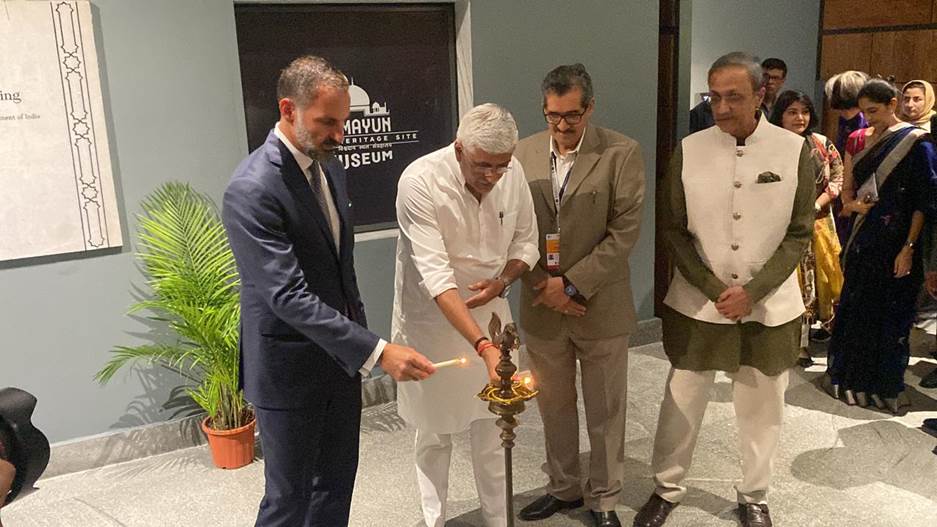
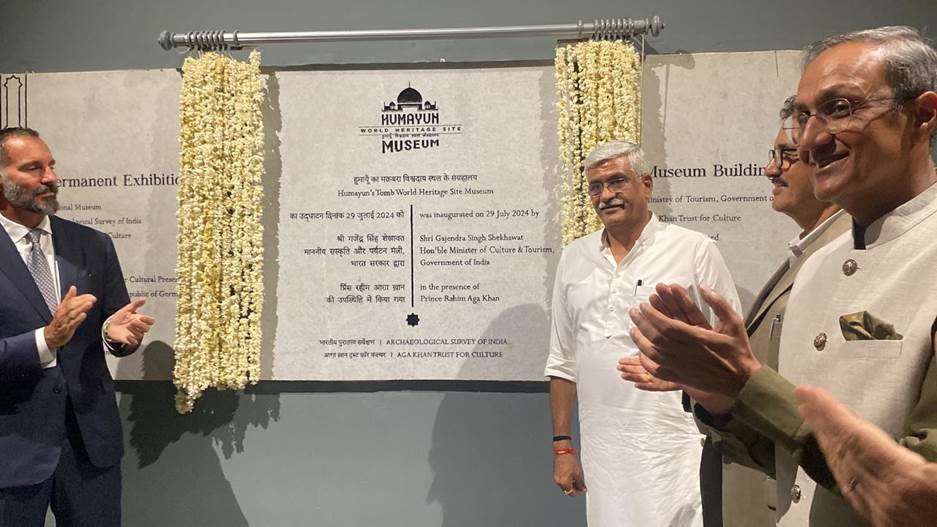
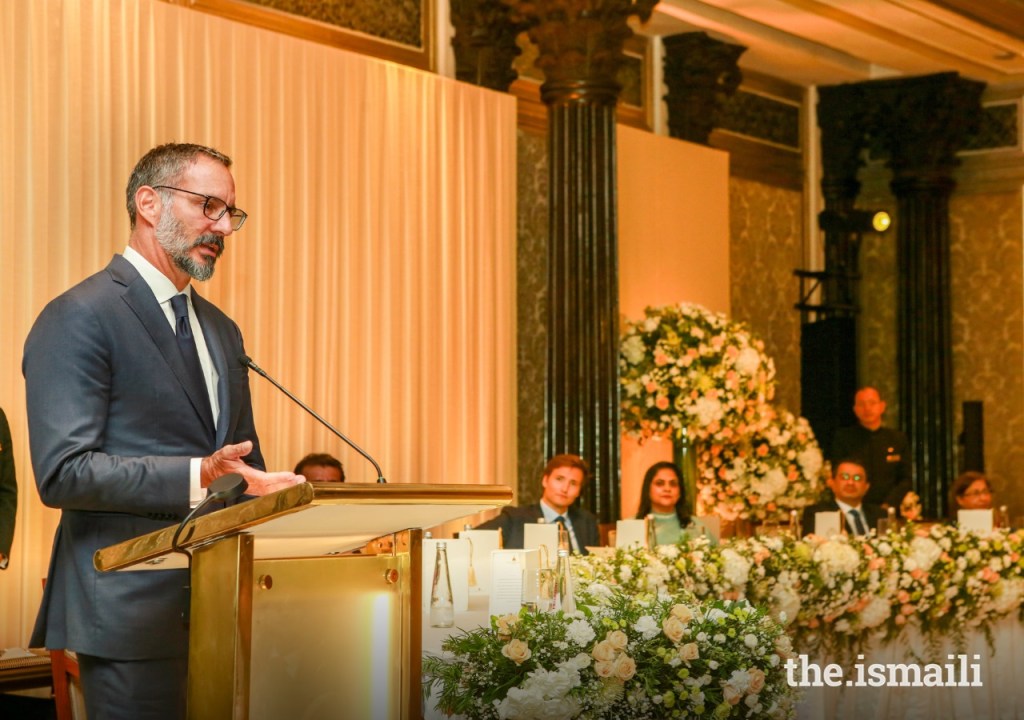
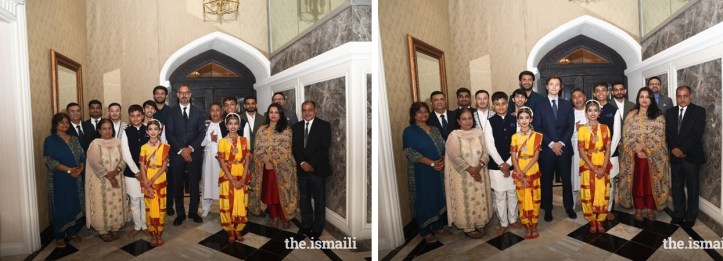
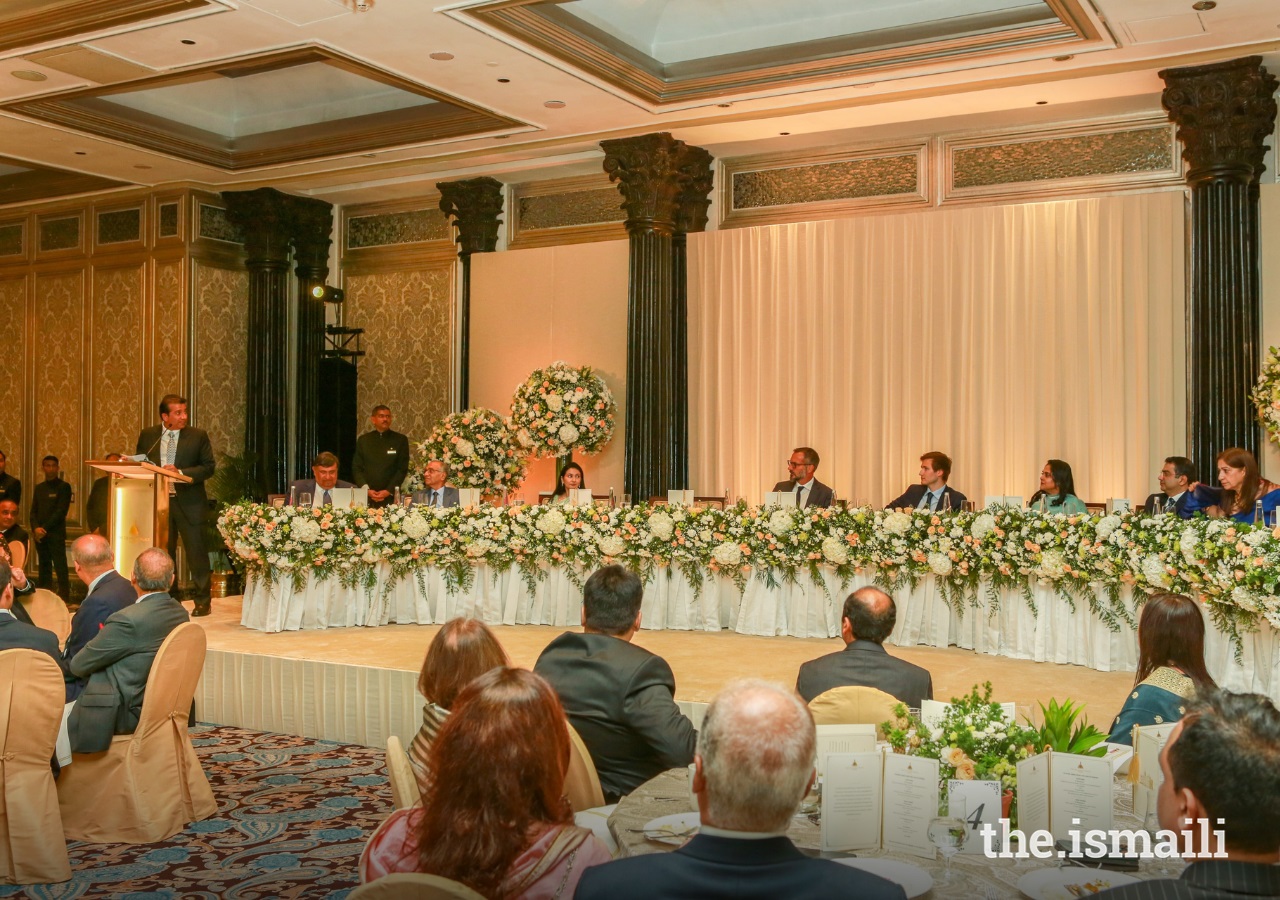
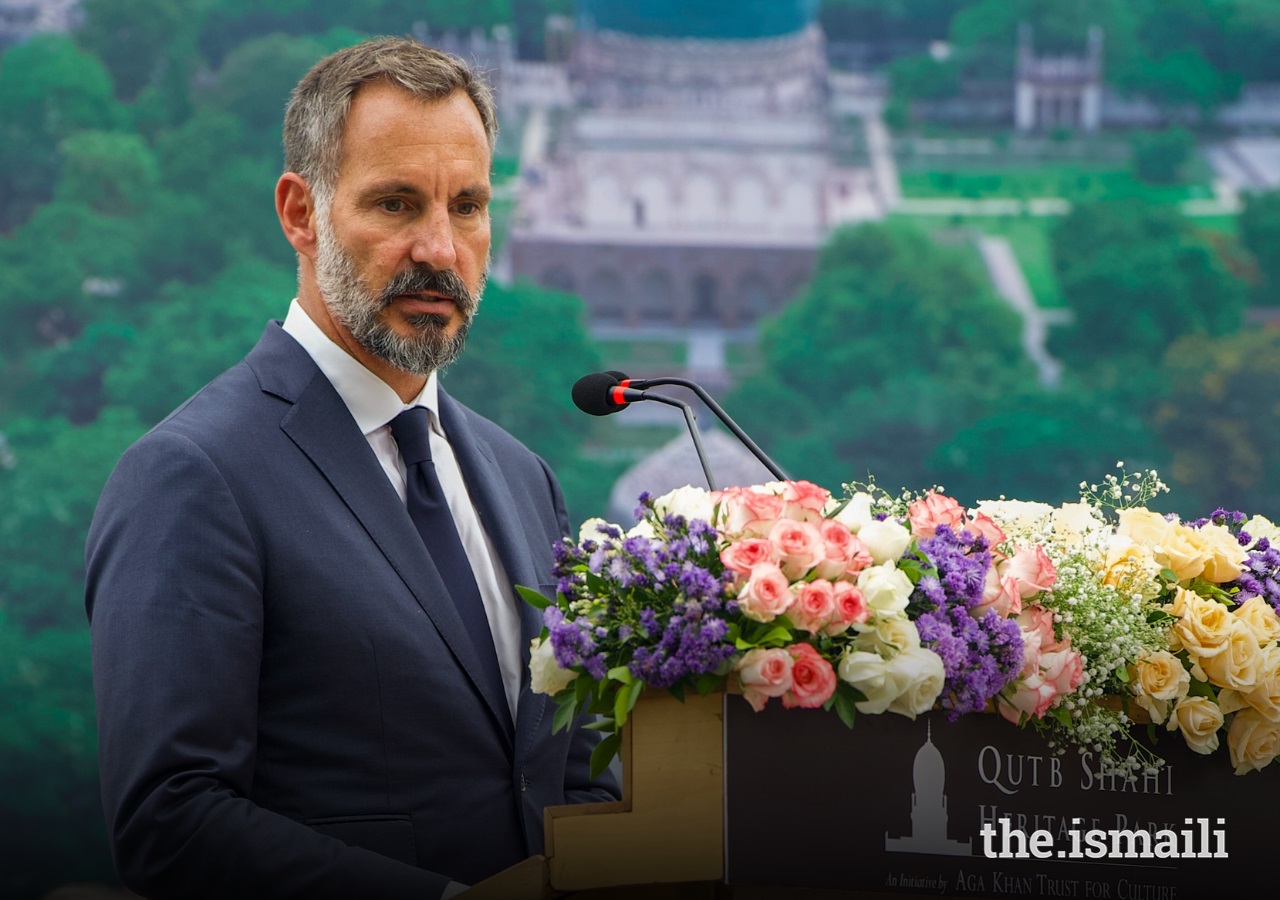
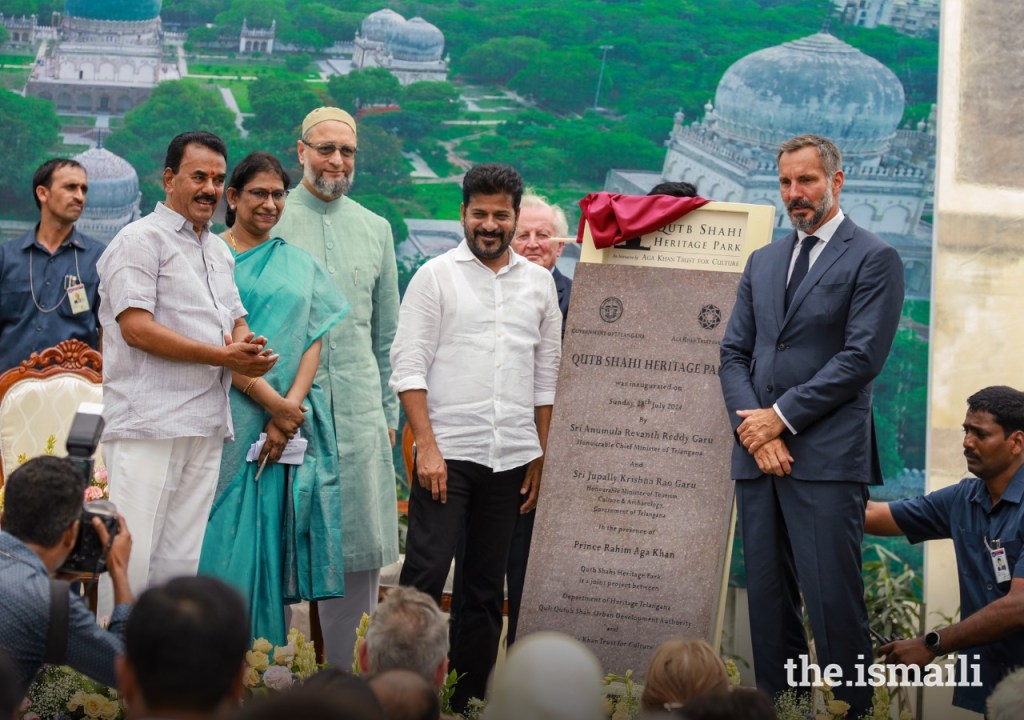
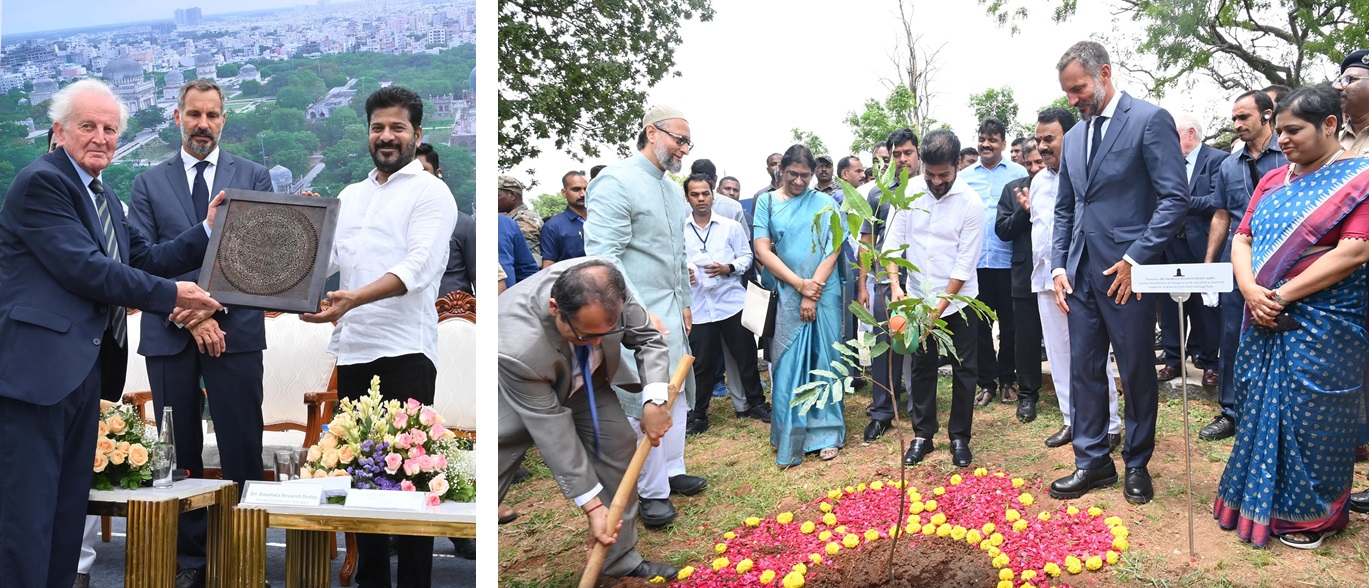
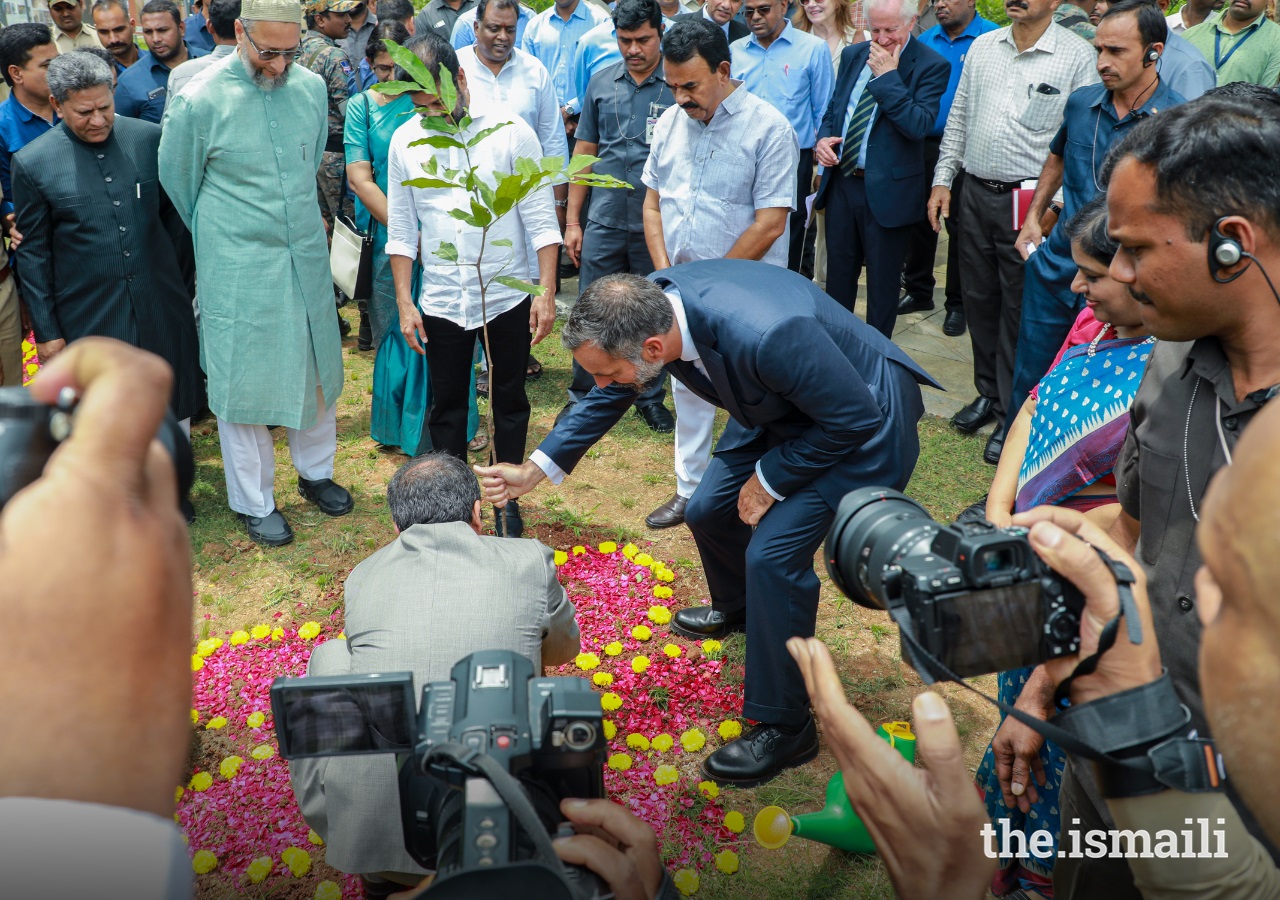

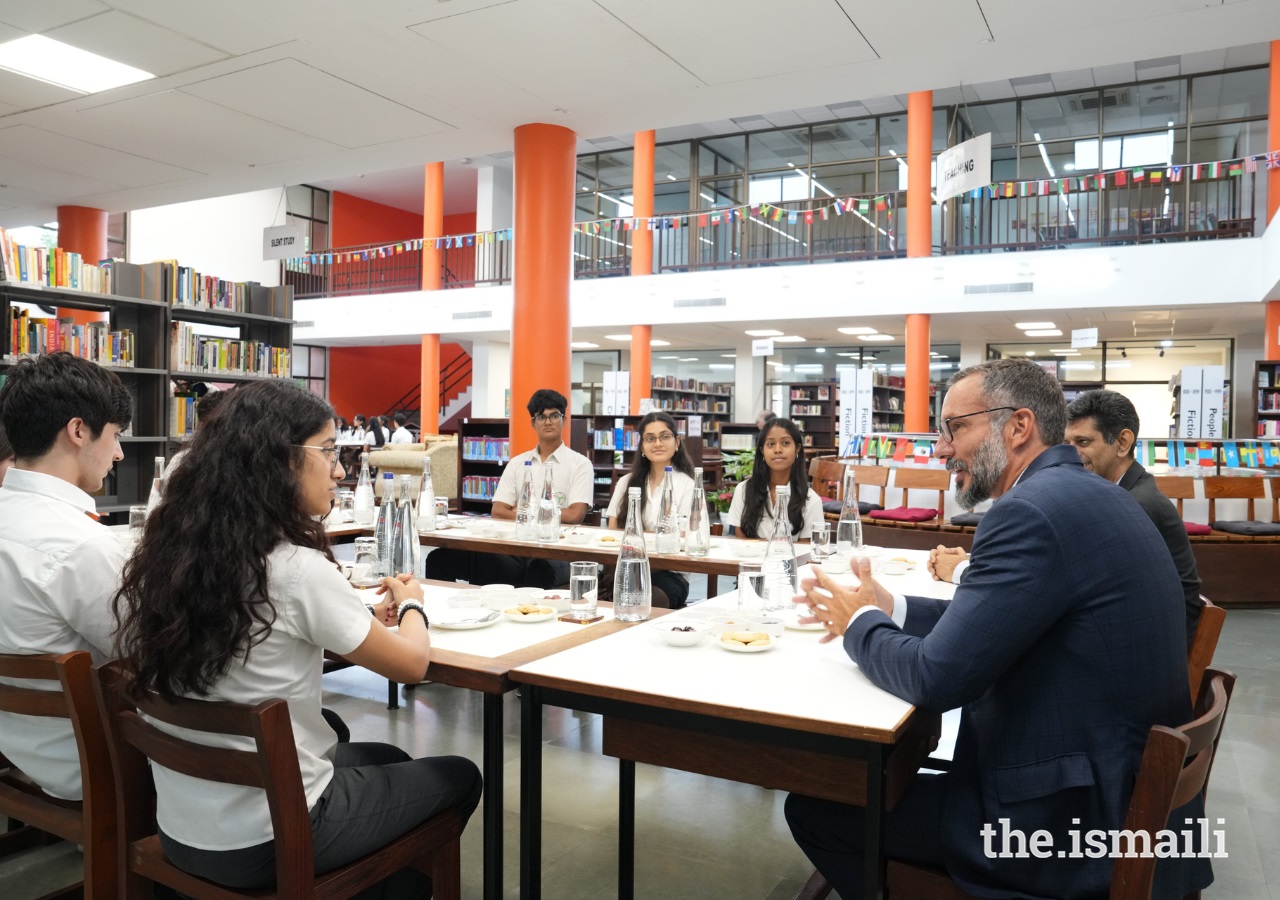
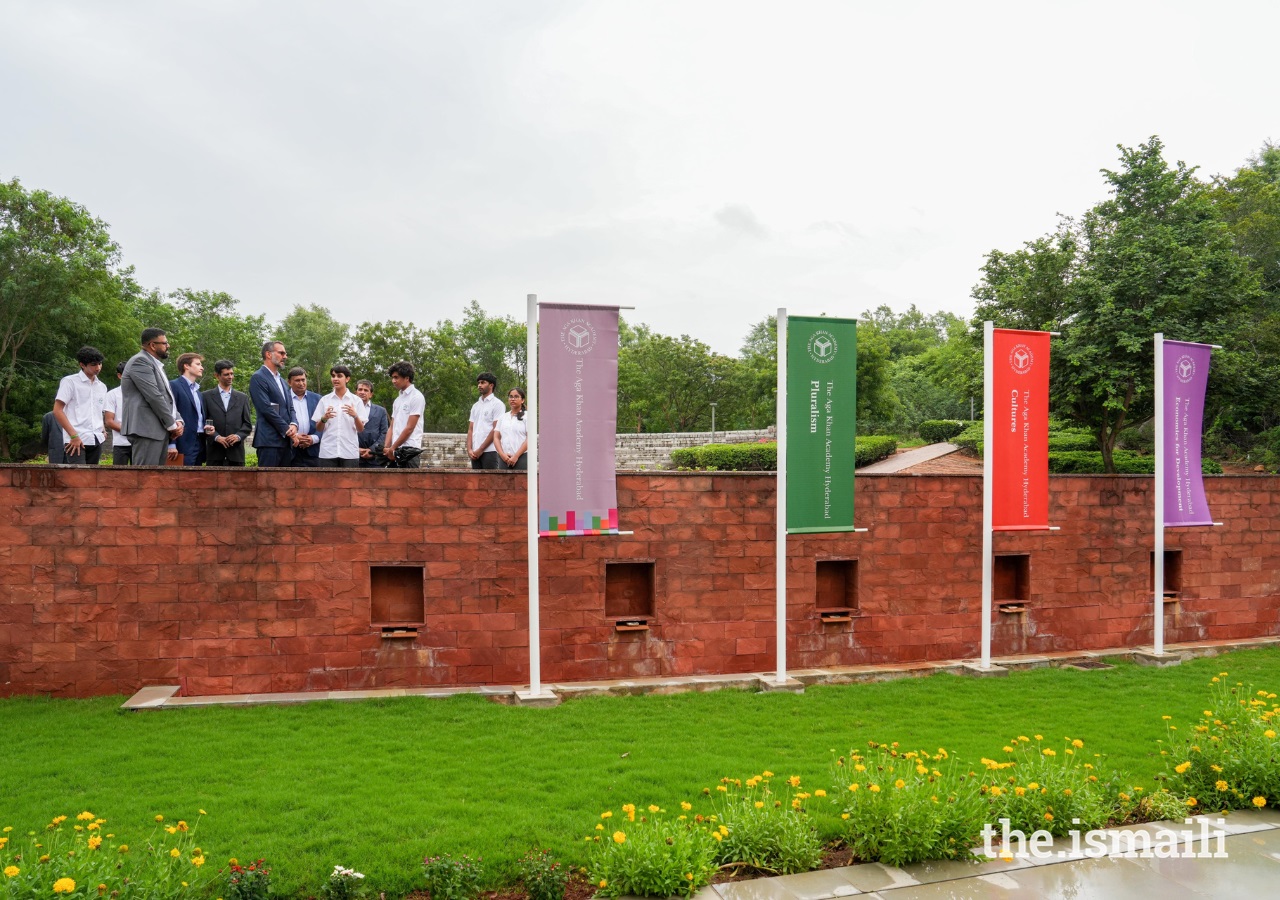

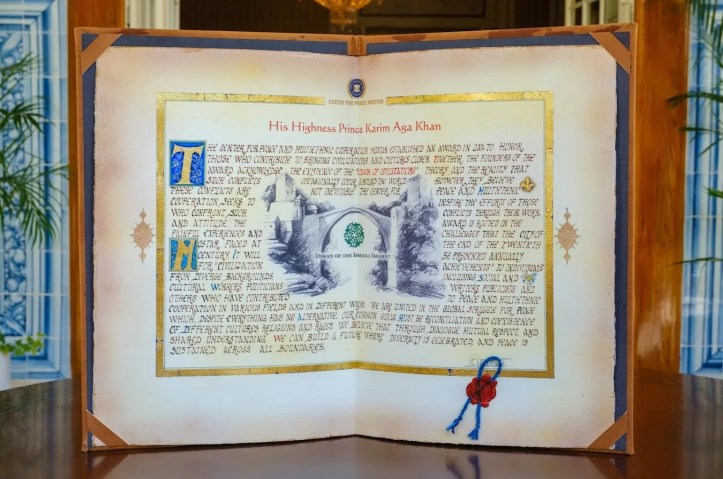
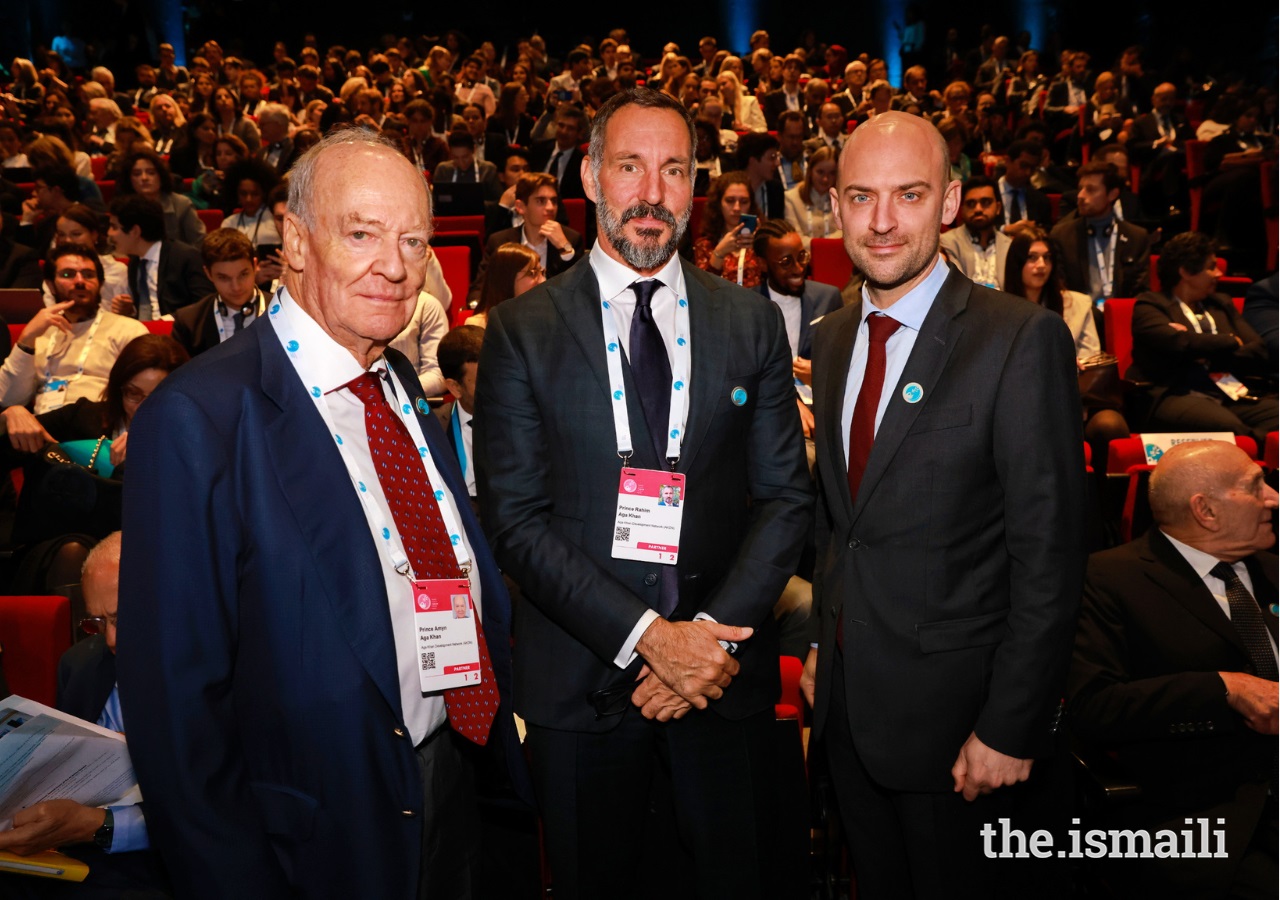

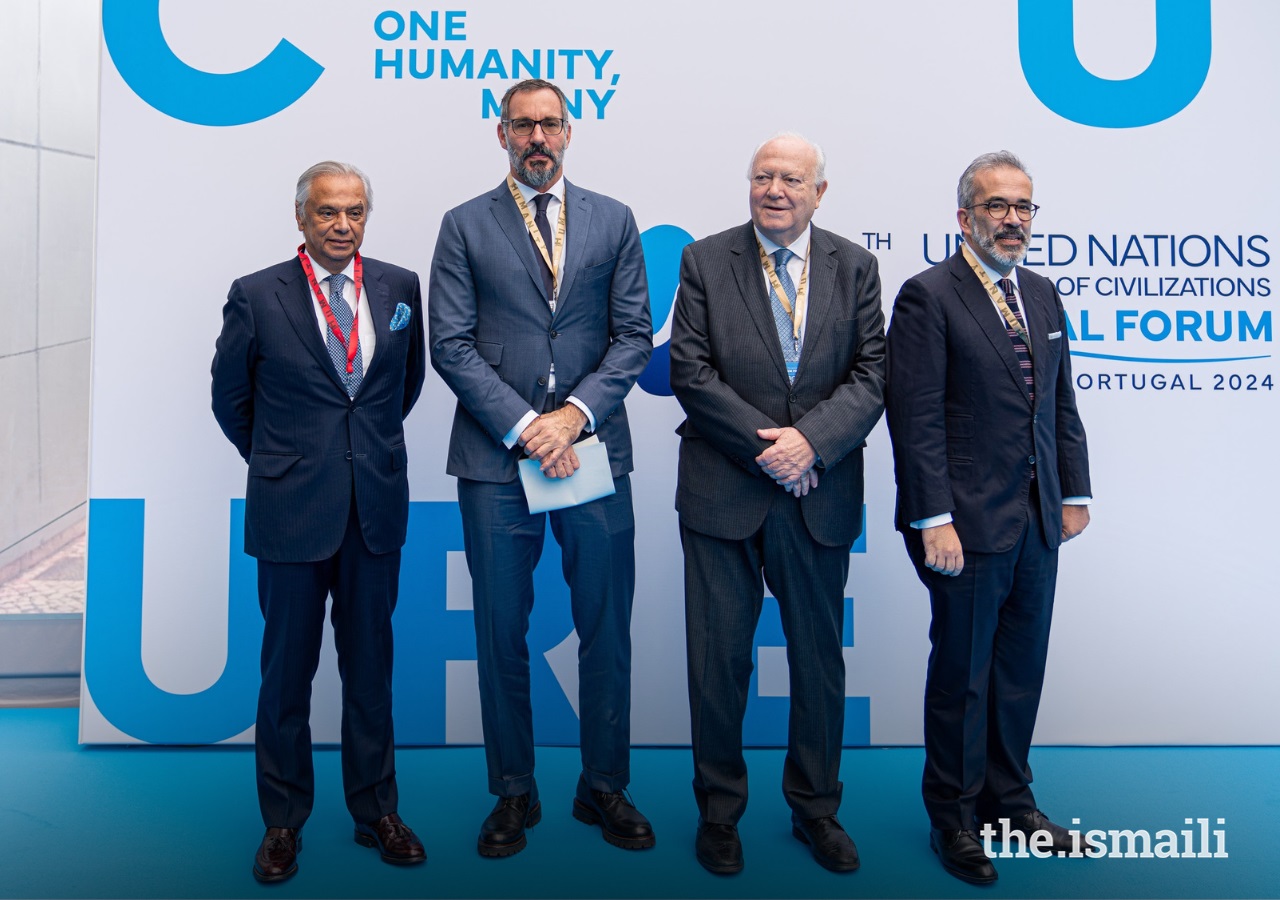
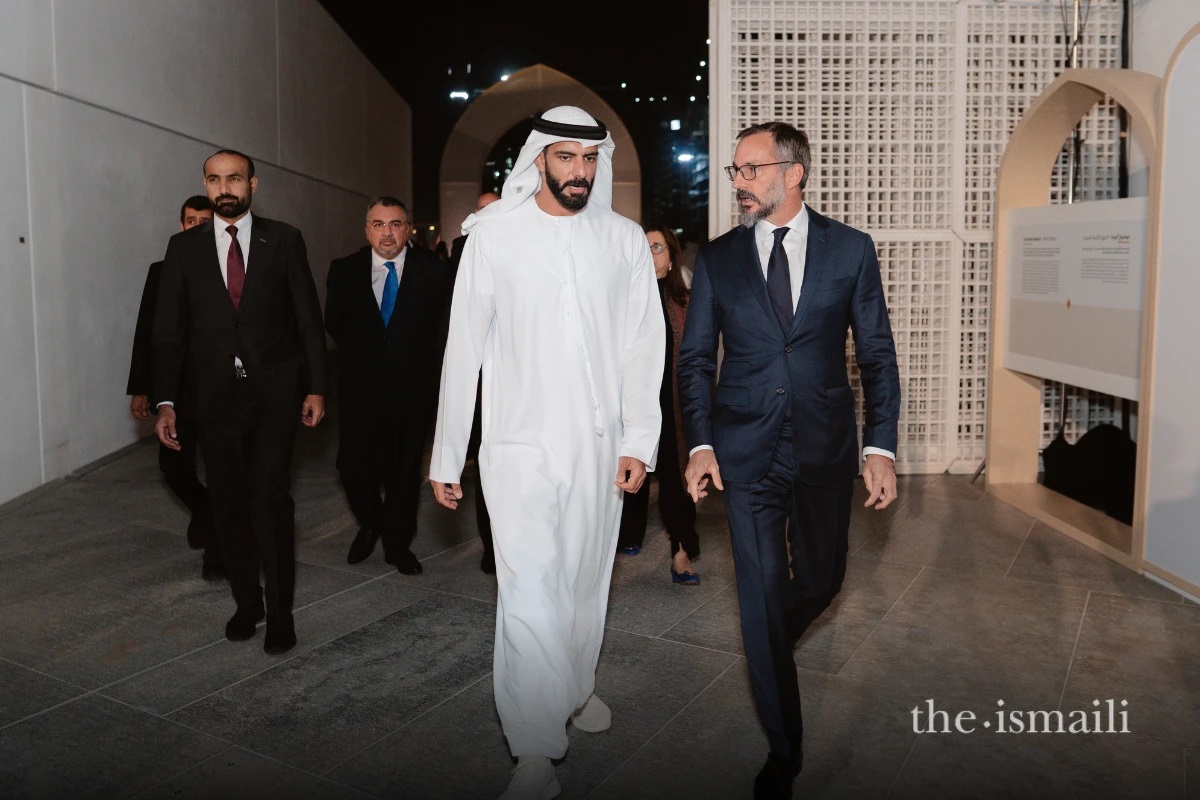
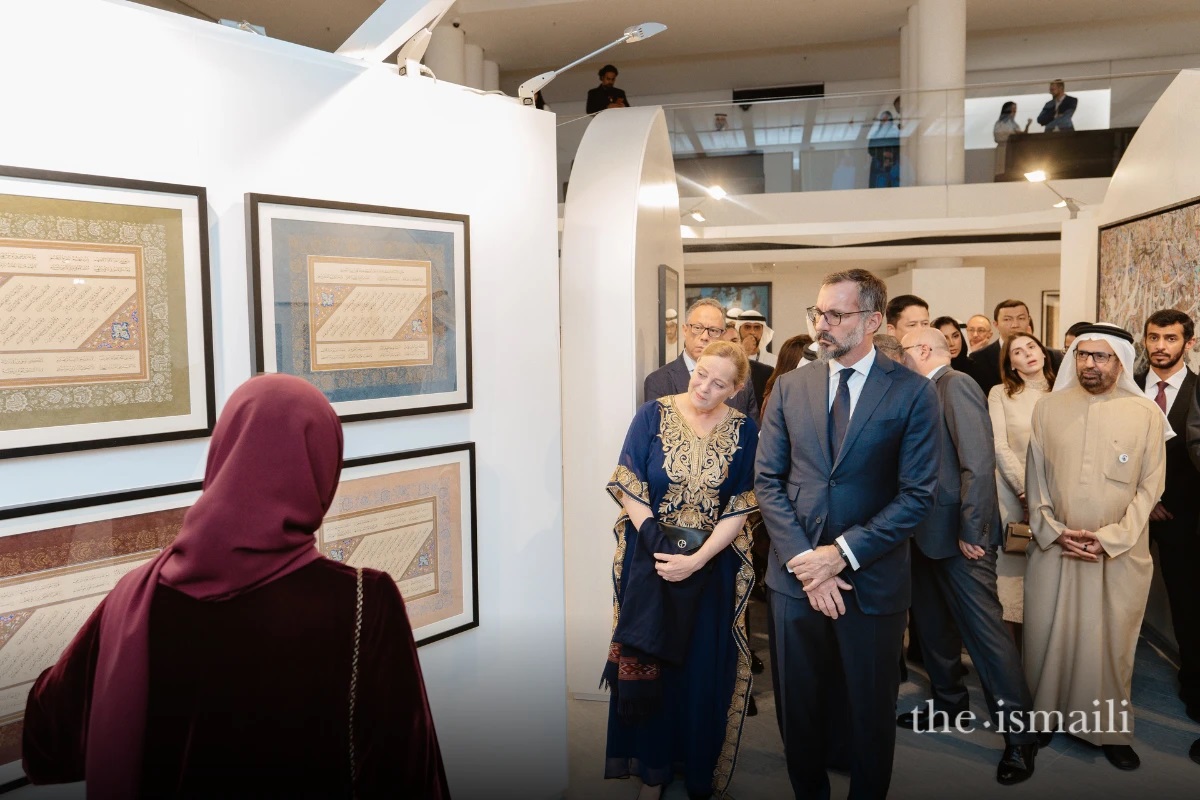
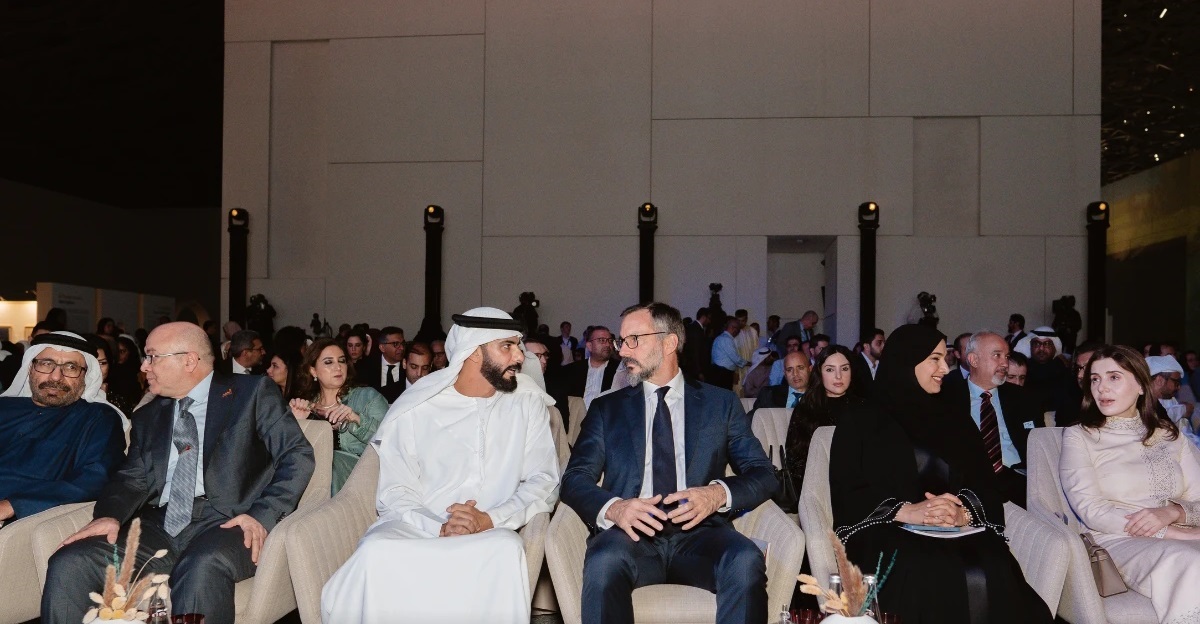




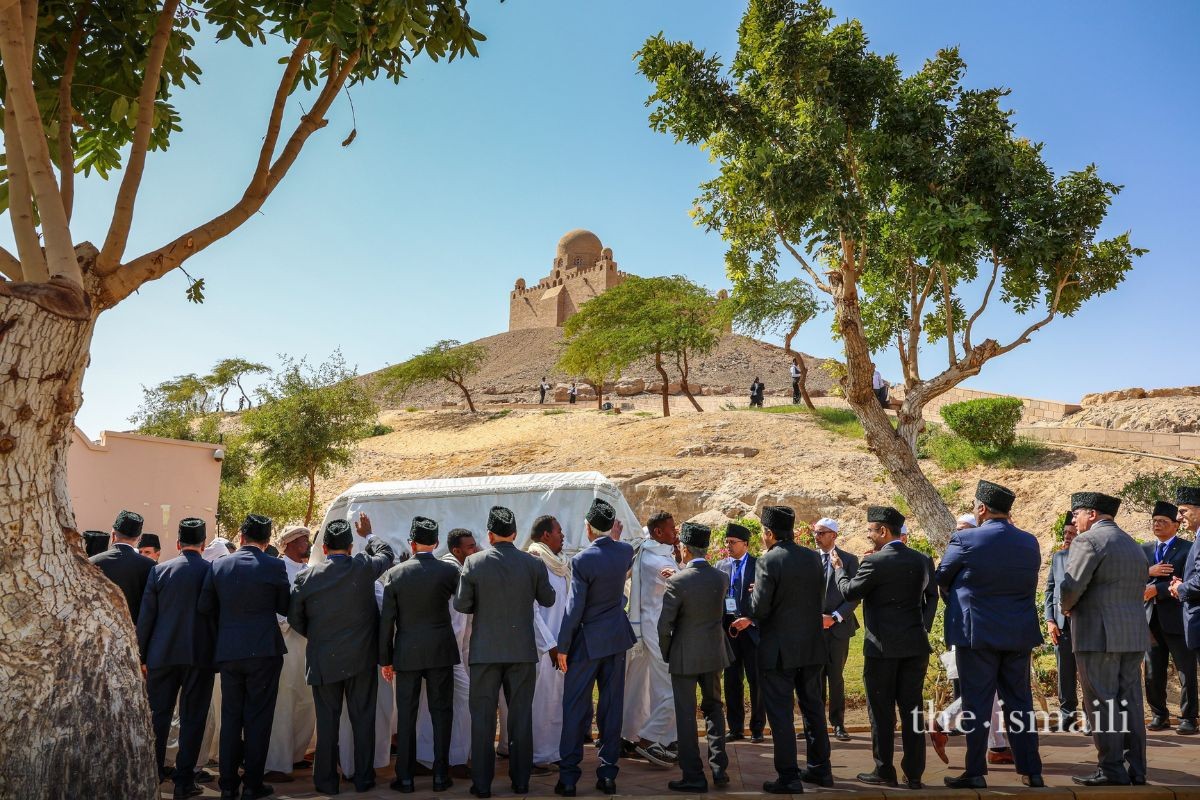


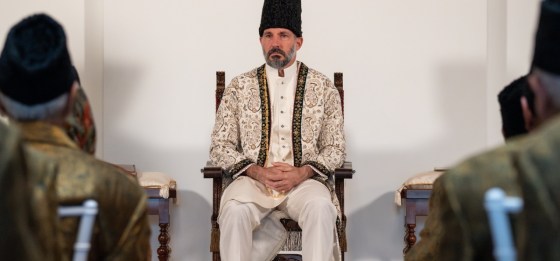


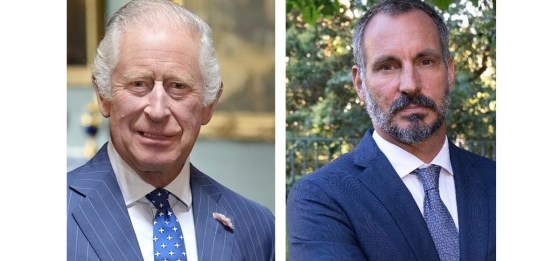

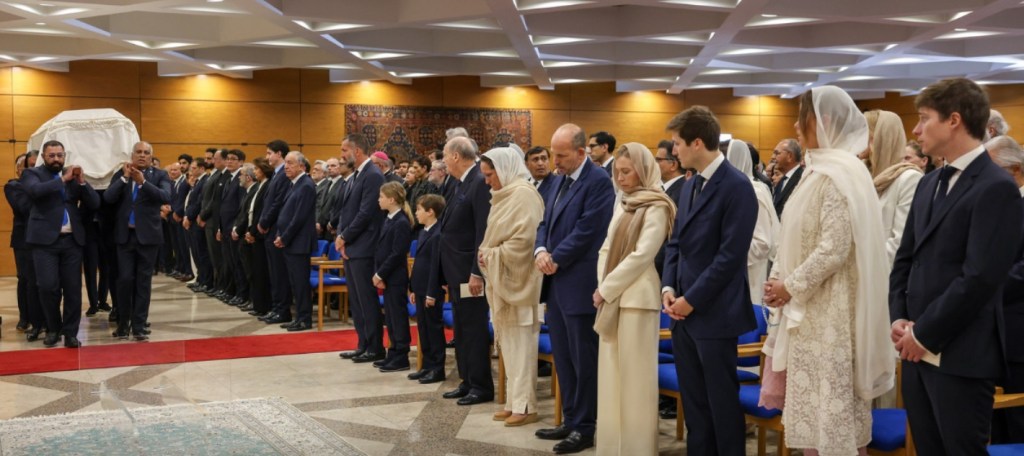
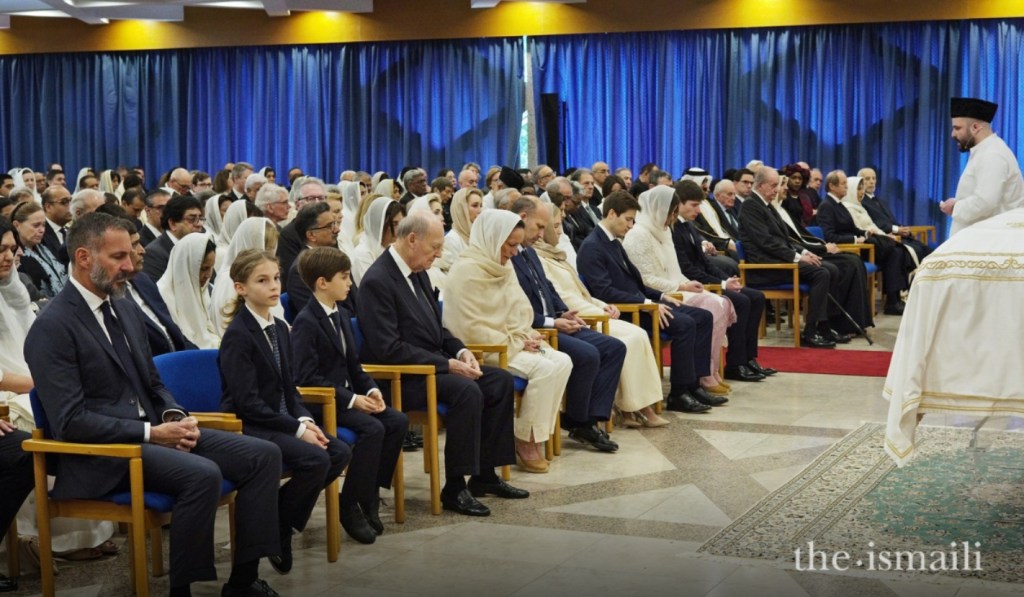
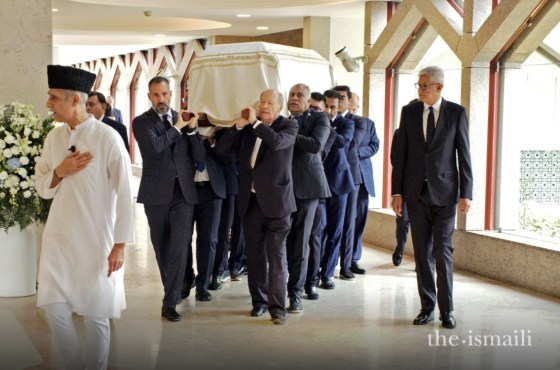
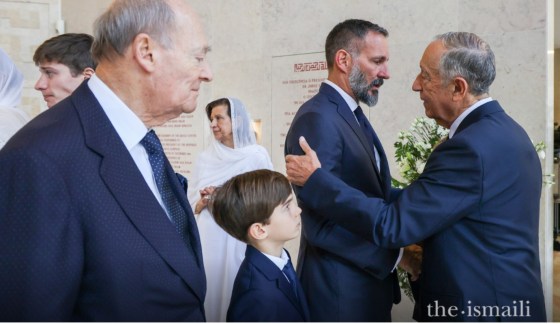
 Simerg - Insights from Around the World