Simerg is an independent initiative dedicated to Ismaili Muslims, the Aga Khan — their Hereditary Imam — and the Ismaili Imamat, and Islam in general through literary readings, photo essays and artistic expressions
Over the years, Zarina Moosa, a teacher by profession, has read the late Aga Khan’s autobiography, The Memoirs of Aga Khan, several times. She was always highly moved when she came to the page where he spoke of his mother, Lady Ali Shah. Read Zarina’s introductory piece and the Aga Khan’s reflections on his mother on our sister website, Barakah, a platform dedicated to preserving and sharing the wisdom of His Highness the Aga Khan.
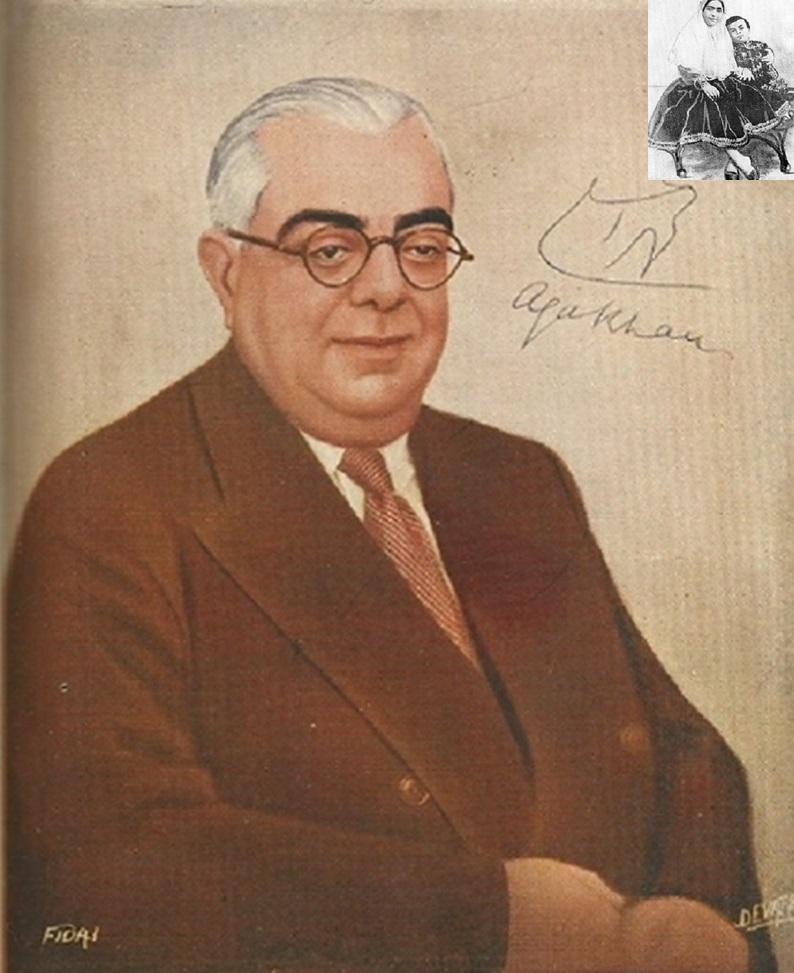
His Late Highness Aga Khan III (1877 — 1957), 48th Hereditary Imam of the Ismaili Muslims; inset with his mother, Lady Ali Shah. Please click on the image for the article.
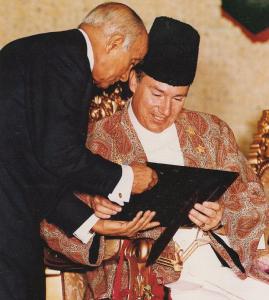
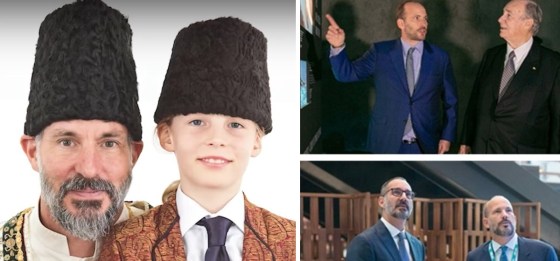
[As Mawlana Hazar Imam, His Highness the Aga Khan, confers the title of Diwan on Shafik Sachedina at his residence in Lisbon on May 4, 2025, a significant event that was announced through a Talika (Holy written message) read out on the same evening in Ismaili Jamatkhanas around the world, we present Alnoor Merchant’s exploration of its use in Islamic and Ismaili history, rooted in a rich historical context. Please also read our exclusive tribute to Diwan Shafik in Barakah, which includes excerpts from Mawlana Hazar Imam’s Talika of May 4, and a selection of photographs highlighting Diwan Shafik’s immeasurable services to the Imam-of-the-Time over the past several decades — Ed.]
Besides referring to a collection of poetry or prose, the term diwan (divan in Persian) may be defined as meaning a register or a collection of records. Within an administration context, the term first meant a register for troops, and later it was used for office. During the Umayyad and Abbasid periods, various diwans were established: diwan al-jund (register for fighting forces), diwan al-kharaj (register for taxes), diwan al-rasa’il (register for correspondence), etc. These diwans were most often under a wazir (vazir in Persian).
During the Fatimid period, the diwan al-rasa’il came to be known as the diwan al-insha’; its head was the sahib diwan al-insha’ or ra’is (head) and was addressed as al-shaykh al-ajall (Excellency). The diwan al-jund was called the diwan al-jaysh, and there was a bureau known as the diwan al-majalis (diwan of the Council) where all the administration was concentrated. In Iran, the term diwan was generally used to mean the central government in general, in which sense it was also more specifically known as the divan-i a‘la, and fell within the purview of the vazir; during the Qajar period, the chief official of the divan-i a‘la was the sadr-i a‘zam (chief minister).
A significant change occurred during the Mughal period in India: the head of the department of revenue and finance came exclusively to be known as the diwan. Indeed, during the reign of the Mughal emperor Akbar, the word wazir was seldom used, having been replaced by the term diwan, which had come to denote a person rather than an institution or a government department. During the Mughal period, the diwan performed multifarious duties. He was not only responsible for the disposal of revenue papers but also drafted urgent royal letters and farmans. He had to submit revenue collection and expenditure returns to the emperor who was in this way kept informed of the finances of the State. He allocated duties to all high dignitaries on first appointment and received regular reports from them. Later, in some of the princely states of India, the chief minister came to be known as the Diwan.
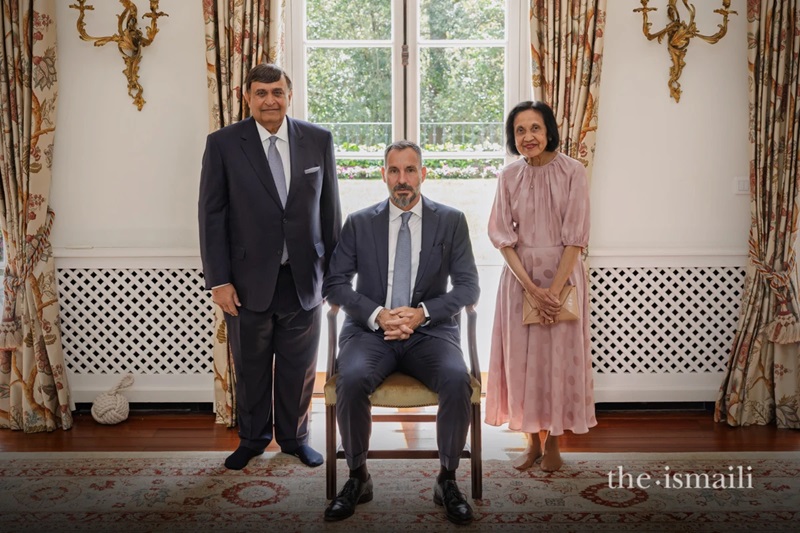
Mawlana Hazar Imam, His Highness the Aga Khan, with Diwan Shafik Sachedina and his wife Diwan-banoo Nadia Sachedina. Photograph:: IPL / Akbar Hakim
It is, most likely, in this context, that the term diwan was adopted in the modern period of Ismaili history, and came to be applied to an individual. The first individual to be invested with the title of Diwan was Muhammad Ibrahim Rawjee, who served as the President of the Aga Khan Federal Council for India from 1934 to 1958. Imam Sultan Mahomed Shah, our 48th Imam, appointed him as the legal advisor for all Ismaili Councils in India in 1935 and, in March 1935, referred to Wazir (at that time) Muhammad Rawjee as “my Chief Minister”. In 1936, the Imam bestowed upon him the title of Diwan; Diwan Rawjee passed away in 1965. The second individual to be invested with the title of Diwan by Imam Sultan Mahomed Shah was Count Ghulam Hussain Muhammad Jindani; this was through a telegraphic message on 29th December, 1948, which read:
“Occasion Imamate record, I confer on you for all your great services title Dewan for first time given in Africa.”
Diwan Jindani passed away in 1983.
During the Silver Jubilee of Mawlana Shah Karim Shah, our 49th Imam bestowed the title of Diwan on Count Sir Eboo Pirbhai in London, on 7th July, 1983. In his Farman, the Imam said:
Diwan Sir Eboo Pirbhai
“The second thing I wish to do today is to recognise in an exceptional manner in front of the Jamat, the services of a member of the Jamat who has served my grandfather, who has served me, and who has served the Jamat consistently for more than fifty years, taking even personal risks at times of crisis in the developing world, extending to the Jamat all the benefit of his time and wisdom; and I have decided to give the title of Diwan to Count Sir Eboo Pirbhai. This is also a symbol, because the Imam is saying to the Jamat that the Imam wishes to recognise publicly, exceptional service by a very young man.”
Diwan Pirbhai passed away in January 1990.
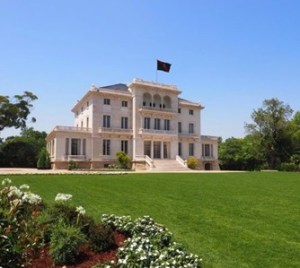
On 11th July 2018, Mawlana Shah Karim Shah officially designated the Henrique de Mendonca Palace in Lisbon as the Seat of the Ismaili Imamat, and declared that it be known as the “Diwan of the Ismaili Imamat.” This reflects, in one way, the dual nature of the nomenclature Diwan as being applicable in both an institutional and an individual context.
About the author: Alnoor Jehangir Merchant is a librarian, curator and independent researcher based in London. Between 1987 and 2012 – a period extending nearly twenty-five years — Alnoor was instrumental in developing the collections of the Library of The Institute of Ismaili Studies (IIS), London, acquiring and cataloguing materials — rare books, manuscripts, documents, coins — relating to all aspects of Ismaili studies; these are now part of the Ismaili Special Collections Unit (ISCU). Alnoor served as Head of the IIS Library from 2009 to 2012.
Besides his extensive experience in Library operations, Alnoor played a significant role, over nearly two decades, in the acquisition of artefacts and manuscripts for the Ismaili Imamat, a majority of which are presently housed at the Aga Khan Museum, Toronto.
Over the past decade, with his wide-ranging knowledge and understanding of Islamic studies and the cultures of Islam, Alnoor has advised museums, libraries and private individuals on artworks, manuscripts, rare books and coins relating to the Islamic world. Besides his research interests on various aspects of Ismaili history and material culture, Alnoor continues to be involved with work for the Ismaili Imamat and its institutions.
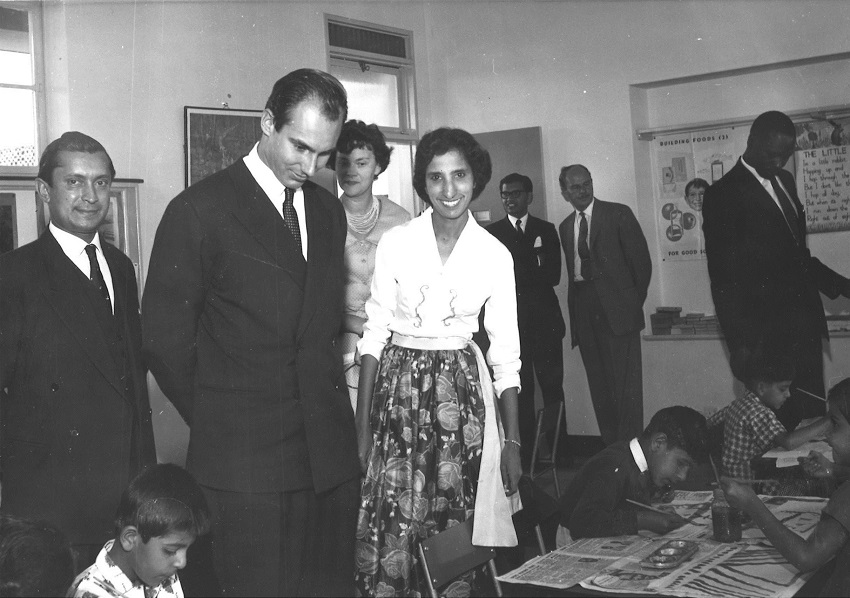
(Alijah) Mohamed Kassam of the UK was only 3 when a group photo that included his father was taken with His Late Highness Aga Khan III, the 48th Ismaili Imam. He shares the group photo and some unique pictures of the 49th Imam, Mawlana Shah Karim, His Late Highness Aga Khan IV (d. February 4, 2025), with readers of our sister website Barakah, which is dedicated to the Aga Khan. To view Kassam’s collection, please click on the photo below or HIS HIGHNESS THE AGA KHAN III AND IV PHOTOS: MOHAMED KASSAM ARCHIVES.
School teacher Shirin Kassam, sister of Mohamed Kassam, with Mawlana Shah Karim, His Late Highness Aga Khan IV, during his visit to the Aga Khan Primary School, Nairobi, Kenya, in the early 1960s. Please click on the image to view more photos.
Mawlana Hazar Imam, His Highness Prince Rahim Aga Khan, who became the 50th Hereditary Ismaili Imam on February 4, 2025, on the passing of his father, His Late Highness Aga Khan IV, has conveyed the following message of condolence on the Pope’s passing:
My family and the global Ismaili Muslim Community join me in conveying our heartfelt condolences on the passing of His Holiness Pope Francis.
I recall with great warmth my meetings with His Holiness and our discussions on humanity’s shared principles and values, the importance of embracing pluralism, and the urgent need to offer hope and opportunities to the less fortunate.
His Holiness Pope Francis will be remembered for his courageous stance in defending the values of compassion and service to others. He leaves an important and inspiring legacy, which his words and actions will keep alive in the years to come.
My prayers accompany Catholic communities worldwide at this sad time.
Aga Khan
(Please click HERE to read the message on the.Ismaili, the official website of the Ismaili Muslim community.)
__________
The editor and readers of Simerg and its sister websites, Barakah and Simergphotos, convey our condolences to the Catholic community and its leadership worldwide, and ask God to provide solace and strength to everyone grieving. We offer prayers for the eternal rest of Pope Francis.
Pope Francis succeeded Emeritus Benedict XVI, who led the Catholic Church for nearly eight years from April 19, 2005, until his resignation on February 28, 2013, due to his deteriorating health, advanced age, and the heavy demands of being Pope. Pope Benedict retired to the Mater Ecclesiae, a small monastery in the Vatican City. Pope Benedict died on Saturday, December 31, 2022, aged 95, and Pope Francis was elected to the position.
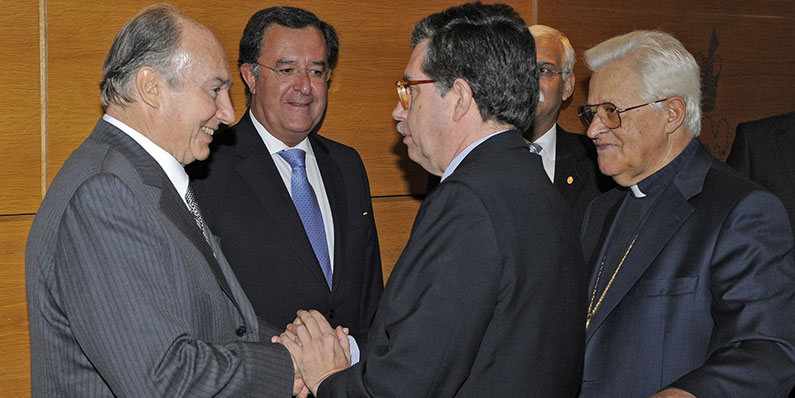
Over the past two decades, there has been an increased collaboration between Catholic institutions and the Ismaili Imamat, through the Aga Khan Development Network. In 2008, the 49th Ismaili Imam, Mawlana Shah Karim, His Late Highness Aga Khan IV (d. February 4, 2025), attended a historic signing agreement in Lisbon between the Catholic University of Portugal and the Aga Khan University. The ceremony was attended by His Eminence D. Jose Policarpo, the Cardinal Patriarch of Lisbon and Chancellor of the University, D. José Policarpo.
In May 2012, Prince Amyn, then representing Mawlana Shah Karim, signed the renewal of a partnership agreement between the Aga Khan Foundation and the Patriarchate of Lisbon. Programmes implemented under the partnership, aimed at improving the quality of life of marginalized groups in Greater Lisbon, benefited almost 43,000 people in 2011.
In 2013, with Cardinal Patriarch, His Late Highness Aga Khan IV presided over the signing ceremony of a renewed Memorandum of Understanding between the two universities, reaffirming the enduring nature of their collaboration.
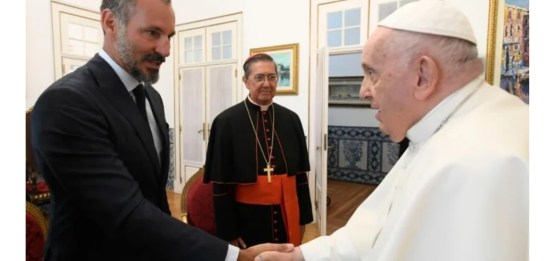
Most recently, in Mawlana Shah Karim’s oldest son and his successor as of February 4, 2025, Mawlana Shah Rahim Al Hussaini Hazar Imam, His Highness the Aga Khan, met Pope Francis on August 4, 2023, at a private meeting held during the Pope’s visit to Lisbon (see photograph, below).
Prince Rahim conveyed warm greetings on behalf of Mawlana Shah Karim, and on behalf of the worldwide Jamat. His Holiness Pope Francis thanked Prince Rahim for the warm gesture and asked that his good wishes be transmitted to Mawlana Shah Karim and members of his family, and to the global Ismaili community. The Pope and Prince Rahim discussed areas of mutual interest and the potential for future collaboration. Prince Rahim was accompanied by Nazim Ahmad, the Diplomatic Representative of the Ismaili Imamat to Portugal.
In November 2022, Mawlana Shah Rahim Hazar Imam visited the Vatican, where he met His Excellency Reverend Dom Edgar Peña Parra, the Substitute of the Secretariat of State at the Vatican, and Pope Francis. A few months earlier, in May 2022, Mawlana Shah Rahim received Reverend Dom Edgar Peña Parra at the Ismaili Centre in Lisbon.
We also have a famous photograph of Pope Benedict XVI’s handshake with Mawlana Shah Karim during the Pope’s Apostolic Journey to France in 2008. Pope Benedict visited the “Institut De France” in Paris, where the Institut presented him with a gold medal. Pope Benedict also unveiled a plaque commemorating his visit. During his brief remarks to the audience, the Pope expressed his gratitude to the Institut “both personally and as the successor of [Simon] Peter.” (More on Simon Peter in Catholic and Ismaili Muslim traditions below.)
His Late Highness Aga Khan IV was also in attendance at the Institut de France as the Associate Foreign Member of the Académie des Beaux-Arts (Academy of Fine Arts), one of five learned societies within the Institut, which was founded in 1795.
Everyone’s attention was then drawn to the 49th Ismaili Imam and Pope Benedict, and a sense of interest and keenness filled the hall as they greeted each other with a handshake, captured in the photograph below. (The picture is copyrighted and was reproduced under a licensing arrangement with Getty Images.)
Photographs: Mawlana Shah Karim, His Late Highness Aga Khan IV, and Mawlana Shah Rahim Hazar Imam, His Highness the Aga Khan, with Pope Benedict and Pope Francis and Catholic Leaders
2008
Everyone’s attention is drawn to Pope Benedict XVI and His Late Highness Aga Khan IV as they greet each other on September 13, at the Institut de France in Paris during an official visit by the Pope to France in 2008. Photo: Copyright. Getty Images. Published on Simerg/Simergphotos with a Licensing arrangement with Getty Images. French caption: Vue plongeante du pape BENOIT XVI serrant la main de l’AGA KHAN à son arrive sous la coupole de l’Institut de France à PARIS entouré de nombreux académiciens et autres personnalités dont Gabriel DE BROGLIE, Hélène CARRERE D’ENCAUSSE, Jean-François JARRIGE, Jean-François BACH, Arnaud D’HAUTERIVES, Michel ALBERT, Christian PONCELET président du Sénat, Jean TULARD, Alain DECAUX, Pierre-Jean REMY, Michel MOHRT, Max GALLO, le cardinal André VINGT-TROIS archevêque de Paris et le cardinal Paul POUPARD. (Photo by Philippe Petit/Paris Match via Getty Images).
~~~~~~~
Mawlana Shah Karim, His Late Highness Aga Khan IV, at the signing ceremony of a Memorandum of Understanding between the Catholic University of Portugal and the Aga Khan University, on July 12, 2008. Photograph: The Aga Khan University.
~~~~~~~
2012
His Eminence Dom José Policarpo, Cardinal Patriarch of Lisbon, and Prince Amyn, Director of the Aga Khan Foundation, sign the renewal of a partnership agreement to improve the quality of life of marginalised groups in Greater Lisbon. Photograph: AKDN / Nuno Saraiva.
~~~~~~~
2013
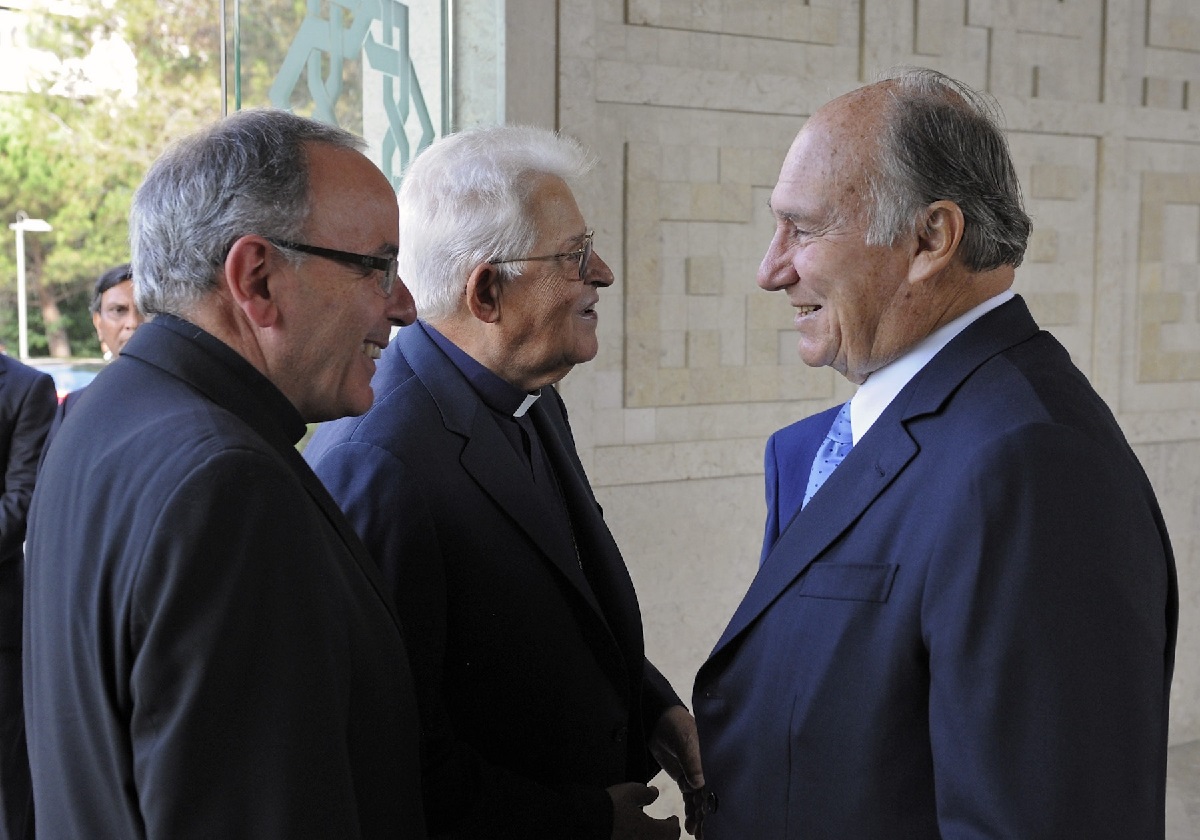
Mawlana Shah Karim, His Late Highness Aga Khan IV, meets with the Cardinal Patriarch of Lisbon, His Eminence Dom Manuel Clemente and the Patriarch Emeritus of Lisbon, His Eminence Dom José Policarpo, at the Ismaili Centre in Lisbon in September 2013 for the renewed signing of the Memorandum of Understanding between the Catholic University of Portugal and the Aga Khan University. Photograph: AKDN/Gary Otte.
~~~~~~
2022
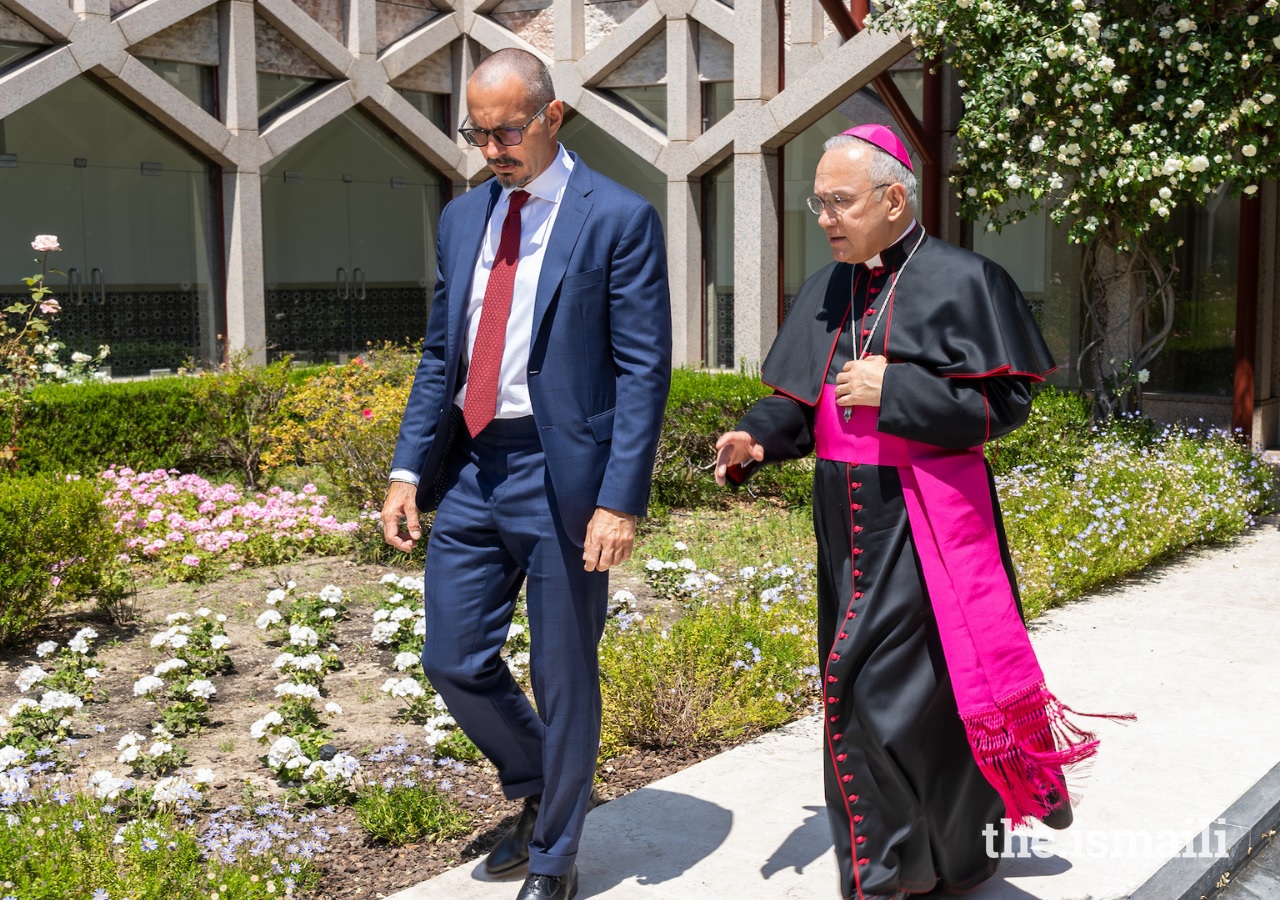
Prince Rahim Aga Khan, now Mawlana Hazar Imam, His Highness the Aga Khan, and His Excellency Reverend Dom Edgar Peña Parra, the Substitute of the Secretariat of State at the Vatican, walk through the courtyard garden at the Ismaili Centre Lisbon in May 2022. Photograph: Raquel Wise/AKDN.
~~~~~~~
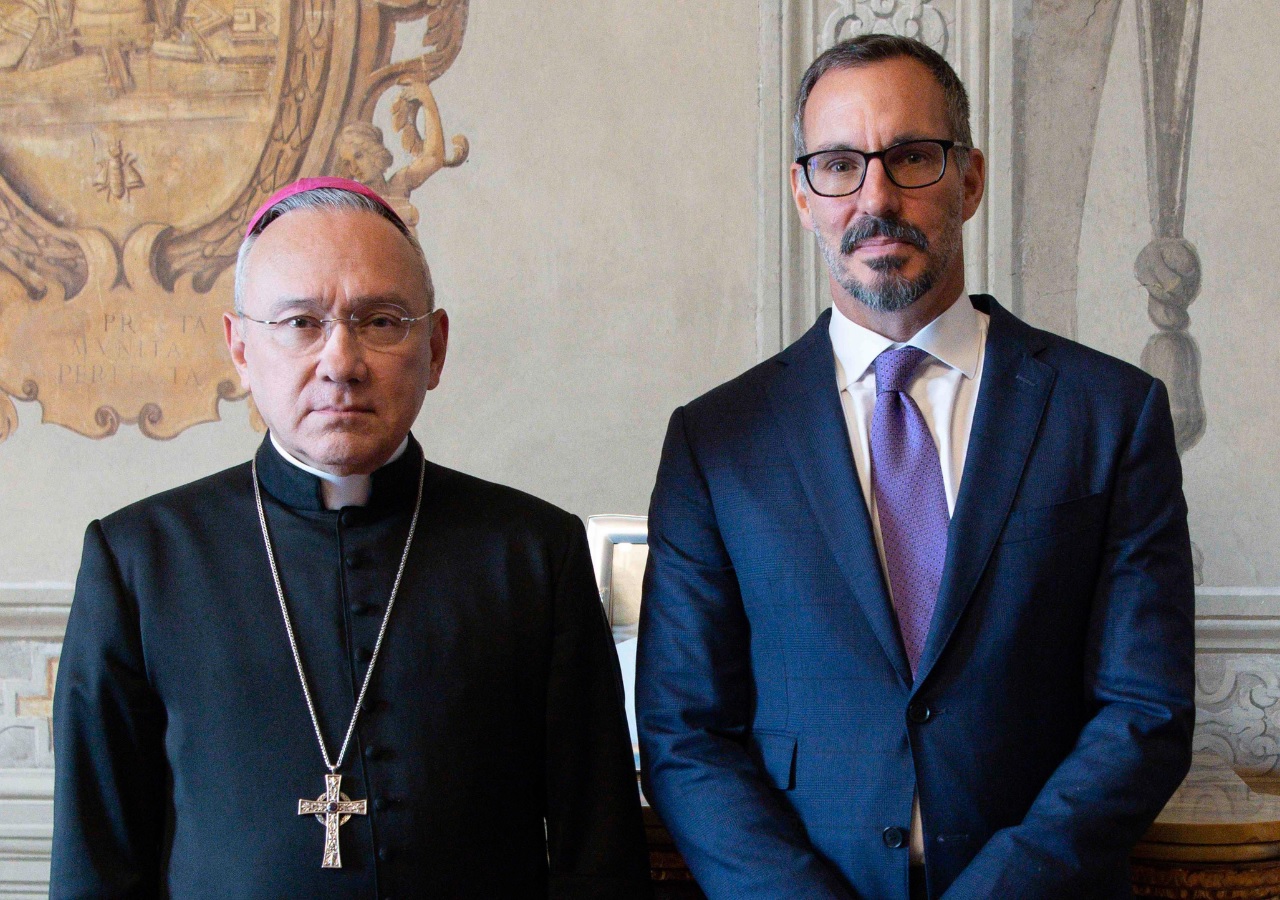
His Excellency Reverend Dom Edgar Peña Parra, the Substitute of the Secretariat of State at the Vatican, and Prince Rahim Aga Khan, now Mawlana Hazar Imam, His Highness the Aga Khan, pictured in November 2022 at the Vatican. Photograph: Divisione Produzione Fotografica/Vatican Media, via AKDN.
~~~~~~~
2023
Pope Francis meets with Prince Rahim Aga Khan, now Mawlana Hazar Imam, His Highness the Aga Khan, during their private audience in Lisbon, Portugal, on August 4, 2023. Mawlana Hazar Imam was accompanied by Nazim Ahmad, the Diplomatic Representative of the Ismaili Imamat to Portugal (bottom picture, left). The Pope was visiting Lisbon for the World Youth Day. Photographs: The Ismaili.
________________
Brief notes on the Papacy and the Imamat, and Simon Peter — St. Peter — in the Roman Catholic and Ismaili Traditions
The Catholics believe that the Pope is a successor of St. Peter. The succession of the Pope is determined by a college of cardinals who elect the Pope, while the office of the Imam of the Ismailis is a hereditary position. The Ismailis regard their 50th hereditary Imam as the direct descendant of the Prophet Muhammad (s.a.s) through Hazrat Ali (a.s.) and Hazrat Bibi Fatima (a.s.). In a speech at the Canadian Parliament in 2014, His Late Highness Aga Khan IV declared that “the Ismaili Imamat is a supra-national entity, representing the succession of Imams since the time of the Prophet.” And, in an interview with Politique International, he said, “The religious leadership of the Ismaili Imam goes back to the origins of Shia Islam when the Prophet Muhammad appointed his son-in-law, Ali, to continue his teachings within the Muslim community. The leadership is hereditary, handed down by Ali’s descendants, and the Ismailis are the only Shia Muslims to have a living Imam, namely myself.”
In the Catholic tradition, the foundation for the office of the Pope is found primarily in Matthew, where Jesus is quoted as telling Simon Peter:
“You are ‘Rock,’ and on this rock I will build My Church and the gates of hell shall not prevail against it. And I will give unto thee the keys of the kingdom of heaven: and whatsoever thou shalt bind on earth shall be bound in heaven: and whatsoever thou shalt loose on earth shall be loosed in heaven.”
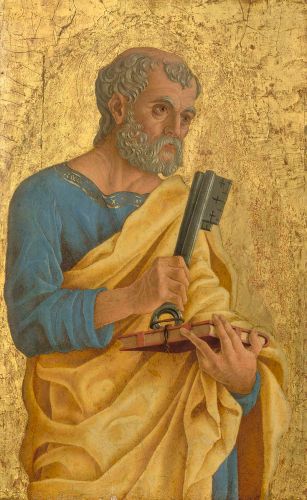
A painting of Simon Peter or Saint Peter by Marco Zoppo, depicting Peter holding the Keys of Heaven and a book representing the gospel. Photograph: Wikipedia/Public Domain.
This series of successions of the Pope is known as “Apostolic Succession,” with the line of Bishops stretching back to the apostles, who lived during the time of Jesus. Simon Peter is recognized as having been the first Pope. Early Christians reserved the title of “Pope” for St. Peter’s successors.
However, in branches of Shia theology and Ismailism, Simon Peter’s role is seen as a direct parallel to that of Hazrat Ali, who was the first Imam. Ismailis along with some other Shia groups maintain that every major Prophet had a spiritual legatee (Waṣi) or successor called the Asas (foundation) who taught the inner meaning to those who had the capacity to understand it. In this regard, Adam had Seth; Noah had Shem; Moses had Aaron, and Jesus had Simon Peter. A well-known sacred tradition of the Prophet Muhammad says, “Ali is to me as Aaron was to Moses,” confirming that Ali held the same authority as Aaron.
Date posted: April 22, 2025. Last updated: May 13, 2025 (formatting).
Note: A version of this piece appears on our sister website, Barakah.
Featured photo at the top of the post: Pope Francis shakes hands with Mawlana Hazar Imam, His Highness the Aga Khan, then Prince Rahim Aga Khan, during their private audience in Lisbon, Portugal, on August 4, 2023. The Pope was visiting Lisbon for the World Youth Day. Photograph: Vatican News.
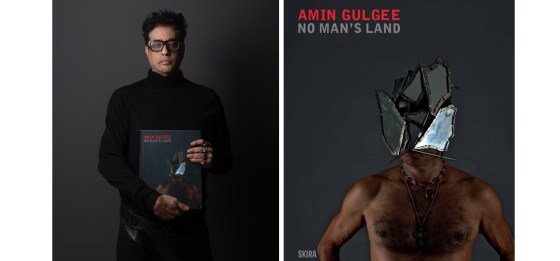
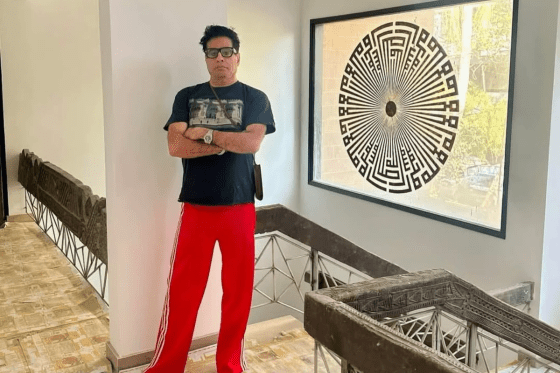
Last June, Aniza Meghani of the UK conducted an exclusive interview with Amin Gulgee for Simerg during her visit to Karachi. The interview includes a selection of outstanding works of art by Amin and provides an excellent introduction to his artistic background. We invite our readers to read Aniza’s excellent piece. The last few weeks have seen the release of Gulgee’s first monograph, “No Man’s Land,” published on March 25, 2025. We are delighted to feature the monograph as part of our continuing series of books by Ismaili authors. We follow a similar Q/A format as our earlier presentations of books, which are listed chronologically below, ensuring our readers are always up to date with our series in an organized manner. We encourage Ismaili authors from around the world to participate in this series, regardless of when their books were published. See details of the series HERE and submit your responses to Simerg’s editor, Malik, at mmerchant@simerg.com.
Amin Gulgee on his monograph “No Man’s Land”
Simerg: What constitutes your book No Man’s Land? Why would you want me to read it, and what will we learn from it?
Amin Gulgee: This is the first monograph dedicated to my career as an artist and curator. Spanning over three decades, my multifaceted practice unfolds through a tapestry of techniques and themes. I invite readers to immerse themselves in the intertwined layers of my work. Featuring insightful essays from esteemed figures across the contemporary creative landscape — curators, novelists, artists, academics, and critics — this volume illuminates my artistry from myriad perspectives. I feel honored to include an essay by the late Dr. Oleg Grabar, a preeminent Islamic art historian, who wrote an essay for the catalogue of a solo exhibition I had at Galeri Petronas in Kuala Lumpur in 2008. Also included is a Q and A by Dr. Maryam Ekthiar, a senior curator at the Met, who asked me challenging questions. From spirituality to politics, from the universal to the particular, my trajectory attempts to navigate the complexities of my existence and invites contemplation on the depths of our collective consciousness. Spanning my diverse career, from my early work in jewelry to my sculptures, installations, paintings, performances and curatorial projects, this volume offers a comprehensive insight into the breadth and depth of my artistic journey. Illustrated with over 300 meticulously selected images and QR codes unlocking access to videos and catalogues, No Man’s Land immerses readers in a visual odyssey through my creative practice.
Simerg: What is behind the name and title of the book?
Gulgee: I chose the title No Man’s Land because I feel that my path occupies this liminal space.
Story continues below
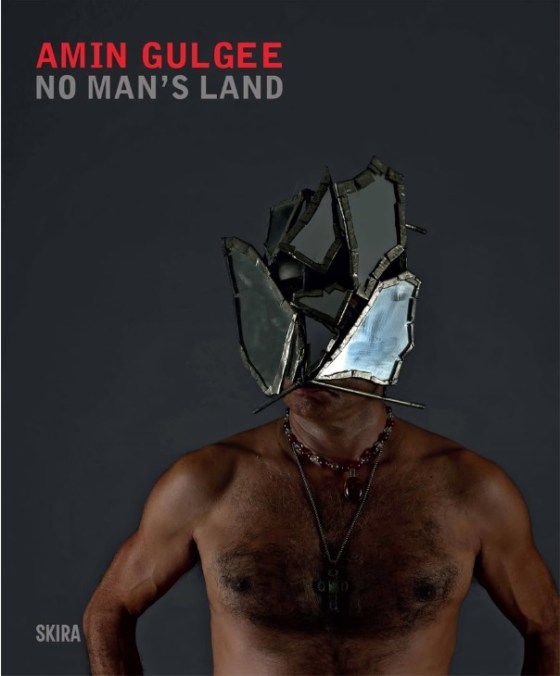
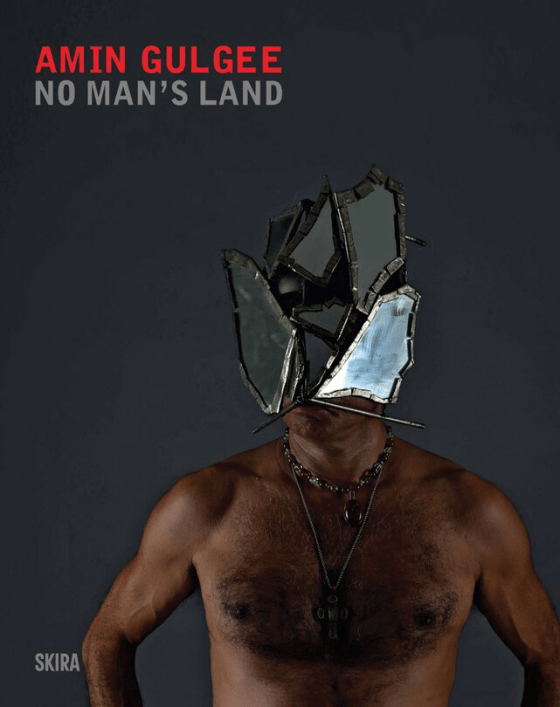
Front cover of Amin Gulgee’s “No Man’s Land,” edited by John McCarry, published by SKIRA, March 25, 2025, Hardcover, 416 pp.
Simerg: How did you find a publisher for this book?
Gulgee: I was introduced to the prestigious publication house Skira, based in Milan, by the late Italian curator Paolo de Grandis. I was well aware of Skira because they had published books on Picasso and Matisse, among many other artists. I had known Paolo since 1998, when I first participated in “OPEN”, an exhibition of installation and sculpture that he established in Venice. Later, in 2017, when I was appointed Chief Curator of the inaugural Karachi Biennale, I invited him to be a guest curator. He included works by Yoko Ono and Michelangelo Pistoletto, among others. In 2018, he and Claudio Crescentini curated my solo shows at the Galleria d’Arte Moderna and Mattatoio, both in Rome. When the book was nearing completion, I asked if he would know any publishers who might be interested in my monograph, and he suggested Skira. I sent them a few chapters and I was thrilled when they accepted to take the project on. I then collaborated with Skira’s team over the next seven months to finalize the project. They were all tremendous to work with.
Story continues below
__________________
Reflections on Amin Gulgee and his monograph No Man’s Land
“Both as a practitioner and as a curator Amin Gulgee’s storytelling is fluid, both creating and dispelling unease. Amin Gulgee explores the vastness of the Universe as the backdrop for those narratives…Contemplating spiritual goals, while confronting the insecurities and displacements of our existence, [he] calls for constant negotiation and inventiveness.” — Salima Hashmi, art historian and artist, in “Fearless,” an afterword to Amin Gulgee’s book.
~~~~~~~
“Amin Gulgee defies easy categorisation: he’s a metal sculptor, a curator, and one of Pakistan’s most innovative and cherished artists, the beating heart of his home city of Karachi’s creative scene. His metalwork is as dramatic and eccentric as Amin is. He’s in your face, uncompromising, a living and breathing performance piece” — Excerpt from BBC Documentary podcast, “In the Studio: Amin Gulgee — Heavy metal” (listen to podcast HERE).
~~~~~~~
“Amin’s art explores the unexpected. Whether it’s connections or the stories illustrated, he doesn’t follow a norm…Whilst being so different can pose its own challenges, instead, it makes Amin’s work deeply personal and unique to him. It’s also meant, from the start of his career, he’s had a strong sense of self-confidence in embracing uniqueness — Excerpt from “Amin Gulgee: Going against the norm” in The Ismaili.
________________
Simerg: Did you hire an editor or designer or did you do all the work yourself?
Gulgee: The editor of the book is John McCarry, who was a classmate of mine at Yale. He has written for National Geographic as well as many other publications. He has also published two other books. He is the coordinator of the Amin Gulgee Gallery and edits all its publications. I chose Kiran Ahmad as my designer, as she is one of the most sought-after book designers in Pakistan. I have worked with her many times in the past; however, this monograph was a truly daunting task. We spent over two years trying to make sense of my journey. Her perseverance and her commitment to her craft are commendable. Also, she can make me laugh!
Simerg: What inspired you to do this monograph?
Gulgee: The last time I saw my mother was on December 13, 2007. She had come over to my place in the afternoon since it was the birthday of Prince Karim Aga Khan IV. She brought with her a painting by my father, which she presented to me as a gift. “Look at this, Amin,” she exclaimed. “These are the colors of life!” She then sat me down and said, “I want you to do three things for me: one, give up smoking; two, do a book on your work; and three — I don’t remember now, but it will come to me.” She sadly never had the chance to state her third demand. However, in 2020 I had my last delicious cigarette, and in 2022, I decided to start working on my monograph.
Simerg: How long did it take you to complete your monograph and what were the difficulties?
Gulgee: I live in the moment and I do not like looking back. When I finally came to the decision to fulfill my late mother’s wishes, I was trepidatious. John and I had decided that we would approach writers and let them choose any angle of my trajectory that engaged them. We chose to reprint only two essays — the one by Oleg Grabar and another by Dr. Kishwar Rizvi, who is the Robert Lehman Professor in the History of Art, Islamic Art and Architecture at Yale University. The rest of the ten essays were to be new writing on my practice. We were both delighted by the essays that came in. As far as the images are concerned, since my trajectory began in predigital, archaic times, my early work was documented on slides. When I asked my young technical advisor how can I digitize them, he asked me, “What is a slide?” This, of course, made me feel like a dinosaur! But we got the painstaking job done. Then, there was the challenge of organizing my trajectory, which Kiran and I did in sections. It took two years and I am so very grateful for all the support I received along the way.
Date posted: April 22, 2025.
______________
Links to the Ismaili Authors’ Series (in chronological sequence, oldest article first)
Before departing this website please take a moment to review Simerg’s Table of Contents for links to hundreds of thought provoking pieces on a vast array of subjects including faith and culture, history and philosophy, and arts and letters to name a few. Also visit Simerg’s sister websites Barakah, dedicated to His Highness the Aga Khan, and Simergphotos. Simerg’s editor may be reached via email at mmerchant@simerg.com.
April 10 and 11 mark the birthdays of Prince Hussain Aga Khan and his nephew, Prince Irfan Aga Khan, older of the two sons of Mawlana Hazar Imam, His Highness Prince Rahim Aga Khan, who became the 50th Imam of the Ismaili Muslims when his father, Mawlana Shah Karim, His Late Highness Aga Khan IV, passed away February 4, 2025. To celebrate these birthdays, Malik Merchant, a trusted publisher and editor of Barakah, a blog dedicated to the Aga Khan and his family, has meticulously compiled information and photographs about the two princes you must read. Please click:
Prince Irfan’s procession walk in Aswan, leading the group of mourners with his brother Prince Sinan in a disciplined, dignified and respectful manner, was extraordinary. He exhibited confidence….READ MORE
~~~~~~~~~~~
Swimming with whales is unbelievably rewarding. As corny as it sounds, the whales do “change your life”. They’re simply too majestic, too enormous, too touching and too intelligent not to…..READ MORE
Mr. Manilal Devani was elected Mayor of Dar es Salaam, Tanganyika (now Tanzania) in 1959. In October of that year, Mawlana Shah Karim, His Late Highness Aga Khan IV, the 49th Hereditary Imam of the Ismaili Muslims, visited Dar es Salaam and other towns across Tanzania. The Mayor hosted him and leaders of the Ismaili community for lunch at The Aquarium Restaurant in Dar es Salaam and organized meetings with the British Governor General, Sir Richard Turnbull, and other dignitaries.
The 49th Hereditary Imam of the Ismaili Muslims, Mawlana Shah Karim, His Late Highness Aga Khan IV (d. February 4, 2025), is welcomed by the Mayor of Dar es Salaam, Tanzania (then Tanganyika), Manilal Devani, in 1959. Photograph: Rohit and Nisheet Devani collection.
Upon the Aga Khan’s recent death on February 4, 2025, aged 88, the late Mayor’s nephew, Sanjay Devani, my friend since the 1980s, sent me a condolence note along with the photo of the Mayor and the Aga Khan, shown above. The photograph Sanjay so thoughtfully sent me has turned into an album after Sanjay, sensing my keen interest in the one picture he sent me, contacted Mayor Manilal’s sons, Rohit and Nisheet, who responded with a set of additional rare photos from their father’s collection. These precious images, so unique and exclusive, will deeply resonate with many readers of this website. I sincerely thank Rohit and Nisheet for their kindness and my beloved friend Sanjay for seeking these precious, rare photographs from his cousins on my behalf — a testament to our firm and enduring friendship.
Mayor Manilal Devani, Mayoress Sushila Devani and Mwalimu Julius Nyerere, who assigned the Mayor to carry out important functions for the Government of Tanzania before and after independence. Photograph: Rohit and Nisheet Devani collection.
Mayor Manilal Devani, who died on June 10, 2010, was active in Tanzania’s commercial and public life for over 50 years. He served the Tanzanian Government and the local community in Dar es Salaam in many vital roles. We are pleased to share the Late Mayor’s historical and exclusive collection and invite readers to read the Rotarian’s tribute to him.
~~~~~~~~~~~~
Dar es Salaam Mayor Manilal Devani Hosts Mawlana Shah Karim Aga Khan, 1959
Mawlana Shah Karim, His Late Highness Aga Khan IV, with Mayor Manilal Devani, Mayoress Sushila Devani, Hon. Al Noor Kassam, a prominent Ismaili leader (behind His Highness), and Mr. P. J. Bharwani (right), Dar es Salaam, 1959. Photograph: Rohit and Nisheet Devani collection.
~~~~~~~~
Mawlana Shah Karim, His Late Highness Aga Khan IV, with Mayor Manilal Devani and Mr. Subotuik, owner of The Aquarium Restaurant, where the Mayor hosted Mawlana Shah Karim for lunch, Dar es Salaam, 1959. Photograph: Rohit and Nisheet Devani collection.
~~~~~~~~
Mayor Manilal Devani introduces Mawlana Shah Karim, His Late Highness Aga Khan IV, to a British dignitary, Dar es Salaam, 1959. Photograph: Rohit and Nisheet Devani collection.
~~~~~~~~
Mawlana Shah Karim, His Late Highness Aga Khan IV, is hosted for lunch by Mayor Manilal Devani as Mayoress Sushila Devani and Mr. Subotuik, the owner of The Aquarium Restaurant, watch over, Dar es Salaam, 1959. Photograph: Daily News via Rohit and Nisheet Devani collection.
~~~~~~~~
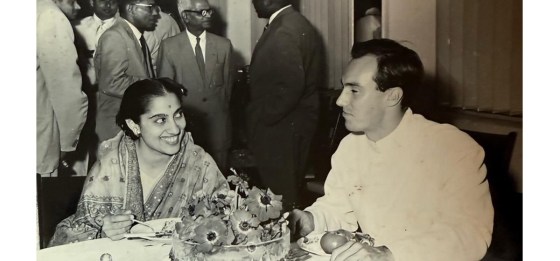
Mawlana Shah Karim, His Late Highness Aga Khan IV, and Mayor Manilal Devani, with several guests at a buffet table in The Aquarium Restaurant, Dar es Salaam, 1959. Photograph: Rohit and Nisheet Devani collection.
~~~~~~~~
Mawlana Shah Karim, His Late Highness Aga Khan IV, savours food as Mayoress Sushila Devani looks at him with a wide smile, Dar es Salaam, 1959. Photograph: Rohit and Nisheet Devani collection.
~~~~~~~~
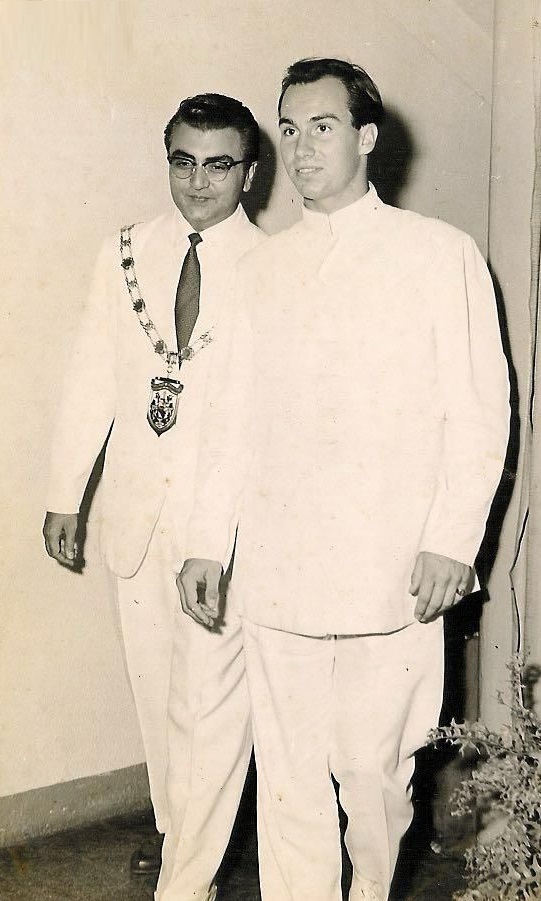
Mawlana Shah Karim, His Late Highness Aga Khan IV, and Mayor Manilal Devani, depart The Aquarium Restaurant, Dar es Salaam, 1959. Photograph: Rohit and Nisheet Devani collection.
~~~~~~~~
Mawlana Shah Karim, His Late Highness Aga Khan IV, with British Governor of Tanganyika, Sir Richard Turnbull, Dar es Salaam, 1959. Photograph: Rohit and Nisheet Devani collection.
Date posted: April 4, 2025.
NOTE: A version of this post appears on our sister website, Barakah, dedicated to the Aga Khan, his family, and the Ismaili Imamat. His Late Highness Aga Khan IV’s son, Prince Rahim, succeeded him as the 50th Ismaili Imam on February 4, 2025, immediately after his father’s passing. This swift and seamless transition is a testament to the stability and continuity of the Ismaili Imamat. His Majesty King Charles III honoured him with the title of His Highness.
___________________
Simerg welcomes tributes to Mawlana Shah Karim and messages of congratulations to Mawlana Shah Rahim Al Hussaini, His Highness the Aga Khan. Please click COMMENT box. If you encounter problems, email the comments to mmerchant@simerg.com. We want to reassure you that we respect your privacy and that your published comment will never reveal your email address. For recent and older posts, please visit our HOME PAGE. Please also follow us @Facebook, @X and @LinkedIn.
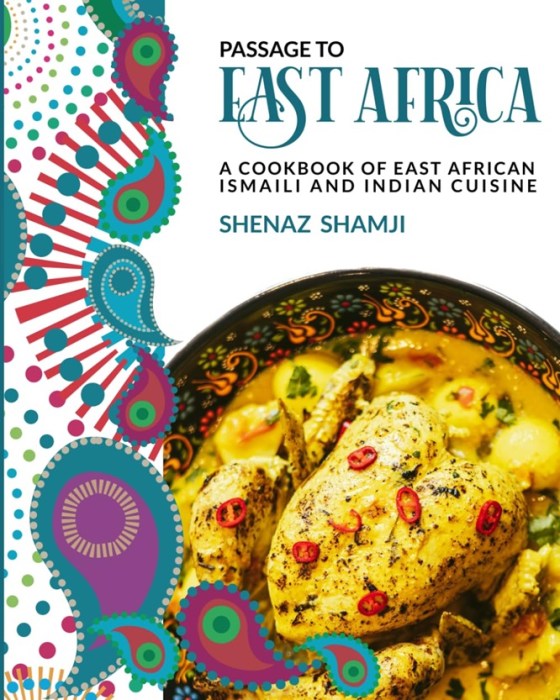
Simerg’s introduction of “Books by Ismaili Authors” continues with Shenaz Shamji’s cookbook “Passage to East Africa,” which she launched on the 87th Salgirah (birthday) of the 49th Ismaili Imam, Mawlana Shah Karim, His Highness the Aga Khan, who passed away recently on February 4, 2025, at 88. We follow the same Q/A format as our earlier presentations of books, which are listed chronologically below. We encourage Ismaili authors from around the world to participate in this series, regardless of when their books were published. See details of the series HERE and submit your responses to Simerg’s editor, Malik, at mmerchant@simerg.com.
****************
Simerg: What is behind the name and title of the book?
Shenaz Shamji: This book delves into the rich history of East African Ismaili and Indian cuisine, exploring the unique fusion cooking that was born from the migration of Ismailis and Indians from India. The title “Passage to East Africa — A Cookbook of East African Ismaili and Indian Cuisine” is a testament to the profound impact of this migration on our culinary heritage, as our ancestors adapted to the local food ingredients to create a new and vibrant cuisine.
Simerg: Why would you want me or my family to read the book, and what will we learn from it?
Shenaz: This book is a legacy for future East African generations. The recipes are authentic and accurately written. It is a must for all households that want to keep this tradition going, as well as everyone else in the UK, Europe and North America who wants to discover the extraordinary tastes of Ismaili cooking. There are not many comprehensive East African Ismaili and Indian cookbooks available in ONE book — a total of over 250 recipes.
Simerg:What inspired you to write the book?
Shenaz: I have been writing recipes for my children since about 22 years ago. As a pharmacist, I was used to writing them methodically with ingredients and methods listed in an easy-to-follow way. Indian cooking is all about “aasre”, meaning a bit of this and a bit of that using “guestimates”. Children and many adults, too, cannot follow that or remember. My mother-in-law lived with us, and she was an expert cook. I used to watch her and write her recipes roughly, again “aasre”.
Story continues below
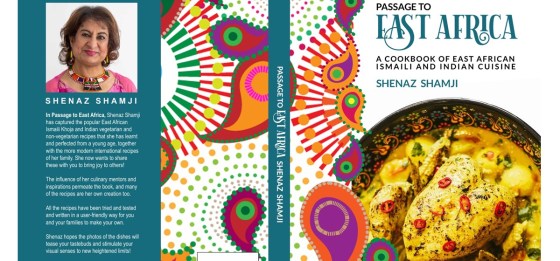
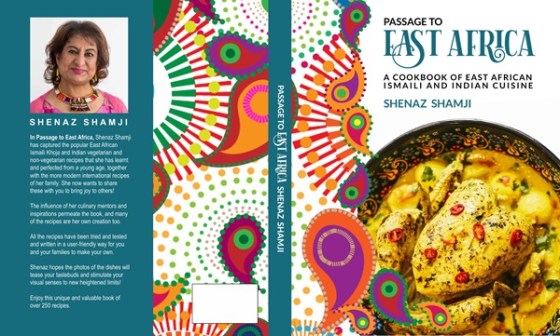
Beautiful and vibrant cover page of Shenaz Shamji’s Passage to East Africa, published independently on December 13, 2023, illustrated, 376 pages, hardback and paperback.
As time passed, I started cooking them myself and wrote the ingredients down in a structured, step-by-step manner with accurate quantities and methods. This was a laborious task requiring hours and hours of work and editing and storing recipes in electronic folders. I wrote them down in a very user-friendly way so my children, novices or new cooks could follow them. As time went on, after 15 years, my family and friends persuaded me to make a cookbook as these recipes were of treasured Ismaili and East African cuisine. What I thought could take 2 years to make ended up with 5 years of intensive, laborious work, facing many challenges. Not being an author and especially not being a cookbook author, the whole project was bewildering but achievable.
Simerg: How can I purchase the book, and what are its available formats?
Shenaz: The book can be purchased in hardback and paperback from Amazon in the UK, CANADA and the USA/WORLD. It is also available for purchase at the Aga Khan Museum Gift Shop and can be ordered online at the Aga Khan Museum Shop.
_________________
AMAZON REVIEW EXCERPTS
Shenaz Shamji offers a delightful exploration into the vibrant cuisine of East African Indian and Ismaili cuisine. The book elegantly captures the fusion of Indian and East African flavors, presenting an anthology of meticulously curated recipes. Shenaz’s dedication shines as she shares her family’s culinary heritage, meticulously testing and documenting recipes over the year — Sean Ramrattan on Amazon, which has a 4.8/5.0 rating on the book based on more than 60 global ratings
This book has such good recipes. I have attempted a few, and they have all been a hit in my household — Bessie Rego Sanchez
_________________
Simerg: How did you find a publisher for the book?
Shenaz: By using the internet searches for the maximum global sales. I opted for Amazon as they did the publishing, printing, marketing, and posting of the book.
Simerg: Did you hire an editor or an illustrator, or did you do all the work yourself?
Shenaz: I did all the work by myself and with my son Naadim Shamji, but I had to hire a graphic designer and a food photographer and employ a Social Media team.
Simerg: Which was your first book, and how many have you written?
Shenaz: This is my first and only book.
Simerg: How long did it take you to write the book — from start to finish and to begin marketing it?
Shenaz: It took me 15 years to write, collect and store these recipes for my children, 5 years of editing and creating the book and two years of social media. I have 14 cooking videos on YouTube, which have gained much popularity!
Simerg: Tell us something more about your book
Shenaz: I hope — and am confident — that the recipes and photos of the dishes in “Passage to East Africa” will tease your tastebuds and stimulate your visual senses to new heightened limits! May I also note the following incredible features of my book:
The indexing is done in English, Indian, and Swahili names, making referencing very easy;
There is a historical account of migration and settlement by my ancestors, which is very similar to many East African Ismailis family’s history too;
The book is very high and rich in photo content — almost 94% of food photos, which is unique as not all books have such a high volume of photos;
Over 60% of the recipes are vegetarian recipes, with many being vegan, too;
The ingredients are listed very accurately and are readily available;
A section in the book explains different measures and different names of ingredients used in various parts of the world. This makes it easy for everyone globally to decide how much to use or substitute or know the equivalent; and
I have included little snippets/stories in many recipes, some to remind me and others of the good and fond memories of having had this dish back home.
I invite your readers to visit my Facebook Page. As I mentioned earlier, the book is also featured on YouTube, where I demonstrate how to cook a diverse range of authentic and flavourful dishes such as Sev (sweet vermicelli), Spicy Masala Prawns, Kuku Paka (chicken in coconut curry), Makate Mayai (Mince and eggs) and more. I am pleased to say that our YouTube channel has become a thriving community, with thousands of viewers joining us since the book launch. And the book? It’s a treasure trove of 250 unique and delightful recipes, each waiting to be discovered.
Date posted: April 3, 2025.
__________________
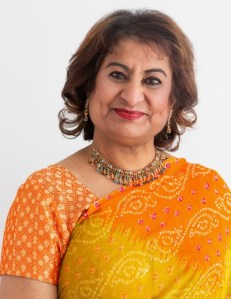
Born and raised in Tanga, a coastal town in Tanzania, Shenaz Shamji, from a very young age, began to take an interest in East African Ismaili and Indian cooking. Over the years, in Tanga, and later in London, where she pursued Pharmacy, Shenaz relentlessly pursued her family’s mouth-watering dishes and inspirational recipes. Her beautiful, fully illustrated book “Passage to East Africa,” which was years in the making, was finally perfected and published on December 13, 2023. Through her book and YouTube demonstrations, Shenaz brings the joy of cooking to everyone at home. with delicious vegetarian and non-vegetarian recipes. While she owes her success to the influence of her culinary mentors many of the recipes are her own creation too.
_______________
We welcome feedback from our readers. Please click LEAVE A COMMENT. Your letter may be edited for length and brevity and is subject to moderation.
Calling all Ismaili Authors
We encourage Ismaili writers to introduce their books in a similar format as has been done in the post above. Please also see the series launch article and submit your responses to Malik at mmerchant@simerg.com. All submissions will be acknowledged. If a writer has published multiple books, each book will be highlighted in a separate article, and not combined with other books into one post. All writers should include a brief profile with a portrait photo.
_______________
Links to the Ismaili Authors’ Series (in chronological sequence, oldest article first)
Before departing this website please take a moment to review Simerg’s Table of Contents for links to hundreds of thought provoking pieces on a vast array of subjects including faith and culture, history and philosophy, and arts and letters to name a few. Also visit Simerg’s sister websites Barakah, dedicated to His Highness the Aga Khan, and Simergphotos. Simerg’s editor may be reached via email at mmerchant@simerg.com.
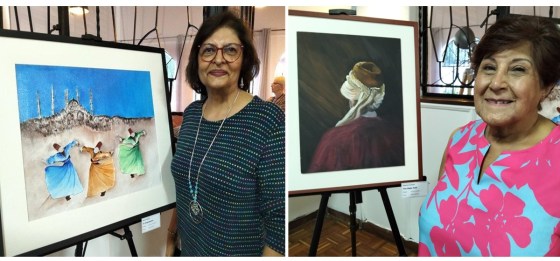
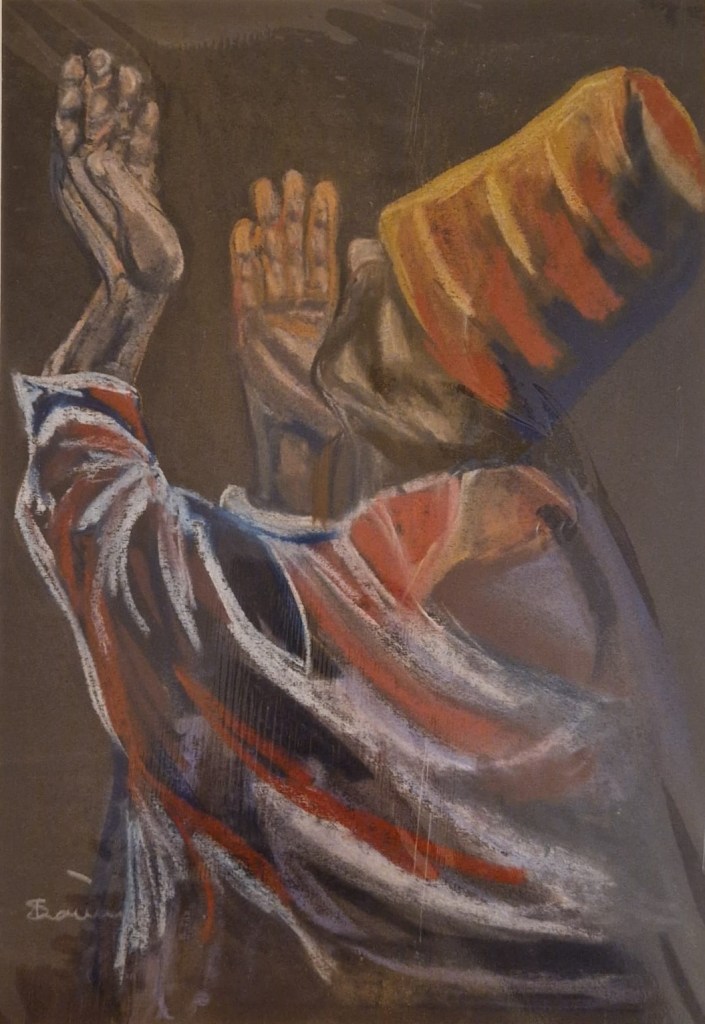
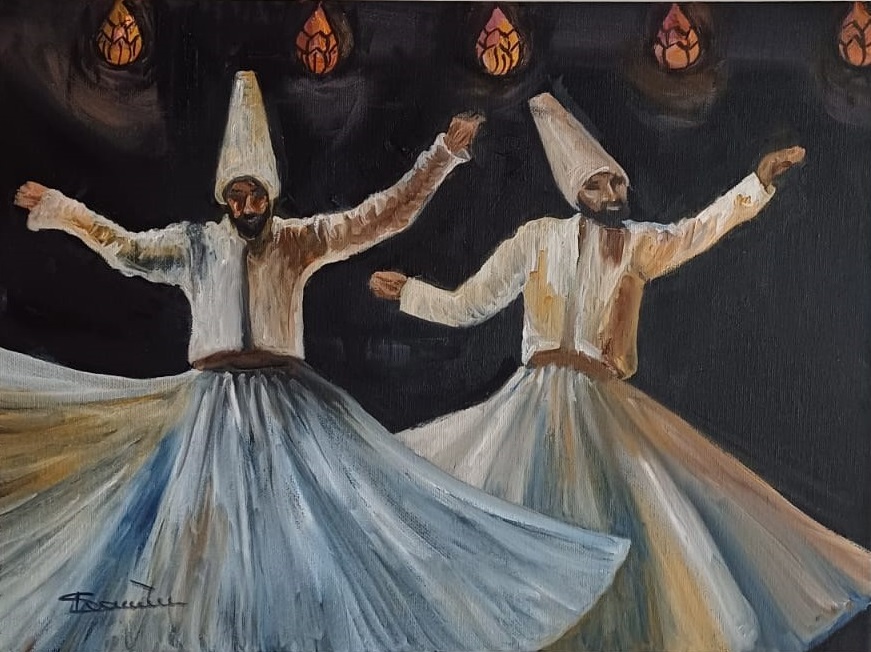
Chez Mahmadi, a renowned sanctuary in Nairobi, Kenya, graciously invited two Ismaili artists, Nimira Shariff and Shamim Subzali, to exhibit a collection that uniquely depicted a theme anchored on Sufism — the mystical aspect of Islam. Despite being separated by the winds of time and space, living oceans apart, these two artists embarked on a collaborative journey that transcended physical distance. They displayed their noteworthy pieces from their respective collections of artwork, each showcasing a unique style of inspiration and talent, all under the singular theme of Sufism. Chez Mahmadi, the serene host that showcased the beautiful exhibition from February 1 – 23, 2025, is a multifunctional space that champions an aura designed to inspire, connect, and nurture one’s mind in unison with the soul.
In a story featured in the Asian Weekly, Tanya Vas noted that the exhibition was a harmonious blend of art and atmosphere, each element resonating with the Sufi theme. She described the art pieces as having vibrant hues and swirling patterns, which seemed to breathe, vividly bringing to life the spiritual essence of Sufism.
Artist Nimira Shariff noted the differences in their artistic styles yet emphasized how their works complemented each other. Shamim Subzali shared the joy they found in working with the Sufi theme. The artists are thrilled to showcase a collection of their exhibition work in Simerg, which warmly welcomes and encourages Ismaili artists worldwide to showcase a selection of their works in our continuing series on Ismaili Artistic Expressions.
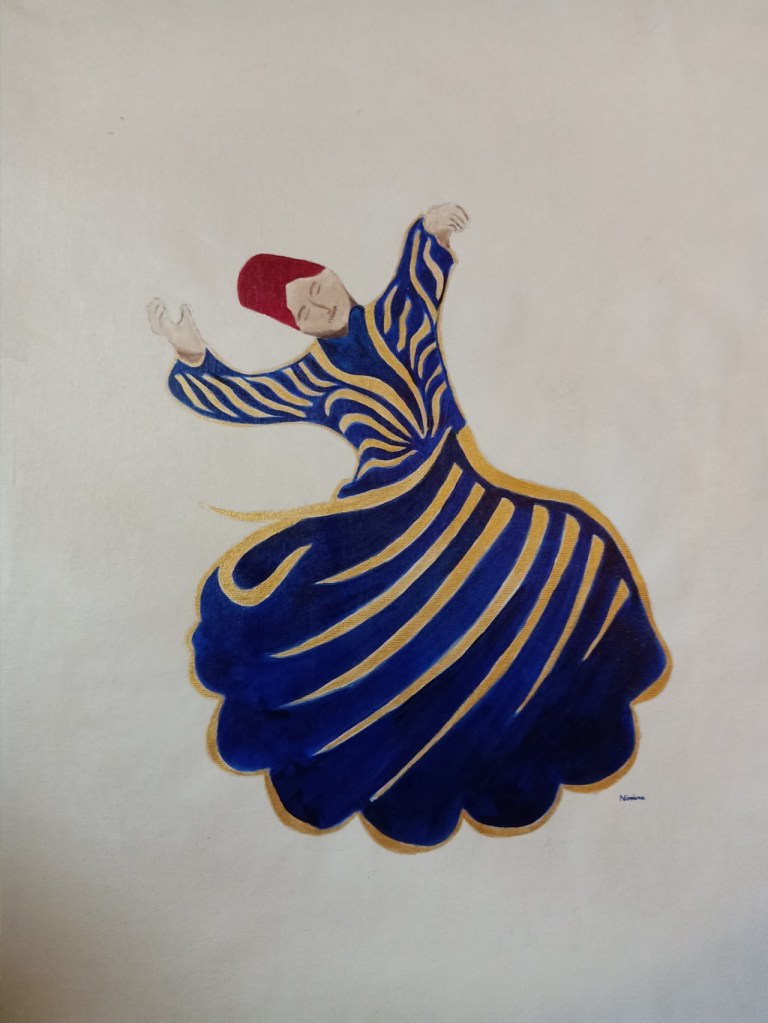
ARTWORK BY NIMIRA SHARIFF
Nimira Shariff
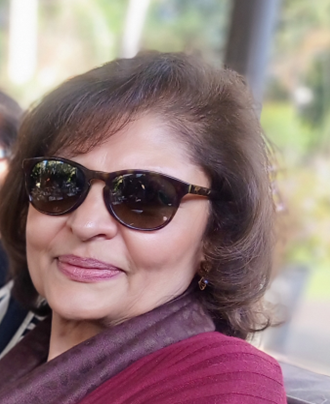
Nimira Shariff is inspired by pursuing a lifelong passion for ‘Art,’ validating that which is authentic or allegorical at the heart of a given scene. This is evident as she displays her talent stimulated by the inner beauty within her environment and the inner being she yearns for. Using watercolours, Nimira finds harmony in depicting animals, birds, flowers, landscapes, whirling dervishes, and silhouettes of African women. In addition, she has dabbled meticulously using Oils and Pastels. The medium she applied for the Chez Mahmadi Sufi Art Exhibition was Acrylic. This exhibit engrossed her to plough further into ‘The World of Sufism’, exemplifying her passion and the cornerstone of her disposition, illustrating that ‘no literature is enough for her to dwell in.’
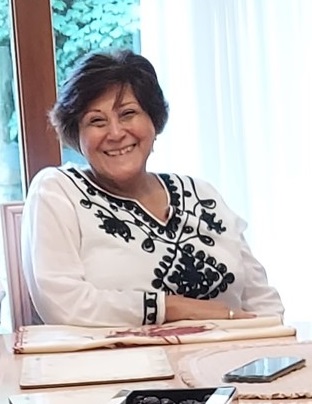
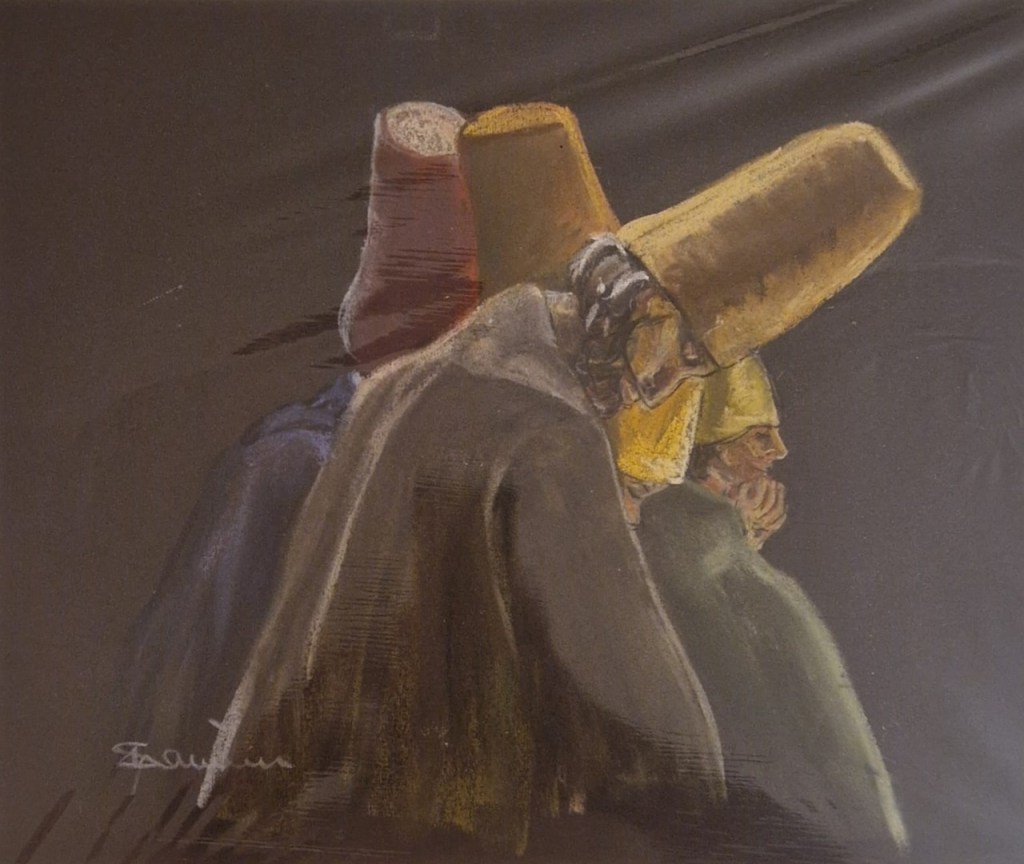
Shamim Subzali has nurtured her skill by creating impressive pieces of artwork. She favours the formation of portraitures yet continues to explore various art themes, as is demonstrated in this specific Sufi art works. Some of her other creations encompass animals, landscapes, whirling dervishes, life drawings, still life, seascapes, and portraits, drawing inspiration from impressionists. At the Chez Mahmadi exhibit, Shamim harnessed the use of Oils, Pastels, and Watercolours. She continues to excel by experimenting with various other mediums and techniques, such as charcoal and pencil. Shamim’s artful approach is a testament to her talent as she states ‘the learning curve is ever evolving, and never diminishes’. Her ongoing artistic journey is an inspiration to all. Discover the intriguing wonders of an enchanting journey by reading Shamim Subzali’s BIO.
“BROTHERHOOD” by Shamim Subzali.
~~~~~~~~~~
“PRAISE” by Shamim Subzali.
~~~~~~~~~~
“SAMA BROTHERHOOD” by Shamim Subzali.
~~~~~~~~~~
“TOTAL SUBMISSION” by Shamim Subzali.
Date posted: March 31, 2025. Last updated: April 1, 2025 (inserted links).
_______________________
“DAD” (Al-Karim Jaffer), acrylic painting by son Faizaan Jaffer.
About the contributor: Al-Karim Jaffer, the youngest of four siblings, was born in Burundi and has travelled extensively, having resided in the Democratic Republic of Congo (DRC), the UK, and the USA. Presently, he lives in Vancouver, B.C., where he cherishes his family and community. As a proud father of two outstanding young men, his commitment to their well-being and the well-being of his community is unwavering. He is ready to serve with outright dedication and passion. Volunteerism has consistently been the tenet of his being. Life has taken him on a spiritual search path by composing allegorical poetry inspired by faith, the environment, and nature photography.
The editor invites Ismaili artists to submit a selection of their paintings and other works of art for publication in Simerg. Please submit images of no more than 8 objects in Jpeg (1280 x 940) and your profile to the editor, Malik, at mmerchant@simerg.com.
We convey our heartiest felicitations to Muslims around the world, our readers, and friends of the Muslim community on the auspicious and joyous occasion of Eid-ul Fitr. We pray for your happiness, peace, and good health. We wish you all Eid Mubarak.
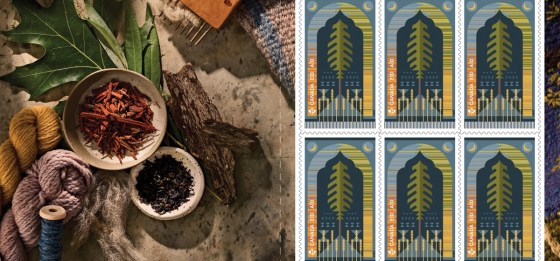
On March 10, 2025, Canada Post continued its tradition by issuing a Booklet of 6 Permanent™ domestic rate stamps to commemorate the festivals of Eid al-Fitr and Eid al-Adha in March and June 2025, respectively. This is Canada Post’s seventh Eid stamp, a testament to its continuity and commitment to celebrating the country’s cultural diversity. The previous Eid stamps were issued in 2017, 2020, 2021, 2022, 2023, and 2024.
Story continues below
STAMP
~~~~~~~
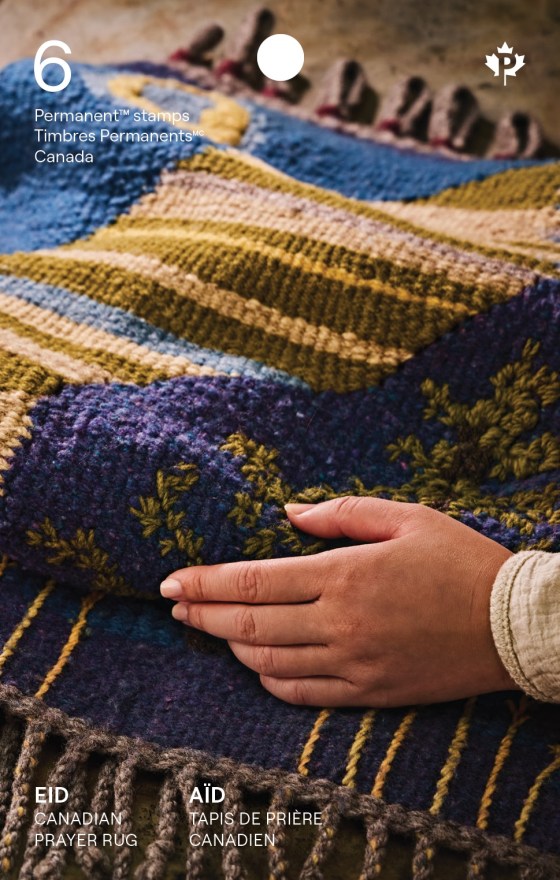
STAMPS BOOKLET COVER
~~~~~~~
Eid al-Fitr signifies the end of fasting during Ramadan and will be observed on or around March 30, 2025. Eid ul-Adha will be held from June 6, 2025, to mark the Festival of Sacrifice commemorating Ibrahim’s (Abraham) willingness to sacrifice his son, Ismail, to God. The Eid ul-Adha is held at the end of the annual pilgrimage to Mecca.
The rug’s design depicts Alberta’s diverse landscapes and distinct seasons. At its centre are an archway and a lodgepole pine — a tree that supports teepees and lodges and is reminiscent of the cypress of settler homelands.
Celebrated by Muslims all over the world — and by more than one million Muslims in Canada — both events can last several days and include communal prayers and feasts, visits with family, gift-giving, and acts of charity. In the previous two years, Simerg featured the 2023 stamp graced with a beautiful Iranian artifact and the 2024 stamp depicting the Maamoul, a melt-in-your-mouth cookie stuffed with dates and nuts.
The 2025 stamp, a unique addition to the series, features the Canadian prayer rug. This distinctive design is described on the Canada Post website as follows:
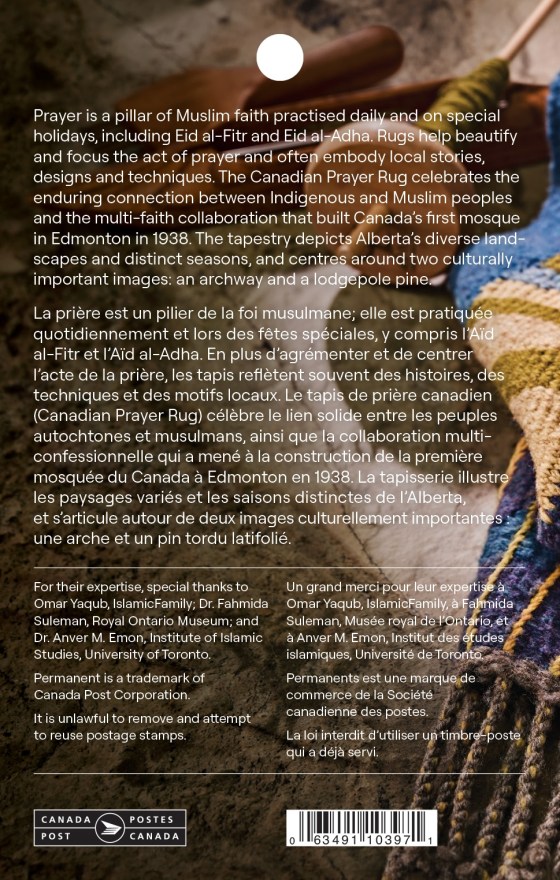
“Prayer is a pillar of Muslim faith practised several times daily and on special holidays, including Eid al-Fitr and Eid al-Adha. Rugs help beautify and focus the act of prayer and play an important part in gift giving and cultural exchange, often embodying local stories, materials, patterns and techniques.
“The Canadian Prayer Rug — a project of the charity Islamic Family — celebrates the deep and enduring connection between Indigenous and Muslim peoples and the multi-faith collaboration that built Canada’s first mosque in Edmonton in 1938. A reflection of their shared stories, it was created by Muslim weaver Noor Iqbal and Métis designer Kit Craven, based on interviews conducted by local youth with Indigenous Elders and descendants of some of Canada’s first Muslim settlers.
“The rug’s design depicts Alberta’s diverse landscapes and distinct seasons. At its centre are an archway and a lodgepole pine — a tree that supports teepees and lodges and is reminiscent of the cypress of settler homelands.”
About the design, specifications and link to purchase stamp booklets
The booklet cover and the inside and back of the booklet feature photographs of the original, handwoven Canadian Prayer Rug. The inside and back include images of some of the tools and materials that would have been used to create it.
On the inside (left to right) are a spool and hanks of yarn; bowls of logwood and black tea, red oak and willow leaves, and bark (used as dyes); and a weaving raddle.
On the back are another raddle and shuttle, as well as a spool. Also featured are a short text on the stamp subject, and credit and caption information.
Cancellation Site: Edmonton, Alberta Stamp Designer: Kristine Do Stamp Illustrator: Kit Craven Issue Date: March 10, 2025 Quantity Produced: 55,000 booklets of 6 Permanent™ stamps Product Type: Stamps
Stamps can be ordered on the Canada Post website HERE. Note: If you order four sets of booklets, each with six stamps, at CDN $7.44 per booklet, postage is free! You can use the stamp for all your first-class letters within Canada indefinitely.

















 Simerg - Insights from Around the World