Simerg is an independent initiative dedicated to Ismaili Muslims, the Aga Khan — their Hereditary Imam — and the Ismaili Imamat, and Islam in general through literary readings, photo essays and artistic expressions
“I urge you to imagine the loneliness of being unseen, the despair of being unheard, and the pain of being forgotten. Now imagine that world being yours. If you can’t walk in our shoes, try to walk beside us. Offer a hand, a voice, or even just a moment of empathy….The “Straight Path” requires all strands of society to come together to care for society’s most vulnerable” — Ghulam Baig, CEO, Gilgit-Baltistan Goodwill Movement
The concept of the “Straight Path” (Sirat-Al Mustaqeem) represents a journey guided by justice, compassion, and equity — principles that urge us to care for society’s most vulnerable. This path transcends spiritual growth, calling for a community where everyone is uplifted and included. The Ismaili Imamate’s focus on social work and community development through Jamati Institutions and the Agencies of the Aga Khan Development Network consistently reminds murids of these values.
Yet, in the rush of modern life, we often lose sight of those left behind: the elderly, the disabled, and the sick — the most vulnerable among us. While many indulge in comfort, countless others struggle in silence.
A Global and Local Perspective on Suffering
When we think of suffering, images of famine, poverty, or war often come to mind — realities associated with regions like Africa. Yet suffering also exists in less visible forms. One of these is the struggle for inclusion. In Gilgit-Baltistan, particularly in areas like Hunza and Yasin, disabled individuals live on the margins, yearning for equal rights and opportunities. Their pleas for dignity, inclusion, and opportunity are often drowned out by societal indifference.
During my time at a community college, the COVID-19 pandemic offered space to reflect on societal norms, especially regarding disability in Gilgit-Baltistan. While organizations like Aga Khan Focus for Habitat, KADO, and other local disability-focused groups have made progress, these efforts remain limited compared to the inclusivity and accessibility seen in more developed regions.
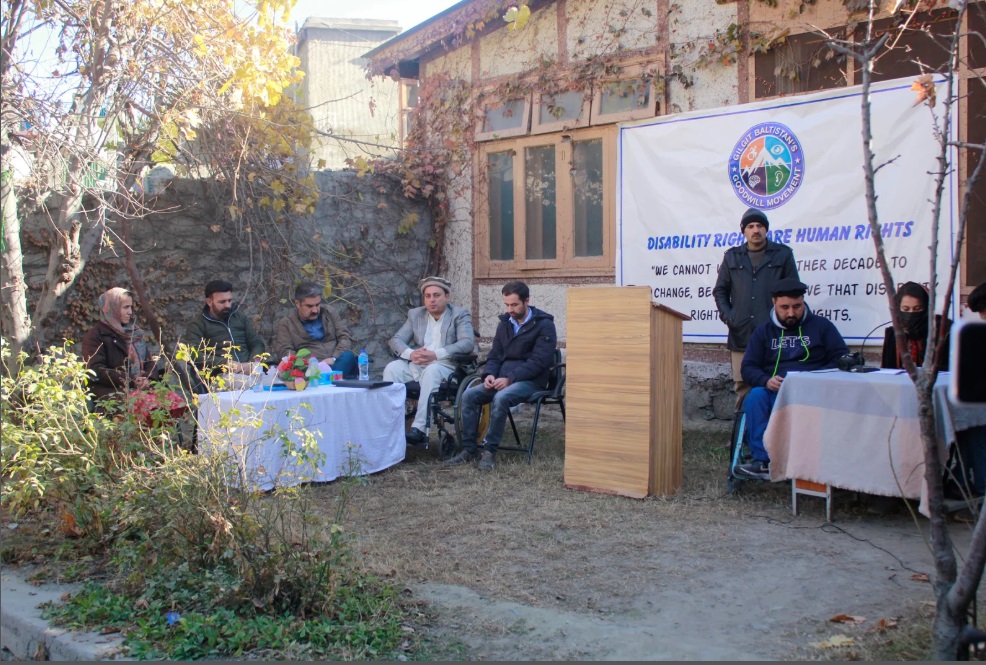
Through my organization, the Gilgit-Baltistan Goodwill Movement (GBGM), we are addressing these challenges. Guided by the values of justice, compassion, and equity, GBGM strives to improve the lives of disabled individuals through initiatives such as:
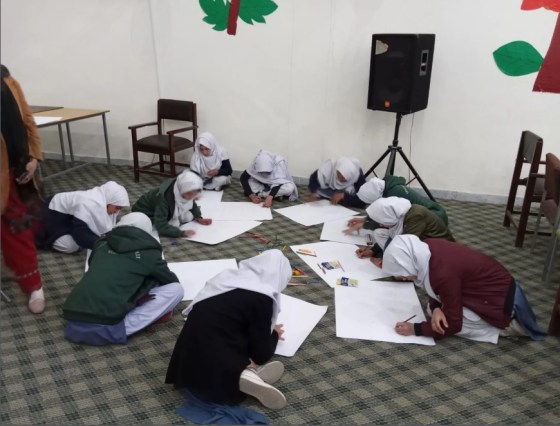
Vocational and Life Skills Training: Free programs equip individuals with tools for independent living.
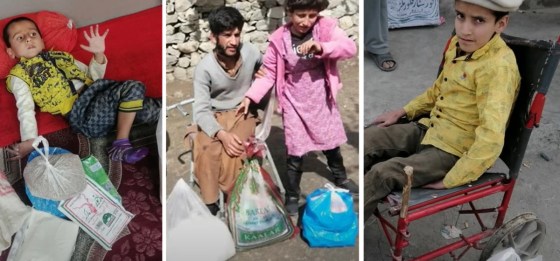
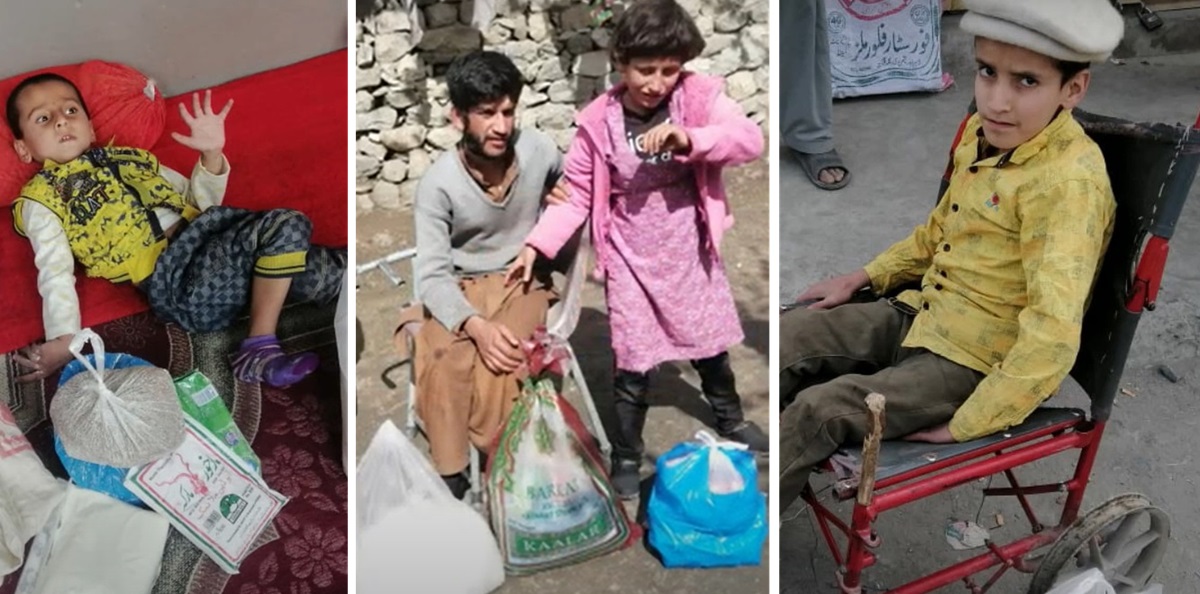
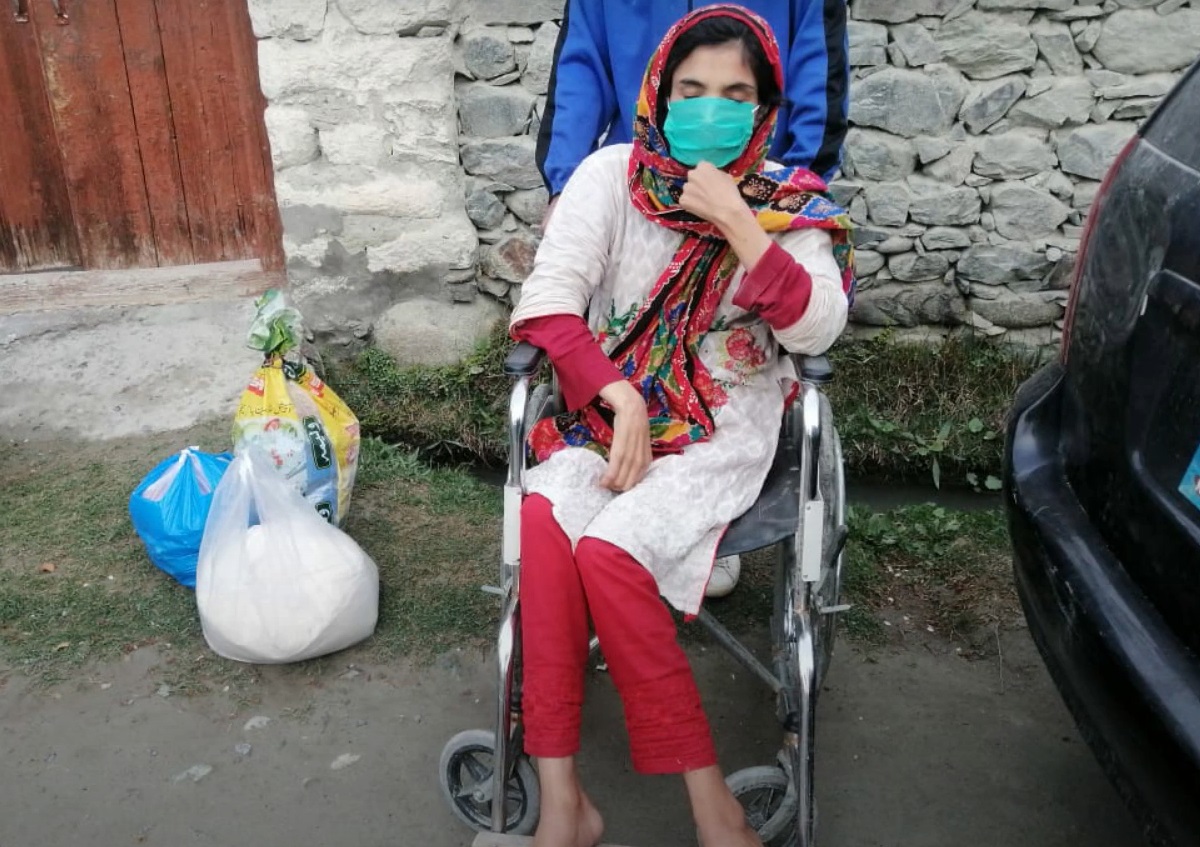
Assistive Devices: Wheelchairs, hearing aids, and other essential devices improve mobility and quality of life.
Healthcare Support: Free medicines and personalized healthcare services are provided to those in need.
Financial Aid: Economic challenges are alleviated with support for essentials like food and shelter.
Advocacy and Awareness: Campaigns and outreach efforts aim to eliminate stigmas and foster acceptance.
Our website, www.gbgoodwillmovement.com, showcases stories of resilience and transformation, demonstrating the profound impact of these initiatives.
Stories of Change
One of our beneficiaries shared:
“As a disabled woman, I had limited opportunities within my community. The Goodwill Movement not only supported me but also empowered other women, fostering gender inclusion in society. Today, I help others as a teacher in an additional support needs school in Gilgit.”
Another student remarked:
“I learned from Goodwill and now apply these skills at KIU Gilgit. Thank you, Goodwill Movement. I had no other options, but your one-on-one support five days a week changed my life.”
These testimonials highlight that disabled individuals are often excluded from active participation in Gilgit’s culture but can thrive with the right support.
Challenges Persist
~~~~~~
~~~~~~
~~~~~~
Despite significant strides, challenges remain:
Infrastructure: Public spaces often lack accessibility.
Barriers to Mobility: Ramps, elevators, and accessible transportation are scarce.
Educational Gaps: Inclusive education resources are insufficient.
Healthcare Access: Affordable, quality healthcare is often out of reach.
Social Stigma: Deep-seated prejudices continue to marginalize disabled individuals.
These obstacles, while significant, are not insurmountable. Addressing them requires collective action and a commitment to compassion, justice, and equity.
Working for the Disabled Jamati Members
While the GB Goodwill Movement maintains impartiality regarding religion and gender, most of our students have been from the Ismaili Jamat in regions such as Hunza, Ghizer, Yasin, Chilas, and various villages across Gilgit.
Story continues below after messages
_______________________________________________
SUPPORT AND APPRECIATION FOR GHULAM BAIG AND HIS GILGIT-BALTISTAN GOODWILL MOVEMENT
The following is an excerpt from Lyn Patterson, Ghulam Baig’s Mathematics Teacher at Ashton — formerly Ashcraig — Secondary School, Glasgow, Scotland:
From early on in his secondary school career Muhammad impressed me with his determination to overcome the challenges presented by his disability (cerebral palsy) and to succeed as far as possible in his studies. His willingness to work hard was clear from a young age and increased even more as he matured. He developed a real understanding of the barriers to learning experienced by students with a range of disabilities. His fellow students in Ashcraig included young people with conditions such as Muscular Dystrophy, Spina Bifida, visual and hearing impairments, and autism spectrum disorders. Muhammad always displayed an interest in classmates and an empathy towards them. It therefore does not surprise me to see that he has now founded the GBGM devoted to improving the lives of disabled people. Muhammad demonstrated a clear commitment to equality and diversity issues, speaking passionately about such topics.
~~~~~~
The following is an excerpt from the Dhanani Family of the USA, with family members supporting the initiative living in Georgia, California, and Texas:
We have known GBGM’s leadership for over three years and have financially facilitated some of their activities in support of their mission. During this period, we have found the leadership to be very conscientious in executing their duties and accomplishing GBGM’s goals. We are really impressed with their desire to raise awareness about the challenges faced by the DA population, especially in the GB area. They have worked hard to lobby the federal, state and local governments in Pakistan in support of their DA activities. We were fortunate to have met some of their leadership and staff during our visit to GB in September 2022. The visit provided further evidence of their commitment to DA population and reaffirmed our own desire to continue to work with them for a foreseeable future.
~~~~~~
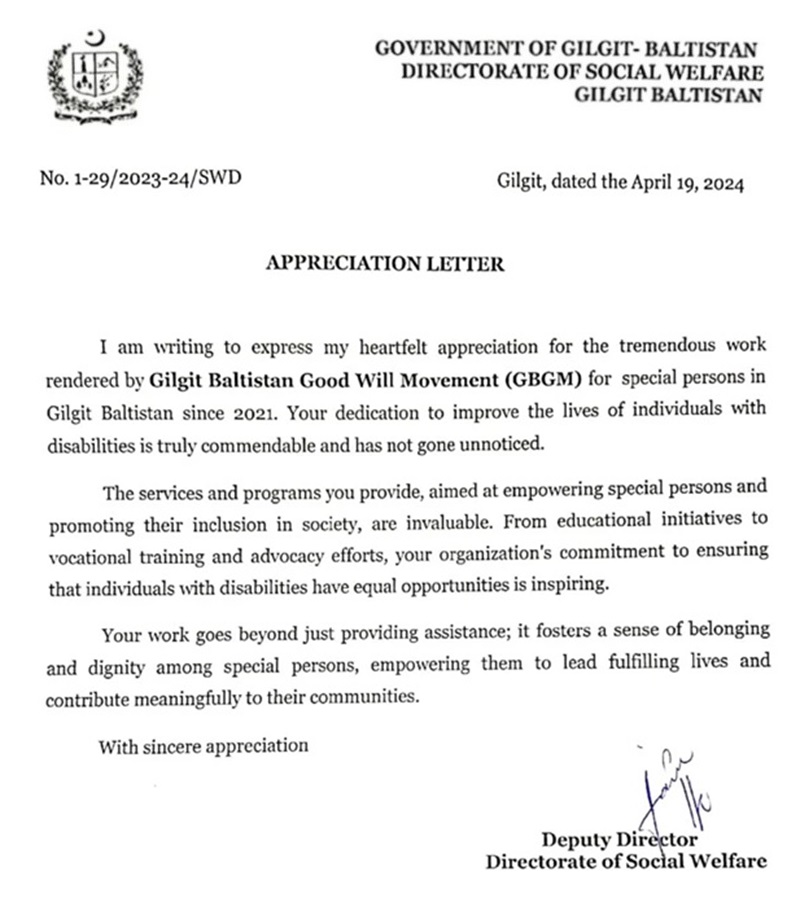
The following is a message from the Government of Gilgit-Baltistan:
_______________________________________________
A Call to Action
Returning to the West, I hoped my experiences in the social care sector would inspire support for the disabled community within the Jamat. While responses have been minimal, the Dhanani Family of the USA has been a notable exception, providing instrumental support for many of our initiatives. In April 2025, GBGM has an exciting project lined up. With the Dhanani family members, we will do a face-to-face project to contribute to the disability community in parts of Gojal, Upper Hunza, Yasin, and Ghizer.
To the readers, I urge you to imagine the loneliness of being unseen, the despair of being unheard, and the pain of being forgotten. Now imagine that world being yours. If you can’t walk in our shoes, at least try to walk beside us. Offer a hand, a voice, or even just a moment of empathy. Whether through financial contributions, volunteering, or spreading awareness, your support can make a tangible difference.
Building an Inclusive Society
The “Straight Path” requires all strands of society to come together, each contributing unique skills and perspectives. Just as a plumber and a surgeon serve different roles, we all have a part to play in building a more inclusive world. Let us follow this path to ensure that no voice goes unheard, no individual unseen, and no life unlived to its fullest potential.
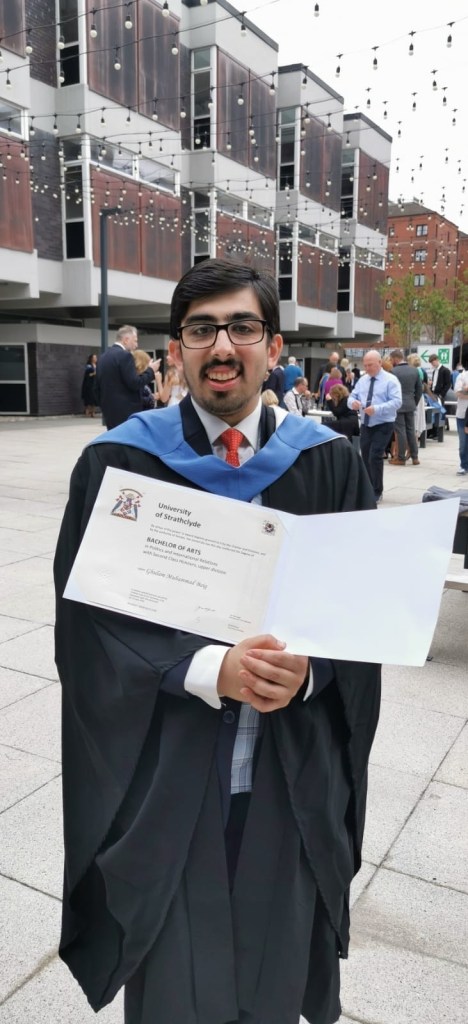
About the author: Ghulam Muhammad Baig, originally from the Hunza Valley in Northern Pakistan’s Gilgit-Baltistan region, received primary and secondary schooling in the UK with his parent’s support. He completed his university studies with an honours degree in Politics and International Relations from the University of Strathclyde in Glasgow, Scotland. Being disabled himself with Cerebral palsy, Ghulam was deeply moved by the plight of the disabled community in his home region, especially during COVID-19 pandemic. They were grappling with severe challenges, including a lack of basic facilities such as healthcare, education, and employment. This realization fueled his lifelong commitment to work for the Disabled or Differently Abled Community of Gilgit-Baltistan. He created the Gilgit-Baltistan Goodwill Movement (GBGM), of which he is the CEO.
Despite the closure of educational institutions during the first year of the pandemic, Ghulam remained proactive on social media. His efforts led to the formation of a large team of volunteers, including prominent disabled activists of Gilgit-Baltistan, such as Sehrish Kanwal Farhan Baig, Abrar Ahmed, Mumtaz Ali, Abdul Hakeem, Mustafa Kamal, Najeeba, Khushan Bano, and Ali Ahmed.
Recognizing the disparity in opportunities available to others in similar circumstances, Ghulam passionately advocates for the rights and well-being of persons with disabilities in Pakistan’s Gilgit-Baltistan region. With the support of his team, he is using his education and experience to improve the lives of disabled individuals in his home region.
“Ultimately, the art of teaching is a mission. Those who embark upon the journey of teaching seek to transform individuals and communities, inspired by a sense of purpose” — Mawlana Shah Karim Hazar Imam, His Highness the Aga Khan, 2008, Dhaka, Bangladesh.
The late South African statesman and leader Nelson Mandela said, “Education is the most powerful weapon you can use to change the world.” This profound statement underscores the transformative power of education, inspiring us to believe in its potential to shape a better future. Martin Luther King Jr. also emphasized the importance of education, stating that it teaches one to think intensively and critically.
Education is a powerful tool for building intelligence and character when done right. Teachers are the key figures in this process, guiding students to acquire knowledge, competence, and virtue. The Aga Khan’s quote on teachers further underscores their crucial role.
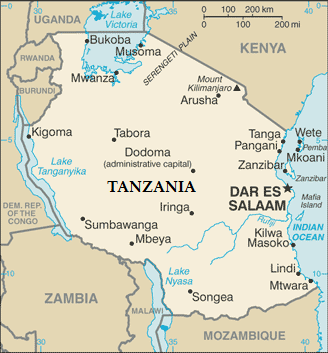
In the 1940s, 50s, and 60s, Mbeya, a small town situated in the Southern Highland region of Tanganyika (now known as Tanzania), was blessed with dedicated and enthusiastic teachers who changed the lives of many children of Indian origin who had moved to East African countries from India in the late 19th and early 20th Centuries to towns such as Mbeya.
A UN map showing significant towns and cities in Tanzania, including Mbeya neighbouring Zambia in the south-west of Tanzania.
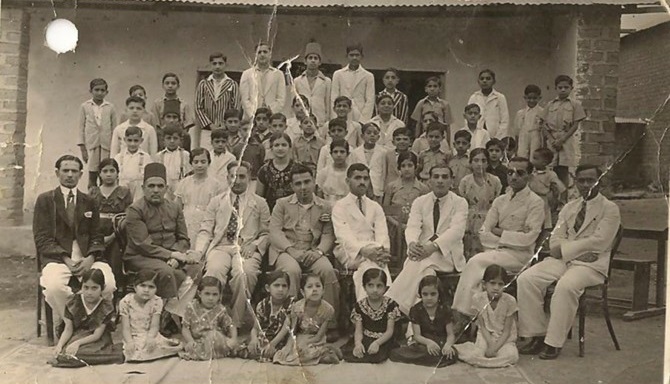
During the British colonial time, separate European, Indian and native African Schools were established. The Colonial Government funded the schools for the Europeans and Africans; the Asians (or Indians from South Asia), on the other hand, had to build their own education and schooling system. This was a community effort, funded with donations from the community and fees collected from the students. In the 1940s and early 1950s, Indian Public School, a primary school, was the first such teaching institution in Mbeya for the Indian community. The medium of instruction was Gujarati. After primary education, the students continued their education in Dar es Salaam.
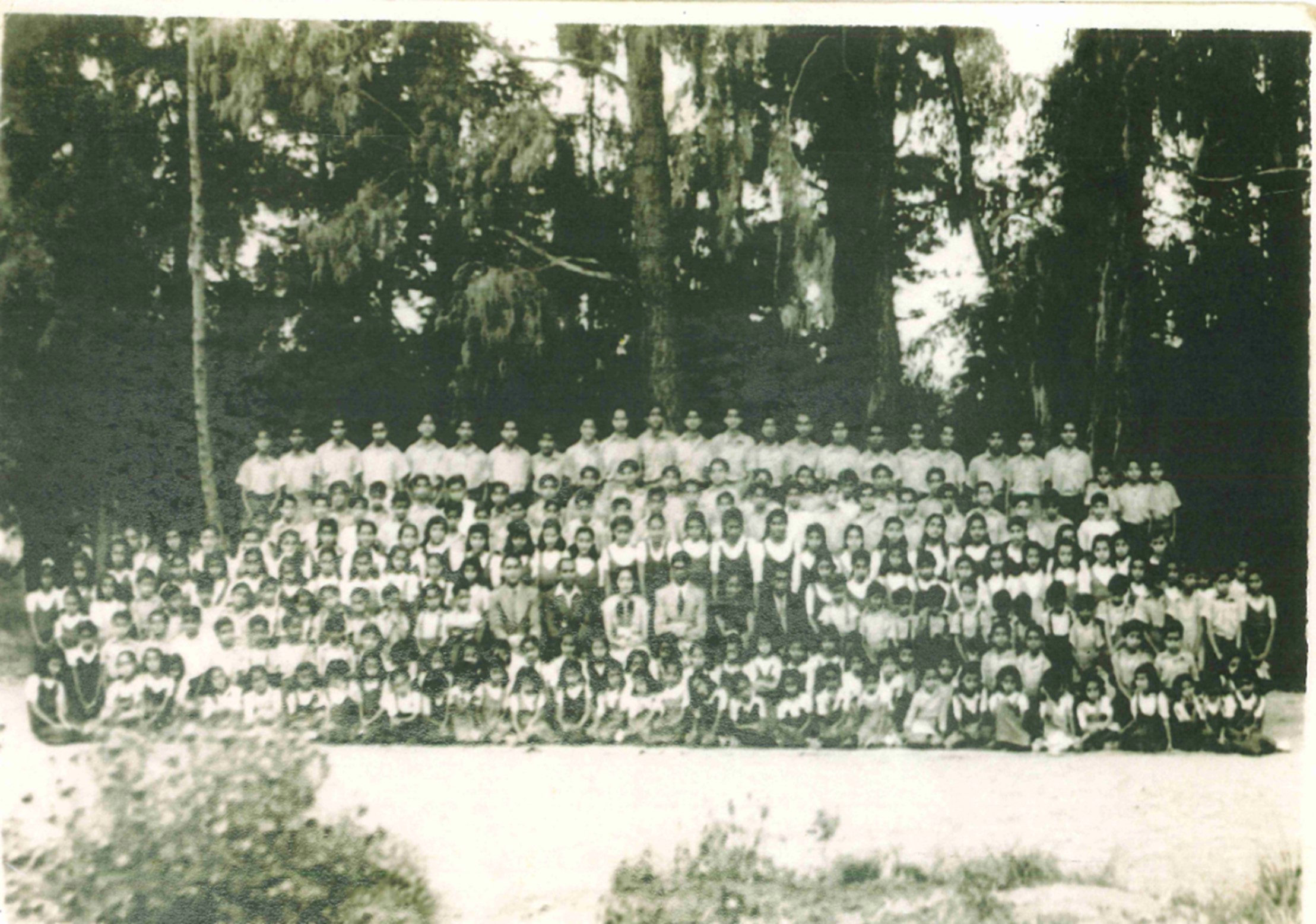
A photo of staff and students of the Indian Public School from around the late 1940s. Among those in the photograph are Haji Yusufmia (wearing hat), Mr. Hassam Somani, Mr. Sadru Bhanji Jiwa, Mr. Gulamhussein Mukadum, Mr. Hassanali Dhanani and other teachers.Photograph: Dr. Mohamed Manji collection.
~~~~~~~
Indian Public School teachers Mr Almeida, Mr Lohar, Mr Jagirdar, Mr. Hassanali Abdulla Walji and Vigiabenji Talavia. Photograph: Dr. Mohamed Manji collection.
~~~~~~
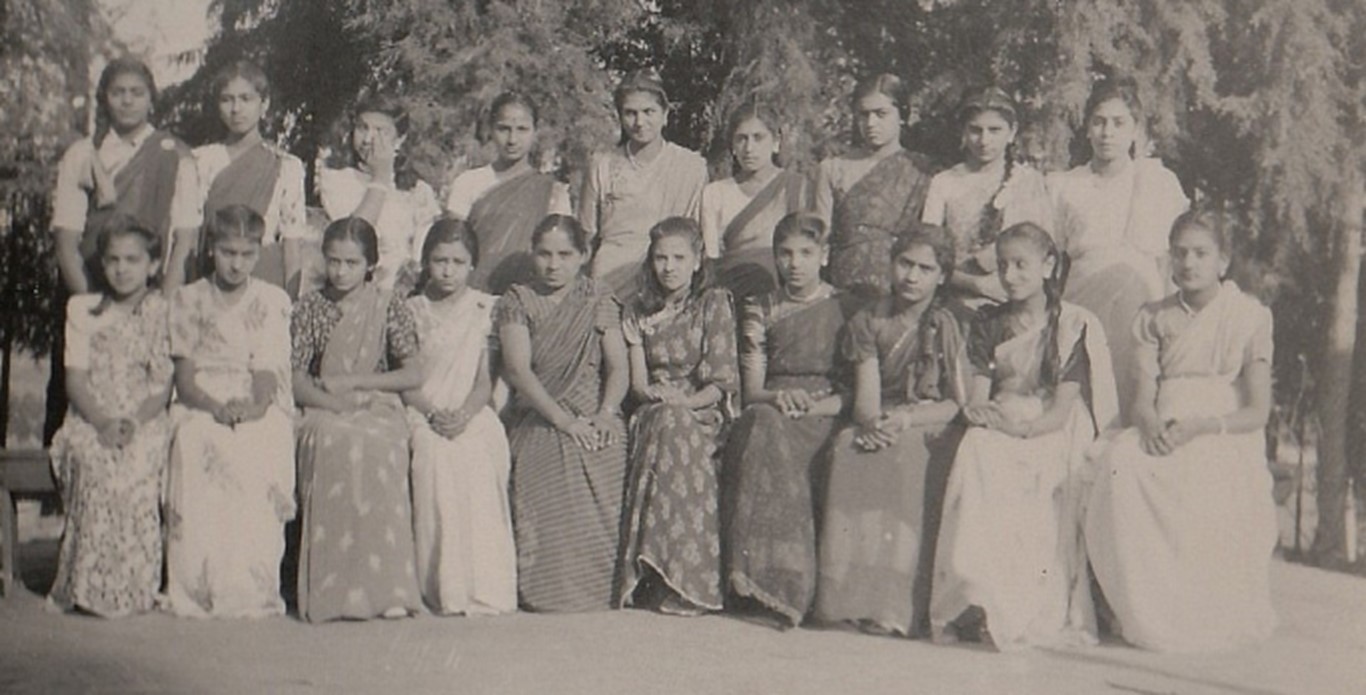
Indian Public School girl students with Vijiabenji Talawia. Photograph: Dr. Mohamed Manji collection.
~~~~~~
Indian Public School girl students with Vijiabenji Talawia. Photograph: Dr. Mohamed Manji collection.
~~~~~~
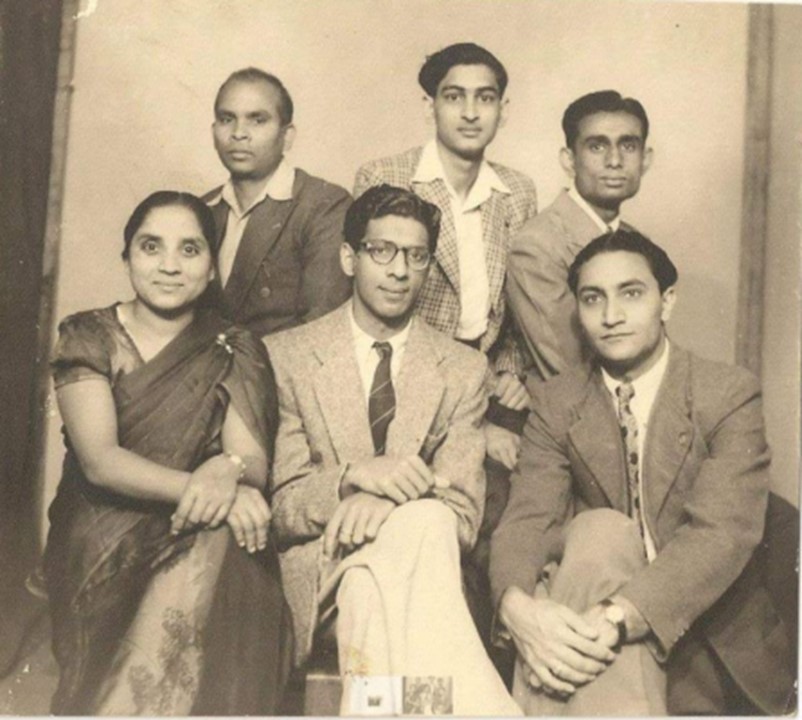
A photo from the early 1950s of the staff of the Indian Public School, Mbeya. Pictured are G. D. Talavia, Hassanali Abdallah Walji, Mrs. Vijiaben Talavia, K. R. Lohar and Abdulmalek Ali Valla. Photograph: Dr. Mohamed Manji collection.
In the late 1950s, the Ismaili Muslim community, a group of the Mbeya Indian diaspora, built the Aga Khan Primary School, which would teach up to the tenth standard. It was part of the Aga Khan Education System and was open to all races. The medium of instruction would be English; it also had facilities to teach science subjects. This educational system, built and sustained by the Indian community, not only provided quality education but also instilled a profound sense of pride and empowerment among the Indian diaspora in East Africa.
Mr. Vallimohamed Sarani (Sarani Master). Photograph: Dr. Mohamed Manji collection.
From the scanty information I obtained for the 1940s, one of the first teachers at the Indian Public School was Mr. Vallimohamed Sarani (known as Sarani Master), who initially taught in Zanzibar. Sarani Master came to East Africa in the late 1920s or early 1930s, joining his uncle in Kampala. He got married in Kampala and then shifted to Zanzibar as a teacher. His children were born in Zanzibar. He left Zanzibar during the early 1940s and started teaching in Mbeya at the Indian Public School for eight years. In 1948, he moved to Nayasaland (now Malawi) and stayed there till 1975. He retired and moved to Texas, USA, to be with his children until 1982. His final residence was in Leicester, UK, where he passed away in 1987 at the age of 84 years.
Mr. Ayub Kassammia, assistant to Sarani Master. Photograph: Dr. Mohamed Manji collection.
Another significant figure in the Indian Public School was Mr. Ayub Kassammia, the second son of the brother of Haji Yusufmia, a pioneer and successful businessman of Mbeya. After completing his studies in India in Kutch/Gujrat, Ayub returned to Mbeya. Initially, he taught at the Indian School organized by the local Indian community. The School was held in a rented house behind Haji Yusufmia’s house. After building the formal Indian Public school and hiring new teachers, Ayub left teaching. He joined the British Army in Nairobi during 2nd World War till the end of the War.
At the end of the 1940s and early 1950s, with the relocation of Sarani Master and his family to Nyasaland, Indian Public Schools hired new teachers from India. In 1949, a husband-and-wife team of Mr. G. D. Talavia and his wife, Vijiaben Talavia, joined the School. Mr Talavia was made the headmaster. The School continued with Gujarati as a medium of instruction, with lessons to teach English at the end of Standard 2 or the beginning of Standard 3.
Farewell to Zarinabenji Virji who left the Indian Public School for Dar es Salaam in 1952/53 after her marriage. Photograph: Dr. Mohamed Manji collection.
Among other teachers were Miss Zarina Virji (commonly known as Zarinabenji), who taught briefly and moved to Dar es Salaam after marrying Mr. Malek Ratancy, a well-known cricketer; Mr. Kassim Rahemtulla Lohar (Mr. K. R. Lohar); Mr. Hassanali Abdulla Walji of Mbeya (commonly addressed at that time as Hassanali Master and later as Dr. Walji); and Mr. Abdulmalek Ali Valla also of Mbeya.
In the 1940s and early 1950s, children’s schooling started in Standard One. When I joined Indian Public School in 1952, Vijiabenji (as we addressed her) was my first teacher in Standard One. Sudha, the younger daughter of the well-known medical doctor in Mbeya, Dr. Carpenter, joined me in Standard One. Other teachers were also involved in my education, especially Mr. Lohar and Hassanali Master (my father’s first cousin). My mother used to complain to him if I got mischievous or was not following her orders. Hassanali Master was an excellent teacher, especially in health science subjects, but he was also strict. We used to be frightened of him. Sudha and I were only four and a half years old when we joined Standard One, and competing with other older students in early primary School was difficult. Thus, my father always made me take extra tuition from Mr. Lohar, and his help and guidance in those early primary school days can never be forgotten.
Mr. K. R. Lohar was born in Bhuj Kutch, India. He moved to Nyasaland in April of 1950 at the suggestion of his uncle, Sarani Master, who, as I already mentioned, moved from Mbeya to Nyasaland in 1948. Mr. Lohar taught at Zumba school in Nyasaland. In 1952, he married his cousin Khulsum, Sarani Master’s daughter. She was born in Zanzibar, where her father had once taught early in his teaching career. At the advice of Sarani Master, Mr. Lohar and Khulsum moved to Mbeya to teach at the Indian Public School. They have three sons; the eldest, Rhemutulla (Rhemu), was born in 1953; Rafiq in 1955; and the youngest, Hanif, in 1962 — all in Mbeya.
Mr. Dennis H. Noronha was the head teacher at Indian Public School and then at Mbeya Aga Khan School when the school first opened in 1957. Photograph: Dr. Mohamed Manji collection.
~~~~~~
Mr. Dennis H. Noronha as Head Master with Mr. and Mrs. Talavia, Mr. K. R. Lohar, Mr. Hassanali A. Walji and teacher assistant Mr Abdulmalek Ali Valla. Photograph: Dr. Mohamed Manji collection.
In 1953, Indian Public School received a new teacher who would become the new headmaster. His name was Mr. Dennis H. Noronha, and he was from India. His leadership and vision would end up being the catalyst for change in the Indian community of Mbeya, transforming the lives of many students. One of his main tasks was introducing English as the instruction medium. He and Mr. Hassanali Walji also introduced a physical program and sports into the school curriculum.
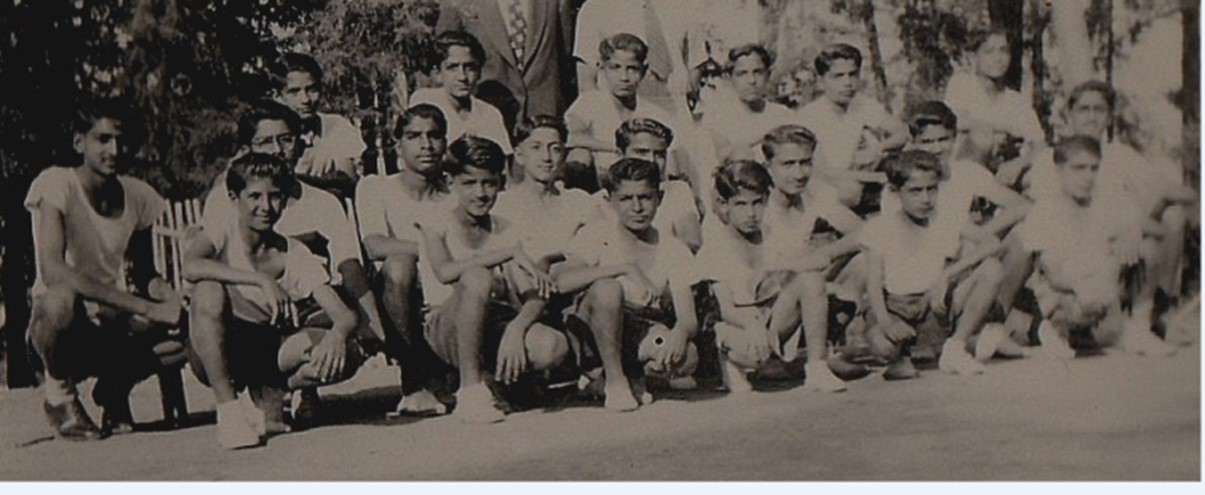
Physical education at Indian Public School, Mbeya with Mr. Hassanali Walji and Mr. D. H. Noronha. Photograph: Dr. Mohamed Manji collection.
~~~~~~
Physical education at the Indian Public School Mbeya. Photograph: Dr. Mohamed Manji collection.
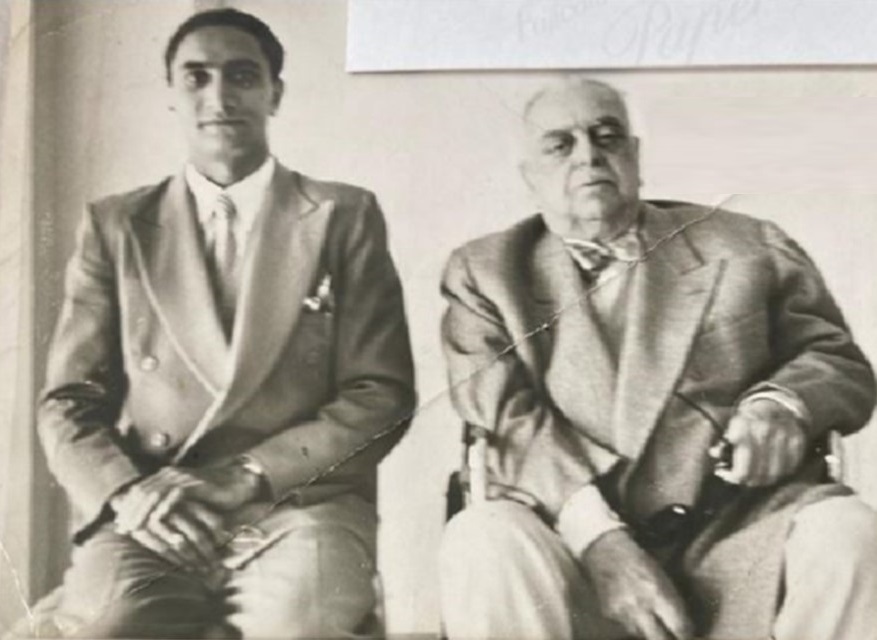
Mr. Hassanali Abdulla Walji (later known as Dr. Walji) was born in Manyoni, a small town in the Singida district of Tanganyika. He was one of the earliest teachers at the Indian Public School after completing his studies in Dar es Salaam. His main subjects were health science and physical education. Before the closure of the Indian Public Schools and the move to the new Aga Khan School, this local young man decided to go to London, England, to study physiotherapy and Chiropody (podiatry). Studying overseas at that time was a privilege, especially in Western countries. While in Europe, he also had an audience with Sir Sultan Mahomed Shah, His Highness the Aga Khan, the 48th Hereditary Ismaili Imam.
Mr. Hassanali A Walji (Dr. Walji) with Mawlana Sultan Mahomed Shah, His Highness the Aga Khan; mid-1950s. Photograph: Dr. Mohamed Manji collection.
After completing his studies in the UK, he returned to Mbeya. On his return, I still remember that Dr. Hassanali Walji, as he was now known, gave us (the whole student group and the community) a talk on his travel overseas by ship and about the process of studying overseas. At least for me, he sowed the seeds for further education overseas after my studies in Mbeya, and I always remember that talk and thank him for it.
Mbeya is a small town, and for his practice in physiotherapy and podiatry, Dr. Walji moved to Nairobi, Kenya, where he established a very successful practice. He, however, continued with his other main interest in Ismaili and Islamic studies through his extensive reading and self-studying. He was also gifted with a fantastic singing voice, and with his love for Ginans (Ismaili hymns composed by Ismaili Pirs and missionaries centuries earlier), he recited them regularly. Dr. Anil Walji, his son, an Anatomy Professor at the University of Alberta in Edmonton, inherited that from his father. Dr. Hassanali Walji also became an honorary Alwaez (missionary) in the Ismaili community and preached regularly. His sermons were very well received. It was a significant loss in 1978 when he passed away apparently from a heart attack in Nairobi, Kenya.
It may be noted that the Aga Khan Education Structure in East Africa had started as early as the end of the 19th Century; the earliest center to teach basic literacy and numeracy may have been initiated in 1895 in Bagamoyo, Tanganyika by Mawlana Sultan Mahomed Shah, Aga Khan III. In the 1940s and 1950s, under the chair of Princess Joan Aly Khan (the late mother of the present Aga Khan) and with the revised structure, more Aga Khan primary and secondary schools were established in Dar es Salaam in Tanganyika, Mombasa and Nairobi in Kenya, and Kampala in Uganda, first for girls and then for the boys. Later, co-ed schools for boys and girls were built for primary education in other East African towns and opened to all races and faiths.
One such School was constructed in Mbeya and opened in 1957 to replace the existing Indian Public School. This new School would cater to teaching from Standard One to Ten.
Mbeya Aga Khan School Education Committee 1957 with the teaching faculty. Photograph: Dr. Mohamed Manji collection.
Mr. Denis H. Noronha headed the Mbeya Aga Khan School. He gained quick recognition and respect among students, parents and the school committee, given his tenure as the headmaster of the Indian Public School and his kind concern for the students of this small town, his leadership abilities and his forward thinking for the student’s further education. His advice and criticism were genuine. Indian Public School was closed permanently, and all the teachers from that School moved to the new Aga Khan School. The teaching faculty consisted of Mr. K. R. Lohar, Mr. Almeida, Mr. Jagirdar, Mr. Sadrudin Merchant, Mrs. Aramita Geraldine Narohna and Mrs. Shrin Ratancy.
With the new Mbeya Aga Khan School in operation and open to all races and faiths, Mr. Noronha, as the Headmaster, managed to attract more teachers, and his teaching faculty increased; Mr. and Mrs. Philips and a second, Mr. Philips from India, joined. The two male Philips were distinguished from each other by their heights, and the students referred to them by calling them “Tall” and ‘Short” Mr. Philips. Afterward, Mr. Rawat, Mr. Demelo, and Mr. de Souza joined.
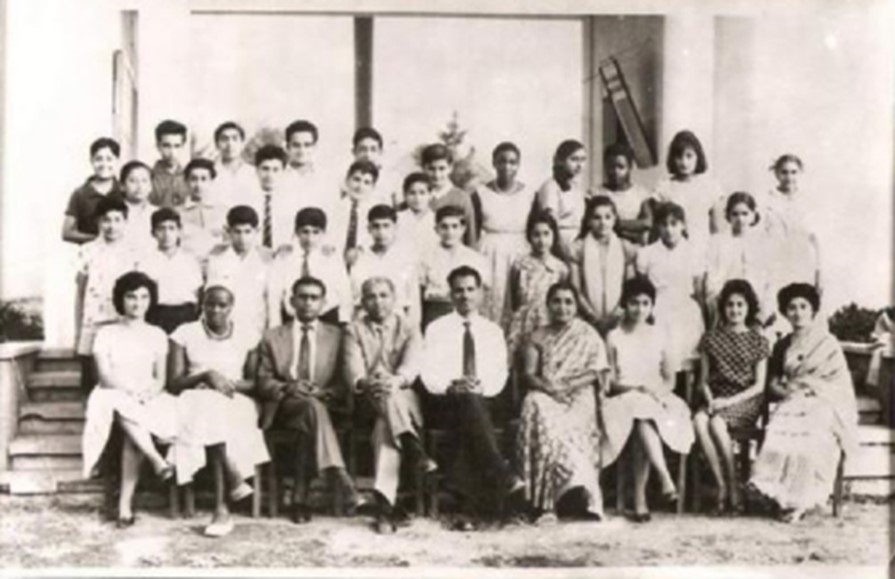
Staff, Mbeya Aga Khan School, 1958-1960. Photograph: Dr. Mohamed Manji collection.
With their hard work and dedication, this teaching faculty brought up the standard of teaching per the Aga Khan Education criteria, making it possible for the students to relocate quickly to other schools when they moved to other secondary and high schools in East Africa to continue their education beyond Grade 10.
In 1959/60, Mr. Denis Noronha retired as head teacher of the Aga Khan School. He and his teacher wife, Aramita, opened their own business, providing tuition for school subjects and accountancy courses. He became an insurance agent with an office in the Mbeya East African Airways building. In the 1960s, the Noronha family left Mbeya for good and relocated to Bangalore, India. They opened a private school there, which became quite successful and well-known. Aramita passed away in Bangalore on January 6, 1989. Mr. Noronha and his eldest daughter continued running the School there. Mr. Dennis Noronha passed away on December 7, 2008. Mr. and Mrs. Noronha’s passing was a significant loss to his immediate family and the Mbeya people, who had come to regard them as their own family.
Staff, Mbeya Aga Khan School, 1960-1962. Photograph: Dr. Mohamed Manji collection.
After Mr. Noronha left the Aga Khan School, Mr. Naidu took over the head teacher’s position. Subsequently, after his departure in 1962/63, Mr. de Souza became the head teacher. Unfortunately, just six months later, he died of an apparent heart attack. Mr. K. R. Lohar succeeded him.
Mr. de Souza, Head Teacher, Mbeya Aga Khan School, 1963. Photograph: Dr. Mohamed Manji collection.
In 1971/72, the socialist government of Tanzania nationalized all the Aga Khan Schools, and they came under the government administration. Mbeya Aga Khan School’s name was changed to Azimo School. Mr. Lohar taught there up to 1972 and left to teach at another school in Mbeya situated in the previous “European” area of Mbeya. He, with his wife Khulsum, moved to Leicester, UK, to join their sons in 1990 and for the treatment of Khulsum’s cancer. She passed away in Leicester in 1990. Mr. Lohar lived in Leicester with his son. In April of 1997, he had a stroke, and two months after his stroke, he was found to have cancer of the throat (he smoked heavily). He passed away on December 1, 1997, at the age of 67 years.
Mr. K .R. Lohar, Head Teacher, Mbeya Aga Khan School, 1964. Photograph: Dr. Mohamed Manji collection.
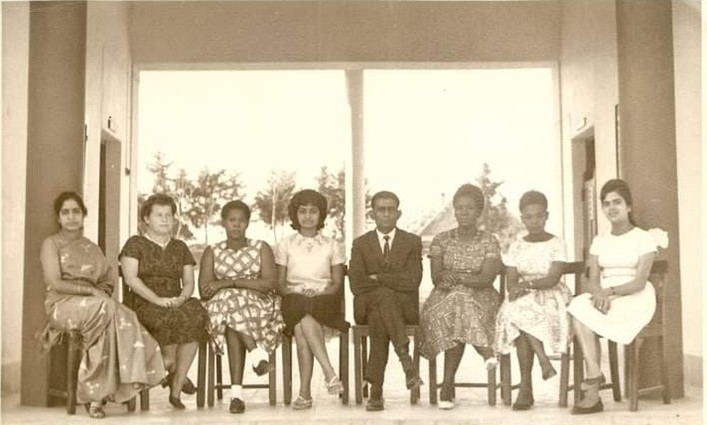
In the mid-and late 1960s, Tanzanian-trained teachers and teacher assistants joined the team. To name a few (who were from the Mbeya Indian community), they were Miss Gulshan Dharsee, Miss Nurjehan Karim Lalji, Miss Fatma Bandali, Miss Gulzar Razak Hirji, and Mr Sadrudin Ali Valla. Mr Salim Dawood, originally from Dar es Salaam, also took up a teaching position at the Mbeya Aga Khan School. He would later move to the Aga Khan Primary School in Dar es Salaam, where he taught maths. Mr. Dawood passed away in Toronto in 2019. The native African teachers also joined the team.
Local trained including African teachers at the Mbeya Aga Khan School in the mid 1960s. Photograph: Dr. Mohamed Manji collection.
~~~~~~
Local trained including African teachers at the Mbeya Aga Khan School in the mid 1960s. Photograph: Dr. Mohamed Manji collection.
The population of Mbeya Indians by the 6th decade of the 20th Century was about one thousand. Practically all the children who attended Mbeya Indian Public School and then Aga Khan School were born in the Southern Highland region of Tanganyika, of which Mbeya was the main administrative town. With this small population, Mbeya produced eight Medical doctors, one lawyer, eight registered nurses, five Chartered/Certified Accountants, four engineers, two legal secretaries, one with an Agriculture degree, and many more with college certification. This proud result of the Mbeya student’s achievement resulted from good schooling and ongoing guidance during the 1940s,1950s, and 1960s, which were done by those mentioned above, very dedicated and committed teachers of Mbeya. They were our Mbeya’s education heroes. They sparked the value and importance of education for students and society. I should state that Mr. Denis H. Noronha played a significant part in this. He brought the change in the early 50s by making English the medium of instruction, changing the curriculum to a UK one, recruiting good teaching staff, and advising the students and their parents regarding further education. He groomed the students to think far ahead. With this foundation, teachers like Mr. de Souza and Mr. K. R. Lohar, who followed him as a head teacher, continued to use the same approach and policy.
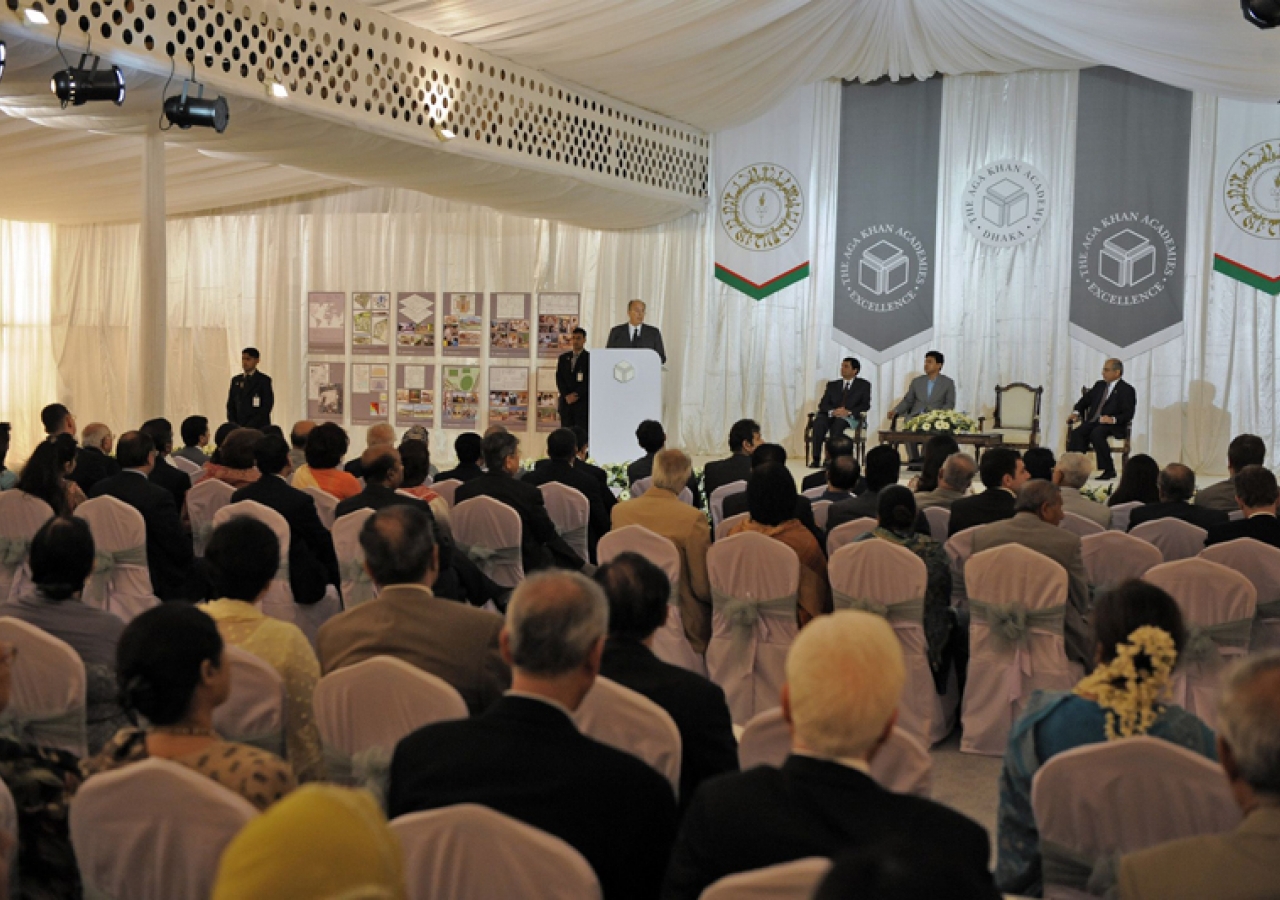
Mawlana Hazar Imam, His Highness the Aga Khan, speaking at the foundation stone laying ceremony of the Aga Khan Academy in Dhaka, Bangladesh, in May 2008. Photograph: Gary Otte/The Ismaili.
At the Foundation Laying Ceremony of the Aga Khan Academy in Dacca, Bangladesh, in 2008, His Highness the Aga Khan stated, “Ultimately, the art of teaching is a mission. Those who embark upon the journey of teaching seek to transform individuals and communities, inspired by a sense of purpose”. Secondly, in a speech at the Aga Khan University in Karachi in 2000, His Highness said, “Teaching is one of the most valued professions because it opens minds to greater self-awareness as well as to the knowledge that gives learners greater control over their destinies.”
This statement proved very true for the Mbeya students of the 1940s, 50s, & 60s when they had to emigrate to the West in the early 1970s because of the “mopping up” measures in the way of the “Acquisition of Building Act 1971” brought by the socialist government of Tanzania. Indian-owned buildings, farms, etc., were nationalized without compensation. The economic security of the Indians was jeopardized because of the Africanization of businesses and jobs. Things became difficult to live there, and thus, the Indian population left Tanzania in large numbers. The students were able to resettle in countries like Canada, the USA, the UK & Australia, and they have done well in their jobs, practices and businesses. Some of us have achieved good positions at various institutions and academic positions at multiple Universities.
On behalf of all Mbeya students and their parents, I want to thank the teachers who taught us and prepared us for the future. We students also pray for the peace of the souls of all our departed teachers.
Date posted: August 14, 2024.
____________________________
Acknowledgement: The author would like to thank Cynthia (Noronha) Mascarena, Mr. Vincent Noronha, Mr. Rhemtulla (Remu) K. R. Lohar, and Mr. Karim Nurdin Popat Kassam for their help and information for this article.
Feedback: We welcome feedback from our readers in response to Dr. Manji’s informative piece about Mbeya teachers. Please click Leave a comment or send your comment to mmerchant@simerg.com. We welcome similar pieces about your experiences studying or teaching in Ismaili educational institutions in any part of the world.
Dr. Mohamed (Mo) Fazal Manji
About the author: Dr. Mohamed Fazal Manji, MD, DMRT, DABRT, FRCPC, who is originally from Mbeya Tanzania, is a cancer specialist. He is a Consultant Radiation Oncologist at BC Cancer Agency of British Columbia, Canada, and Clinical Associate Professor, University of British Columbia. He graduated in medicine from Makerere University, Kampala, Uganda, and immigrated to Canada in 1972. He specialised in radiation cancer treatments at Princess Margaret Hospital (Cancer Center as it is called now) in Toronto. He obtained the Canadian Fellowship (FRCPC) and American Board Specialist Certification (DABRT) in Radiation Oncology. He also undertook special courses in Nuclear Medicine and Endocrinology at Harvard Medical School, Boston, USA. He became the first Canadian trained Ismaili Radiation Oncologist in Canada and probably in North America. He has been working at BC Cancer agency since 1977. He spent time abroad, working in Riyadh, Saudi Arabia to help modernize the Radiation Department at King Faisal Specialist Hospital & Research Center. He spent 12 years at this tertiary hospital for cancer and other diseases. He was also involved in the planning and development of Radiation Oncology Departments at the Aga Khan University Hospitals in Karachi and Nairobi and spent some time working at both places. He has contributed to many peer review publications, abstracts, book chapters and also lecture presentations nationally and internationally. Dr. Manji is also a recipient of 2022 Royal College of Physician & Surgeon of Canada’s M Andrew Padmos International Collaboration Award.
He is the son of Rai Fazal Manji of Mbeya Tanzania, who served as a member of Aga Khan Supreme Council of Tanganyika in 1950s and Raibanu Rehmat Fazal Manji, daughter of Alijah Mohamed Hamir who, in early 1930s, built an iconic Jamatkhana in Iringa, Tanzania, and donated to Imam Sultan Mahomed Shah unconditionally. Appointed by His Highness the Aga Khan, Dr. Manji served as the first Member for Health on the first Aga Khan Ismaili Regional Council of Ontario and Quebec in 1973 under President Riaz Jethwani.
For the past week, the world’s attention has dramatically shifted from the misery that Afghanistan is facing to the invasion of Ukraine by the armed forces of Russia. The Ukraine war is indeed very very serious and frightening, especially with Russian President Putin asking his country’s nuclear deterrent forces to be on high alert. Hundreds of thousands of Ukrainian residents are escaping from the war, and showing up as refugees in neighbouring countries. While this tragedy in Eastern Europe unfolds, we should also remain focused on the humanitarian crisis that is in Afghanistan.
Two countries facing humanitarian crisis — Ukraine and Afghanistan (both circled). Image: Map adapted from Perry-Castañeda Library Map Collection, University of Texas.
In addition to our special correspondent in Kabul sending us his reports in the form of Letter from Afghanistan (please see Simerg’s Special Afghanistan Page), we also rely on authentic and accurate coverage of Afghanistan from the world media. In this respect, we find the Voice of America (VOA) to be a reliable and very useful source of information through reports that are produced on its website from journalists such as Ayaz Gul in Islamabad, Ayesha Tanzeem, who heads VOA’s Pakistan and Afghanistan bureau in Islamabad, and Lisa Schlein in Geneva. They are fair and factual in their news and commentary about the situation in the country.
To keep our readers up to date about the various aspects of life in Afghanistan, we share below a compilation from stories that appeared on VOA this past week, between February 23 and February 27, 2022. Readers may access VOA’s full coverage as well as special episodes on Afghanistan by clicking on VOA: Central and South Asia.
1. Experts: More Than Half of Afghanistan’s Population Need Lifesaving Assistance
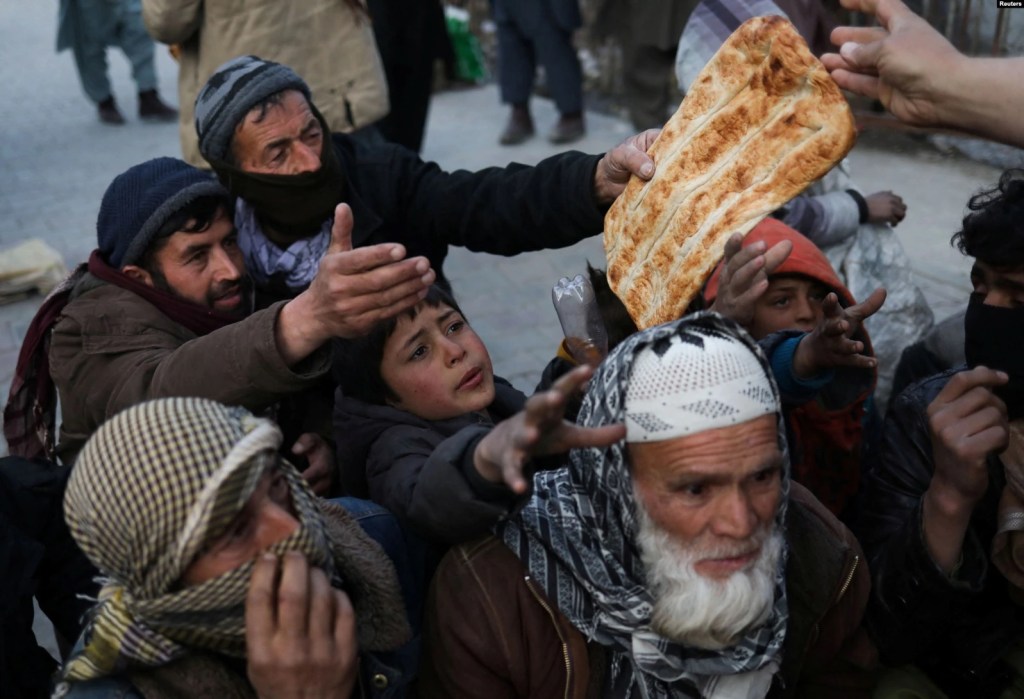
People reach out to receive bread, in Kabul, Afghanistan, January. 31, 2022. Photo: VOA file photo
By LISA SCHLEIN, VOA
Humanitarian experts warn that more than 24 million people, or 59% of Afghanistan’s population, are living on starvation diets and forced to take extreme measures to survive. Eight senior emergency experts from U.N. and non-governmental organizations recently concluded a five-day mission to Afghanistan. They describe the level of humanitarian needs as unprecedented. They say they are shocked at the enormity of human suffering they witnessed. The experts say many Afghans will not survive the dire conditions under which they are living without international support. And this, they note is severely lacking. The U.N. Office for the Coordination of Humanitarian Affairs (OHCA) reports only 13 percent of the United Nations’ $4.44 billion appeal for this year has been funded. OCHA spokesman Jens Laerke told VOA the competition for donor support from a myriad of countries including Ukraine, Yemen, and the Democratic Republic of Congo is intense and growing. Nevertheless, he said the plight of the Afghan people must not and cannot be ignored.
“People’s reserves are exhausted, forcing many into harmful coping mechanisms to survive, including child marriages and child labor. Women and girls in particular are affected with their human rights, participation in society, their ability to work, and access to education under threat,” he said. Laerke said the number of people requiring lifesaving assistance has risen 30% since the Taliban takeover of the country in August. He said the consequences of not responding to their needs are very stark. “It simply means that women who are pregnant will not have a hospital to go to for giving birth…We talk about girls and their access to school but here — this means that nobody goes to school… Peoples’ need for nutrition and food will not be met. People simply will not have enough to eat. They will starve,” he said. Laerke said donors’ fear that their money will go to the Taliban and not toward helping the Afghan people is unwarranted. He said all the money goes to the U.N. and private humanitarian organizations for which it is intended. Over the past months, he says aid agencies have been able to scale up their operations without interference to provide life-saving assistance to people in desperate need. (VOA full report HERE)
~~~~~~~~~~~~
2. All Public Universities in Afghanistan Open to Male, Female Students
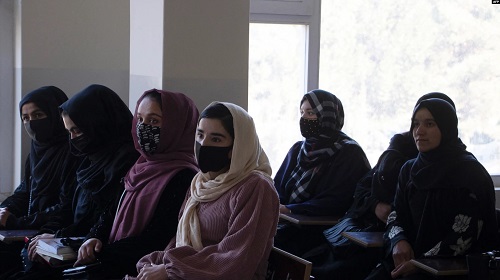
Students attend a class in the Badakshan University after Afghanistan’s main universities reopened, in Fayzabad on Feb. 26, 2022. Photo: AP via VOA
By AYAZ GUL, VOA
Public universities in Afghanistan’s colder areas, including Kabul, reopened Saturday, February 26, 2022, to both male and female students six months after the Islamist Taliban returned to power. The reopening marked the resumption of education in all of about 40 state-run universities in Afghanistan after Taliban authorities allowed university students earlier this month to return to their classes in provinces with a warm climate. The opening day at the country’s oldest and biggest university in the Afghan capital as well as campuses elsewhere was marred by low attendance and a lack of teaching staff. University administrations enforced gender segregation, including staggered operating hours and separate classes for men and women in accordance with the Taliban’s strict interpretation of Islam. Women must also wear hijabs. The Taliban banned co-education after taking control of Afghanistan on Aug. 15 [2021].
Students’ reaction was mixed after their first day back on Saturday. “I am very happy today as the Islamic Emirate reopened our universities,” Razia Kamal, a female student, was quoted by the Afghan TOLO news channel as saying. The Islamic Emirate is the official name of the Taliban government. In Kabul, student Haseenat said campus life for women was now very different than it was before. “There is no cafeteria anymore … we are not allowed to go to the university’s courtyard.”
“I am happy that the university resumed … we want to continue our studies,” said an English major who asked to be identified only as Basira. There was also a shortage of lecturers, she said, adding: “Maybe because some have left the country.” Tens of thousands of mostly educated Afghans have left the country fearing Taliban reprisals since the United States and other Western nations withdrew their troops in late August after a 20-year occupation.
In the western Afghan city of Herat, students also complained about a lack of tutors. “Some of our professors have also left the country, but we are happy that the university gates are open,” said Parisa Narwan, an arts major. The Taliban allowed males and females to resume education in some 150 private universities in the country in September under a gender-segregated classroom system. But they took time to reopen public universities, citing financial constraints and a lack of separate classrooms for men and women in accordance with Islamic Sharia law.
“It’s a positive move albeit late,” said Mohsin Amin, an Afghan policy analyst and researcher. “It’s of utmost importance to enhance the quality of education in all universities across Afghanistan for girls and address the scarcity of female teachers as well as professors.
“High schools for girls in all provinces should resume as soon as possible,” Amin told VOA. While the Taliban allowed boys to rejoin secondary schools in early September, most Afghan girls are still waiting for permission to resume class. Taliban officials have pledged to allow all girls to be back in school in late March, dismissing fears they intend to ban female education, as happened during the hardline group’s previous rule from 1996-2001. (VOA full report HERE)
~~~~~~~~~~~~
3. US to Allow All Commercial Transactions with Afghanistan
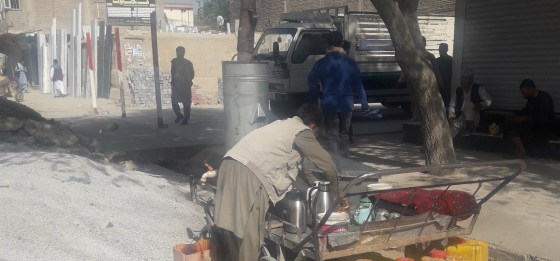
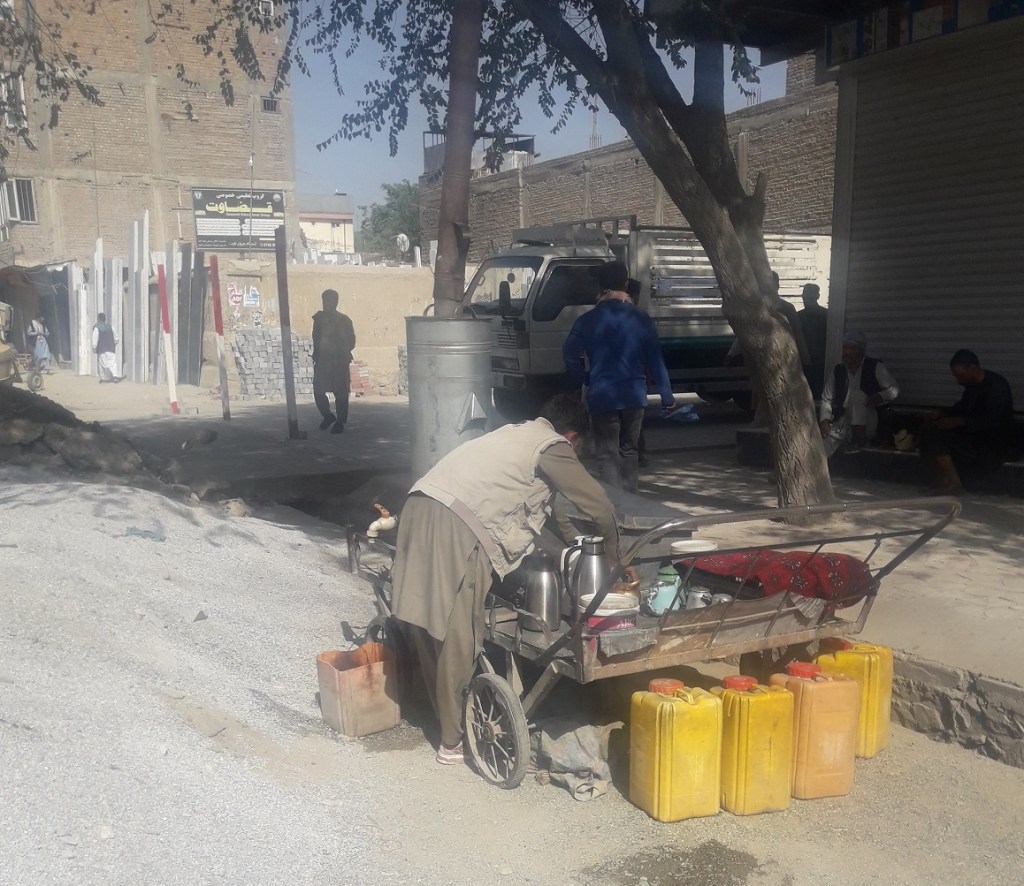
A man uses a makeshift carrier for providing tea drinking service at Kabul’s Kote Sangi commercial hub sector of the city. Sunday May 29, 2021. Photo: Simerg correspondent, Kabul.
By VOA NEWS
The U.S. Treasury on Friday [February 25, 2022] issued a new general license authorizing all commercial transactions with Afghanistan’s governing institutions, expanding recently announced exemptions from sanctions against the Taliban and the Haqqani network. The new license, the seventh issued by Treasury in recent months, allows “all transactions involving Afghanistan and its governing institutions that would otherwise be prohibited by U.S. sanctions,” the Treasury Department said.
The action came after talks between the Treasury Department and private sector executives doing business in Afghanistan and is similar to a series of sanctions exemptions granted in recent months to nongovernmental organizations. “Our action today recognizes that in light of this dire crisis, it is essential that we address concerns that sanctions inhibit commercial and financial activity while we continue to deny financial resources to the Taliban, the Haqqani Network, and other malign actors,” Deputy Treasury Secretary Wally Adeyemo said in a statement. Wide-ranging U.S. economic sanctions against the Taliban date to their first time in power in the 1990s. However, in the wake of the Taliban takeover of Afghanistan in August, the Treasury Department has issued a series of sanctions exemptions to allow Afghanistan to cope with a teetering economy and a humanitarian crisis. “There are too many Afghans starving today, too many Afghans who are cold; we all need to act faster,” a senior administration official told reporters during a press call announcing the general license. (VOA full report HERE)
~~~~~~~~~~~~
4. New Wave of COVID-19, Measles Outbreak Stretch Fragile Afghan Health System
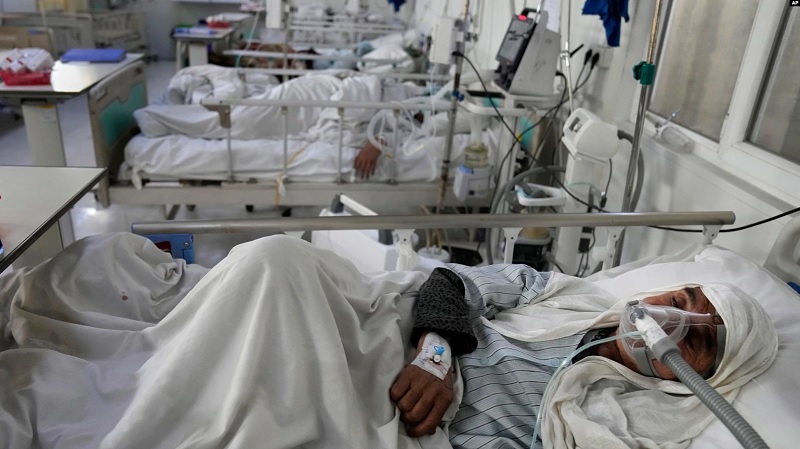
An Afghan patient infected with COVID-19 lies on a bed in the intensive care unit of the Afghan Japan Communicable Disease Hospital, in Kabul, Afghanistan, Feb. 7, 2022. Photo: AP/via VOA
By AYAZ GUL, VOA
Aid groups warned Wednesday [February 23, 2022] that a spike in COVID-19 infections and an alarming measles outbreak have compounded the health emergencies in Afghanistan, stretching the impoverished, war-torn country’s fragile health care system. The International Federation of Red Cross and Red Crescent Societies (IFRC) said in a statement that urgent global support, including health and testing services, as well as vaccinations, was needed to slow the spread of the coronavirus that is surging across Afghanistan.
“A new wave is hitting Afghanistan hard. Testing is inadequate, and the World Health Organization reports that almost half of tested samples are coming back positive, indicating an alarming spread of the virus,” the statement added.
It said the underfunded and understaffed national health system was struggling to cope with the surge in cases. Dozens of COVID-19 health facilities have closed because they didn’t have enough medicines, essential medical supplies and funds to pay the utilities and health workers’ salaries.
The aid group said that fewer than 10 of the country’s 37 public COVID-19 health facilities remained functional, and that they were unable to keep up with demand. Only 10% of the country’s estimated population of 40 million is fully vaccinated against the coronavirus. Mawlawi Mutiul Haq Khales, the acting president of Afghan Red Crescent, stressed the need for increasing the number of functional health facilities so that pressure can be eased on the few functioning hospitals.
“As the number of COVID-19 infections increases from cities to remote corners of the country, the international community needs to open up the doors to support critical health care, testing and other essential services before it’s too late for the people of Afghanistan,” Khales said. The IFRC noted in its statement that the measles outbreak has infected thousands and killed dozens of people in the last month in Afghanistan.
“The measles outbreak is alarming since Afghanistan is in the middle of one of the worst droughts and food crises in decades, leaving children malnourished and far more vulnerable to the highly contagious disease,” said Necephor Mghendi, IFRC’s country head.
Doctors Without Borders, an international charity known by its French acronym MSF, said in a separate statement that most of its programs, including those in southern Helmand and western Herat provinces, have seen high numbers of patients. It described the malnutrition rates as concerning.
“MSF is treating a high number of patients with measles in our projects in Helmand and Herat. Our teams are concerned about how the situation will progress unless more children are vaccinated against the disease,” the charity said. The ripple effect of long-running sanctions on the Taliban and the financial measures against the new rulers in Afghanistan are being felt nationwide, according to MSF. (VOA full report HERE)
Simerg has created a special page on Afghanistan where you will find links to all our posts published on Afghanistan since the Taliban takeover. Please click AFGHANISTAN.
Before departing this website please take a moment to review Simerg’s Table of Contents for links to hundreds of thought provoking pieces on a vast array of subjects including faith and culture, history and philosophy, and arts and letters to name a few. Also visit Simerg’s sister websites Barakah, dedicated to His Highness the Aga Khan, and Simergphotos.
“As we all know, Canada is home to a well-established and
fast-growing Ismaili community. His Highness has therefore
become an increasingly frequent visitor, and always a welcome one.”
— Prime Minister Stephen Harper
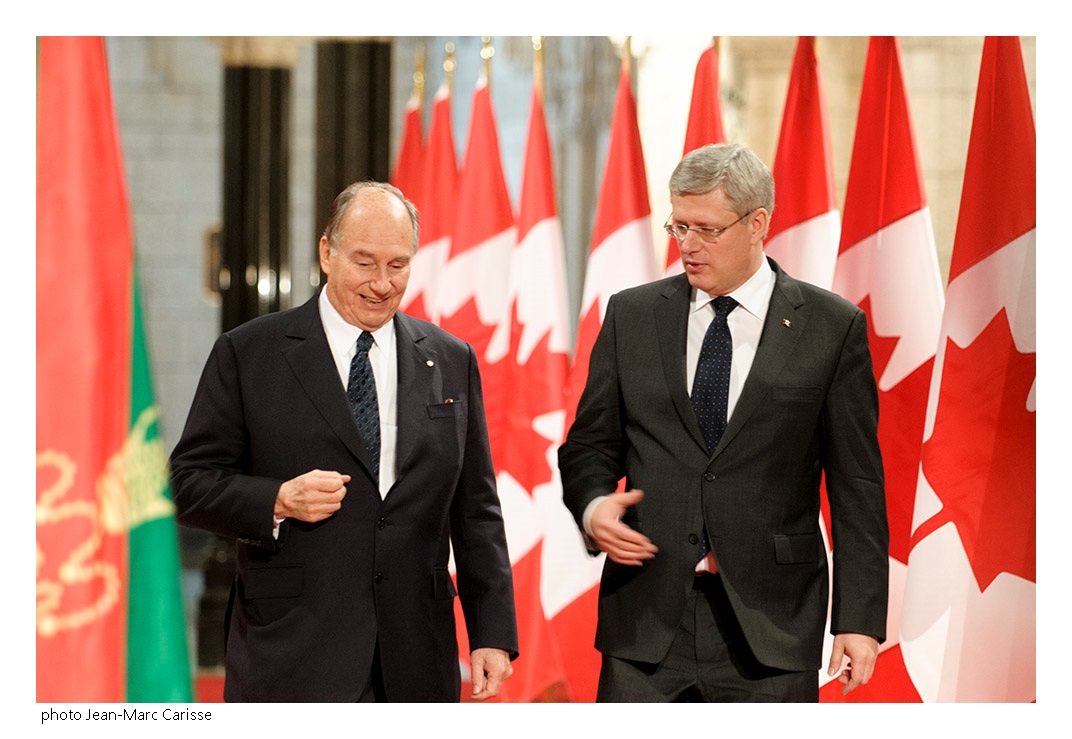
His Highness the Aga Khan and Prime Minister Stephen Harper walk the Hall of Honour at the Parliament of Canada. where His Highness delivered an address to both the Houses on Thursday, February 27, 2014. This impressive ceremonial hall is used for state occasions, parliamentary events, and formal processions such as the Speaker’s Parade. The Hall of Honour is part of the central axis of the Centre Block, joining Confederation Hall to the Library of Parliament, and providing access to the main committee rooms. Photo credit: The Office of the Prime Minister of Canada.
Material compiled and presented by Abdulmalik Merchant
Publisher-Editor, www.simerg.com
The following are thematic excerpts from His Highness the Aga Khan’s address to the Parliament of Canada on Thursday, February 27, 2014. A collection of selected links to the full speech text, the speech video as well as information related to the events that took place at the Parliament is provided at the end of this piece. Note – several photos are clickable for enlargement. See also new post His Highness the Aga Khan at the Parliament of Canada: Selected Excerpts from the Live English Translation of Remarks Made in French
1. THE ISMAILI IMAMAT REPRESENTS THE SUCCESSION OF IMAMSSINCE THE PROPHET MUHAMMAD
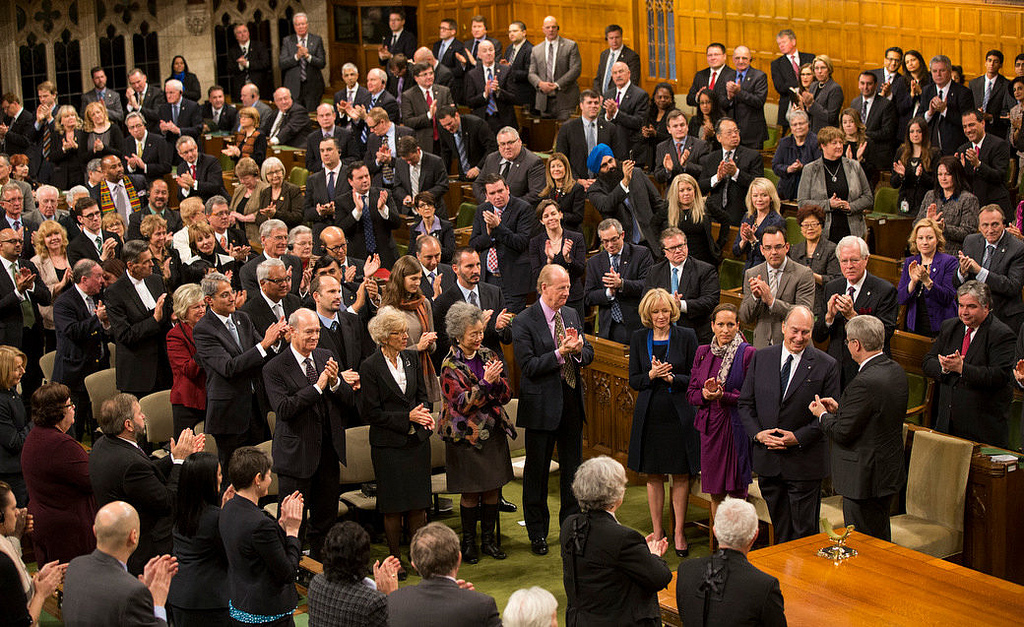
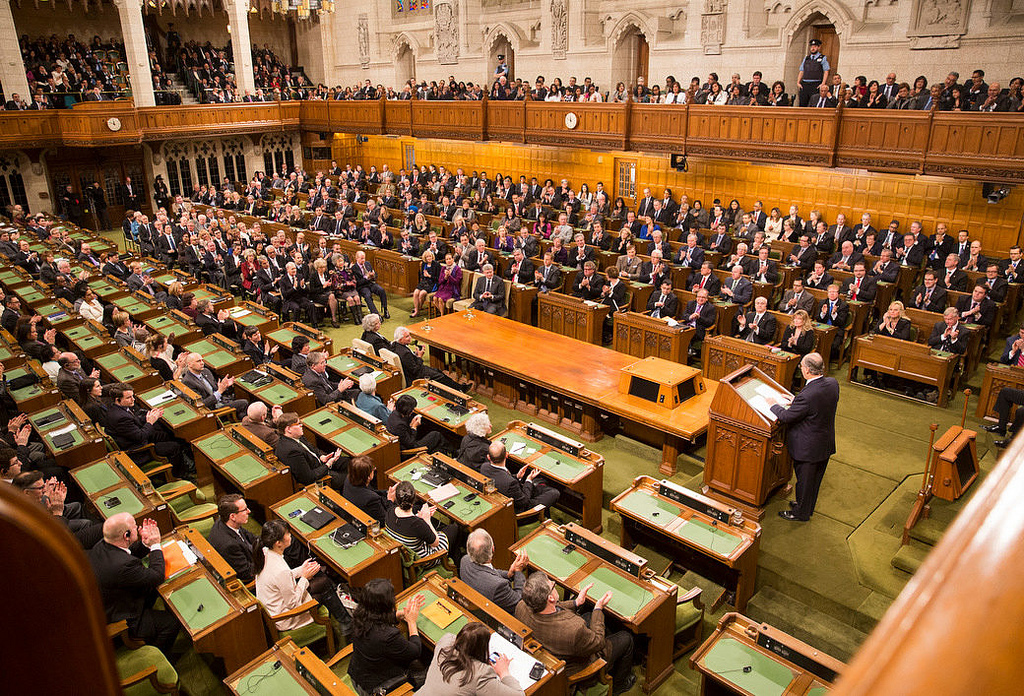
His Highness the Aga Khan is applauded by the Prime Minister, Members of the House, as well as other distinguished visitors as he arrives in the House of Commons on Thursday, February 27, 2014 to deliver a rare address – the first by a faith leader in 75 years. The Ottawa Citizen published a similar photo on its front page of Friday February 28, giving it the title “In Divine Company.” Alongside the Ismaili Imam are his daughter Princess Zahra and the Prime Minister’s wife, Laureen Harper. Others in the photo, in rows adjacent to Mrs. Harper (l to r) — 1st row: The Aga Khan’s younger brother, Prince Amyn Muhammad Aga Khan, Chief Justice of the Supreme Court of Canada, The Right Honourable Beverly McLachlin, Former Governor General of Canada, The Right Honourable Adrienne Clarkson, and renowned Canadian author, intellectual and philosopher, John Ralston Saul; 2nd row (l to r). President Malik Talib of the Aga Khan Ismaili Council for Canada, Prince Hussain Aga Khan, Princess Salwa Aga Khan and her husband Prince Rahim Aga Khan – with both the Princes in the row being the Aga Khan’s children. Photo credit: The Office of the Prime Minister of Canada.
Bismillah-ir-Rahman-ir-Rahim
I propose today to give you some background about myself and my role, and then to reflect about what we call the Ummah — the entirety of Muslim communities around the world.
I will comment, as a faith leader, on the crisis of governance in so much of the world today, before concluding with some thoughts about the values that can assist countries of crisis to develop into countries of opportunity, and how Canada can help shape that process.
First then, a few personal words. I was born into a Muslim family, linked by heredity to the Prophet Muhammad (may peace be upon him and his family). My education blended Islamic and Western traditions, and I was studying at Harvard some 50 years ago (yes 50 years ago — actually 56 years ago!) when I became the 49th hereditary Imam of the Shia Imami Ismaili Muslims.
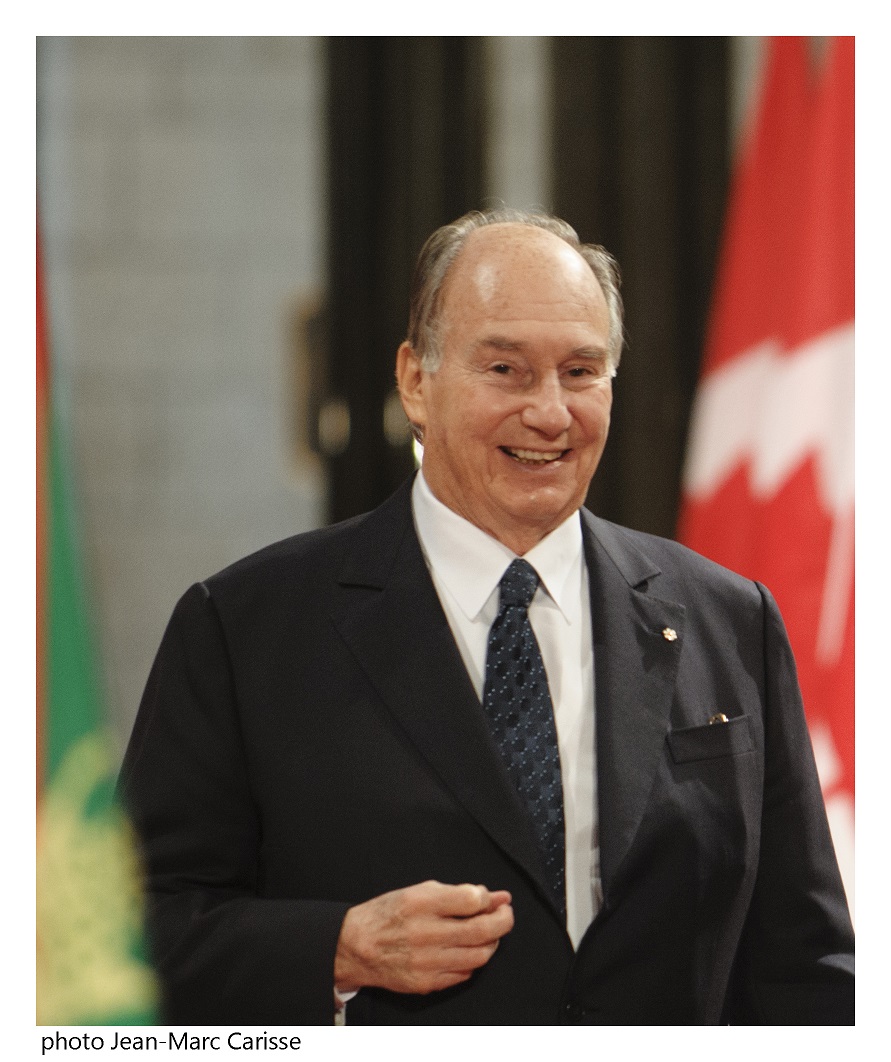
His Highness the Aga Khan at the Canadian Parliament on Thursday, February 27, 2014. Photo: Copyright Jean-Marc Carisse.
The Ismaili Imamat is a supra-national entity, representing the succession of Imams since the time of the Prophet. But let me clarify something more about the history of that role, in both the Sunni and Shia interpretations of the Muslim faith. The Sunni position is that the Prophet nominated no successor, and that spiritual-moral authority belongs to those who are learned in matters of religious law. As a result, there are many Sunni imams in a given time and place. But others believed that the Prophet had designated his cousin and son-in-law, Ali, as his successor. From that early division, a host of further distinctions grew up — but the question of rightful leadership remains central. In time, the Shia were also sub-divided over this question, so that today the Ismailis are the only Shia community who, throughout history, have been led by a living, hereditary Imam in direct descent from the Prophet.
An expression of gratitude and humility by His Highness the Aga Khan as he accepts a standing ovation at the Canadian Parliament on Thursday February 27, 2014. Prime Minister Stephen Harper is seen applauding, with Princess Zahra, the daughter of His Highness, and Laureen Ann Harper, the Prime Minister’s wife, standing alongside the 49th Ismaili Imam. Photo credit: The Office of the Prime Minister of Canada
The role of the Ismaili Imam is a spiritual one; his authority is that of religious interpretation. It is not a political role. I do not govern any land. At the same time, Islam believes fundamentally that the spiritual and material worlds are inextricably connected. Faith does not remove Muslims — or their Imams — from daily, practical matters in family life, in business, in community affairs.
Faith, rather, is a force that should deepen our concern for our worldly habitat, for embracing its challenges, and for improving the quality of human life.
This Muslim belief in the fusion of Faith and World is why much of my attention has been committed to the work of the Aga Khan Development Network.
2. COMMUNITY IN 1957 AND NOW, WORLD CONFLICTS AND THE RESILIENCE OF THE ISMAILI PEOPLE
In 1957, when I succeeded my grandfather as Imam, the Ismaili community lived for the most part in the colonies or ex-colonies of France, Belgium and the British Empire, or behind the Iron Curtain. They are still a highly diverse community, in terms of ethnicity, language, culture, and geography. They continue to live mostly in the developing world, though increasing numbers now live in Europe and North America.
Before 1957, individual Ismaili communities had their own social and economic institutions where that was allowed. There was no intent for them to grow to national prominence, and even less a vision to coordinate their activities across frontiers.
Today, however, that situation has changed, and the Aga Khan Development Network has a strong presence in several dozen countries, where appropriate regional coordination is also useful.
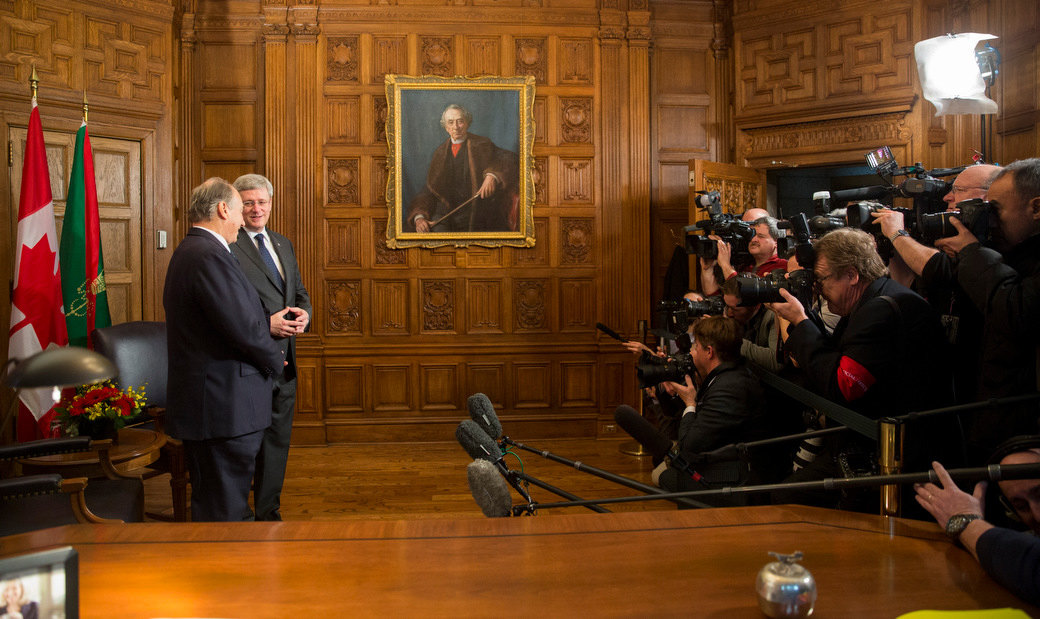
His Highness the Aga Khan and the Right Honourable Stephen Harper, the Prime Minister of Canada, face eager cameras at the Canadian Parliament Building on Thursday, 27 February, 2014. An oil on canvas painting of The Right Honourable Sir John Alexander Macdonald, Prime Minister (1867-1873; 1878-1891) adorns a wall as part of the House of Commons Heritage Collection, while the Ismaili Imamat and Canadian Flags form a backdrop in this historical photo. Photo credit: The Office of the Prime Minister of Canada.
The AKDN — as we call it — is composed of a variety of private, non-governmental, non-denominational agencies implementing many of the Imamat’s responsibilities….Most of our AKDN activities have been born from the grass-roots of developing countries, reflecting their aspirations and their fragilities. Through the years, of course, this landscape has changed fundamentally, with the creation of new states like Bangladesh, the horrors of ethnic cleansing in Uganda, the collapse of the Soviet empire and the emergence of new countries with large Ismaili populations such as Tajikistan.
More recently, of course, we have faced the conflicts in Afghanistan and Syria. But through all of these experiences, the Ismaili peoples have demonstrated an impressive capacity to persevere and to progress.
3. COMMON DENOMINATORS OF THE HUMAN RACE, CANADA’S LEADERSHIP AND COLLABORATIVE WORK
Our work has always been people-driven. It grows out of the age-old Islamic ethic, committed to goals with universal relevance: the elimination of poverty, access to education, and social peace in a pluralist environment. The AKDN’s fundamental objective is to improve the quality of human life.
Amongst the great common denominators of the human race is a shared aspiration, a common hope, for a better quality of life. I was struck a few years ago to read about a UNDP survey of 18 South American states where the majority of the people were less interested in their forms of government, than in the quality of their lives. Even autocratic governments that improved their quality of life would be more acceptable for most of those polled than ineffective democratic governments.
I cite that study, of course, with due respect to governmental institutions that have had a more successful history — including certain very distinguished parliaments!
But the sad fact behind so much instability in our world today is that governments are seen to be inadequate to these challenges. A much happier fact is that, in the global effort to change this picture, Canada is an exemplary leader.
His Highness the Aga Khan seen smiling in a lighter moment during his address to both the Houses of the Canadian Parliament on Thursday, February 27, 2014. Referring to the two gold medals won by the Canadian hockey teams in the Sochi Olympics, the Ismaili Imam remarked, “As an ex-player myself I was hoping you would require your honorary citizens to join your team. I am convinced that the Dalai Lama and I would have been a formidable defence.” Photo credit : The Office of the Prime Minister of Canada.
One of our earliest collaborations was to establish the first private nursing school in Pakistan, in cooperation with McMaster and the CIDA of that time. It was the first component of the Aga Khan University — the first private university in that country. The nursing school’s impact has been enormous; many of those who now head other nursing programmes and hospitals in the whole of the region — not just Pakistan — are graduates of our school. Canada was also one of the first donors to the Aga Khan Rural Support Programme in Northern Pakistan, tripling incomes in this remote, marginalised area….
I could speak about our close ties with Canadian universities also, such as McMaster, McGill, the University of Toronto, and the University of Alberta, enhancing our own institutions of tertiary education — the Aga Khan University and the University of Central Asia.
The latter institution has resulted from the Imamat’s unique, tripartite treaty with the governments of Kazakhstan, Kyrgyzstan and Tajikistan. It serves some 22 million people who live in Central Asia, in hillside and high mountain environments, areas of acute seismic and economic vulnerability.
I could list many more examples in cultural development and in scientific research. And we are especially proud of the Global Centre for Pluralism here in Ottawa, a joint project of the Imamat and the Canadian government.
4. CANADA’S 150TH ANNIVERSARY AND THE IMAMAT PARTNERSHIP WITH CANADA
In just three years, Canada will mark its 150th anniversary, and the whole world will be ready to celebrate with you. Sharing Canada’s robust pluralistic history, is a core mission of our Global Centre, and 2017 will be a major opportunity for doing so, operating from its headquarters in the former War Museum on Sussex Drive. Perhaps 2017 and the celebrations can be a catalyst with our neighbours to improve the entire riverfront area around that building.
Our partnership in Canada has been immensely strengthened, of course, by the presence for more than four decades of a significant Ismaili community. Like most historic global communities the Ismaili peoples have a variegated history, but surely our experience in Canada has been a particularly positive chapter.
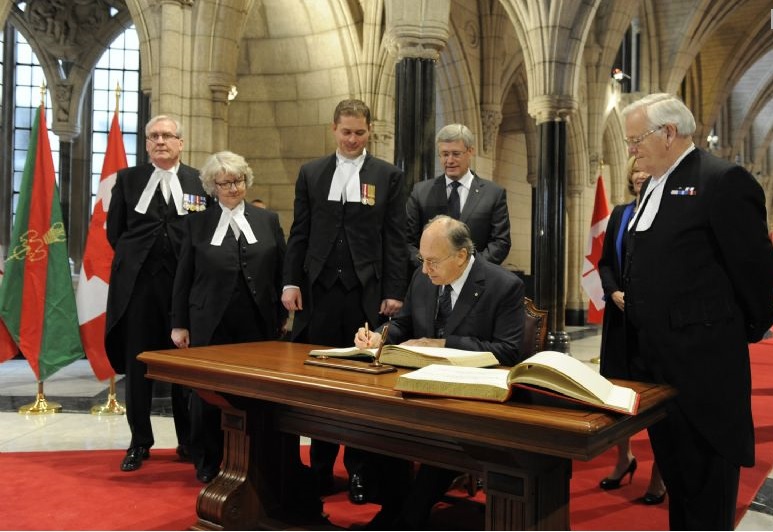
His Highness the Aga Khan signs the visitors books for the House of Commons and the Senate in the Canadian Parliament Rotunda as Prime Minister Stephen Harper, his wife Laureen Harper, The Honourable Andrew Scheer, Speaker of the House of Commons and the Honourable Noël Kinsella, Speaker of the Senate, and other individuals look on. Photo credit: TheIsmaili/Gary Otte.
I happily recall the establishment of the Delegation of the Ismaili Imamat here in 2008 and the Prime Minister’s description that day of our collaborative efforts to make Canada “the headquarters of the global effort to foster peace, prosperity, and equality through pluralism.”
We are deeply pleased that we can sign today a new Protocol with your Government — further strengthening our ongoing platform for cooperation.
As we look to the next 25 years of the AKDN, we believe that our permanent presence in the developing world will make us a dependable partner, especially in meeting the difficult challenges of predictability.
5. THE ISLAMIC UMMAH AND INCLUSIVENESS OF OTHER FAITHS DURING THE ABBASID AND FATIMID ERAS
Against this background, let me move on to the broad international sphere, including the role of relations between the countries and cultures of Islam — what we call the Ummah — and non-Islamic societies. It is central to the shape of global affairs in our time.
I would begin by emphasising a central point about the Ummah often unseen elsewhere: the fundamental fact of its immense diversity. Muslim demography has expanded dramatically in recent years, and Muslims today have highly differing views on many questions.
Essential among them is that they do not share some common, overarching impression of the West. It has become commonplace for some to talk about an inevitable clash of the industrial West and Islamic civilizations. But Muslims don’t see things in this way. Those whose words and deeds feed into that point of view are a small and extreme minority. For most of us, it is simply not true. We find singularly little in our theological interpretations that would clash with the other Abrahamic faiths — with Christianity and Judaism. Indeed, there is much that is in profound harmony.
Officers of the Royal Mounted Canadian Police Salute as His Highness the Aga Khan and Prime Minister Harper walk up the stairs at Parliament Hill on Thursday, February 27, 2014. COC Photo by Jason Ransom
The complexity of the Ummah has a long history. Some of the most glorious chapters in Islamic history were purposefully built on the principle of inclusiveness — it was a matter of state policy to pursue excellence through pluralism. This was true from the time of the Abbasids in Baghdad and the Fatimids in Cairo over 1,000 years ago. It was true in Afghanistan and Timbuktu in Mali, and later with the Safavids in Iran, the Mughals in India, the Uzbeks in Bukhara, and Ottomans in Turkey. From the 8th to the 16th century, al-Andalus thrived on the Iberian Peninsula — under Muslim aegis — but also deeply welcoming to Christian and Jewish peoples.
Today, these Islamic traditions have been obscured in many places, from Muslims and non-Muslims alike.
6. AGA KHAN TRUST FOR CULTURE
AND THE AGA KHAN MUSEUM
A depiction of the Aga Khan Museum and the Ismaili Centre which are nearing completion in Toronto, Canada.
The work of the Aga Khan Trust for Culture….is to revive the memory of this inclusive inheritance. Another immediate initiative is the Aga Khan Museum which will open this year in Toronto, an important testimonial in a Canadian setting to the immense diversity of Islamic cultures.
7. SUNNI AND SHIA TENSIONS AND IMPORTANCE FOR NON-MUSLIMS TO COMMUNICATE WITH BOTH PARTIES
Perhaps the most important area of incomprehension, outside the Ummah, is the conflict between Sunni and Shia interpretations of Islam and the consequences for the Sunni and Shia peoples.
This powerful tension is sometimes even more profound than conflicts between Muslims and other faiths. It has increased massively in scope and intensity recently, and has been further exacerbated by external interventions. In Pakistan and Malaysia, in Iraq and Syria, in Lebanon and Bahrain, in Yemen and Somalia and Afghanistan it is becoming a disaster. It is important, therefore, for non-Muslims who are dealing with the Ummah to communicate with both Sunni and Shia voices. To be oblivious to this reality would be like ignoring over many centuries that there were differences between Catholics and Protestants, or trying to resolve the civil war in Northern Ireland without engaging both Christian communities. What would have been the consequences if the Protestant-Catholic struggle in Ireland had spread throughout the Christian world, as is happening today between Shia and Sunni Muslims in more than nine countries? It is of the highest priority that these dangerous trends be well understood and resisted, and that the fundamental legitimacy of pluralistic outlooks be honoured in all aspects of our lives together — including matters of faith.
8. THE WORLD HAS TO PAY MORE ATTENTION TO CIVIL SOCIETY
By Civil Society I mean an array of institutions which operate on a private, voluntary basis, but are motivated by high public purposes. They include institutions devoted to education, culture, science and research; to commercial, labor, ethnic and religious concerns; as well as professional societies in law, accounting, banking, engineering and medicine. Civil Society encompasses groups that work on health and safety and environmental matters, organisations that are engaged in humanitarian service, or in the arts or the media.
His Highness the Aga Khan and Prime Minister Harper in a conversation as they proceed to the signing ceremony of the protocol of understanding between the Ismaili Imamat and Canada. They are flanked on either side by the red and green flag of the Ismaili Imamat and the maple leaf flag of Canada. Photo: Jean-Marc Carisse. Copyright.
We see it expanding in many places, from Sub-Saharan Africa to Tunisia and Egypt, from Iran to Bangladesh. At a time of extreme danger in Kenya a few years ago — the beginnings of a civil war — the former Secretary-General of the United Nations, Kofi Annan, led the way to a peaceful solution which rested heavily on the strength of Kenya’s Civil Society.
Increasingly, I believe, the voices of Civil Society are voices for change, where change has been overdue. They have been voices of hope for people living in fear.
They are voices that can help transform countries of crisis into countries of opportunity. There are too many societies where too many people live in a culture of fear, condemned to a life of poverty. Addressing that fear, and replacing it with hope, will be a major step to the elimination of poverty. And often the call for hope to replace fear will come from the voices of Civil Society.
9. UNDERPINNINGS OF A QUALITY CIVIL SOCIETY
I believe that Canada is uniquely able to articulate and exemplify three critical underpinnings of a quality Civil Society — a commitment to pluralism, to meritocracy, and to a cosmopolitan ethic.
A cosmopolitan ethic is one that welcomes the complexity of human society. It balances rights and duties, freedom and responsibility. It is an ethic for all peoples, the familiar and the Other, whether they live across the street or across the planet.
Quality education is fundamental to the development of a meritocratic Civil Society, and thus to the development of pluralistic attitudes.
The history of Canada has a great deal to teach us in this regard, including the long, incremental processes through which quality civil societies and committed cultures of pluralism are built. One of the watchwords of our new Global Centre for Pluralism is that “Pluralism is a Process and not a Product.” I know that many Canadians would describe their own pluralism as a “work in progress,” but it is also an asset of enormous global quality.
The Old Canadian War Museum will become the future site of the Global Centre for Pluralism, once renovations are completed inside the building. The Centre is governed by an international Board of Directors chaired by His Highness the Aga Khan. The Global Centre for Pluralism was inspired by the example of Canada’s inclusive approach to citizenship, and works to advance respect for diversity worldwide, believing that openness and understanding toward the cultures, social structures, values and faiths of other peoples are essential to the survival of an interdependent world.
What more will a quality Civil Society now require of us? Sadly, the world is becoming more pluralist in fact, but not necessarily in spirit. “Cosmopolitan” social patterns have not yet been matched by “a cosmopolitan ethic.” In fact, one harsh reality is that religious hostility and intolerance seems to be on the rise in many places — from the Central African Republic, to South Sudan, to Nigeria, to Myanmar, the Philippines and other countries — both between major religious groups and within them.
Again, Canada has responded in notable ways, including the establishment — just one year ago — of the Office of Religious Freedom. Its challenges, like those facing the Centre for Global Pluralism, are enormous and its contributions will be warmly welcomed. And surely it will also serve as a worthy model for other countries.
In sum, I believe that Civil Society is one of the most powerful forces in our time, one that will become an increasingly universal influence, engulfing more countries, influencing, reshaping and sometimes even replacing ineffective regimes. And I also believe that Civil Society around the world should be vigorously encouraged and wisely nurtured by those who have made it work most successfully — Canada first amongst all.
10. THANK YOU PRIME MINISTER
The Aga Khan Development Network has worked over five decades to assist in the enhancement of Civil Society. And as we look to its future, we are honoured that Canada views us as a valued partner. Thank you Prime Minister. One key to Canada’s success in building a meritocratic Civil Society is your recognition that democratic societies require more than democratic governments.
11. “ENLIGHTENED FULFILLEMENT”
THROUGH VOLUNTARY SERVICES
I have been impressed by recent studies showing the activity of voluntary institutions and not-for-profit organisations in Canada to be among the highest in the world. This Canadian spirit resonates with a cherished principle in Shia Ismaili culture — the importance of contributing one’s individual energies on a voluntary basis to improving the lives of others.
This is not a matter of philanthropy, but rather of self-fulfillment — “enlightened self-fulfillment.”
His Highness the Aga Khan and Prime Minister Stephen Harper sign a Protocol of Understanding further strengthening the ongoing platform of cooperation between the Ismaili Imamat and Canada. Photo: Jean-Marc Carisse. Copyright.
During my Golden Jubilee — and this is important — six years ago Ismailis from around the world volunteered their gifts, not only of wealth, but most notably of time and knowledge, in support of our work. We established a Time and Knowledge framework, a structured process for engaging an immense pool of expertise involving tens of thousands of volunteers. Many of them traveled to developing countries as part of this outpouring of service — one third of those were Canadians. Their impact has been enormous in helping us to achieve best practice standards in our institutions and programmes, making us we hope an even better partner for Canada!
The Aga Khan University in Karachi and East Africa are expanding to create a new Liberal Arts faculty, and to establish eight new post-graduate schools in collaboration with several Canadian universities.
12. SALUTING FRASER MUSTARD FOR HIS WORK ON EARLY CHILDHOOD DEVELOPMENT
We also share with Canada a deep appreciation for the potential of early childhood education. It is the period of the greatest development of the brain. This education is one of the most cost-effective ways to improve the quality of life for rural as well as urban populations. Congratulations, Prime Minister, for your initiative on this.
In this regard, let me take a moment to salute the late Dr Fraser Mustard, whose work in Early Childhood Development will impact millions of people around the world. The AKDN has been fortunate to have been inspired and counselled by this great Canadian scientist and humanist.
13. THE OPPORTUNITY TO ADDRESS TO THE PARLIAMENT
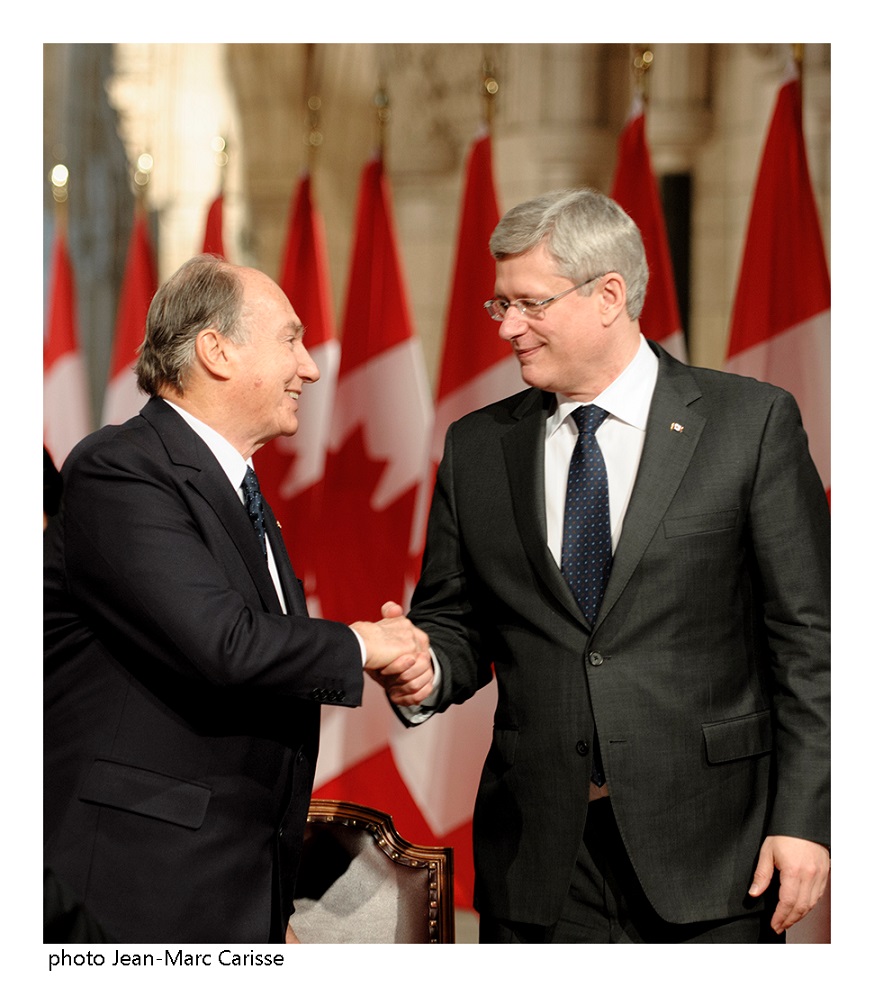
His Highness the Aga Khan and Prime Minister Stephen Harper congratulate each other after signing a Protocol of Understanding between the Ismaili Imamat, a 1400 year hereditary Institution, and Canada. Photo: Jean-Marc Carisse. Copyright.
I am most grateful to the Prime Minister and to you who have given me this opportunity to share — from a faith perspective — some of the issues that preoccupy me when looking ahead. I hope I have explained why I am convinced about the global validity of our partnership for human development.
14. A BEAUTIFUL EXPRESSION FROM THE HOLY QUR’AN
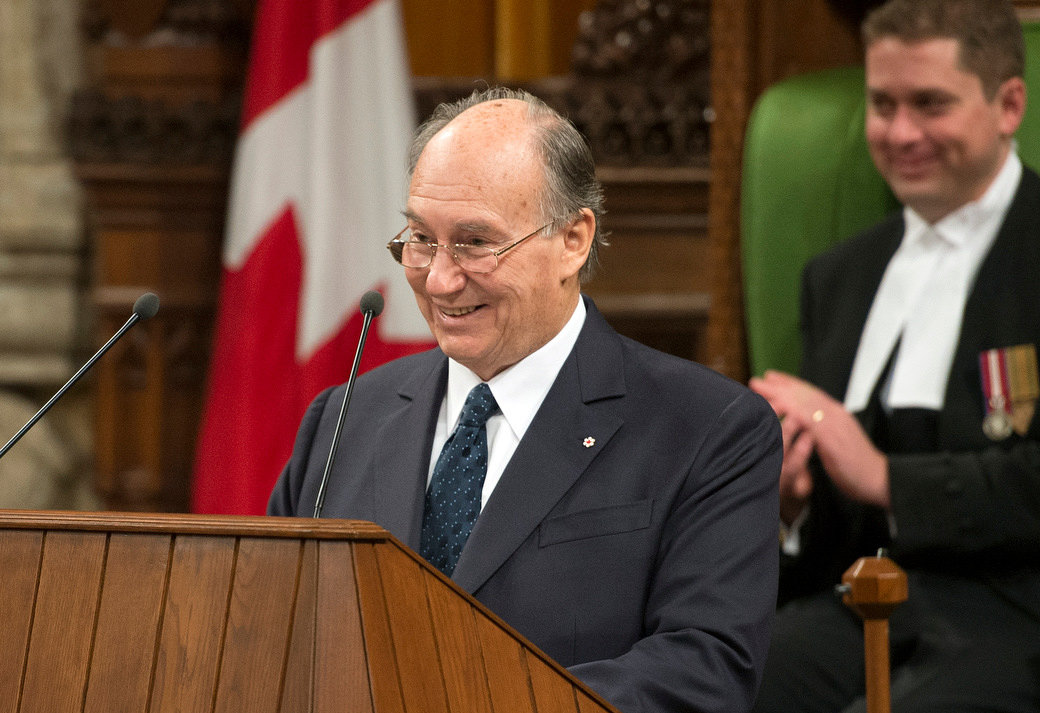
His Highness the Aga Khan seen addressing at the House of Commons Chambers to both the houses of Canadian Parliament on Thursday, February 27, 2014. Photo credit: The Office of the Prime Minister of Canada.
Let me end with a personal thought. As you build your lives, for yourselves and others, you will come to rest upon certain principles. Central to my life has been a verse in the Holy Quran which addresses itself to the whole of humanity. It says:
‘Oh Mankind, fear your Lord, who created you of a single soul, and from it created its mate, and from the pair of them scattered abroad many men and women.’
I know of no more beautiful expression about the unity of our human race — born indeed from a single soul.
Date posted: Saturday, March 1, 2014. Copyright. Date last update: Sunday, March 2, 2014, 09:30 EST (new related links, below)
For non-comparable referral links to all things Ismaili as well as material about His Highness the Aga Khan’s recent official visit to Canada, please visit ismailimail. For past and recent speeches of Ismaili Imams please visit www.nanowisdoms.org.
Also click on the following links for some extraordinary official coverage of the visit including photographs, videos and speeches:
We welcome feedback/letters from our readers on the essay. Please use the Comments LEAVE A REPLY box which appears below. Your feedback may be edited for length and brevity, and is subject to moderation. We are unable to acknowledge unpublished letters.
Please visit the Simerg Home page for links to articles posted most recently. For links to articles posted on this Web site since its launch in March 2009, please click Table of Contents. Sign-up for blog subscription at top right of this page.



















 Simerg - Insights from Around the World