Simerg is an independent initiative dedicated to Ismaili Muslims, the Aga Khan — their Hereditary Imam — and the Ismaili Imamat, and Islam in general through literary readings, photo essays and artistic expressions
There were many cherishable and memorable moments on Wednesday, September 21, 2016, at Koerner Hall in Toronto when the inaugural Adrienne Clarkson Prize for Global Citizenship was presented to Mawlana Hazar Imam, Highness the Aga Khan, the 49th Hereditary Imam of the Ismaili Muslims and the direct descendant of the Prophet Muhammad (may peace be upon him and his progeny).
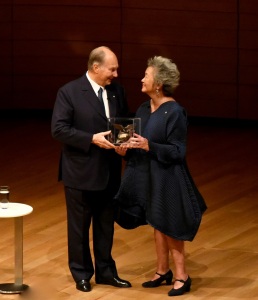
World-renowned vocalist and songwriter Rufus Wainwright welcomed the audience with a beautiful rendition of Leonard Cohen’s song Hallelujah. Rufus reminded us that September 21 also marked Cohen’s birthday — his 82nd (Cohen passed away 6 weeks later, on November 7). A video of Prime Minister Justin Trudeau’s congratulatory message to His Highness Aga Khan received big applause from the packed auditorium hall, as did the presentation of the unique award to His Highness by Madame Clarkson. This was followed by her welcome speech and the 49th Ismaili Imam’s words of wisdom.
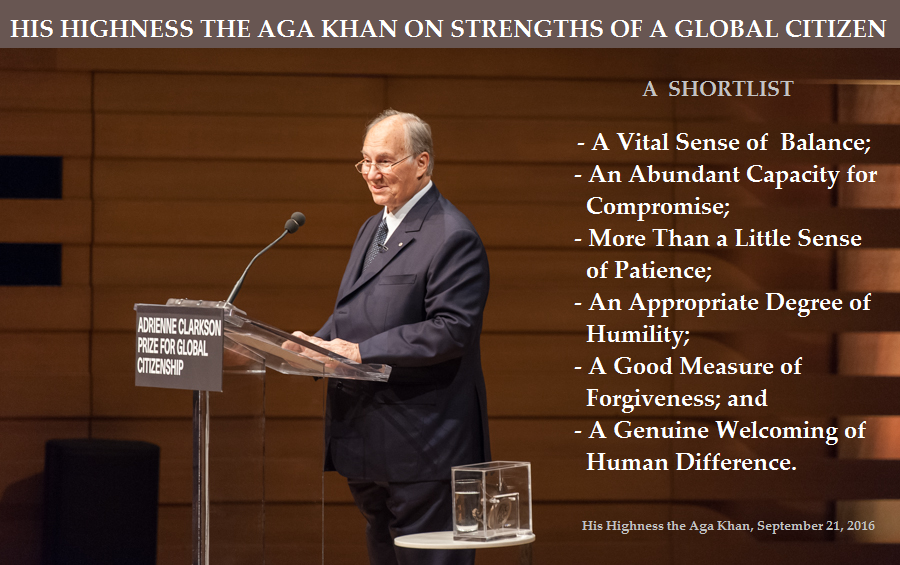
But of all the absorbing moments that the event offered, there was one defining moment at the end of the Aga Khan’s speech that I took to heart. What strengths should we have to be a good global citizen? The Aga Khan shortlisted the following:
A vital sense of balance;
An abundant capacity for compromise;
More than a little sense of patience;
An appropriate degree of humility;
A good measure of forgiveness; and
A genuine welcoming of human difference
Article continues below
Photograph: Lisa Sakulensky/The Ismaili. Note: The superimposition of text on the photo is by Simerg.
More than 300 million people worldwide celebrated the significant occasion of Navroz — a New Day, a New Year — on March 21st, symbolizing a fresh start in their lives. Concurrently, a much larger number of Muslims — almost 2 billion — are observing the month of Ramadhan, with the Laylat al-Qadr, the night of the revelation of the Qur’an, considered the holiest night in the month or year, to be observed from 3rd week of the month (on odd days). Ismaili Muslims will mark it on the 21st (April 1 in 2024). Eid ul-Fitr will follow that at the end of the month of Ramadhan (April 10). More than 2 billion Christians will celebrate Easter between March 29 and April 1.
These are not just mere dates on the calendar but opportunities for us to reflect on ourselves and strive for self-improvement in every aspect of our lives, bettering our minds and hearts and lifting our spirits. Let’s embrace His Highness and Aga Khan’s six pieces of advice mentioned during his speech when he was honoured with the Global Citizenship Award. They will serve us well and make our lives more meaningful.
Date posted: March 20, 2024. Last updated: March 23, 2024.
___________________
Note: A version of this post appears on our sister website, Barakah, which is dedicated to His Highness the Aga Khan.
The author has adapted this article from the March 1982 issue of Al-Misbah Magazine, published by the Ismailia Association for the UK. The original article, which was under the title Navroz, has been edited and improved for clarity and includes additional material.
Navroz, meaning New Day or New Year, marks the start of the Persian spring festival. It occurs on or around March 21 of the March equinox. The United Nations has designated March 21 as the International Day of Nowruz annually (the Secretary General’s 2024 message can be read HERE.)
It is an occasion of great rejoicing among people in Iran, many parts of the Middle East, Central and South Asia, and the Shi’a communities worldwide. Besides being New Year’s Day, it is also celebrated as the Festival of Spring because it is at this period that winter makes its exit for the colourful spring season.
Navroz holds a significant place in history, dating back some 2,500 years to the reign of King Jamshed. Despite a temporary halt after the rise of Islam in Iran, it was reintroduced by the Abbasid Caliph Mansoor in 770 AC (153 AH, or Hijri). Since then, Navroz has been a cherished national occasion and custom, celebrated with zeal by more than 300 million people worldwide.
In Fatimid Egypt, the state ruled by Ismaili Imams, the Spring Festival was a national celebration during the reign of the first eight Fatimid Imams/Caliphs from 969 to 1094 AC (358 to 487 AH). Although the Fatimid Imams ruled over Egypt, this festival was not exclusively Ismaili because the Ismailis, even at that time, were a minority group in the Caliphate.
The actual celebration of Navroz among the Ismailis could be said to have started in Iran during the Alamut Period of Ismaili history. Ismailis living in Alamut were farmers; hence, in the spring season, they would look forward to preparing their farms for a good harvest.
The glorious transformation of nature at the time of Navroz, the start of the spring season, reminds us of Allah’s creative power and the bounties He continually showers on us. The arrival of spring, with its sprouting seedlings, blossoming buds, vibrant colours, and rushing waters, is a vivid reminder of our true inner essence.
Like these elements of nature, we, too, have the potential to bloom and grow under the nurturing care and warmth of Imam-of-the-Time. The Preamble of the Ismaili Constitution proclaims that the Imam’s ta‘lim (guidance/teaching) lights the each follower’s path to spiritual enlightenment and vision.
Born as Ismailis, with the recognition of the Imam, this life is the spring season of our souls. The Divine Noor shines brightly over our souls. We must cleanse ourselves of unrighteousness and cultivate an original, spontaneous, and permanent relationship with the Noor (Light) of Imamat so that every breath and activity of our life becomes the worship of the Merciful. The festival of Navroz should result in a spiritual rebirth for each of us and inspire greater love for our Imam.
Article continues below
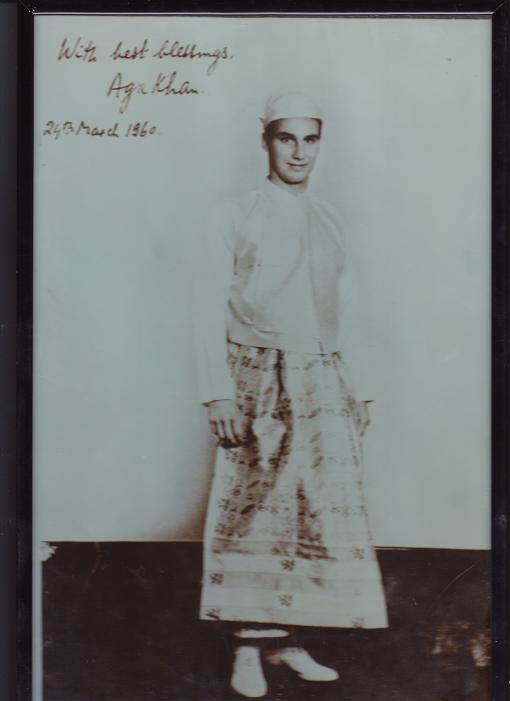
This is a signed photograph, dated March 24, 1960, of Mawlana Hazar Imam, His Highness the Aga Khan, 49th Imam of the Shia Imami Ismailis, pictured in a Burmese traditional dress during his visit to Burma in March 1960 when he celebrated the Persian New Year, Navroz, which falls on March 21st, with his Ismaili followers. The signed photograph contains his blessings. Photo: Anwar Virani Archives, Ottawa.
Navroz is an auspicious time to initiate self-improvement because nature, so to speak, is turning a new page in the book of life. It is a time to review our lives and determine necessary improvements. In a detached, objective way, we should analyze our positive and negative traits and then resolve to change bad habits into good ones.
Our covenant with Mawlana Hazar Imam is a promise we have given him to endeavour to achieve a proper balance between our material and spiritual lives. When choosing our resolution, one idea should always loom before the rest: ask ourselves, “What do we want from life, and what will earn Mawlana Hazar Imam’s divine pleasure?” A straightforward answer to this question should be: “To govern our lives by his deep desire for us to live within the Islamic concepts of unity, justice, tolerance, goodwill, generosity and the regularity by which we practice our faith.”
Mowlana Hazar Imam’s message spells out the meaning and significance of this auspicious day for us. He says: “I say to you all on Navroz, ‘Navroz Mubarak,’ and I want you, at the beginning of this New Year, to try to think a bit ahead in your future. Each Navroz, say to yourselves, ‘Have we done our work?’ If you have, then I will be very happy indeed. I say Idd Mubarak to all of you and give you most affectionate blessings.” — Rangoon, Burma, March 21, 1960.
By steeping our consciousness in love for the Imam-of-the-Time and wisely directing our activities, we shall make our lives one unending act of worship. Therefore, let this Navroz be a New Day on the path of spiritual glory, material well-being, and progress. Let each New Day be a Navroz to strengthen our spiritual bonds with Imam-e-Zaman, reminding us that his blessings are always with us.
We conclude with our beloved Imam’s final words spoken in Rangoon: “On this day of Navroz, I say to each and every one of you, Idd Mubarak, and I pray that in this New Year, your worldly and spiritual happiness should progress tenfold and that this will be the case every year.” — Rangoon, Burma, March 21, 1960.
Date posted: March 18, 2024. Last updated: March 20, 2024 (inserted link to UN Secretary General’s 2024 Nowruz message in 1st paragraph).
The Right Honourable Brian Mulroney, who passed away on February 29, 2024, served as Canada’s 18th Prime Minister from September 18, 1984 until June 25, 1993. Expressing sadness at his passing, the current Prime Minister Justin Trudeau said: “Mr. Mulroney loved Canada….and made significant progress on important issues here at home and around the world. He negotiated the Canada-United States Free Trade Agreement and, later, the expanded North American Free Trade Agreement with the United States and Mexico. He worked hard to build bridges between French and English Canada. He was at the forefront of environmental issues, helping secure an air quality agreement with the United States to reduce acid rain, championing the first Canadian Environmental Protection Act, and creating several new national parks. And he exemplified Canadian values, standing up against apartheid in South Africa.”
Mr. Mulroney’s accomplishments will be etched into Canadian history books forever.
But how will a religious community such as the worldwide Ismaili Muslim community remember Mr. Mulroney for generations or centuries to come when it tells its story?
Story continues below
A beautiful photograph of Prime Minister Brian Mulroney and his family that was released by the Prime Minister’s office in Ottawa on December 5, 1991 for the 1991 official Christmas card. From left, top row: Mark, then aged 12, Benedict, 15; Middle row: Caroline, 17, Rt. Hon. Brian Mulroney, Nicolas, age 6, Mrs. Mila Mulroney; Bottom row: Clover the dog. Photograph: The Office of the Prime Minister (Brian Mulroney).
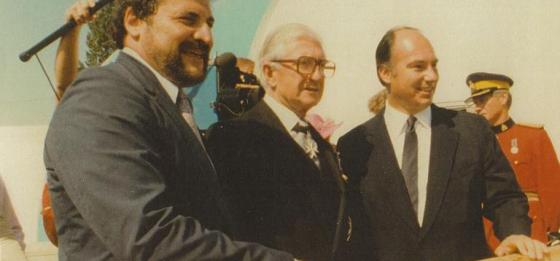
The answer lies in Prime Minister Brian Mulroney’s opening of the community’s first purpose-built Jamatkhana and Ismaili Centre in North America in Vancouver. The historic event took place on August 23, 1985, in the presence of His Highness the Aga Khan, who is fondly and respectfully addressed by his Ismaili Muslim followers as Mawlana Hazar Imam (Our Lord, the Present Living Imam). The Aga Khan is the 49th Imam in direct succession of Hereditary Imams beginning with Imam Ali, who was designated by the Prophet Muhammad to succeed him to continue his teachings within the Muslim community.
Story continues below
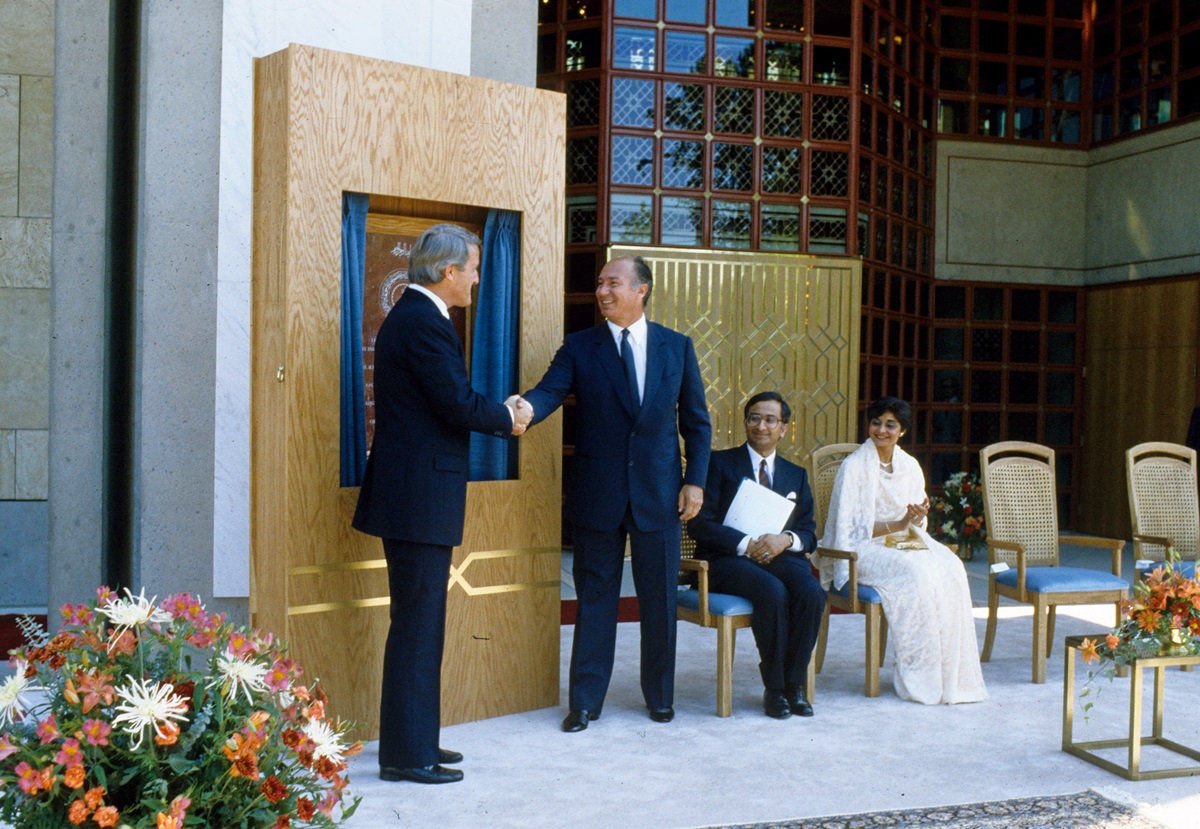
His Highness the Aga Khan and the Rt. Hon. Prime Minister Brian Mulroney shake hands after the unveiling of the plaque commemorating the opening of the Ismaili Jamatkhana and Centre Vancouver on August 23, 1985. Looking on is the President of the Aga Khan Council for Canada, Farouk Verjee. Photograph: The Ismaili. Please click on photo for story and photographs.
At the end of his speech on the inauguration of the landmark Jamatkhana the Aga Khan declared, “Mr Prime Minister, it is my privilege to ask you to declare open this building, which symbolises the Ismaili Community’s confidence in its future as an integral part of the nation you lead.”
The Prime Minister unveiled the opening plaque, making it a truly proud and historic moment for Ismailis around the world, and especially those who have made Canada their home.
We have the Ismaili Centre opening day story, including Prime Minister Brian Mulroney’s speech, HERE, along with rare photographs of the Aga Khan with Mr. Mulroney taken at Harrington Lake in 1992.
The month of Rajab, 7th in the Islamic calendar, marks two important anniversaries — the birth of the first Shia Imam and Islam’s 4th Caliph, Hazrat Ali (may peace be upon him), on the 13th of Rajab (which was observed on January 24, 2024), and the Shab-i-Miʿrāj on the 26th of Rajab commemorating the blessed night when Prophet Muhammad (peace be upon him and his progeny) ascended to the heavens. The Mi’raj of the Prophet Muhammad will be observed by Ismaili Muslims in Canada and several other countries around the world on Wednesday, February 7, 2024.
Mi’raj is an Arabic word which literally means a ‘ladder’ and refers to an experience in the life of Prophet Muhammad which took place during the night. Thus, sometimes it is referred to as the ‘night journey’ of the Prophet. The first verse of Surah al-Isra (The Night Journey) in the Holy Qur’an says:
“Glory be to Him, who carried His servant by night from the Holy Mosque to the Further Mosque the precincts of which We have blessed, that We might show him some of Our signs. He is the All-hearing, the All-seeing.” — 17:1, translated by A.J. Arberry, see Corpus Qur’an for multiple translations.
Article continues below
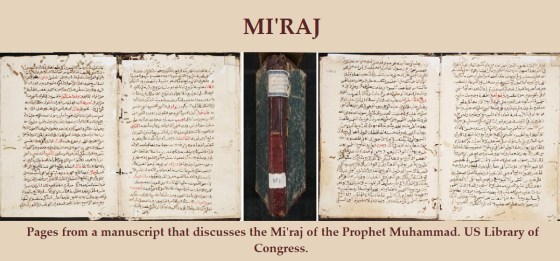
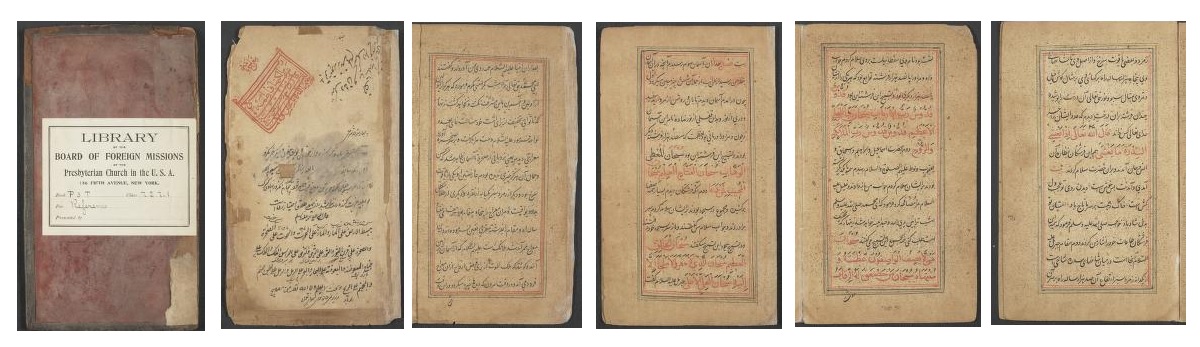
Six images from a total of 408 from an unidentified Persian treatise on the Miʻrāj and several other topics from the Hadith (traditions) of the Prophet Muhammad. Image: US Library of Congress. For more details please click https://www.loc.gov/item/2016397783/
~~~~~~
Fragment from page 7 of the Bustan of Sadi. The last two lines of poetry on this page extol the Prophet’s miraculous ascension to the heavens (mi’raj): One night he sat (on his flying steed Buraq) and passed through the heavens. / In majesty and grandeur, he exceeded the angels. / So impulsive, he urged (his steed) into the plain of closeness (to God) / While Gabriel remained behind him at the Lote Tree (of the Limit). Image: Wikipedia.
Among Sufis and other Islamic esoteric traditions, such as those practiced by Ismaili Muslims, Mi’raj is considered the highest point of spiritual perfection an individual can attain through religion and the practice of faith. Believers long to experience a Mi’raj, just as the Prophet experienced it. The Shia Ismailis seek out this spiritual elevation under the guidance of the Imam-of-the-Time, presently Mawlana Shah Karim Al-Hussaini Hazar Imam, His Highness the Aga Khan, who leads his followers to self-awareness, spiritual insight and elevation. This is clearly noted in the Preamble of the Ismaili Constitutionin paragraph (F), which reads:
“Historically and in accordance with Ismaili tradition, the Imam of the time is concerned with spiritual advancement as well as improvement of the quality of life of his murids. The Imam’s ta‘lim lights the murid’s path to spiritual enlightenment and vision. In temporal matters, the Imam guides the murids, and motivates them to develop their potential.”
His Highness the Aga Khan is the 49th Hereditary Imam, directly descended from Hazrat Ali, whose remarkable teachings have come down to us through the preservation of his sermons and teachings which are recorded in works such as Nahj al-Balaghah. Close to the heart of the Ismaili Muslims are poems of the Imam Ali known as Kalam-i Mawla that have been rendered into Hindi. The verses speak about the conduct, behaviour and action of man during his sojourn on earth (please read Farouk Topan’s excellent piece Kalam-i-Mawla)
We are pleased to provide a recitation of verses from the Kalam of Hazrat Ali that focus on ethics, spirituality and the Mi’raj of the Prophet Muhammad. The verses are recited by Alnoor Saleh and have been downloaded from the MUST VISIT website Ginans Central, which is maintained by Karim Tharani of the University of Saskatchewan.
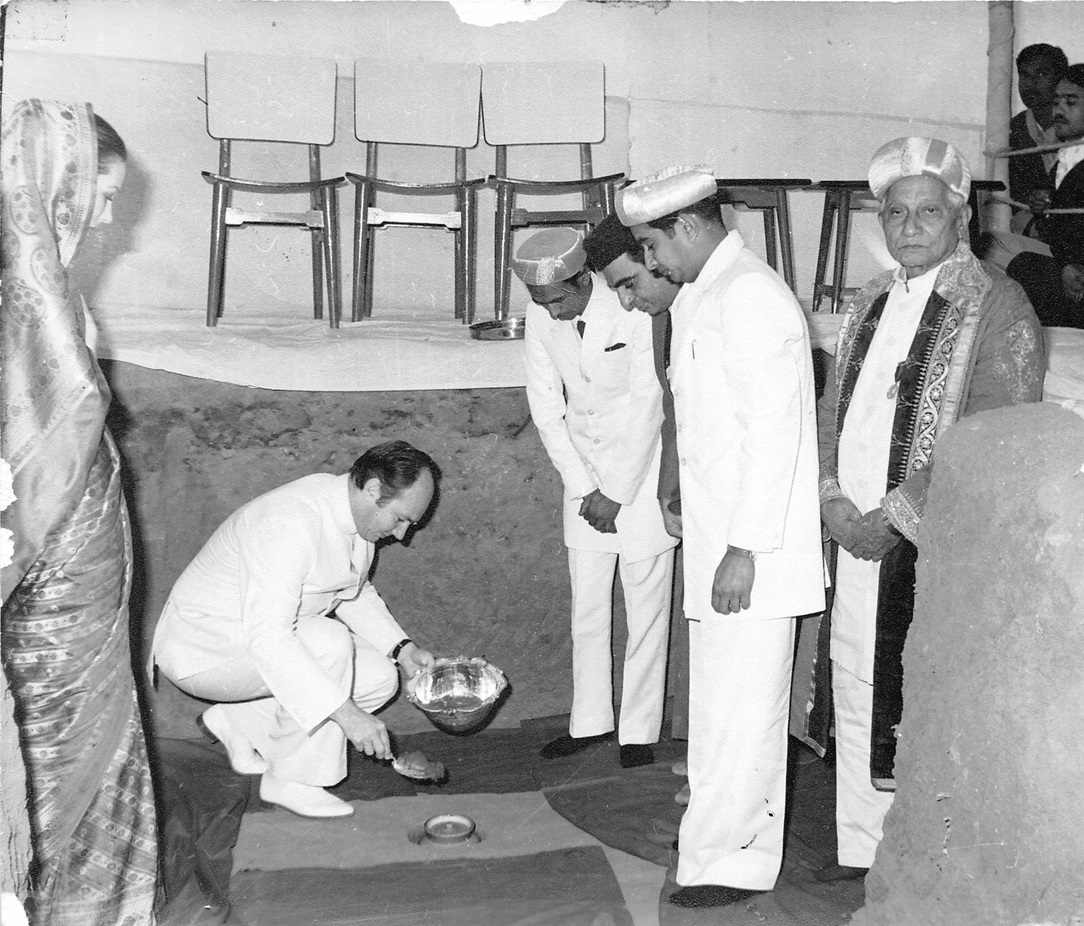
Nazar Kasamali Momin of Houston, Texas, went through his family archives, and came across a very rare collection of photos of His Highness the Aga Khan’s visit to the small village of Methan, in Sidhpur, India. It appears that the 1978 visit did not receive much media coverage, and even the Ismaili world is unaware about the historical visit. We are pleased to present a selection of photographs from Momin’s collection, along with his report of the visit. His piece appears on our sister website, Barakah, which is dedicated to the Aga Khan, the 49th Hereditary Imam of the Ismaili Muslims. Please click The Aga Khan in Methan.
The Aga Khan at the foundation for a new Jamatkhana for the Ismaili Muslim community in Methan, India. Please click on photograph for full story and more photos.
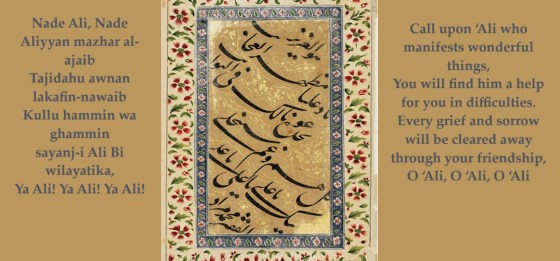
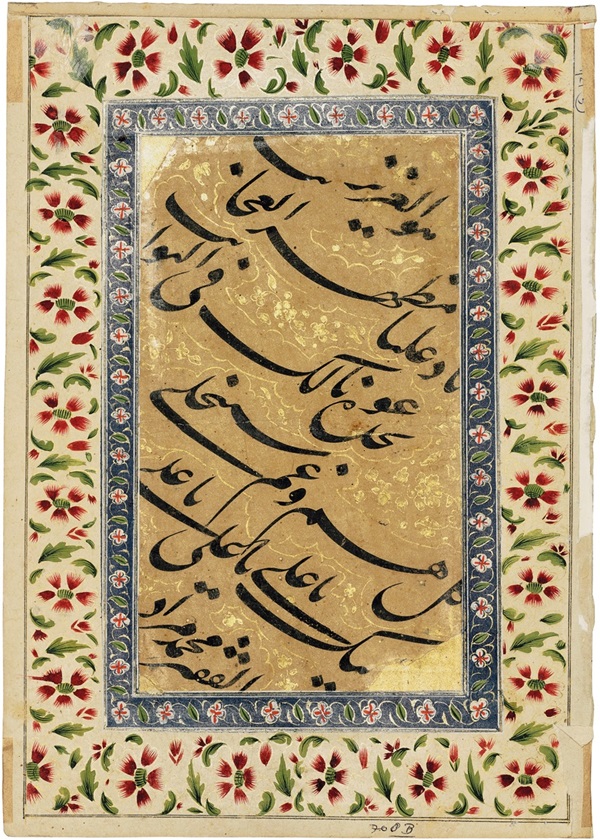
As Shia Ismaili Muslims in Canada and around the world commemorate the birth anniversary of their first Imam, Hazrat Ali, our sister website, Barakah, presents a a special post about a Mughal panel that was presented to His Highness the Aga Khan on the auspicious occasion of his 87th birthday, December 13, 2023. The panel bears an invocation to Imam Ali, from whom the Aga Khan is directly descended. Please click NAD-E ‘ALI to read more about the significance of this “wonderful” and “special” artistic work from the 16/17th century.
“As you build your lives, for yourselves and others, you will come to rest upon certain principles. Central to my life has been a verse in the Holy Quran which addresses itself to the whole of humanity. It says: ‘Oh Mankind, fear your Lord, who created you of a single soul, and from it created its mate, and from the pair of them scattered abroad many men and women. I know of no more beautiful expression about the unity of our human race — born indeed from a single soul.” — The Aga Khan, excerpt from an address to both the Houses of the Canadian Parliament, February 27, 2014, see featured photo at top of post.
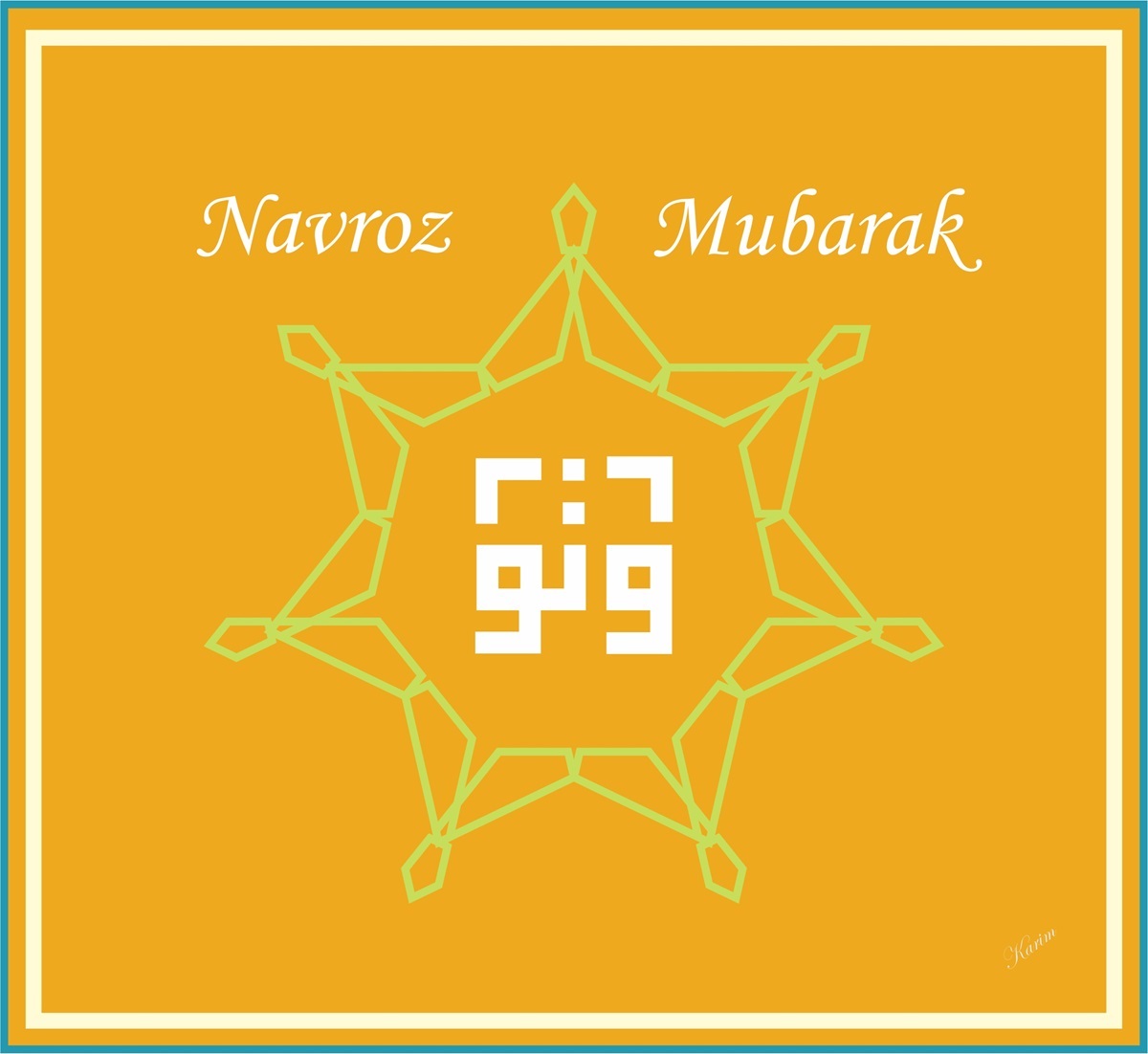
A calligraphy by Toronto’s Karim Ismail depicting the 87th birthday of His Highness the Aga Khan, the 49th Hereditary Imam of the Ismaili Muslims. Please clik on image for special post.
On December 13, 2023, Ismaili Muslims around the world mark the 87th birthday of their Imam, His Highness the Aga Khan. Simerg’s sister website Barakah presents a special post for the birthday. Please click The Benevolent Imam.
At the age of 87, the current Aga Khan is the oldest living Imam in Ismaili history. On July 11, 2023, he celebrated his 66th Imamat Day, still 5 years away from the record breaking 71 years of his predecessor, Aga Khan III (d. July 11, 1957), who began his reign at the age of seven in August 1885. Canada is home to more than 100,000 Ismailis and the Aga Khan’s projects include the beautiful Aga Khan Garden in Edmonton — part of the University of Alberta’s Botanic Garden — and the Aga Khan Museum in Toronto, two iconic Ismaili Centres in Toronto and Vancouver, and the Global Centre for Pluralism in Ottawa. In Calgary, the Ismailis host the annual stampede breakfast which is open to the entire public. Thousands attend and enjoy this annual event.
Note to readers: The program commences in the YouTube video below shortly after the 22-minute mark with Omar Sachedina, the Chief News Anchor and Senior Editor for CTV’s national evening newscast CTV National News, acting as the emcee. Princess Zahra Aga Khan, who is a Board Member of the Global Centre for Pluralism, presented the prizes on behalf of her father, His Highness the Aga Khan, the Chairman of the Board. This was the 4th edition of the Award which is held every 2 years. A report and photographs of the event will be shared later with our readers on our sister blog Barakah, which is dedicated to the Aga Khan.
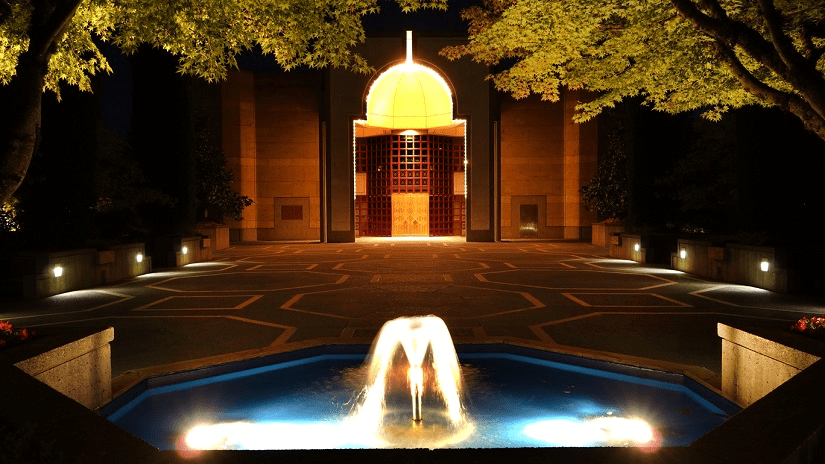
Bruno Freschi (Order of Canada, OC) discusses his project of building the first Ismaili Centre in North America in Burnaby, British Columbia, and his compassionate journey with His Highness the Aga Khan, the 49th Hereditary Imam of the Ismaili Muslims, in creating a new Jamatkhana for the Ismailis. Freschi writes: “The journey was a patient, creative search with the Ismaili community, exploring architecture for an established culture in a new community. In all his architectural undertakings, His Highness has honoured both the Islamic architectural traditions and evolutions of that heritage within diverse cultures.” READ MORE
Known as Mawlid or Mild-un-Nabi, the birth anniversary of the Prophet Muhammad (may peace be upon him and his family) is celebrated in different parts of the world by reflecting on his rich and inspirational life. In 2023, the anniversary falls on September 26/27, equivalent to the 12th day of the Muslim month of Rabi Al-Awwal, in the Islamic year 1444 Hijri. The Islamic calendar is roughly 10 days shorter than the Gregorian Calendar every year.
The Aga Khan’s speech was made at a special Seerat Conference honouring the life of Prophet Muhammad. Attended by eminent Muslims and non-Muslims historians and scholars from around the world, the speech answers the question: What should Muslim Societies seek to be in the future?
Did Muslims and Islamic countries and their leaders take up the clarion call and follow the 49th Ismaili Imam’s timeless advice given 47 years ago? Please read the Aga Khan’s 1976 insightful speech by clicking HERE.