Simerg’s Iconic Moments in Bautista’s Home Run in the Deciding Game Between the Toronto Blue Jays and Texas Rangers

José Antonio Bautista’s home run which gave the Toronto Blue Jays a 3-run lead over the Texas Rangers in the 7th inning of the deciding game played at the Rogers Centre in Toronto on Wednesday, October 14, 2015, is worth relishing. Bautista’s swing of the bat that brought the 3 runs, his stare at the direction of the pitcher immediately after the ball had left his bat, and the tossing of his bat over his right shoulder are Simerg’s iconic moments of this incredibly exciting game. Please click on the following collage to see MLB’s video clip of this unbelievable inning. This makes baseball a truly thrilling and exciting game!

PLEASE CLICK IMAGE BELOW OR http://m.mlb.com/video/v523054683/textor-gm5-bautista-hammers-goahead-threerun-shot/?game_pk=446255

Iconic moments of the game. Jose Bautista's home run, his stare at the pitcher and the tossing of the bat. Please click on image to view a video clip at the website of MLB.com.

Iconic moments of the game. Jose Bautista’s swing of the bat that scored 3 runs, his stare at the pitcher and the tossing of the bat. Please click on image to view a video clip at the website of MLB.com.

The Jays will now meet the Kansas City Royals, who beat the Houston Astros, in a best-of-seven series beginning Friday, October 16th. Kansas City won the American League and therefore have the home advantage – the first 2 games in the series will be played in Kansas, then the 3rd and 4th games as well as the 5th game (if necessary) in Toronto. The series will move to Kansas for the 6th and 7th games, if necessary.

Prince Rahim Aga Khan On How Muslims Can Harness the Creativity of Our Knowledge Society to Impact Humanity

On the occasion of Prince Rahim Aga Khan’s 44th birthday on Monday, October 12, 2015, we are pleased to produce excerpts from his commencement address that he delivered at the Graduation Ceremony of the Institute of the Ismaili Studies held in London, England, in September 2007.

Prince Rahim and Princess Salwa on their wedding day on August 31, 2013. Photo: TheIsmaili / Gary Otte.

Prince Rahim Aga Khan and Princess Salwa on their wedding day on August 31, 2013. They have one child, son Prince Irfan, who was born on April 11, 2015. Photo Credit: TheIsmaili /Gary Otte. Copyright.

Prince Rahim is the eldest son of the 49th hereditary Ismaili Imam, His Highness Prince Karim Aga Khan, the direct descendant of the Prophet Muhammad (peace be upon him), and Begum Salimah Aga Khan. Prince Rahim graduated from Phillips Academy in Andover, Massachusetts, in 1990, and from Brown University in the United States in 1995. Based at the Secretariat of His Highness at Aiglemont, north of Paris, France, Prince Rahim is an executive Director of the Aga Khan Fund for Economic Development — the economic development arm of the Aga Khan Development Network.

~~~~~

Islam Enjoins Us To Make a Positive and Visible Impact on the World

“…Absolutist, exclusivist, and rejectionist claims to the truth, especially to religious truth, are increasingly heard from all quarters. Rather than seeing religion as a humble process of growth in faith, some people presume to claim that they have arrived at the end of that journey and can therefore speak with near-divine authority…”
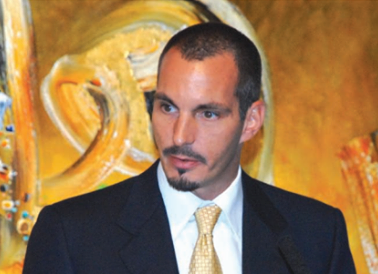
Prince Rahim Aga Khan delivering his commencement address for the Graduation Ceremony of the Institute of Ismaili Studies held at the Ismaili Centre in London in 2007.

Prince Rahim Aga Khan delivering his commencement address at the Graduation Ceremony of the Institute of Ismaili Studies held in London in 2007 at the Ismaili Centre.

BY PRINCE RAHIM AGA KHAN

I am thrilled to join the graduation ceremony in honour of those completing the IIS [Institute of Ismaili Studies] Graduate Programme in Islamic Studies and Humanities. To you, to your families and to all those who have helped you in this achievement, I say mash’Allah.

I am convinced that the institutions of the Imamat and of the Jamat could benefit directly from the contribution of each of you, either in a professional or a voluntary capacity. Such a contribution would certainly be in keeping with the ethic of our faith that makes it incumbent upon each of us to use our blessings –- be they material or intellectual –- to assist our families, to serve the Jamat and the Ummah, and to help improve society, and indeed, all of humanity. The Jamat and its institutions need young and dynamic women and men like you, who are able to draw on the rich heritage of our past, and on the best educations of the present, to address the challenges of the future.

Education, international studies and diplomacy, non-profit leadership, media, development, law, and regional studies will all be among the most relevant fields of expertise in the decades ahead. This will be particularly true in the developing world.

I was impressed to learn that amongst you are represented five different nationalities, as are several diverse cultural traditions of our Jamat. I am certain that this diversity has enhanced your classroom experience, and I am confident that it will have given you a deeper appreciation of the meaning and value of diversity itself.

We are all aware that we live in a world where diversity is often evoked as a threat and, more particularly, where diversity in the interpretation of a faith can be seen as a sign of disloyalty. This phenomenon is sometimes perceived to apply principally to Muslims, but it also exists in other societies. Absolutist, exclusivist, and rejectionist claims to the truth, especially to religious truth, are increasingly heard from all quarters. Rather than seeing religion as a humble process of growth in faith, some people presume to claim that they have arrived at the end of that journey and can therefore speak with near-divine authority.

Unfortunately, in some parts of the Muslim world today, hostility to diverse interpretations of Islam, and lack of religious tolerance, have become chronic, and worsening, problems. Sometimes these attitudes have led to hatred and violence. At the root of the problem is an artificial notion amongst some Muslims, and other people, that there is, or could ever be, a restricted, monolithic reality called Islam.

Our Ismaili tradition, however, has always accepted the spirit of pluralism among schools of interpretation of the faith, and seen this not as a negative value, but as a true reflection of divine plenitude. Indeed, pluralism is seen as essential to the very survival of humanity. Through your studies you have known the many Qur’anic verses and hadiths of our beloved Prophet Muhammad (peace be upon him) that acknowledge and extol the value of diversity within human societies. You all know, I am sure, the hadith to the effect that differences of interpretation between Muslim traditions should be seen as a sign of the mercy of Allah.

It should also be clear to anyone who has studied Islamic history or literature, that Islam is, and has always been, a quest that has taken many forms. It has manifested itself in many ways — in different times, amongst different peoples, with changing and evolving emphases, responding to changing human needs, preoccupations, and aspirations.

Even during the early centuries of Islam, there was diversity of intellectual approaches among Muslims. Today, however — both outside the Islamic world and inside it — many people have lost sight of, or wish to be blind to, Islam’s diversity, and to its historical evolution in time and place along a multitude of paths. It befalls us, then, to help those outside the Muslim World to understand Islamic diversity, even as we provide an intellectual counterpoint to those within Islam who would reject it.

I hope that you, as graduates of this programme, will include this message in your own ways in the years ahead, through your work and your words, by your attitudes, by your actions, and by example.

The untrue and unfair, but increasingly widespread equating of the words “Islam” and “Muslim” with “intolerance”, sometimes even with the word “terrorism”, could lead some Muslims to feel despair, indignation, or even shame. To me, however, the current global focus on the Muslim world, and on Islam itself, presents a golden opportunity for us to educate and enlighten, while actively exemplifying the counterpoint I mentioned before. To my eyes, it creates an opportunity, and an even-greater obligation for us to make a positive and visible impact on the world – on culture and art, science and philosophy, politics and ecology, among others.

In order to respond to this opportunity, it will be crucial to reverse another damaging consequence of intolerance, which has been the dissuasion of many Muslim populations from seeking access to what has been called the Knowledge Society. Without an acceptance of diversity, without the ability to harness the creativity that stems from pluralism, the very spirit of the Knowledge Society is stifled. We must encourage, I believe, that Muslims of all communities come together, working collaboratively to tap into the vast endowment of knowledge available today, and without which progress is, if not halted, at least deferred. This cannot be done in the absence of open-mindedness and tolerance.

Implicit in this approach is the need for humility, which is also a central Muslim value. We must all search for the answers to the challenges of our generation, within the ethical framework of our faith, and without pre-judging one another or arbitrarily limiting the scope of that search. Like the great Muslim artists, philosophers and scientists of centuries past, we must enthusiastically pursue knowledge on every hand, always ready to embrace a better understanding of Allah’s creation, and always ready to harness this knowledge in improving the quality of life of all peoples.

As you look towards the future, I hope that you will remember that intellectual pursuits should, wherever possible, seek to address the universal aspirations of humankind, both spiritual and concrete. Those aspirations, for our generation more than for any before, are intertwined in a single global community.

It can be overwhelming at times to ponder the vast array of new problems which seem to multiply in this globalised world.

These include the implications of new technologies and new scientific insights, raising new ethical and legal questions. They include delicate and complex ecological issues, such as the great challenge of climate change. They include matters ranging from the widening gap between rich and poor, to issues of proper governance and effective, fair, and representative government, and to the spread of rampant consumerism and greed, at the expense of others, or of our environment. In some communities, illiteracy and innumeracy are not only continuing problems but are even growing problems. And our challenges also include the increasing difficulty of nurturing pluralism in the face of strong normative trends – finding ways to accommodate our differences – even as hugely differing peoples find themselves in much closer contact with one another.

You have been engaged in studies, some of which analysed the achievements of past Muslim civilisations. What I hope you have come to see is that understanding past Muslim achievements, traditions, values, and ethics should also have equipped you exceptionally well to address the great emerging issues of our own times.

As you now graduate into this challenging world, you will be taking with you the hopes of those who founded, and of those who now drive this study programme. Their central hope is that you will become global leaders in a variety of fields, bearing with you as you go, and applying always, the open-mindedness of our tradition, and the ethics of our faith.

Date posted: Monday, October 12, 2015.

__________

We welcome feedback/letters from our readers. Please click Leave a comment.

His Highness the Aga Khan on the Imamat and the Unity of Mankind; Id-e-Ghadir – The Designation of Hazrat Ali (a.s.) as Commander of the Faithful

Mawlana Hazar Imam thanking the government for inviting the Ismaili Imamat to establish its permanent Seat in Portugal. TheIsmaili/Gary Otte

Mawlana Hazar Imam thanking the government of Portual for inviting the Ismaili Imamat to establish its permanent Seat in the country. Photo: TheIsmaili/Gary Otte. See text of agreement, click on note 4 below.

“The religious leadership of the Ismaili Imam goes back to the origins of Shia Islam when the Prophet Muhammad appointed his son-in-law, Ali, to continue his teachings within the Muslim community. The leadership is hereditary, handed down by Ali’s descendants, and the Ismailis are the only Shia Muslims to have a living Imam, namely myself.” [1]

~~~

“The Ismaili Imamat is a supra-national entity, representing the succession of Imams since the time of the Prophet. But let me clarify something more about the history of that role, in both the Sunni and Shia interpretations of the Muslim faith. The Sunni position is that the Prophet nominated no successor, and that spiritual-moral authority belongs to those who are learned in matters of religious law. As a result, there are many Sunni imams in a given time and place. But others believed that the Prophet had designated his cousin and son-in-law, Ali, as his successor. From that early division, a host of further distinctions grew up — but the question of rightful leadership remains central. In time, the Shia were also sub-divided over this question, so that today the Ismailis are the only Shia community who, throughout history, have been led by a living, hereditary Imam in direct descent from the Prophet.

“…As you build your lives, for yourselves and others, you will come to rest upon certain principles. Central to my life has been a verse in the Holy Quran which addresses itself to the whole of humanity. It says: “Oh Mankind, fear your Lord, who created you of a single soul, and from it created its mate, and from the pair of them scattered abroad many men and women…”

“I know of no more beautiful expression about the unity of our human race — born indeed from a single soul.” [2]

_____________

Id-e-Ghadir

The twelve months of the Muslim calendar and major Muslim festivals. Image by Simerg.

The twelve months of the Muslim calendar and major Muslim festivals. Image by Simerg.

‘Id-e-Ghadir is celebrated by the Shi ‘ite communities to mark the event that took place at Ghadir Khumm (Valley of the Pond) on the 18th Dhul-Hijjah (which falls on September 30 or October 1 in 2015). This event commemorates the designation (appointment by way of nass) of Hazrat All as the ‘Amir-ul-Mu’minin (commander of the faithful) and Imamul-Muslimin’ (the Imam of the community of believers) at Ghadir-i Khumm when the Prophet (s.a.s.) was returning from his Last Pilgrimage (hajjatul-wida) in the year 632 AC. On this occasion, the Prophet publicly proclaimed Ali to be his successor [3] in guiding the community after the end of the institution of Nubuwwah. According to the Shi’a doctrine, tradition and interpretation of history, the designation of Hazrat Ali marked the beginning of the institution of Imamah. The designated Imam was to continue the ta’wil (interpretation) and talim (teaching) of Allah’s Final Message, i.e. the Holy Qur’an.

This stamp, issued by Iran in 1990, includes the Shahada, Qur'anic ayats and the declaration made by Prophet Muhammad at Ghadir-e Khumm

This stamp, issued by Iran in 1990, includes the Shahada, Qur’anic ayats and the declaration made by Prophet Muhammad at Ghadir-e Khumm “Mun Koontu Mawla, Fa Hada, Aliyun Mawla” (He of whom I am the Mawla, Ali is also the Mawla). Image not exact stamp size.

Accordingly, throughout the course of the history, the Shi’a have commemorated this occasion as a mark of recognition and acceptance of Allah’s mercy to mankind by bestowing continued guidance. Each Imam, since the time of Hazrat Ali has designated his successor. The Imam in his time has continued to guide his followers according to the prevailing conditions. His function has always been to look after the welfare of the community both in spiritual and worldly (material) matters. His guidance to his followers is that they should lead their lives in such a way so as to practice their Faith with a sense of balance and harmony, ensuring that there is no conflict between the two aspects of an individual’s life. The practice of the Faith thus becomes the way of life.

Presently, the Shi’a Imami Ismaili Muslims celebrate the day of accession of their present Imam to the office of Imamah as Yaum-e Imamat or Imamat Day. This occasion is celebrated as a mark of gratitude to Allah in having bestowed His mercy and bounty in guiding them through the office of the Imam on Sirat al-Mustaqim (the Straight Path).

Date re-posted: September 30, 2015 (The Id-e-Ghadir article had first appeared on this blog in 2013, and has been adapted from Ilm magazine, December 1989).

_____________________

Notes

[1] Voices: “The Power of Wisdom” – His Highness the Aga Khan’s Interview with Politique Internationale (English translation)

[2] In a Dynamic and Stirring Address to Members of the Canadian Parliament, His Highness the Aga Khan Shares His Faith Perspectives on the Imamat, Collaboration with Canada, the Muslim World Community (the Ummah), the Nurturing of Civil Society, Early Childhood Education, Voluntary Work, and the Unity of the Human Race

[3] Vagglieri, Ghadir Khumm, The Encyclopedia of Islam, Vol II, E.J. Brill, 1965, pp. 993-994

[4] “Seat of the Ismaili Imamat” — Text of the Historic Agreement Between the Ismaili Imamat and the Portuguese Republic.

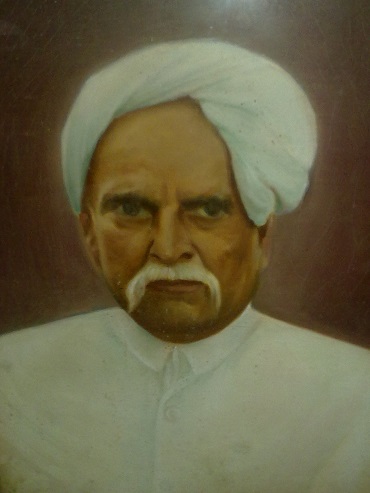
Nazarali Rahim Makani (1883 – 1951), Professional Craftsman, Designed Spinning Wheel for Mahatma Gandhi

“Nazarali Bapa was in the iron trade. He was a tool-maker and had the expertise that was required in this profession. Due to this, his oldest son Gulam Husein Nazarali Makani (my grandfather) received a tender after the British left India to install hand water pumps in all the neighbouring cities of Bombay…Widowed at a very early age with five children, three sons and two daughters, Nazarali Bapa never re-married. He remained single and committed himself to his five children.” — Khurshid Makani

PLEASE CLICK: Remembering Nazarali Bapa: An Iron Craftsman Who Made a Spinning Wheel for Mahatma Gandhi

Legendary Nazarali Rahim Makani (1883 – 1951). Photo: Khurshid Makani Collection.

Legendary Nazarali Rahim Makani (1883 – 1951). Photo: Khurshid Makani Collection.

__________

Simerg encourages readers to submit tributes or death notices for deceased members of their families. For submission details, please click Obituaries and Tributes: Simerg Invites Ismaili Readers from Around the World to Honour and Celebrate Lives of Family Members Who Have Returned to Their Original Abode

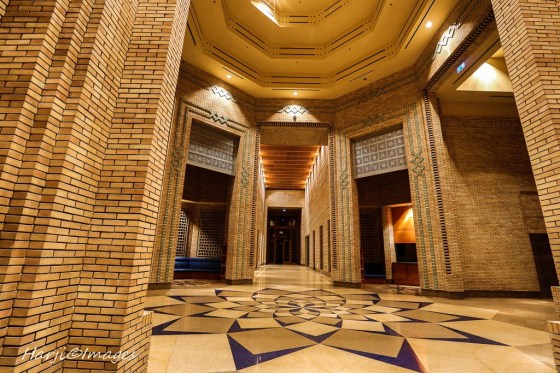
@Simergphotos: The Ismaili Centre in Dushanbe, Tajikistan, Through the Lens of Canadian Photographer Muslim Harji

PLEASE CLICK: Dushanbe’s Ismaili Centre Through the Lens of Muslim Harji

Happy Children Faces at the Dushnabe Ismaili Centre. Please click on image for Muslim Harji's Photo Essay.

Happy young faces at the Dushanbe Ismaili Centre. Please click on image for Muslim Harji’s Photo Essay.

Please click on image for Muslim Harji's Photo Essay.

Please click on image for Muslim Harji’s Photo Essay.

Date posted: September 27, 2015.

His Highness the Aga Khan’s Visit to Los Alamos Lab On Thanksgiving Day 56 Years Ago Impressed Scientific Hosts, and Revealed He Was In Top Physical Condition

The 49th Ismaili Imam

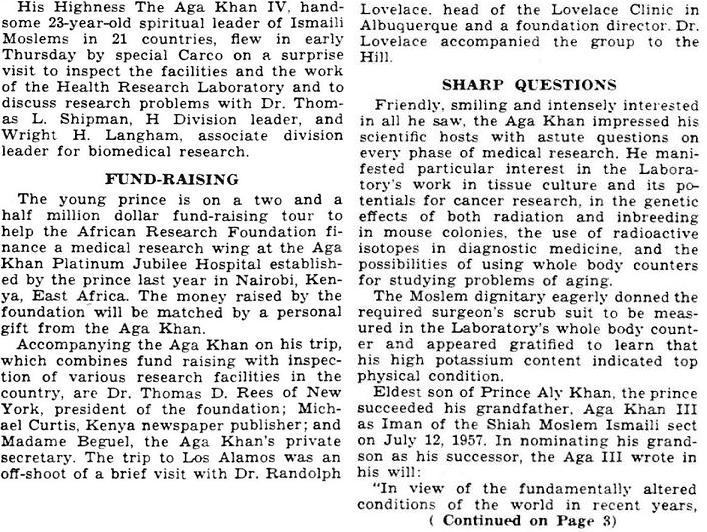
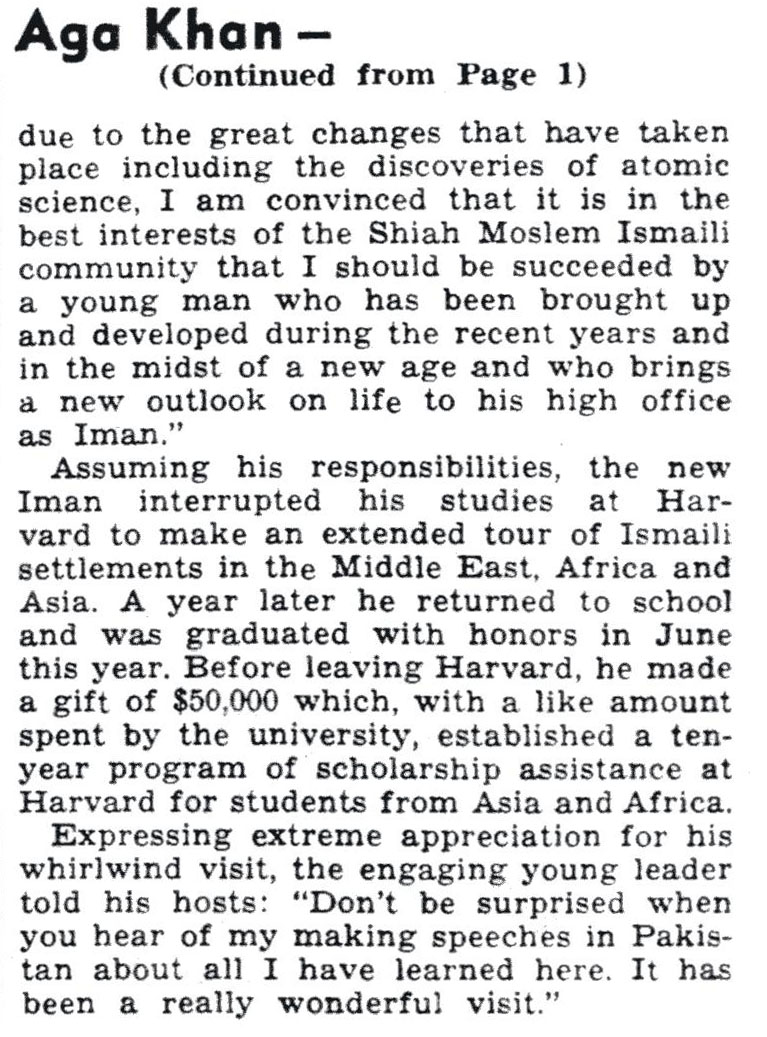
“Friendly, smiling and interested in everything he saw, the Aga Khan impressed his scientific hosts on every phase of the medical research. He manifested particular interest in the Laboratory’s work in tissue culture and its potential for cancer research, in the genetic effects of both radiation and inbreeding in mouse colonies, the use of radioactive isotopes in diagnostic medicine, and the possibilities of using whole body counters for studying the problems of aging.

“The Moslem leader eagerly donned the required surgeon’s scrub suit to be measured in the Laboratory’s whole body counter and appeared gratified to learn that his high potassium content indicated top physical condition.” — Excerpt from “NASL Community News”

aga-khan-iv-in-surprise-visit1

The Aga Khan, seen with Dr. Thomas Shipman, showing immense delight of gift of trinite presented to him during his visit to the Health Research Laboratory in Las Alamos, California, in November 1959

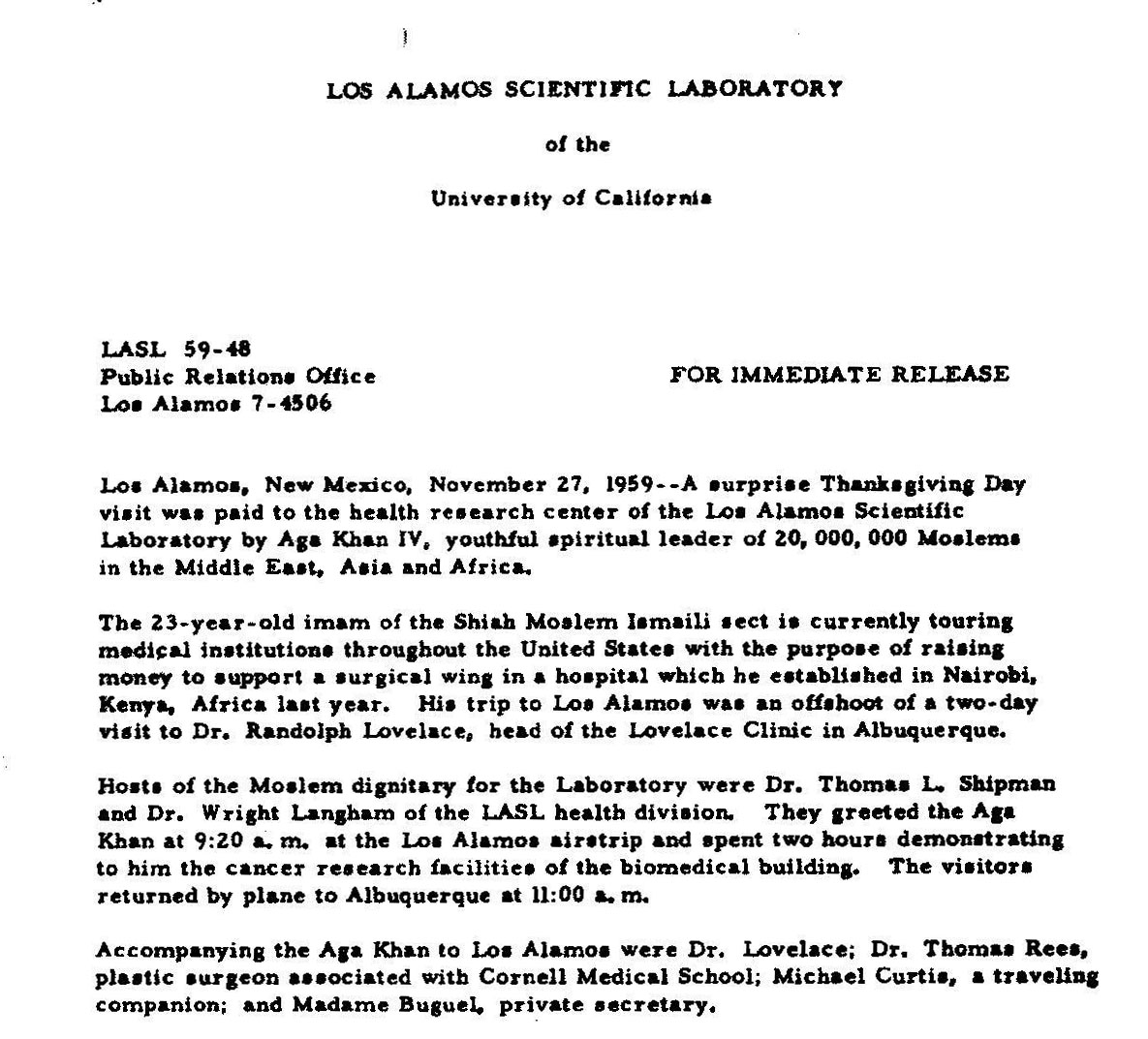
Official News Release of the Aga Khan's Visit to the Lab

OFFICIAL NEWS RELEASE OF THE AGA KHAN’S VISIT TO THE LAB ON THANKSGIVING DAY, NOVEMBER 27, 1959

The following is the transcript:

Los Alamo, New Mexico, November 27, 1959: A surprise Thanksgiving Day visit was paid to the health research center of the Los Alamos Scientific Laboratory (LASL) by Aga Khan IV, youthful spiritual leader of 20,000,000 Moslems in the Middle East, Asia and Africa.

The 23-year-old Imam of the Shiah Moslem Ismalli sect is currently touring medical institutions throughout the United States with the purpose of raising money to support a surgical wing in a hospital which he established in Nairobi, Kenya, Africa last year. His trip to Los Alamos was an offshoot of a two-day visit to Dr. Randolph Lovelace, head of the Lovelace Clinic in Albuquerque.

Hosts of the Moslem dignitary for the Laboratory were Dr. Thomas L. Shipman and Dr. Wright Langham of the LASL health division. They greeted the Aga Khan at 9:20 am at the Los Alamos airstrip and spent two hours demonstrating to him the cancer research facilities of the biomedical building. The visitors returned by plane to Albuquerque at 11:00 am.

Accompanying the Aga Khan to Los Alamos were Dr. Lovelace; Dr. Thomas Rees, plastic surgeon associated with Cornell Medical School; Michael Curtis, a traveling companion; and Madame Buguel, private secretary.

_________________

A report of the visit appeared in “NASL Community News” on December 3, 1959, Volume 1 Number 24, under the heading “YOUNG AGA KHAN TOURS HEALTH LAB ON SURPRISE THANKSGIVING VISIT.” See below for images of the report, and click each image on this page for enlargement.

Aga Khan IV Los Alamos Lab Visit News Report page 1

continuation of above news report

Last updated: September 25, 2015.

______________________

NOTES

1. About Los Alamos (from Wikipedia)

In a study conducted by American City Business Journals in 2004, Los Alamos County topped the list as the best place to live in America in terms of quality of life. This was attributed to the high levels of job stability, income and education of Los Alamos residents, many of whom are employed as scientists and engineers at the Los Alamos National Laboratory. The county has one of the highest number of PhDs per capita and the median household income of $78,993 per year is the fourth highest among all the counties in the US. In per capita income, Los Alamos County ranks 1st in New Mexico and 18th in the United States. Other factors contributing to Los Alamos’s high quality-of-life index were the access to affordable housing and short commuting times.

2. Source of article of the Aga Khan’s Visit:

http://www.lanl.gov/

(This piece had appeared on this website earlier – ed.)

A UCSF Video Introduction to His Highness the Aga Khan: “He Does Good Work and Moves Quickly”

“[the] Aga Khan and his network have done such remarkable development work across the world, especially in Asia and East Africa, and we’re delighted to play a part in spreading our knowledge throughout the world with partners like him.” — Sam Hawgood, School of Medicine, University of California San Francisco (UCSF)

PLEASE CLICK: The Aga Khan Visits UCSF to Strengthen Partnership to Advance Global Health

A Shia Muslim Perspective on Embryonic Stem Cell Research and the Rights of a Foetus

Editor’s note: For the month of September 2015, Simerg will be publishing new posts on a less frequent basis. Normal publication will resume in October. The following piece first appeared on this website in 2012.

ADVANCES IN SCIENCE AND MEDICINE, AND A SHIA ISLAMIC RESPONSE

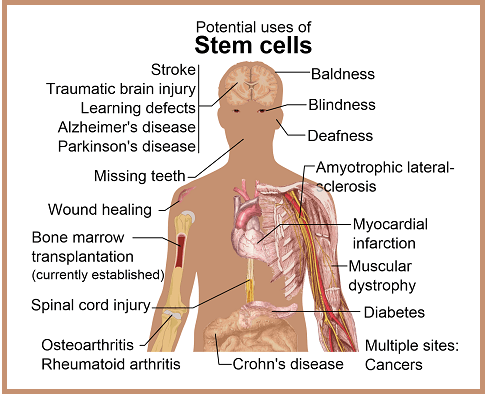
Ever since researchers in 1998 discovered that stem cells extracted from embryonic tissue could regenerate to become any type of cell, there has been a deep divide on the morality of such research. When stem cells are taken from an embryo, the embryo loses its viability: it cannot become implanted into a womb or develop into a fetus. To knowingly damage an embryo in order to remove stem cells is, for some, equal to destroying human life. For others, who see great promise in what stem cells might do to cure illnesses it is immoral not to move forward with such research. What is Islam’s position on this ethical question? Read how Iran, a Shia Muslim country, has responded to this debate.

Please click Embryonic Stem Cell Research and the Rights of a Foetus: A Shia Muslim Perspective from Iran or on the image below.

Diseases and conditions where stem cell treatment is promising or emerging. Please click for article

Diseases and conditions where stem cell treatment is promising or emerging. Please click for article “A Shia Muslim Perspective on Stem Cell Research.” Image: Wikipedia.

Ginan Central: A Portal to the Ismaili Community’s Ginanic Literature

BY KARIM THARANI
University of Saskatchewan Library
Special to Simerg

Ginan Central is a web portal developed at the University of Saskatchewan Library with the goal of digitally preserving and providing access to ginanic literature in order to promote research and education. The projects undertaken and shared on Ginan Central are diverse and ongoing. For example, the Ginan Index and Search Tool or GIST initiative is a web-based application developed for researchers and scholars to locate and digitally access textual sources such as manuscripts and lithographs of ginans. The Ginan Recitals project, on the other hand, focuses on making oral sources of ginans available to students and researchers. Work is also underway to bring together these textual and oral sources to create an evidence-based master list of ginans in order to ascertain how many unique ginans and granths (titled ginans) are available and accessible today. In addition to these projects, the Ginanic Studies section on Ginan Central is dedicated to compiling and maintaining an online bibliography of research outcomes pertaining to ginans. In terms of education and outreach, the Ginan Central portal also hosts a multimedia Khojki Guide for those who are interested in learning the Khojki script to decipher ginan manuscripts.

Please click on image for enlargement

Ginan Central CEM

The Ginan Central portal uses the University of Saskatchewan Library’s Community Engagement Model (CEM), which was recently presented at the Ismaili Studies Conference, held at the University of Chicago in 2014. The CEM model uses the roles of protector and promoter as two contrasting endpoints to illustrate various possibilities and levels of individual and institutional collaboration to digitally share sacred traditions and literature. At one end of the CEM continuum is the role of an idealistic protector, whose basic instinct is to protect the sanctity of knowledge by limiting access as a security measure against real and imaginary threats. On the opposite end of this continuum is the role of an optimistic promoter who is driven by the sentiment of sharing literature to advance human knowledge.

At Ginan Central, we recognize and appreciate this paradoxical dynamic amongst community individuals and institutions. This is why collaborating and sharing collections with Ginan Central does not require our partners to forgo their identity or control over their collections. Our goal is not to appropriate collections or build massive repositories, instead we strive to build partnerships and processes that can unify and link disparate collections and repositories by leveraging work of our partners to advance study of ginans.

Aga Khan Quote

Collaboration, respect, and trust remain the guiding principles for Ginan Central to be able to carry out its purpose of preserving and providing access to ginanic literature. Libraries have been involved in digitally harvesting community knowledge for decades. At the University of Saskatchewan Library as well, we are capable of utilizing modern day technologies in responsible and respectful ways to balance the need of protecting the sanctity of sacred traditions and providing the necessary access to students and researchers to advance the study of ginans.

 Date posted: September 21, 2015.

_________________

Please visit Ginan Central, and for more information on Ginan Central, please contact ginans@library.usask.ca.

The Hajj by Naser-e Khosraw, from Michael Wolfe’s “One Thousand Roads to Mecca”

“….The tallest mountain near Mecca is Abu Qubays, which is round like a dome, so that if you shoot an arrow from the foot of the mountain it reaches its top.…Having come into the city, you enter the Haram Mosque, approach the Ka’ba, and circumambulate….. always keeping the Ka‘ba to your left [shoulder]. Then you go to the corner containing the Black Stone, kiss it, and pass on….”

PLEASE CLICK: Naser-e Khosraw’s Pilgrimages to Mecca

A bird’s-eye view of the Ka’ba crowded with pilgrims. The photo is from the archives of the US Library of Congress and was created by American Colony (Jerusalem), Photo Dept., in 1910. Please click for article by Naser-e Khosraw.

Date posted: September 17, 2015.

________________