Simerg is an independent initiative dedicated to Ismaili Muslims, the Aga Khan — their Hereditary Imam — and the Ismaili Imamat, and Islam in general through literary readings, photo essays and artistic expressions
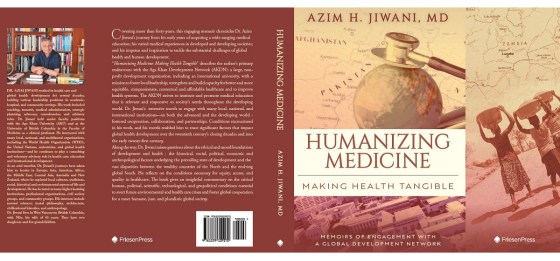
Humanizing Medicine: Making Health Tangible – Memoirs of Engagement With A Global Development Network by Azim H. Jiwani, MD 300 pp. FriesenPress, US$ 30.99 (Hardback), US$ 24.99 (Paperback) and US$ 7.99 (eBook) as listed at FriesenPress; also available in all formats at Amazon.ca and Indigo.ca. ________________________________________________________
BOOK REVIEW BY NIZAR MOTANI, PhD
Dr. Azim Jiwani’s book was a surprise gift from a dear friend. This unexpected gesture obligated me to read it, which I did with much gratitude, and it even inspired me to write this review. The author’s work is a “pandemic baby” born during the extended lockdown. This Kenya-born Makerere University Medical School (Kampala, Uganda) graduate acquired a broad further medical education in the U.K., U.S.A. and Canada. He subsequently established a thriving private medical practice in Calgary, Canada, enjoying affiliations with local universities and hospitals.
Dr. Jiwani’s breadth and depth of interests give his memoir a multidisciplinary flavour. The book draws upon insights from anthropology, architecture, civilizational history, natural sciences, moral philosophy, and restless global trotting. I might add that he carries some genes of a novelist and a travel guide.
The synopsis of his book reveals his most earnest and pressing concerns for the future of humanity and the planet, which he champions even after his partial retirement: “Rarely in recent times has the world found itself gripped in conditions that pose a substantial existential threat to lifeforms on earth, destabilize societies, impact health, quality of life, economic and cultural survival, and engender greater inequality and division between and within countries and regions.” Moreover, he continues: “The recent onset of the Covid-19 global pandemic and the accelerating but belatedly acknowledged climate crisis, and its devastating effects on human health, have laid bare the historical, political and policy and institutional deficiencies in health systems worldwide.”
Dr. Jiwani’s concerns about conflict and the global arms race and its devastating health, social and economic impacts, especially in the developing countries, serendipitously led to a life-changing meeting with Prince Sadruddin Aga Khan at the prince’s chateau in Geneva in 1983. This meeting deeply inspired him to further Prince Sadruddin’s tireless efforts to foster a more just, humane and equitable world. Coincidentally, and again serendipitously, in 1985, he found an excellent umbrella organization to join — the Aga Khan University (AKU), an apex agency of the Aga Khan Development Network (AKDN), which he describes at an enlightening length. “The Aga Khan University, the Aga Khan Health Services and empowerment of civil society are an integral part of AKDN’s mission to anticipate and respond to foreseeable effects of unaddressed inequities, poverty, programs and leadership deficits in some of the most challenging regions of the developing world. AKDN also endeavours to enhance institutional capacities, establish collaborative networks and promote best practices and international standards of excellence.”
Chapters 8, 9, 10 and 11 largely focus on his multiple roles as physician, academic, strategic planner, administrator and occasionally as AKDN representative at various conferences. Dr. Jiwani took part in or led AKU teams involved in negotiating and finding common ground with private and public hospitals and universities and local, national and transnational organizations in Asia and Africa. He aimed to promote some of AKDN’s seemingly revolutionary vision and mission. These endeavours included strengthening institutional capacities to provide good quality, ethical, cost-effective and contextual care — especially for marginalized populations. He established and promoted continuing education of physicians widely and convinced urban specialists in lucrative private practices to incorporate practical primary care approaches for better patient and population outcomes. Also, he led the development of advanced formal education in family and community medicine and fostered comprehensive local, regional, and international partnerships in medical education.
Despite his demanding duties and schedules, he and his wife, Nilufa, squeezed in travels to many exotic places, leading to sundry and memorable encounters. For example, in Cambodia and Morocco, their tour guides requested Dr. Jiwani to examine and advise on their very sick family members, which he readily did. They got paid in the local “currency” – hospitality, home-cooked food, and prayers and blessings for the couple’s well-being!
Article continues below
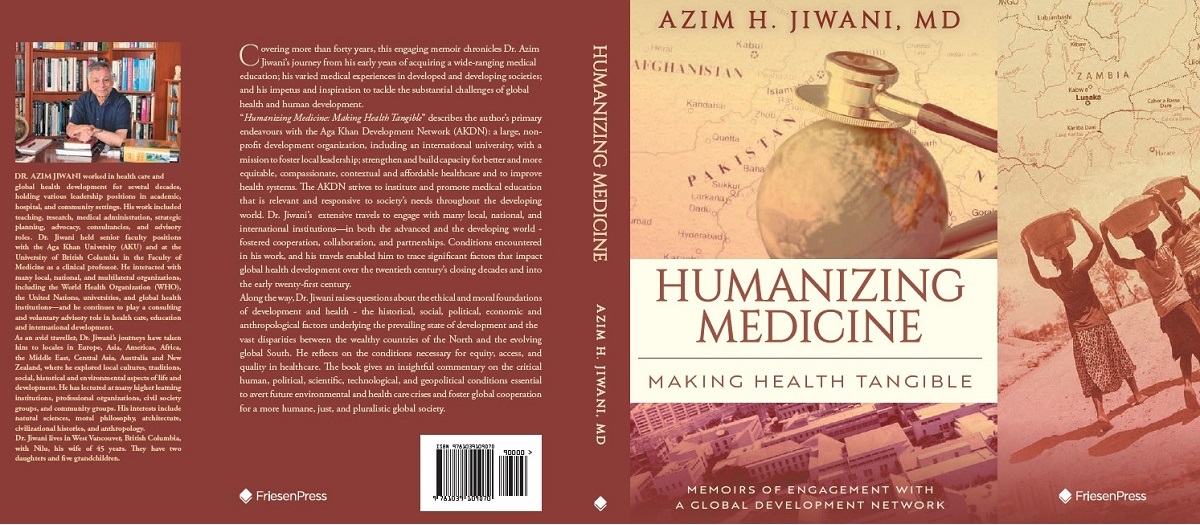
“Humanizing Medicine: Making Health Tangible” by Dr Azim H. Jiwani, 300 pp., Friesen Press, August 2021.
After more than three decades of enriching global engagement with AKDN and other institutions, he settled in Vancouver, Canada. His reputation derived primarily from his affiliation with AKDN as a worldwide healthcare expert and an advocate for compassionate and affordable care. His passion for linking critical primary and secondary care medicine and making medical education relevant to societies had preceded him. Soon he was fielding requests to help manage understaffed health clinics in the Vancouver area, especially for the marginalized people facing complex medical, mental health and drug addiction problems. Some of the most severe cases were noted in the First-Nations people, where his compassion, broad experience and cultural sensitivity were valued in an underdeveloped native health care system. He led crucial community and hospital programs as a physician leader while re-establishing his clinical and academic career in Canada.
Similarly, his past engagement with AKDN and clinical reputation brought him seductive and lucrative offers. A former patient, a confidant of the ruling family of a fabulously wealthy country, had identified him as the ideal candidate to head the newly built hospital and serve as the Royal family’s personal physician. The chasm between the lives of the privileged elite and the neighbouring populations that seemed plagued with poverty and privations so disturbed him that he quickly left without meeting the prince. But the intrepid doctor accepted a much less lucrative, occasional position as the onboard physician for a luxury cruise line group! His wide travels whetted and rewarded his insatiable curiosity and interests in marine medicine, environment and culture. Besides attending to all types of routine and emergency cases, the couple was able to “sail on every river, sea, and ocean.” And his readers can vividly and vicariously enjoy these and other adventures.
Dr. Jiwani’s fascinating and instructive memoir raises critical questions about the historical, ethical and moral foundations of health and development. He concludes with an insightful epilogue in which he reflects on the necessary conditions for equity, justice, access and quality in health care and development and appeals for global cooperation for a sustainable future for shared humanity.
The book is available in hardcover, softcover and digital formats. Of note, the author has pledged all royalties from the book sales to the Aga Khan Foundation to support the patients’ welfare funds in Asia and Africa.
This captivating memoir would likely appeal to healthcare and other professionals or avid general readers interested in international organizations, career advancement, or simply expanding their knowledge about the interdependent planet we inhabit.
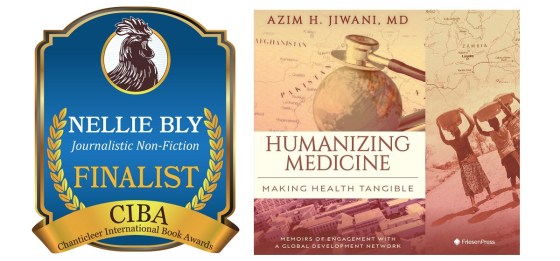
In conclusion, I am delighted to learn that this book is on the 2021 Finalist list of the prestigious Chanticleer International Book Awards (CIBA) in the non-fiction long-form journalism and memoirs category, where outstanding books from many countries compete. The first prize will be announced at a ceremony and banquet in Washington in June. The beautiful finalist badge is shown along with the front cover of the book at top of this page.
Date posted: March 25, 2022.
[Dr. Azim Jiwani was featured recently in Simerg’s ongoing series on books by Ismaili authors. Please read our interview with Dr. Jiwani – Ed.]
________________________
Nizar A. Motani has a doctorate from the University of London (SOAS) in African history, specializing in British colonial rule in East Africa. He has been a college professor at Bowdoin College (Brunswick, ME) and Western Michigan University (Kalamazoo, MI). He was the first Publication Officer at the Institute of Ismaili Studies (London, UK). He now lives in Atlanta, Georgia.
Dr. Motani’s previous pieces on Simerg and its sister website Barakah are:
Before departing this website please take a moment to review Simerg’s Table of Contents for links to hundreds of thought provoking pieces on a vast array of subjects including faith and culture, history and philosophy, and arts and letters to name a few. Also visit Simerg’s sister websites Barakah, dedicated to His Highness the Aga Khan, and Simergphotos.
We recently read Professor Tammy Gaber’s new book “Beyond the Divide: A Century of Canadian Mosque Design” and found it to be beautiful and impressive — its design brings together pictures, text, and architectural drawings in a clean and easy-to-read layout. Her analysis covers a lot of ground, quite literally. Simerg presented a few questions to Dr. Gaber about her book, with the focus on women’s presence and participation in mosques. She kindly obliged and we are pleased to present the following interview which was conducted via email.
Simerg:You write that your investigation began two decades ago. Please tell our readers a little about your journey, intellectually in that time and geographically across Canada.
DR. GABER: In my acknowledgements I was hinting at the fact that my research on mosques began with my Bachelor of Architecture thesis (at University of Waterloo completed in 1999) for which I designed a mosque in Canada. It was a struggle to find information on the subject and to approach the design as critically as I had any other building type in my education. I was also hinting at my Masters (Cairo University, 2004) in which I examined qualities of design of ‘Western’ mosques and my PhD (Cairo University 2007) in which I examined the historical roots, development and contemporary impact of women’s spaces in mosques. This specific project, the examination of mosques in Canada began in 2015 with a SSHRC (Social Sciences and Humanities Research Council) funded grant.
Simerg: Beyond your studies at these important institutions in Canada and Egypt, how far and wide have you travelled as designer, educator and author of a truly beautiful book.
DR. GABER: I travelled to 53 cities to see 90 mosques in the space of 2.5 years while I was full-time teaching — so all travel took place during holidays or study weeks and were focused on the examination of mosque spaces. A large number of the mosques I studied were in converted buildings, some of which used to be other places of worship. As an architecture educator I am very interested in excellent architecture and when I could I would visit other buildings I did.
Simerg: The title Beyond the Divide speaks of an existential search for a more equitable presence for women in mosques. Their points of view are central to this endeavor. You use a captivating term room sometimes with a view. As an architect you classify mosques into those with no view, with a partial view, and with a full view. An astonishing 46% of mosques you studied had no view for women and only 15% had a full view, and the colour coding you use in the architectural drawings illustrates the stark divisions with clarity.
DR. GABER: It was important for me to relay the architectural facts about women’s spaces in mosques with data on the proportion, location, materials and recurrent patterns so that the issue would become very clear.
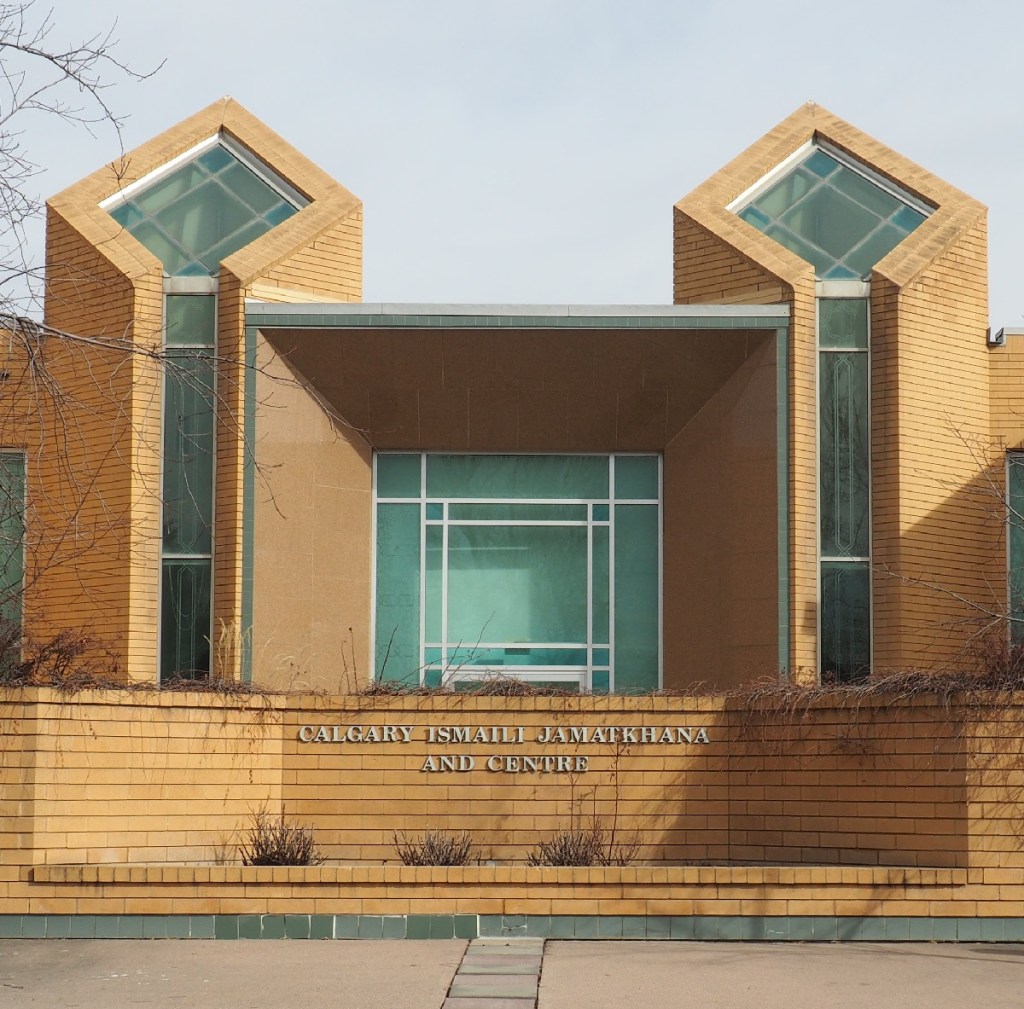
Simerg: You write about the Ka’ba in Mecca as exhibiting equal access. Men and women have prayed there without separation for 14 centuries and continue to do so. And yet, in the Canadian mosques you have studied, the allocation of spaces is tending towards more separation. Indeed, mosques with equal access have become gendered spaces with women allocated about a third only of the built spaces. Often, the spaces are of inferior quality. Edmonton’s Al-Rashid Mosque began as an equitable space. Not any more. Others like the Sudbury mosque have resisted this change to gendered spaces. The Ismaili jamatkhanas are full view and divided equally by default.
Article continues below
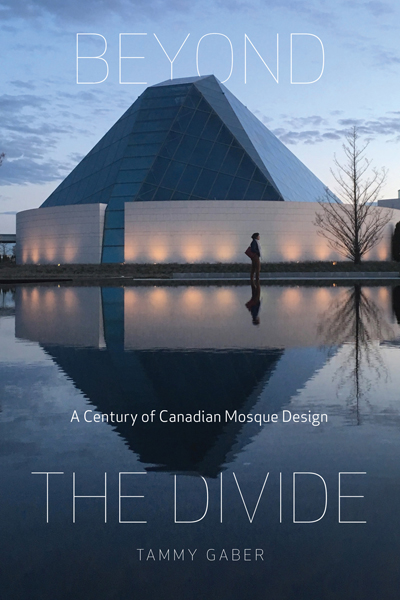
Cover page, Dr. Tammy Gaber’s beautiful new book “Beyond the Divide: A Century of Canadian Mosque Design”, Hardcover, pp. 304 with 306 photos and 135 drawings, colour throughout, February 2022, pub. McGill-Queen’s University Press.
DR. GABER: My apologies, but I am tempted to reiterate all of chapter 7 [of the book] here. It was important for me to relay the architectural facts and that architecture has agency and affects behaviour in both positive and negative ways: spaces that do not welcome women lead to less attendance by women; spaces that welcome women equally not only leads to more attendance but more participation in all aspects of the communities use of the spaces and sustained attendance over generations. Additionally there is a disjunction between women’s ability to use spaces of the mosque and other public spaces like schools or shops — this becomes an accessibility issue.
Simerg:Mimar Sinan from the 16th century is generally spoken of the glowing terms. Yet you uncover this divide in his architecture. His students follow with similar designs. Please explain how this inequity built into stone has become a “tradition” with vocal defenders.
DR. GABER: Mimar Sinan’s mosques borrowed and greatly developed structural forms and ideas inherited from Byzantine architecture (for example Hagia Sophia). It was common in Byzantine architecture to include a designated women’s balcony in the church space. That practice was abandoned in subsequent periods of church architecture but was adopted again, centuries later, by Ottoman mosque architecture including Sinan’s works. The impact of this introduction was very far reaching: during the Ottoman empire hundreds of mosques were constructed across vast geographies placing in stone designated spaces for women that were much smaller in proportions (height and floor area) and made common the cultural adoption that this was the ‘norm’.
Simerg: Apparently, it is new immigrants to Canada from many different countries who are not so accommodating of equitable spaces for women and are pushing for regressive changes. Are the critiques of Zarqa Nawaz and others fostering better counter conversations?
DR. GABER: The spaces for women in the Canadian mosque is an unfolding conversation as users (and mosque governance) modify spaces over time. Additions or subtractions to spaces are a result of these conversations. Zarqa Nawaz’s film, book, and publications have brought attention to this matter which is important. During the exhibition of this research in 2017 at the Noor Cultural Centre many people spoke to me how surprised they were at the range and quality of women’s spaces in mosques. My hope is that by demonstrating the architectural facts of the breadth of mosque spaces in Canada and the impact these spaces have that there can be further conversations.
Simerg: Coast to coast is the term often used when speaking of Canada. However, the third coast, in the extreme north, has two mosques. There is one in Iqaluit (Nunavut) and another in Inuvik (North West Territories) delightfully named Midnight Sun Mosque. Having the North Pole as your neighbour brings its own challenges. Apart from the cold at the extreme latitudes, there are the orientation of the qiblah and fasting in Ramadan. Please could you tell us more.
DR. GABER: I like this phrasing of a ‘third coast’, you are very right! It was incredible to travel to Iqaluit and Inuvik and to meet the communities who created the mosques in each of these northern cities. There are many challenges associated with location and its impact on fasting and prayer — I have outlined in detail in chapter 6 the facts relating to the calculations and the conversations that are influx with respect to adaptation.
Simerg: You write about the disjunction between users and designers. In what areas do you hope your book will contribute to bridging the divide? Can this happen without women in the governance structures of the mosques?
DR. GABER: It is my hope that the survey in my book will demonstrate the inspiring possibilities of architecture to users, governance and architects – and that the agency of each (users, governance and architects) is important and amplified when in dialogue.
Date posted: March 23, 2022.
__________________
Purchasing the Book
Tammy Gaber’s “Beyond the Divide: A Century of Canadian Mosque Design” is available for on-line purchase at the publisher’s website McGill-Queen’s University Press (it has more details about the book including its table of contents) as well as Indigo, Amazon, and Barnes and Nobles among other on-line booksellers.
______________
About Dr. Tammy Gaber
Dr. Tammy Gaber
Dr. Tammy Gaber is Director and an Associate Professor at Laurentian University’s McEwen School of Architecture (MSoA), where she teaches architecture design and theory courses. Dr. Gaber joined MSoA as founding faculty in 2013 and previously taught at University of Waterloo, American University in Cairo and the British University in Egypt. Dr. Gaber completed a SSHRC funded research project which led to her book Beyond the Divide: A Century of Canadian Mosque Design and has published on gender and architecture with a chapter in the forthcoming Global Encyclopedia of Women in Architecture (Bloomsbury press). Dr. Gaber has also published chapters on vernacular and regional architecture in Habitat: Vernacular Architecture for a Changing Planet (Thames and Hudson) and Diversity and Design: Perspectives from the Non-Western World (Fairchild Publishing), and has two chapters in The Religious Architecture of Islam (in 2 volumes; 2021, Brepol Publishing). In 2019 Dr. Gaber won the Women Who Inspire Award from the Canadian Council of Muslim Women and in 2020 she was awarded Laurentian University’s Teaching Excellence Award for a Full-time professor. During her 2020-2021 academic sabbatical Dr. Gaber completed a two-month academic residency in Finland for her research on Alvar Aalto in the fall of 2020 and was an invited scholar at the Centre for Theological Inquiry at Princeton University for the 2020-2021 academic year.
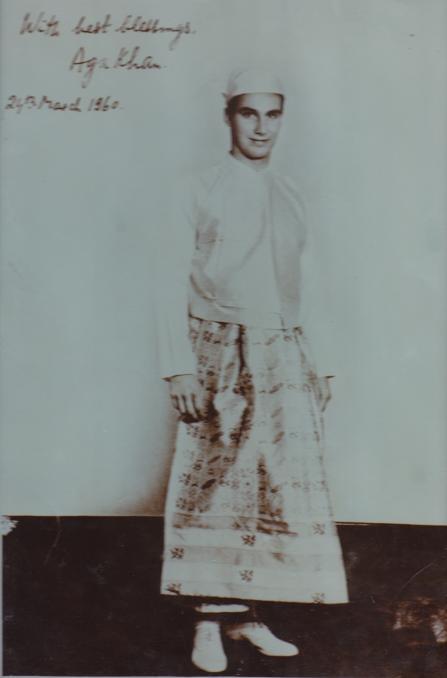
Our sister website Barakah is pleased to launch a new series entitled “Historic days in the life of Mawlana Hazar Imam, His Highness the Aga Khan”. We commence the series with his visit to Burma (now Myanmar) sixty-two years ago when he celebrated the Iranian New Year or Navroz with his community on March 21, 1960. Why does Barakah consider it to be a historic day? To find out, please CLICK HERE or on the image below, and feel free to submit your feedback through Barakah’s comment box.
Mawlana Hazar Imam, His Highness the Aga Khan, the 49th Hereditary Ismaili Imam, pictured in a Burmese traditional dress during his visit to Burma in March 1960. Please click on photo for article.
Date posted: March 20, 2022.
___________________
Before departing this website please take a moment to review Simerg’s Table of Contents for links to hundreds of thought provoking pieces on a vast array of subjects including faith and culture, history and philosophy, and arts and letters to name a few. Also visit Simerg’s sister websites Barakah, dedicated to His Highness the Aga Khan, and Simergphotos.
The following are referral links to two new posts on Simerg’s sister websites Barakah and Simergphotos. Please click on them, read the posts and share them with your friends and relatives around the world.
THE PROCEEDS FROM THE SALE OF DR. JIWANI’S BOOK “HUMANIZING MEDICINE” WILL SUPPORT THE PATIENT WELFARE PROGRAM OF AGA KHAN HOSPITALS FOR NEEDY PATIENTS
Simerg’s Interview with Dr. Azim Jiwani
Simerg: What is behind the naming of the title of the book?
Azim H. Jiwani: I think readers will perceive levels of meaning embodied by the title. Each reader will draw meaning from the title after reading the book since it can have multiple interpretations. This reflection on implications is what I intended.
Today, many people perceive medicine and health care as cold, selective, fragmented and profit and technology-driven. It seems to lack the human touch, warmth, and empathy. Hence, many, particularly in the developing world, feel a lack of “tangibility” of competent, contextual, compassionate and affordable health care available to them. The health status of large segments of populations in many parts of the world is not improving, and gains in some instances are reversing. Never have so many had such broad and advanced access to sophisticated care, but never have so many been denied access to even basic health care.
Simerg: Why would you want me or my family members to read the book, and what will we all learn from it?
Azim: Rarely in recent times has the world found itself gripped in conditions that pose substantial existential threats to lifeforms on earth, destabilize societies, impact health, quality of life, economic and cultural survival, and engender greater inequality and divisions between and within countries and regions.
The ideal of health is a state of complete physical, mental, and social well-being envisioned by the WHO, not just the absence of disease. Hence, health is composite of a myriad of determinants, all constantly in a state of flux. This utopian state of health is unlikely to be achieved, but one can reimagine global health and its foundations and moral imperatives.
The recent onset of the Covid-19 global pandemic and the accelerating but belatedly acknowledged climate crisis and its devastating effects on human health have laid bare the historical, political, policy, and institutional deficiencies in health systems worldwide. The vast disparities in availability, accessibility and affordability, quality and equity are glaring in parts of the world, especially when comparing low-income countries of the global South to rich and industrialized countries of the North. This void is more apparent when healthcare systems worldwide are under tremendous stress. During the current pandemic, many in developing countries are denied access to even primary and essential care due to myriad reasons – a dearth of human and material resources, drugs, vaccines, deficits in health policies and local and geopolitical tensions.
I think one thing readers will learn is the complexity and challenges of the development process. The book traces efforts of large non-profit global development organizations — the Aga Khan University and agencies of the Aga Khan Development Network — mainly in the domains of education, healthcare, institutional capacity-building and the empowerment of civil societies. It underscores the mission to anticipate and respond to foreseeable effects of unaddressed inequalities, the poverty, program and leadership deficits in some of the most challenging regions of the developing world. It endeavours to enhance institutional capacities, establish collaborative networks, and promote best practices and international standards of excellence.
Simerg: What inspired you to write the book?
Azim: I had the good fortune of engaging with the early development of Aga Khan University and the Aga Khan Health Services internationally and its programs in medical education and fostering affordable, ethical and quality health care since the early 1980s.
I held various leadership roles in academic, administrative, clinical and planning positions in several major organizations within and outside the AKU and interacted with some outstanding leaders and thinkers. Early in my medical career, I developed an interest in the global arms race’s health, social and economic impacts, particularly on developing countries. This interest and other public health and justice questions led to a life-changing meeting with Prince Sadrudin Aga Khan at his chateau in Geneva in 1983. I was deeply inspired by his efforts and roles to foster a more just and equitable world.
As narrated in the book, the impetus and inspiration essentially derived from our faith’s essential ethical and moral foundations, as articulated by Hazar Imam in his numerous utterances. The lockdown periods of 2020/2021 finally induced me to chronicle almost four decades of engagement in aspects of medical education, global health, development, marginalization, and comment on historical imprints on development and questions of justice and human dignity. It was impressed upon me that the experience and skills I acquired over decades of engagement in global health and medical education were too valuable to be wasted. My friends and colleagues strongly encouraged me to chronicle my observations of the times and places, ideals and realities of just and compassionate societies and my wide-ranging engagements.
Article continues below
Front cover of Dr Azim H. Jiwani’s book “Humanizing Medicine: Making Health Tangible”, 300 pp., Friesen Press, August 2021.
Simerg: How can I purchase the book and what are its available formats?
Azim: The book is available in hardcover, softcover and e-books, e.g., Kindle, Nook, Apple Books, Google Books. It is widely available directly from the publisher FriesenPress and Amazon, Chapters/Indigo in Canada, Barnes & Noble in the U.S. and many other retail outlets. It is also available in many countries like the U.K., Australia, Europe and India.
Simerg: How did you find a publisher for the book?
Azim: As I was writing, I received many unsolicited offers to publish the book, mainly from the U.S. and Canada. I ignored these until towards the end of the initial draft. I decided to pick a large, established and reputable Canadian publisher, as I was aware of some of the books published by them. They were expensive but of high quality. The publisher FriesenPress partners with a large American publishing and printing house called Ingram; hence the book is printed in the U.S., the U.K. and Australia.
Simerg: Did you hire an editor, an illustrator or did you do all the work by yourself?
Azim: Basically, the publisher provided the editorial services, printing and distribution, but I selected the photographs and illustration with the kind permission of the AKU and the United Nations. Not being very tech-savvy, I needed some technical help from friends for this.
Simerg: How long did it take you to write Humanizing Medicine from start to finish and to begin marketing it?
Azim: I think the whole process of writing, editing, printing and distribution took about eighteen months of hard work since I could only focus on the book a few hours a day. The book was published in the Autumn of 2021 and launched in Washington, D.C., about three months ago.
Simerg: Tell us something more about your book.
Azim: The book interweaves three stands. Since it is essentially written from a personal perspective, it tells a unique story spanning almost five decades. It intertwines this strand with the efforts and the ethos of the AKU/AKDN in empowering civil society, human development and equity, the global conditions over the last century, and the historical and national and regional evolutions in health care and development. It includes many short anecdotes and vignettes set in various world locales, from Morocco to Cambodia, illustrating many of the points. I hope that the book provides a longitudinal perspective of global challenges and their relevance in today’s uncertain and trying times. I believe it could be informative and inspiring to professionals and volunteers who seek to broaden their careers and horizons through engagements globally in an interconnected world.
I should inform you that all proceeds from the global sale of this book are donated through the Aga Khan Foundation (AKF) to support the Patient Welfare Programs of the Aga Khan hospitals to care for needy patients.
Date posted: March 9, 2022.
_______________
We welcome feedback from our readers. Please complete the LEAVE A REPLY form below or click Leave a comment. Your letter may be edited for length and brevity, and is subject to moderation.
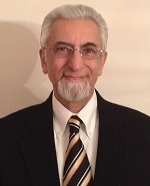
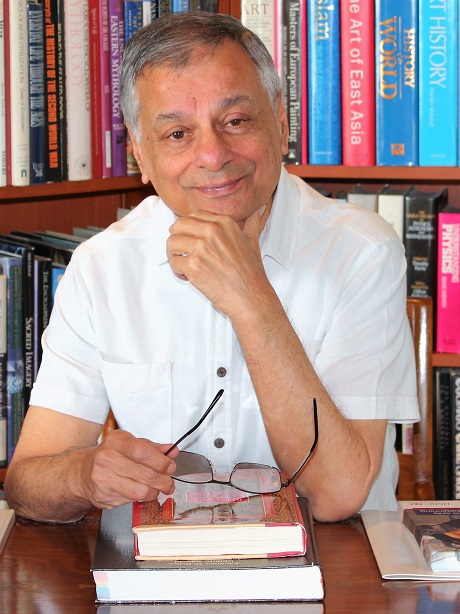
Dr. Azim Jiwani
Dr. Azim Jiwani worked in health care and global health development for several decades, holding various leadership positions in academic, hospital, and community settings. His work included teaching, research, medical administration, strategic planning, advocacy, consultancies, and advisory roles. Dr. Jiwani held senior faculty positions with the Aga Khan University (AKU) and at the University of British Columbia in the Faculty of Medicine as a clinical professor. He interacted with many local, national, and multilateral organizations, including the World Health Organization (WHO), the United Nations, universities, and global health institutions-and he continues to play a consulting and voluntary advisory role in health care, education and international development.
As an avid traveller, Dr. Jiwani’s journeys have taken him to locales in Europe, Asia, Americas, Africa, the Middle East, Central Asia, Australia and New Zealand, where he explored local cultures, traditions, social, historical and environmental aspects of life and development. He has lectured at many higher learning institutions, professional organizations, civil society groups, and community groups. His interests include natural sciences, moral philosophy, architecture, civilizational histories, and anthropology. Dr. Jiwani lives in West Vancouver, British Columbia, with Nilu, his wife of 45 years. They have two daughters and five grandchildren.
Calling all Ismaili Authors
We encourage Ismaili writers to introduce their books in a similar format as has been done in the post above. Please also see the series launch article and submit your responses to Malik at mmerchant@simerg.com. All submissions will be acknowledged. If a writer has published multiple books, each book will be highlighted in a separate article, and not combined with other books into one post. All writers should include a brief profile with a portrait photo.
The Ismaili Authors’ Series so far (in chronological sequence, oldest article first):
Before departing this website please take a moment to review Simerg’s Table of Contents for links to hundreds of thought provoking pieces on a vast array of subjects including faith and culture, history and philosophy, and arts and letters to name a few. Also visit Simerg’s sister websites Barakah, dedicated to His Highness the Aga Khan, and Simergphotos.
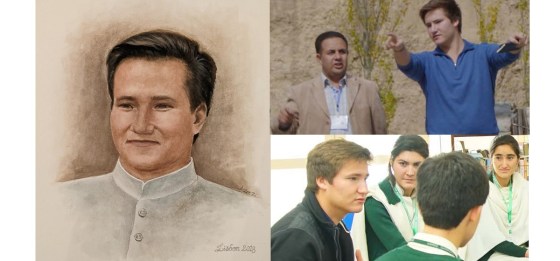
Simerg’s sister website Barakah is delighted to present a pictorial overview of Prince Aly Muhammad Aga Khan’s involvement with the projects of the Ismaili Imamat. This is a truly inspiring piece about the Prince’s life as a youth, during which he has visited several parts of the world, and has made two eye-opening documentaries on the work of the Aga Khan Development Network in culture as well as the challenges faced by people living in some of the remotest corners of this earth. The post also includes a superb artwork portrayal of Prince Aly Muhammad by Vancouver’s Ismaili artist Aziz Khanbhai. Please read this special piece by clicking on Prince Aly Muhammad or on the photo below.
Mawlana Hazar Imam, His Highness the Aga Khan, introduces Her Majesty Queen Elizabeth II to Prince Aly Muhammad and members of his family, Prince Hussain, Princess Salwa and Prince Rahim during his visit to Windsor Castle in 2018. Photo: AKDN/Gary Otte. Please click on photo for piece on Prince Aly Muhammad.
Date posted: March 6, 2022.
_________________
Before departing this website please take a moment to review Simerg’s Table of Contents for links to hundreds of thought provoking pieces on a vast array of subjects including faith and culture, history and philosophy, and arts and letters to name a few. Also visit Simerg’s sister websites Barakah dedicated to His Highness the Aga Khan, and Simergphotos.
1. Video and Text of Speech by Princess Zahra Aga Khan, Trustee, Aga Khan University
“….the hope we feel today is warranted by you, the graduands. By your hunger for knowledge. Your compassion for your patients. Your joy in sparking curiosity in your students. And your zeal to find the facts and share them with your fellow citizens, without fear or favour” — Princess Zahra Aga Khan (watch video and read speech excerpts, below)
“The graduation of the Class of 2021 is a watershed in the lives of its members and their families. And the installation of President and Vice Chancellor Sulaiman Shahabuddin is a milestone in the history of the Aga Khan University. This is therefore a doubly joyous day – the kind that comes along once in a very great while.
“I will be speaking today on behalf of the University’s Chancellor, His Highness the Aga Khan. I would like to convey the Chancellor’s deep gratitude, and my own, to the Government of Kenya and the Commission for University Education for granting AKU its Charter. I am also delighted to welcome the founding members of the new AKU Kenya University Council, which will provide oversight of the University’s operations in Kenya.
“Today, I am filled with hope for the future. How could anyone not be, knowing what this day represents?
“President and Vice Chancellor Shahabuddin brings to his position a wealth of experience and a lengthy record of success in both East Africa and Pakistan. His career embodies the themes of opportunity, cross-cultural connection, and commitment to improving quality of life that define AKU and the Aga Khan Development Network.
“Already, he has begun to build on the strong foundations laid by former President Firoz Rasul. Moreover, he now enjoys the wise counsel of University Council Chairman Moyez Alibhai and of the new Chairman of the AKU Board of Trustees Zakir Mahmood.
“It is therefore with great pleasure that I welcome President Shahabuddin to his new role; thank former President Rasul; and congratulate Chairman Alibhai and Chairman Mahmood on their recent appointments. I also wish to thank our retiring Chairman of the Board, Dr. Haile Debas, for his extensive contributions to the University’s development for the past 12 years.
“It is with equally profound pleasure that I welcome each of you, our graduands, to the ranks of the alumni of the Aga Khan University. Your fellow graduates are changing lives from rural clinics and classrooms to the laboratories of world-renowned universities. I know how proud you are to be part of this illustrious tradition, and how proud your families are to be watching you today.
“This AKU class has worked harder for this moment than any other ever has. The last two years challenged you with lockdowns, quarantines, and isolation. But you found new ways to learn, to connect, and to maintain your motivation amid each new wave of the pandemic.
“The diplomas and degrees you are about to receive testify to your fortitude and agility. In the years to come, you will always be able to look back and draw strength from your achievements during this momentous period.
“Convocation is a celebration of individual accomplishment. But it also reminds us of our connections and our dependence on one another. Each of us is a link in a chain that extends backwards and forwards in time, and outward across borders and boundaries. That is especially true at AKU, as this globe-spanning event testifies.
“With these bonds in mind, I wish to thank all those who have made it possible to send these 664 women and men into the world to educate, enlighten, and care for their fellow human beings. Our faculty and staff have demonstrated extraordinary dedication to our students and to our mission. Our front-line health professionals have displayed exemplary courage in the face of Covid-19 – I cannot thank them enough and on behalf of the Chancellor for their many sacrifices. We are grateful to our alumni, partners, and volunteers. And we are profoundly thankful for the generosity of our donors.
“I began by speaking of hope. The hope I refer to is not an idle wish. It is the hope one feels when there is strong evidence for optimism. It is the hope our Chancellor, His Highness the Aga Khan, has called “probably the single most powerful trampoline of progress.”
“That is the hope that I believe unites us today. It is warranted, first, by the history and impact of the Aga Khan University. AKU will mark its 40th anniversary next year. From a seed in the mind of our Chancellor, it has blossomed into an institution that spans three continents and stands at the heart of the AKDN’s unwavering commitment to the countries that it serves. In Kenya, that commitment is vividly symbolized by AKU’s towering new University Centre in Nairobi — a world-class academic facility that is one of the largest investments in higher education in the country’s history.
“Globally, AKU has educated over 18,000 individuals. It cares for more than 2 million patients every year in internationally accredited hospitals, and was recently ranked among the top 100 universities in the world in public health. It also serves as a trusted advisor to government and is a powerful advocate for pluralism and for women’s empowerment.
”During the pandemic, the value of the University’s capacity for cutting-edge inquiry has never been clearer. Its researchers have made important contributions to the fight against Covid-19. And AKU is also contributing to another crucial battle, one that our Chief Guest Peter Kalmus will be talking about shortly – the battle against climate breakdown. Along with the AKDN as a whole, AKU has committed to becoming carbon neutral in its operations by 2030 — making it one of the first institutions in Pakistan and East Africa to do so.
“In short, the University’s record is surely one to instill hope.
“But most of all, the hope we feel today is warranted by you, the graduands. By your hunger for knowledge. Your compassion for your patients. Your joy in sparking curiosity in your students. And your zeal to find the facts and share them with your fellow citizens, without fear or favour.
“I have no doubt that the hope that fills our hearts, and the pride that swells our chests, will be amply confirmed by your achievements in the years to come. On behalf of the Chancellor, my thanks to all of you.”
Read full speech by Princess Zahra Aga Khan at SOURCE.
~~~~~~~~~~~
2. Video and Text of Speech by Chief Guest, Climate Scientist Peter Kalmus
“We need to help each other wake up, and quickly. We need a billion climate activists. We need a huge number of engaged, passionate, courageous climate activists. We need to come together, with courage, conviction, and creativity, to stop the meteor that’s hurtling toward us” — Peter Kalmus (watch video and read speech excerpts, below)
“Greetings and congratulations! What an honor it is to address you today, on this joyful occasion! Great job to all of you! I share your commitment to improving the lives of all beings on this Earth. I want to acknowledge AKU’s work to improve quality of life in the developing world, as well as the leadership that Prince Rahim and the AKDN are demonstrating in addressing climate change and environmental degradation.
“Now, this strikes me as a strange time in our planet’s four-and-half-billion-year history for giving convocation speeches.
“As a climate scientist, I see a meteor hurtling directly toward our achingly beautiful planet, and I don’t yet see society or world leaders mobilising to stop it. Fossil fuels are heating our planet at a rate of a tenth of a degree Celsius every five years. This may not sound like much, but for an entire planet to heat this quickly is both astounding and terrifying.
“The disasters we are living through now are just the beginning. At every additional fraction of heating, climate disasters will come faster and hit harder. Like gut punches to our global society, they will increasingly stress infrastructure systems, economic systems, energy systems, food and water systems, political systems and ecosystems.
“The proximal cause of climate destruction is burning fossil fuels. Before we had a fossil fuel industry, the planet was in energy balance. The same amount of energy came in as sunlight as went back out to space, so it stayed at a constant temperature. Burning gas, coal, and oil has changed that. It continues pushing our planet further and further out of balance, forcing it to heat up.
“The crisis has been overwhelmingly caused by the Global North, with impacts hitting the Global South soonest and hardest. And powerful vested interests are doing what they can to block action. So, what can we do?
“This is a question I’ve been grappling with for a very long time.
“Sixteen years ago, I was a physics PhD student in New York City, in love with the universe and its mysteries, overjoyed to finally be part of the noble quest for human knowledge. I was interested in cosmology — the big questions, where we come from, and where we’re going.
“The year 2006 brought two big changes to my life. First, I became a dad, which was expansive. It connected me to the future. And second, I heard a lecture about how the Earth was out of energy balance and heating up. This lecture rattled me. Earth is out of energy balance? This is absolutely monumental news, literally the biggest story on the planet. It was then, and it’s even more so today.
“I started learning about climate change. I tried to get my university to switch to electricity that came from wind power. I could only find one other person on campus who supported my cause – and not for a lack of trying, because back then, hardly anyone cared about climate change. Social norms around climate hadn’t started to shift.
“Now, social norms are unspoken but very powerful shared beliefs. They’re like society’s subconscious mind. For example, the belief that it’s normal to burn fossil fuels. Sure, it’s destroying our planet — but it’s a normal thing to do. Everyone’s doing it.
“Social norms are like the water surrounding a fish. We swim in them, every moment. They create society, they shape its systems and its power structures, but most of the time, we don’t even notice them. They are partly responsible for climate and ecological breakdown, as well as humanity’s breathtaking lack of response. How much we can still save will be largely determined by how quickly we can shift these norms.
“Now, as the years ticked by, I grew ever more alarmed and frustrated about climate inaction. By 2010, burning fossil fuels had become deeply upsetting to me. The connection between fossil fuels and worsening climate impacts was just too clear. So I started reducing my emissions systematically, scientifically, starting with the biggest things first: giving up air travel, biking instead of driving, and slashing my energy use at home, among many other changes. This taught me three valuable lessons. First, for me it was fun to live with less fossil fuel. It engaged my curiosity, led me to new hobbies and caused me to make new friends. Second, I experienced how we all rely on vast impersonal systems for all of our daily needs – food, water, clothes, streets – everything. To be able to get to zero fossil fuel use, all those systems are going to have to change. And third, very few people were actually willing to follow me in these sorts of changes.
“When I started, I hoped my actions would inspire other people. But I’d say roughly maybe one out of a hundred people are willing to systematically reduce their emissions. So, while I think it’s a great thing to do, it simply isn’t enough on its own.
“By 2012, I’d become so alarmed that I couldn’t focus on astrophysics any longer, so I switched into climate science. I also started speaking out as much as I could. I was told that scientists aren’t supposed to speak out, but I did it anyway. How could I not speak out, seeing what I see, and knowing what I know?
“We need to help each other wake up, and quickly. We need a billion climate activists. We need to build a global climate movement that’s even stronger than the fossil fuel industry. We need a huge number of engaged, passionate, courageous climate activists. We need to come together, with courage, conviction, and creativity, to stop the meteor that’s hurtling toward us. No one is safe from global heating. There is no hiding from it on this tiny, connected, pale blue dot of a planet. The only safety will come from stopping it, and doing this will require deep changes in how humanity organizes as a society, and how we live upon this Earth.
“Climate work will be humanity’s main task for the rest of this century: healing the Earth, restoring wild places, adapting to new disasters, and figuring out how to live side by side with each other and all the other species here, who have just as much of a right to be on this planet as we do. There’s infrastructure to build, technologies to invent. There are new legal and moral and even spiritual frameworks to come up with. There is new art to make, new economics to devise, and new stories to tell. We need institutions to devise new disciplines and new ways of thinking, rapidly reduce their emissions, educate the public, and create social change. AKU is already playing a hugely important role in the Global South and must keep going.
“We also need you, the graduates of the Aga Khan University — among the best and the brightest the world has to offer — to devote your lives to solving the greatest crisis humanity has ever faced. Contribute to global knowledge and innovation. Demand climate justice. Have the courage to cause good trouble. Be the voice for the voiceless, for all the species that are going extinct and for future generations.
“Climate disasters will get worse before they get better. But we could stop all of this, if we would make the collective choice to treat climate breakdown as an emergency. Imagine in the future that we’ve turned this corner, that the living Earth is in the process of healing, that our species was on the brink of destruction but came to its senses at the last moment. I foresee that this will bring a tremendous feeling of global solidarity, of cosmic solidarity with life in the universe. My dream is that I will live to experience a time when we are finally on the right path, toward a more mature humanity, a kinder and more grateful humanity, full of joy simply to be here, on this Earth – one strand in the tapestry of life.
“I know that a much better world is possible. No law of physics prevents it. It’s up to us. It’s the journey of a lifetime, and it beckons to each and every one of you. Go out there and do it.”
3. Video and Text of Speech by Aga Khan University President Sulaiman Shahabuddin
“We continue to believe, as we always have, in the power of knowledge to solve humanity’s biggest problems. And we continue to believe that AKU, as a powerful creator and disseminator of knowledge, can make an extraordinary contribution to improving life in Africa, Asia, and beyond.” — Sulaiman Shahabuddin (watch video and read speech excerpts, below)
“I am profoundly honoured to have been chosen to serve as President and Vice Chancellor by our Chancellor, His Highness the Aga Khan. As this medallion reminds me, I have been entrusted with a great responsibility. I am humbled by His Highness’s confidence in me. I pledge to do everything in my power to prove that it has been well placed.
“What a day this is! I am profoundly honoured to have been chosen to serve as President and Vice Chancellor by our Chancellor, His Highness the Aga Khan. As this medallion reminds me, I have been entrusted with a great responsibility. I am humbled by His Highness’s confidence in me. I pledge to do everything in my power to prove that it has been well placed.
“I am deeply grateful to you, Princess Zahra, for honoring us with your presence. Your participation speaks to the bright future of our graduands and our University. It adds luster to an already brilliant day.
“Most of all, I am excited by the opportunity I have been granted to carry forward the Chancellor’s vision, by AKU’s role as a powerful force for good in the world, and by the tremendous potential of all of you, our graduands.
“I remember watching my daughter, Anjiya, graduate from AKU’s Medical College. By my side was my wife, Zeenat, herself an alumna of the School of Nursing and Midwifery. Little did I know that I would be standing at this podium a few short years later while they and my son Basim look on. Certainly, when I stepped onto the AKU campus as a 22-year-old purchasing officer and a newly minted MBA, I could not have imagined that one day I would return to the University in my present role.
“But that just demonstrates the transformations that AKU makes possible.
“Each of you, our graduands, has taken your own unique path to this moment. Some of you are the first in your family to attend university. Others are carrying on a family tradition as the sons and daughters of teachers, nurses, or doctors. For some, our campus was their first home after leaving home. For others, AKU represented a return to academia after years in the workforce.
“I want to take a moment to acknowledge your individual journeys. The moments of doubt – the first time you got back an exam paper covered in questions and comments and you thought to yourself, “I’ve got work to do!” The moments that galvanized your confidence – that day in the classroom, in the newsroom, in the library or in the clinic when you achieved a new level of insight or excellence.
“I also want to recognize that you are part of a collective – one that stretches across three continents. As members of the Class of 2021, you have forged lasting relationships, supported one another’s academic development, and built a shared commitment to helping those in need.
“And now you are ready to make your mark on your professions and the world.
“This is a time of transition for our graduates. It is also a time of transition for AKU. But a change in leadership does not mean a change in the University’s guiding principles.
“We continue to believe, as we always have, in the power of knowledge to solve humanity’s biggest problems. And we continue to believe that AKU, as a powerful creator and disseminator of knowledge, can make an extraordinary contribution to improving life in Africa, Asia, and beyond.
“As our Chancellor, His Highness the Aga Khan told the Class of 1994, “At its best, the university is linked to the welfare of the society in which it is based. While taking knowledge from all quarters, such a university applies that knowledge to the solution of the pressing problems of the world, both at home and abroad.”
“That is, in fact, what AKU is doing. Allow me to elaborate:
“In East Africa, AKU and the University of Michigan are using cutting-edge artificial intelligence to identify individuals at risk of future health problems. We are not the only ones who think that project has tremendous potential – it just received more than $6 million in funding from the National Institutes of Health in the United States.
“In Pakistan, AKU reduced newborn death rates by more than 15 percent in eight rural districts that are home to 14 million people. How did we do it? By sharing our knowledge with hundreds of public and private health facilities and thousands of community health workers.
“AKU researchers are using stem cell science and gene editing to develop new treatments for blood disorders and cancers such as leukaemia. They have analyzed the test scores of 15,000 students to show which factors improve performance in math and science. They are studying indigenous efforts to protect the rights of minorities in Muslim-majority countries.
“As Princess Zahra highlighted a moment ago, we are also working to slash our carbon emissions and become one of the few universities in the world to achieve carbon neutrality. It is an ambitious goal that will require tremendous innovation. But we are committed to achieving it, and to helping other universities to follow in our footsteps.
“In the coming years, we will launch new undergraduate medical and nursing education programmes in East Africa. Build a new University Center and Hospital in Kampala. And open our Faculty of Arts and Sciences in Karachi to prepare young men and women as leaders with a unique education that spans the social sciences, natural sciences, and the arts.
“As all these examples show and as AKU approaches its 40th anniversary, we remain faithful to our founding vision, while acting boldly to meet new challenges.
“I am grateful to all those who make our success possible. The policymakers who create the enabling environment in which we work, among them our guest of honor, East African Community Secretary General Dr Peter Mathuki. Our generous donors, volunteers, alumni, and partners, including our fellow agencies of the Aga Khan Development Network. Nothing has given me more pleasure in my first months in office than getting to know and working with the diverse members of the AKU family.
“Ladies and gentlemen, the University’s biggest contribution to the countries we serve will always be our graduates.
“Graduands, our alumni – your predecessors – walked the same corridors and courtyards that you have walked, and learned in the same clinics and classrooms. They wore the same green and gold that you wear now. And every day, they are proving just how powerful an AKU education can be.
“They are founding schools and clinics in underserved communities. Winning international recognition for their teaching, research, and leadership. Serving in government and shaping public policy. Launching high-tech startups and writing award-winning poetry. Here at AKU, they are among our most valued leaders, scholars, and practitioners. Their record proves that you can achieve your most audacious ambitions.
“Today is not an end. Your journeys are just beginning. Now is the time for you to show the world what an AKU graduate can do. Thank you.”
Read full speech by Sulaiman Shahabuddin at SOURCE.
For complete coverage of the 2021 Global Convocation, please click HERE.
Date posted: March 3, 2022.
Featured image at top of post: The Seal of Aga Khan University is a visual representation of the principles which underlie the founding of the University. The circular form of the Seal, with its different levels of imagery contained in concentric circles, has its visual roots in the rosettes of early Islamic periods. The circle also symbolises the world and reflects the international presence of the University. At the centre of the Seal is a star, or sun. Light is a universal symbol for the enlightenment that education provides. The light emanating from the star is also symbolic of Nur (Divine light). The star incorporates 49 points to commemorate the University’s founding by His Highness Prince Karim Aga Khan, the forty-ninth Imam of the Ismaili Muslims.The outer ring circumscribes a Quranic Ayat rendered in classic thuluth script and reads as follows:
“And hold fast, All together, by the rope Which God (stretches out for you), And be not divided among yourselves, And remember with gratitude God’s favour on you: For ye were enemies And He joined your hearts In love, so that by His grace Ye became brethren” — Sura 3, Ayat 103
_____________________
Before departing this website please take a moment to review Simerg’s Table of Contents for links to hundreds of thought provoking pieces on a vast array of subjects including faith and culture, history and philosophy, and arts and letters to name a few. Also visit Simerg’s sister websites Barakah dedicated to His Highness the Aga Khan, and Simergphotos.
“….the very concept of providing refuge is not and should not be based on factors such as physical proximity or skin color, and for a very good reason. If our sympathy is activated only for welcoming people who look like us or pray like us, then we are doomed to replicate the very sort of narrow, ignorant nationalism that war promotes in the first place.” — Moustafa Bayoumi, The Guardian
UNHCR Dismayed at Mistreatment of non-European Refugees
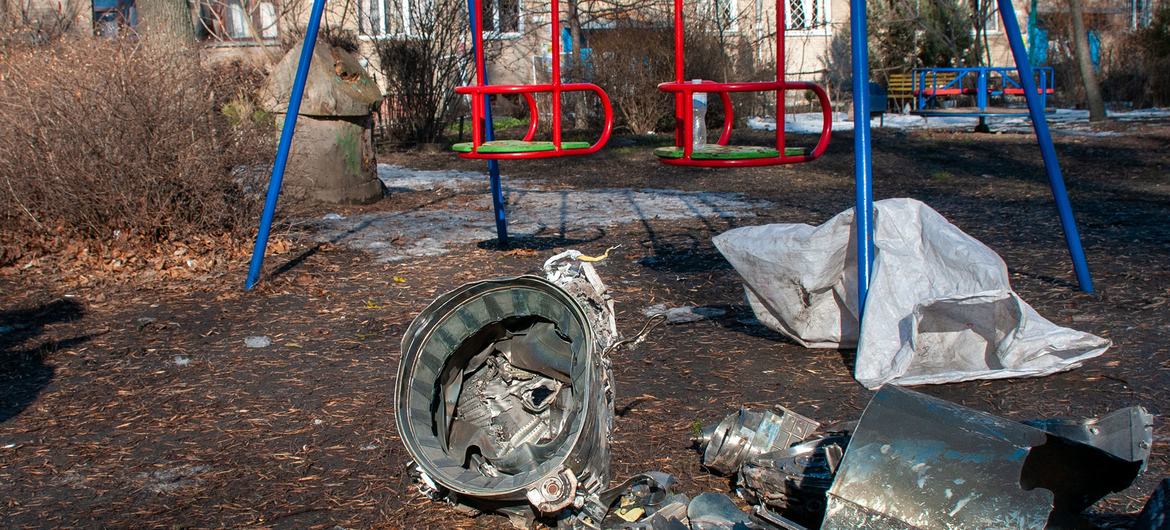
The UN Refugee Agency, UNHCR, has expressed dismay over reports that foreigners fleeing Ukraine amid its war with Russia are experiencing mistreatment and pleaded for more humanity and compassion for non-Europeans and refugees from other nations. The UN High Commissioner for Refugees Filippo Grandi spoke out about reports that have emerged of discrimination against non-Ukrainian or non-European refugees at some entry points and people’s reference to them using discriminatory or racist terminology. He quoted UN Secretary-General Antonio Guterres as saying that “there should be absolutely no discrimination between Ukrainians and non-Ukrainians, Europeans and non-Europeans,” as all are at risk.
Moustafa Bayoumi has analyzed the racism factor in the way the media has been reporting the refugee situation and asks: “Are Ukrainians more deserving of sympathy than Afghans and Iraqis?” And he observes, “Many seem to think so,” based on his in-depth look at what has been said and written in the media as hundreds of thousands of refugees flee Ukraine to seek protection in neighbouring countries following Russia’s invasion of Ukraine a week ago.
“What all these petty, superficial differences – from owning cars and clothes to having Netflix and Instagram accounts – add up to is not real human solidarity for an oppressed people. In fact, it’s the opposite. It’s tribalism. These comments point to a pernicious racism that permeates today’s war coverage and seeps into its fabric like a stain that won’t go away. The implication is clear: war is a natural state for people of color, while white people naturally gravitate toward peace” — Moustafa Bayoumi, The Guardian
Moustafa Bayoumi, is professor of English at Brooklyn College, City University of New York and contributing opinion writer at Guardian US as well as author of the award-winning books How Does It Feel To Be a Problem?: Being Young and Arab in America and This Muslim American Life: Dispatches from the War on Terror. Please read Bayoumi’s complete article in The Guardian by clicking They are ‘civilised’ and ‘look like us’: the racist coverage of Ukraine.
Date posted: March 3, 2022.
______________________
Before departing this website please take a moment to review Simerg’s Table of Contents for links to hundreds of thought provoking pieces on a vast array of subjects including faith and culture, history and philosophy, and arts and letters to name a few. Also visit Simerg’s sister websites Barakah, dedicated to His Highness the Aga Khan, and Simergphotos.
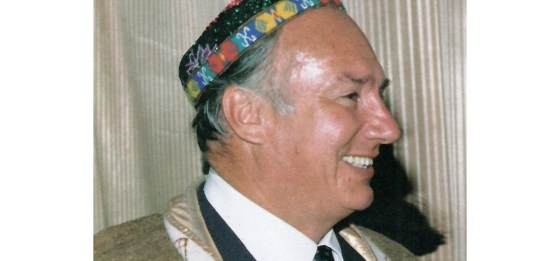
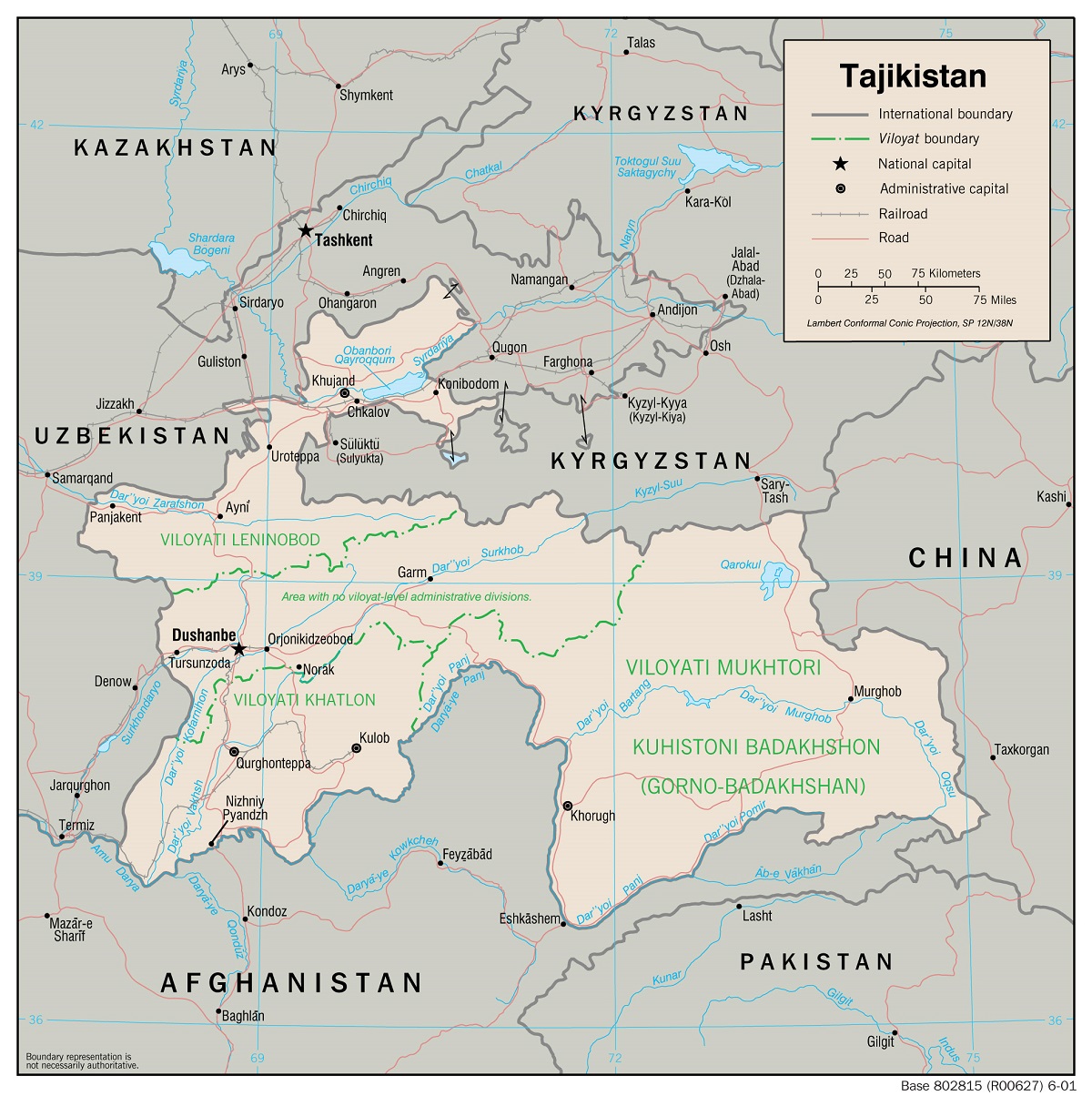
“Given the great moral authority of His Highness Prince Karim Aga Khan over the Ismaili population of Badakhshan, Special Envoy Piriz-Ballon [of UN Secretary General Boutro Boutro Ghali], and Special Representative Gerd Merrem [of Germany] consulted him on issues related to the peace process. His visits to the country, informal mediating role and moderating influence significantly contributed to the success of the peace process. The Aga Khan Foundation made major contributions to alleviating the humanitarian crisis, particularly in the eastern part of the country [i.e Gorno-Badakhshan, see map, below].” — Vladimir Goryayev (note: words in square brackets inserted for clarity — ed.)
Some readers, and especially those engaged in the research and study of Tajikistan, may already be familiar with the details of the civil war that broke out in 1992 following Tajikistan’s withdrawal from the Soviet Union on September 9, 1991. The civil war was at its peak during its first year and dragged on for five years, with different interest groups vying for control of the new state. An estimated 20,000 to 100,000 people were killed by June 1997 and about 10 to 20 percent of the population were internally displaced. The war devastated the country.
Very little, however, may be known about the peace process that was underway during this period of civil unrest. In the Accord issue of April 2001, published by Conciliation Resources, numerous authors take an in-depth look at what was an exceptionally well-coordinated peace process that involved local civil society, the international community and a newly established Commission for National Reconciliation. The 100 page PDF publication, “Politics of Compromise: The Tajikistan Peace Process” edited by Kamoludin Abdullaev and Catherine Barnes may be downloaded by clicking HERE.
Story continues below
Map of Tajikistan with surrounding countries from the Perry-Castañeda Library Map Collection, University of Texas. Click on map for enlargement.
In a chapter entitled “Architecture of International Involvement in the Tajik Peace Process,” from which the quote on Mawlana Hazar Imam, His Highness the Aga Khan, at the beginning of this post is taken, author Vladimir Goryayev examines the role of regional intergovernmental organisations, international NGOs, regional peacekeepers, and the UN’s special envoys, departments and humanitarian agencies played in the peace process. He concludes by setting out the widely acknowledged strengths of the Tajik model of international involvement as well as some lesser known problems with it. Please click HERE to download Vladimir Goryayev PDF article or read the article by visiting THIS PAGE.
Date posted: March 1, 2022.
_____________________
Before departing this website please take a moment to review Simerg’s Table of Contents for links to hundreds of thought provoking pieces on a vast array of subjects including faith and culture, history and philosophy, and arts and letters to name a few. Also visit Simerg’s sister websites Barakah, dedicated to His Highness the Aga Khan, and Simergphotos.
____________________
Featured photo at top of post
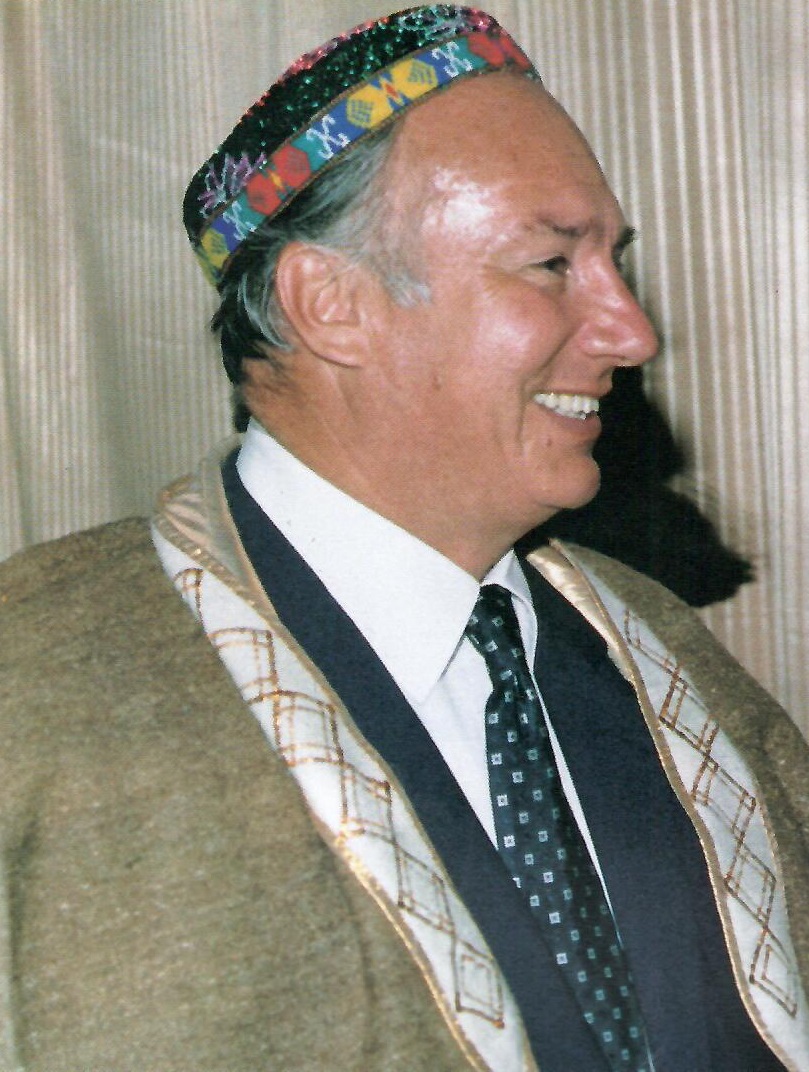
Mawlana Hazar Imam, His Highness the Aga Khan, pictured in Tajikistan during his first historic visit to the country in May 1995. Photo: The Ismaili, Mawlana Hazar Imam’s Visit to Central Asia, 22-31 May 1995.







 Simerg - Insights from Around the World