Simerg is an independent initiative dedicated to Ismaili Muslims, the Aga Khan — their Hereditary Imam — and the Ismaili Imamat, and Islam in general through literary readings, photo essays and artistic expressions
As the 2022 Winter Olympics in Beijing come to a close, Zahir Dharsee and Malik Merchant reminisce about Mawlana Hazar Imam His Highness the Aga Khan’s passion for skiing and sports in general. The piece appears on Simerg’s sister website, Barakah, which is dedicated to Mawlana Hazar Imam, members of his family and the Ismaili Imamat. The piece also includes an excerpt from an excellent narrative on Mawlana Hazar Imam’s visit to Iringa that mentions a skiing accident that had taken place earlier. Mawlana Hazar Imam arrived in Iringa with a cast on his foot. Please click MEMORIES or on photo below.
Mawlana Hazar Imam playing ice hockey. Please click on photo for article.
The Aga Khan Museum will be open between February 18 and February 27, 2022 as follows:
OPEN: February 18, 19, 20 as well as Monday 21 (Family Day) from 10 am–5:30 pm; CLOSED: February 22, and 23 ; and OPEN: February 24, 25, 26 and 27th from 10 am-5:30pm.
Torontonians as well as visitors to the city have their last opportunity to visit the Aga Khan Museum to see a very informative exhibition entitled “Hidden Stories: Books along the Silk Roads” before its final day, Sunday, February 27. The exhibition opened on October 9, 2021 but Covid-19 restrictions imposed by the province forced the museum’s closure for the month of January 2022. The museum has reopened once again. During one of its opening windows, I made it a point to spend some time to see and learn about the Silk Road, with a view to putting together a review of the exhibition for Simerg. I was lucky with my timing, as the co-curator, Dr. Filiz Çakır Phillip, accompanied me to see the exhibition. She kindly provided me with links to materials which gave me interesting insights into specific objects.
Story continues below
The Aga Khan Museum Exhibition Hidden Stories – Books Along the Silk Roads concludes its Toronto run on Sunday, February 27, 2022. Photo: Simerg
I would urge members of the Islamic community as well as all other communities living in and around Toronto to visit this all inclusive marquee exhibition which is housed on the 2nd floor of the Aga Khan Museum. Children and youth will gain rich perspectives about the Silk Roads, a 6,400 km path that has for thousands of years covered a vast area that comprised the Old World of Europe, North and East and West Africa and the Middle East into Persia, Central Asia and the Indian sub- continent and China.
The term Silk Road was coined by a German geographer and traveler Ferdinand von Richthofen in 1877 C.E. It has been explained by the Electronic Cultural Atlas Initiative as “not simply a network of transportation routes. It is not only a geographical space. It is also a concept that illustrates the way that commodities, empires, religions, and even music, have traveled throughout Eurasia for thousands of years. The Silk Road is the idea that there is not a divide between “West” and “East” but an ongoing historical exchange of human experience.”
This vision of the Silk Road is clearly illustrated in the exhibition through the richness and diversity of the objects that are on display representing different cultures, faith and communities. The curators — Dr. Filiz Çakır Phillip (in-house curator) and Dr. Suzanne Conklin Akbari — have achieved a remarkable balance in this regard by treating and honouring different traditions and cultures respectfully and in a dignified manner.
A visitor to the exhibition will see on display an excellent collection of the various texts and books, prepared by the cultures that highlight the “Hidden Stories” along the Silk Roads. These works are handwritten in the many languages and scripts of the Far East, the Indian sub-continent, the Middle East and Europe that evolved along the Silk Roads. The scribes of the different religions and cultures along the Silk Roads also used various writing instruments and inks that were displayed to write their various “Hidden Stories”. To illustrate the power of these scribes, there is an interesting 1492 quote by Jami displayed in the exhibition: “The Pen is a key that opens the Door to the necessities of Life” below which is a glass case containing a few of the writing materials.
As one enters the exhibition, the first text on display is an Islamic Prayer Book (Dala’il al – Khayrat) originating from India, probably Kashmir, around 1818 CE. Co-curator Dr. Çakır Phillip notes: “This is the first object you see in the exhibition. With its fusion of Iranian and Indian influences, the prayer book embodies the powerfully creative cultural connections that formed across the Silk Roads over the centuries. Its patterned textile-inspired cover celebrates the intersection of textiles and text, two of the most important commodities to be transported across the Silk Roads network.”
Other faiths are also well represented in the exhibition. A Burmese book of Buddhist scriptures (Kamawa-sa) includes selections written in Pali from the Tipitaka (literally, ‘three baskets’) of Therevada, the most ancient form of Buddhism. Costly and ornate Kamawa-sa were written on cloth or palm leaves in chunky, square tamarind seed script, and offered as gifts to a monastery to commemorate the taking of religious vows. Reflects co-curator Dr. Suzanne Conklin Akbari, “I’m struck by the individual human experience and the materials that would have been on the human body, passing through time, actually becoming part of the book. Another aspect I’m charmed by is the beautiful script it’s written in. I point this out because Hidden Stories features a wide range of scripts but also many different script formats. This one is a striking example of a graphic format that contrasts with others you see in the exhibition.”
An example of a devotional anthology, featuring carbon black ink and pigments on paper with a textile covering, includes the Song of the Lord (Bhagavad Gita) and other works, produced in Kashmir in the 17th–19th century CE. The contents (Sanskrit text and Hindu iconography), materials (Islamic burnished paper and Indian textiles), and format (Islamic-style binding) of this manuscript containing the Hindu, Bhagavad Gita, all illuminate the fecund encounter of Persian and South Asian cultures in the valley of Kashmir. This manuscript also tells a complex story of book technology and cultural entanglement. Micro-CT (Computed Tomography) analysis confirms that its exquisite Indian mashru fabric, imported from Gujarat, extends around the whole cover, beneath the plain overlayer. The book has an Islamic-style pentagonal flap binding, but because Sanskrit is read in the opposite direction from Arabic and Persian, the flap wraps around on the right rather than the left. “Like so many of the objects in Hidden Stories, this beautiful volume takes us back to a particular time and place — in this case, to Kashmir in Mughal India, where we have whole range of traditions bumping up against each other. In this book format, we see Muslim and Hindu devotional practices and Sanskrit and Persian languages interacting with each other in a highly creative way,” noted Dr. Akbari.
Story continues below
Islamic prayer rug from the M. M. Wolf Collection. Photo: Aga Khan Museum.
Among the rare manuscripts on display, is a Prayer Sheet (Avalokiteśvara) from Dunhuang, China, dated August 4, 947 CE. This is a woodblock print on paper. This Buddhist prayer sheet was produced to celebrate the annual Ghost Festival and is a rare survivor among hundreds of identical prints featuring Avalokiteśvara, a form of the Boddhisatva of compassion. In the early 11thh century, this print was enclosed behind a wall along with over 60,000 books and documents from the 5th to the 11th centuries in the Mogao Caves, in the western Chinese city of Dunhuang. The so-called ‘library cave,’ containing manuscripts and printed works in languages ranging from Judeo-Persian to Sanskrit to Tibetan, was rediscovered only in 1900. “This sheet is remarkable because, along with the pages of the Mishnah Torah it will be displayed alongside, it is one of the oldest objects in the exhibition. It’s beautiful how they function together in the sense that, while they’re from very different places and very different confessional traditions, they both date from so long ago. Because an exact date is printed on the sheet, it connects us through time to the people who printed it, as well as the people who saw it and who celebrated the festival,” writes Dr. Akbari.
Among the Christian works, is a Choir Book of ink and paint on parchment, wood cover with metal from Spain, 16th century CE. This choir book or ‘antiphoner’ includes chants for the Christian Holy Week of Easter. It is so heavy that it must be moved by two people. The enormous book would have been displayed open so that its monumental notation could be seen by all singers. This copy, animated in the micro-CT display in the exhibition, features wheel-shaped bosses on its cover, protecting against damage and perhaps evoking the emblematic wheel of St. Catherine. “The choir book is such an enchanting object to see in person because it’s incredibly large,” says Dr. Akbari. She further states that “unlike a small prayer book, a large volume like this one wasn’t intended for an individual’s private contemplation. The reason why it’s so big is precisely so multiple people could read and sing the notes at the same time. So when we think about the book, the book is a private space, but it’s also a shared space. And the choir book emphasizes that shared quality very effectively.”
Another unique item is a marriage contract (Hebrew, Ketubah) of David ben Shabettov and Serula bat Samuel, who were married in 1797 in Greece when it was part of the Ottoman Empire. This Jewish marriage contract details the groom’s financial obligations to the bride in the event of divorce or widowhood, and was designed to be displayed in the couple’s home. “This object represents so many cultures and traditions in a harmonious way. It is a Jewish marriage contract, it originates in Greece, and it showcases a luxurious Ottoman style. It is also very interesting because it speaks to relationships between men and women, and in particular, the roles and rights of women in the society,” noted Dr. Çakır Phillip.
Story continues below
Robe from Central Asia. Prince Sadruddin Aga Khan Collection. Photo: Simerg
The exhibition also includes a display of the textiles that also travelled along the Silk Road. The curators selected a wool, woven, felted, and embroidered Robe from Central Asia. The luxurious robe tells four different stories. It shows the court of wise King Solomon, illustrating his marvellous ability to understand the languages of all creatures, followed by that of the Abbasid caliph Haroun al-Rashid, offering a 9th century model for exemplary rule. “With this piece, we wanted to emphasize the oral tradition and how knowledge and stories that were recorded in books were also implemented in other media such as paintings, mosaics, and embroidery. This piece is also fascinating because it consists of four stories from four different geographies and time periods, demonstrating wonderful connections between cultures and artistic traditions,” explains Dr. Çakır Phillip.
The Silk Road was also a major source of Eastern carpets. These were in great demand in other parts of the Middle East and Europe. The curators selected a wool, pile woven carpet from Azerbaijan, dated to the 19th century CE. The carpet illustrates the “inner workings” of the Silk Road. The lustrous wool carpet design seen in the exhibition is called shadda, a very ancient form with many different styles keyed to function, whether celebrating a holiday or wedding, or simply defining household space. Here, 22 Bactrian camels appear at the carpet’s centre, while 33 more run around its border. Almost 100 small animals — Siberian tigers, deer, dogs — draw the viewer’s eye from left to right in this striking design, creating a sense of energetic movement. “When we began talking about books and the Silk Roads network, my immediate question was about how trade happened over the centuries. On the Silk Roads, luxury goods, books, and other materials were most often carried on camelback. So I was fascinated to find this beautiful 19th century carpet from the Marshall and Marilyn R. Wolf Collection. It is very rich and it manifests the importance of the camel to this entire vast geography,” noted co-curator Dr. Çakır Phillip.
The Silk Road was also a major source of valuable personal items. An example is the Ethiopian Amulet Scroll. This item was used for protection against illness, difficult childbirth, and the evil eye. This Ethiopian amulet scroll (Amharic, kitab; Arabic for ‘book’) was created by an ordained minister (Amharic, debtara) from pieces of parchment tailored to the height of the owner’s body. Inscribed with healing prayers, talismans, and images of armed angels, amulet scrolls like this one might be placed in a leather case to be worn or hung on a wall, and could also be wrapped around the body of the deceased as a form of prayer.
As co-curator Dr. Akbari explains, “An amulet scroll in this tradition brings out the way that books can be extremely personal. It was meant to bring health and wellbeing to the person who owned it. Their name appears on the scroll along with individually selected prayers and invocations, and the scroll would often be made to the length of the owner’s body as a way of creating a stronger correspondence between the sacred object and the person it was designed for. It’s a fascinating example of the book both as text and as an object imbued with a very particular kind of power.”
Jewellery was another important item traded along the Silk Road. The exhibition displays a silver, fire-gilded and cased, with niello inlay, decorative wire, and table-cut carnelians, cordiform (heartshaped) pendant, from Turkmenistan, Teke, mid-to-late 19th century CE. Inner Asia is famous for the jewelry of its more than 30 Turkmen tribes, produced in silver, decorated with talismanic inscriptions, and adorned with carnelian or turquoise. Each element — metal, writing, and precious stones — is carefully chosen to offer protection and healing. Writes Dr. Çakır Phillip, “When we think of books, we think of reading in libraries or offices or while we are sitting on the subway. This piece, however, speaks to the practice of carrying a text on your body for protection from evil and misfortune. The cordiform’s tubes would have contained scrolls with verses from the Qur’an or other holy texts. I was fascinated by the fact that it would have been carried not on a person’s chest but on their back, where they are more vulnerable.”
Story continues below
An informative and educational timeline of the Silk Road spread out on a wall at the Aga Khan Museum’s “Hidden Stories: Books along the Silk Road.” Photo: Clip from Aga Khan Museum’s virtual gallery exhibition.
There are also other educational items of interest for benefit of visitors. For the Book and the Body theme, there is displayed a green wrapping shawl, titled “the Quran in the Cloth” dated 1718 CE, originating from Mughal India. Similarly there are examples of Amulet holders from Central Asia where written inscriptions of verses on paper parchment from various Holy Scriptures can be inserted for protection and healing purposes.
As one departs the exhibition, there is a video display entitled Seeing Ghosts: Computed Tomography (CT) and the Study of Historical Books. This section represents an interesting aspect at the exhibition as it underscores the utilization and interaction of new modern 21st Century X-ray scanning technology to read and analyse the collection of books and manuscripts that were written or printed along the Silk Road over 1000 or more years ago. In this section, the visitor is familiarized as to how Micro-CT, a technology similar to the X-ray scans, used for looking at the internal structures of the human body, is used to examine the structures and pages of centuries old manuscripts and texts. Among the texts reviewed using this technology were the Canon Grandels’s Prayer Book, the Choir Book, the Bhagavad Gita as well as a manuscript of Rumi.
In conclusion, I wish to make a few personal observations. The founder of the museum himself, Mawlana Hazar Imam, His Highness the Aga Khan, has visited many places along the Silk Road. The first important visit was in 1981 when he attended a seminar on the Changing Rural Habitat in Beijing, China, organized by the Aga Khan Trust for Culture. During this visit he also visited the Silk Road cities of Xian, Urumchi and Kashgar where he was warmly greeted by the local communities. In subsequent years, the 49th Ismaili Imam has made numerous visits to the regions of the Silk Road including Tajikistan, Uzbekistan and Kyrgyzstan. Indeed in 2000, His Highness founded the University of Central Asia through an International Treaty signed by him and the Presidents of Tajikistan, the Kyrgyz Republic, and Kazakhstan. It was ratified by their respective parliaments and registered with the United Nations.
And in 2002, for the first time in its 36 year history, the Smithsonian Folklife Festival in Washington DC had a single and remarkably ambitious theme: The Silk Road. The festival was in large part supported by the Aga Khan Trust for Culture and turned the National Mall into a mammoth visual representation of the Silk Road.
Story continues below
Mawlana Hazar Imam, His Highness the Aga Khan, at the Great Mosque of Xian with the Imam of the Mosque Mr. Mohamed Yunis during his visit to China in October 1981. Xian was an ancient imperial capital and an eastern departure point of the Silk Road. Formerly Chang’an, Xian has long been an important crossroads for people from throughout China, Central Asia, and the Middle East, and thus a hub of diverse ethnic identities and religious beliefs. Photo: Alnoor Magazine, December 1981, published by the Aga Khan Ismaili Council and Association for Portugal.
Large crowds at the Smithsonian Folklife Festival held along the National Mall in Washington DC during the summer of 2002. The festival was dedicated to the The Silk Road and was inaugurated in the presence of His Highness the Aga Khan. Photo: The Smithsonian Institution.
Tajikistan’s President Rahmon and Mawlana Hazar Imam, His Highness the Aga Khan, pause in the library of the new Ismaili Centre in Dushanbe during its opening on October 12, 2009. They engage over Alice Hunsberger’s book “Nasir Khusraw: The Ruby of Badakhshan.” Nasir Khusraw lived over a thousand years ago in the region that is modern Tajikistan.
More than a 1000 years ago during the reign of the Aga Khan’s ancestors, the Fatimids in Egypt, a Persian Ismaili traveller, Nasir Khushraw, made a voyage to Cairo between 1046 and 1052 AC. He documented his journey in a book called Safarnama which was first translated into English in the mid 1980’s by Wheeler Thackston under the title “Naser-e Khosraw’s Book of Travels.” A multi-part series of Nasir Khusraw’s travels focusing on his Hajj to Mecca by Michael Wolfe was also published on this website. Being fascinated with the translated works of Nasir Khushraw by Thackston, Wolfe and Alice Hunsberger over the past several decades, I had hoped that I would be able to view a manuscript of one of his works at the Aga Khan Museum’s exhibition.
I came out of “Hidden Stories” richly informed about the diverse and pluralistic nature of the Silk Road by seeing the display of books/texts, textiles, carpets, ornaments, clothing, writing material and many other objects. They provide a unique glimpse of the knowledge and technological contributions of the many peoples, cultures and religions that comprised the Silk Roads.
I highly recommend that you to visit this extraordinary exhibition. I would also suggest that during your visit to the Museum, you step out and walk through the Aga Khan Park to see the large sized photographic panels by a British photographer’s 2019 journey from Venice to Beijing.
Date posted: February 17, 2022. Last updated: February 18, 2022 (see corrections below).
CORRECTIONS: The original version of this piece contained (1) typo errors, (2) incorrect dates on the closure and re-opening of museum; and (3) the map of the Silk Roads that was shown depicted the journey of the British photographer whose works are displayed at the Aga Khan Park. Simerg apologizes for these errors.
___________________
Zahir Dharsee
About the author: Zahir Dharsee came to Toronto, Ontario, Canada from East Africa in 1974. Zahir is a retiree from the Federal Public Service. He is currently pursing a Masters of Arts degree in History, at York University in Toronto. His area of specialization is researching the British Empire and its Colonization and Immigration policies and objectives. He lives in Mississauga, Ontario.
Before leaving this website please take a moment to visit Simerg’s Table of Contents for links to hundreds of thought provoking pieces on a vast array of subjects including faith and culture, history and philosophy, and arts and letters to name a few. Also, visit Simerg’s sister websites Barakah, dedicated to His Highness the Aga Khan, and Simergphotos.
Malik, the publisher/editor of the 3 websites may be contacted at mmerchant@barakah.com.
Vazir Hon. Al Noor Kassum, popularly known as Nick Kassum, a retired Tanzanian politician passed away peacefully in Dar es Salaam on Thursday, November 18, 2021. His three sons, Saleem, Diamond and Jemal-ud-Din (Jamil) all flew to the Tanzanian capital from North America to be with their father at his bedside in the last few hours of his life.
Educated in Tanzania, India and the United Kingdom where he was called to the Bar at Lincoln’s Inn in 1954, Al Noor Kassum was a prominent figure in Tanzanian politics as well as in the Ismaili Muslim community (Jamat) where he served initially as an Education Administrator in the mid-1950s and early 1960s, and later towards the end of his life as the first Personal Representative of His Highness the Aga Khan in Tanzania.
Born as Noordin (‘Light of the Faith’) into the well-known Ismaili family of Count Kassum Sunderji, known for his years of dedicated service to the Imamat and at whose residence, the 48th Ismaili Imam, Sir Sultan Mahomed Shah, His Highness the Aga Khan III (1885-1957), stayed during his Diamond Jubilee in 1945.
Nick grew up in a family where service to the Jamat and the Imam-of-the-Time was a natural part of life. Nick was raised in colonial Tanganyika, as Tanzania was known before independence, where access to education was not available to the largest segment of society. Colonial society being highly stratified, opportunities for both basic and higher education were allocated strictly on racial lines. However, Nick was fortunate. By dint of family circumstances, for his further education he was able to go first to Britain and then to India. His early education was disrupted by the Second World War which was raging while he was still a teenager, and in 1950, Nick found himself back in Tanganyika working in his father’s business.
In 1950, at the suggestion of the British Governor in Tanganyika, Sir Edward Twining, Nick decided to go to England to study for the Bar. His father was not keen on Nick leaving his young family and going away for studies. Nick wrote to Imam Sir Sultan Mahomed Shah for advice and the Imam blessed his endeavour, highlighting that people like him would be needed in public life in the years to come. Consequently, in 1951 Nick left for the United Kingdom with his wife Shirin and their three infant sons. Meanwhile, as Nick’s professional career unfolded, Shirin dedicated her life to the family, the Jamat and the Ismaili Imamat.
Article continues below
1952: The late Prince Aly Khan (seated, centre) with the London Jamat at a gathering at the Javeri residence in Hampstead, London. Shortly after this event, Hon. Al Noor Kassum (shown standing next to his wife Shirin, extreme left) was appointed by Sir Sultan Mahomed Shah, His Highness the Aga Khan III, as the first President of the Ismaili Council of the United Kingdom. Photo: (Late) Ameer Janmohamed family collection. Click on photo for enlargement.
Hon. Al Noor Kassum looks on as Sir Sultan Mahomed Shah, His Highness the Aga Khan III, signs documents for the purchase of the building at 51 Kensington Courtin London that became the first centre of the Ismaili community in the United Kingdom. Photo: Al Noor Kassum’s family collection.
Mata Salamat, Begum Om Habibeh Aga Khan, cuts the ribbon during the opening ceremony of the Ismailia Social and Residential Club at 51 Kensington Court on May 17, 1953. The building also included a Jamatkhana prayer room. Looking on are Ismaili Council President Al Noor Kassum (left) and the Mukhi of the London Jamat, Tajdin Jiwan Hirji, on right. Photo: Al Noor Kassum’s family collection.
In London while studying for his law qualification, Nick played an important role in serving the Ismaili Jamat (community). He was appointed by the Imam to be the first President of the Ismaili Council of the United Kingdom, in a Jamat that was mainly made up of students from East Africa, the Middle East and the Indian subcontinent. It was during Nick’s tenure as President that 51 Kensington Court was purchased under guidance from Imam Sultan Mahomed Shah. This address became the first centre for the Ismaili community in the UK. This was soon followed by 5 Palace Gate in South Kensington which remained the centre until 1985 when the newly purpose-built Ismail Centre in South Kensington was inaugurated as a special Silver Jubilee Project of the 49th Imam, Shah Karim al Hussaini, His Highness the Aga Khan IV (henceforth referred to as the Aga Khan).
The years Nick studied in England were momentous ones for the decolonisation of Africa, with leading Africans such as Hastings Banda, Seretse Khama, Kwame Nkrumah, and others studying in the country and aspiring to go back to Africa someday to lead the campaign for political freedom. Little did Nick realise then that he too, one day, would become part of this movement, if not at the grassroots level, then certainly as its spokesperson at the highest fora in the world. After qualifying as a barrister, Nick went back to Tanganyika in 1954 where he enrolled as an Advocate of the High Court of Tanganyika and entered into legal practice, first with an established firm, Dharsee and Mc Roberts, and soon thereafter, on his own.
In 1954, Imam Sir Sultan Mahomed Shah Aga Khan appointed Nick as the Administrator of the Aga Khan Schools in Tanganyika — a position he held for the next 10 years. The Imam also bestowed upon him the title of “Vazir” for his many years of meritorious service. These ten years were crucial in the history of Tanganyika as the country attained its independence in 1961.
Mawlana Hazar Imam, His Highness the Aga Khan, pictured in 1959 with the three East African Aga Khan Education Board territorial administrators. Standing (from left to right), Count Madatali A. Shariff, Kenya; Vazir Al Noor Kassum, Tanganyika (now Tanzania); and Vazir Jimmy R.K.S Verji, Uganda. Photo: Commemorative Issue 1977-1978, Sixty Years of Ismaili Education in Kenya, page 28.
Immediately prior to independence, the new Aga Khan, Prince Karim Aga Khan, on assuming his role as the 49th Imam of the Ismailis decided to realign the education institutions pioneered in his grandfather’s time under the old colonial system of government to the dynamics of new modern African states with their own needs for nation building. Nick was allocated this task in Tanganyika, which entailed upgrading existing schools and building new ones. Many students of both genders at the Aga Khan schools now sought scholarships to pursue higher education both in East Africa and overseas, a facility that was made possible by the Aga Khan. Consequently, a large number of men and women gained admission to institutions of higher learning in East Africa and some went to the United Kingdom, the USA, and elsewhere.
It was in early 1961, just after the country attained self-rule, that Nick was appointed Parliamentary Secretary to the Minister of Education and Information, Oscar Kambona. Within months, Kambona was appointed Tanganyika’s first Foreign Minister and was succeeded by Solomon Eliufoo. Nick was asked by Eliufoo to join Tanganyika’s delegation to the United Nations Educational, Scientific and Cultural Organization (UNESCO) in France. It was during UNESCO’s General Conference that Eliufoo suddenly fell ill, and Nick found himself heading the delegation. At the General Conference, Nick was appointed as Rapporteur to the one of the two commissions set up by the General Conference, called the Administrative Commission. Soon thereafter, he was appointed as a co-Chair of this Commission. One of the tasks of the Commission then was to preserve the monuments of Nubia (The Temples of Abu Simbel) in the face of the ecological threat posed by the construction of the Aswan Dam in Egypt. Nick worked very closely with Prince Sadruddin Aga Khan who was appointed by UNESCO to be the Executive Secretary of the International Action Committee for the Preservation of Nubia. According to Prince Sadruddin, the campaign to save the monuments of Nubia, was one of UNESCO’s great achievements.
Article continues below
The Nubian Monuments are in an archaeological zone of primary importance which extends from Aswan to the Sudanese border. It includes magnificent monuments as the Temples of Ramses II at Abu Simbel and the Sanctuary of Isis at Philae, which were saved from the rising waters of the Nile thanks to the International Campaign launched by UNESCO, in 1960 to 1980. Photo: UNESCO.
With a background in, and a passion for, education, Nick spent his early years after the country’s independence (late 1961) with educational issues, the main national objective being to enhance opportunities in primary education and to promote adult literacy. The building of a national university was very high on the priority list of the new country. Nick devoted his time mainly to the educational priorities of the country. This was not his only preoccupation, for he was also instrumental in setting up the Mwananchi Development Corporation that became the primary agency for the Tanzanian Government to ensure that it was able to govern the country’s resources more effectively and equitably for national development. In 1964 after the revolution in Zanzibar, when Tanganyika and Zanzibar merged to form the new Republic of Tanzania, Nick was appointed Parliamentary Secretary to the Ministry of Industries, Natural Resources, and Power.
These early days of his political career were momentous for various developments that were taking place in Africa where Tanzania under the stewardship of Julius Nyerere was beginning to play an important international role. These developments included the advent of independence in Uganda and Kenya in 1962 and 1963 respectively, the founding of the Organization for African Unity in Addis Ababa in 1963 and the mobilisation of major freedom movements in Southern Africa. The banning of political parties in South Africa and Mozambique led to thousands of political refugees seeking asylum in Tanzania. President Nyerere, a Pan Africanist par excellence, played a major supportive role in all these freedom movements.
In early 1965, at the behest of then then Director General of UNESCO, Rene Maheu, and with the approval of President Nyerere, Nick was appointed as Senior Liaison Officer, Bureau of Relations with International Organizations and Programmes at UNESCO in Paris — a position he held for two years. His work entailed coordinating UNESCO’s activities in the field of education with various international agencies such as the FAO (Food and Agriculture Organization) in Rome and the ILO (International Labour Organization) in Geneva. It also included persuading the UNDP (United Nationals Development Programme) in New York and the World Bank in Washington DC to finance various UNESCO projects.
Article continues below
Hon. Al Noor Kassum with UN Secretary-General U Thant at a meeting in Rome of the UN Administrative Committee on Coordination, May 1969. Photo: Al Noor Kassum’s family collection. Click on photo for enlargement.
Among other duties Nick performed was participating in international conferences of the UN Economic and Social Council (ECOSOC) and the UN’s Administrative Committee on Coordination in both Geneva and New York. At the end of 1966, Rene Maheu asked Nick if he would be happy to head UNESCO’s Liaison Office at the UN in New York. Nick once again sought Nyerere’s approval, took up the offer and moved to New York in 1967. It was at the end of his two-year assignment in New York that C.V. Narasimhan of India, Chef de Cabinet to the UN Secretary General U Thant, invited Nick to join the UN Secretariat as assistant Secretary General at which time Nick again sought Nyerere’s approval only to be told that Tanzania needed his services more than the UN. Nick placed service to his country before service to his international career and came back to Tanzania to take on some pivotal national positions offered to him by the president.
Article continues below
Hon. Al Noor Kassum, with UN Secretary General Kurt Waldheim, Richard Gardner and US Senator Edward Kennedy at a UN workshop to discuss the report on how the United Nations system could be restructured. Photo: Al Noor Kassum’s family collection. Click on photo for enlargement.
For the next 50 years, Nick made Tanzania his principal residence and served in a number of capacities. We will just make brief mention of these in order to show the energy he brought to the positions he was asked to head and the innovations he made. On his return to Tanzania in 1969, he was appointed as Deputy General Manager of Williamson Diamond Mines in Mwadui near Shinyanga in which the Government of Tanzania was a shareholder but was often kept in the dark with regard to major decision making. Nick went down Shinyanga to the mine and spent the next few years studying the operational dynamics and suggesting significant changes in management. He commissioned a report called the Mwadui Report that showed the workings on the ground to the chagrin of the administration. This led to the appointment of the first Black African, Matthew Luhanga, as the General Manager of Williamson Diamond Mines.
In 1972, President Nyerere once again called upon Nick to play an important role in the country, this time as the East African Community (EAC) Minister of Finance and Administration. The appointment had to be endorsed by the Presidents of the three East African countries that made up the EAC which are Kenya, Tanzania, and Uganda. Nick feared that Idi Amin, who had constantly been attacking the Asians in Uganda, would withhold his ratification but surprisingly Idi Amin added his signature without demure six months before he expelled all the Asians from Uganda. Even so, Amin always treated Nick with courtesy and respect. During Nick’s tenure as East African Minister for Finance and Administration, the United Nations invited him to chair a group of 25 experts evaluating how the United Nations system could be restructured, following a UN resolution on the New World Economic Order. After the report was submitted to the UN Secretary General, Kurt Waldheim, a workshop was held where the panelists included Kurt Waldheim, and US Senator Edward Kennedy. The report was then placed before the UN General Assembly.
In March 1977, anticipating the impending demise of the EAC, President Nyerere invited Nick to head the Ministry of Water, Energy and Minerals. This was a few years after the price of petroleum soared as a result of the 1973 Arab-Israel war. The government established the Tanzania Petroleum Development Corporation (TPDC) as the chief purchasing agency, and the task of obtaining oil for the country on the world market for the very little foreign exchange that Tanzania had at that time devolved on Nick’s shoulders. Nick led ministerial delegations to places as diverse as Angola, Libya, Iran and Algeria, and his basic message was: “We are having temporary problems and so cannot pay immediately for the oil we need. However, we do have natural resources and so can pay you in the longer term. Could you please let us have oil on credit? And they did so.” (Al Noor Kassum, Africa’s Winds of Change: Memoirs of an International Tanzanian, p. 123, see book highlight below).
In 1991, after retiring from politics, His Highness the Aga Khan appointed Nick as his Personal Representative in Tanzania in which capacity Nick helped with the establishment of projects undertaken by the Aga Khan Development Network (AKDN) in Tanzania. These ranged from healthcare and education to culture and tourism. Nick also helped in negotiating the Protocol of Cooperation between the Government of Tanzania and the AKDN, which facilitated the AKDN’s contribution to Tanzania’s social and economic development. Nick held this position till 2002.
Article continues below
His Highness the Aga Khan and (then) Tanzanian President Benjamin Mkapa exchange copies of a protocol for development cooperation, with Jakaya Kikwete (future and fourth President of Tanzania) and Hon. Al Noor Kassum in attendance, August 2001. Photo: Al Noor Kassum’s family collection.
In 1993, President Ali Hassan Mwinyi appointed Nick as the Chancellor of Sokoine University of Agriculture in Morogoro, Tanzania, and also bestowed on Nick the title of ‘Honourable’ for life. On November 28 1997, as Chancellor of the University, it fell upon Nick to award an honorary degree in philosophy to Nyerere in recognition of his lifelong service to humanity and his support to African countries struggling for their independence (see photo at the beginning of this post). To come back full circle, a year earlier Nyerere had appointed Nick as a trustee of a new foundation bearing his name called the Mwalimu Nyerere Foundation, established to promote peace, unity and people-centred development in Africa. On January 10 2000, after President Nyerere’s death, the Board of Trustees appointed Nick as interim Chairman for one year. Hon. Salim Ahmed Salim, a former Secretary General of the Organization of African Unity and former President of the UN General Assembly then succeeded Nick to this position.
Article continues below
As Chancellor of Sokoine University of Agriculture, Hon. Al Noor Kassum confers an honorary Doctor of Philosophy degree on the first Tanzanian President, Julius Nyerere, on November 28, 1997. Photo: Al Noor Kassum’s family collection. Click on photo for enlargement.
Nick’s funeral at the Karimjee Hall in Dar es Salaam on November 20, 2021 was attended by leading members of the Tanzanian Government. The venue, where some sixty years earlier he had crossed the floor to join the Tanganyika African National Union (TANU), was dignified but not sad because it celebrated a life well lived in the service of the country and community. His funeral was attended by Prime Minister Kassim Majaliwa, ex-President Jakaya Kikwete, ex-President Amani Karume, ex-Prime Minister Joseph Warioba and many prominent Government officials and dignitaries who paid their respect.
Conveying condolence on behalf of President Mama Samia Suluhu Hassan to the Kassum family, the Tanzanian nation, the Aga Khan and the Ismaili community, the Prime Minister recollected the years of dedicated service Vazir Hon. Al Noor Kassum had rendered to the country, highlighting Nick’s mentorship to so many individuals who would become leaders of Tanzania. The Prime Minister also mentioned the deep friendship that Nick had enjoyed with President Nyerere and the bond of trust they shared in the service of the country, which he referred to as unique and very special. During the dignified funeral, Nick’s eldest son Saleem, on behalf of the Kassum family, thanked the past and present leaders of Tanzania, the leaders of the Ismaili Jamat and the AKDN for their presence, and for their kind words of tribute to Nick’s life .
Vazir Hon. Al Noor Kassum (1924-2021)
According to Mohamed M. Keshavjee, an international specialist on cross cultural mediation: “Nick Kassum was a very special individual of prodigious diplomatic capability whose multiple talents were underpinned by sound administrative competence and hard work. Nick served Tanzania as a diplomat in the formative years of its evolution. He served the UN at a critical time of decolonisation. He enjoyed President Nyerere’s full confidence and was asked to come back to serve the country in a number of critical portfolios. Nick acquitted himself with great aplomb and assiduity of purpose. He excelled in whatever was assigned to him but, in the process, he never lost his humility and compassionate disposition which allowed others to shine when he found them capable of serving the country he so dearly loved.”
Rest in Peace dear Nick. What you had; you gave. What you could, you did.
Date posted: February 15, 2022. Last updated: February 24, 2022 (new photo, Mawlana Hazar Imam with East African Ismaili education administrators)
______________________
We invite you to submit your condolences, memories and tributes to Vazir Hon. Al Noor (Nick) Kassum by completing the feedback form below or by clicking on Leave a comment.
Navroz Lakhani
About the writer: Navroz Lakhani (B.Sc Special Mathematics, London University, 1970), worked as a Software Engineer at major corporations, British Gas, Bell Canada and Saudi Arabian Airlines. From 2011-2016, he served as Management & Program Liaison Officer (MPLO) at the AKDN Diplomatic Office in Tanzania. Currently he is conducting research on the history of Ismaili Muslims in Africa and the contribution of AKDN in several countries in a rising Africa.
____________________
Al Noor Kassum’s Africa’s Winds of Change — Memoirs of an International Tanzanian documents the changes that took place in Tanzania from the middle of the 20th century to around the middle of the first decade of the 21st century, through the prism of an East African Asian experience. The author sheds new light on the character and legacy of Julius Nyerere, who emerges as radically different from the stereotypical anti-Western firebrand which became his image in the West. Africa’s Winds of Change offers a fascinating personal history of a unique African nation at a critical stage in its development. Africa’s Winds of Change, hardback, 256 pages, was first published by I.B Tauris in October 2007. It is currently unavailable at new and used booksellers as well as other online sources that we checked out, including Amazon, AbeBooks and eBay.
Simerg invites Ismaili families to submit obituaries and tributes for deceased members of their families. For guidelines, please click Passings. Before leaving this website please take a moment to visit Simerg’s Table of Contents for links to hundreds of thought provoking pieces on a vast array of subjects including faith and culture, history and philosophy, and arts and letters to name a few. Also, visit Simerg’s sister websites Barakah, dedicated to His Highness the Aga Khan, and Simergphotos.
The editor of the 3 websites, Malik, may be reached at mmerchant@barakah.com.
For Valentine’s day today, Monday February 14, Simerg’s sister website presents some extraordinary Valentine’s Day cards from the Digital Collections of The Henry Ford, dating back to the 1850’s. Please click Simerg Photos or on the image below.
In this referral post, our two images reflect our wish that world leaders will make every effort to seek out peace. The world is looking extremely dangerous at the moment with conflicts everywhere, that are multiplied even more with the challenges we have all faced over the last two years dealing with the coronavirus pandemic. Leaders — please seek to bring conflicts to an end.
Please click on image for more photos.
Date posted: February 12, 2022.
___________________
Before leaving this website please take a moment to visit Simerg’s Table of Contents for links to hundreds of thought provoking pieces on a vast array of subjects including faith and culture, history and philosophy, and arts and letters to name a few. Also, visit Simerg’s sister websites Barakah, dedicated to His Highness the Aga Khan, and Simergphotos. The editor of the 3 websites, Malik, may be reached at mmerchant@barakah.com.
[This is our Kabul based special correspondent’s sixth report to provide the global Ismaili Jamat and our readers with reliable information regarding recent development in Afghanistan after the Taliban takeover. His previous letters can be read by clicking on the following links 1. August 26 2021,2. August 29 2021, 3. September 5 2021, 4. December 4 2021 and 5. December 5 2021 — Ed.]
LETTER FROM AFGHANISTAN
FEBRUARY 13, 2022
Ismailis in Remote Villages Face Hardships Due to Meagre Food Reserves and Difficult Health Conditions: Local Jamati Institutions Have Failed to Meet Their Needs Over the Years
Please click on photos for enlargement
These houses in Sia sang — Bai Qobi — were once inhabited by Ismailis. They left the country upon the first reign of the Taliban. The houses are now occupied by Twelver Hazaras who are involved in farming activities in this village. Photo: Simerg Special Correspondent.
BY SIMERG’S SPECIAL CORRESPONDENT IN KABUL
Dear Jamats:
In my effort to continue to provide the world wide Ismaili Jamat with updates and insights about the latest developments in Afghanistan, I took the initiative to visit small villages in the remotest corners of the country. This report is based on interviews I conducted with five Ismailis in Sia Sang village, a remote village located in mountainous areas of Hesa-e-Awal Behsood, a district in the central province of Wardak (see map, below). I visited this gregarious small village which is mainly inhabited by Hazara ethnic minority. According to my information, once over 80 Ismaili families lived in Sia Sang. Now, only a small fraction of Ismailis, six households, live altogether. The vast majority that remain in the village are Twelver Shiites (Ithnasharies). The people of Afghanistan face an uncertain future, unemployment, poverty, hunger and drought since the Taliban takeover of the country on August 15, 2021.
The Ismaili villagers I met are surrounded by high mountains and hills and have been adversely affected by the recent upheavals as well. They are struggling with the current financial and economic crisis looming across the country. Afghanistan’s economy was facing severe challenges, and the international support was starting to wane even before the collapse of former western-backed government. The US congressional research noted that this past year 90 percent of Afghanistan’s population lived on less than US$ 2.00 a day, and warned that the loss of American support would weaken one of the world’s smallest economy.
Concerns about food insecurity are mounting and a looming drought is expected to make matters worse. The prices of food and other basic goods have soared and even doubled after the regime change in the country.
Story continues below
Enlarged map of the Afghan provinces of Bamyan, Kabul and Wardak. The author of this piece visited the district of Hisah-ye Awal-e Bishud (circled) where the remote village of Sia Sang is located at an elevation of 3,117 meters (10226 ft) above sea level. The current daily minimum and maximum temperatures for the week of February 14, 2022 in Sia Sang will be in the range minus 17°C to minus 6°C. The map has been adapted from the provincial map of Afghanistan at the Perry-Castañeda Library Map Collection, University of Texas. For full provincial map of the country, click HERE – it will open in new tab.
MEALS HALVED, AND FARMERS LACK ACCESS TO MARKETS
According to the local Ismailis I met, they have to consume half of the food that they used to previously. For decades, these Ismaili farmers survived on stored wheat from their summer harvest and income from selling of farm animals and potato in the market. This year’s farming yielded good crops. However, with little access to the national market, they were unable to sell their agricultural products at a fair selling price. Unlike urban population, the farmers residing in rural areas of the country do not have a certain source of income other than agricultural production. There is no orderly and regular transportation system. Thus they are unable to take their family members in critical condition to a hospital. They have difficulty in purchasing food and other basic goods from the market.
Due to lack of access to a permanent and established market to procure food, and necessary goods and items, the local villagers in this part of the country have to take a trip to the neighboring province of Bamyan or the capital Kabul. Transportation fee, 3000 AFN (US$ 30.00), is high and the impoverished community settled here cannot afford paying such a high amount.
Story continues below
A boy standing in front of mud houses in Sia Sang Dasht- e- Rashak. Photo: Simerg Special Correspondent.
INADEQUATE HEALTH CARE AND TRANSPORTATION
Lack of access to basic health care services has made the living condition challenging. The closest local health care centers are three to four hours away by foot from this village, making it impossible to take their patients on time. The services provided by the health care centers do not enjoy high quality. So, they have to take the critically ill patients to Kabul or neighbouring Bamyan (see map above).
One Jamati member, Ahamad, told me, “I am alone and live only with my wife, I have no other family member to take care of me and my house. God forbid that if one of us gets sick, we must travel to Bamyan for treatment. So, who will take care of my house and belongings?”
The main highway passing through this village connects the central provinces with the capital Kabul. This highway is blocked to the traffic every year in winter due to heavy snowfall and storms that makes travel very difficult or virtually non-existent for several days.
Access to basic education is limited for children in this community. The nearest high school is one hour away from this locality. The former western backed government were in favor of girls’ education and encouraged the local population to send their girls to school. Thus, even with the Taliban ruling the country, education is not barred for girls in this community. The social perception towards education in this community specifically for girls is viewed in a positive light.
Story continues below
The entrance of the local Jamatkhana in Sia Sang. A signboard hung above the main gate of the Jamatkhana reads as, Jamatkhana Shia Ismaili, Sia Sang village at the center, surrounded by Allah, Muhammad, Ali, Fatima, Hassan and Hussain. Photo: Simerg Special Correspondent.
PASSIONATE YOUTHS SEEK RELIGIOUS EDUCATION
This local Ismaili community deems religious education to be of the highest importance and absolutely necessary for their children. They have asked the Ismaili Tariqah and Religious Education Board (ITREB) and other responsible authorities in the Aga Khan National Council for Afghanistan to open a Baitul Ilm center (BUI). There are more than 13 Ismaili teens who need to acquire religious education and the villagers had many times requested the local ITREB board based in Bamyan to open a BUI center for this community. The local Jamat was very keen and showed passion for starting such a center, but no one addressed this issue and showed interest in this regard, said Ali, one of the local Ismailis I interviewed.
NO DEVELOPMENT PROJECTS OVER THE YEARS
It is extremely sad to report that no development project has been undertaken by either the government or by other NGOs including the Aga Khan Development Network (AKDN) agencies within the course of the past twenty years in this village. “Only a power station project had been initiated by Ismaili local council based in Bamyan province,” said Muhammad, another Jamati member I interviewed.
Story continues below
Snow in Sia Sang – Dawlat murad – following a snowstorm. Photo: Simerg Special Correspondent.
CONFLICTS WITH NEIGHBOURING NOMADS
Forty years of war and devastation have inflicted a major toll on infrastructure, economy and livelihood of its population. Civilians are the main victims and pay heavy price for instability and violence. Like other parts of the nation, this small Ismaili community is also concerned about insecurity and conflict in the future. Pashtun nomads used to come and graze their herds and camels on pastures in Hazarajat — the central parts of Afghanistan — during the summer. Many bloody conflicts had taken place between Hazara villagers and Pashtun nomads prior to collapse of US backed republic. “We are very worried about the future conflict and return of Pashtun nomads during the summer,” said Juma one of the local Ismaili interviewees. “They used to come and graze their flocks peacefully. But this year it is not clear what they will do to our farms,” he added.
A PLEA TO INSTITUTIONS AND JAMAT
The majority of interviewees agree that the economic catastrophe and collapse caused by the recent changes has negatively impacted their life and financial positions. They expect the AKDN and other aid organizations to help them and distribute food and other relief aid packages. They have enormous challenges and are very worried.
I again repeat my previous calls to Jamati institutions and the AKDN as well as Jamats around the world to go beyond their normal call of duty and involve themselves in action that will improve the situation of the Jamat and the citizens of Afghanistan. I am afraid the plight of Ismailis in some remote villages is not being addressed adequately, and I urge you not to be passive and indifferent to our well-being.
I look forward to submitting more letters to Simerg for everyone’s attention and consideration.
Thank you and Ya Ali Madad. (Name withheld)
Date posted: February 13, 2022.
________________
We welcome feedback from our readers. Please complete the LEAVE A REPLY form below OR click Leave a Comment. Your letter may be edited for length and brevity, and is subject to moderation.
Please note that Simerg has created a special page on Afghanistan where you will find links to all our posts published on Afghanistan since the Taliban takeover. Please click AFGHANISTAN.
Before leaving this website please take a moment to visit Simerg’s Table of Contents for links to hundreds of thought provoking pieces on a vast array of subjects including faith and culture, history and philosophy, and arts and letters to name a few. Also, visit Simerg’s sister websites Barakah, dedicated to His Highness the Aga Khan, and Simergphotos. The editor of the 3 websites, Malik, may be contacted at the email address mmerchant@barakah.com.
We are the tree of Prophethood, the place of descent of Divine revelation, the place of frequenting of the angels, and the mainsprings of knowledge. Those who help us and love us await (God’s) mercy…..Hazrat Ali
______________
The Tradition of the Ismaili Tariqah is the Tradition of Hazrat Ali
“The closer you come, the more you will see him.” A digital portrait of Mawlana Hazar Imam, His Highness the Aga Khan, direct descendant of the Prophet Muhammad and Hazrat Ali, by Toronto’s Akber Kanji. The portrait is composed of several hundred thumbnails representing a cross-section of events during Mawlana Hazar Imam’s Imamat. Photo: Copyright: Akber Kanji.
“This is a time of new freedoms, but it is also one in which new choices must be made wisely. In exercising freedom and making choices, our institutions must be guided, as they have been in the past, by the teachings of the Prophet Muhammad (Peace of Allah be upon him), and the tradition of our tariqah, which is the tradition of Hazrat Ali: A thinking Islam and a spiritual Islam — an Islam that teaches compassion, tolerance and the dignity of man — Allah’s noblest creation.” — His Highness the Aga Khan, May 14, 1992, Aga Khan Foundation 25th anniversary.
______________
The Ant
By God, were I given all the seven heavens with all they contain in order that I may disobey God by depriving an ant from the husk of a grain of barley, I would not do it…..Hazrat Ali
The Prophet’s Household
To them (the Household of the Prophet) pertain the noblest of human virtues described in the Qur’an, and they are the treasures of the Beneficent Allah. When they speak, they speak the truth, but when they keep quiet, no one can out strip them…..Hazrat Ali
Patience
One who perseveres patiently will not be without success, even if it takes a long time…..Hazrat Ali
The Headstrong
One who is headstrong and opinionated perishes, while one who seeks the advice of others becomes a partner in their understanding…..Hazrat Ali
The Blessed
Blessed is one who is humble regarding himself, whose livelihood is good, whose inner thoughts are virtuous, whose character is good, who spends the surplus from his wealth and removes superfluity from his speech, who keeps his evil away from people…Hazrat Ali
__________________
Recitations of Ginanic Verses by Late Shamshu Bandali Haji
Iconic Ismaili Ginan reciter, the Late Shamshu Bandali Haji of Nairobi and Edmonton.
Simerg is pleased to present a selection of verses from the Ginan Muman Chetamni composed by Syed Imam Shah that relate to the birth of Hazrat Ali (a.s.). The recitations are taken from Ginans Central, a truly exceptional website which curates Ginans for “long-term access and preservation to foster research and learning in the digital era.” The inspiration behind this unique project is Karim Tharani (read ARTICLE). Here are recitations of three verses followed by a link to the page containing many more Ginan recitations by Alwaez Shamshu Bandali Haji as well as other reciters from around the world.
Verse Eji te Murtaza Ali….recited by Shamshu Bandali HajiVerse Eji Mataji Gayata Bait…recited by Shamshu Bandali HajiVerse Eji Tare Salaam Kidha…..recited by Shamshu Bandali Haji
Please click HERE for beautiful recitations by Alwaez Shamshu and other great Ismaili reciters from around the world. Also, please visit Ginans Central Home Page, then scroll down the page and see links to Ginan collections as well as tools and resources.
Date Posted: February 11, 2022.
_______________________
Before leaving this website please take a moment to visit Simerg’s Table of Contents for links to hundreds of thought provoking pieces on a vast array of subjects including faith and culture, history and philosophy, and arts and letters to name a few. Also, visit Simerg’s sister websites Barakah, dedicated to His Highness the Aga Khan, and Simergphotos.
The editor of the 3 websites, Malik, may be reached at mmerchant@barakah.com.
IMPORTANT ANNOUNCEMENT: As Simerg completes its 13 years of continuous publication, we launch a special series profiling Ismaili leaders of distinction over the past 125 years. The series will be dedicated to Ismaili institutional leaders as well as individuals who have achieved distinction and recognition working outside the Ismaili community, yet continuing to support the work of the Ismaili Imamat through its Jamati institutions and the Aga Khan Development Network and its agencies. We welcome articles from all over the world for this new initiative. Please write in confidence to the editor at mmerchant@barakah.com.
Map of Canada, world’s 2nd largest country (9,984,670 sq kms, 6.1% of world landmass) after Russia (17,098,242 sq kms, 11% of world landmass). The map represents Canada’s Political Divisions, and shows boundaries, capitals, selected place names, selected drainage and names, the Arctic Circle and adjacent foreign areas. Photo: Natural Resources Canada.
My first home in Canada was in Edmonton. I left London, England, in late December 1980, with the blessings of my mother, Malek (“Mrs. Merchant”), and arrived several hours later to my new home in the thick of winter. It was a clear day, and from the plane I only saw snow as it flew over Canada to my destination. My dad, who had arrived in the city a few days earlier from London to give talks on science and faith as well as other religious topics at the invitation of the local Ismaili Tariqah and Religious Education Board or ITREB (then known as the Ismailia Association) was there to receive me.
The editor of Simerg, Barakah and Simergphotos, Malik Merchant, is pictured with his beloved late parents, Jehangir (d. May 2018) and Malek Merchant (d. January 2021), at the Gatineau Park in the Canada’s National Capital Region during their visit to Ottawa in 2007. Photo: Jehangir Merchant Family Collection.
That weeklong presence of my beloved dad was inspirational, and filled me with immense courage during my first phase of settling down in a new country. Earlier during the year, I had successfully completed an IT assignment in Salt Lake City, Utah.
Edmonton was my home for just under 3 years, before my consulting firm, Cognos, relocated me to Ottawa, Ontario, in late 1983, due to branch closure. I am happy to say that, as of January 2022, Alberta has once again become my home. It will give me an opportunity to reconnect with my boyhood friends, the Jamat as well as many friends with whom I played sports in the past. The Jamat has grown significantly, and the opportunity of seeing thousands of Ismaili faces from Afghanistan excites me.
During my time in Edmonton in the early 1980’s, Dr. Zaheer Lakhani, was the Chairman of the Aga Khan Edmonton Council (or the Administrative Committee, as it was then known, I think), and I came to know him as an open-minded leader who reached out to the Jamat seeking out their suggestions, opinions and ideas. I have not met Zaheer for almost 40 years now, but I was extremely pleased to learn about his wife Salma’s appointment as the 19th Lieutenant Governor of Alberta.
Story continues below
Dr. Zaheer Lakhani accompanies his wife Salma Lakhani at her installation ceremony as the Lieutenant Governor of Alberta on August 26, 2020. Photo: Via Al-Karim Walli’s Twitter page.
Salma’s appointment was announced on June 30, 2020 by Prime Minister Justin Trudeau. She became the first-ever Muslim to hold the ceremonial position in Canadian history. In a written statement on her appointment the Prime Minister said: “Ms. Lakhani is devoted to supporting people in her community, from new immigrants and young people, to women and families. As Lieutenant Governor of Alberta, I know she will serve the people of her province and our country well, and continue to be a source of inspiration for all Canadians.”
Lieutenant Governor Salma Lakhani is seen touring the new Stanley A. Milner Downtown Branch of the Edmonton Public Library, September 13, 2021. Photo: The Office of the Lieutenant Governor of Alberta.
Salma Lakhani is a long-time resident of Edmonton, and a distinguished community advocate with a passion for education, health care, human rights, and support for new immigrants. A proud Ismaili Muslim, her longstanding service as a community leader and volunteer has been guided by her deep commitment to the values of pluralism and inclusion and her dedication to championing those who face barriers in life. Salma inherited her devotion to giving back from her parents, Abdul and Malek Rajabali, who were active members of the Ismaili community.
Salma was born and raised in Kampala, Uganda. A keen student with a deep seeded love of education, Salma attended the Aga Khan School in Kampala before pursuing post-secondary studies at the University of Manchester in England. Her life took an unforeseen and dramatic turn during a summer visit home to Kampala in 1972, when it was announced that the country’s entire Asian minority population was to be expelled. Salma’s parents pressed her to return immediately to England, travelling on her Ugandan passport. Within three months, her family would be stripped of virtually everything and she would be stranded in England with no funds to continue her education and no valid passport.
She had become a stateless person. Salma had two saving graces that sustained through this challenging time. First, she had the love and support of her fellow exile and future husband, Zaheer Lakhani. The couple also learned that their tuition would be covered by the British government, allowing Salma to complete her Honours degree in Clinical Biochemistry and Zaheer to graduate in Medicine from the University of Leeds. The couple married in Leeds in 1977. That year, the University of Alberta accepted Zaheer’s application to continue his postgraduate studies in Edmonton and the Lakhanis began writing a new chapter in Canada.
Dr. Lakhani went on to establish himself as a cardiologist while Salma helped to manage his practice and operated a business focused on early childhood education, which developed out of her innate affinity for teaching. She also began looking for opportunities to give back and to help those in need to thrive.
Story continues below
Her Honour Salma Lakhani (centre of photo) toured the Aga Khan Garden at the University of Alberta Botanic Garden located near Devon, Alberta, on September 23, 2020. She was joined by Minister of Culture, Multiculturalism and Status of Women Leela Aheer and University of Alberta Chancellor Peggy Garritty. Photo: The Office of the Lieutenant Governor of Alberta.
Salma was one of the first mentors in NorQuest College’s Youth in Transition program, providing valuable guidance for students with English as a second language. She was a founding member of the College’s 1000Women: A Million Possibilities movement, and served on its advisory committee for ten years. In addition she also shared her skills, energy and passion for service with the Lois Hole Hospital for Women, Kids Kottage, Sorrentino’s Compassion House, the Alberta Cancer Board, the Zebra Foundation and Aga Khan Foundation Canada. She received the NorQuest College Honorary Diploma in Community Services Leadership in 2019. In recognition of her services to the community and civil society, Ms. Lakhani was awarded the Alberta Centennial Medal in 2005 and the Queen Elizabeth II Diamond Jubilee Medal in 2012.
Upon her installation as Alberta’s vice-regal representative, she became a member of the Alberta Order of Excellence and Chancellor of the Order. Her Honour is Vice-Prior of the St. John Council for Alberta and a Dame of the Order of St. John. She received an Honourary Doctor of Laws degree from the University of Alberta in 2021. Their Honours Salama and Zaheer Lakhani make their home in Edmonton. Their family includes daughter Safia Lakhani, daughter Soraya Lakhani and son-in-law Zain Velji.
The Honourable Salama Lakhani’s Interview with Canadian Geographic
In August 2021, one year into her term as Lieutenant Governor, the Canadian Geographic magazine, which is dedicated to uncovering and communicating the stories about Canadian people, places, frontiers and issues (past and present) spoke with the Honourable Salma Lakhani. In the interview with Kate Helmore she reflected on her journey, and her hopes for her province and country. Please read the full interview on the Canadian Geographic website by clicking HERE or on the photo below.
“…after the discovery of the mass graves at Kamloops Indian Residential School, I had a meeting with a First Nations Elder, Roy Lewis. And he said to me that while this is extremely sad for all Indigenous people, and it’s sad for all Canadians, it is an amazing opportunity to learn and to understand. This is where I hope to be able to play a role” — Honourable Salma Lakhani in interview with Canadian Geographic magazine
Her Honour, the Honourable Salma Lakhani, Lieutenant Governor of Alberta. Photo: The Office of the Lieutenant Governor of Alberta. Please click on photo for Canadian Geographic interview
Date posted: February 7, 2022.
________________
Simerg welcomes your feedback. Please complete the LEAVE A REPLY form below or click on Leave a comment. Your letter may be edited for length and brevity, and is subject to moderation.
Before leaving this website please take a moment to visit Simerg’s Table of Contents for links to hundreds of thought provoking pieces on a vast array of subjects including faith and culture, history and philosophy, and arts and letters to name a few. Also, visit Simerg’s sister websites Barakah, dedicated to His Highness the Aga Khan, and Simergphotos.
Simerg’s editor, Malik, may be reached at mmerchant@barakah.com.
UPDATE (February 19, 2022): With over 100,000 votes cast during the last three weeks, ArchDaily has announced the 2022 ArchDaily Building of the Year Awards. The new but yet to be opened Ismaili Jamatkhana and Community Centre in Mumbai was nominated for the award in the religious building category (see story below) but did not come out as the winner. Readers can meet the winners for all the categories by clicking on Winners.
Our attention has been drawn by a reader to ArchDaily’s 2022 building awards, in which a new yet to be opened Ismaili Jamatkhana and Community Centre in Mumbai has been nominated as one of the buildings for the award in the religious buildings category. The following piece is compiled from Archdaily, NUDES (the website of the Jamatkhana’s design company), and a recent Mumbai Diary column in the e-paper Mid-Day — Ed.
For the 13th consecutive year, ArchDaily, the most visited architecture website worldwide, is asking its readers with the responsibility of recognizing and rewarding the projects that are making an impact in the profession with ArchDaily’s 2022 Building of the Year Awards. The nomination phase began on January 25th, 2022 and ends on February 9th, 2022, following which five projects per category that also includes religious buildings will move into the finalists stage, starting February 9th and ending on February 17th. Thus readers will be filtering over 4,500 projects down to just 15 stand-outs.
One of the candidates nominated for the award in the religious buildings category is the Ismaili Jamatkhana & Community Centre located in the neighbourhood of Oshiwara in the western suburban region of Mumbai.
No firm date has yet been established for the Jamatkhana’s opening. The building was designed by city based architectural firm NUDES, whose principal Nuru Karim has worked on a host of institutional projects both in competition/ schematic design and design development stages.
A collection of some 20 photographs of the Jamatkhana and Community Centre taken by Nazim Lokhandwalla are posted on the ArchDaily website.
Ismaili Jamatkhana and Community Centre, Mumbai, India. Photo: Nazim Lokhandwalla/Via Archdaily. Please click on image for more photos on Archdaily.
Writing in the Mumbai Diary column of mid-day under the title All eyes on Oshiwara’s new architectural wonder, the diarist quotes Nuru Karim as saying, “The Jamatkhana and Community Centre design explores the relationship between light, Islamic geometrical patterns, and built form to create an experiential space”. Karim goes on to explain that Islamic geometrical patterns are analysed to develop arrays of multi-sided polygons, thereby creating “Mashrabiya,” that stems from “Ashrab,” meaning “to drink.” The diarist further notes that the term which was originally defined as a space to drink water, evolved later as a space to cool water stored in earthen pots.
We invite all our readers to visit the page highlighting nominations for religious buildings, learn more about the features of the buildings and cast their votes for the building that impresses them the most. The voting for the Ismaili Jamatkhana may be submitted HERE. Readers who wish to vote are required to create an Archdaily email account or sign in via their Google or Facebook account.
Date posted: February 4, 2022. Last updated: February 19, 2022 (see announcement at top, re : Winners)
Featured photo at top of post: Ismaili Jamatkhana and Community Centre, Mumbai, India. Photo: Nazim Lokhandwalla/Via Archdaily. Please click HERE for more photos of the project on Archdaily.
________________
Before leaving this website please take a moment to visit Simerg’s Table of Contents for links to hundreds of thought provoking pieces on a vast array of subjects including faith and culture, history and philosophy, and arts and letters to name a few. Also, visit Simerg’s sister websites Barakah, dedicated to His Highness the Aga Khan, and Simergphotos.
“At Kabul’s Pul-e-Sokhta bridge, the health workers face the grim, and heavy chore of removing the bodies, hauling them up to the street and away for burial. If no family can be located, they will be laid in an unmarked grave, with no one to mourn their loss. It is the mark of shame to be buried alone in Afghanistan.”
The following documentary and the accompanying transcript are reproduced from Voice of America (VOA). The documentary was aired on October 21, 2021 (and also on November 25, 2021). In a subsequent report by Roshan Noorzai dated December 10, 2021, VOA notes that farmers in Afghanistan say that they will continue to grow poppy amid uncertainty over the Taliban’s poppy eradication policy. “We have no choice but to cultivate opium poppy,” said Noor, 52, a farmer living in a remote village in the western Farah province. A father of 10 children, Noor said his family will go hungry without the opium poppy crop. “I am not sure how I will be able to provide food to my children until the harvest. We do not have food for a month, even. The prices have skyrocketed, and people cannot afford buying food”
The editor wishes to warn viewers that some scenes in the film may be disturbing, and viewer discretion is advised.
WARNING: The following film contains scenes and statements that some readers may find disturbing
A Voice of America Documentary
______________
Transcript
Excerpts from transcript of the documentary “The Inside Story: Afghanistan Addiction Crisis” shown on VOA on October 21, 2021.
While members of Congress and others debate the tactics of the U.S. withdrawal from Afghanistan and the strategies of 20 years of war, there is one issue that has constantly plagued that country: Drugs. Narcotics. Specifically, opium.
According to the U.N., Afghanistan produces 80 percent of the world’s opium.
While the rest of the world tries to deal with the trafficking of the drug, millions of people are addicted inside Afghanistan.
Before the U.S. withdrawal, VOA’s Afghan Service traveled through the country to document the extent of Afghanistan’s Addiction Crisis.
Our grim trip begins in the capital, Kabul.
Voice of narrator (Annie Ball):
In Afghanistan, this is where, and how, it sometimes ends. A drug addict’s life.
Health workers came to round-up the addicts and take them to addiction treatment centers. But today they encounter the lifeless bodies of three addicts.
Here, at Kabul’s “Pul-e-Sokhta” bridge, the health workers face the grim, and heavy chore of removing the bodies, hauling them up to the street and away for burial. If no family can be located, they will be laid in an unmarked grave, with no one to mourn their loss. It is the mark of shame to be buried alone in Afghanistan.
For the workers and government officials, it reminds them they cannot help everyone.
Dr. Aref Wafa was working with addicts.
Dr. Aref Wafa, Department of Drug Demand Reduction:
Especially when we come here in the winter, our goal is to save their lives. They may increase the dose due to cold or chills. When they overdose, they do not feel it, therefore, this causes their death.
Narrator:
Doctors say, these addicts are consuming heroin, morphine, opium and increasingly, crystal meth. The cause of death is usually a drug overdose. They are taken to a Kabul cemetery for burial. How many bodies are buried there? No one knows. Officials don’t track the numbers.
Gholam Yahya’s brother lost his life to addiction under the bridge. Yahya, an addict like his brother, still lives under this bridge. Now, he describes the sadness — and shame — and how addicts’ deaths are treated by religious leaders.
Gholam Yahya, Drug Addict:
They said those who use drugs, commit suicide. Since they commit suicide, their funeral prayers are forbidden. They cannot be washed. His mother did not bring her child to this world to end up under Pull-e-Sokhta bridge. He did not wish this for himself., but I could not bury him in any cemetery.
Narrator:
In Kabul’s ‘Pul-e-Sokhta area, this is not just the story of Gholam Yahya’s life.
Throughout Afghanistan, it is known as a drug addiction center. The bridge in western Kabul has become a major hub for drug users for the past two decades. An iconic symbol of drug abuse in a nation rife with addiction.
The addicts don’t come just from Kabul, but many from the provinces, too. Hundreds of them share this grimy space, spending their days and nights getting high amidst the waste and debris. Most of them have been evicted by their families and have no shelter.
They live in squalor, surrounded by filth, black walls, and dirty water.
Over the years there have been several unsuccessful attempts to close the area. But it remains a popular gathering place for addicts.
Nazo is one of many looking for loved ones. Her husband and brother are addicted to drugs. Nazo’s husband uses opium and is remarried. He left her with the responsibility of taking care of their six boys. In Afghanistan, single mothers with no men in the house face a particularly difficult life, especially when the single mother is the only breadwinner. This is why Nazo hopes to find her brother, who is a heroin addict.
“I weave carpets to earn money. I use opium, that’s not cheap. I was on my way to collect waste when a car stopped, and the driver told me to get in the car. And he told me I will take you home and help you. Then I got in the car. The driver showed me the suicide jacket and asked me, ‘Do you want to do this? I will give you money.’ I said ‘No, I will not do it.’ And I jumped out of the car.”
Nazo, Sister of a Drug Addict:
It has been five months since I went to Kart-e-now, Arzan Qemat, Jada, and Cinema-e-Pamir to Shama-li so that anyone could tell me his whereabouts. I don’t know the area. I went to ask. I got home about ten o’clock at night. I am a woman. I cannot bear this grief, if God forbid. someone touches me or someone talks dirty behind my back.
Narrator:
In addition to her six children, Nazo also has been taking care of her mother and her brother’s wife. She washes dishes and cleans people’s laundry, making about $2.60 a day.
Nazo, Sister of a Drug Addict:
I suffered for him so much. The other day, I told my mother. ‘Mother!’ She said, ‘Yes.’ I said ‘it’s a pain, we can get over it. I will find a poison tablet and we will end everything together.
KATHERINE GYPSON:
Stories like Nazo’s are becoming more commonplace because of the drug trade’s grip on Afghanistan’s economy.
2017 was the peak, according to the U.N. Office on Drugs and Crime.
Nearly 10-thousand tons of opium brought in one-point-four billion dollars — seven percent of Afghanistan’s GDP.
And now the opium produced from the poppy plant has a rival that also grows wild in Afghanistan.
Narrator:
As a country, Afghanistan deals with insecurity, endless wars, corruption, poverty, a weak economy, high unemployment, and other challenges. But it also faces the problem of home-grown addiction and drug use. Some describe drug addiction in this country as a hidden tsunami; a large wave ready to crush what is in its wake.
Despite billions of dollars in international aid, government projects and efforts, Afghanistan remains the world’s top cultivator of poppy — the plant used to make opium and heroin.
The country is the world’s largest narcotics producer. A joint survey by the Afghan government and the United Nations Office on Drugs and Crime, UNODC, shows they are losing the war to eradicate the crop.
It says in 2020, poppy cultivation was up 37% in Afghanistan.
The report found that last year poppy was cultivated on nearly a quarter of a million hectares of land in 22 of the 34 provinces.
Most of the opium is smuggled abroad, but what remains is a problem at home.
“Most people here use drugs together, in groups, and out in the open. The lives of the villagers revolve around smoking drugs. When they have it, they use it.”
Mark Colhoun, Former UNODC Representative in Afghanistan:
We are seeing high level of opioid use in the country. We are seeing high level of cannabis use in the country and an emerging threat that we have been noticing for the last number of years is definitely methamphetamine and other amphetamine type stimulants in the country. So, these are all increasing the threats to the population exponentially, so we have drug production and then rising drug use in the country which is a severe threat to the people of the country.
Narrator:
Drug production and addiction go hand-in-hand, and both are on the rise.
User statistics are hard to come by. The most recent numbers are from a 2015 survey. It was conducted by INL, the Bureau of International Narcotics and Law Enforcement Affairs and the Afghan government. It found that 2.5 to 3.5 million Afghans are directly or indirectly addicted to drugs. At that time, one in three families tested positive for drugs. And the rural areas were three times worse than in the cities.
Dr. Ahmad Jawad Osmani, Former Afghanistan Minister of Public Health:
Unfortunately, drug addiction is not diminishing. It is increasing. And that’s why, we think that the number that was estimated in the past has increased even more.
Narrator:
Meanwhile, a recent report shows crystal methamphetamine — also called crystal or meth — is a growing problem in Afghanistan. Last November, the European Monitoring Centre for Drugs and Drug Addiction (EMCDDA) reported that the country is becoming a significant global producer of meth.
One reason is drug traffickers discovered that the ephedra plant, which commonly grows wild in parts of Afghanistan, can be used to make meth. The report focused on the production of meth in Bakwa district. It called the preliminary findings “worrying,” adding there is potential for meth to rival the country’s production of opiates.
KATHERINE GYPSON:
Concern over the rapid increase in meth production is its relative low cost to make.
And for many of Afghanistan’s addicts, low cost is what they are looking for.
And it is not limited to the cities.
VOA’s Afghan Service went about 180 kilometers west of Kabul — to Bamyan province — for a ground-level view of addiction’s reach into rural villages.
Narrator:
Bamyan is known for its beautiful landscapes. It is where, nearly 20 years ago (March 2001) the Taliban destroyed two ancient statues of Buddha, which had been the largest in the world.
Here, people in the cities and villages suffer from drug addiction.
Local officials say there are about 50,000 addicts, and people affected by addiction.
Head west, into more rural areas, and you find drugs even more prevalent than in central Bamyan province.
The Waras district is where most of the villagers use drugs.
The long drive to get there winds through scenic landscapes and rutted roads.
Waras district is surrounded by green hills and valleys.
People in this remote area live in poverty. They lack the benefits of modern society, like good schools, clinics or hospitals, and technology.
The sun shines brightly this morning in Bazobala village. Here, everyone, young and old, including the men, women and children are drug addicts.
Eighty families live in Bazobala.
Most people here use drugs together, in groups, and out in the open. The lives of the villagers revolve around smoking drugs. When they have it, they use it.
When asked why, they mention many reasons. Like this 18-year-old man:
Drug Addict, Bazobala Shuqol village:
The reason I became addicted to drugs was unemployment and poverty. I went to Iran, far away from home. I was unemployed and the situation was bad, so I got addicted to drugs. So, when I return here, I thought that the situation will be better. The situation is bad here as well.
Ali Yawar, Bazobala Shuqol village:
I have been using drugs for almost fifteen years. First, I used heroin, now I’m using in crystal.
Narrator:
It affects the children too. Parents not only use themselves, but also give drugs to their children. In addition to heroin, opium and crystal meth, the addicts of Bazobala are also familiar with other drug options, like tramadol tablets. It is a cheap alternative to heroin and opium.
Drug Addict, Bazobala Shugol village:
Those whose consumption is high, like myself, my spending is also high. I use may be one or one and half packet. A packet is 25 (32 cents) to 50 Afghanis. You can’t even purchase this tramadol 500 for 100 Afghanis.
“My older son is not here. It has been three years since he is missing. I don’t know if he is alive or dead. There are four of us, and all four of us are addicts. Yes, we sold everything. We sold bedsheets and everything that we had. And with the money, we bought drugs and used it.”
Narrator:
In Pezhandur village, women are also drug addicts.
In many families in the area, they use drugs with their husbands and children
This is Fatima. She has been addicted to drugs for 30 years. Fatima, her husband and her sons use drugs together.
Fatima, Pashandur Village:
I have asthma. I’m sick as well. I’m 65 years old. I go to work in the desert and mountains until late. I’m weak and my husband is also sick.
Narrator:
Villagers here work in farming and raising animals. Young people go to the mountains to collect grass for the animals, and the children are shepherds.
The idyllic life of these villages is disrupted by narcotics, brought in from neighboring provinces. Residents say they have repeatedly informed security agencies about the smugglers, but no action is taken.
The villagers want the government’s attention. They want help, and they want an addiction treatment center.
There is only one 20-bed clinic in Waras, which clearly lacks the ability to treat all the addicts in an area of tens of thousands of people. Local officials want more.
Qasim Ali, Chairman, People’s Council of the Peshandur & Bazobala Area:
Everyone is addicted to drugs. These people are all unfortunate. The reason is unemployment and poverty. The government does not care about these people. I request from the government, the international community, and human rights to build a hospital in the Shiwqol area. The hospital should be 100 beds or so so these people can be treated.
KATHERINE GYPSON
Addiction treatment is undergoing a change now that the Taliban are running Afghanistan.
Police have been recently rounding up addicts in Kabul, giving them a choice to either sober up or face beatings.
They are stripped, bathed and shaved before going into a 45-day treatment program.
But as one Taliban officer put it: “It’s not important if some of them will die. Others will be cured. After they are cured, they can be free.”
The addicts rounded up in these raids have been men. But women fall victim to drug addiction, too. Before the Taliban took over, our VOA Afghan Service team went to Balk province in northern Afghanistan and discovered the disturbing way women addicts can be preyed upon.
Narrator:
The yellow morning sun shines on Mazar-e-Sharif, Balkh’s capital.
This is one of the most populous provinces in northern Afghanistan, and Mazar-e-Sharif is the fourth largest city in the country.
The Blue Mosque, dating back to the 15th century, has made this city famous.
Mazar-e-Sharif hosts internally displaced people, IDPs, from nearby provinces. Security in the city brings people to come live here.
The city suffers from a large presence of drug addicts. Local officials say more than 300,000 people in Balkh province, including women and children, use drugs.
Easy access to drugs has led to more addicts. In the city of Mazar-e-Sharif, some women addicts are homeless, and some seek shelter in the cemetery at night.
This area is called Dasht-e-Shoor. These are the tents of internally displaced families.
This woman lives in the camp. She is an addict with a difficult story.
“Well, it’s narcotics, it gets you high. When we collect, we sniff, and it made us dizzy. Made us high, then we would sit down or go home with an excuse to relax and then go out. It had a bad effect. I had a headache when I went to school.”
Zohra, Homeless Drug Addict:
I was 13 years old, and my father was not there when my brother and mother married me. Now I am 31 years old, and I am lost. My mother-in-law was beating me. My father-in-law was beating me. I was smoking opium. I used to drink opium and that’s why they were beating me and telling me not to eat it. My husband left me and said “I don’t want a wife like you. You are free.” I have my two children with me. My husband hates me and doesn’t allow me to go home. I live in a tent. I have relatives, but they don’t care about me.
Narrator:
But Zohra says she is not addicted to drugs by her own free will. She says her family got her hooked. They used drugs in groups, she explains, to lessen the intense pain caused by their work as carpet weavers.
Zohra uses marijuana and opium. She has tried to quit several times but concerns about being homeless led her to relapse..
She walks the streets of Mazar-e-Sharif at night, begging and collecting usable garbage. This is NOT normal practice for women — because generally, it is not safe here for a woman to be out alone at night.
VOA went with her one night to see how she fares alone.
Zohra told us about how she pays for her habit. And in this harrowing story, she shared about someone giving her a ride, and the offer he made her:
Zohra/Homeless Drug Addict:
I weave carpets to earn money. I use opium, that’s not cheap. I was on my way to collect waste when a car stopped, and the driver told me to get in the car. And he told me I will take you home and help you. Then I got in the car. The driver showed me the suicide jacket and asked me, ‘Do you want to do this? I will give you money.’ I said ‘No, I will not do it.’ And I jumped out of the car.
KATHERINE GYPSON:
The United States spent more than eight-and-a-half billion dollars between 2002 and 2017 battling Afghanistan’s drug trade — That, according to the Special Inspector General for Afghanistan Reconstruction.
In May, the Special Inspector General said the Taliban gets an estimated 60 percent of its income from illegal drugs — About 400-million dollars between 2018 and 2019 according to the U.N.
And in Afghanistan’s easternmost province, VOA’s Afghan service found out that addiction knows no age — old or young.
Narrator:
Here in Badakhshan province, there are an estimated 25 to 30,000 addicts. Like elsewhere, addiction tends to run in families.
Jan Begum’s family is one of them. They live in the city of Faizabad. Her two sons and husband are addicted. They use crystal meth and heroin.
Jan Begum, Drug Addict:
We don’t have anything. They are both unemployed, this one is an addict, that one is an addict, too. My older son is not here. It has been three years since he is missing. I don’t know if he is alive or dead. There are four of us, and all four of us are addicts. Yes, we sold everything. We sold bedsheets and everything that we had. And with the money, we bought drugs and used it.
Narrator:
Jan Begum’s family used to live in a house in Faizabad. When the homeowner found out the family was using drugs, he kicked them out.
Now, they beg, take in laundry, and spend most of their income on drugs. Some of them have been treated several times for their addiction, but relapsed.
Samiullah is 18 years old. He uses drugs together with his mother, father, and brother.
Samiullah, Drug Addict:
I have been taking drugs from a young age. I take it with my parents. I go out to find then I take it. I wish the government would come and treat us and I would work as a server in a hotel.
Narrator:
Afghanistan remains the world’s largest opium producer.
Here in Nangahar province, children and teenagers work in the poppy fields collecting the gum with the elders in their family. They’re helping with opium production.
Mustafa is one of the teenagers working the poppy fields. Now,16 years old, Mustafa says he has been moving towards addiction for a long time, just because he works with poppies and opium.
Mustafa, 16-Year Old Poppy Field Worker:
Well, it’s narcotics, it gets you high. When we collect, we sniff, and it made us dizzy. Made us high, then we would sit down or go home with an excuse to relax and then go out. It had a bad effect. I had a headache when I went to school. I got permission to leave. It had a very bad effect because our heads were spinning, we were high. Drugs must cause this condition to our body.
Narrator:
This is some of Mustafa’s poppy harvest for the year. A few kilograms of opium have been harvested from the fields. He says that after collecting, he sold the opium and kept two more kilograms to sell later.
When the poppy season is over, he works in fields tending other crops like onions.
Mustafa says he has seen many people, including women, become addicted to drugs after working in poppy fields. He does not want to become an addict himself.
Mustafa, Poppy Field Worker:
If no narcotics were planted here, maybe no one would be addicted to drugs. Poppy made many people addicted to heroin. We want the government to stop the poppy cultivation. They should cultivate for us good, good fruit trees.
Narrator:
Less poppy production would mean less drug addiction, and fewer drug addicts ending up here, in this cemetery, in an unmarked grave. A sad and shameful death, in a nation where nothing is more important than family, honor and tradition.
Date posted: February 1, 2022.
The featured photo at top of this post is from the documentary.
___________________
Before leaving this website please take a moment to visit Simerg’s Table of Contents for links to hundreds of thought provoking pieces on a vast array of subjects including faith and culture, history and philosophy, and arts and letters to name a few. Also, visit Simerg’s sister websites Barakah, dedicated to His Highness the Aga Khan, and Simergphotos.
High up in the small town of Bulunkul, one of the most remote areas inhabited by Ismailis (read Pilgrim Journey — the sacred wonders of Pamirs and also How to self-drive the Pamir Highway), the clear view of the Milky Way is unparalleled, and wolves prey on the livestock tended to by semi-nomadic herders like Bulbulov Doniyor. But melting glaciers and increasingly extreme weather patterns are rewriting the rules of play for this village in Tajikistan’s Gorno-Badakhshan where, in winter, the weather temperature can drop down to -60°C.
Last winter, wolves descended from the mountains and went straight for Doniyor, instead of the sheep. In a three part series supported by the Pulitzer Center, Klas Lundström, a staff writer for the Swedish newspaper Tidningen Global, tells the stories of the people living through the climate crisis. Begin reading the series on the website Inverse by clicking on Part 1: In Tajikistan, a deadly new type of climate crisis has already arrived.
Bulbulov Doniyor. In 2020, Covid-19 struck and the herders’ usual trading routes closed. Photo: Fredrik Lerneryd/Inverse. Please click on photo for Part 1 of article.
Date posted: January 30, 2022.
_____________________
Before leaving this website please take a moment to visit Simerg’s Table of Contents for links to hundreds of thought provoking pieces on a vast array of subjects including faith and culture, history and philosophy, and arts and letters to name a few. Also, visit Simerg’s sister websites Barakah, dedicated to His Highness the Aga Khan, and Simergphotos.

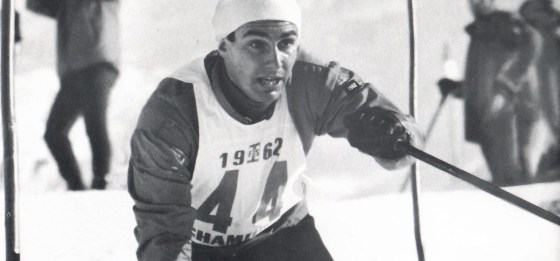


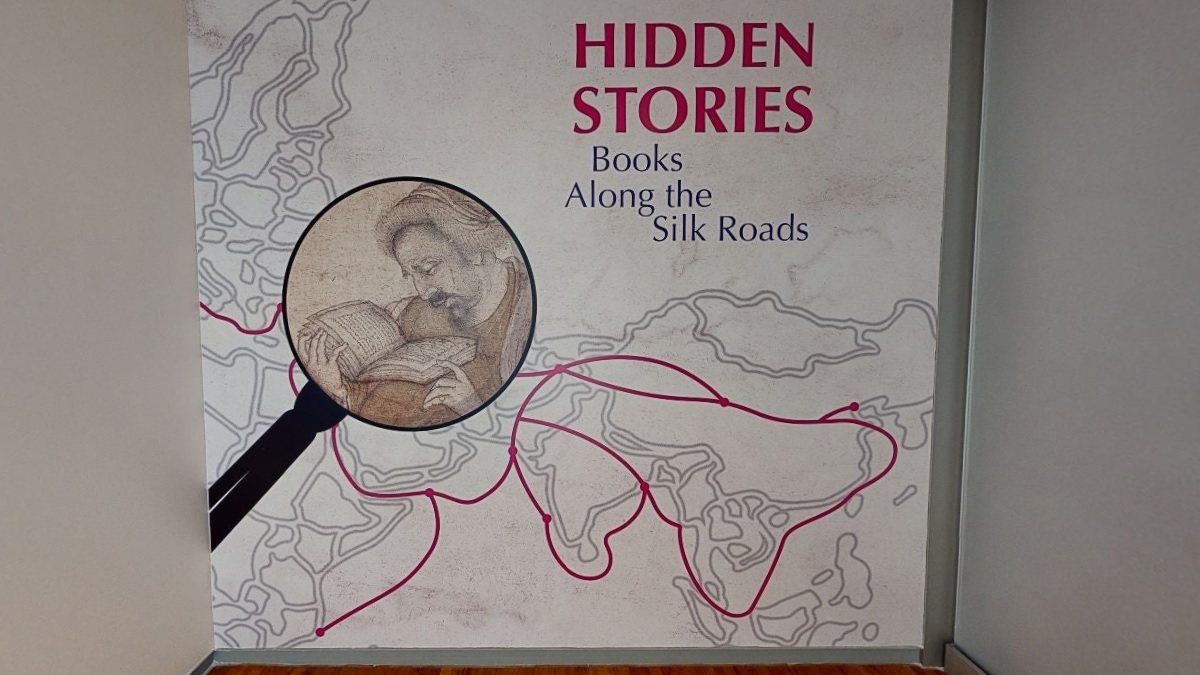
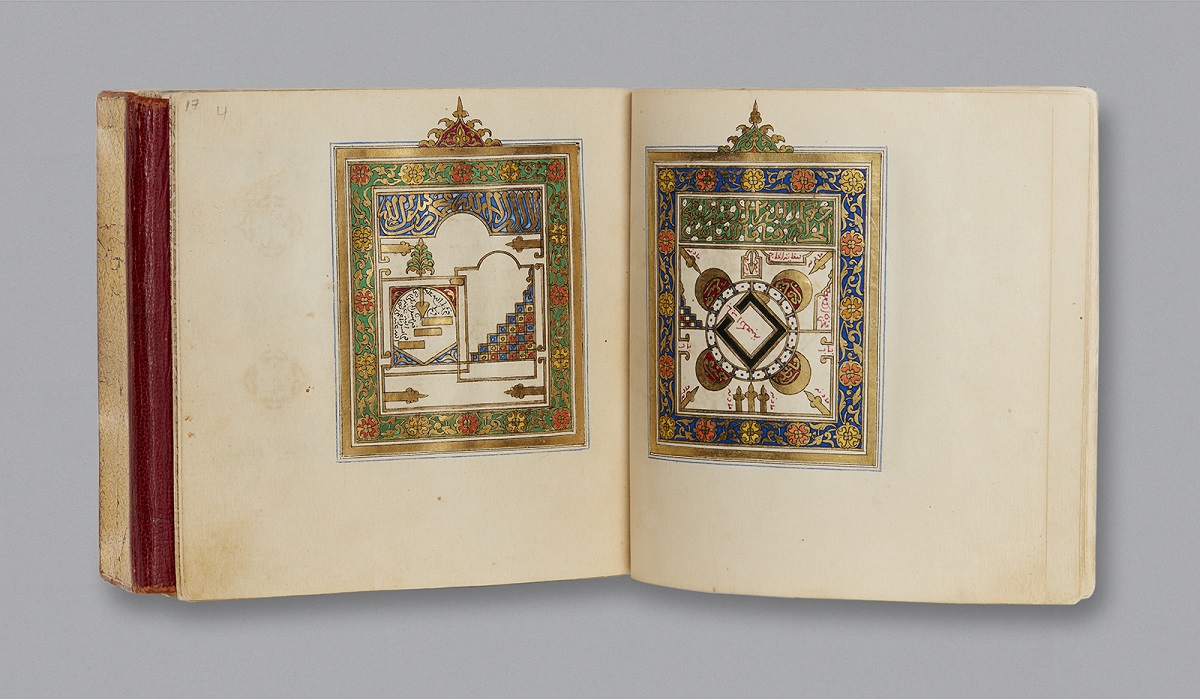


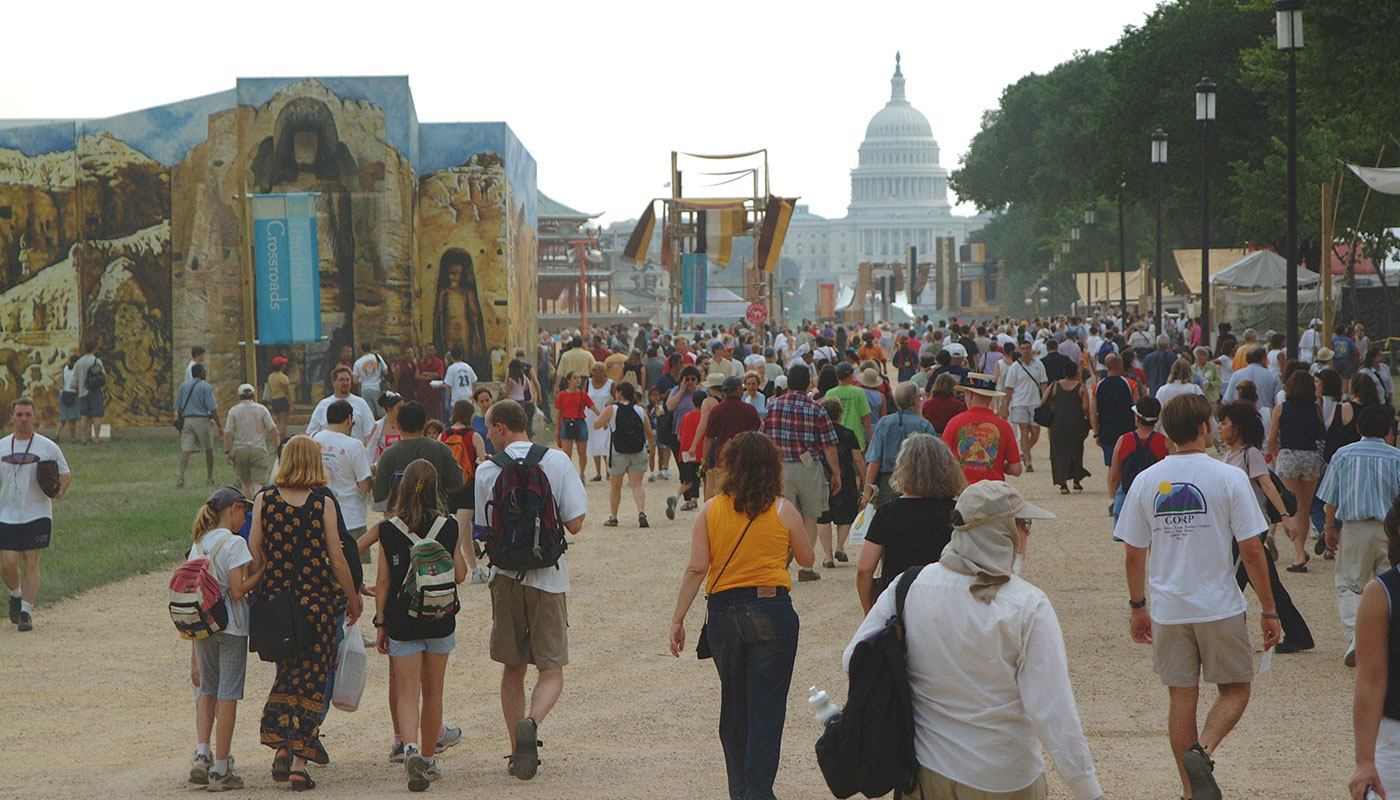



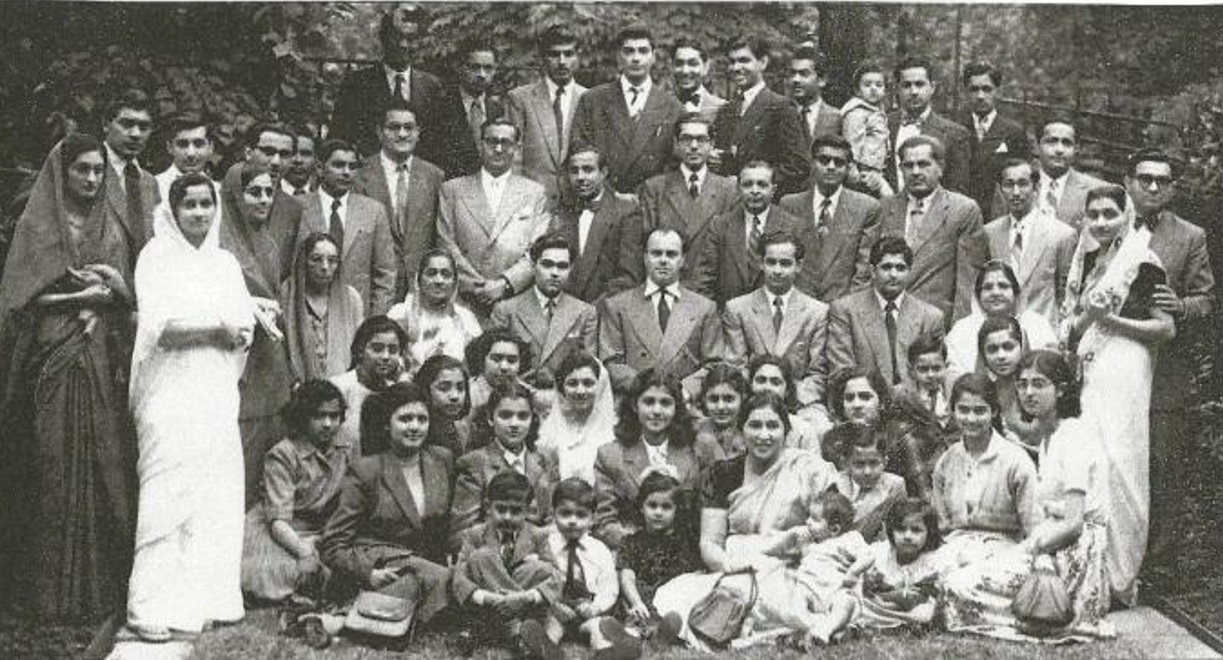
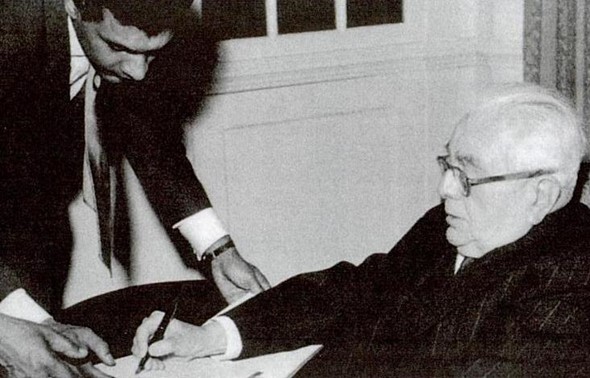
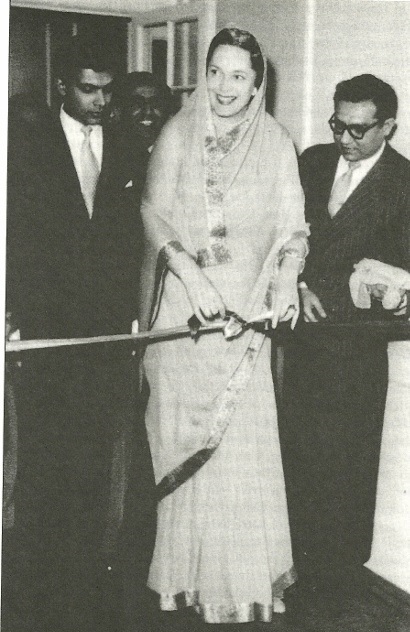


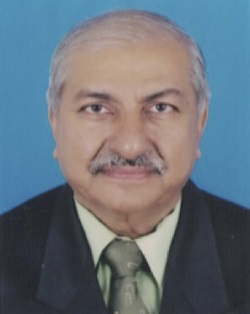
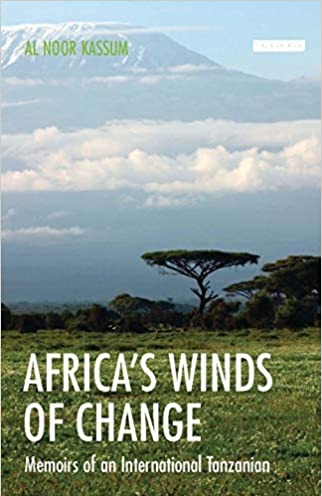
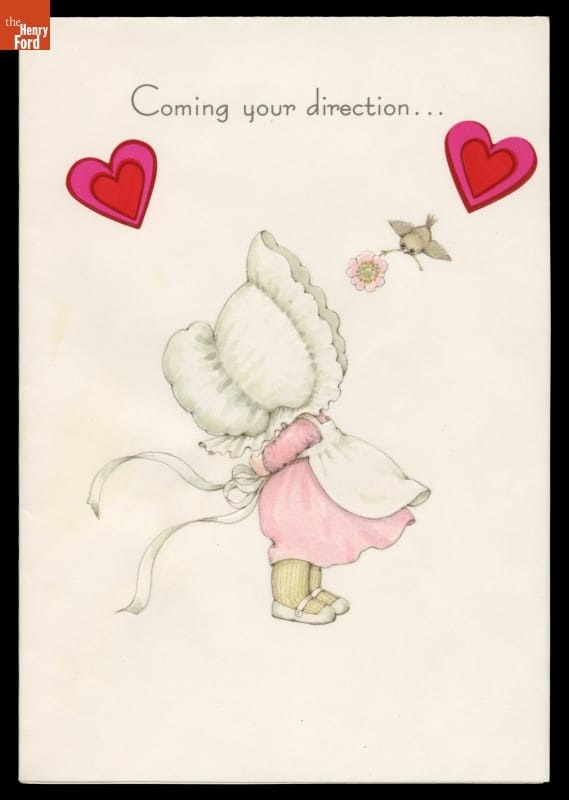
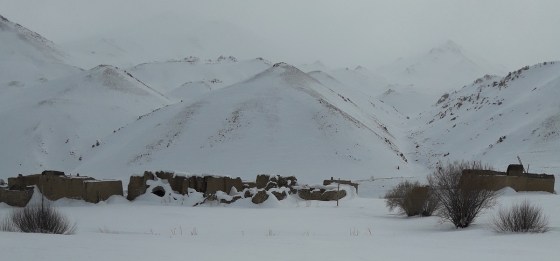
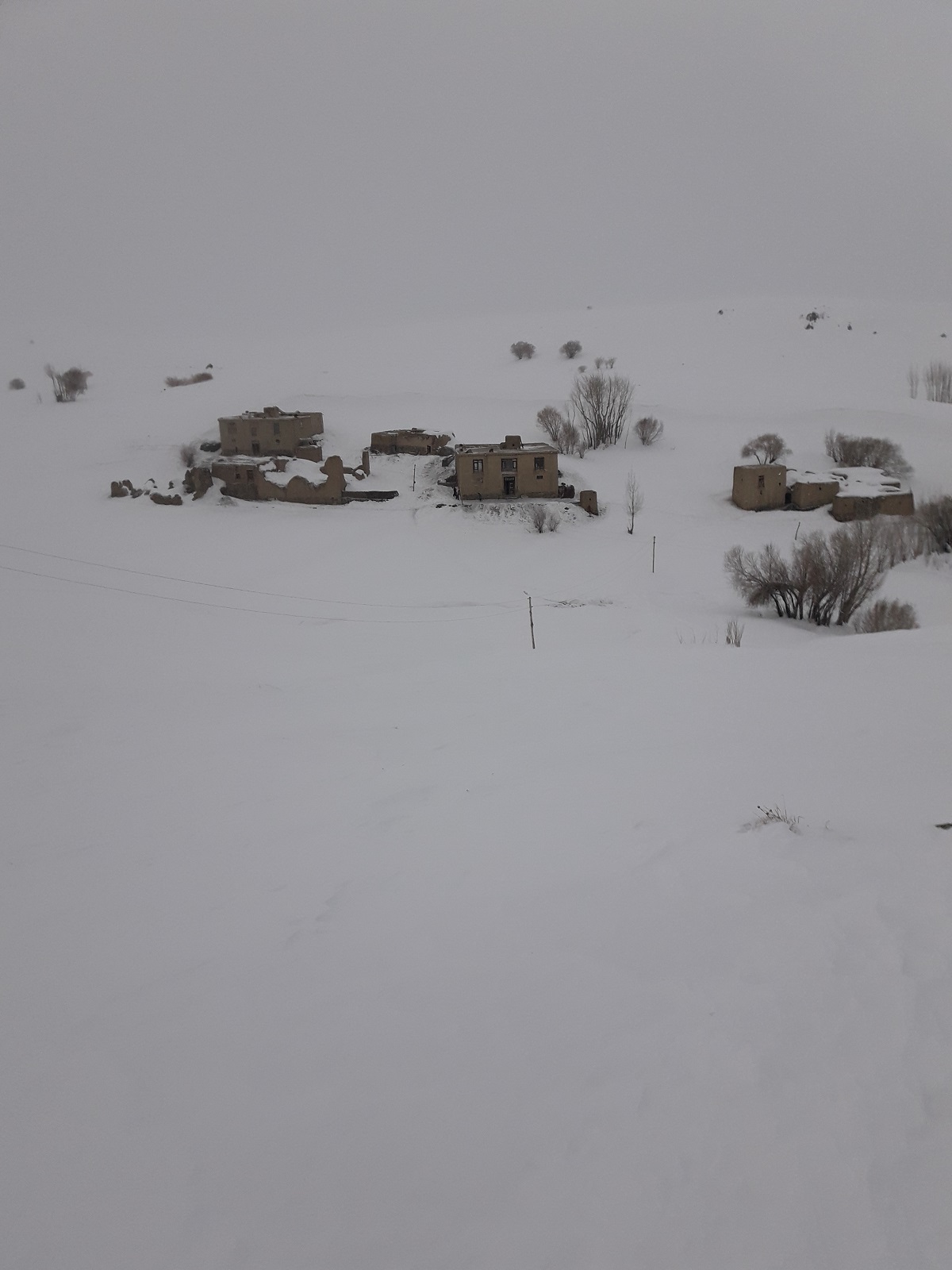
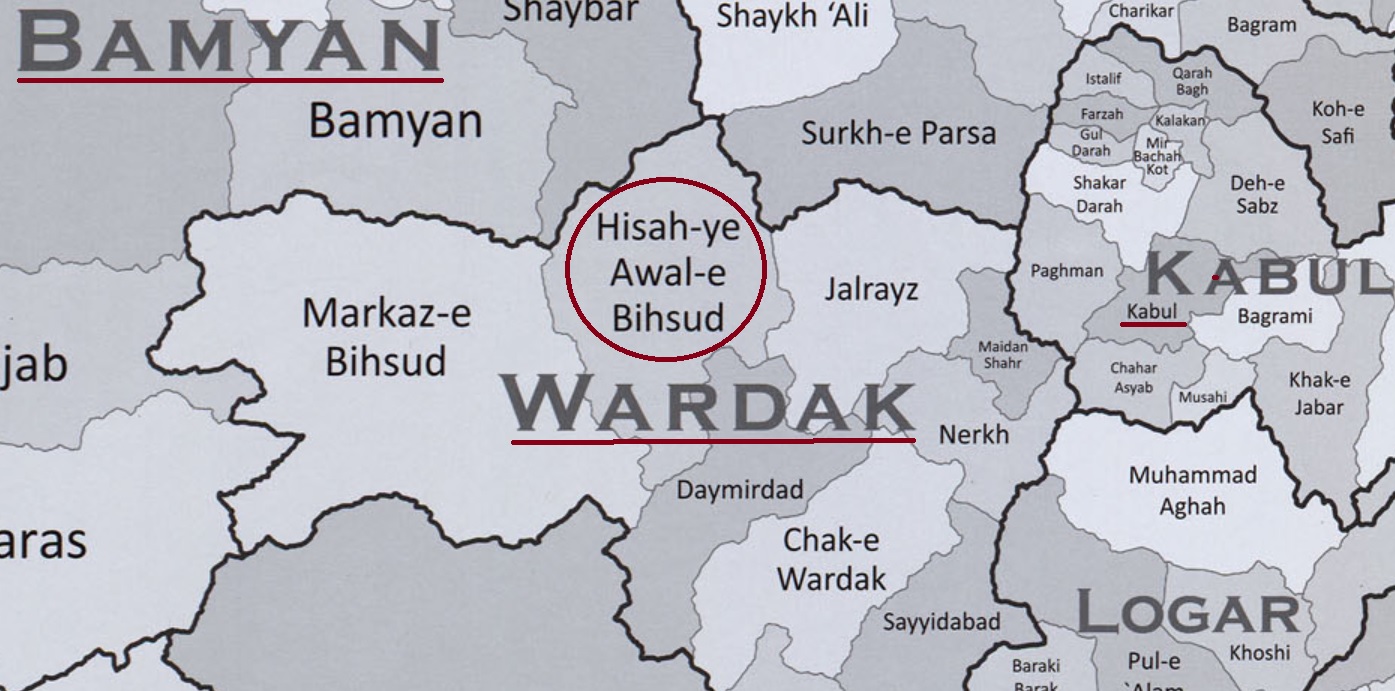
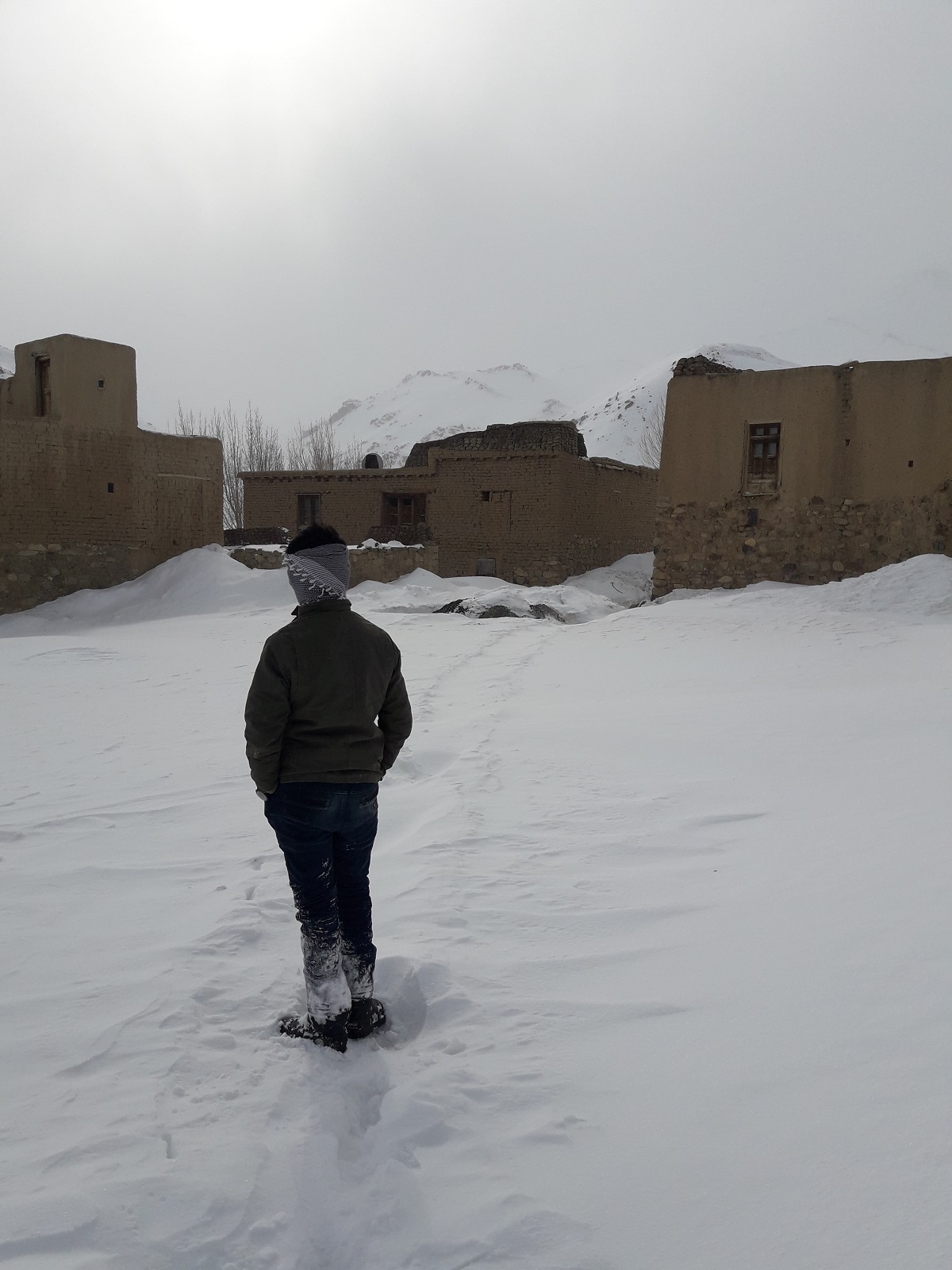
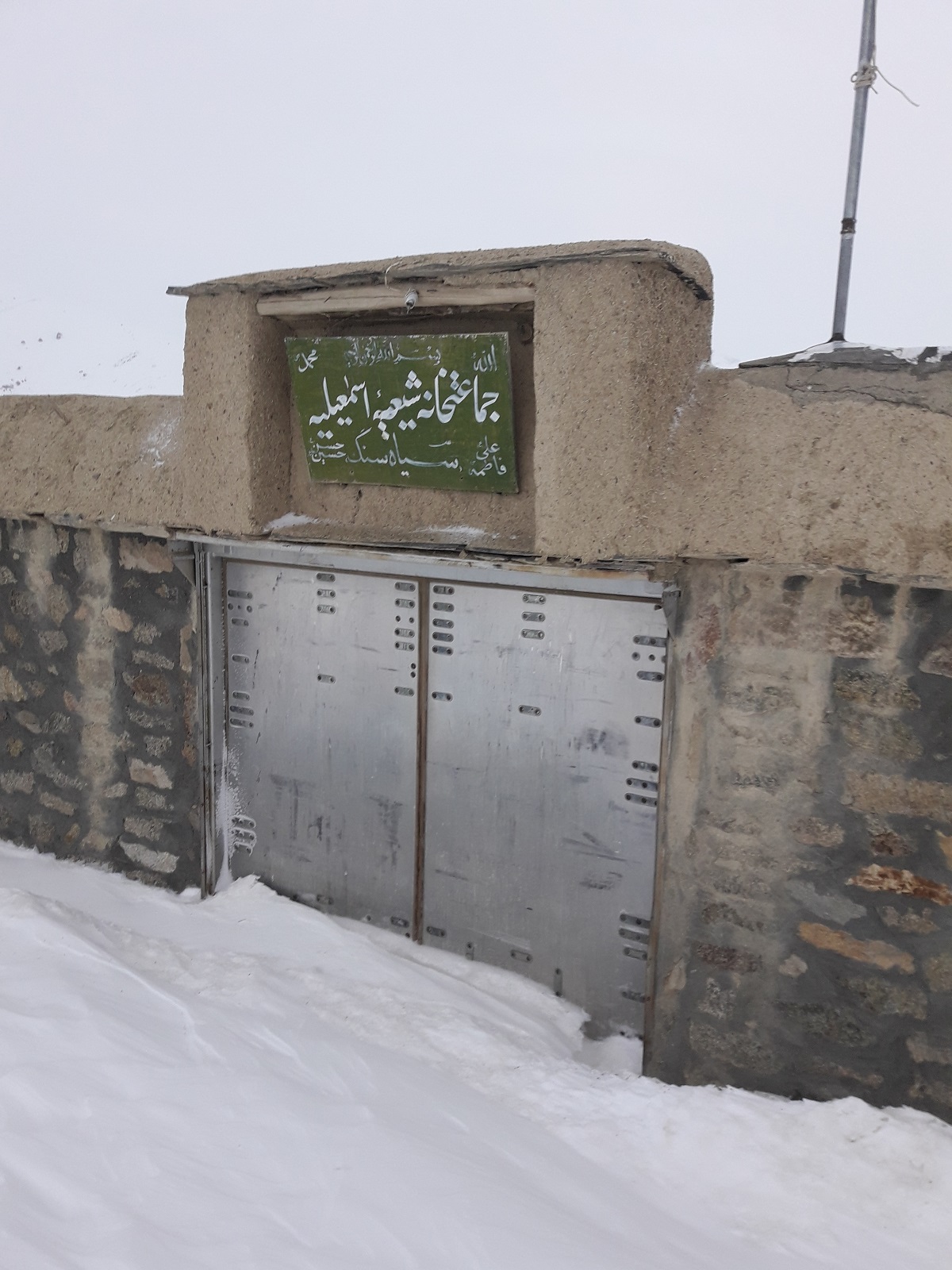
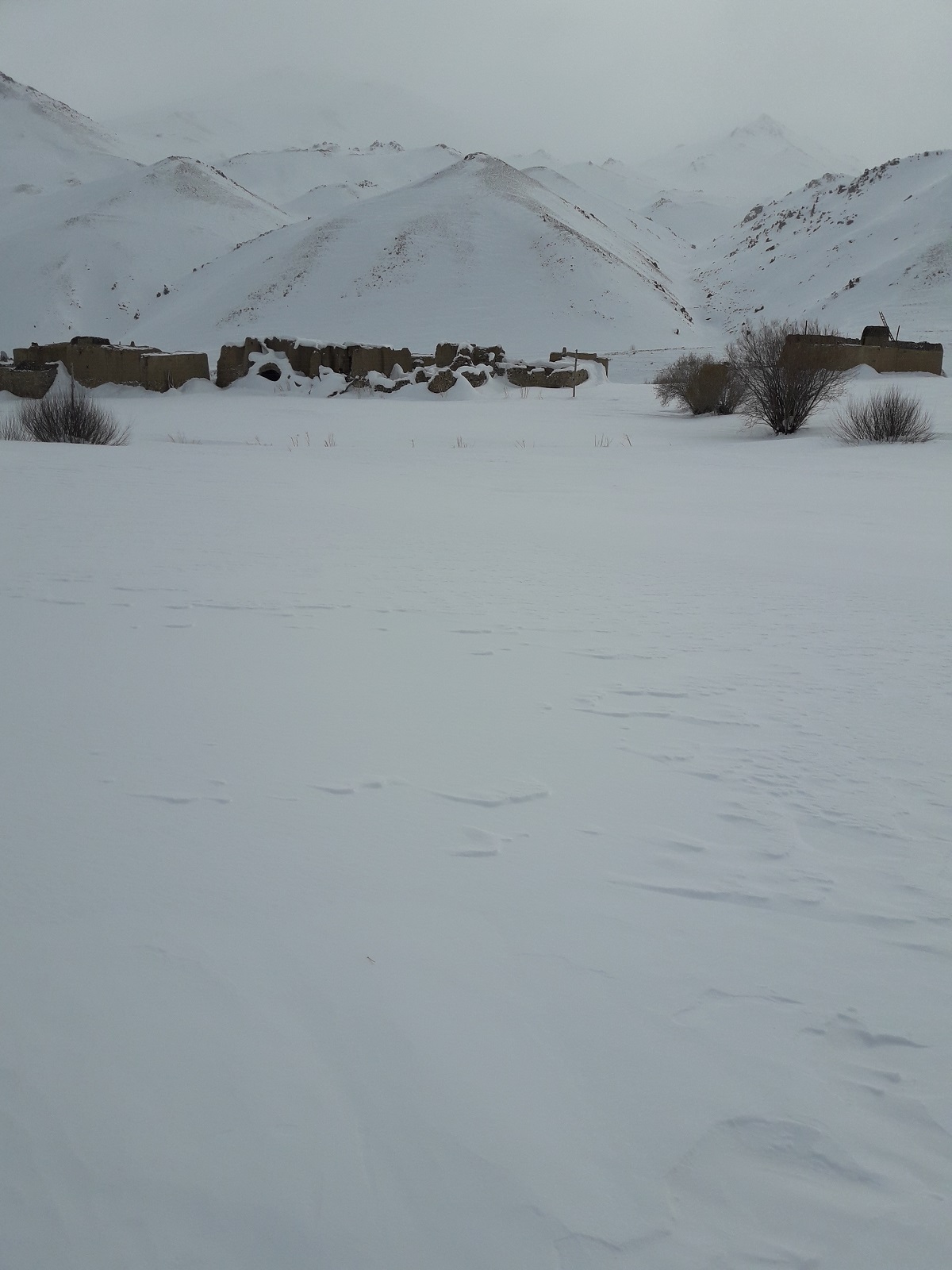

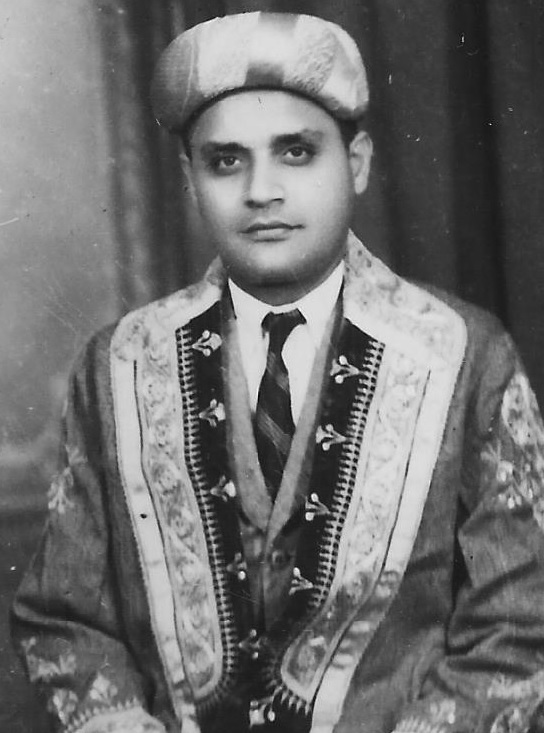

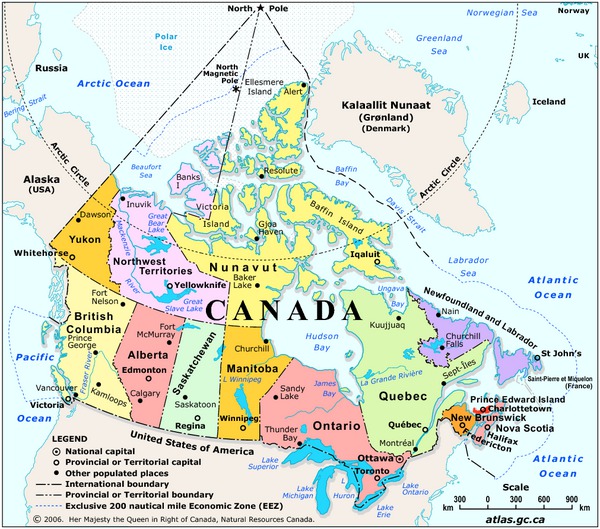
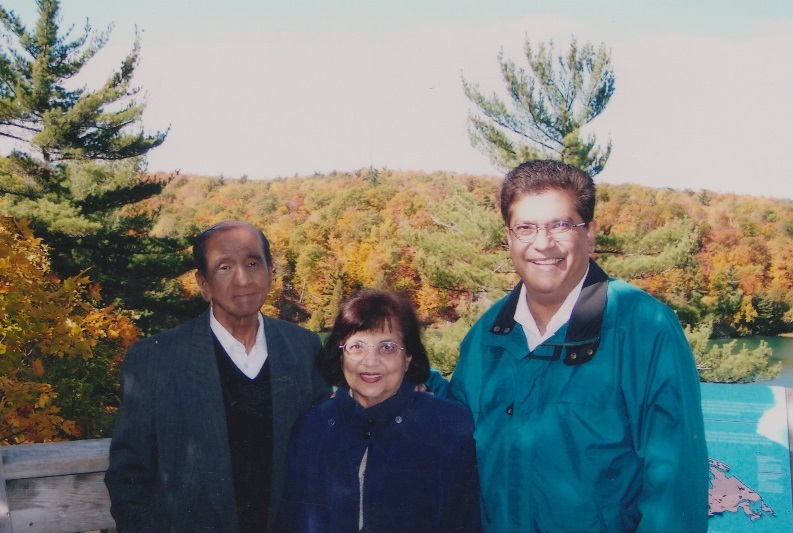
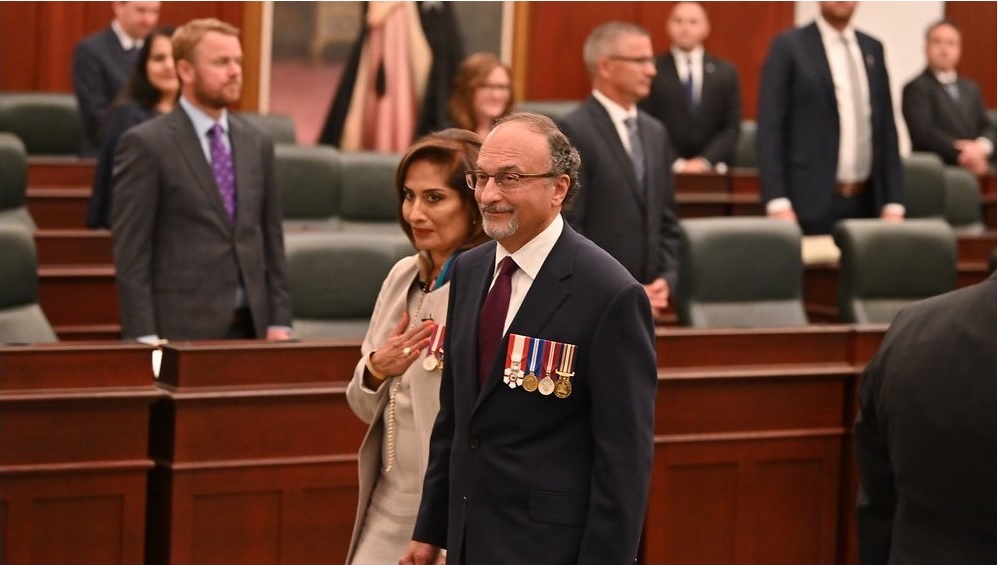
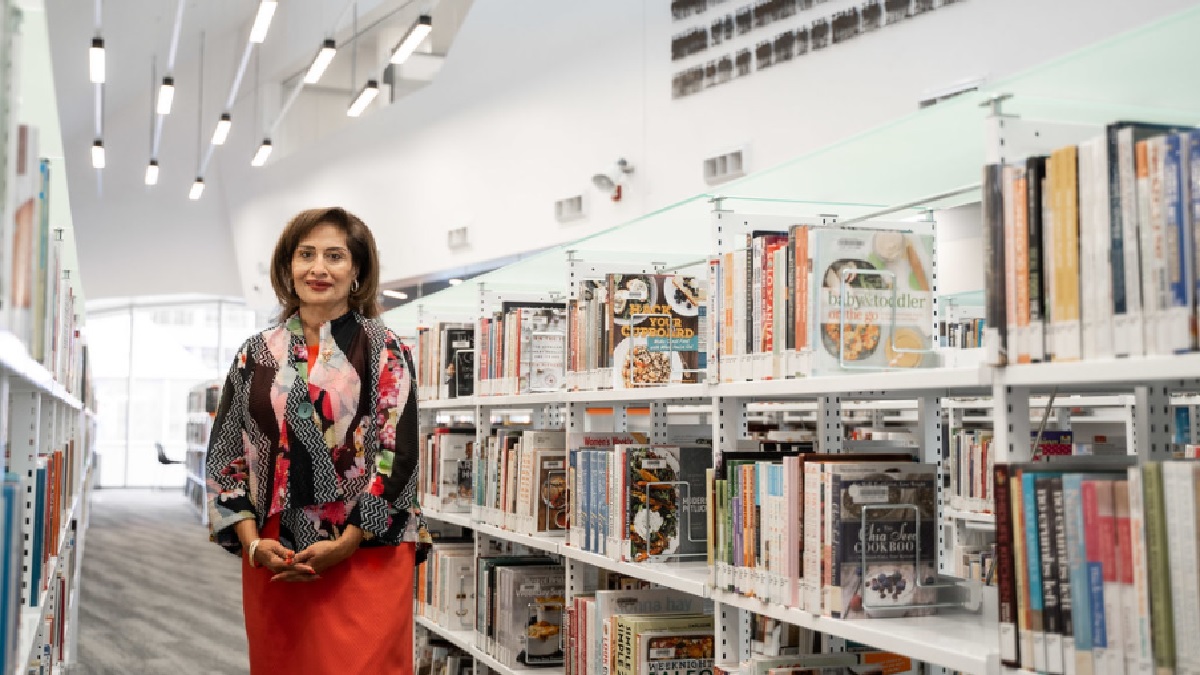


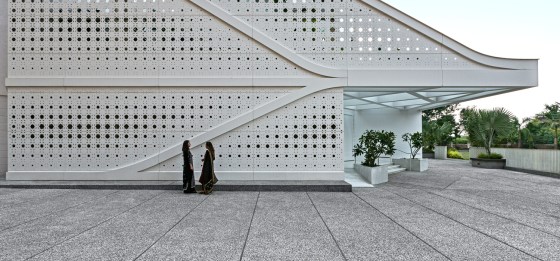
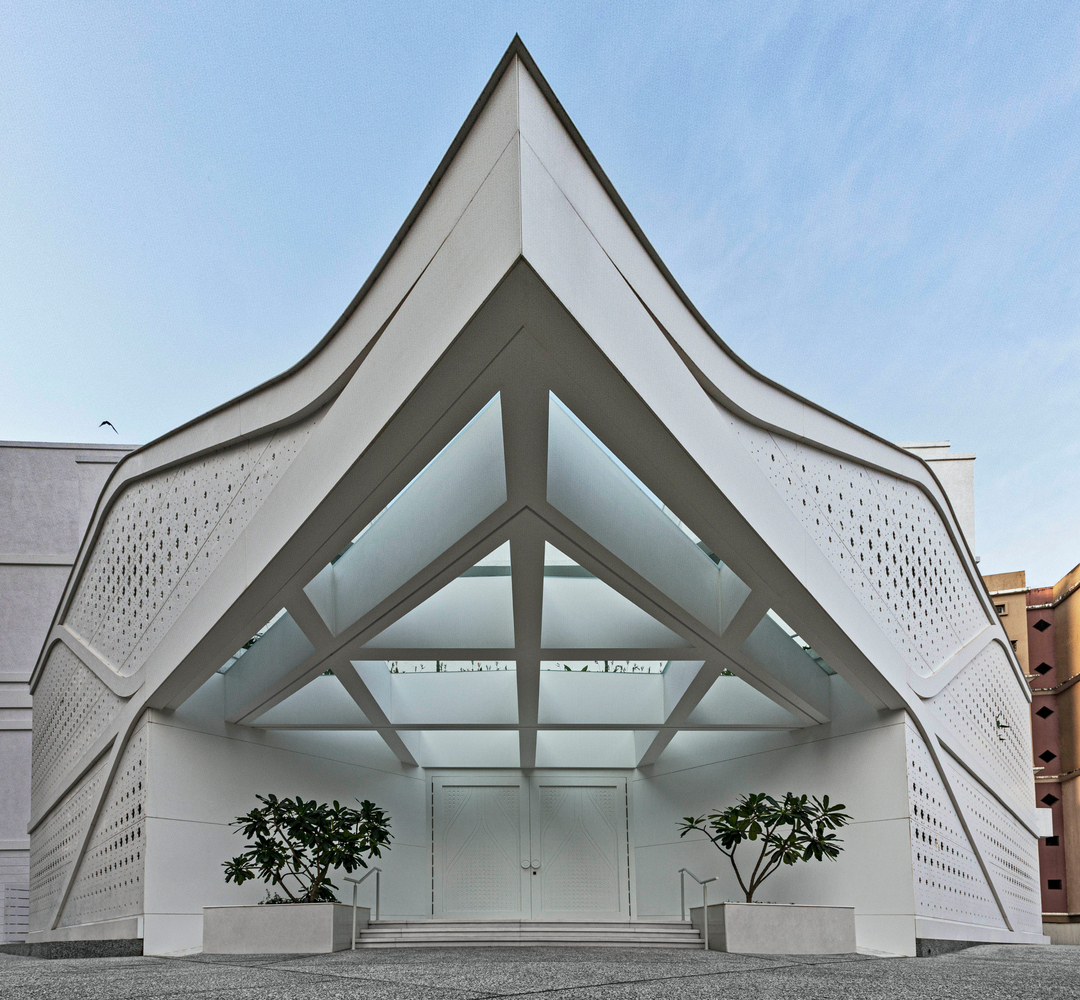
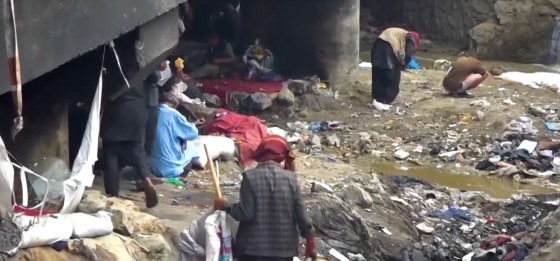
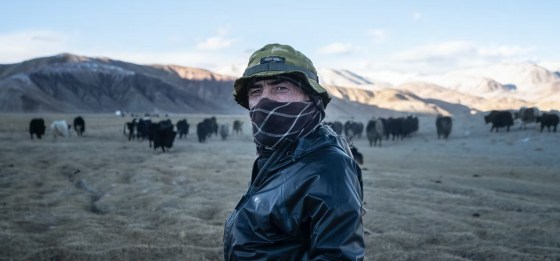
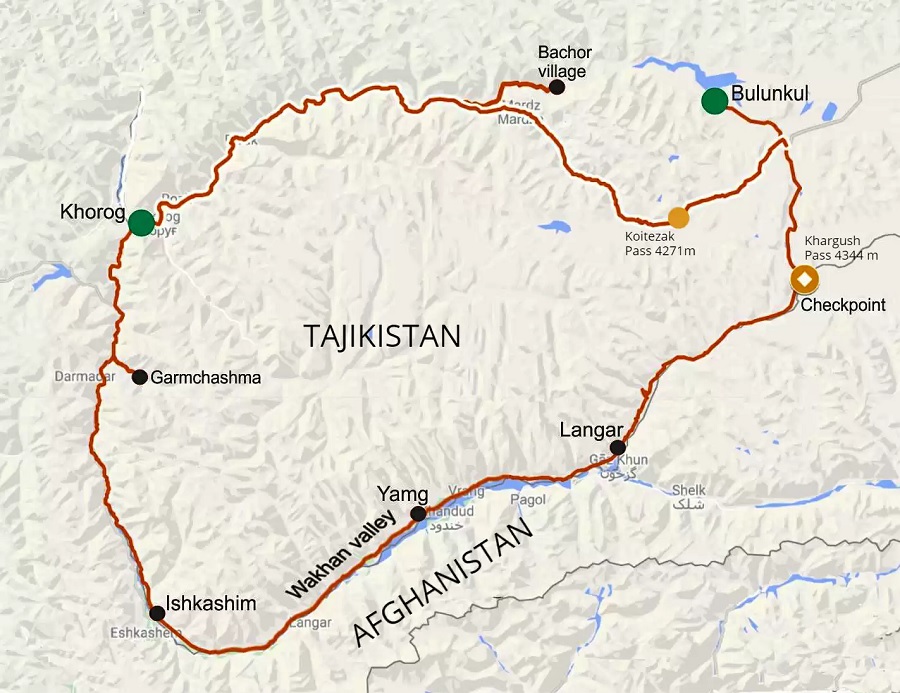

 Simerg - Insights from Around the World