A Brief History of the Ismaili Jamat of Jinja

By SALIM AND SULTAN SOMANI

The authors, Salim and Sultan Somani, acknowledge with thanks Nizar Adatia and Sultan Allidina for their valuable feedback and contribution to this article.

Introduction

This brief essay on the history of the Jamat of Jinja was prompted largely by some historical photos found in our family album and also by other photos that we encountered on the internet. Over the years we have shared these photos with friends and family from Jinja. But there are many others with whom we never had the chance to meet in person or through social media to share these remembrances. As we grow older, memories fade and people pass away, carrying with them some of the past history that the young and upcoming generation never get a chance to know about and appreciate. There are many who have no inkling of what their parents and grandparents went through, growing up in Africa, the trials and tribulations they encountered and the challenges they faced.

Rather than let these photos sleep in our albums, we have decided to give them exposure through this website, Simerg, and talk a little bit about them in the hope that they will trigger some memories and invite contributions to make this essay more complete. This essay has some gaps and missing information and is, by no means, exhaustive. Simerg, which is the repository of historical facts, findings and accounts, is, we believe, the right forum for this exposé.

These photos belonged to our beloved father, Gulamali Kara Somani, who was a great teacher and a volunteer. It is to him that we dedicate this essay and honor his memory. Towards the end of this essay, we have paid him a tribute for his outstanding and exemplary contributions to the Jinja Jamat and the role that he played in shaping and impacting the lives of all those whom he taught and worked with.

Jinja in Brief

Map of Uganda. Image credit: Perry-Castañeda Collection / University of Texas.

Situated on the shores of Lake Victoria (the third largest lake in the world), where the River Nile (the longest river in the world) leaves the lake to make its long, meandering 4000 mile journey up north to the Mediterranean Sea, Jinja had the second largest Jamat in Uganda, after the Jamat of Kampala, some 50 miles away. This is going back some 70 years, to the fifties and sixties before the 1972 crisis when the dictator Idi Amin expelled everybody of Asian origin as well as many expatriates.
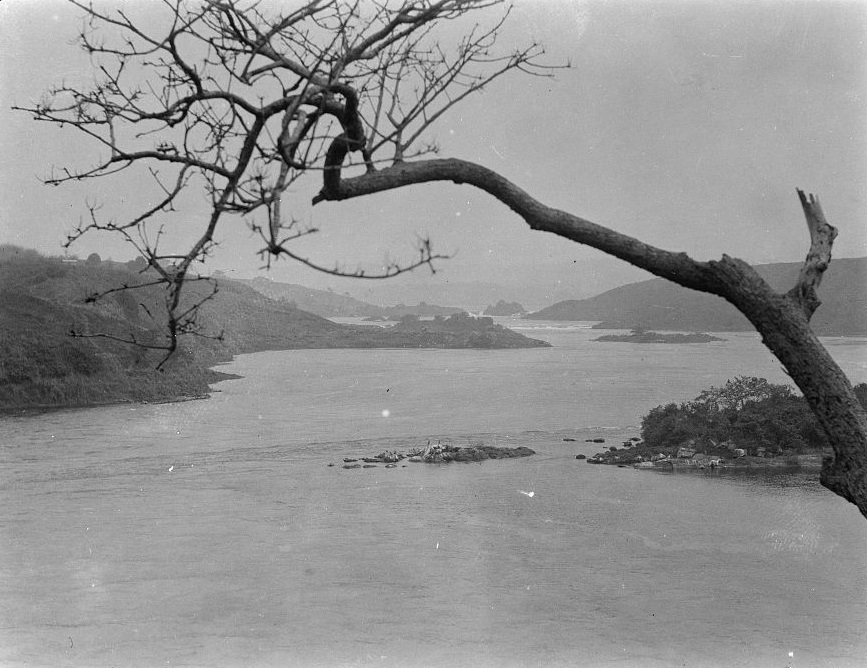
 Jinja. Victoria Nile above the Rippon Falls.
 Jinja. Victoria Nile above the Rippon Falls. Photo taken in 1936 on a flight with Imperial Airways on a World Trunk route following the Nile from the Delta to the Victoria Nile and the Victoria Lake. Photo: G. Eric and Edith Matson Photograph Collection / US Library of Congress.

On the banks of the River Nile in Rippon Village was a huge rock which was a drop off or pick up point for travellers crossing the Nile. Jinja literally means a stone or rock and this is how the city derived its name. John Hanning Speke, a British explorer, discovered Jinja as the source of the River Nile in 1858.


First Indian Settlers in Jinja

The early 1900s saw the arrival of the first Indian settlers to Jinja. This is best described in the facebook post by Jinja City:

“Indians first settled in Jinja in the early 1900s. During the late 19th century, Indians of mostly Sikh descent were brought to Uganda on three-year contracts, with the aid of Imperial British contractor Alibhai Mulla Jeevanjee, to build the Uganda Railway from Mombasa to Kisumu by 1901, to Jinja by 1920 and to Kampala by 1931. Some died, others returned to India after the end of their contracts, and others chose to settle.

“Hajji Tamachi was the first Indian settler in Jinja. He set up Jinja’s first shop and Post Office. Hajji Tamachi played a vital role in encouraging other Indians to settle and do business in Jinja. Other Indians followed suite, with Alidina Visram, Vithaldas and Kalidas also setting up shop. Vithaldas and Kalidas, Madhvani’s uncles, helped to tutor Madhvani in business. Madhavani would later single handedly transform Jinja.”

With the building of the railway and much later in 1954, the Owen Falls Dam for generation of hydro-electric power, the Indian population grew with more of them setting up shop. Different communities lived side by side in peace and harmony, doing business and providing services in their respective fields of expertise and professions. Schools were built and so were places of prayer and worship. The Hindus had their temple, the Sikhs their Gurudhwara, the Ithnasharis their Masjid and, in 1937, the Ismaili Jamatkhana was built.

Ismaili Jamatkhana in Jinja

In 1937, on March 01, thanks to the generosity of Varasianima Virbai, widow of late Mr. Ali Bandali, the Jamatkhana, school, library, traveller’s residence (or musafar khana) etc. were constructed at a cost of 25,000 shillings, for the benefit of Ismailis of Jinja. The project was dedicated to Mawlana Sultan Mahomed Shah Aga Khan (A.S.).
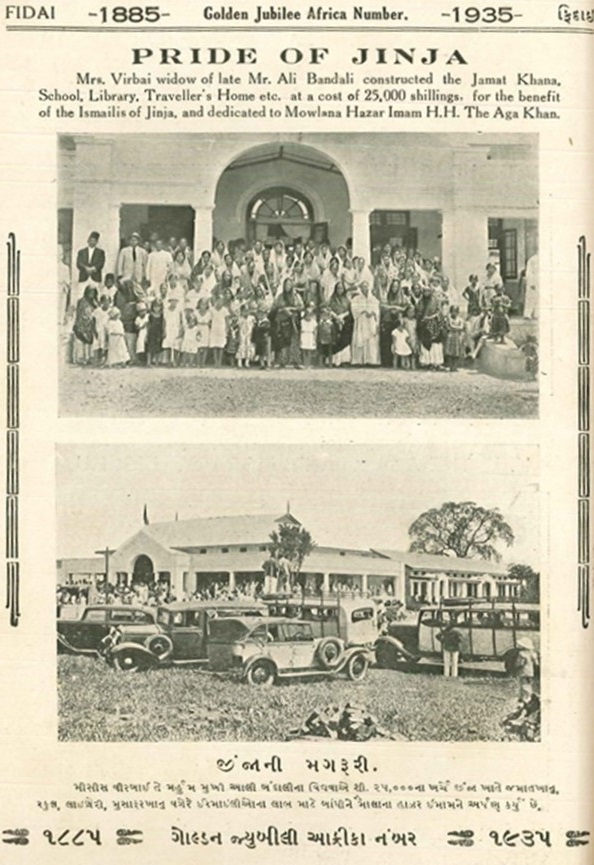
Jinja Jamatkhana opening photos from Fidai magazine, Simerg
In the top photo, younger and older members of the Jamat are seen gathered at the entrance to the Jamatkhana building at the time of the opening, a proud moment indeed for the Jamat of Jinja. The second photo shows antique cars parked in the front of the Jamatkhana building, indicating that even at that time there were affluent members in the Jamat. Photos: Fidai Magazine, 1885-1936 Golden Jubilee Number.
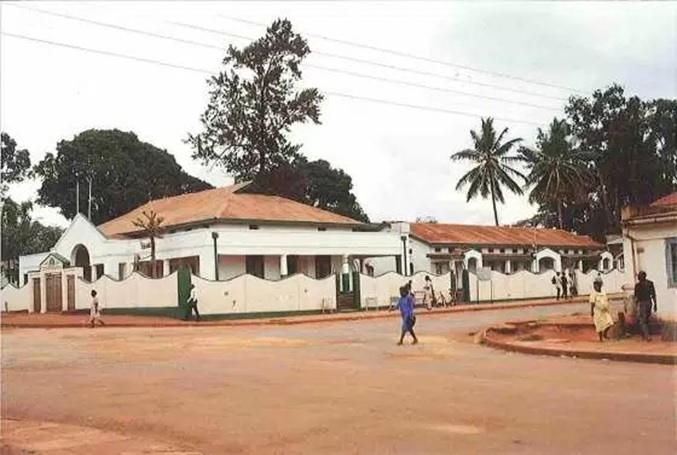
Jinja Jamatkhana, Simerg
A photo of the Ismaili Jamatkhana in Jinja taken in 2008. Note the presence of a wall around the building which was missing when the Jamatkhana was first built. See preceding image. Photo: © Nazlin Rahemtulla.

A photo of the Jamatkhana taken much later shows a wall built around the perimeter of the building to make it more secure and private. Land was also acquired for sports activities and to hold Imamat Day, Salgirah and Navroz festivities (generally referred to as Khushialis), as well as other special events.

Another new building was built to house the Council Chamber and the Council Office with some space allocated for activities such as baby shows, cooking demonstrations, exhibitions and other social events etc. The foundation stone of the building was laid by Mukhi Gulamhussein Karim. Mukhi Karim was a prominent and affluent member of the Jamat who served in key leadership positions and commanded lot of respect from members of the Jamat.


Religious Education Classes in Jinja
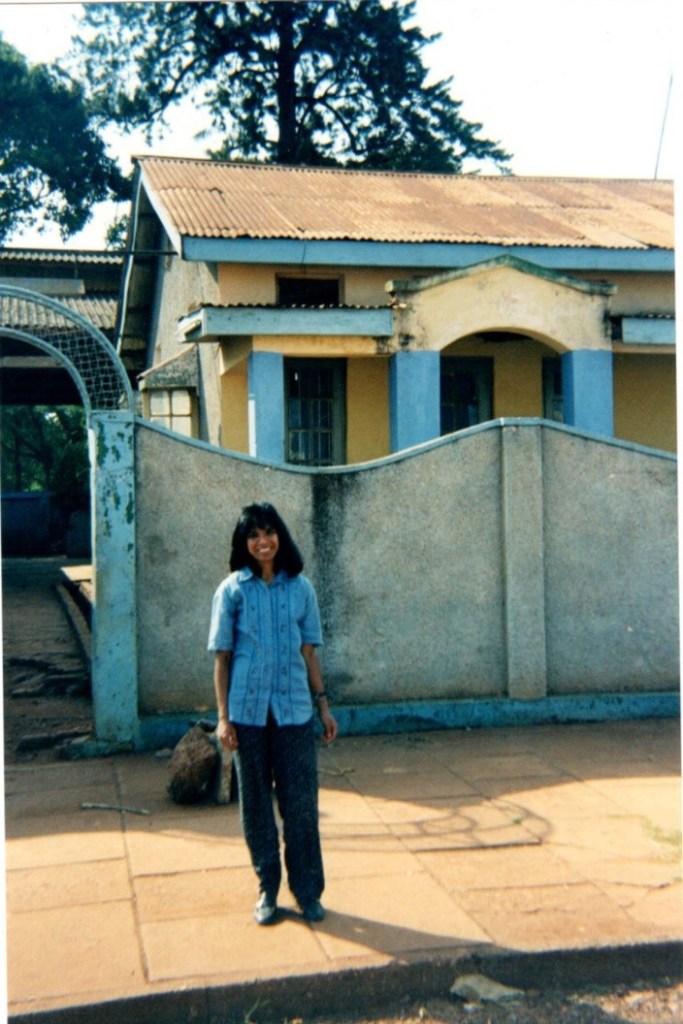
Jinja Jamatkhana building, Simerg
Shams Somani, who was on an assignment as a volunteer teacher with Aga Khan Schools Uganda during the year 1999-2000, is seen standing in front of the building adjacent to the Jamatkhana building where religious education classes were held. Next to the classrooms was the musafar khana (or traveller’s residence) and a residence for the Jamatbhai (caretaker of the Jamatkhana). Photo: Gulamali Kara Somani Family Collection.

Adjacent to the Jamatkhana building, was the building where there were spaces allocated for conducting religious education classes, a musafar khana and a residence for the caretaker of the Jamatkhana known as the Jamatbhai.

One of the principal mandates of the Ismailia Association, precursor to the present day Ismaili Tariqah and Religious Education Board (ITREB), was to run a religious education school. This school comprised of classes for students of all age groups, from lower primary to senior secondary level students. Popularly referred to as dharmic (religious) classes (the equivalent of today’s Baitul Ilm or BUI religious education program), they were held in the evenings during Jamatkhana time. After recitation of the two Du’as, subjects such as Du’a and its meanings, Ginans, History of our Holy Imams, and General Knowledge etc. were all taught. Our father, Gulamali Kara Somani, was the sole senior teacher and was assisted by other student teachers (e.g. Sultan Allidina, Rosy Kassamali) to teach the lower primary students. He was addressed to as ‘Sir’, a title that stuck with him for many years, even after he settled in Canada.

Much later on, there were other teachers who taught, namely, Gulamhussein Alibhai Pradhan (popularly referred to as GAP) and Yusufali K. Adatia (popularly referred to as YK).

‘Sir’ was a disciplinarian. Like it or not, all students were expected to go to the classes and parents made sure they did. In the evenings, there were those who played cricket and when it was time for classes, they would come carrying their cricket gear and place it at the back of the classroom. Before commencing the class, ‘Sir’ would take a cricket stump and place it on the teacher’s table in front. If anybody did not learn properly or misbehave, they would get the stump on the palms of their hands. Those were the days of corporal punishment. Generally, girls were better students than boys. But everybody learnt, whether out of fear or personal motivation and went on to progress in life. There were competitions held, such as waez (sermon) competitions, which brought out the best in the students.

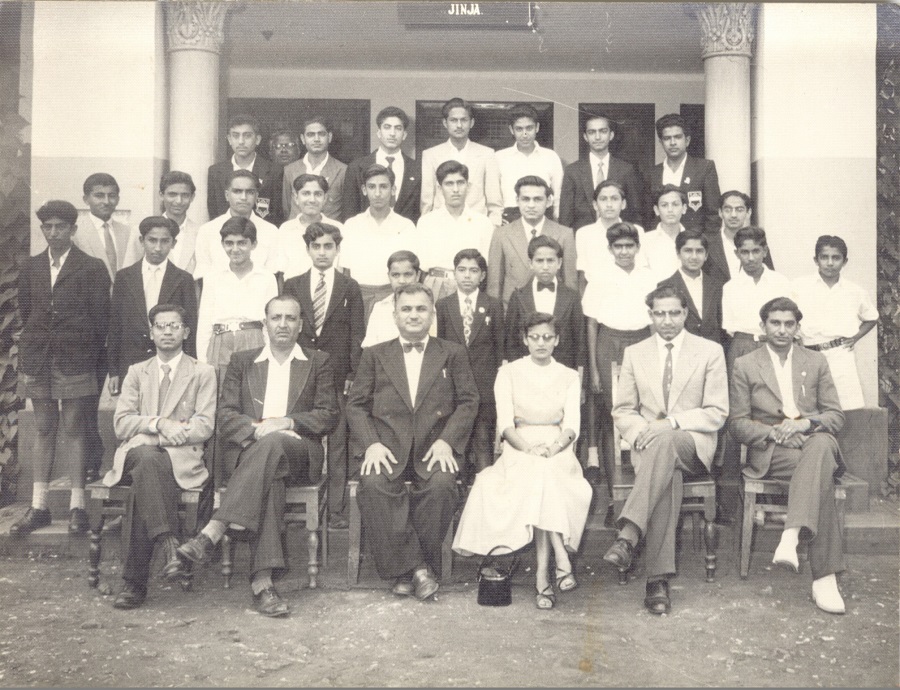
It was customary to have a visiting Alwaez meet and address the students of the dharmic classes. Such was the case when Alwaez Gulamhussein Juma visited Jinja. An opportunity was taken to take group pictures of the different classes of students on the steps of the Council Chamber and Office building.
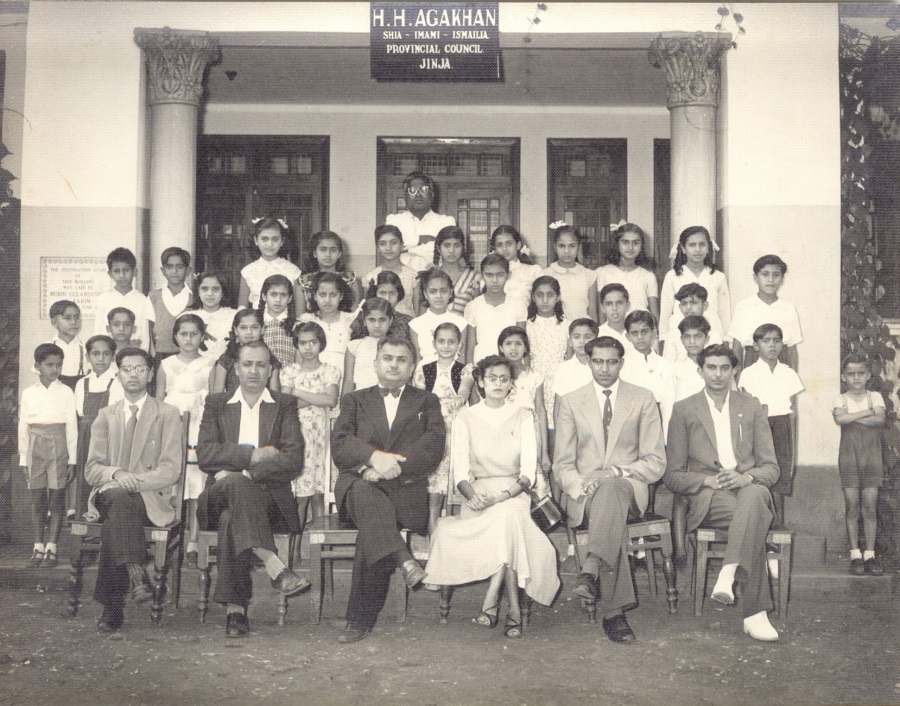
Ismaili religious education students Jinja, Uganda Simerg.
Younger students of Jinja’s Ismaili religious education classes pictured with visiting Alwaez Juma, members of the Ismailia Association and the Jamatbhai, Dhanjibhai, standing at back centre, with hands folded. Seated front row left to right: Mr. Sadru Jiwani, Mr. Fazal Gulamhussein, Alwaez Gulamhussein Juma, Mrs. Maleksultan Hemani, Mr. Yusuf Adatia and Mr. Gulamali Kara Somani, our father (popularly called ‘Sir’). Individuals who can identify themselves or can be identified through their friends and colleagues are invited to present their names to Simerg@aol.com for a caption update. Photo: Gulamali Kara Somani Family Collection.
Ismaili religious education students Jinja, Uganda Simerg.
Younger as well as some older students of Jinja’s Ismaili religious education classes pictured with visiting Alwaez Juma, members of the Ismailia Association and the Jamatbhai, Dhanjibhai, standing at back, second from left, with glasses. Seated front row left to right: Mr. Sadru Jiwani, Mr. Fazal Gulamhussein, Alwaez Gulamhussein Juma, Mrs. Maleksultan Hemani, Mr. Yusuf Adatia and Mr. Gulamali Kara Somani, our father (popularly called ‘Sir’). Individuals who can identify themselves or can be identified through their friends and colleagues are invited to present their names to Simerg@aol.com for a caption update. Photo: Gulamali Kara Somani Family Collection.

The three historic photos that are presented here may have volumes to speak about the individuals, with their own personal stories and experiences. Unfortunately, some may have passed away. Of course, individuals who can identify themselves or whose friends can identify for them are invited to present their names to Simerg@aol.com so that the captions may be updated. For now the captions in all the three photos only include the names of the office bearers seated on the front row with Alwaez Juma.
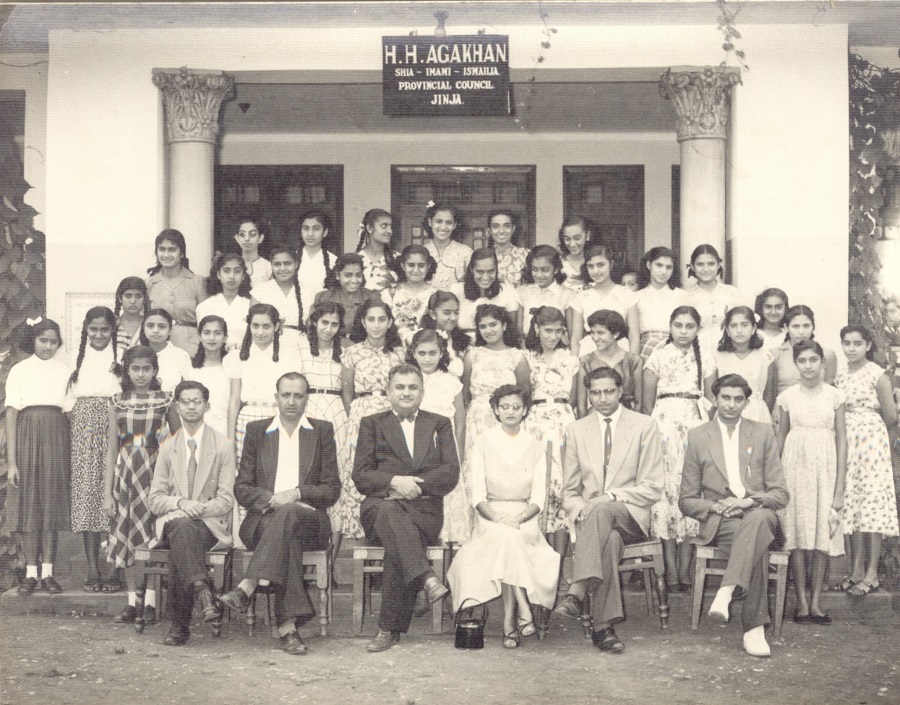
Ismaili religious education students Jinja, Uganda Simerg.
All girls! Students of Jinja’s Ismaili religious education classes pictured with visiting Alwaez Juma and members of the Ismailia Association. Seated front row left to right: Mr. Sadru Jiwani, Mr. Fazal Gulamhussein, Alwaez Gulamhussein Juma, Mrs. Maleksultan Hemani, Mr. Yusuf Adatia and Mr. Gulamali Kara Somani, our father (popularly called ‘Sir’). Individuals who can identify themselves or can be identified through their friends and colleagues are invited to present their names to Simerg@aol.com for a caption update. Photo: Via author contacts.

Dhanjibhai – Jinja’s Jamatbhai

Dhanjibhai
Dhanjibhai – see previous group photos

A unique individual in two of the photographs shown above, is the unmistakable figure of Dhanjibhai, bespectacled standing behind the group. He was the Jamatbhai, the caretaker for the Jinja Jamat who took care of the day-to-day operation of the Jamatkhana: opening and closing the Jamatkhana, cleaning, making all the necessary arrangements, preparing tea on a sigri (charcoal burning stove) etc. He was the point man for getting anything done on the Jamatkhana premises and had the keys to all the rooms. He was also responsible for collecting Jamatkhana empty plates, bowls etc. from Ismaili households, going from house to house and putting them in a big raffia basket carried by an assistant. Dhanjibhai also delivered notifications to all those who had been given waras (assignments) to recite Du’a, Tasbih, Ginan etc. in Jamatkhana. The response for the acceptance or non-acceptance of the wara had to be given immediately and indicated on the wara card.

Dhanjibhai lived in a residence just next to the musafar khana with his wife, popularly known as maasi (aunty). In the evenings, maasi would prepare fried mogo (cassava) on a makaara (charcoal) burning sigri (stove) and was stationed near the back exit door. She would sell these mogo pieces inexpensively to supplement their meager income. There was chili, salt and a ambli (tamarind) sauce to go with the mogo which was a real treat. As youths, we would always look forward to this mouth-watering mogo after Jamatkhana, huddling near the parked cars on the street and socializing as we waited for our parents to come out of Jamatkhana.

Ismaili Institutions in Jinja
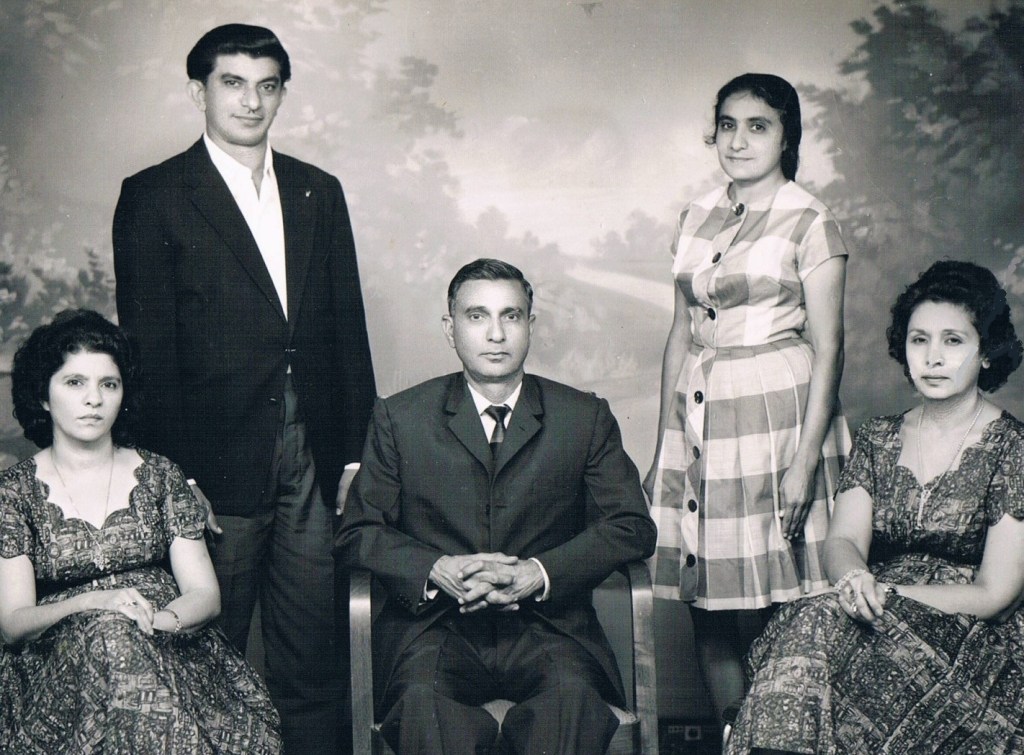
Ismailia Association members Jinja, Uganda, Simerg
Jinja Ismailia Association members. Sitting left to right: Mrs. Shirin Haji Bachu, Mr. Ibrahim Mohamed Jamal (Chairman) and Mrs. Noorbanu Mohamed Mitha; and standing are Mr. Gulamali Kara Somani (our father: ‘sir’) and Ms. Malek Alarakhia, who was a secular school teacher. Photo: Gulamali Kara Somani Family Collection.

Inspite of the relative small size of the Jamat, Jinja was very well organized with a functioning Provincial Council, an Ismailia Association as well as numerous sub-committees to cater to the needs of different segments of the Jamat including women and youth. The Ismailia Association was primarily responsible for imparting religious education to members of the Jamat, arranging waezeen tours from time to time, selling religious books, making Farmans available, as well as ensuring that rites, rituals and religious ceremonies were being followed.
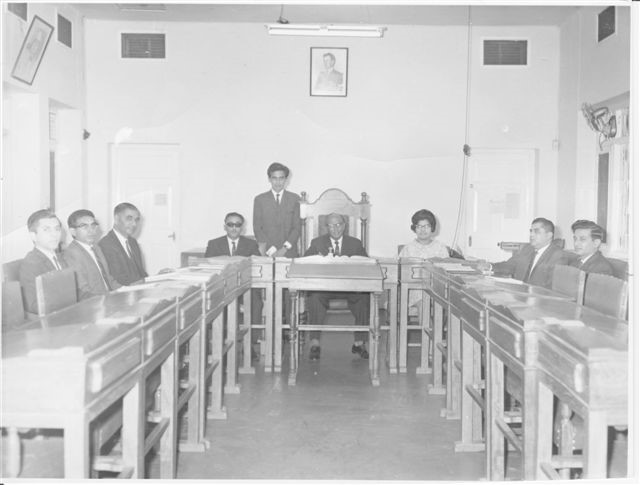
Aga Khan Proivincial Council Jinja Uganda, Simerg
The Jinja Aga Khan Provincial Council in session. Sitting clockwise from left are Mr. Sadru Mitha, Mr. Abdul Ramji, Mr. Haji Bachu, Mr. Abdul Devji, Mr. Badru Gulamhussein Adatia (Secretary), Mr. Haroon R. Khamis (Council President), Mrs. Gulshan Adatia, Mr. Madat Hemani, and Mr. Sadru Walji Adatia. Photo: Via author contacts.
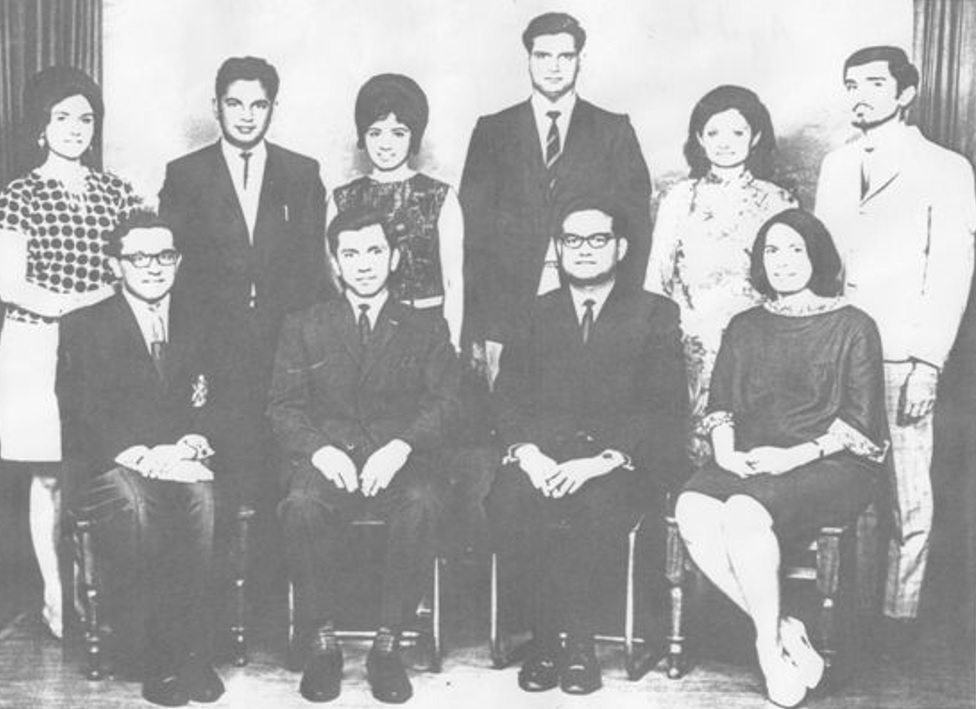
Members of the Jinja Ismaili Jamat Entertainment Committee, Simerg
Members of the Jinja Ismaili Entertainment Committee. Seated left to right: Sadrudin V. Virani (Hon. Treasurer), Sadrudin Mitha (Ismaili Youth Organization, IYO, member), Madat Shariff (Chairman), Parin Jamani (Hon. Secretary); standing left to right: Zebun Mitha, Nizar Shariff, Zebun Khamis, Bahadur Shamji, Gulzar J. Karim and Amirali A. Lalani. Photo: Via author contacts.

In sports, the youths of Jinja were very active in practically every sport, be it badminton, table tennis, volleyball and netball (equivalent to today’s basketball). Soccer and cricket were also played, though the playground was not large enough. Volleyball, traditional style, was played regularly, usually over the weekends. Of particular interest was the volleyball match played between married vs bachelors that took place once a year during one of the Khushialis. The match created quite a rivalry and was talked about for weeks afterwards.

At Khushialis, the whole playground was taken over with various activities, both for youths and adults. Starting with the flag raising ceremony, there were games and matches played. Usually the finals in sports such as table tennis were played on that day and trophies awarded to the winners. At lunch time there was sagridaam jaman (communal feast) when pillau (rice), cooked in a deg (large pot) was served in thalaas (large round trays) by the dynamic volunteer corps in full uniform. The Khushiali was a two-day weekend event with dandiya raas (Indian folk stick dance) and raas garba (circular folk dance) being played on Saturday until late at night with music provided by the Ismaili band.

Ismaili Business and Professional Activities in Jinja

Ismaili entrepreneurs were active in all spheres of business; Taxi & Car Rental (Hadi Jamal), Bus Company (Mohamed Mitha, Ibrahim Mohamed, Kassam Haji), Watches & Jewellery (Charanias), Insurance (Hussein Velji), Hotel Blue Cat (Abdul Devji), Restaurant & Bar (Sadru Hussein Rashid Khamis), Wholesale Clothing (Jeraj Sheriff), Portello Soda (Mohamed Remtulla), Pharmacy Retail (Jamal Govindji – Musa Diamond), Gifts (Madatali Hemani), Shoes (Sadru Bata), Molasses (Madatali Moolji), Bakery (Rahim Rajan), Butchery (Alaudin Kara) etc. to name just a few. There were also professionals such as Dr. Abdul Kassam Adatia, first Dean of Faculty of Dentistry at Bristol University (U.K) and visiting professor at Makerere University (Kampala), Yusuf Adatia (Architect) and secular school teachers, Ms. Malek Alarakhia, Ms. Gulzar Allidina and Ms. Gulshan Allidina, who appears in a very rare secondary school staff photo shown below. Indeed, generations of Ismaili students who attended the school will be able to relate to the photo, by recognizing some of their teachers.

Photo of Staff at Senior Secondary School in Jinja
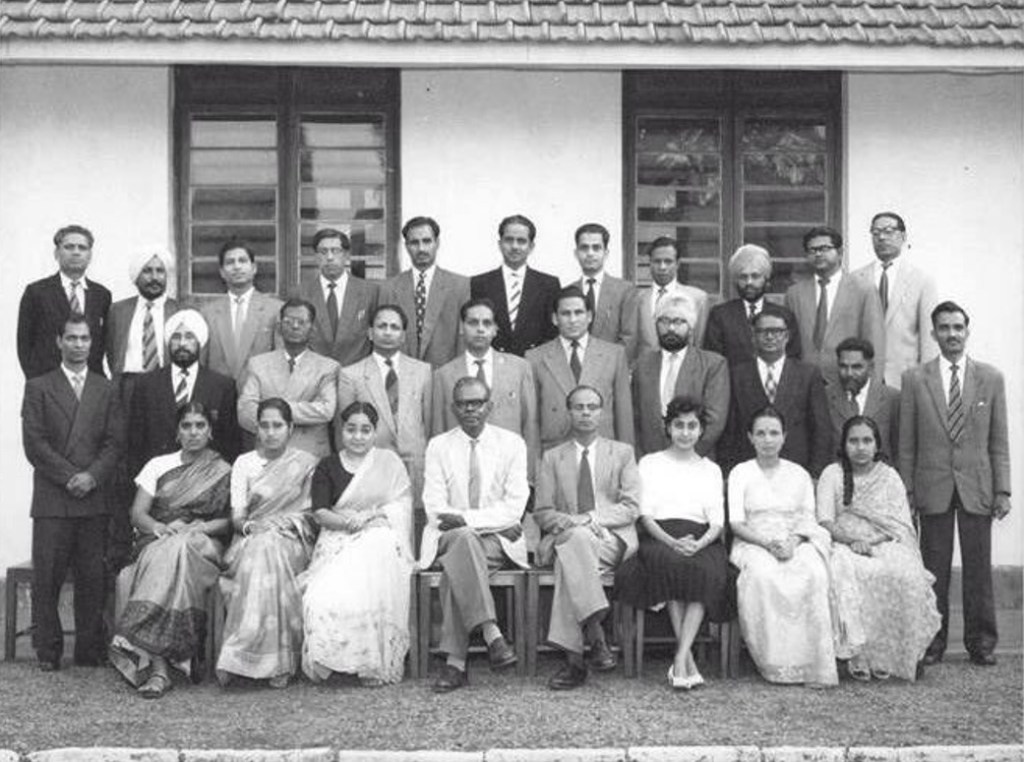
Secondary School Jinja teachers Uganda Simerg
Back row, left to right: R. L. Avasthi, Bahal Singh, L. A. Gomes, B. S. Bhabuta, C. M. Bashir, R. C. Saksena, S. V. Ayyar, P. S. Nayar, Jaswant Singh, A. D. Oza and C. P. Bhabuta; Middle row, left to right: D. B. Deshpande, Beant Singh (Sr. Master Eng.) K. M. Chakravartty, R. S. Aggarwal, J. C. Aggarwalla, Sheikh M. Hussain, B. S. Batra, S. Chakraborti (Sr. Master Hist.), A. A. Khan (Sr. Master Urdu), and H. P. Joshi; and Seated left to right: Miss J. K. Sandhu, Mrs. J. K. Sangha, Mrs. P. Dass, R. N. Banernjee (Headmaster), N. R. Metha (Chief Asstt,), Miss G. Allidina, Mrs. M. Saxana, and Mrs. S. Desai. Photo: Via author contacts.

Visit by Mawlana Hazar Imam to Jinja in 1957

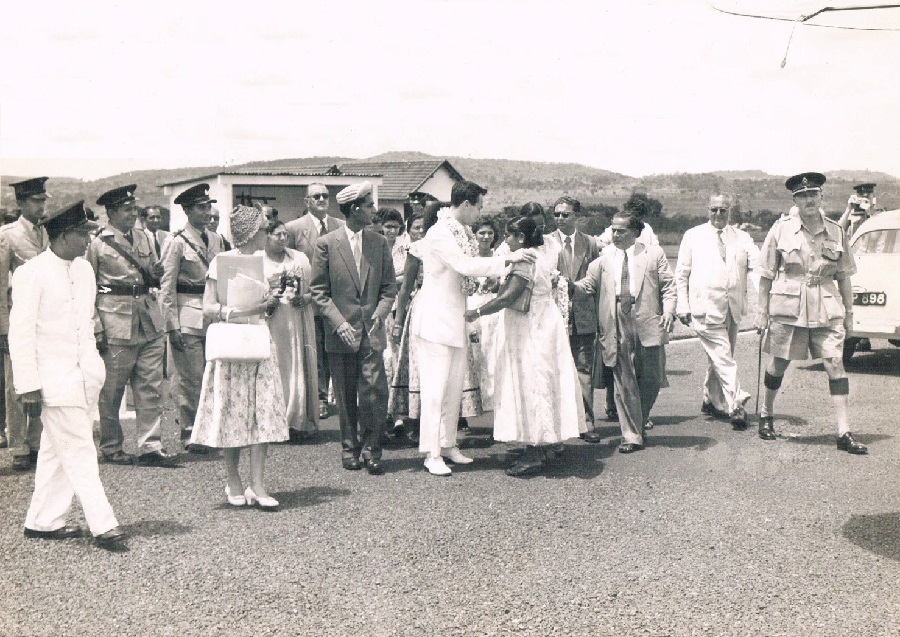
The Jinja Jamat was blessed with two visits by Mawlana Hazar Imam. The first one was in 1957, shortly after the Takhtnashini (ceremonial installation) on October 25, 1957 in Kampala, and the second took place in 1966, when Mawlana Hazar Imam made an extensive visit to East Africa.
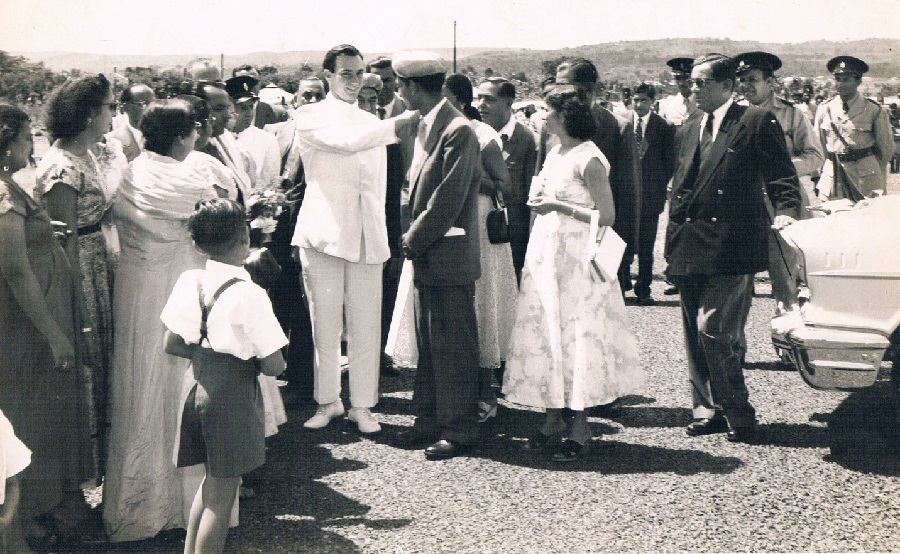
Aga Khan in Jinja
Mawlana Hazar Imam arrives at Jinja airfield, and is received by the Jamati leadership. Here he is seen blessing Kamadia Haji Bachu with Kamadiani Shirin standing next to him. Immediately behind Hazar Imam is Mukhi Shamsudin Mohamed (with hat). Leaning on the car is Alwaez Jaffererali Sufi. On the extreme right is our father (‘Sir’) in full uniform, standing behind Mr. Haji Molu, his colleague. Photo: Gulamali Kara Somani Family Collection.
Aga Khan in Jinja, Simerg
Mawlana Hazar Imam blesses Mrs. Jenabai Karim after being garlanded by her upon his arrival at the Jinja airfield. In the foreground, dressed in white with a hat is Mr. Sadruddin Karim, who was designated to drive Mawlana Hazar Imam’s car in Jinja. In volunteer uniform, at far left, are (left to right): Mr. Amin Alarakhia, Mr. Haji Molu and our father, Mr. Gulamali Kara Somani (‘Sir’). The two persons shown immediately to the left of the policeman (in shorts) are President Mr. Haji Rashid Khamis (in a light colored suit and dark glasses) and Mr. Abdulla Hassam Gangji (light suit). Photo: Gulamali Kara Somani Family Collection.
Aga Khan Jinja, Uganda, Simerg
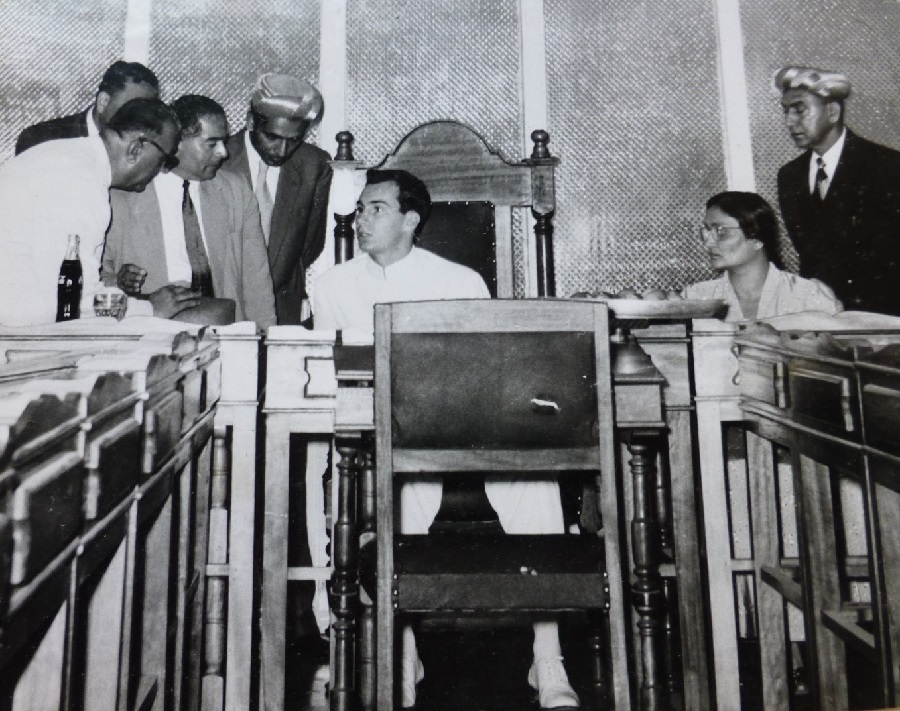
Mawlana Hazar Imam paid a visit to the Jinja Provincial Council Chamber during his 1957 visit. In this photograph, he is seen conferring with the leaders of the Jamat. Seen from left to right are President Haji Rashid Khamis, person standing (not visible), Mr. Abdulla Hassam Gangji, Kamadia Haji Bachu, Mawlana Hazar Imam, Mrs. Zohrakhanu Allidina (seated), who held the portfolio of Member for Women and Mukhi Shamsudin Mohamed (standing). Photo: Allidina Family Collection.
Jinja Ismaili volunteers
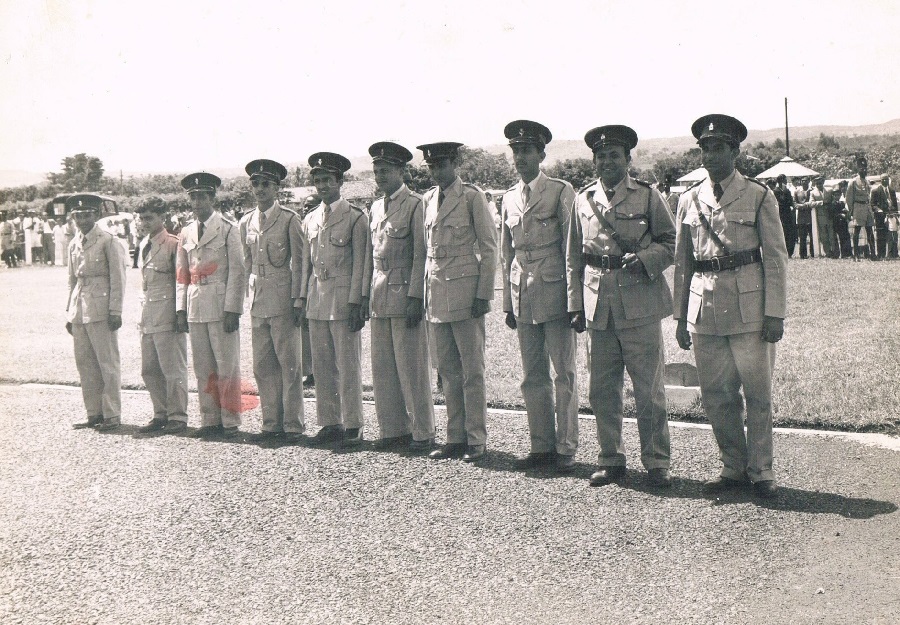
The Jinja Ismaili volunteers in full uniform on duty in 1957 during Mawlana Hazar Imam’s arrival at the Jinja airfied. Standing from right to left: Our father Gulamali Kara Somani (Lieutenant), Haji Molu (Lieutenant), Amin Alarakhia, Bahadur Fazal, Hassam Mawji, Ahmed Jamal, Madat Khamis, Feroz Khamis, Sultan Allidina and Nizar Sheriff. Photo: Gulamali Kara Somani Family Collection.

Visit by Mawlana Hazar Imam to Jinja in 1966

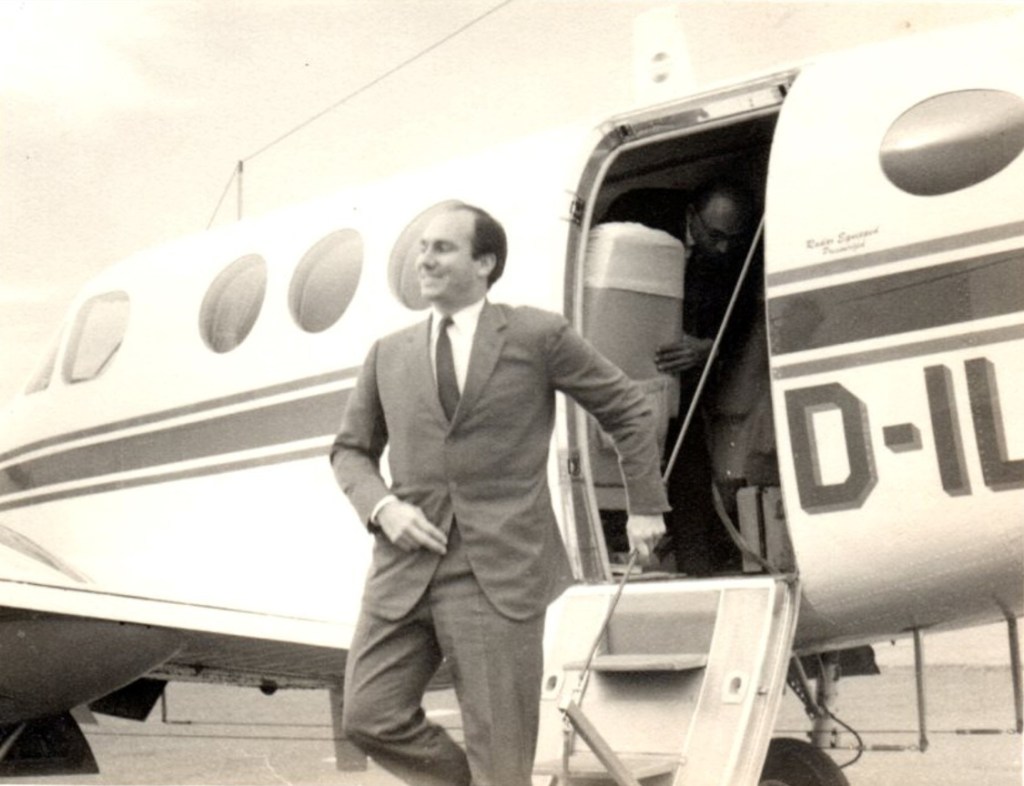
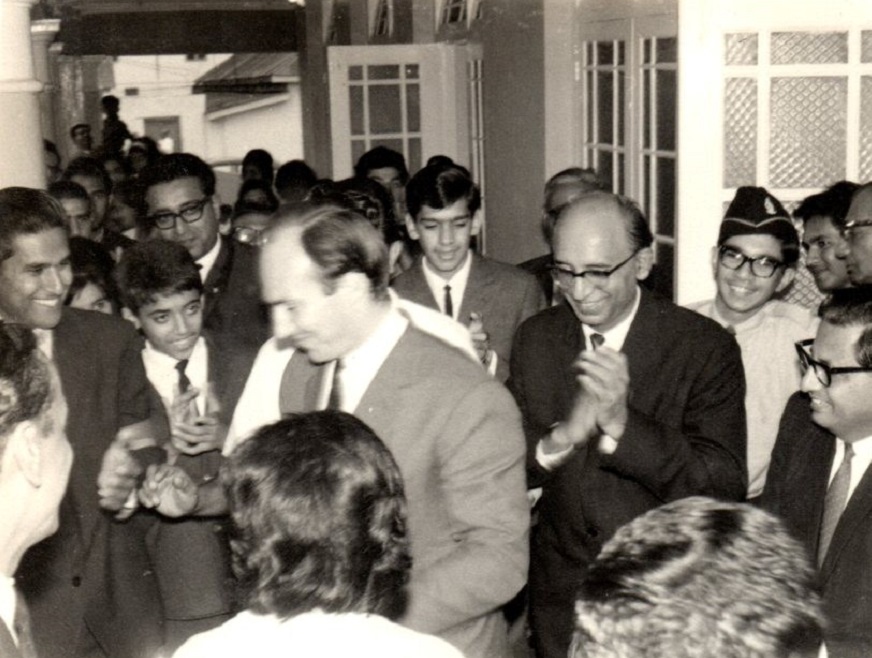
Mawlana Hazar Imam graced the Jinja Jamat with a second visit in 1966. The photos shown are also from our album. The first photo, though, where Hazar Imam is seen stepping down, is of his arrival at Entebbe Airport.
Aga Khan arrives in Entebbe, Uganda, Simerg
Mawlana Hazar Imam arrives at Entebbe Airport for his visit to Uganda in 1966. Photo: Gulamali Kara Somani Family Collection.
Aga Khan in Jinja leaving Counci Chambers Simerg
Mawlana Hazar Imam leaving the Ismaili Council Chamber building surrounded by his murids, trying to get a last glimpse before his departure. From left to right are Amir Madhavji, Zulfikar Devji, Abdul Alarakhia, Mehboob Charania, Malik Kassim-Lakha, Salim Somani, Nizar Sheriff and Sadruddin Karim. Photo: Gulamali Kara Somani Family Collection.

____________________

Conclusion

We trust that this short essay has served to provide some history of the Jinja Jamat from our perspective and in so doing, we have honored the memory of our beloved father. But by no means is it complete. There may be some minor errors that need to be corrected and some omissions and information gaps that need to be filled. We are sure that there is much more that others can contribute, and readers can do that by completing the comments box below.

After the 1972 Uganda crisis, when there was a mass exodus, the economy went down tremendously. But since then things have picked up particularly in Kampala, the capital, where there is lot of construction going on. A number of ex-Ugandans have returned and there is new immigration, mostly from India. There is lot of outside investment including by Hazar Imam, e.g Serena Hotel, Bujagali Falls Hydro-electric power station (in partnership between Aga Khan Fund for Economic Development or AKFED, Sithe Global Power of USA, Government of Uganda, Industrial Promotion Services, IPS, and Jubilee Investment Company).
Group photo of individuals standing and sitting in front of a decorative building, showcasing a mix of adults and children, all smiling and posing together.
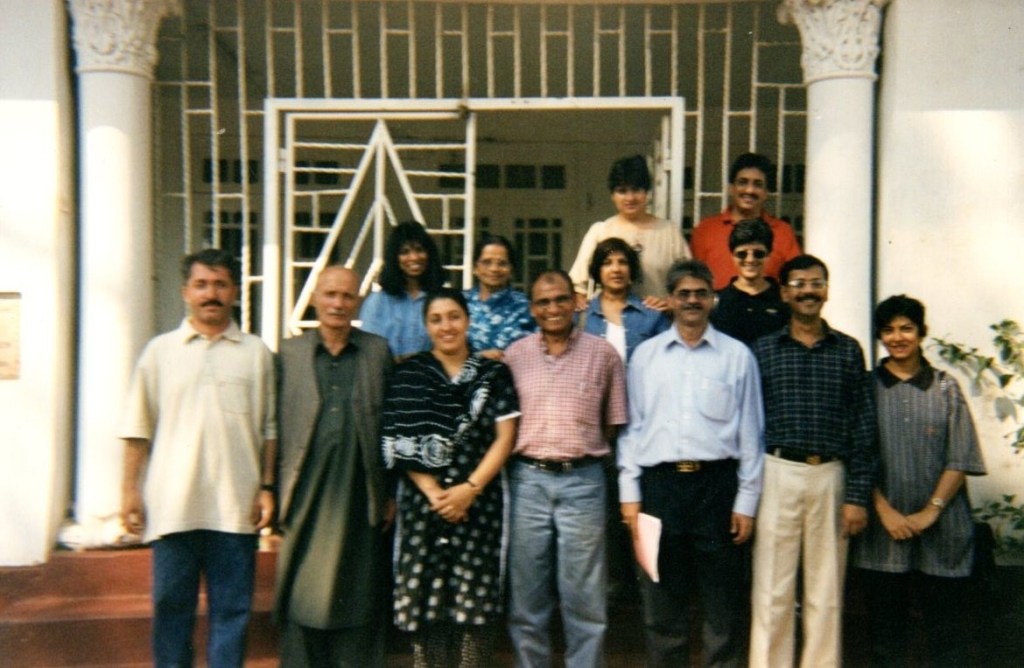
Photo taken in 2000 on the steps of previously used Jinja Council Chamber/Office building, which is now used as a Jamatkhana by the Jinja Jamat. Among those pictured in the front row are Mukhiani Saheba of Jinja (3rd from left), originally from Northern Pakistan, ITREB Uganda Chairman Anil Samji, Religious Education Coordinator Karim Jiwani, and Kamadia Saheb of Jinja Jamat; in middle row at left is Shams Somani of Montreal who was on voluntary assignment in Uganda with Aga Khan Schools during 1999-2000; and in back row are Council Secretary Shellina Hasham with her husband Salim Hasham, ITREB District Member. Photo: Gulamali Kara Somani Family Collection.

The economy in Jinja is still depressed with abandoned buildings and buildings in a state of disrepair. The historic Jamatkhana building still stands but there is now a clinic there. The small Jamat that is there, mostly from India, meets for Jamatkhana in the Council Chamber/Office building (see photo, above).

Let us hope and pray that the beautiful city of Jinja, once the industrial hub of Uganda, prospers and blossoms to its days of past glory and become the dynamic and vibrant city that it once was.

_____________________

A Tribute to Our Late Father, Gulamali Kara Somani
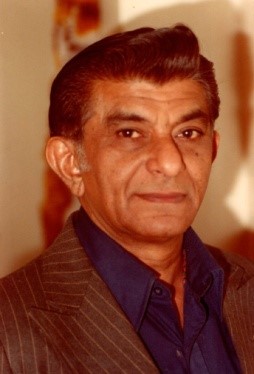
Gulamali Kara Somani (1924 - 2010) of Jinja, Uganda, Montreal Canada, Simerg tribute Ismaili and Aga Khan
Gulamali Kara Somani (1924 – 2010).

The history of Jinja Jamat and the pictures that we have shared with readers with Simerg are a testimony of our father’s love for Mawlana Hazar Imam and his Jamat. He preserved these photos in our family album for more than 62 years. We wish to pay him our humble tribute.

Our loving father, Gulamali Kara Somani, was born in 1924 in Jinja, He lost both his parents when he was just 8 years old. He was brought up by his uncle and, like many from his generation, he set up shop and started to do business after finishing school. He was always mechanically inclined, fixing things, be it cars, bicycles etc. and was always very creative. For example, he could take a black & white picture and color it using photo tints. (There were no colored pictures at the time). He also developed his own pictures at home. Music was his passion. He started writing and composing songs and played them on a musical stringed instrument of Japanese origin called Taishokoto.

Then he got into repairing watches and got very good at it, a skill that he practiced till his last days. He could pull apart a watch completely, clean the parts, oil them and put them back together for perfect timing. It was this skill that landed him a job in Montreal when he applied to come to Canada. His mind worked on small, intricate details which is why he was very successful in fixing things or creating works of art. At Jamatkhana, when they needed something decorative to be prepared, they knew that they could count on him for something original and he never let them down.

In the 50s and 60s his services were called upon to teach in the religious night school at Jinja to students from junior level to senior secondary level covering all subjects: Du’a and its meanings, Ginans, History of the Imams, Farmans etc. We remember that at one time during a wa’ez competition he wrote a wa’ez in English for us on the subject of: “Education”.

He also served as a senior volunteer (Lieutenant: the highest ranking officer) rendering exceptional services along with other volunteers particularly during Hazar Imam’s two visits to Jinja. We remember seeing him with burn-bubbles on his hands from serving hot, steaming pillau (rice) from the deg (large pot). When he presented himself for Mehmani to Hazar Imam, Hazar Imam blessed him and mentioned: “Good service!”

He was also a member of the Ismaili Band that provided music for dandiya  raas and garba during the Khushiali celebrations.

In 1966 when Hazar Imam visited Uganda, there was a small town named Mbale in Eastern Uganda, on his itinerary (see Uganda map on top of page). Mr. Hadi Jamal of Jinja provided a fleet of cars for Hazar Imam’s staff to travel to Mbale. Our father volunteered to drive one of the cars and was assigned Hazar Imam’s photographer, which was great because he could go everywhere where Hazar Imam went. At one point, Hazar Imam was at a reception and was drinking Coca-Cola from a glass. Our father did not take his eyes off this glass. As soon as Hazar Imam kept his glass on the table and started to leave, our father made a beeline for the glass, picked it up, and then took the glass with him. We still have this glass in our possession which our father preciously guarded and brought it with him to Canada.

A teacher, a volunteer par excellence and above all, a humanitarian, our father served with utmost distinction and dedication, never seeking recognition. His outstanding and exemplary services are truly worthy of admiration and emulation and rubbed off on of us, his children, who have served in various capacities over the years in Jamati institutions.

Our younger sister, Shams, a secular teacher, took one year out of her teaching profession to work as a volunteer with Aga Khan Education Services (AKES) in Kampala from 1999 to 2000. Both our sisters, Layla and Shams were also heavily involved in BUI (Bait-ul Ilm) and have continued to play a role in imparting religious education for many years now. I, Salim Somani, served in various Majalis as Mukhi and Kamadia, in committees (audio visual, catering etc.) and also as a volunteer. My brother Sultan Somani, the co-author with me on this Jinja piece, served as Chairman of Ismailia Association (6 years), as Hon. Secretary on the Aga Khan Council for  Quebec & The Maritime Provinces (6 years), Member and Chairman, Conciliation and Arbitration Board (6 years), and as Majlis Mukhi (3 years), among other duties etc.

Never missing a day, except for health reasons, our father attended Jamatkhana everyday in the morning and evening, no matter what the weather was like. We have seen him bundle up and walk to Jamatkhana when it was extremely cold.

Our beloved father passed away in April 2010 at the age of 86.

We pray that may Allah in His Infinite Grace and Mercy forgive all his sins and rest his soul in eternal peace – Amen.

Story Copyright: © Salim and Sultan Somani.

Date posted: July 31, 2020.
Last updated: August 12, 2020 (caption updates with name of person(s) as they become available, and typos).

CORRECTIONS:

(1) In the original version of this piece, the year 1958 was mentioned as Mawlana Hazar Imam’s first visit to Jinja, Uganda. Actually, the visit took place in 1957, shortly after Mawlana Hazar Imam’s enthronement (Takhtnashini) ceremony in Kampala on October 25, 1957. The article has been updated with the correct year (correction made on August 9, 2020).

(2) Earlier versions of this piece mentioned that Mawlana Hazar Imam travelled by car to towns outside Kampala, such as Jinja and Mbale. Our attention has been drawn to the fact that in 1957, Mawlana Hazar arrived in Jinja by plane, where there was an airfield available for the landing of military aircraft as well as some civilian planes. We have updated our captions of the 1957 visit to reflect this (correction made on August 10, 2020).

Before departing this website please take a moment to review Simerg’s Table of Contents for links to hundreds of thought provoking pieces on a vast array of subjects including faith and culture, history and philosophy, and arts and letters to name a few.

Please report typo or error in story to Simerg@aol.com.

___________________

We welcome your feedback/letters on this special piece on Jinja by clicking on Leave a comment or writing to the editor, Malik Merchant, at Simerg@aol.com. If you were a Jinja resident, your reminiscences about life in Jinja, your participation as a student, a volunteer, a leader or a member of the Jinja Jamat, as well your surprising anecdotes will uncover a wealth of information about Jinja. We also welcome historical photographs of Mawlana Hazar Imam’s visit to Jinja. Kindly note that your feedback may be edited for length and brevity, and is subject to moderation. We are unable to acknowledge unpublished letters.

____________________

About the Authors

A young man in a formal uniform and glasses stands posed for a portrait against a painted backdrop, showing an outdoor scene.
Salim, in volunteers uniform, 1966

The authors of this article, Salim and Sultan Somani, were both born in Jinja, Uganda and now reside in Montreal, Quebec.

Salim immigrated to Canada in 1974 from England where he pursued his studies in Hotel Management & Catering at Huddersfield Polytechnic and specialized in cuisine. Unable to return to Uganda, following the 1972 expulsion of Asians, Salim moved to join his parents in Montreal where over the years he applied his culinary skills at a number of prestigious places, including the Ritz Carlton, Bonaventure Hilton and Montreal Casino in different cuisines. Most recently he worked at the renowned catering company, La Maison Carrier-Besson.

He is married to Rashida and has a son, Hussein, a National Account Executive with RGIS and a daughter, Aliya, Educational Consultant with EMSB (English Montreal School Board). Salim is now retired.

In recent years, Salim has started carving fruits, particularly watermelons, and his impressive work has resulted in him being invited to carve fruits for several important festivals and ceremonial occasions.

Sultan Somani portrait Jinja article simerg
Sultan Somani with his daughter, Sarah

Salim’s brother, Sultan, immigrated to Canada in 1973. He was studying Physics/Mathematics at Makerere University, and 3 months before writing his final exams, he was in the unfortunate position of having to leave Uganda due to Idi Amin’s expulsion orders. He proceeded to Nairobi, Kenya, and with the assistance of the United Nations High Commission for Refugees, under the leadership of late Prince Sadruddin Aga Khan, was moved to a refugee camp in Italy where he stayed for 5 months. He then joined his parents in Montreal, where he studied computer science in a university before commencing a career as a systems analyst and programmer at Bell Canada’s Behavioural Sciences Group, Comptrollers Results Department and Corporate Systems Organization (CSO).

Sultan later diversified into a number of businesses in partnership. He has for years dedicated his time to serving Ismaili Institutions in numerous capacities and the Ismaili community in general, for which the title of Rai was bestowed on him. He is now retired, and at the age of 70 is a father of 6 year old daughter, Sarah, whom he takes care of on a full-time basis with his wife, Shainaze.

________________________

The authors recommend the website Sikh Heritage for more information and photos of Jinja.

The Great Sacrifice

By FARAH TEJANI

Omnipotent and Merciful is He,
Allah knows what is best,
At certain times He chooses
To put us through certain tests

He observes our response
To His Rightful Command,
And on this He Judges,
Just exactly where we stand.

It is not meant to be easy,
What would be the purpose,
So we are challenged in truth,
Our response to Him defines us.

Reflect and recall a time when,
We chose not to obey His Laws,
He being of course, All-Forgiving,
No doubt, forgave us our flaws.

But what is to be said,
Of Hazrat Ibrahim, The One,
On the day he was commanded,
To take the life of his own son!

Put yourself in his place,
Could you do the same,
Take the life of who you hold most dear,
The ultimate sacrifice in Allah’s name.

Eid al-Adha celebrates Ibrahim’s loyalty,
To The Great and Loving Wise One,
Though surely riddled with fear and pain,
He placed Ismail, his most precious son,

In front of him, and said a prayer,
In the Name of Allah, Lord of All Things,
He swang the knife and opened his eyes,
And “Oh, But what Mercy God Brings.”

In the place of his very own son’s head
A miraculous goat’s head had fallen,
Allah rewarded Ibrahim’s obedience,
Without even a moment of stalling.

Try to imagine the emotions he went through,
Ibrahim was elated and held Ismail near,
Most Merciful is Our Most Gracious Creator,
Humbled by Allah’s Grace he held back a tear.

Abraham would we if we could,
Be as loyal as you are to Allah’s Laws,
You stand as a testimony of Great Faith,
Without even a moment to pause.

Let it be our endeavour, to faithfully honor,
The Words from Above they are in our best interest,
Take a moment to reflect this Eid al-Adha,
And we, too, will surely be at our best.

(The poem was composed on July 30, 2020).

Date posted: July 30, 2020.

______________________

Farah Tejani Simerg Ismaili poet and writer
Farah Tejani

“Heavy topics painted beautifully with her word,” was how one reader responded to Farah Tejani’s recent contribution Elastic Embrace: A Collection of Poems. Farah graduated with her Bachelor of Arts in English Literature and her Master of Fine Arts in Creative Writing from the University of British Columbia in May of 1997 and earned top Honors for her Thesis on Short Fiction. With the help of her agent Barbara Graham she then went on to publish a collection of short stories published by Trafford, called, “Make Your Own Chai, Mama’s Boy!” — ten short stories dealing with different dilemmas South Asians face. Farah also wrote and co-directed her stage play, “Safeway Samosas,” which won “The Best of Brave New Playwrights Award” in July 1995. Her short story , “Too Hot” won third place in the “Canada-Wide Best Short Fiction Award.” and was read at The Vancouver Writers Festival. Currently, Farah is working on Childrens’ stories and a collection of poetry called, “Elastic Embrace” to be published in 2021.

__________________

Before departing this website please take a moment to review Simerg’s Table of Contents for links to hundreds of thought provoking pieces on a vast array of subjects including faith and culture, history and philosophy, and arts and letters to name a few.

We welcome feedback/letters from our readers. Please use the feedback box which appears below. If you don’t see the box please click Leave a comment. Your comment may be edited for length and brevity, and is subject to moderation. We are unable to acknowledge unpublished letters

Editor’s Choice: A Photo Report of the 2020 Hajj in The Washington Post

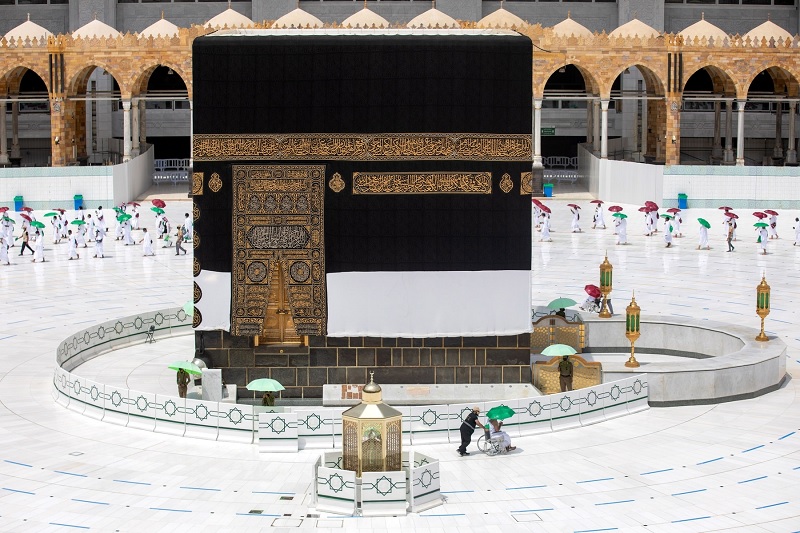
Sterilized Pebbles, Holy Water in Plastic Bottles, Tracking Wristbands are all Part of Covid-19 measures for the annual Hajj that is currently underway in Mecca, as mentioned in our last post.

We now invite our readers to see some remarkable photos in The Washington Post of the 2020 Hajj. Please click on A Trickle of Hajj Pilgrims Where Millions Once Worshiped or on photo below.

Please click on image to see complete story in The Washington Post.

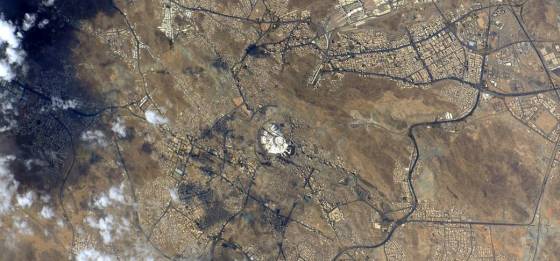
Featured image at top of page (NASA photo): Astronaut Scott Kelly posted the photo taken from the International Space Station to Twitter on Sept. 23, 2015 with the caption, “#GoodMorning to the Holy City of #Mecca #Makkah! #YearInSpace”. 

Date posted: July 30, 2020.

_____________________


Editor’s Choice: Sterilized Pebbles, Holy Water in Plastic Bottles, Tracking Wristbands Part of Covid-19 Measures for the Hajj

The Hajj, the annual pilgrimage to Mecca, drew almost 2.5 Muslims from around the world in 2019. This year’s Hajj has begun and will end on August 2/3. On Friday, July 31, the 10th day of the Islamic month of Dhul al-Hijjah, Muslims will observe the festival of Eid al-Adha which will last into Sunday or Monday August 2/3. This year’s Hajj is limited to 10,000 pilgrims. Pilgrim selection has been done from among local residents of Saudi Arabia as well as overseas citizens who are already living in the country. Pilgrims are required to wear face masks and will only be able to drink holy water from the Zamzam well in Mecca that has been prepackaged in plastic bottles. Pebbles for casting away evil that are usually picked up by pilgrims along hajj routes will be sterilized and bagged before being distributed to the pilgrims….FULL STORY WITH PHOTOS AT ASSOCIATED PRESS

Please click on image for full article and more photos at Associated Press Website

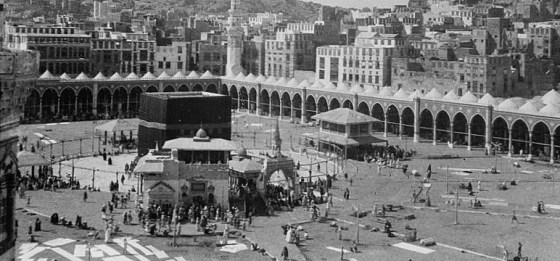
Featured image at top of page: Mecca, ca. 1910. Bird’s-eye view of uncrowded Kaaba. Photo: G. Eric and Edith Matson Photograph Collection / US Library of Congress.

Before departing this website please take a moment to review Simerg’s Table of Contents for links to hundreds of thought provoking pieces on a vast array of subjects including faith and culture, history and philosophy, and arts and letters to name a few.

Date posted: July 28, 2020.
Last updated: July 29, 2020.

____________________

Crescent Moon at Aga Khan Park and the Ismaili Centre

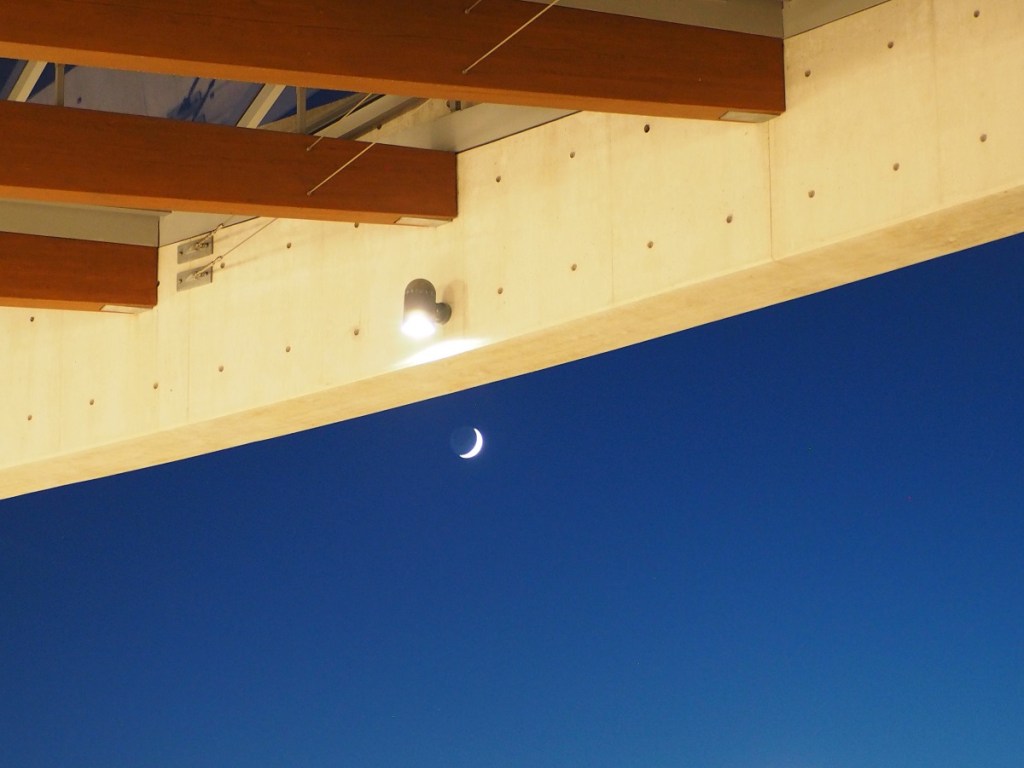
Malik Merchant, having spent a whole night on July 4-5, 2020, at Aga Khan Park taking photos of the Full Moon, alas, did not have the same opportunity with the New Moon a few days ago. It rose during daytime, and set soon after dusk, and its visibility was extremely low. So 3 days later, he spent a few hours at the Ismaili Centre photographing the Crescent Moon that had reached an illumination of around 12%. Please click HERE or on image below for story and plenty of photos!

Crescent moon over the front main entrance of the Ismaili Centre Toronto. Please click for story and photos.

Date posted: July 26, 2020.

______________________

Elastic Embrace: A Collection of Poems by Farah Tejani

A Mother’s Plea

By FARAH TEJANI

With one hand on his expanded stomach and another wiping his eyes,
The hot sun shows no mercy, and the despondent mother cries.
She has no fear and curses God, for how could this not shake her,
She vows to make her reasons heard just when she’ll meet her Maker.

“Why must my babe go hungering for basic bread and water,
When across the globe another Mom is feeding milk to her daughter,
In big brick homes with fancy lawns and furniture and floors,
While I hide from the sun in my simple hut with no doors?

Can you hear my wretched painful cries as the tears fall down my face?
Is this why you gave me this gift so that I could not give him even a trace,
Of something warm and substantial to ease the hole within his gut.
Or is this my sad misfortune to be haunted in this agonizing rut?

How do you wish me to appease him, how is he supposed to understand?
Why does his own mother, his loving provider, not soothe him with her hand?”
The mother enraged by the Injustice and Unfairness of it all,
Decides there is nothing left to do but to surrender to the Fall.

She takes a piece of fabric from the only dress that she has in her keeping,
And moistens it with water she has boiled, and cooled down while she was sleeping,
And draws it to her son’s parched lips, with prayers he will not get worse;
And after he has drunk a few spoonfuls, she will pray to release this curse.

The doctors never make trips out to her people, they are miles from anywhere,
“Yet people in better off countries are privileged with the very best Healthcare!”
With trembling hands she tries to soothe her aching hungry child,
But all the while the injustices just make her mind run wild.

“Just give me some hope, just give a sign, that You will promise to provide,
All I want is these words from You and on this I will abide.”
Just then she heard a rumbling of a crowd outside her door,
A truck was parked and handing out rations while the people shouted, “More!”

Her uncle came with powdered milk and she simply could not believe it,
She mixed it with the boiled water and praised how she received it,
She drew it to his hungry mouth and he drank it with sheer delight,
While tearfully she thanked her Maker and praised Him with her might.

“Hear me, I am grateful, but please God promise me this,
You will stand faithfully by my side so that I will not dismiss,
That when in need You are always there, so preserve my faith in You.
Now my child’s hunger is satisfied, I am not so disheartened and blue.”

The mother held her babe to her breast and stroked him sweetly to sleep,
And in his ears she whispered a promise that she vowed that she would keep,
“I leave you In my Maker’s Hands, for He looks after us  all,
And whenever I am weak in faith I will remember upon Him to call.”

(The poem was composed on May 18, 2020).

_________________

The Forest Cries at Night

By FARAH TEJANI

Dance june bug dance,
Upon the dogwood’s dew kissed petal,
Make your movements carefully
On which foot will you settle.

Do you wonder needlessly,
About that dreaded rattle snake,
Or how she strikes fear in all who pass,
With the clatter that she makes?

In the forest you are just a little one,
Amidst the towering trees,
With their sinewy branches,
Blowing secrets in the breeze.

Mocking monkeys hanging by their tails,
Eating ripe and sweet bananas,
They thrive in this lush green forest,
But could not possibly endure the savannahs.

Parrots with feathered wings bright,
Squawk loudly praising the Moon,
Rains quench this great green carpet,
The owls hoot a different tune.

Greet the twitching grasshopper,
Paying heed to their chirping sounds,
Should there be a coming storm,
Every animal knows what might abound.

Hear the forests buried secrets,
Their message to us all,
The riches that lie within her,
ARE THE SACRED TREES THAT WE FALL!

So find shelter friendly squirrels,,
Shine on Madame Firefly,
These are the tears of the forests,
And the animals never lie.

(The poem was composed on May 10, 2020).

____________________

From Behind Heaven’s Curtain

By FARAH TEJANI

Take time and summon thoughts for those whom we cherish,
In doing so we make certain that from our memories they don’t perish.
As for the loved ones who’s souls have remorsefully passed on,
Though it may feel like, they are certainly not gone.

From behind Heaven’s Curtain, they watch us from Above,
When loneliness prevails, they shower us with LOVE.
Blessing our endeavours, every moment, every action,
Our successes, they recount with humble satisfaction.

When we are in distress, they beg God to ALTER,
Our destiny, so that we can endure but not falter.
Their prayers go answered; they are so loved by the LORD
And it is on these sweet prayers that our very lives have soared.

Their hearts burst with joy when we are immersed in happiness,
Months without hardships and countless hours without stress.
In remembering our LOVED ONES precious pictures we keep,
Upon gazing at their faces we cannot help but weep.

We ask God how could He? It was much too soon for them to part,
But we are soon reminded of what we have known from the start,
From the very moment we are born there is one thing for sure,
There is no way to defy the grasp of death’s final lure.

Reminisce and treat precious these moments we have now,
Before destiny takes another life and then it is too late somehow.
Be joyous, take pictures, share loving words, embrace,
Texting’s overrated LOVE IS ONLY REAL FACE TO FACE.

So put down your phone and just travel the distance,
Be prepared for often you will be met with resistance.
Because these days, no one has time left to spare,
Take time to MAKE TIME and let them know that YOU CARE.

Busy lives just get busier and often time gets LOST
And once it is GONE we realize at what PRECIOUS COST.
While we are living make peace and share your heart,
So that should one of us leave this earth, with LOVE SHALL WE PART.

(The poem was composed on May 27, 2020).

Date posted: July 24, 2020.

_____________________

Farah Tejani Simerg Ismaili poet and writer
Farah Tejani

We are delighted to introduce readers of Simerg to our new contributor Farah Tejani, with three of her recently penned poems.

Farah graduated with her Bachelor of Arts in English Literature and her Master of Fine Arts in Creative Writing from the University of British Columbia in May of 1997 and earned top Honors for her Thesis on Short Fiction. With the help of her agent Barbara Graham she then went on to publish a collection of short stories published by Trafford, called, “Make Your Own Chai, Mama’s Boy!” — ten short stories dealing with different dilemmas South Asians face. Farah also wrote and co-directed her stage play, “Safeway Samosas,” which won “The Best of Brave New Playwrights Award” in July 1995. Her short story , “Too Hot” won third place in the “Canada-Wide Best Short Fiction Award.” and was read at The Vancouver Writers Festival. Currently, Farah is working on Childrens’ stories and a collection of poetry called, “Elastic Embrace” to be published in 2021.

__________________

Before departing this website please take a moment to review Simerg’s Table of Contents for links to hundreds of thought provoking pieces on a vast array of subjects including faith and culture, history and philosophy, and arts and letters to name a few.

We welcome feedback/letters from our readers. Please use the feedback box which appears below. If you don’t see the box please click Leave a comment. Your comment may be edited for length and brevity, and is subject to moderation. We are unable to acknowledge unpublished letters

Editor’s Choice: A Cemetery for All Faiths, and a Single Cause of Death – A Must Read Piece in the New York Times

None of Iraq’s existing graveyards wanted the bodies of COVID-19 patients. So Shiite leaders created a burial ground outside Najaf for them that is also open to Sunnis and Christians. The Iraqis call it the “Corona cemetery.” It already has more than 3200 graves since the cemetery ground was broken 4 months ago. This is a must read piece! Please click New York Times: ‘Our Role Is to Reduce Their Grief’ – A Cemetery for All Faiths.

Date posted: July 20, 2020.

_________________

Shariff Alladina, Ismaili Ginana Reciter, Tanga, Tanzania, Simerg

1960s musical renditions by Shariff Alladina of 4 popular Ismaili Ginans including the Chhogaḍio, Bhāī Tīnī Vireṅ Jīuṅ Umeduṅ

By SAFDER ALLADINA

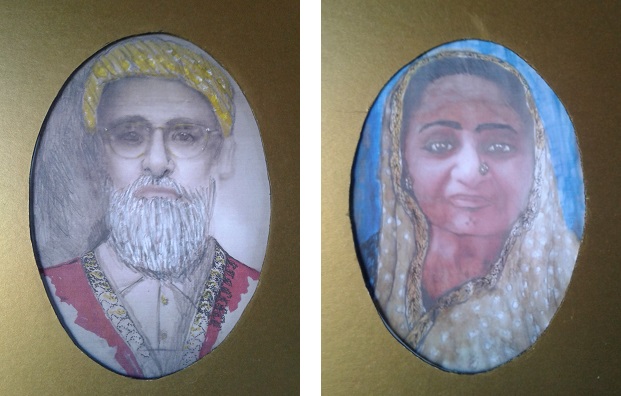
In my recent piece about my paternal grandparents Alladin and Prembai (see The Story of Tanga’s Alladin Bapu Family) I briefly noted that one of their sons Shariff Alladina (1910-1976), who happened to be my father, had a fine singing voice. I provided links to his Ginans that I had loaded into Soundcloud sometime ago (please click Shariff Alladina’s 4 Ginans, titled as Bapaji 1 thru 4 on Soundcloud). Ever since, I have been pressed for more information about my father as well as his interest in music and Ginans.

Story continues after photo

A portrait of a bearded man wearing traditional attire and glasses on the left, and a woman in a sari with a decorative head covering on the right, both framed in oval shapes.
Shariff Alladina’s parents, Alladin and Prembai. Photo: Safder Alladina.

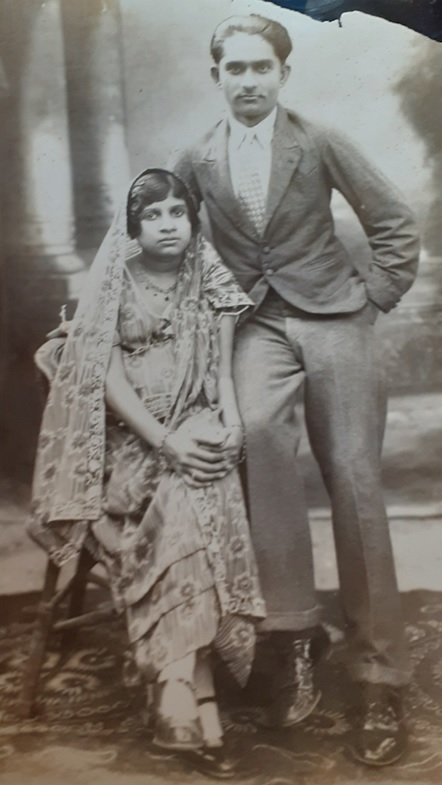
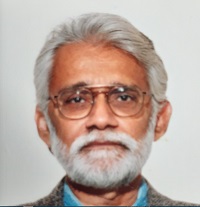
My late father — shown at top of this post — was a business man of Tanga, Tanzania. He came from a musical family. Born in Kathiawar, India, Shariff was brought to Tanganyika in a dhow as a toddler of about two by his parents Alladin and Prembai. In 1930 Shariff married Zera, a Kachhi girl from Zanzibar. It was not very usual for Kathiawari and Kachhi to inter-marry but Saleh Harji, a close friend of Shariff, was able to negotiate the marriage with his niece Zera. She came from well-established families in Zanzibar. Her paternal and maternal grandparents were Mukhi and Kamadia of Zanzibar jamat on multiple times. Zera’s family story is documented in Zahir Dhalla’s piece A rare 100 year old family photo fills in a few blanks of Ismaili Khoja history in East Africa.

Story continues after photo

Shariff and Zera Alladina Patney, Tanga Ginan Reciter Ismaili Simerg
Shariff and Zera Alladina Patney, 1930. Photo: Safder Alladina Collection.

There were many singers and musicians in the family. My father taught me to sing Jeere waala Paat madaviney chok puravo (a Ginan which is often recited on days when Ab-e-Shifa is partaken) when I was about 10 years old. Mukhi Habib Kassam, who sang the Ginans early in the evening, was so pleased with my singing that he gave me one shilling!

Every Sunday morning, there was a gathering in my house where musicians and music lovers would gather to listen to the singers and instrumentalists. Ustad Ismail Ragi was a local music master who attended these morning sessions of riyaz until he fell ill and the local businessmen got together to raise money to send him with his wife to India for medical attention.

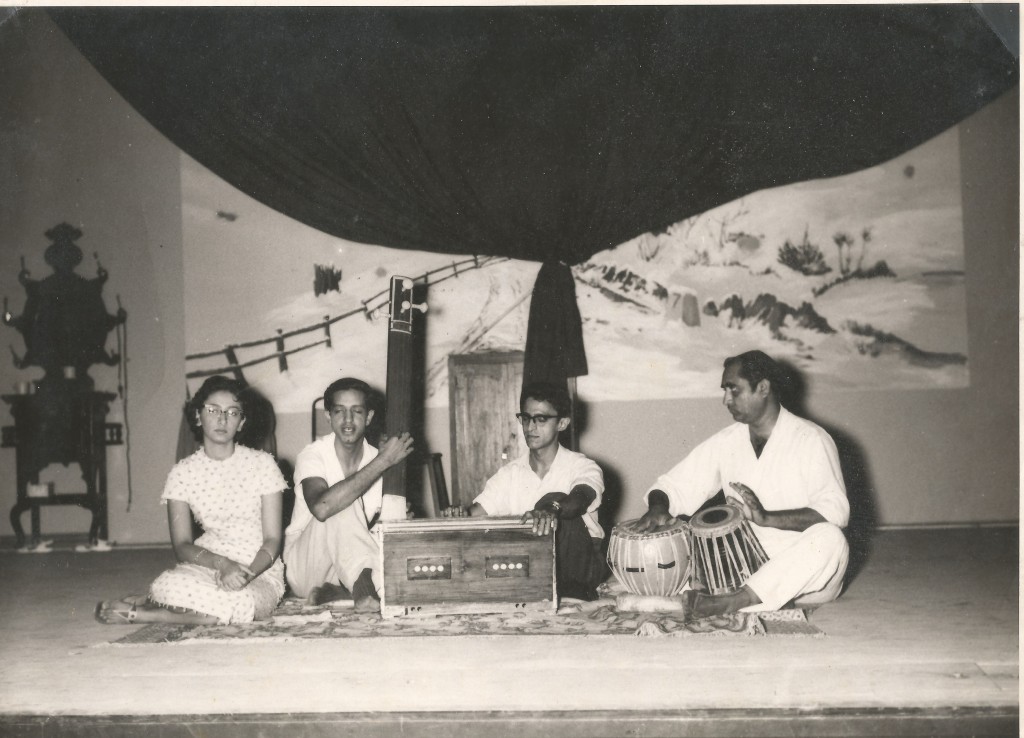
In the 1960s the sessions were attended by Gangu, a harmonium player and Batuk, a young tabla player. The recordings of my father’s songs, including the four Ginans in Souncloud, came out of these sessions of riyaz on Sunday mornings. I was in the UK at the time.

Shariff Alladina recited the Ginans many times in the Jamatkhana. He also gave lectures in the Jamatkhana where he would introduce pieces of Ginans, Bhajans and Sufi poetry in between his speech. He tutored many young people in Tanga to sing Ginans including his daughters Malek, Shirin and Khatun. Khatun’s rendition of Hazrat Ali’s Mowlana Kalam was enjoyed by many.

With these few remarks contextualizing my father’s interest in the wonderful tradition of Ginans and music, I once again invite readers to click on Soundcloud for Shariff Alladina’s recitation of 4 Ginans as well as a Thumri.

The Ginans in Soundcloud, named as Bapaji 1, 2, 3, and 4, are as follows:

1. Bhāī tīnī vireṅ jīuṅ umeduṅ āsuṅ puṇīuṅ or sānjno chhogaḍio;

2. Sabhāgā is dhunīāṅdhe vich kiyā gin āve;

3. Sāmī rājo more manthī na vīsarejī; and

4. Moman man em jāṇjojī.

Ginans Central at the University Saskatchewan is an excellent resource for Ginans and Ginanic research, and I would suggest you visit the website and see items #140, #614, #751, and #464 corresponding to each of the 4 Ginans listed above that are in Soundcloud.

Date posted: July 20, 2020.

Before departing this website please take a moment to review Simerg’s Table of Contents for links to hundreds of thought provoking pieces on a vast array of subjects including faith and culture, history and philosophy, and arts and letters to name a few.

________________

We welcome feedback/letters from our readers. Please use the feedback box which appears below. If you don’t see the box please click Leave a comment. Your comment may be edited for length and brevity, and is subject to moderation. We are unable to acknowledge unpublished letters

A portrait of an elderly man with gray hair and a beard, wearing glasses and a formal jacket, looking directly at the camera.

Safder Alladina has taught English as a Foreign Language in England, Japan and Portugal and English as a Second Language in England and Canada. In his 35 years of teaching, he has taught Early Years, Primary, Secondary and Adult classes; and developed and taught Teacher Education programmes at graduate and post-graduate levels at the University of North London, UK, and the University of British Columbia, BC. His research work is in Sociolinguistics. He has retired to a hobby farm in the interior of British Columbia where he does his writing under the pen name of S. Giga Patney.

The melodious life and legacy of Shamshu Jamal (1936 – 2019)

Shamshu Jamal (1936-2019), Ismaili singer, simerg photo
Shamshu Jamal (1936-2019). Photo: Shamshu Jamal family archives.

By KARIM H. KARIM
(with contributions from Dolatkhanu Jamal, Rosemin Karim, Riyaz Jamal, Imran Karim and Irshad Karim)

Shamshu Jamal has left a profound impression on the global Ismaili jamat. His music was “magical,” declared a poem written in honour of his 80th birthday in 2016. The singer, musician, lyricist, composer, and music teacher had innumerable admirers in the countries across North America Europe, Africa and Asia where he performed in a tenure of over 60 years. Shamshudin Noordin Jamal was the unofficial poet laureate and bard of Canada’s Satpanthi Khoja Ismailis. His musical legacy has been passed on to a multitude of students and to his children and grandchildren, with whom he produced several recordings.

It was not only Shamshu’s music but his personal affability, generosity and humility that touched people’s hearts. Despite achieving success and fame, he remained grounded in family and community.

Shamshu was a loving son, husband, father and grandfather as well as a devoted friend. He and his wife lived simply in the same home in Vancouver for the last four decades. It was where he received prominent musicians and legions of admirers. It was also where he taught music and even repaired colleagues’ harmoniums.

Participating actively in the life of the neighbourhood, he stayed in touch with people who left and made new acquaintances. The many close friends and fans around the world are a testament to his compassion and graciousness. His humour was legendary – he seemed to have a joke for every occasion. Shamshu is remembered as having a smile on his lips and a twinkle in his eye. These features of his personality shone through in his singing and compositions.

Shamshu Jamal was born in a home whose air was filled with music. His father performed at gatherings and held sessions at the family’s residence. He taught the young Shamshu about the basics of Indian ragas and how to sing and play instruments during the 1940s. This early introduction to music stirred an irrepressible desire to learn more.

Formal Indian musical training was not available in Dar es Salaam, Tanzania, so Shamshu began teaching himself through research, careful listening and constant practice. He instinctively understood rhythm, melody and vocal expression. As a young teenager, he would sneak into the concerts of prominent artists visiting from India. Performing at private musical gatherings and then on the stage before turning twenty, he soon emerged as a virtuoso both within and outside the Khoja Ismaili community.

story continues after photo

Shamshu Jamal performing in the 1960's. Photo for Simerg
Shamshu Jamal and colleagues performing in Dar es Salaam in the 1960’s. Photo: Shamshu Jamal family archives.

Shamshu’s attention to linguistic detail and diction drew him into the hearts of ghazal lovers who marvelled at his knowledgeable and precise enunciation of Urdu, which was not his mother language. He performed with a circle of fellow singers and musicians who were Muslims, Hindus, Sikhs and other members of the diaspora that had crossed the Indian Ocean to settle in Africa.

In 1973, Shamshu Jamal and his family moved to Vancouver as part of the East African Ismaili migration to western countries. He re-established old musical contacts and made new ones. The larger South Asian community of Vancouver responded enthusiastically to Shamshu’s talented renderings of ghazals and bhajans. He performed with singers and musicians from various cultures and religions. As an accomplished harmonium player, he also shared the stage with renowned artistes from India, such as the classical vocalists Pandit Jasraj and Shrimati Shweta Jhaveri and the master tabla players Ustad Zakir Hussain and Pandit Swapan Chaudhuri.

Shamshu generously gave of his musical self to his own and other communities for all of his adult life. He became a much sought-after teacher of Indian music, sharing his time and knowledge with students from various communities. Notwithstanding his success, he continued his own journey of studying music.

In 2000, the Government of Canada recognized his accomplishments and awarded him a prestigious grant to pursue advanced musical studies in India. It was in that year that he retired from his job as an accountant to devote himself more fully to music.

story continues after photo

Shamshu Jamal and fellow musicians performing in Vancouver. Photo for Simerg
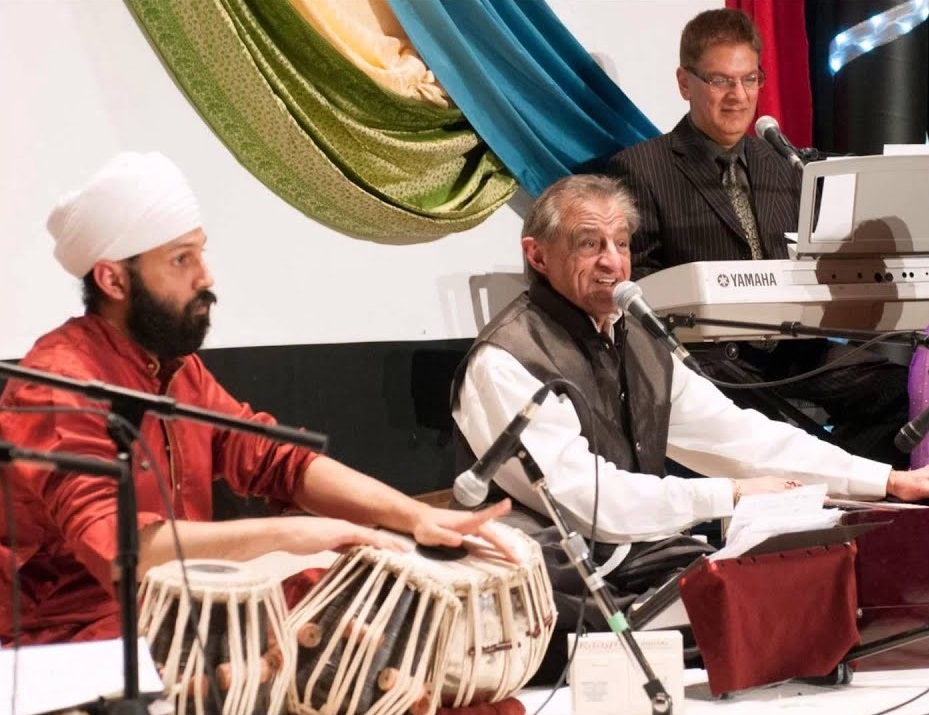
Shamshu Jamal and fellow musicians performing in Vancouver in the 2010s. Photo: Shamshu Jamal family archives.

Shamshu’s live concerts were much celebrated events even when he was in his eighties. He performed at public venues, at Ginan mushairas in Jamatkhana social halls and at private music parties in homes. His particularly distinctive vocal style had been developed over many decades. Quite apart from his mastery of the technical aspects of music, the real excitement of Shamshu’s performances lay in the enthralling manner in which he engaged and connected with the audience. The mischievous smile, the impromptu alaaps and variations, and the ability to draw out deeply embedded emotions will be remembered long into the future.

His delivery remained at a sophisticated level even as age modulated the timbre of his voice. He practiced extensively before each performance. Audiences were delighted at the way that Shamshu maintained his vocal range and high notes of alaaps even as evening concerts flowed into the early morning. Apart from devotional material and heart-rending ghazals, Shamshu’s repertoire also regaled his audiences with playful songs like “Aavata Jata Jara” in Gujarati and “Nazar Se Milaa Kar” in Hindi.

From time to time, there arise individuals whose voices capture a community’s most profound feelings. For Canada’s immigrant Khoja Ismailis, one of those powerful voices has been Shamshu Jamal. His musical creativity has vocalized some of the deepest emotions of the community. Various versions of his original composition in Gujarati of “Mara Mowla Canada Padharshe” (1978) continue to be sung to this day. The word “Canada” is changed in different parts of the global diaspora to “London,” “Kenya,” “America” etc. when anticipating Mawlana Hazar Imam’s arrival in particular locations. It is viewed as Shamshu Jamal’s signature song which Malik Talib, former president of the Aga Khan Ismaili Council for Canada, termed as “iconic” for the community. This geet’s literal English translation, “My lord shall make a visitation to Canada” does not do justice to the deeply-felt range of sentiments that it expresses.

When Shamshu composed it in 1978, he creatively captured an immigrant community yearning for its spiritual leader’s first visitation in the autumn of that year. Its members were in a western country, far away from their eastern roots and were uncertain of their future. The Imam had been a constant guide when they had lived in Africa. There was eager anticipation of his advice on how to deal with the difficult situation in which they found themselves. With his finger on the pulse of the community, Shamshu Jamal gave voice to what it was feeling in its heart. The lyricist compassionately articulated the anxiety of uprootedness as well as the aspirations for renewal.

The same padhramni’s book-end composition of “Mowla Sidhaavi Gya” by Shamshu is a profoundly sad geet of the Imam leaving the community at the end of his visit. It vocalizes the bitter-sweet feelings of the Jamat at the end of the mulaqaat and to this day produces streams of tears from listeners’ eyes. This song has also become an iconic expression of similar departures of Mawlana Hazar Imam over many years since 1978.

Jamal went on to produce many other geets in praise of the Imam, particularly commemorating his various jubilees. Ever the perfectionist, he enlisted the participation of professional musicians in London, England for the Silver Jubilee album Jubilee Ke Naghme (1983) and in Mumbai, India, for the Golden Jubilee’s Jashne Jubilee (2008).

One of Shamshu Jamal’s major achievements was to enable Canadian Khoja Ismailis, who have been cut off from their cultural roots, to appreciate the profound depth of their Indian musical heritage. He enabled the Jamat to understand the musical culture and classical ragas on which the ginans are based. Shamshu recorded “Tran Tran Ved Na Dhyaavo” in Raag Malkauns, Joothi Re Duniya in Raag Bairagi Bhairav, Dur Desh Thi Aayo Vañjhaaro in Raag Jaijaiwanti and many others. These are masterful renditions that have now become integral to the treasury of the recorded Satpanth heritage, one of whose founders was Pir Shams (12th-13th century).

Shamshudin Noordin Jamal’s star shines brightly in the firmament of music. He lived a full and accomplished life. His legacy was visible at his funeral at which his grandchildren soulfully sang ginans that he had taught them. Shamshu Jamal’s final farewell is expressed in Shakeel Badayuni’s ghazal, Aakhri Waqt Hai Saans Hai Aakhri, which he used to sing at his concerts:

“Duniya walo mubarak ho duniya tumhe,
Kar chale hum salaam akhri.”

Translation

“This world is yours now, o people of the world,
I have done my final farewell.”

Date posted: July 16, 2020.

________________________

We invite you to submit your condolences, memories and tributes to Shamshu Jamal by completing the feedback form below or by clicking on LEAVE A COMMENT. Should you have difficulty in submitting your comment through the feedback form, please email it to simerg@aol.com; Subject: Shamshu Jamal.

________________________

A professional headshot of a middle-aged man with short gray hair and glasses, wearing a suit and tie, smiling gently at the camera.
Karim H. Karim

About the author: Karim H. Karim is the Director of the Carleton Centre for the Study of Islam and a Professor at Carleton University’s School of Journalism and Communication.

_____________________

To submit an obituary or tribute to a deceased member of your family, please see our post Simerg Invites Obituaries / Tributes to Honour Past / Recent Deceased Ismailis

Muslims pray around the Kaba, Library of Congress, reproduced in Simerg

Islam’s anti-racist message from the 7th century still resonates today

By ASMA AFSARUDDIN
Indiana University

One day, in Mecca, the Prophet Muhammad dropped a bombshell on his followers: He told them that all people are created equal.

“All humans are descended from Adam and Eve,” said Muhammad in his last known public speech. “There is no superiority of an Arab over a non-Arab, or of a non-Arab over an Arab, and no superiority of a white person over a black person or of a black person over a white person, except on the basis of personal piety and righteousness.”

In this sermon, known as the Farewell Address, Muhammad outlined the basic religious and ethical ideals of Islam, the religion he began preaching in the early seventh century. Racial equality was one of them. Muhammad’s words jolted a society divided by notions of tribal and ethnic superiority.

Today, with racial tension and violence roiling contemporary America, his message is seen to create a special moral and ethical mandate for American Muslims to support the country’s anti-racism protest movement.

Apart from monotheism – worshipping just one God – belief in the equality of all human beings in the eyes of God set early Muslims apart from many of their fellow Arabs in Mecca.

Chapter 49, verse 13 of Islam’s sacred scripture, the Quran, declares: “O humankind! We have made you…into nations and tribes, so that you may get to know one another. The noblest of you in God’s sight is the one who is most righteous.”

Muslims pray around the Kaba, Library of Congress, reproduced in Simerg
Muslims of all backgrounds praying around the Kaʻbah during Hajj, the annual pilgrimage to Mecca, in a photo taken between 1885-1889. Photo: Al Sayyid Abd al-Ghaffār, Physician of Mecca / US Library of Congress

This verse challenged many of the values of pre-Islamic Arab society, where inequalities based on tribal membership, kinship and wealth were a fact of life. Kinship or lineal descent – “nasab” in Arabic – was the primary determinant of an individual’s social status. Members of larger, more prominent tribes like the aristocratic Quraysh were powerful. Those from less wealthy tribes like the Khazraj had lower standing.

The Quran said personal piety and deeds were the basis for merit, not tribal affiliation – an alien and potentially destabilizing message in a society built on nasab.

As is often the case with revolutionary movements, early Islam encountered fierce opposition from many elites.

The Quraysh, for example, who controlled trade in Mecca – a business from which they profited greatly – had no intention of giving up the comfortable lifestyles they’d built on the backs of others, especially their slaves brought over from Africa.

The Prophet’s message of egalitarianism tended to attract the “undesirables” – people from the margins of society. Early Muslims included young men from less influential tribes escaping that stigma and slaves who were promised emancipation by embracing Islam.

Women, declared to be the equal of men by the Quran, also found Muhammad’s message appealing. However, the potential of gender equality in Islam would become compromised by the rise of patriarchal societies.

By Muhammad’s death, in 632, Islam had brought about a fundamental transformation of Arab society, though it never fully erased the region’s old reverence for kinship.

Early Islam also attracted non-Arabs, outsiders with little standing in traditional Arab society. These included Salman the Persian, who traveled to the Arabian peninsula seeking religious truth, Suhayb the Greek, a trader, and an enslaved Ethiopian named Bilal.

All three would rise to prominence in Islam during Muhammad’s lifetime. Bilal’s much-improved fortunes, in particular, illustrate how the egalitarianism preached by Islam changed Arab society.

An enslaved servant of a Meccan aristocrat named Umayya, Bilal was persecuted by his owner for embracing the new faith. Umayya would place a rock on Bilal’s chest, trying to choke the air out of his body so that he would abandon Islam.

Moved by Bilal’s suffering, Muhammad’s friend and confidant Abu Bakr, who would go on to rule the Muslim community after the Prophet’s death, set him free.

Bilal Prayer Call
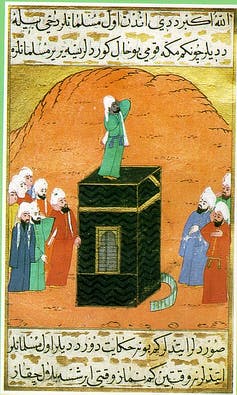
Bilal, center, found freedom in Islam. Wikimedia Commons

Bilal was exceptionally close to Muhammad, too. In 622, the Prophet appointed him the first person to give the public call to prayer in recognition of his powerful, pleasing voice and personal piety. Bilal would later marry an Arab woman from a respectable tribe – unthinkable for an enslaved African in the pre-Islamic period.

For many modern Muslims, Bilal is the symbol of Islam’s egalitarian message, which in its ideal application recognizes no difference among humans on the basis of ethnicity or race but rather is more concerned with personal integrity. One of the United States’ leading Black Muslim newspaper, published between 1975 and 1981, was called The Bilalian News.

More recently Yasir Qadhi, dean of the Islamic Seminary of America, in Texas, invoked Islam’s egalitarian roots. In a June 5 public address, he said American Muslims, a population familiar with discrimination, “must fight racism, whether it is by education or by other means.”

Many Muslims in the U.S. are taking action, supporting the Black Lives Matter movement and protesting police brutality and systemic racism. Their actions reflect the revolutionary – and still unrealized – egalitarian message that Prophet Muhammad set down over 1,400 years ago as a cornerstone of the Muslim faith.The Conversation

Date posted: July 16, 2020.

[Editor’s Note: I first read the above piece in the religion section of the Salt Lake Tribune, which republished it from The Conversation under a Creative Commons Licence. We do likewise, and invite our readers to read the original piece by clicking HERE; it includes several more hyperlinks within the body of the article that some readers may find useful for further study. Image(s) in Simerg’s piece may vary from those posted in The Conversation and the Tribune .]

Before departing this website please take a moment to review Simerg’s Table of Contents for links to hundreds of thought provoking pieces on a vast array of subjects including faith and culture, history and philosophy, and arts and letters to name a few.

_______________________-

Asma Afsaruddin is Professor of Islamic Studies and former Chairperson, Department of Middle Eastern Languages and Cultures, Indiana University.

This article is republished from The Conversation under a Creative Commons license. To read original article in The Conversation, please click HERE.

_________________

The editor highly recommends the following recent pieces published in Simerg:

1. His Highness the Aga Khan on partnership between races as a condition of peace and prosperity; and
2. Ismaili Youth Perspectives on Black Lives Matter and Social Justice Issues.