Simerg is an independent initiative dedicated to Ismaili Muslims, the Aga Khan — their Hereditary Imam — and the Ismaili Imamat, and Islam in general through literary readings, photo essays and artistic expressions
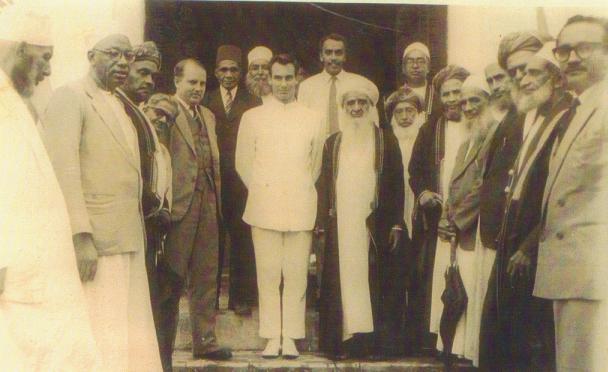
Kamrudin Rashid of Toronto and Shah Abdulla of Ottawa co-author an EXCLUSIVE PIECE FOR BARAKAH on Mawlana Hazar Imam His Highness the Aga Khan’s one-day visit to Pemba on November 18, 1957. Dedicated to late waezins and religious education teachers Jehangir (d. May 27, 2018) and Maleksultan Merchant (d. January 21, 2021), this must read post includes rare photos of his visit to the towns of Chake Chake and Wete…..READ MORE
Please click on image for complete story and more photographs.
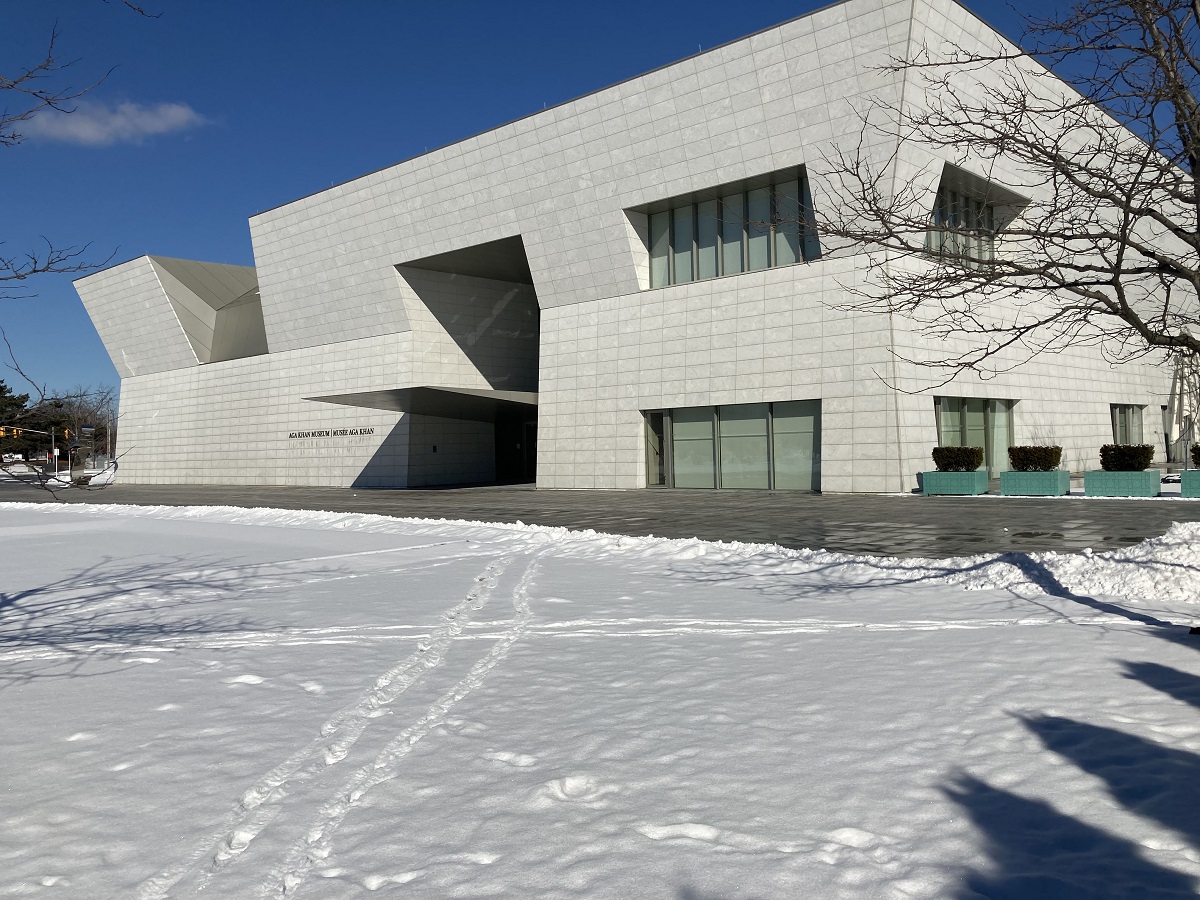
A view of the Aga Khan Museum’s main entrance bloc on February 14, 2021. Photo: Malik Merchant / Simerg.
I couldn’t have asked for a better and happier February 14, 2021. I woke up very early to complete an exclusive photo piece of Mawlana Hazar Imam His Highness the Aga Khan’s visit to Pemba on November 18, 1957. Looking out of the atrium windows across my living room facing North-West, I knew the sun was rising on the South-East side. It was -9°C and there was absolutely no wind. I had been cooped up inside for the past few days and wanted some fresh air. I brewed Colombian Supremo Coffee that I had purchased earlier during the week at St. Lawrence Market, filled a huge steel mug that keeps beverages boiling hot for about an hour, and headed to “What a Bagel” bakery on York Mills and Leslie, which was spewing out fresh hot bagels the minute I arrived there. “Give me a really hot one,” I said, and asked the ever-smiling server to make me a vegetarian sandwich. “Not toasted,” I reminded her, as many who come to the shop insist on having their order toasted, even if they are fresh from the oven.
I jumped into my car, turned it on with a low heat setting and enjoyed the bagel and coffee. What next? A visit to my Valentine, and I am sure that makes my readers curious. A meeting, maybe, at the Aga Khan Park?
So still was the wind at Aga Khan Park on February 14, 2021, that the flags of the Ismaili Imamat, the city of Toronto, the province of Ontario and Canada were unmoved! It was a beautiful day to savour at the Park in -5°C Celsius. Photo: Malik Merchant/Simerg.
Ismaili Centre main entrance with the Jamatkhana dome at left under blue skies on February 14, 2021. Photo: Malik Merchant/Simerg.
Who might that “lucky” Valentine be? In the absence of my lovely daughter who is several hundred kilometres away and my beloved mother who passed away only three weeks ago, I turned to my constant companions for several months — the Ismaili Jamatkhana dome, the Aga Khan Museum and the Aga Khan Park where I have experienced so much happiness and inspiration. I adore being there. Can one make non-human object(s) around you as your Valentine for February 14th? Not by the definition of Valentine’s, but I contrived one just for myself!
I cannot thank anyone but Mawlana Hazar Imam for his vision in conceiving and building three extraordinary spaces for the enjoyment of people in Toronto and everyone around the world. I am one of the lucky ones, who gets to visit the grounds as and when I like. February 14, 2021 was a very special day. There was beautiful light snow on the ground, the sky was blue and sunny, it wasn’t cold and the flags stood still in the absence of any windshield factor!
I FaceTimed my daughter Nurin to show her the beautiful environment that surrounded me. My face, she could see, had lit up.
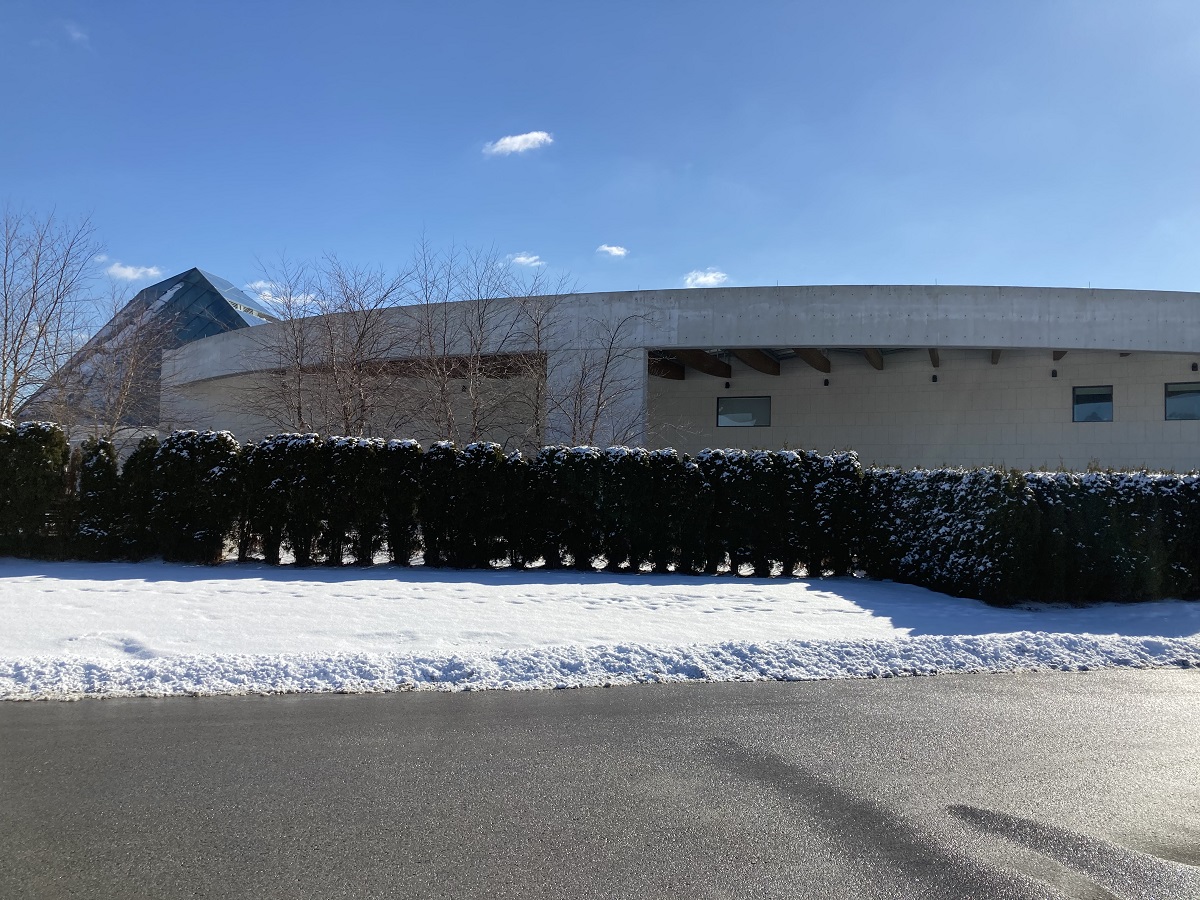
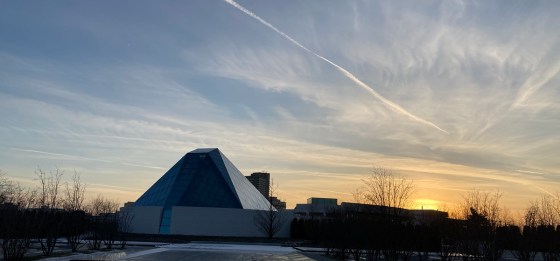
The dome of the Toronto Ismaili Headquarters Jamatkhana captured under sunny blue skies on Valentine’s Day, February 14, 2021. The glass niche in the centre of the circular wall faces the direction of Kaba where all Muslims face for prayers. Photo: Malik Merchant/Simerg.
A man walks by one of the snow covered ponds at the Aga Khan Park, with the Aga Khan museum in full view under sunny blue skies. Photo: Malik Merchant/Simerg.
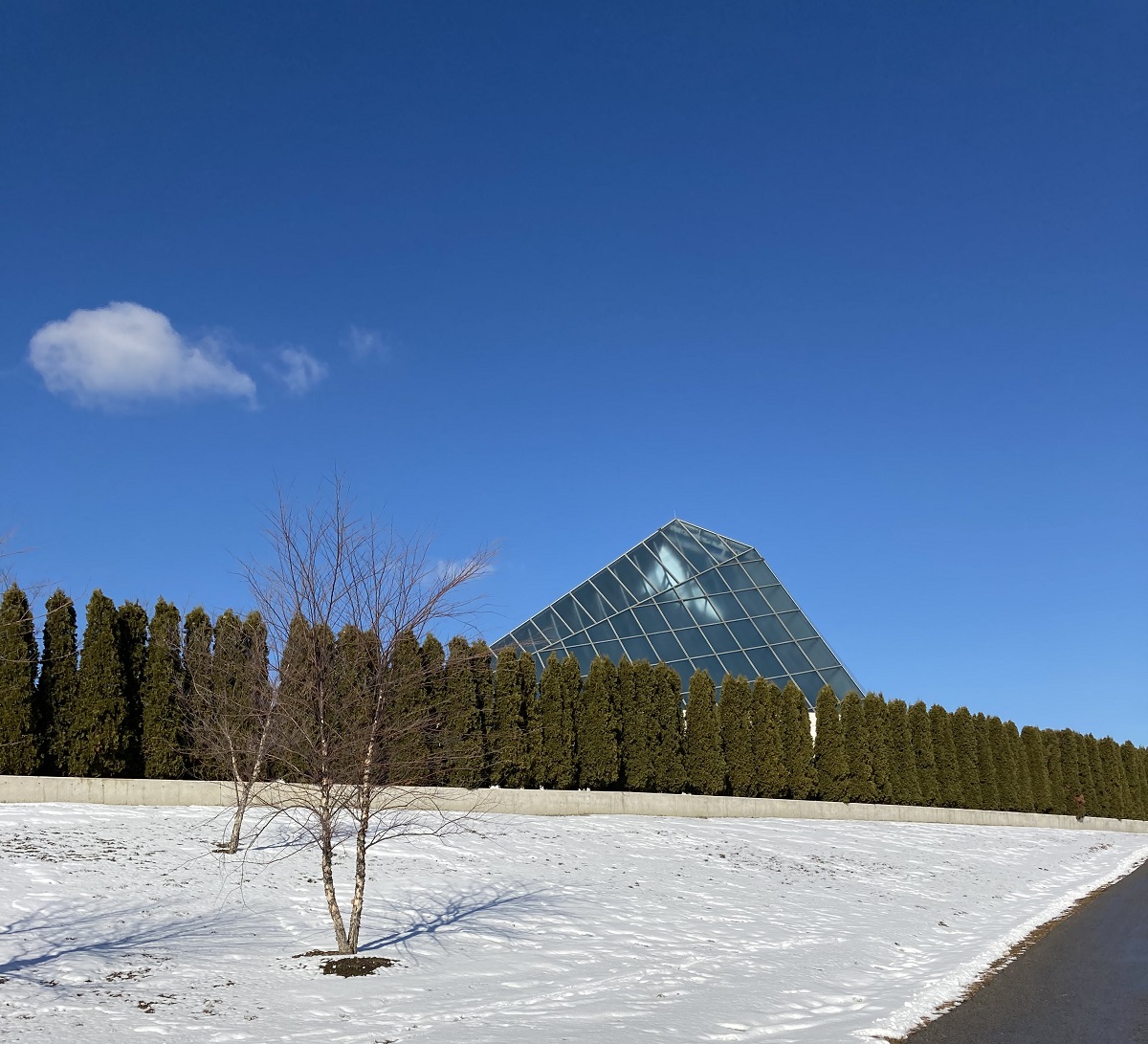
A family with children walk on the Aga Khan Park trail under sunny blue skies on February 14, 2021. The dome of the Ismaili Jamatkhana at left reflects a rare white cloud in the sky, and the Aga Khan Museum building can be seen further away. Photo: Malik Merchant/Simerg,
A close up view of the CN Tower from the south east end of the Aga Khan Park on February 14, 2021. Photo: Malik Merchant/Simerg.
The Big Heech Sculpture located in front of the Aga Khan Museum’s main entrance bloc. Photo: Malik Merchant/Simerg.
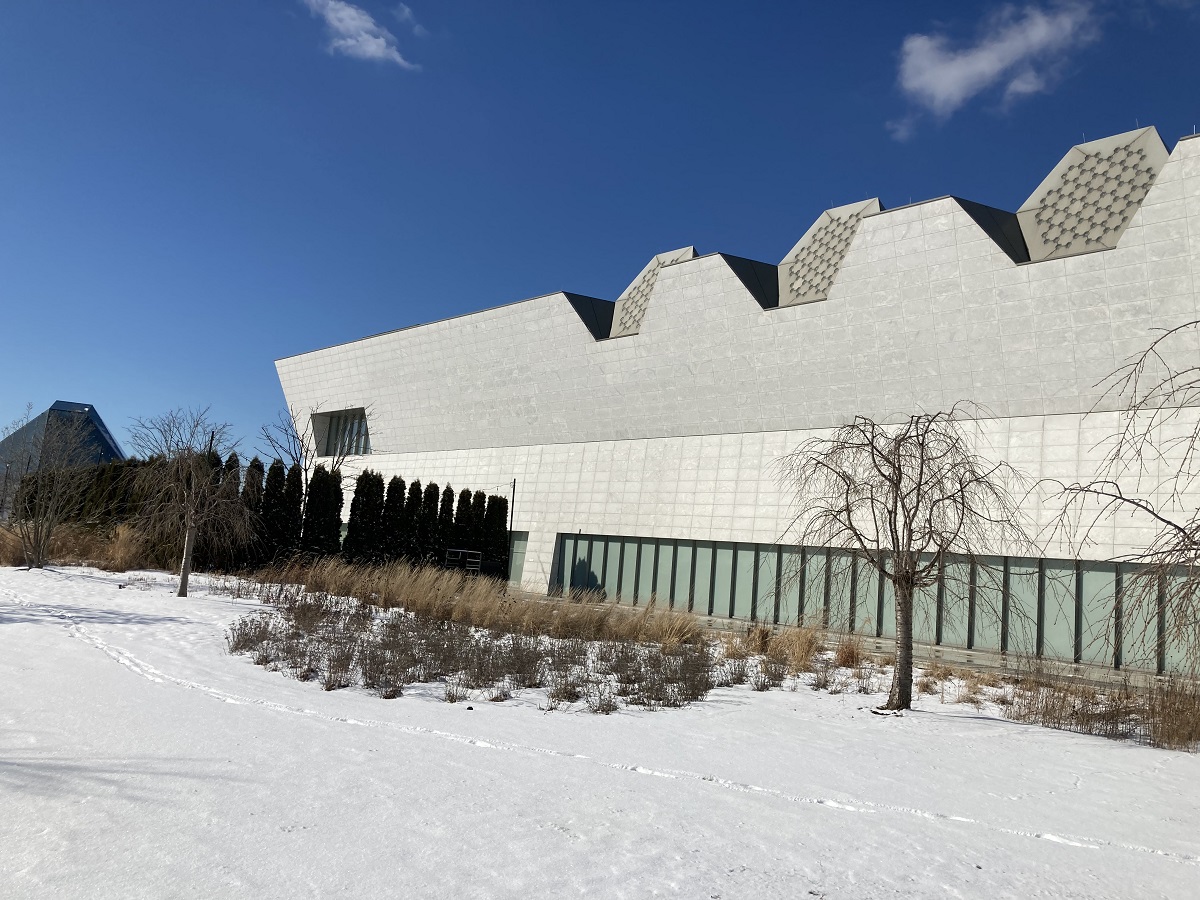
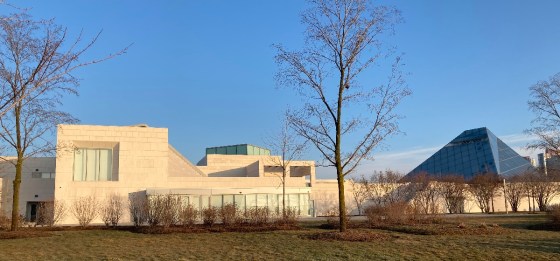
A view of the Aga Khan Museum and the Ismaili Headquarters Jamatkhana dome from the grounds of Aga Khan Park. Photo: Malik Merchant/Simerg.
An amazing reflection of a rare cloud on the dome of the Ismaili Jamatkhana on an otherwise clear blue sky on February 14, 2021. Photo: Malik Merchant/Simerg.
After spending a good measure of my morning at the Aga Khan Park, I returned home to continue working on the Pemba photo essay for the remainder of the day, while many others would be enjoying their Valentine’s day with their partners in creative settings necessitated by Covid-19.
We welcome feedback from our readers. Please complete the LEAVE A REPLY form below or click Leave a comment. Your letter may be edited for length and brevity, and is subject to moderation.
Before departing this website please take a moment to review Simerg’s Table of Contents for links to hundreds of thought provoking pieces on a vast array of subjects including faith and culture, history and philosophy, and arts and letters to name a few. Also visit Simerg’s sister websites Barakah, dedicated to His Highness the Aga Khan, and Simergphotos.
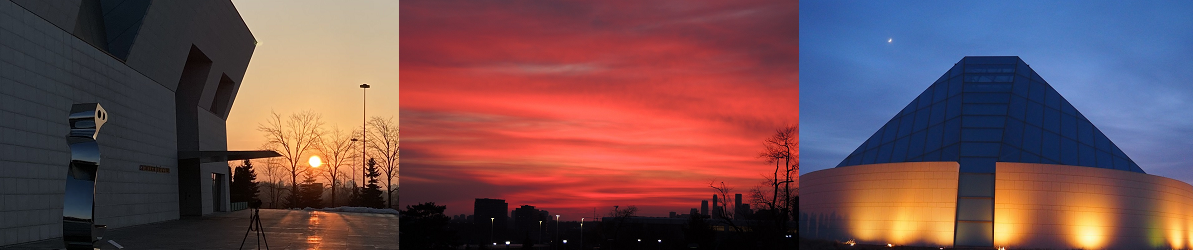
Mawlana Hazar Imam His Highness the Aga Khan’s vision, creativity and thought followed by action makes him a talisman for the Ismaili community and for millions around the entire world. For Simerg’s Malik Merchant, Mawlana Hazar Imam’s three projects in Toronto, among hundreds of others around the world that benefit humanity at large, attest to his brilliant leadership. Malik spent a few hours from dawn to dusk at the grounds of the Aga Khan Museum, the Aga Khan Park and the Ismaili Centre to bring you a collection of marvellous photos. View the complete collection by clicking SIMERGPHOTOS or the image below.
Please click on image for photos.
Date posted: January 19, 2021.
___________________________
Before departing this website please take a moment to review Simerg’s Table of Contents for links to hundreds of thought provoking pieces on a vast array of subjects including faith and culture, history and philosophy, and arts and letters to name a few. Also visit Simerg’s sister websites Barakah, dedicated to His Highness the Aga Khan, and Simergphotos.
By KARIM H. KARIM (The author is Director of Carleton University’s Centre for the Study of Islam and former Co-Director of the Institute of Ismaili Studies)
“… we find ourselves in the moment of transit, where space and time cross to produce complex figures of difference and identity, past and present, inside and outside, inclusion and exclusion.” Professor Homi K. Bhabha, former Master Jurist, Aga Khan Award for Architecture
Abstract: A former Co-Director of the IIS considers this key Ismaili institution’s way forward, following its Board of Governors’ recent reconstitution. Although substantial changes have been made, certain features regarding the diversity of office holders remain. The IIS’s past performance is briefly examined in the article, with respect to academic metrics as well as Ismaili history and values. There have been several achievements in the last four decades, but also some unexpected outcomes. The author discusses the importance of ethics and clarity in chains of authority. IIS’s reconstituted governance structure has the opportunity to put it on a path to globally-recognized excellence and long-lasting impact.
A New Phase
Recent appointments to the governance structures of the Institute of Ismaili Studies (IIS) present an opportunity to consider its way forwards. The substantial reconstitution of the Board of Governors appears to initiate a new phase for this key Imamat institution, which occupies a unique place in-between Jamati and Aga Khan Development Network (AKDN) organizations. This is a time of particular significance as the Governors are tasked with guiding the IIS towards its 50th anniversary in 2027.
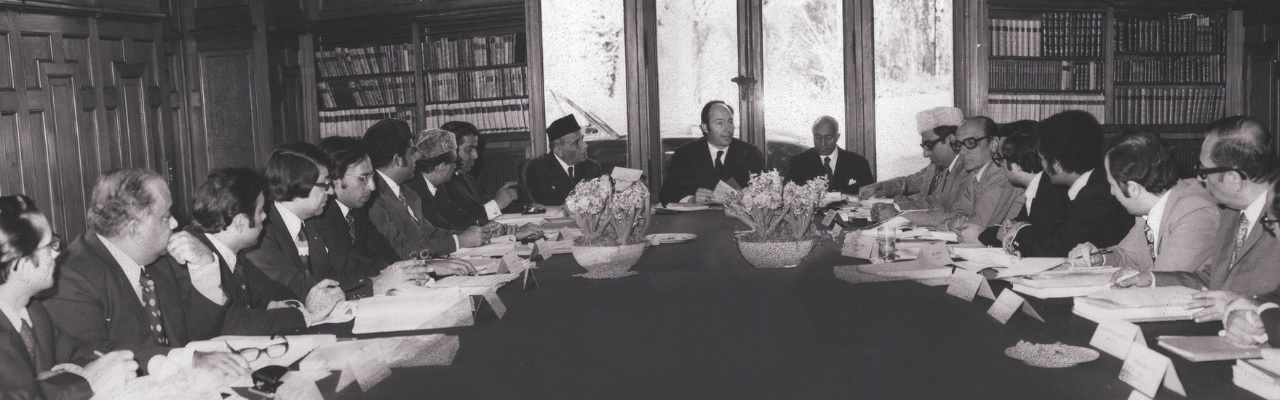
Mawlana Hazar Imam met with leaders of the Ismailia Association and Ismaili scholars in April 1975 in Paris. A decision was taken at the world conference to establish the Institute of Ismaili Studies. Photo: Ilm magazine, October 1975.
The concept of the Institute was formally discussed in 1975 in the historic Paris Conference of the Ismaili Associations, at which Mawlana Hazar Imam presided. He announced the IIS’s establishment in a Talika to the international Jamat on December 13, 1977. The institution began with a very small staff occupying one floor of a London building. Growing and traversing the city for four decades, the IIS settled into its purpose-built home at the Aga Khan Centre in 2018. It currently has research, teaching and support staff of over a hundred and has seen some 650 graduate students pass through its doors. Scores of publications and several sets of curricular materials have been produced. Alumni work around the world in a variety of professions and have particularly enriched the knowledge base of the worldwide Ismaili Tariqah and Religious Education Boards (ITREBs).
Unintended Consequences
The Institute, which has a very distinct institutional character, operates in an organizationally and intellectually liminal space. Governors have played an unusual hands-on role in the operation of this academic organization. Although the IIS’s educational endeavours are limited to the community, it positions itself in the public sphere. Unlike similar scholarly bodies, it does not identify as a theological seminary or a divinity school. It is a post-graduate institution whose students receive degrees from various universities, including the University of London’s School of Oriental and African Studies.
IIS publishes materials on Ismaili, Shia, Quranic and Central Asian studies authored by its own researchers and external scholars. Islamic Publications Limited (IPL), an affiliate, produces them with the imprimaturs of presses such as I.B. Tauris and Oxford University Press. Whereas substantial work has been carried out in examining Arabic and Persian documents, the study of Indic manuscripts (bearing content such as Ginans) has been miniscule in the last four decades. Research is also conducted on the transnational Ismaili community’s living traditions, but it is not published for the most part. The Institute prioritizes a rationalistic and civilization-centred approach over faith perspectives in its course instruction and religious education curricula for the global Jamat.
These characteristics, viewed as appropriate for the IIS’s particular mandate, have, however, raised an air of ambivalence that has apparently produced unintended consequences. A number of students in the Graduate Programme in Islamic Studies and Humanities (GPISH), who arrive at the Institute of Ismaili Studies expecting a faith-friendly academic approach undergo cognitive dissonance (Magout, 2020, chapter 6). Most alumni do not list the Institute on their CVs or LinkedIn profiles; faculty members have been leaving for university positions as soon as they secure them; and one of the two Co-Directors’ posts has remained unfilled for almost a decade. Furthermore, donors who have contributed substantially to the endowment are perplexed by the asymmetry in Ismaili areas of research.
Aspirations for Excellence
At its founding, the IIS was compared to learned institutions like the Dar al-Ilm and Al-Azhar University, which were established a thousand years ago under the aegis of Fatimid Imam-Caliphs. Al-Azhar survived the fall of the Fatimids and flourishes today as a prominent centre of Muslim learning. Can one expect that the IIS will also function for hundreds of years? Perhaps the more pertinent question is whether it will make a lasting impact. What will the role of the governance structure be in helping it achieve this?
Although the Institute is a globally-recognized hub of Ismaili Studies, it has some ways to travel before being acknowledged as a centre of scholarly excellence. It recently made a selection of books available electronically, but many important IIS contributions remain absent in cyberspace and from most bookstores as well as university and public libraries. It is also unfortunate that only a handful of its more than 120 books have done well in academic citation indices.
One could argue that standard scholarly metrics are inappropriate for an institution whose aspirations are drawn from millennial-long history. Is it more apt then to measure the Institute’s performance in terms of the Ismaili past? Of the many luminaries in previous eras, the most well-known outside the community are the Ikhwan al-Safa (circa 10th century), Nasir-i Khusraw (d. 1088) and Nasir al-Din Tusi (d. 1274). Satpanthi Pirs conducted ingenious syntheses of Indic and Islamic traditions that stand as major human achievements of pluralist engagement. These intellectuals are exemplars of excellence whose contributions have been of universal significance. They maintained a rigorous independence of thought within parameters of the Ismaili movement and its intellectual universe. Given the aspirations for the IIS, should we expect it to provide the conditions for nurturing scholars of similar calibre in our time?
Contemporary Values as Metrics
Contrarily, one can contend that it is not right to apply historical standards to 21st century contexts. Perhaps the benchmarks for success are to be drawn from the community’s current emphases on ethics, meritocracy, and pluralism. This topic is addressed here only with reference to IIS’s Boards.
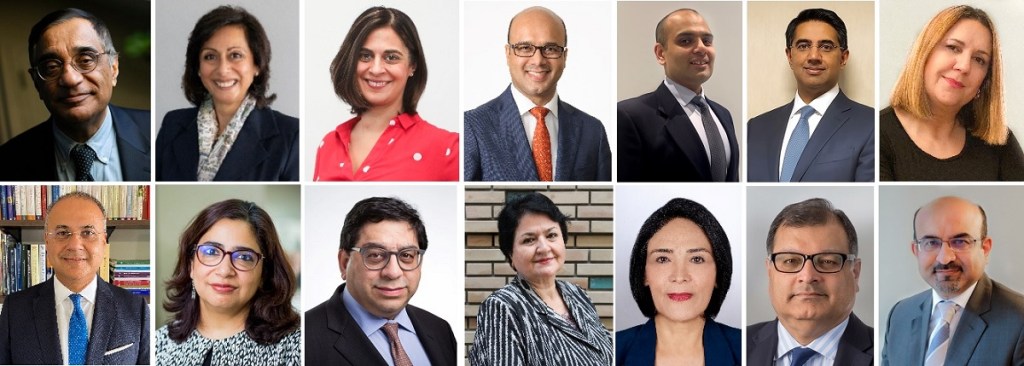
New Board of Governors of the Institute of Ismaili Studies, appointed by Mawlana Hazar Imam effective December 13, 2020. Top row (from left): Professor Ali Asani, Dr Nadia Eboo Jamal, Mrs Karina Govindji, Dr Arif Jamal, Mr Rahim Karim, Mr Alykhan Kassam, and Professor Nacim Pak-Shiraz. Bottom row (from left): Mr Amyn Kassim-Lakha, Professor Tashmin Khamis, Mr Naguib Kheraj, Dr Sharofat Mamadambarova, Dr Shogufa Mir Maleky, Mr Habib Motani, and Professor Farid F. Panjwani. Collage by Barakah from IIS profile photos
The new Governors are drawn from commercial and academic sectors, and they include some IIS alumni. Mawlana Hazar Imam continues as Chairman. Membership of the current Board of Governors (BoG), which began its term on December 13, 2020, is remarkably different from earlier ones in size, gender, age, ethnicity, geographic scope, and outlook. Although the IIS has been an international institution since inception, preceding Boards consisted almost entirely of middle aged men of British residence, with the balance tilting towards commercial worldviews. The incoming BoG’s average age has dropped considerably in comparison to the preceding one. There are now six women and eight men, and half of the Governors are currently located outside the UK. Eight newcomers are academics, most of whom have taught at universities. Several individuals have had experience in Jamati institutions, including ITREB, which is a major partner of the IIS. It is also noteworthy one Governor has professional expertise in diversity and inclusion.
There has been some non-Ismaili presence previously; however, this BoG’s members are all Ismaili. When Professor Mohammed Arkoun passed away in 2010, the remaining six Governors were all South Asian men of East African provenance. Whereas the new BoG is enriched by the presence of other ethnicities, all three members of the Board of Trustees (BoT), the IIS’s primary governing body and of which the BoG is a sub-committee, are UK residents of South Asian background, as are all four Board members of Islamic Publications Limited. Full time academics are absent from the BoT and IPL. The former does, however, have a female Trustee. There is much more pluralist inclusion than in earlier manifestations of the institution’s governance structures, but they have considerable room for improvement.
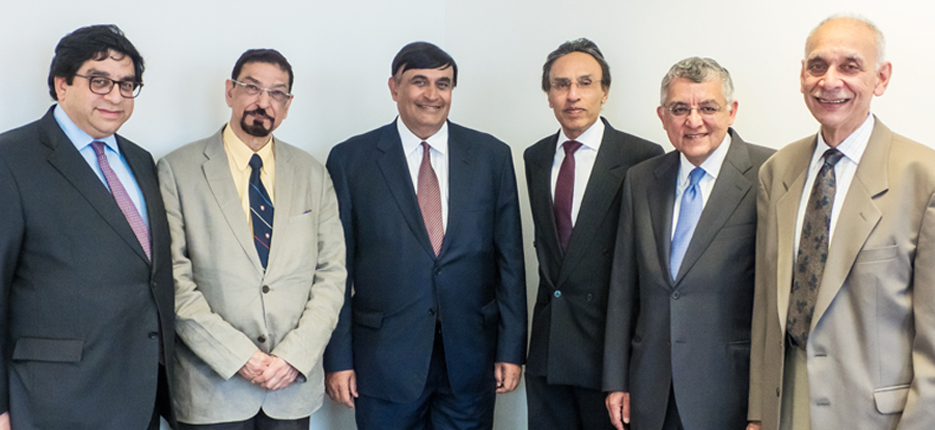
The IIS Board of Governors (1995-2020). From left to right: Mr Naguib Kheraj (who remains on the new board appointed on December 13, 2020), Dr Mohamed Keshavjee, Dr Shafik Sachedina, Dr Aziz Esmail, Mr Zauhar Meghji and Professor Afzal Ahmed. Missing in the photo is the Late Professor Mohammed Arkoun who was also a member on the Board. He passed away on September 14, 2010 at the age of 82. Photo: The IIS
A truly unique characteristic of the previous BoG was not identity but longevity. Its more than 25-year term was one of the lengthiest in the world. Whereas this provided continuity and familiarity with the work at hand, shorter tenures usually mitigate detrimental tendencies in such organizations. Stretches that are longer than seven years seem inadvisable.
The presence of new university-linked Governors should help to assert academic norms in matters such as standardized merit-based pay scales rather than particular arrangements for some employees; remuneration for performance adjudicated according to published benchmarks instead of bonuses based on ambiguous criteria; and discontinuation of consulting contracts with Governors. Notably, the current separation of Board members from IIS’s remunerated staff makes the organizational chart look less like the M.C. Escher lithograph “Relativity”.
Ethics, Ambiguity, and Credibility
Ismaili history has seen the development of ethical codes in the works of Qadi Nu’man (d. 974), dai Ahmad al-Naysaburi (d. circa 11th century), Pir Sadardin (d. circa 14th century), and Imam Mustansirbillah II (d. 1475). Writing at a time of deep corruption in the Fatimid state, al-Naysaburi warned that “chaos will reign” with the failure of integrity among the Imam’s leaders (Klemm and Walker, 2011, p. 75). The IIS developed an AKDN “ethical framework” two decades ago; however, this theoretical document does not provide guidance for actual deontological practice. There remains ambiguity about the pragmatics of ethics in contemporary Ismaili institutions. Narratives on this subject have sometimes drifted towards trivialization; for example, one Jamati periodical’s feature on an “Ethic of the Month” seemed to reduce long-term values to fleeting tastes (The Ismaili Bulletin, Issue 54, March 2018). Given the importance that the community gives to the subject of ethics, serious issues like conflicts of interest, cronyism, nepotism, harassment, and bullying, which unfortunately appear over time in most human organizations, will need to be dealt with effectively and coherently. These issues must be an integral part of a 21st century code of conduct that provides clear guidance for everyone involved with the work of Jamati as well as AKDN institutions.
Systemic deficiencies in institutional procedures have unpredictable outcomes and can be factors for reputational loss. Incoming academic Governors will know that ambiguous chains of authority in scholarly institutions lead to the unchecked promotion of pet projects with dubious merit. A book published in 2018 by the Institute (but not initiated by its Department of Academic Research and Publications) was reviewed in a recent issue of the journal Arabica. The reviewer, who is the Director of the University of Lausanne’s Institute of the History and Anthropology of Religions, assessed it to be “a book of propaganda … without method and completely devoid of critical analysis” (Halawi, 2020, 315). Such unfortunate situations can be avoided by instituting an academic editorial board that oversees IIS’s scholarly publications to replace largely ambiguous practices of vetting manuscripts for “sensitivities.” (Such an editorial board already exists for the Quranic Studies Series.) The new Governors will also be aware of the importance of ensuring that the institution’s faculty, students and academic visitors have ready access to library materials that reflect a plurality of views, including those that are considered to be “sensitive.” Such efforts will assist in enhancing the IIS’s scholarly credibility in academic circles.
Transparency and Demarcations of Authority
Despite the noblest of intentions, the tendency in human organizations is for power to accumulate in a few persons. Whereas the doubling of the number of Governors to 14 offers advantages, it may also produce the conditions for the emergence of a hierarchy and the marginalization of some individuals. A horizontal relationship and equitable sharing of information in the globally-constituted BoG is important. Fair and optimal participation by Governors can be ensured by upholding transparency. Transparency and disclosure will not only strengthen the corporate governance framework but also provide Mawlana Hazar Imam with all the pertinent information.
It is expected that Hazar Imam will meet with the Governors and Directors once a year, with respective Board committees working on specific policy issues in the interim. The transnational BoG has the challenge of working efficiently across continents. Given these circumstances, safeguarding the greatest possible diversity in every committee will help ensure the pluralist expression of views. This should help to mitigate the influence of cliques and undue bias for or against specific issues and employees.
A key consideration facing the new Governors is the extent of the BoG’s involvement in operational matters. Healthy, well-functioning institutions are characterized by clear demarcations of authority and function, with Boards having confidence in duly-appointed Directors to take charge of administration. Clear protocols regarding Governors’ communications with employees, which rarely occur in universities, ensure that administrative authority is not undermined. Scholarly conventions should also determine the leadership of various organizational committees (academic, curricular, and community relations as well as finance and human resources).
A Potential Turning Point
The strong presence of university-based academics in the Institute’s new BoG signals that scholarly priorities will be paramount in the years to come. This Board’s tenure has the potential for being a turning point. It has the opportunity to put the IIS on the path to globally-recognized excellence by moving closer to academic norms of organization and outlook. Professor Mohammed Arkoun used to speak of “intellectual modernity” in contemporary Muslim contexts. Such a disposition requires not only scholarly rigour but the confidence to conduct critical introspection. There are important discussions to be had about the adoption of greater academic freedom, critical inquiry, and the broaching of “sensitive” topics as well as about effective ways to engage with the transnational Jamat, with which the Institute has an integral relationship. Governors will constantly have to account for the dual contexts of community and public scholarship. This calls for skillful and conscientious navigation between the shores of the parochial and the universal. The likes of the Ikhwan al-Safa, Nasir-i Khusraw, Nasir al-Din Tusi and Pir Sadardin have shown us that this is eminently possible.
Date posted: January 10, 2021. Last updated: May 31, 2025 (reformatting, typos).
____________________
Reproduction of material posted on this website without the expressed written permission of the publisher is prohibited. For permission to reproduce in whole or part, please write to mmerchant@simerg.com.
We welcome feedback from our readers. Please complete the LEAVE A REPLY form below or click Leave a Comment. Your letter may be edited for length and brevity, and is subject to moderation.
Karim H. Karim
About the author: Professor Karim H. Karim is the Director of Carleton University’s Centre for the Study of Islam, where he has held the International Ismaili Studies Conference. He previously served as Co-Director of the Institute of Ismaili Studies (IIS) and Director of Carleton’s School of Journalism & Communication. Dr. Karim has had visiting scholarly appointments at Harvard University, Aga Khan University/Simon Fraser University, and the IIS. He has also been an advisor for AKU and the Central Asian University and has been a member of the AKDN’s Higher Education Forum. Additionally, he has served in Kenyan, American, and Canadian Jamati institutions (Education, Ismaili Association, and Ismaili Tariqah and Religious Education Board, ITREB). Professor Karim is an award-winning author whose globally-cited writings include publications on Ismaili communities, institutions, and leadership. He has delivered distinguished lectures at venues around the world and has been honoured by the Government of Canada for promoting co-operation among faith communities. He studied at Aga Khan schools in East Africa and at the IIS, and holds degrees from Columbia and McGill universities in Islamic and Communication Studies.
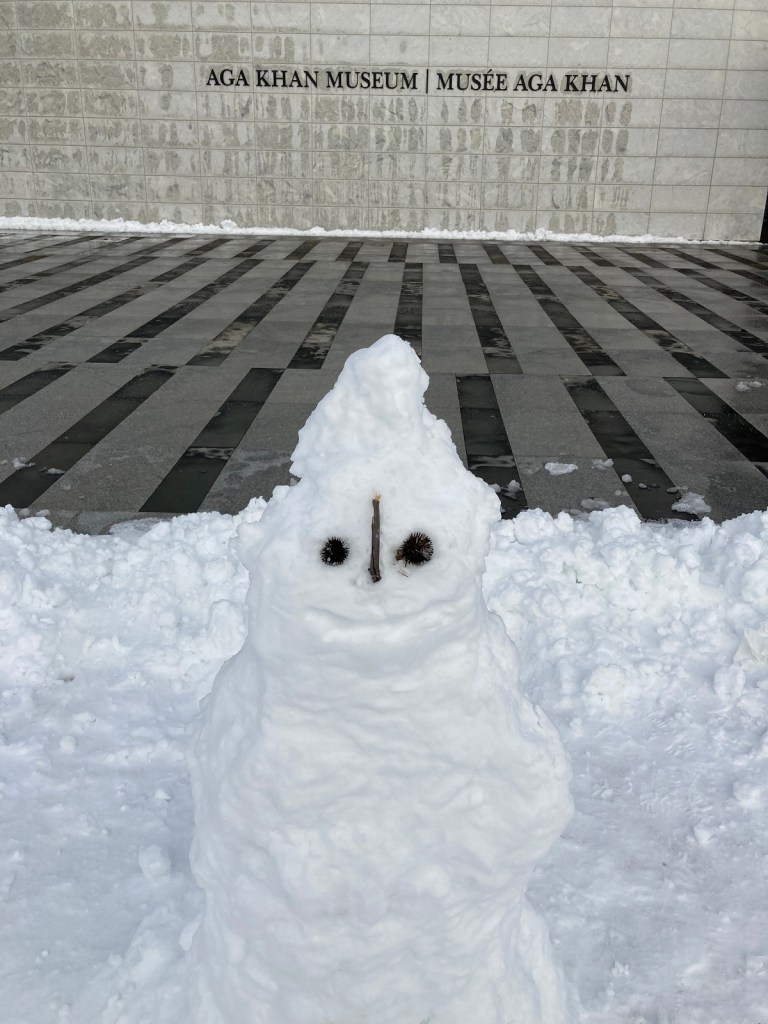
With more than 10 cms of overnight snow, affirming December 25, 2020 as white Xmas, Malik Merchant put on his winter boots, in addition to wearing warm clothes, and headed to his favourite spot armed with a fully charged camera, an orange and an apple (to keep the doctor away)! Someone’s genuine love for winter, however, put Malik behind in second place, as a cheerful looking snowman had already been constructed…..MORE
I am among the millions of Canadian who have received “Season’s Greetings” from the Prime Minister of Canada, Justin Trudeau, and his wife Sophie Grégoire Trudeau. Their message in a card filled with family photos reads: “Let’s cherish the bonds of love, family and friendship, near or far. We are one big Canadian family. We will have each other’s backs and hearts in the moments when it’s needed the most. We will pull through together!”
Click on photos for enlargements
Prime Minister Justin Trudeau with members of his family. Credit: Greeting card issued by Justin Trudeau; collage prepared by Simerg / Malik Merchant.
I thank the Prime Minster for the greetings as well as for seeking to ease the burden for millions of Canadians who are living through one of the most challenging periods in the nation’s history. He has tried to work across party lines both federally and provincially as well as with mayors around the country to bring relief and hope during the Covid-19 pandemic. Through his spontaneous briefings, he has kept the country united. He has recognized the work of the front-end workers, whose spirit and dedication for our well-being during the pandemic will remain in our hearts forever.
The Aga Khan’s Messages
In addition to the Prime Minister’s message, within my own Ismaili community, His Highness the Aga Khan, or Mawlana Hazar Imam as we affectionately and respectfully address him, has sent us messages also known as Talikas, throughout the pandemic year. He has given is guidance, blessed us with his prayers and singled out volunteers for their extraordinary work, offering them his “best affectionate blessings.” In the latest message on the occasion of his 84th birthday which was celebrated on December 13, 2020 by millions of Ismailis, either remotely or in person in Jamatkhanas that were open, His Highness referred to the encouraging development of vaccines and asked his community members to “be guided by the advice and directives of their health authorities to benefit from the protection these vaccines will provide.” I am confident that the Ismaili community will seriously participate in the vaccination program. It was gratifying to watch the Pfizer-BioNTech vaccine, created by the husband-and-wife team of Dr. Ugur Sahin and Dr. Özlem Türeci, being administered to long-term care workers at the Ottawa Hospital’s civic campus on the morning of Tuesday, December 15, an occasion which prompted a visit from the Prime Minister.
Mawlana Hazar Imam Online?
In addition to the Talika’s that are now being read by Ismailis and non-Ismailis alike, my hope is that we will soon be able to hear and see the Imam speaking and addressing about the challenges that we have gone through, and on “building for the future from a position of strength and wisdom.” With Jamati visits now possibly a thing of the past for sometime to come, the digital media offers us the opportunity to see and hear the Imam at opportune times to make that connection even stronger. My own daughter, when she was a student some years ago, and other youth recognizing that Mawlana Hazar Imam cannot be travelling to every Jamat in the world on a regular basis, raised the possibility of the youth of the Jamat being particularly singled out and being spoken to by the Imam for his guidance on numerous aspects of their lives on an annual basis via an online platform. This interaction with their beloved Imam would help increase their awareness about their future responsibilities and paths to success, as well as their greater and more meaningful involvement with the Jamat and its institutions.
Story continues below
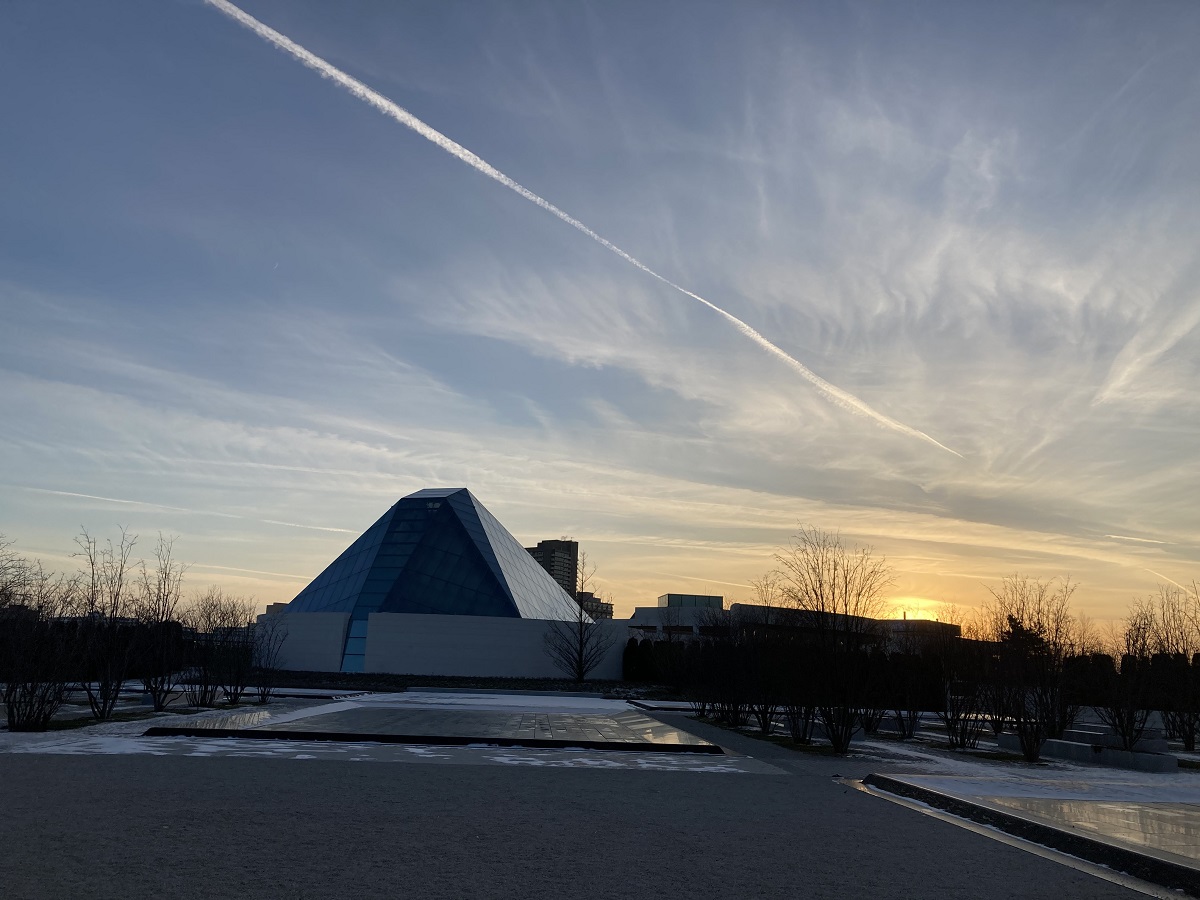
A view of the Ismaili Jamatkhana dome across the ponds of the Aga Khan Park, with the sun setting in the west end of Toronto. A jet plane leaves a white trail in the sky and, in this photo, cloud cover does not provide a clear view of the crescent moon. See next photo.Photo: Simerg / Malik Merchant.
A Walk for Inspiration and Hope
Buoyed by the message of hope in Mawlana Hazar Imam’s most recent Talika and the Prime Minister’s greeting, I decided to walk over to my favourite place in the world — none other than the site of the Aga Khan Museum, the Ismaili Centre and the Aga Khan Park that has added value to my life over the past several months of the pandemic. The grounds were empty of people. There was a dusting of snow on the ground, while some parts of the USA had already seen several inches of snow. Armed with a compass, I knew the 3 day old new moon, still in its beautiful crescent state, was exactly above me but cloud cover prevented me from seeing it clearly. Patience is a good virtue to have, and we have all built that over the pandemic months.
Story continues below
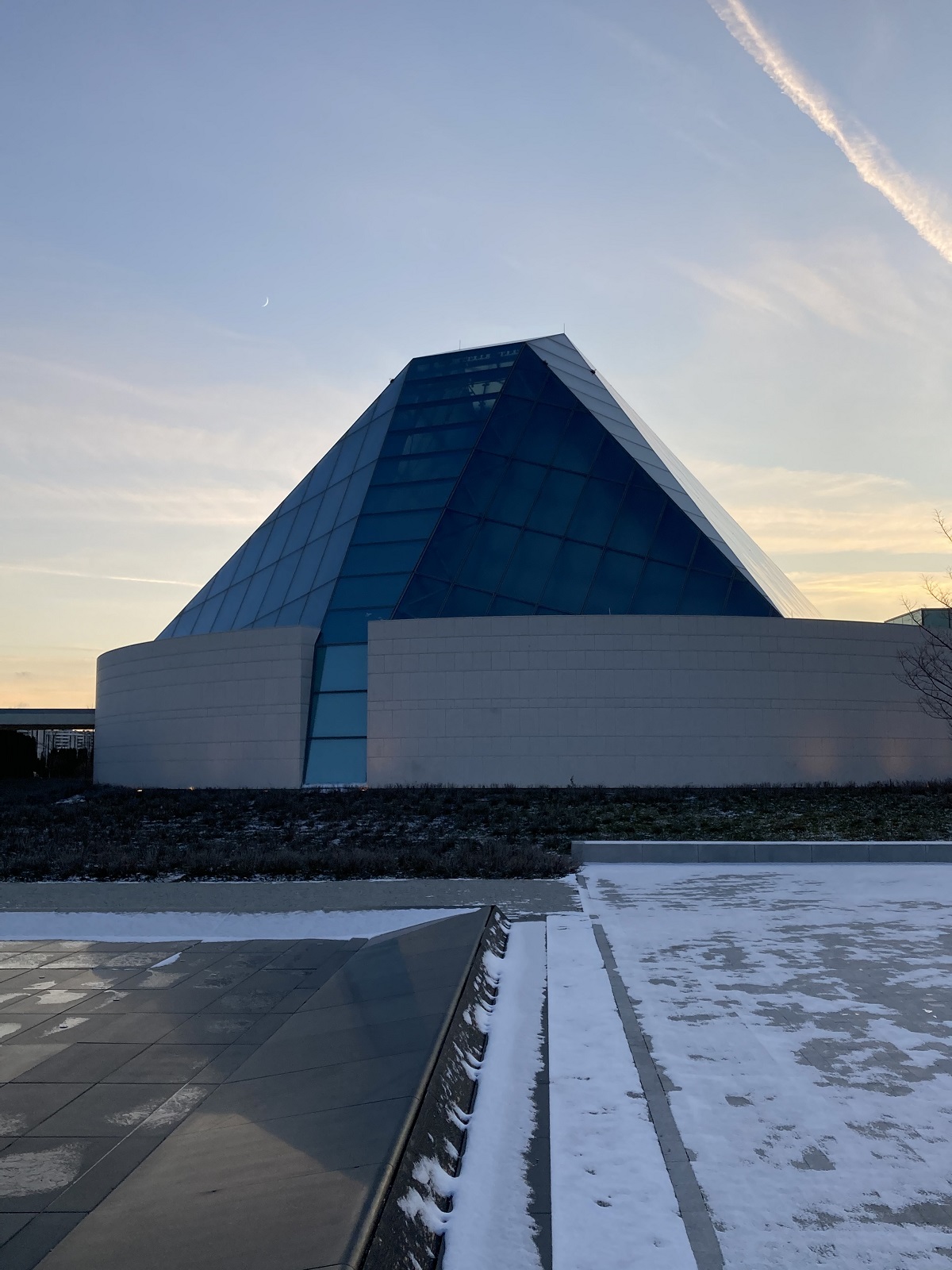
The crescent moon emerges from the clouds over the dome of the Toronto Headquarters Ismaili Jamatkhana located at 49 Wynford Drive. Photo: Malik Merchant / Simerg.
The Crescent Moon and Covid-19 Impacts
After about 30 minutes, as the clouds drifted away, the crescent moon came to my full view. Being in the earlier stages of development, the crescent moon reminded me of the blessed night of Chandraat (new moon night) that fell on Monday, December 14th, and which Mawlana Sultan Mahomed Shah, the 48th Imam, had told us would bring us spiritual peace and happiness. Some prayers on the blessed night of Chandraat are also dedicated to the souls of the deceased. That reminded me of Mawlana Hazar Imam’s Talika of December 11 for the occasion of his birthday in which he gave his best loving blessings for the souls of all his ruhani (deceased) spiritual children, and his prayers for the eternal peace and rest of their souls. My thoughts turned to the thousands of souls who have departed this world during the pandemic, most often without the presence of their families around them or not having ceremonies that they would normally have had.
Story continues below
Scotia Bank building, at left of Aga Khan Museum, with Aga Khan Park ponds at foreground. Photo: Simerg / Malik Merchant.
Then, as I walked away from the Ismaili Centre towards the Aga Khan Museum, the Scotia Bank building with its red logo at the top came to my view. It raised my consciousness of the financial impact Covid-19 has had on the livelihood of millions of individuals and their families, as well as businesses.
Story continues below
The Aga Khan Museum (left), the Ismaili Centre Jamatkhana dome, the crescent moon over highrises, and the flags of Canada, Ontario, Toronto and the Ismaili Imamat. Photo: Simerg / Malik Merchant.
As I began my homeward walk, I turned around and in a single shot captured the glory of nature, the iconic spaces that the Aga Khan has built in a country that values and respects diversity and pluralism, and the flags of Canada, the Province of Ontario, and the City of Toronto flying in unison, alongside the flag of the Ismaili Imamat.
And Greetings from Simerg
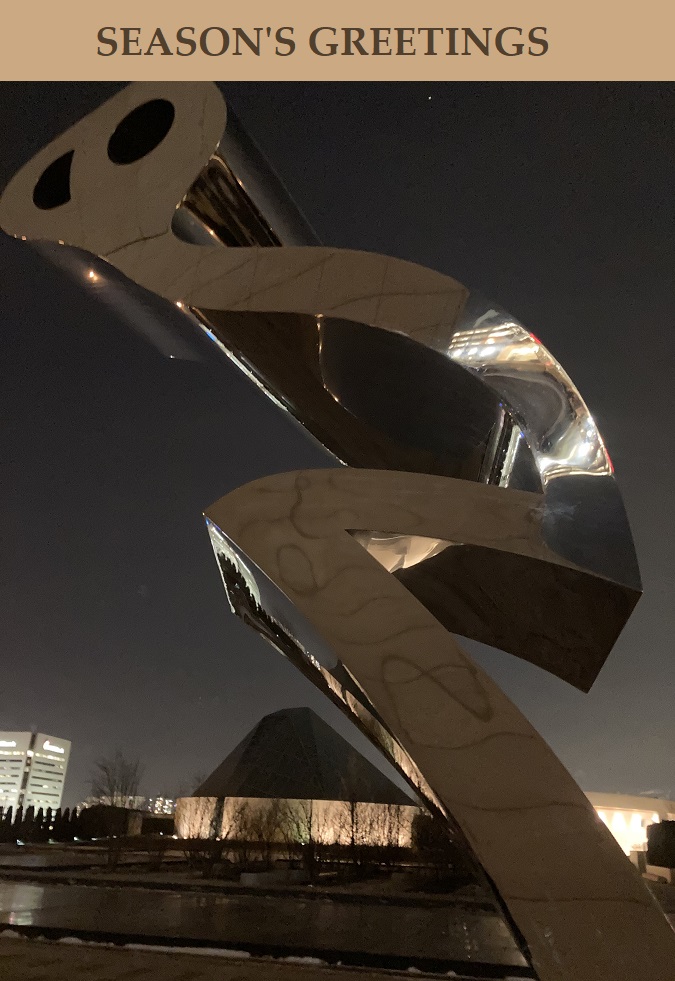
The Big Heech sculpture outside the Aga Khan Museum and the Toronto Headquarters Jamatkhana dome on the night of December 18, 2020. Photo: Simerg / Malik Merchant.
Thus with this small collection of photographs and messages of hope from the Aga Khan and the Prime Minister, the ingenuity of the human mind in developing a vaccine in record time, the dedication of front-line workers in alleviating the sufferings of millions upon millions of people, I send my SEASONS GREETINGS filled with hope to all Canadians as well as friends subscribers and supporters of Simerg and its sister websites Barakah and Simergphotos. My family joins me in wishing everyone happiness.
Date posted: December 18, 2020. Last updated: December 19, 2020 (new photo added).
______________________
Before departing this website please take a moment to review Simerg’s Table of Contents for links to hundreds of thought provoking pieces on a vast array of subjects including faith and culture, history and philosophy, and arts and letters to name a few.
We welcome feedback from our readers. Please complete the LEAVE A REPLY form below or, if you don’t see the box, please click Leave a comment. Your letter may be edited for length and brevity, and is subject to moderation.
Simerg’s Malik at Aga Khan Museum courtyard.
Malik Merchant is the founding publisher/editor of this website, Simerg (2009), as well as two other blogs Simergphotos (2012) and Barakah (2017). Formerly an IT consultant, he now dedicates his time to family projects and his 3 websites. He is the eldest son of Alwaez Jehangir Merchant (1928-2018) and Alwaeza Maleksultan Merchant who both served Ismaili Jamati institutions for several decades in Mozambique, Tanzania, Pakistan, the UK and Canada in both professional and honorary capacities as teachers and missionaries. Malik’s daughter, Dr. Nurin Merchant, assists him as an honorary editor of the three websites. She received her veterinary medicine degree with distinction from the Ontario Veterinary College (2019, University of Guelph) and now works as a veterinarian.
“I say to you today, and particularly the younger generation, use your energy, use your imagination, use your strength, but do not waste it. Do not waste it in drinking, in smoking cigarettes, in eating, in smoking drugs or whatever it may be. This is not for our Jamat…. stay a healthy Jamat and face the problems without wasting your energy and time and money on these other habits. Remember this is a matter of importance, because these habits can weaken the Jamat.” — Mawlana Hazar Imam, His Highness the Aga Khan, Dar es Salaam, November 11, 1970*; also read Good principles articulated by the Aga Khan
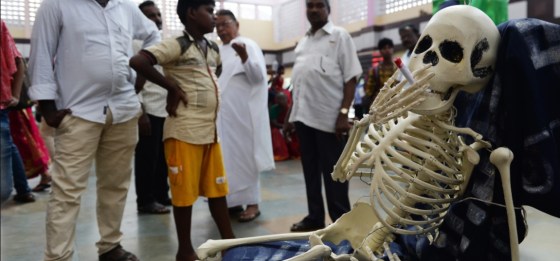
The following piece as well as the photo featured at the top of this post is reproduced from a recent edition of the Voice of America. In the photo, bystanders look a replica of human skeleton smoking cigarette during an awareness rally on occasion of the “World No-Tobacco Day,” in Chennai, India, May 31, 2019.
The World Health Organization is calling on governments around the world to ensure their citizens have resources and tools to help them give up tobacco smoking as it launches a yearlong campaign aimed at helping 100 million people quit.
The campaign, Commit to Quit, is focusing on 22 countries including the United States, and it officially got under way Tuesday ahead of World No Tobacco Day 2021, in May.
A WHO statement said the Commit to Quit campaign is aimed at creating “healthier environments that are conducive” for people who want to give up smoking.
The WHO hopes to capitalize on users who have decided to quit since the novel coronavirus pandemic began by creating communities of peer quitters, according to the statement.
Earlier this year, the WHO warned that tobacco users are at high risk of dying from COVID-19.
About 780 million tobacco users say they want to quit, but just 30% have access to resources that can help them do so.
Director of Health Promotion Dr. Ruediger Krech said global health authorities must take full advantage of the millions of people who want to quit. He urged governments to “invest in services to help them be successful,” and “divest from the tobacco industry and their interests.”
Credit: Wellcome Collection, UK. The image is not part of the VOA article.
The WHO is employing digital tools such as the Quit Challenge on Whatsapp to provide social support. Also, the WHO’s 24/7 digital health worker to help people quit tobacco is available in English and soon will add five other languages.
The campaign is encouraging initiatives such as “strong tobacco cessation policies; increasing access to cessation services and raising awareness of tobacco industry tactics.”
Tobacco is a major risk factor for noncommunicable diseases such as cardiovascular disease, cancer, respiratory disease and diabetes. Moreover, people living with these conditions are more vulnerable to severe COVID-19.
“Smoking kills 8 million people a year, but if users need more motivation to kick the habit, the pandemic provides the right incentive,” WHO Director-General Dr. Tedros Adhanom Ghebreyesus noted.
Before departing this website please take a moment to review Simerg’s Table of Contents for links to hundreds of thought provoking pieces on a vast array of subjects including faith and culture, history and philosophy, and arts and letters to name a few.
We welcome feedback from our readers. Please complete the LEAVE A REPLY form below or, if you don’t see the box, please click Leave a comment. Your letter may be edited for length and brevity, and is subject to moderation.
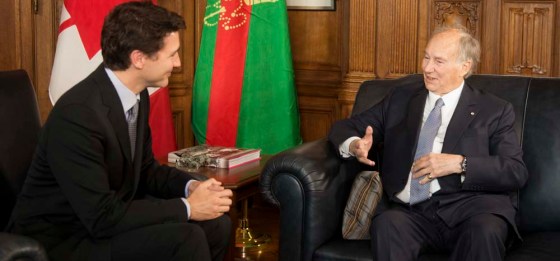
The Prime Minister, Justin Trudeau, issued the following statement marking the birthday of His Highness Prince Karim Aga Khan:
“Today, we join Shia Imami Ismaili Muslims in Canada and around the world to celebrate the 84th birthday of their spiritual leader, His Highness the Aga Khan.
“A global humanitarian, the Aga Khan has made it his mission to build a better, more peaceful world. In a year where we have seen inequalities compounded by the effects of a global pandemic, His Highness has continued to work to help reduce poverty, advance gender equality, and improve health care and education. Whether through his Global Centre for Pluralism in Canada or the Aga Khan Development Network, his tireless efforts have helped make Canada, and the world, more inclusive.
“The Aga Khan shares many of the values Canadians hold dear, including kindness, compassion, and respect for diversity. In a world often fraught with division, His Highness has continually worked to bring people together. His unwavering dedication to helping others is an inspiration to us all. For these reasons, he was named an honorary Canadian citizen and invested as an honorary Companion of the Order of Canada.
“Today, Sophie and I thank the Aga Khan for his outstanding leadership. We wish him continued health and happiness on this special day and for years to come.
Before departing this website please take a moment to review Simerg’s Table of Contents for links to hundreds of thought provoking pieces on a vast array of subjects including faith and culture, history and philosophy, and arts and letters to name a few.
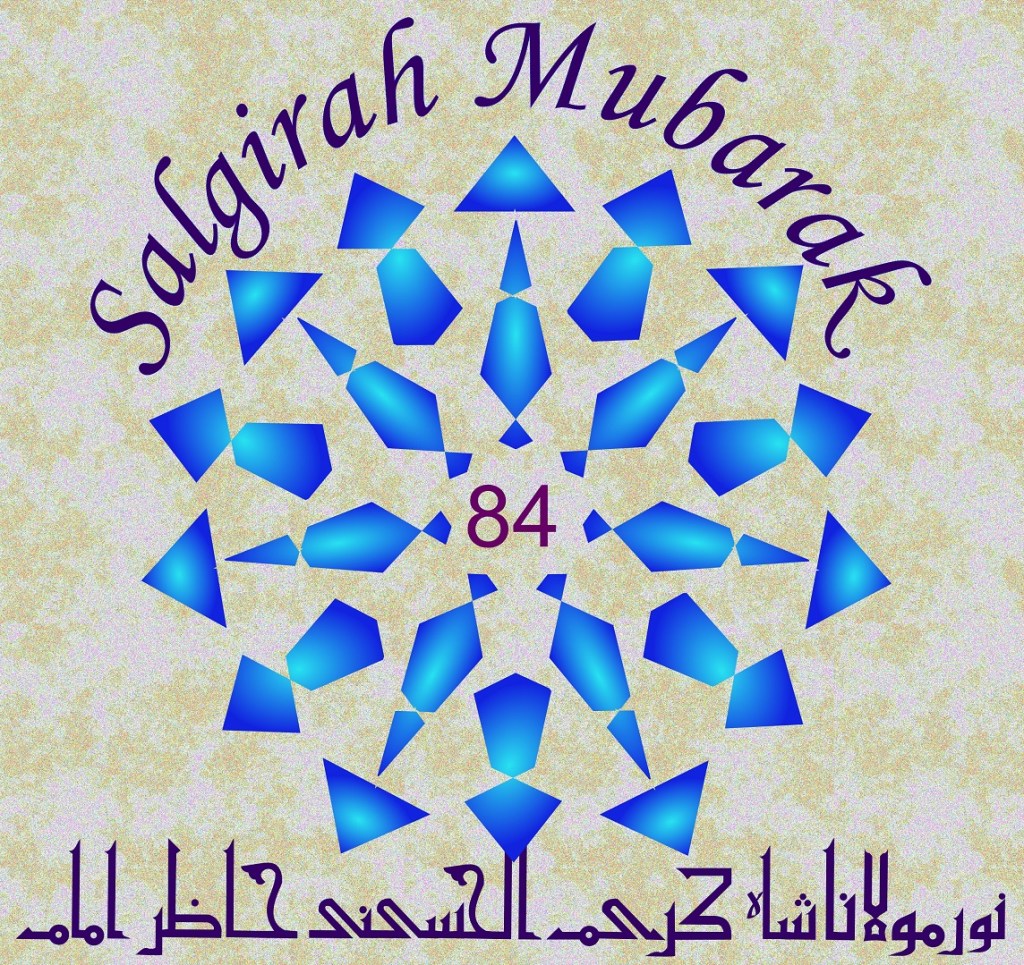
On the occasion of his 84th birthday or Salgirah on December 13, 2020, His Highness the Aga Khan has sent a special message, traditionally referred to as a Talika, to his followers around the world. The Talika is published HERE in English, French, Portuguese, Farsi, Arabic, Gujarati, Tajik, Urdu and Russian.
We have an insightful article for our readers on the significance of the Aga Khan’s birthday. To read it, please click HERE or on the Salgirah Mubarak greeting shown below.
We convey Salgirah greetings to our readers, Ismailis and non-Ismailis alike, and wish everyone and their families happiness and success as well as courage, strength and good health — especially in the present time of a global pandemic. We further hope and pray for the fulfillment of all your wishes. Ameen.
The calligraphy in this beautiful Salgirah Mubarak greeting celebrating the 84th birthday (Salgirah) of Mawlana Hazar Imam, His Highness the Aga Khan, was created by Karim Ismail of Toronto, and represents the Aga Khan’s name “Nur Mawlana Shah Karim al Hussaini” in Fatimid Kufi script. Please click on image to read article on significance of Salgirah.
The Ismaili community tends to shy away from controversies. However, lately, we have seen the engagement of Ismaili activists and youth with Black Lives Matter and the US elections. In response, we have given fora to the Ismaili youth to talk about racial injustice and discuss issues raised by challenged members, such as the deaf within the Jamat (community).
Over the past day, I received several links carrying damaging reports about Ms. Yasmin Ratansi, an iconic member of the Liberal Party of Canada for decades and the Federal MP for the Don Valley East riding since 2014. She has resigned from the Liberal caucus over allegations that she employed her sister at her constituency office. She has decided to represent herself in her riding as an Independent. The opposition party, however, is calling for her immediate resignation. Prime Minister Justin Trudeau in a statement made to the journalists on Tuesday, November 10, said that he was deeply disappointed by the news that he had learned from Ms. Ratansi about how she handled the office. He added that it was unacceptable and expects there will be a thorough follow up by [House of Commons] administration on the matter.
Yasmin Ratansi is very well known among her constituents and within the Ismaili Muslim community, where she has been an active member since her childhood years in Dar es Salaam, Tanzania. She has also served in Jamati institutions in numerous capacities.
We feel proud when Ismailis are elected or appointed to high positions at the provincial or federal level. Over the years, Simerg has proudly shown Yasmin’s pictures and presented pertinent articles that were brought to our attention.
Now the long admired Yasmin has let her own community down, with this latest revelation. While she has apologized for her actions, she owes an apology particularly to the Ismaili community for her mistake.
We have numerous other Ismailis working at Federal level as MPs and in the Senate. Over the years, I have been disappointed with all of them for not even having the courtesy to respond to important matters that I had brought to their attention.
The friend who first sent me a link through Whatsapp on Yasmin Ratansi was deeply hurt by what he had read on CBC. He was particularly concerned that repeated guidance on ethics by Mawlana Hazar Imam, His Highness the Aga Khan, had been ignored.
During his 2017-2018 Diamond Jubilee visits to Ismailis around the world, Mawlana Hazar Imam urged them to think about the foundations of their work, noting that this had its basis on the faith and its ethics. That ethic, he said, entailed integrity, humility and honesty, and the rigor of behaving in a manner that would be beneficial to the current and future generations of the Jamat as well as to the country and society at large.
This brings me to the important point that Ismailis who are serving or wish to serve within the Jamati institutional structure, or public office should be cognizant of this advice from Mawlana Hazar Imam.
Date posted: November 11, 2020.
___________________________
Before departing this website please take a moment to review Simerg’s Table of Contents for links to hundreds of thought provoking pieces on a vast array of subjects including faith and culture, history and philosophy, and arts and letters to name a few.












 Simerg - Insights from Around the World