Simerg is an independent initiative dedicated to Ismaili Muslims, the Aga Khan — their Hereditary Imam — and the Ismaili Imamat, and Islam in general through literary readings, photo essays and artistic expressions
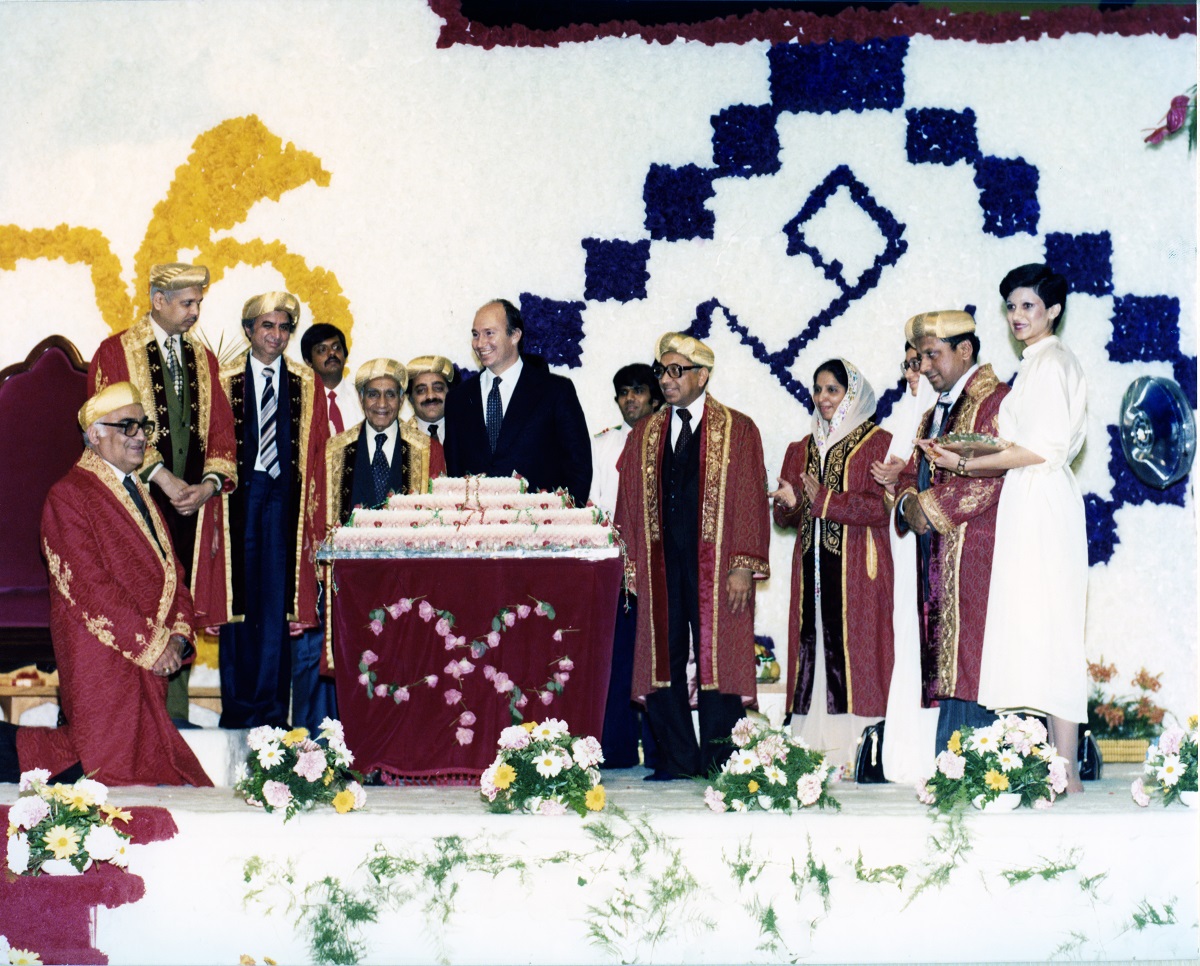
Mawlana Hazar Imam, His Highness the Aga Khan, is presented with a birthday cake at the International Centre in Toronto ahead of his birthday on December 13, during his first visit to his Ismaili Muslim followers in Canada in November 1978. Photograph: Zeenat Virani Family Collection, Vancouver.
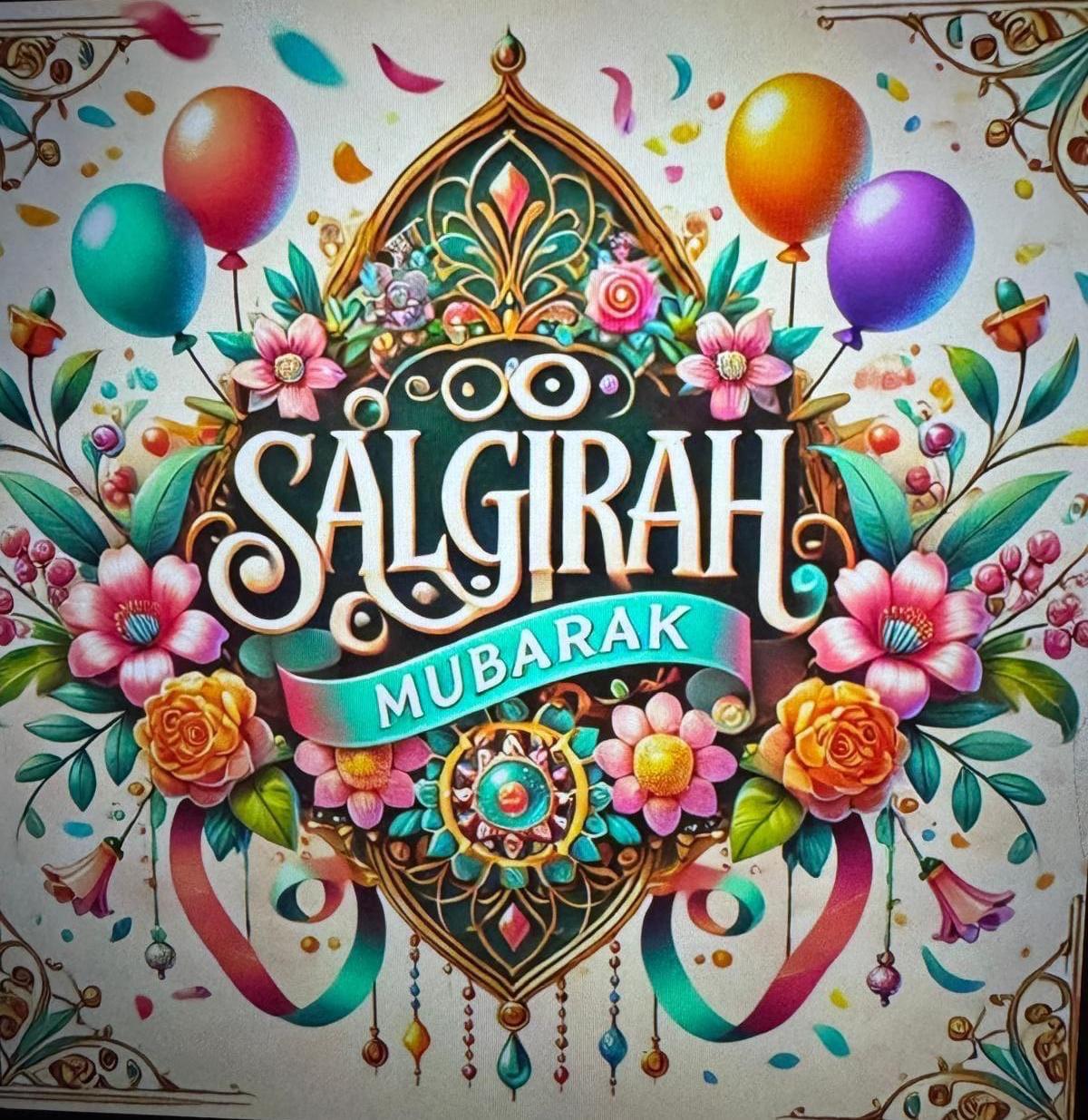
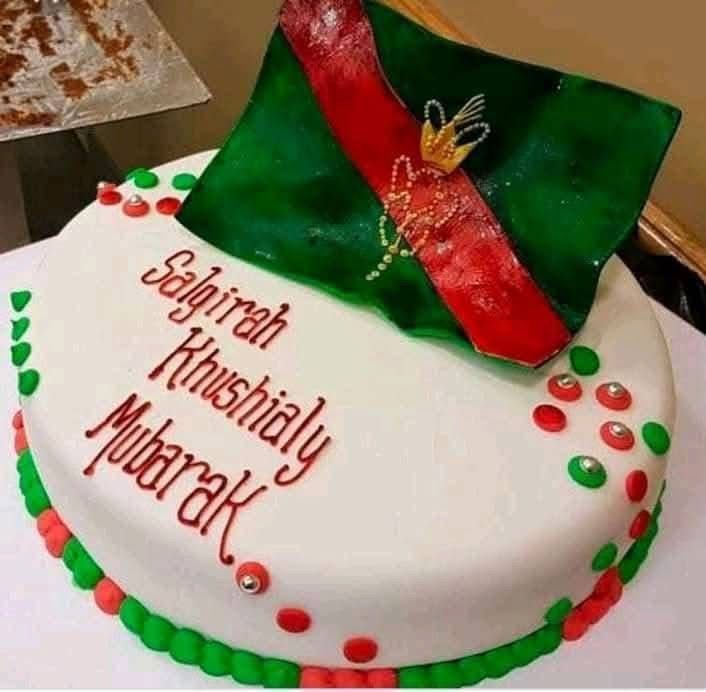
Social media platforms are filled with unique and beautiful birthday (Salgirah) greetings, birthday cakes and artwork on the auspicious occasion of Mawlana Hazar Imam, His Highness Prince Karim Aga Khan’s 88th birthday.
Born on December 13, 1936, he became the 49th Hereditary Imam of the Shia Ismailis on July 11, 1957. At 88, Mawlana Hazar Imam is the oldest living Imam in Ismaili history, and his reign of 67 years is the second longest. His grandfather ruled for an astonishing 71 years and celebrated the Platinum Jubilee.
Story continues below
A beautiful greeting on the auspicious occasion of the birthday of Mawlana Hazar Imam, His Highness the Aga Khan. Photograph: Social Media.
~~~~~
~~~~~~
As Ismailis celebrate their Imam’s birthday, they take pride in the historical significance of his reign, which has inspired and guided the community through the years. They are also mindful of their brothers and sisters’ difficulties in conflict areas in several parts of the world. The messages embedded in several greetings reflect the problematic situation and include inspiring prayerful notes.
Artistic greeting with a poem honouring Mawlana Hazar Imam, His Highness the Aga Khan. Photograph: Social Media.
~~~~~~
A cake celebrating the birthday of Mawlana Hazar Imam, His Highness the Aga Khan, with the red-green Ismaili flag containing the Aga Khan’s crest in the centre. Photograph: Social Media.
~~~~~~
A Swahili Song Honouring the Aga Khan on His Birthday
Swahili Song circulating on social media greeting His Highness Prince Karim Aga Khan Mawlana Hazar Imam on his birthday (Salgirah or Khushiali Mubarak) and thanking him for his guidance.
We join Ismailis worldwide in conveying our gratitude to our beloved Imam on his 88th birthday for guiding his spiritual children on the Straight Path, Blessing us and always keeping us under his loving paternal-maternal care. We pray for the happiness and mushkil ahsan — protection from difficulties — of Ismailis around the world.
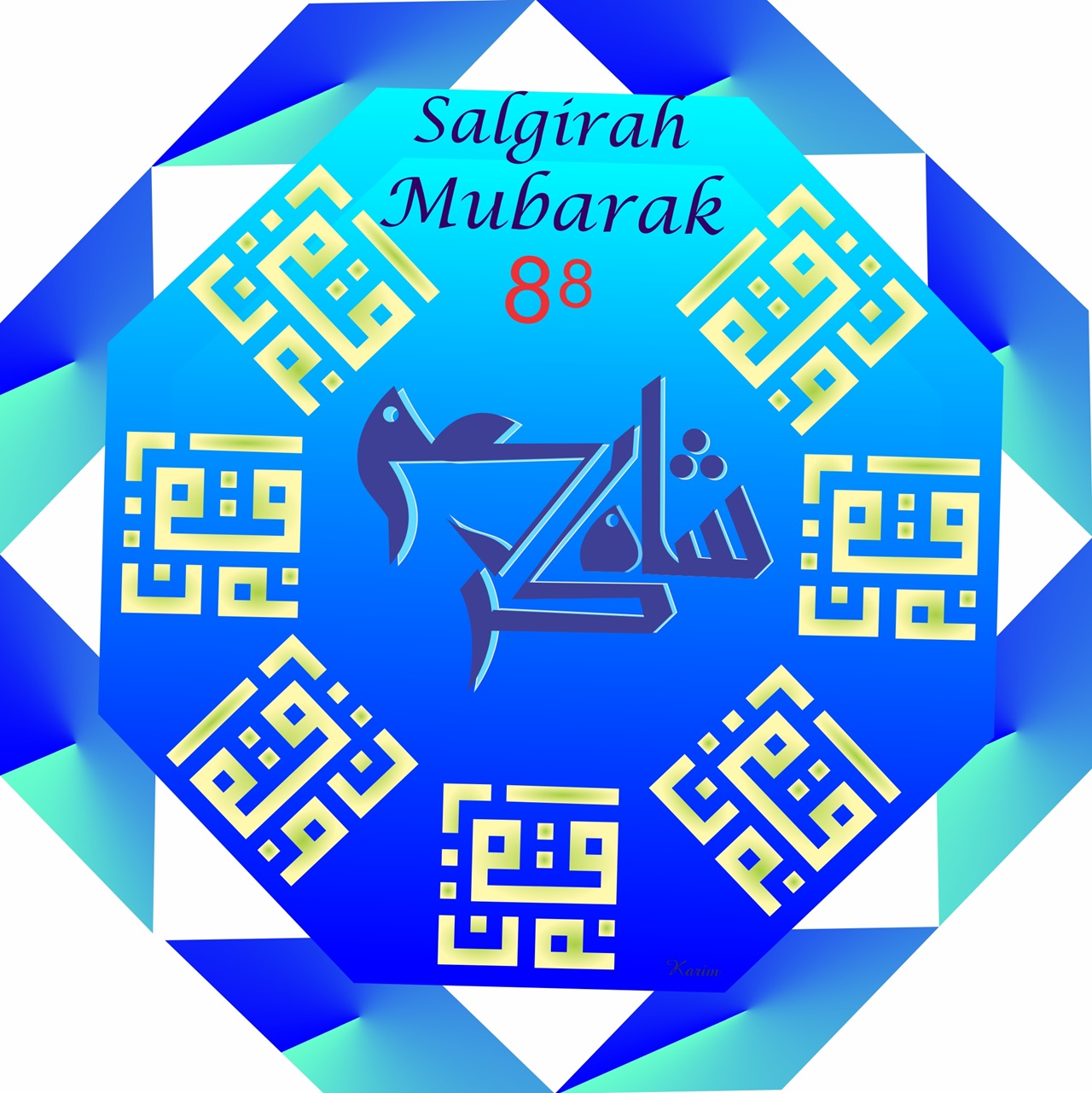
Artwork for Mawlana Hazar Imam, His Highness the Aga Khan’s 88th Salgirah (birthday). The names Shah Karim and Imam-e-Zaman (Imam-of-the-Time) are repeated in Kufi Kairouani script and Square Kufic seven times. Calligraphy amd design by Karim Ismail, Toronto.
The natural beauty and resources of our world are entrusted to us during our lifetime, and we must leave the world improved — the Aga Khan, September 1998
December 11, 2024, is International Mountain Day. As readers of this and its sister website Simergphotos are aware, I have presented awe-inspiring photographs of the Canadian Rockies, a sight to behold during my visits to Banff, Jasper and Waterton National Parks, and the Kananaskis, among other places. Growing up in Africa, I saw Kilimanjaro, Mt. Kenya and Mt Meru, but my first true love with mountains began in Salt Lake City as I watched the New Moon over the city, surrounded by the beautiful Wasatch Range in 1979/1980.
Story continues below
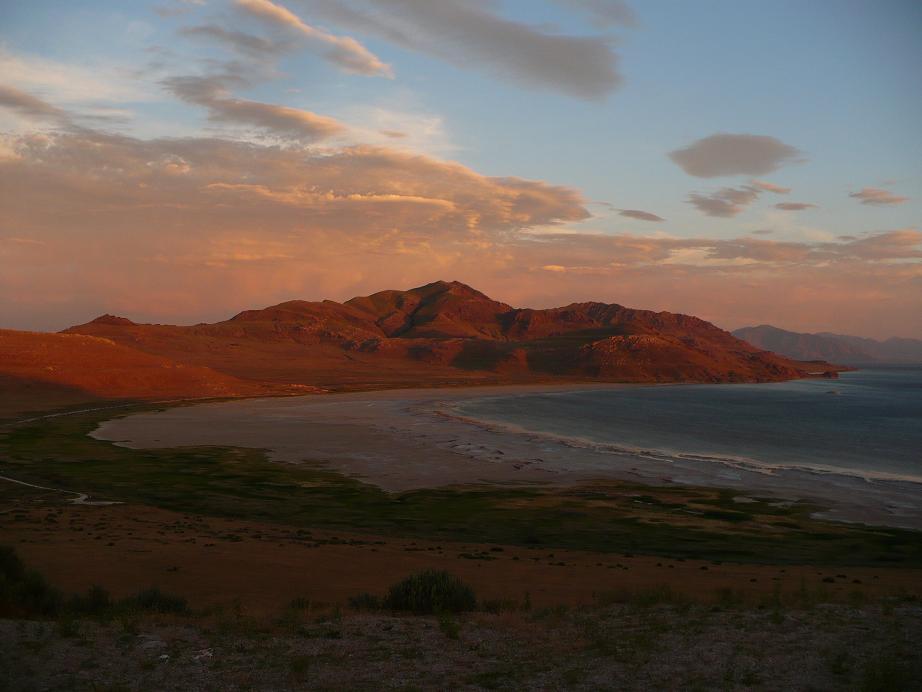
The Great Salt Lake at dusk taken from Antelope Island’s Buffalo Point lookout and picnic area, 2011. Photograph: Nurin Merchant.
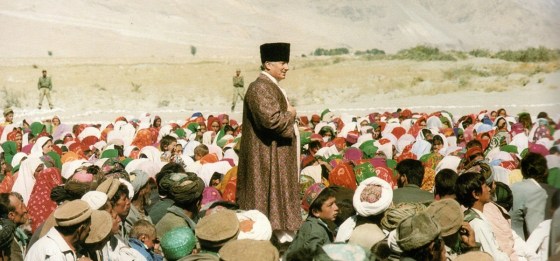
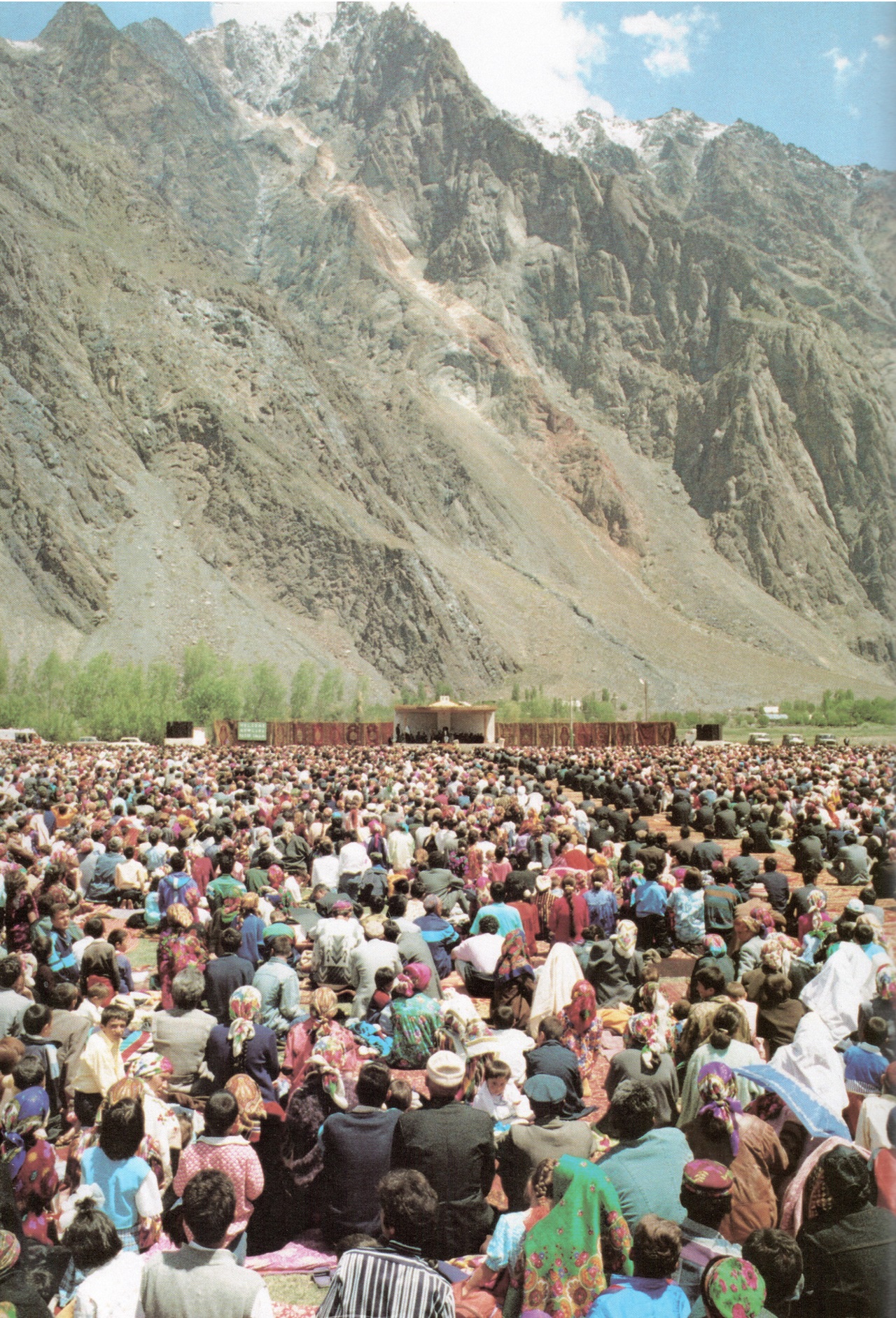
With millions of Ismail Muslims worldwide celebrating the 88th birthday — the Salgirah — of Mawlana Hazar Imam, His Highness the Aga Khan, on December 13, 2024, what mountain thoughts and pictures come to my mind on this celebratory International Mountain Day? None other than the awe-inspiring beauty of the Pamirs of Gorno-Badakhshan, where the Aga Khan, with the Pamir Range as a stunning backdrop, met with his tens of thousands of followers in 1995 and 1998.
Story continues below
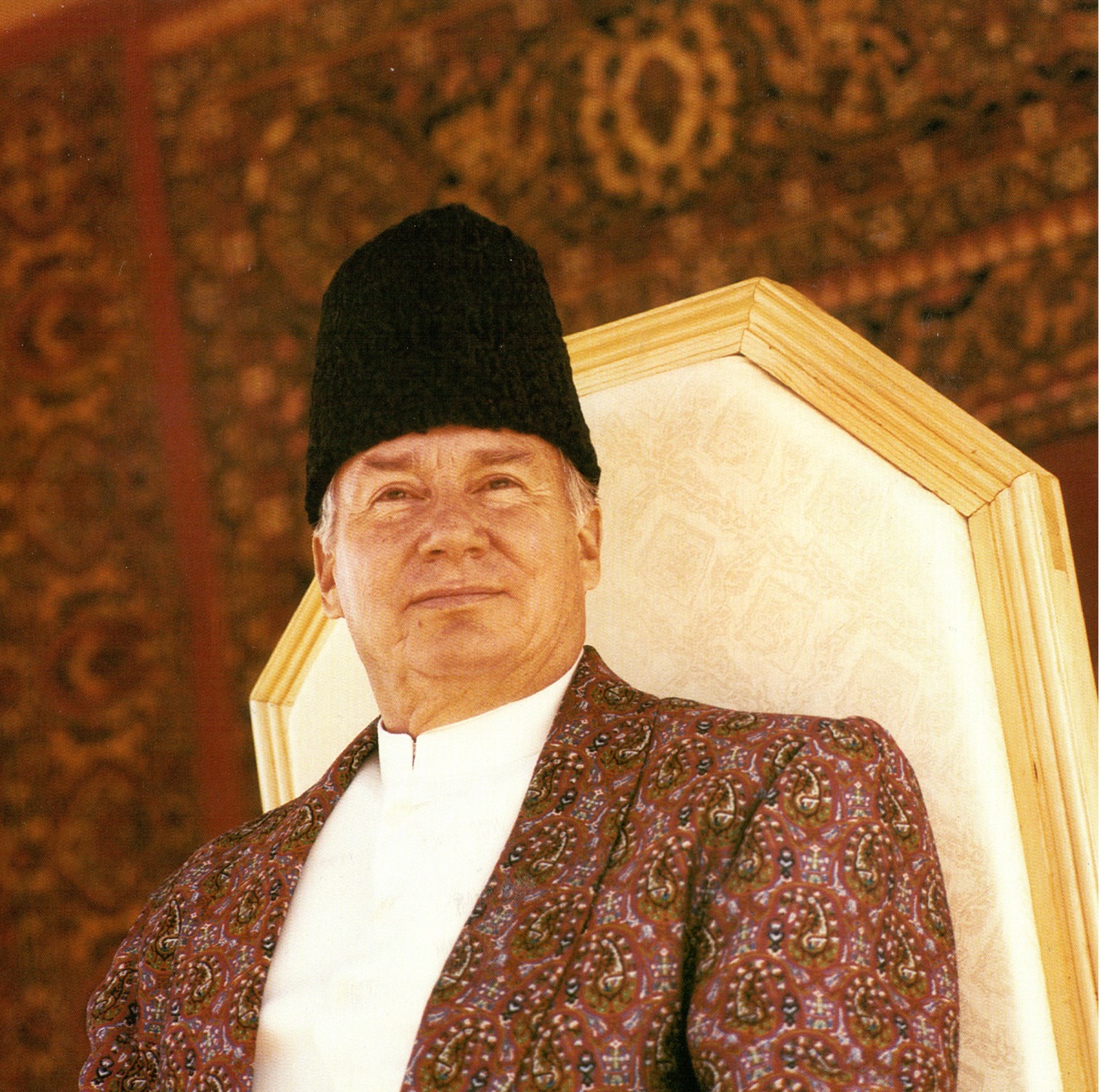
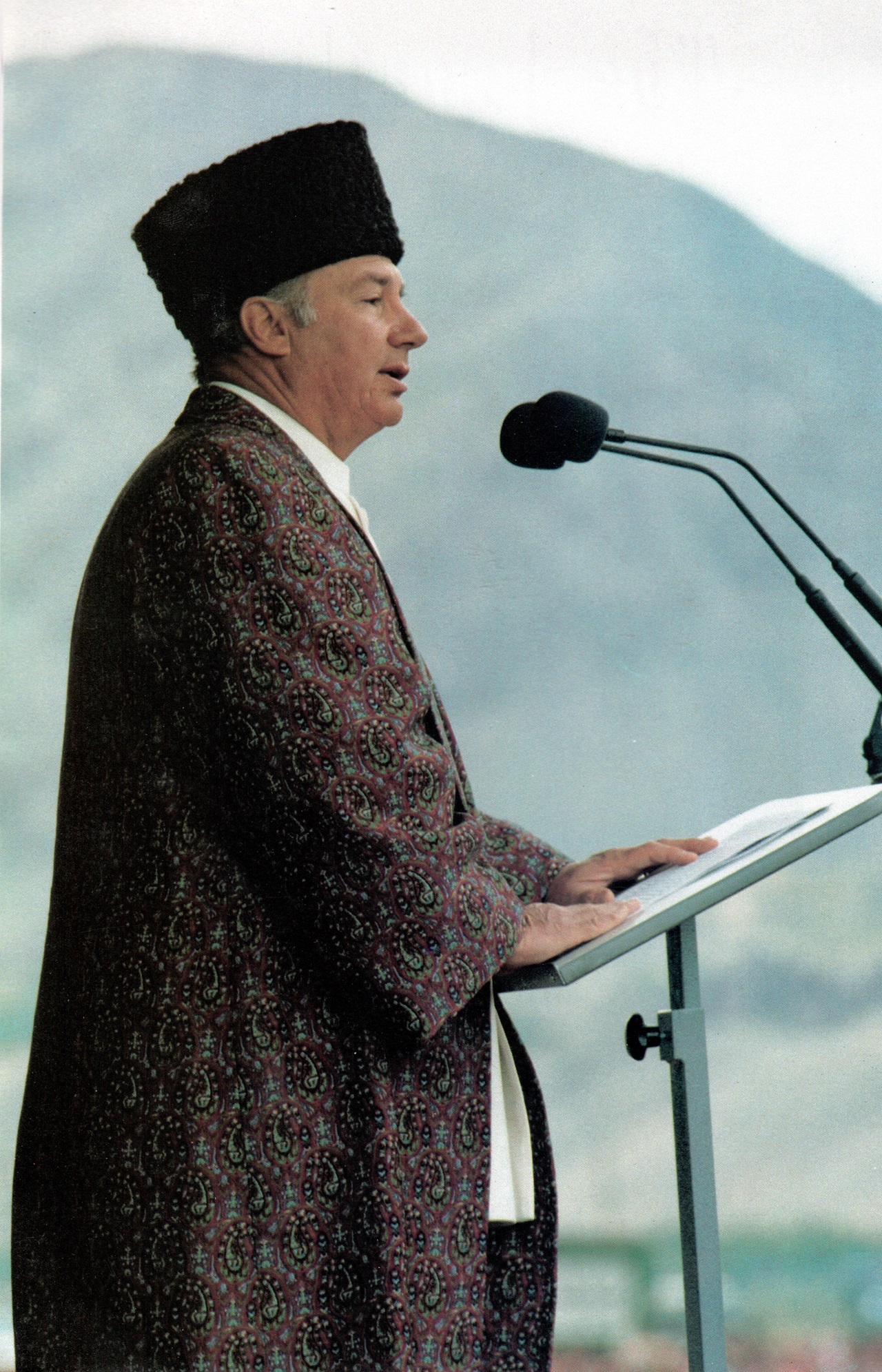
Mawlana Hazar Imam, His Highness the Aga Khan, in Gorno-Bakakhshan Autonomous Province, September 1998. Photograph: Print edition, The Ismaili, Realizing the Social Conscience of Islam, December 1998.
~~~~~~
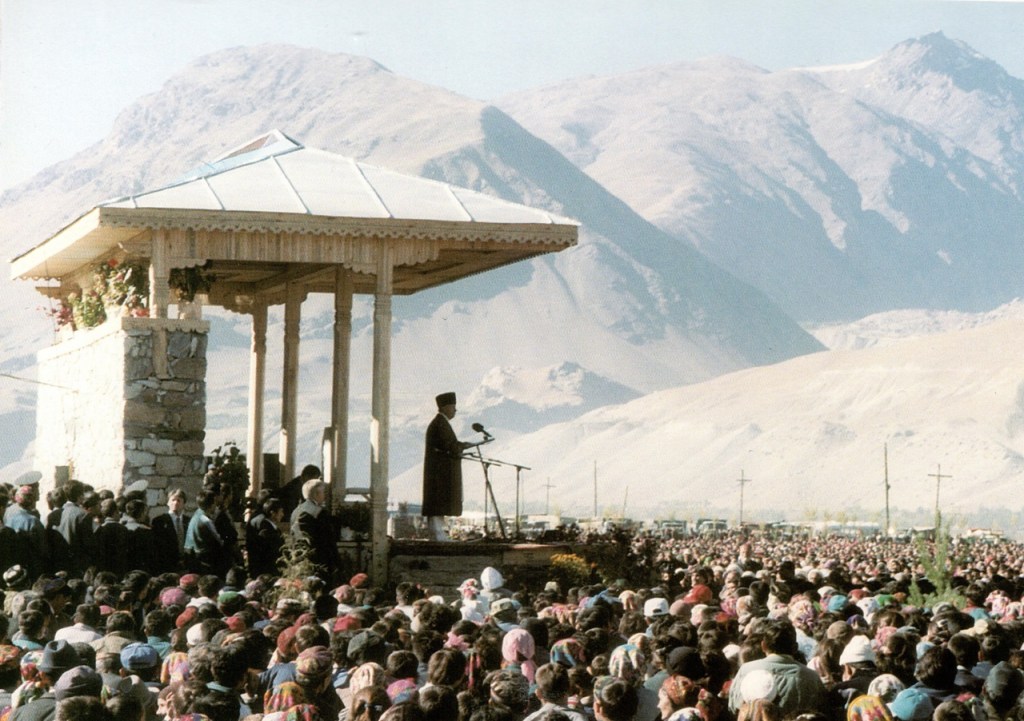
Mawlana Hazar Imam, His Highness the Aga Khan, on stage in the distance, amidst the Pamir Mountains and his followers in Gorno-Bakakhshan Autonomous Province, May 1995. Photograph: Print edition, The Ismaili, Mawlana Hazar Imam’s Visit to Central Asia, 22-31 May 1995.
~~~~~~
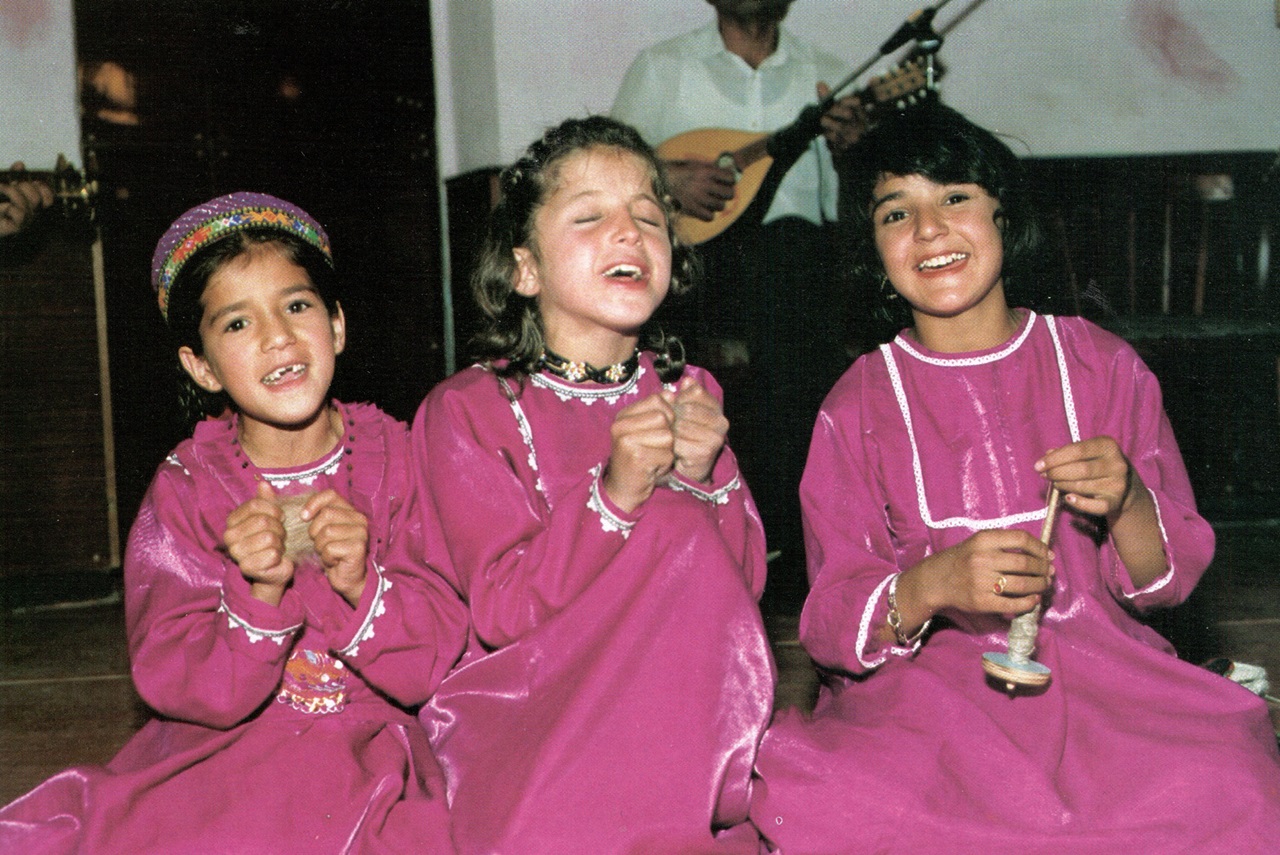
Joy in the faces of Ismaili children during Mawlana Hazar Imam His Highness the Aga Khan’s visit to Gorno-Badakhshan Autonomous Province in May 1995. Photograph:Print edition, The Ismaili, Mawlana Hazar Imam’s Visit to Central Asia, 22-31 May 1995.
In a stunning setting, surrounded by the Pamirs, the Aga Khan said:
“The Qur’an refers very often to nature as a reflection of Allah’s power of creation, and it says, look at the mountains, the rivers, the trees, the flowers, as evidence of Allah’s love for the people whom He has created. Today, I look at the environment and I say to you, I believe Allah is smiling upon you, and may His smile always be upon you” — His Highness Prince Karim Aga Khan, Gorno Badakhshan (Tajikistan), May 27, 1995.
Story continues below
Mawlana Hazar Imam, His Highness the Aga Khan, addresses his followers in a mountainous setting during his visit to Gorno-Badakhshan Autonomous Province in May 1995. Photograph: Print edition, The Ismaili, Mawlana Hazar Imam’s Visit to Central Asia, 22-31 May 1995.
The Aga Khan’s love for his followers, whom he addresses as “My Beloved Spiritual Children,” is unwavering. He has said, “No mountains, no river, no desert can separate the Imam from his murids” (2008, Paris), and “You must remember that Imam loves you more, much more than you can ever love him, and you must be strong in this knowledge” (1964, Karachi).
Story continues below
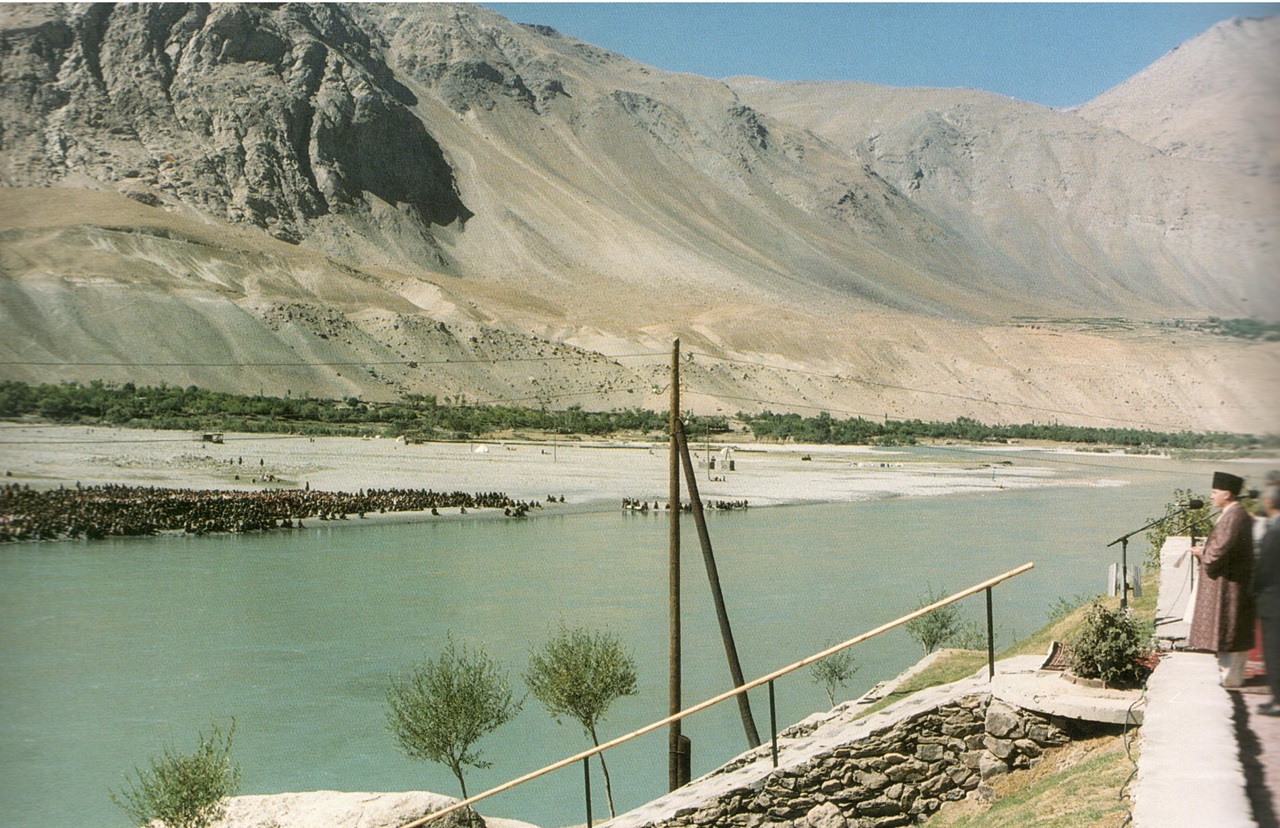
Mawlana Hazar Imam, His Highness the Aga Khan, addresses his followers in Afghanistan gathered across the Panj River from the Tajikistan side during his visit to Gorno-Badakhshan Autonomous Province in September 1998. Photograph: Print edition, The Ismaili, Realising the Social Conscience of Islam, December 1998.
~~~~~~
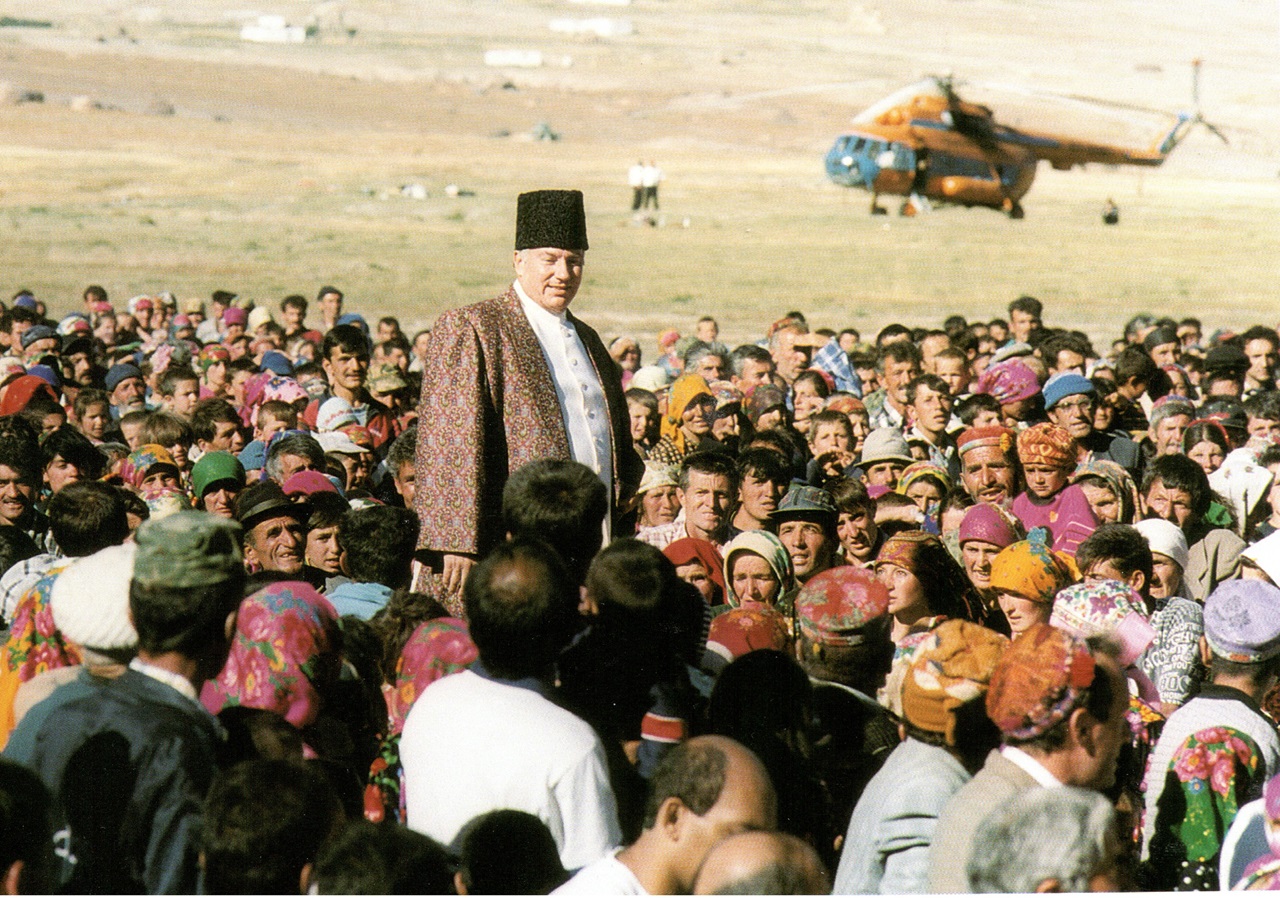
Mawlana Hazar Imam, His Highness the Aga Khan, walks through his followers during his visit to Gorno-Badakhshan Autonomous Province in September 1998. Photograph: Print edition, The Ismaili, Realizing the Social Conscience of Islam, December 1998.
On this auspicious 88th birthday of Mawlana Hazar Imam, let every Ismaili be “strong in this knowledge,” considering that each Ismaili has been designated as his dai (missionary). This role empowers us and entrusts us with great responsibility, inspiring us to carry out our duties with utmost dedication. We understand that this role comes with challenges, but these challenges make our commitment and perseverance all the more critical. Mawlana Hazar Imam bestowed this honorific historic title of the dai during his year-long visits to Ismailis worldwide during his Diamond Jubilee, which commenced on July 11, 2017.
As we bring you these delightful photographs of Mawlana Hazar Imam in mountainous settings, along with the joyous faces of his spiritual children, we convey Salgirah Mubarak to Ismailis worldwide, friends of the Ismailis, and all our readers. We wish everyone happiness, success, and fulfilment of all your wishes.
Story continues below
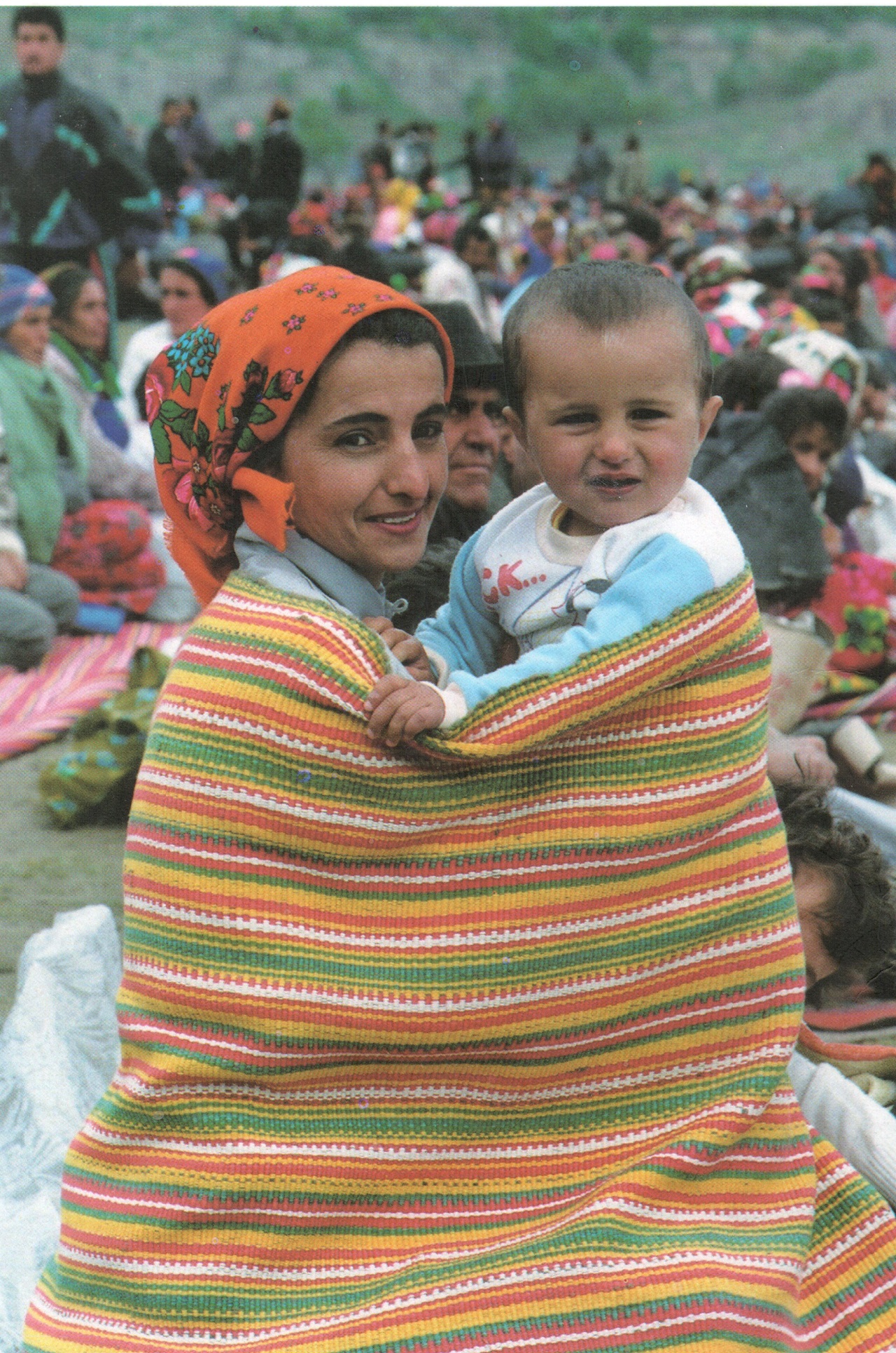
A mother with a child shows joy during Mawlana Hazar Imam His Highness the Aga Khan’s visit to Gorno-Badakhshan Autonomous Province in May 1995. Photograph: Print edition, The Ismaili, Mawlana Hazar Imam’s Visit to Central Asia, 22-31 May 1995.
~~~~~~
Mawlana Hazar Imam, His Highness the Aga Khan, addresses his followers amid stunning Pamir Mountain scenery during his visit to Gorno-Bakakhshan Autonomous Province in September 1998. Photograph: Print edition, The Ismaili, Realizing the Social Conscience of Islam, December 1998.
~~~~~~
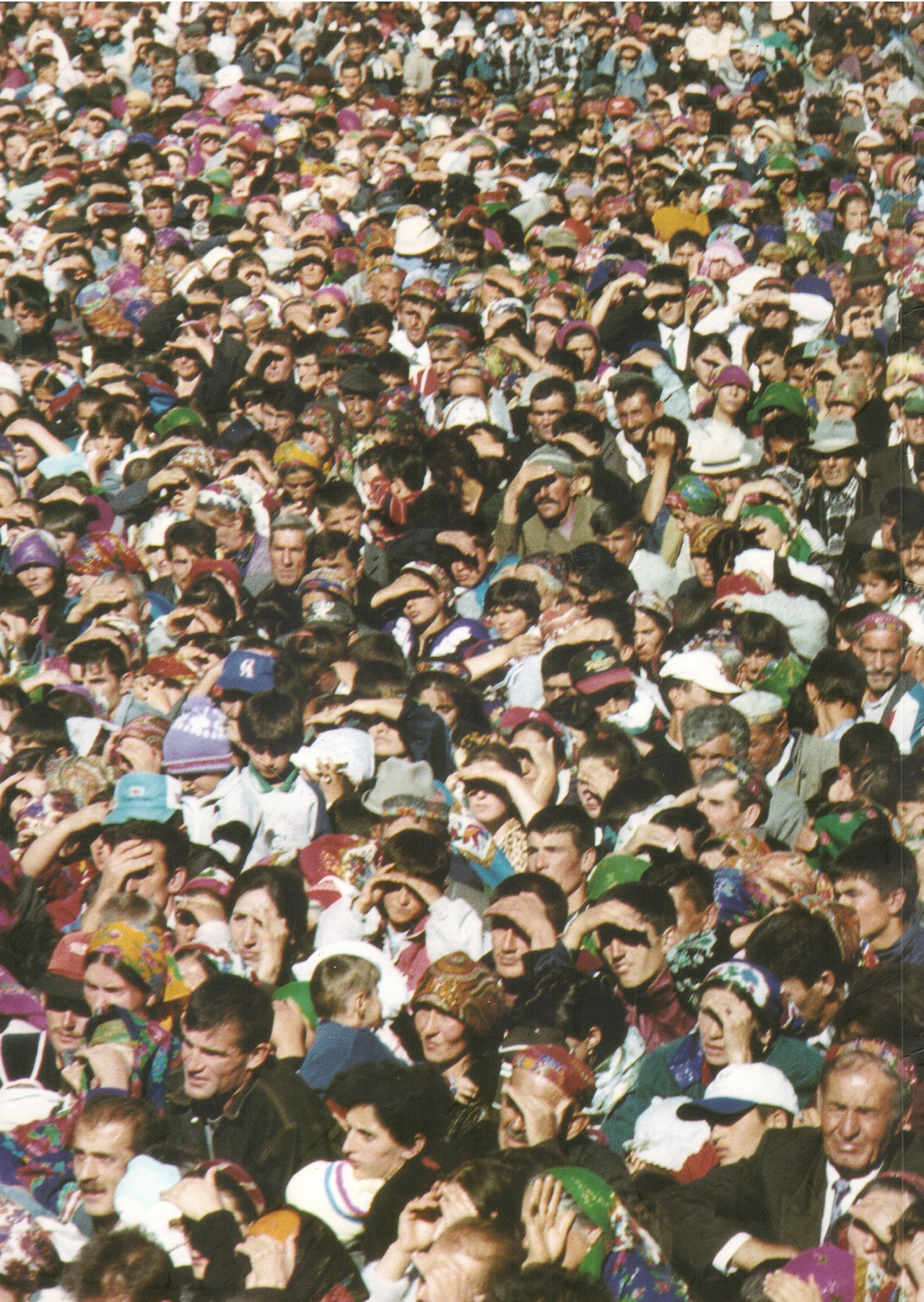
A view of the crowd as Mawlana Hazar Imam, His Highness the Aga Khan, visits his followers in Gorno-Badakhshan Autonomous Province in September 1998. Photograph: Print edition, The Ismaili, Realizing the Social Conscience of Islam, December 1998.
~~~~~~
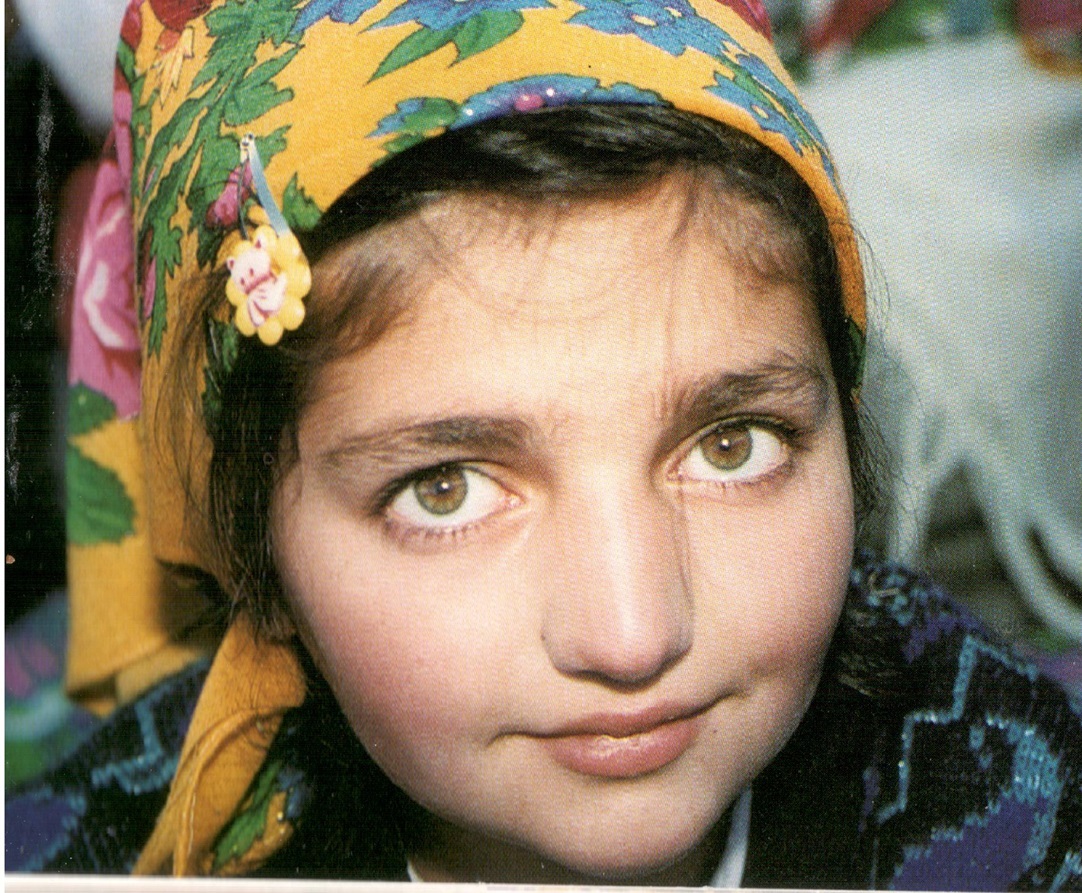
The joyful face of a young murid (follower) of Mawlana Hazar Imam His Highness the Aga Khan, during his visit to Gorno-Badakhshan Autonomous Province in September 1998. Photograph: Print edition, The Ismaili, Realising the Social Conscience of Islam, December 1998.
_______________
International Mountain Day: Champions of the Golden Valley
Champions of the Golden Valley. Photograph: Banff Centre.
And, on this Happy Mountain Day, I venture to Canmore, Alberta, a short distance from Calgary, to experience the Banff Film Festival’s 2024 Award-Winning Film Champions of the Golden Valley, which won the Grand Prize. Against the backdrop of Afghanistan’s remote mountains, a newfound passion for skiing brings together young athletes from rival villages. With only makeshift wooden skis and an unyielding determination, their devoted coach, Alishah Farhang, orchestrates a ski race that fosters unity and serves as a beacon of hope, transcending the hardships surrounding them. I can’t wait to share my review of this film with you all soon.
We invite our readers to click HERE for a brief background information and the history of Ismaili Constitutions over the past 120 years.
This post presents the Preamble of the Ismaili Constitution, a significant document ordained in 1986 by His Highness the Aga Khan. This introductory succinct statement delves into the principle of Imamat succession, a vital and essential aspect of Ismaili history, culture, and tradition over the past 1400 years since the designation of Hazrat Ali as the successor of Prophet Muhammad (May peace be upon him and his family). It also discusses the permanency of the spiritual bond between the Imam-of-the-Time and his followers, who now live in more than 35 countries, forming a global community of Ismaili Muslims. This community is diverse, with members from different cultural, linguistic, and ethnic backgrounds, yet united in their faith and allegiance to the Imam. There are approximately 200,000 Ismaili Muslims in North America, contributing to this global presence of 12 million Ismailis.
The present 49th Imam of the Ismaili Muslims, His Highness Prince Karim Aga Khan, like all his predecessors, is a figure of deep respect and affection for his followers. They address him as Mawlana Hazar Imam (Our Lord, the present living Imam) with a sense of reverence. He succeeded to the throne of Imamat at the remarkable age of twenty, when he was still a student at Harvard University, by the will of his grandfather, Mawlana Sultan Mahomed Shah, His Highness the Aga Khan III. His grandfather reigned the Ismaili community (Jamat) as their 48th Imam for an impressive 72 years, from August 17, 1885, to July 11, 1957, leaving behind a weighty legacy. The will made the succession clear. It stated:
“Ever since the time of my first ancestor Ali, the first Imam, that is to say over a period of thirteen hundred years it has always been the tradition of our family that each Imam chooses his successor at his absolute and unfettered discretion from amongst any of his descendants whether they be sons or remoter male issue. In view of the fundamentally altered conditions in the world in very recent years due to the great changes which have taken place including the discoveries of atomic science I am convinced that it is in the best interests of the Shia Moslem Ismailian Community that I should be succeeded by a young man who has been brought up and developed during recent years and in the midst of the new age and who brings a new outlook on life to his office as Imam. I appoint my grandson Karim, the son of my son Aly Salomone Khan to succeed to the title of Aga Khan and to be the Imam and Pir of all my Shia Ismailian followers.”
Although the will was read on July 12, 1957, the new Imam instantly became the Imam. In a TV interview with an American reporter during his installment ceremonies in East Africa, Prince Karim stated:
“The [installation] ceremony is a public installation of the Imam. The Ismailis pay homage to the Imam and that is when you are recognised by the world at large as the Imam. Officially, as soon as one Imam passes away, his successor takes on from the very minute the Imam has passed away.” [A clip of the interview was available on Nanowisdoms, but the resourceful website containing the Aga Khan’s speeches and interviews is currently inactive and unavailable.]
This instantaneous succession underlines the principle of the Unity of Imamat, that is, the Ismaili belief and understanding that each Imam is the same Bearer of the Nur (Light) of Imamat, irrespective of his own age or the time he lives in. Ismaili Imams, missionaries, poets and scholars have articulated this belief throughout Ismaili history. The 33rd Imam, Abd al-Salam, who lived in the 15th century, said:
“The Imam’s true face is to be perceived with the eyes of the heart. He has thousands of physical habitations, but his true home is traceless; He has had a thousand names, but all of them refer to one reality.”
The present Imam, in his address to his community in Karachi on the occasion of his 28th birthday in December 1964, said:
“For hundreds of years, my spiritual children have been guided by the Rope of Imamat; you have looked to the Imam of the Age for advice and help in all matters and through your Imam’s immense love and affection for his spiritual children, his Noor has indicated to you where and in which direction you must turn to obtain spiritual and worldly satisfaction.”
With these preliminary thoughts, we now provide the text of the Preamble from the Ismaili Constitution.
The Preamble of the Ismaili Constitution
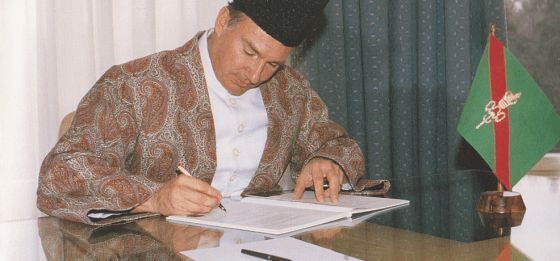
Mawlana Hazar Imam, His Highness the Aga Khan, is seen signing a new constitution for the worldwide Ismaili community on his 50th birthday, December 13, 1986. Beside him is the flag of the Ismaili Imamat, bearing his crest in the centre.
A) The Shia Imami Ismaili Muslims affirm the shahādah lā ilāha illa-llāh, Muhammadur rasulu-llāh, the Tawhid therein and that the Holy Prophet Muhammad (s.a.s.) is the last and final Prophet of Allah. Islam, as revealed in the Holy Quran, is the final message of Allah to mankind, and is universal and eternal. The Holy Prophet (s.a.s.) through the divine revelation from Allah prescribed rules governing spiritual and temporal matters.
(B) In accordance with Shia doctrine, tradition, and interpretation of history, the Holy Prophet (s.a.s.) designated and appointed his cousin and son-in-law Hazrat Mawlana Ali Amiru-l-Mu’minin (a.s), to be the first Imam to continue the Ta’wīl and Ta‘līm of Allah’s final message and to guide the murids, and proclaimed that the Imamat should continue by heredity through Hazrat Mawlana Ali (a.s) and his daughter Hazrat Bibi Fatimat-az-Zahra, Khātun-i-Jannat (a.s).
(C) Succession of Imamat is by way of Nass, it being the absolute prerogative of the Imam of the time to appoint his successor from amongst any of his male descendents whether they be sons or remoter issue.
(D) The authority of the Imam in the Ismaili Tariqah is testified by Bay‘ah by the murid to the Imam which is the act of acceptance by the murid of the permanent spiritual bond between the Imam and the murid. This allegiance unites all Ismaili Muslims worldwide in their loyalty, devotion and obedience to the Imam within the Islamic concept of universal brotherhood. It is distinct from the allegiance of the individual murid to his land of abode.
(E) From the time of the Imamat of Hazrat Mawlana Ali (a.s), the Imams of the Ismaili Muslims have ruled over territories and peoples in various areas of the world at different periods of history and, in accordance with the needs of the time, have given rules of conduct and constitution in conformity with the Islamic concepts of unity, brotherhood, justice, tolerance and goodwill.
(F) Historically and in accordance with Ismaili tradition, the Imam of the Time is concerned with spiritual advancement as well as improvement of the quality of life of his murids. The imam’s ta‘lim lights the murid’s path to spiritual enlightenment and vision. In temporal matters, the Imam guides the murids, and motivates them to develop their potential.
(G) Mawlana Hazar Imam Shah Karim al Hussaini, His Highness Prince Aga Khan, in direct lineal descent from the Holy Prophet (s.a.s.) through Hazrat Mawlana Ali (a.s.) and Hazrat Bibi Fatima (a.s), is the Forty-Ninth Imam of the Ismaili Muslims.
(H) By virtue of his office and in accordance with the faith and belief of the Ismaili Muslims, the Imam enjoys full authority of governance over and in respect of all religious and Jamati matters of the Ismaili Muslims.
(I) It is the desire and Hidāyat of Mawlana Hazar Imam that the constitutions presently applicable to the Ismaili Muslims in different countries be superseded and that the Ismaili Muslims worldwide be given this constitution in order better to secure their peace and unity, religious and social welfare, to foster fruitful collaboration between different peoples, to optimise the use of resources, and to enable the Ismaili Muslims to make a valid and meaningful contribution to the improvement of the quality of life of the Ummah and the societies in which they live.
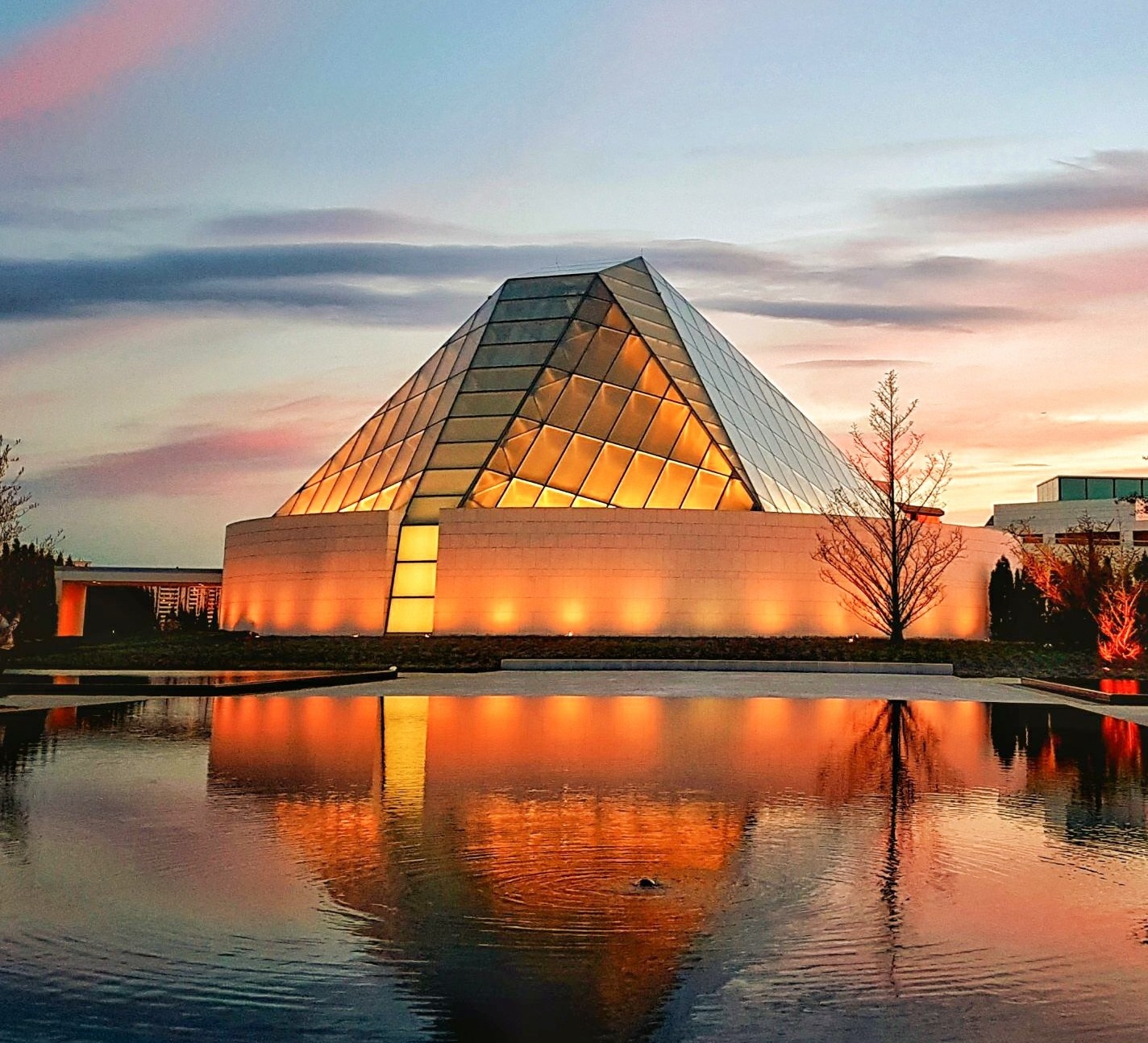
The Jamatkhana Dome, Ismaili Centre Toronto, 49 Wynford Drive. Photograph: The Ismaili.Please click on the image for the Centre’s 10th anniversary pictorial essay.
Since their inauguration by former Canadian Prime Minister Stephen Harper and His Highness the Aga Khan in mid-September 2014, the Ismaili Centre Toronto and the Aga Khan Museum have become among the most beloved buildings explored by the public during the Doors Open Toronto held every May. The buildings, with their mission to promote cultural understanding, have consistently attracted thousands of visitors for their incredible artistic and architectural features and the rich collection of artifacts housed in the Museum. The Ismaili Centre’s domed Jamatkhana, a unique architectural marvel, is a sight to behold. Its remarkable features, under which Ismaili Muslims congregate for prayers daily, make it one of the most distinctive buildings in the country. Watching the building from the Don Valley Parkway when the dome is lit at night is a truly breathtaking experience.
As the buildings celebrate their 10th anniversary, we present two posts that will give our readers a glimpse of these fascinating projects. Please click on THE ISMAILI CENTRE and THE AGA KHAN MUSEUM.
Did you know that you can book a one-hour free tour of the Ismaili Centre (77 Wynford Drive, Toronto) online? This is a fantastic opportunity to delve into the architectural and cultural wonders of this unique building. Please click HERE to get more details about an Ismaili Centre tour. If a window is not available, please send an email to tours.toronto@iicanada.net. For information on visiting the Aga Khan Museum (77 Wynford Drive, Toronto), please go to http://agakhanmuseum.org.
Plan your visit today and experience these iconic buildings’ cultural and architectural wonders.
The Aga Khan Museum, 77 Wynford Drive, Toronto. Photograph: Malik Merchant/Simerg. Please click on the image for the Museum’s 10th anniversary pictorial essay.
“The doors of goodness are many: enjoining good, forbidding evil, removing harm from the road, listening to the deaf, leading the blind, guiding one to the object of his need, hurrying with the strength of one’s legs to one in sorrow who is asking for help, and supporting the feeble with the strength of one’s arms.” And the Aga Khan has accepted this tradition of the Prophet Muhammad as a personal job description…Many prophets of the Bible recorded their prophetic lineage, just as Matthew and Luke in the New Testament stressed Jesus’s ancestry. In similar vein, His Highness the Aga Khan, is the 49th Imam directly descended from the Prophet Muhammad — Please click NOT ALL HEROES WEAR CAPES BY ANDREW KOSOROK.
~~~~~~~~~~~~
“We are receiving you here officially and not just as a friend because you are an important leader of the Muslim religion…What we admire in you is that you have been able to integrate a modern outlook with religion so that religion has been allowed its true role which is not merely to provide an all-embracing explanation of the universe but also to furnish the fundamental solutions of the problems which life poses us.” —Please click LEOPOLD SENGHOR’S TRIBUTE TO THE AGA KHAN.
“The love of the Imam knows no physical boundaries. No mountain, no river, no desert, can stop the love of the Imam for his Jamat [community] worldwide” — Mawlana Hazar Imam, His Highness the Aga Khan, 49th Hereditary Imam of Ismaili Muslims (please watch video, below)
From Prophet Muhammad’s declaration at Ghadir-e-Khumm, after his farewell pilgrimage to Mecca, appointing his son-in-law Ali as his successor to the present 49th Hereditary Imam of the Ismailis, we invite our readers to watch the following video to learn about the Ismaili Imamat. Each Imam, from the past to the present, has been a Guiding Light to his followers, a source of inspiration and guidance through their changing times and circumstances. We present this video as two Aga Khan projects in Canada, the Aga Khan Museum and the Ismaili Centre in Toronto, are about to celebrate their tenth anniversary in mid-September. The most recent project, the beautiful Aga Khan Garden near Edmonton, is part of the University of Alberta Botanic Garden and will soon mark its 6th anniversary in mid-October.
Simerg and its sister website, Barakah, are buzzing with excitement as we provide a brief background story of the Humayun World Heritage Site Museum, which is set to be inaugurated in New Delhi on Monday, July 29, 2024. The anticipation is palpable as we await the grand opening by Prince Rahim Aga Khan, eldest son of Mawlana Hazar Imam, His Highness the Aga Khan, the 49th Hereditary Imam of the Ismaili Muslims. Gajendra Singh, India’s Minister of Tourism and Culture, will join him on this momentous occasion.
The Humayun World Heritage Site Museum, as described by the Indian edition of Condé Nast, is a gateway to understanding the unique cultural significance of one of the city’s most notable Mughal-era monuments. Anuja Jaiswal, writing for the Times of India, includes a statement by the CEO of the Aga Khan Trust for Culture. He says that each of the museum’s exhibits, meticulously preserved, has a unique and fascinating story to tell.
With its rich historical significance, the museum is a treasure trove of enlightenment for any cultural researcher. The Indian Express, in a thought-provoking question, asks: “Did you know that Humayun travelled three times more than Marco Polo, the famed explorer, covering 34,000 kilometres in his life? Or that he was so obsessed with astronomy and astrology that he wore a specific colour each day of the week to align with the planet of the day? Or that he was so fond of books that he used to carry his libraries on camelbacks during his travels?”
Story continues below
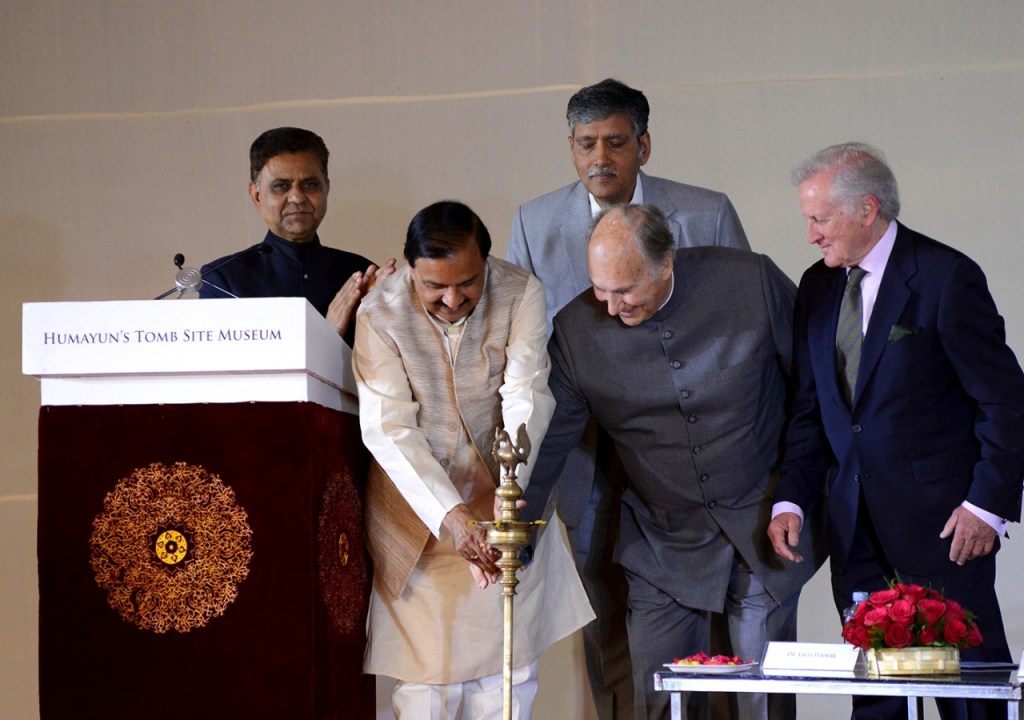
Mawlana Hazar Imam, His Highness the Aga Khan, and the then Minister of Tourism and Culture, Dr. Mahesh Sharma, on April 7, 2015, laid the foundation of a site museum to be situated at the Humayun’s Tomb complex. Prince Rahim Aga Khan will inaugurate the sunken museum on Monday, July 29, 2024. Photograph: The Ismaili/Aziz Ajaney.
~~~~~~~~
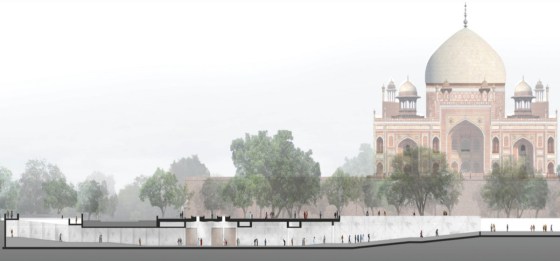
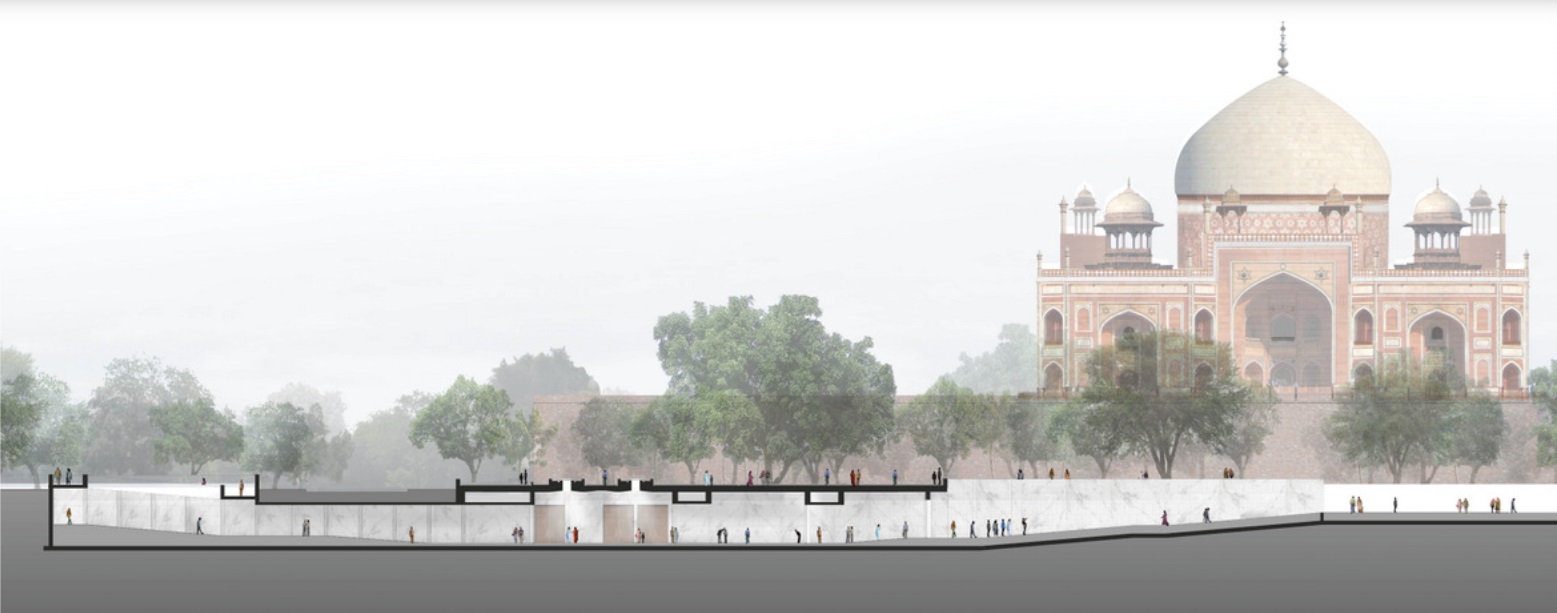
Artist rendering of Humayun’s Tomb Complex Site Museum in New Delhi, India. Photograph: AKDN. Please click on image for enlargement
When His Highness laid the museum’s foundation stone in April 2015, he observed:
“This Museum, as you may know….is located at the juncture of three historically connected sites: Humayun’s Tomb and its Gardens, Hazrat Nizamuddin Basti, and the Sundar Nursery. In connecting these sites, the Museum will also serve as a bridge between the present and the past — linking the modern city of Delhi to its remarkable heritage — and thus providing a Gateway to a truly extraordinary period of human history. That remarkable chapter in the human story extended over 170 years — the era of the Mughal empire. It was a time of enormous accomplishment — and enormous significance. Geographically it covered much of what is now India, Pakistan, Bangladesh, Afghanistan, and Tajikistan. In terms of governance, it included hundreds of millions of people, covering an enormous spectrum of religious faiths, cultural practices, and ethnic identities. It was led by men whose talents in statehood and in military affairs were remarkable — and their impact was felt in virtually every dimension of human existence, both within the empire and outside. Many of the Mughal rulers, perhaps most of them, were also exceptional leaders in the acumen and insight which they brought to their leadership roles. They were statesmen who would have excelled in any time.” — For full speech on the Ismaili wesbite, click HERE.
For the latest news, articles and literary pieces about His Highness the Aga Khan, members of his family and the Ismaili Imamat, please visit Barakah.
Date posted: July 27, 2024.
_____________________
A different version of this story appears on Simerg’s sister website, Barakah.
July 11, 2024, marks a significant milestone in the history of Ismaili Muslims worldwide. It’s the 67th Imamat Day of Mawlana Hazar Imam, His Highness the Aga Khan. This day symbolizes his succession to the Divine Throne of Imamat as the 49th Ismaili Imam at the young age of 20, a pivotal moment in the continuing spiritual and material journey of the Ismaili Muslim community.
On this auspicious day, we extend our heartfelt felicitations to all our readers and Ismailis worldwide and express our humble gratitude to Mawlana Hazar Imam for his continuous blessings and guidance for his spiritual children. We also appreciate his family members for their contribution to the Institution of Imamat.
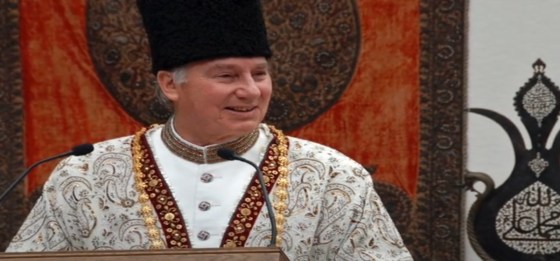
Mawlana Hazar Imam, His Highness the Aga Khan, 49th Imam of the Shia Imami Ismaili Muslims, pictured at the Diamond Jubilee Darbar in Kenya. Photo: The Ismaili.
On this blessed day, we extend our warmest wishes to all Ismailis worldwide. May this Imamat Day bring you joy, good health, prosperity, and spiritual enlightenment. Let’s find solace in the constant presence of the Imam in our lives. He wishes the best for us, both in our material and spiritual aspects, and we are always in his heart, thoughts, and prayers. As he has said, “You are all constantly in my heart, in my thoughts and in my prayers.”
The Imam’s love for his community is unwavering. As he has said, “No mountains, no river, no desert can separate the Imam from his murids” and “You must remember that Imam loves you more, much more than you can ever love him, and you must be strong in this knowledge.”
Indeed, as murids (followers) of Mawlana Hazar Imam, we must draw inspiration and strength from these messages.
The Rope of Imamat is an everlasting Rope of Guidance, Love and Affection and will stretch out for eternity; the wish and prayer of every murid of the Imam should be to hold fast to the Promised Rope and remain on the Straight Path (Sirat al-Mustaqim).
Earlier this week, Kutub Kassam’s poem and introduction to the poem Mazhar or Theophany made it abundantly clear that the Imam-of-the-Time is the Mazhar par excellence. He is the bearer of the Divine Light in the terrestrial world and the most perfect expression of the underlying divine reality.
Story continues below….please click on image for enlargement
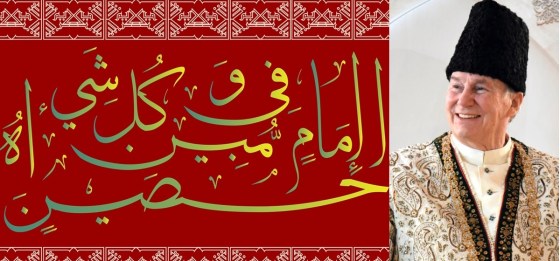
Calligraphy to commemorate the 67th Imamat Day of His Highness the Aga Khan, Mawlana Shah Karim Al Hussaini Hazar Imam. The Quranic verse “Wa Kulla Sha’in Ahsainahu fee Imamim-Mubeen” is in cursive script with the border top and bottom “Shah Karim” in eastern Kufi. Calligraphy and design by Karim Ismail, Toronto, Canada.
As a follow-up, Toronto’s Karim Ismaili has designed a beautiful Imamat Day card bearing the Quranic verse, “Wa kulla shai’in ahsainaahu feee Imaamim Mubeen” (Quran, 36:12), meaning “We have vested (the knowledge and authority of) everything in the Manifest Imam.”
This verse underscores the central role of the Imam in every Ismaili’s spiritual journey and life. Our goal should be to strengthen this belief in our hearts, minds and souls for our spiritual upliftment, happiness, and courage to face any adversity that comes our way. As the 48th Imam, Mawlana Sultan Mahomed Shah, observed, “You will have no fear in this world if you love the descendants of Muhammad and Ali.”
Much of the inspiration for my paintings comes from Mawlana Hazar Imam His Highness the Aga Khan’s guidance to the Ismaili community on the importance of brotherhood, pluralism, and living a life where we “do not forsake the soul for the material world.” Indeed, I draw continued encouragement from the Imam’s guidance as an artist and in my daily life.
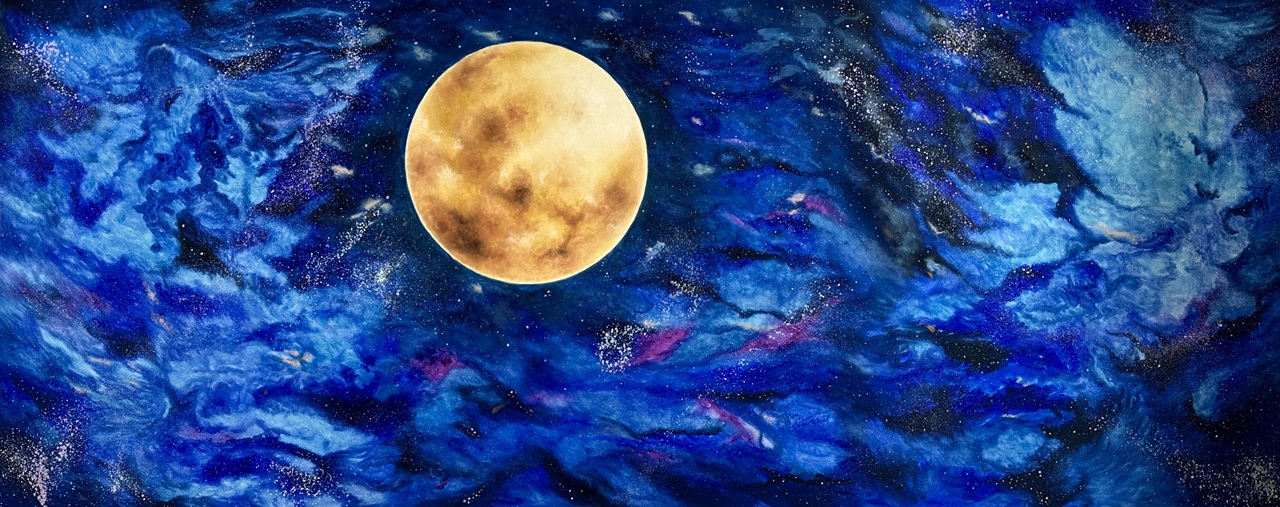
Take Me Away by Shafina Jaffer. Medium: Oil on canvas. Size: 200 x 80 cm (78.7 x 31.5 in). This painting was projected on the facade of Windsor Castle during the Coronation Concert honouring the Coronation of Their Majesties King Charles III and Queen Camilla, on May 7, 2023. Shafina presented the original painting to Mawlana Hazar Imam, His Highness the Aga Khan, for the auspicious occasion of Navroz, March 21, 2024. Photograph: Shafina Jaffer collection.
Last year, I curated a painting for King Charles’s coronation, and on the occasion of Navroz — the Persian New Year — on March 21, 2024, the same painting, “Take Me Away,” was gifted to Mawlana Hazar Imam, who graciously accepted it and encouraged me to pursue my talents. His message moved me, and as a show of gratitude to celebrate his 67th Imamat Day on July 11, 2024, I have embarked on a series of Mawlana Hazar Imam portrait paintings that will be presented in the coming months on this website.
Simerg and its sister website, Barakah, share the first painting in this series that captures a very youthful Hazar Imam. When asked about my choice to depict Mawlana Hazar Imam at this age, I explain that it’s the image that has been etched in my mind growing up: a sympathetic, youthful figure radiating with light. This personal connection with the Imam drives my artistic expression and deepens my sense of gratitude.
Delving into mixed-media mediums, I use my heritage and strong affiliation with spirituality to sow the seeds of my creativity. Since completing my Graduate Diploma (Art & Design) and Master’s Degree (Painting) from the Royal College of Art, I have explored the intricacies of nature, human relationships, and spirituality within the field of art and their interrelationship.
Religion and spirituality are not just important themes in my art; they are the essence of my work, reflecting my deep exploration of faith and the human connection to the divine. My canvases are vibrant and alive, filled with a playful mix of colour, form, and texture, with natural mediums playing a pivotal role. Faith pushes me to transcend the physical and visible, uncovering what resides at the core and infusing the outer edges with life. Indeed, with such portraiture of the Imam, the lines between literal and divine interpretation are moving and profound.
Please click on image for enlargement
Mawlana Hazar Imam, His Highness the Aga Khan, by Shafina Jaffer. Medium: Oil, Gold and Charcoal; Size: 42 x 32 cm. Original photograph for painting: Gary Otte (cover page and page 121 of Depth of Field: The Aga Khan Beyond the Lens).
This portrait of the Aga Khan, painted with meticulous care and deep gratitude, captures his serene and compassionate essence. I have highlighted his gentle smile and thoughtfully intelligent eyes, conveying wisdom and kindness. The subtle use of colours and shading brings out the depth of his character and position in humanity, reflecting his profound impact as a spiritual leader and guide. One can easily see an overarching glow settled upon the canvas — reflecting his holy and elevated demeanour.
The border, crafted in real gold and liquid charcoal, symbolizes his love for nature and adds a unique, elegant touch to the piece. This artwork is a heartfelt tribute, expressing deep appreciation for the Aga Khan’s guidance and positive influence on my life and practice. It stands as a testament to the enduring respect and admiration he commands.
Upon gazing at this painting, one can forget that it is not a photograph. My brush has sought to create a three-dimensional profound effect which makes it appear that the face is emerging from the confines of the page to look into the viewer’s eyes, saying:
“Everybody makes mistakes. Never regret them; correct them. There’s no such thing as a perfect world or perfect life” — His Highness the Aga Khan.
Date posted: July 9, 2024.
_________________
Work in progress, as Ismaili artist Shafina Jaffer paints a portrait of His Highness the Aga Khan in her studio in Dar es Salaam, Tanzania. The iconic artist was invited to the residence of the US Ambassador to Tanzania on US Independence Day, July 4, 2024, to exhibit her paintings featuring African women.
“The Spiritual Adam is to be identified with the divine Nur (Light) of Imamat, which is symbolised in the poem by the ‘glittering star of glory wrought and beauty spun’. The Mazhar par-excellence is the Imam who bears this Light in the terrestrial world. He is the most perfect expression of the divine hypostasis because in him the theomorphosis is fully realised and the Absolute becomes manifest to mortal eyes.”
Before and after the notion and the conception, after and before the ascent and the descent, before the exhalation and after the inhalation, in the mirror of infinity appears reflected without being effected, an oblique plane of occultation, a formless square of un-differentiated, impalpable darkness, without sense perceived nor by cognition conceived, in dreamless sleep concealed.
II
The darkness radiates a boundless halo of purest light that radiates no colour nor projects a shadow, seeming by degrees luminous and transparent, then radiant and fiery, manifesting to itself its mirrored face, dazzling bright in its own essence, observed by itself, to itself only known the conditioned fullness of the unconditioned abeyance, the circle locked with the square, the curve straining against the tangent.
III
One timeless momentum the bow arched, the string quivered; being by compulsion caught and volition seized, at once is released a speeding shaft of thought, through seven permutations whirling, thrilling the passive womb at the point of impact, irradiating around it instantaneously, an immaculate field of unity, between the centre and the circumference vibrating, from the zenith to the nadir gyrrating.
IV
In the third heavenly circuit, the primordial point generated a continuous horizontal line; crossed vertically from within without, at the intersection of possibility and necessity, there crystallised in the firmament a glittering star of glory wrought and beauty spun, unbegotten born, non-existent known, directionlike converging and dispersing effulgent beams of nine and forty prismatic rays, which hang from it by the finest threads.
~~~~~~~~
An Introduction to Mazhar
From a stylistic point of view, the poem may be regarded as an experiment in symbolic poetry. A symbol is an image or an idea with multiple levels of significance. The language of symbolism is an essential feature of Ismaili literature, where the principles of tanzil (literal interpretation) and tawil (allegorical interpretation) correspond to the zahir (exoteric) and batin (esoteric) dimensions of meaning respectively. This poem too employs a variety of symbols, ranging from the purely poetic to the geometrical and mathematical, which may be interpreted upon several planes of exoteric and esoteric significance. No single perspective, however, can possibly exhaust the totality of explicit and implicit meaning of the poem.
The title of the poem, Mazhar, which embodies the fundamental idea of the poem, may be translated into English as Epiphany or more accurately as Theophany, that is to say a manifestation of God. The poem describes such a theophanic process in the form of a symbolic cosmology or creation of the universe. This cosmic transformation, which is basically cyclic in execution, is effected through a series of trinary and septenary emanations without upsetting the primordial Unity of Being. It is by means of the dialectical tension generated between the symbols one, three and seven that the poem attempts to capture the sense of dynamic motion inherent in the Cosmogenesis.
It is impossible in this introductory note to explore the multiple levels of symbolic complexity to be discovered in the poem. It may be possible, however, to delineate the conceptual framework within which the poem may be appreciated or criticised. This framework is basically that formulated by Ismaili philosophers such as Abu Hatim ar-Razi, Abu Ya’qub al-Sijistani and Harnid’ud-din al-Kirmani centuries ago, though not entirely conforming to their cosmological schemes, for a certain degree of poetic license has been used to adapt them to the poet’s purpose. Moreover, a number of original symbols employed here have no counterparts in traditional Ismaili cosmological literature.
Part I of the poem conceives of the Absolute in its original, indivisible, undifferentiated and transcendent state of Unity, which is unknowable, ineffable, above all qualities and attributes. The Absolute has not yet initiated the Dawr al-Saar (Cycle of Epiphany), but remains concealed in the Dawral-Kashf (Cycle of Occultation). It is in Part II that the first plane of differentiation is effected with the primordial divine epiphany, the Aql-i-Kull (First Intellect), which is the cosmic rational principle. Unlike the Absolute, the Intellect can be predicated with primary attributes and a potentiality for action. It is the mirror in which the Absolute can behold its own qualities of oneness, knowledge, perfection, etc.
The Intellect is not to be regarded as inbi-‘ath (act of emanation). The identity of the Absolute and the Intellect is aptly summarised in the negative and affirmative poles of the declaration: La Ilaha illa’l-Lah. The theophanic process becomes dynamic in Part III with the imperative Amr (Word) of God: Kun (Be! ). The word is the Logos, the first creative principle, the kinetic agent of the Intellect. Its epiphanic field of activity is the passive Nafs-i-Kull (Universal Soul). Their relationship is symbolically expressed in Ismaili literature by the Quranic designations Qalam (Pen) for the Intellect and Lawh (Tablet) for the Soul. The Intellect is the Sabiq (Precursor) and the Soul its Tali (Successor).
Part IV of the poem completes the theophanic cycle in so far as the meta-cosmic plane of reality is concerned. It is in this phase that the celestial archetype of the universe and mankind is manifested which, in Ismaili terminology, bears the name of Adam Ruhani (Spiritual Adam). Though ranking third in the hierarchy of divine epiphanies, he occupies a unique position in the theophanic order, combining within himself the virtues of the Intellect and the Soul that preceded him, as well as the entire spectrum of hierocosmic epiphanies that is to follow him, corresponding to every plane of existence and order of being in the spiritual and material worlds.
Now the Spiritual Adam is to be identified with the divine Nur (Light) of Imamat, which is symbolised in the poem by the ‘glittering star of glory wrought and beauty spun’. And therefore, the Mazhar par-excellence is the Imam who bears this Light in the terrestrial world. He is the most perfect expression of the divine hypostasis because in him the theomorphosis is fully realised and the Absolute becomes manifest to mortal eyes. It then becomes clear in what manner the Imam represents the macrocosms as al-Isan al-Kabir The Great Man), the microcosmos as al-Insan al-Kamil (The Perfect Man), as well as the Qutb (axis) of the universe, without whom the world would not survive even for an instant.
Although the phases of creation, as narrated in the poem, are basically confined to the world of primal spiritual realities, by implication the theophanic process incorporates in one spontaneous sweep the material world also, right down to the contemporary historical period. This is specified in the conclusion of the poem by reference to the ‘nine and forty prismatic rays’, which identifies the Imam of the Age, Mawlana Shah Karim al-Hussaini, His Highness the Aga Khan, the forty-ninth direct descendant of Prophet Muhammad, the spiritual guide and leader of Ismailis, as the master hierophant of the divine mystery and the Mazhar of our times.
Date posted: July 8, 2024.
________________
Kutub Kassam
The poem Mazhar and its introduction have been adapted from Kutub Kassam’s original piece, which appeared in Ilm magazine, Imamat Day Issue (July 1977, pages 38-41), published by His Highness the Aga Khan Shia Imami Ismailia Association for the UK (now known as the Ismaili Tariqah and Religious Education Board or ITREB). Kutub Kassam passed away in 2019 after 40 years of dedicated service to Ismaili Institutions in Africa and the UK as a curriculum developer, editor, writer and researcher. Simerg paid a respectful tribute to Kutub Kassam and his enduring legacy in a special piece published on March 25, 2019.

















 Simerg - Insights from Around the World